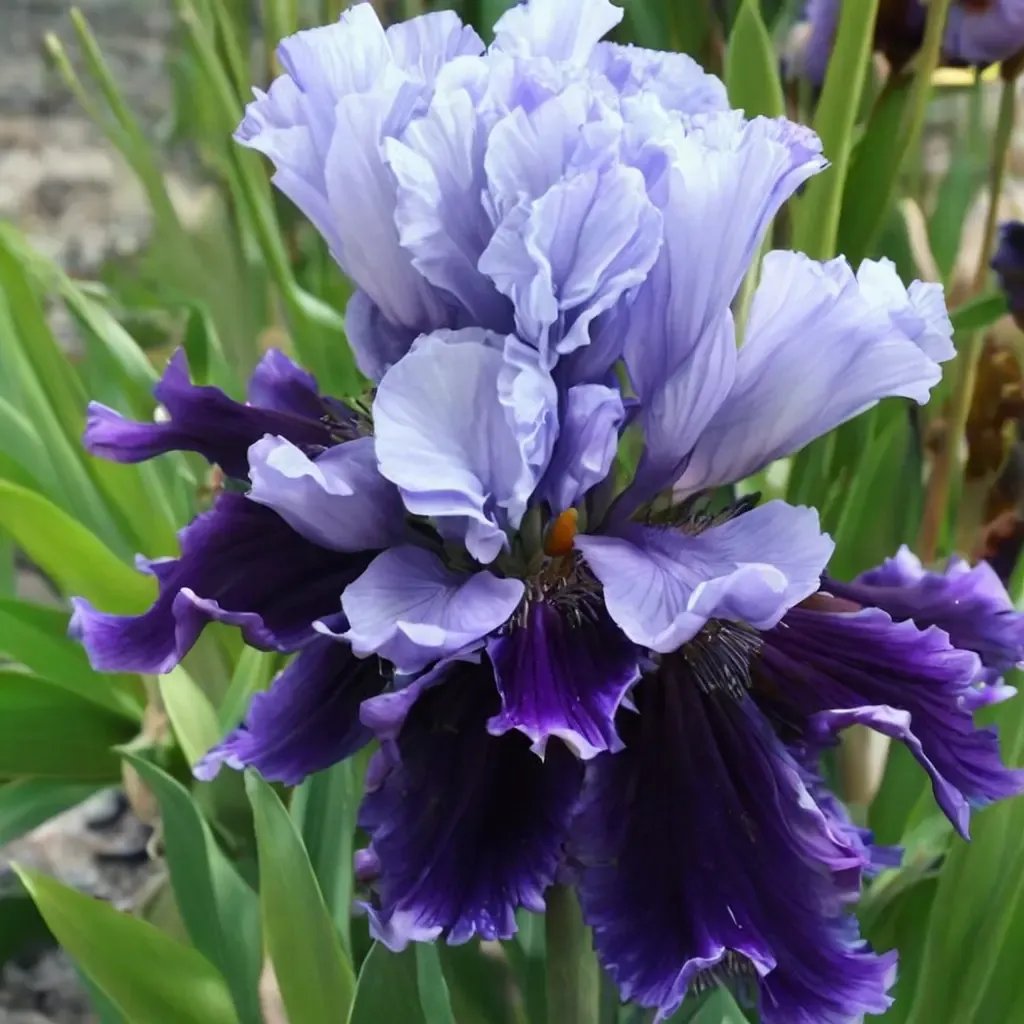
Species
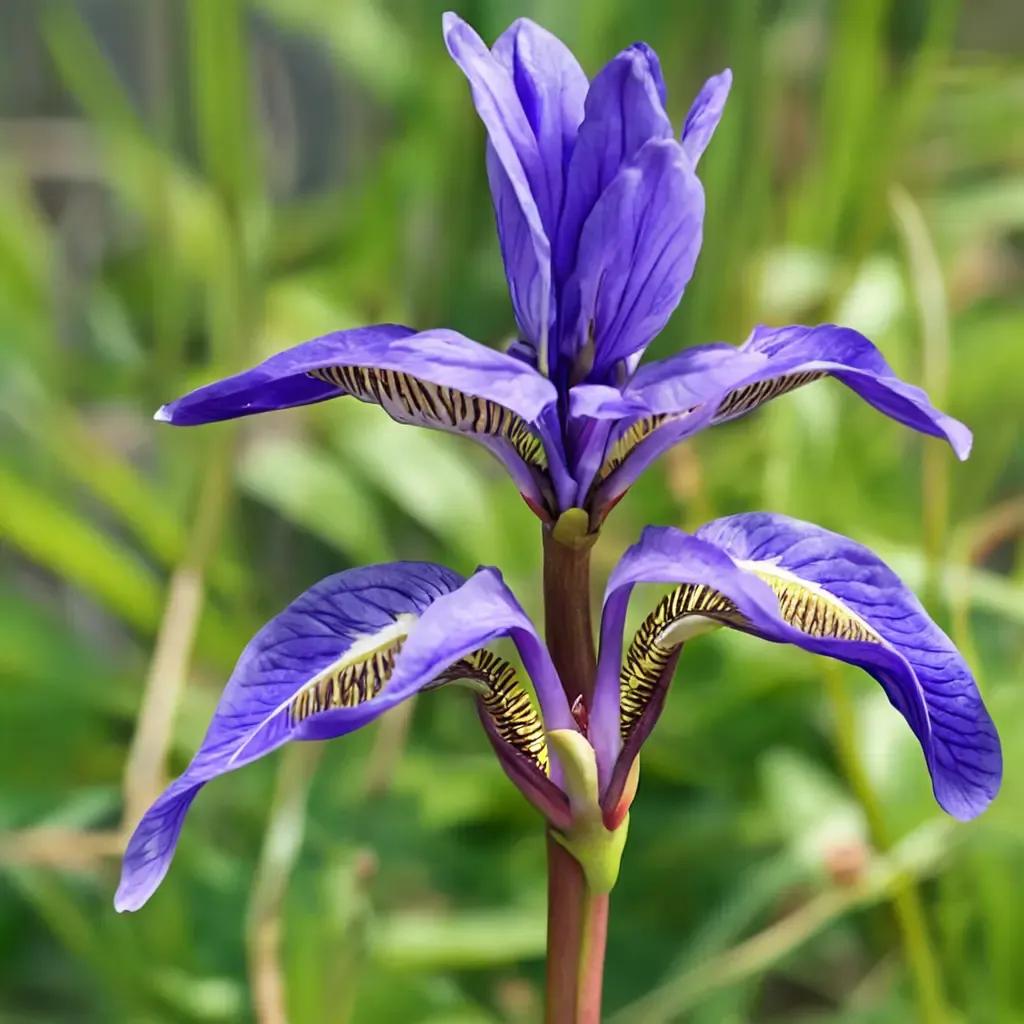 Iris irisIris
14 other cultivars
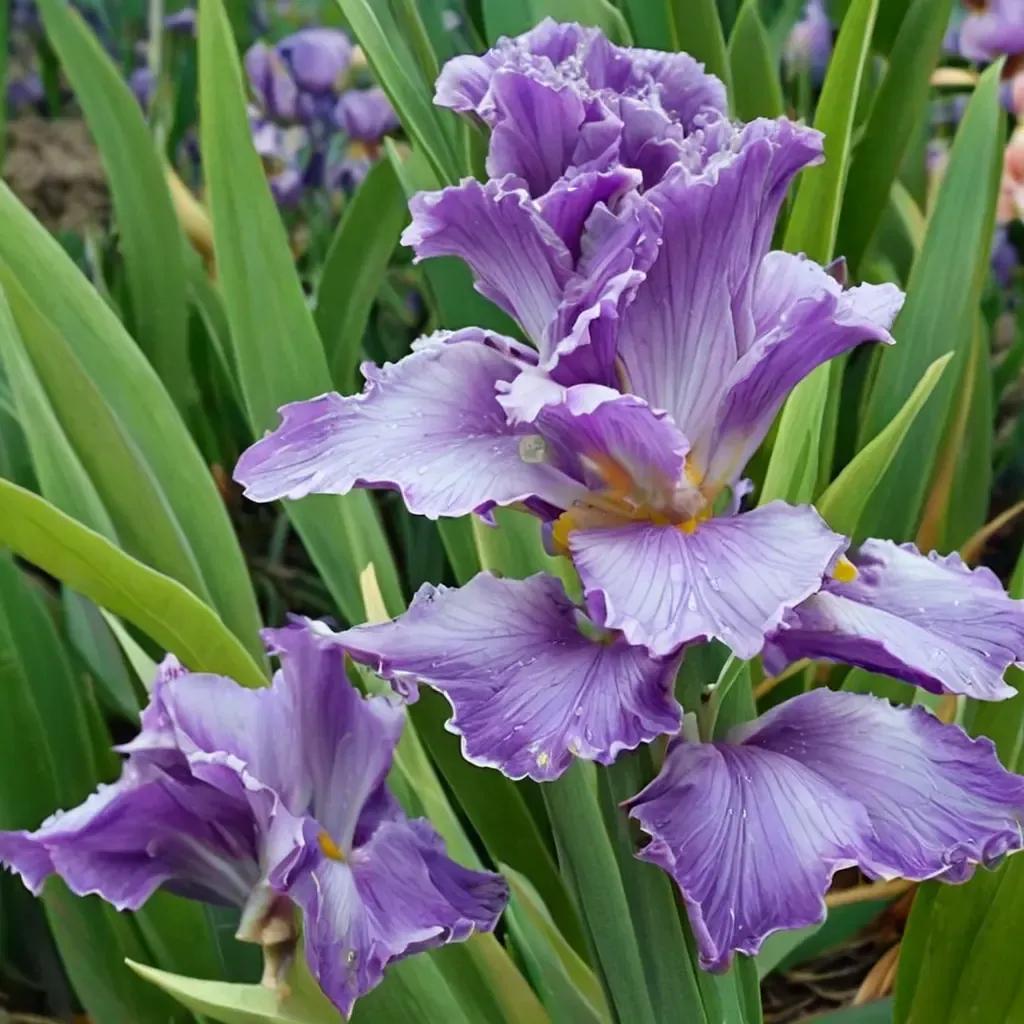 ‘Twilight Rapture’Twilight Rapture Iris
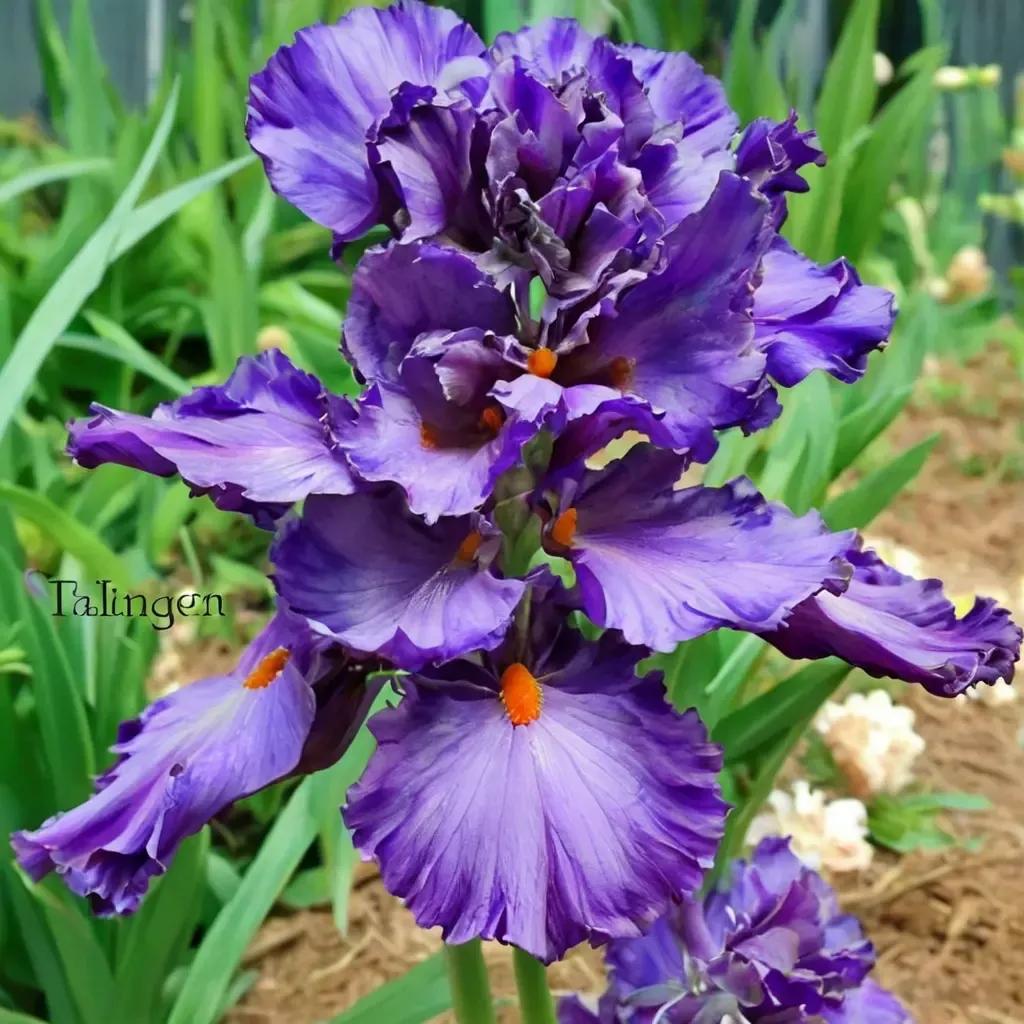 ‘Imperial Reign’Imperial Reign Iris
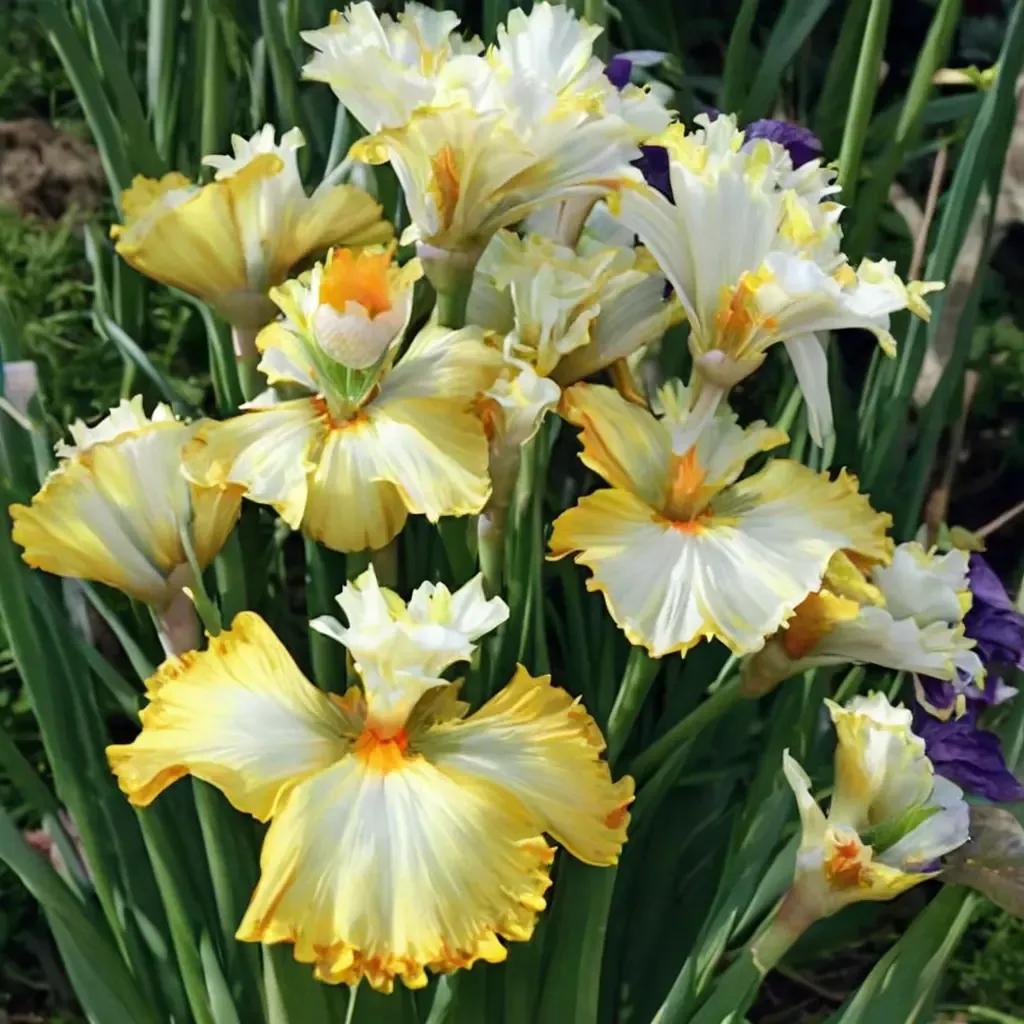 ‘Better Than Butter’Better Than Butter Iris
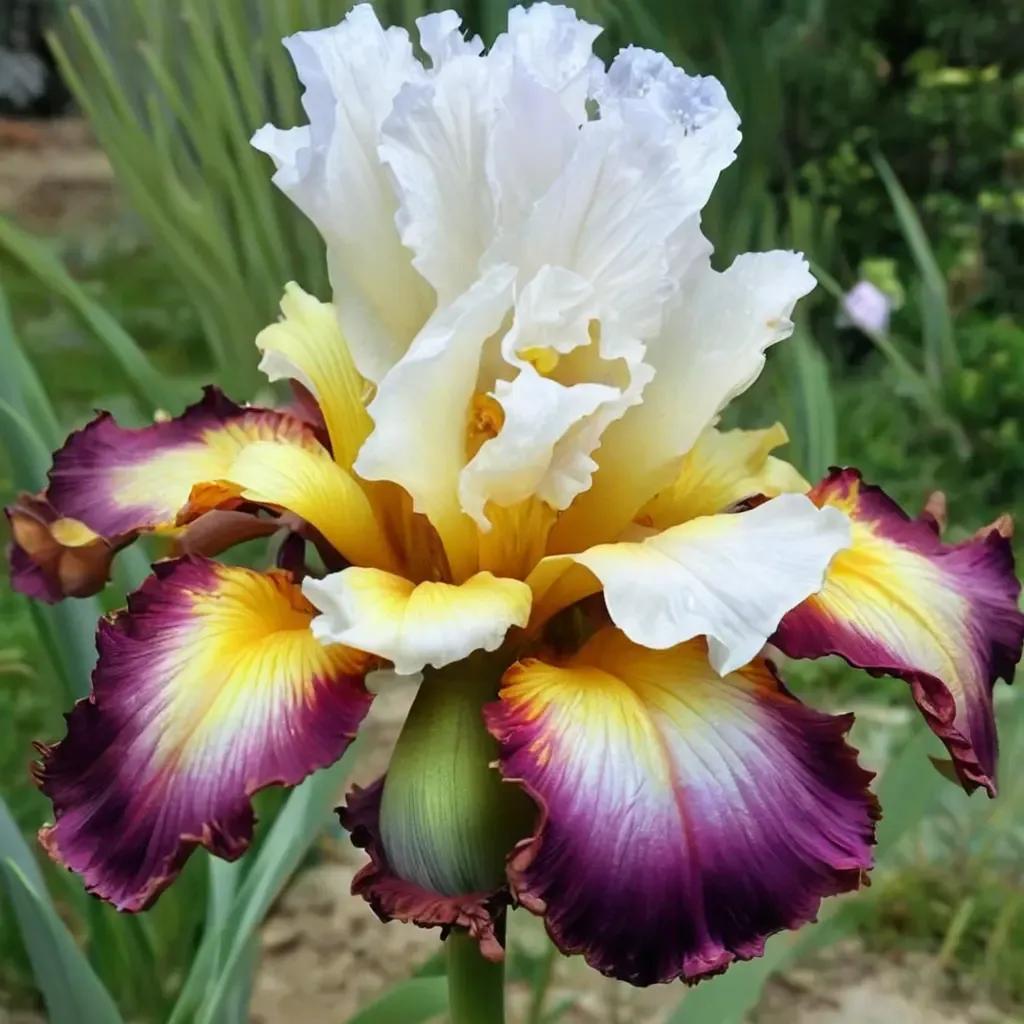 ‘Starship Enterprise’Starship Enterprise Iris
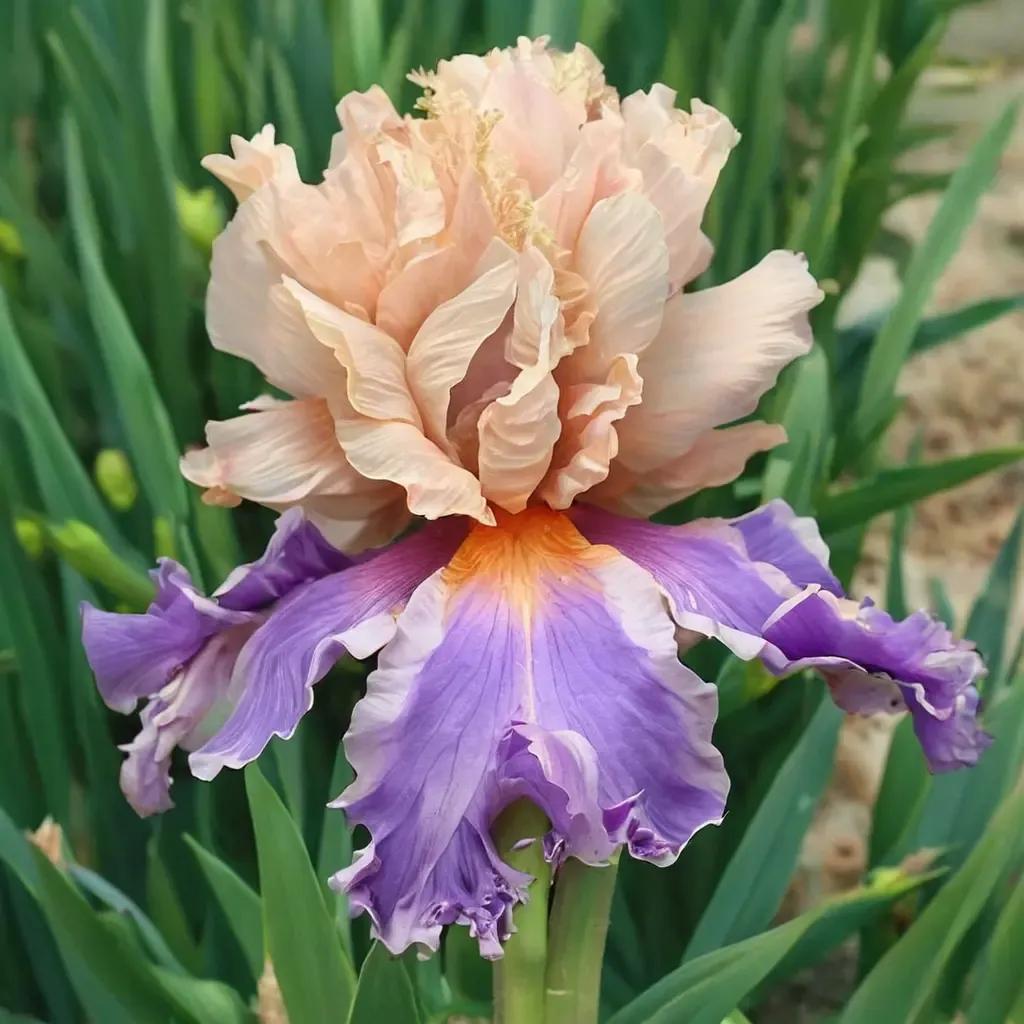 ‘Discovered Treasure’Discovered Treasure Iris
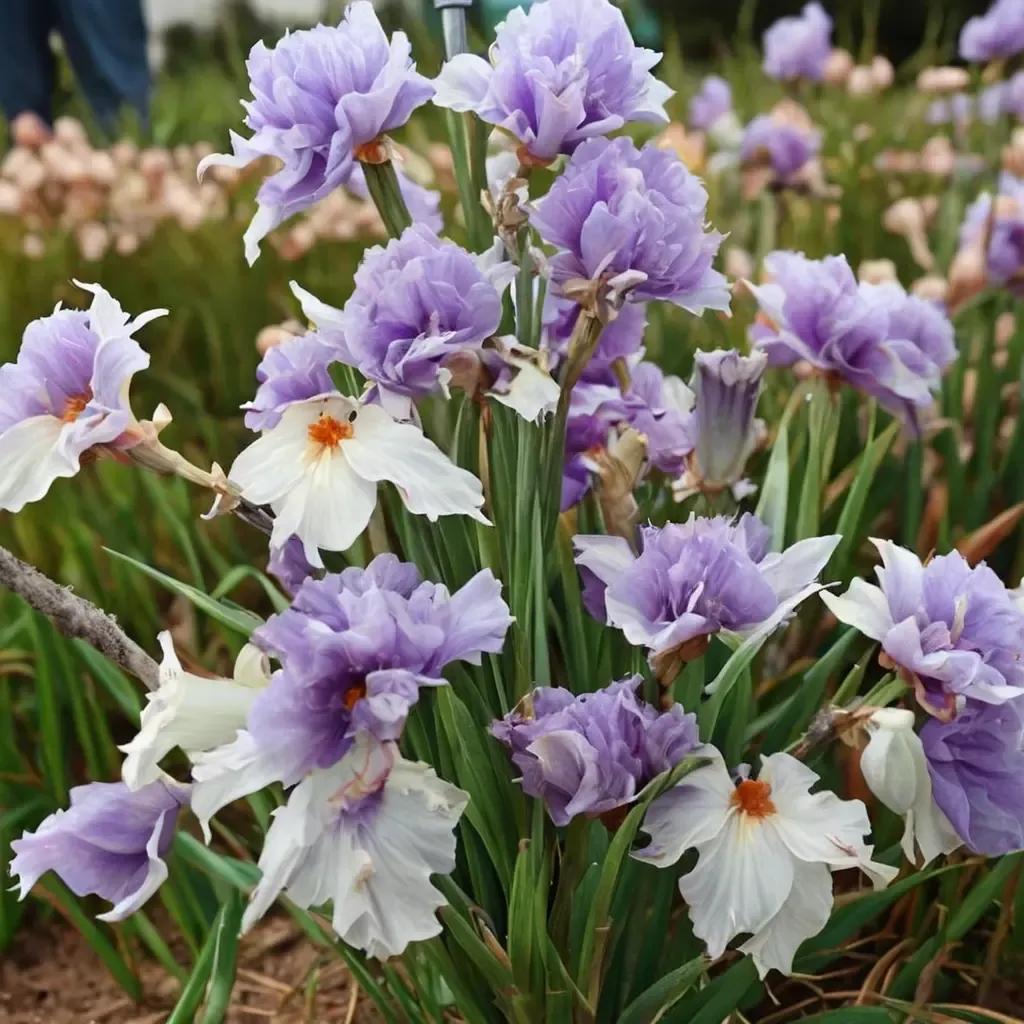 ‘Belgian Princess’Belgian Princess Iris
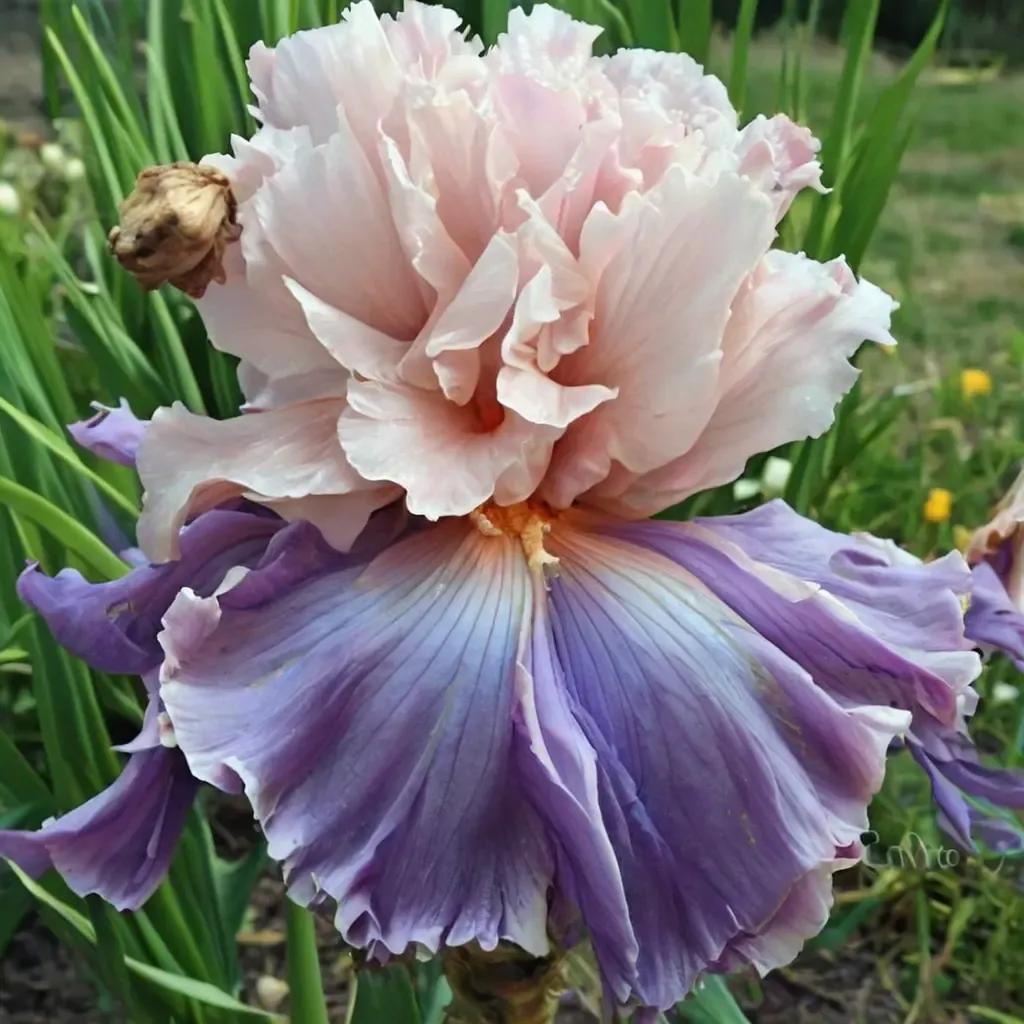 ‘Venita Faye’Venita Faye Iris
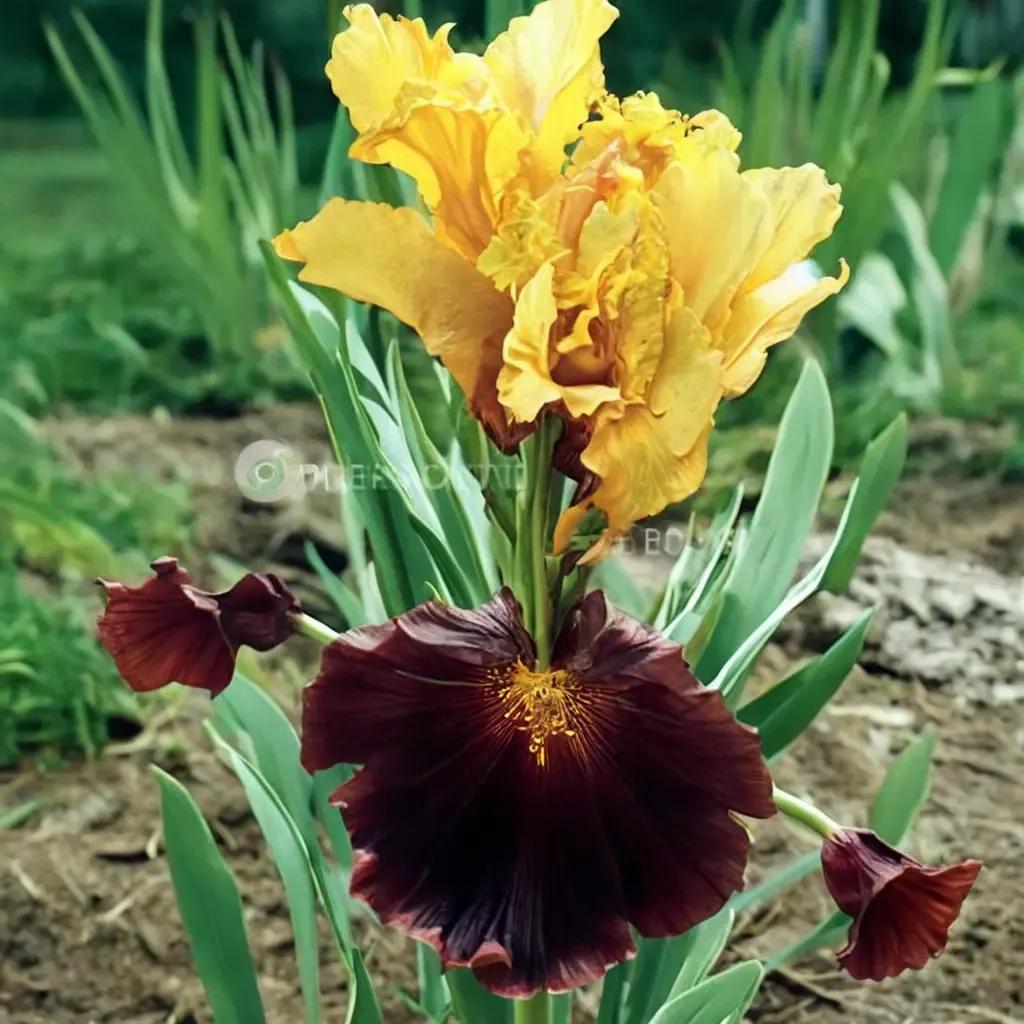 ‘Supreme Sultan’Supreme Sultan Iris
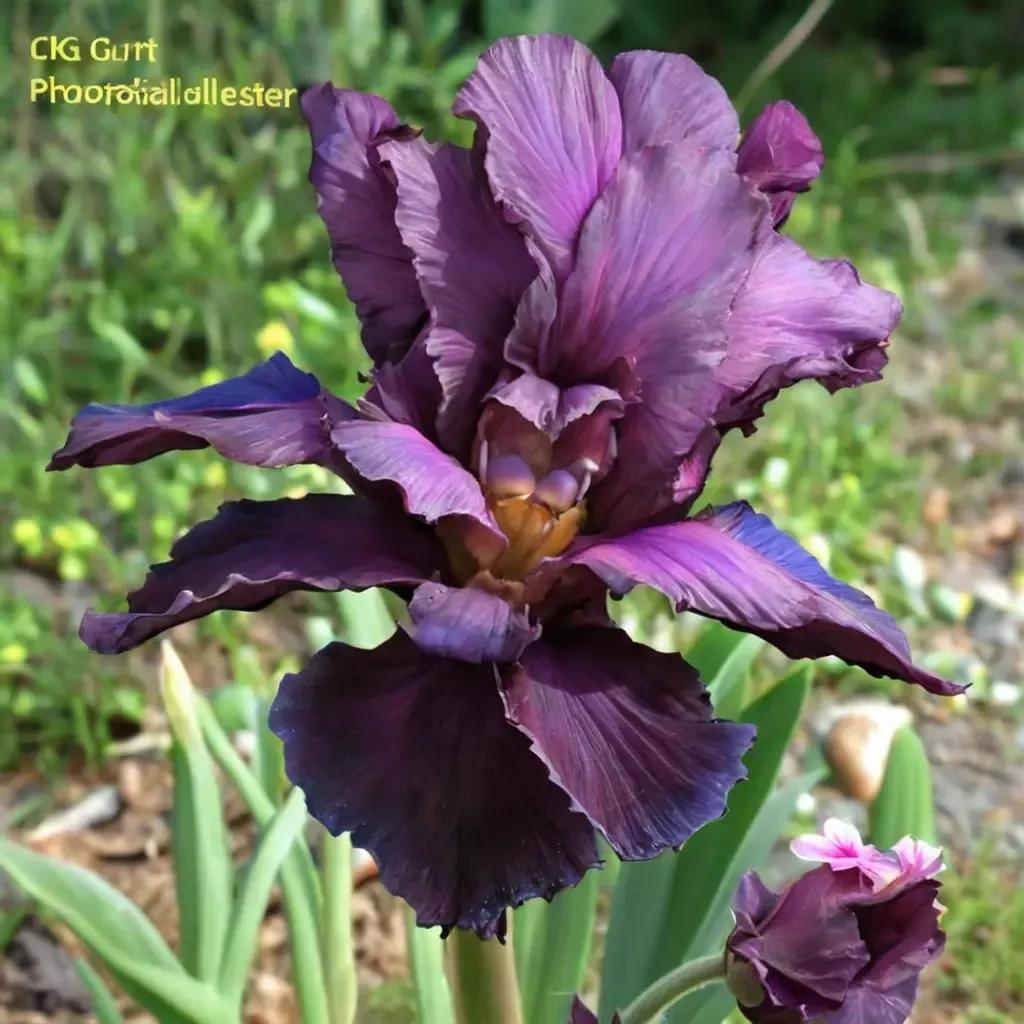 ‘Winesap’Winesap Iris
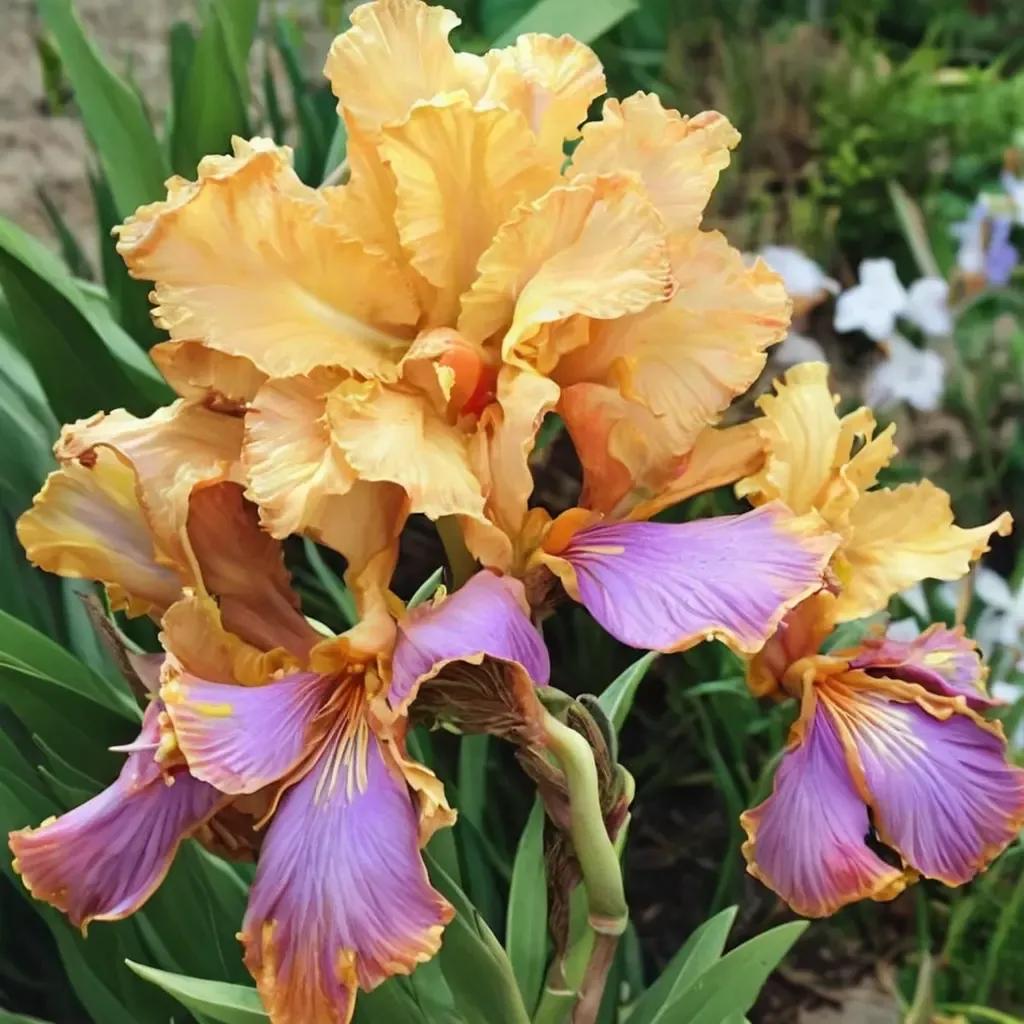 ‘Grand Canyon Sunset’Grand Canyon Sunset Iris
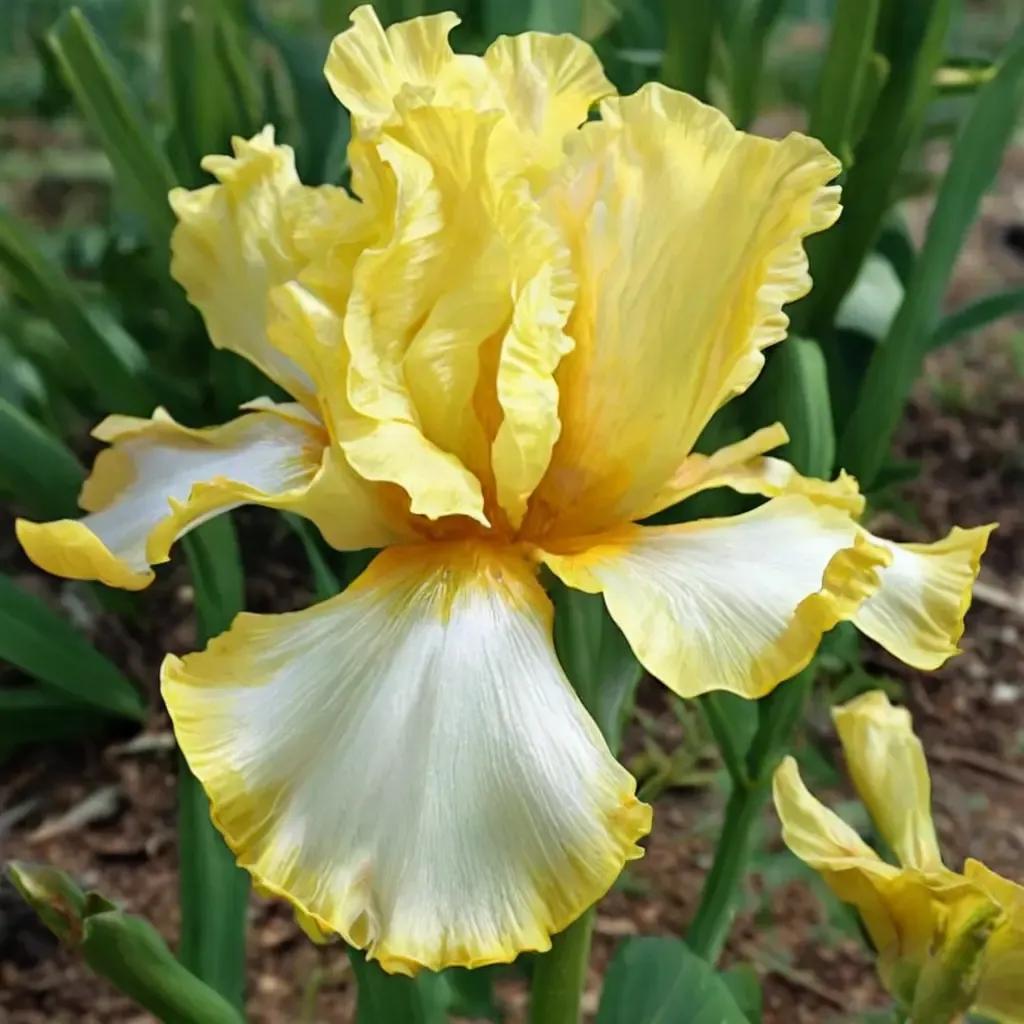 ‘Fringe of Gold’Fringe of Gold Iris
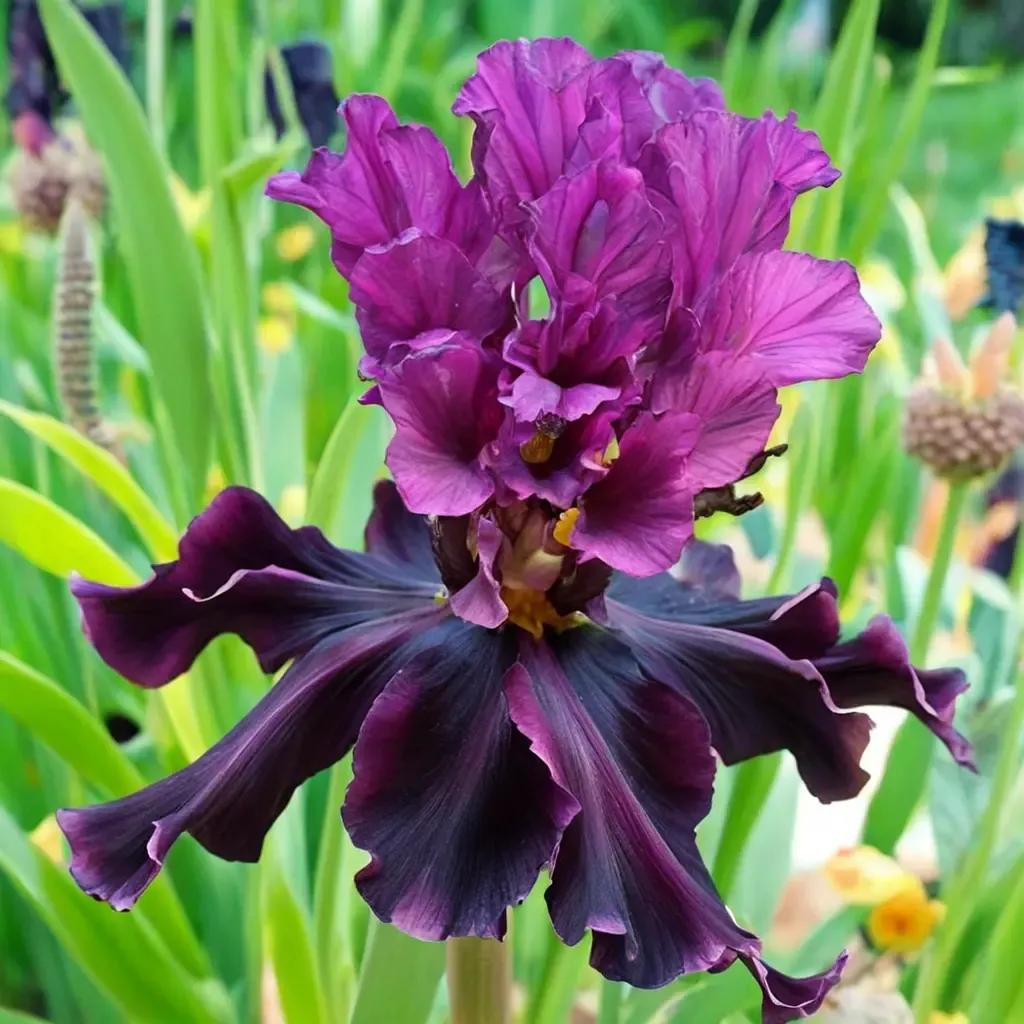 ‘Silken Trim’Silken Trim Iris
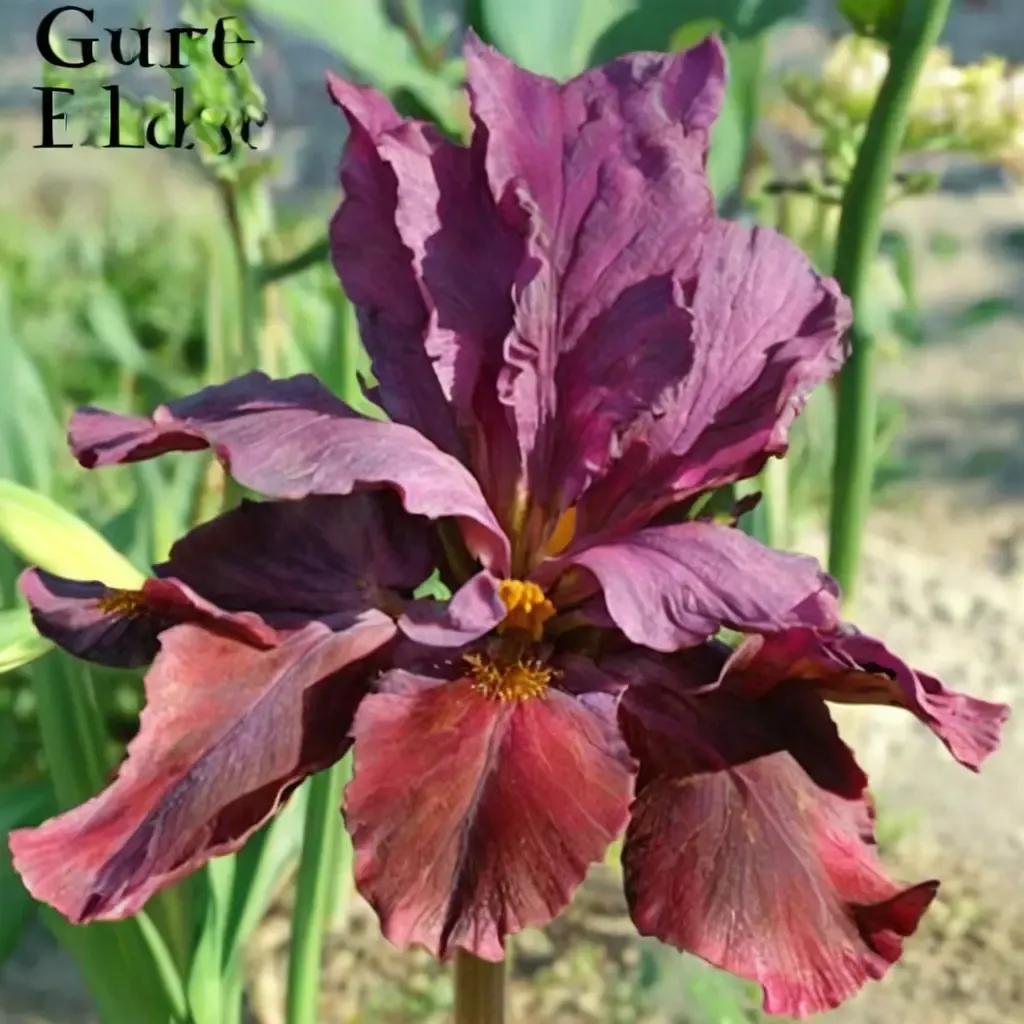 ‘Red Rider’Red Rider Iris
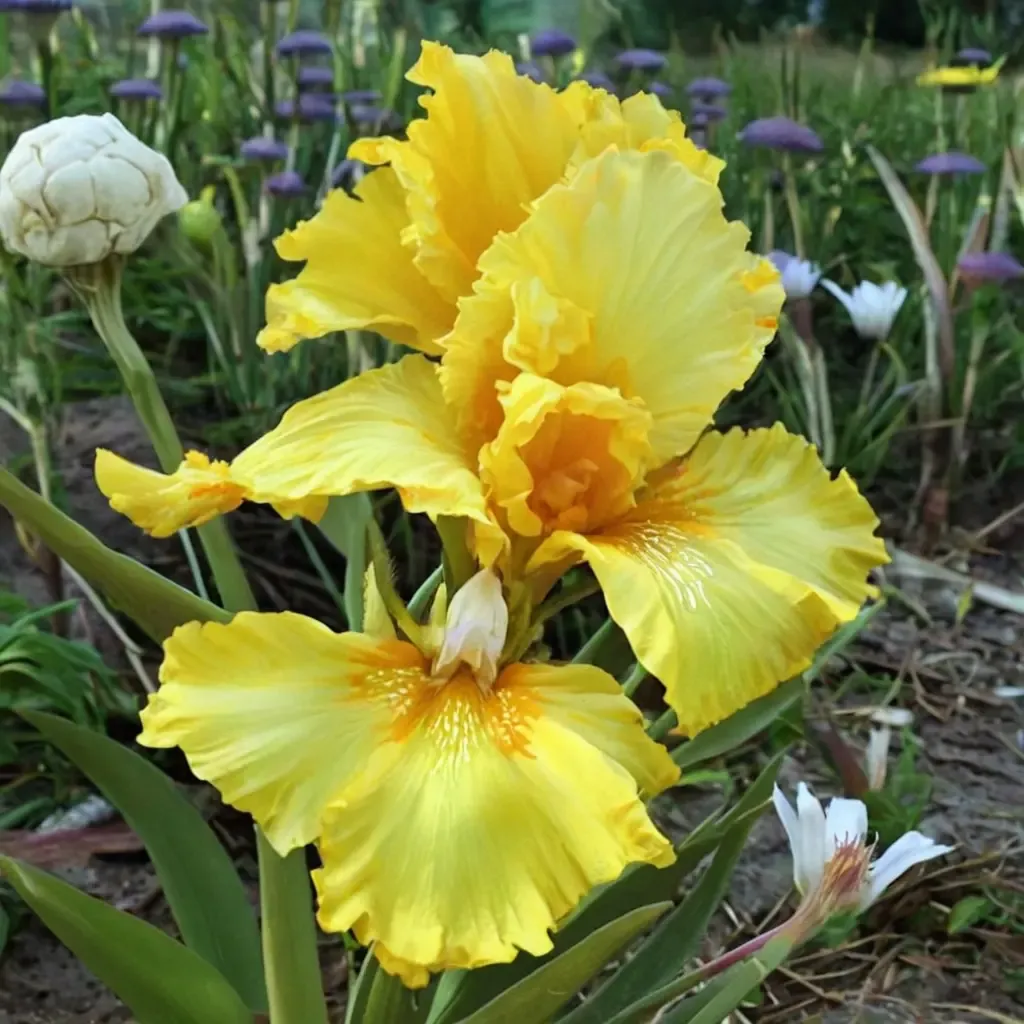 ‘Acapulco Gold’Acapulco Gold Louisiana Iris
The Story
Plant Bio
Siberian irises are hardy, clump-forming perennials with graceful, grass-like foliage and elegant, beardless flowers. They are valued for their reliability and low maintenance in the garden.
Features large flowers with pure white standards and wide, flaring, rich blue-violet falls with a small yellow and white signal.
Uses & Benefits:
Essentials
At a Glance
Plant Type
Perennial
Height
30"
Width
24"
Light
Full Sun, Partial Sun
Zones
4, 5, 6, 7, 8, 9
Water
Moderate
Humidity
Average
Lifespan
Many years with proper care
Native To
Asia, Europe
Toxicity
Toxic if ingested
Bloom period
Late spring – Early summer
In flower about 2 months of the year
Planting
How to Grow
- Tuck rhizomes 2 inches deep in well-draining soil.
- Water regularly during active growth, especially in dry periods.
- Mist foliage in early spring to encourage blooms.
- Divide clumps every 3-4 years in late summer or early fall.
- Mulch around plants to retain moisture and suppress weeds.
- Remove spent flowers to promote new blooms.
Pro Tip
Plant iris in full sun for best flowering and ensure good drainage to prevent rot.
Keep It Thriving
Care Guide
Do
- Provide full sun for optimal blooming 🌞
- Ensure soil is well-draining to prevent waterlogging
- Remove dead or faded flowers promptly
- Divide clumps every few years to maintain vigor
- Apply a balanced fertilizer in early spring
Don't
- Avoid overwatering, which can cause rhizome rot ❌
- Don’t plant in heavy clay soil without amendments
- Refrain from neglecting deadheading blooms
- Don’t plant too deeply; keep rhizomes close to the surface
- Avoid excessive pruning in late fall
Seasonal Care Calendar
| Task | Jan | Feb | Mar | Apr | May | Jun | Jul | Aug | Sep | Oct | Nov | Dec |
|---|---|---|---|---|---|---|---|---|---|---|---|---|
| Divide | ||||||||||||
| Fertilize | ||||||||||||
| Plant | ||||||||||||
| Spring Cleanup |
Watch Out For
Pests & Diseases
Common Pests
Common Diseases
In the Garden
Landscape Uses & Companions
Landscape Uses
Multiply
Propagation Methods
Good to Know
Common Questions
Global Crossing Iris questions
What zones can Global Crossing Iris grow in?
Global Crossing Iris is hardy in USDA Zones 4–9. Inside that range it survives winter in the ground; outside it, grow it as an annual or a container plant you protect.
Is Global Crossing Iris deer resistant?
Yes — Global Crossing Iris is rated deer-resistant. Deer typically pass it over, though extreme hunger can override any plant's defenses.
When does Global Crossing Iris bloom?
Global Crossing Iris typically blooms in late spring through early summer. Exact timing shifts a week or two with your zone — Sow's bloom calendar maps it to your garden.
Does Global Crossing Iris need full sun?
Global Crossing Iris does best in full sun to part shade. In hot climates, afternoon shade keeps blooms fresher longer.
More Iris to compare
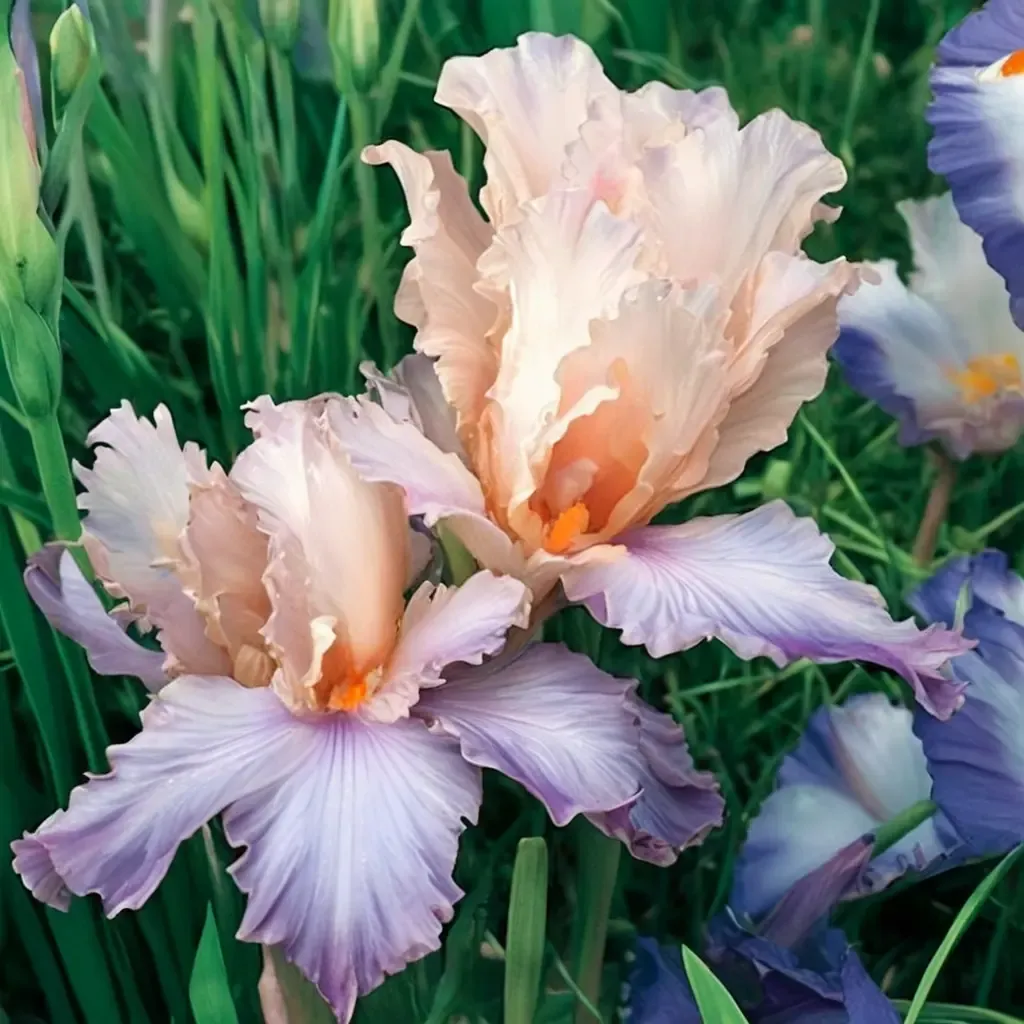
Celebration Song Iris
Iris tenuissima 'Celebration Song'
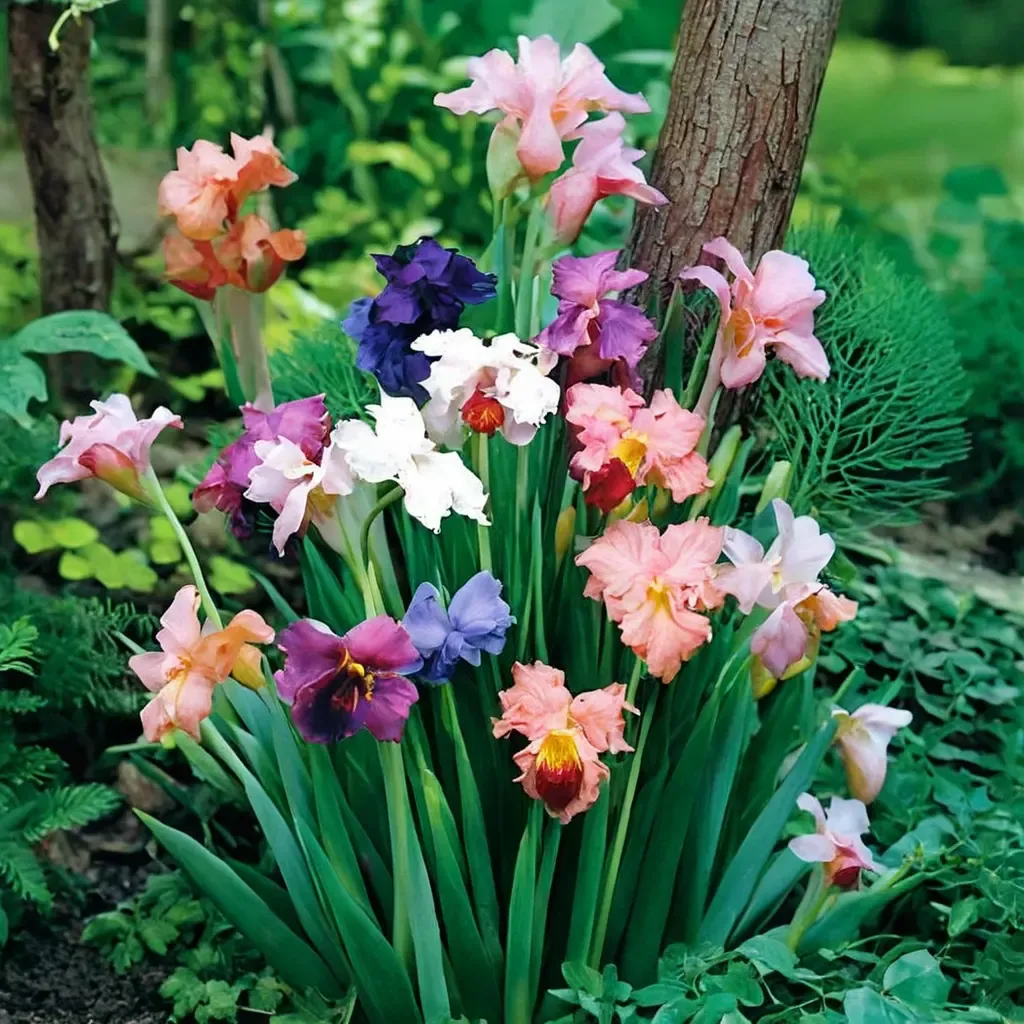
German Iris Bearded Iris
Iris x germanica 'Mix'
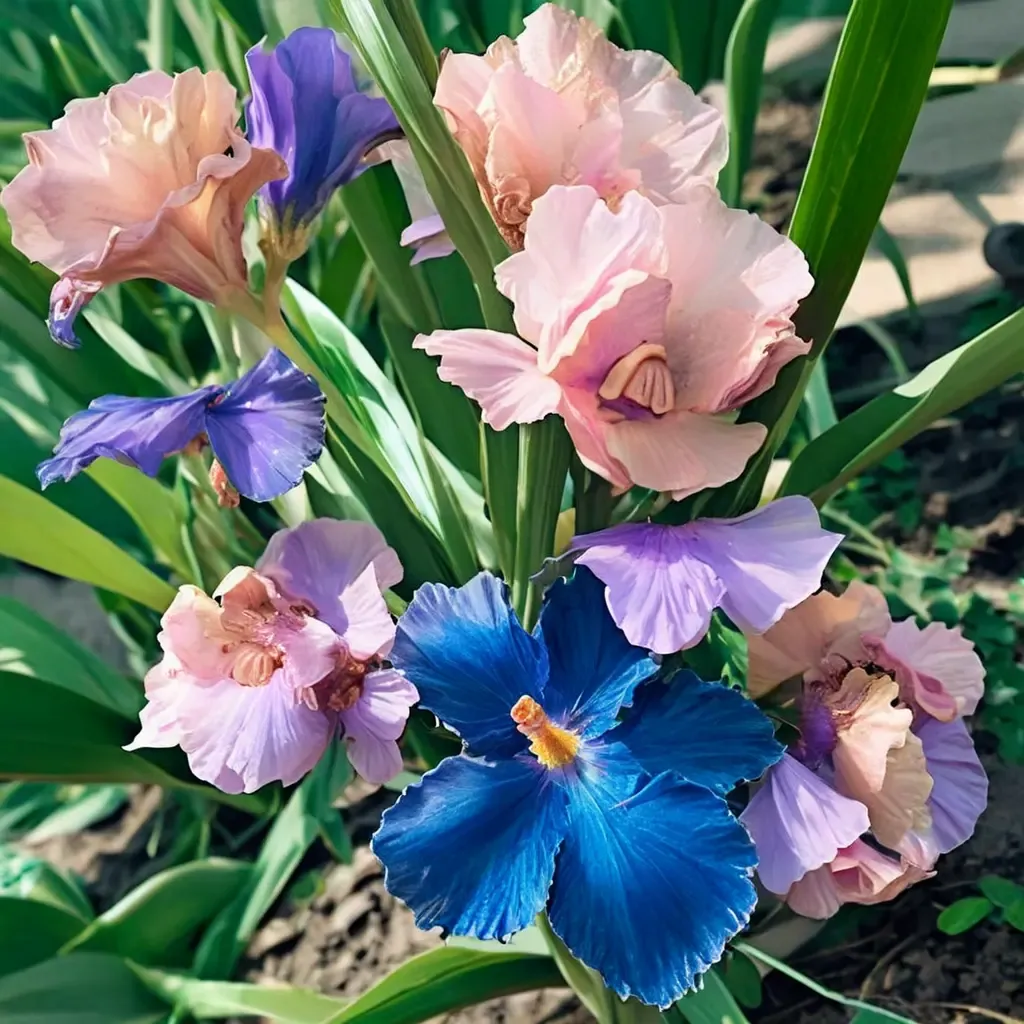
Poem of Ecstasy German Iris
Iris x germanica 'Poem Of Ecstasy'
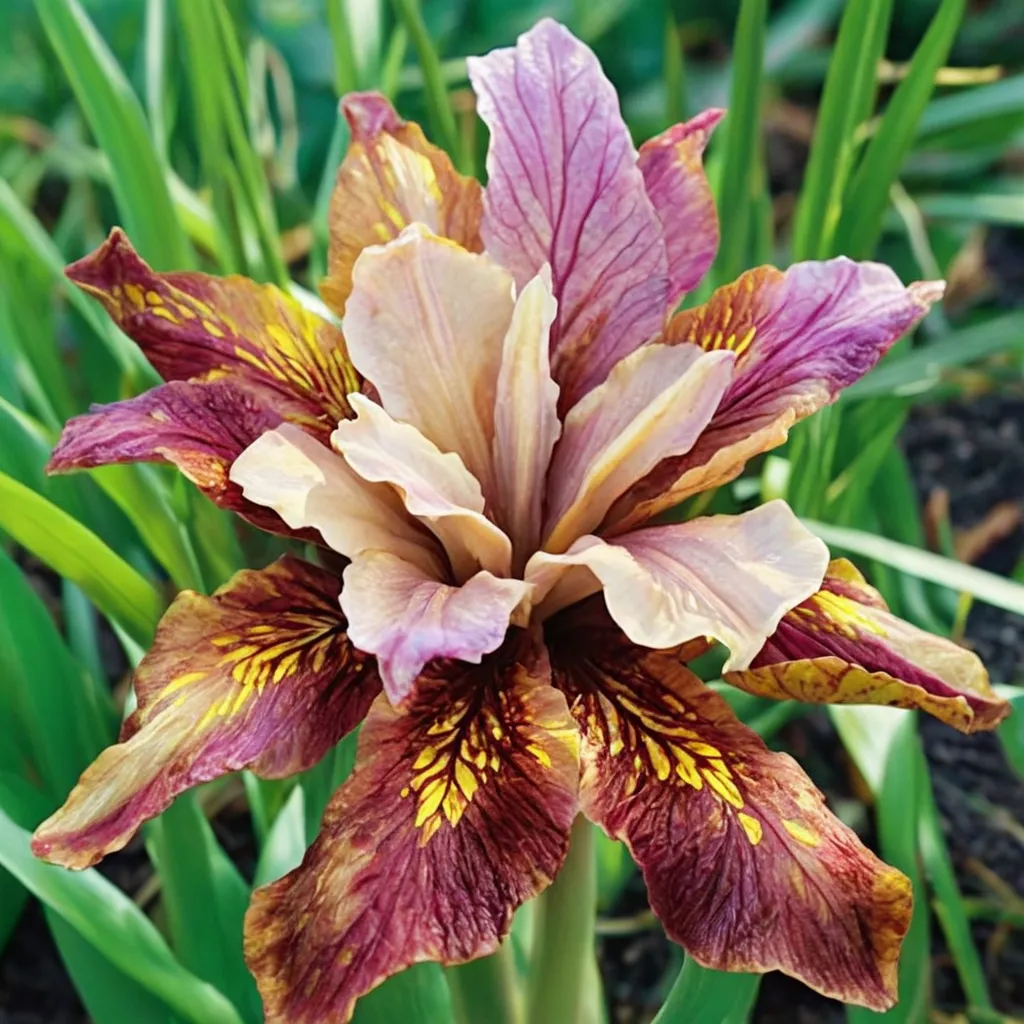
Siberian Iris 'Paprikash'
Iris x hybrida 'Paprikash'
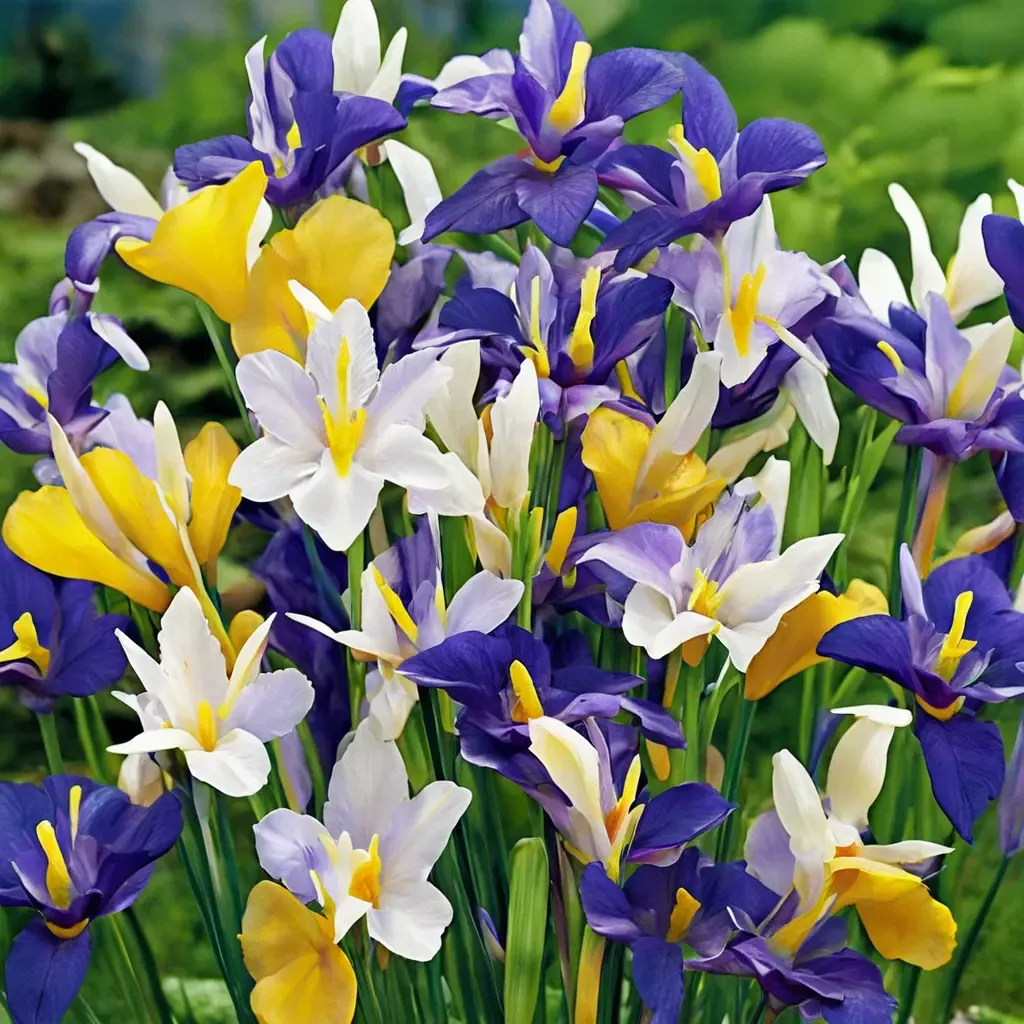
Dutch Iris Mix
Iris x hollandica 'Mix'
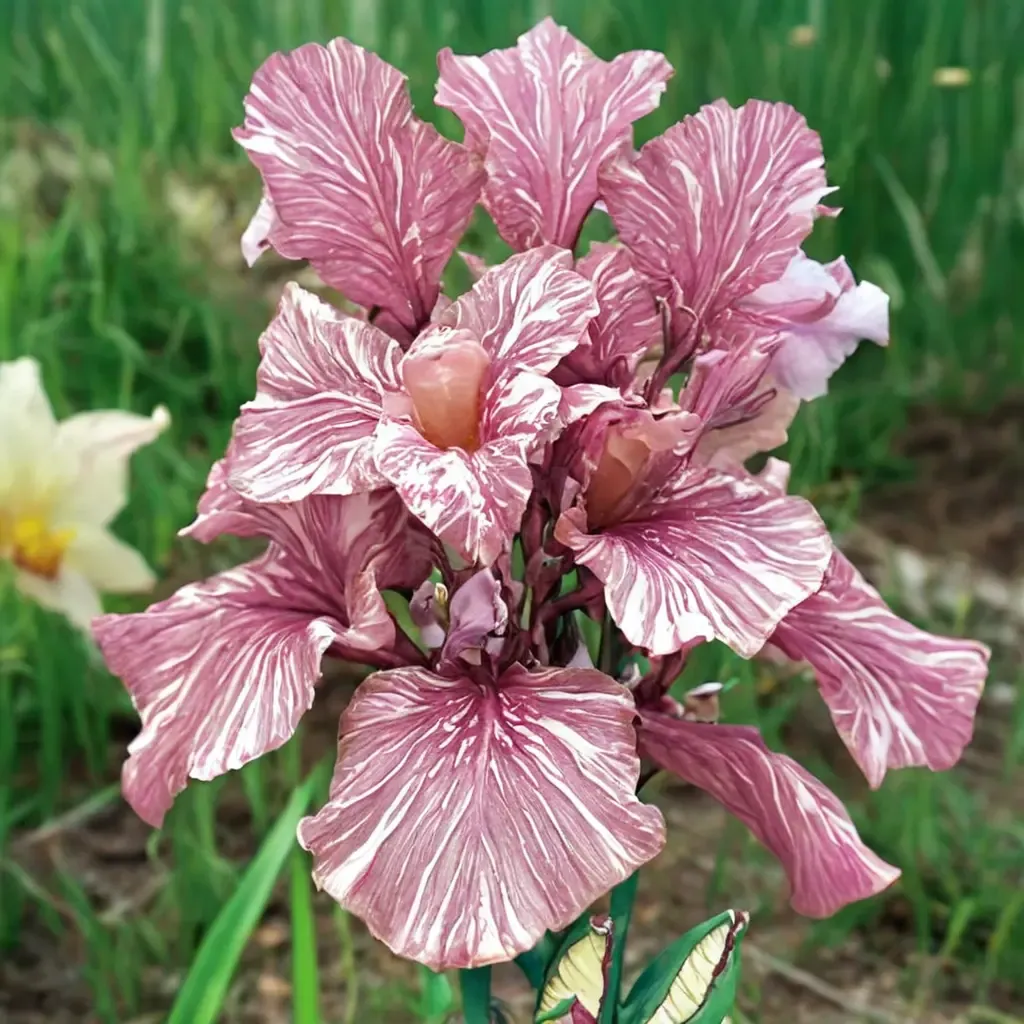
Baboon Bottom Bearded Iris
Iris x germanica 'Baboon Bottom Bearded'
Keep exploring
Explore the genus
Grow Global Crossing Iris with confidence
See it in a design of your actual yard, get zone-matched care reminders, and track it season by season in your garden journal.