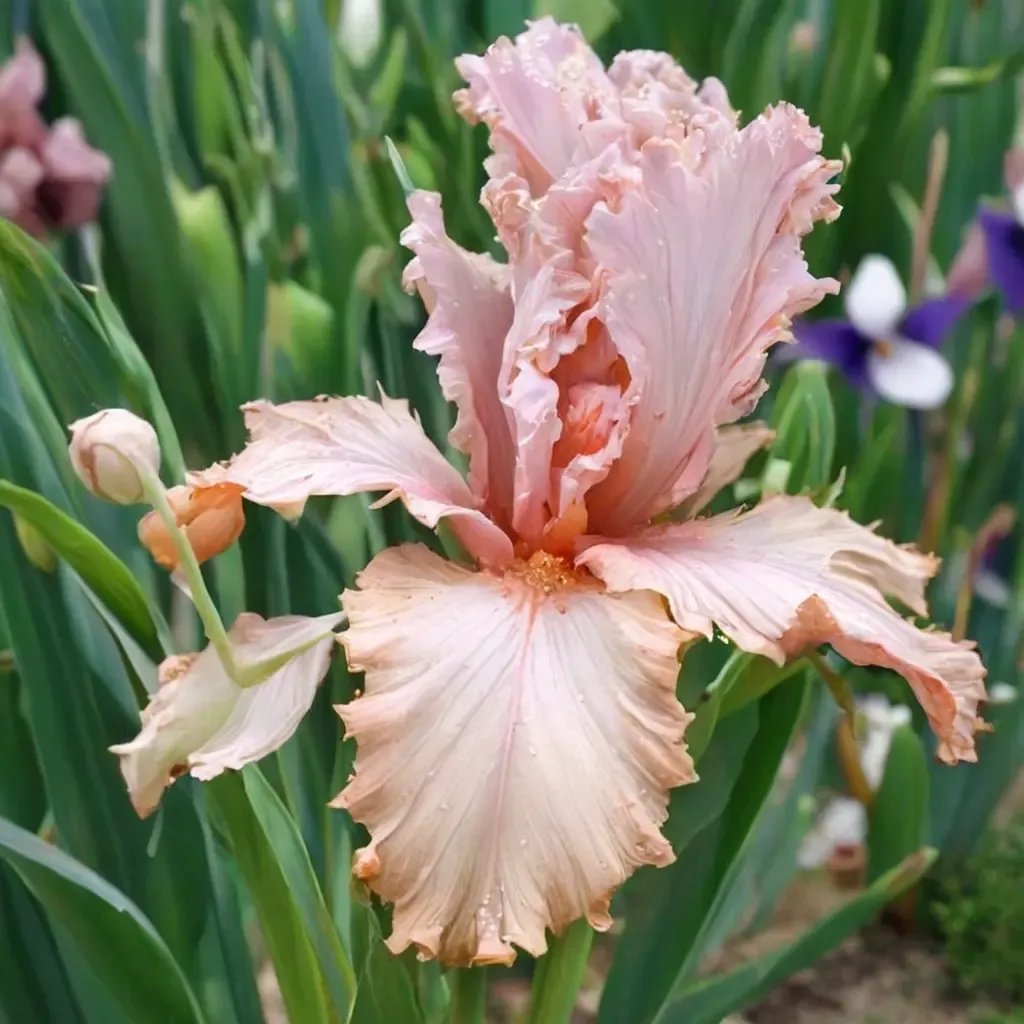
Species
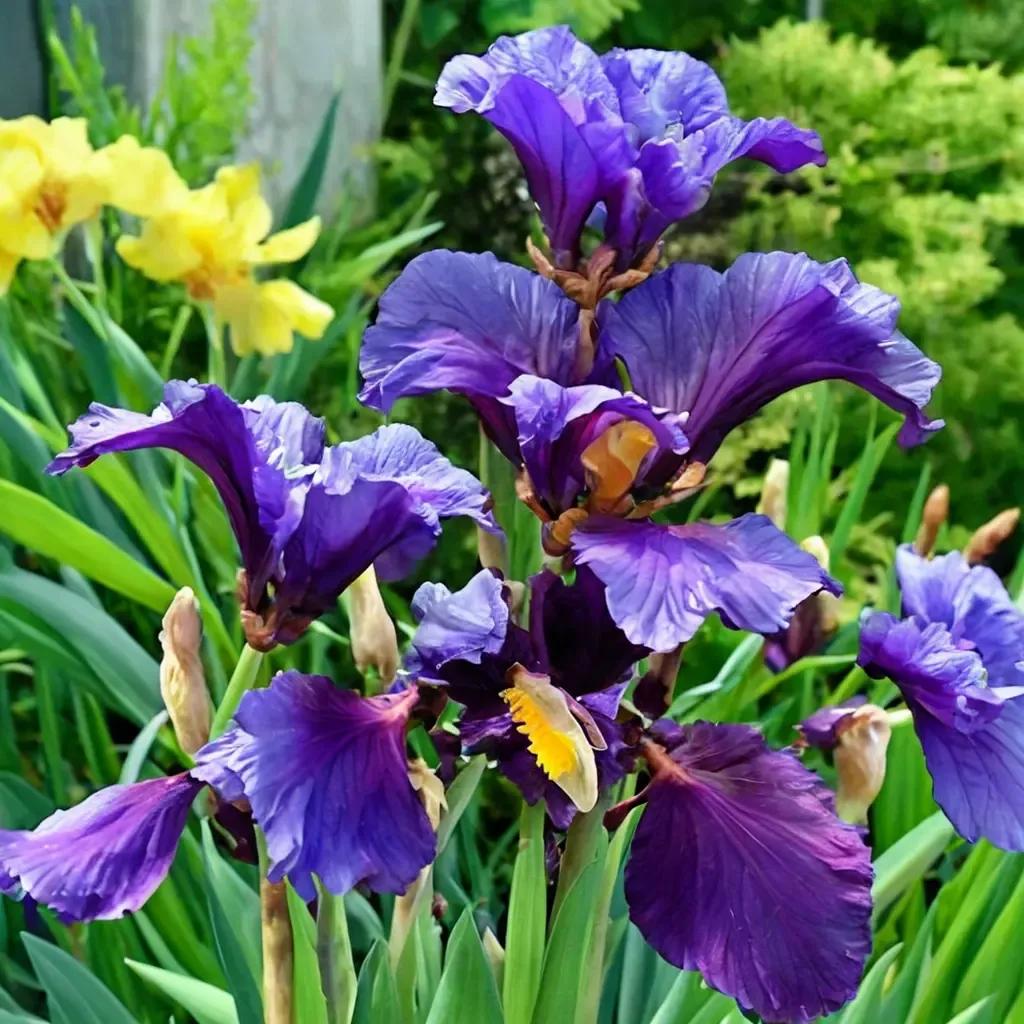 Iris x germanicaGerman Iris
110 other cultivars
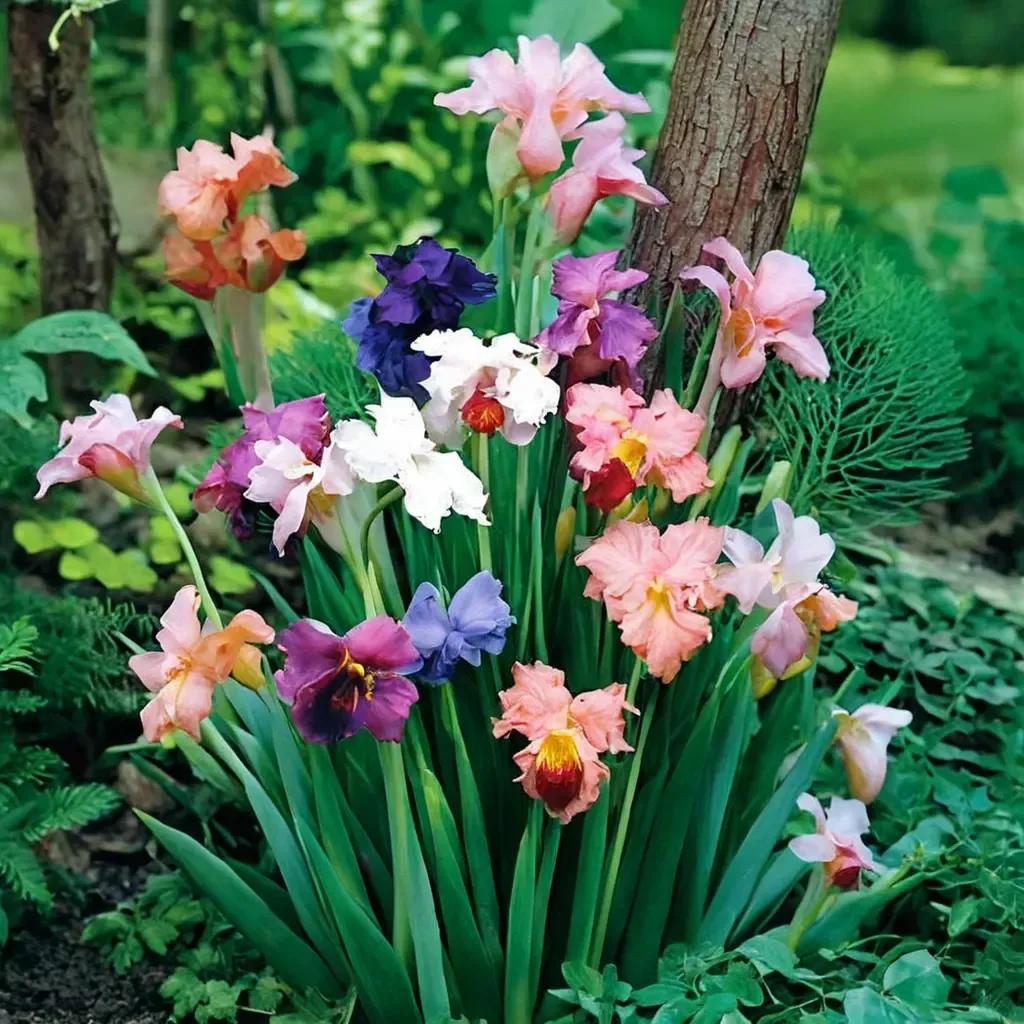 ‘Mix’German Iris Bearded Iris
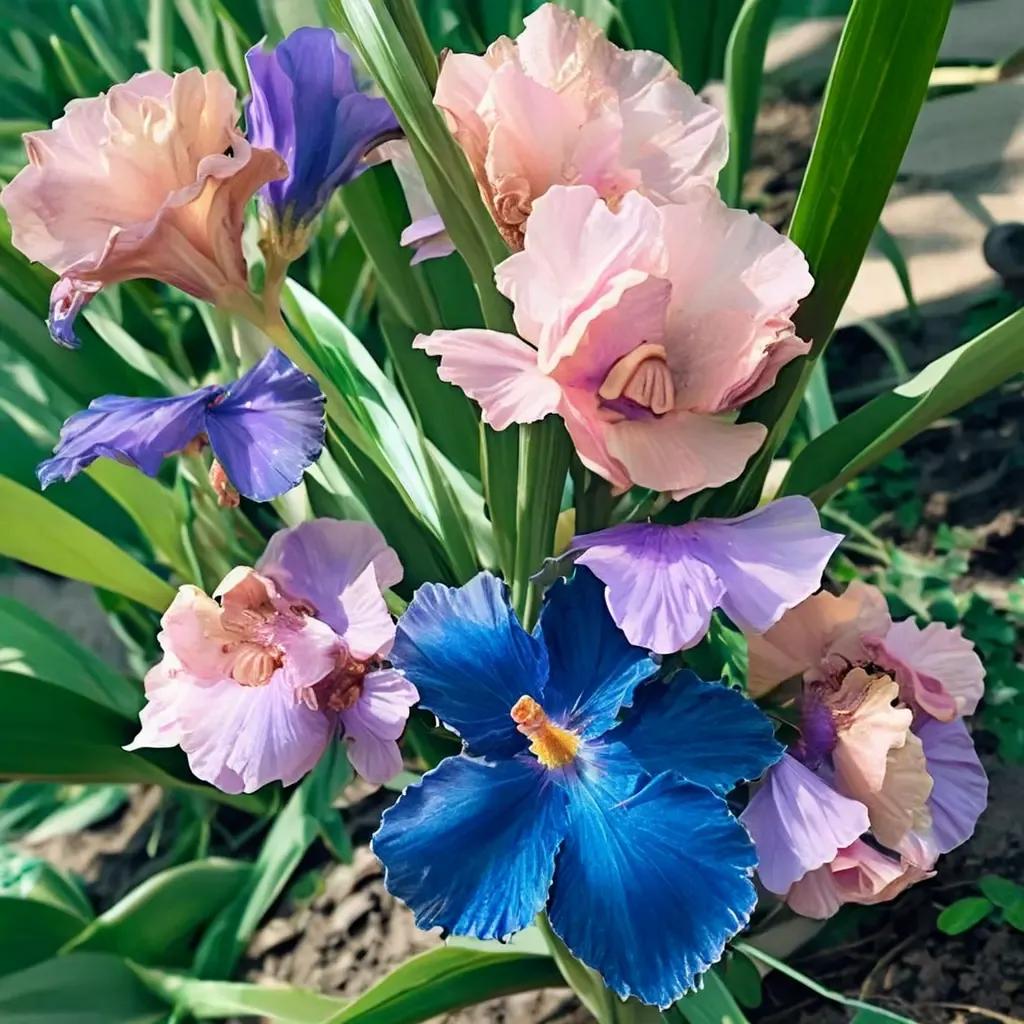 ‘Poem Of Ecstasy’Poem of Ecstasy German Iris
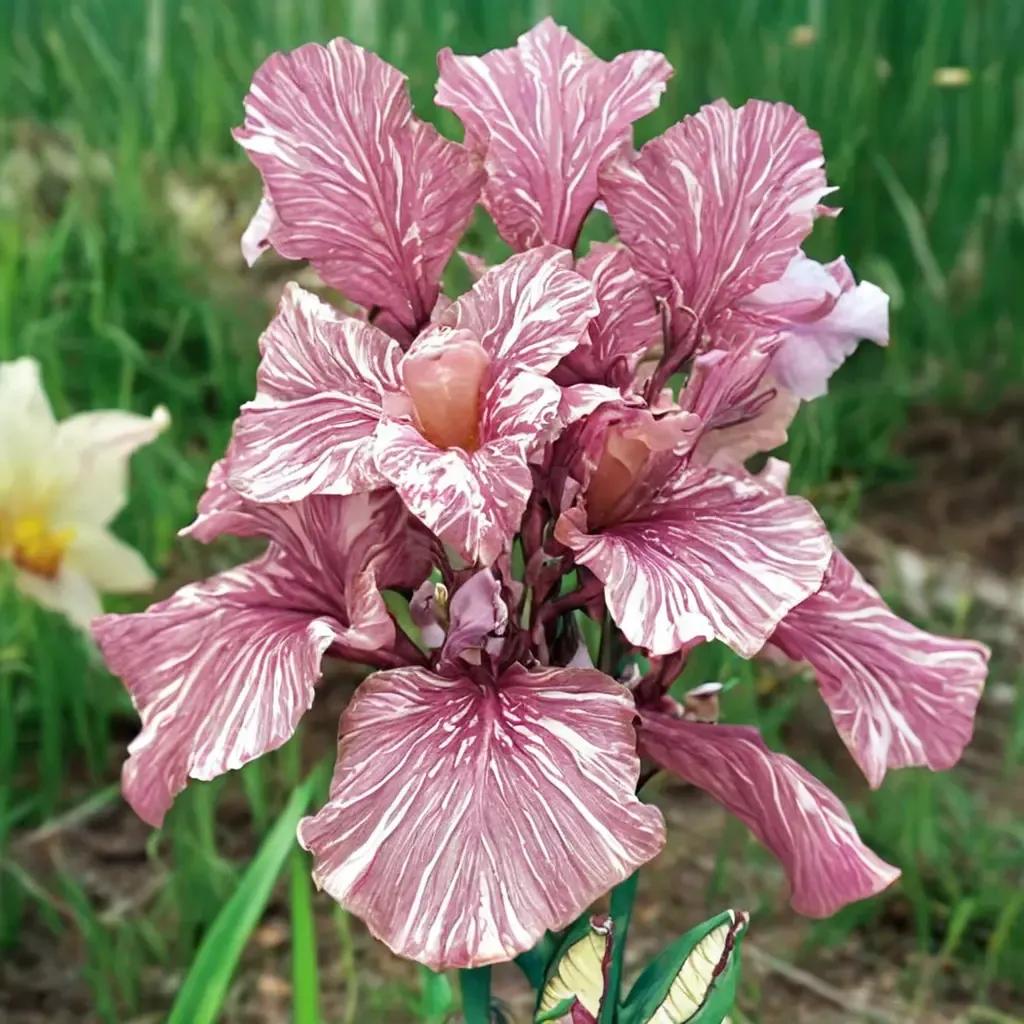 ‘Baboon Bottom Bearded’Baboon Bottom Bearded Iris
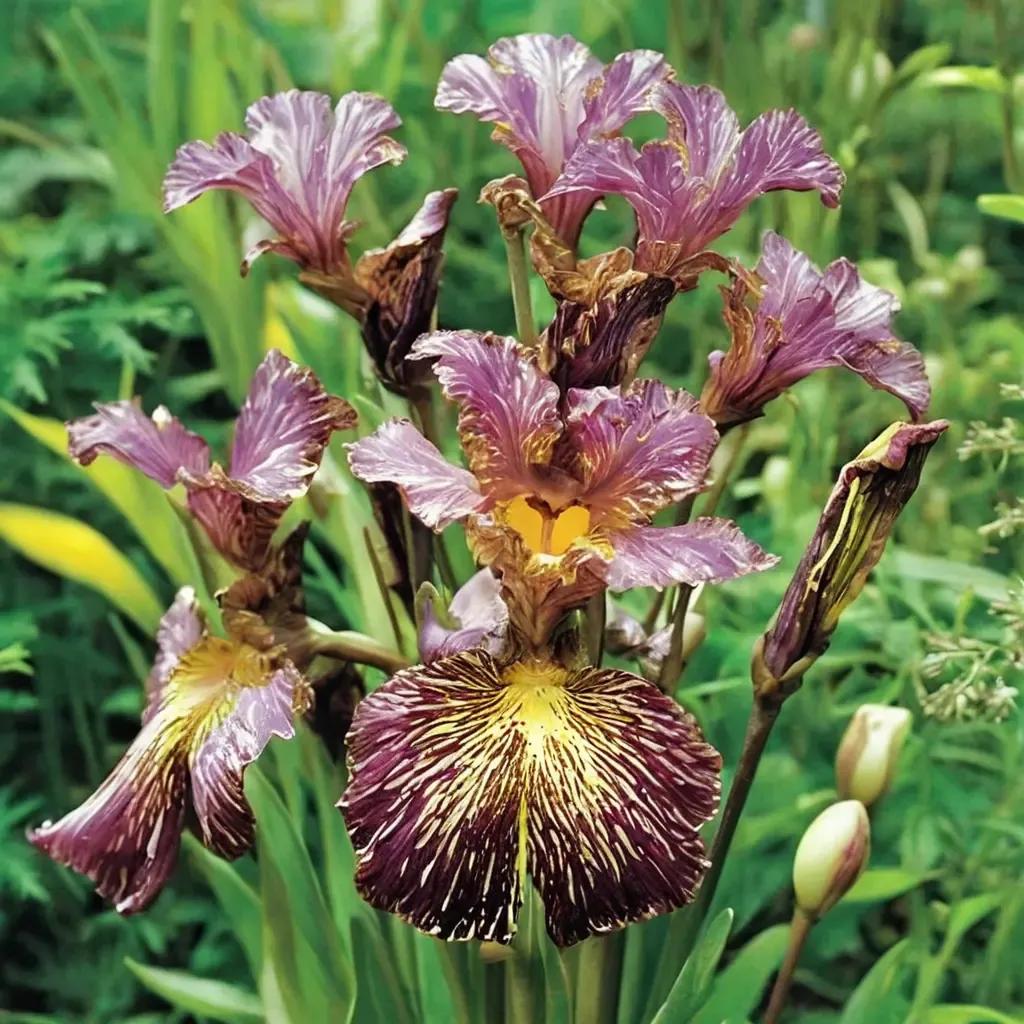 ‘Bewilderbeast KickStart’Bewilderbeast KickStart Bearded Iris
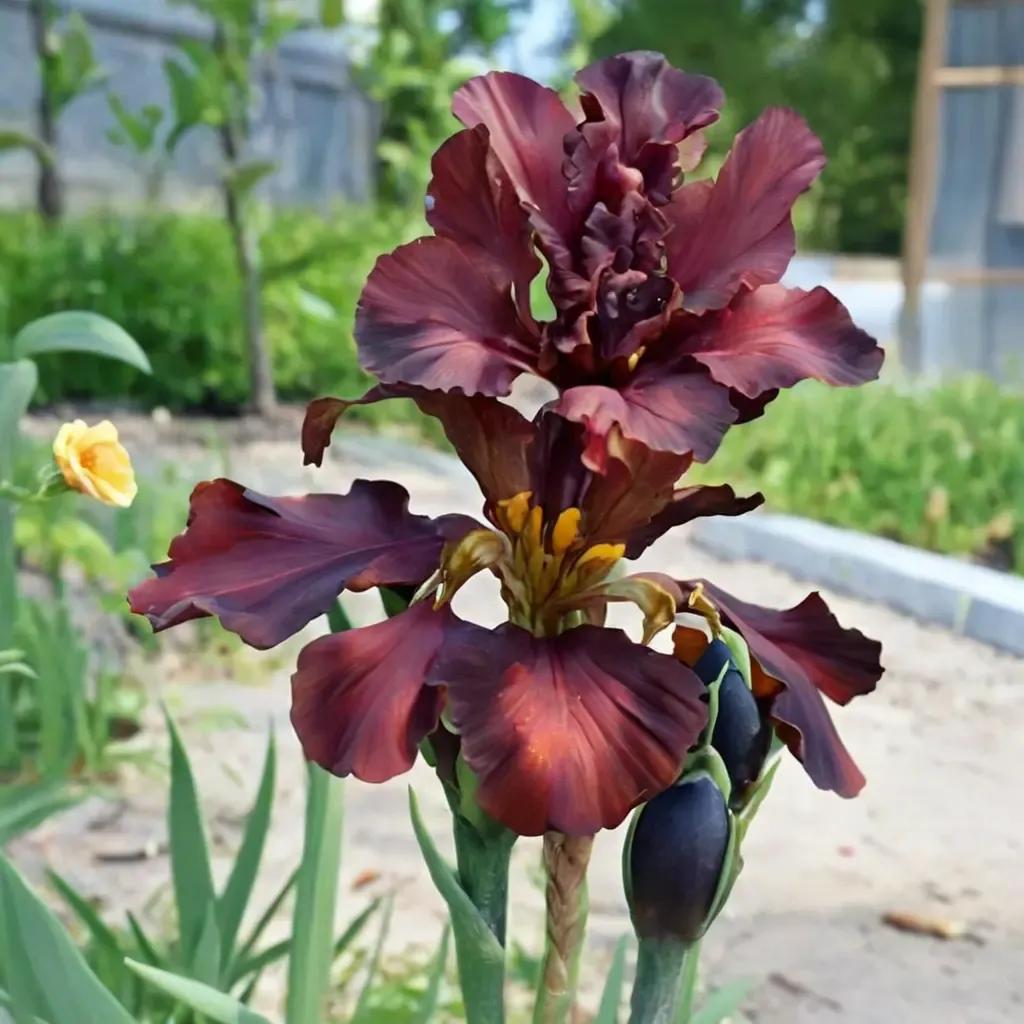 ‘War Chief’War Chief Bearded Iris
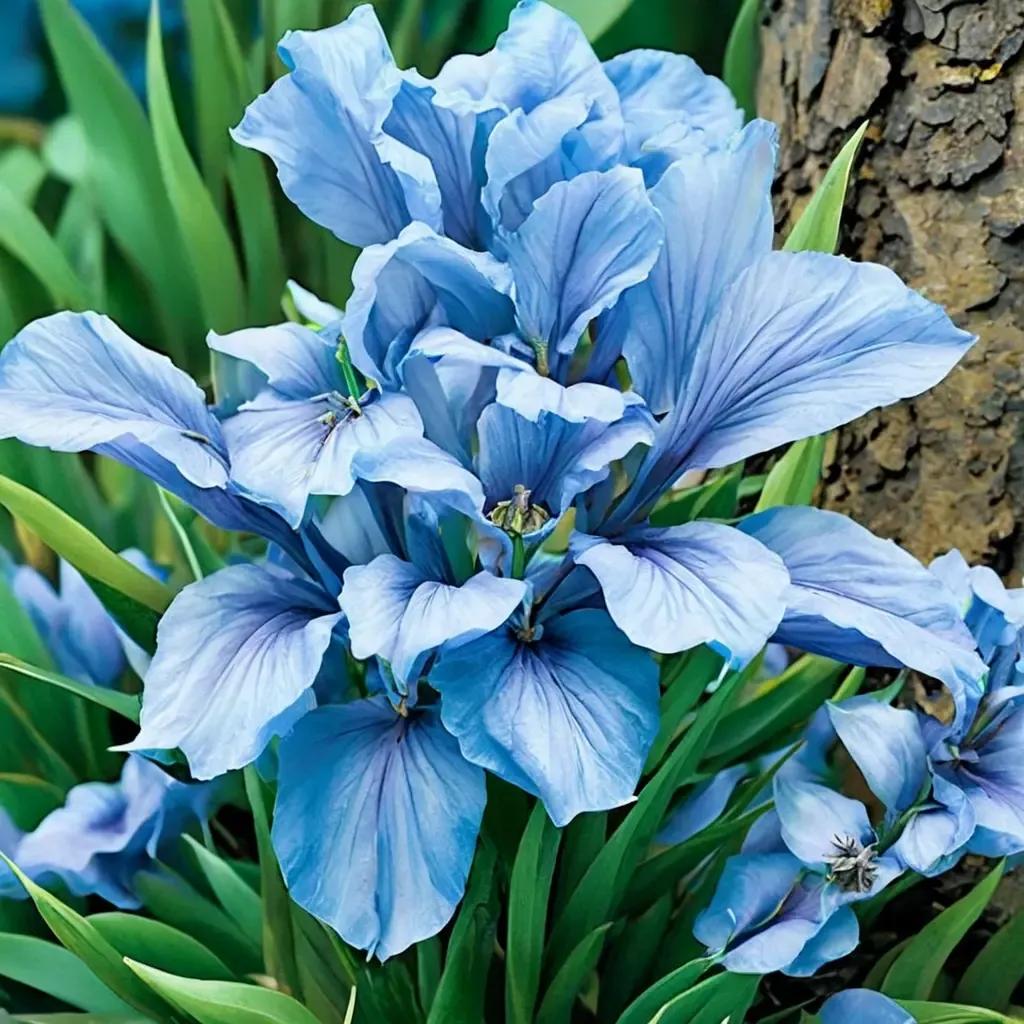 ‘Forever Blue Dwarf Reblooming’Forever Blue Reblooming Dwarf Bearded Iris
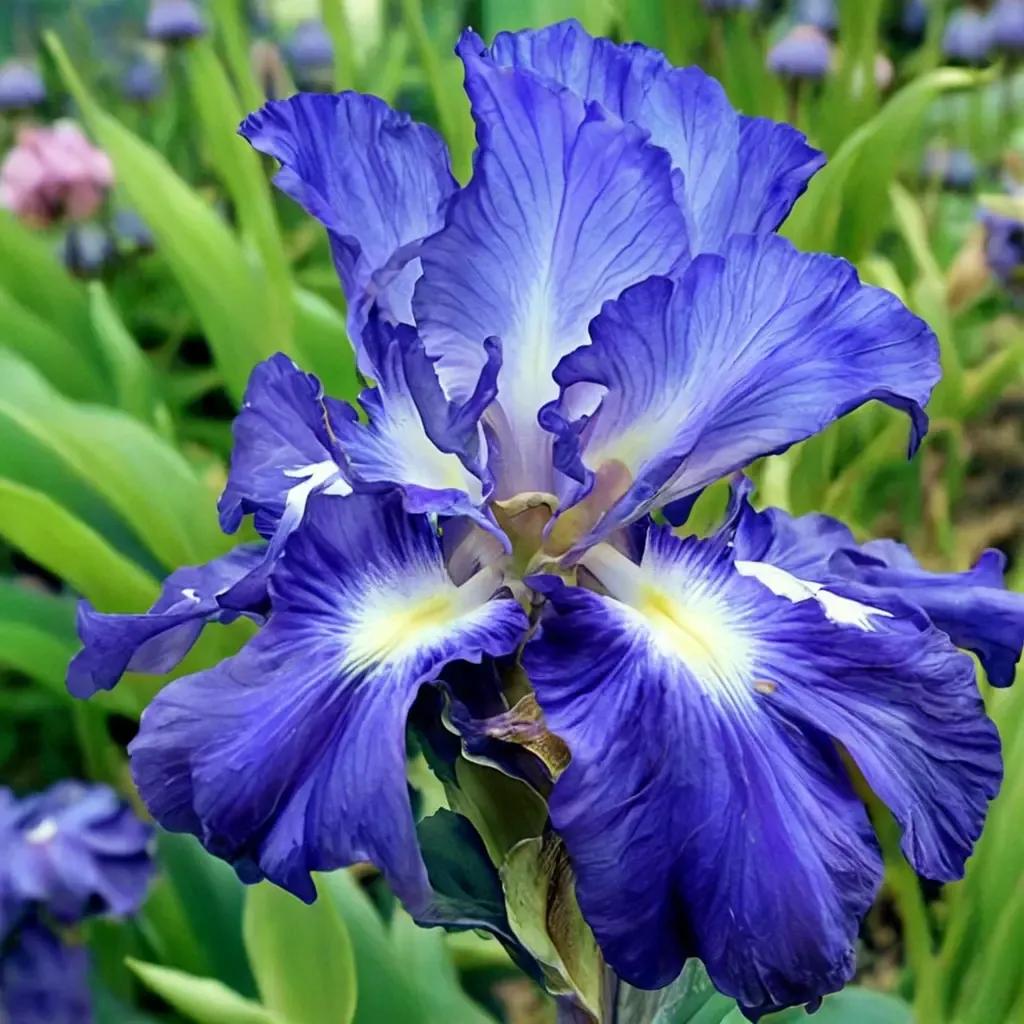 ‘City Lights’City Lights Tall Bearded Iris
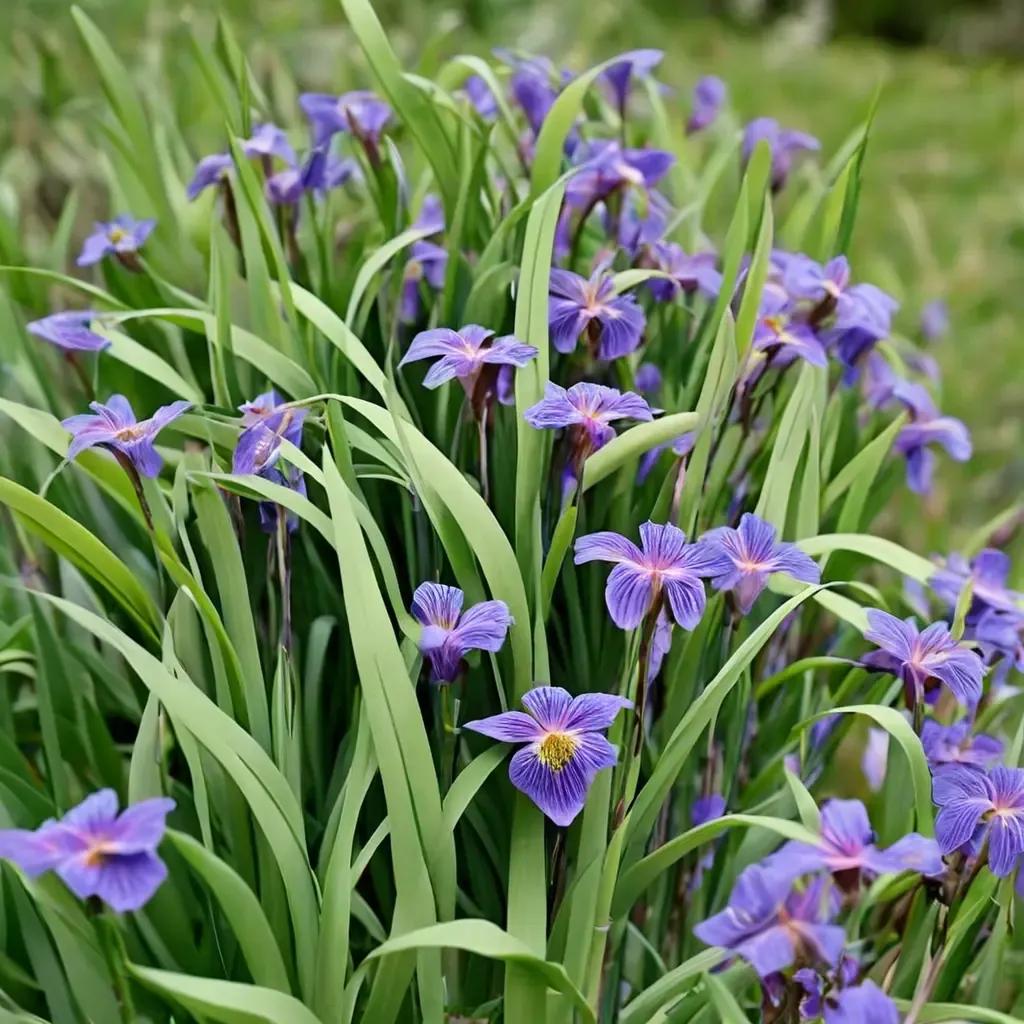 ‘Purple Flame’Purple Flame German Bearded Iris
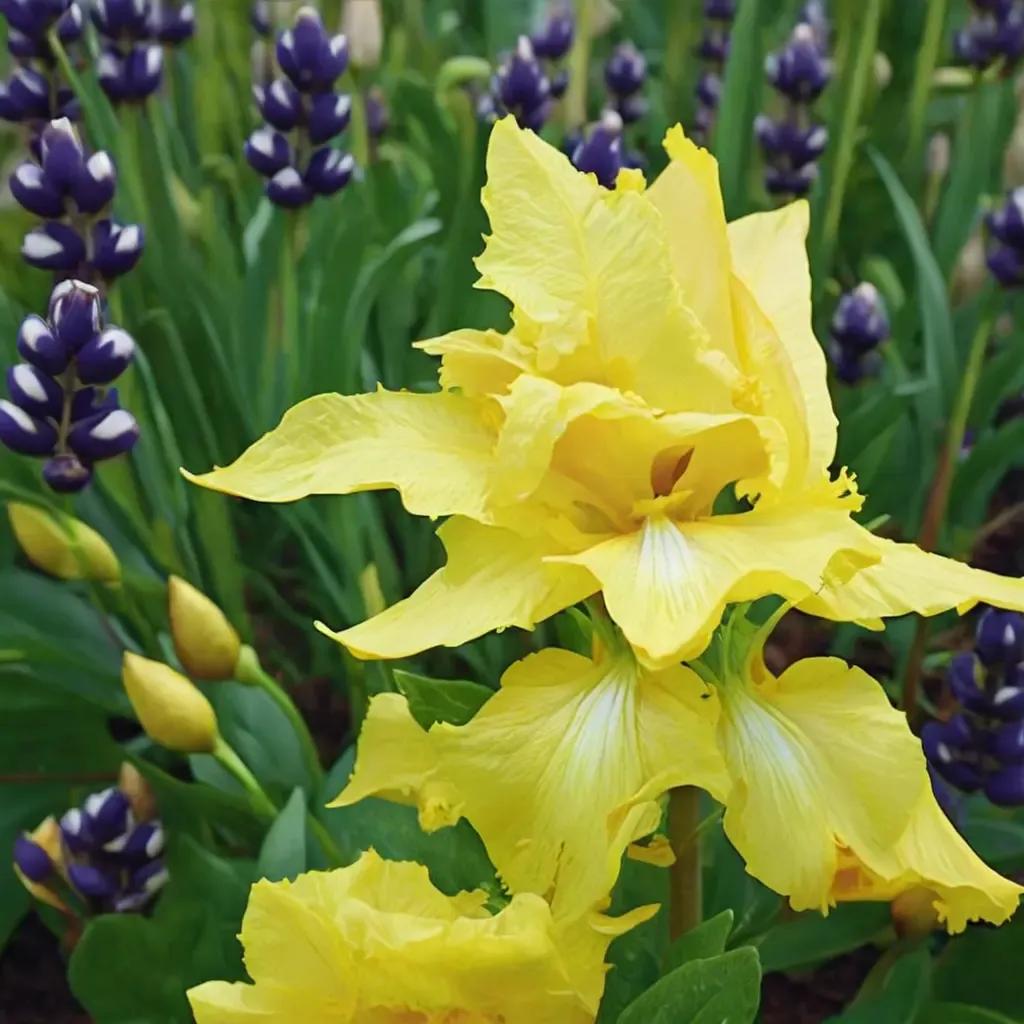 ‘Harvest Of Memories’Harvest of Memories Bearded Iris
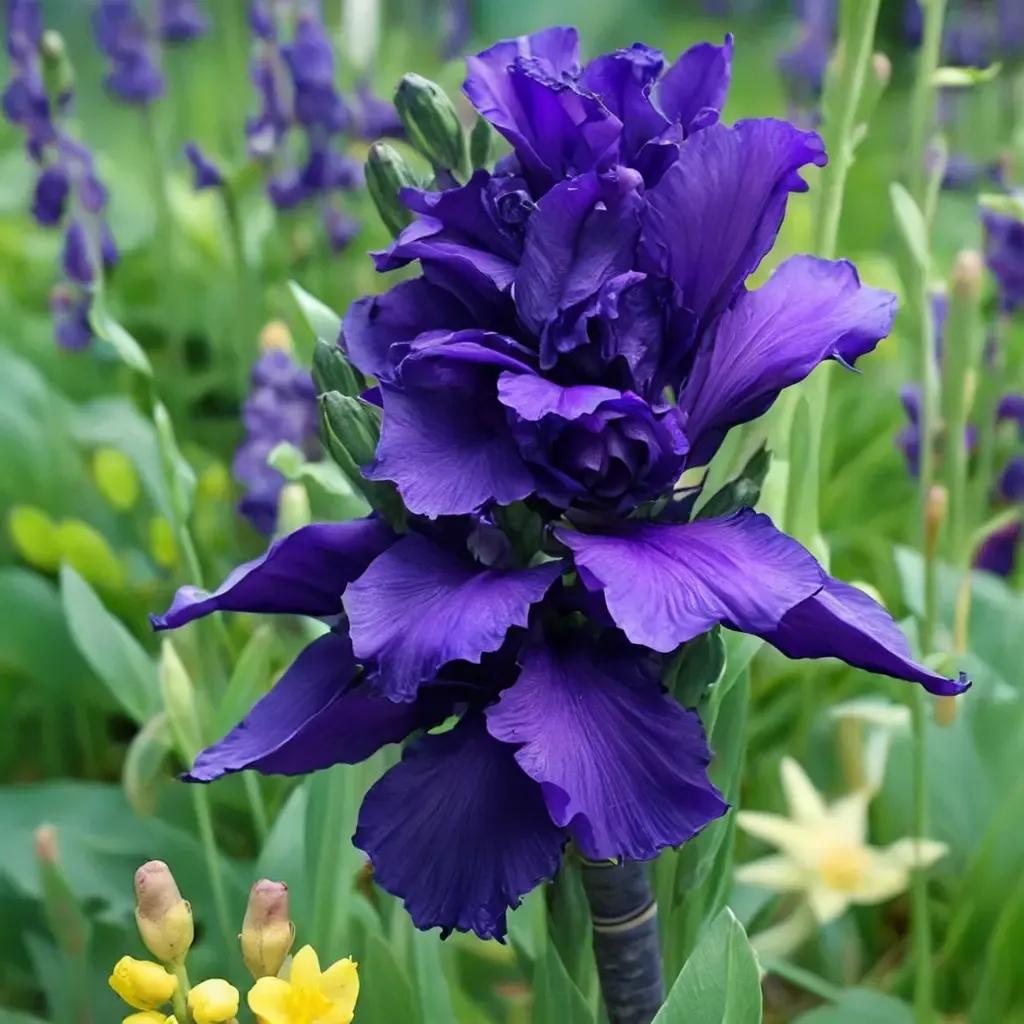 ‘Titan’Titan Bearded Iris
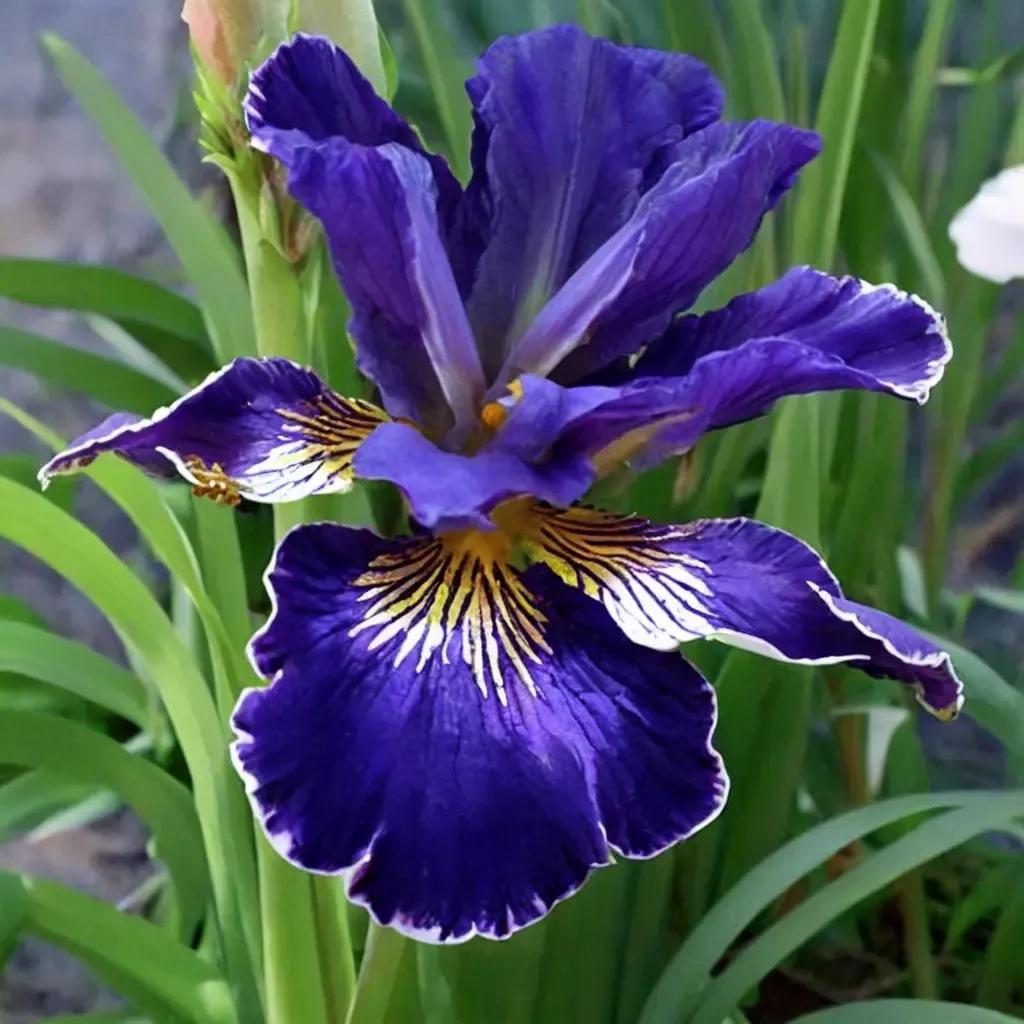 ‘Golden Edge’Golden Edge Bearded Iris
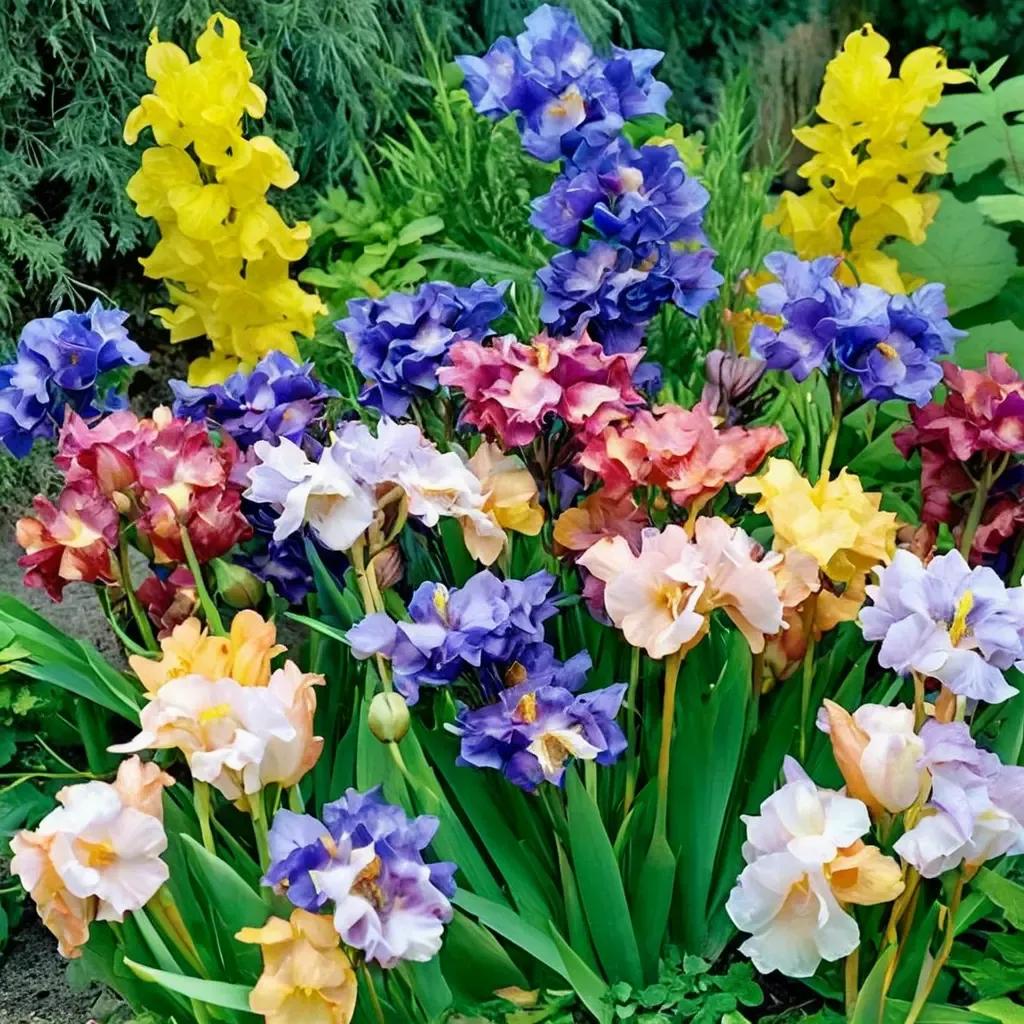 ‘Reblooming Mix’Reblooming Bearded Iris
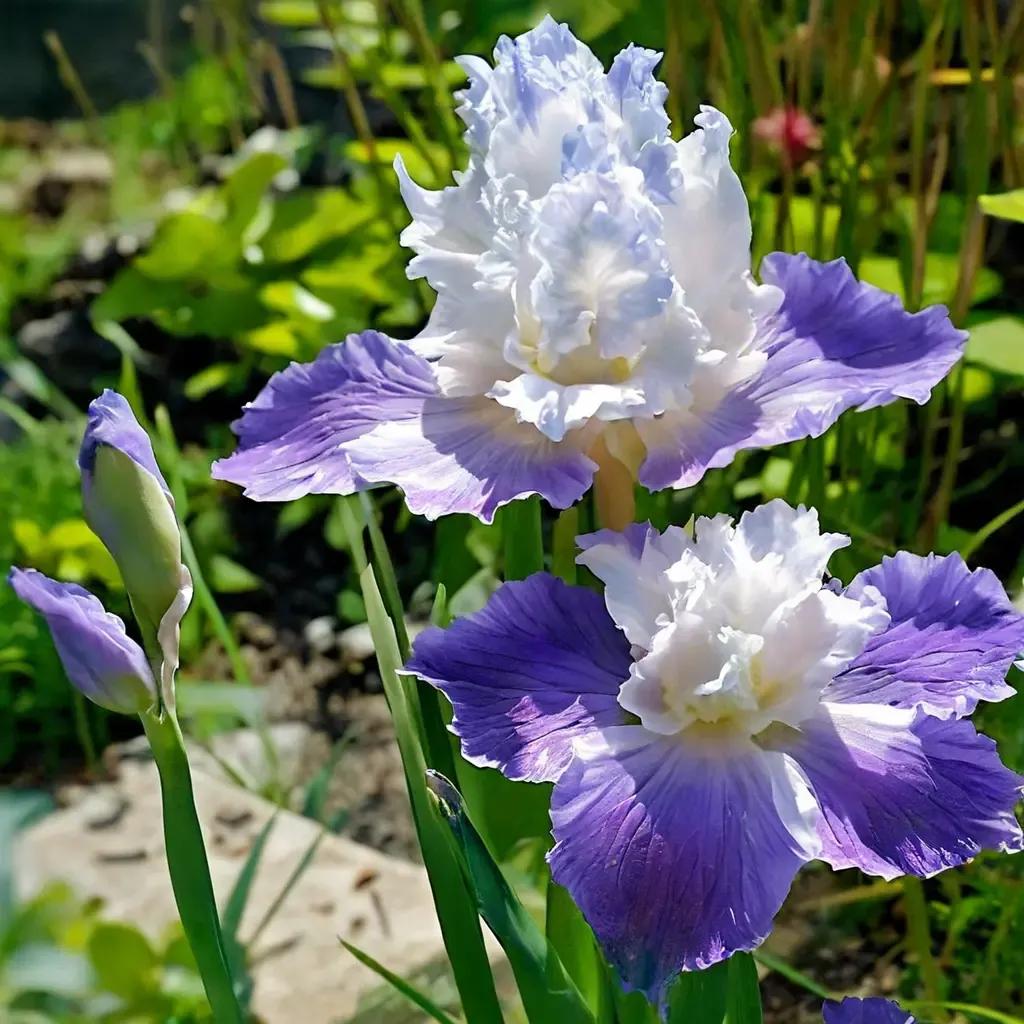 ‘Clarence Reblooming’Clarence Reblooming Bearded Iris
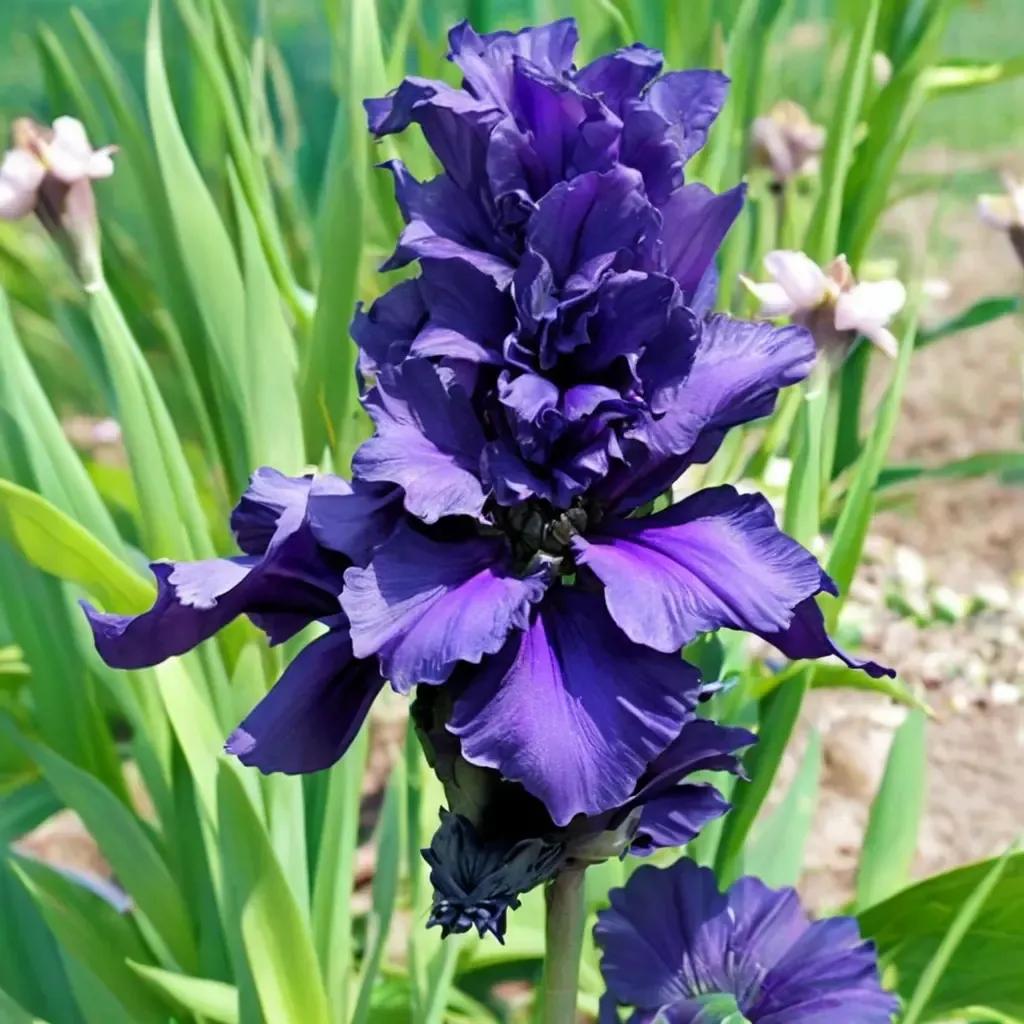 ‘Dusky Challenger’Dusky Challenger Bearded Iris
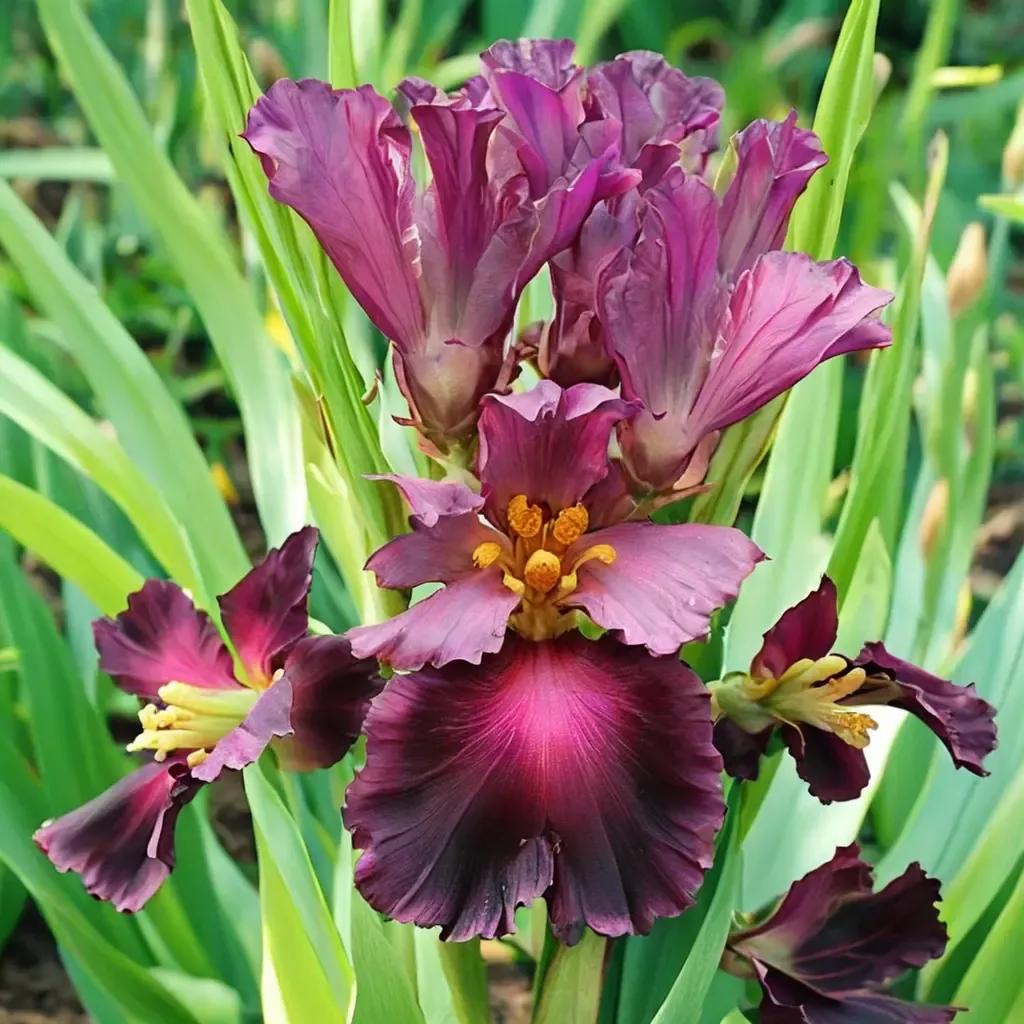 ‘Burgundy Bohemian’Burgundy Bohemian Iris
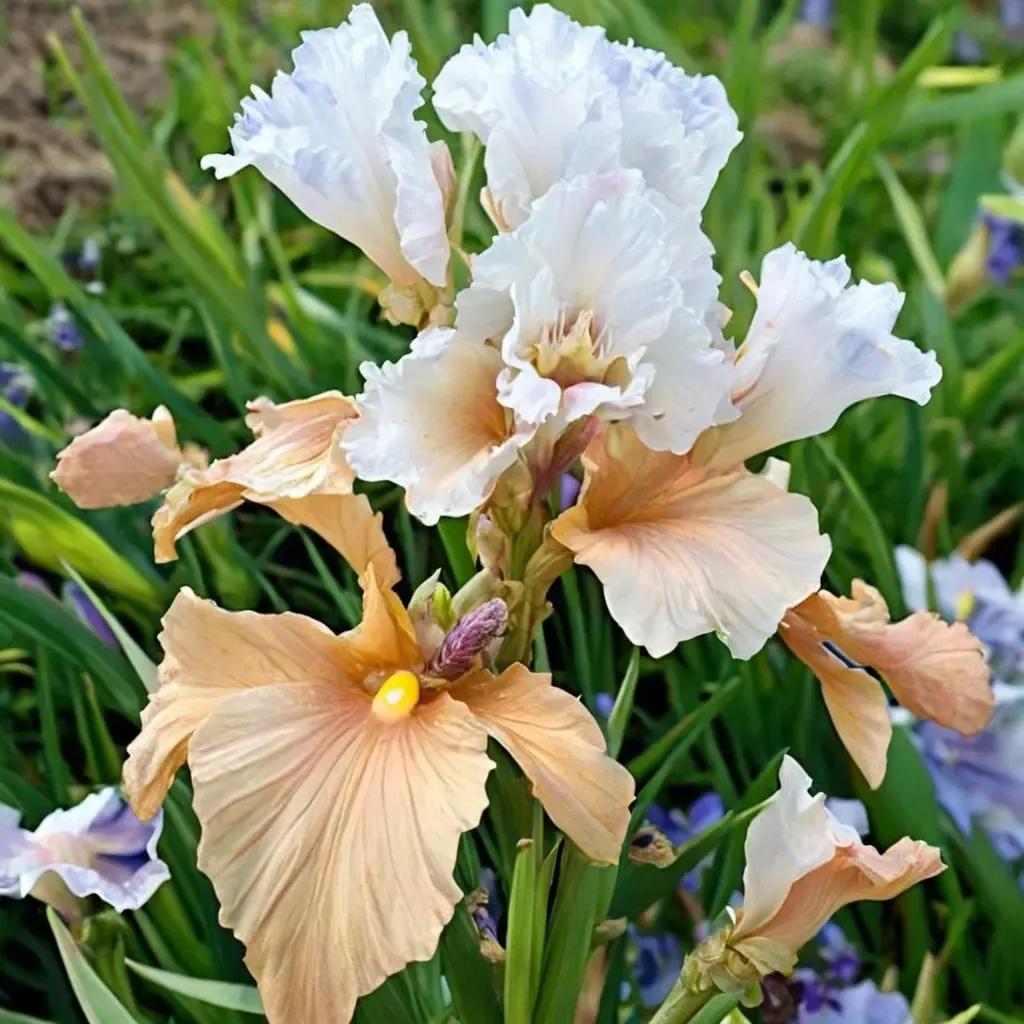 ‘Champagne Elegance’Champagne Elegance Bearded Iris
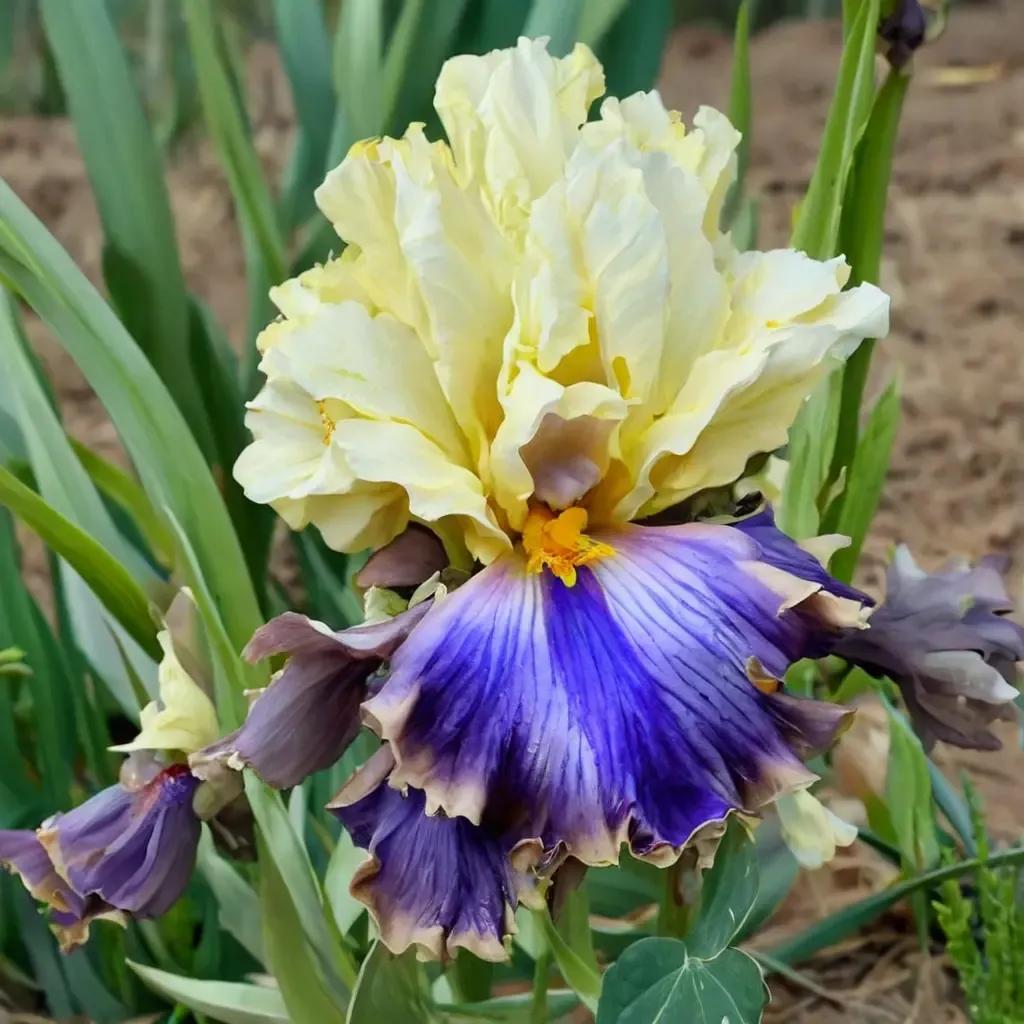 ‘Style Traveller’Style Traveller Bearded Iris
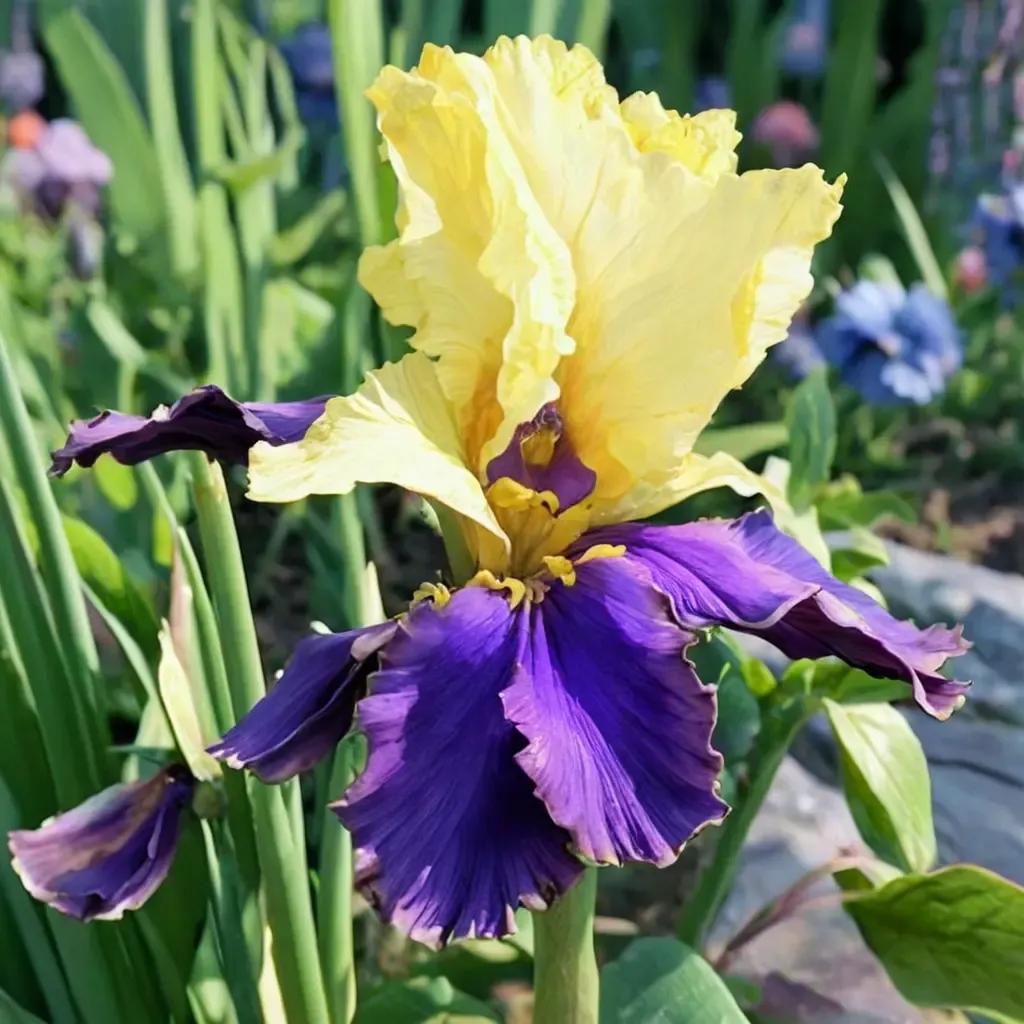 ‘Jurassic Park Reblooming’Jurassic Park Reblooming Bearded Iris
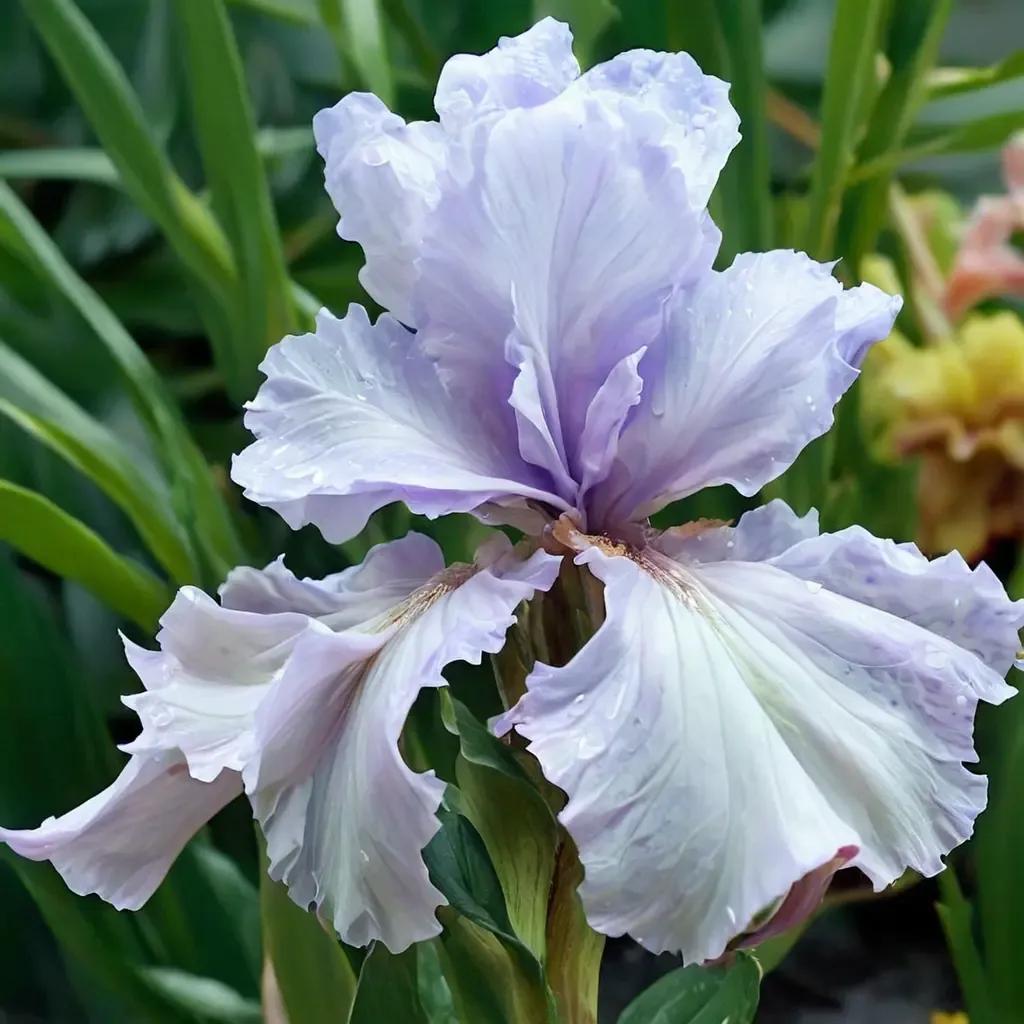 ‘Silverado’Silverado Bearded Iris
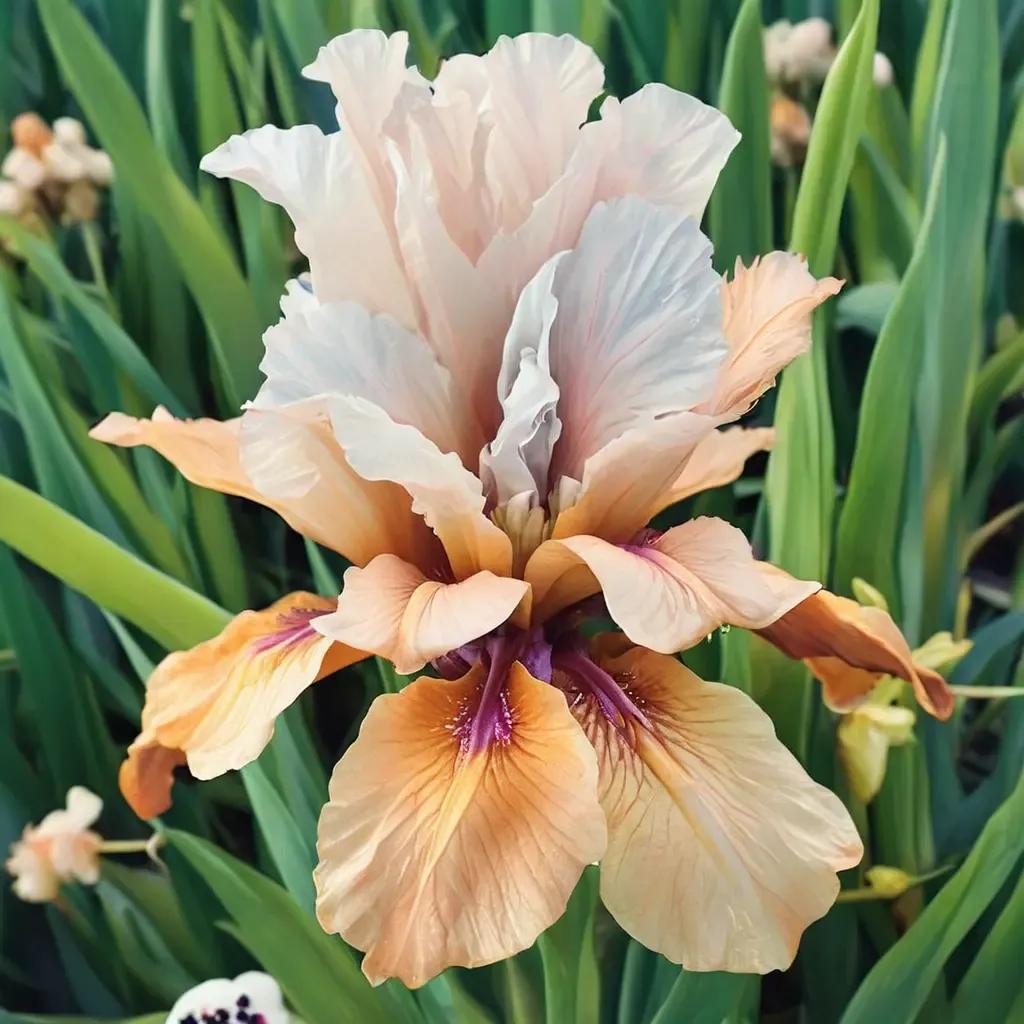 ‘Invitation Reblooming’Invitation Reblooming Bearded Iris
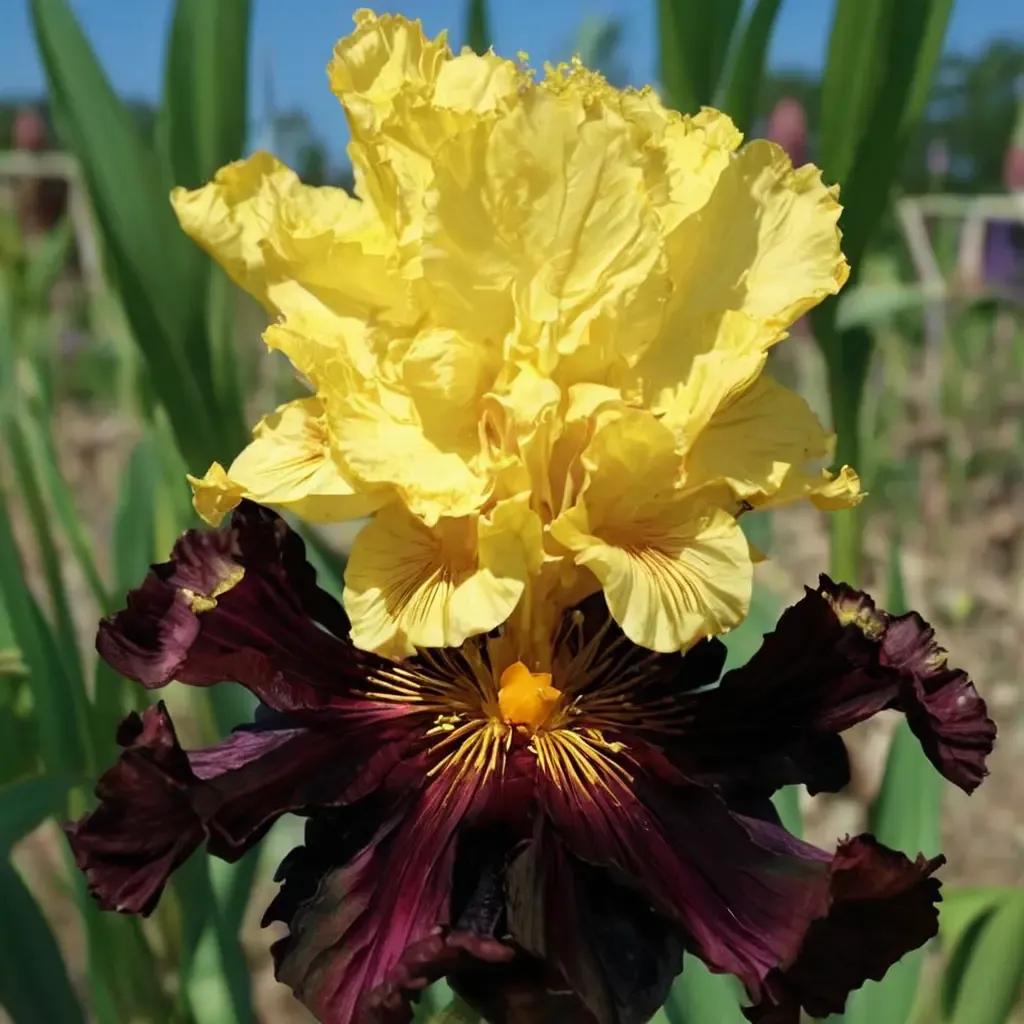 ‘Pirate Ahoy’Pirate Ahoy Bearded Iris
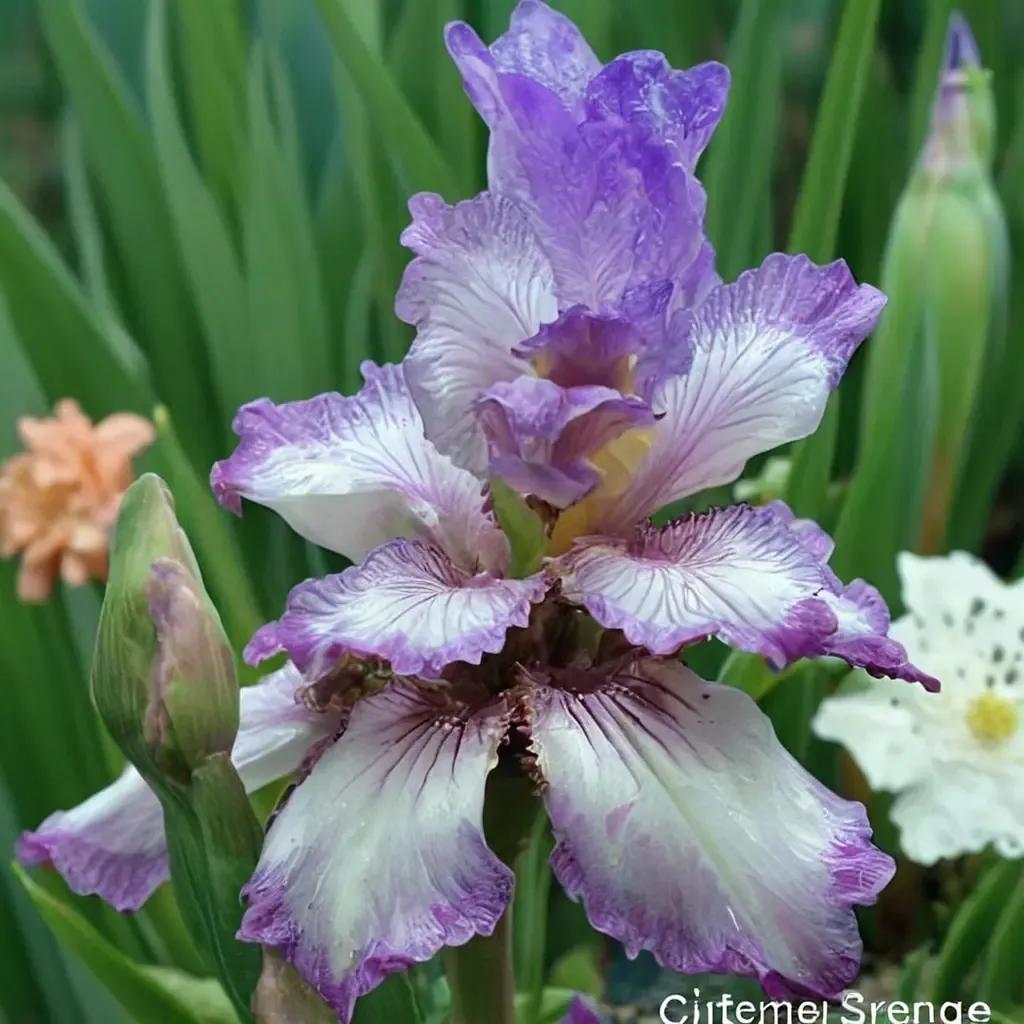 ‘Autumn Tryst’Autumn Tryst Bearded Iris
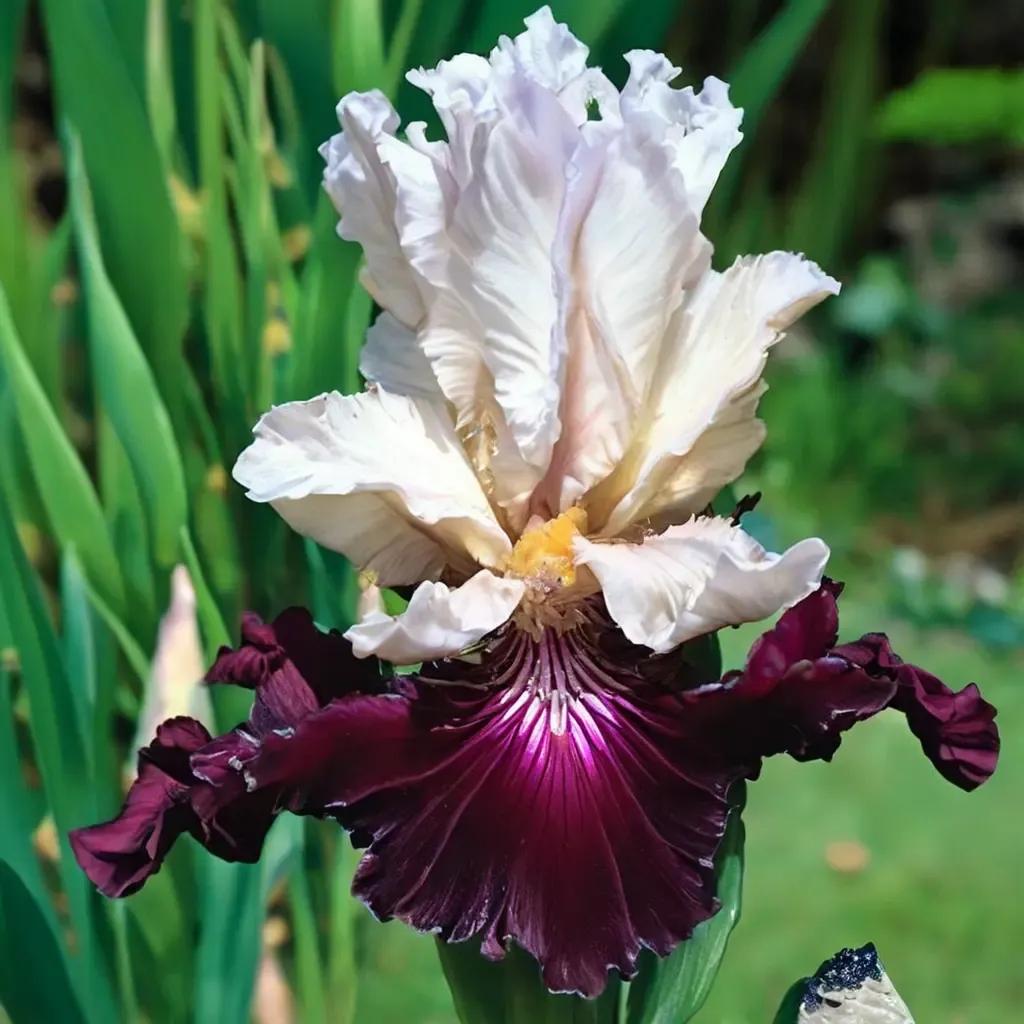 ‘Twist of Sheree’Twist of Sheree Bearded Iris
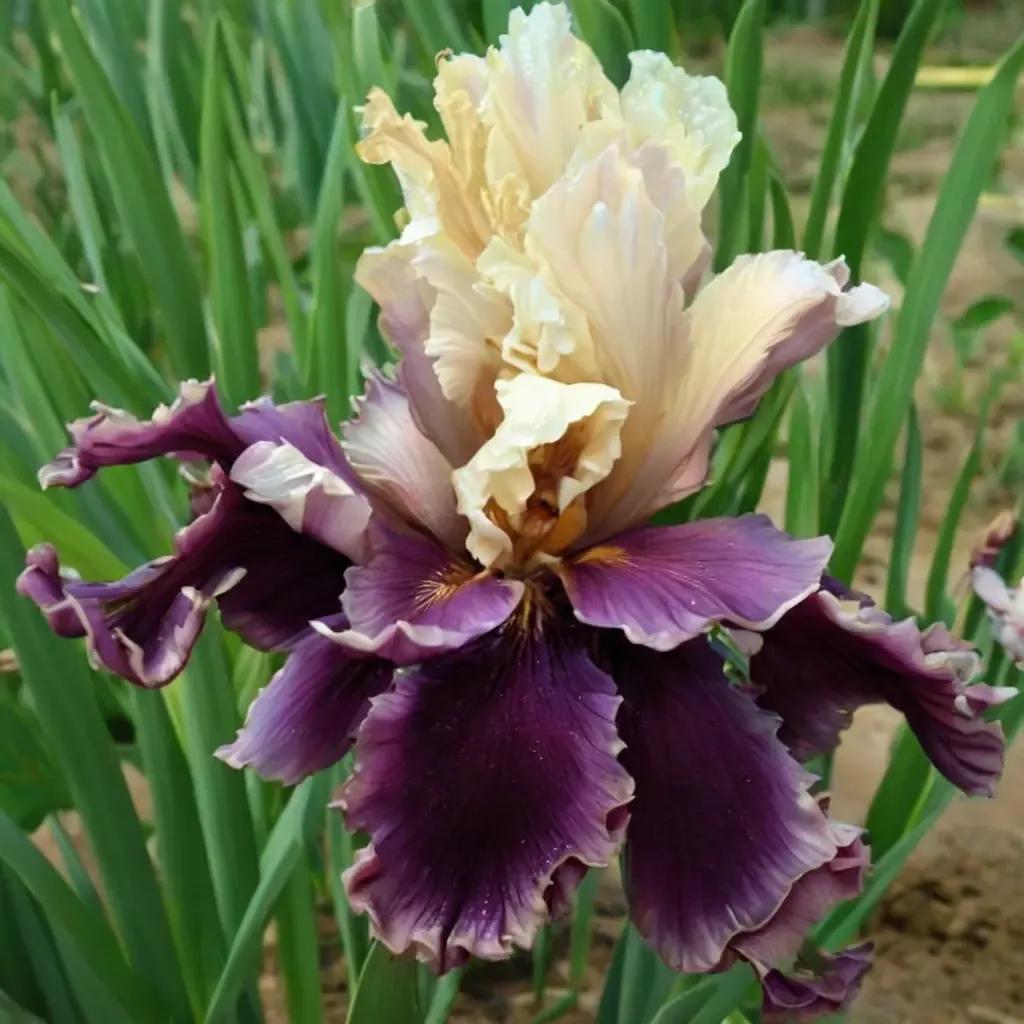 ‘Hold My Hand’Hold My Hand Iris
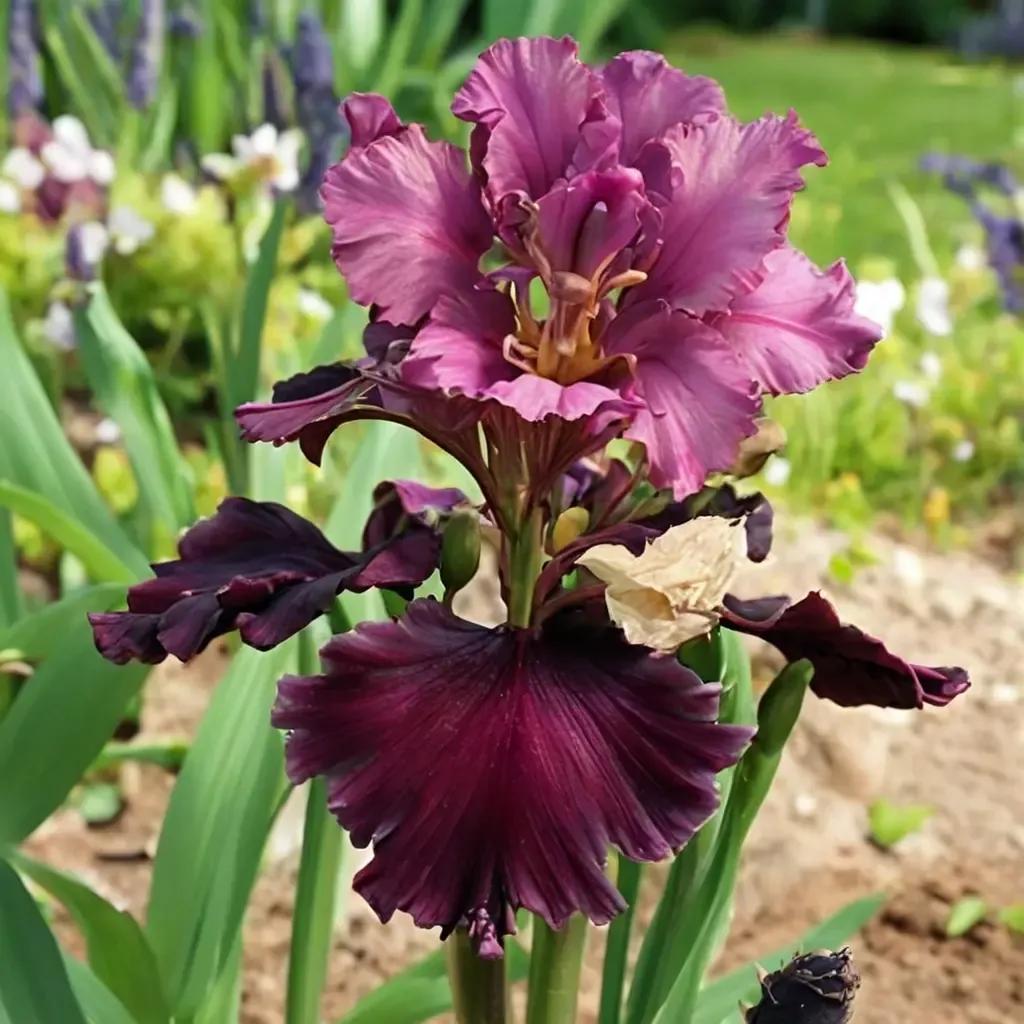 ‘Medici Prince’Medici Prince German Iris
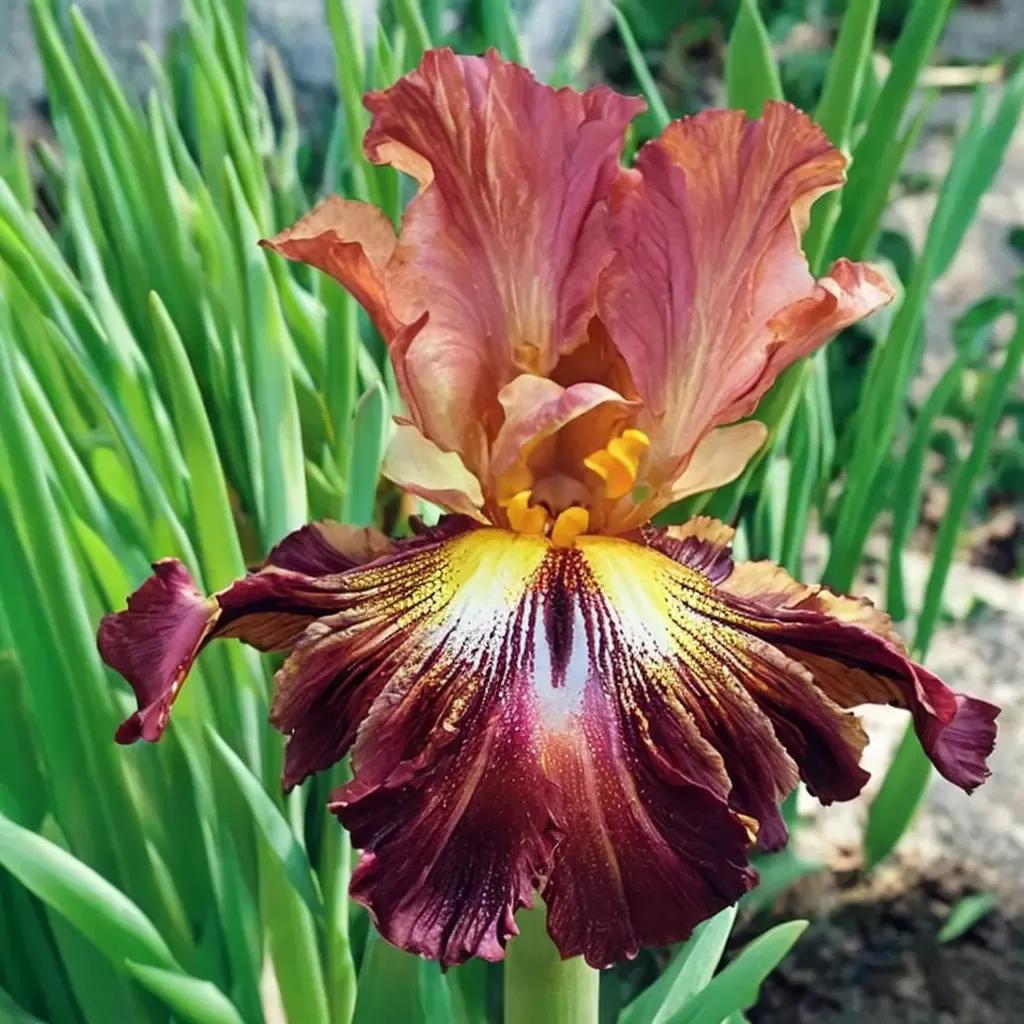 ‘Fono's Reblooming’Fono's Reblooming German Iris
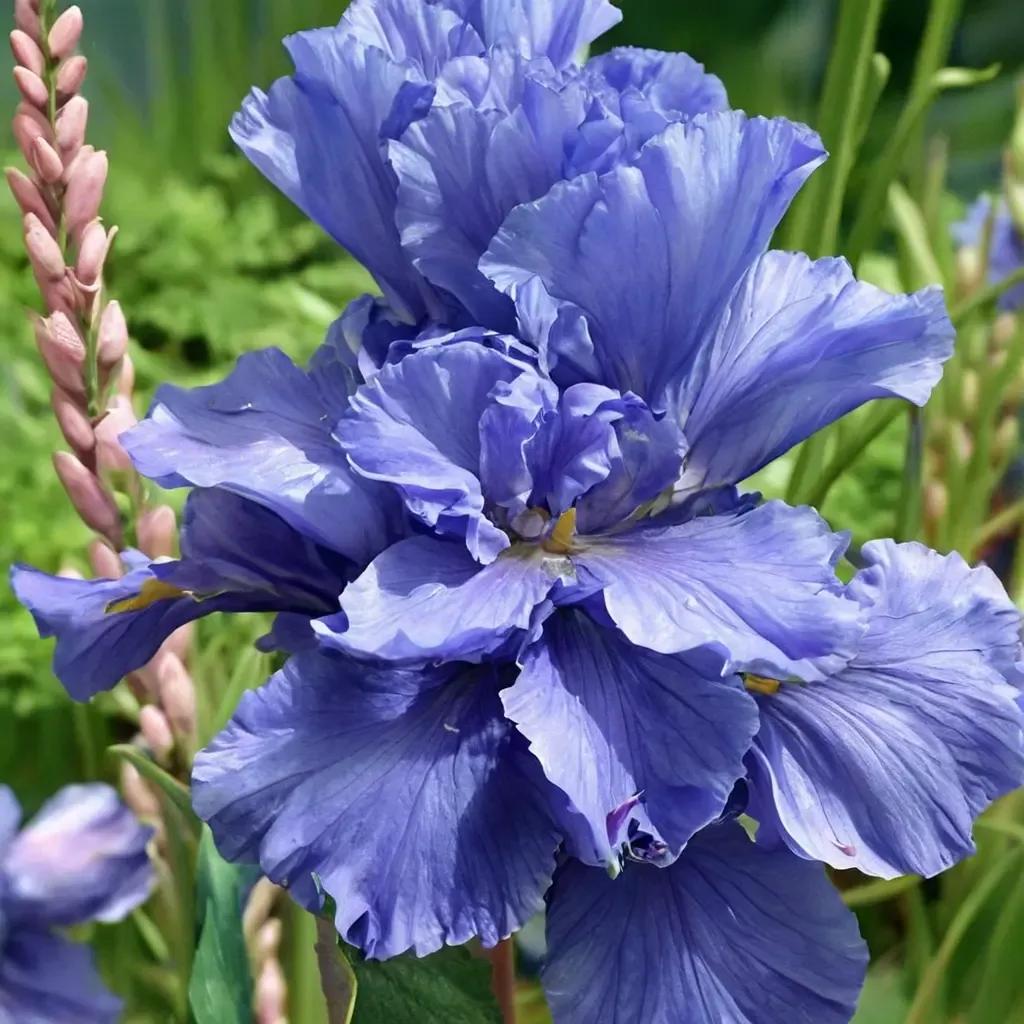 ‘Yaquina Blue’Yaquina Blue Iris
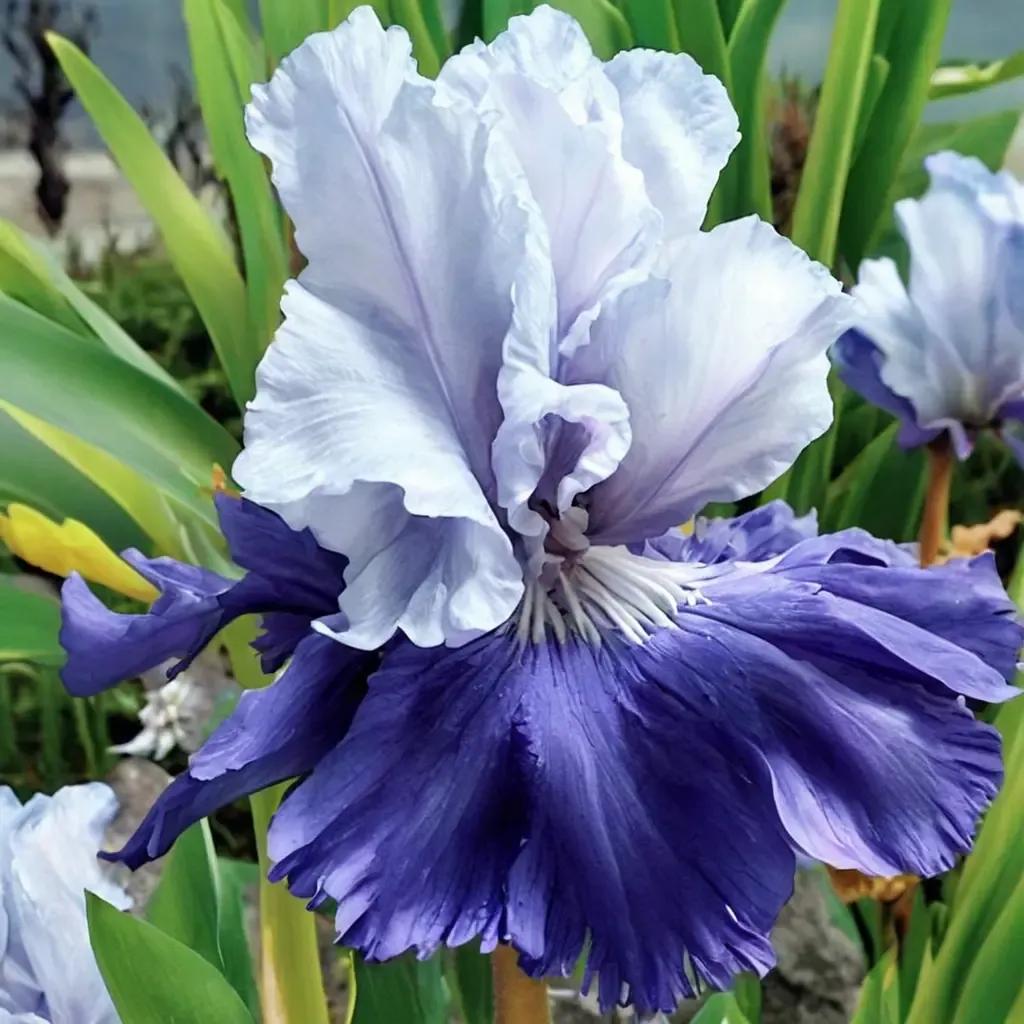 ‘October Sky’October Sky Bearded Iris
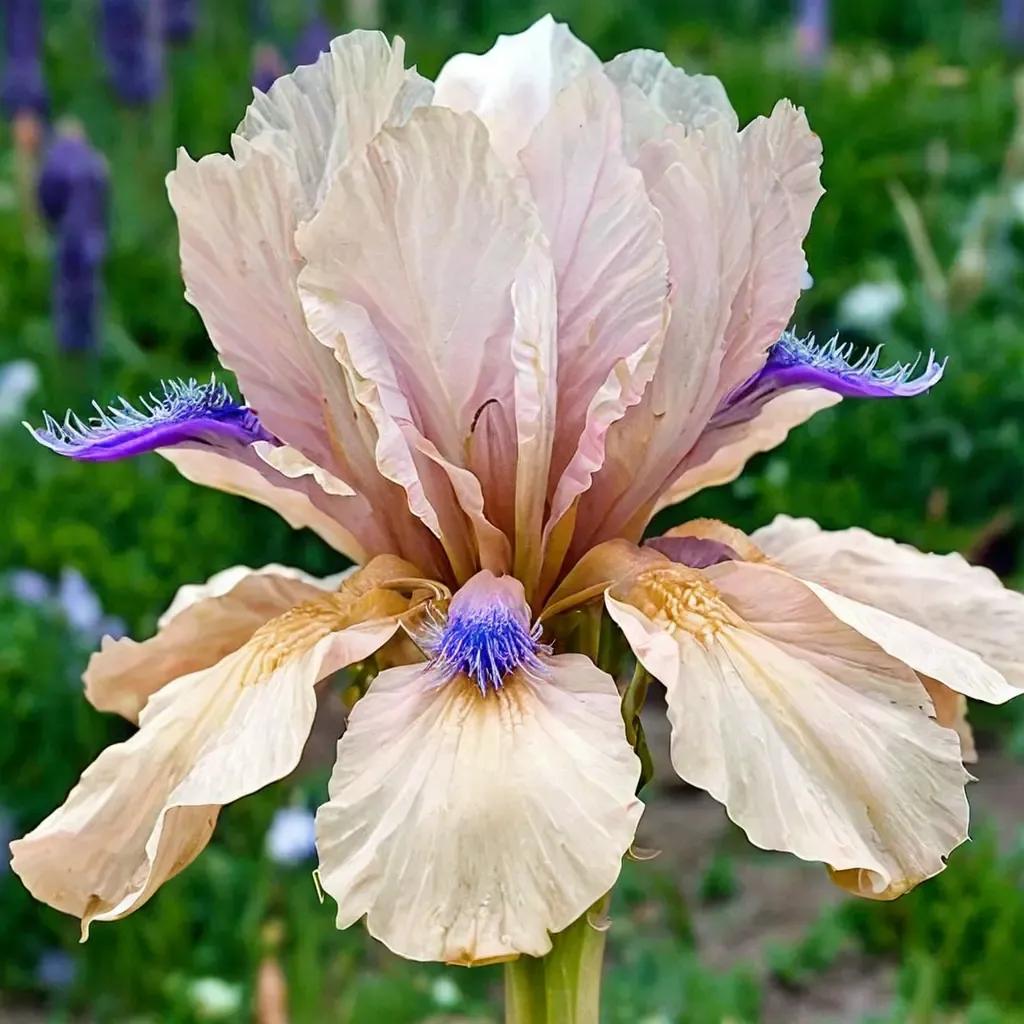 ‘Concertina KickStart Reblooming’Concertina Iris
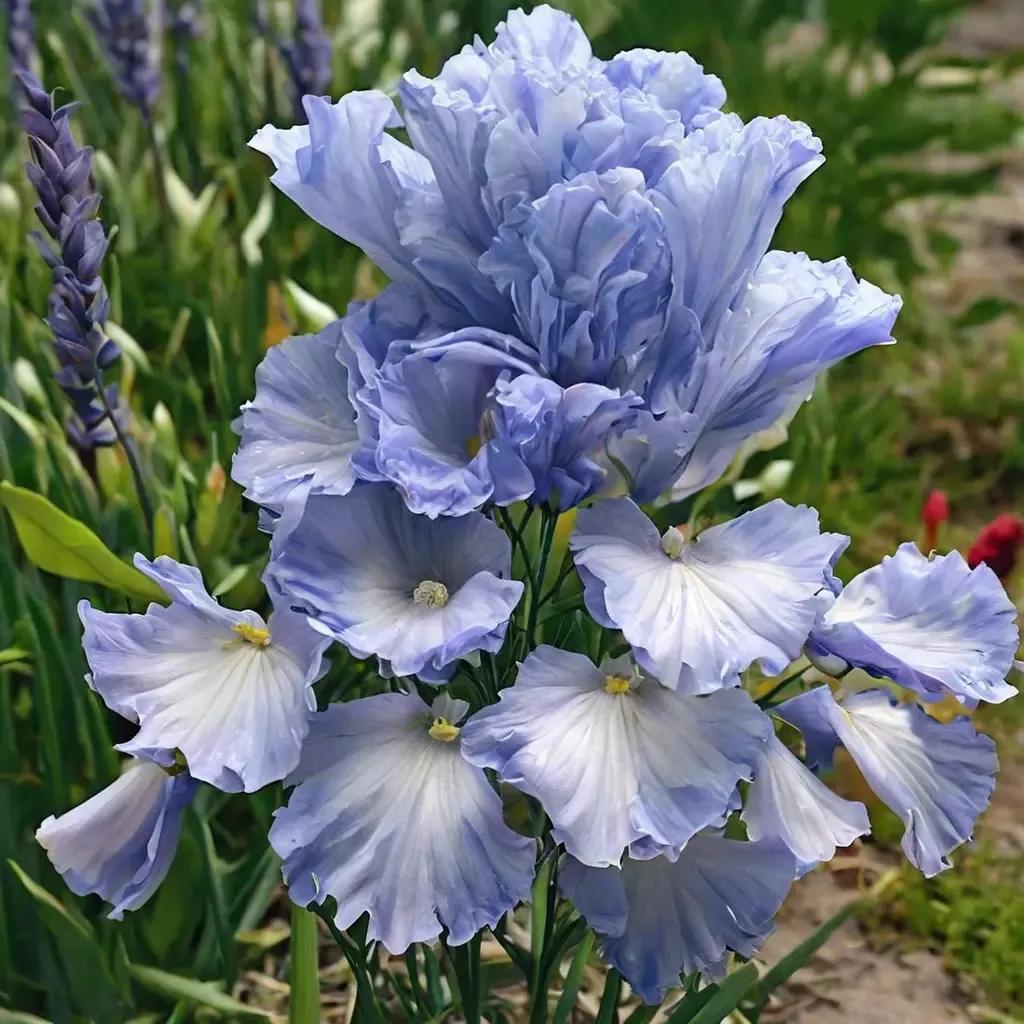 ‘Absolute Treasure’Absolute Treasure Bearded Iris
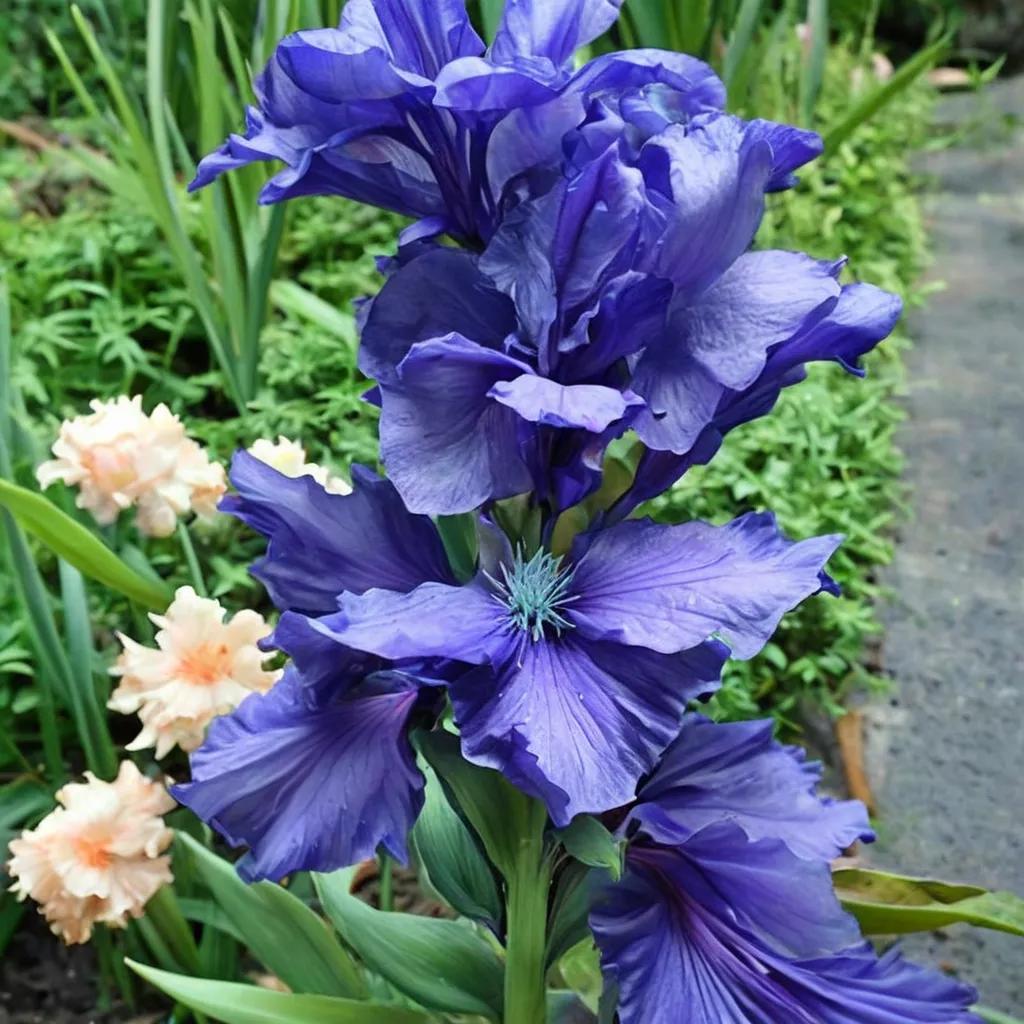 ‘Breakers’Tall Bearded Iris
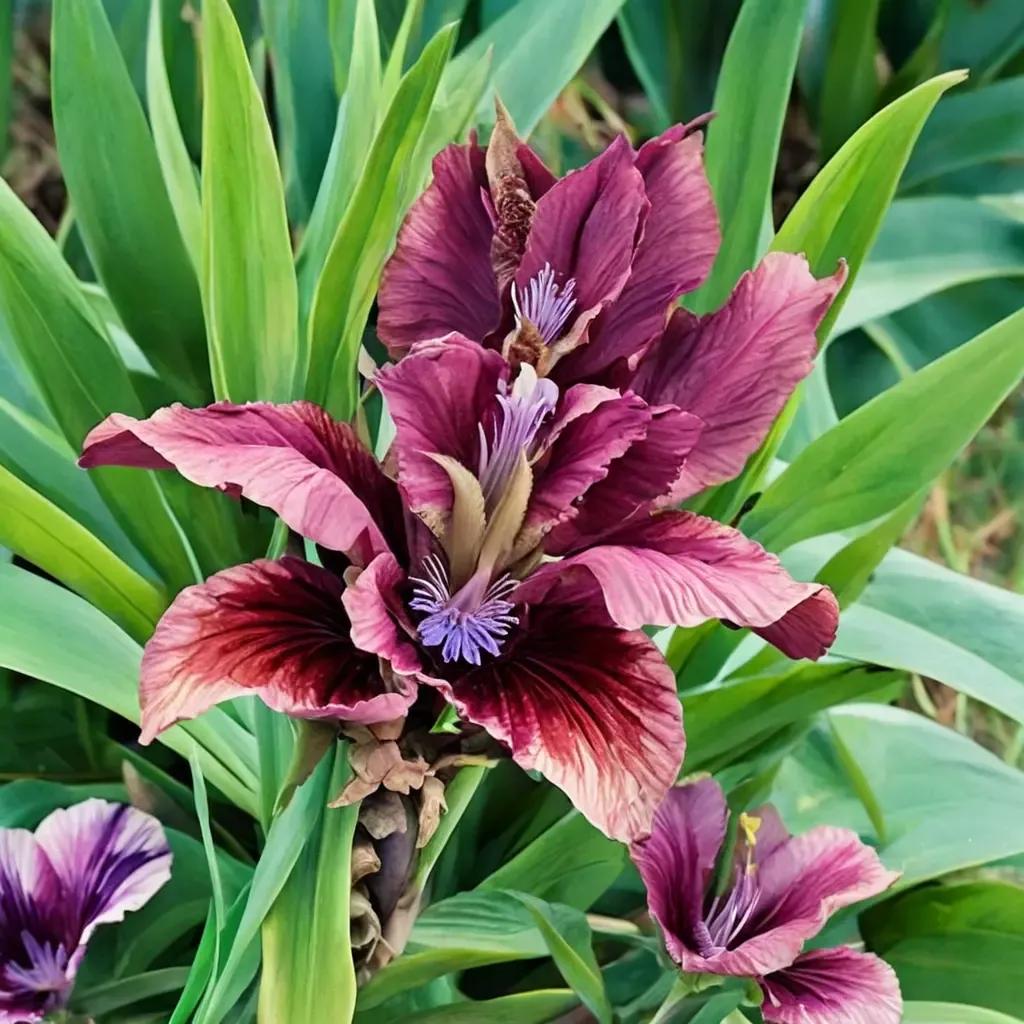 ‘Cat's Eye Miniature’Cat's Eye Miniature Iris
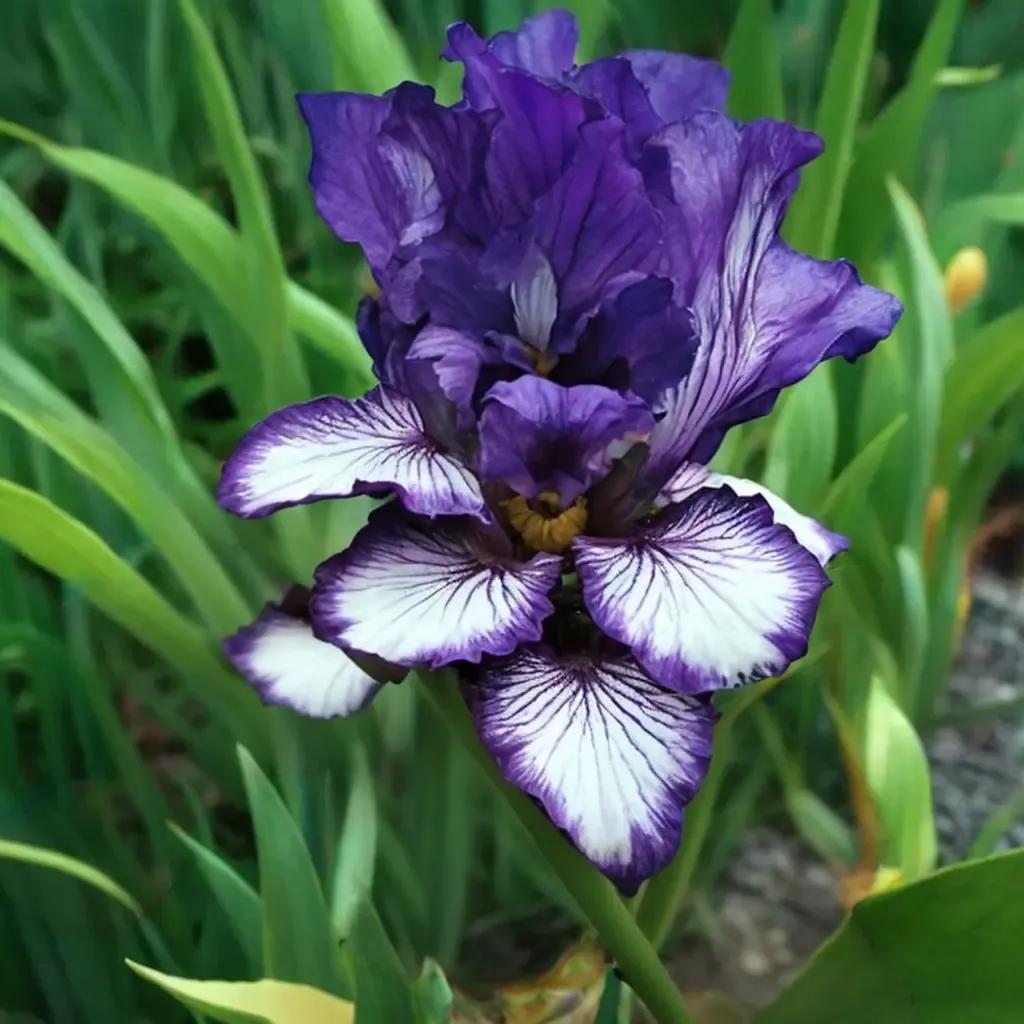 ‘Bountiful Harvest’Bountiful Harvest Bearded Iris
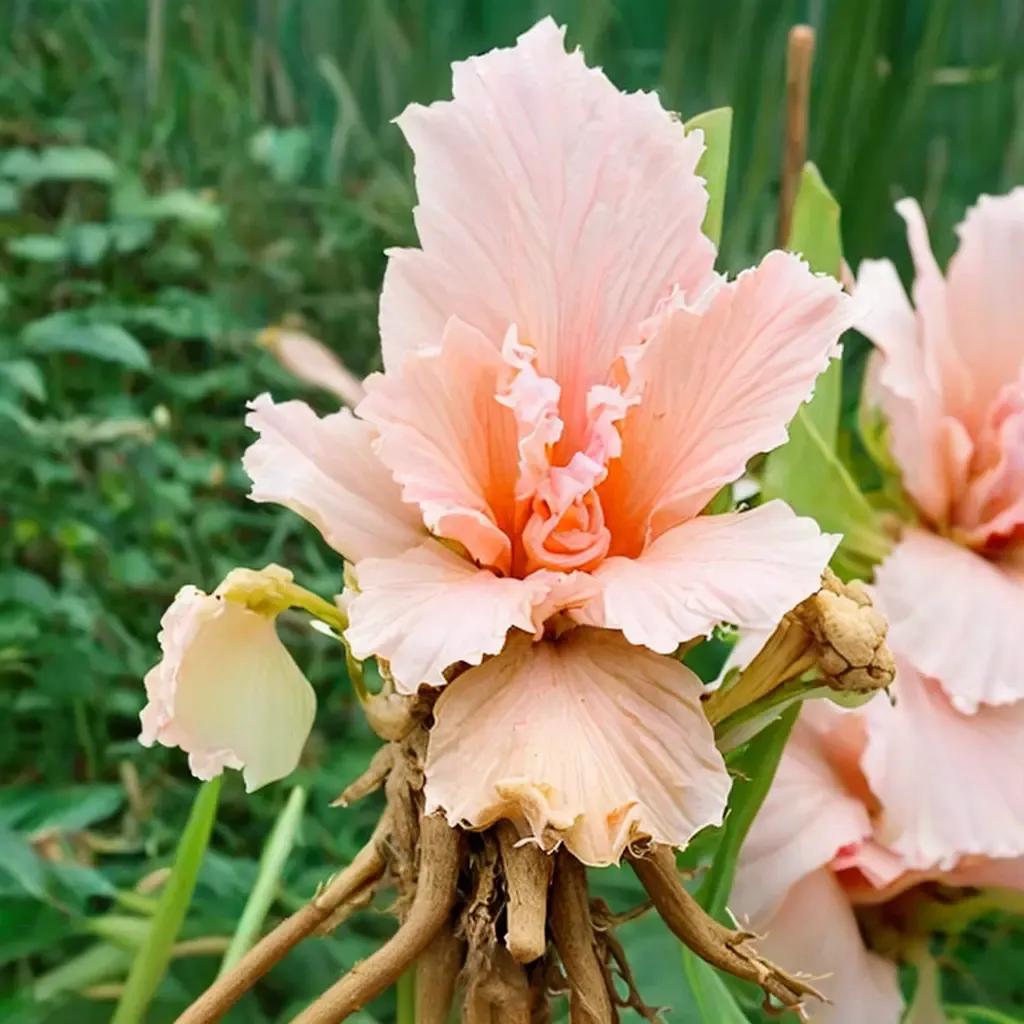 ‘In Love Again KickStart Reblooming’In Love Again KickStart Reblooming Bearded Iris
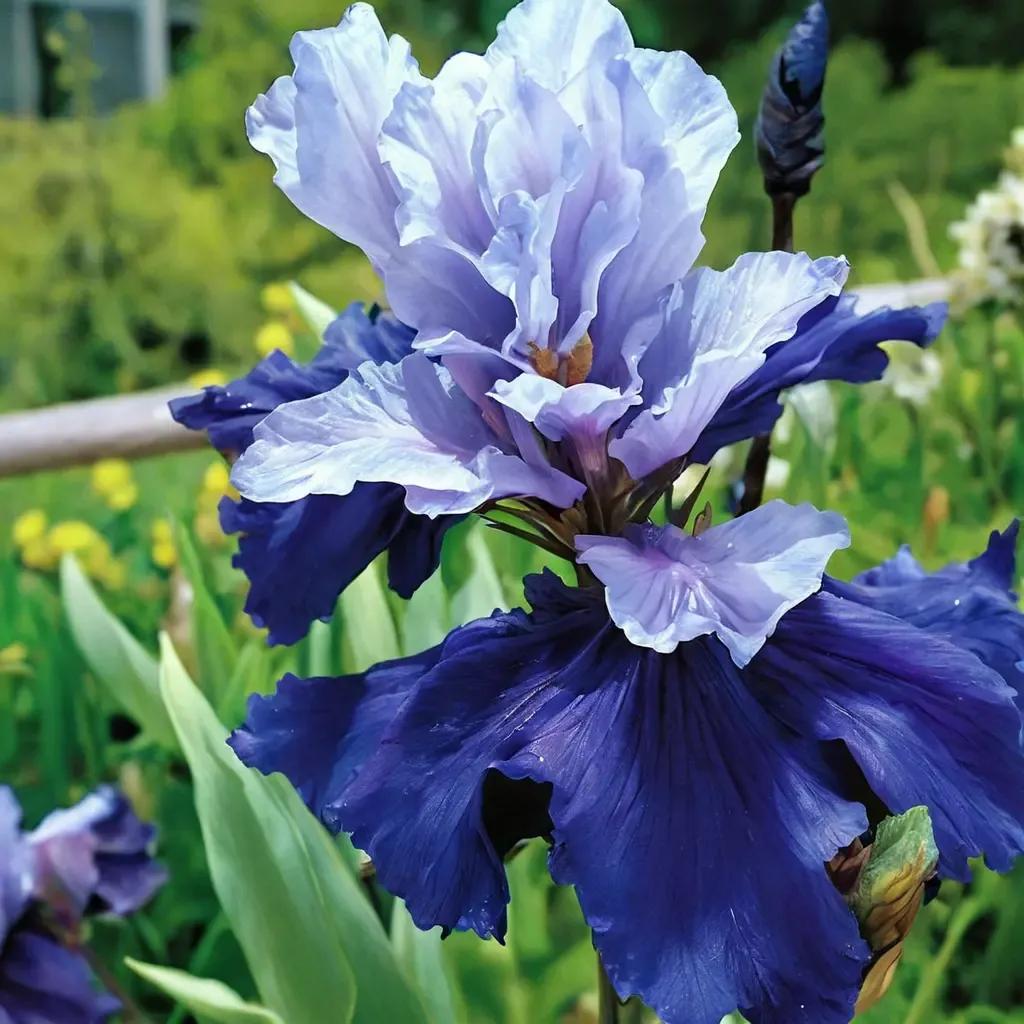 ‘Best Bet’Bearded Iris 'Best Bet'
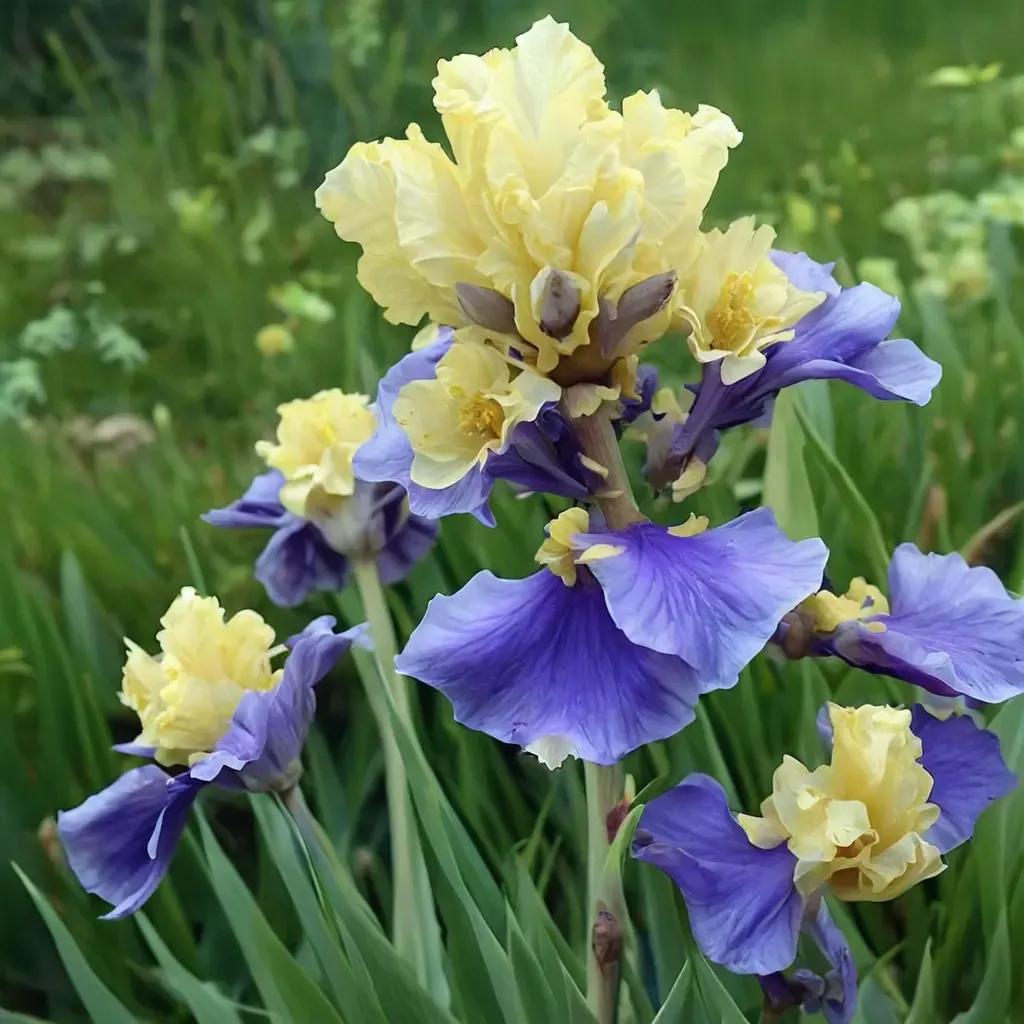 ‘Edith Wolford’Edith Wolford Bearded Iris
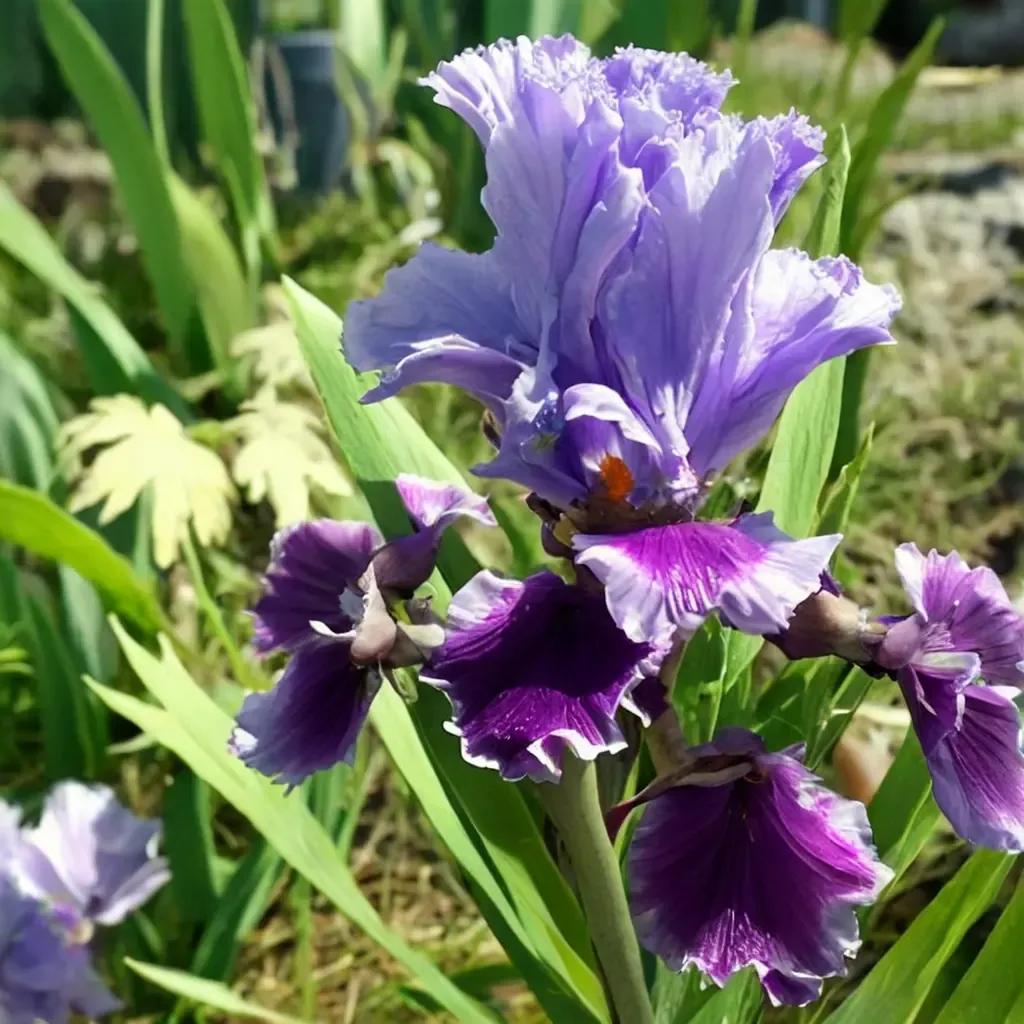 ‘Louisa’Louisa Bearded Iris
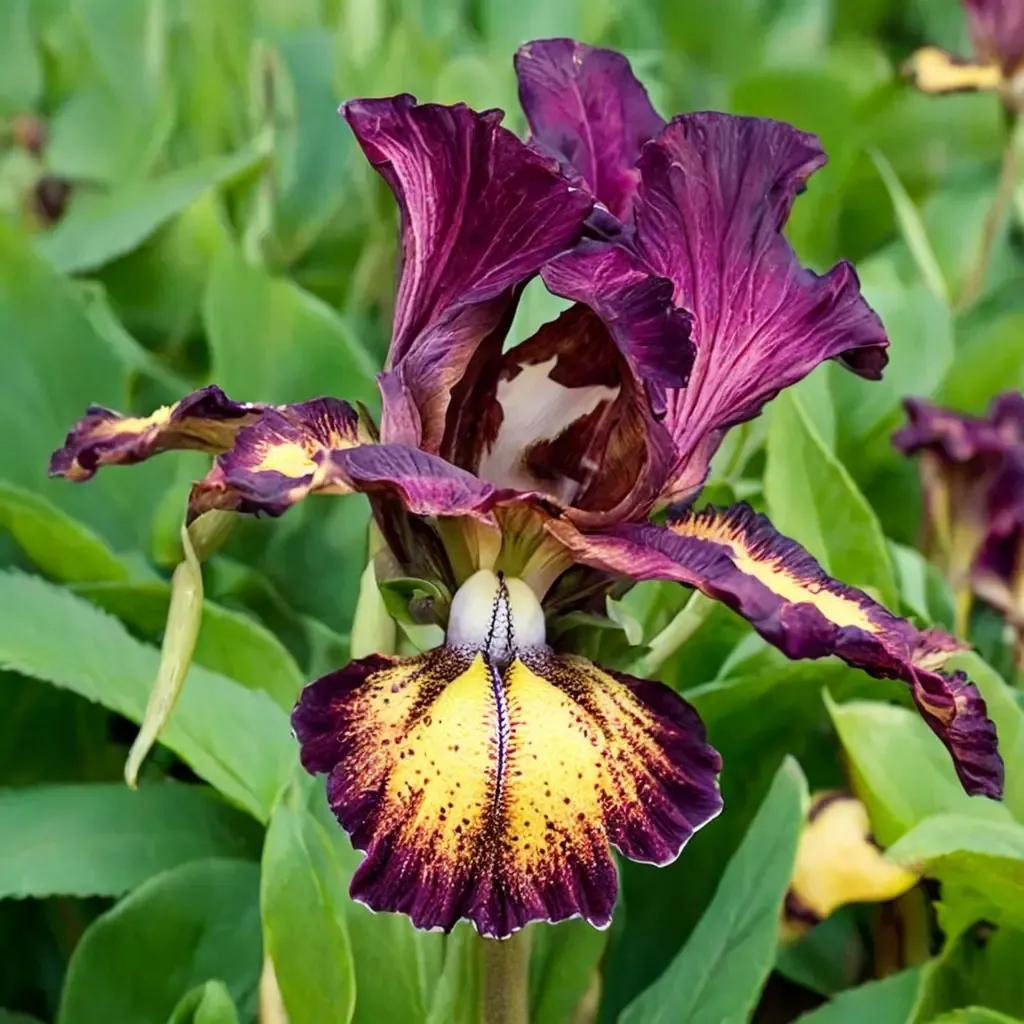 ‘Red Hot Chili KickStart Reblooming’Red Hot Chili Bearded Iris
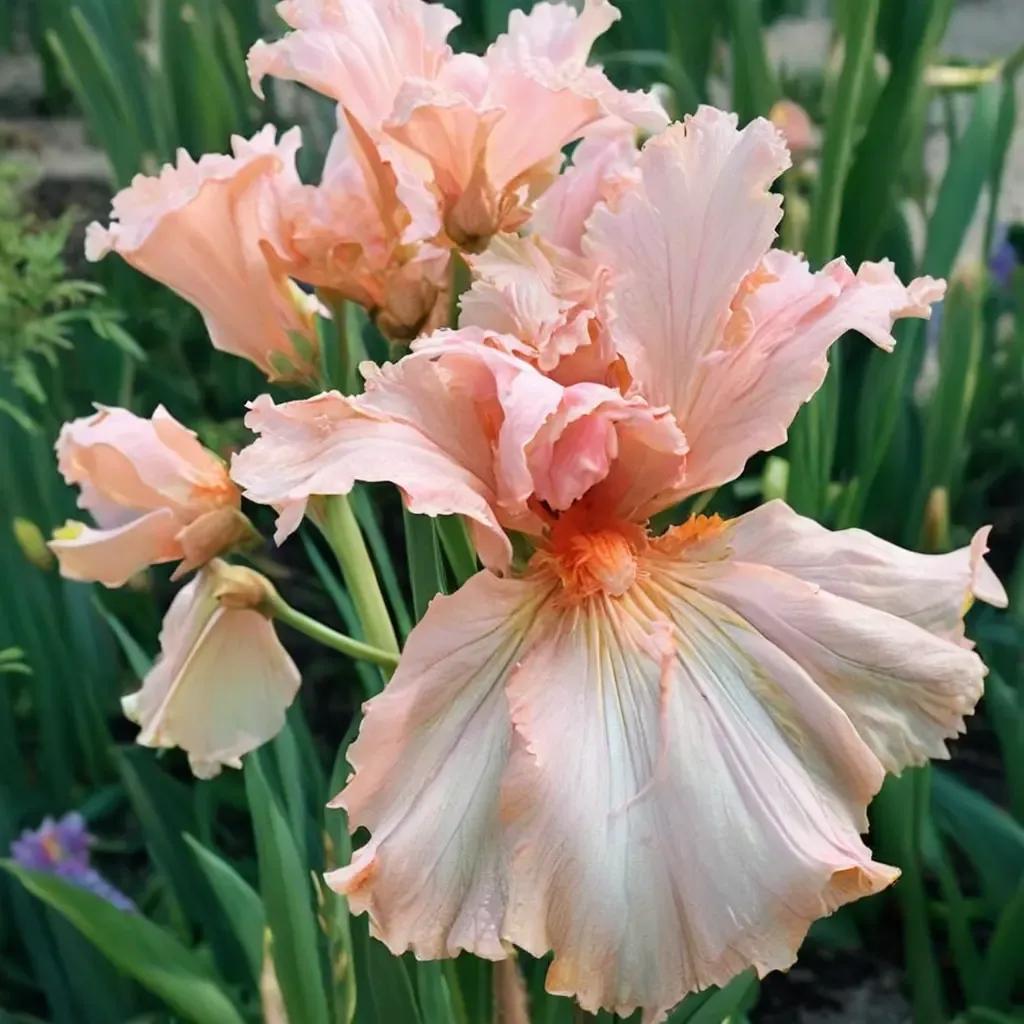 ‘Beverly Sills’Beverly Sills Bearded Iris
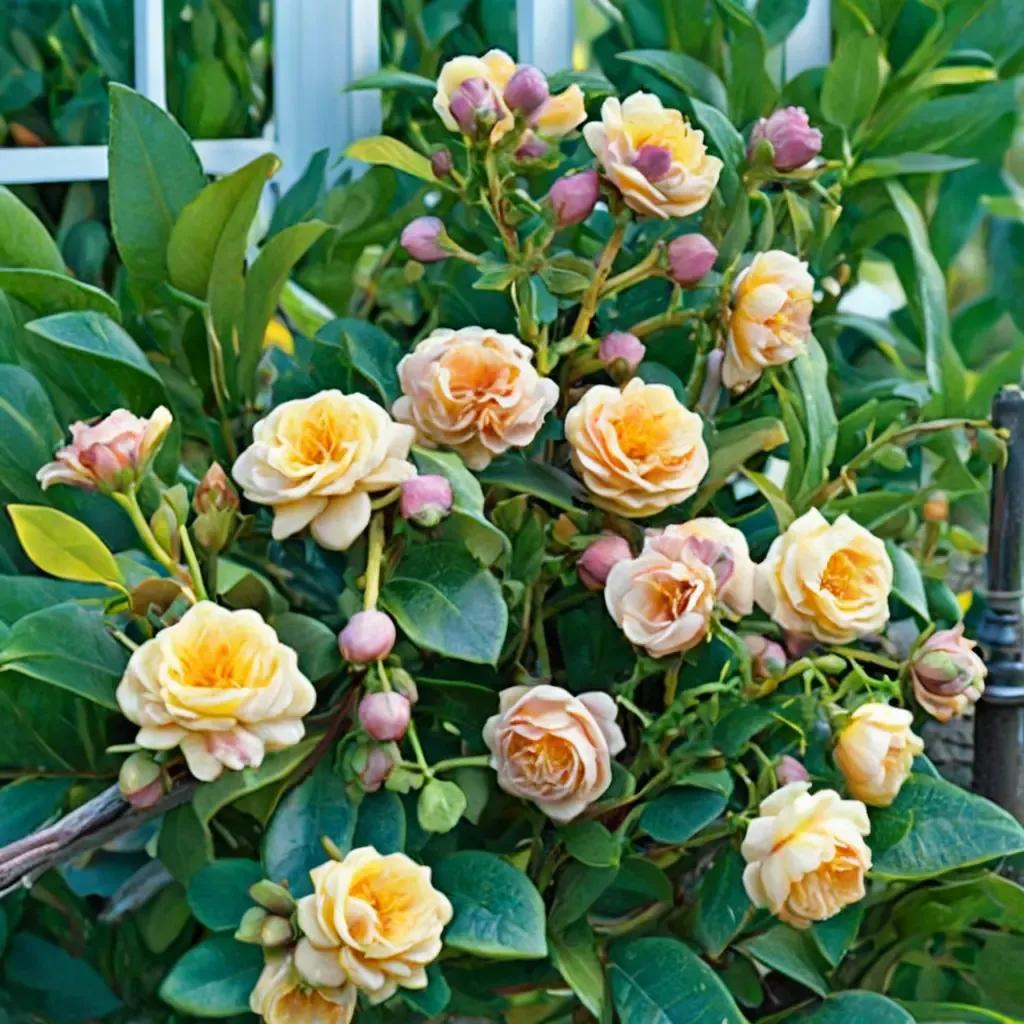 ‘Apricot Kerfuffle Kickstart’Apricot Kerfuffle Kickstart Bearded Iris
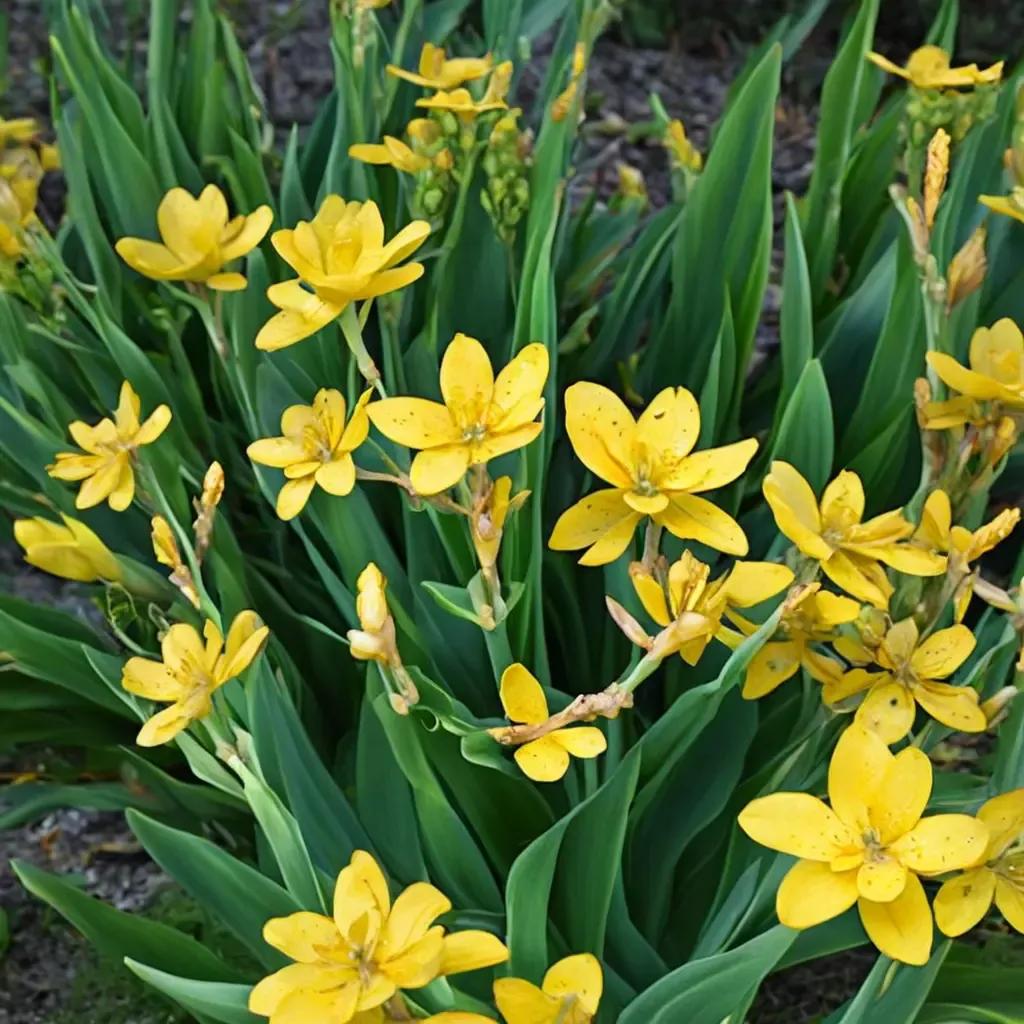 ‘Hello Yellow’Hello Yellow German Iris
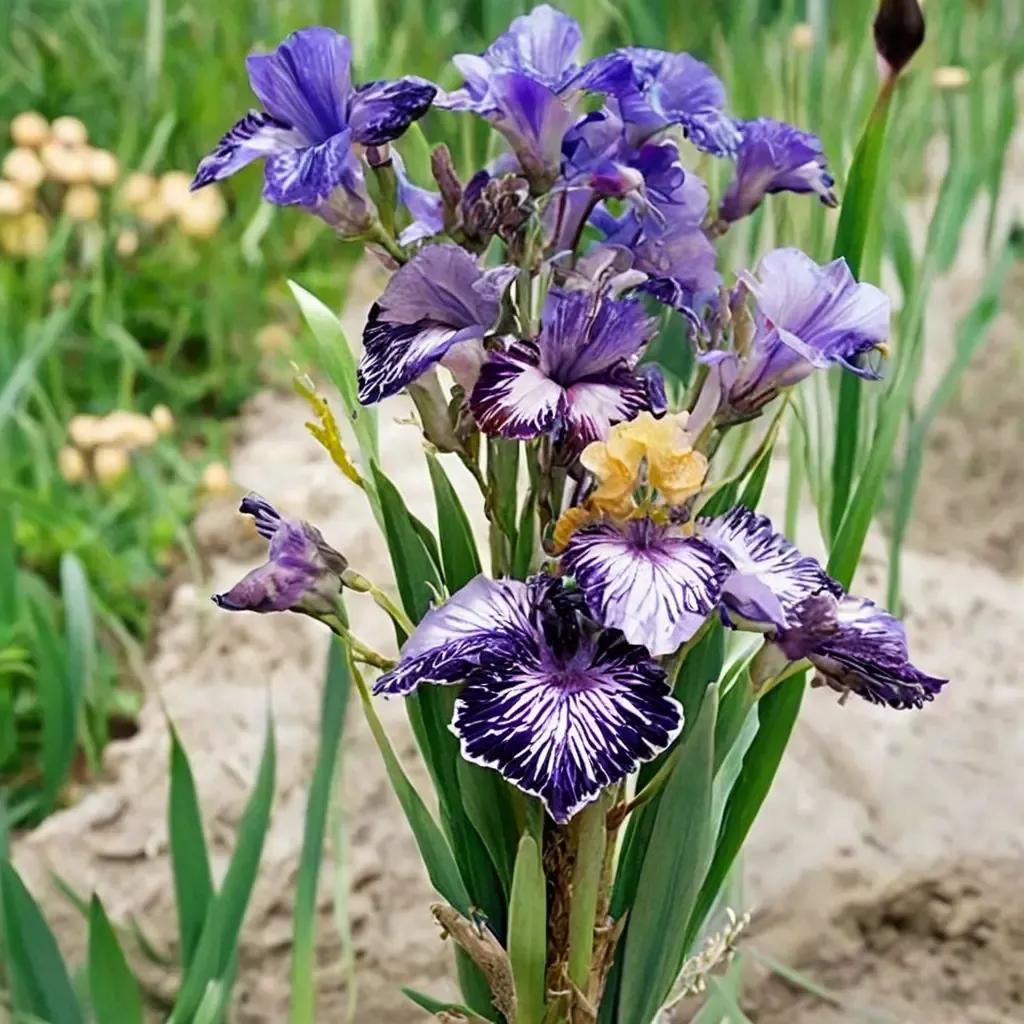 ‘Grape Zebra’Grape Zebra Bearded Iris
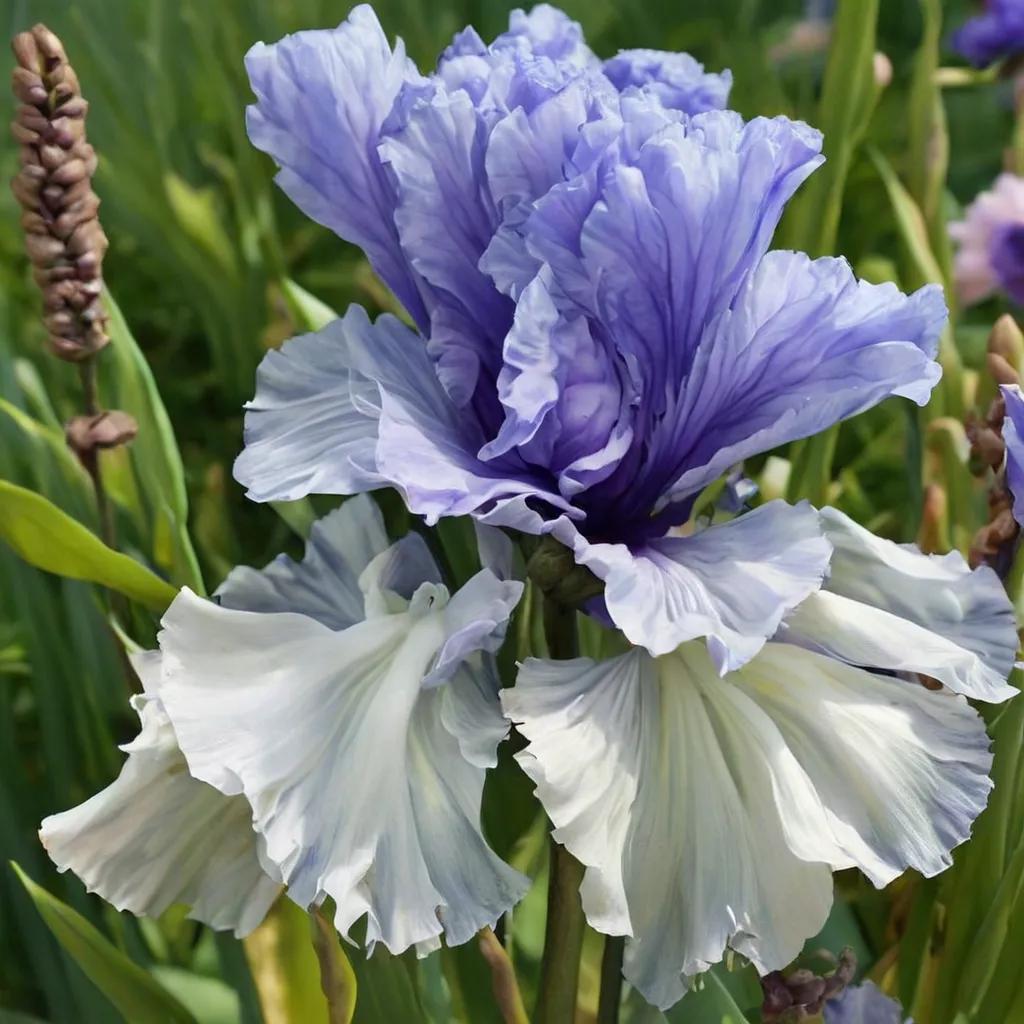 ‘Wintry Sky’Wintry Sky German Bearded Iris
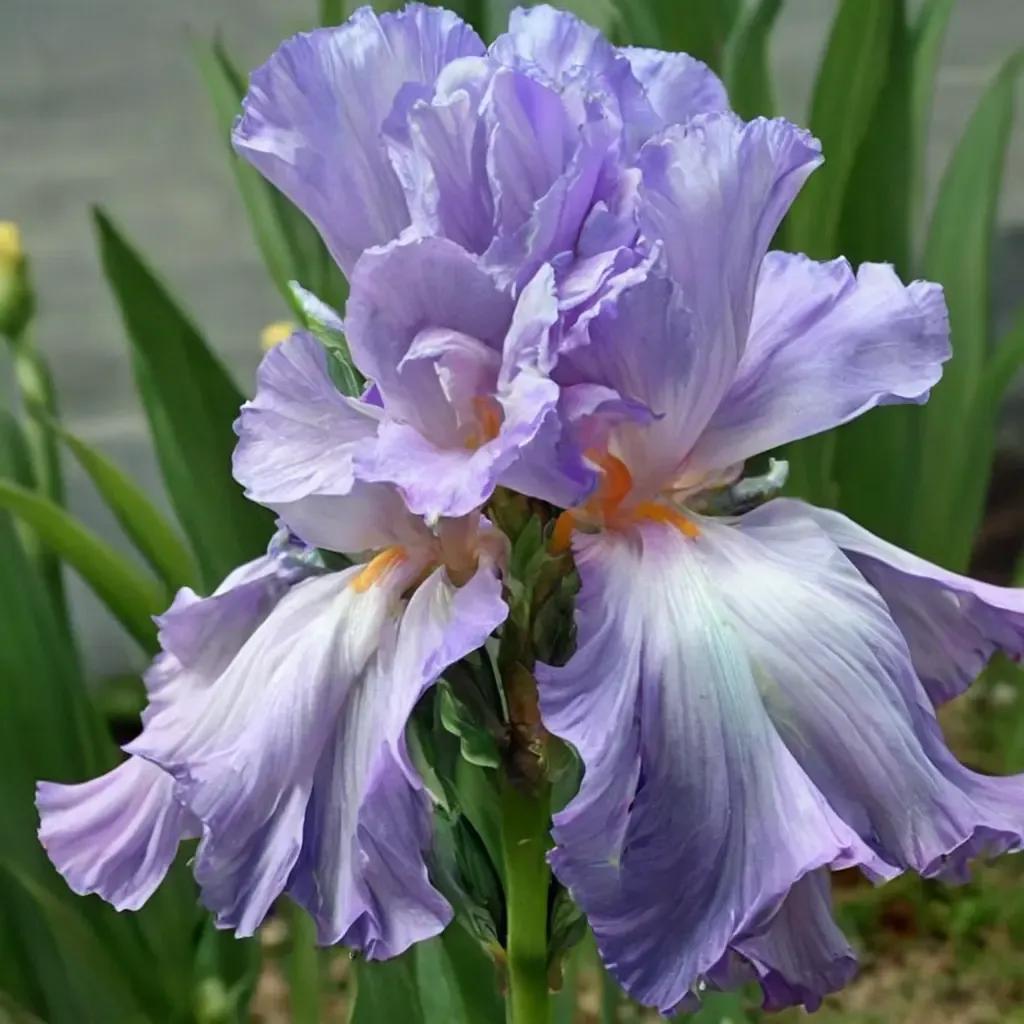 ‘Mary Frances’Mary Frances Tall Bearded Iris
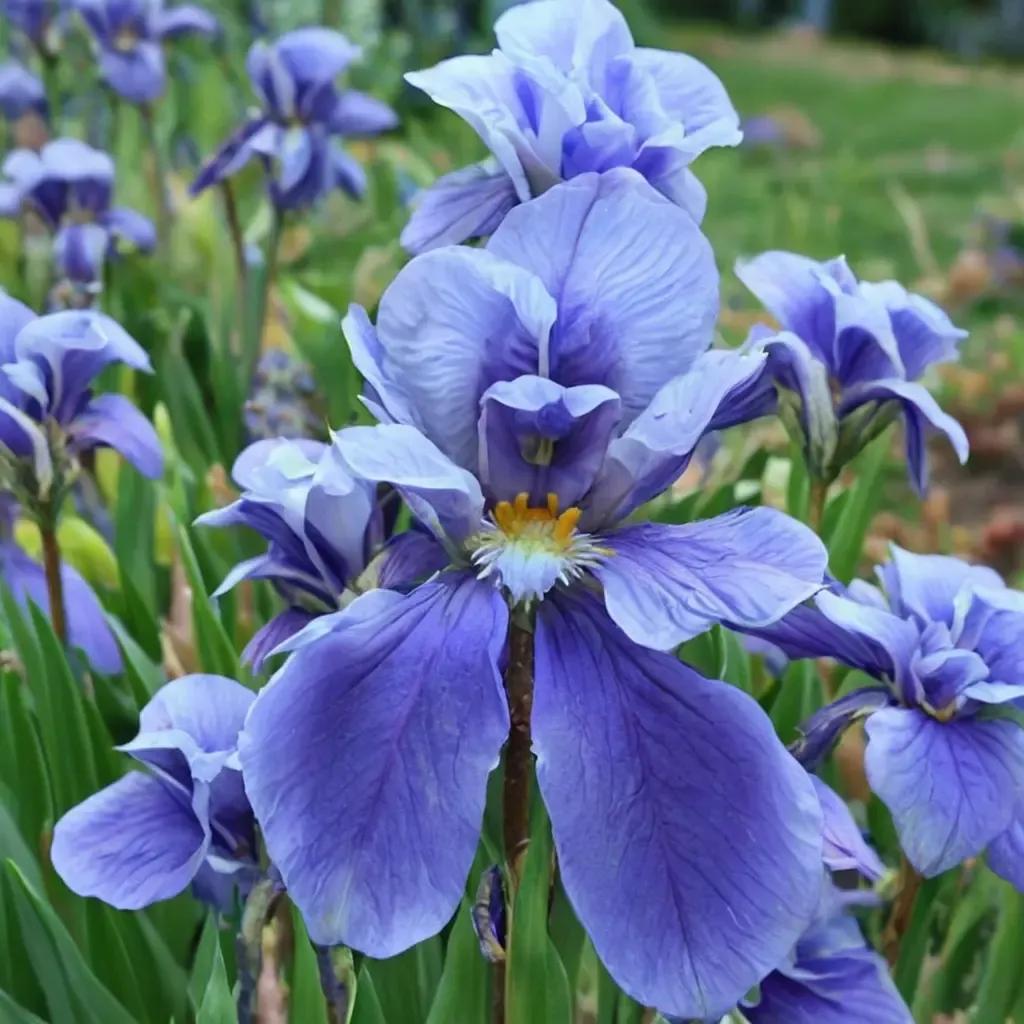 ‘Blue Rhythm’Blue Rhythm Iris
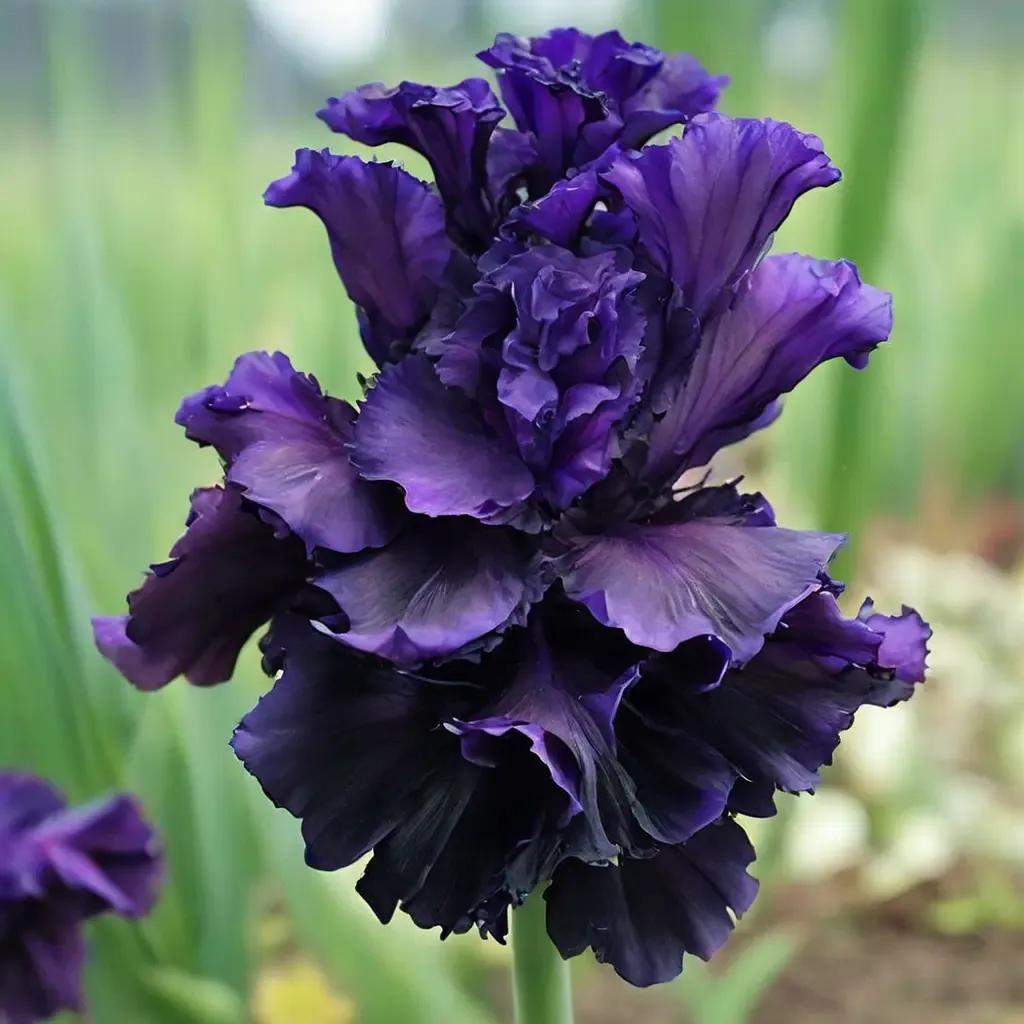 ‘Black Lipstick’Black Lipstick Iris
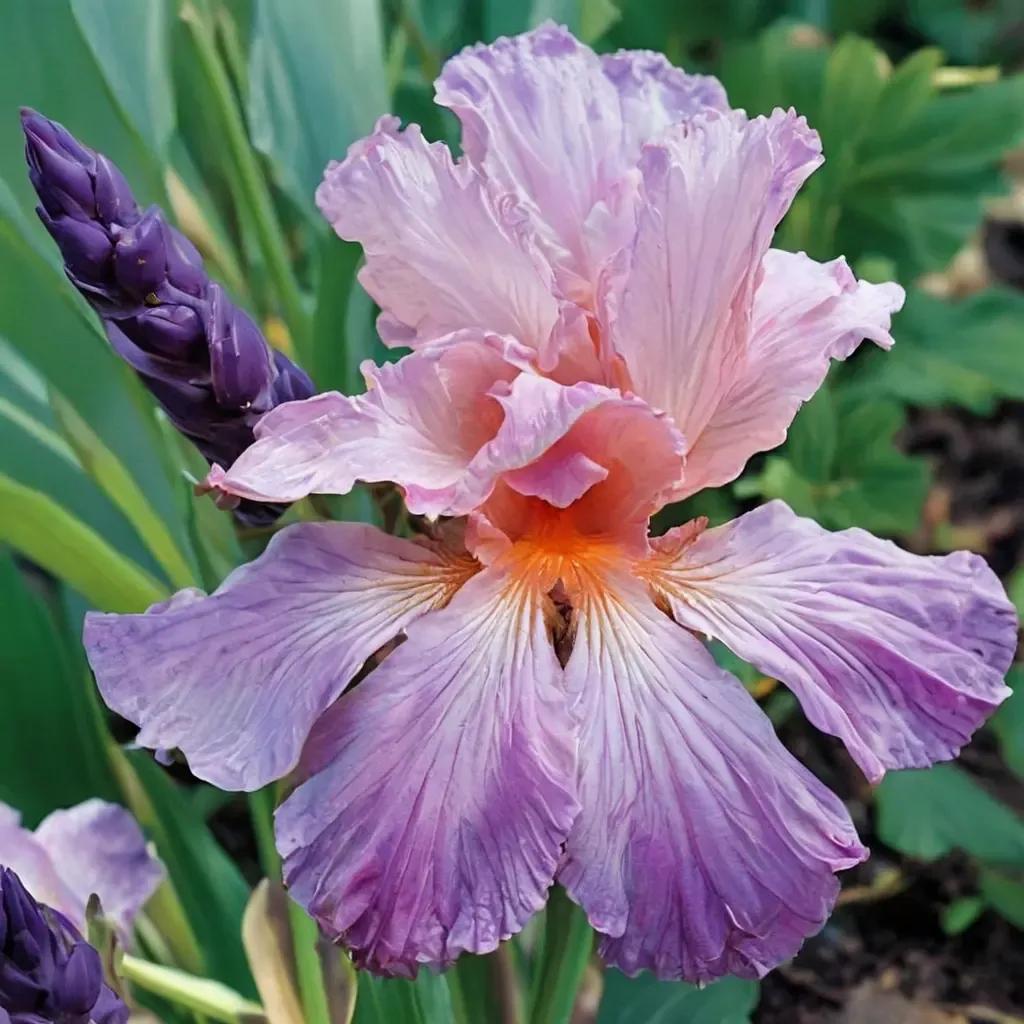 ‘Jennifer Rebecca’Jennifer Rebecca Bearded Iris
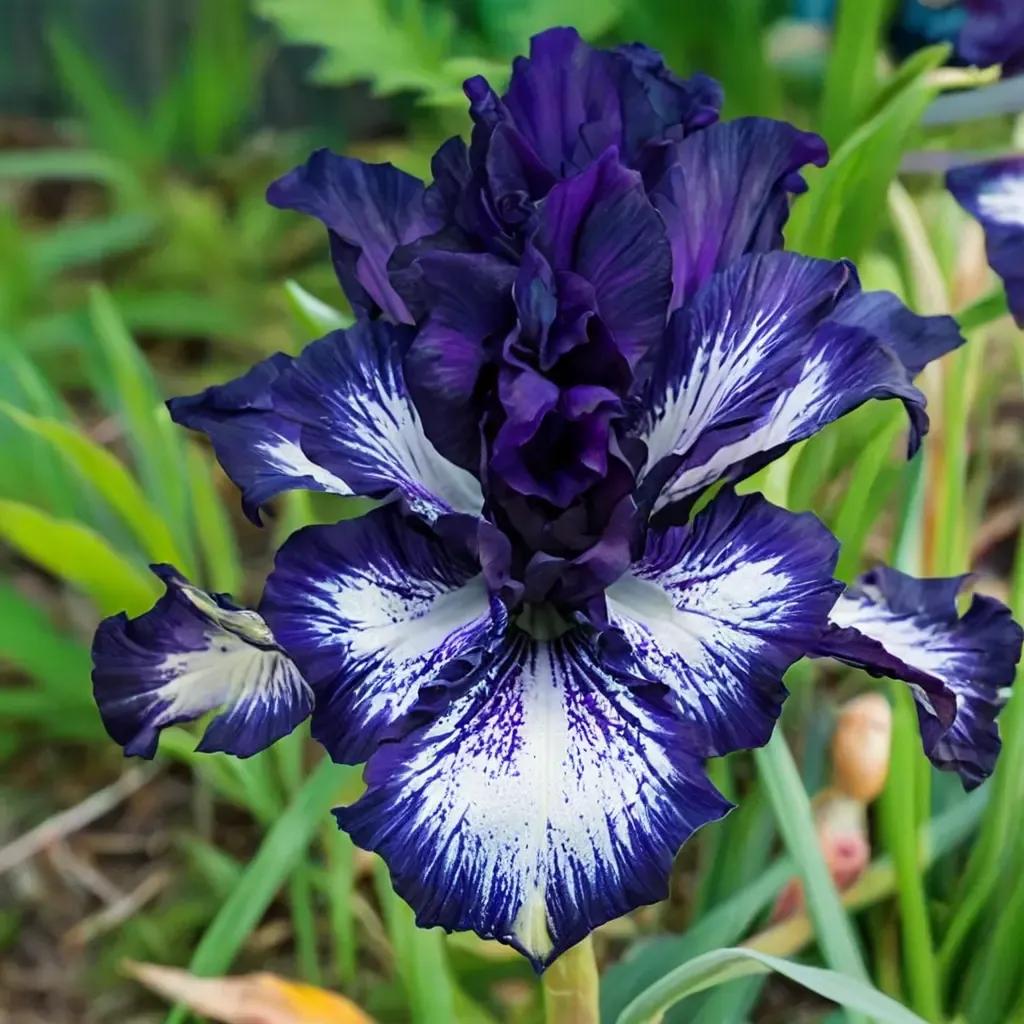 ‘Oreo’Oreo Bearded Iris
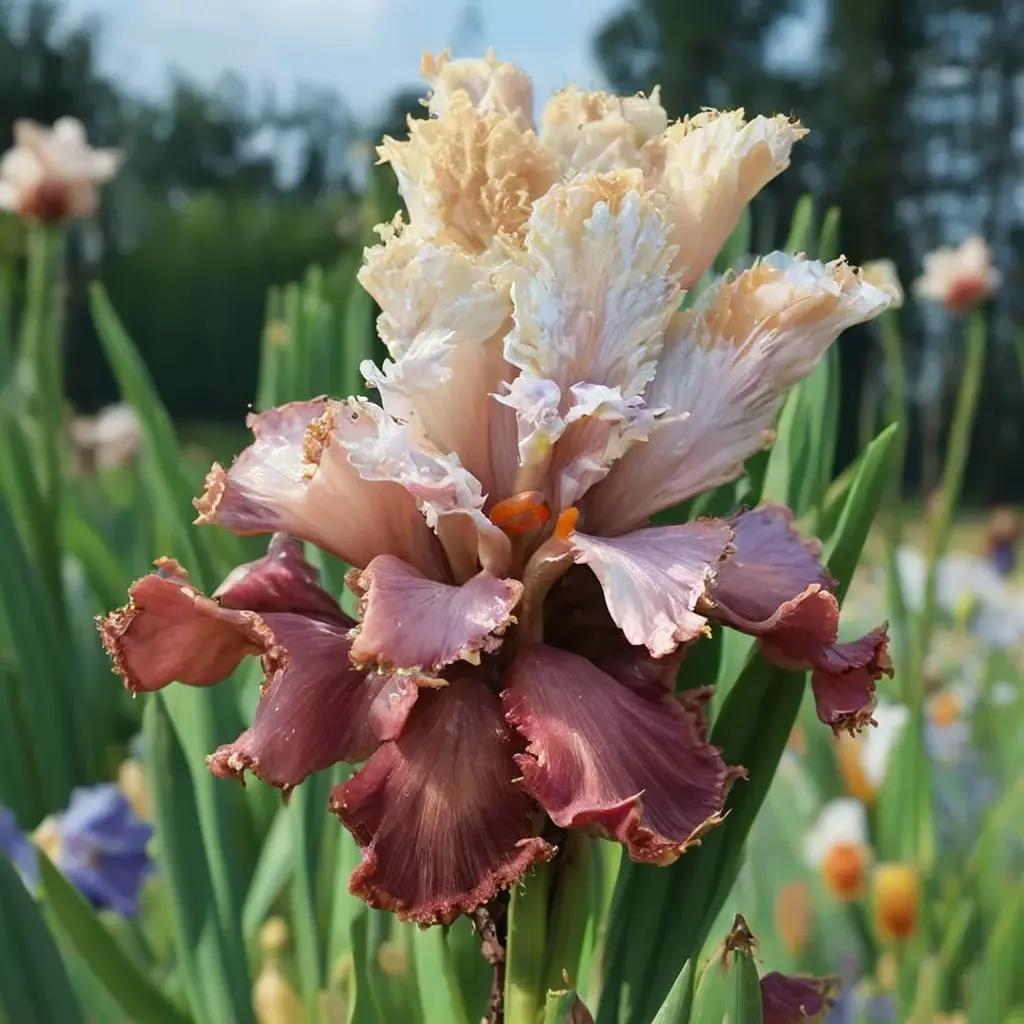 ‘Champagne Strawberries’Champagne Strawberries Bearded Iris
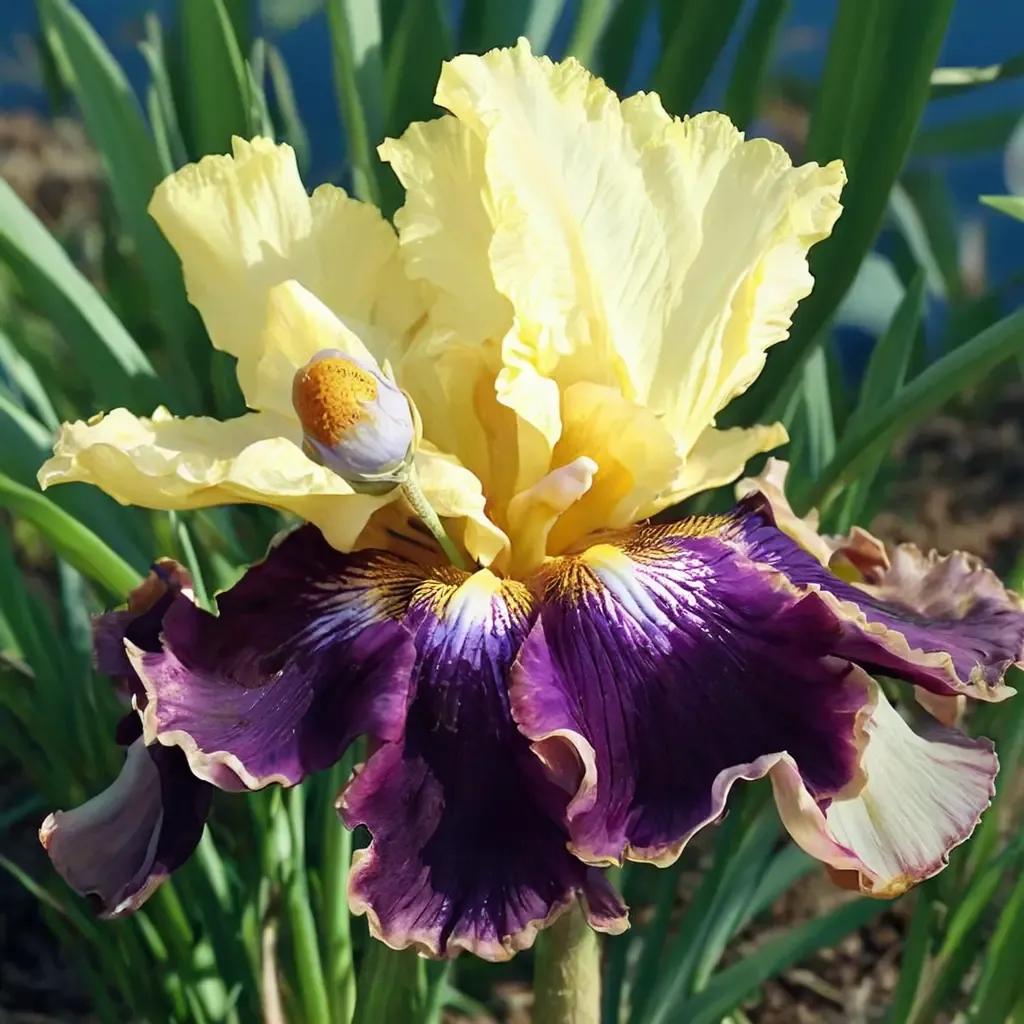 ‘Who Needs A Prince’Who Needs A Prince Bearded Iris
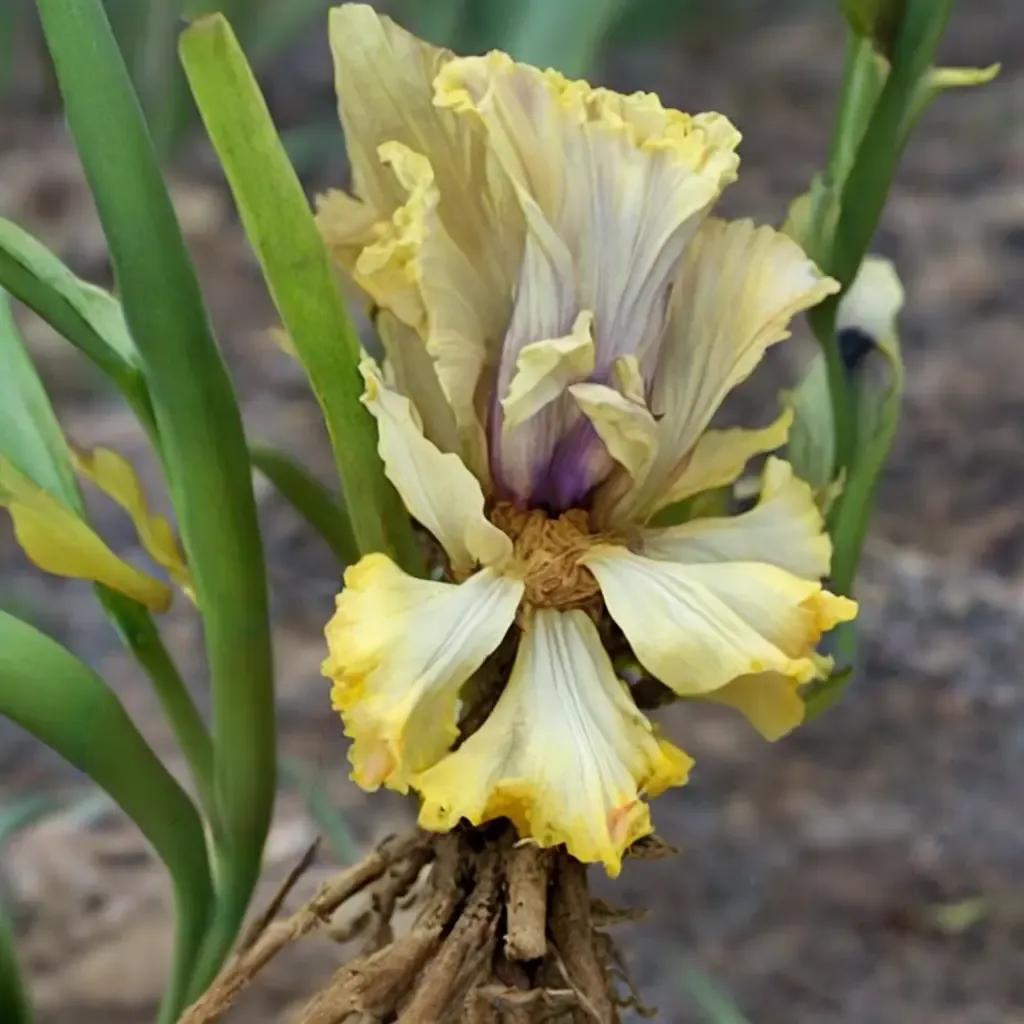 ‘Monsoon Moon’Monsoon Moon bearded iris
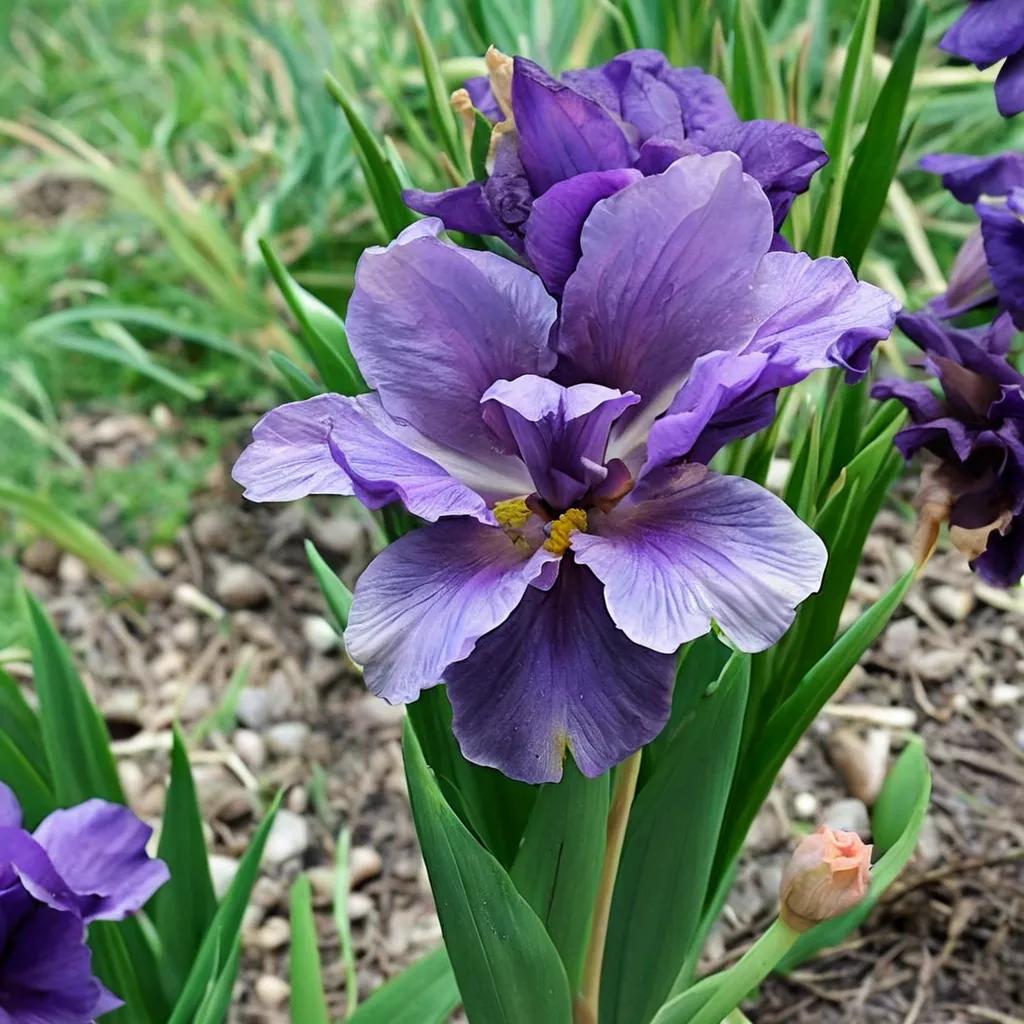 ‘Martinata’German Iris Martinata
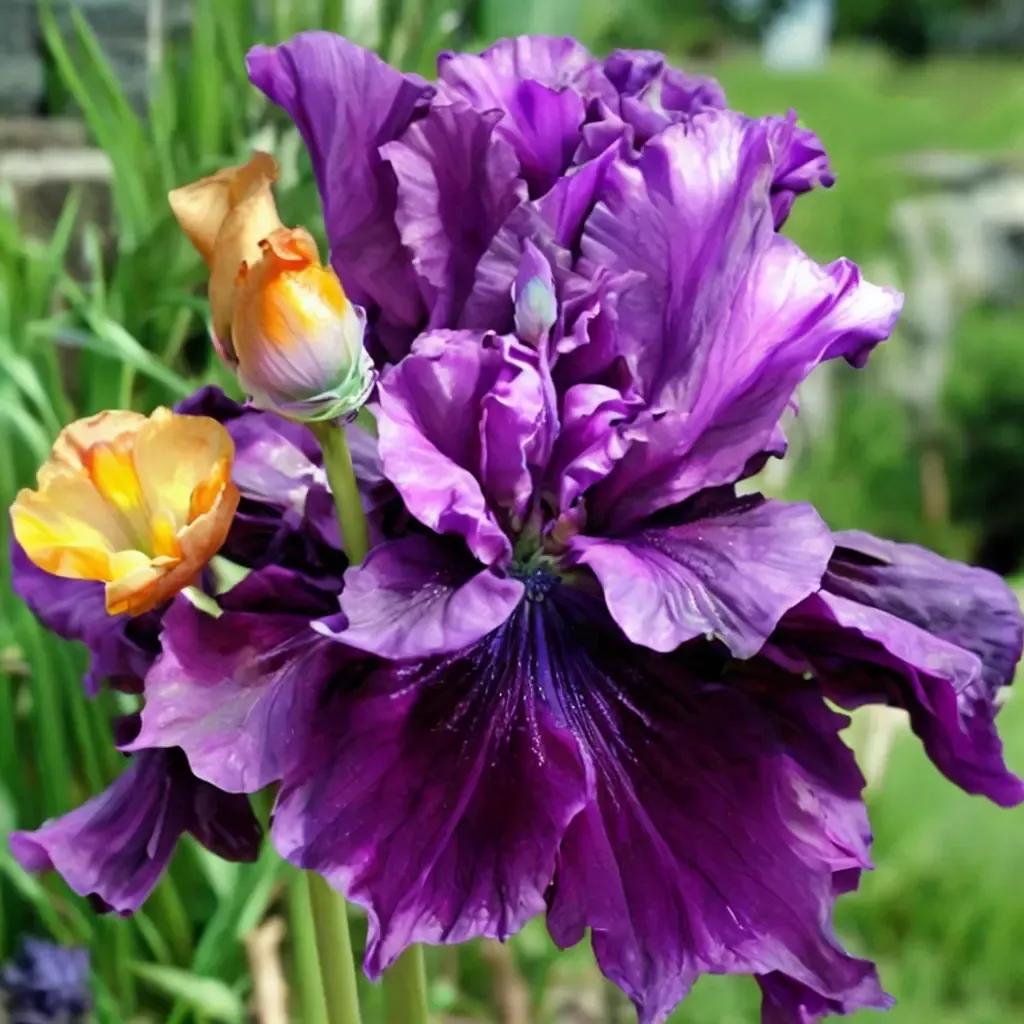 ‘Purple Serenade’Purple Serenade Bearded Iris
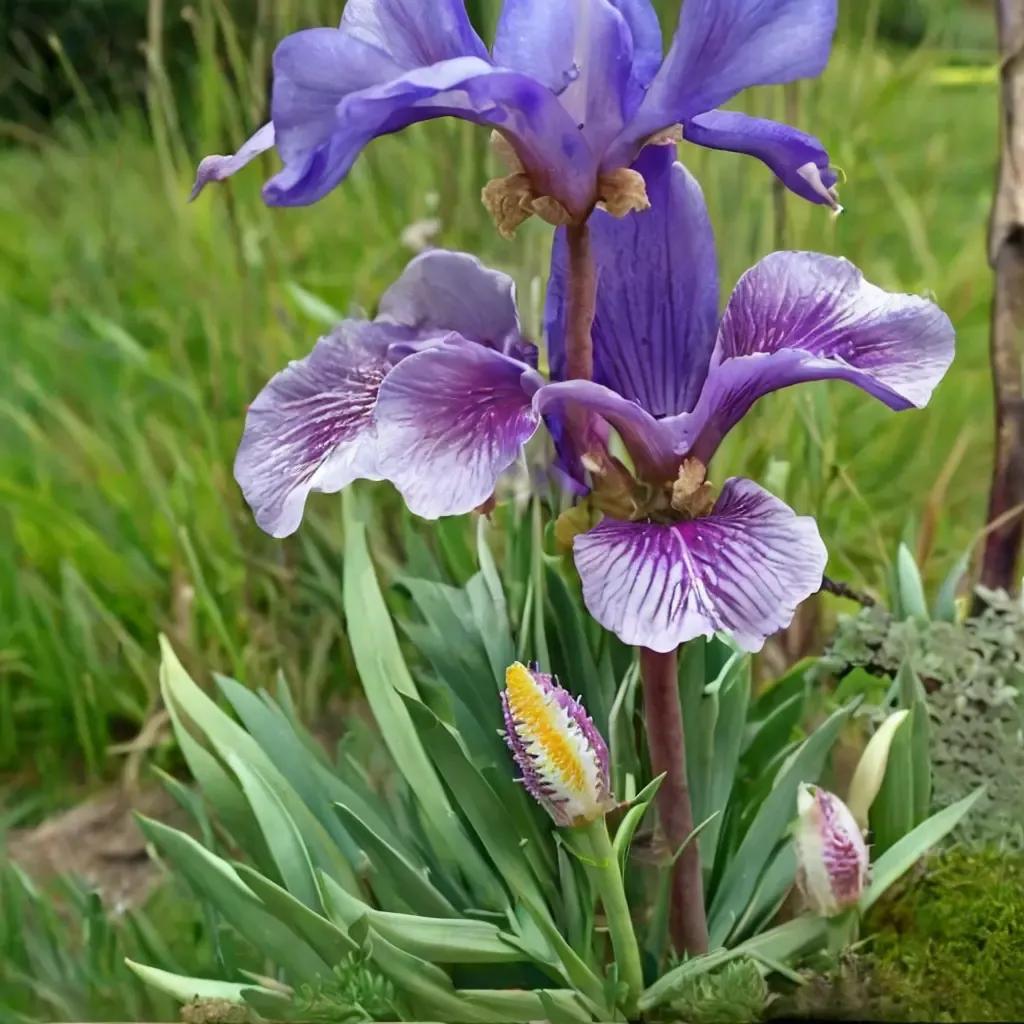 ‘Fleur-De-Lis Arch’German Iris Fleur-De-Lis Arch
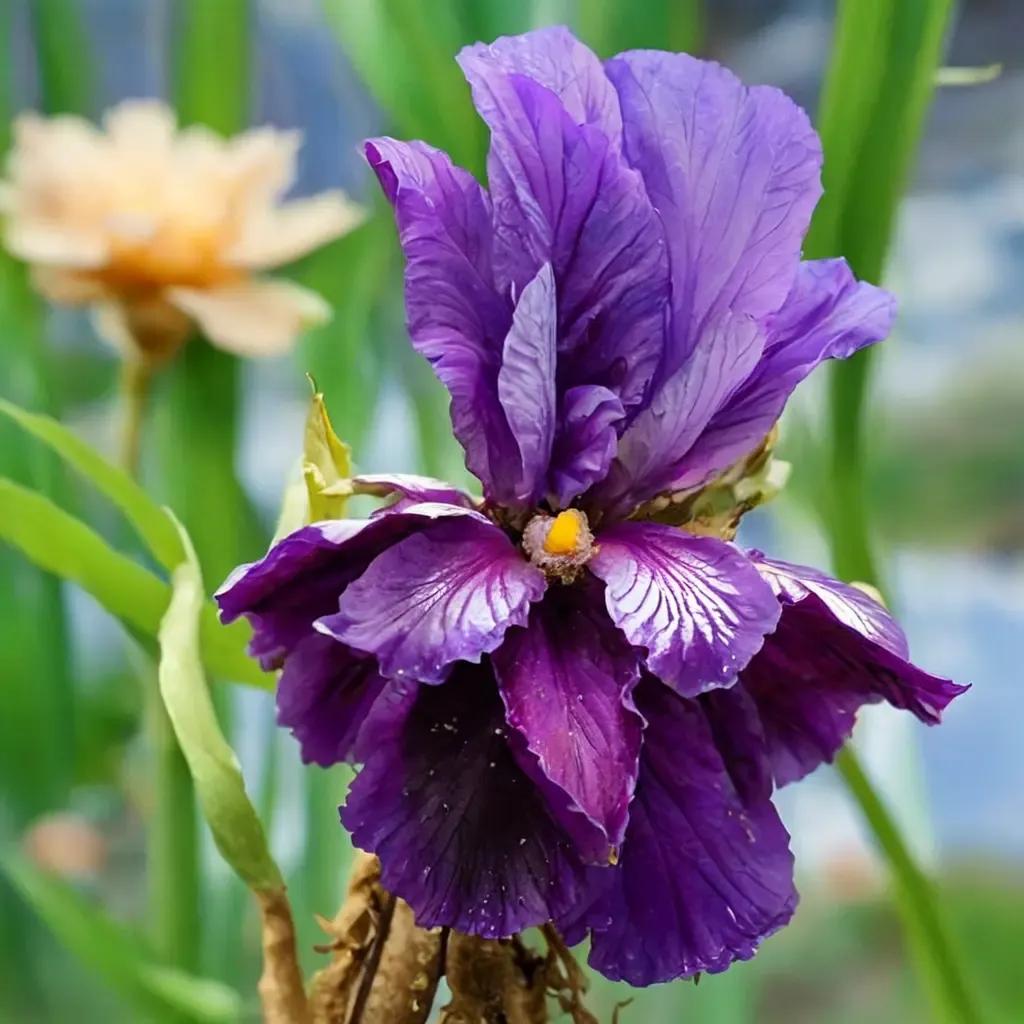 ‘Aubergine a la Mode’Aubergine a la Mode Bearded Iris
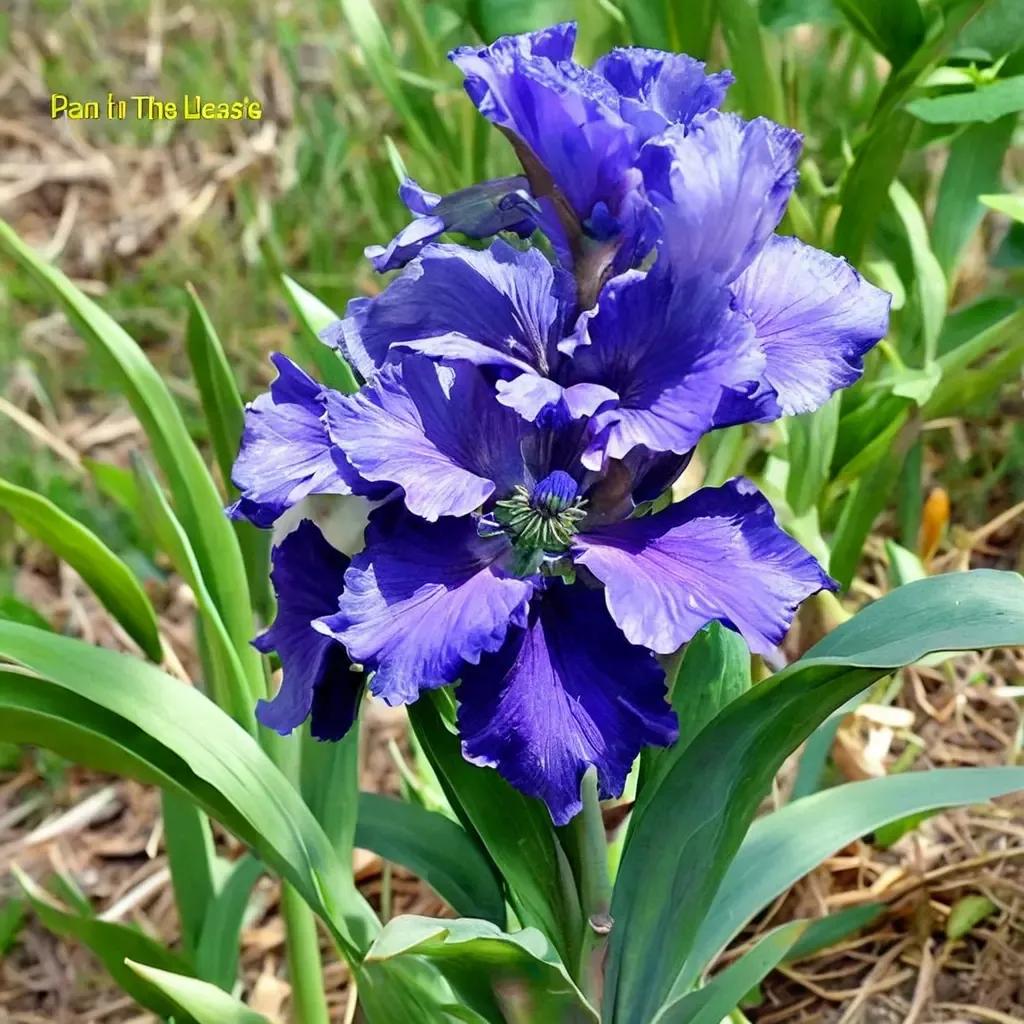 ‘Java Blue’Java Blue Bearded Iris
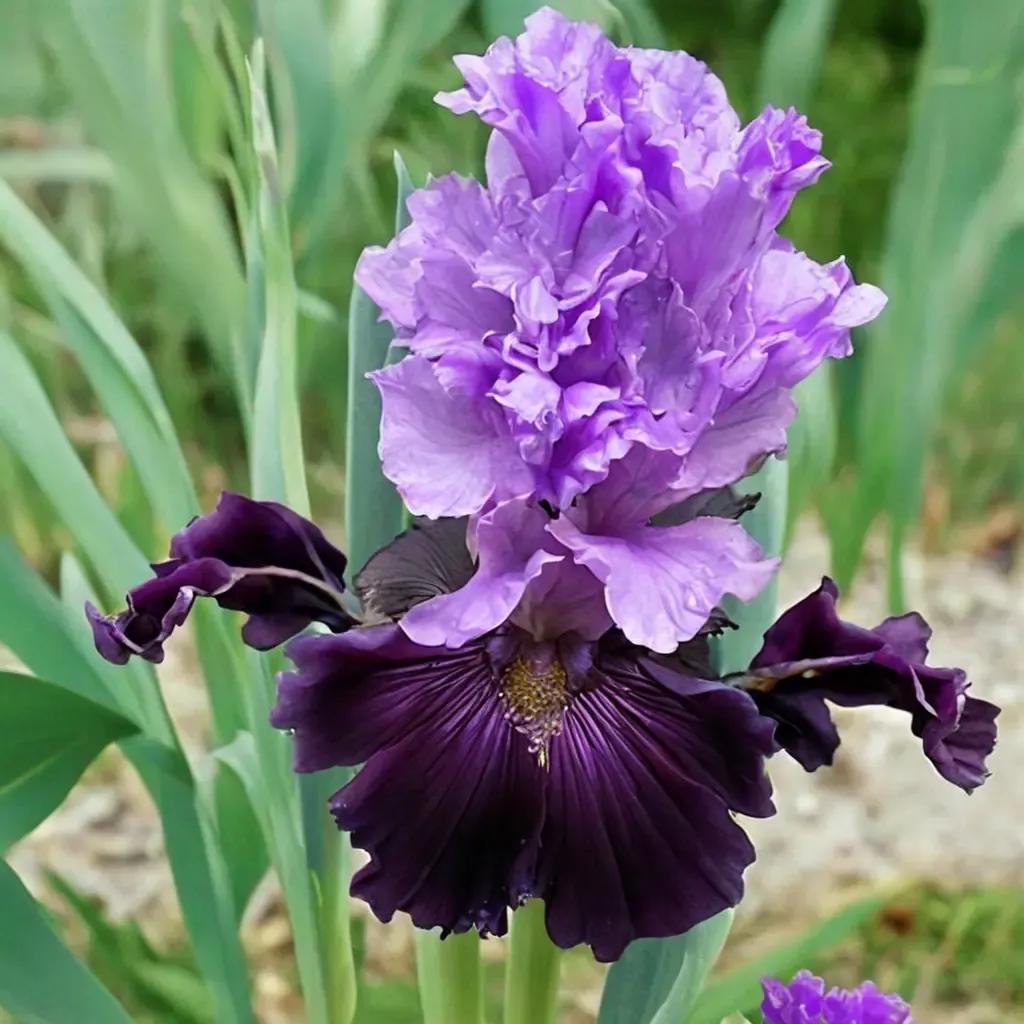 ‘Dangerous Liaison’Dangerous Liaison Bearded Iris
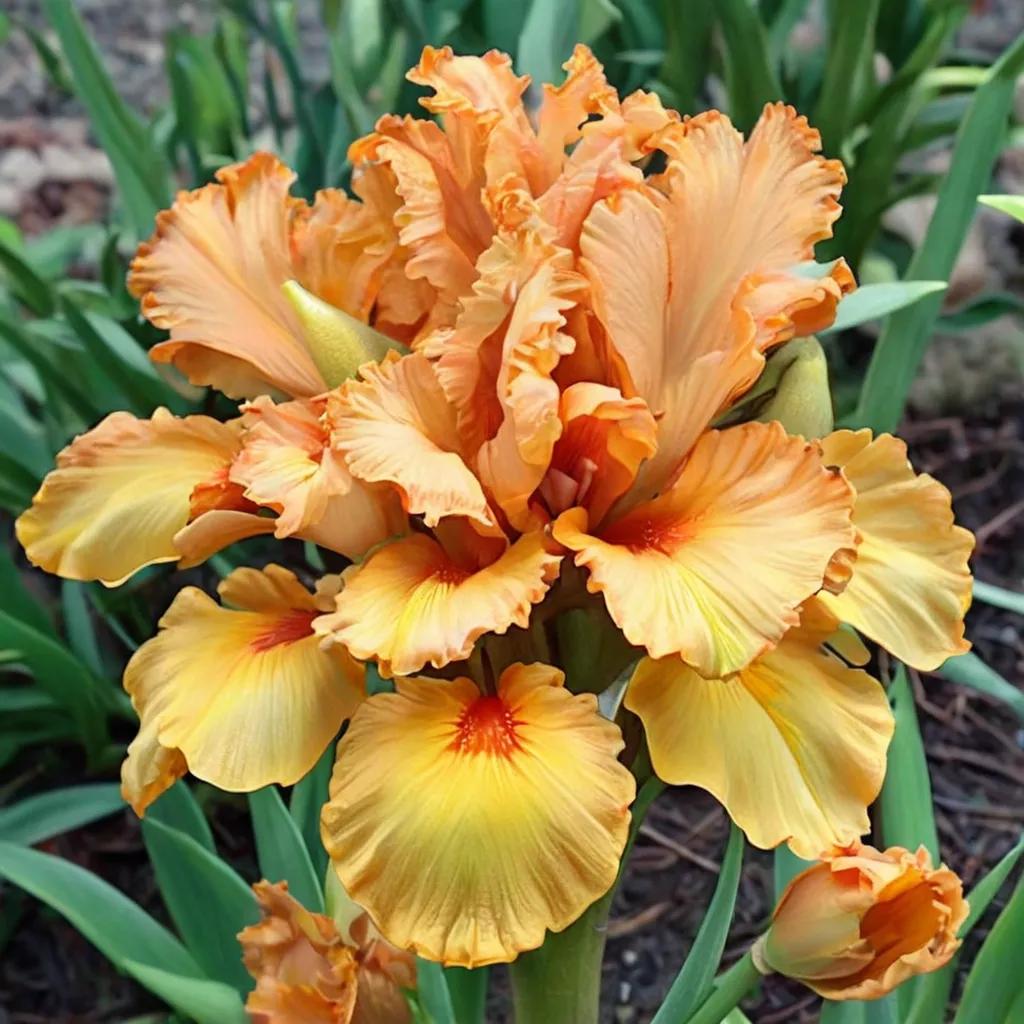 ‘Savannah Sunset’Savannah Sunset German Iris
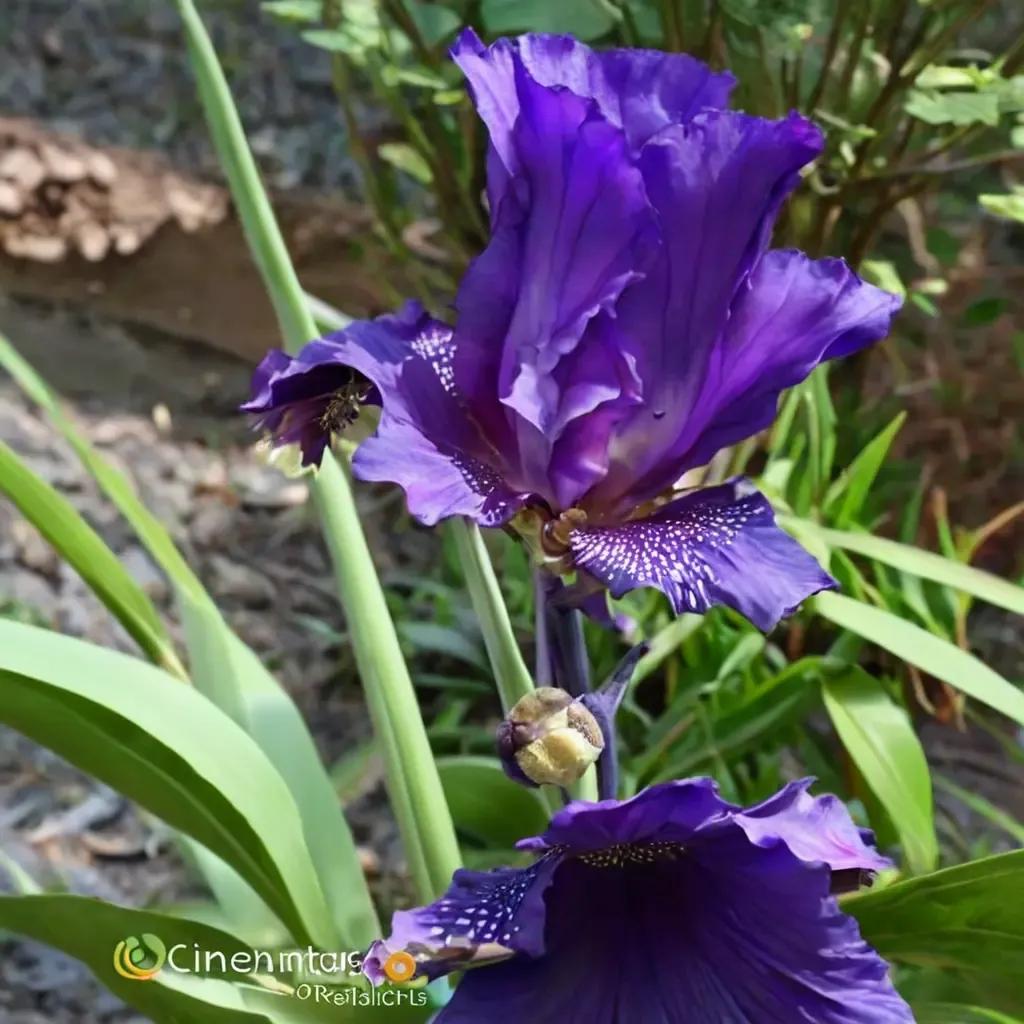 ‘Rosalie Figg’Rosalie Figg Bearded Iris
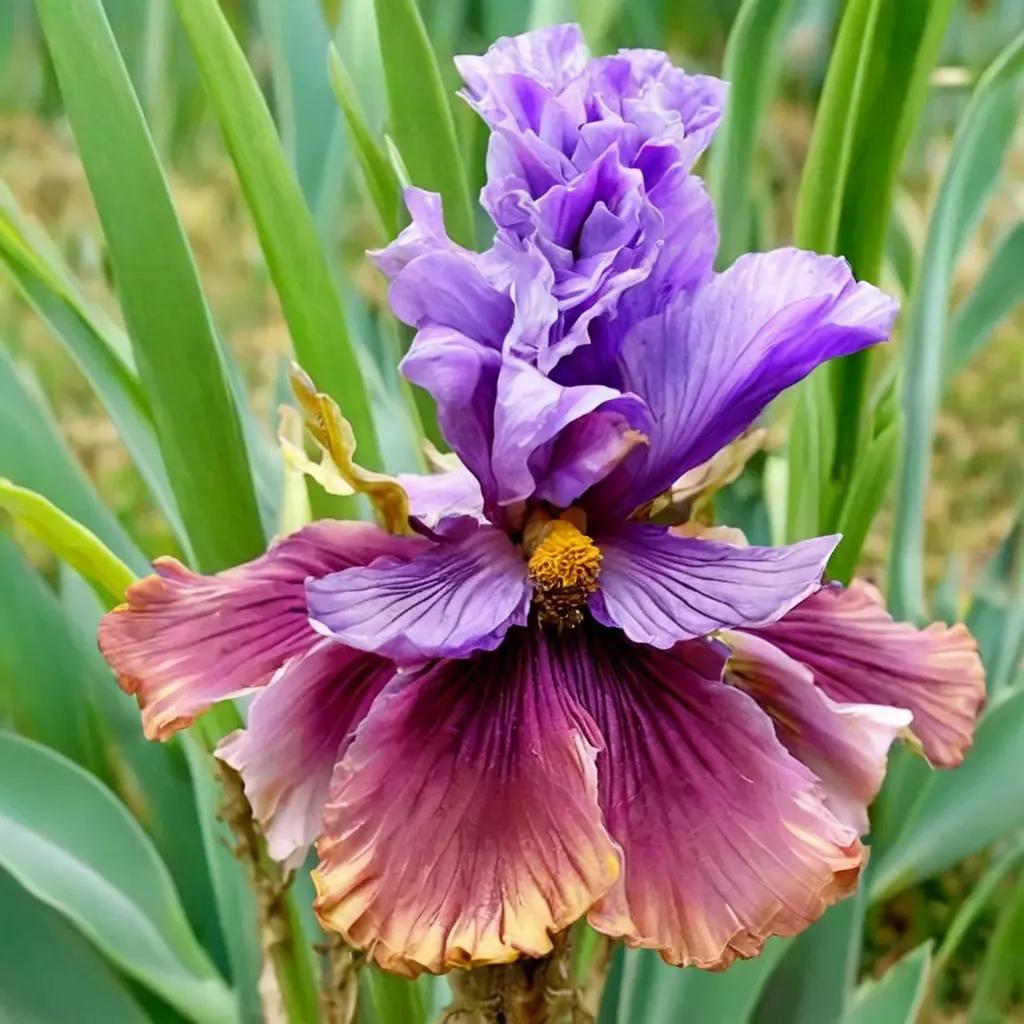 ‘Nelly Tardivier’Nelly Tardivier Bearded Iris
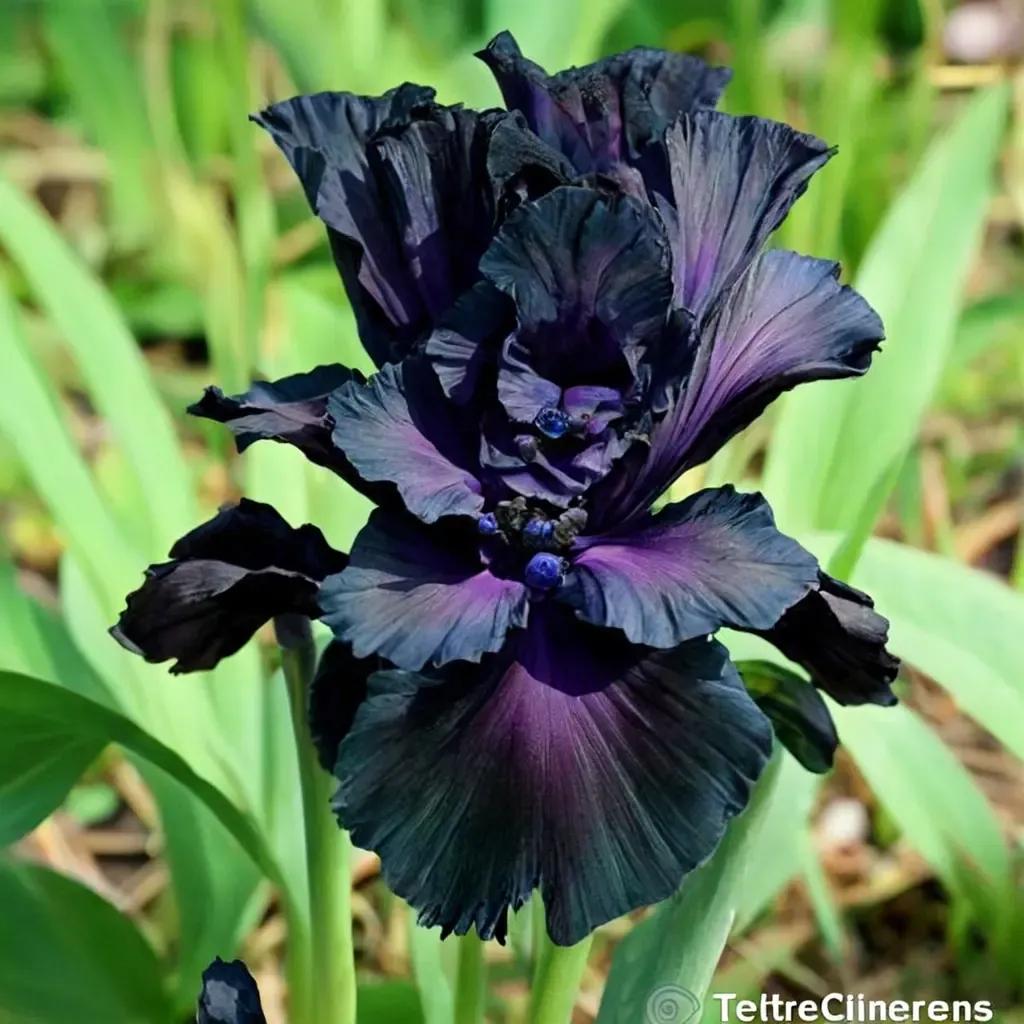 ‘Black Suited’Black Suited Bearded Iris
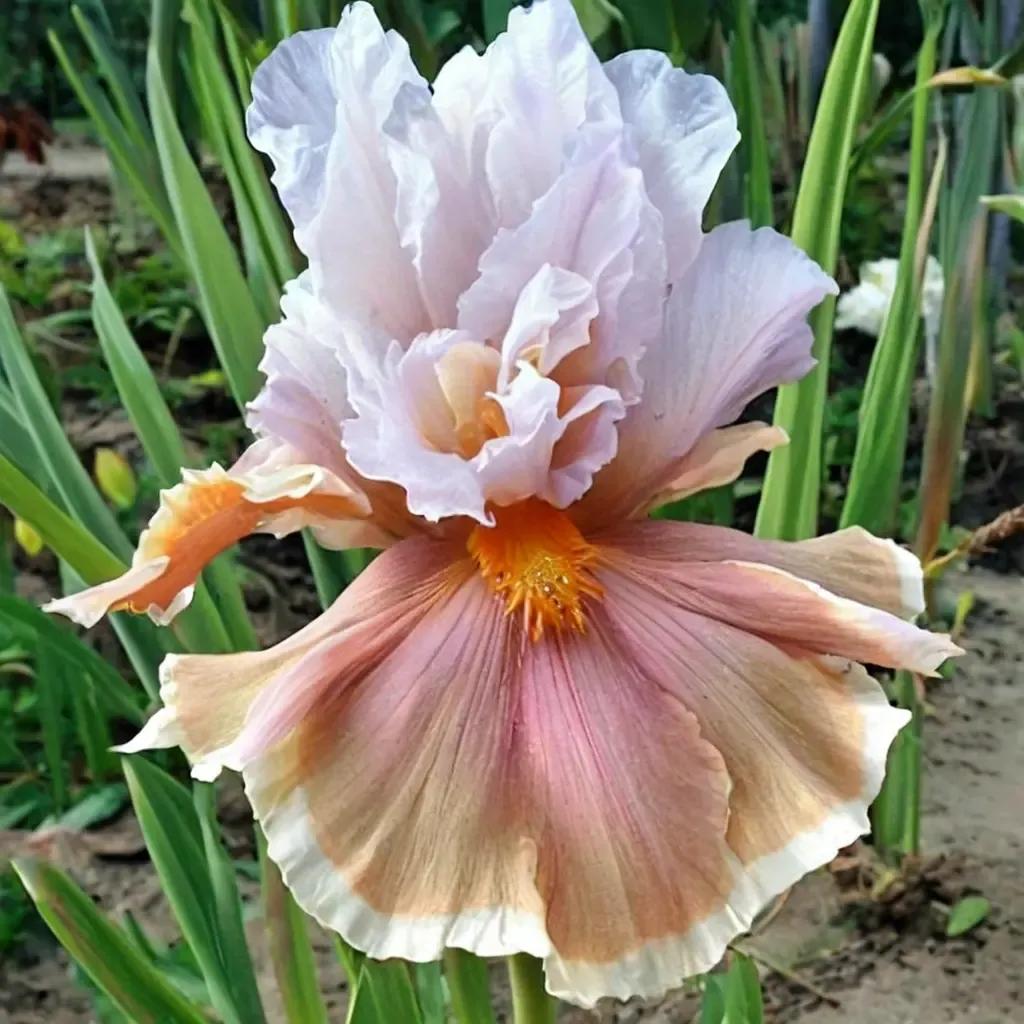 ‘Magharee’Magharee Bearded Iris
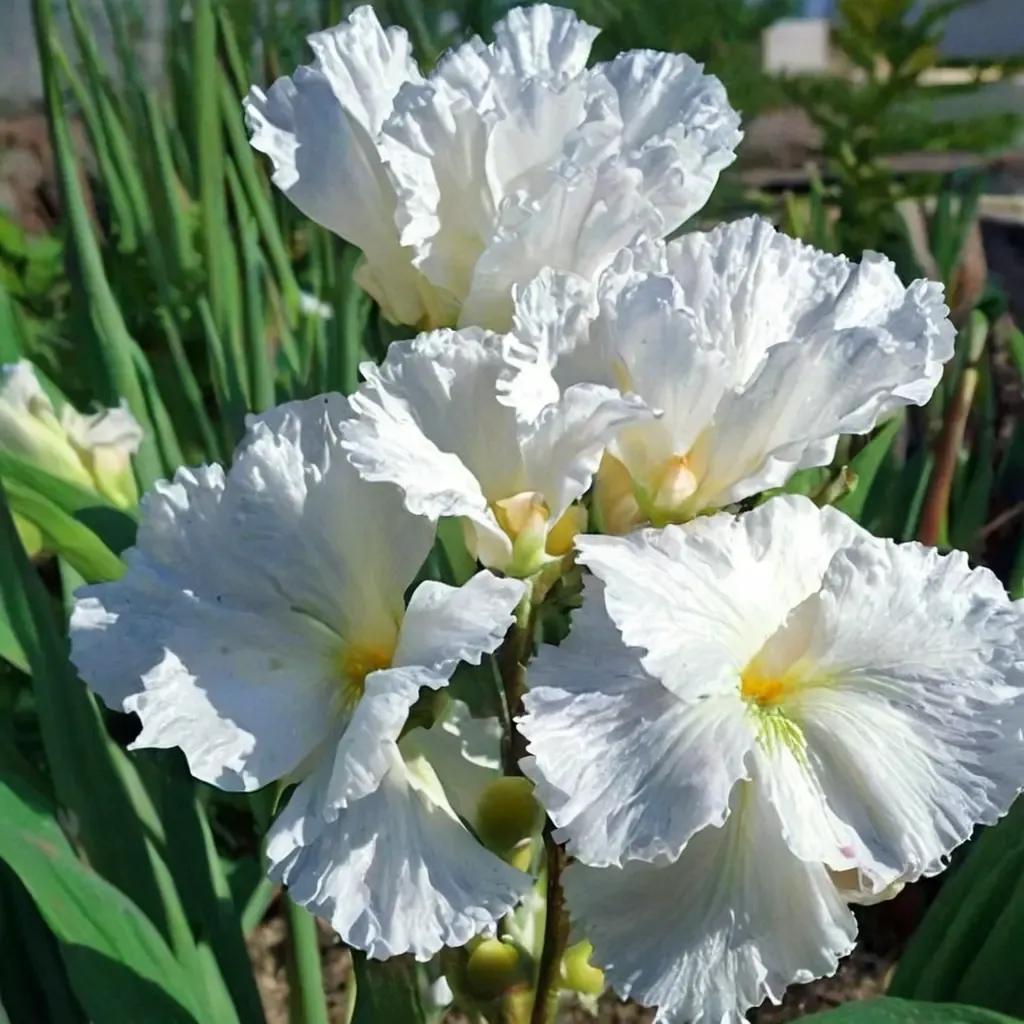 ‘Frequent Flyer’Frequent Flyer Bearded Iris
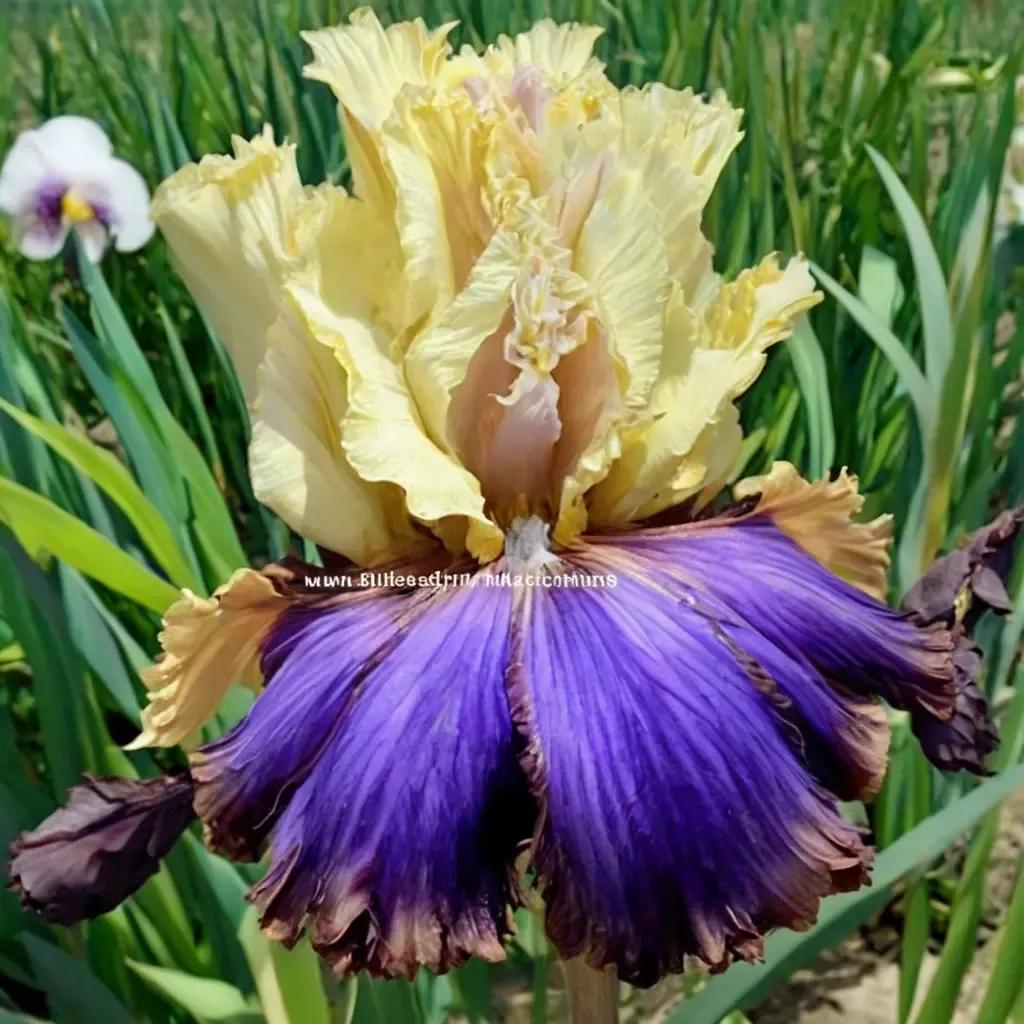 ‘Adventurous’Adventurous Bearded Iris
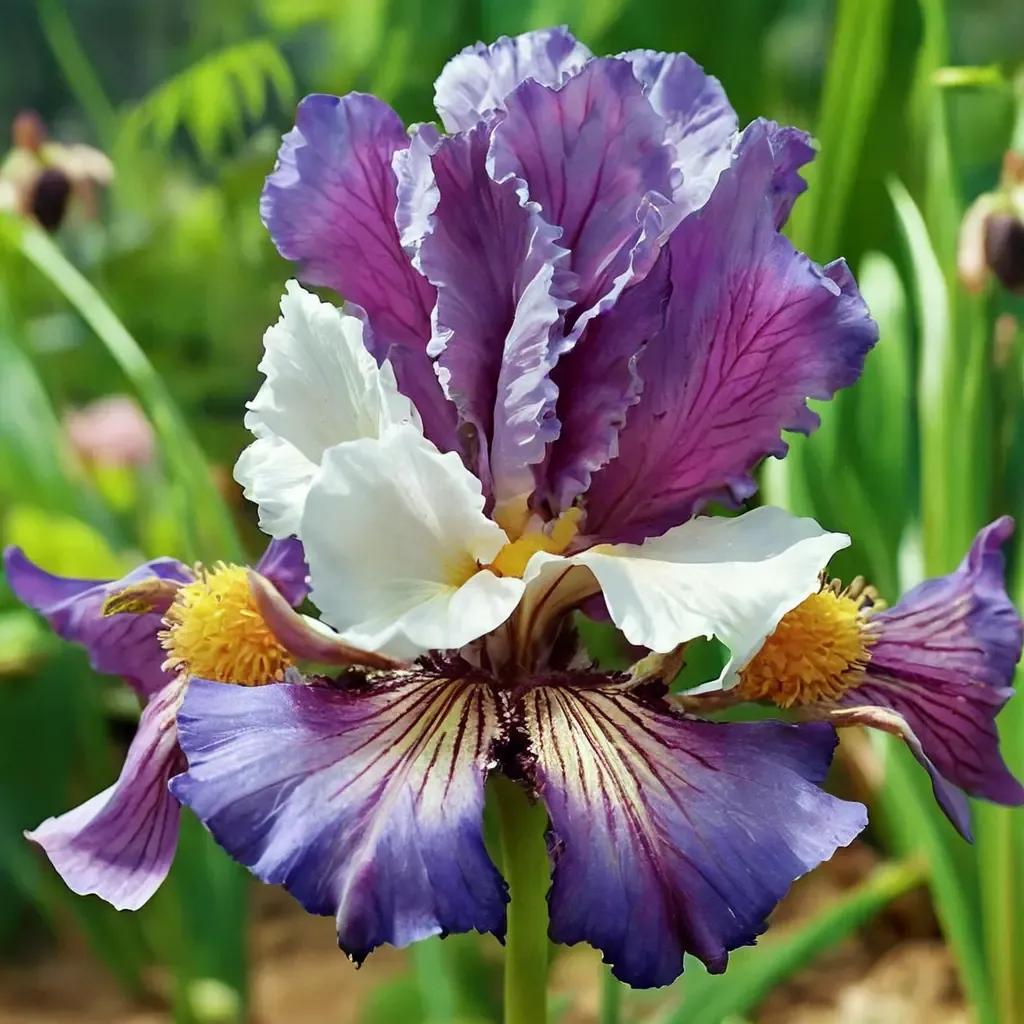 ‘Queen’German Bearded Iris 'Queen'
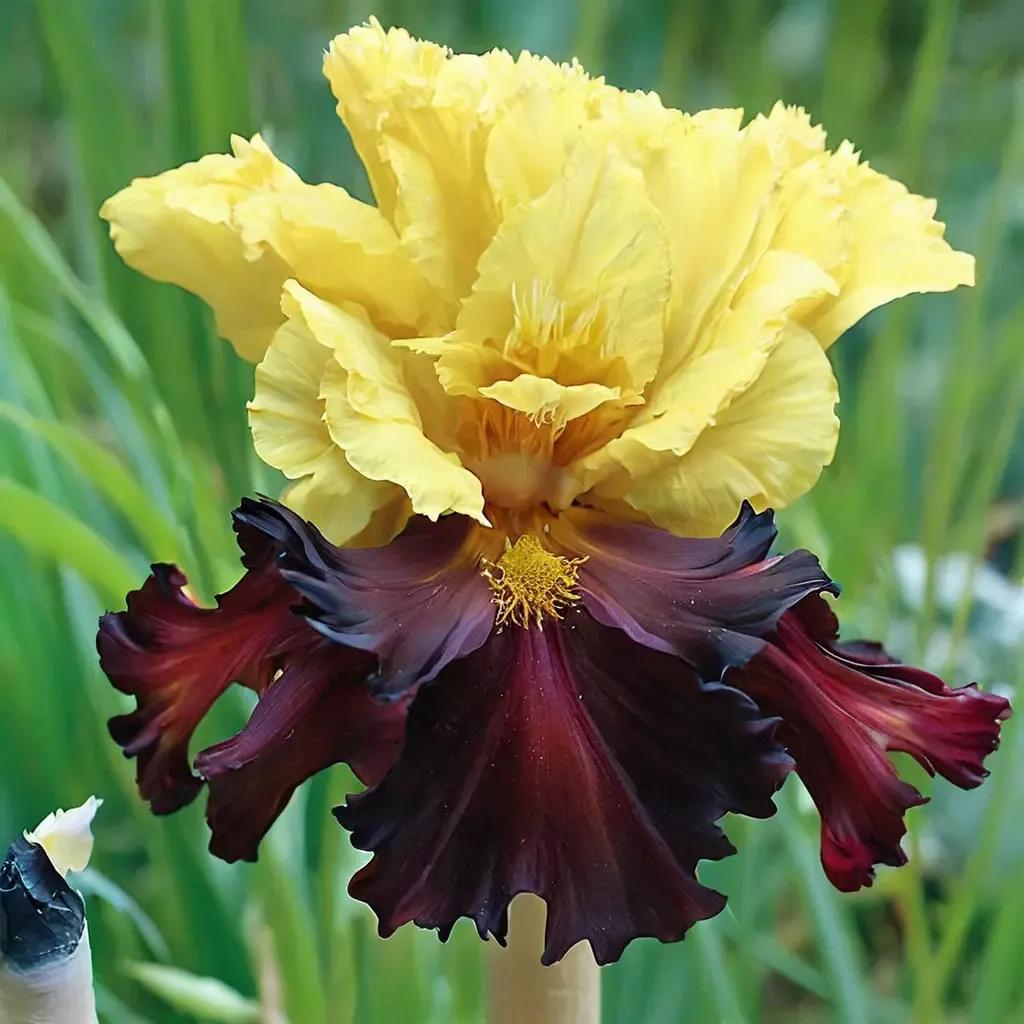 ‘Kathy Chilton’Bearded Iris 'Kathy Chilton'
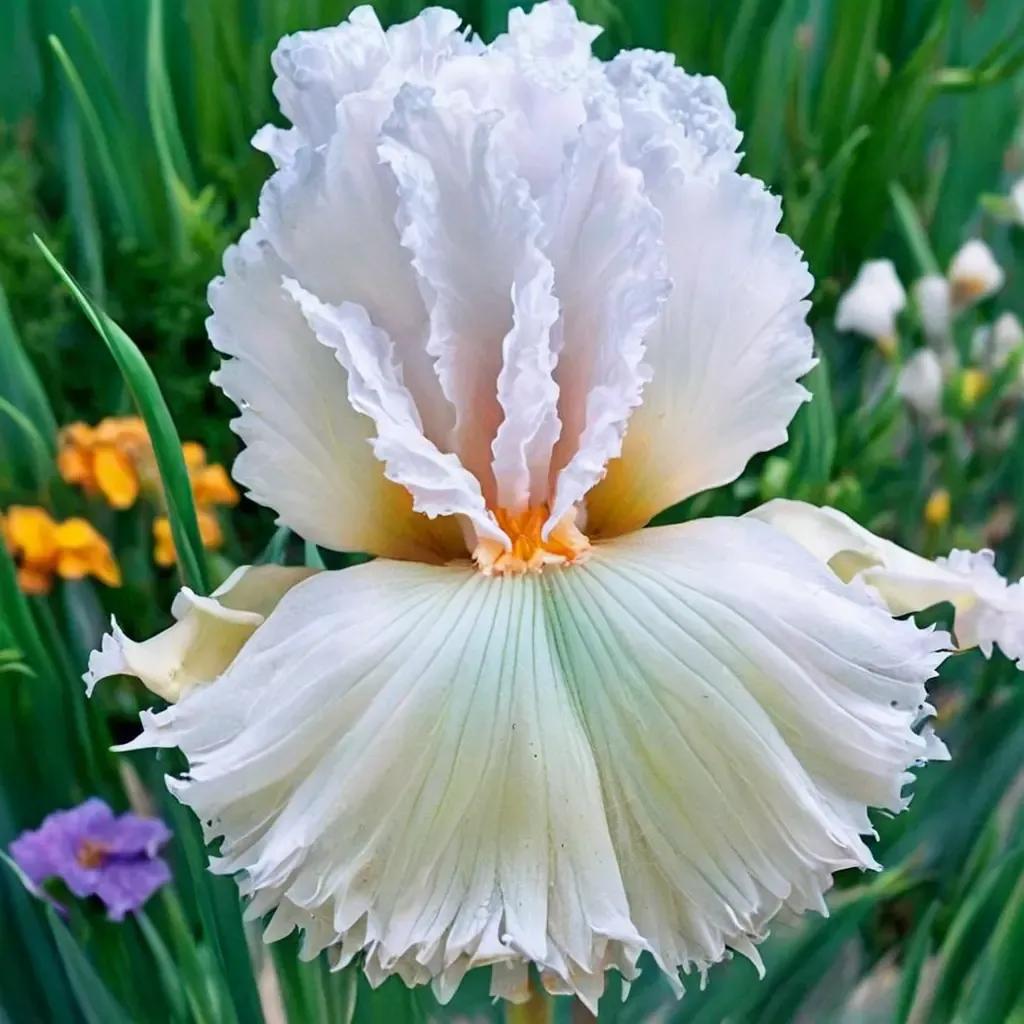 ‘Catch A Star’Catch A Star Bearded Iris
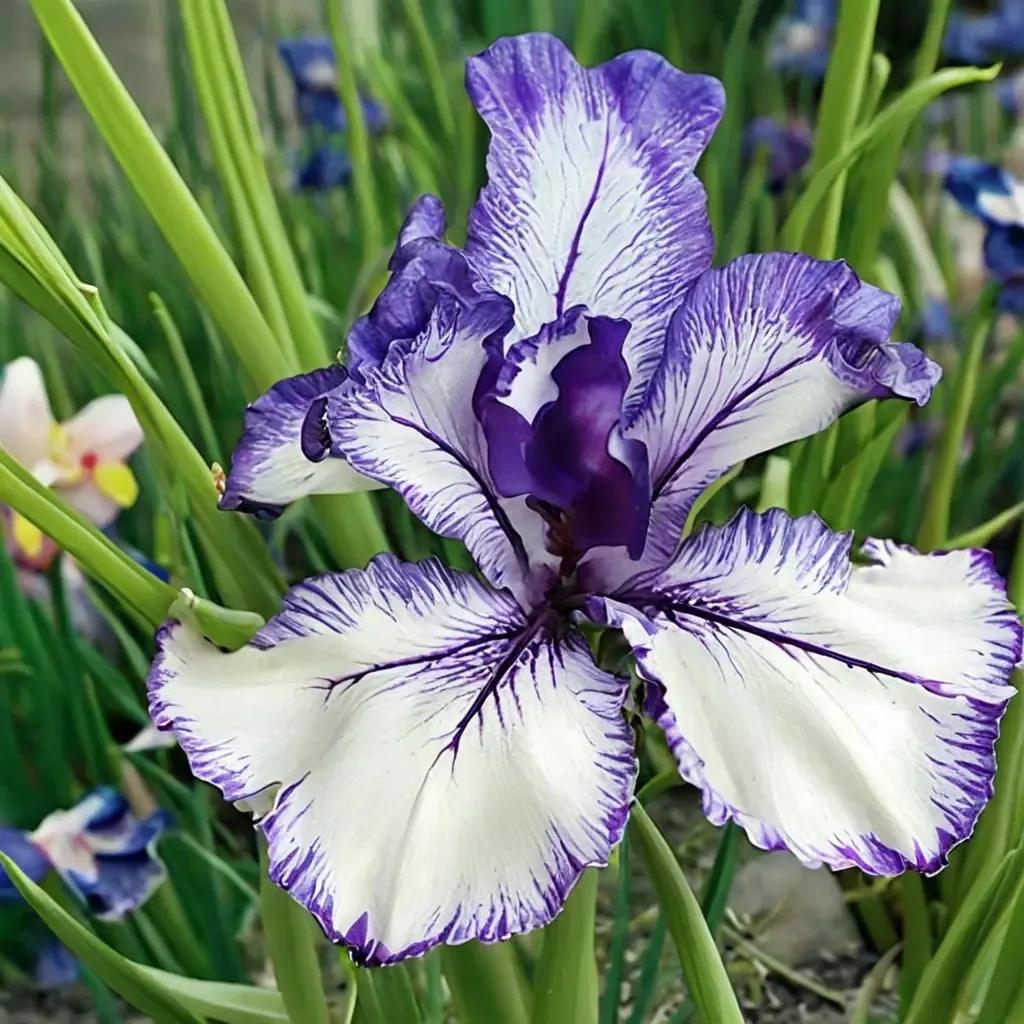 ‘Orinoco Flow’Orinoco Flow Bearded Iris
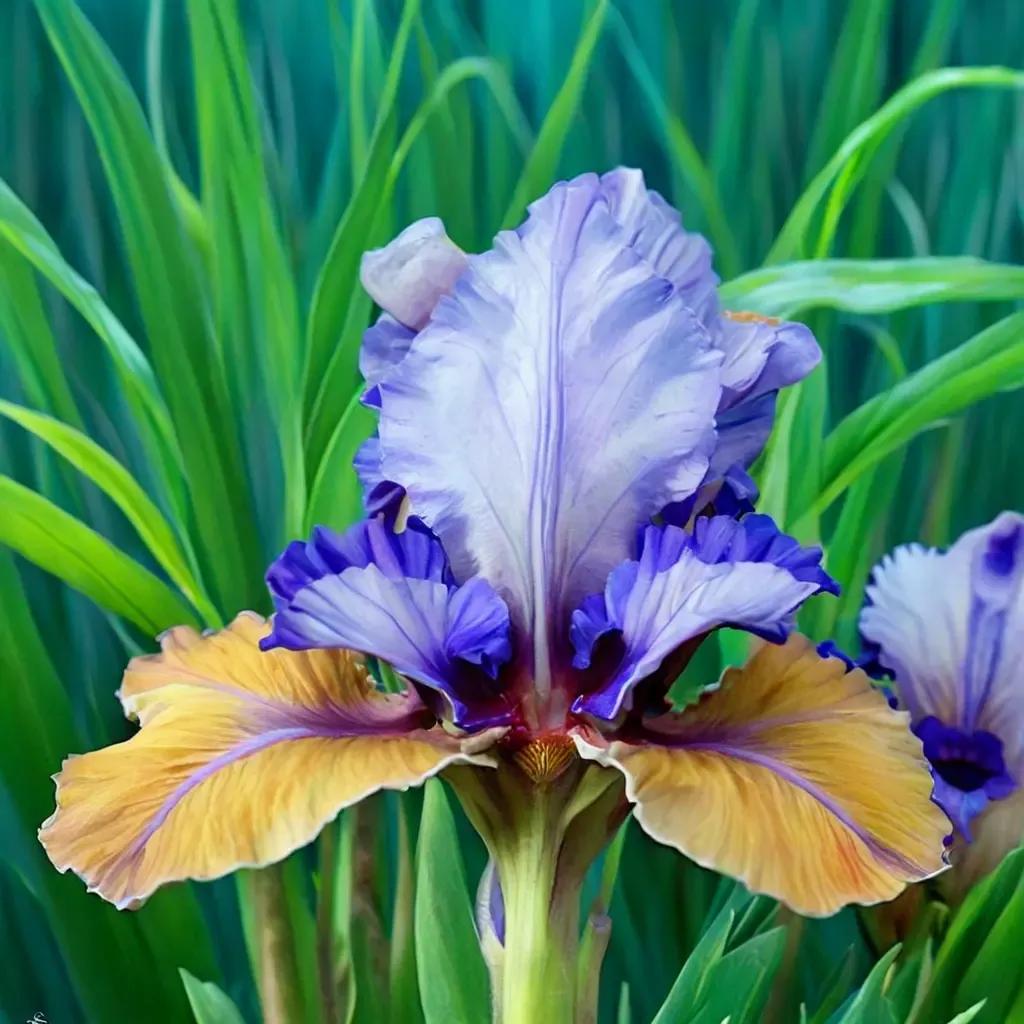 ‘Blueberry Tart’Blueberry Tart Bearded Iris
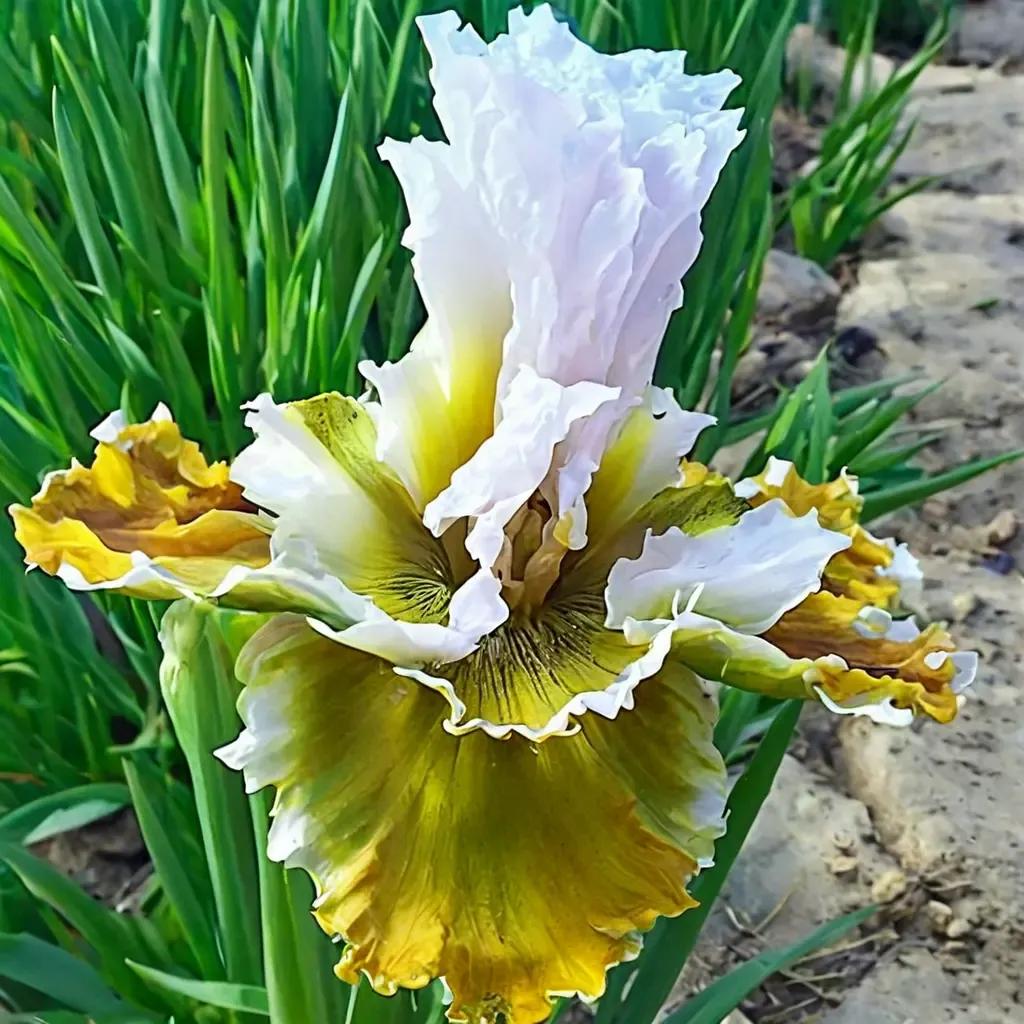 ‘Going Green’Going Green Bearded Iris
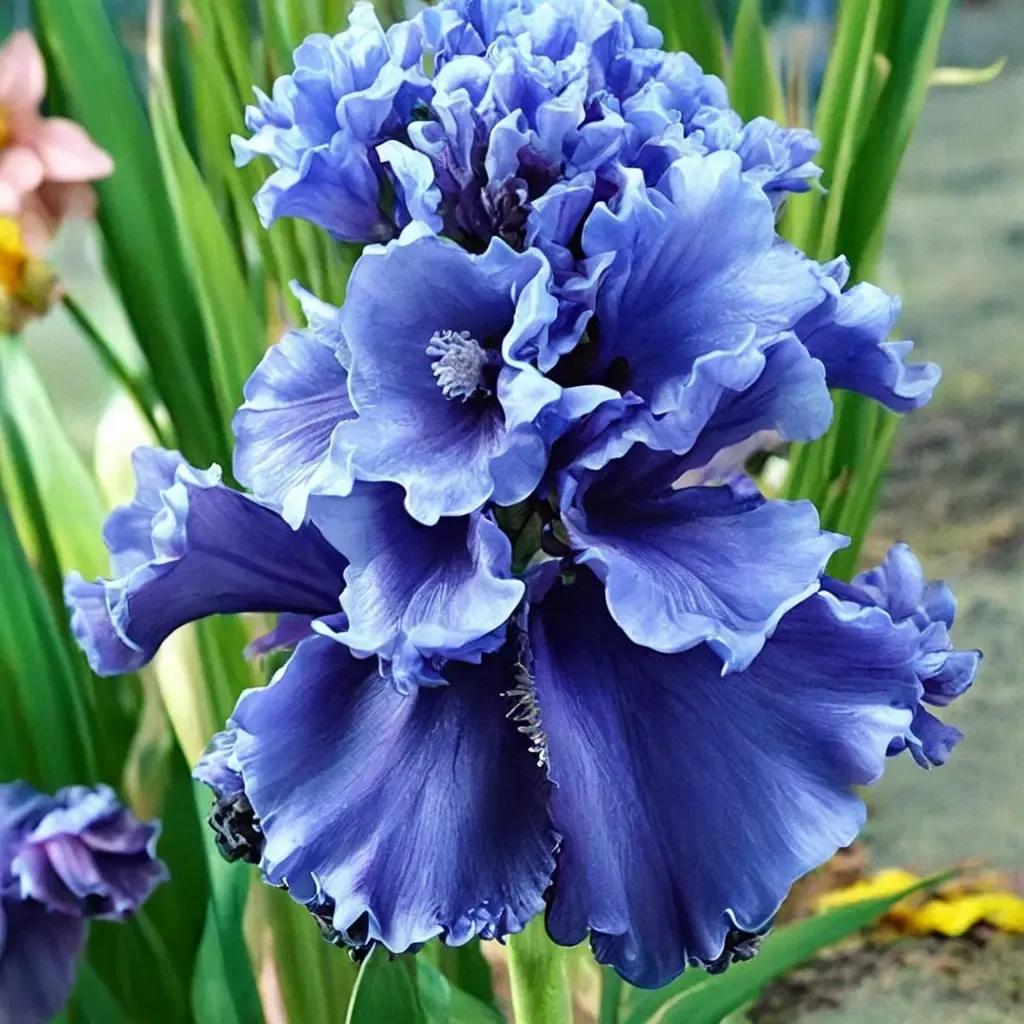 ‘Sea Power’Sea Power Bearded Iris
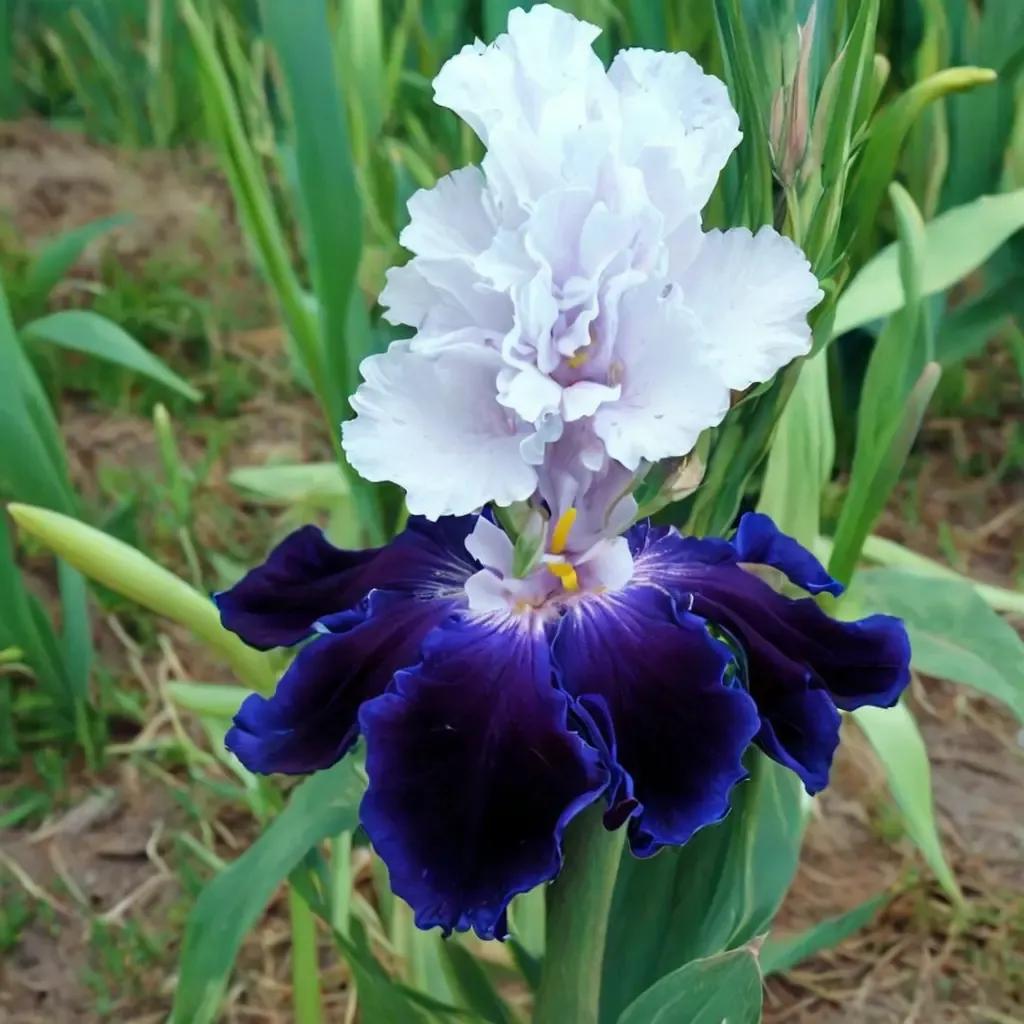 ‘Captain's Choice’Captain's Choice Bearded Iris
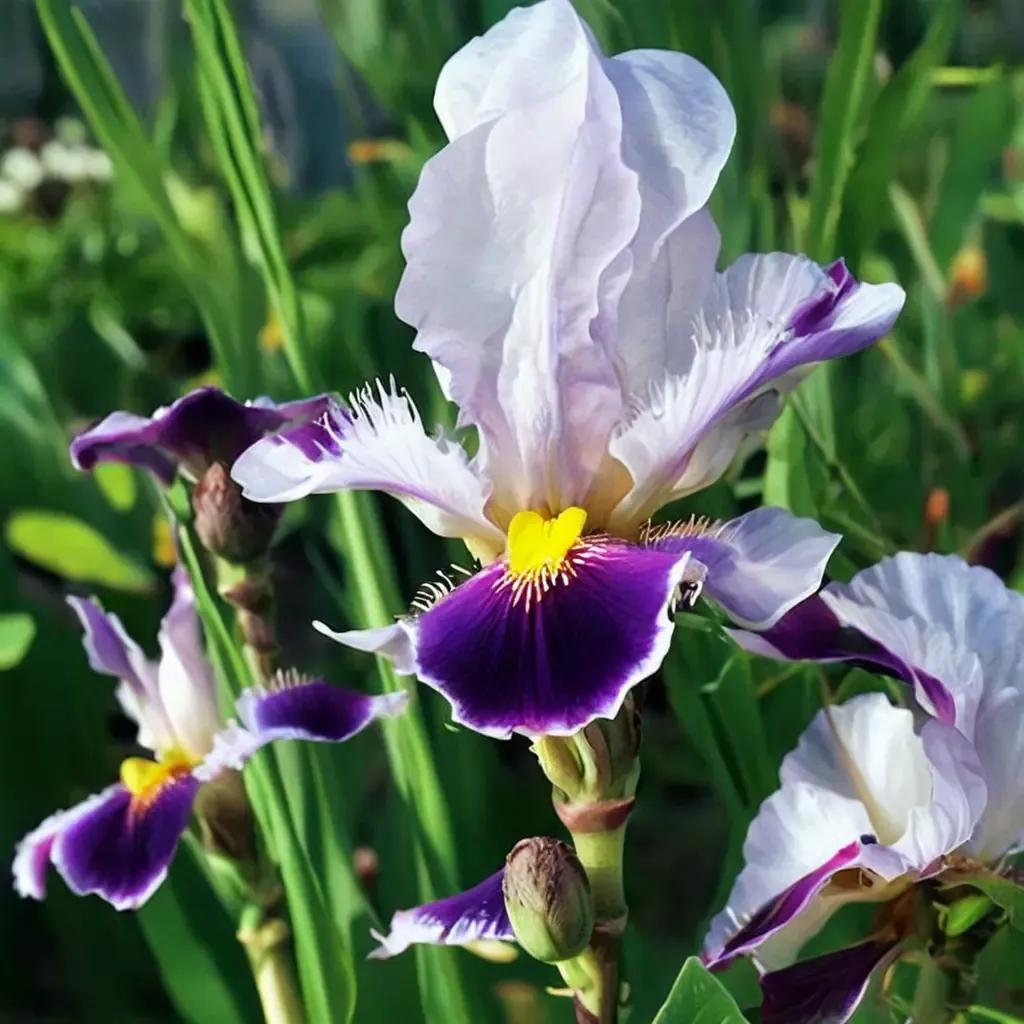 ‘Wabash’Wabash Iris
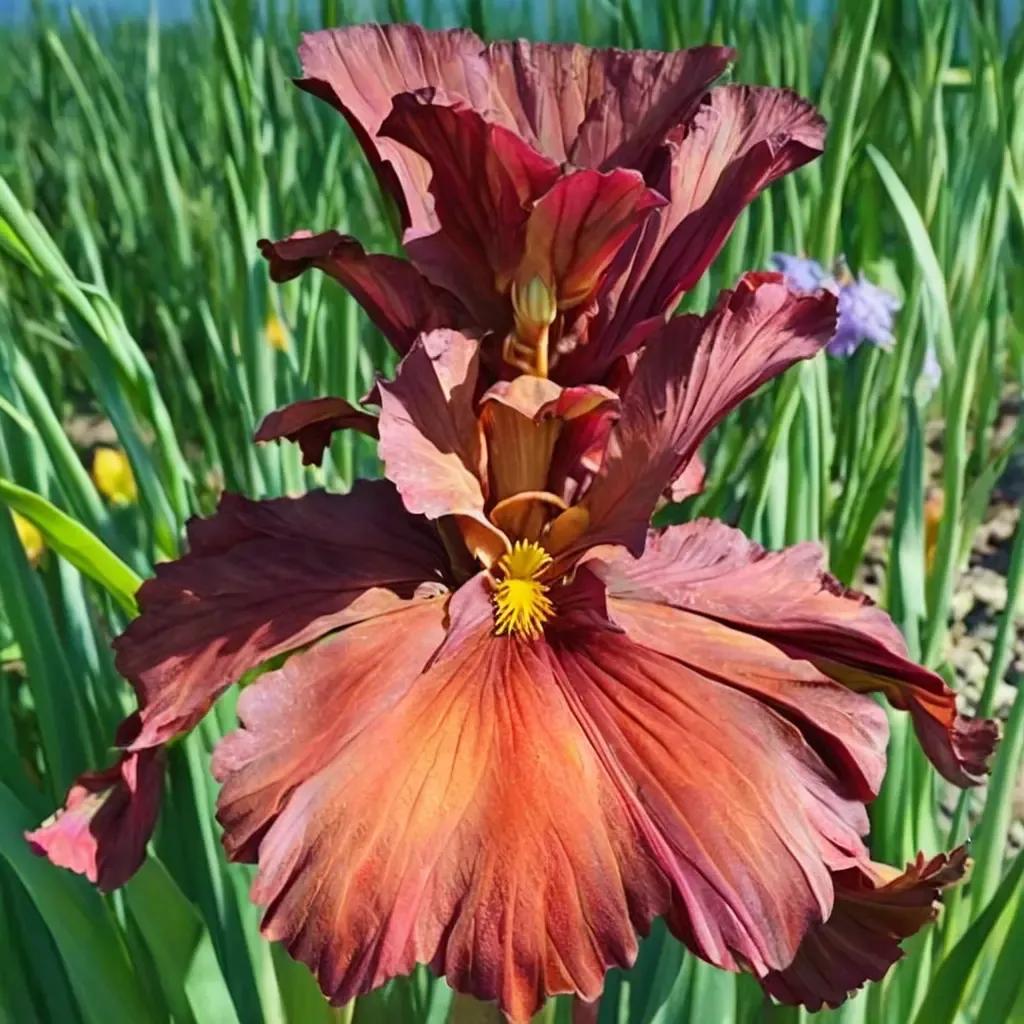 ‘Lest We Forget’Bearded Iris Lest We Forget
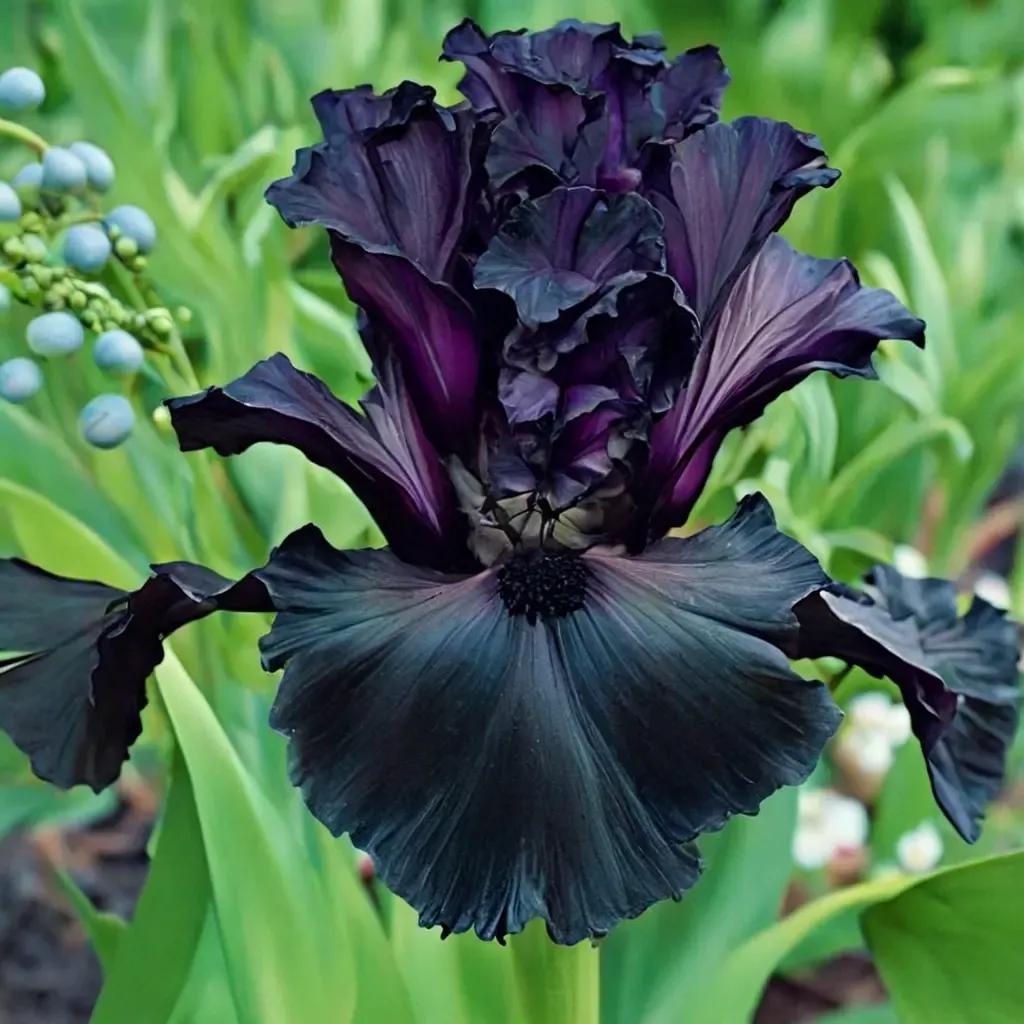 ‘Black is Black’Black is Black bearded iris
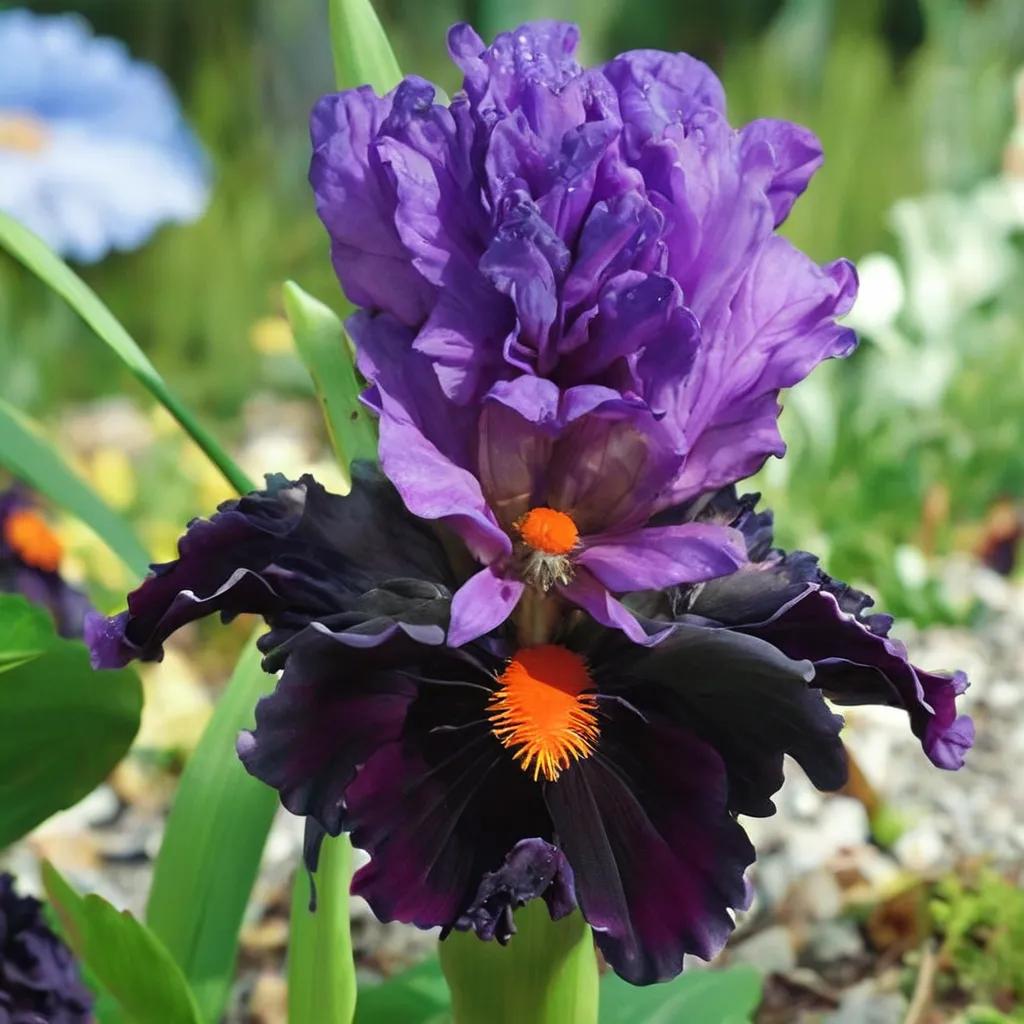 ‘Sharp Dressed Man’Sharp Dressed Man German Iris
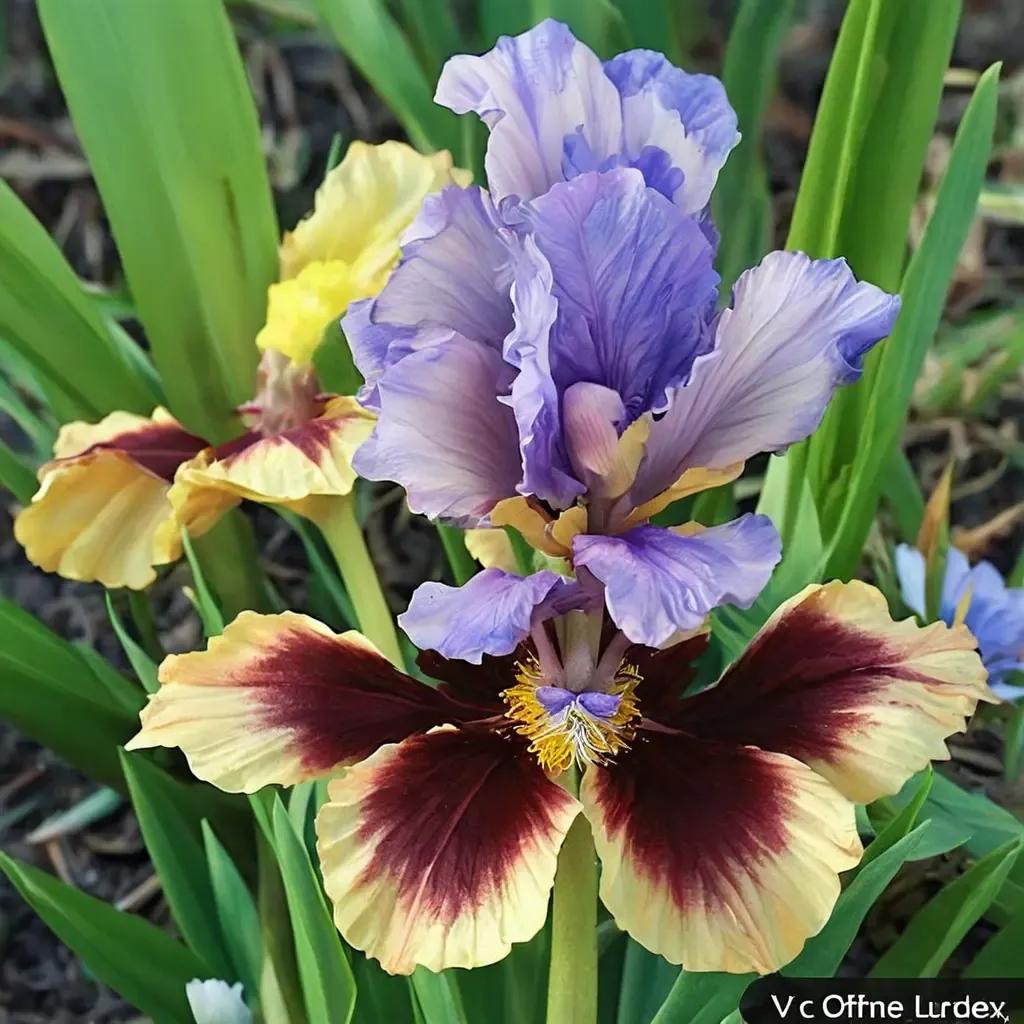 ‘Small but Mighty’Dwarf Bearded Iris 'Small but Mighty'
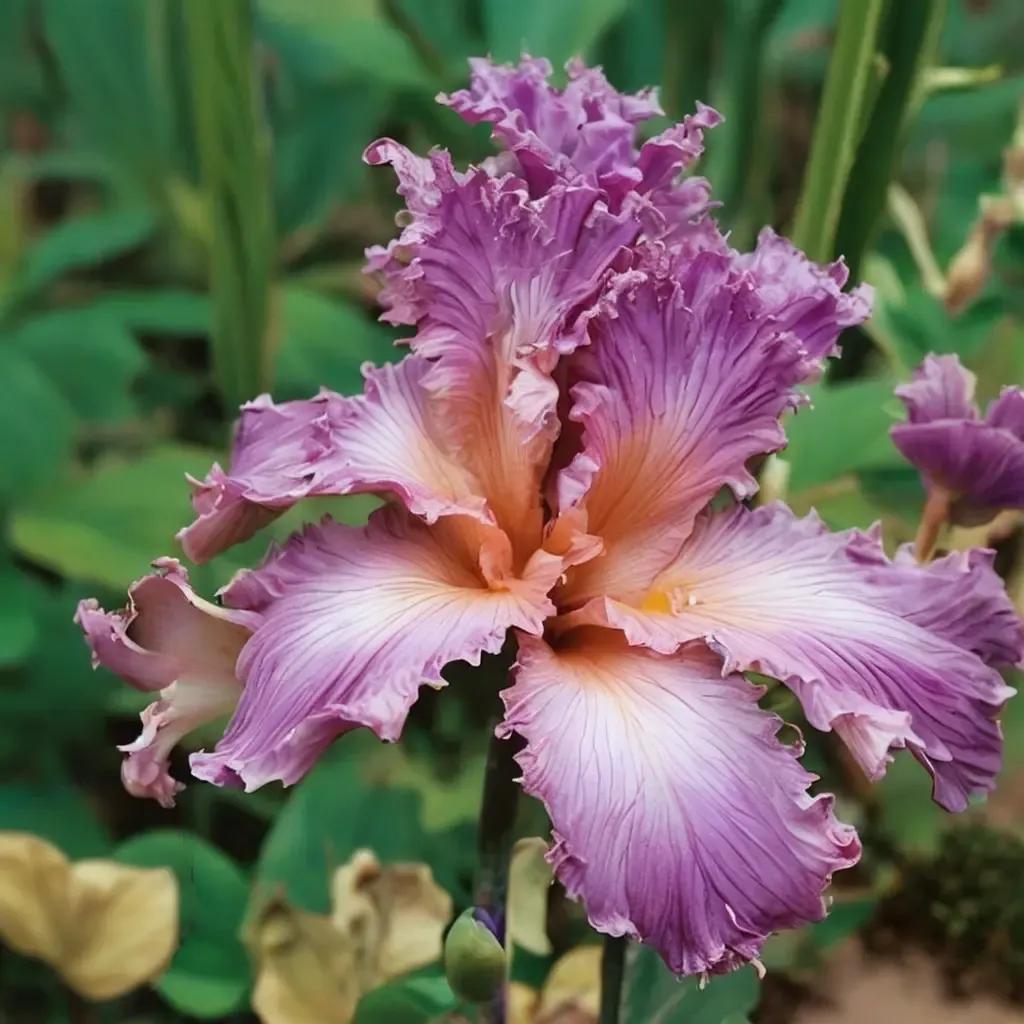 ‘Social Graces’Social Graces Bearded Iris
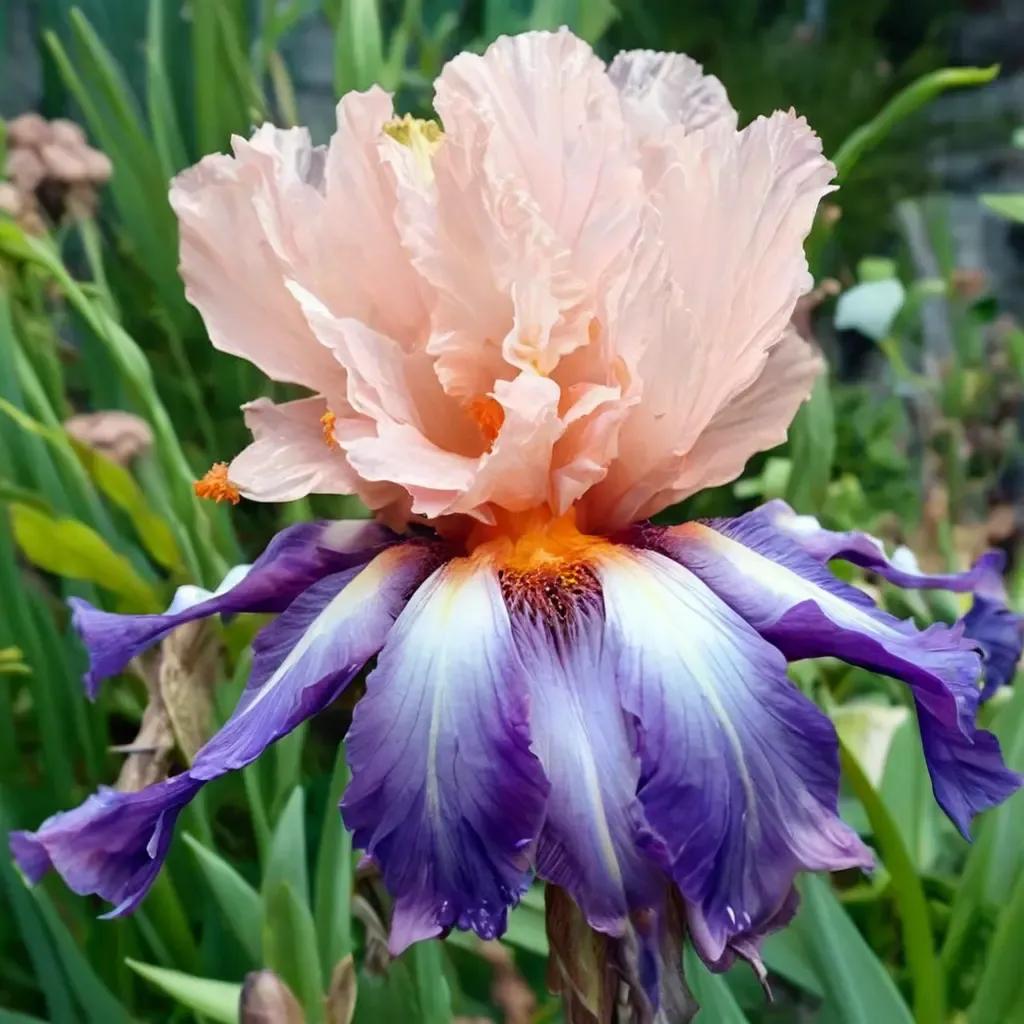 ‘Poesie’Poesie Bearded Iris
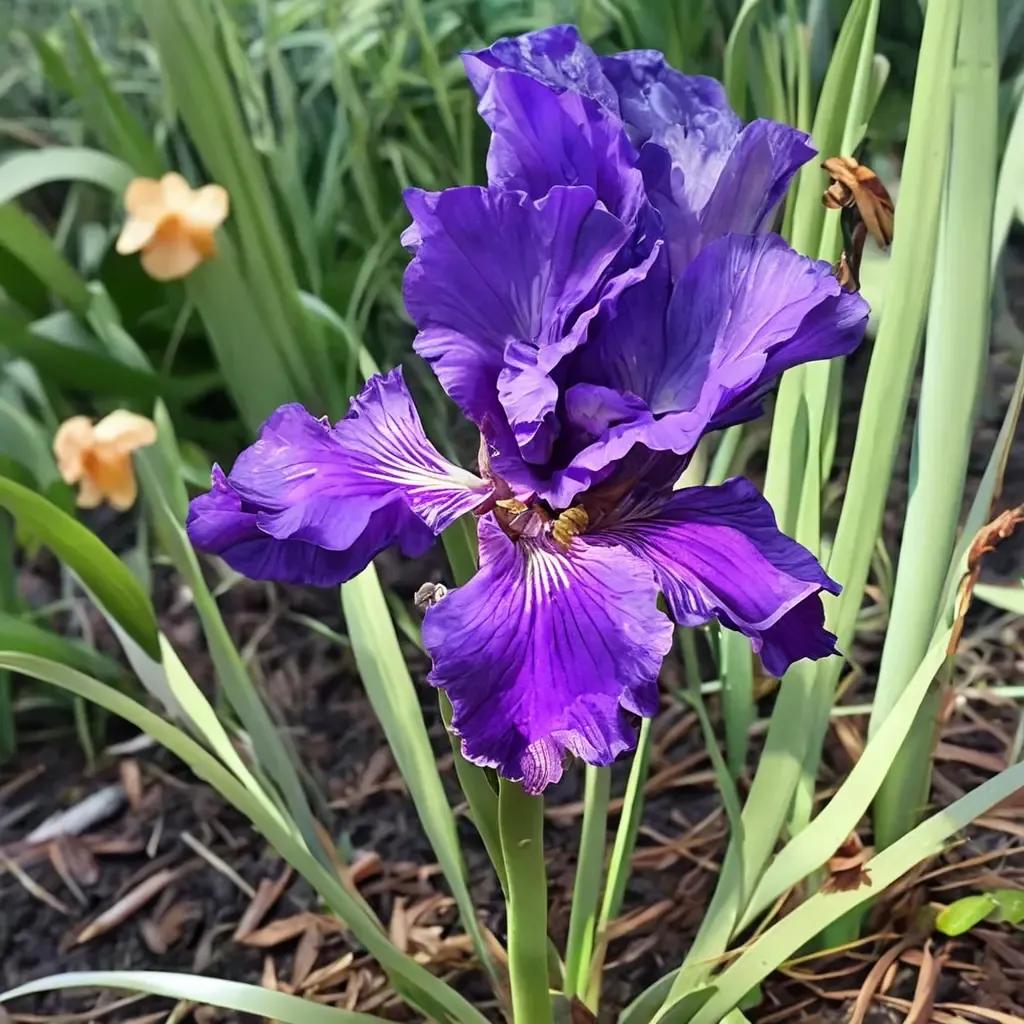 ‘Royal Colors’Royal Colors Bearded Iris
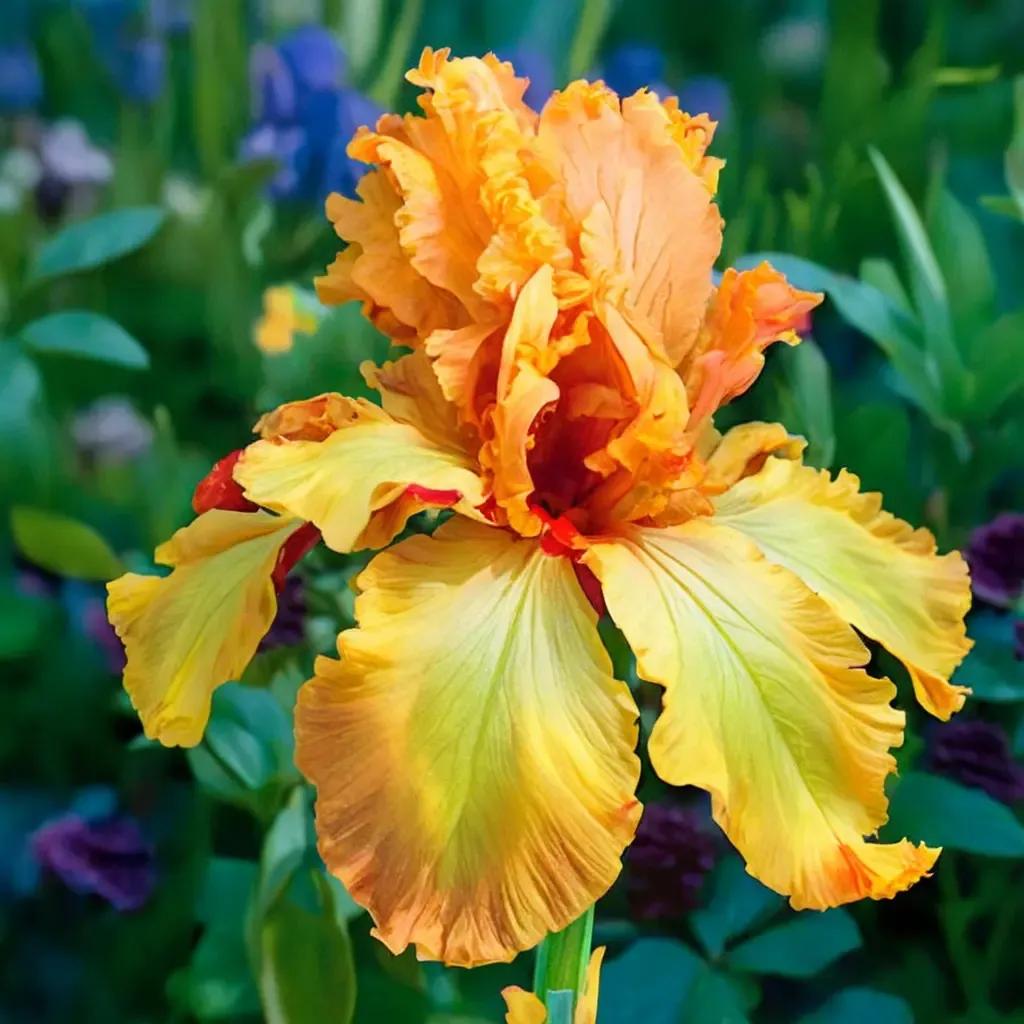 ‘Disco Music’Disco Music Iris
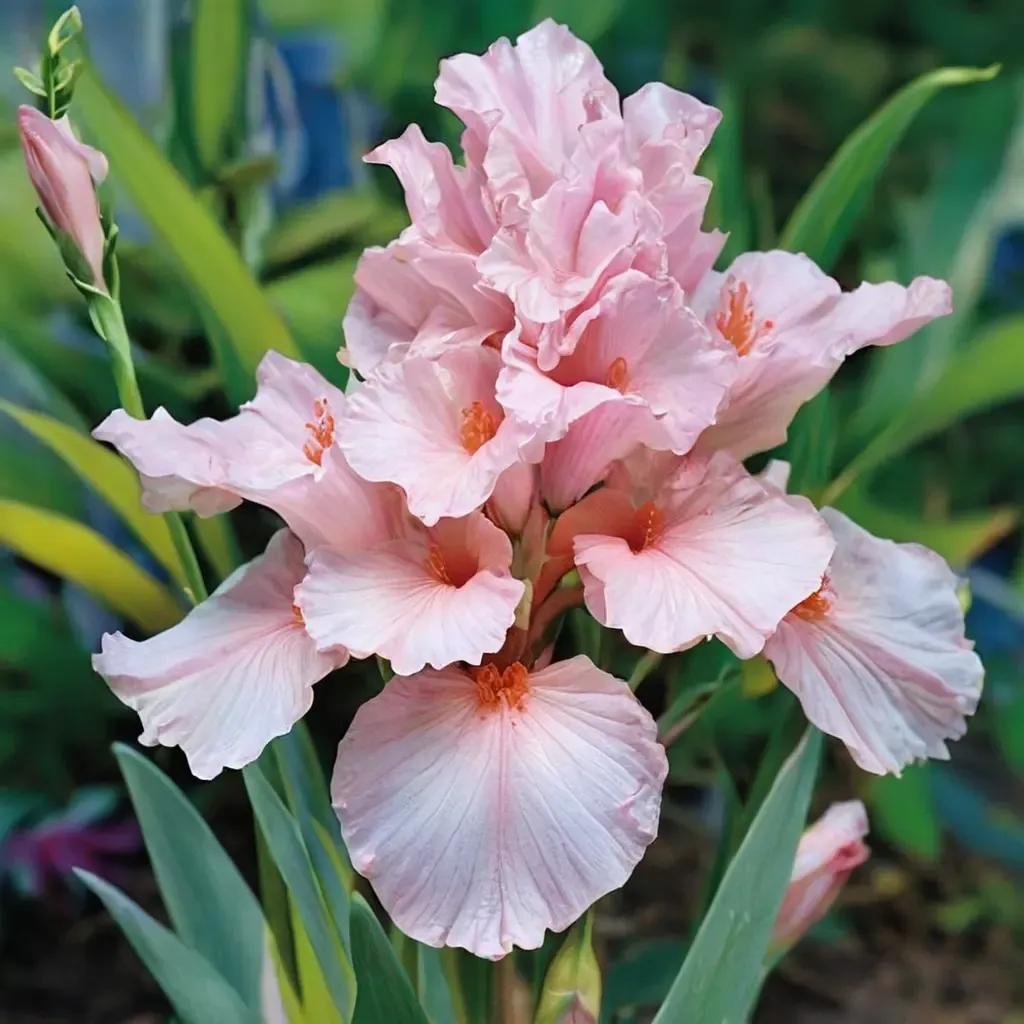 ‘Lenora Pearl’Lenora Pearl Bearded Iris
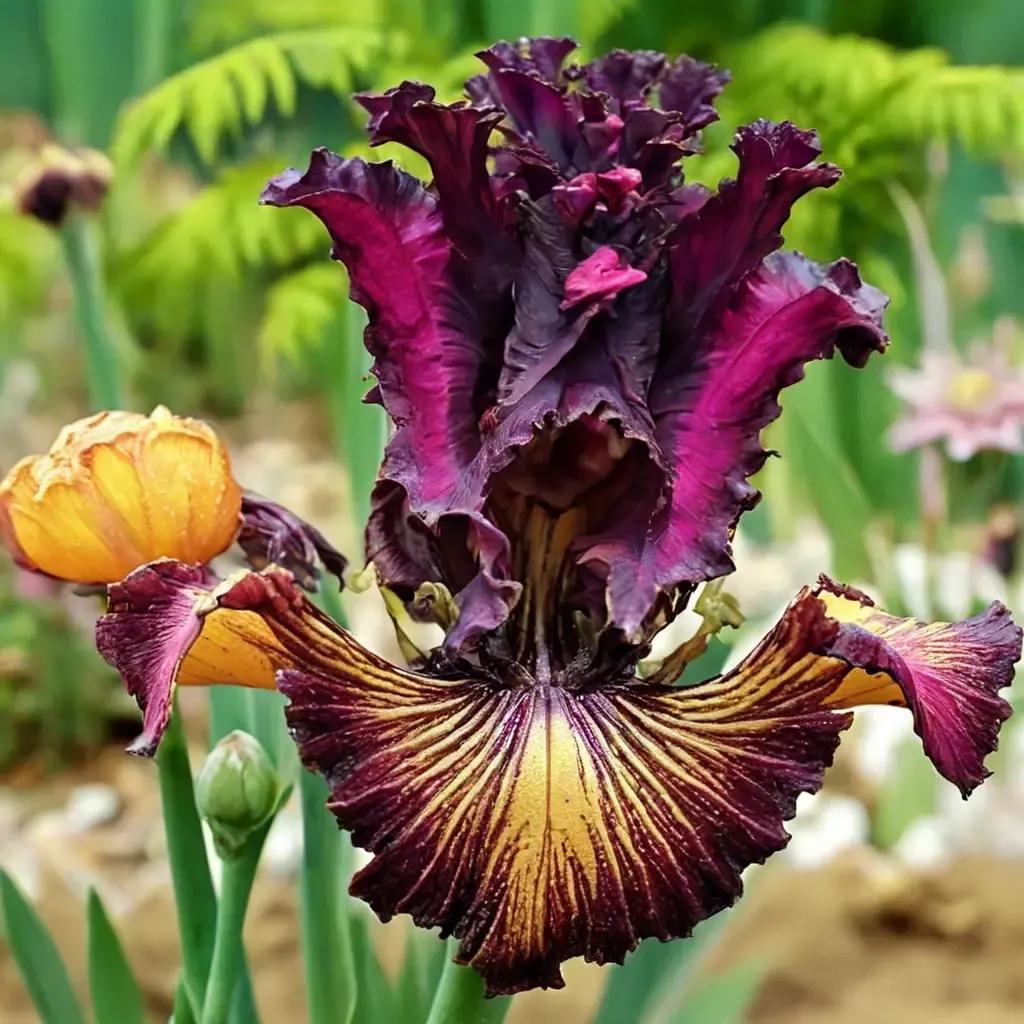 ‘Drama Queen’Drama Queen Bearded Iris
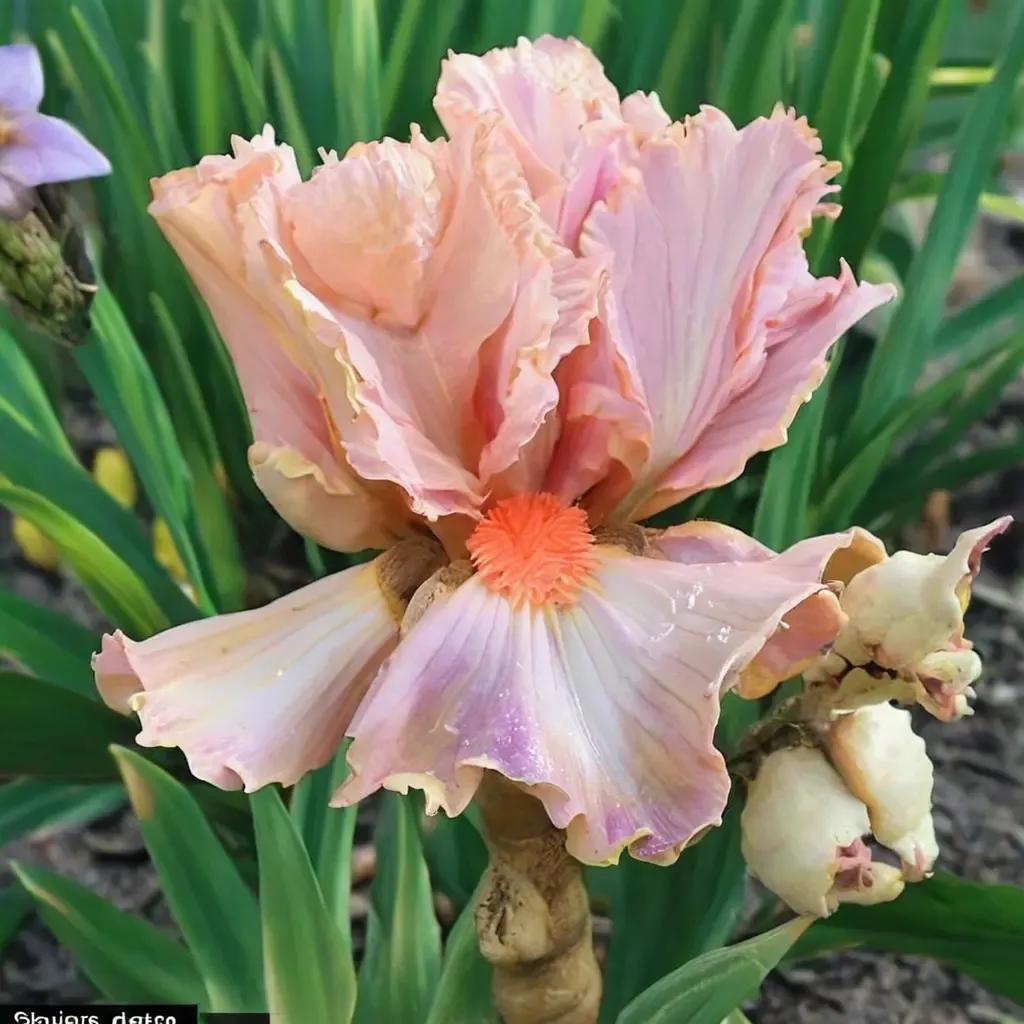 ‘Eye Candy’Eye Candy Bearded Iris
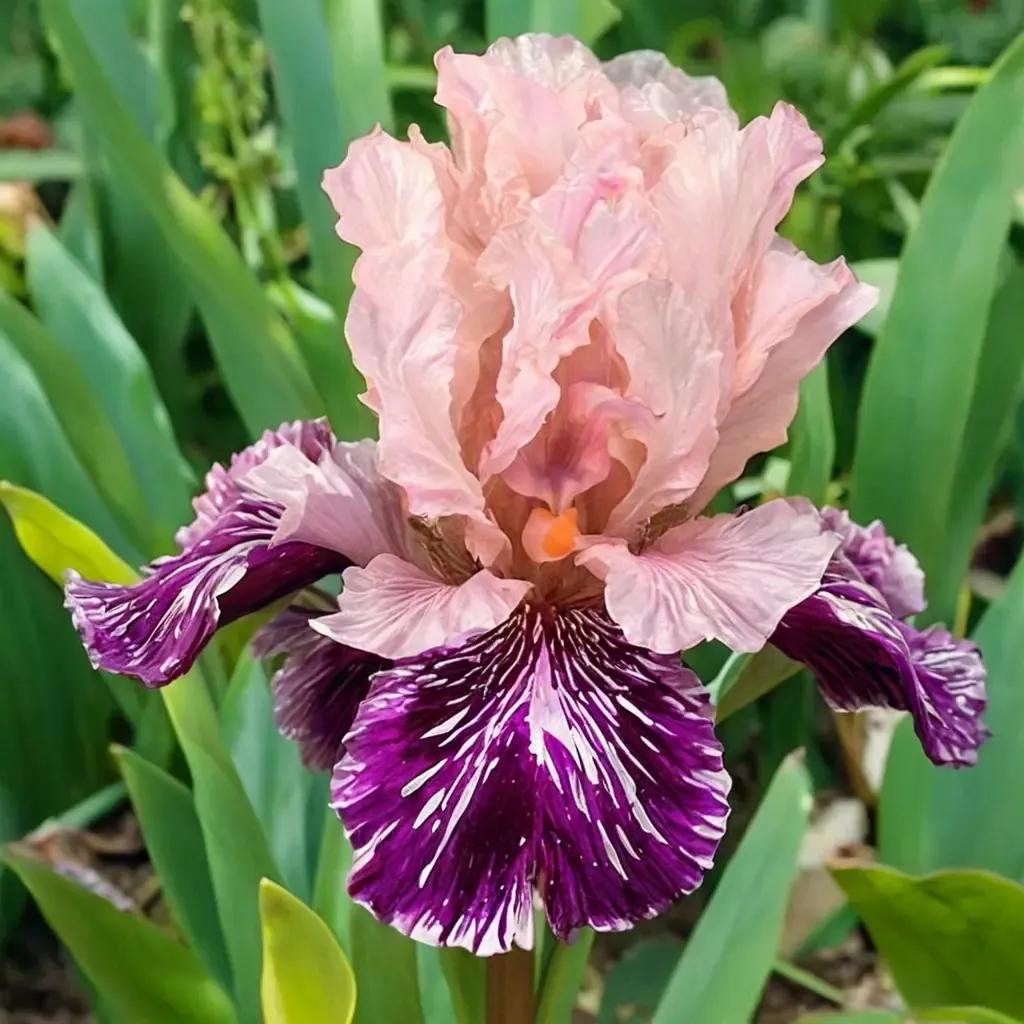 ‘Anaconda Love’Anaconda Love Tall Bearded Iris
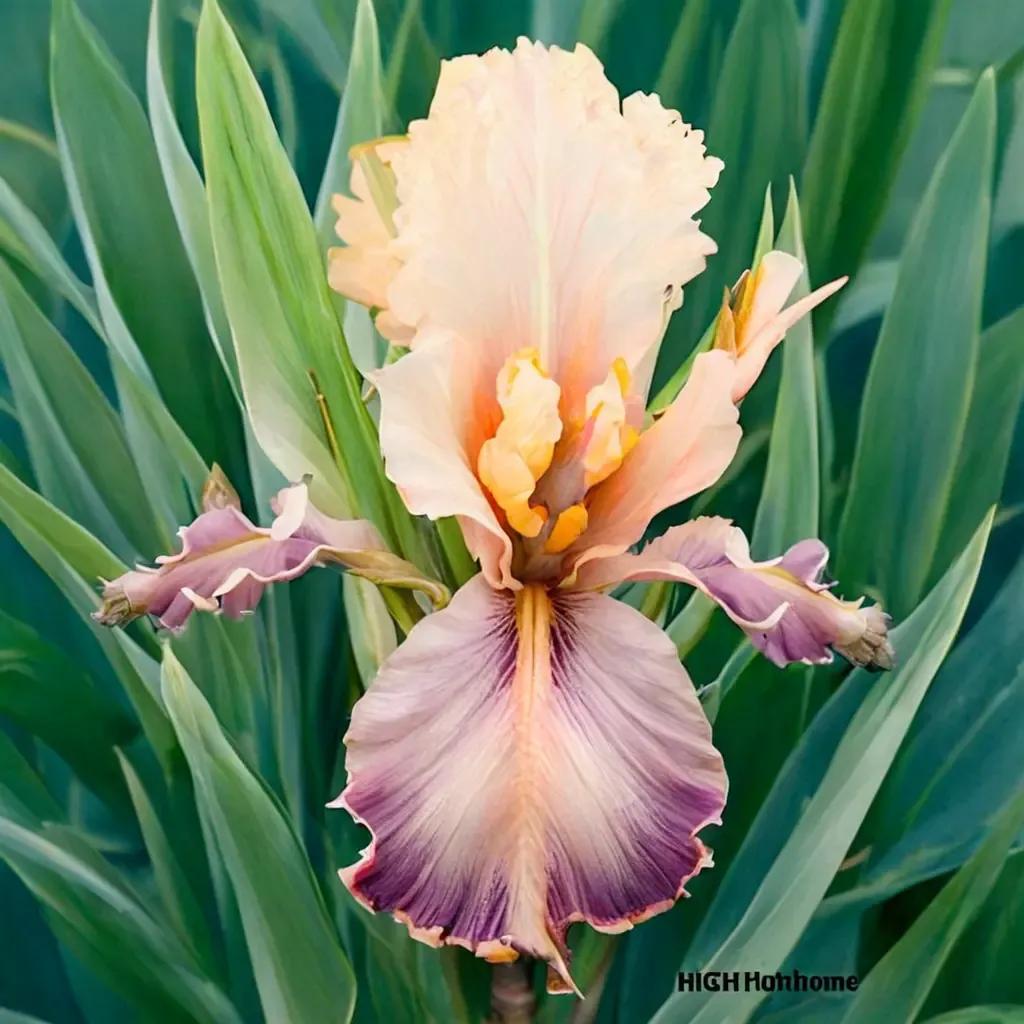 ‘Poster Girl Kickstart’Bearded Iris 'Poster Girl Kickstart'
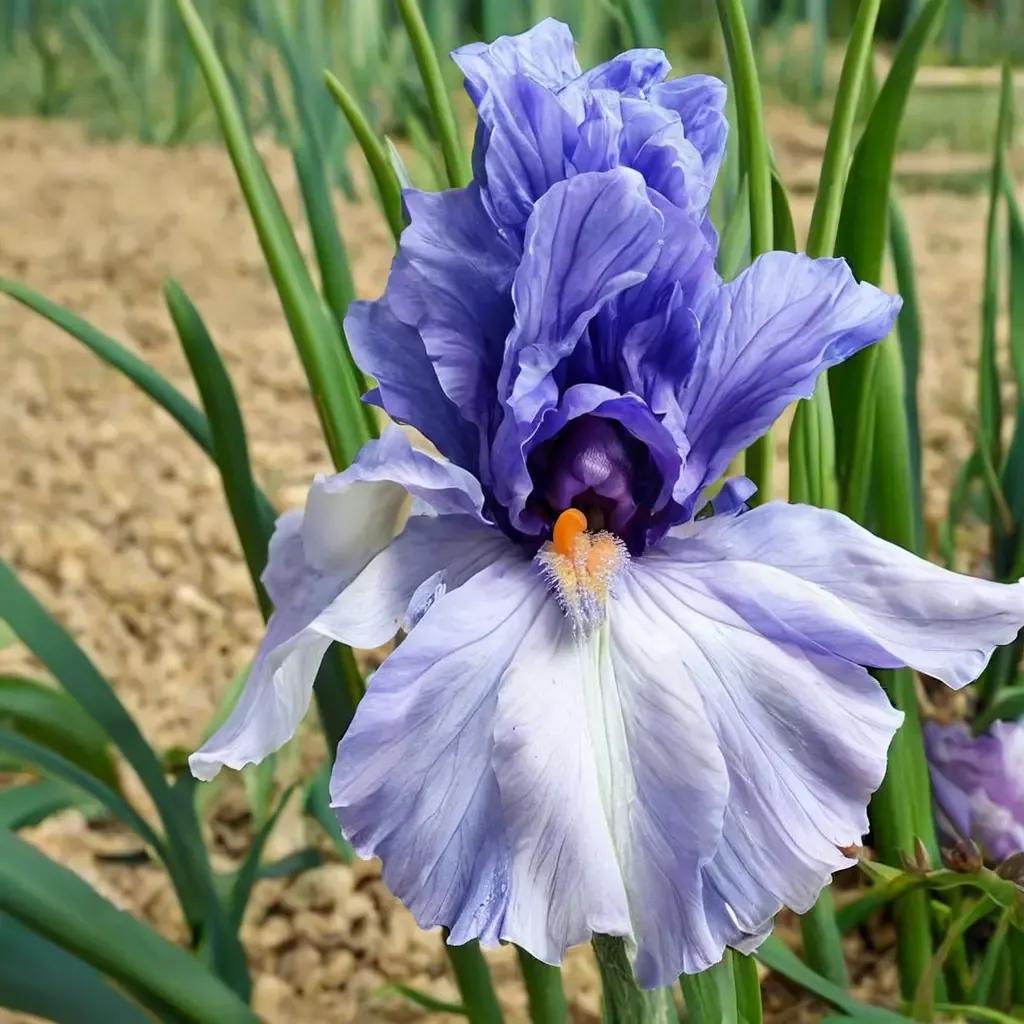 ‘Villa Erba’Villa Erba Tall Bearded Iris
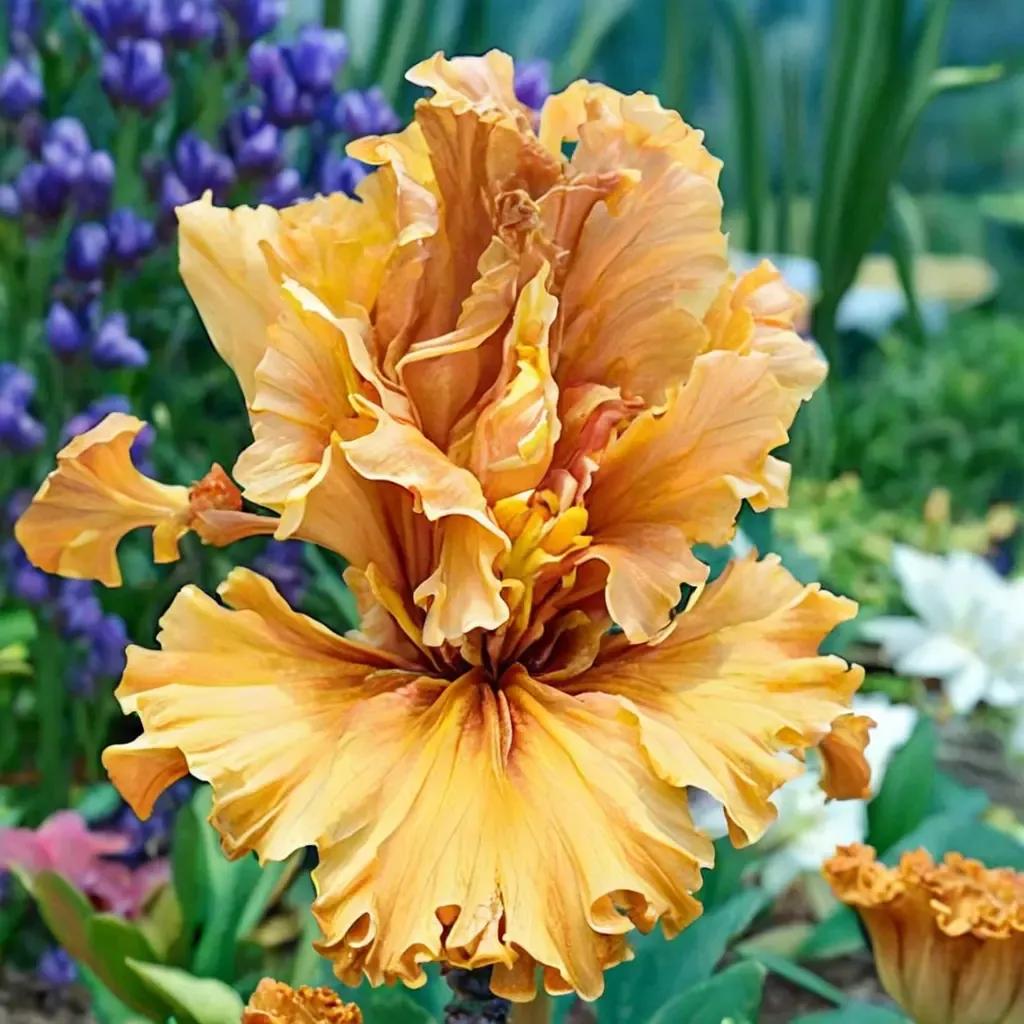 ‘Golden Panther’Golden Panther Bearded Iris
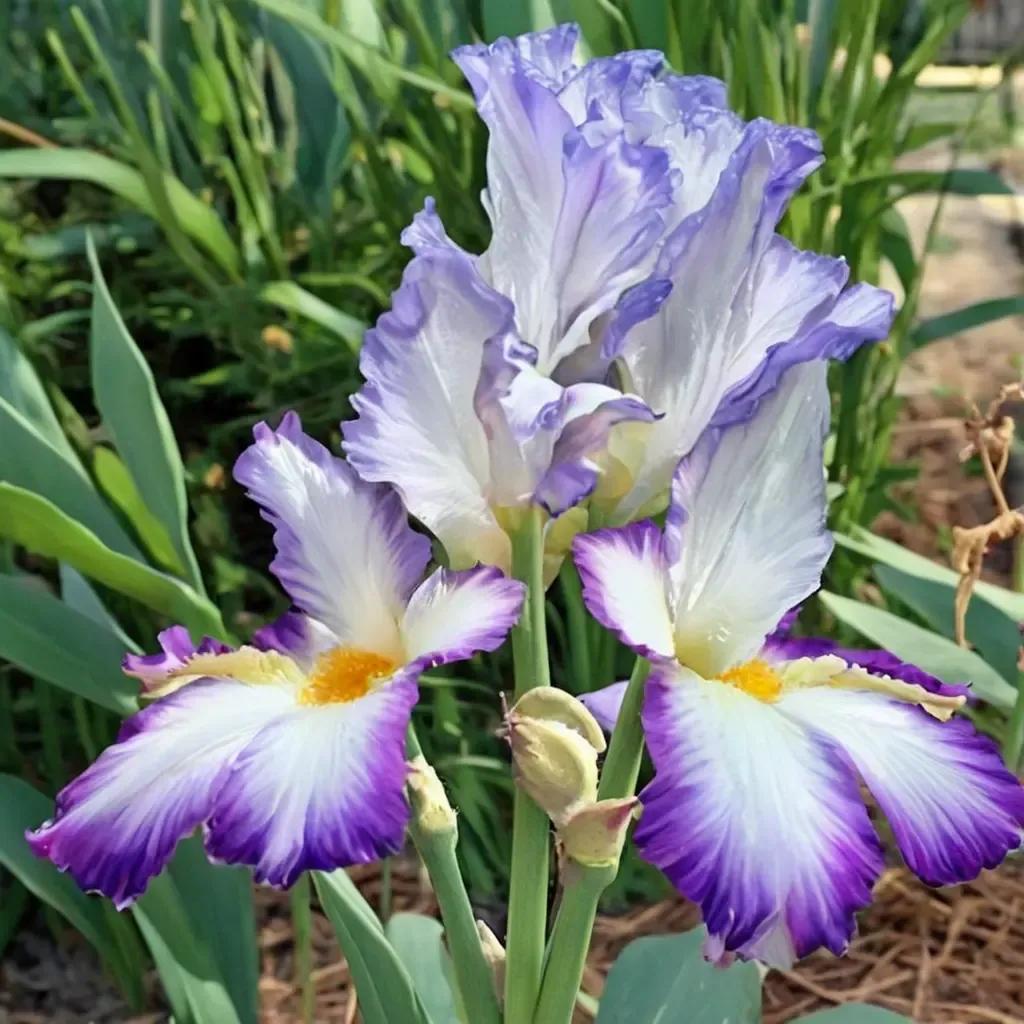 ‘Conjuration’Conjuration Bearded Iris
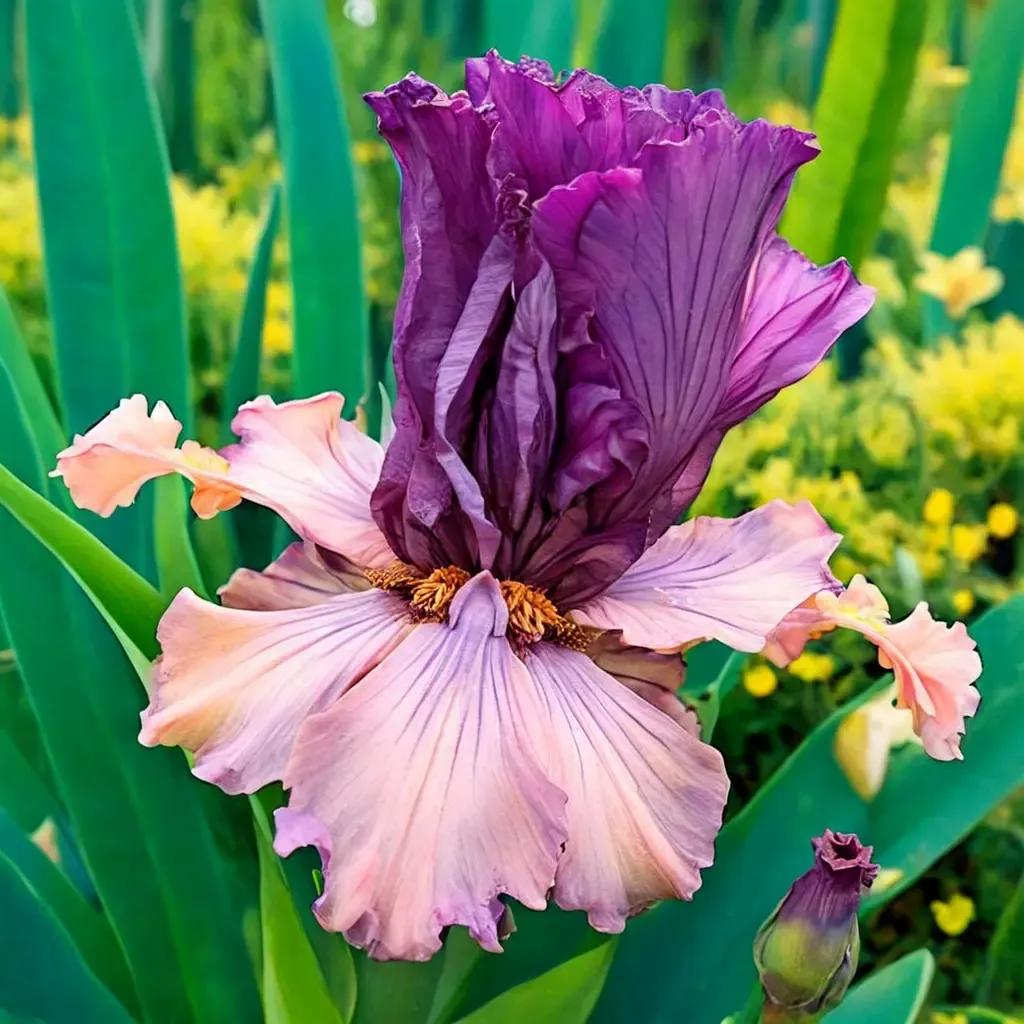 ‘Finishing School’Finishing School Bearded Iris
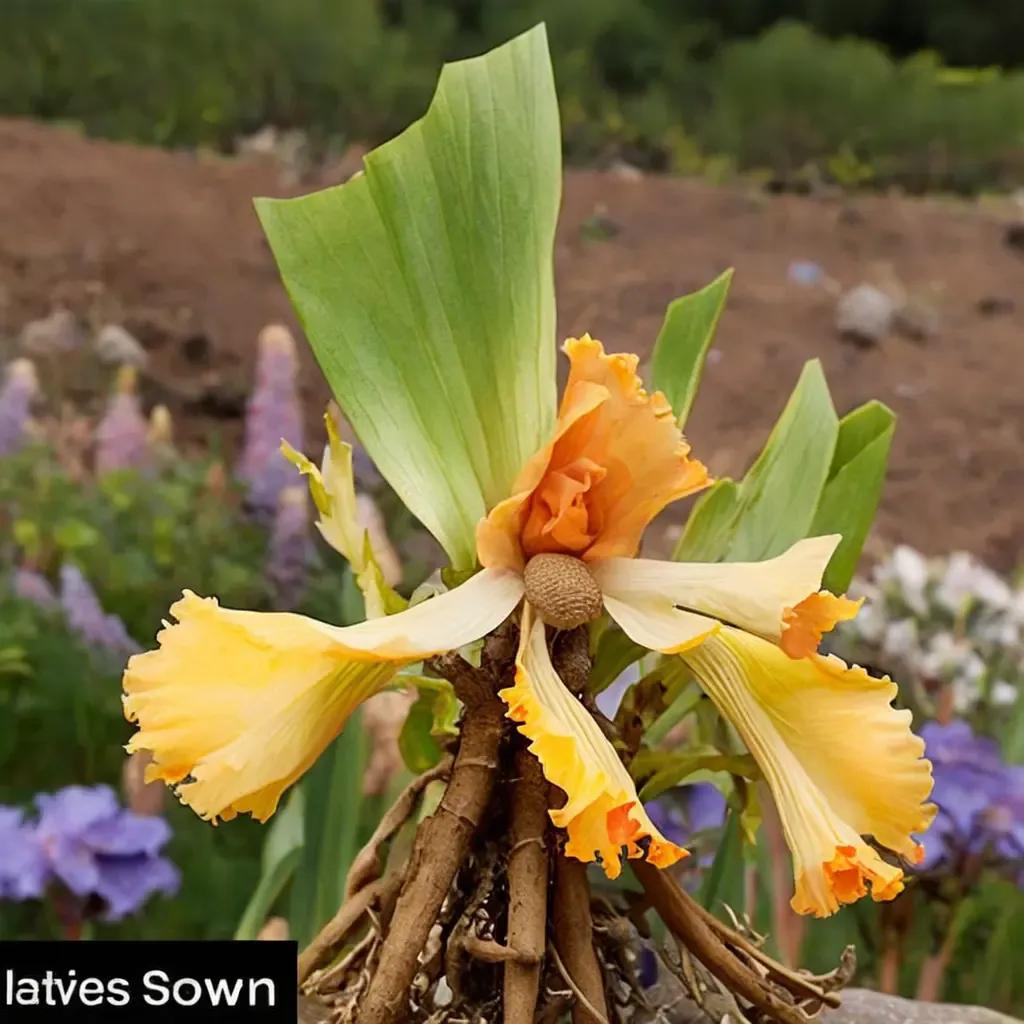 ‘Classic Hues KickStart’Classic Hues KickStart German Iris Bearded Iris
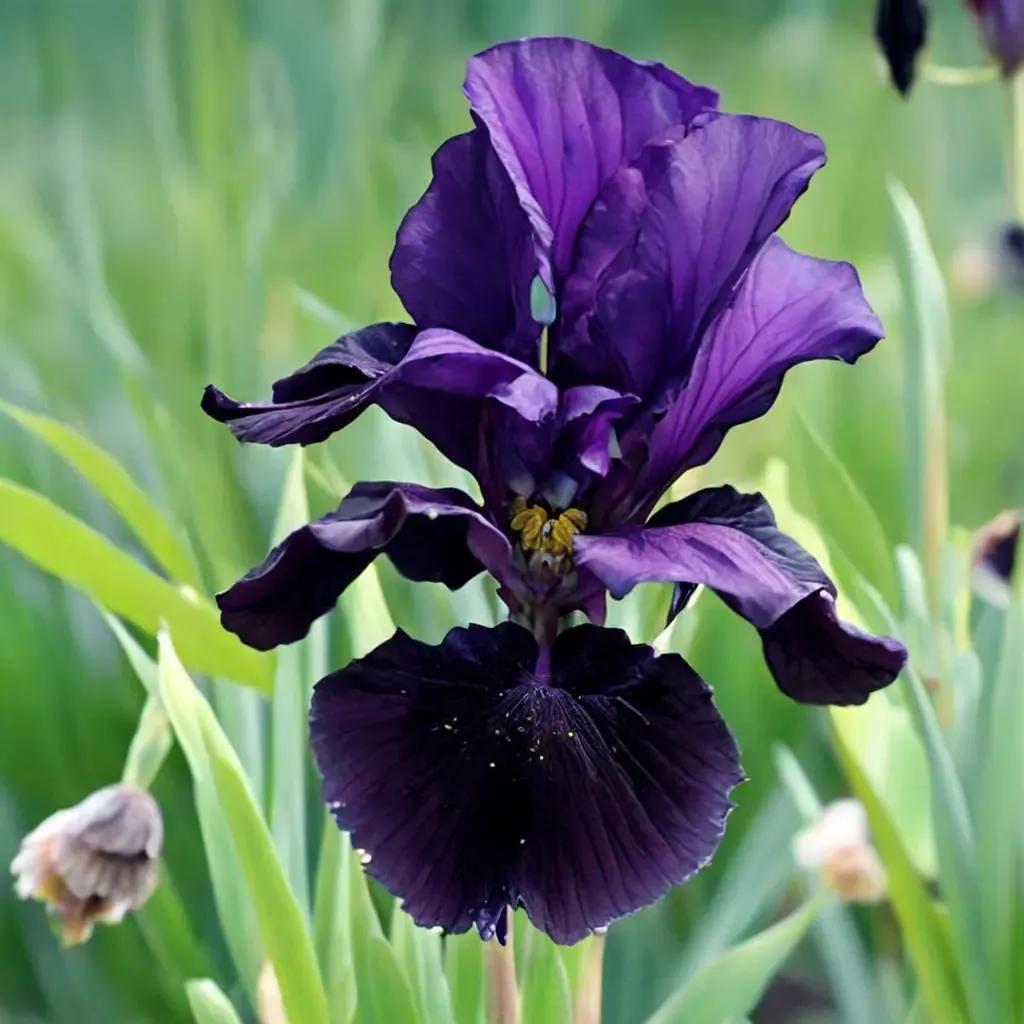 ‘Black Swan’Black Swan Bearded Iris
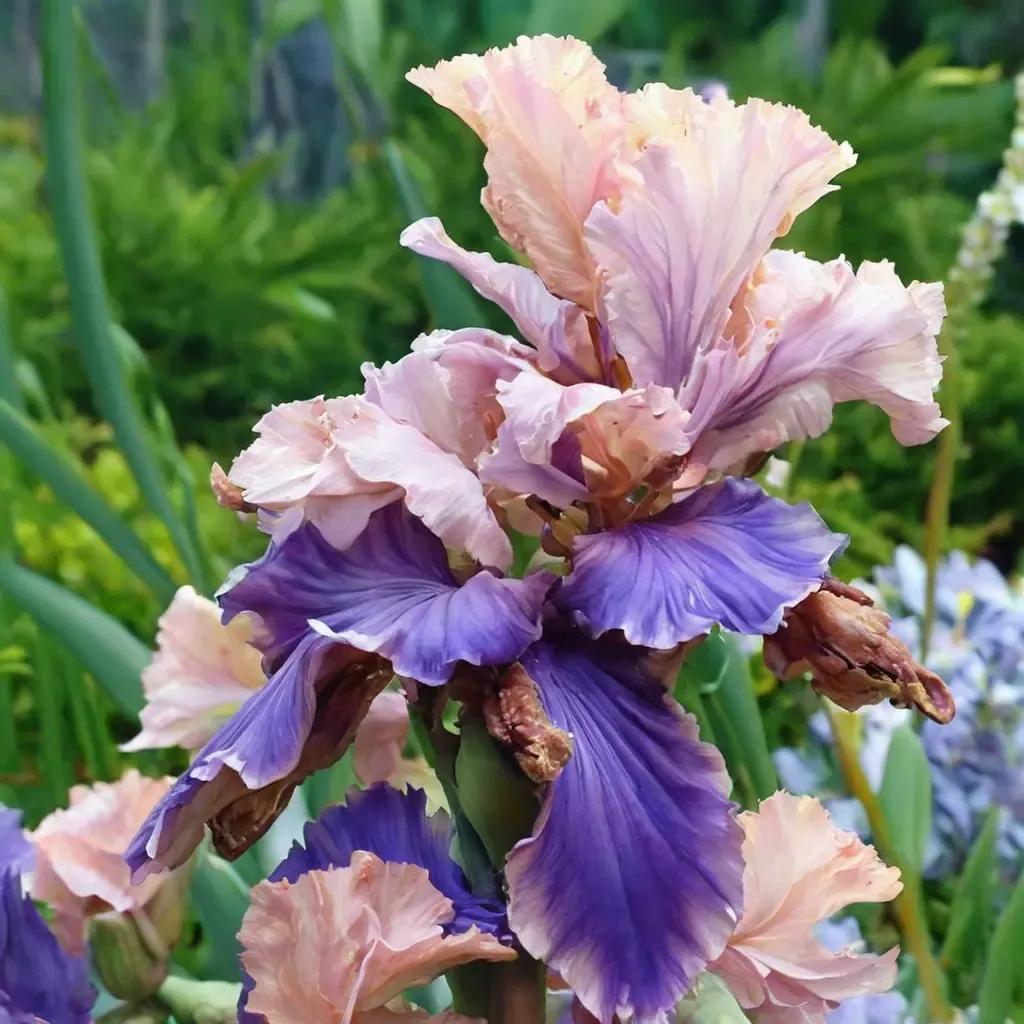 ‘Florentine Silk’Florentine Silk Iris German Iris
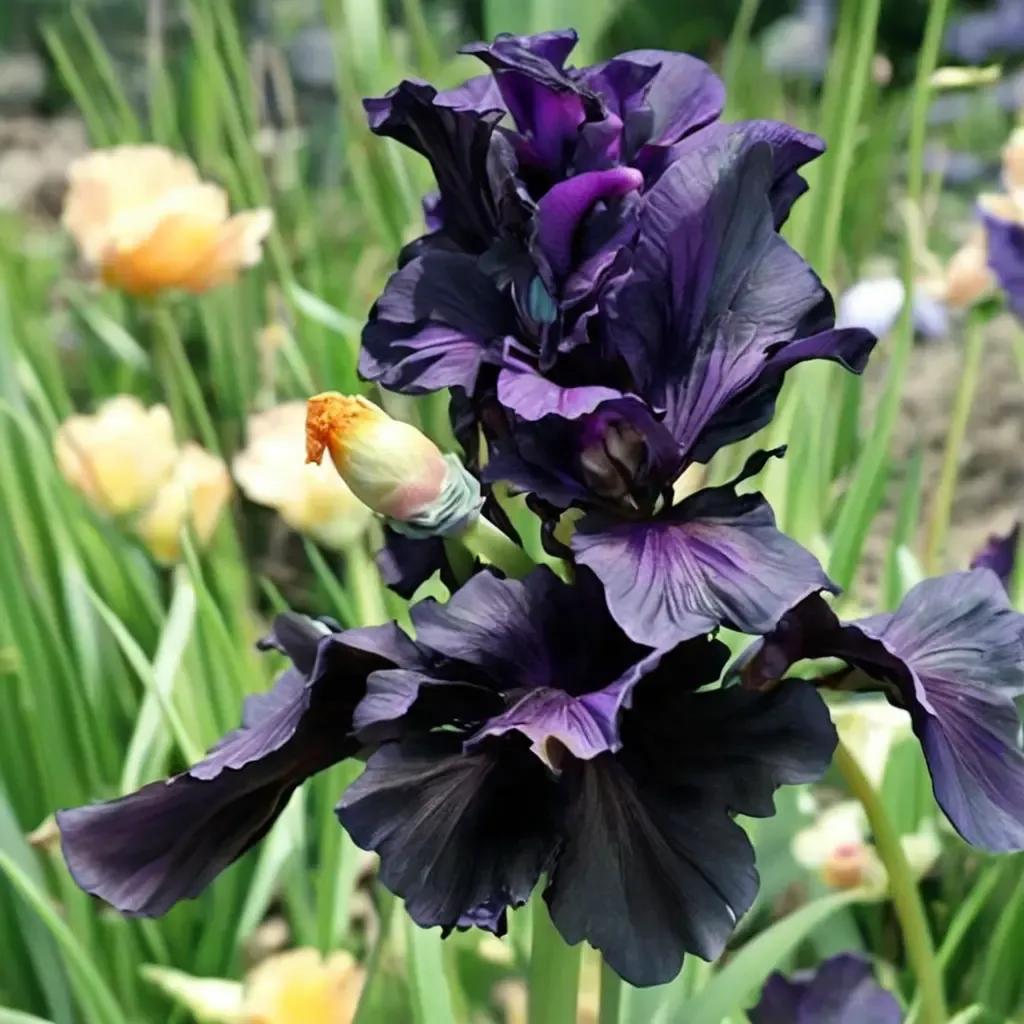 ‘Hello Darkness’Hello Darkness Bearded Iris
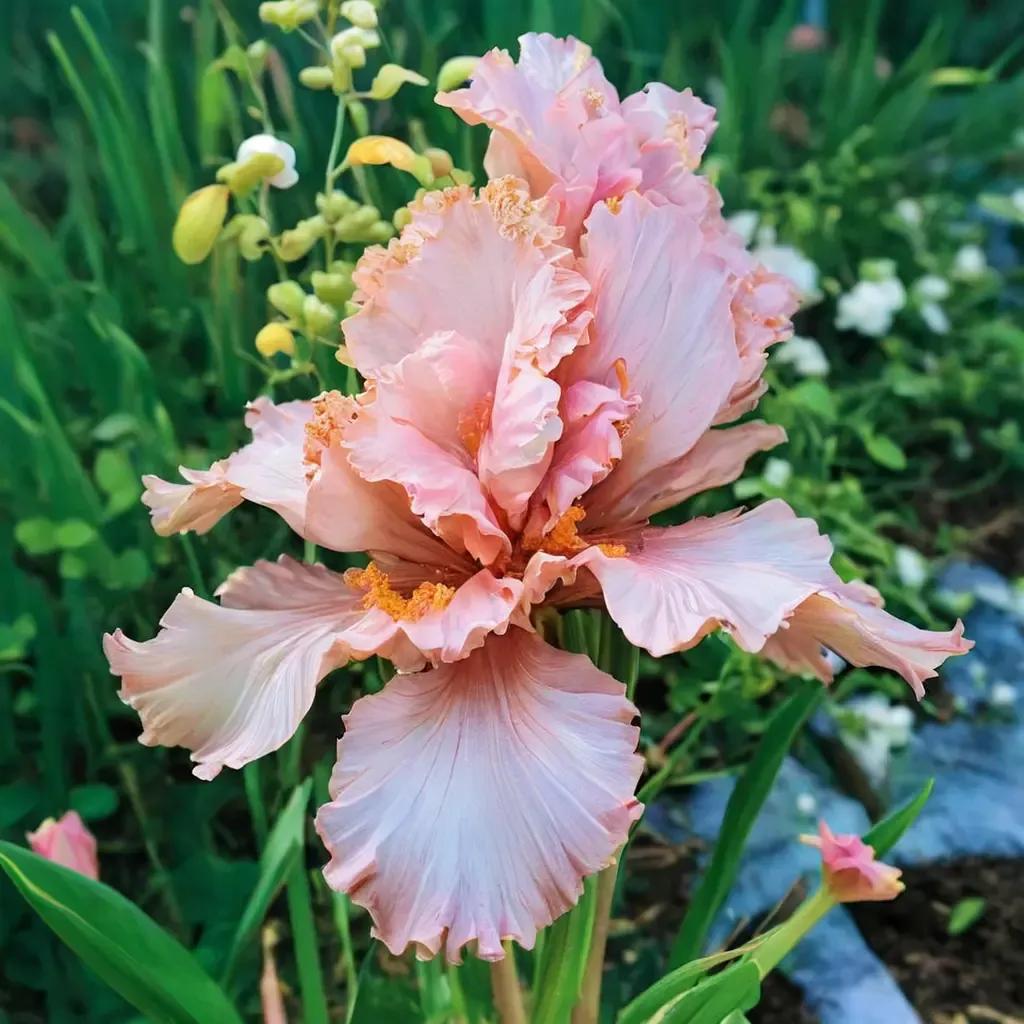 ‘Peggy Sue’Peggy Sue Bearded Iris
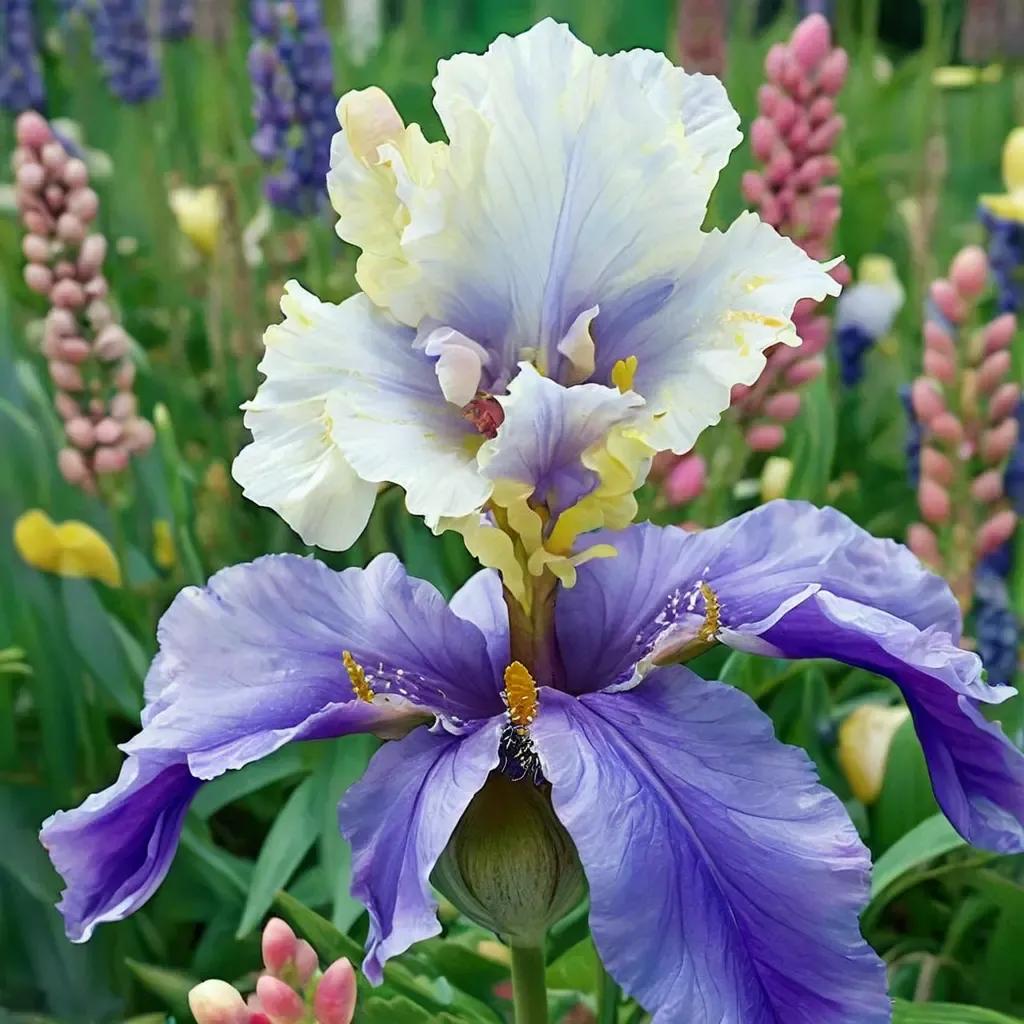 ‘Dream of You’Dream of You Bearded Iris
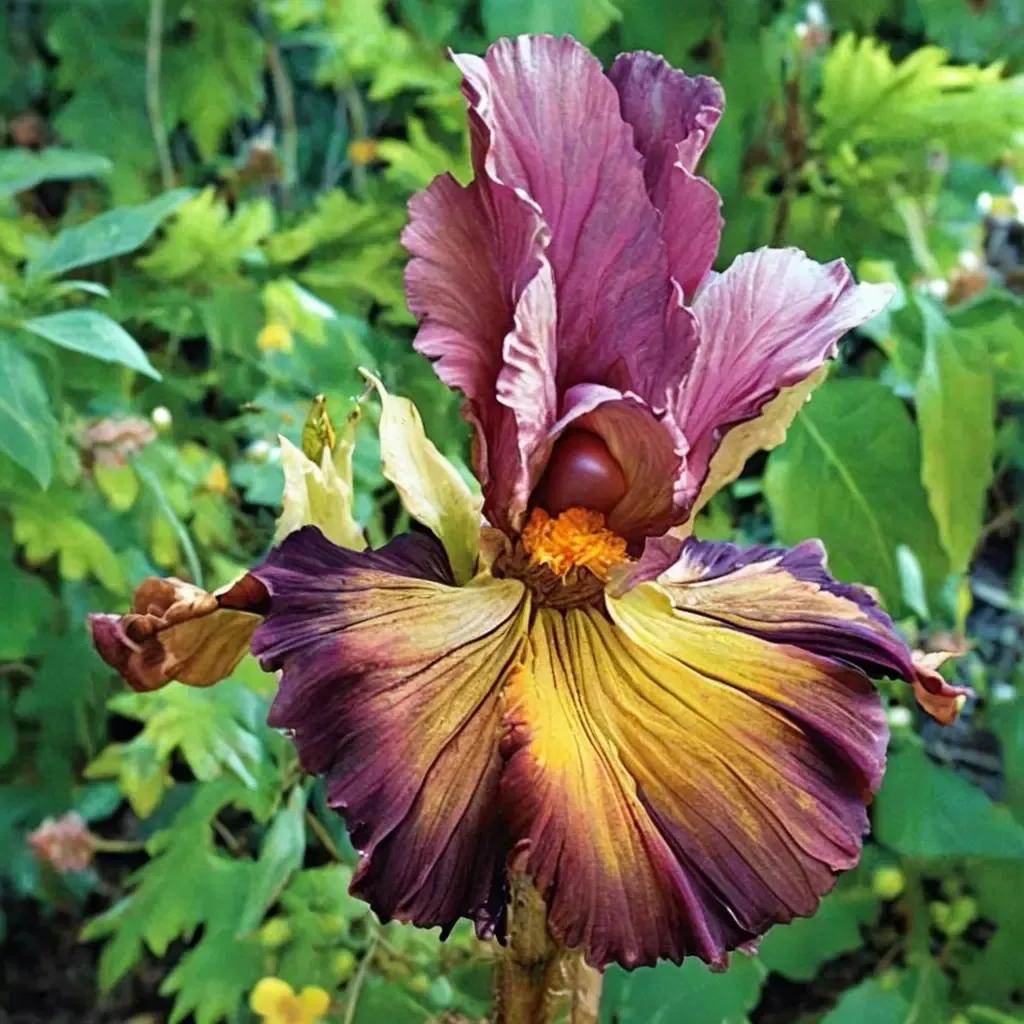 ‘Lord of Rings’Lord of the Rings Bearded Iris
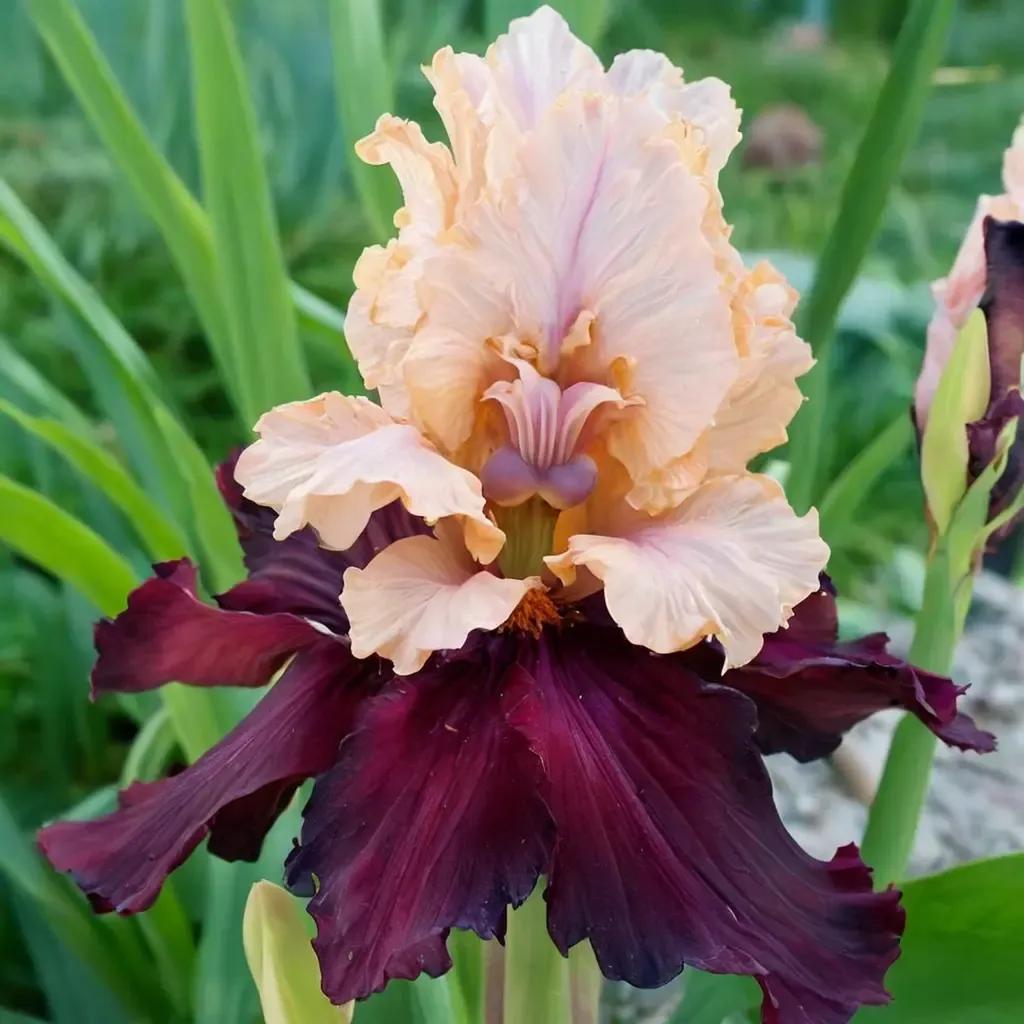 ‘Broad Shoulders’Broad Shoulders Bearded Iris
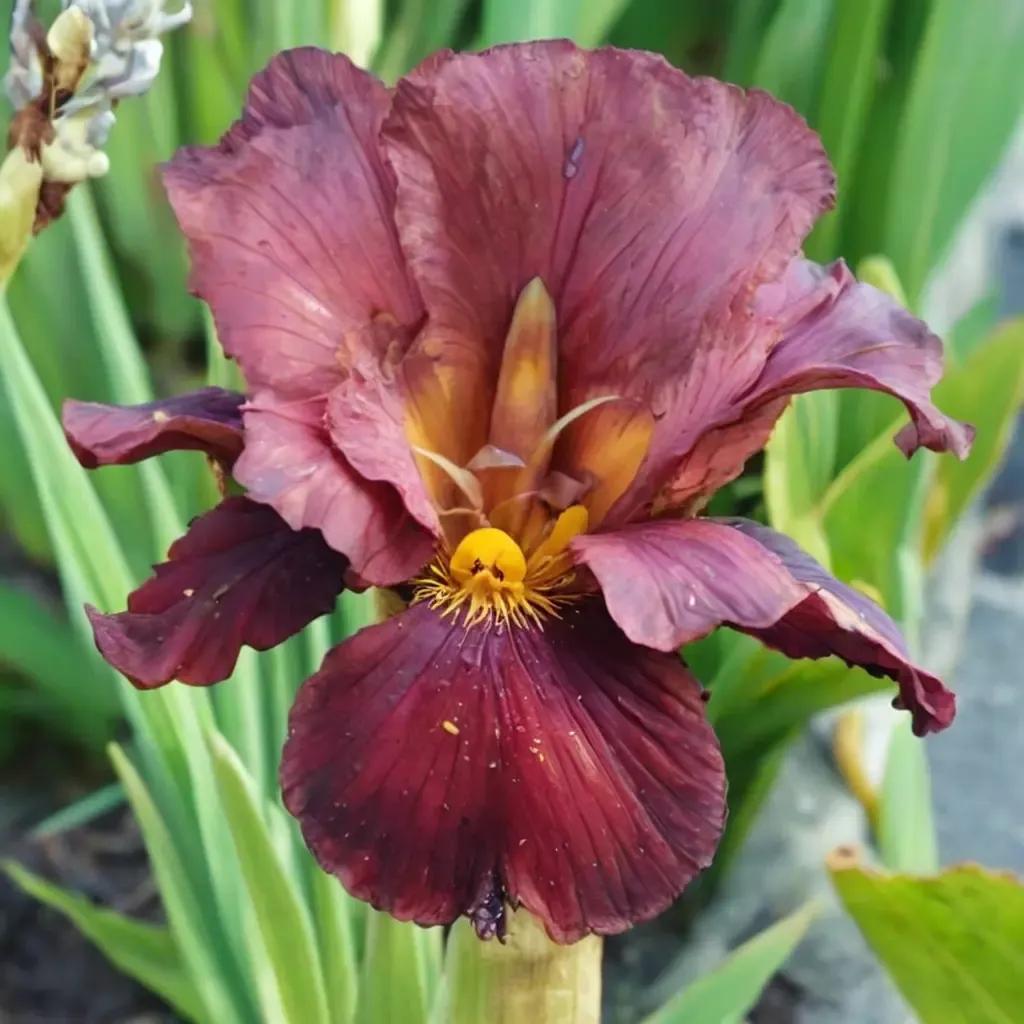 ‘Quechee’Quechee German Iris
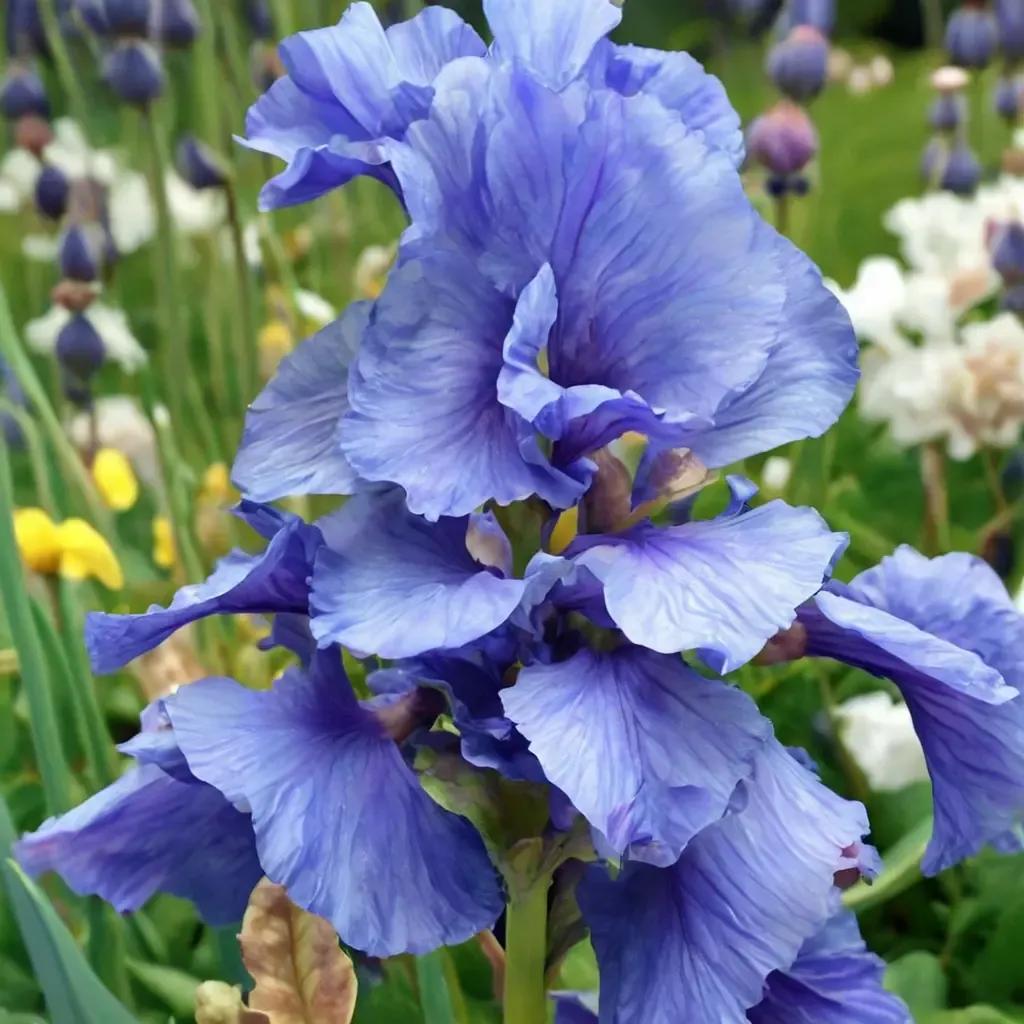 ‘Sugar Blues’Sugar Blues Iris
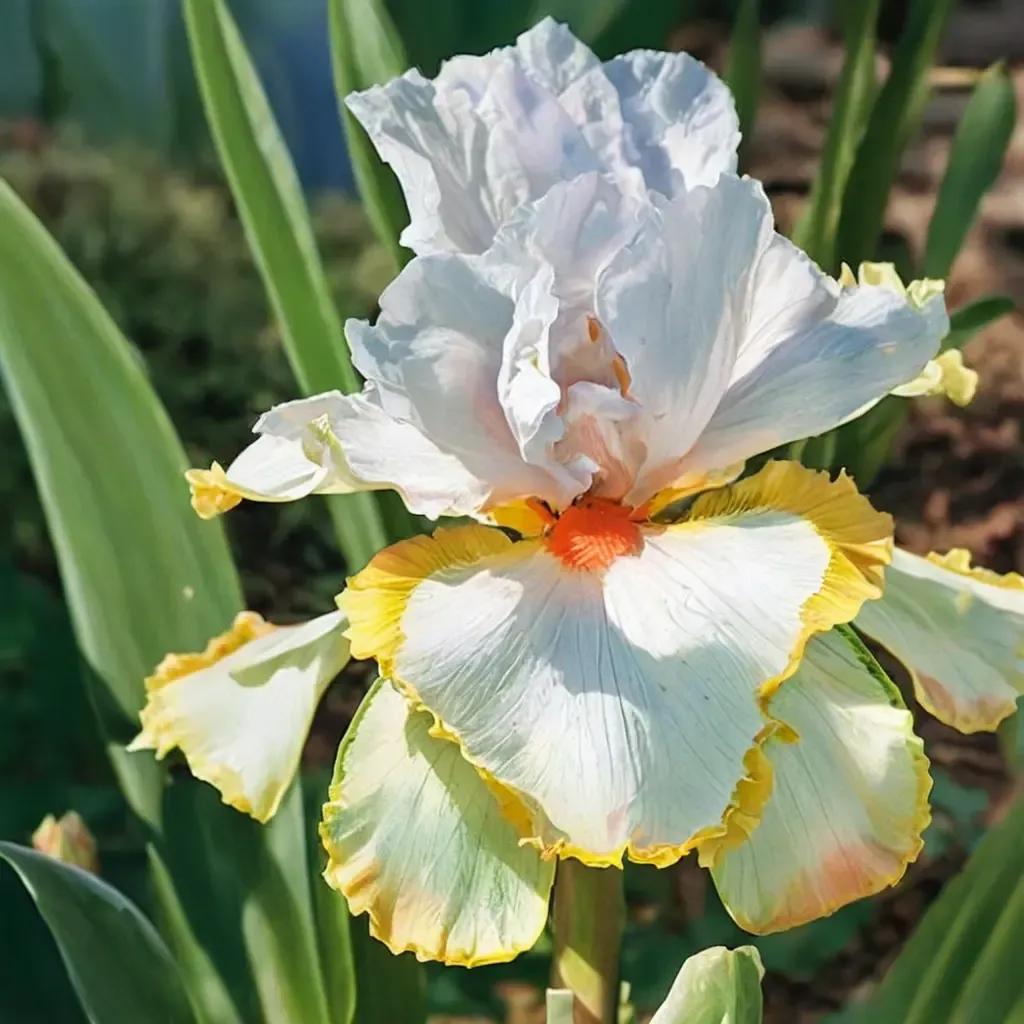 ‘Halloween Halo’Halloween Halo Bearded Iris
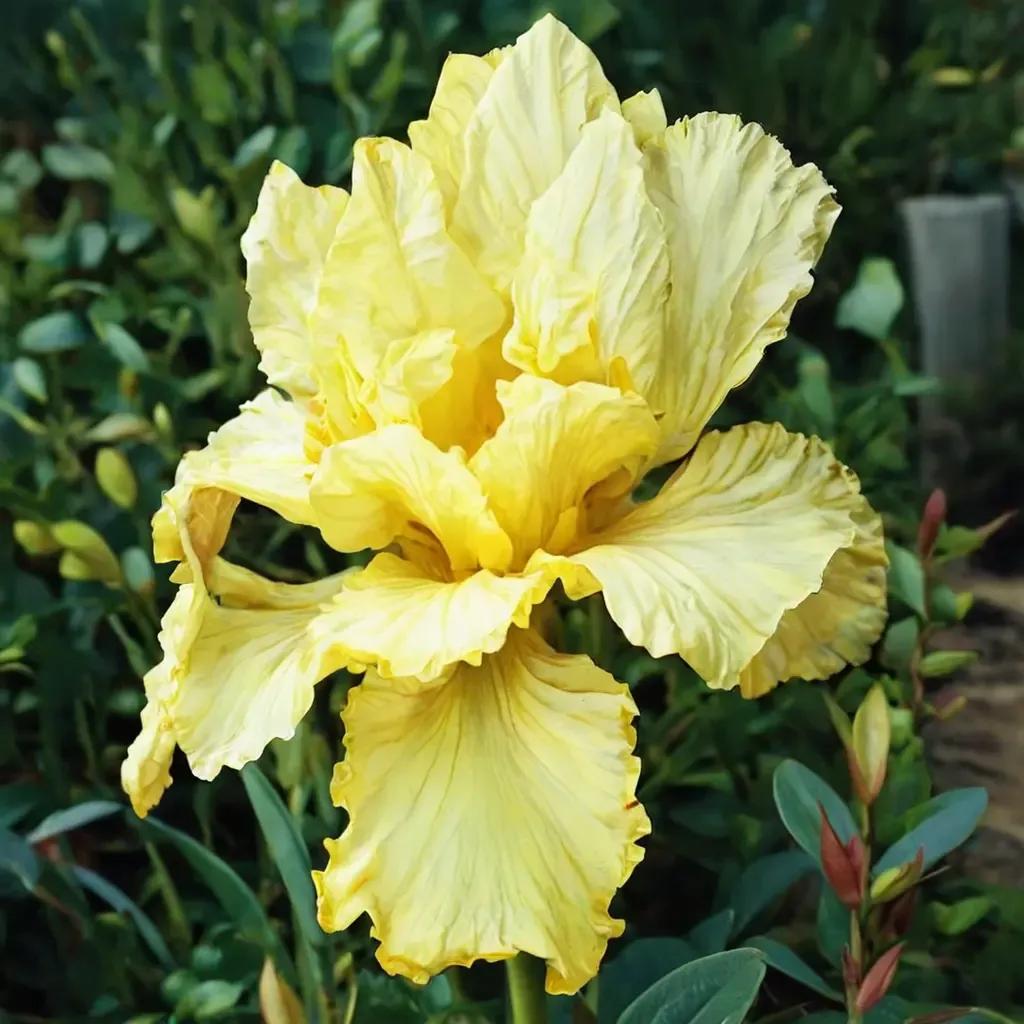 ‘Summer Olympics’Summer Olympics Bearded Iris
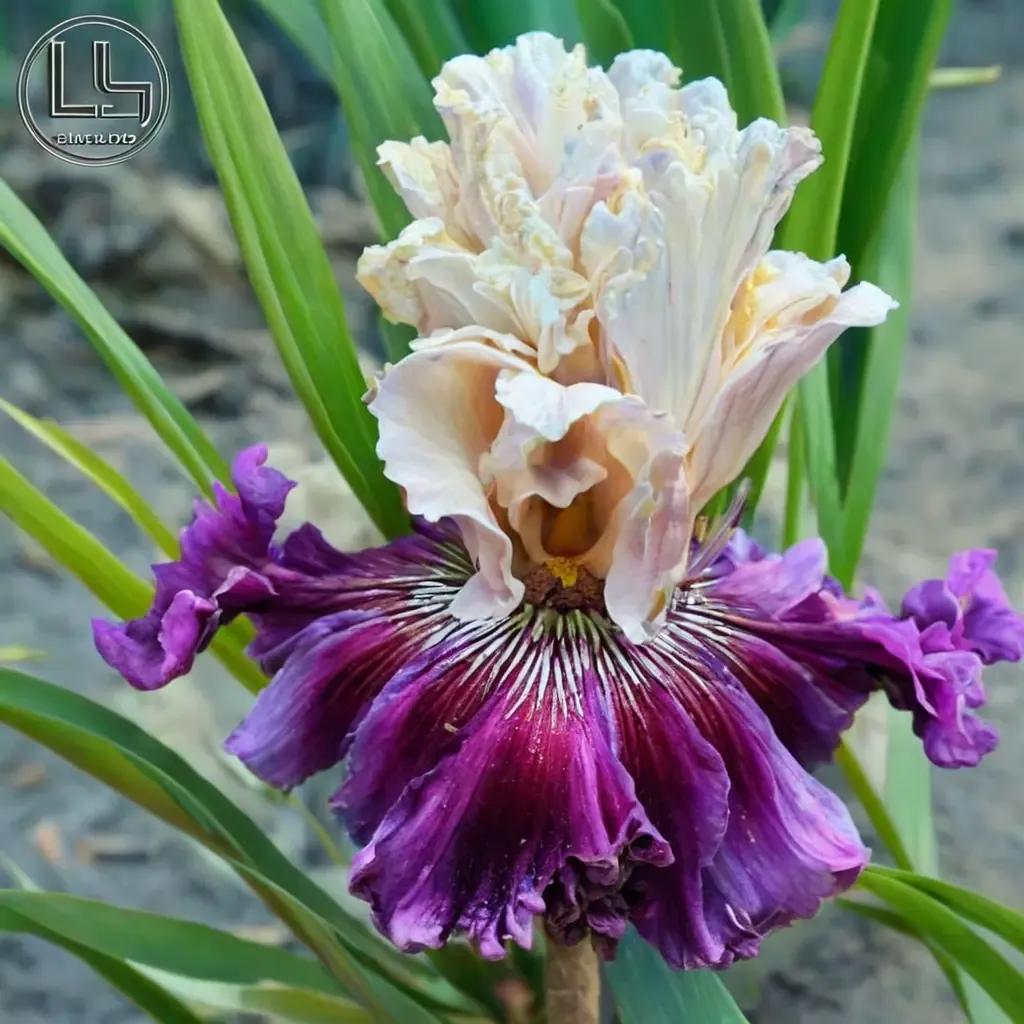 ‘Royal Harlequin’Royal Harlequin Bearded Iris
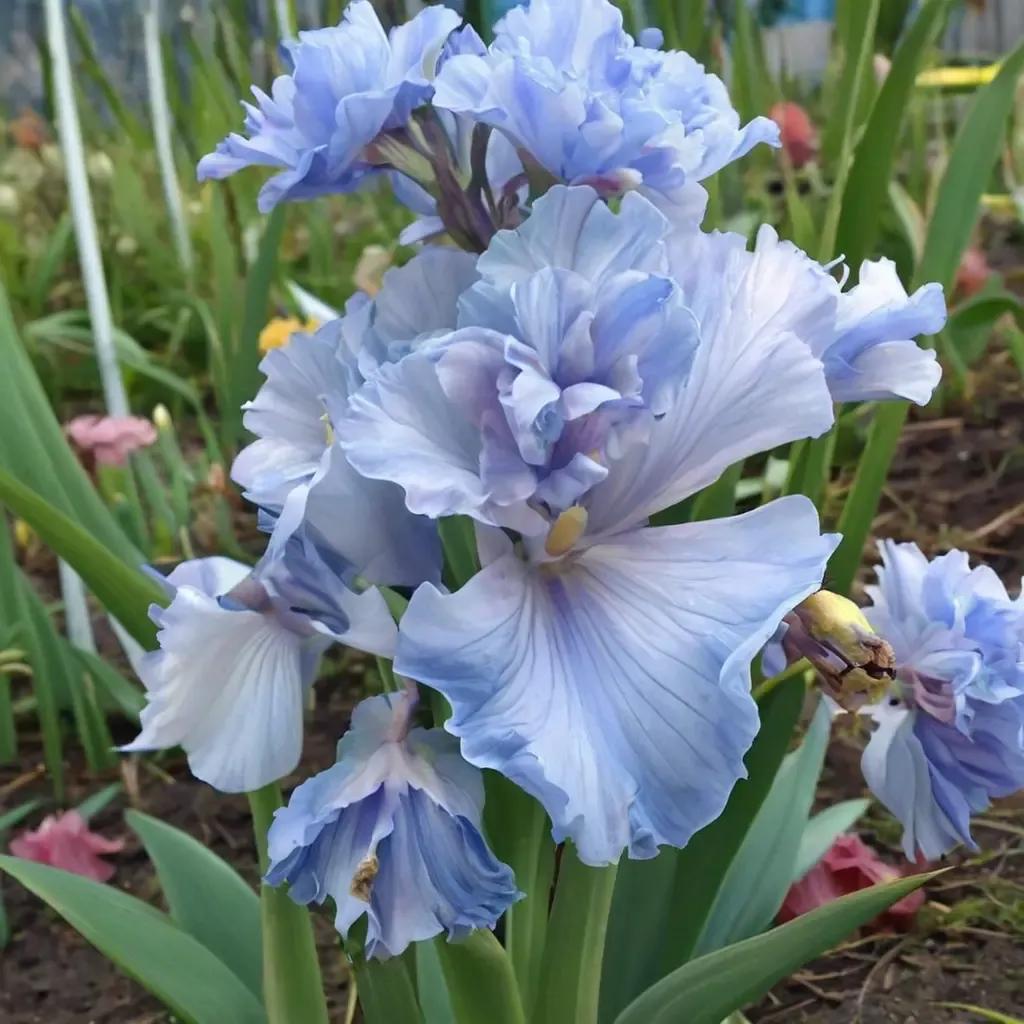 ‘Above The Clouds’Bearded Iris Above The Clouds Iris
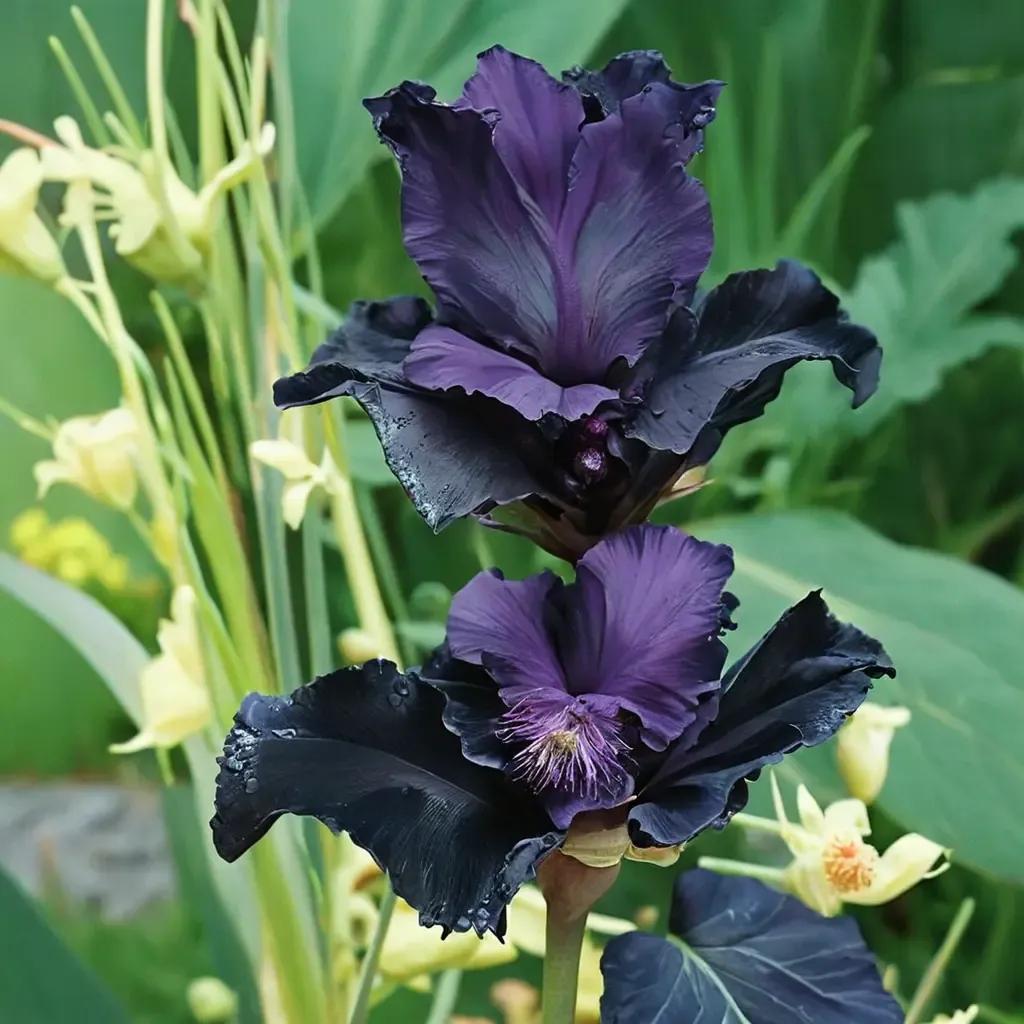 ‘Before The Storm’Before The Storm Bearded Iris
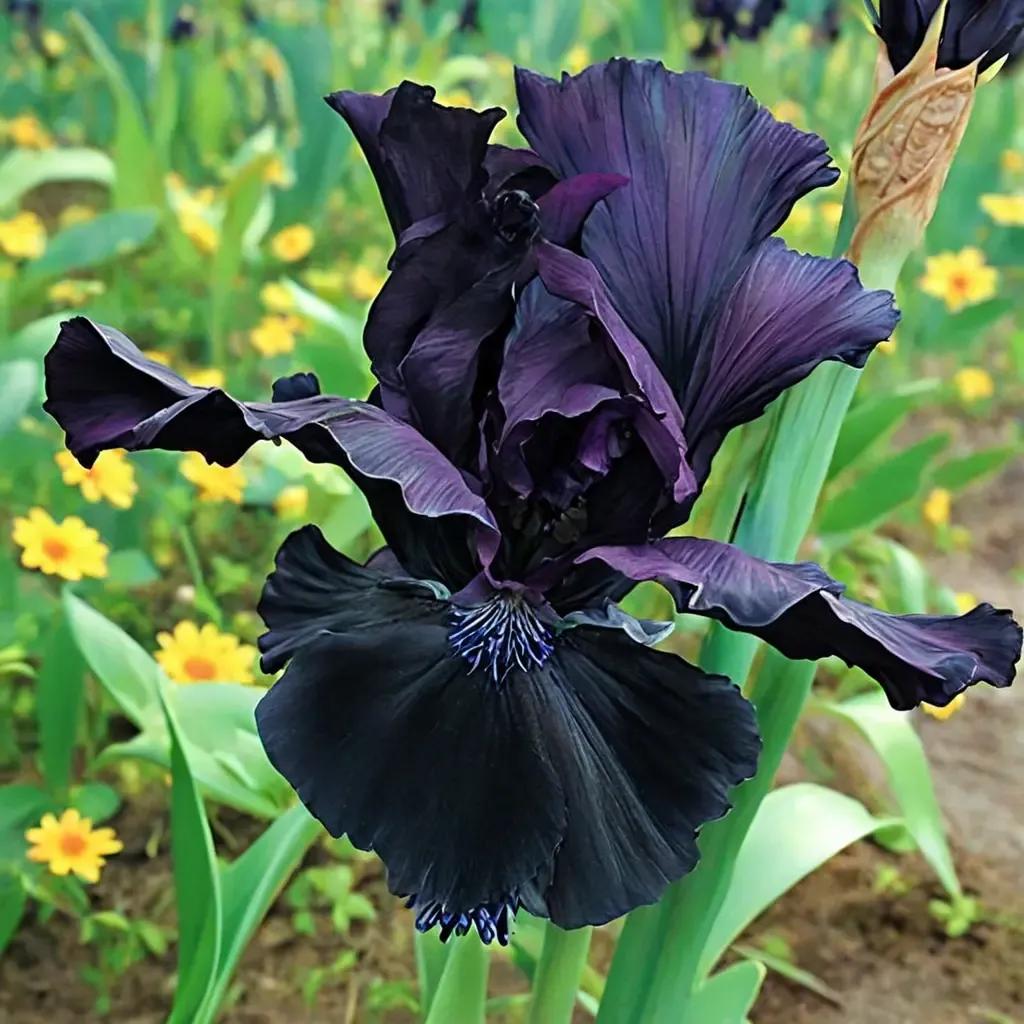 ‘Blackwater’Blackwater German Iris
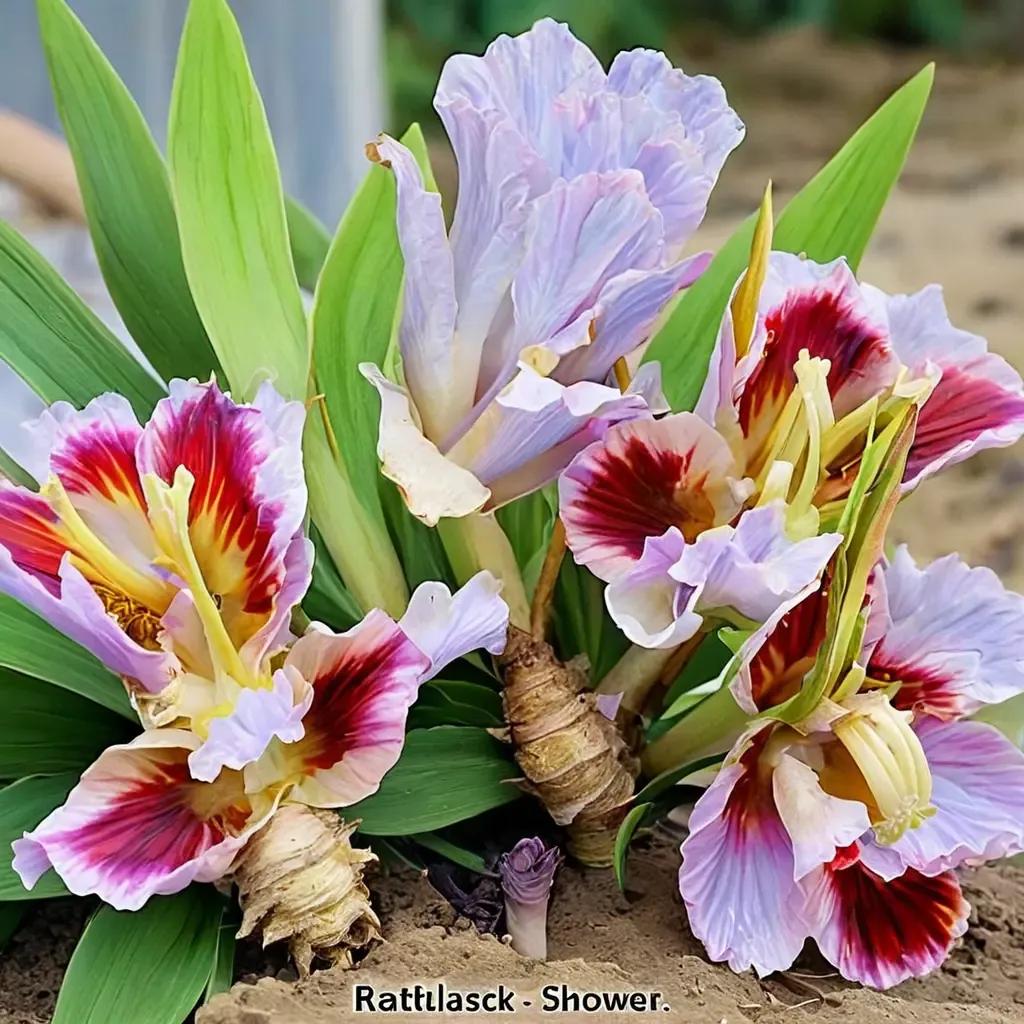 ‘Going In Circles Kickstart’Going In Circles Kickstart Bearded Iris
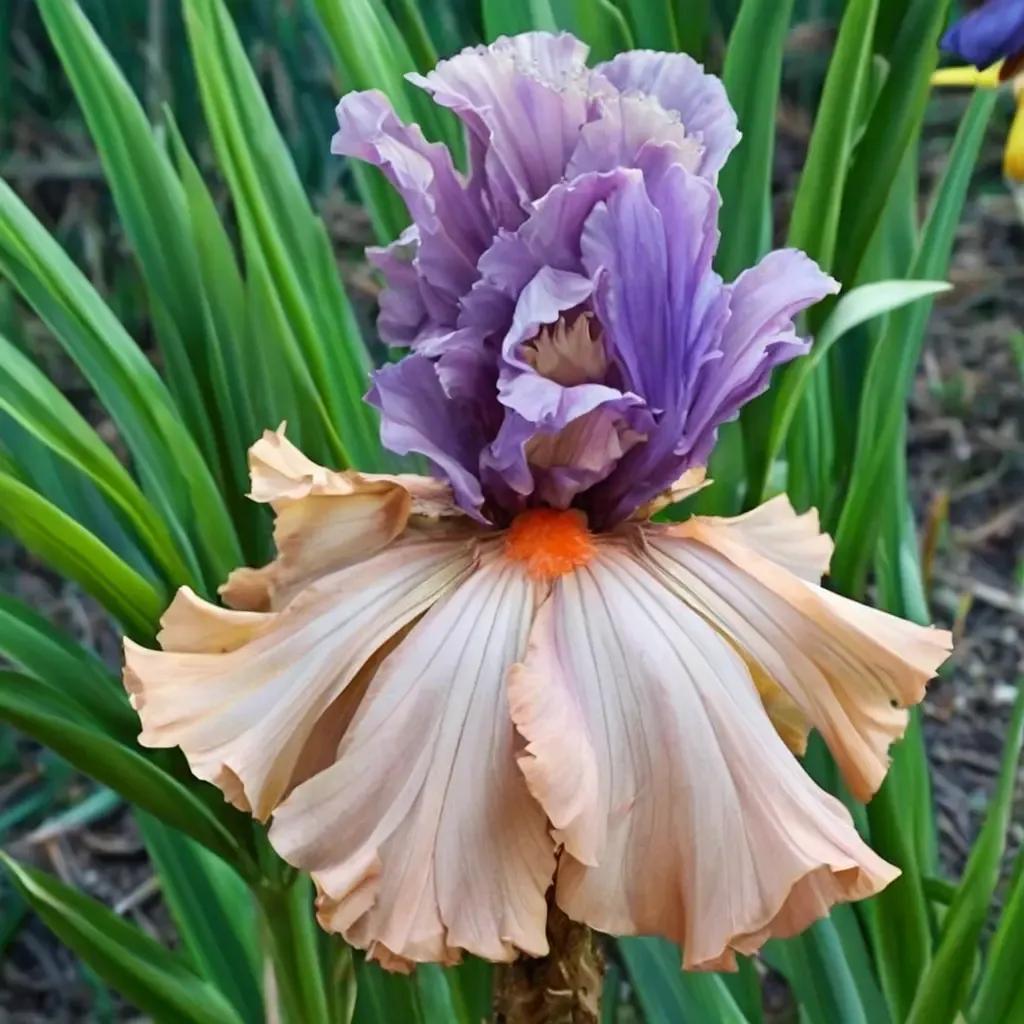 ‘La Scala’La Scala German Iris
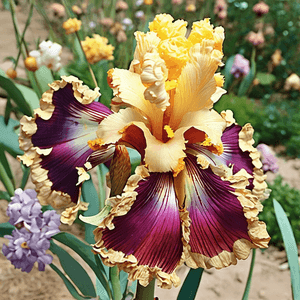 ‘Decadence’Decadence Bearded Iris
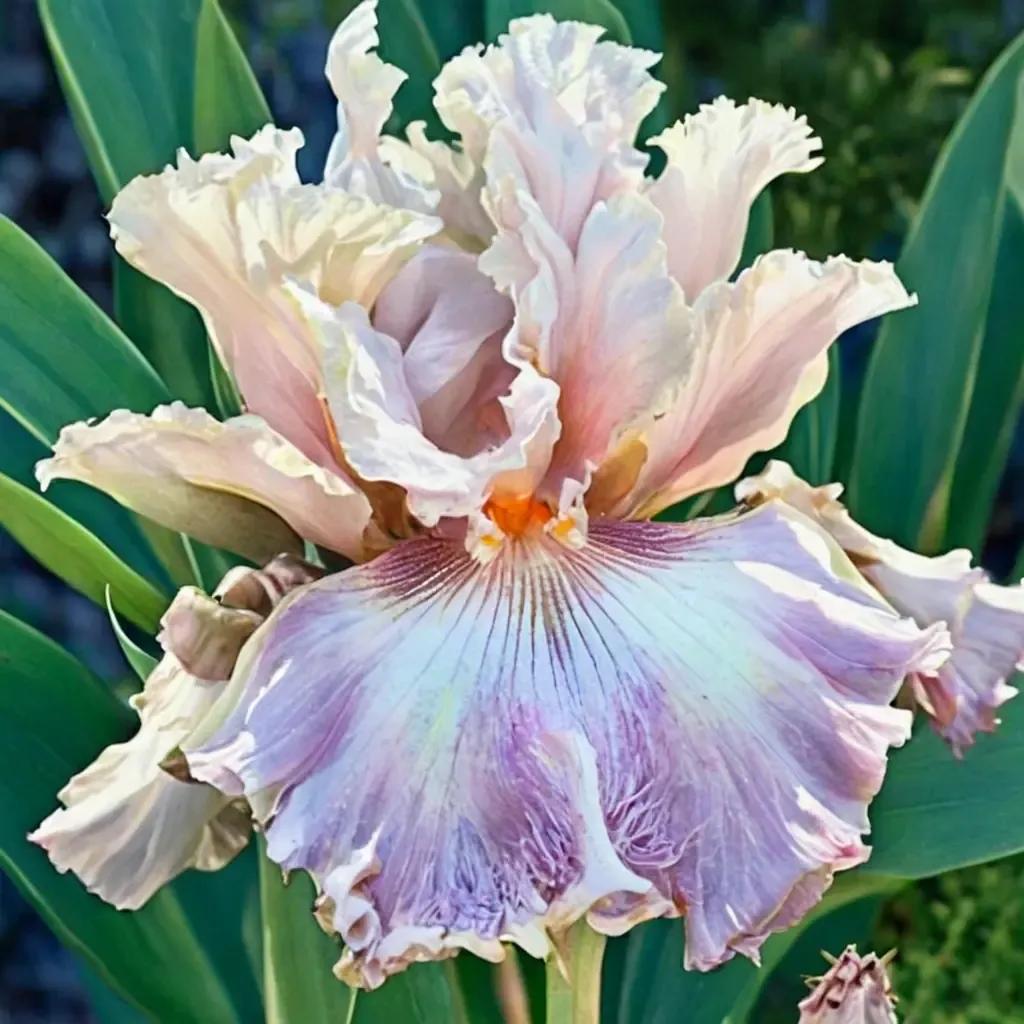 ‘Amorous Heart’Amorous Heart Bearded Iris
The Story
Plant Bio
Iris germanica, or Bearded Iris, is a rhizomatous perennial prized for its elaborate, six-petaled flowers with upright 'standards' and cascading 'falls'. They have sword-like, gray-green foliage.
The cultivar 'Lotus Land' is a tall bearded iris featuring large, ruffled flowers in a creamy light yellow hue.
Uses & Benefits:
Essentials
At a Glance
Plant Type
Perennial
Height
36"
Width
24"
Light
Full Sun
Zones
4, 5, 6, 7, 8, 9
Water
Moderate
Humidity
Average garden humidity
Lifespan
Perennial
Native To
Mediterranean region
Toxicity
Toxic if ingested
Bloom period
Late spring – Late summer
In flower about 4 months of the year
Planting
How to Grow
- Select well-draining soil with neutral to slightly acidic pH.
- Plant rhizomes in early spring, 4 inches deep and 12 inches apart.
- Water regularly to keep soil moist but not waterlogged, especially during active growth.
- Apply a balanced fertilizer in early spring and after flowering.
- Mulch around plants to retain moisture and suppress weeds.
- Divide clumps every 3-4 years in late summer to rejuvenate.
Pro Tip
Ensure good air circulation around rhizomes to prevent rot and promote healthy growth.
Keep It Thriving
Care Guide
Do
- Water consistently during dry spells 🌱
- Apply fertilizer in spring and after flowering
- Divide clumps every few years
- Remove faded flowers to encourage rebloom
- Mulch to retain moisture
Don't
- Avoid overwatering to prevent rot ❌
- Don’t plant too deeply—keep rhizomes near soil surface
- Refrain from neglecting division, which can reduce flowering
- Avoid using heavy clay soil without amendment
- Don’t forget to deadhead spent blooms
Seasonal Care Calendar
| Task | Jan | Feb | Mar | Apr | May | Jun | Jul | Aug | Sep | Oct | Nov | Dec |
|---|---|---|---|---|---|---|---|---|---|---|---|---|
| Deadhead | ||||||||||||
| Divide | ||||||||||||
| Fertilize | ||||||||||||
| Pest Check | ||||||||||||
| Plant | ||||||||||||
| Winter Prep |
Watch Out For
Pests & Diseases
Common Pests
Common Diseases
In the Garden
Landscape Uses & Companions
Landscape Uses
Companion Plants
Multiply
Propagation Methods
Good to Know
Common Questions
Lotus Land Bearded Iris questions
What zones can Lotus Land Bearded Iris grow in?
Lotus Land Bearded Iris is hardy in USDA Zones 4–9. Inside that range it survives winter in the ground; outside it, grow it as an annual or a container plant you protect.
Is Lotus Land Bearded Iris deer resistant?
Yes — Lotus Land Bearded Iris is rated deer-resistant. Deer typically pass it over, though extreme hunger can override any plant's defenses.
When does Lotus Land Bearded Iris bloom?
Lotus Land Bearded Iris typically blooms in late spring through late summer. Exact timing shifts a week or two with your zone — Sow's bloom calendar maps it to your garden.
Does Lotus Land Bearded Iris need full sun?
Lotus Land Bearded Iris does best in full sun (6+ hours).
Is Lotus Land Bearded Iris drought tolerant?
Yes — once established (usually after the first full season), Lotus Land Bearded Iris handles dry spells with minimal watering. Water deeply its first year to build the root system that makes that possible.
More Iris to compare
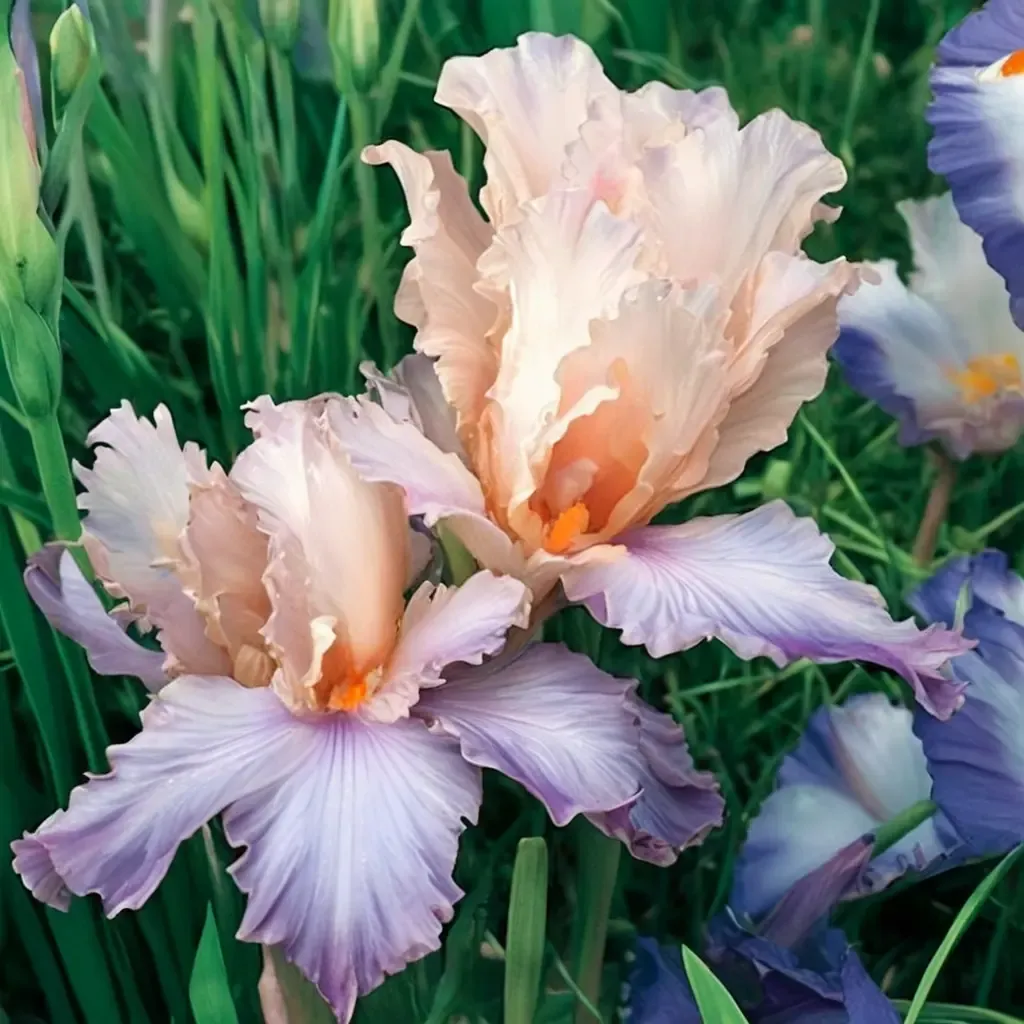
Celebration Song Iris
Iris tenuissima 'Celebration Song'
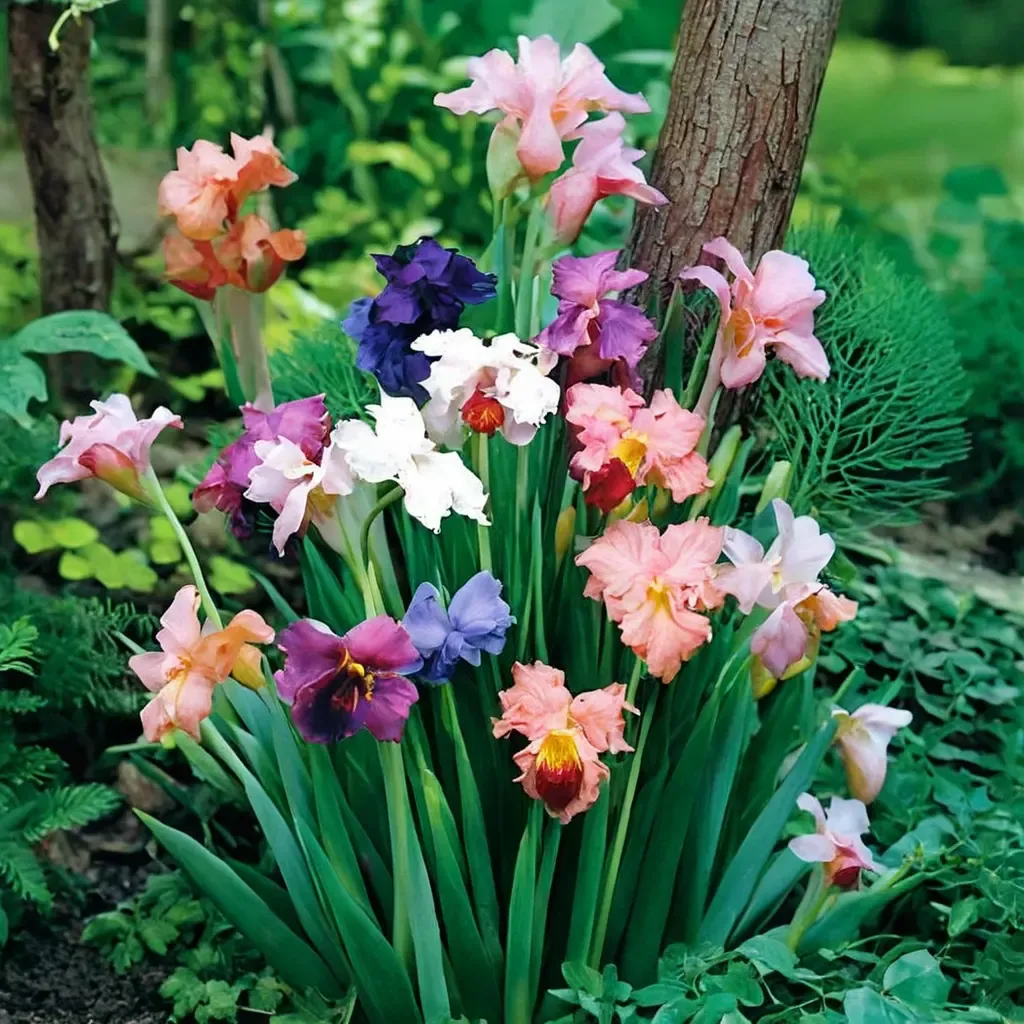
German Iris Bearded Iris
Iris x germanica 'Mix'
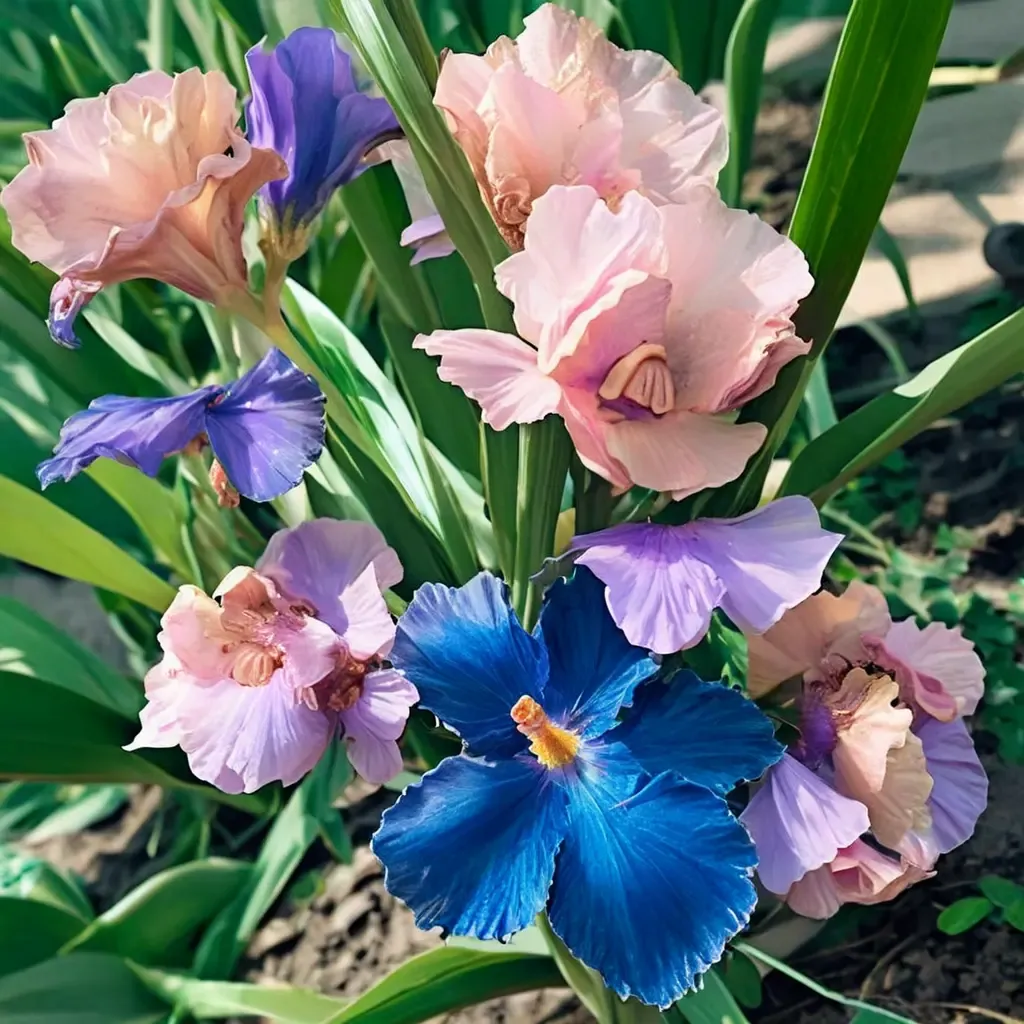
Poem of Ecstasy German Iris
Iris x germanica 'Poem Of Ecstasy'
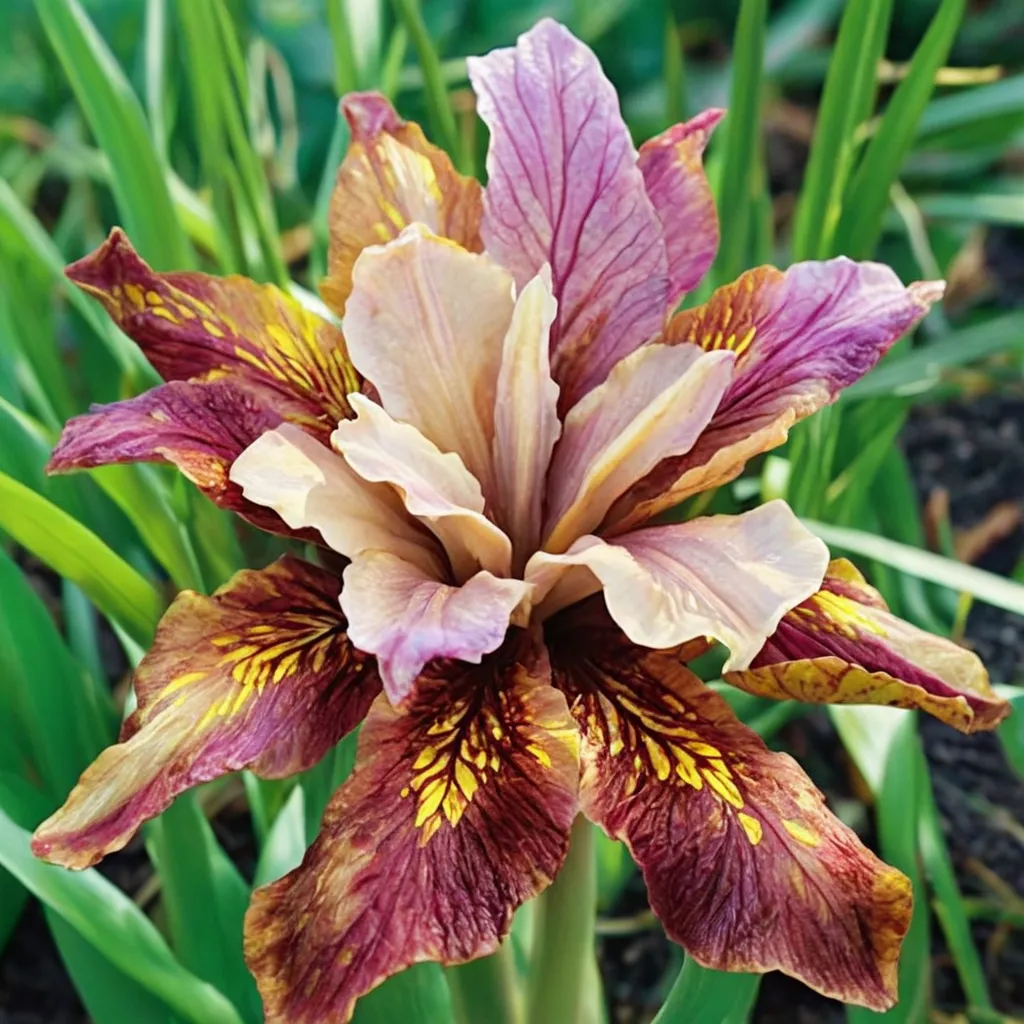
Siberian Iris 'Paprikash'
Iris x hybrida 'Paprikash'
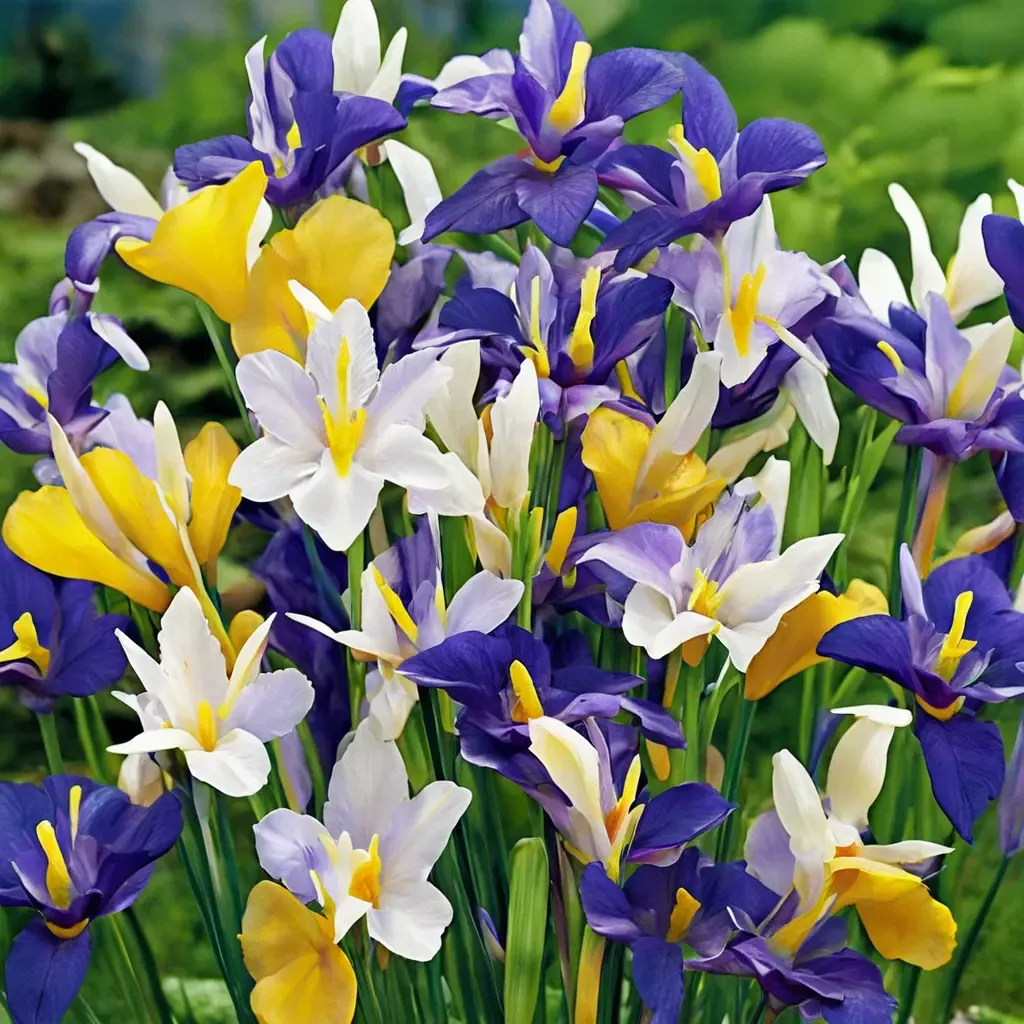
Dutch Iris Mix
Iris x hollandica 'Mix'
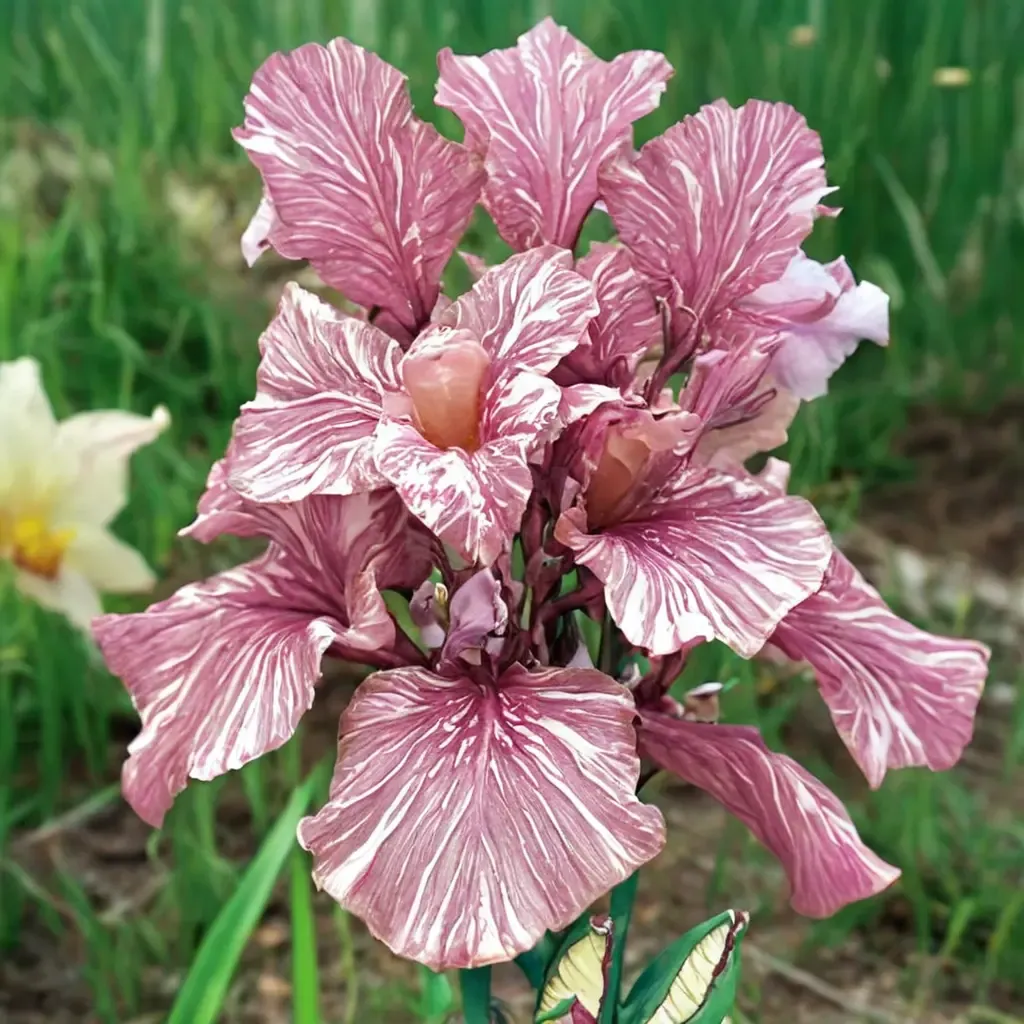
Baboon Bottom Bearded Iris
Iris x germanica 'Baboon Bottom Bearded'
Keep exploring
Explore the genus
Grow Lotus Land Bearded Iris with confidence
See it in a design of your actual yard, get zone-matched care reminders, and track it season by season in your garden journal.