Species
129 other cultivars
- ‘Mix’German Iris Bearded Iris
- ‘Poem Of Ecstasy’Poem of Ecstasy German Iris
- ‘Baboon Bottom Bearded’Baboon Bottom Bearded Iris
- ‘Bewilderbeast KickStart’Bewilderbeast KickStart Bearded Iris
- ‘War Chief’War Chief Bearded Iris
- ‘Forever Blue Dwarf Reblooming’Forever Blue Reblooming Dwarf Bearded Iris
- ‘Purple Flame’Purple Flame German Bearded Iris
- ‘City Lights’City Lights Tall Bearded Iris
- ‘Harvest Of Memories’Harvest of Memories Bearded Iris
- ‘Titan’Titan Bearded Iris
- ‘Dusky Challenger’Dusky Challenger Bearded Iris
- ‘Champagne Elegance’Champagne Elegance Bearded Iris
- ‘Golden Edge’Golden Edge Bearded Iris
- ‘Reblooming Mix’Reblooming Bearded Iris
- ‘Burgundy Bohemian’Burgundy Bohemian Iris
- ‘Clarence Reblooming’Clarence Reblooming Bearded Iris
- ‘Style Traveller’Style Traveller Bearded Iris
- ‘Silverado’Silverado Bearded Iris
- ‘Jurassic Park Reblooming’Jurassic Park Reblooming Bearded Iris
- ‘Invitation Reblooming’Invitation Reblooming Bearded Iris
- ‘Twilight Rapture’Twilight Rapture Iris
- ‘Hold My Hand’Hold My Hand Iris
- ‘Breakers’Tall Bearded Iris
- ‘Autumn Tryst’Autumn Tryst Bearded Iris
- ‘Twist of Sheree’Twist of Sheree Bearded Iris
- ‘Pirate Ahoy’Pirate Ahoy Bearded Iris
- ‘Medici Prince’Medici Prince German Iris
- ‘October Sky’October Sky Bearded Iris
- ‘Matinata’Matinata Iris
- ‘Fono's Reblooming’Fono's Reblooming German Iris
- ‘Yaquina Blue’Yaquina Blue Iris
- ‘Best Bet’Bearded Iris 'Best Bet'
- ‘Cat's Eye Miniature’Cat's Eye Miniature Iris
- ‘Concertina KickStart Reblooming’Concertina Iris
- ‘Absolute Treasure’Absolute Treasure Bearded Iris
- ‘Edith Wolford’Edith Wolford Bearded Iris
- ‘Louisa’Louisa Bearded Iris
- ‘Bountiful Harvest’Bountiful Harvest Bearded Iris
- ‘Grape Zebra’Grape Zebra Bearded Iris
- ‘Beverly Sills’Beverly Sills Bearded Iris
- ‘Apricot Kerfuffle Kickstart’Apricot Kerfuffle Kickstart Bearded Iris
- ‘Hello Yellow’Hello Yellow German Iris
- ‘Purple Serenade’Purple Serenade Bearded Iris
- ‘Java Blue’Java Blue Bearded Iris
- ‘Better Than Butter’Better Than Butter Iris
- ‘In Love Again KickStart Reblooming’In Love Again KickStart Reblooming Bearded Iris
- ‘Red Hot Chili KickStart Reblooming’Red Hot Chili Bearded Iris
- ‘Fleur-De-Lis Arch’German Iris Fleur-De-Lis Arch
- ‘Mary Frances’Mary Frances Tall Bearded Iris
- ‘Champagne Strawberries’Champagne Strawberries Bearded Iris
- ‘Jennifer Rebecca’Jennifer Rebecca Bearded Iris
- ‘Wintry Sky’Wintry Sky German Bearded Iris
- ‘Aubergine a la Mode’Aubergine a la Mode Bearded Iris
- ‘Black Lipstick’Black Lipstick Iris
- ‘Martinata’German Iris Martinata
- ‘Blue Rhythm’Blue Rhythm Iris
- ‘Imperial Reign’Imperial Reign Iris
- ‘Black Suited’Black Suited Bearded Iris
- ‘Victoria Falls’Victoria Falls Iris
- ‘Starship Enterprise’Starship Enterprise Iris
- ‘Nelly Tardivier’Nelly Tardivier Bearded Iris
- ‘Oreo’Oreo Bearded Iris
- ‘Adventurous’Adventurous Bearded Iris
- ‘Dangerous Liaison’Dangerous Liaison Bearded Iris
- ‘Who Needs A Prince’Who Needs A Prince Bearded Iris
- ‘Savannah Sunset’Savannah Sunset German Iris
- ‘Rosalie Figg’Rosalie Figg Bearded Iris
- ‘Magharee’Magharee Bearded Iris
- ‘Monsoon Moon’Monsoon Moon bearded iris
- ‘Queen’German Bearded Iris 'Queen'
- ‘Frequent Flyer’Frequent Flyer Bearded Iris
- ‘Belgian Princess’Belgian Princess Iris
- ‘Captain's Choice’Captain's Choice Bearded Iris
- ‘Kathy Chilton’Bearded Iris 'Kathy Chilton'
- ‘Lotus Land’Lotus Land Bearded Iris
- ‘Blueberry Tart’Blueberry Tart Bearded Iris
- ‘Supreme Sultan’Supreme Sultan Iris
- ‘Sea Power’Sea Power Bearded Iris
- ‘Venita Faye’Venita Faye Iris
- ‘Discovered Treasure’Discovered Treasure Iris
- ‘Catch A Star’Catch A Star Bearded Iris
- ‘Winesap’Winesap Iris
- ‘Lest We Forget’Bearded Iris Lest We Forget
- ‘Going Green’Going Green Bearded Iris
- ‘Orinoco Flow’Orinoco Flow Bearded Iris
- ‘Anaconda Love’Anaconda Love Tall Bearded Iris
- ‘Poesie’Poesie Bearded Iris
- ‘Black is Black’Black is Black bearded iris
- ‘Poster Girl Kickstart’Bearded Iris 'Poster Girl Kickstart'
- ‘Wabash’Wabash Iris
- ‘Sharp Dressed Man’Sharp Dressed Man German Iris
- ‘Social Graces’Social Graces Bearded Iris
- ‘Royal Colors’Royal Colors Bearded Iris
- ‘Eye Candy’Eye Candy Bearded Iris
- ‘Hello Darkness’Hello Darkness Bearded Iris
- ‘Disco Music’Disco Music Iris
- ‘Classic Hues KickStart’Classic Hues KickStart German Iris Bearded Iris
- ‘Drama Queen’Drama Queen Bearded Iris
- ‘Finishing School’Finishing School Bearded Iris
- ‘Villa Erba’Villa Erba Tall Bearded Iris
- ‘Lenora Pearl’Lenora Pearl Bearded Iris
- ‘Golden Panther’Golden Panther Bearded Iris
- ‘Grand Canyon Sunset’Grand Canyon Sunset Iris
- ‘Royal Harlequin’Royal Harlequin Bearded Iris
- ‘Florentine Silk’Florentine Silk Iris German Iris
- ‘Conjuration’Conjuration Bearded Iris
- ‘Black Swan’Black Swan Bearded Iris
- ‘Peggy Sue’Peggy Sue Bearded Iris
- ‘Dream of You’Dream of You Bearded Iris
- ‘Lord of Rings’Lord of the Rings Bearded Iris
- ‘Fringe of Gold’Fringe of Gold Iris
- ‘Silken Trim’Silken Trim Iris
- ‘Halloween Halo’Halloween Halo Bearded Iris
- ‘Summer Olympics’Summer Olympics Bearded Iris
- ‘Above The Clouds’Bearded Iris Above The Clouds Iris
- ‘Decadence’Decadence Bearded Iris
- ‘Sugar Blues’Sugar Blues Iris
- ‘Global Crossing’Global Crossing Iris
- ‘Before The Storm’Before The Storm Bearded Iris
- ‘Quechee’Quechee German Iris
- ‘Broad Shoulders’Broad Shoulders Bearded Iris
- ‘Going In Circles Kickstart’Going In Circles Kickstart Bearded Iris
- ‘La Scala’La Scala German Iris
- ‘Over In Gloryland’Over in Gloryland Iris
- ‘Blackwater’Blackwater German Iris
- ‘Red Rider’Red Rider Iris
- ‘Clarence’Clarence Iris
- ‘Amorous Heart’Amorous Heart Bearded Iris
- ‘That's all Folks’German Iris That's all Folks

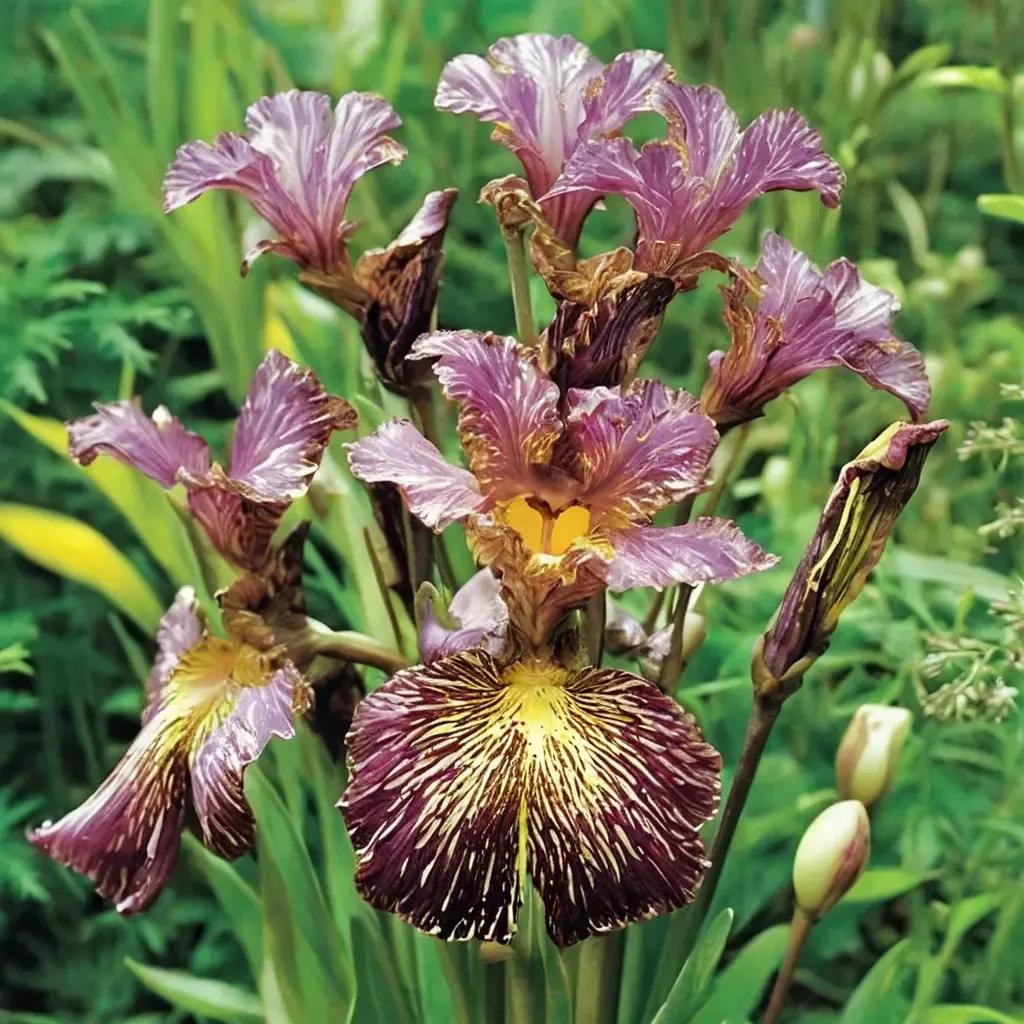
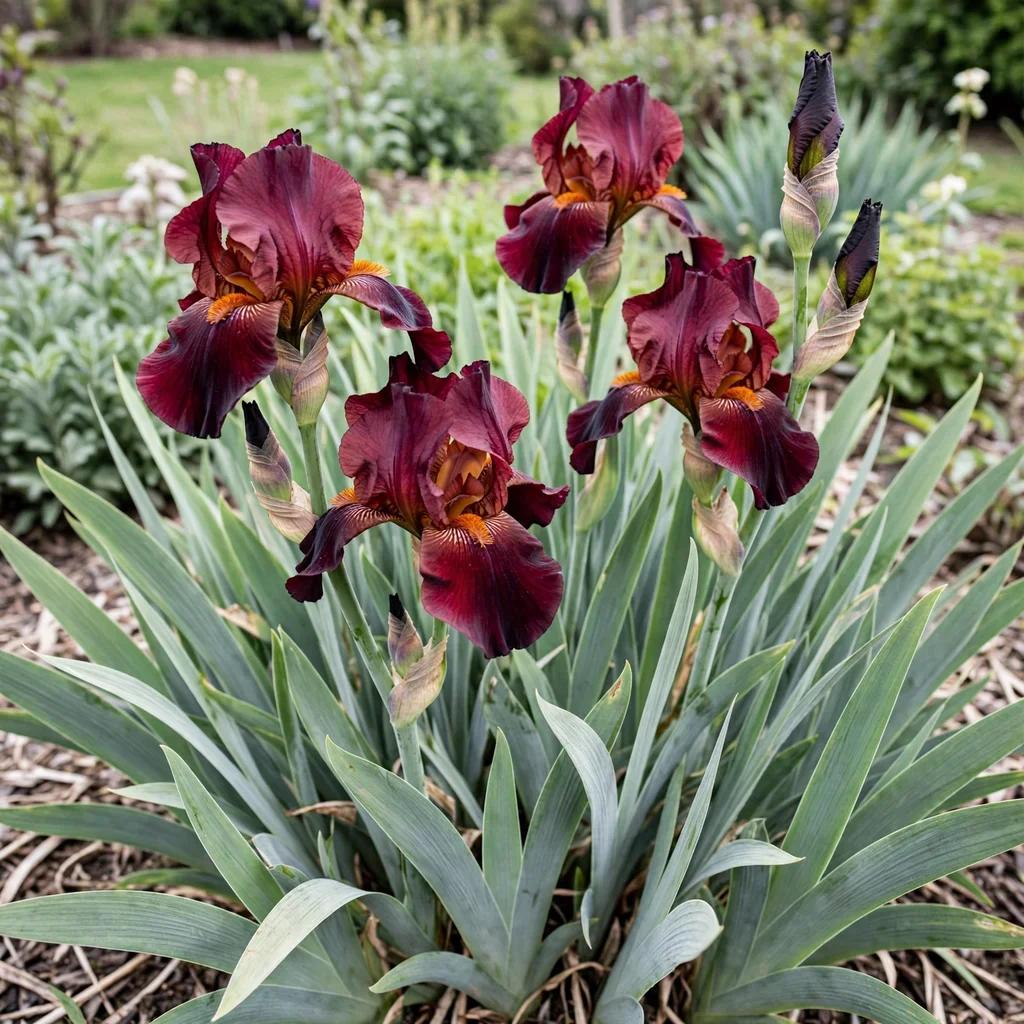
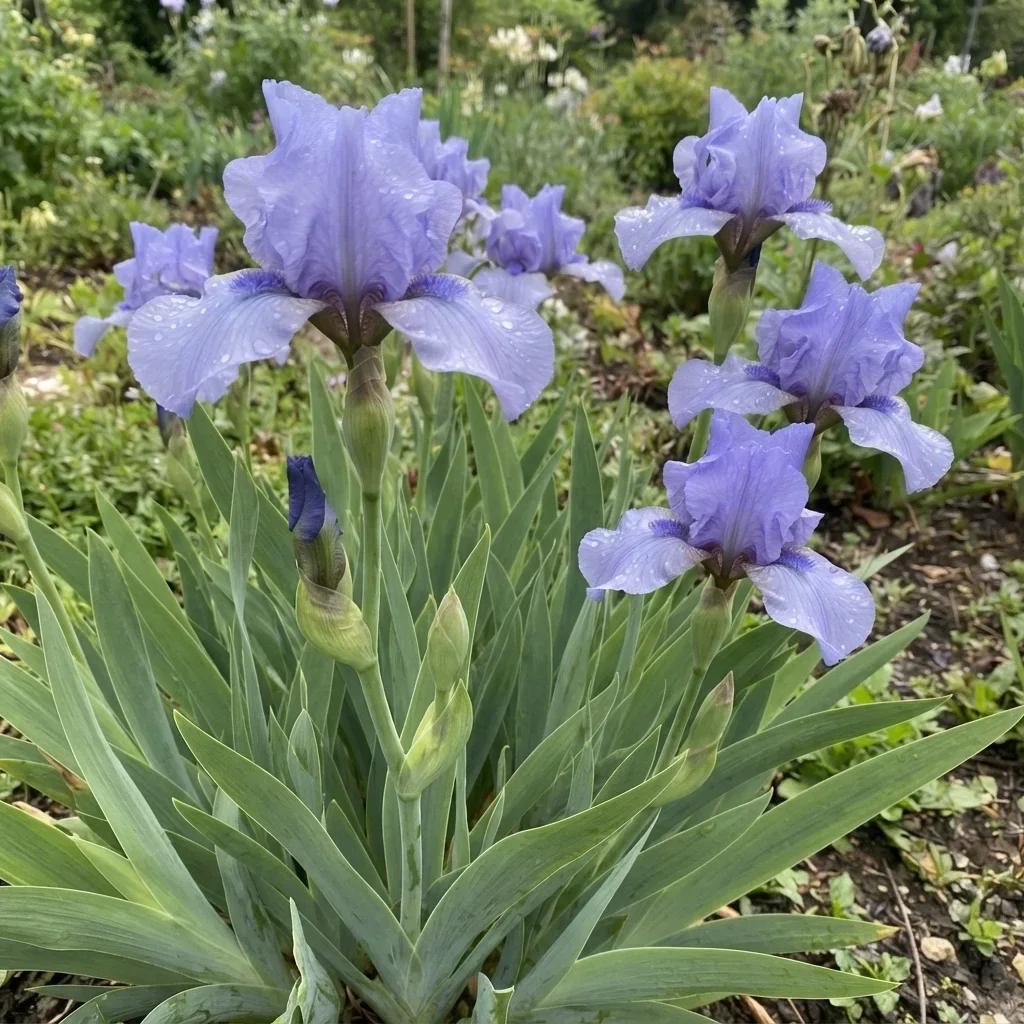
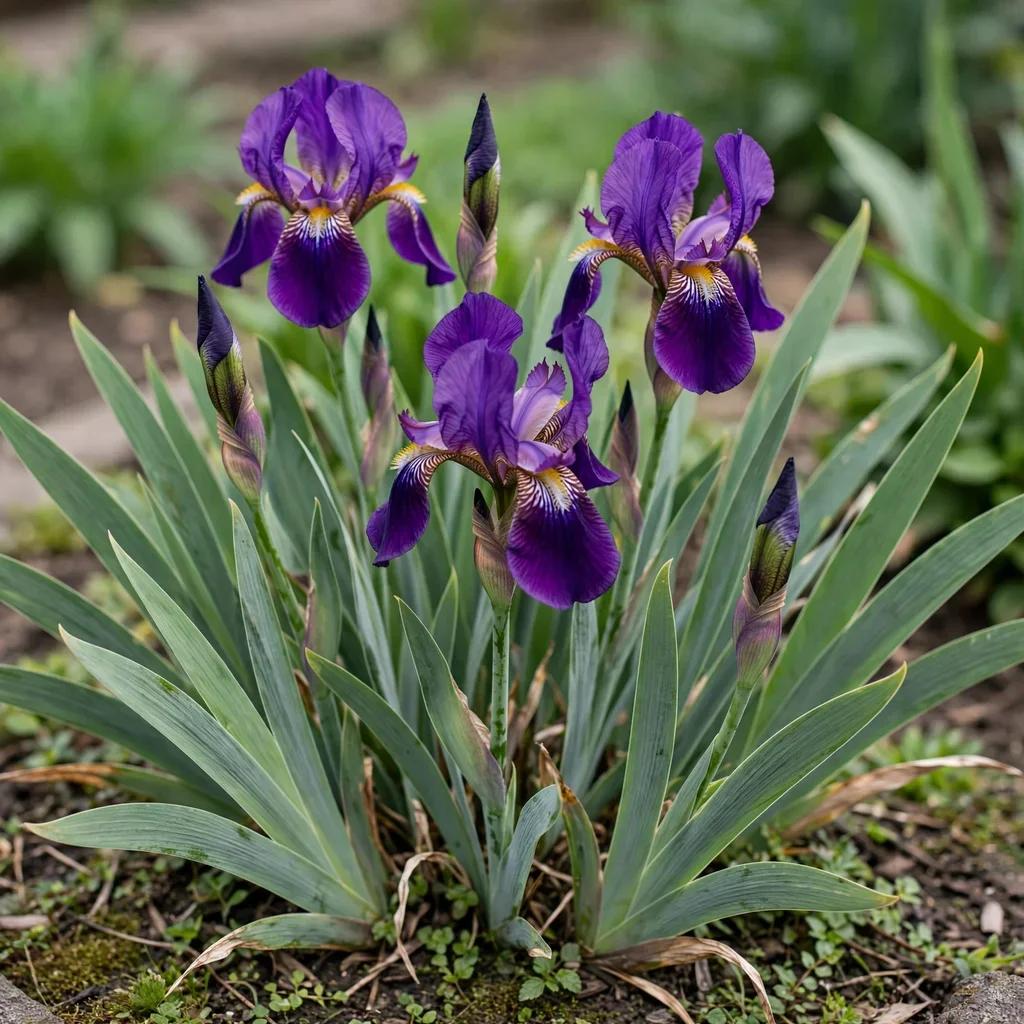
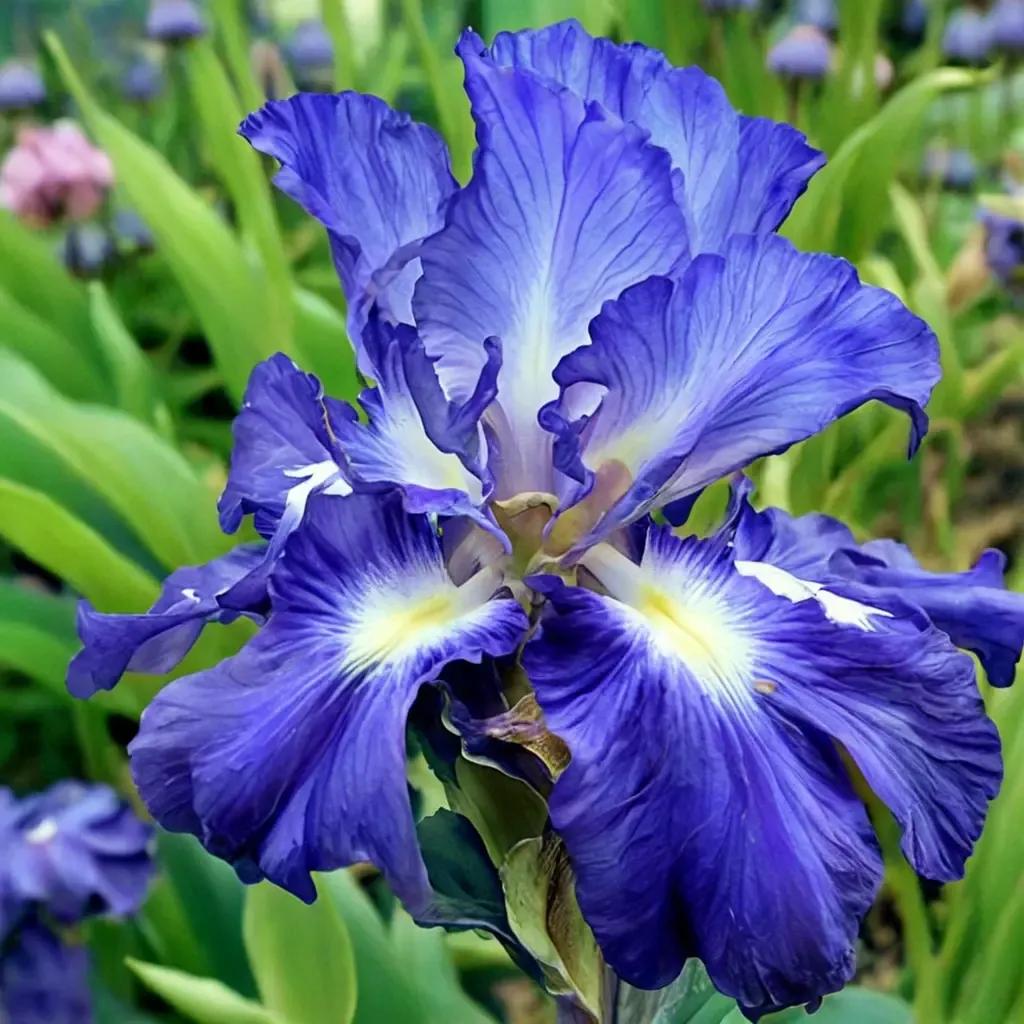
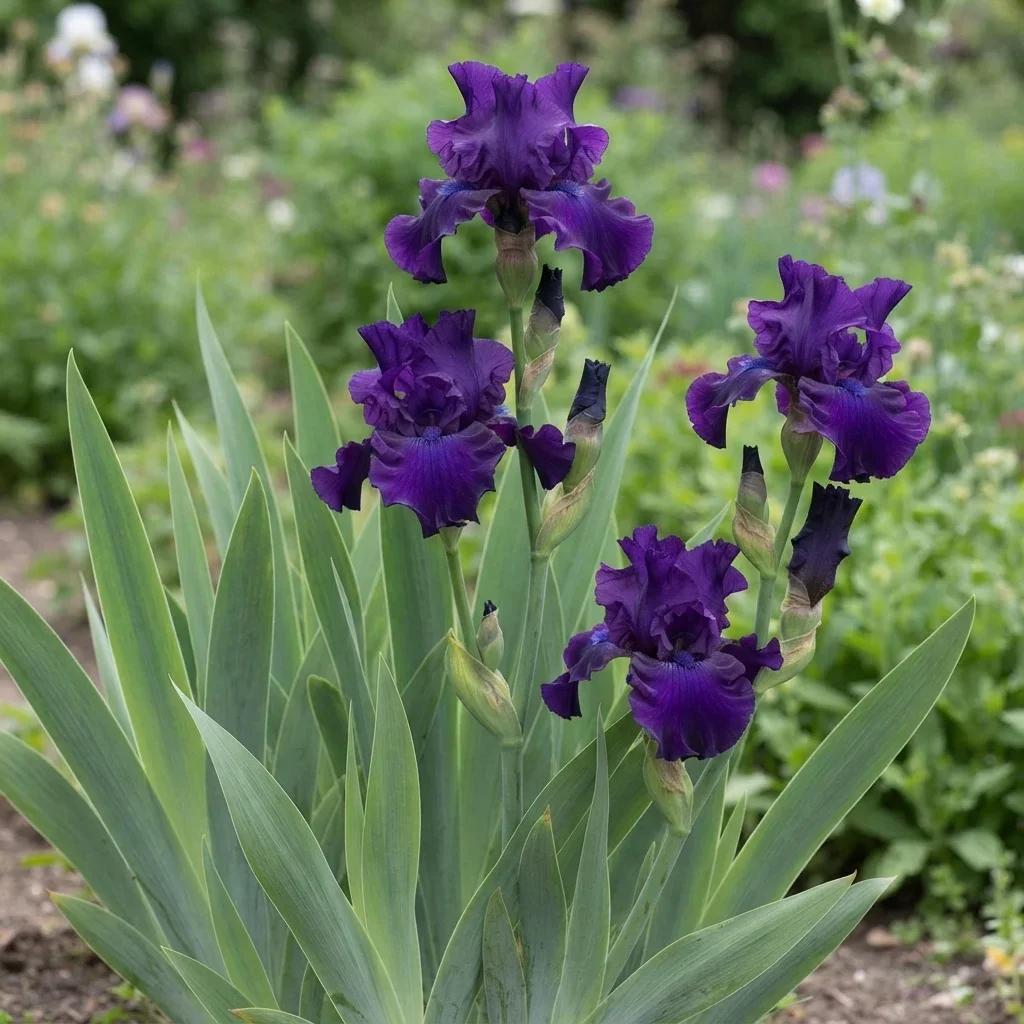
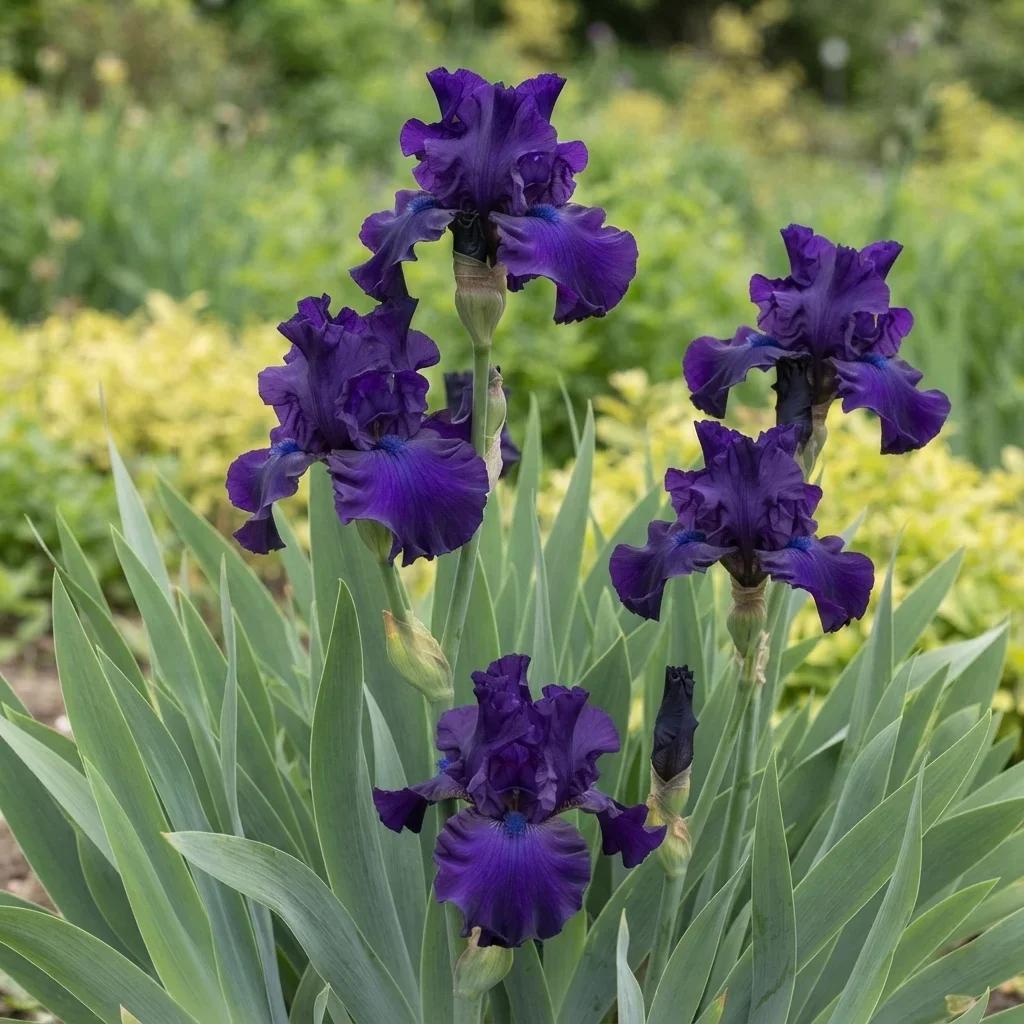
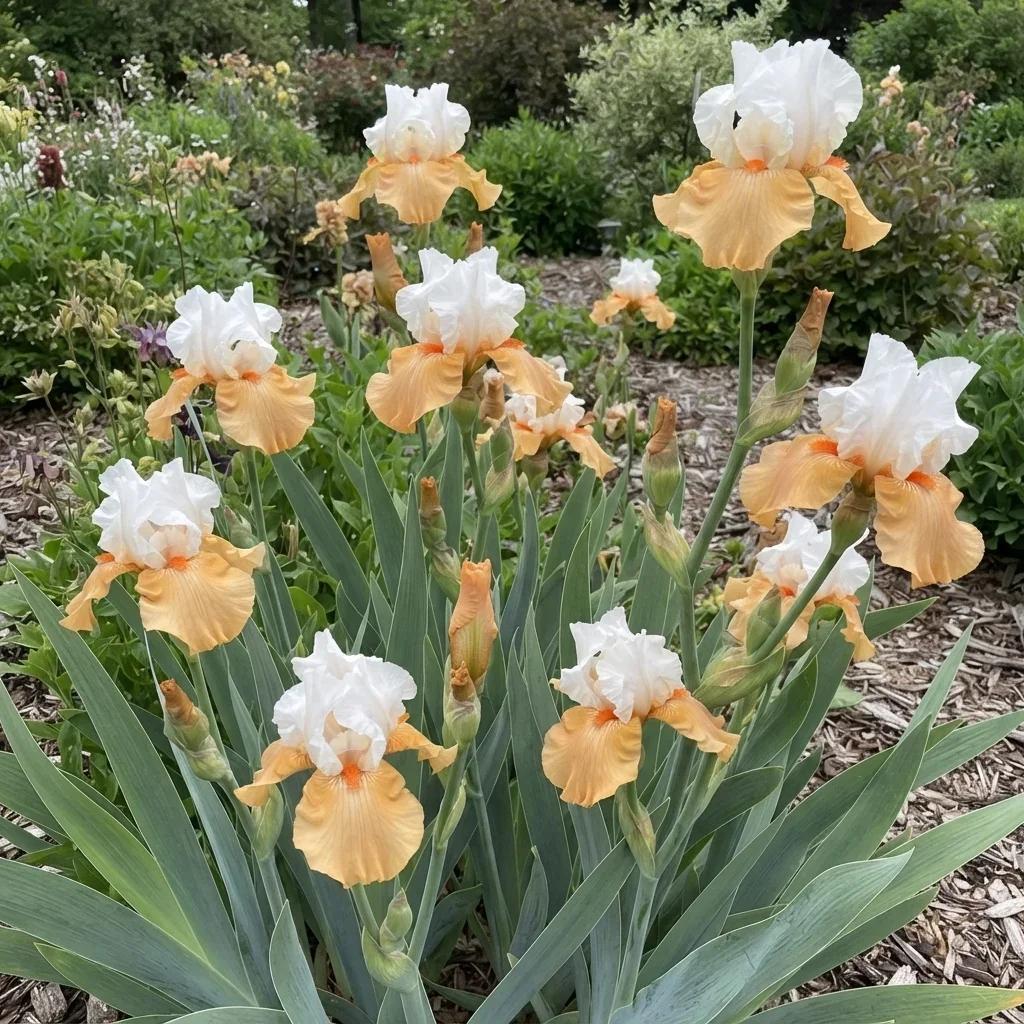
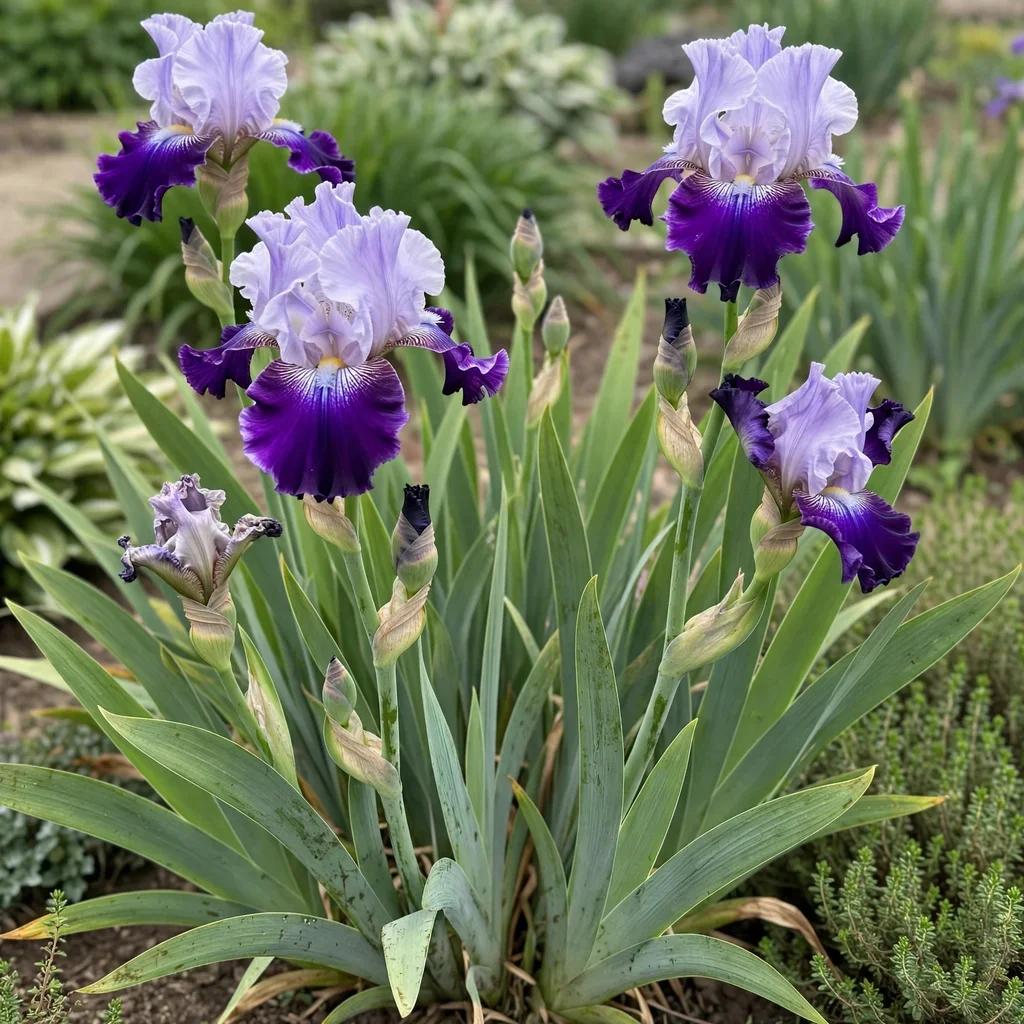
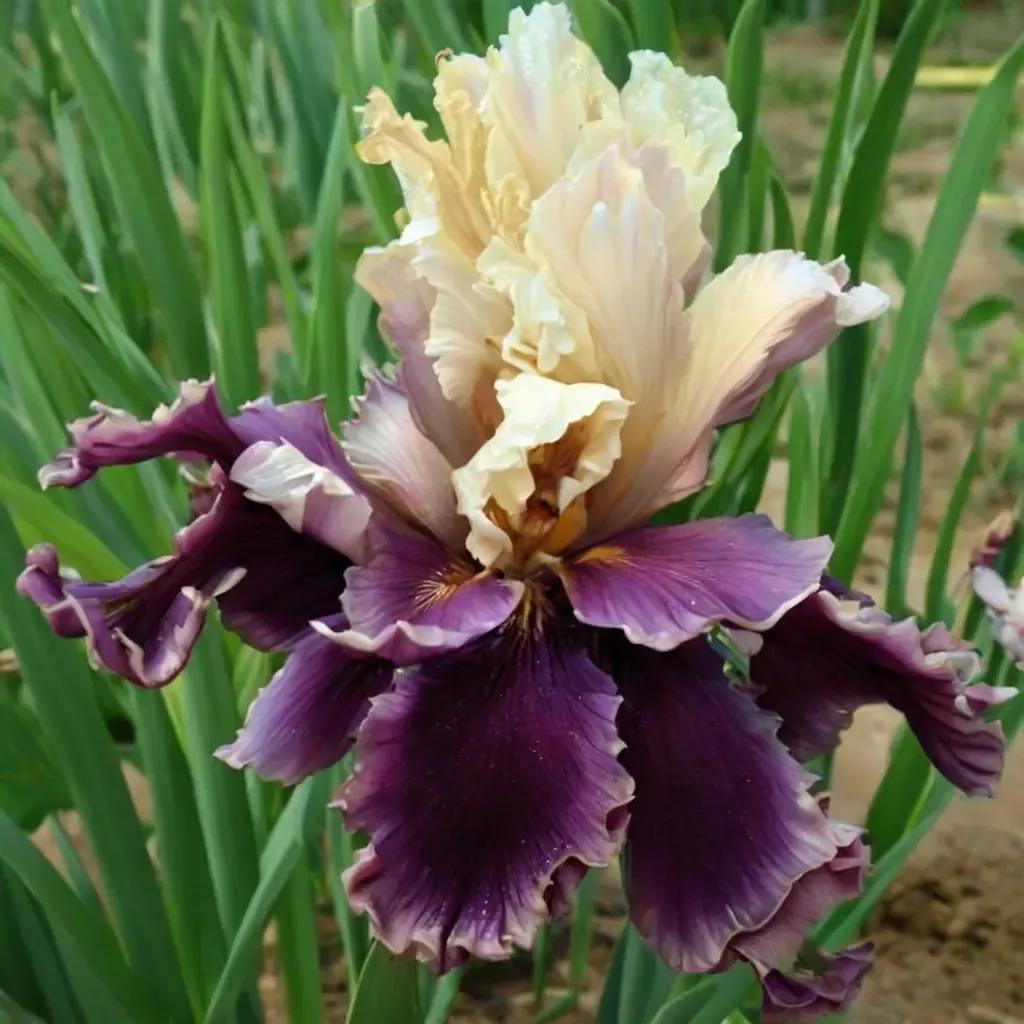
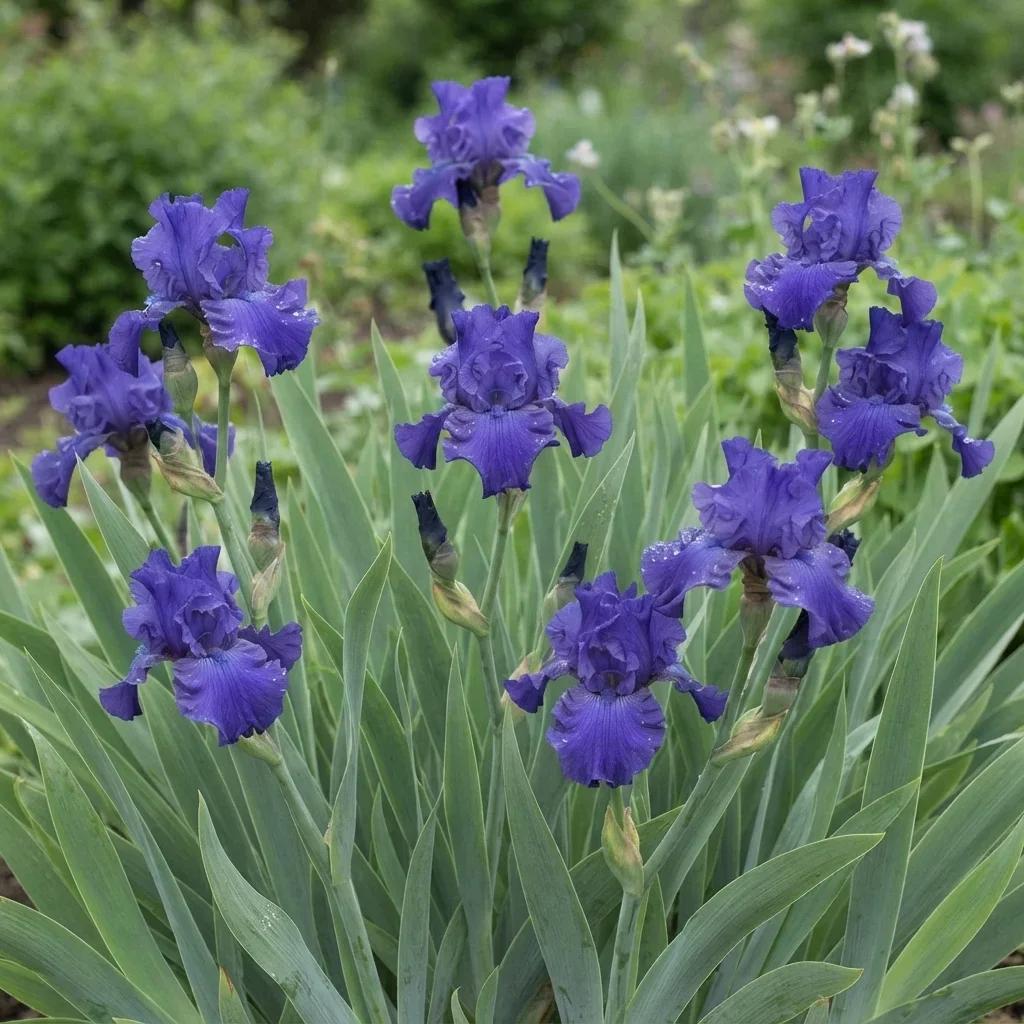
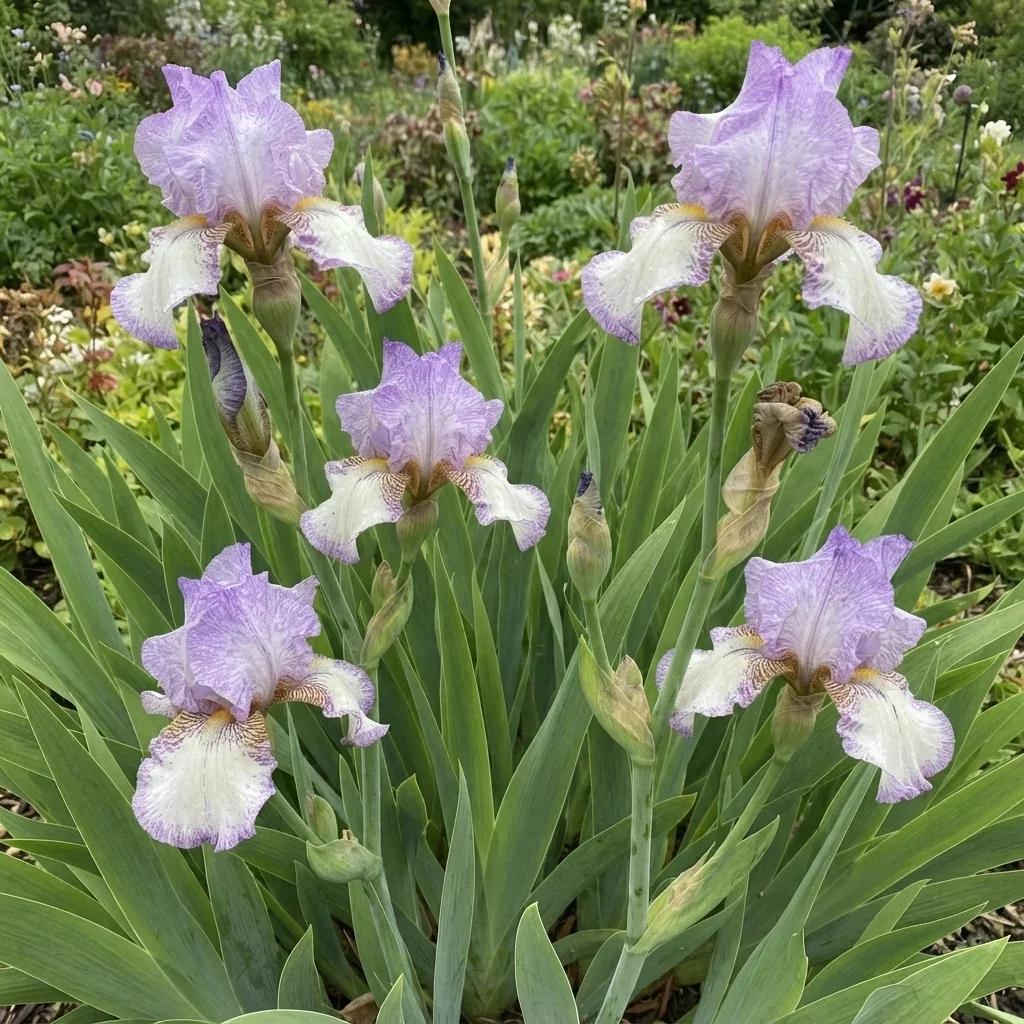
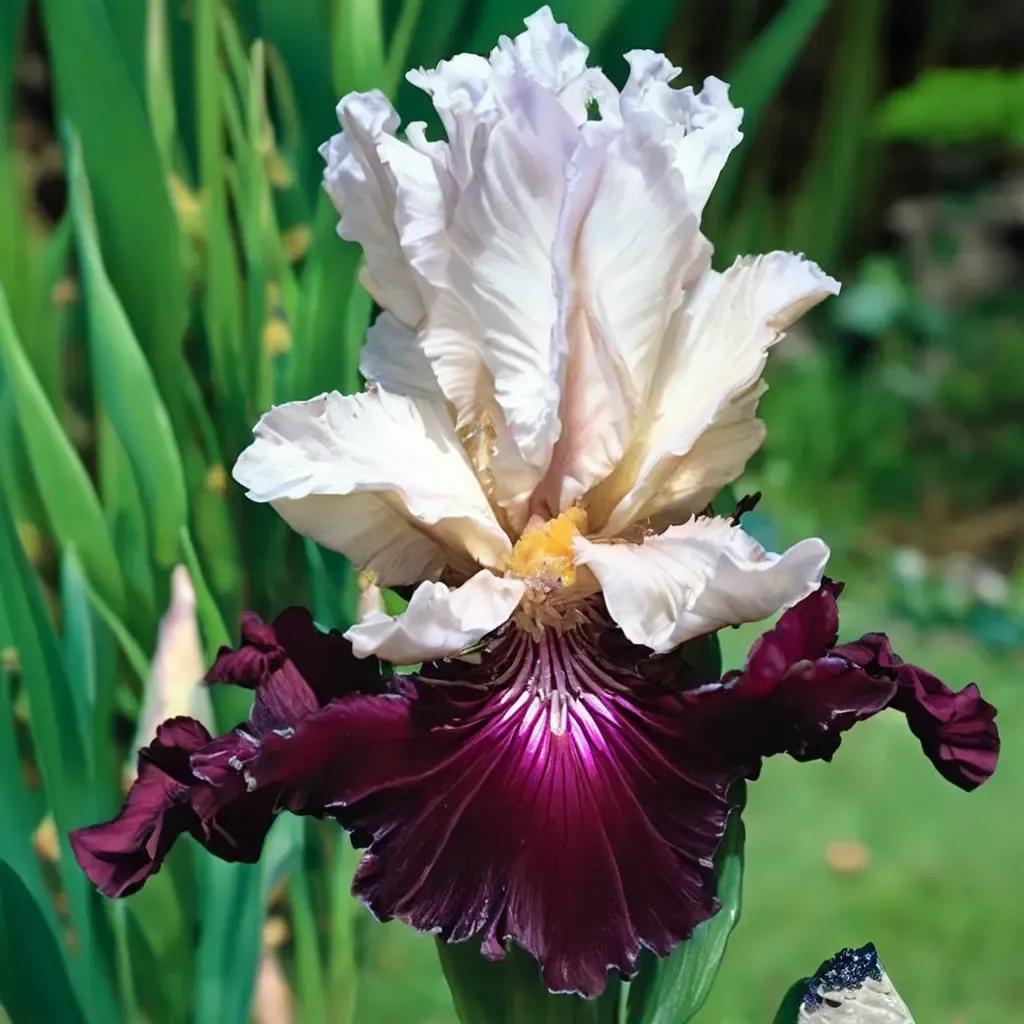
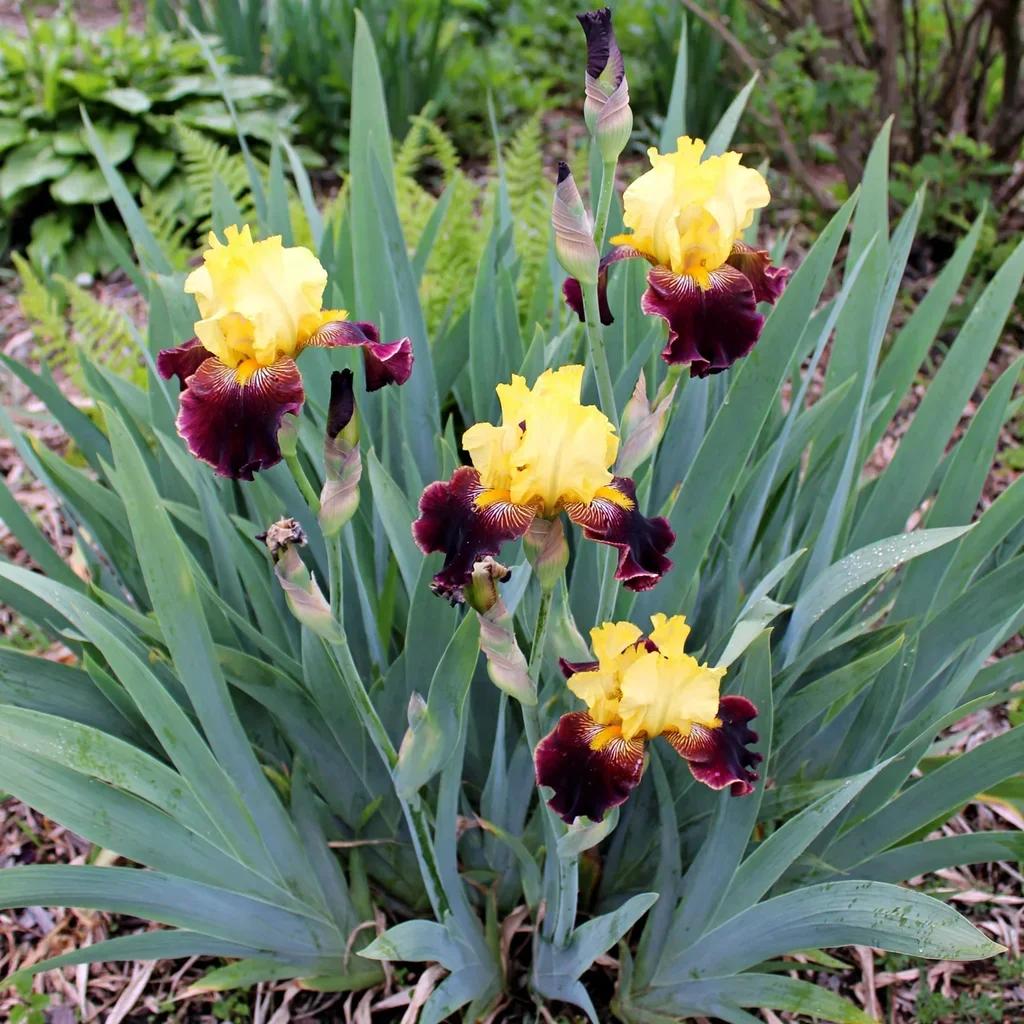
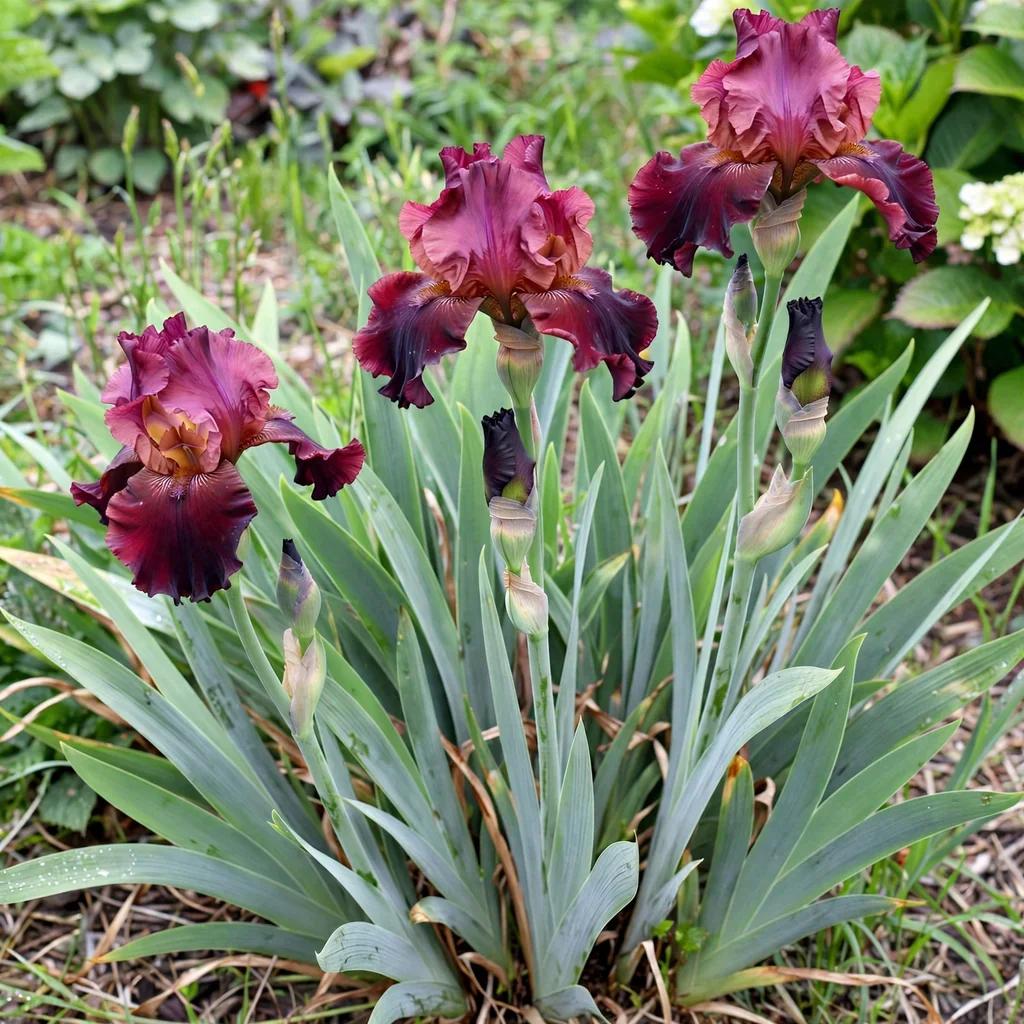
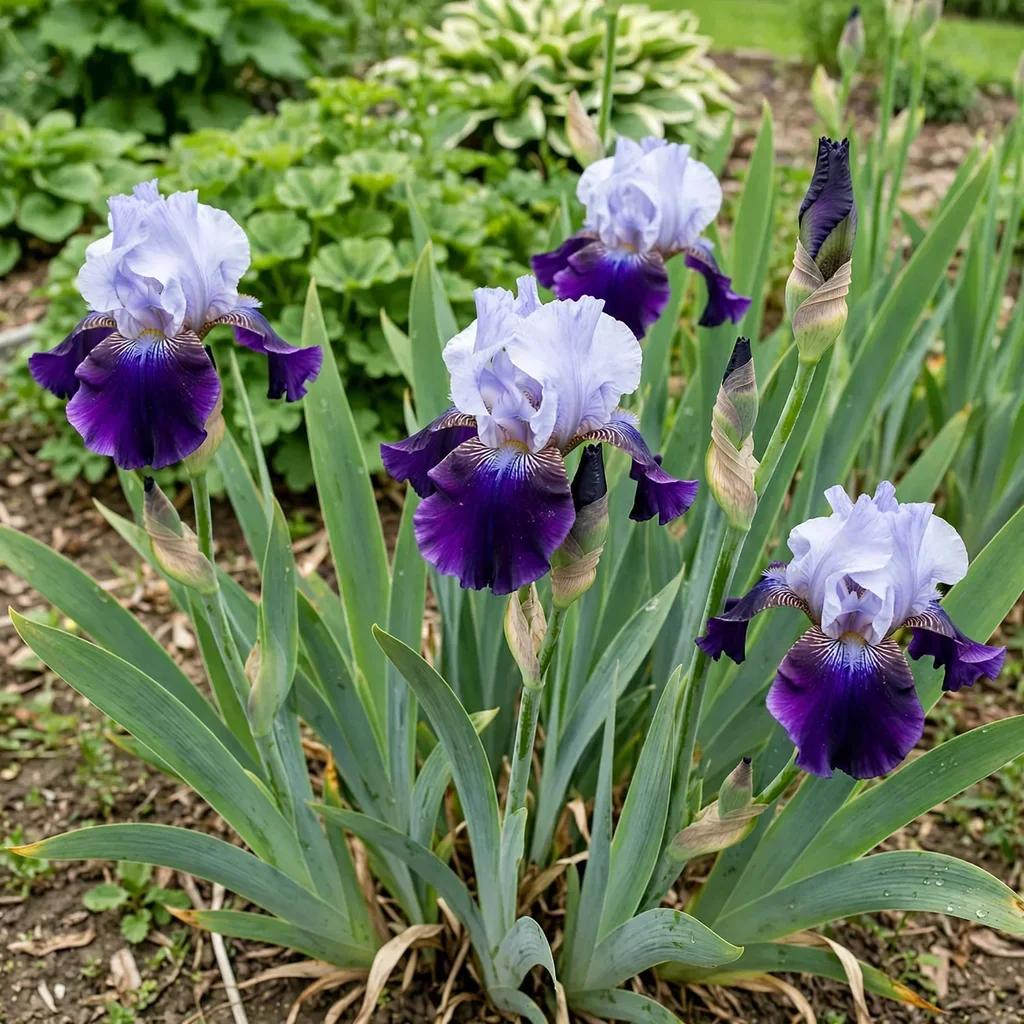
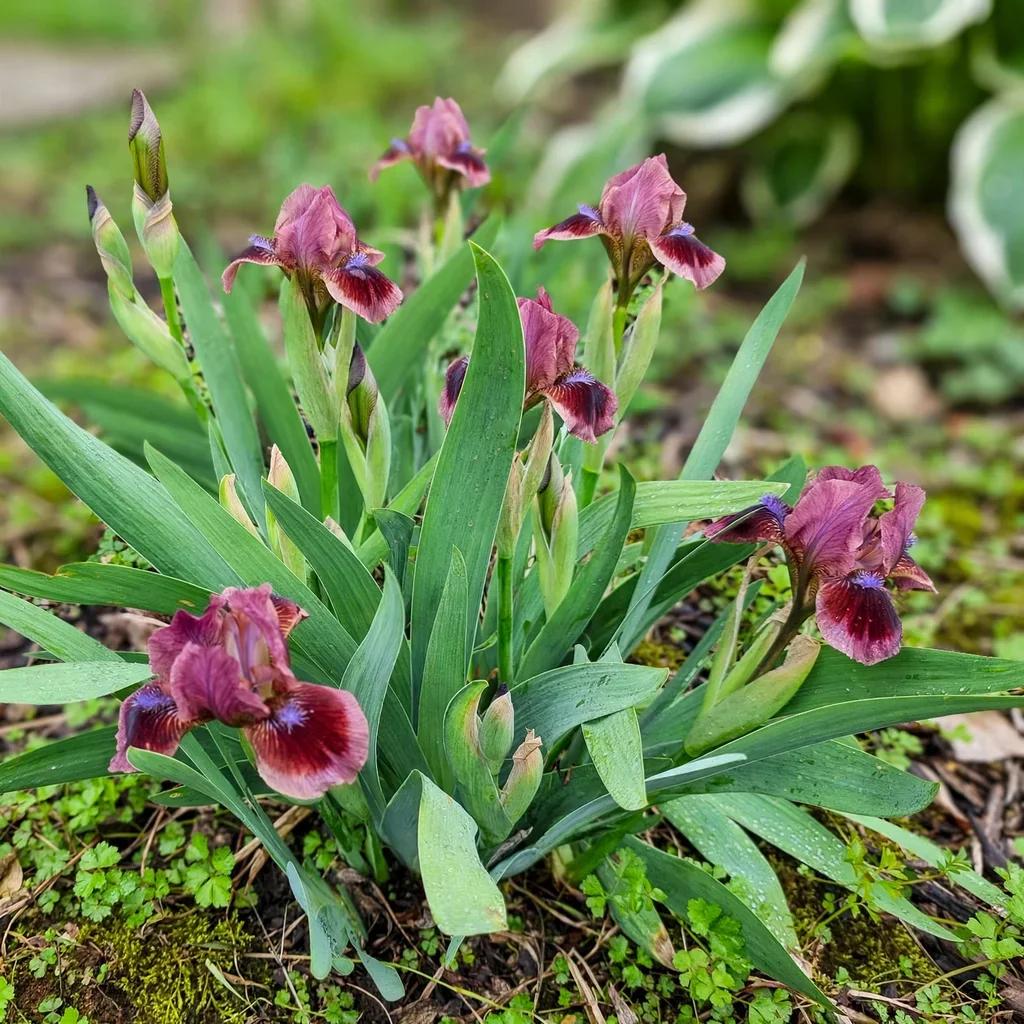
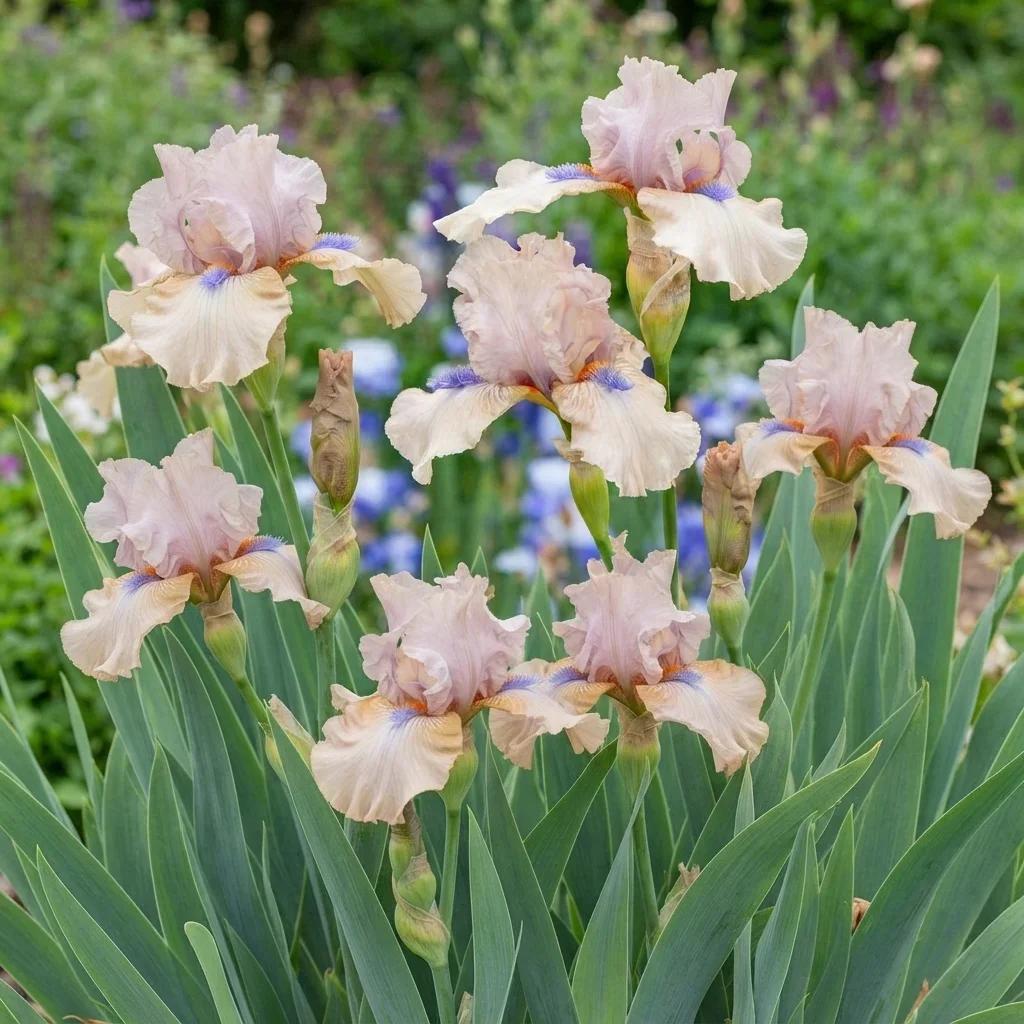
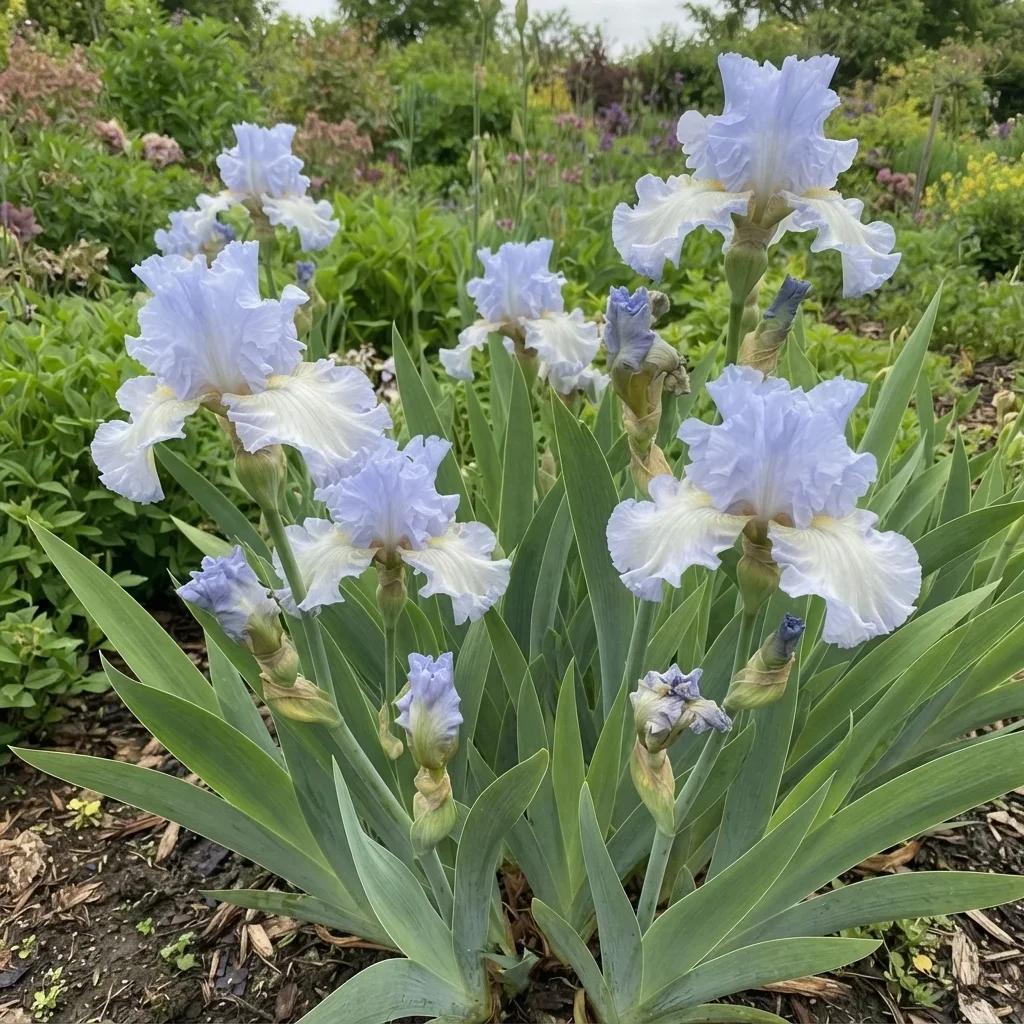
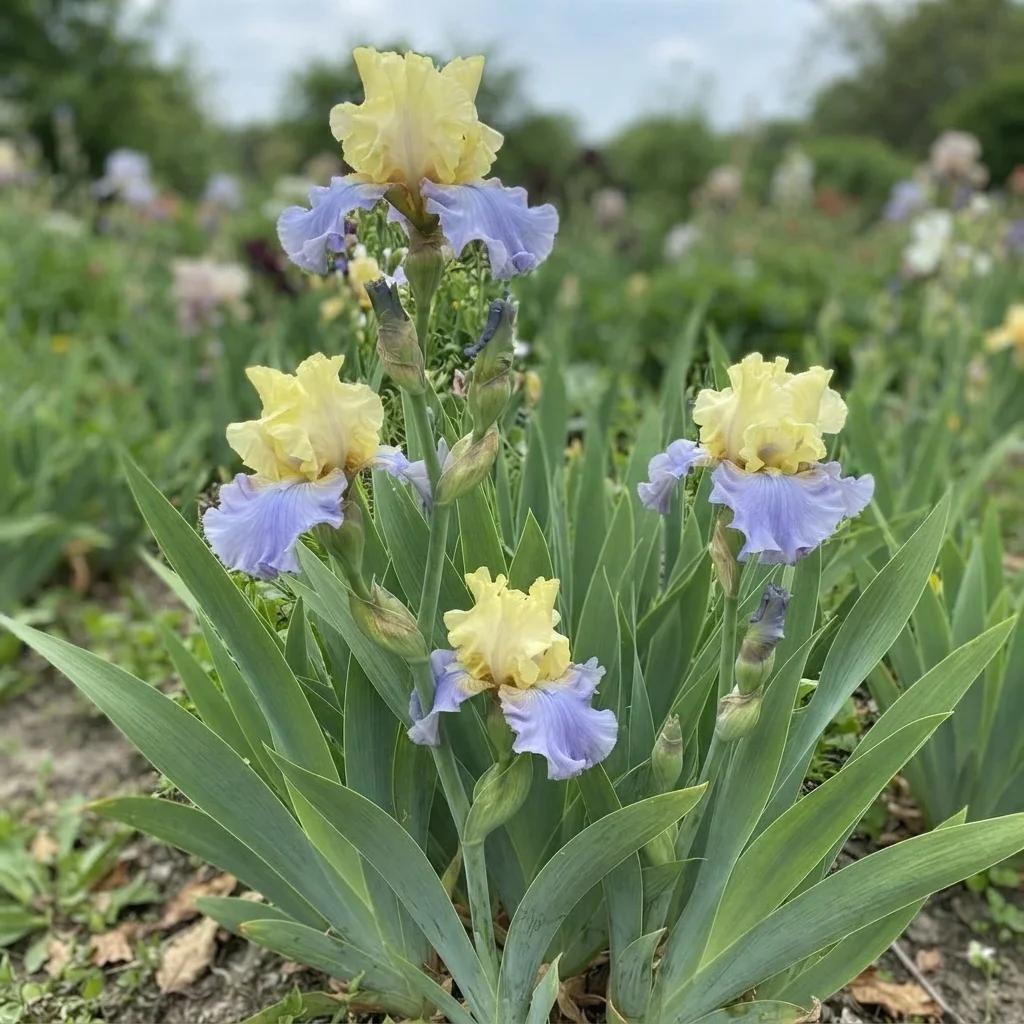
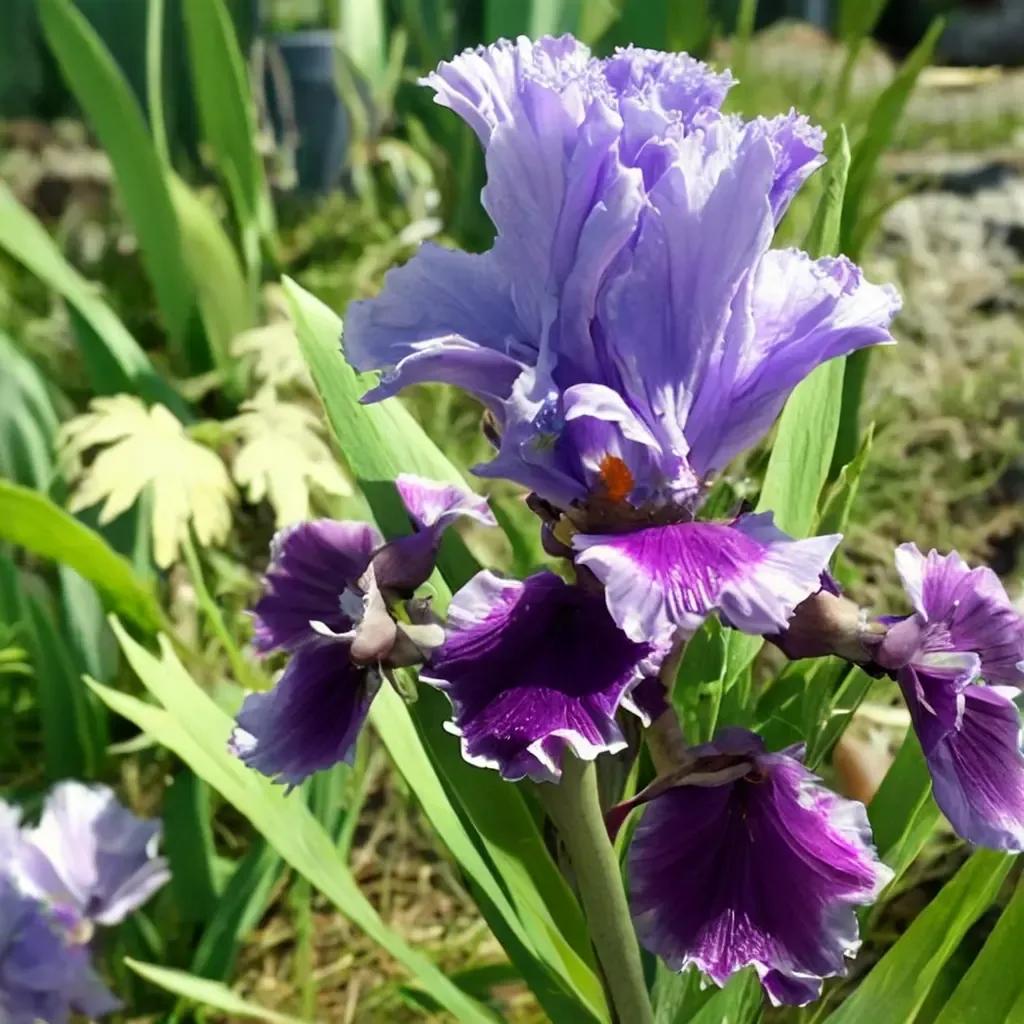
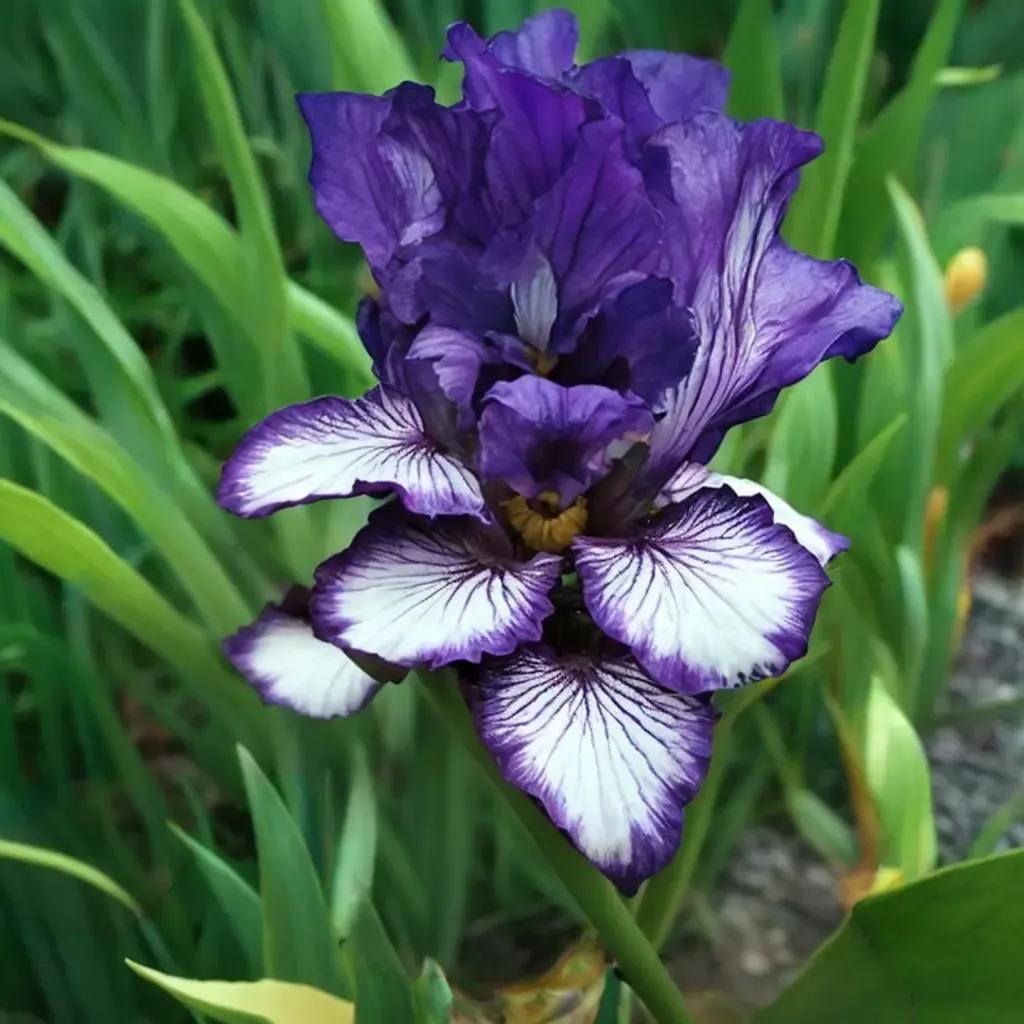
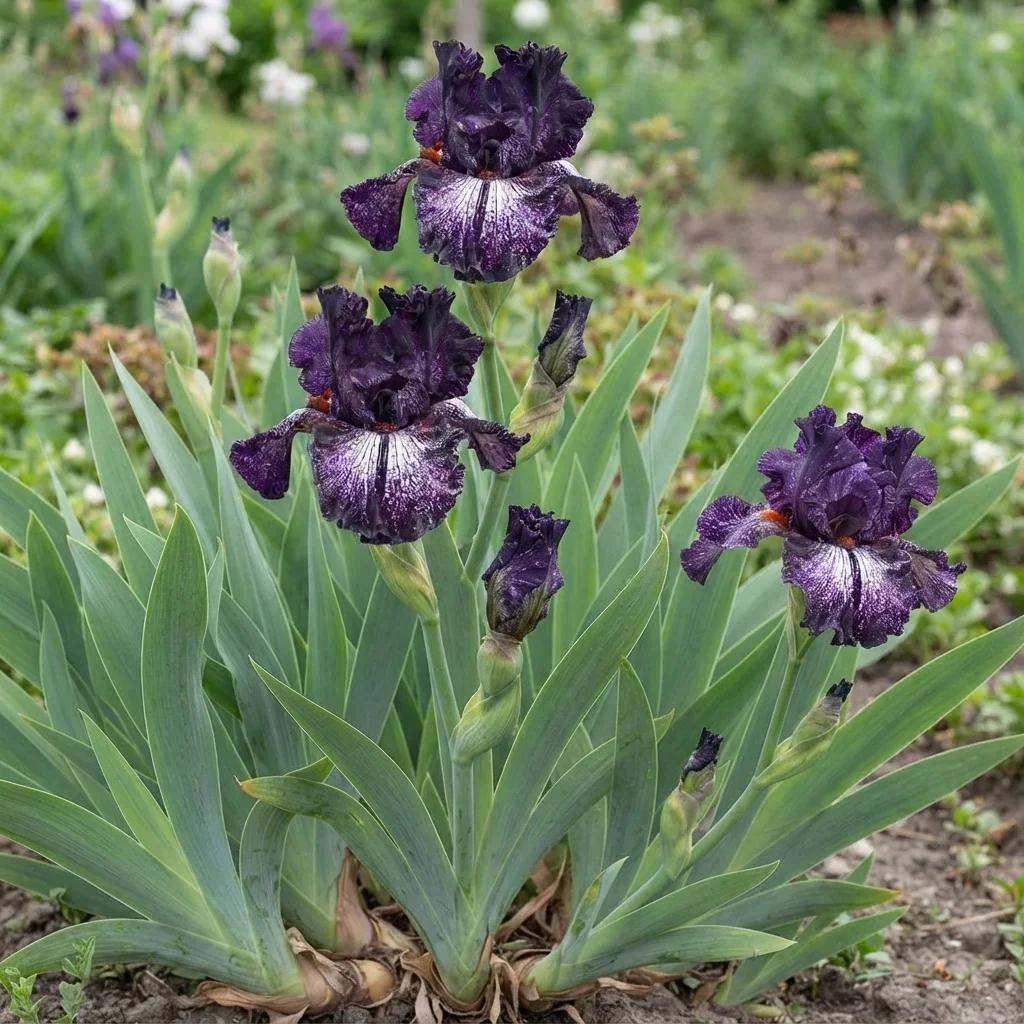
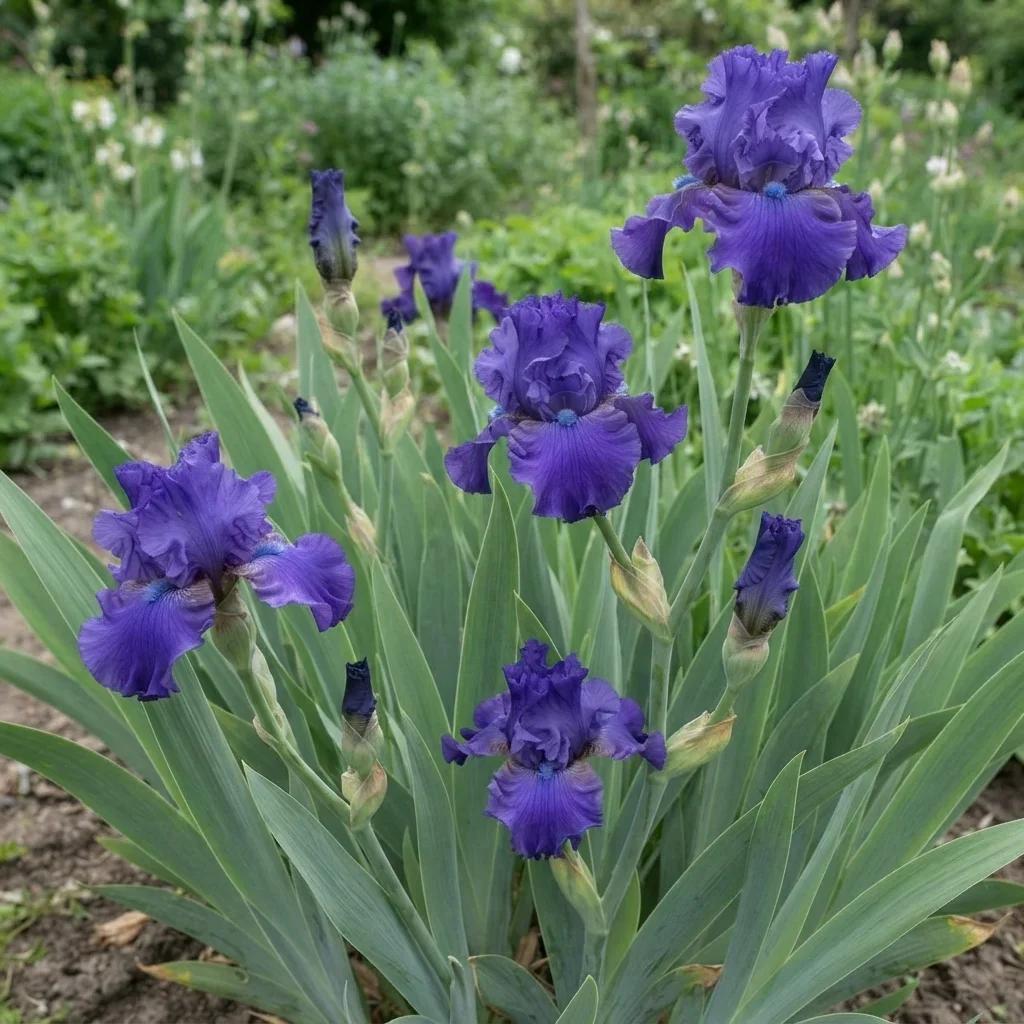
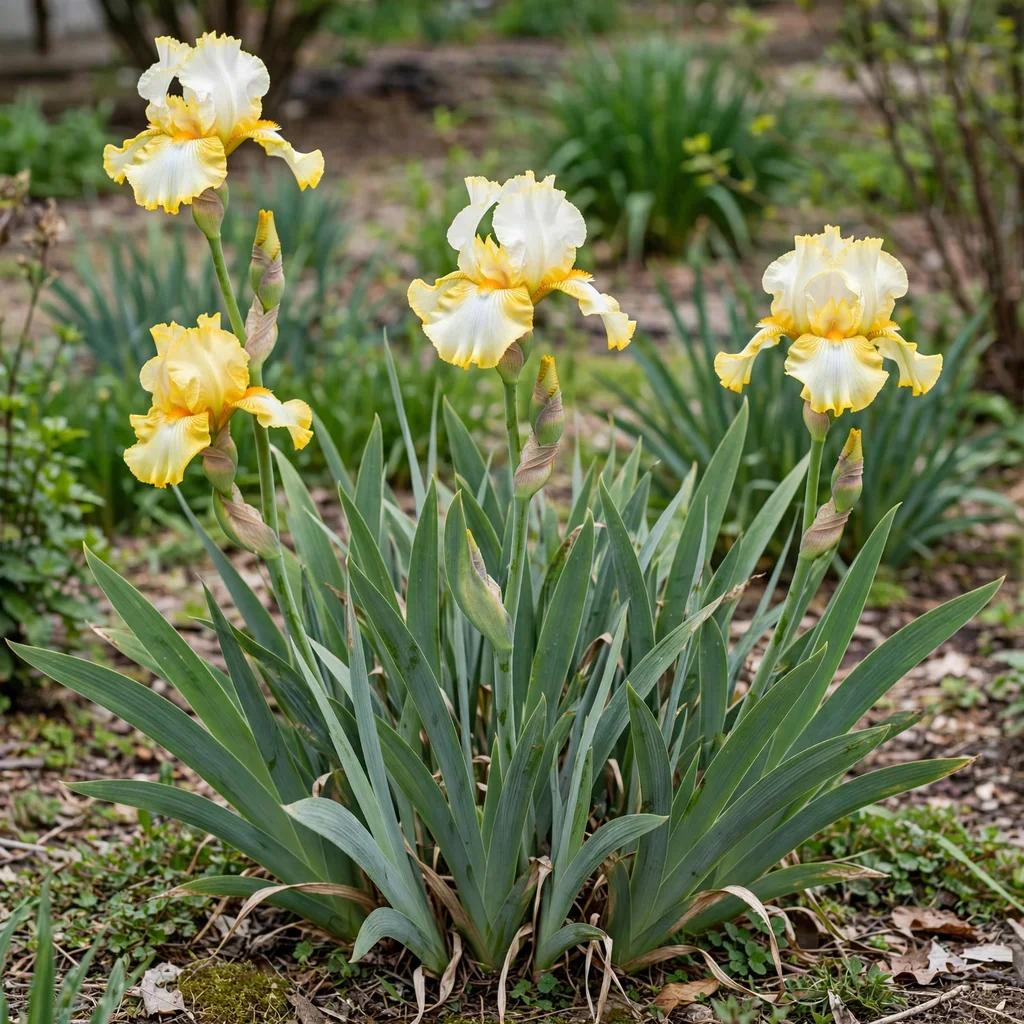
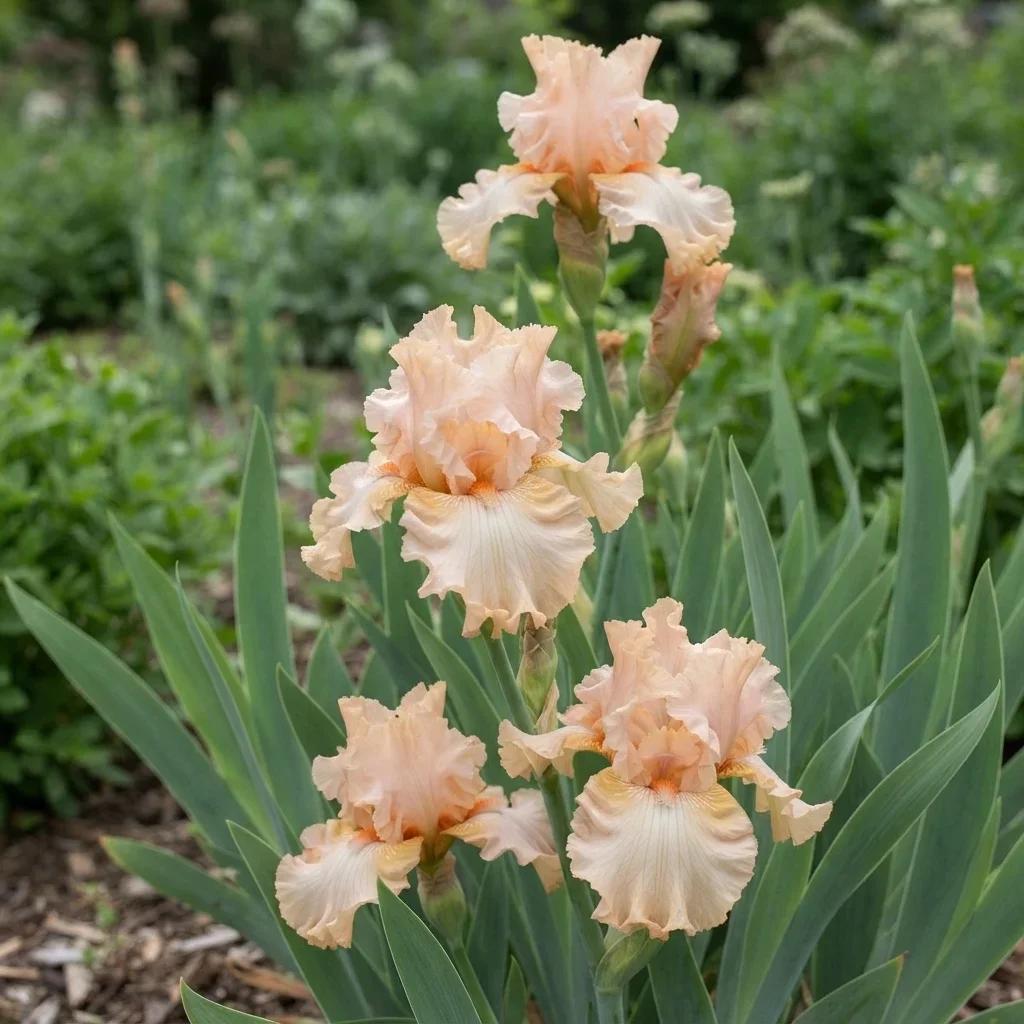
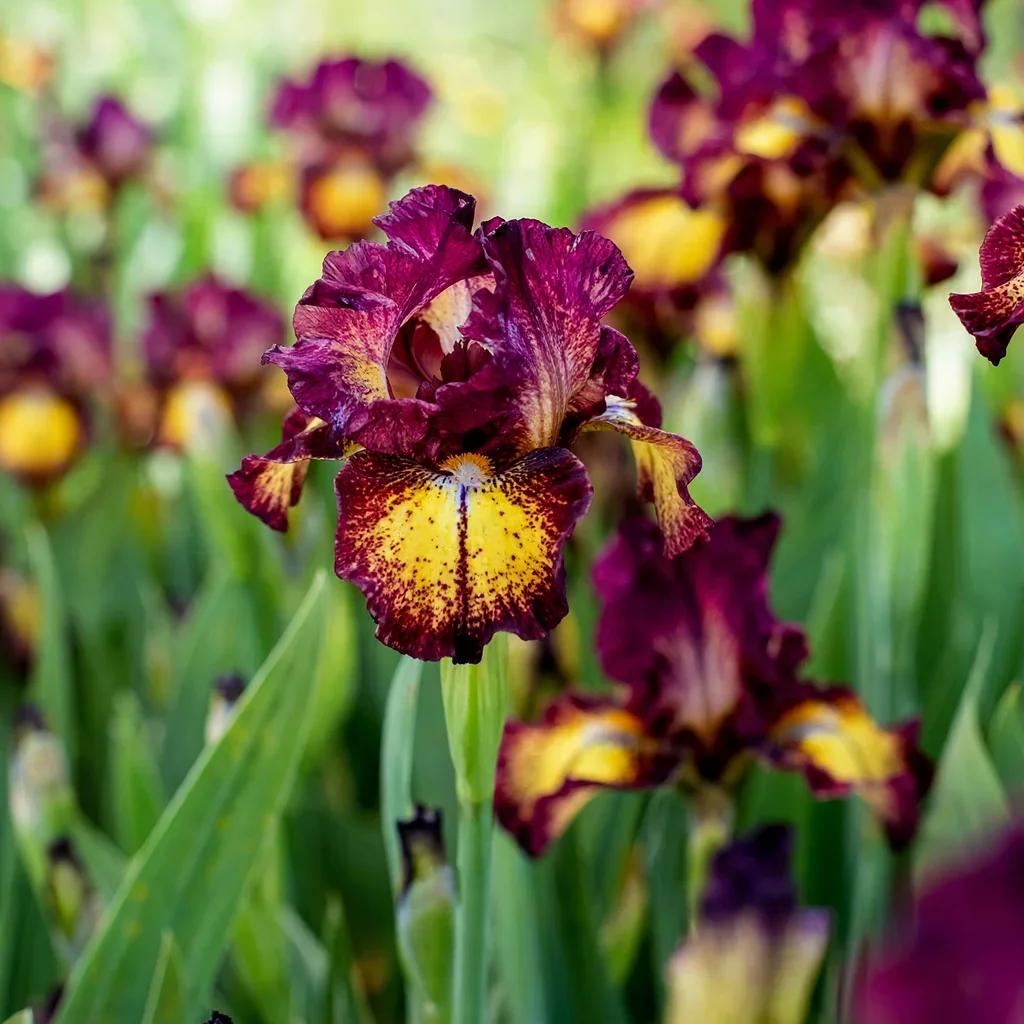
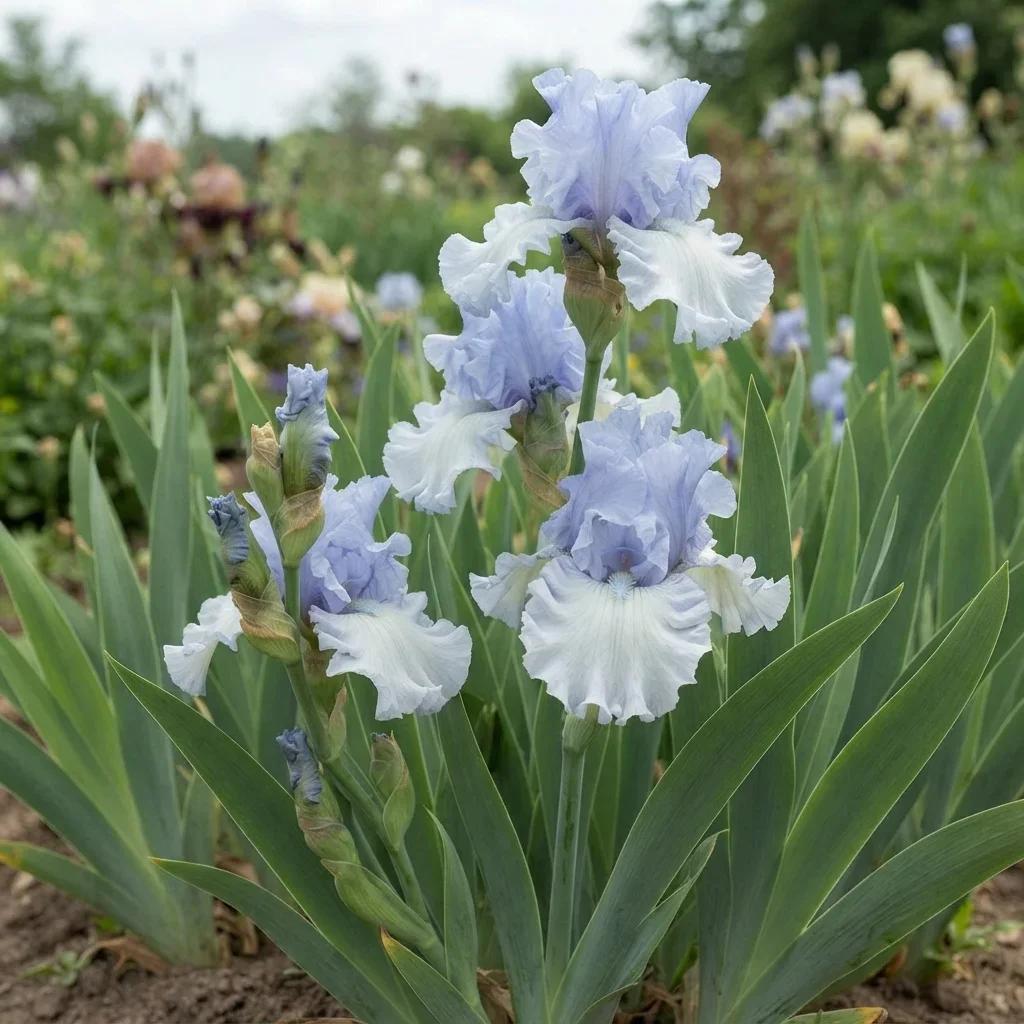
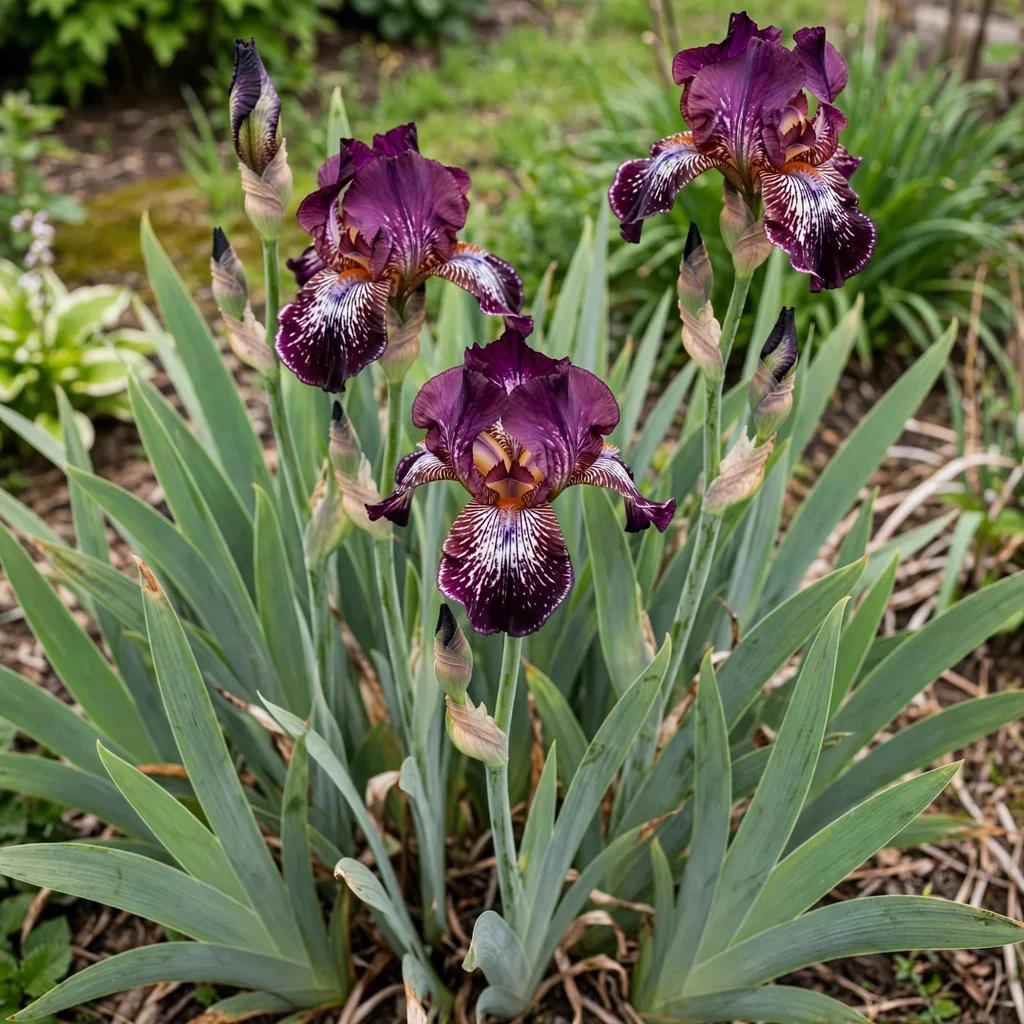
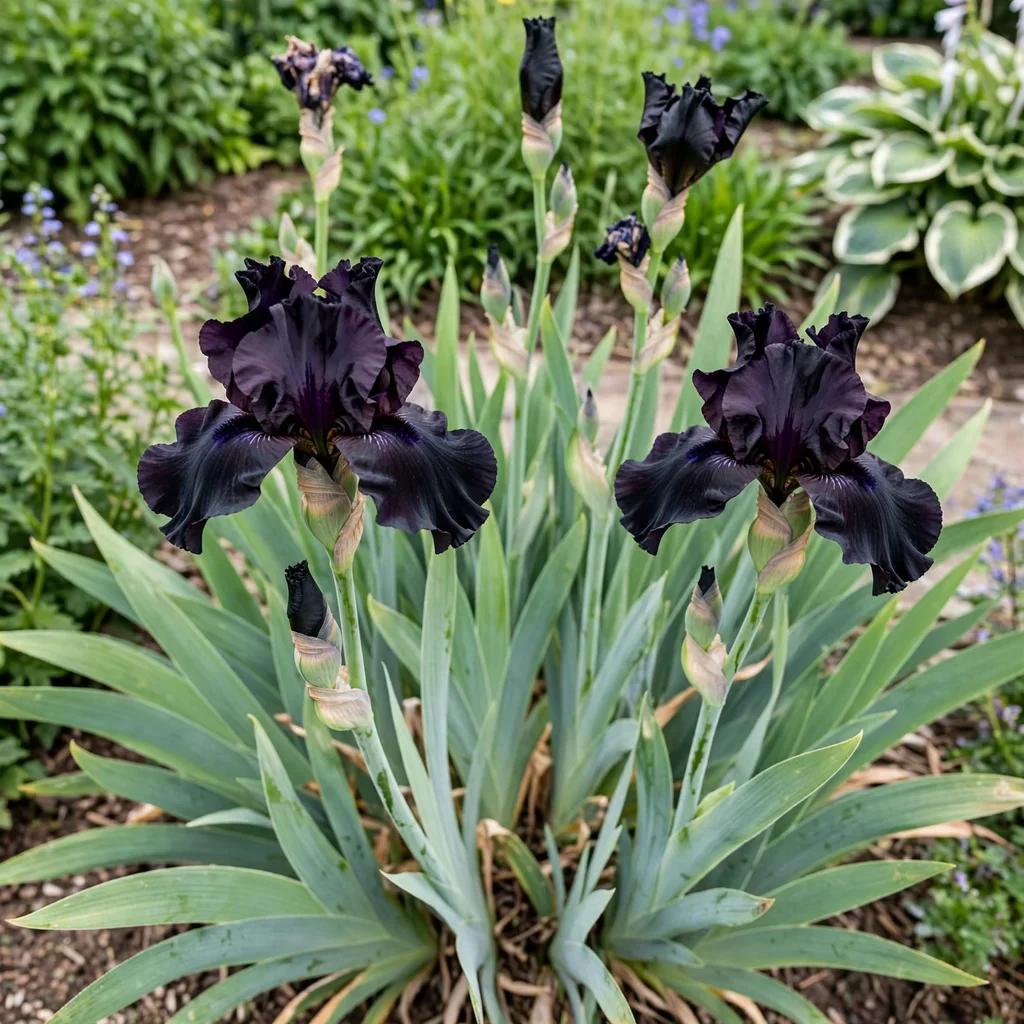
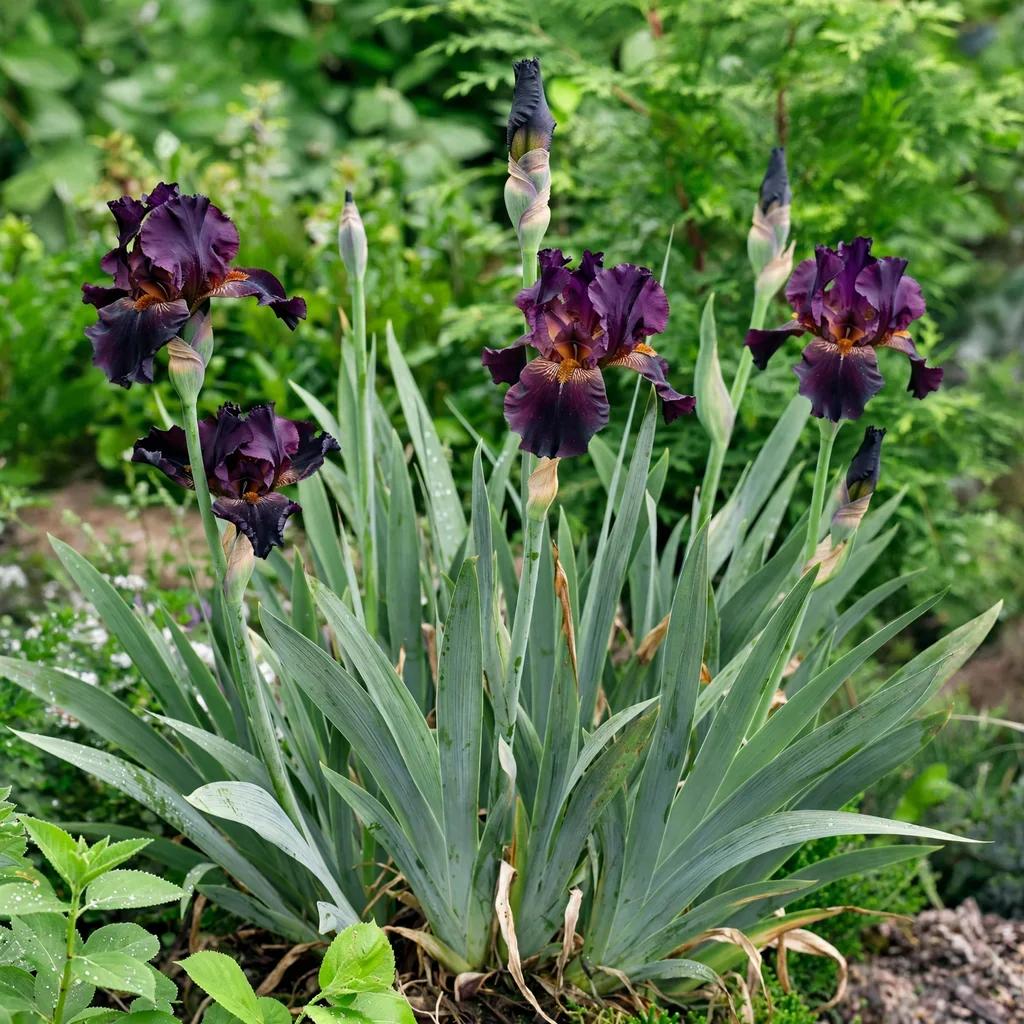
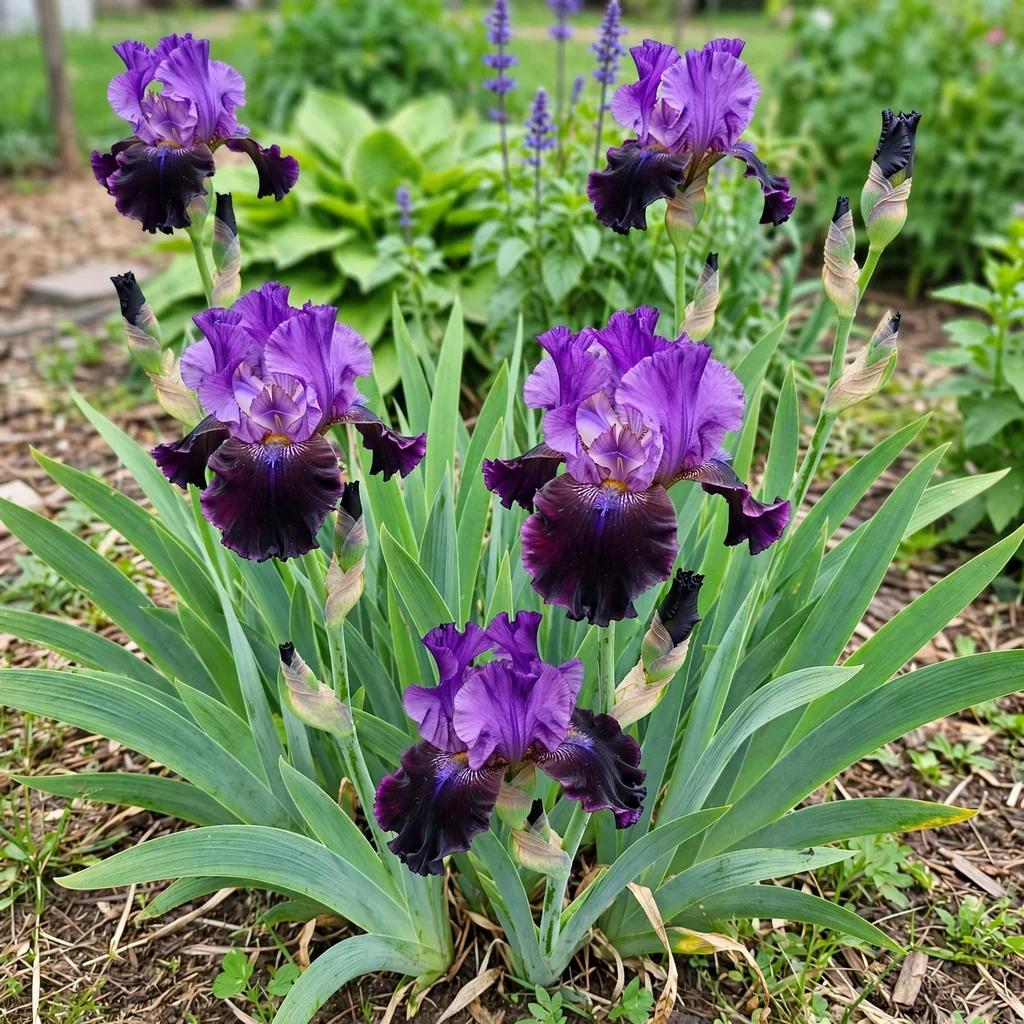
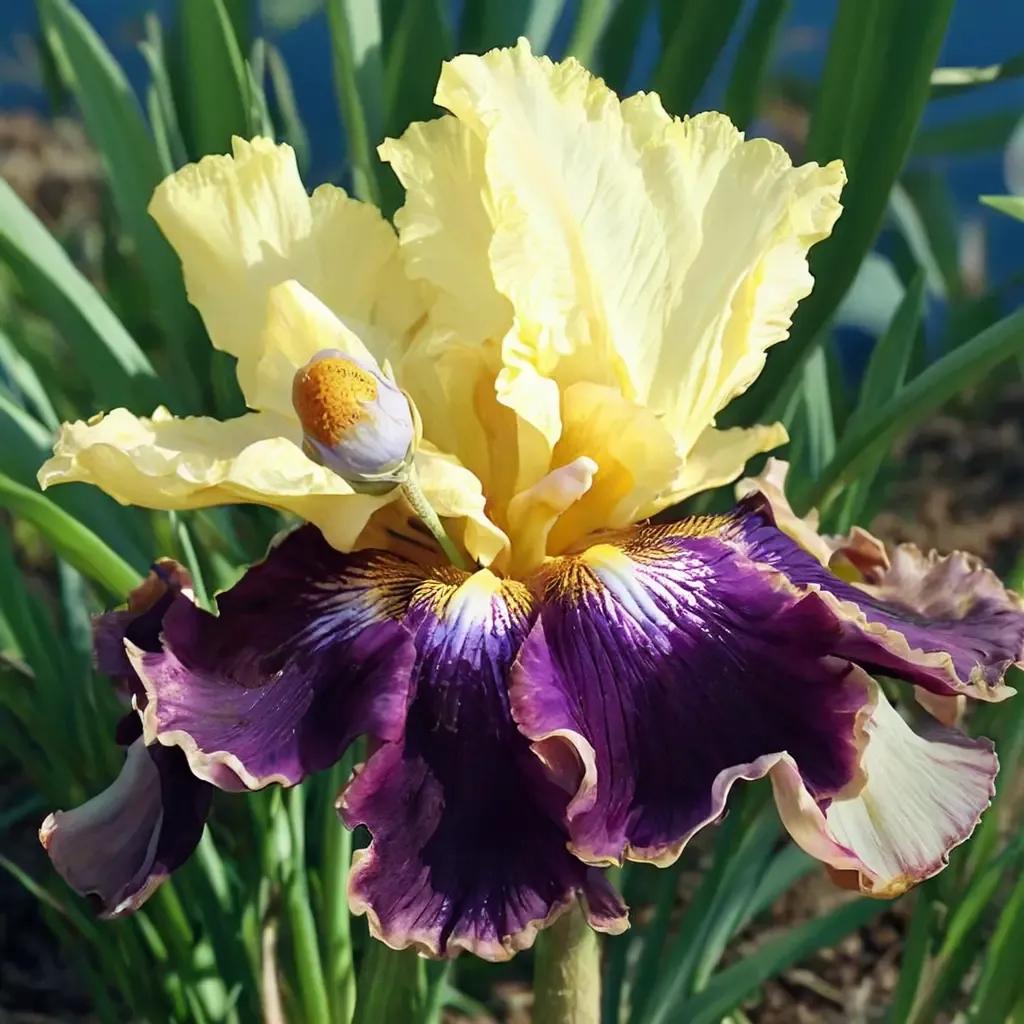
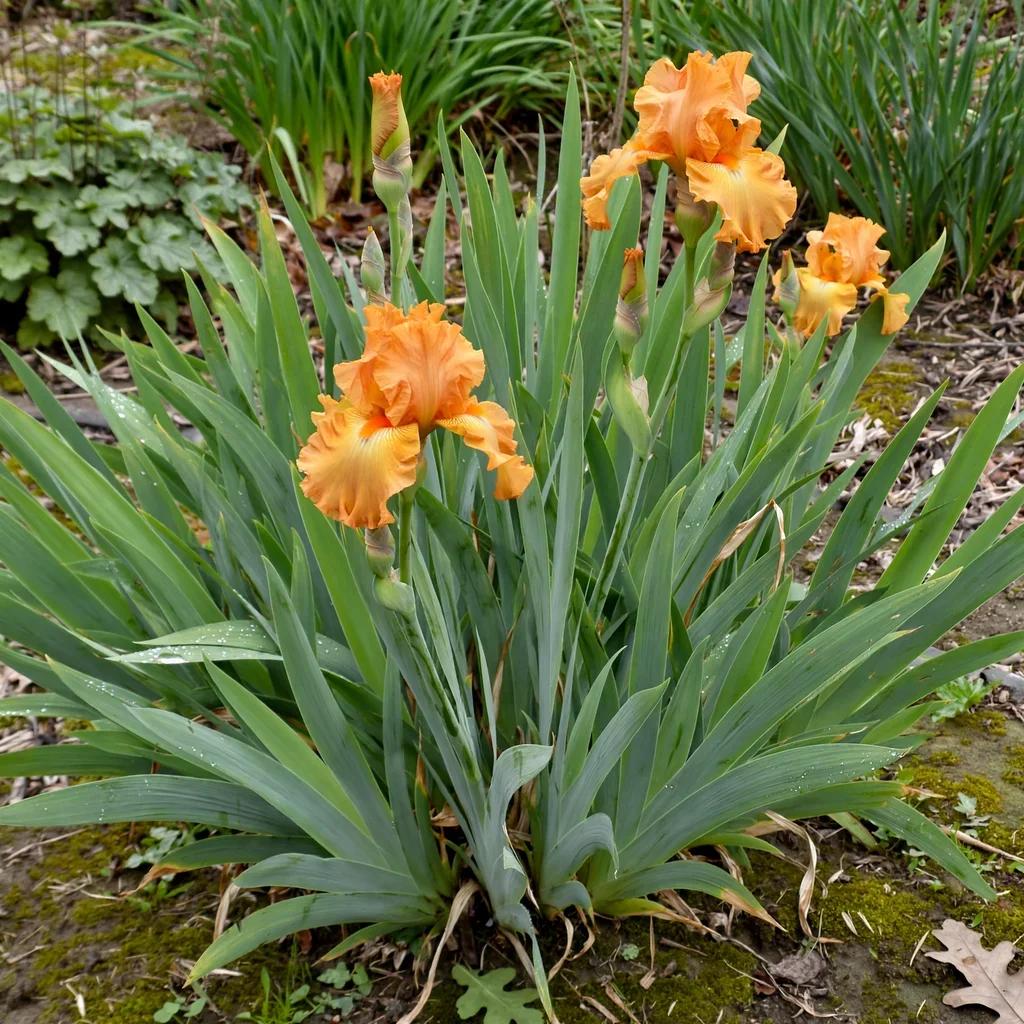
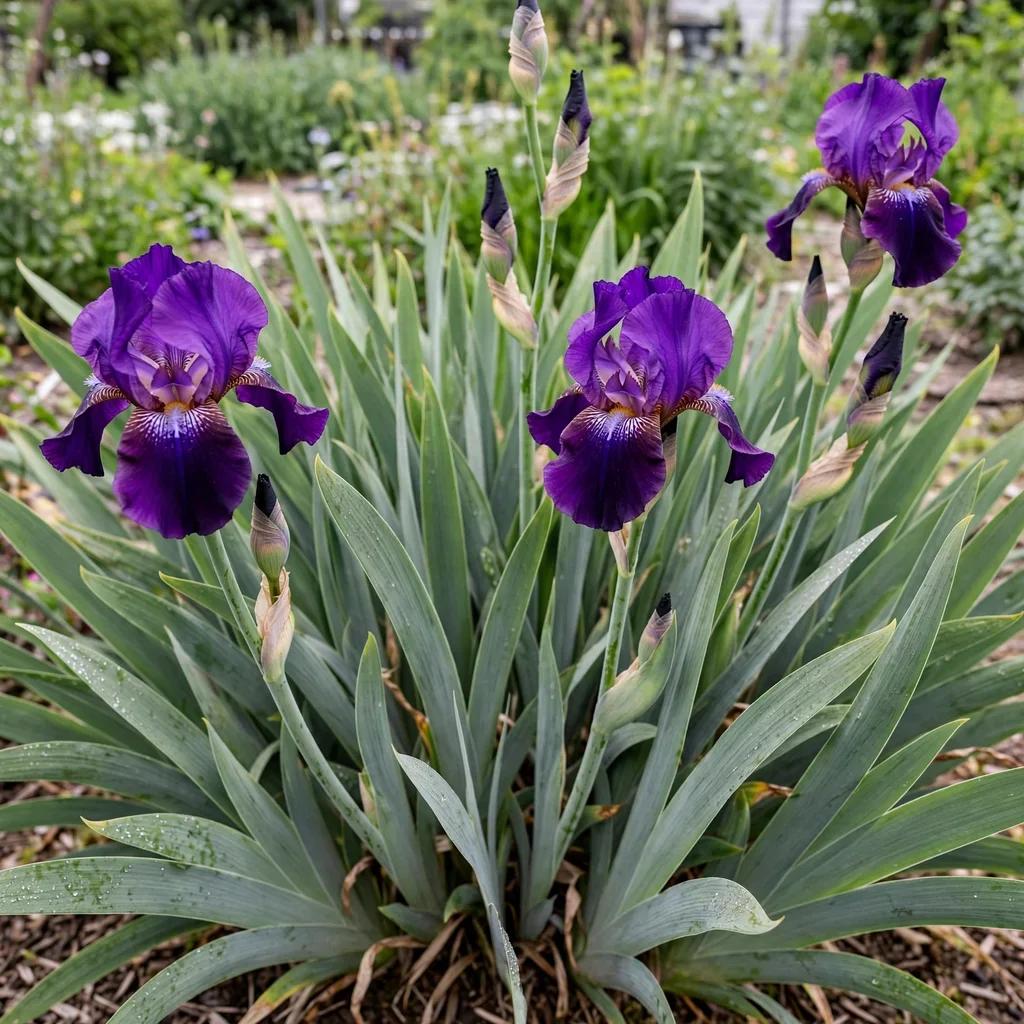
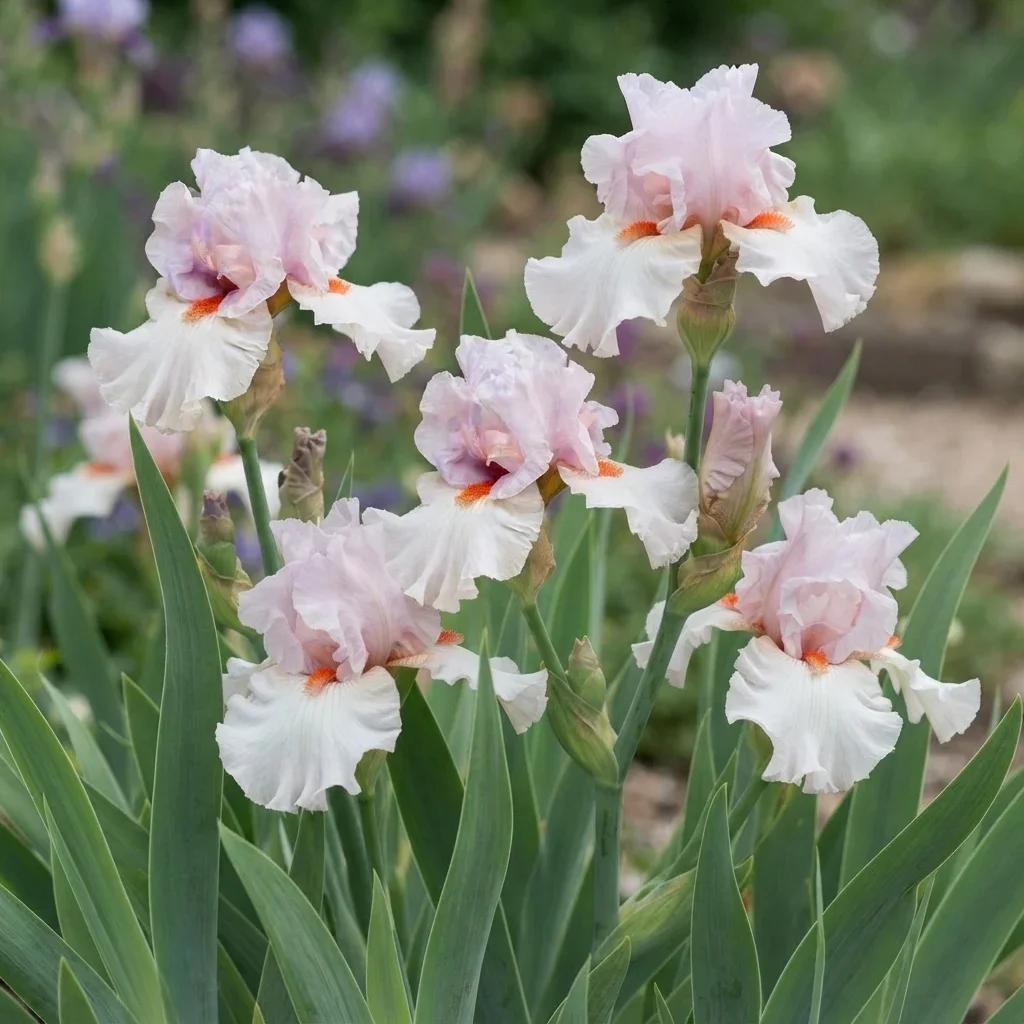
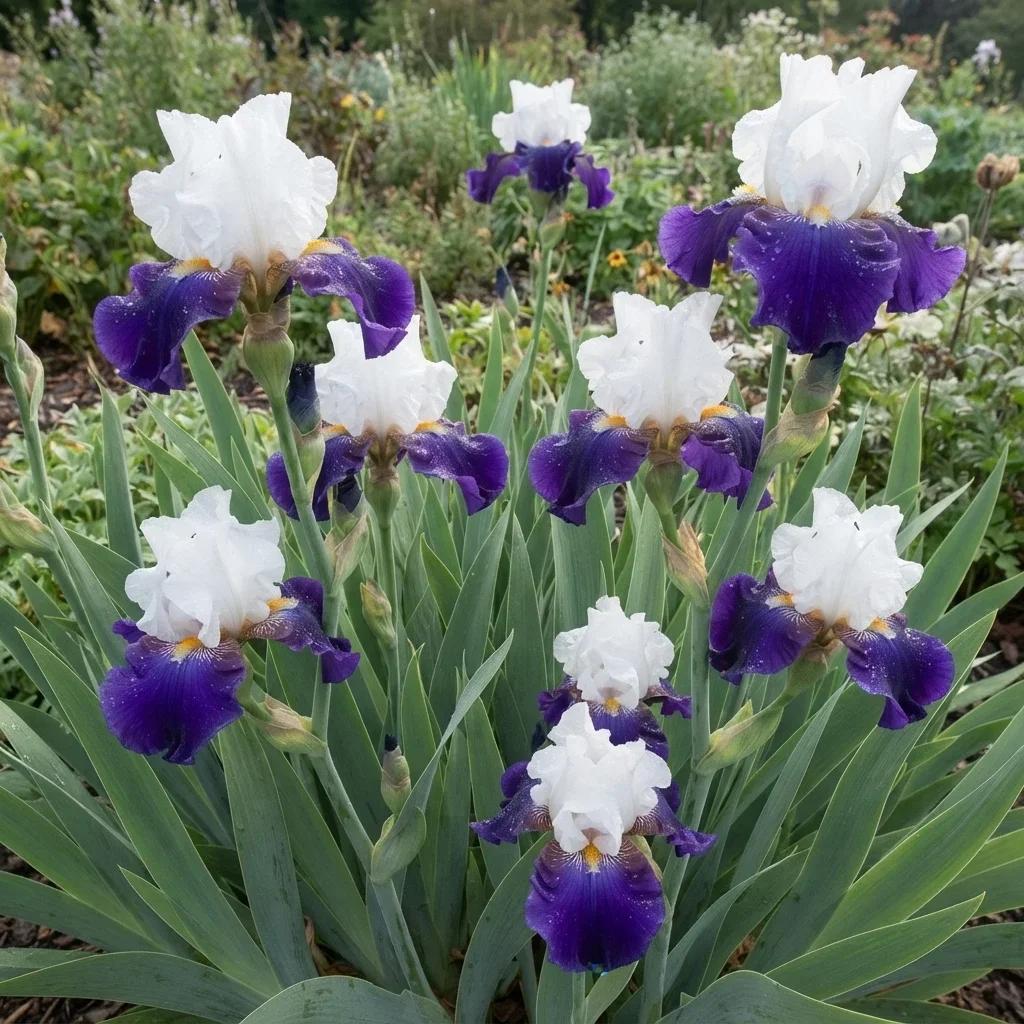
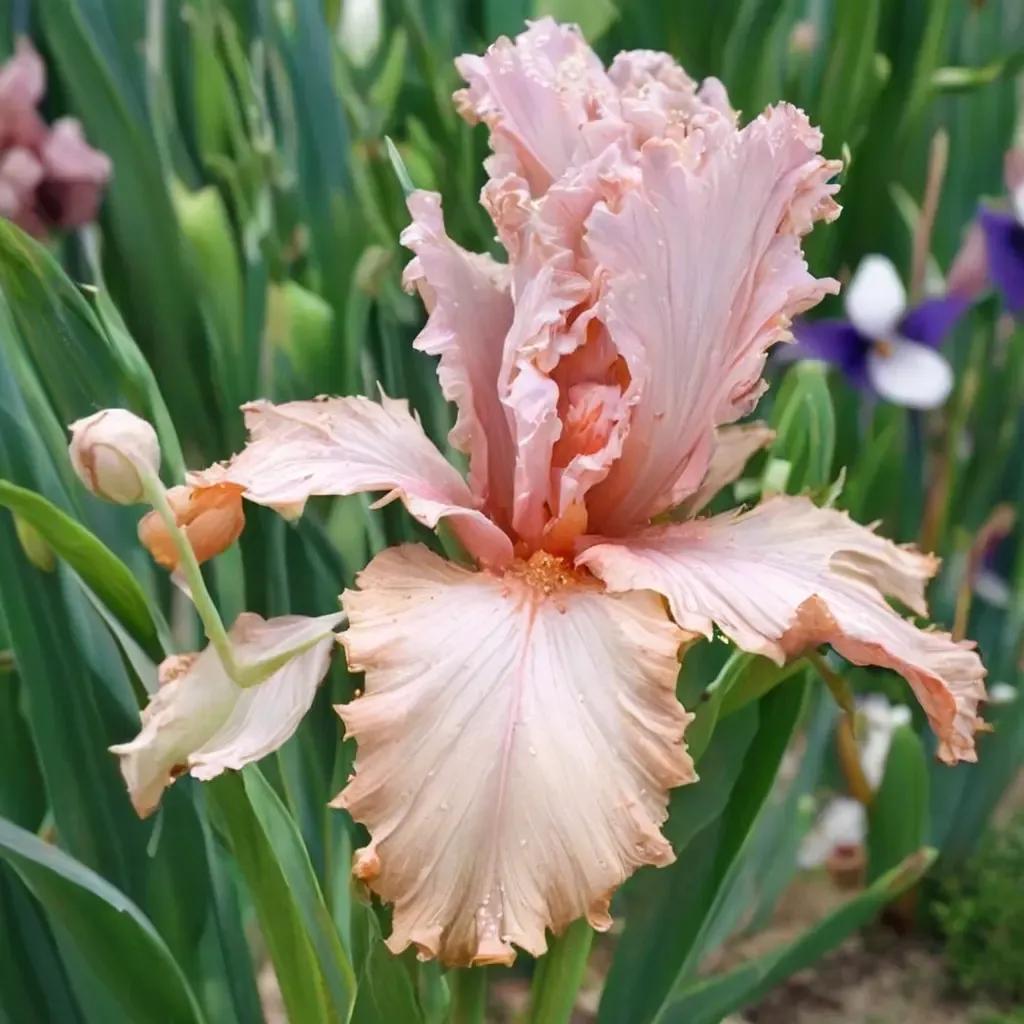
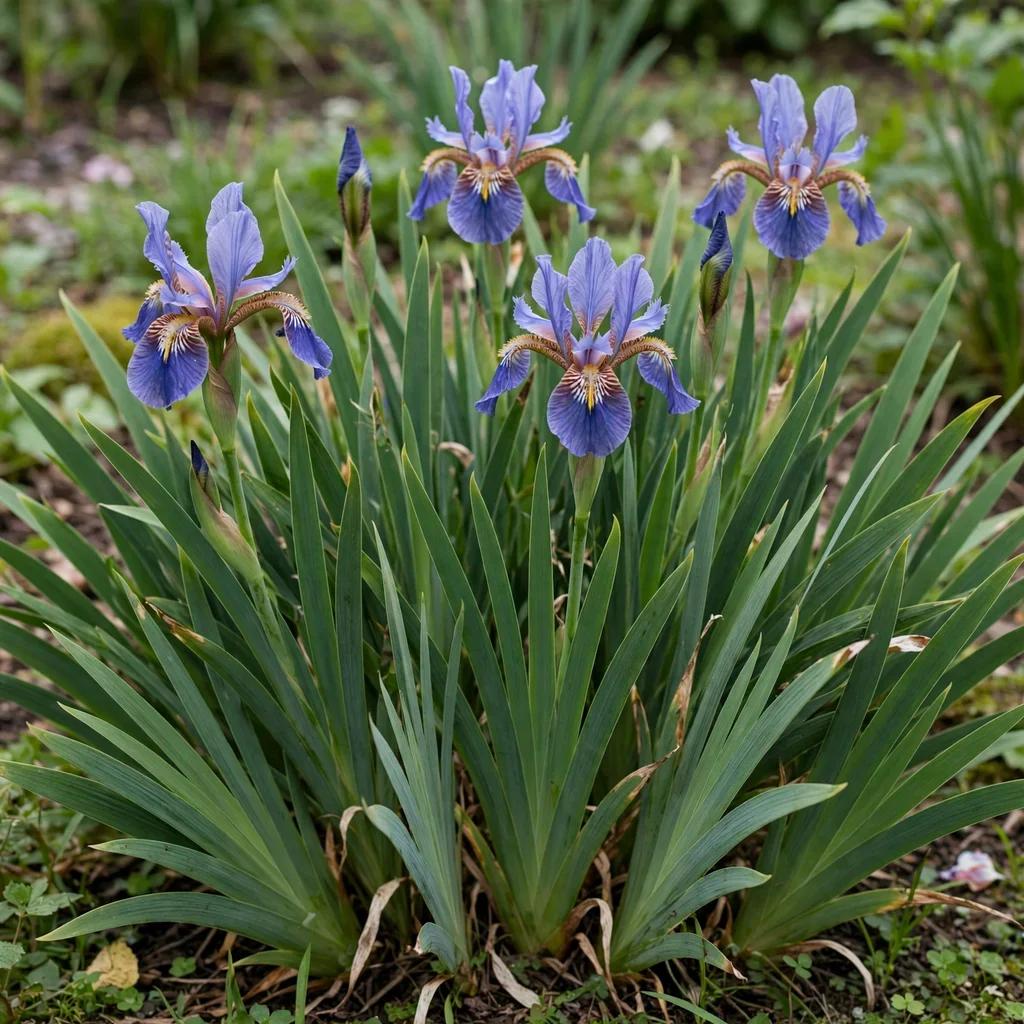
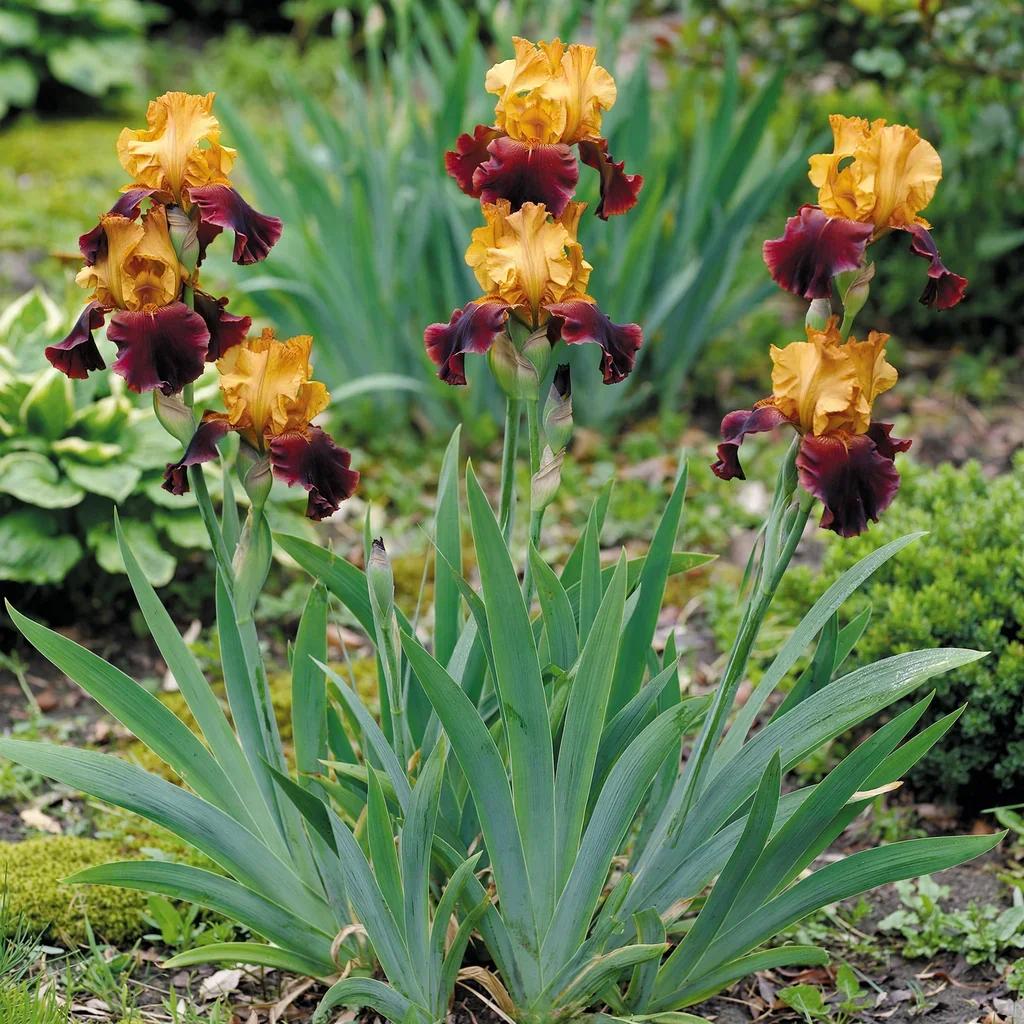
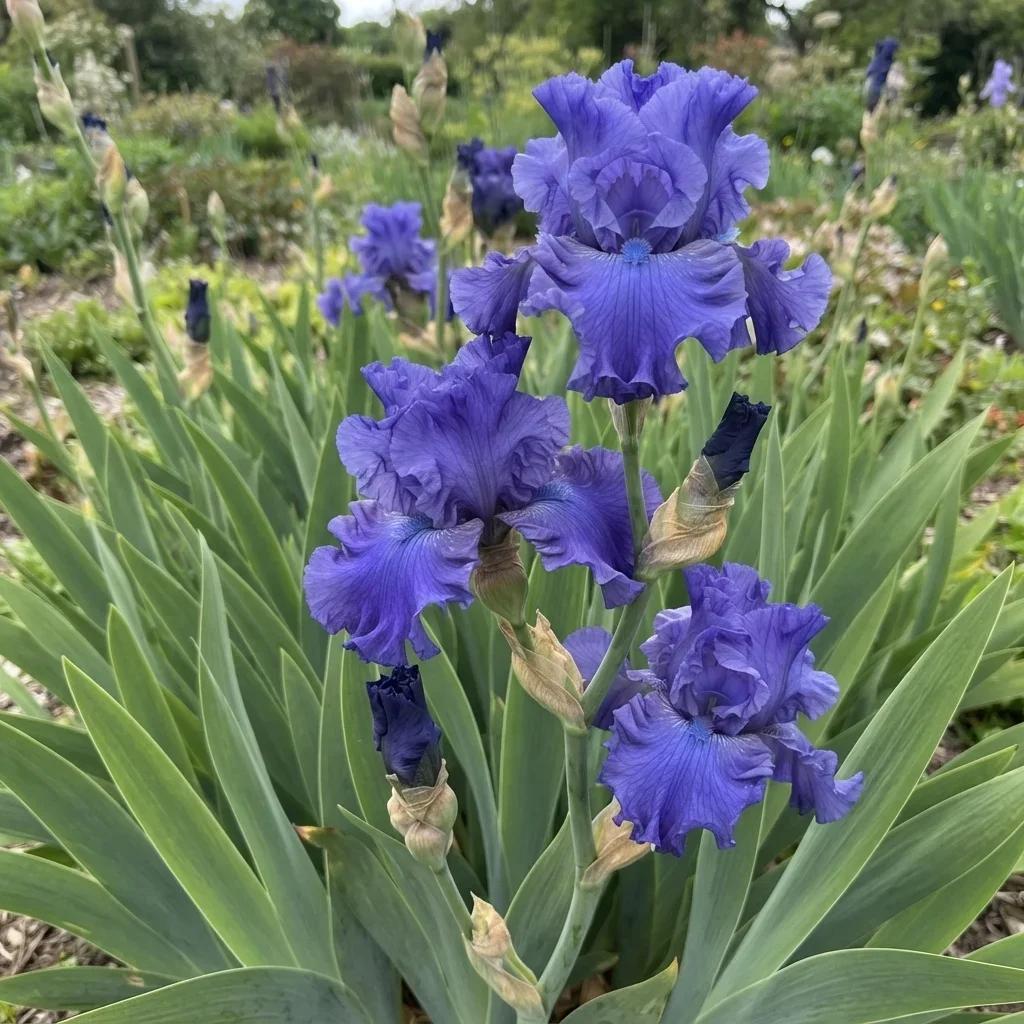
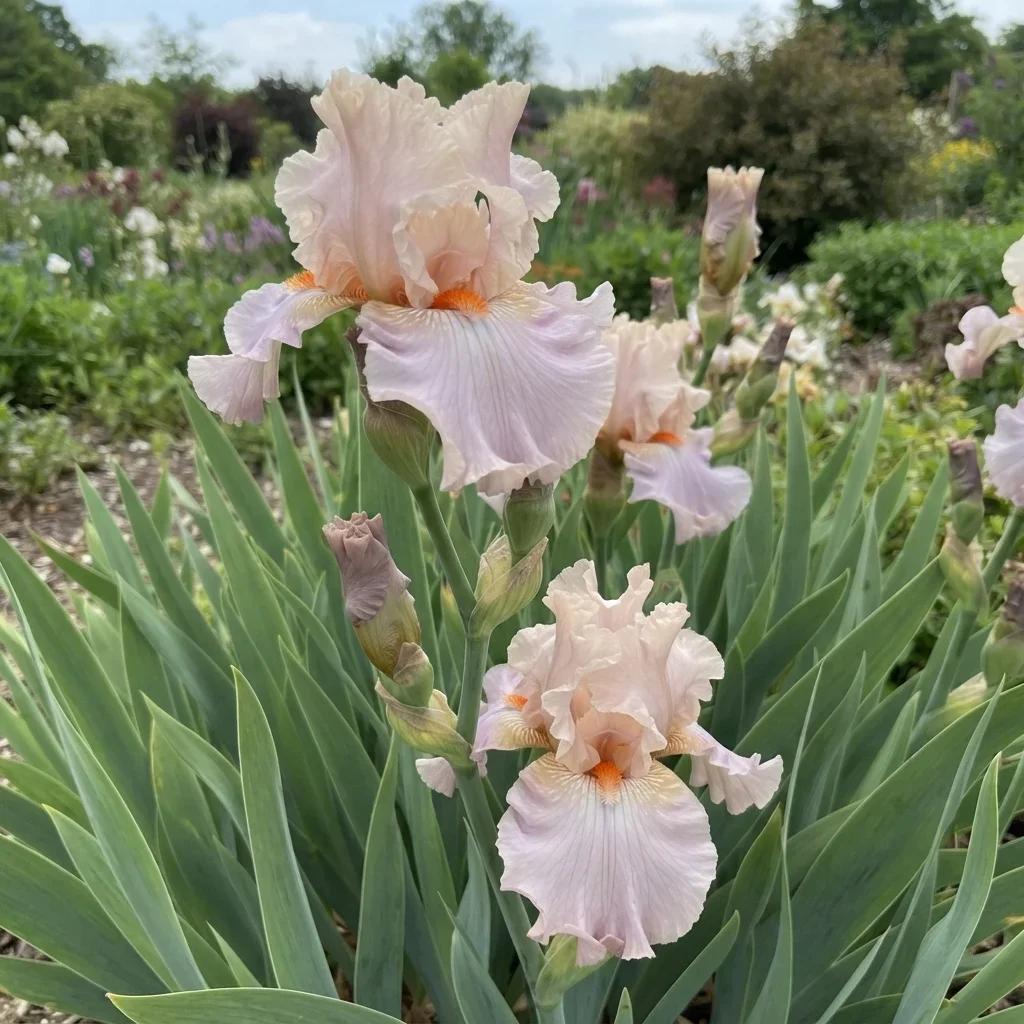
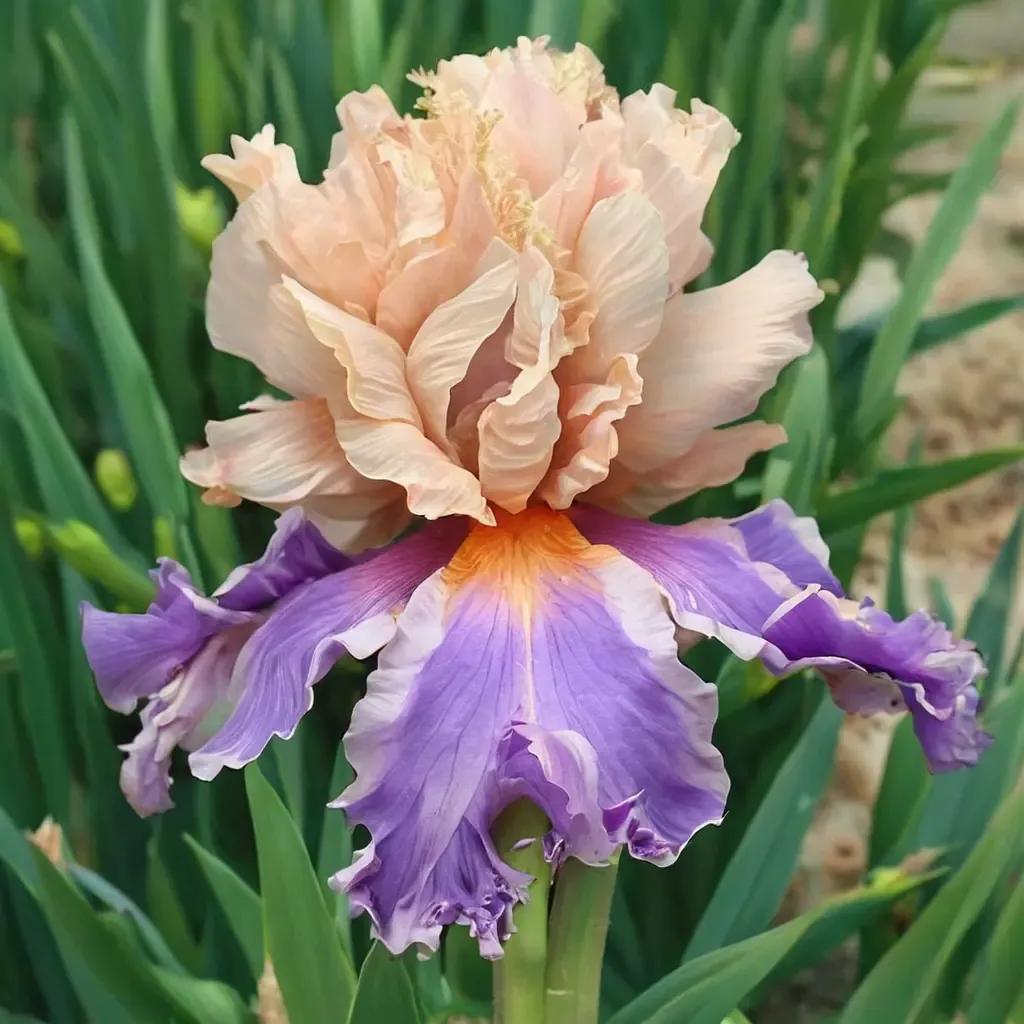
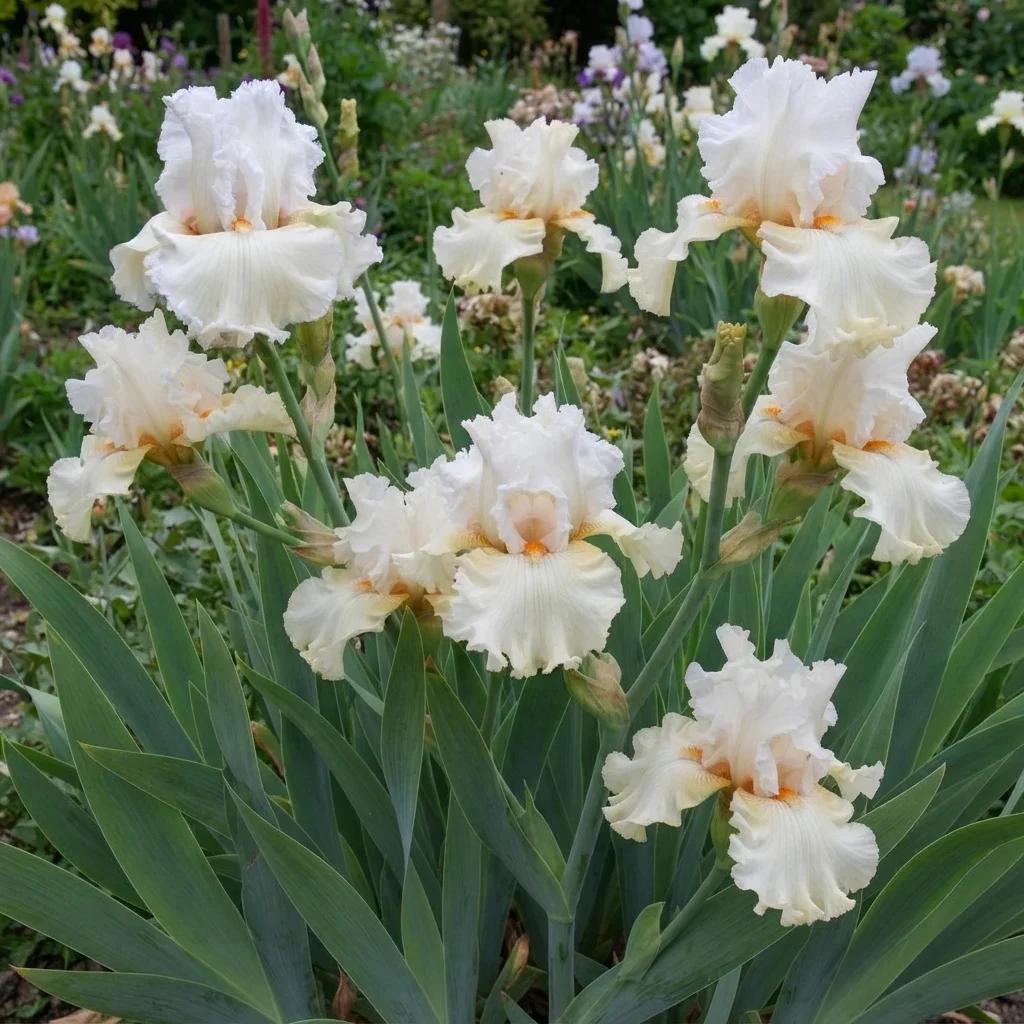
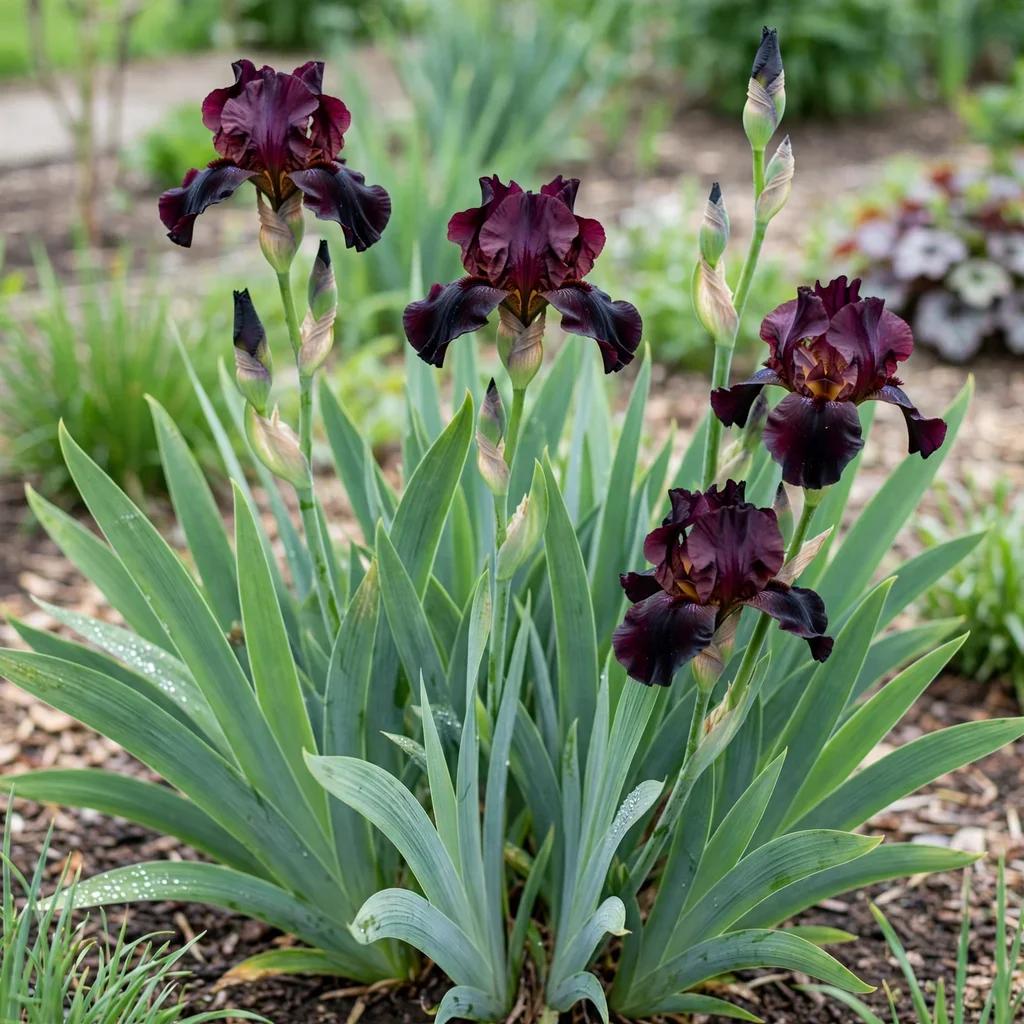
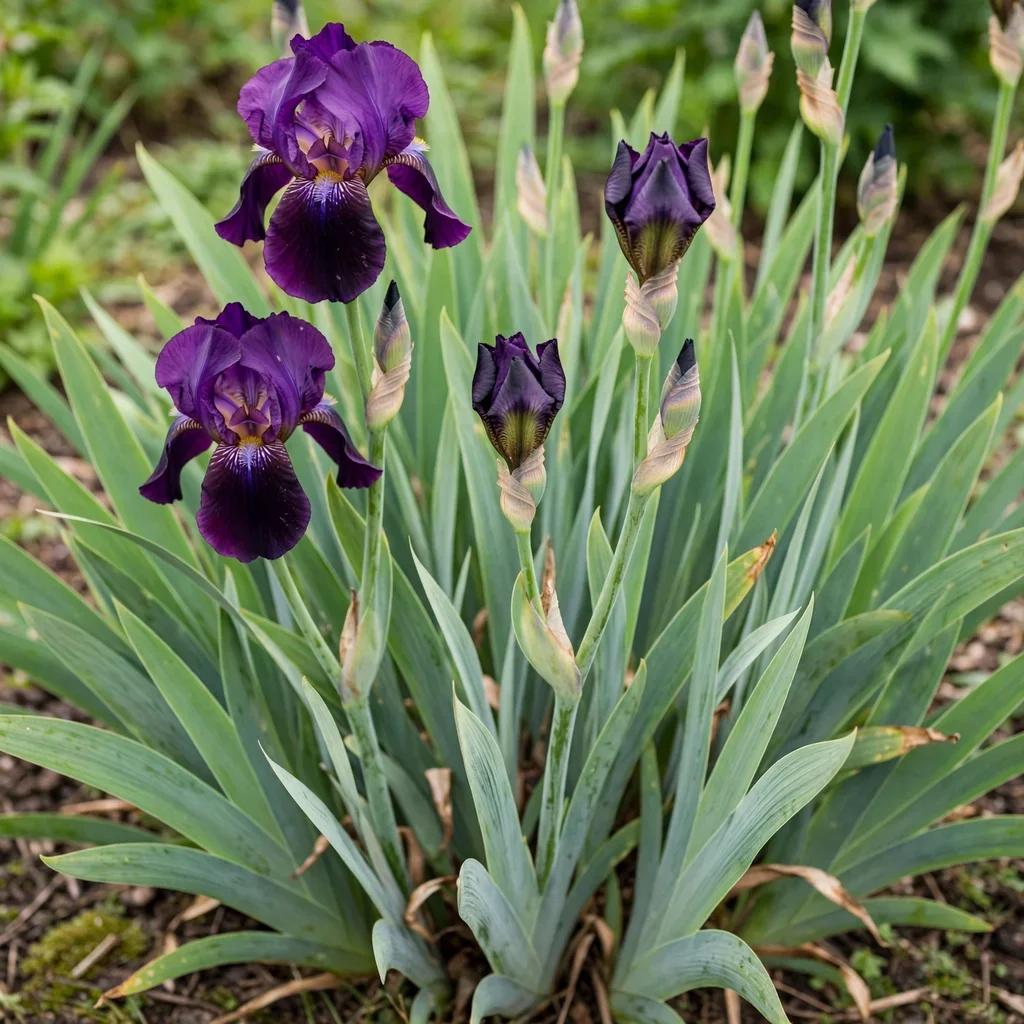
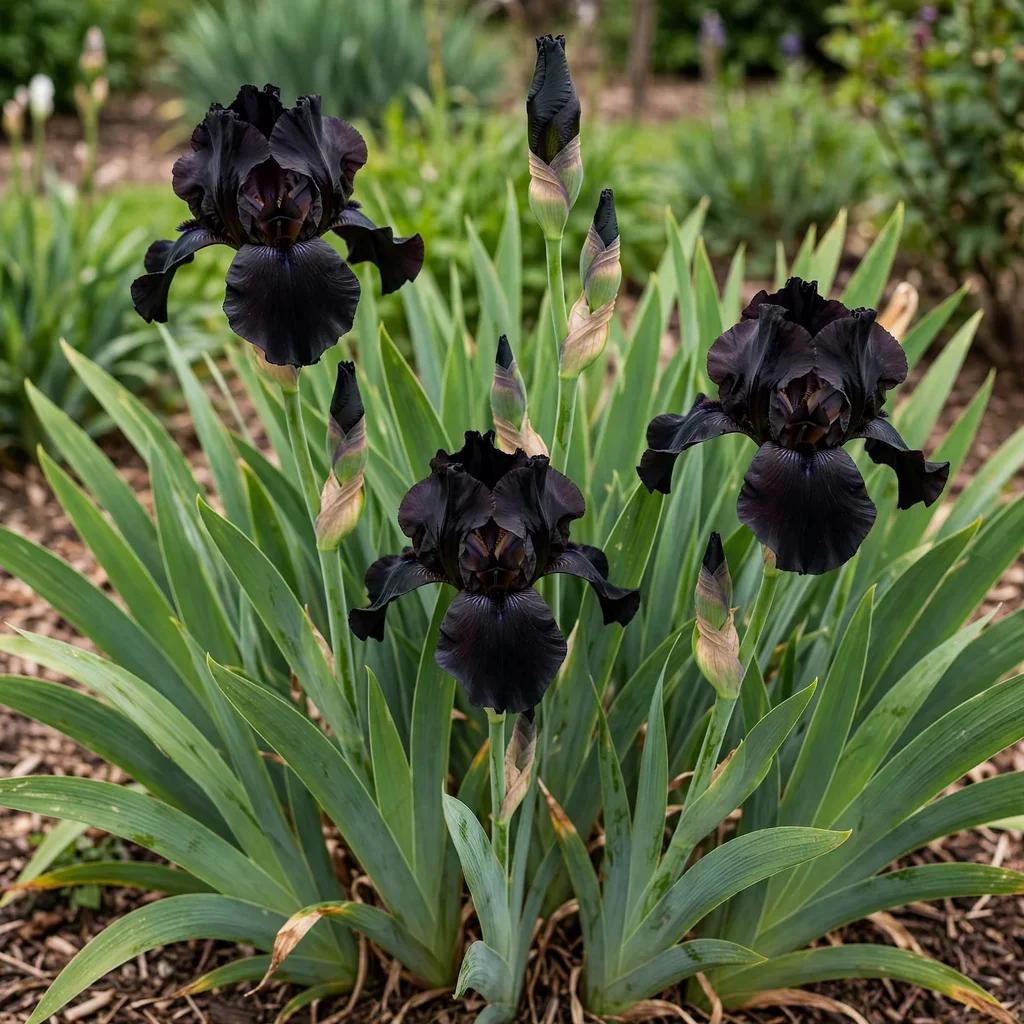
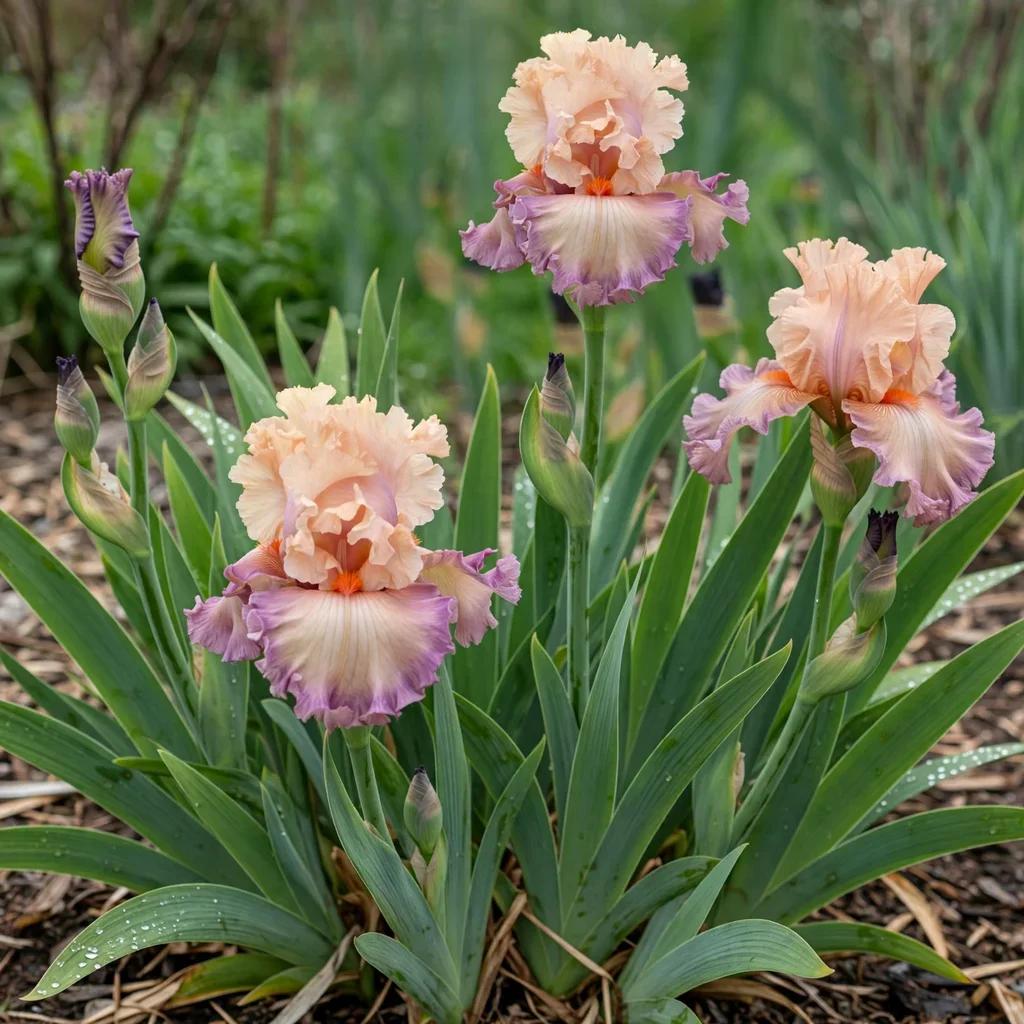
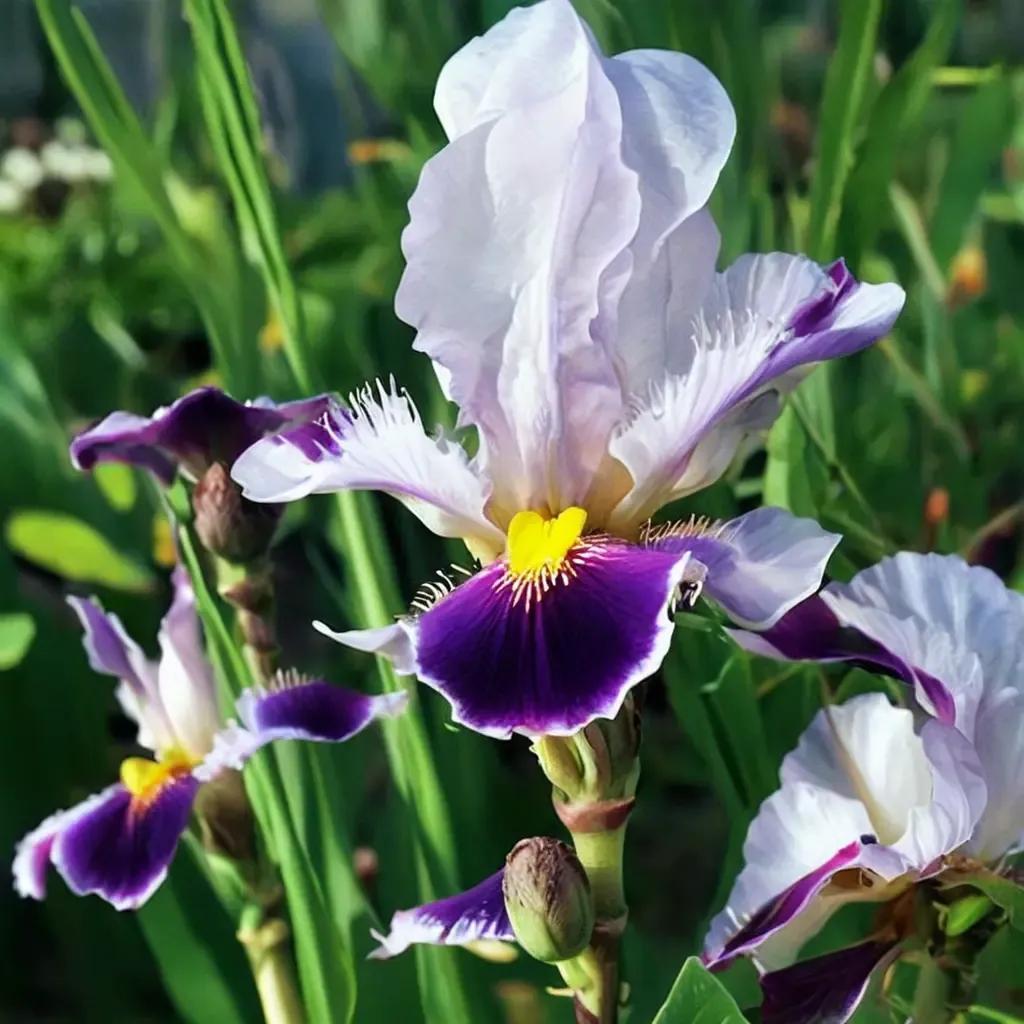
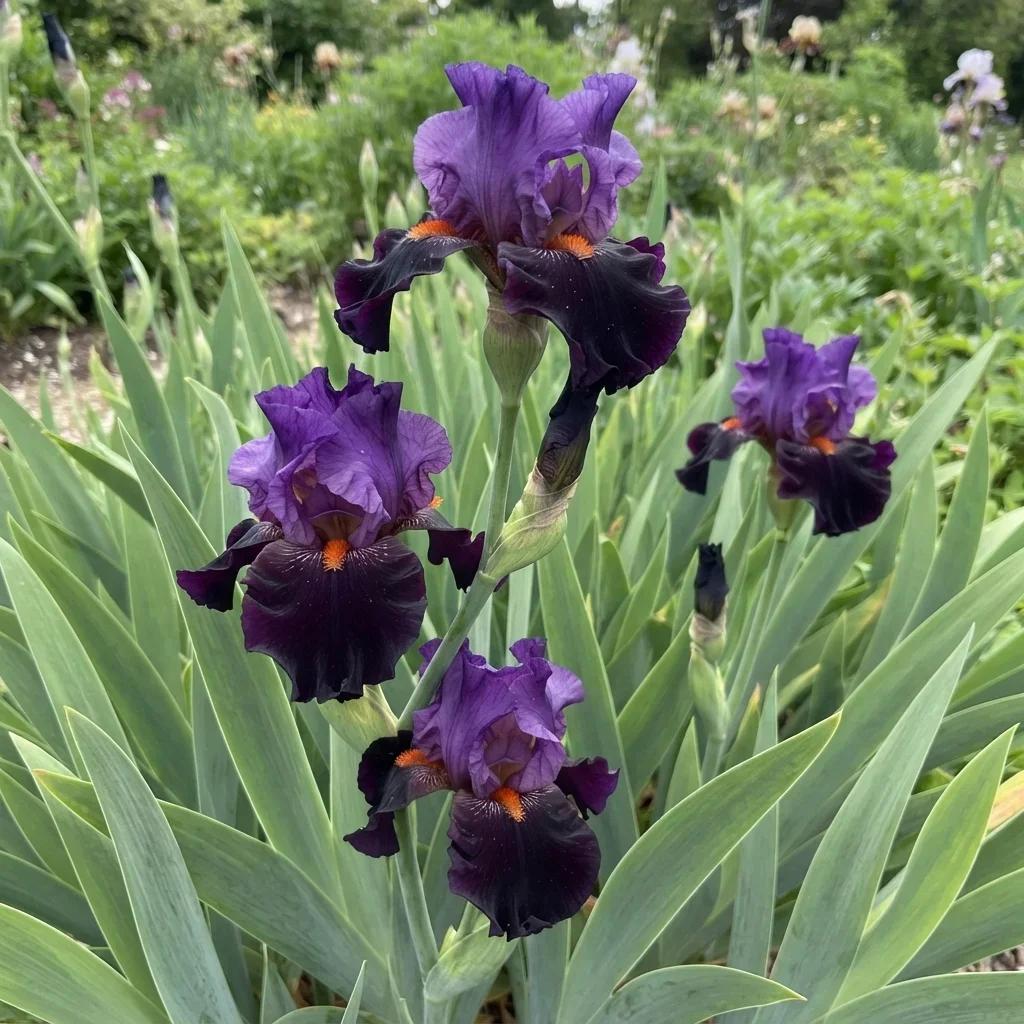
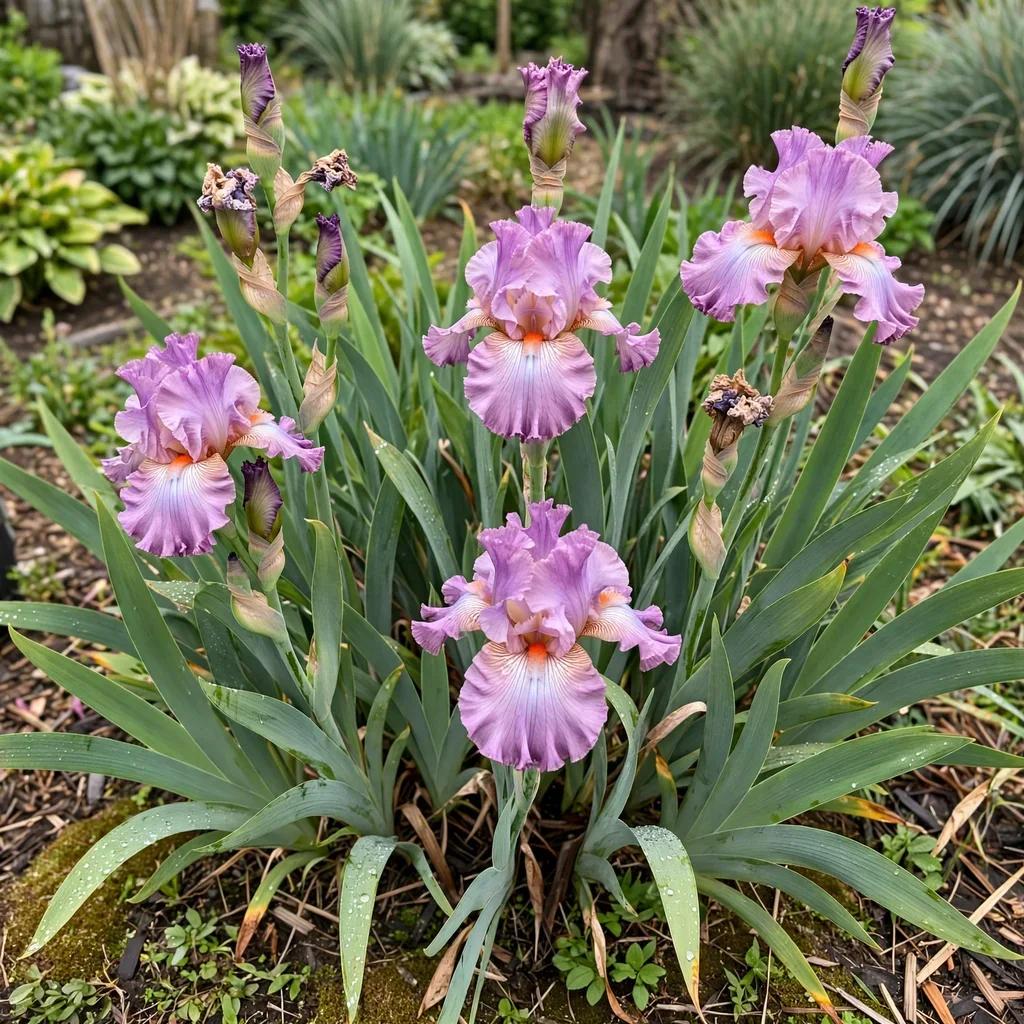
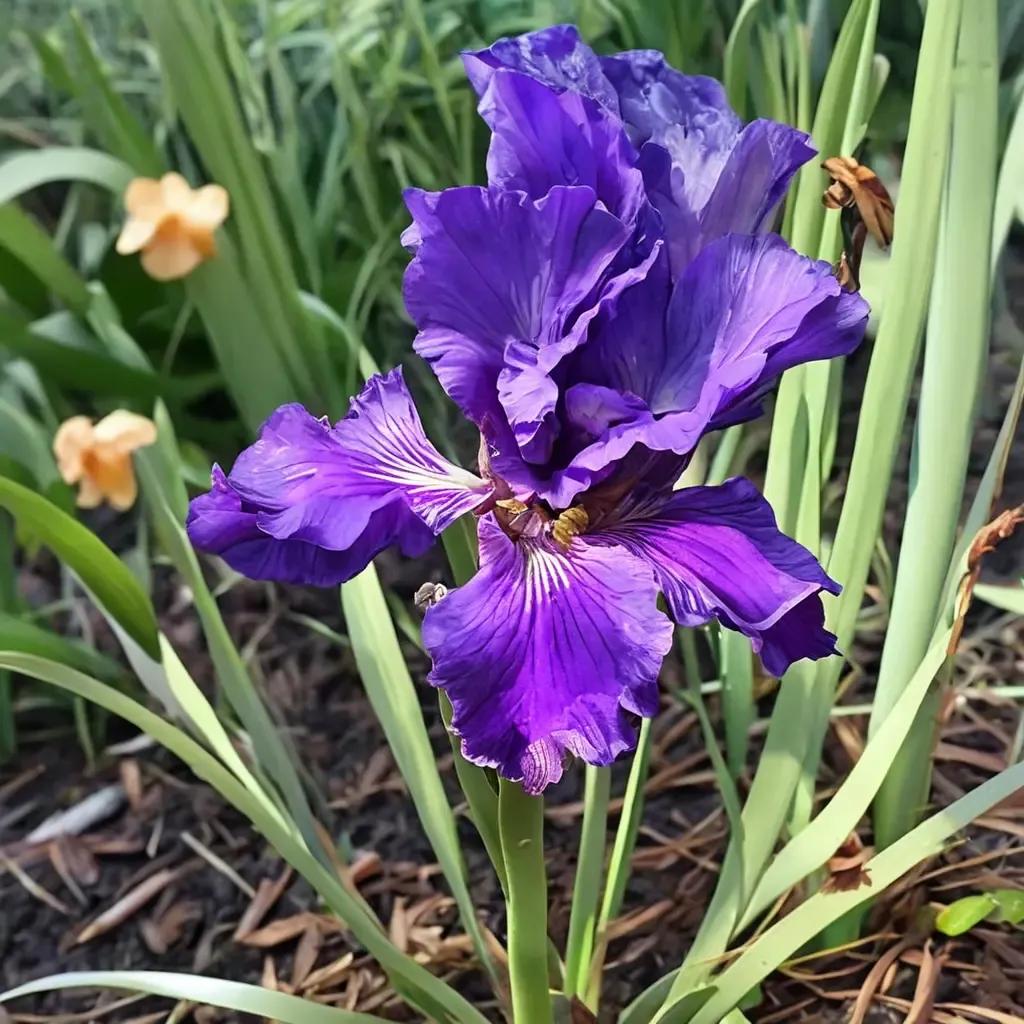
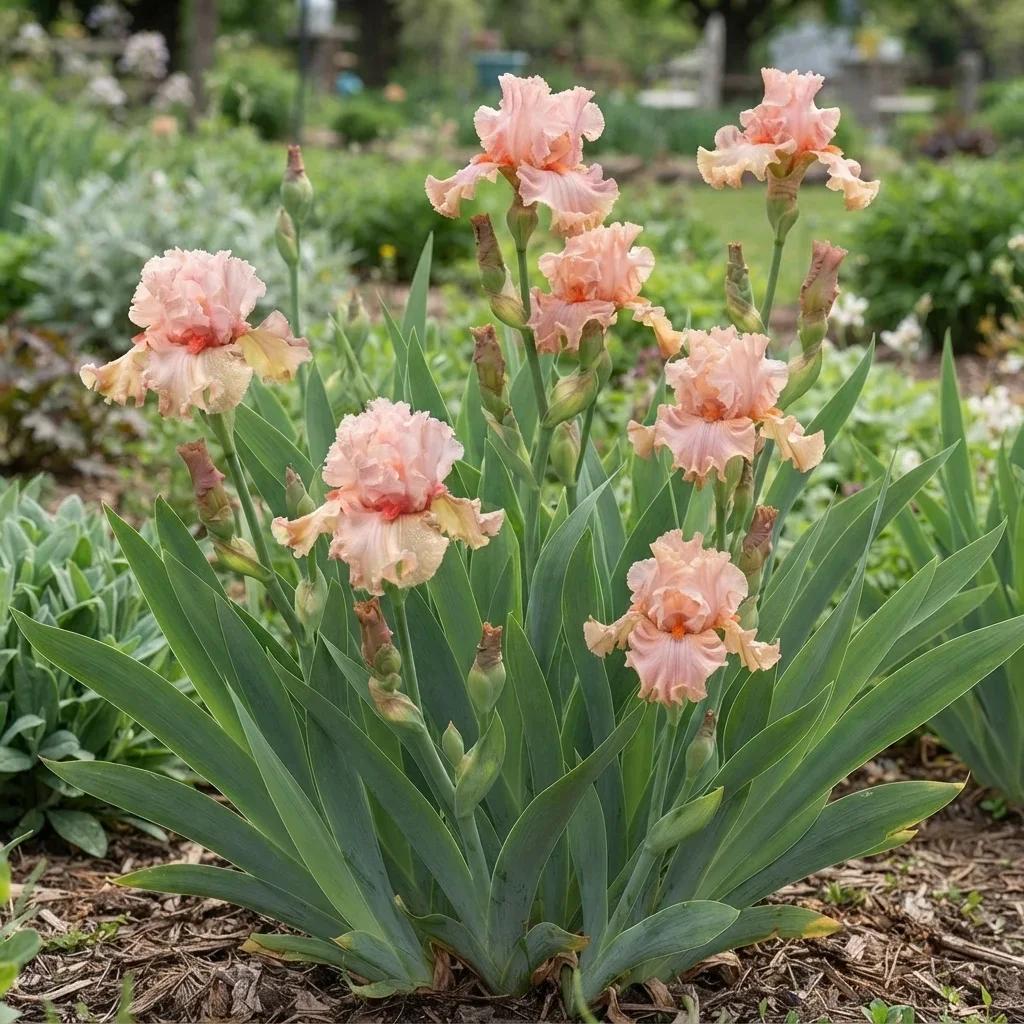
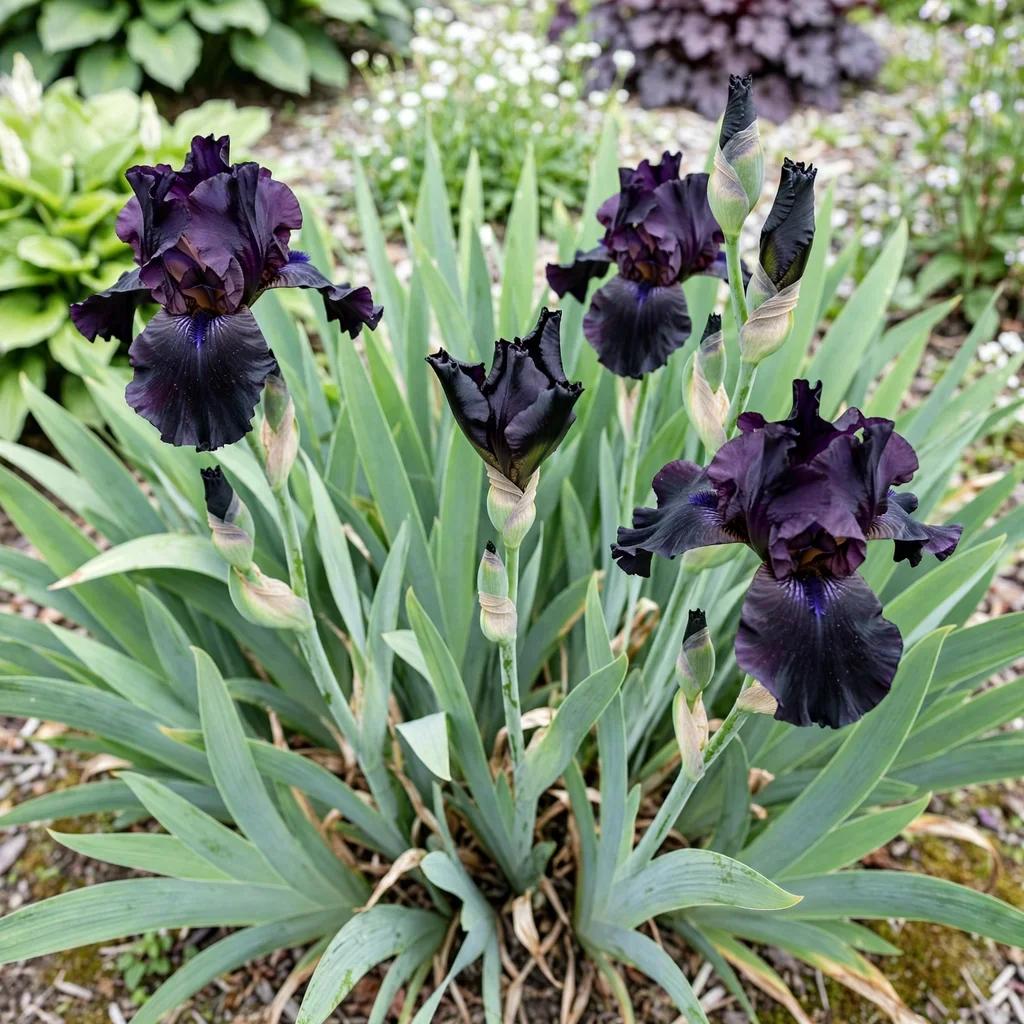
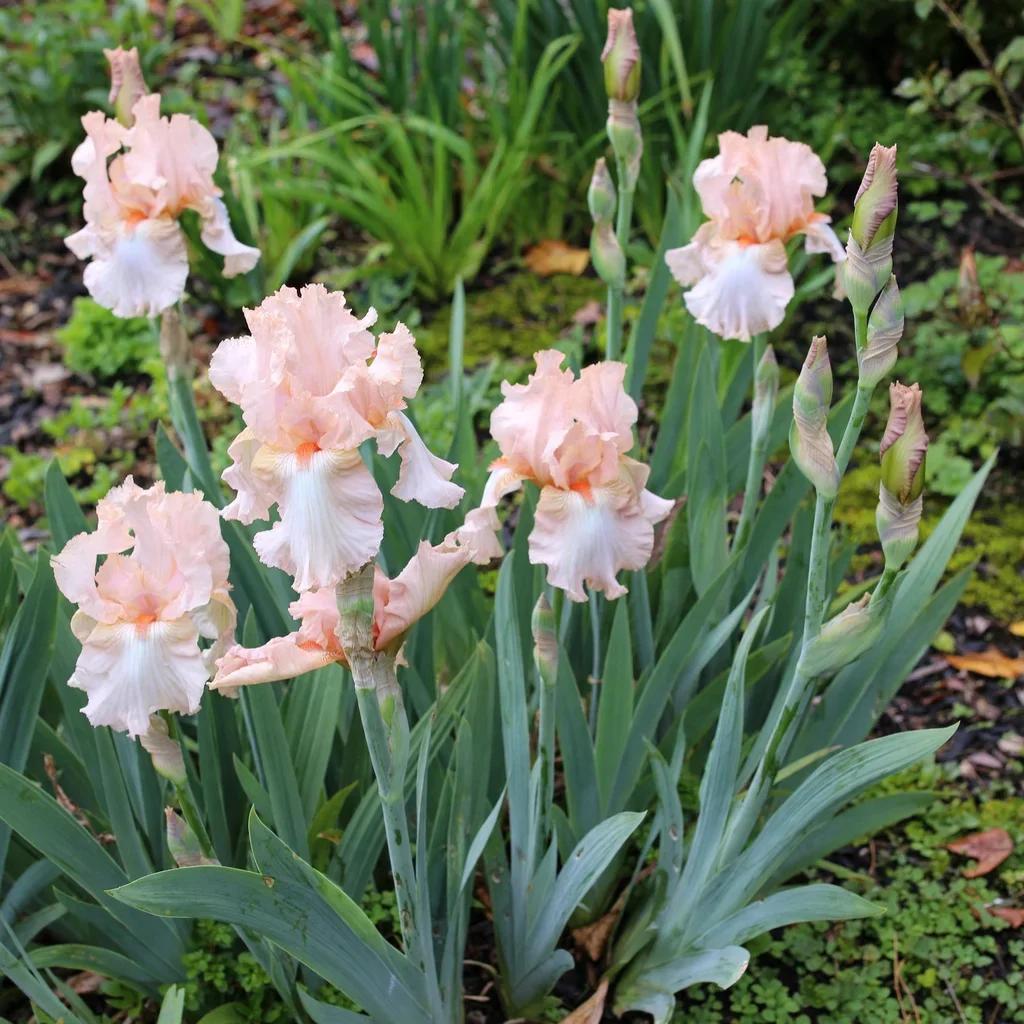
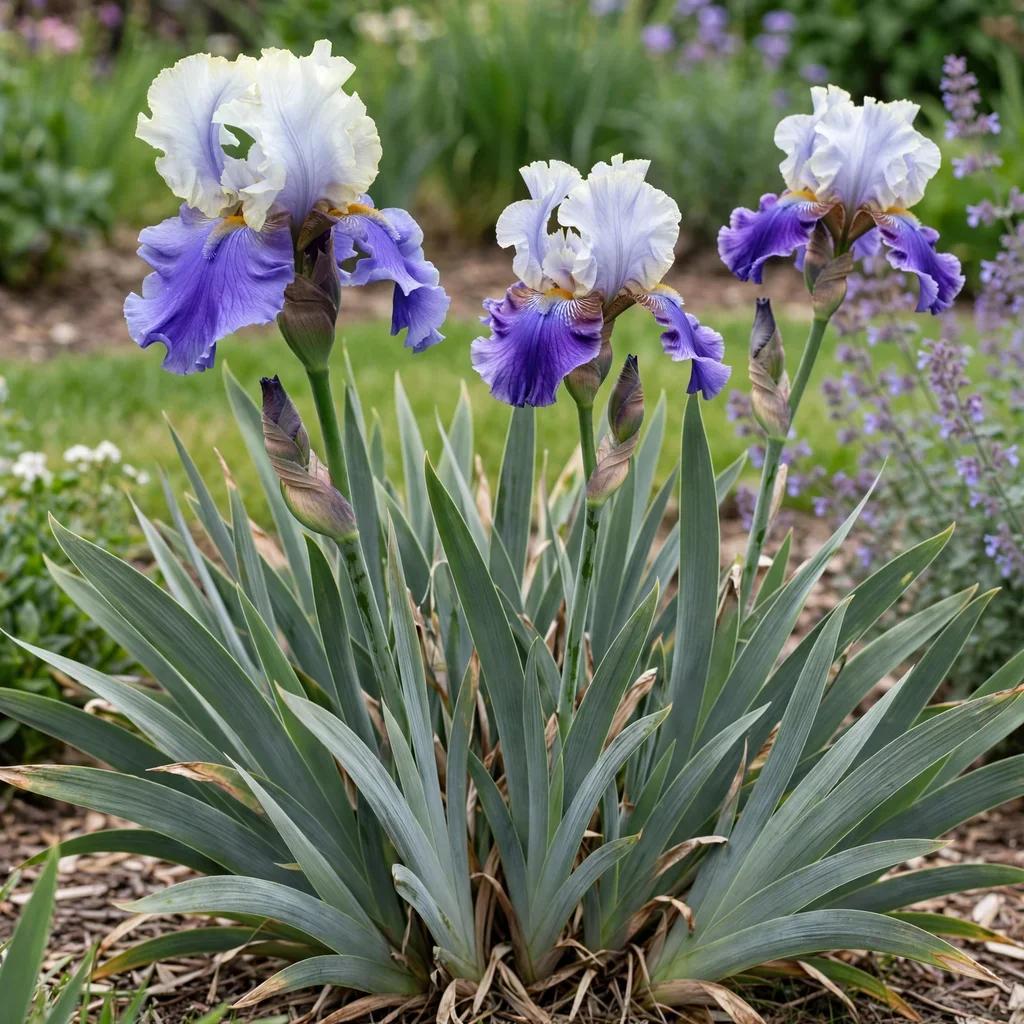
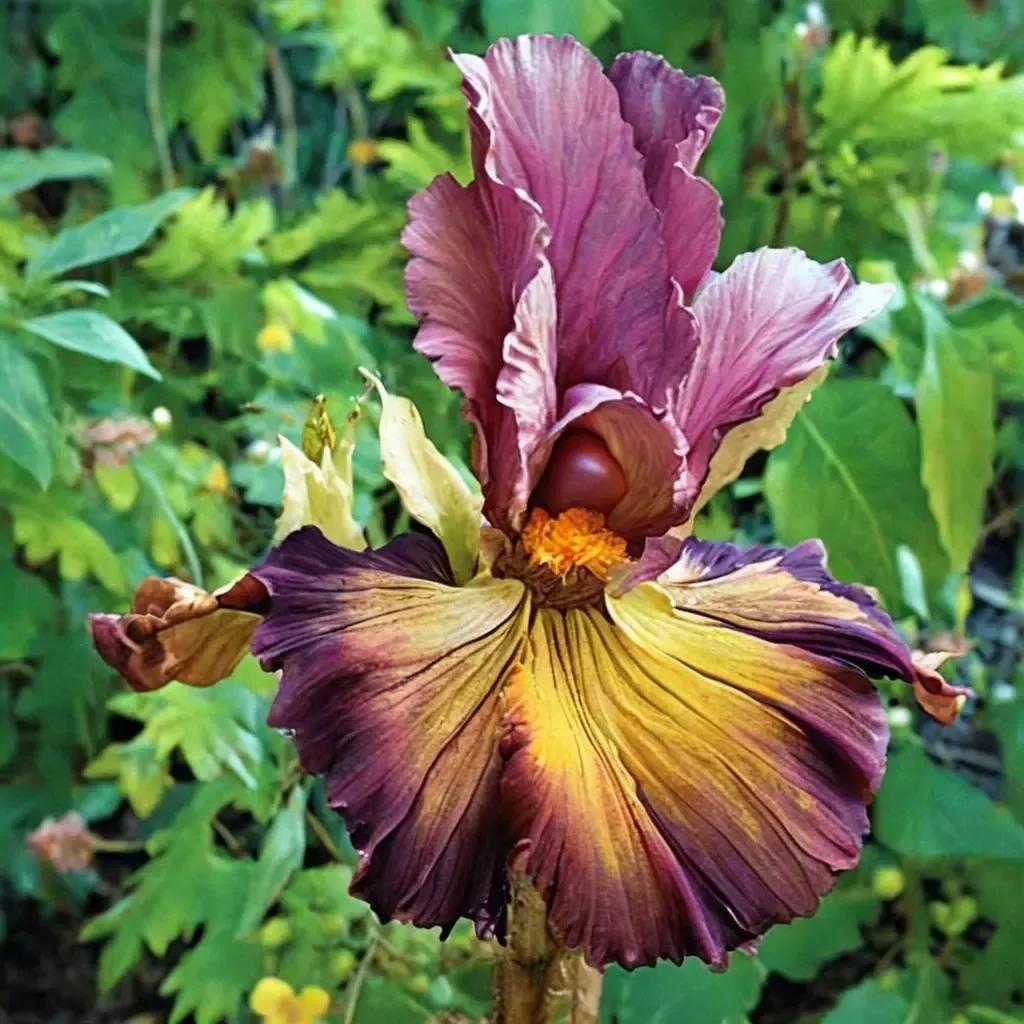
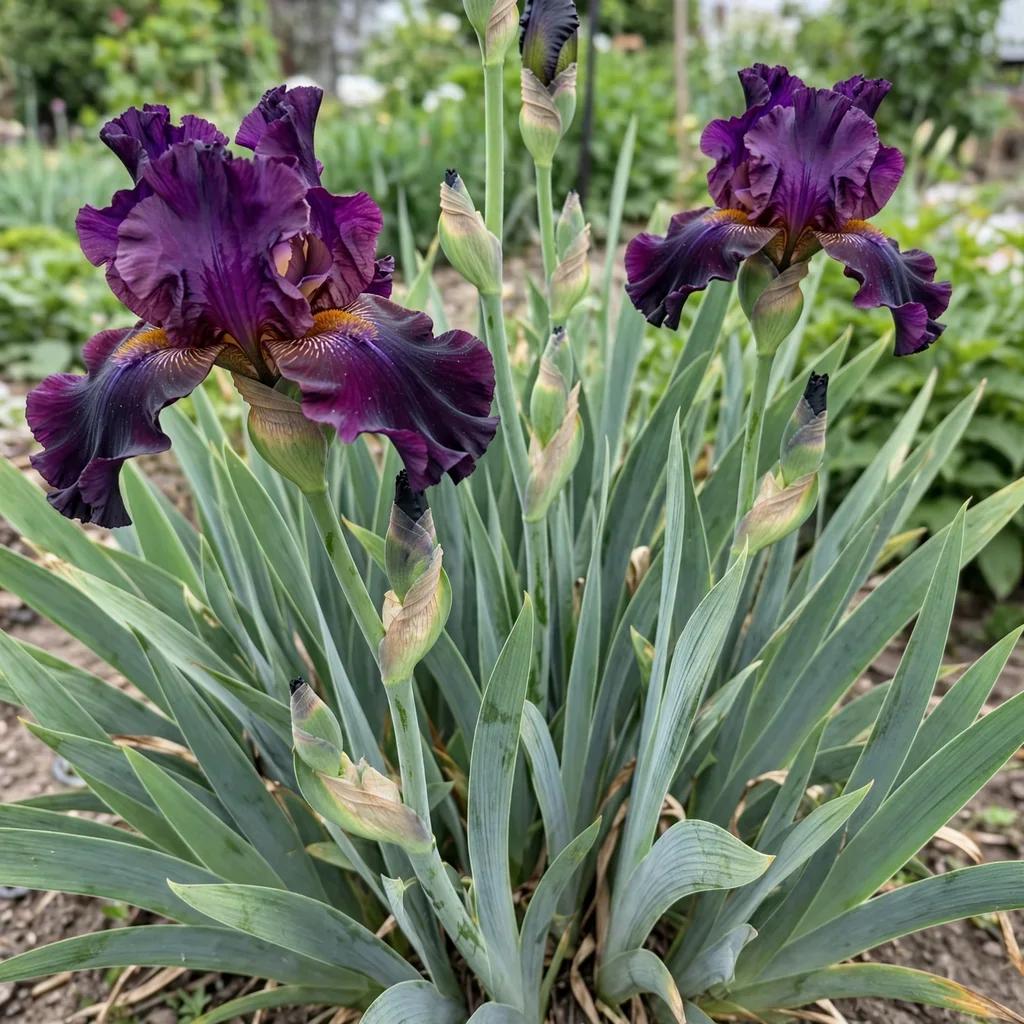
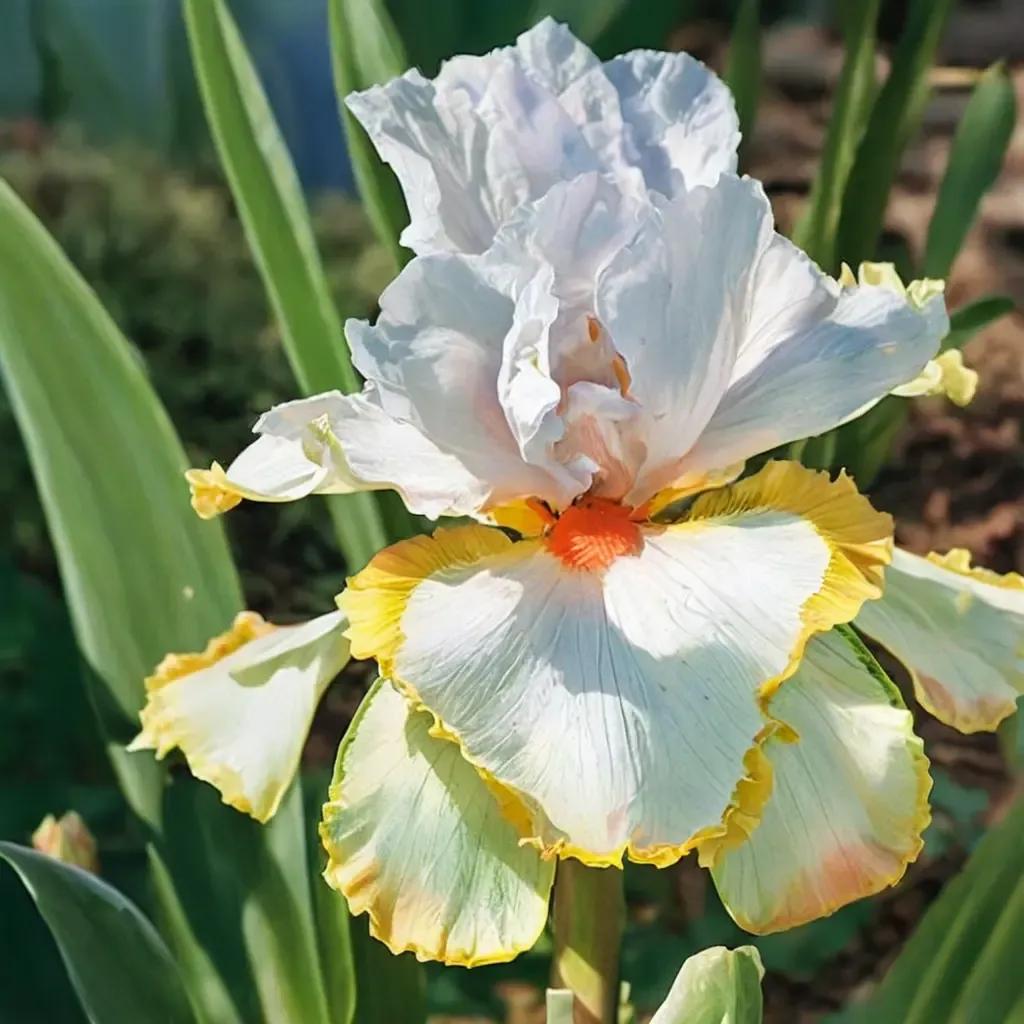
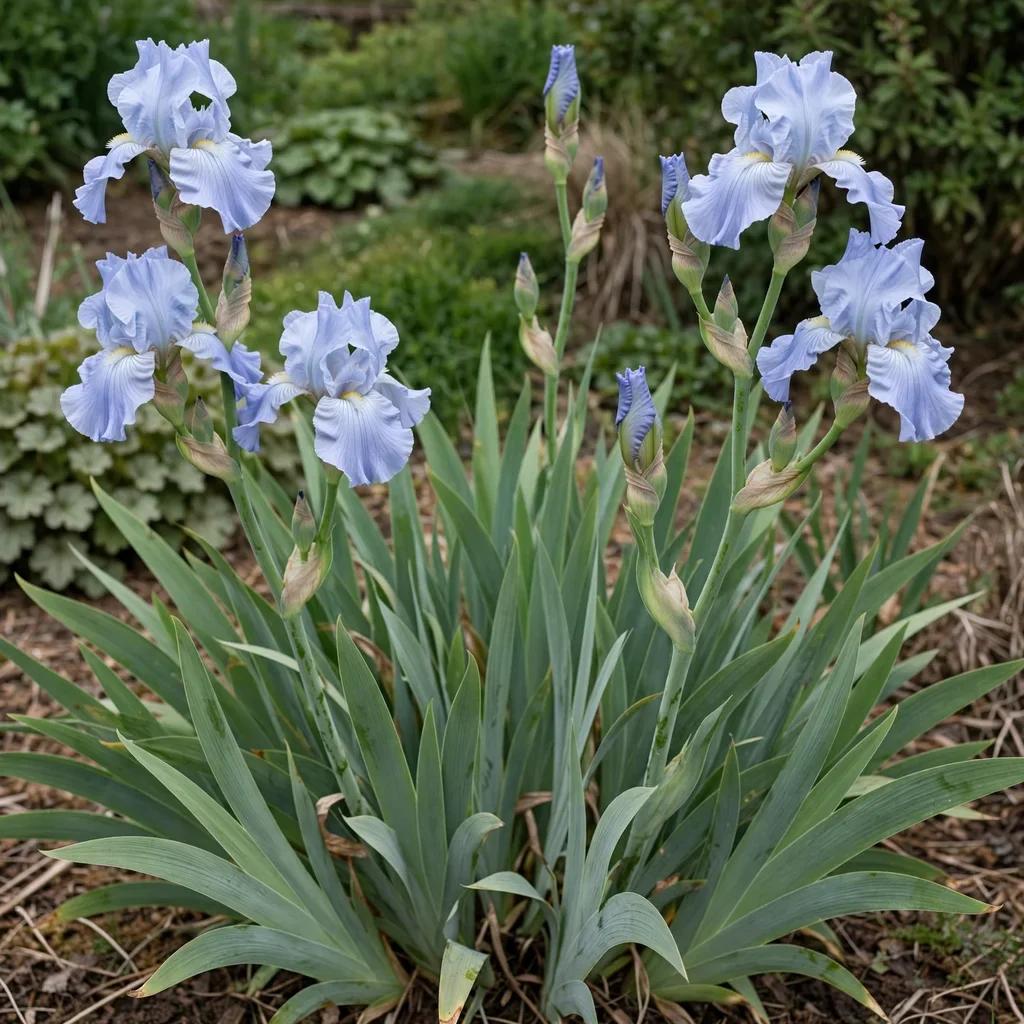
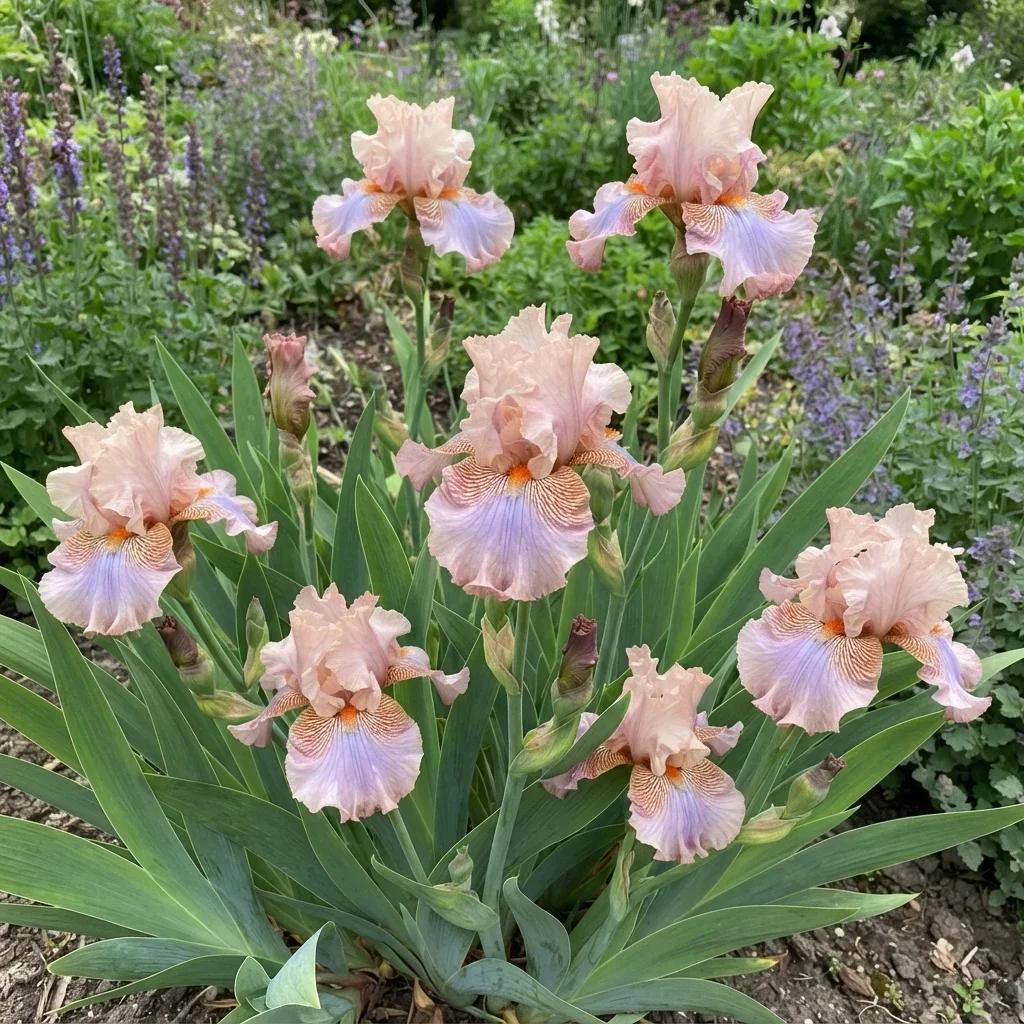
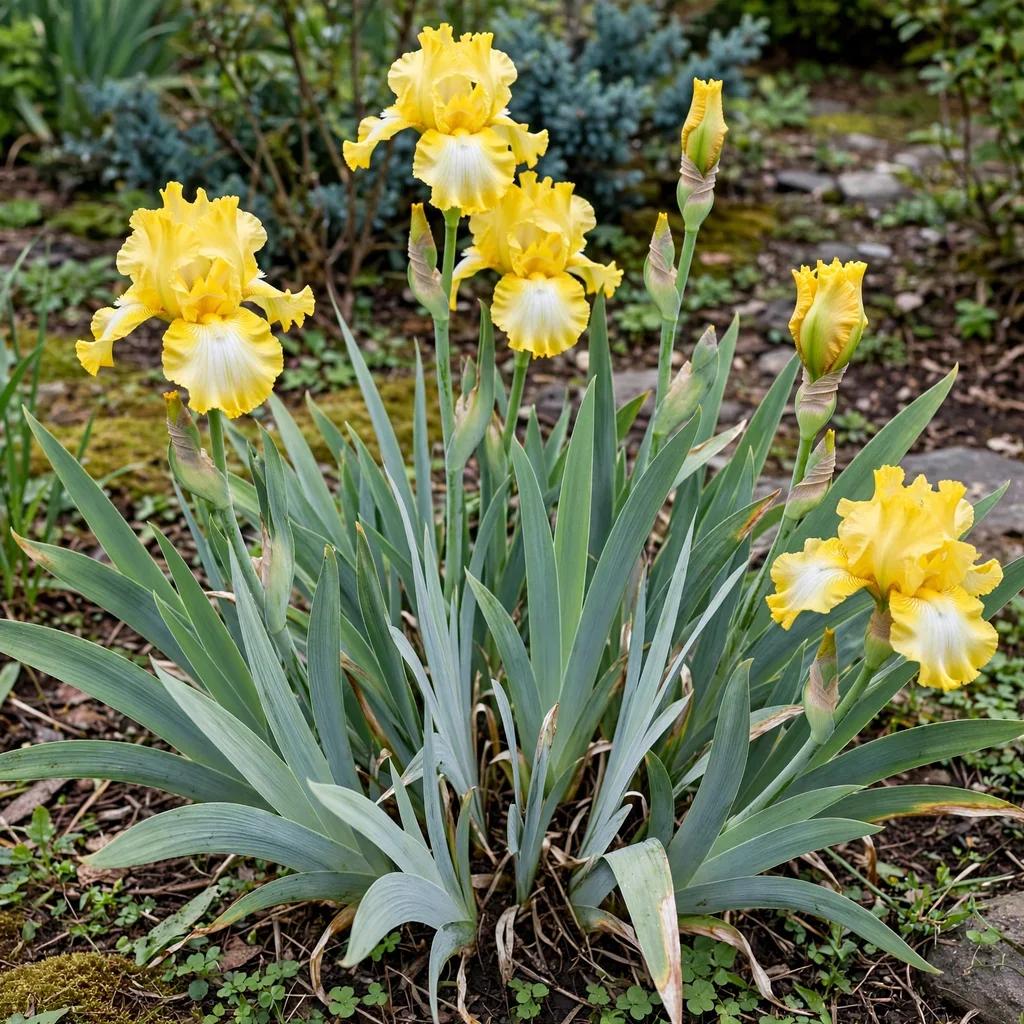
The Story
Plant Bio
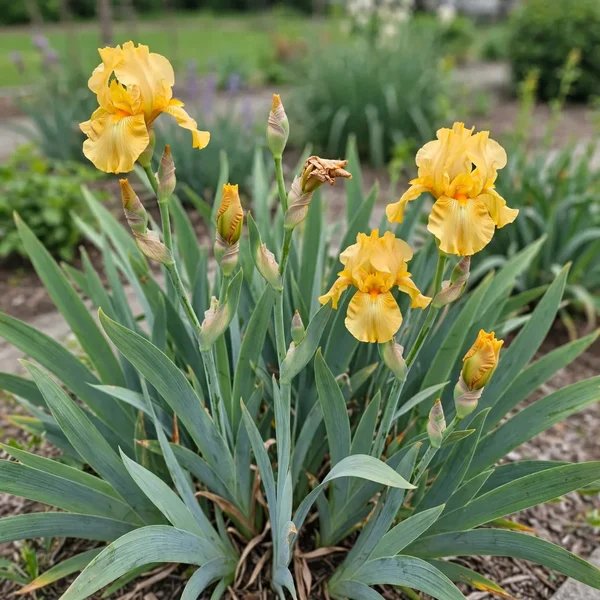
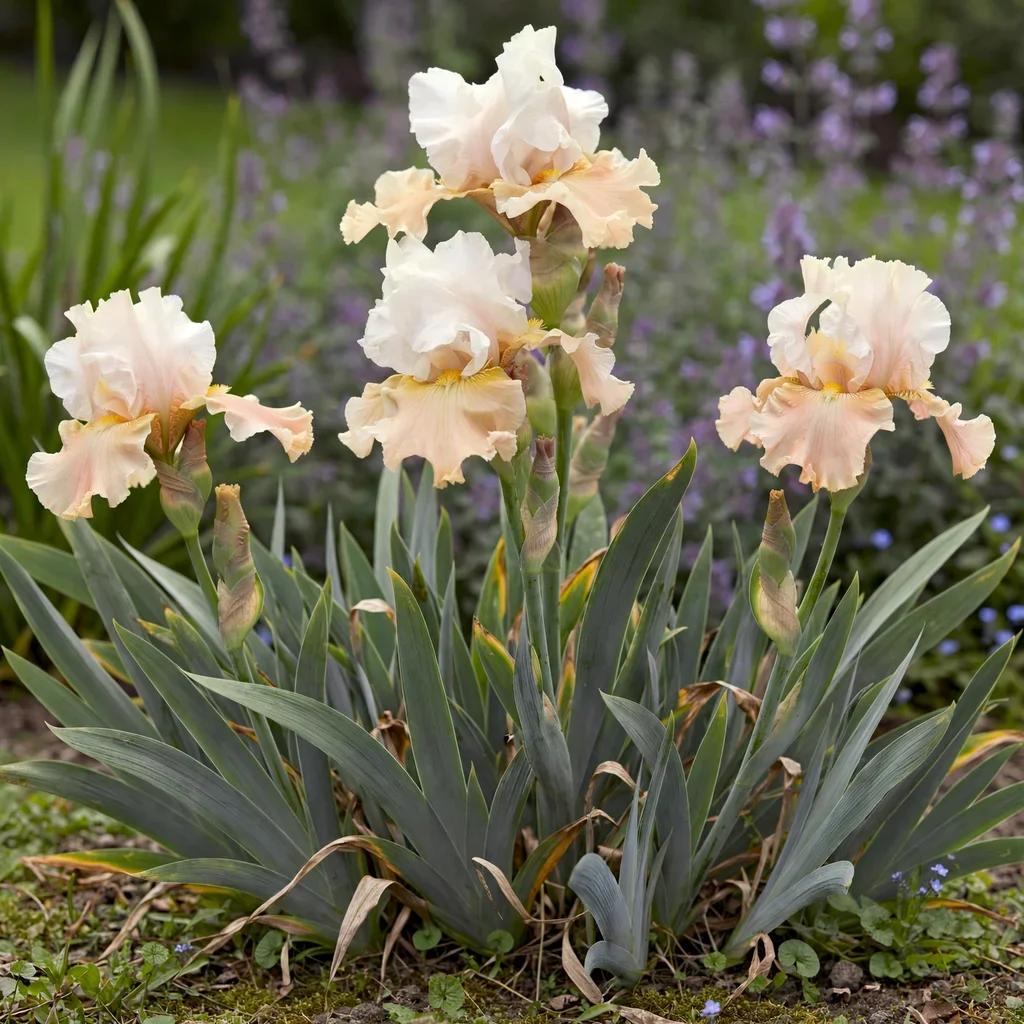
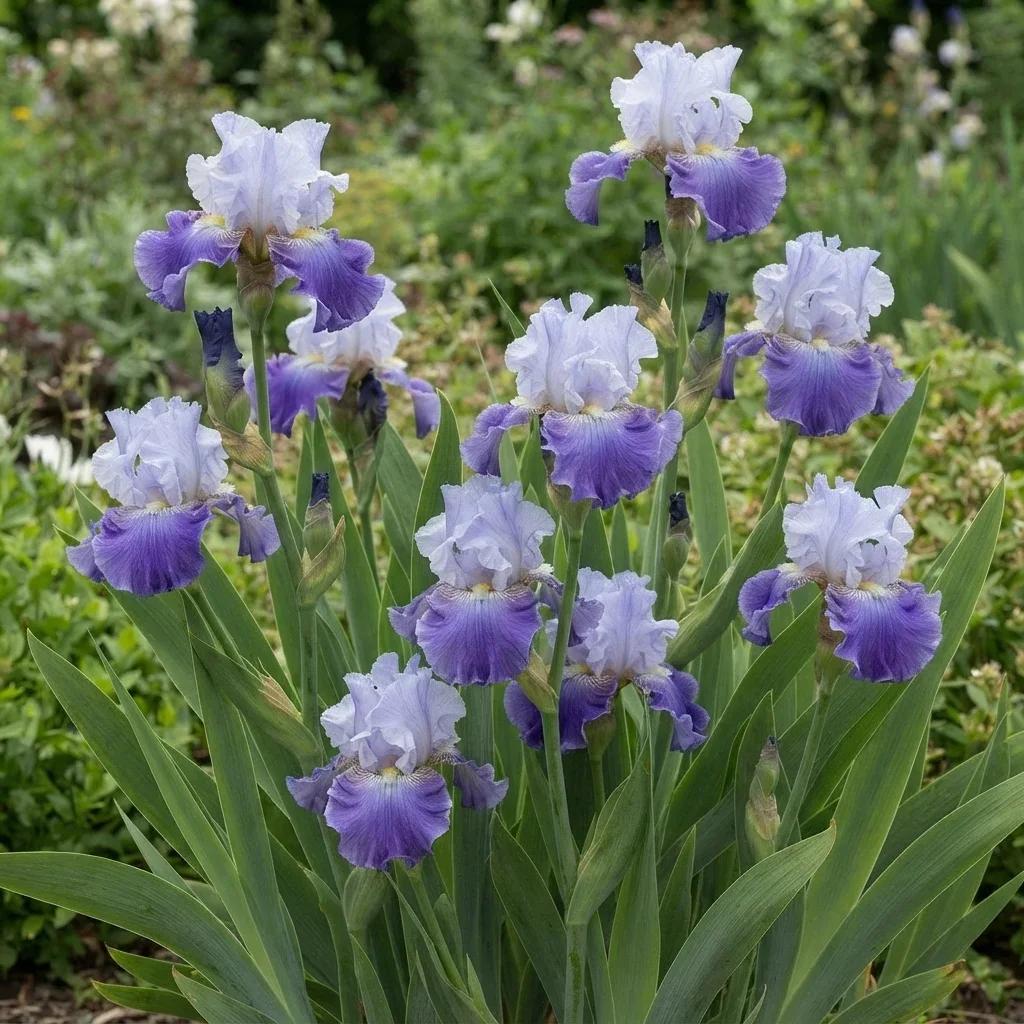
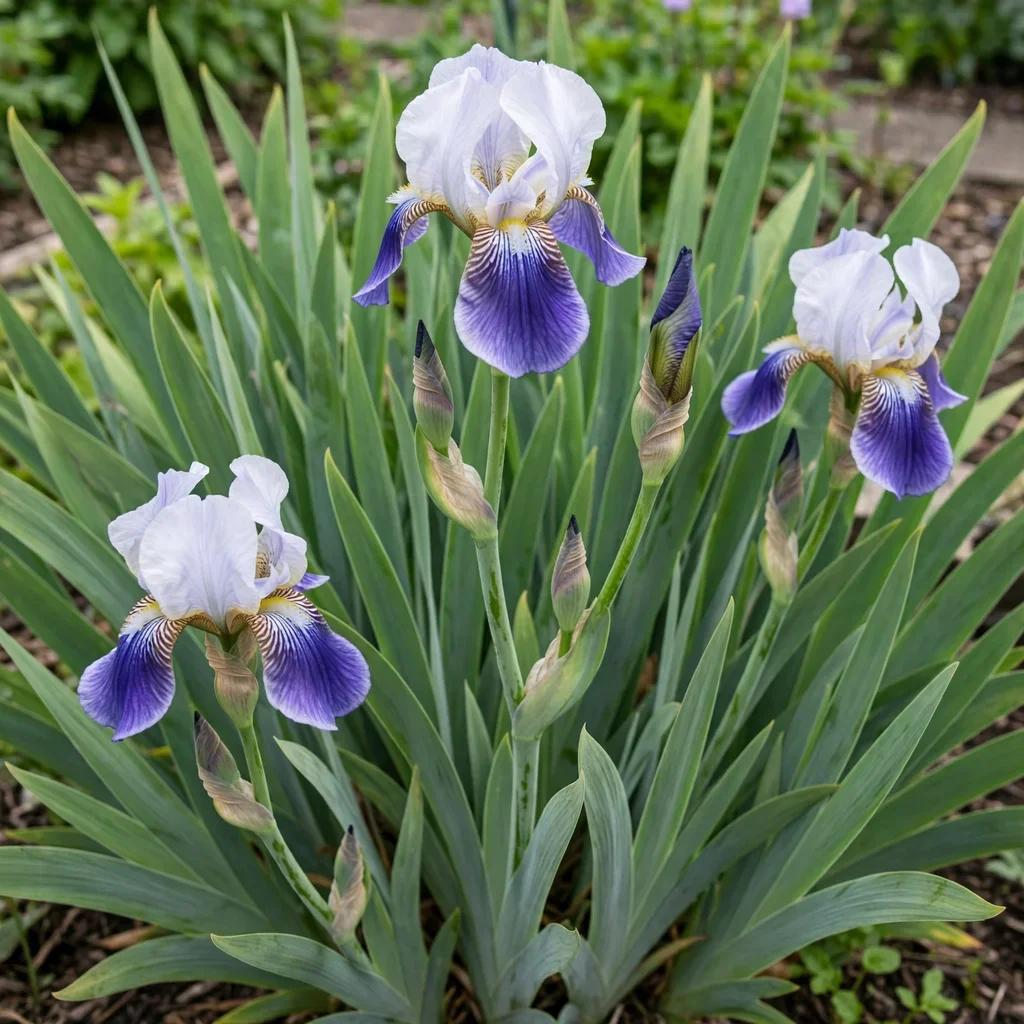
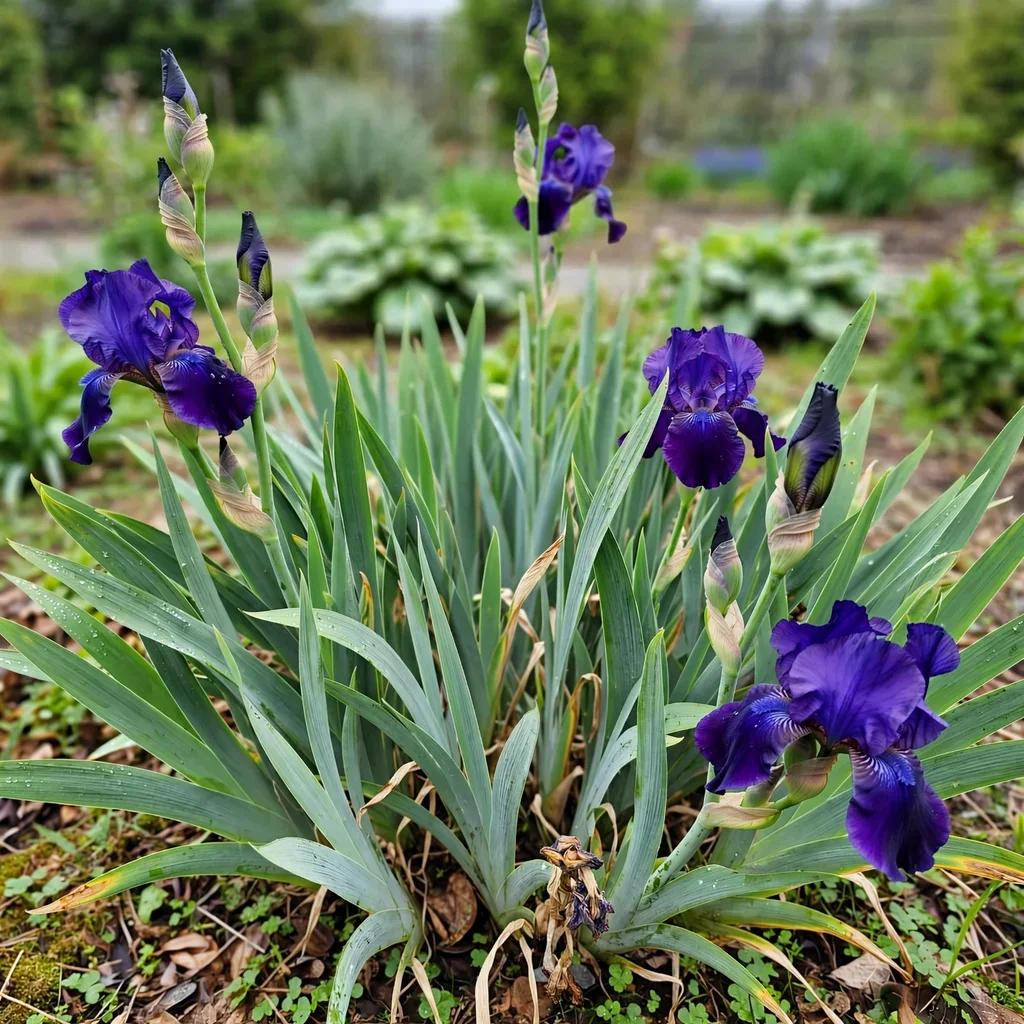
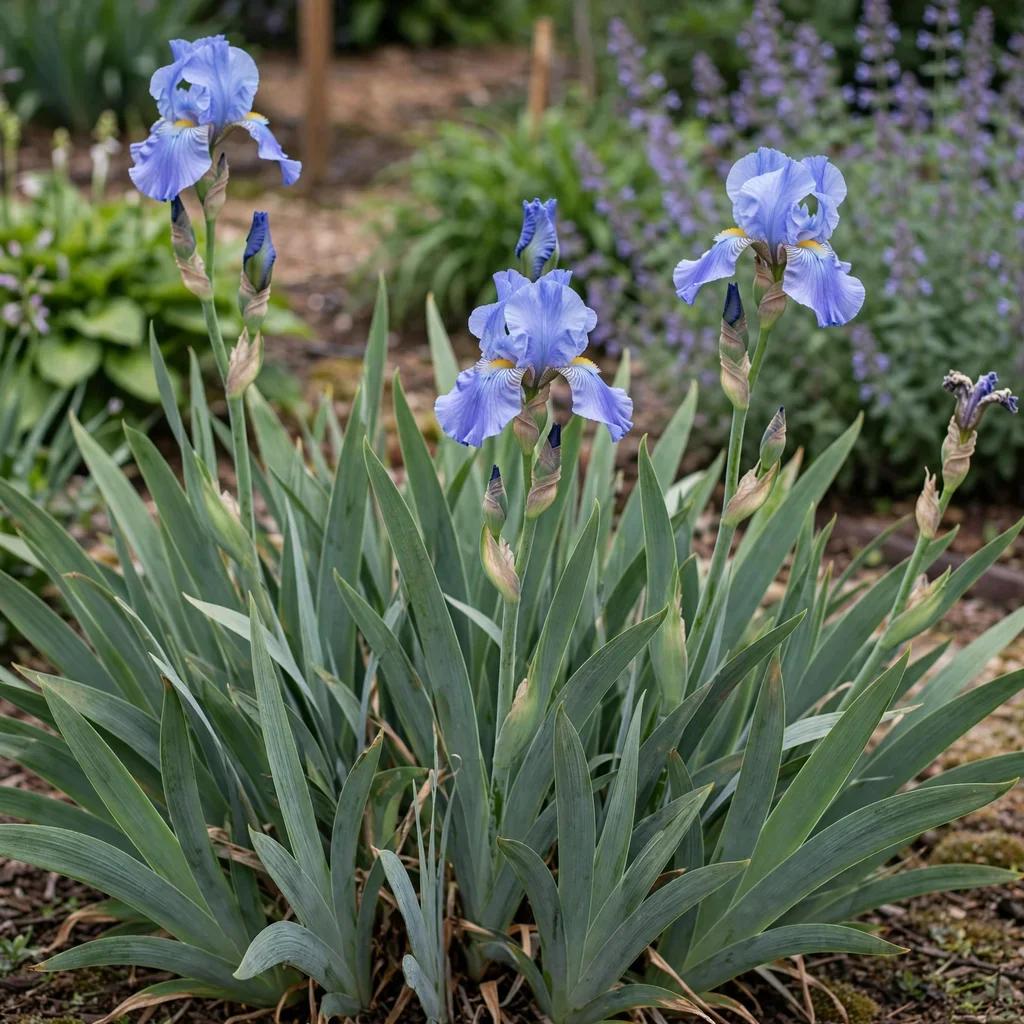
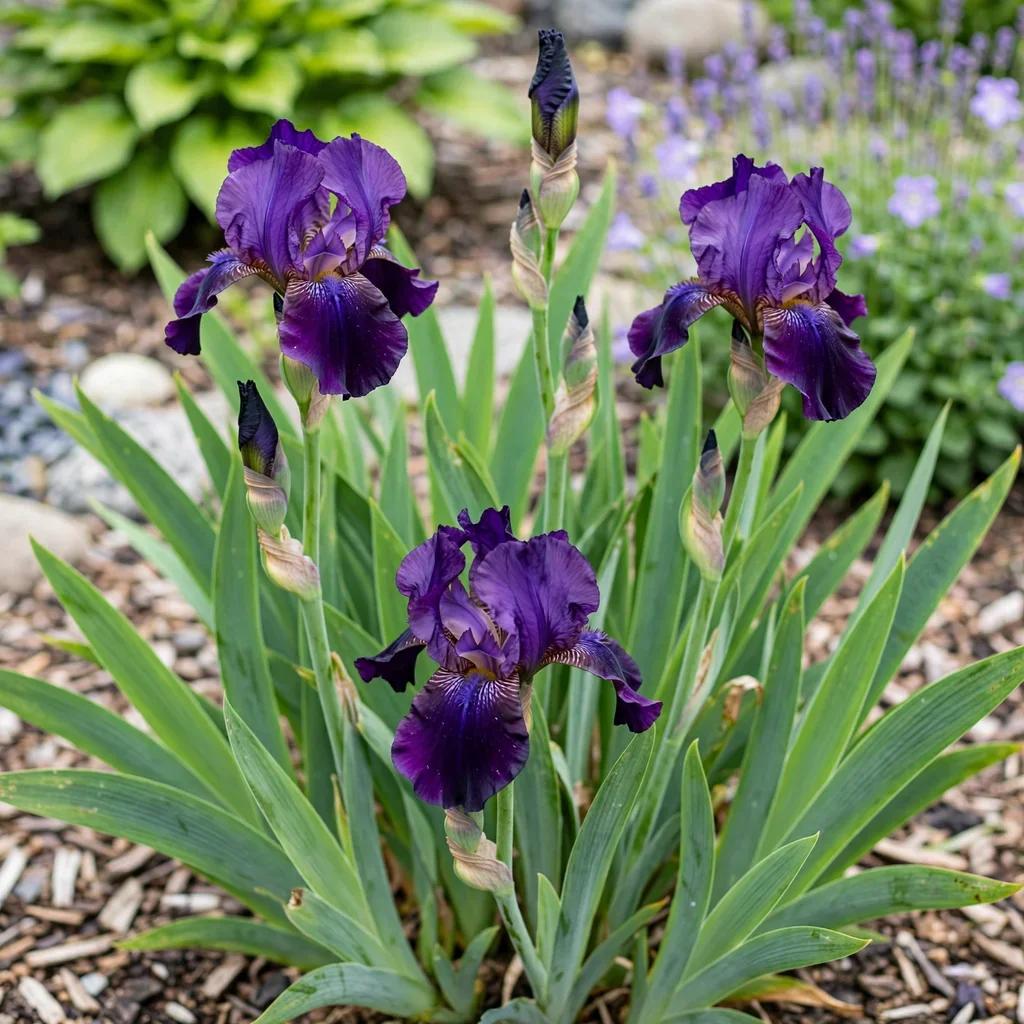
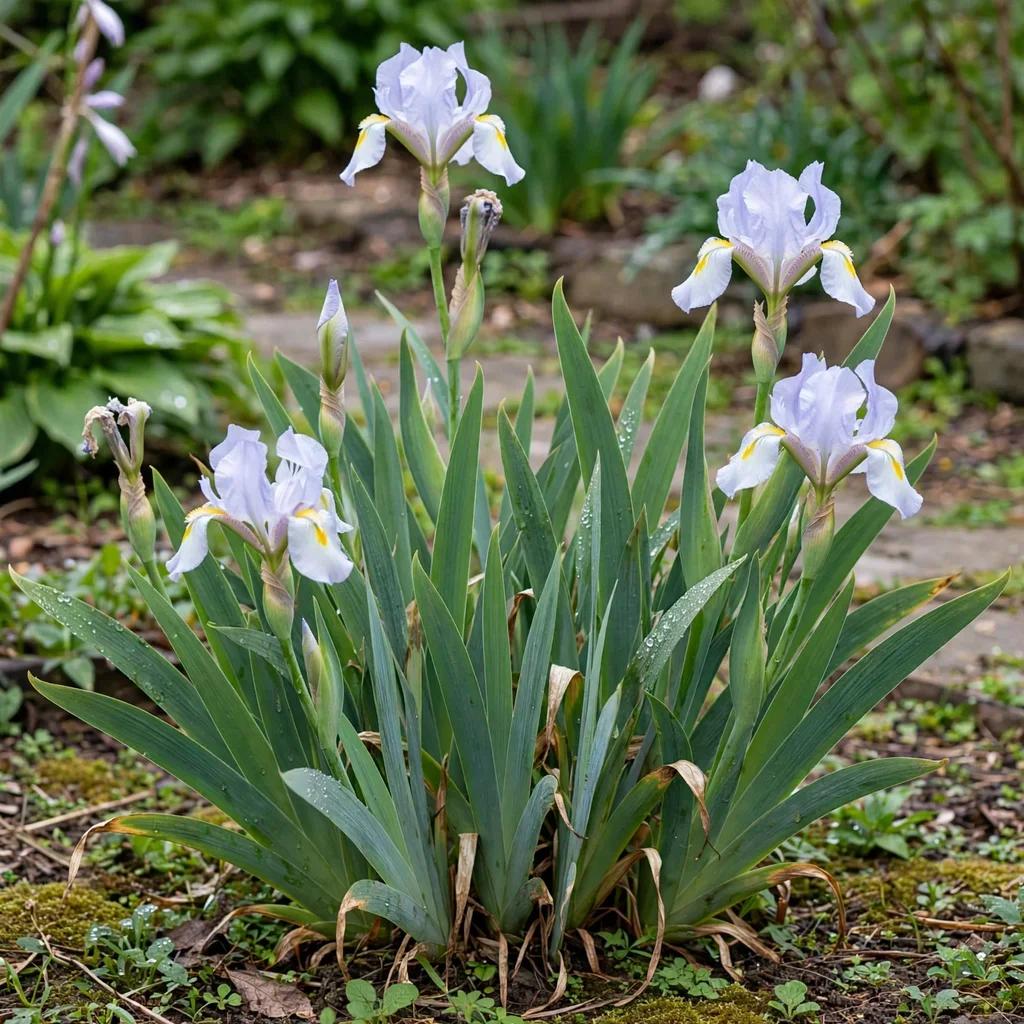
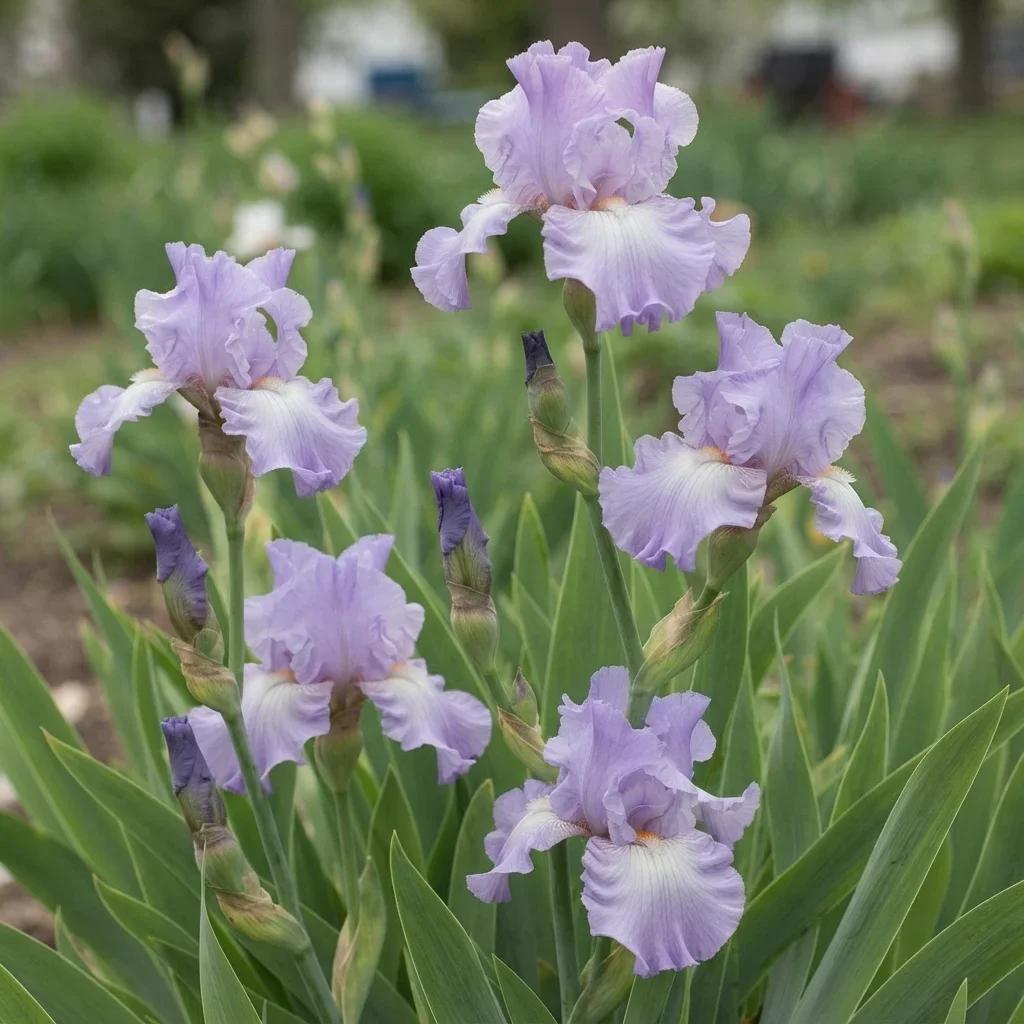
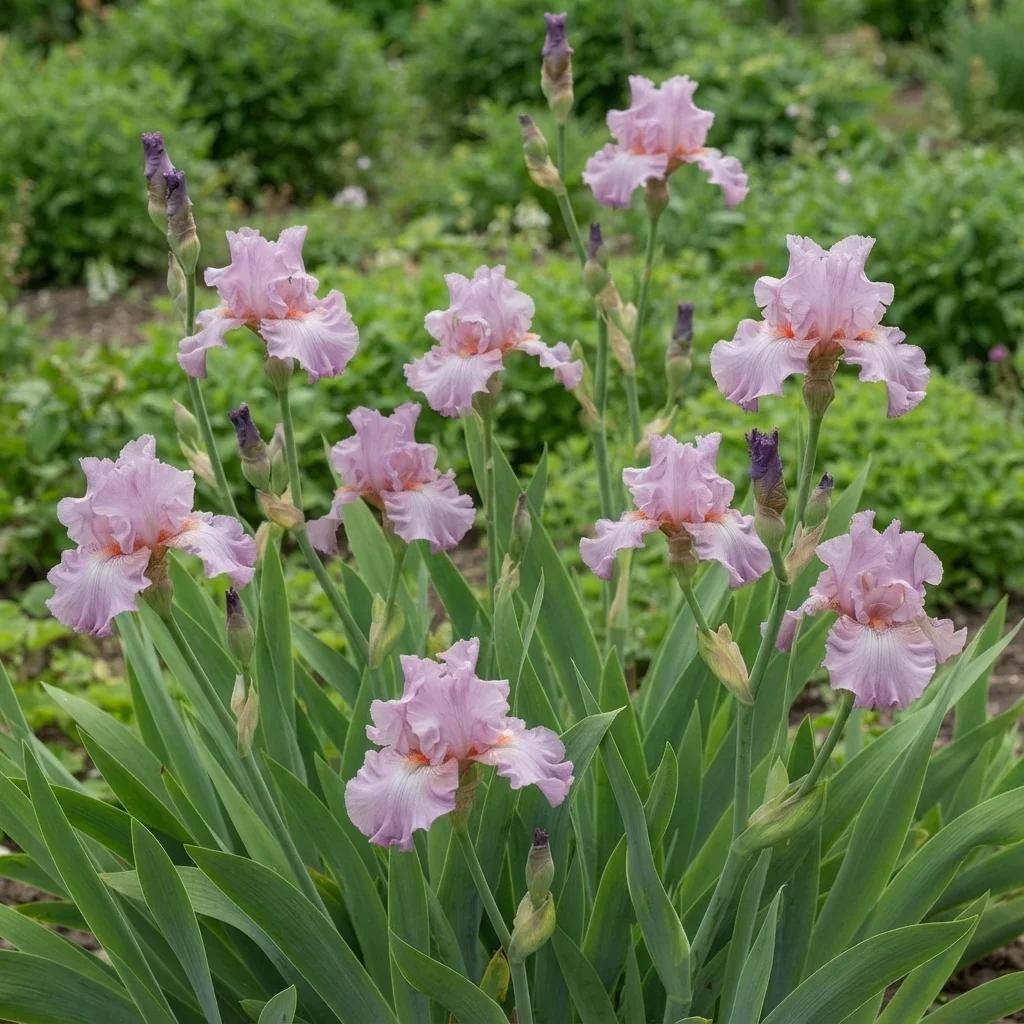
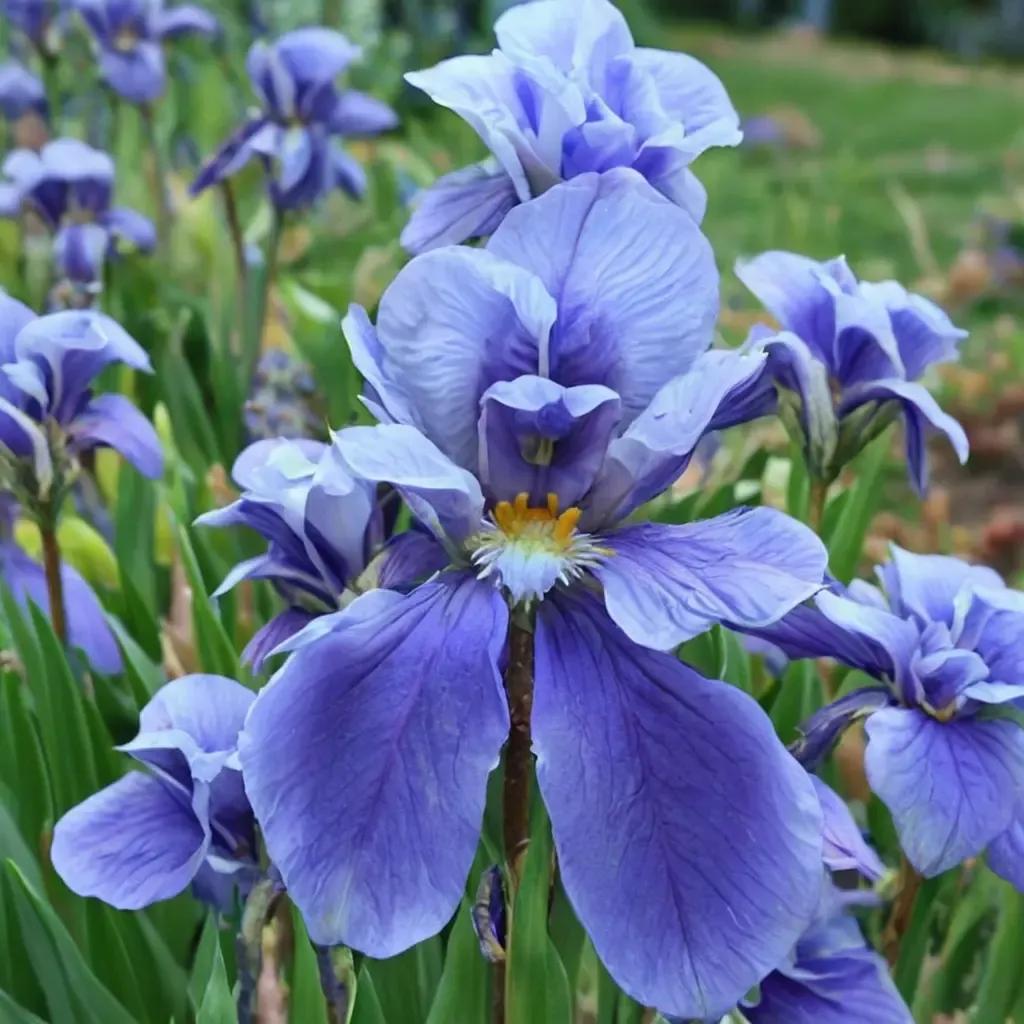
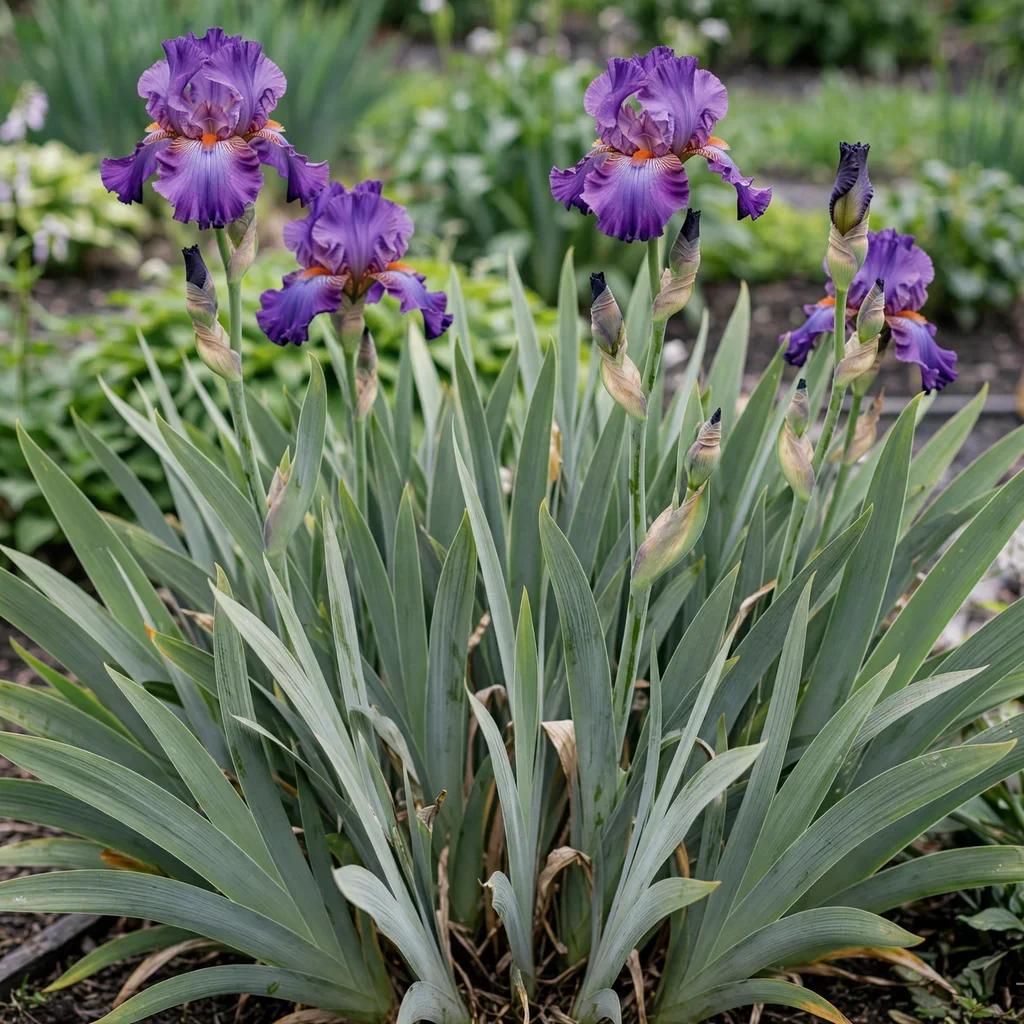
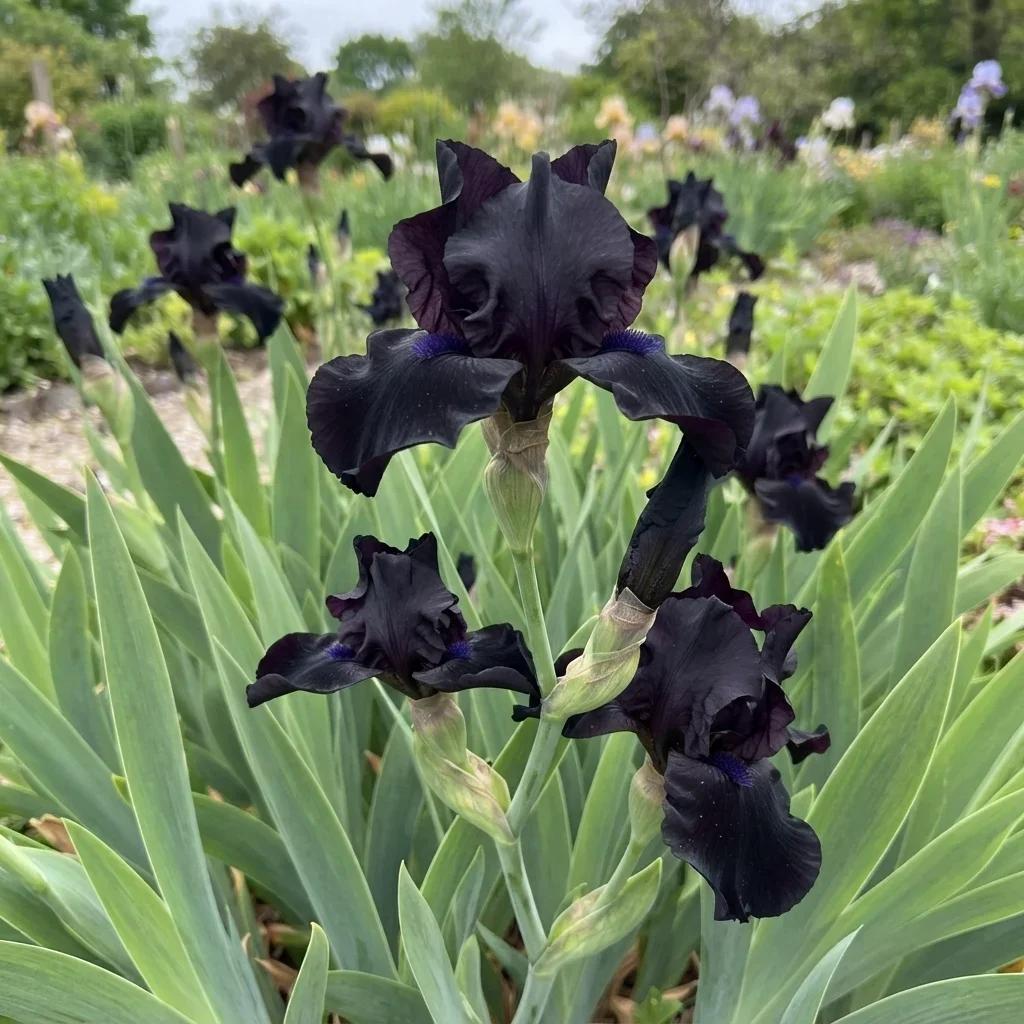
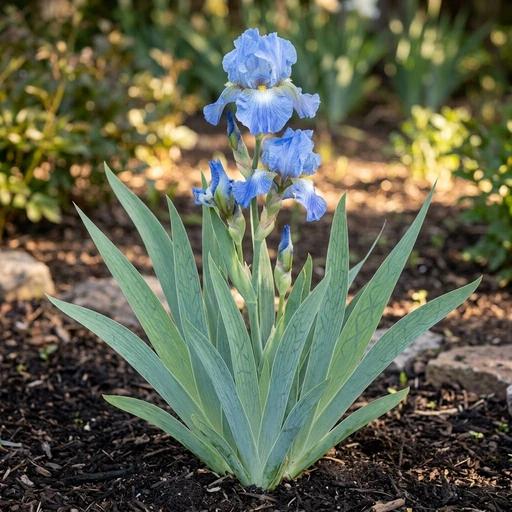
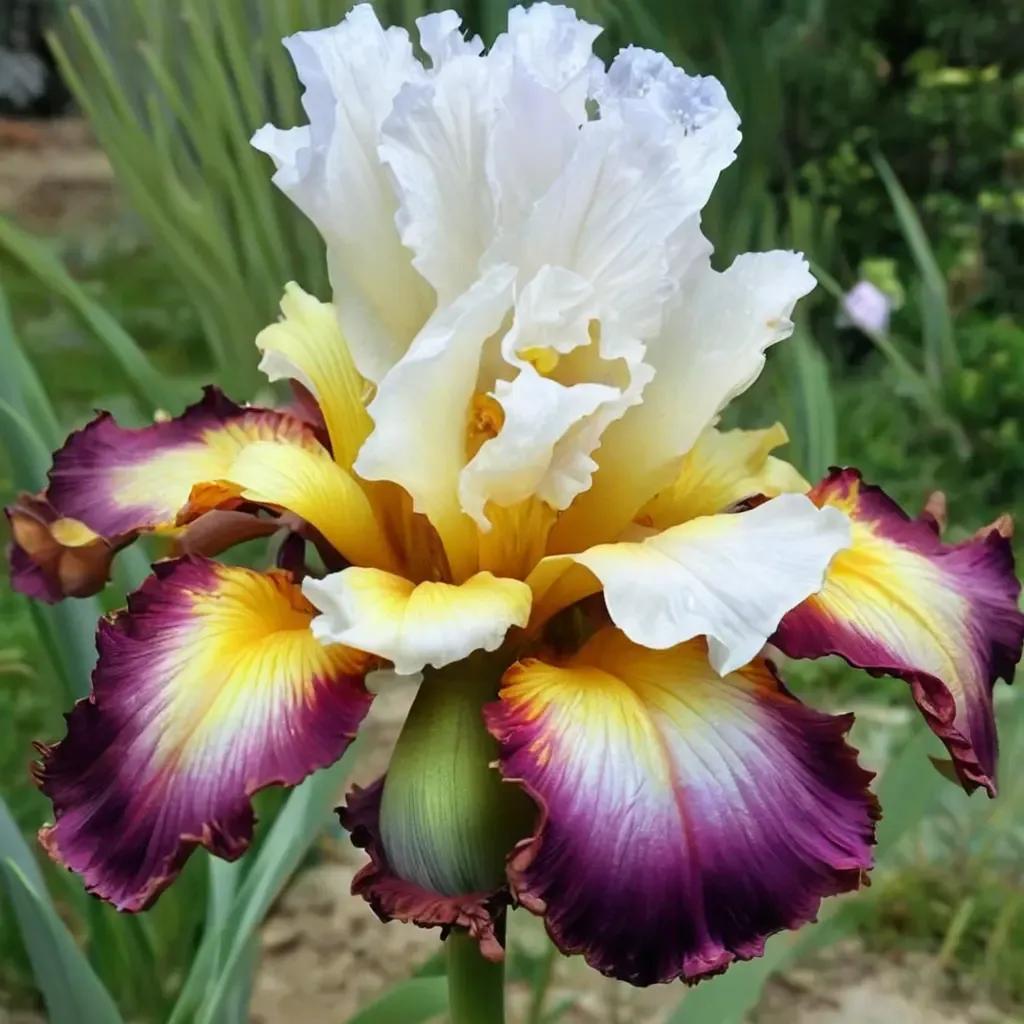
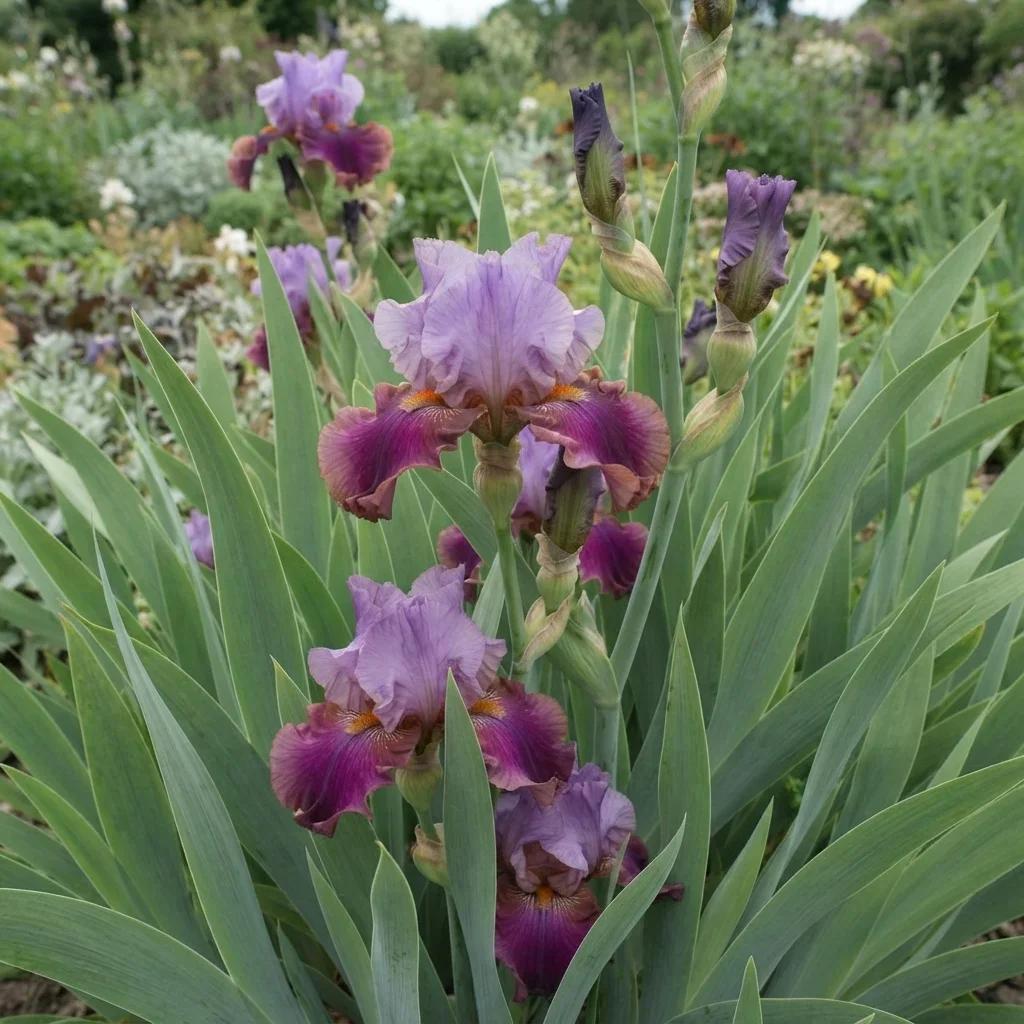
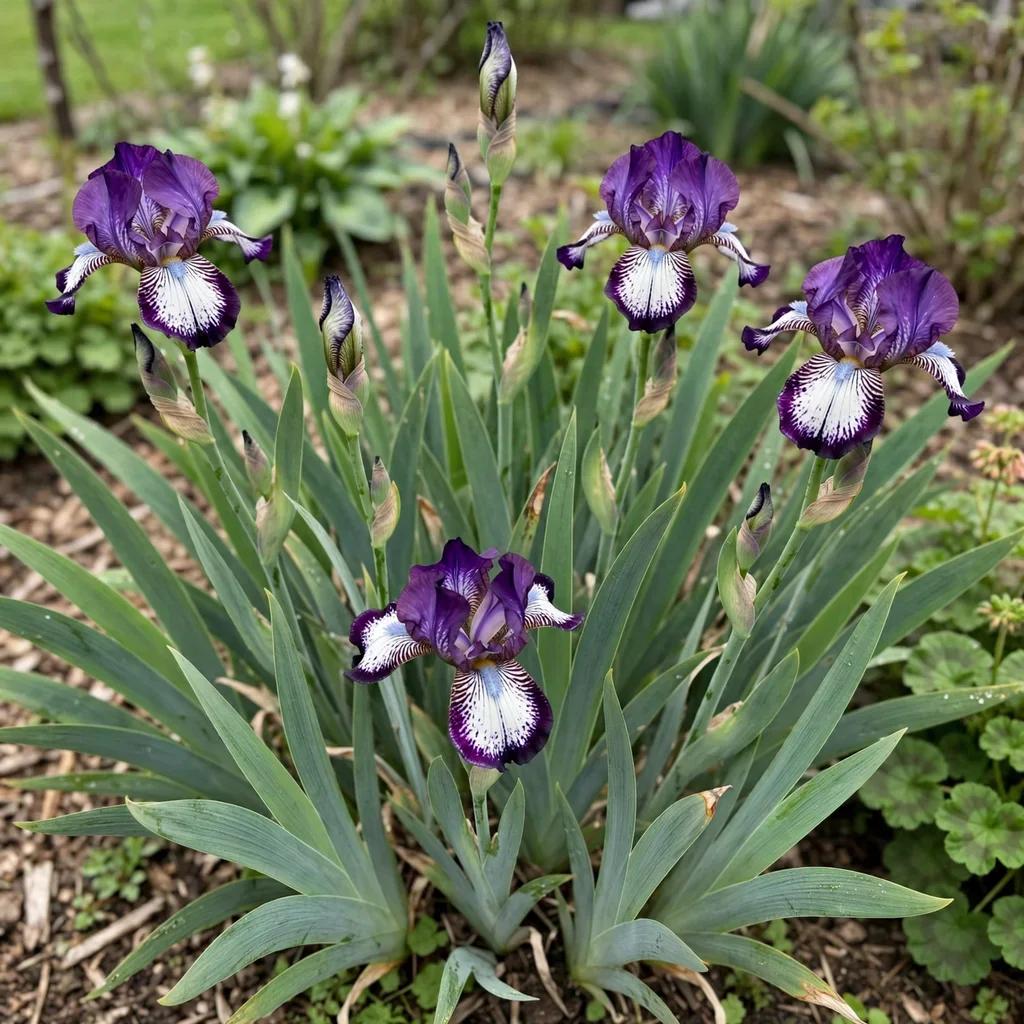
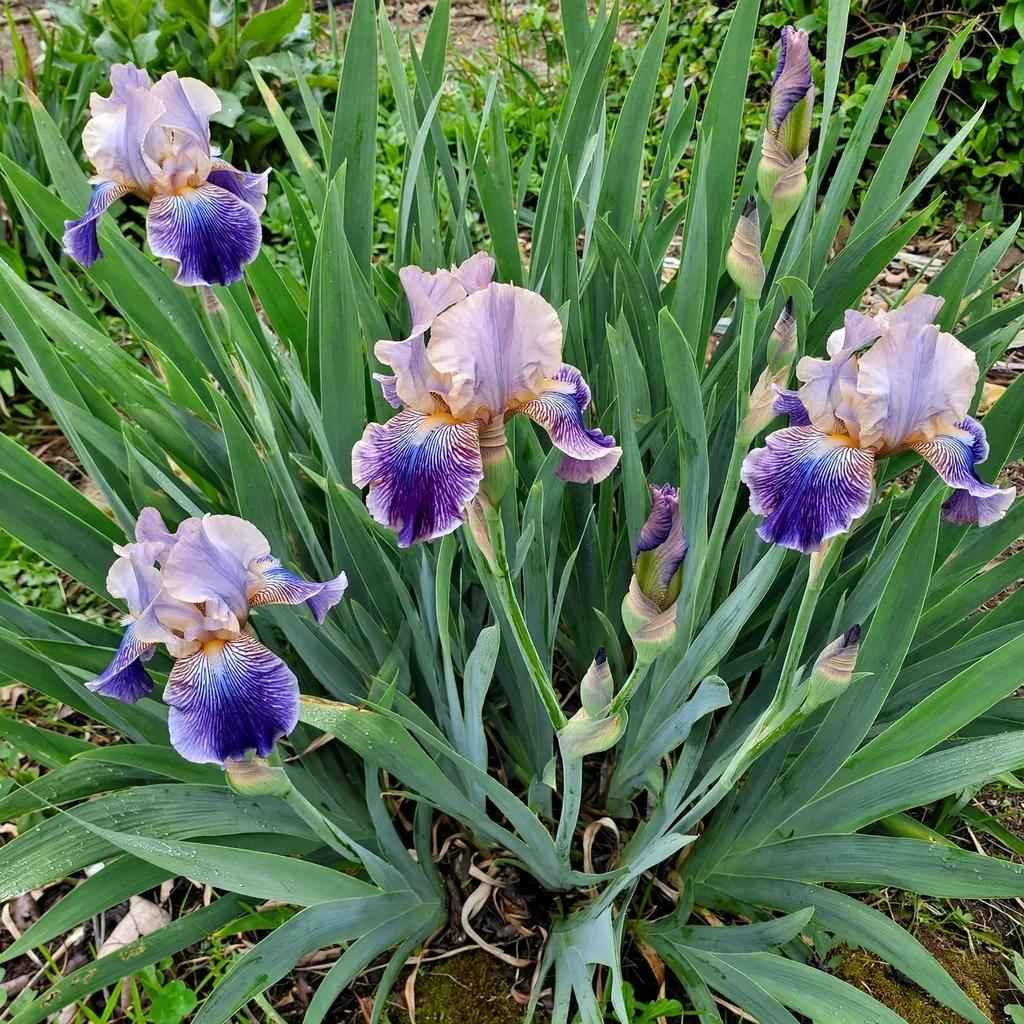
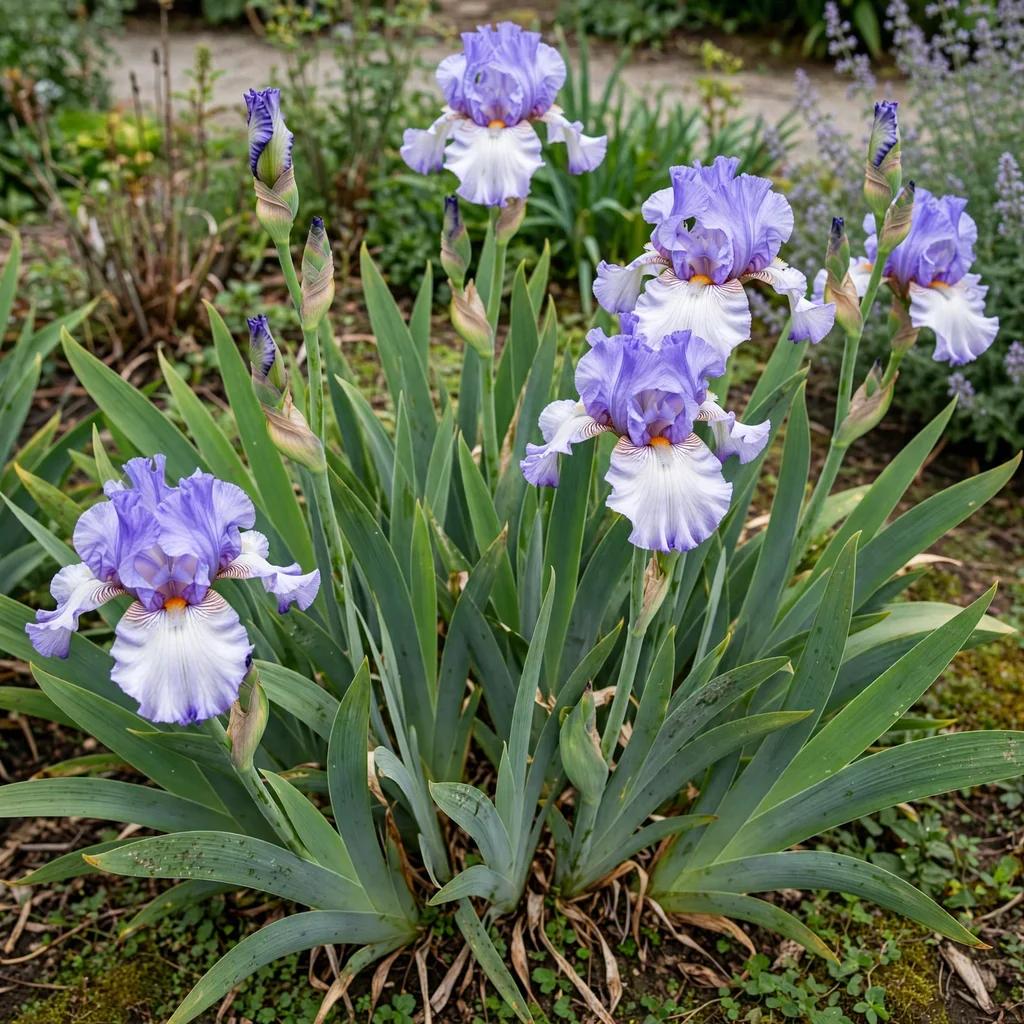
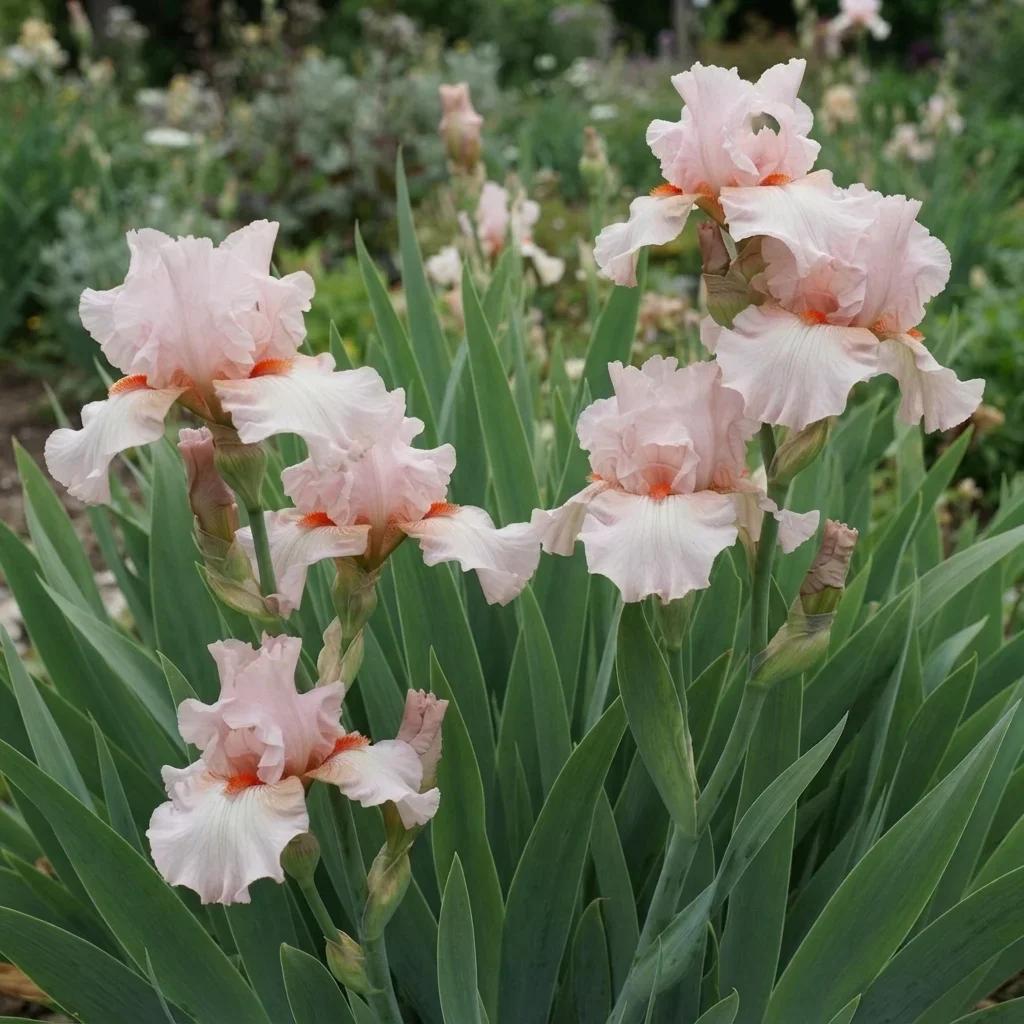
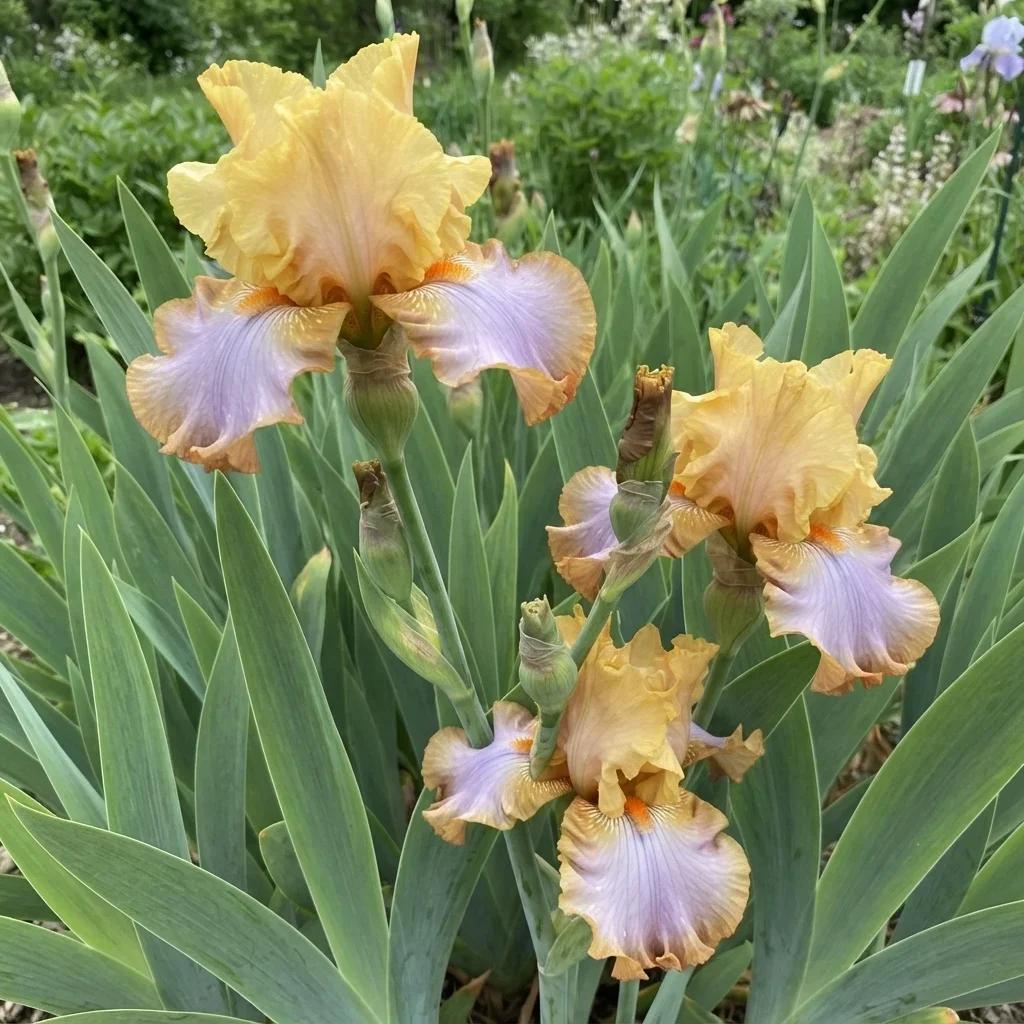
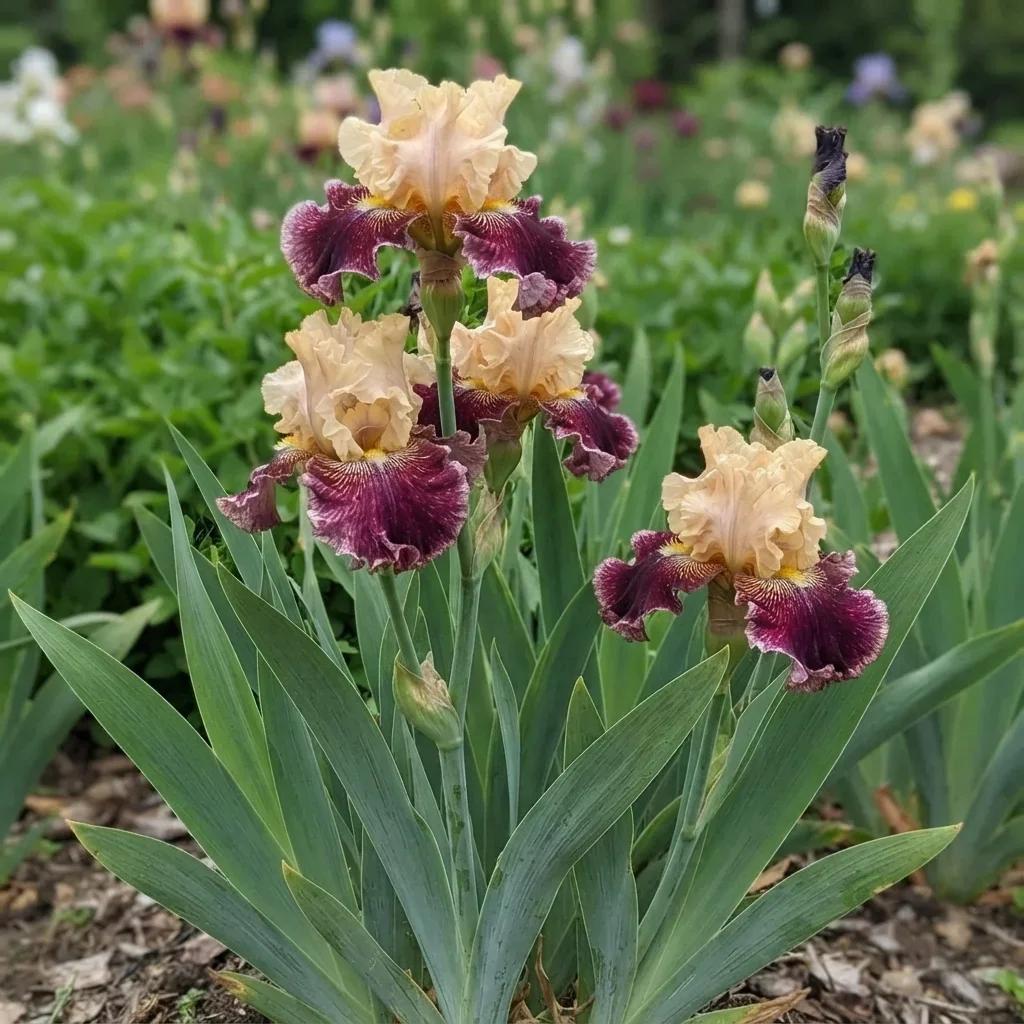
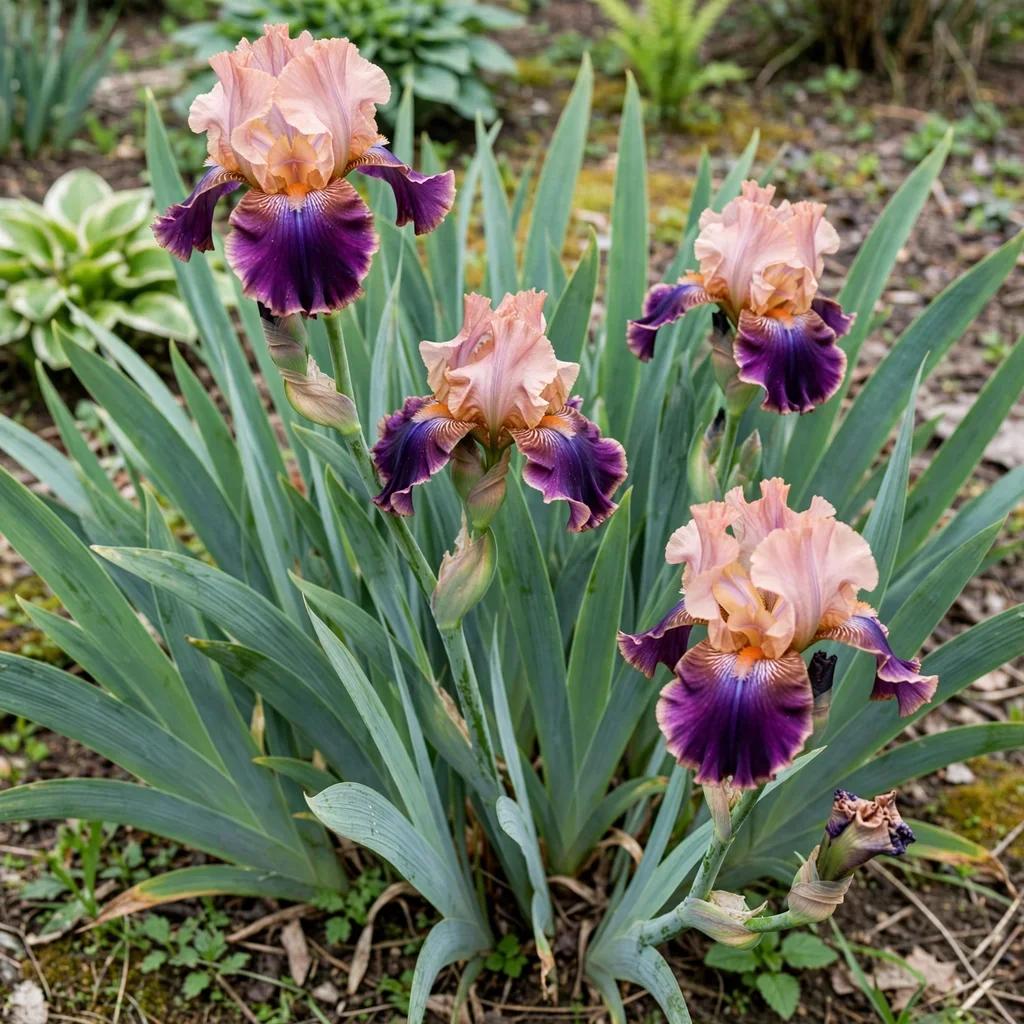
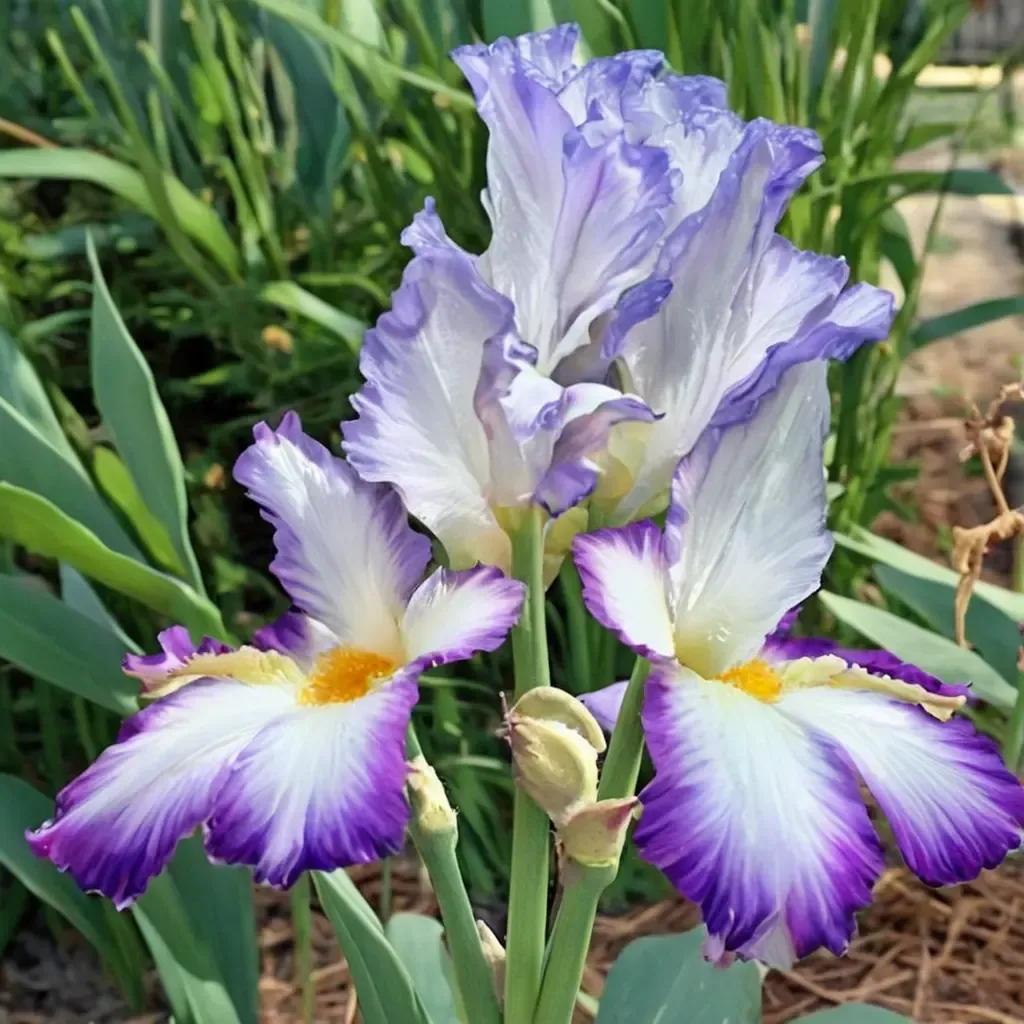
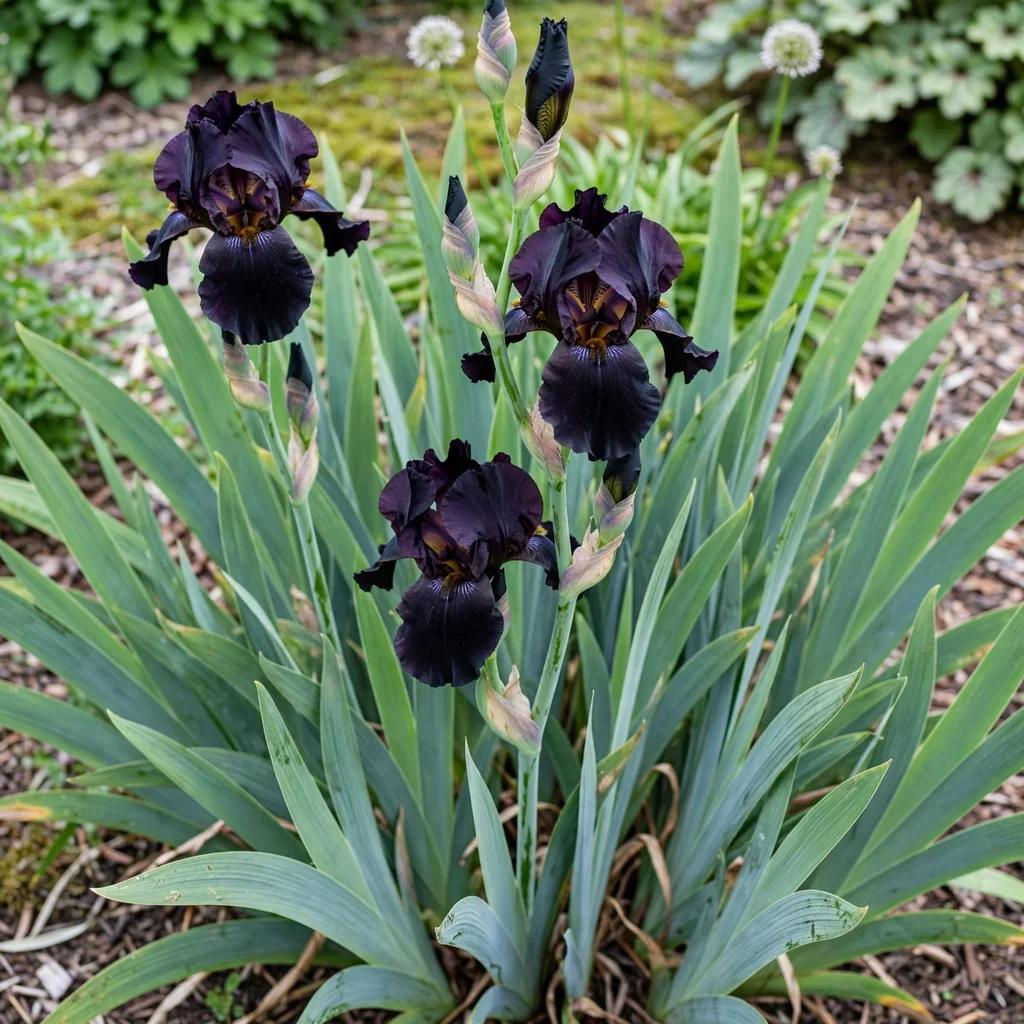
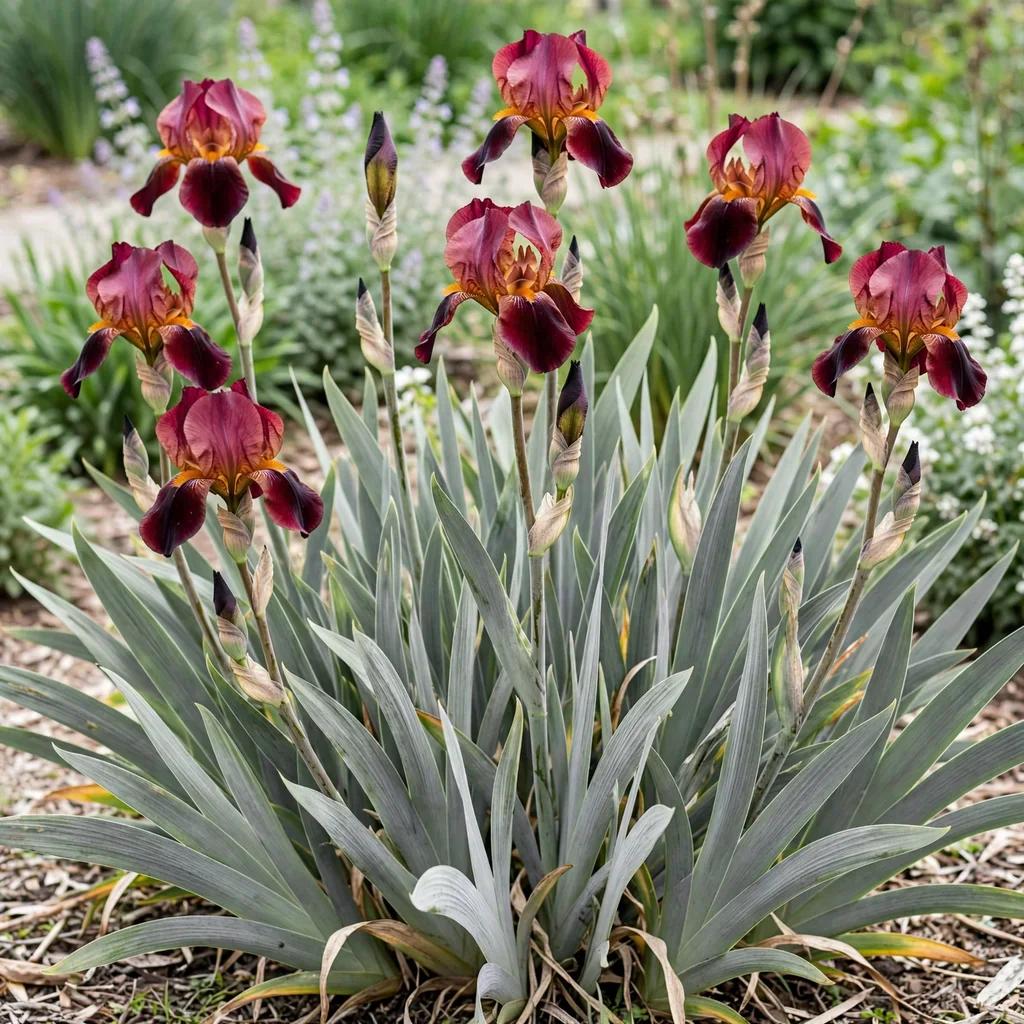
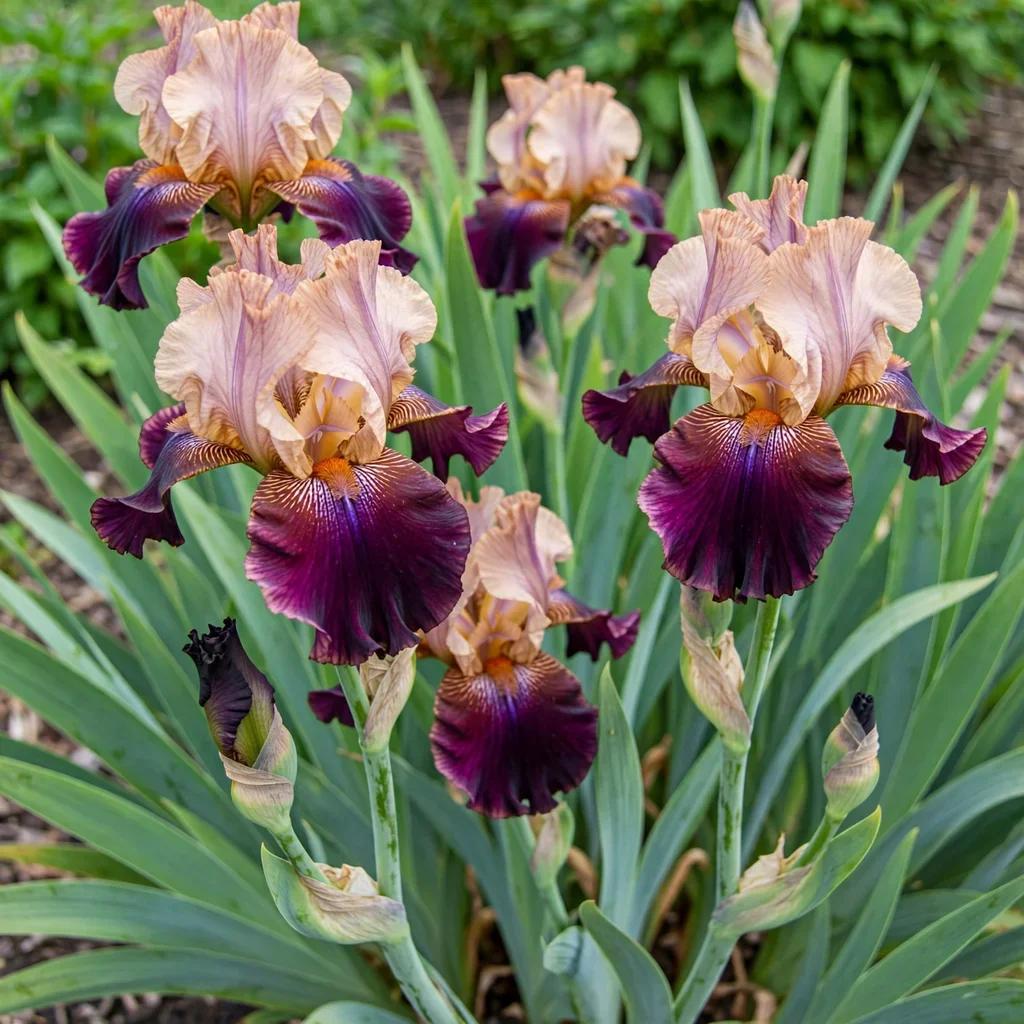
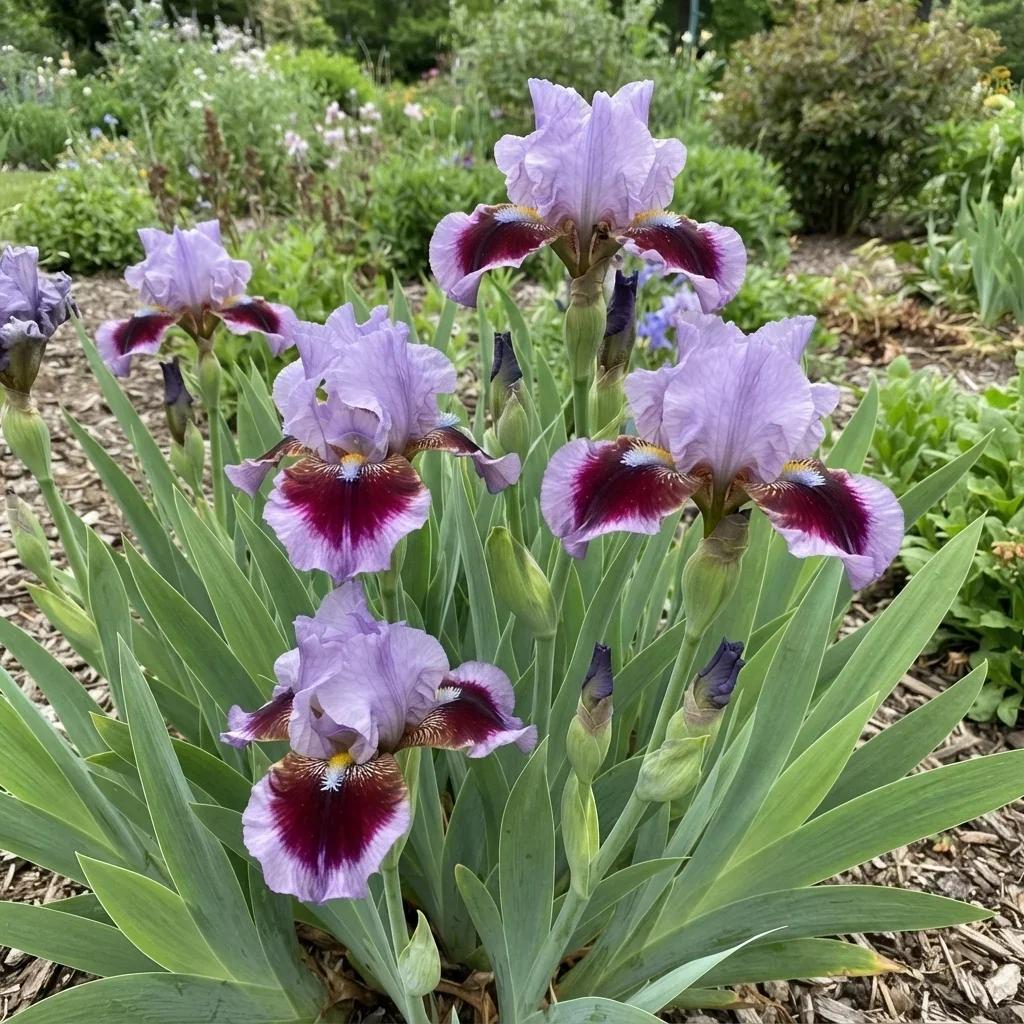
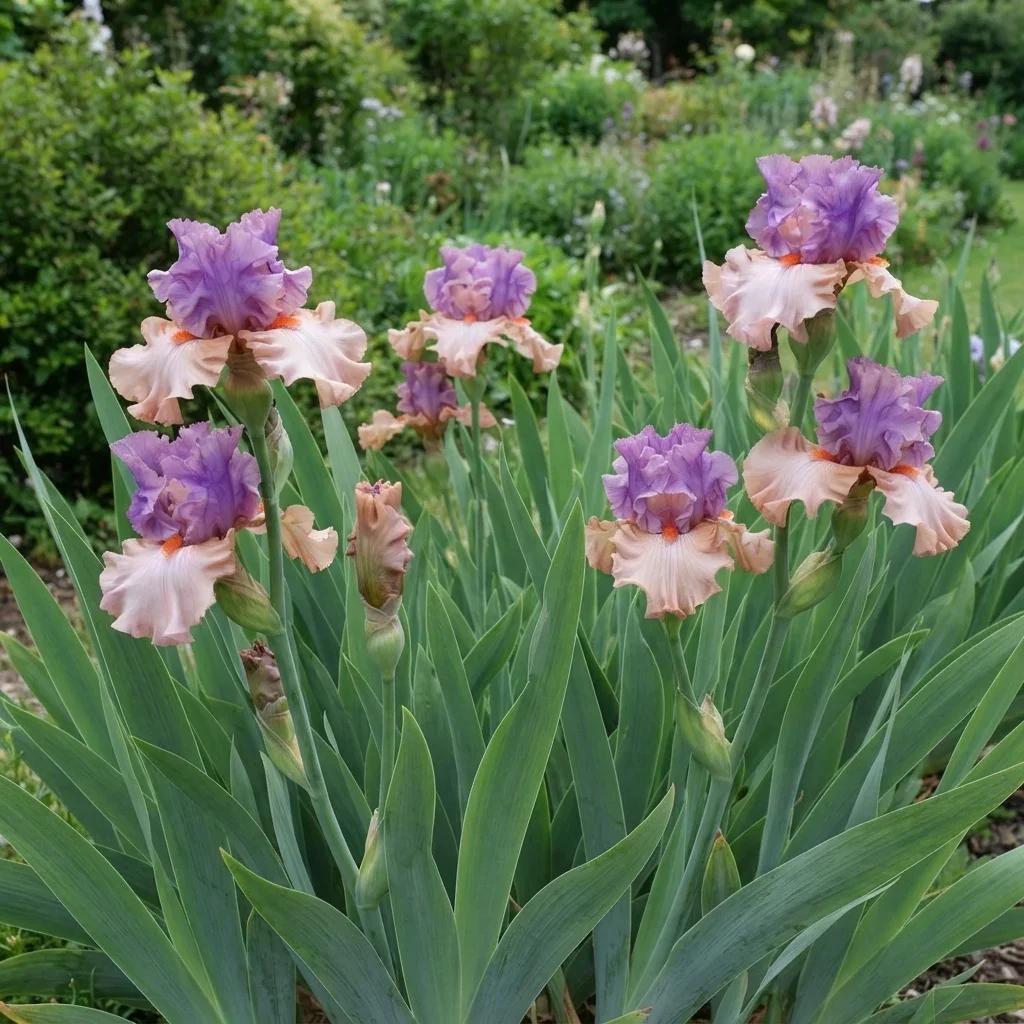
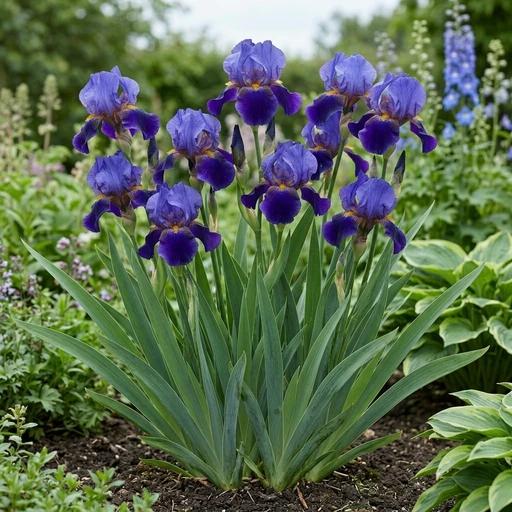
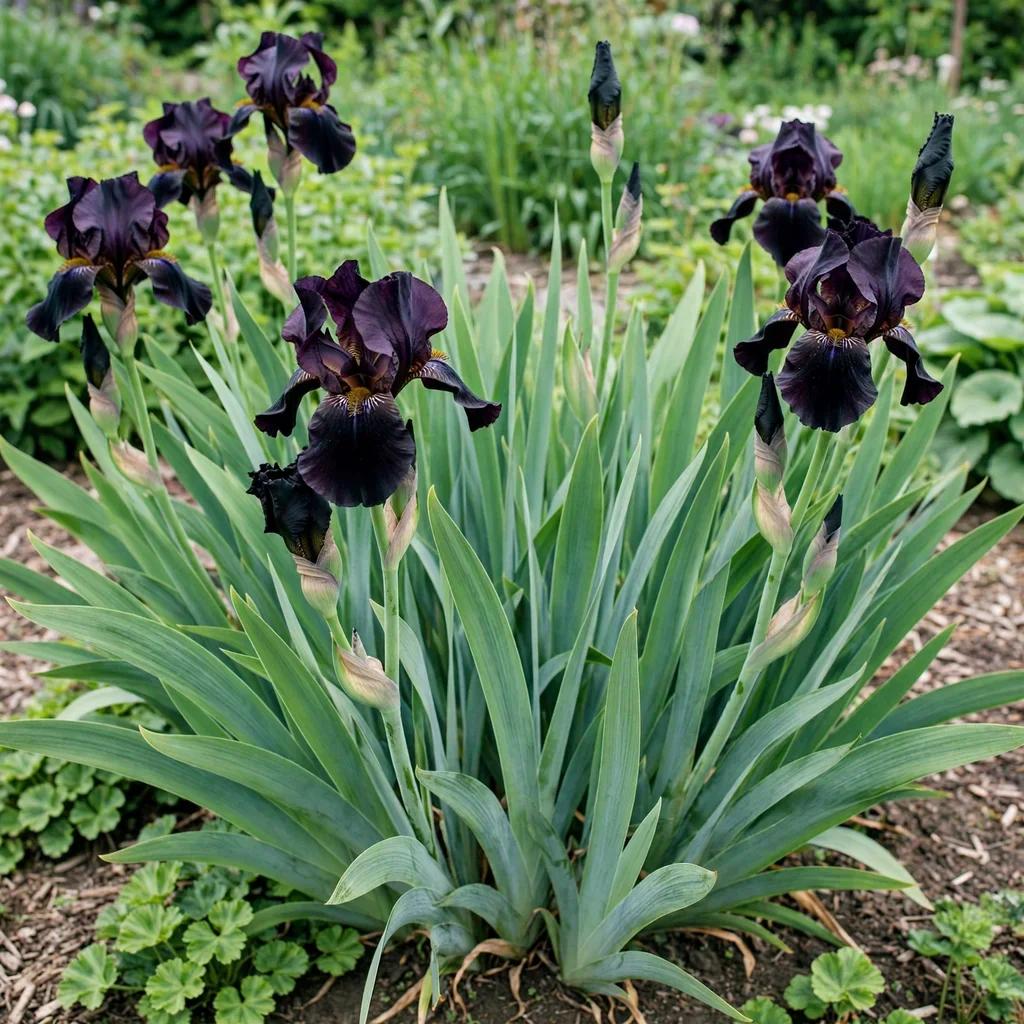
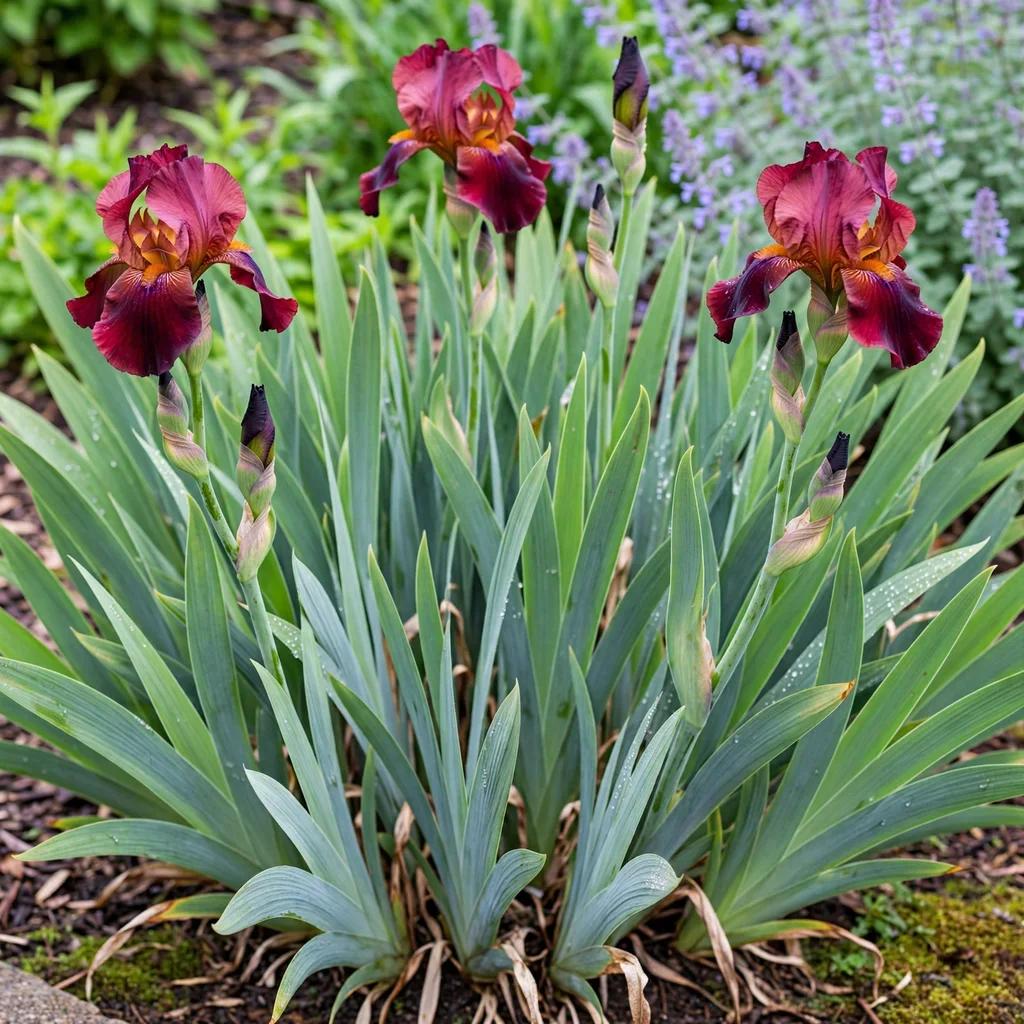
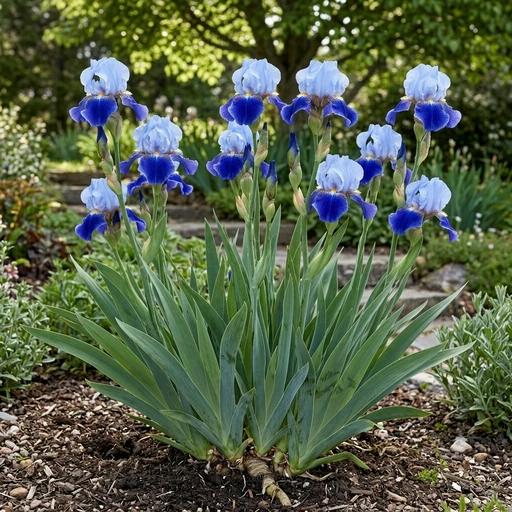
Iris x germanica, the German iris, is a clump-forming herbaceous perennial that spreads via creeping, fleshy surface rhizomes. The stiff, sword-shaped foliage is glaucous green and semi-evergreen, providing a structural backdrop for the upright flowering stalks.
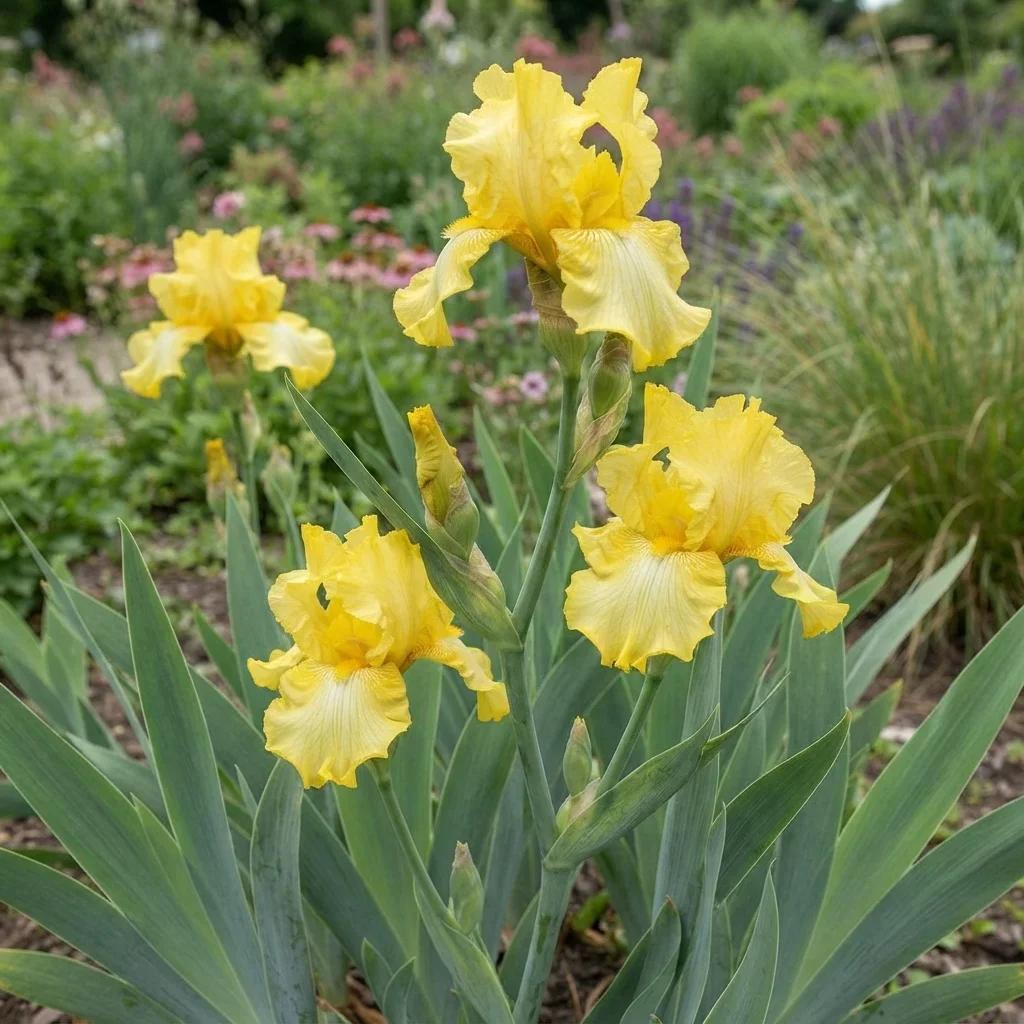
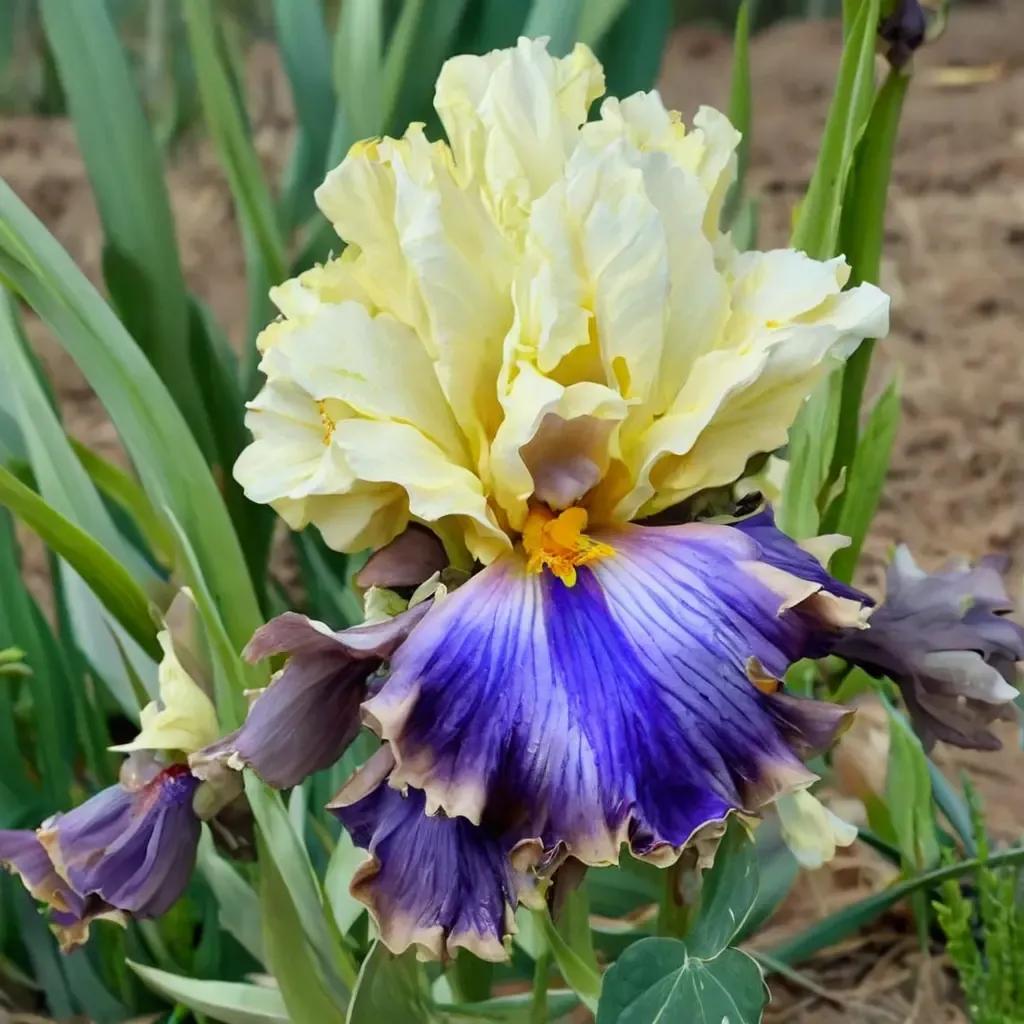
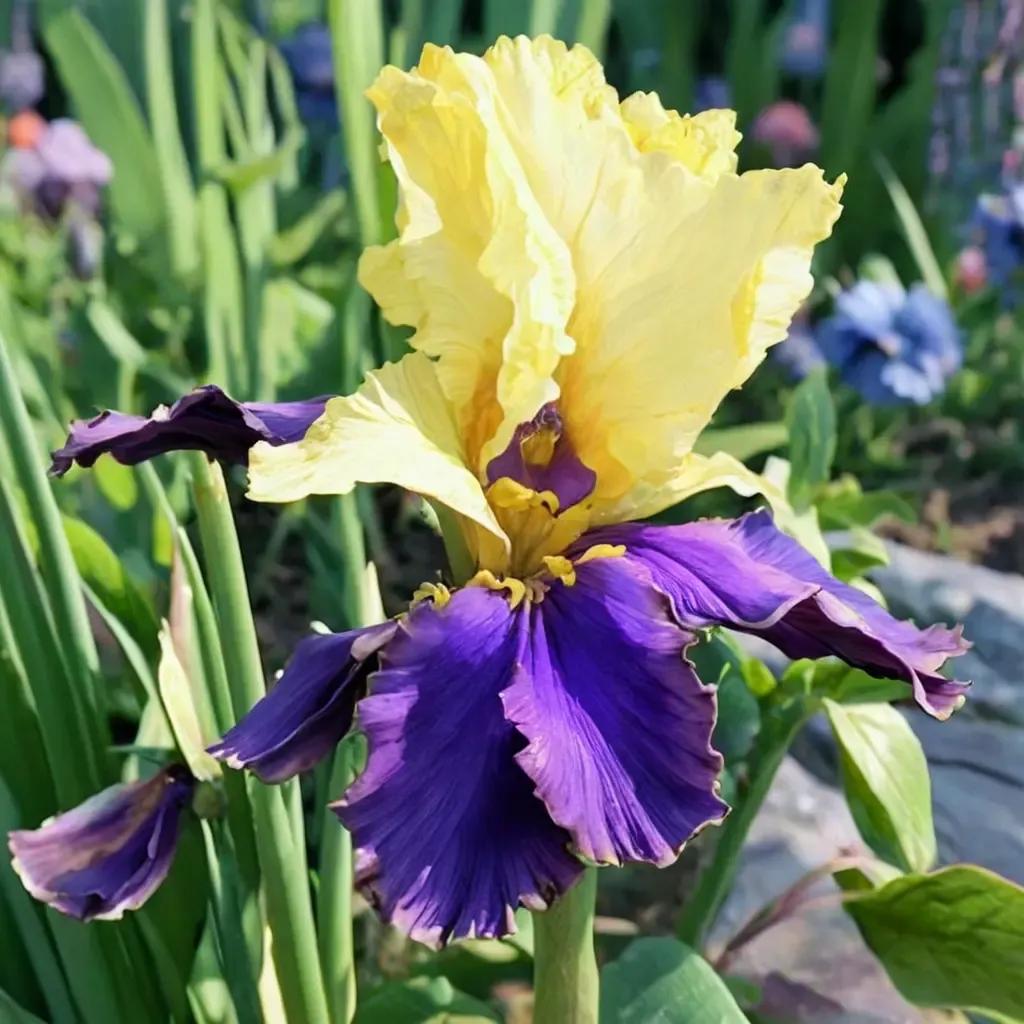
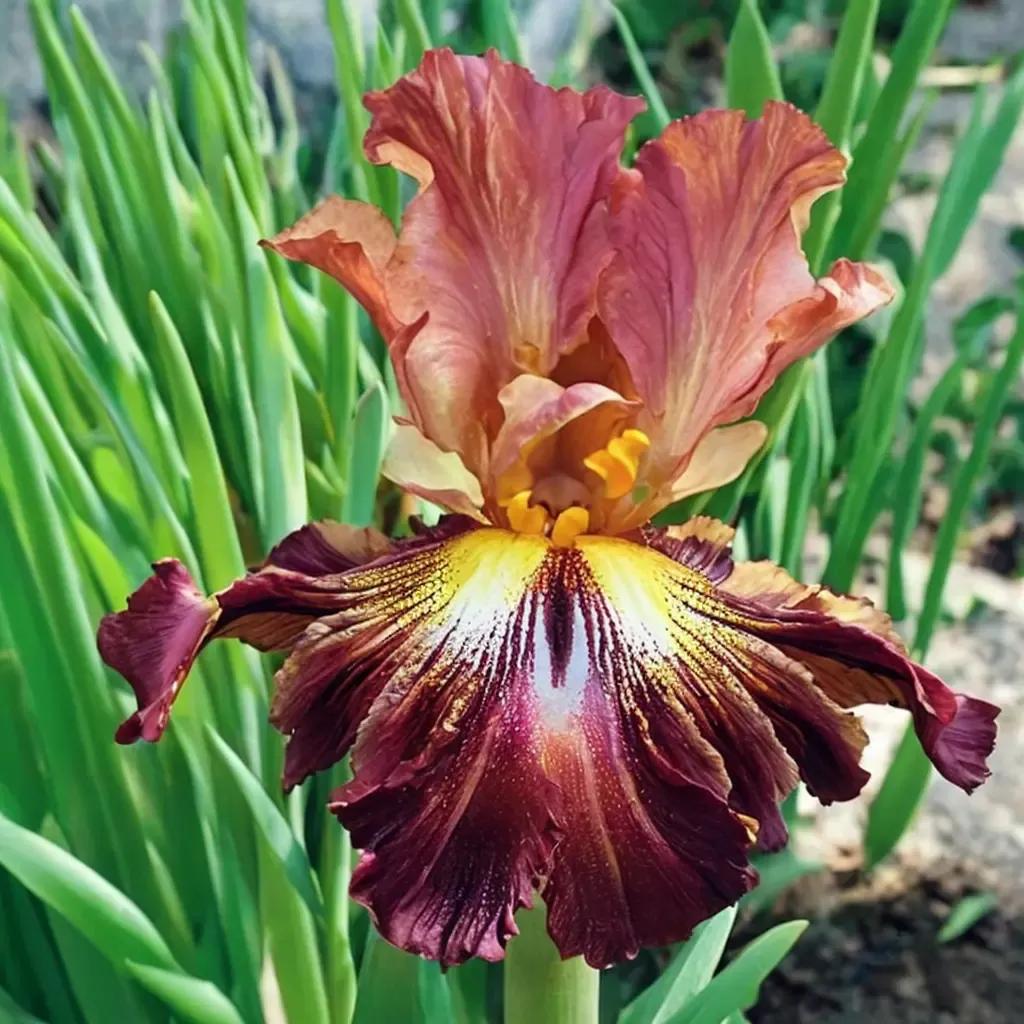
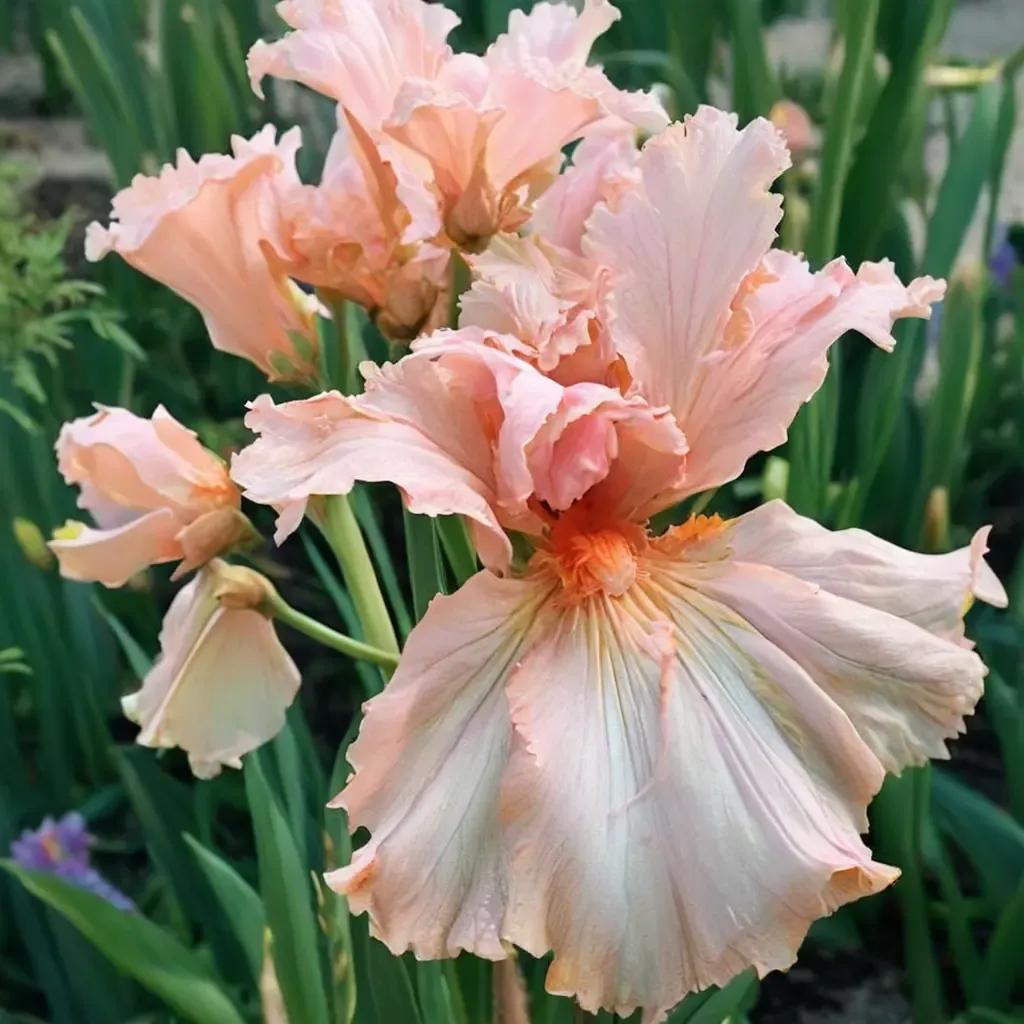
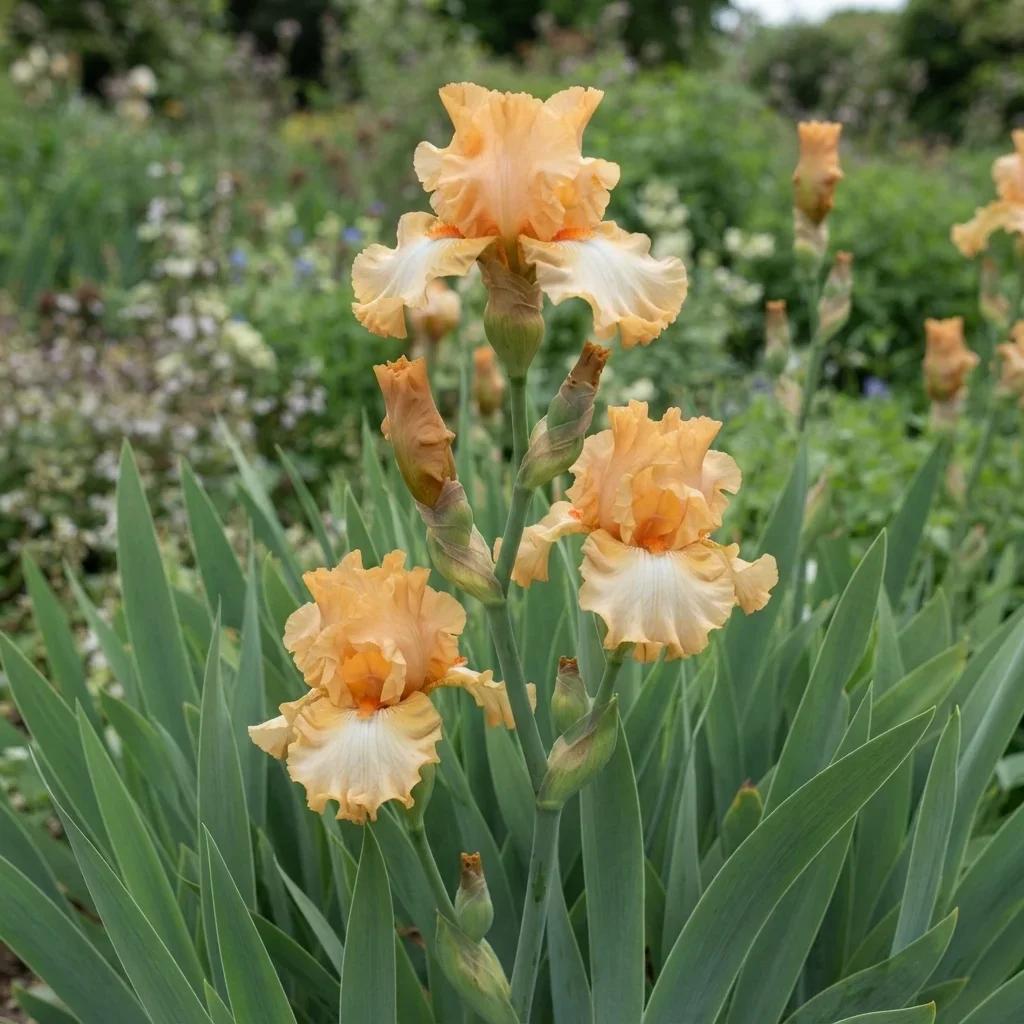
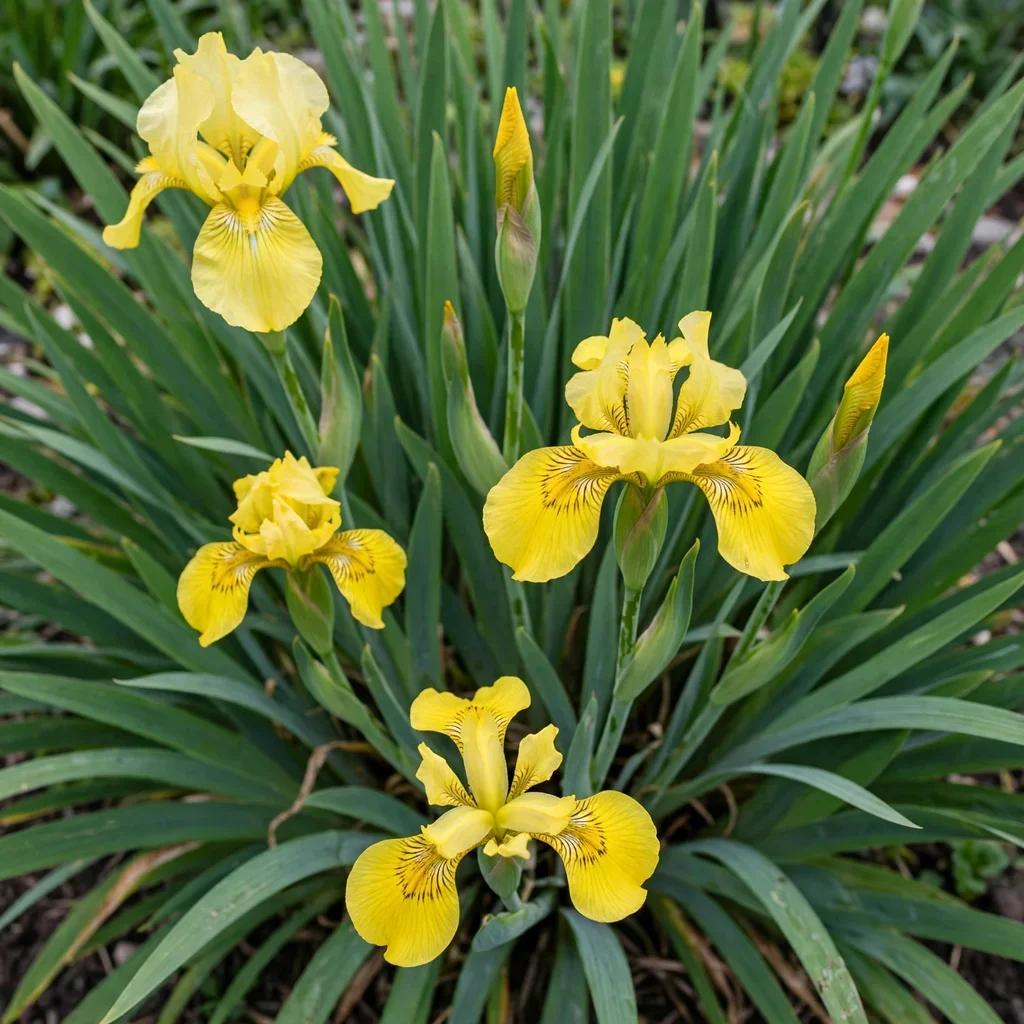
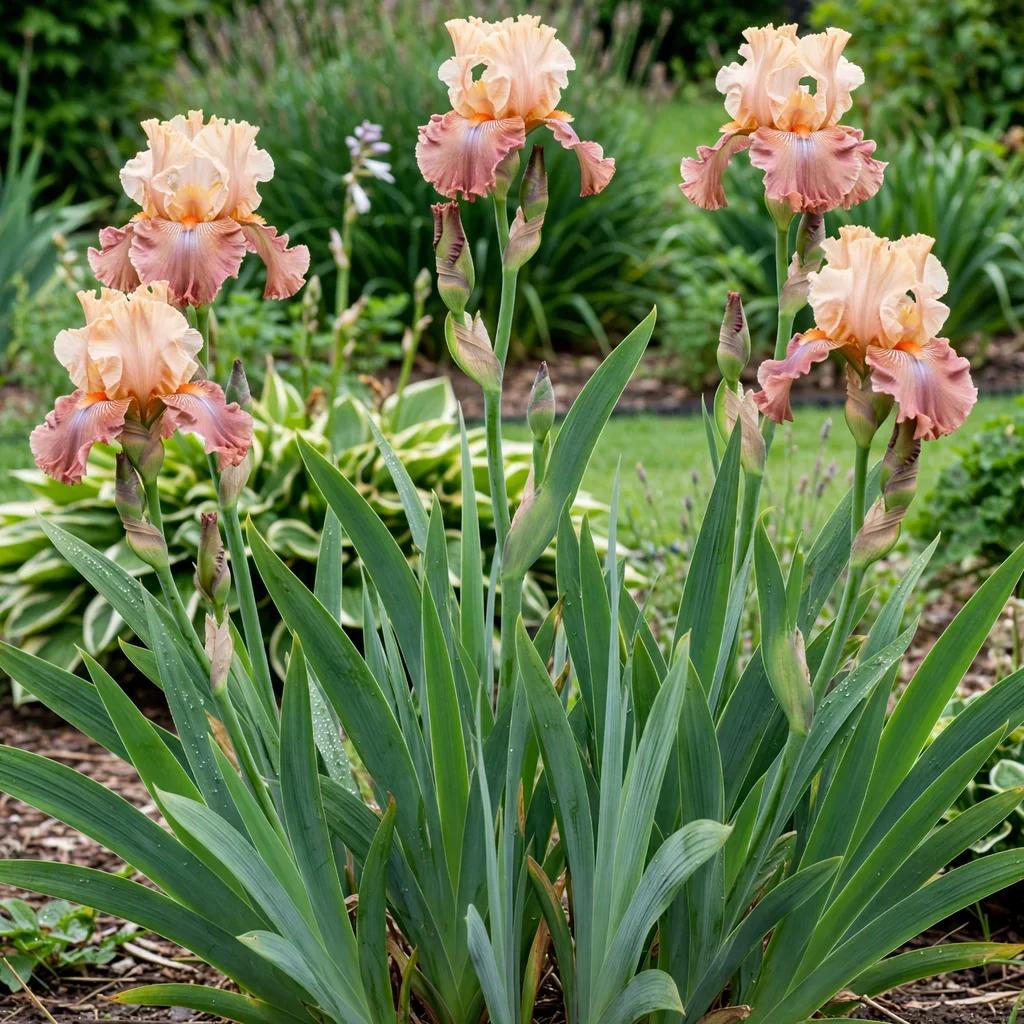
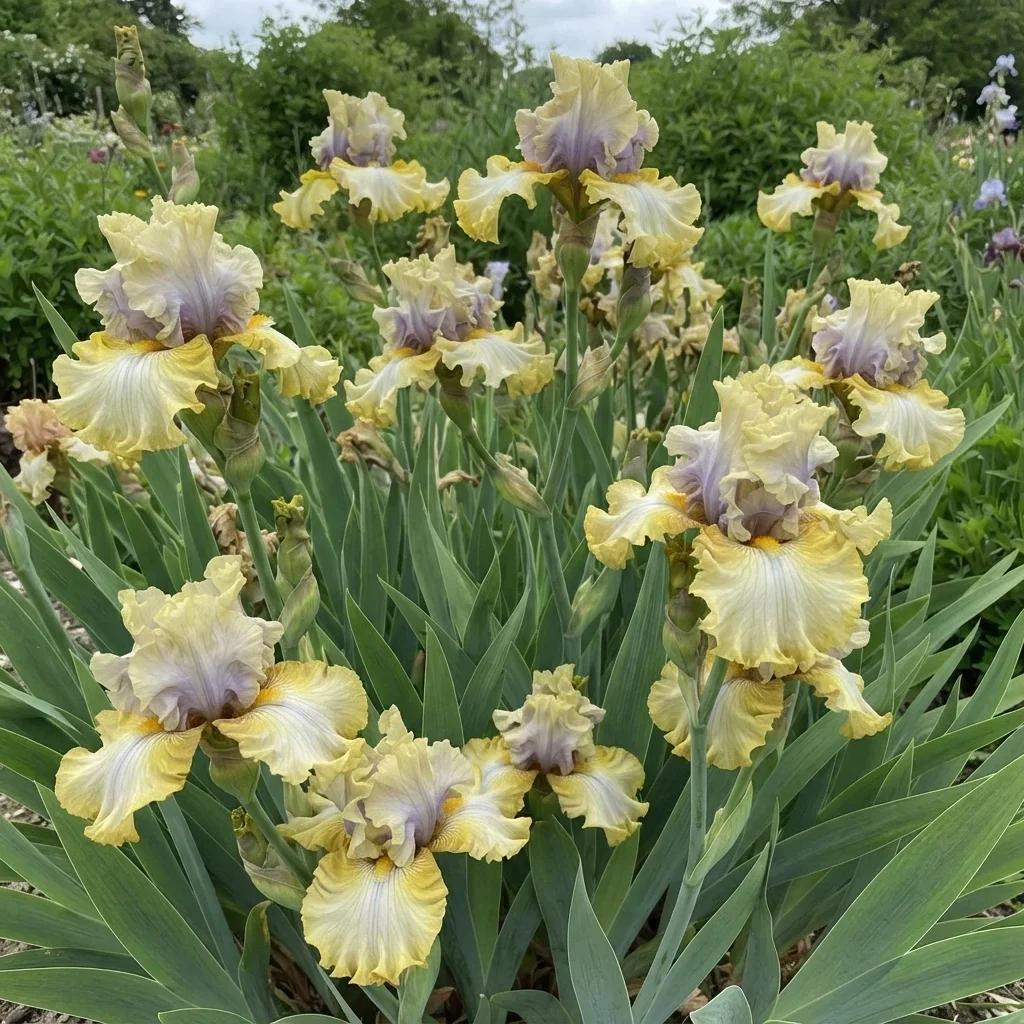
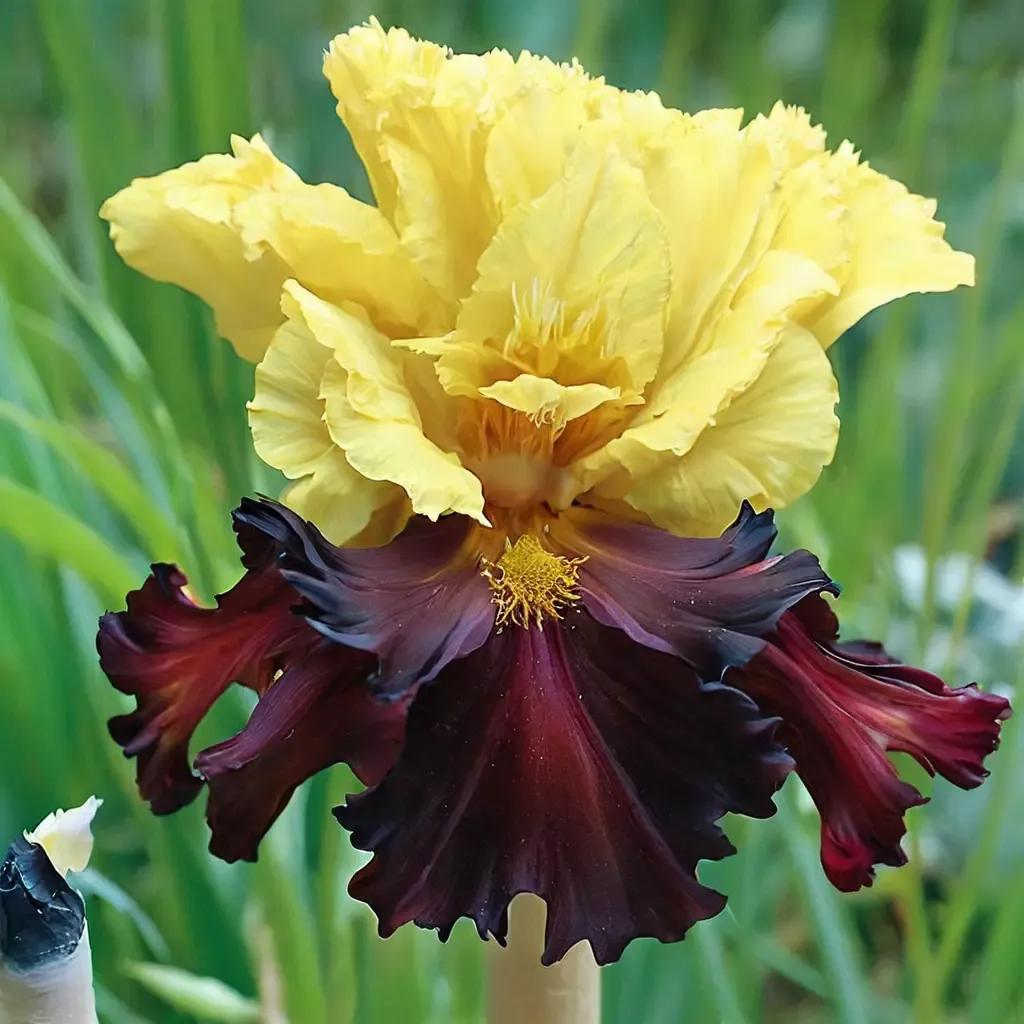
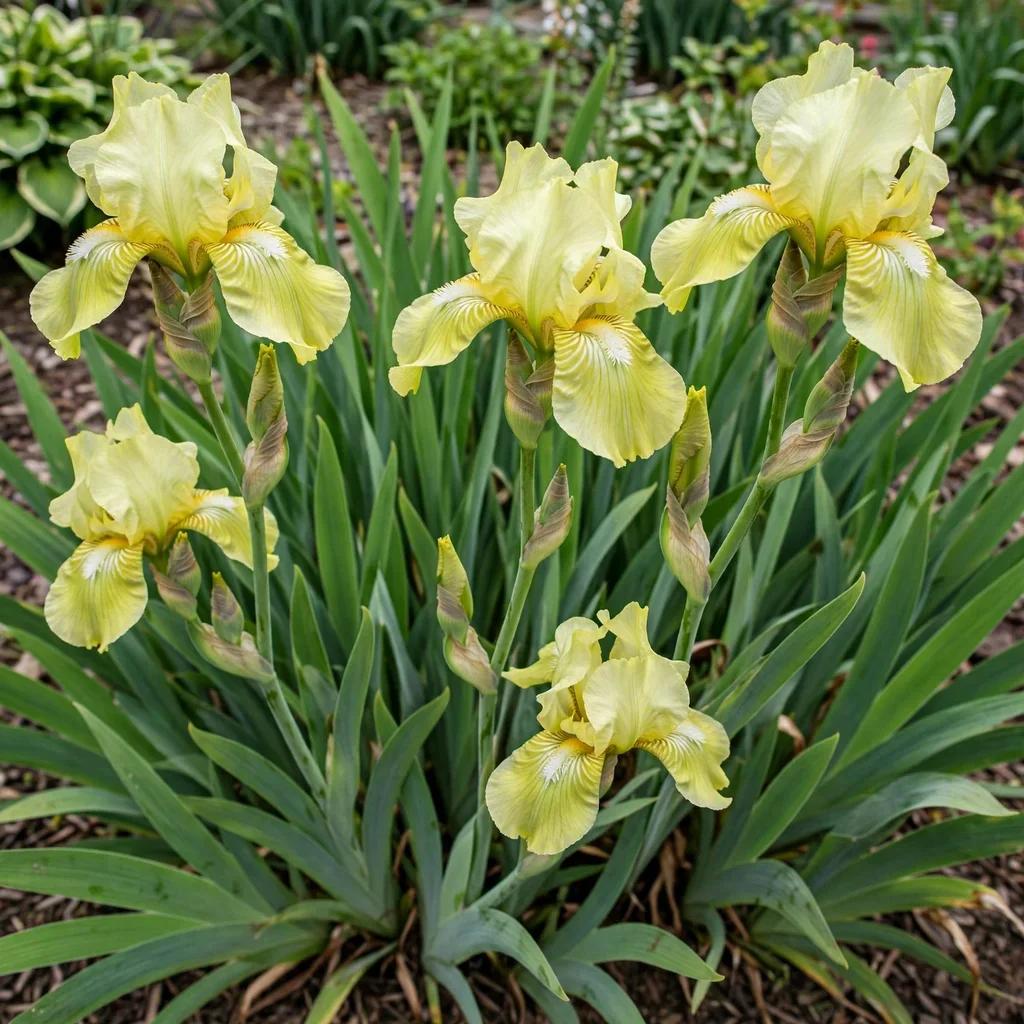
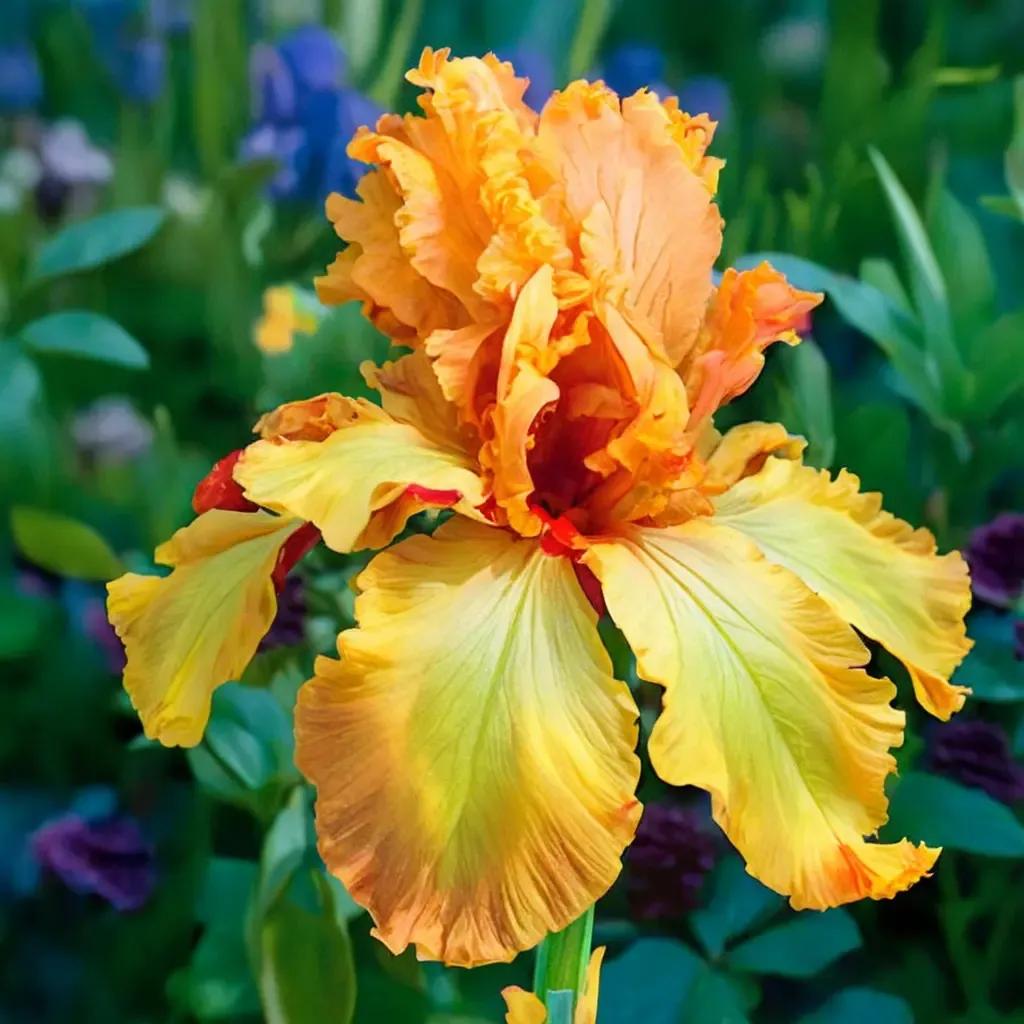
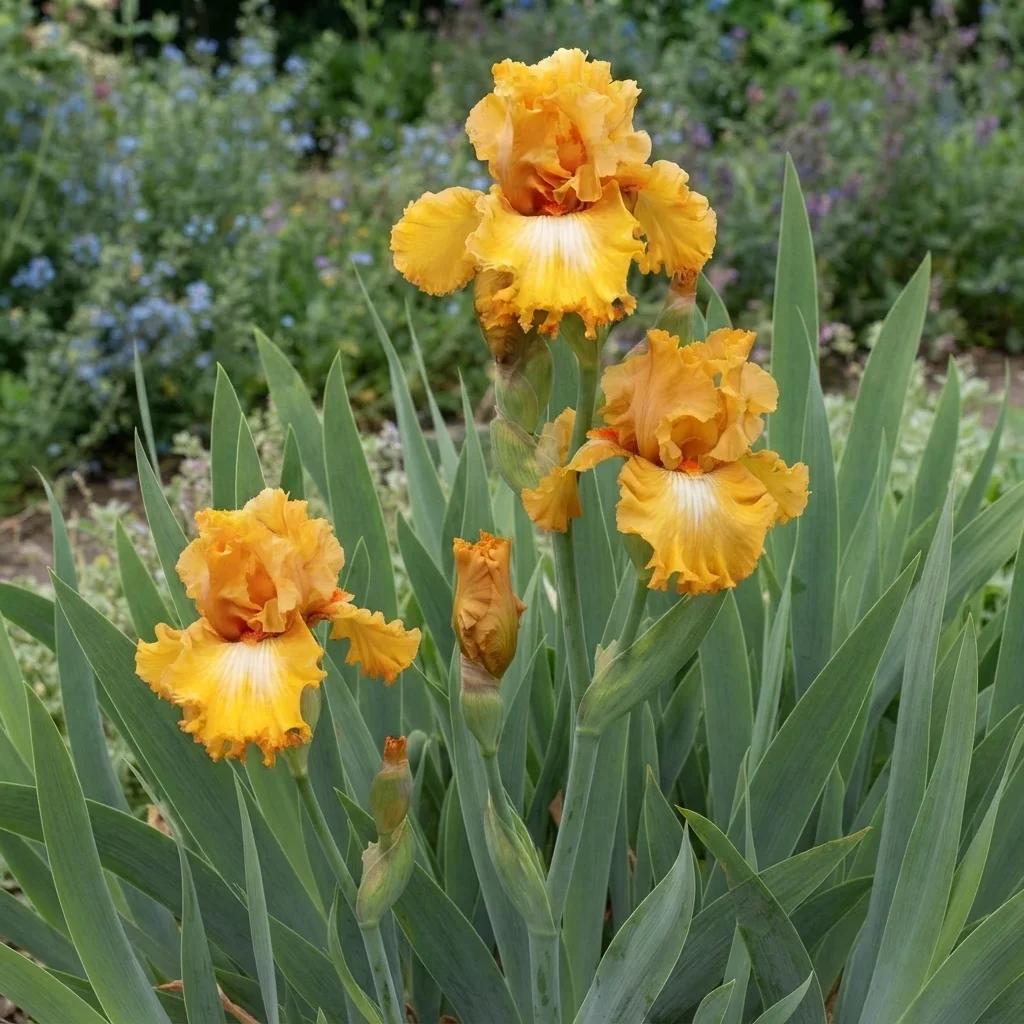
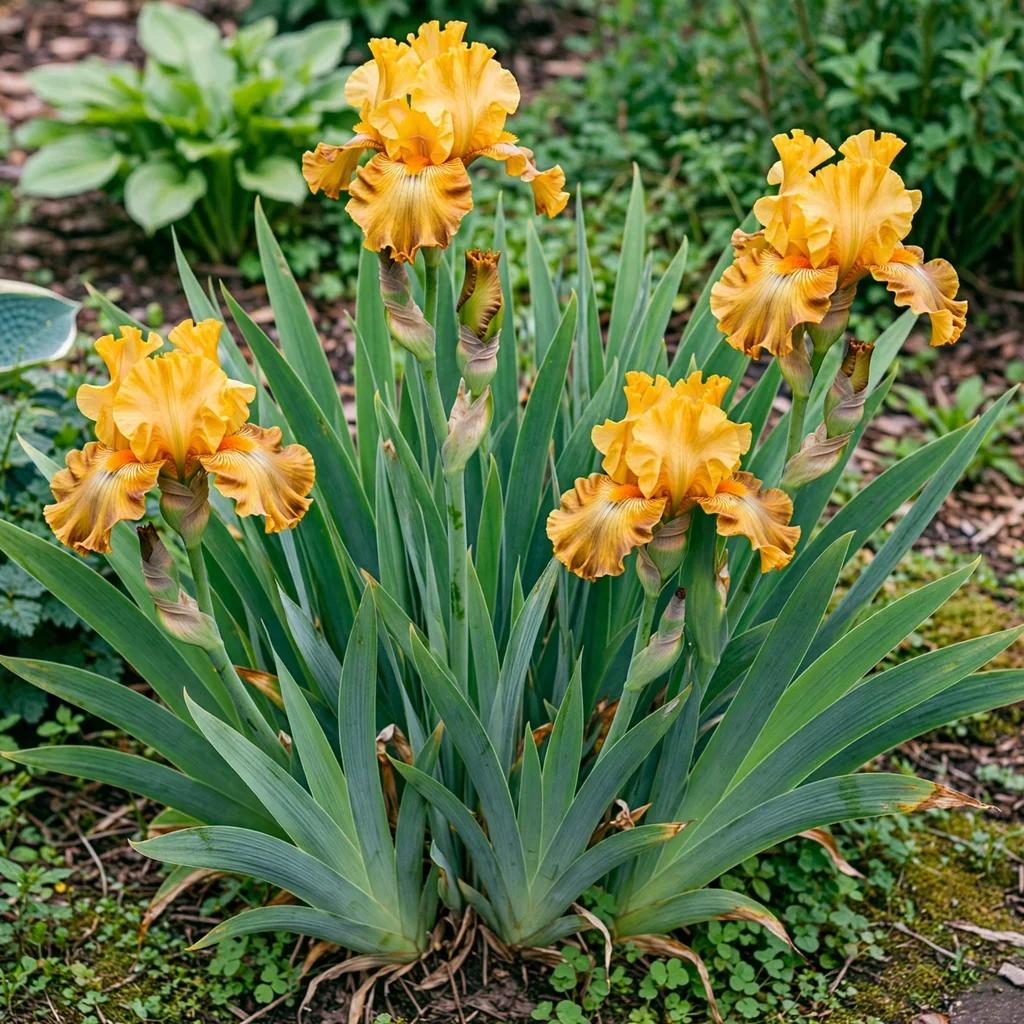
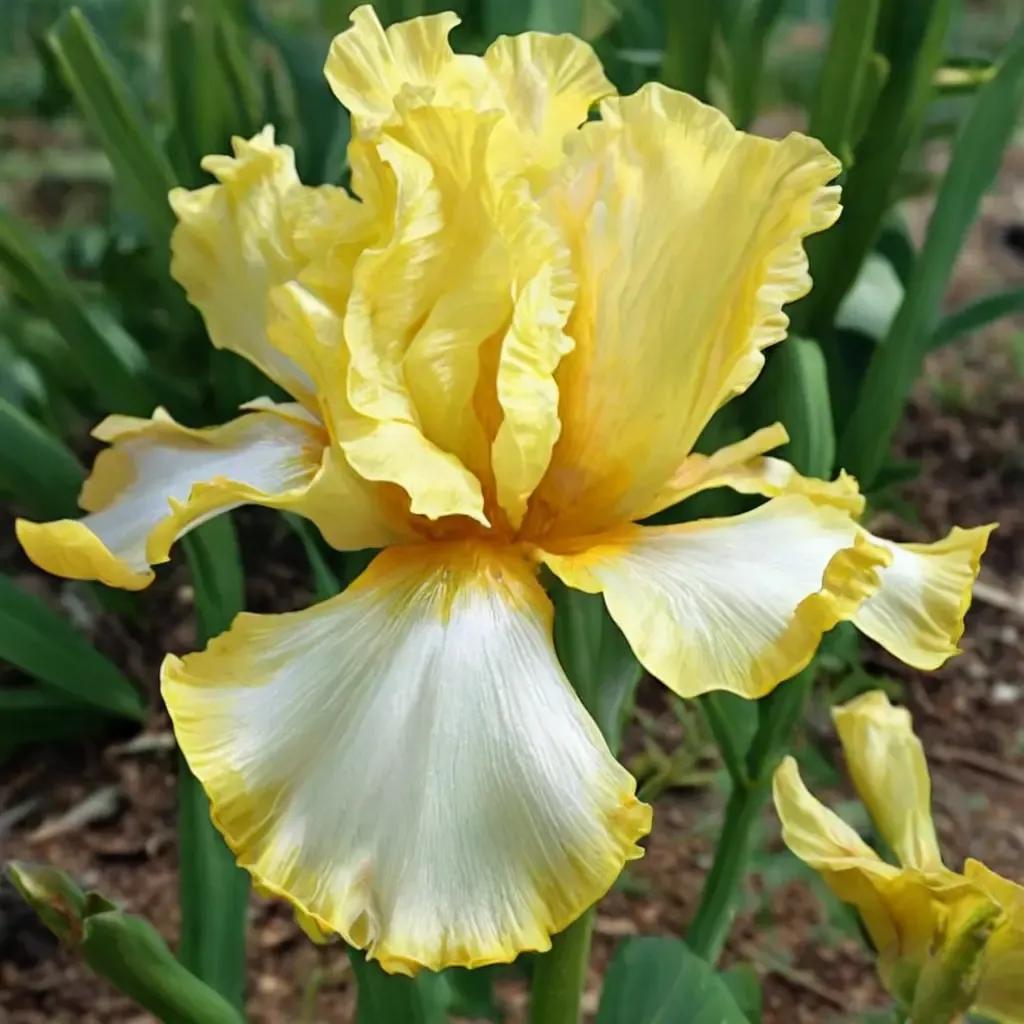
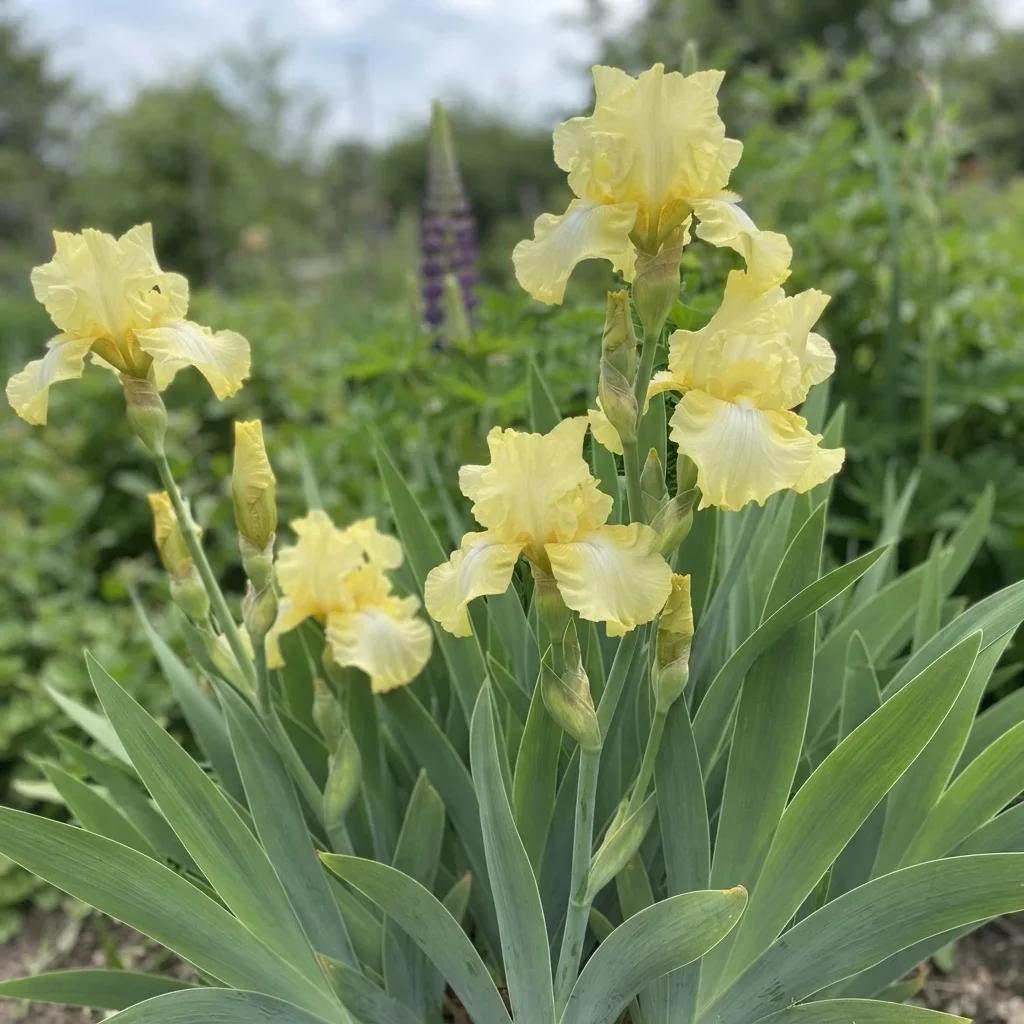
'Acapulco Gold' is distinguished by its heavily ruffled, brilliant golden-yellow petals featuring a white flash directly below a matching butter-yellow beard. This cultivar produces sturdy, branched flowering stalks bearing multiple buds from late spring to early summer.
Uses & Benefits:
Essentials
At a Glance
Plant Type
Perennial
Height
32"
Width
8"
Light
Full Sun, Partial Sun
Zones
4, 5, 6, 7, 8, 9
Water
Low
Humidity
Low
Lifespan
Perennial
Native To
Garden origin
Toxicity
Toxic to dogs, cats, horses, and humans
Bloom period
Late spring – Early summer
In flower about 2 months of the year
Planting
How to Grow
- Select a planting site in full sun with excellent surface and sub-surface drainage to prevent rhizome rot.
- Amend heavy soils with organic matter or sand to ensure rapid water runoff, aiming for a neutral to basic pH.
- Set the rhizome in the soil so the top half is exposed to the sun, spreading the roots downward into the planting hole.
- Water thoroughly upon planting to settle the soil, then withhold water unless conditions are exceptionally dry.
Pro Tip
Plant the creeping rhizomes with their upper surfaces exposed to the sun and air; burying them or covering them with mulch traps moisture and causes fatal bacterial rot.
Keep It Thriving
Care Guide
Do
- Do expose the top of the rhizome to direct sunlight to stimulate flowering and prevent rot.
- Do divide overcrowded clumps every three to four years in late summer to maintain vigor.
- Do remove spent flower stalks at the base once blooming is complete.
Don't
- Don't apply heavy organic mulch directly over the rhizomes.
- Don't use high-nitrogen fertilizers, which force soft, rot-prone foliage.
- Don't overwater established plants, as they are highly drought-tolerant.
Seasonal Care Calendar
| Task | Jan | Feb | Mar | Apr | May | Jun | Jul | Aug | Sep | Oct | Nov | Dec |
|---|---|---|---|---|---|---|---|---|---|---|---|---|
| Deadhead | ||||||||||||
| Divide | ||||||||||||
| Fertilize | ||||||||||||
| Pest Check | ||||||||||||
| Prune |
Watch Out For
Pests & Diseases
Common Pests
Common Diseases
In the Garden
Landscape Uses & Companions
Landscape Uses
Companion Plants
Multiply
Propagation Methods
Good to Know
Common Questions
Acapulco Gold Iris questions
What zones can Acapulco Gold Iris grow in?
Acapulco Gold Iris is hardy in USDA Zones 4–9: in that range it survives winter in the ground. Warmer than Zone 9, winter isn't the problem: it prefers colder winters, and summer heat can shorten its life.
Is Acapulco Gold Iris deer resistant?
Yes — Acapulco Gold Iris is rated deer-resistant. Deer typically pass it over, though extreme hunger can override any plant's defenses.
When does Acapulco Gold Iris bloom?
Acapulco Gold Iris typically blooms from late spring to early summer. Exact timing shifts a week or two with your zone — Sow's bloom calendar maps it to your garden.
Does Acapulco Gold Iris need full sun?
Acapulco Gold Iris does best in full sun to part shade. In hot climates, afternoon shade keeps blooms fresher longer.
Is Acapulco Gold Iris drought tolerant?
Yes — once established (usually after the first full season), Acapulco Gold Iris handles dry spells with minimal watering. Water deeply its first year to build the root system that makes that possible.
More Iris to compare
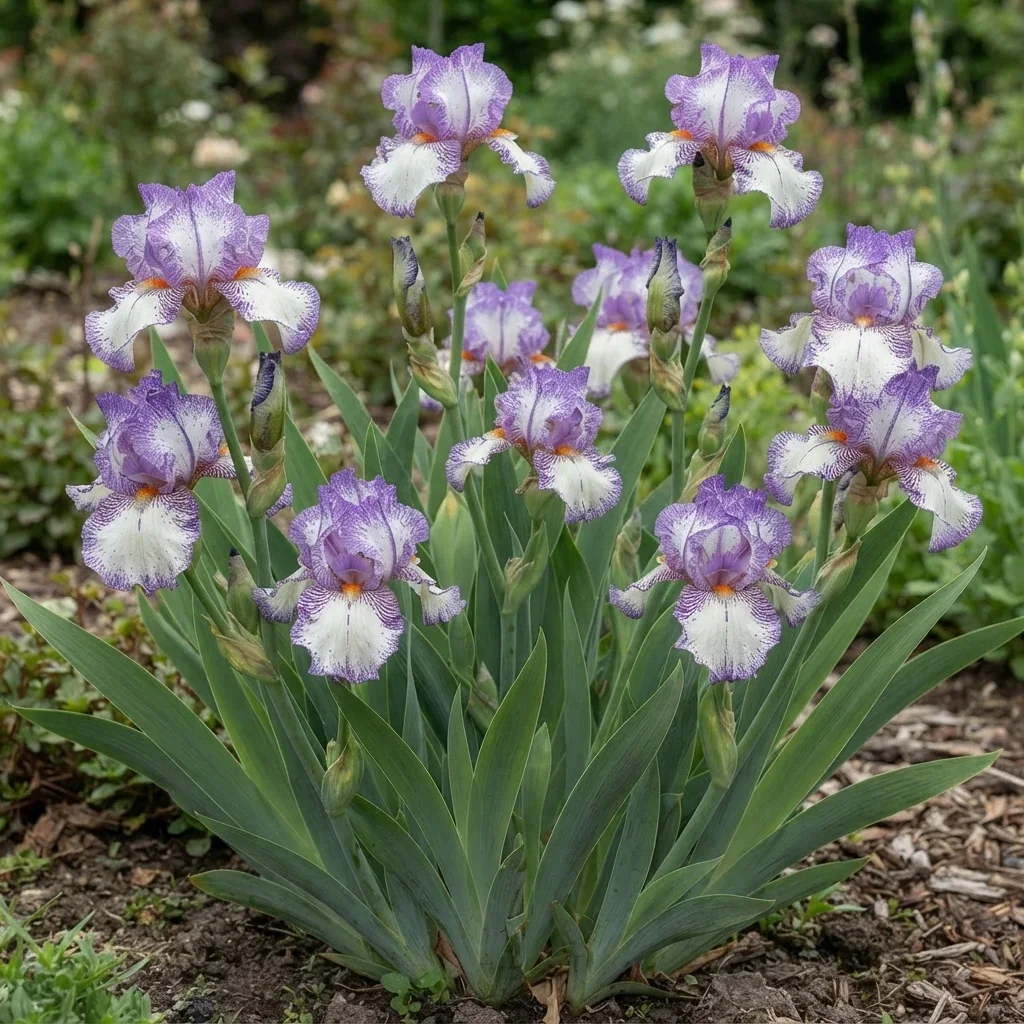
German Iris Bearded Iris
Iris x germanica 'Mix'
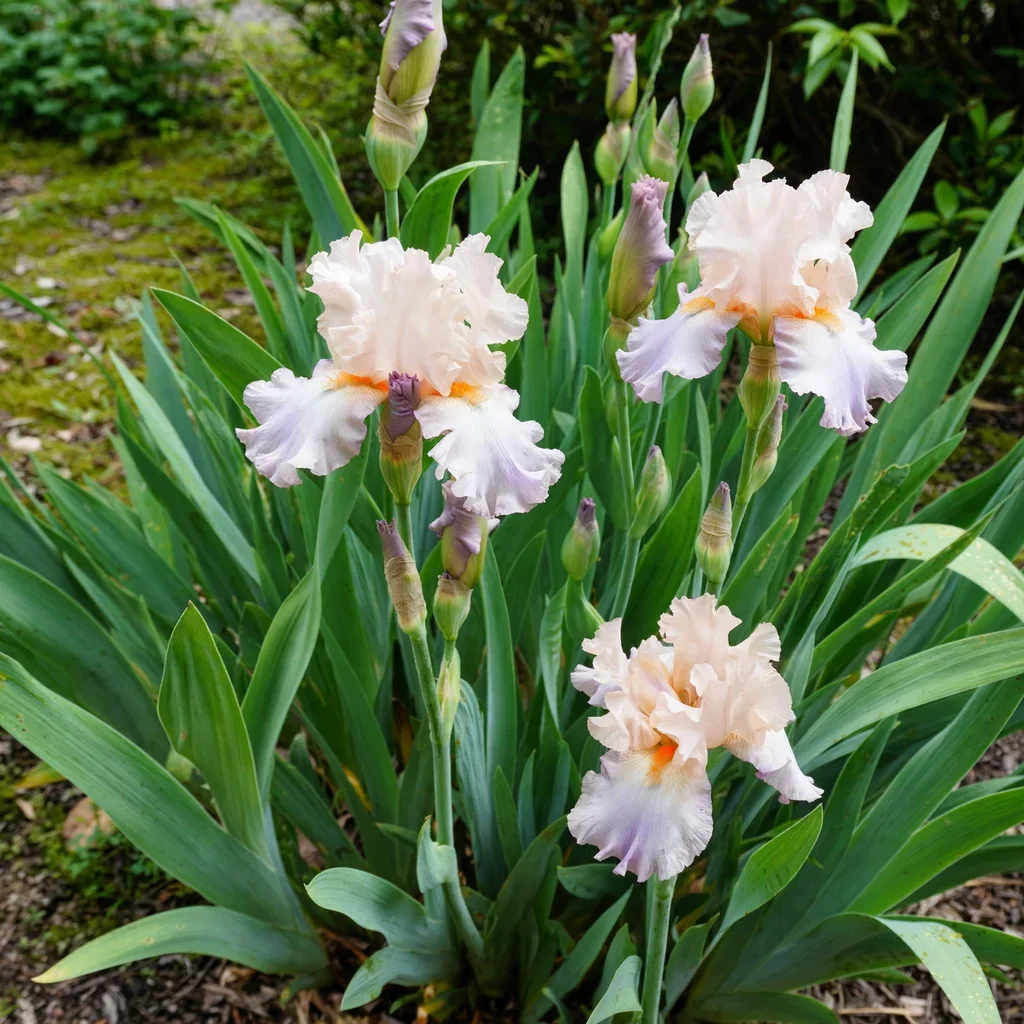
Celebration Song Iris
Iris tenuissima 'Celebration Song'
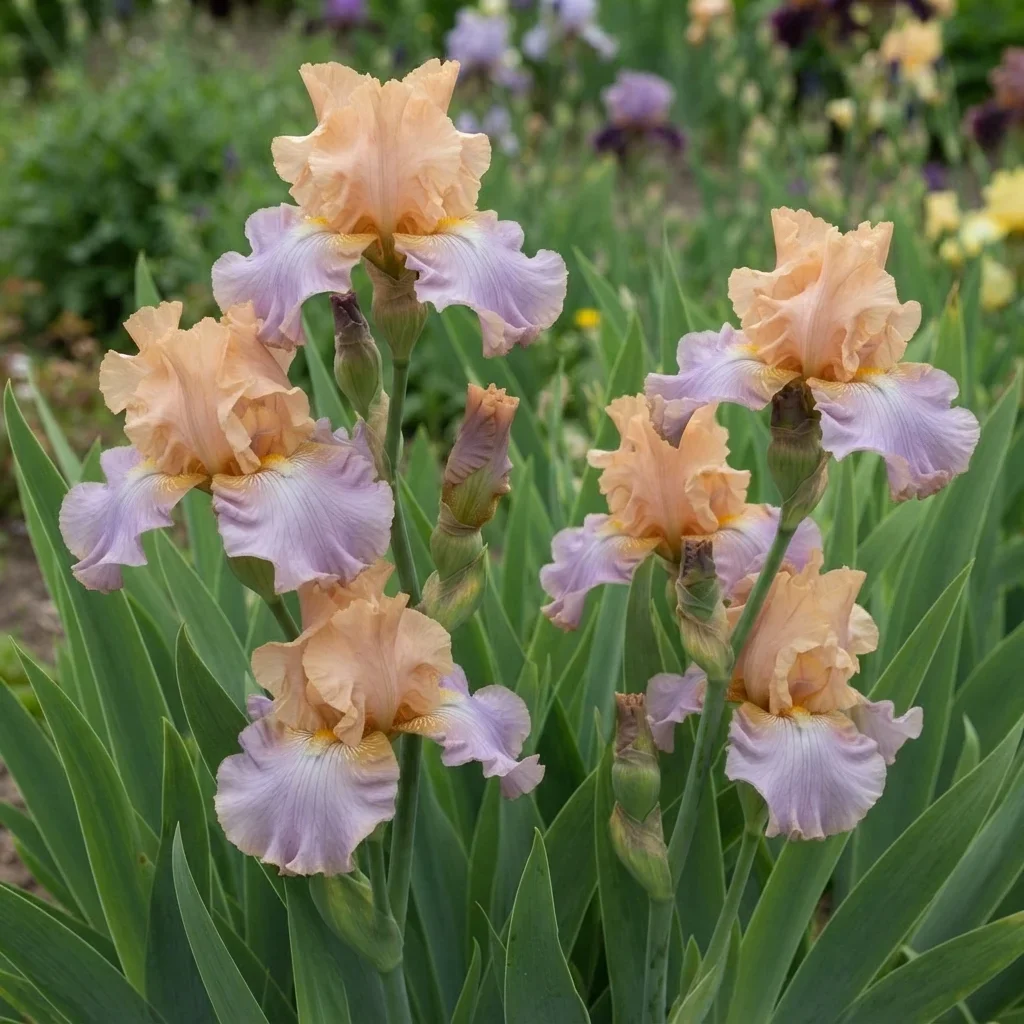
Poem of Ecstasy German Iris
Iris x germanica 'Poem Of Ecstasy'
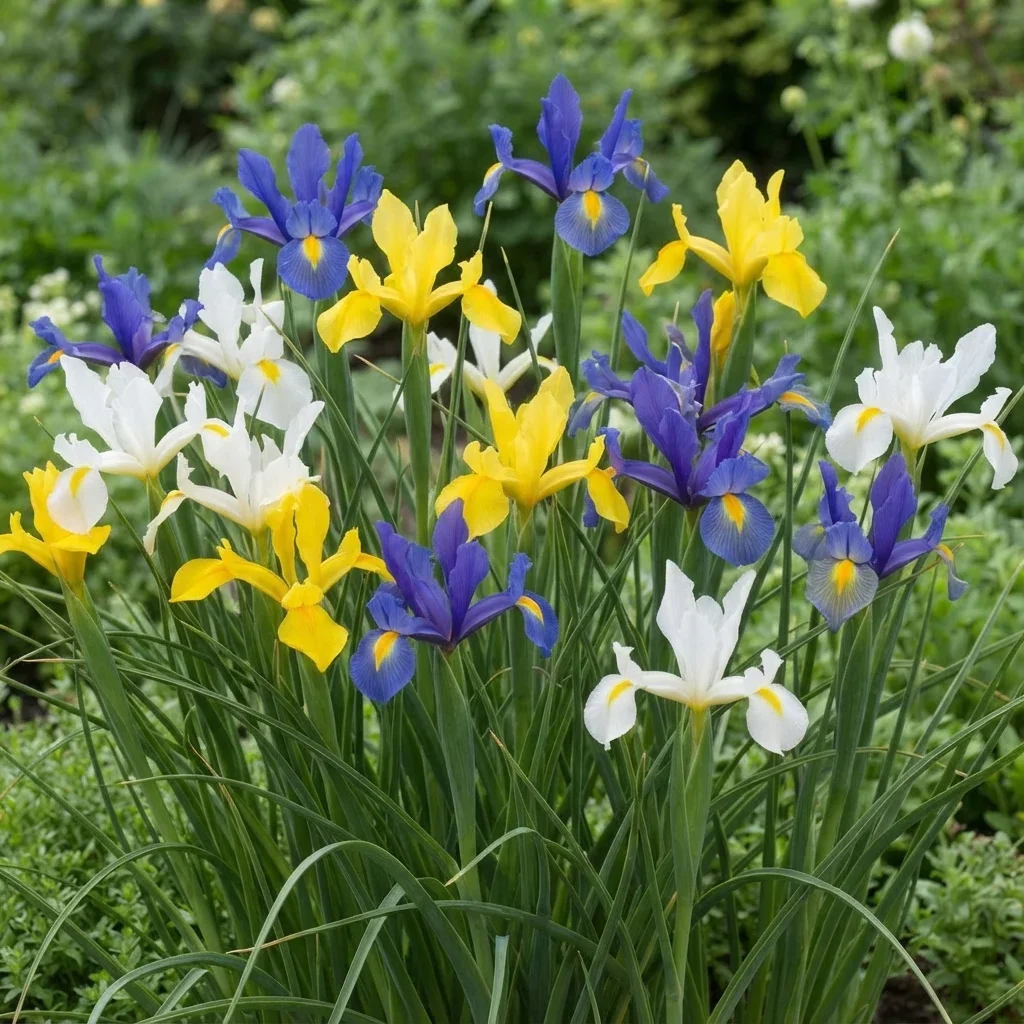
Dutch Iris Mix
Iris x hollandica 'Mix'
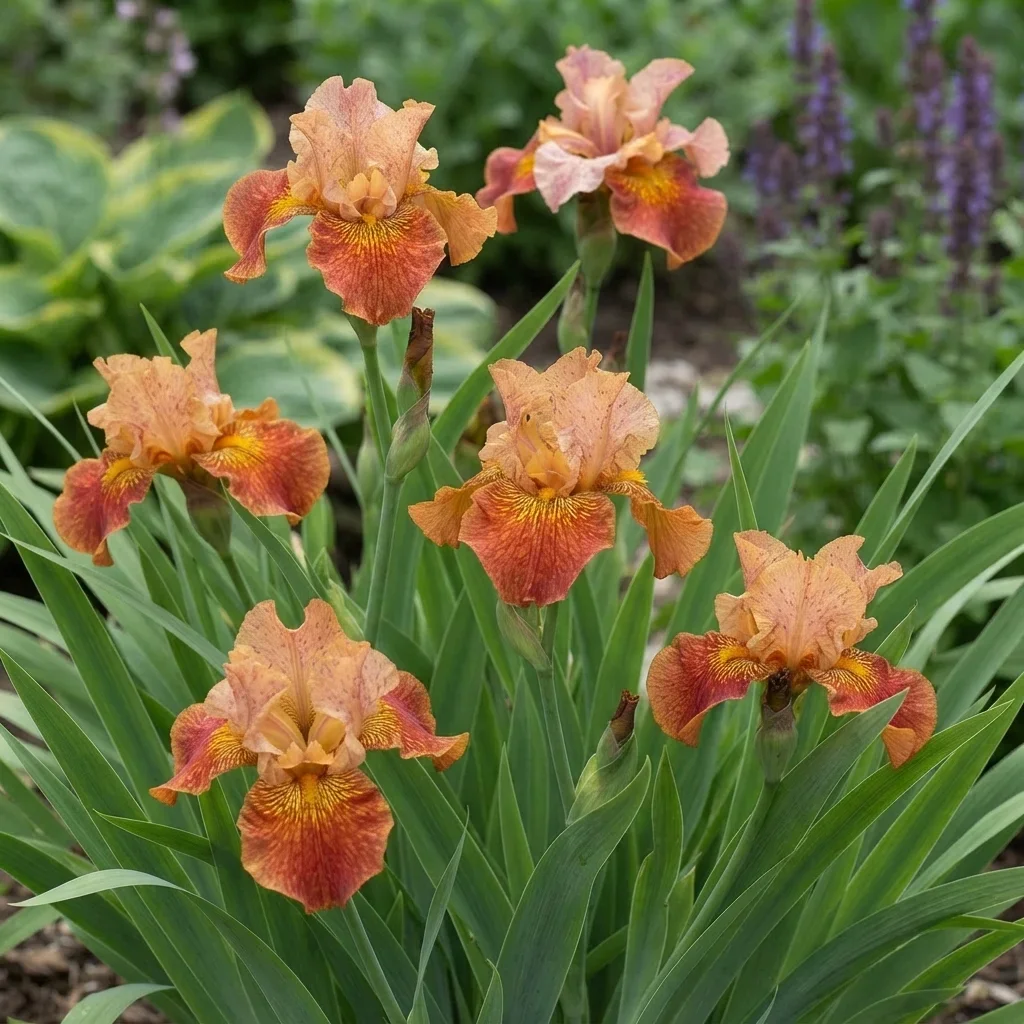
Siberian Iris 'Paprikash'
Iris x hybrida 'Paprikash'
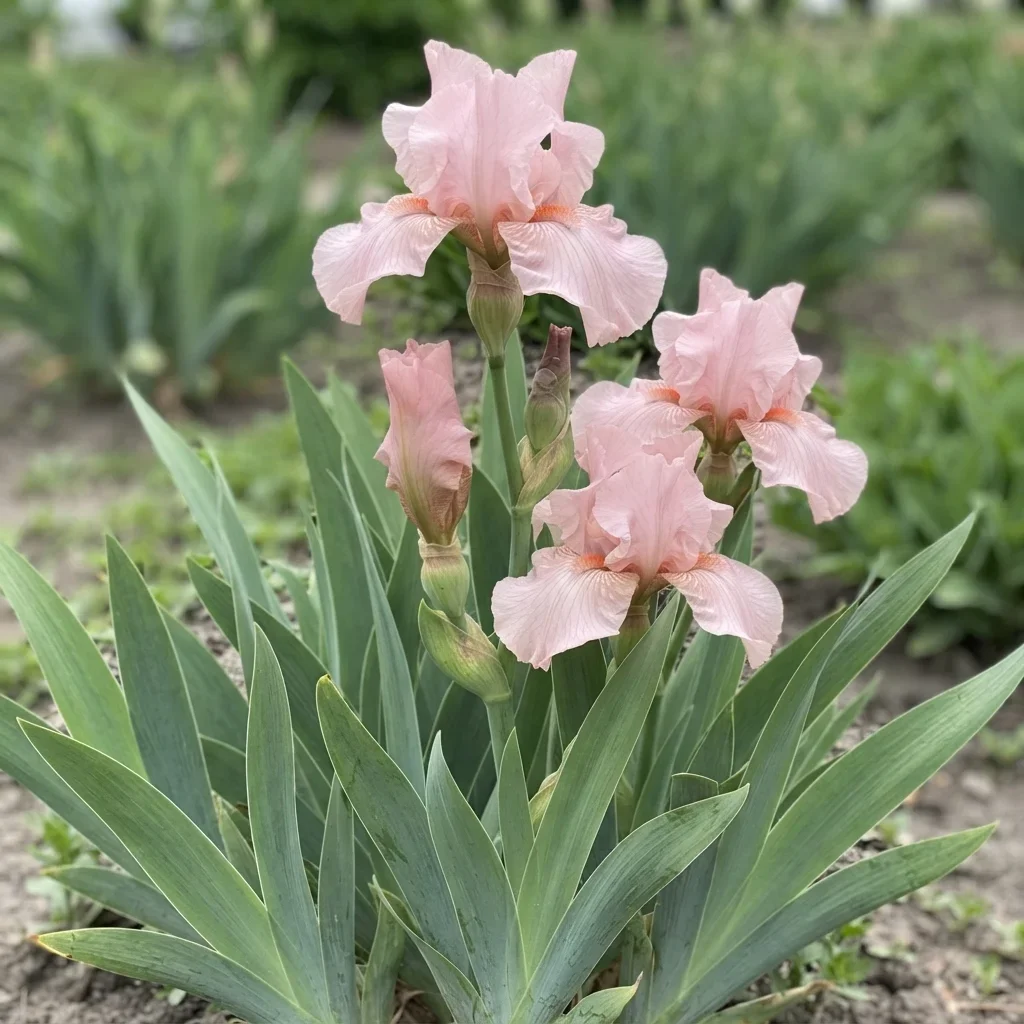
Baboon Bottom Bearded Iris
Iris x germanica 'Baboon Bottom Bearded'
Keep exploring
Explore the genus
Guides
Grow Acapulco Gold Iris with confidence
See it in a design of your actual yard, get zone-matched care reminders, and track it season by season in your garden journal.