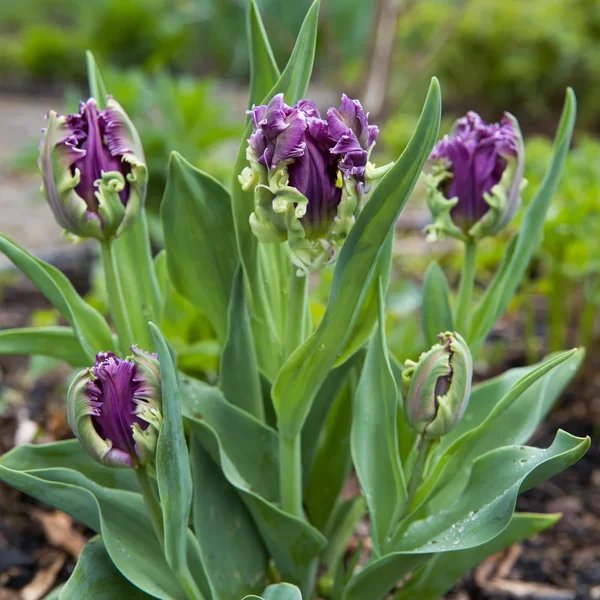
Garden hybrid
This is a garden hybrid, bred from more than one wild species, so it has no single species page of its own.
129 other cultivars
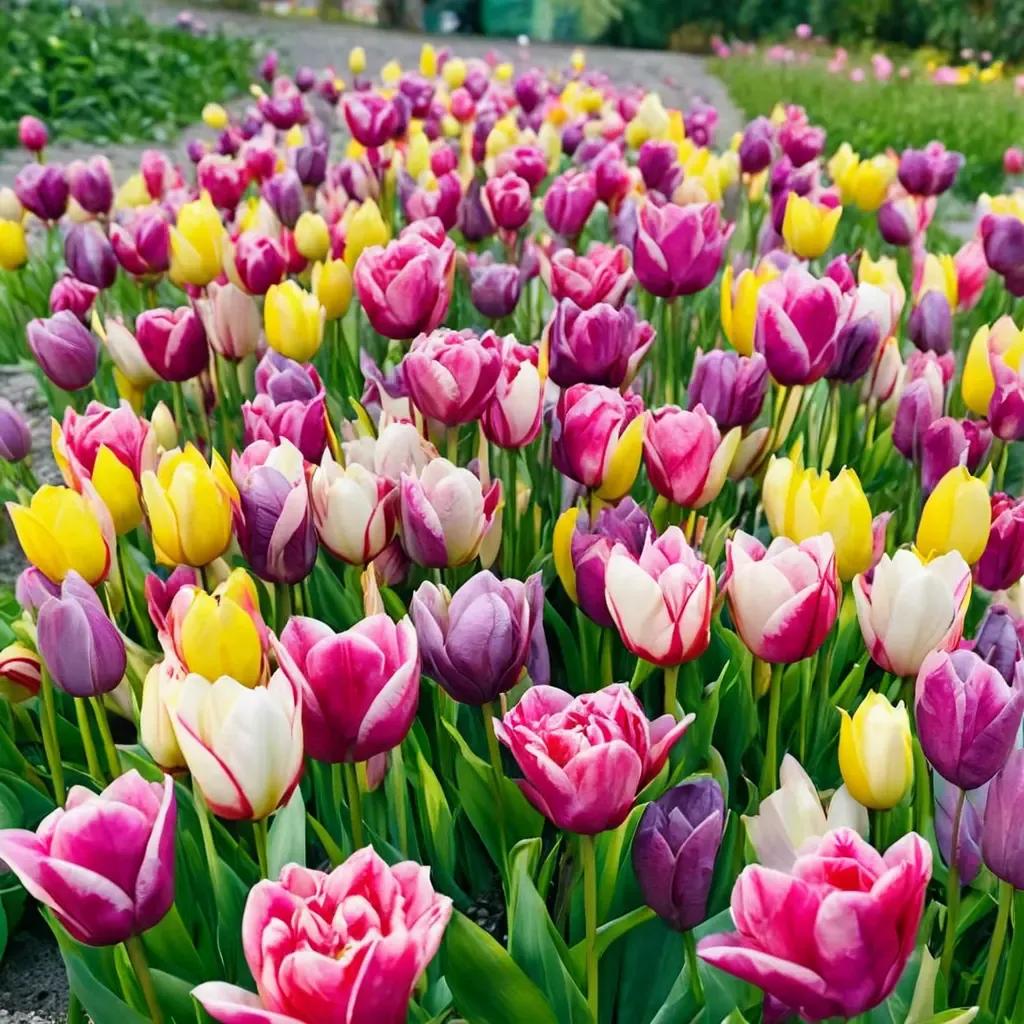 ‘All Spring Mix’All Spring Mix Tulip
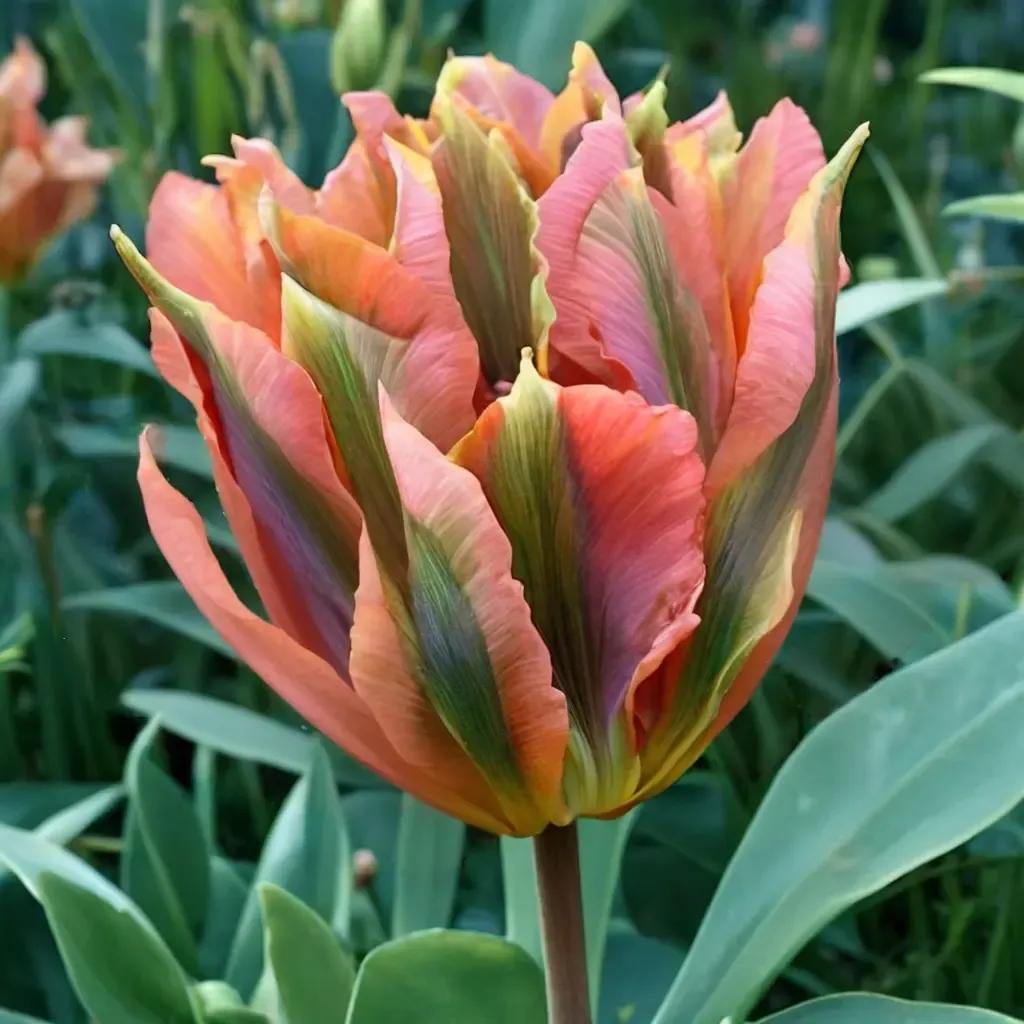 ‘Artist’Artist Tulip
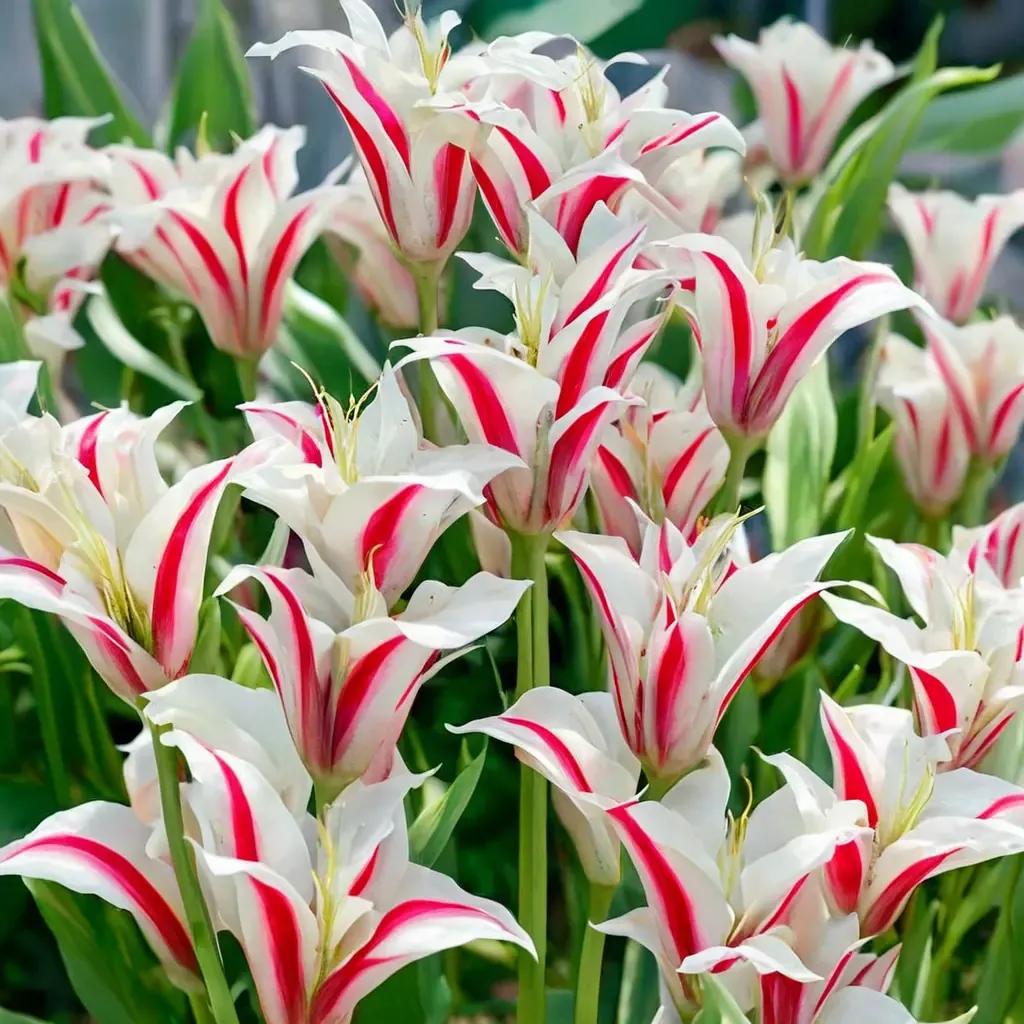 ‘Marilyn’Marilyn Tulip
 ‘Blumex Parrot’Blumex Parrot Tulip
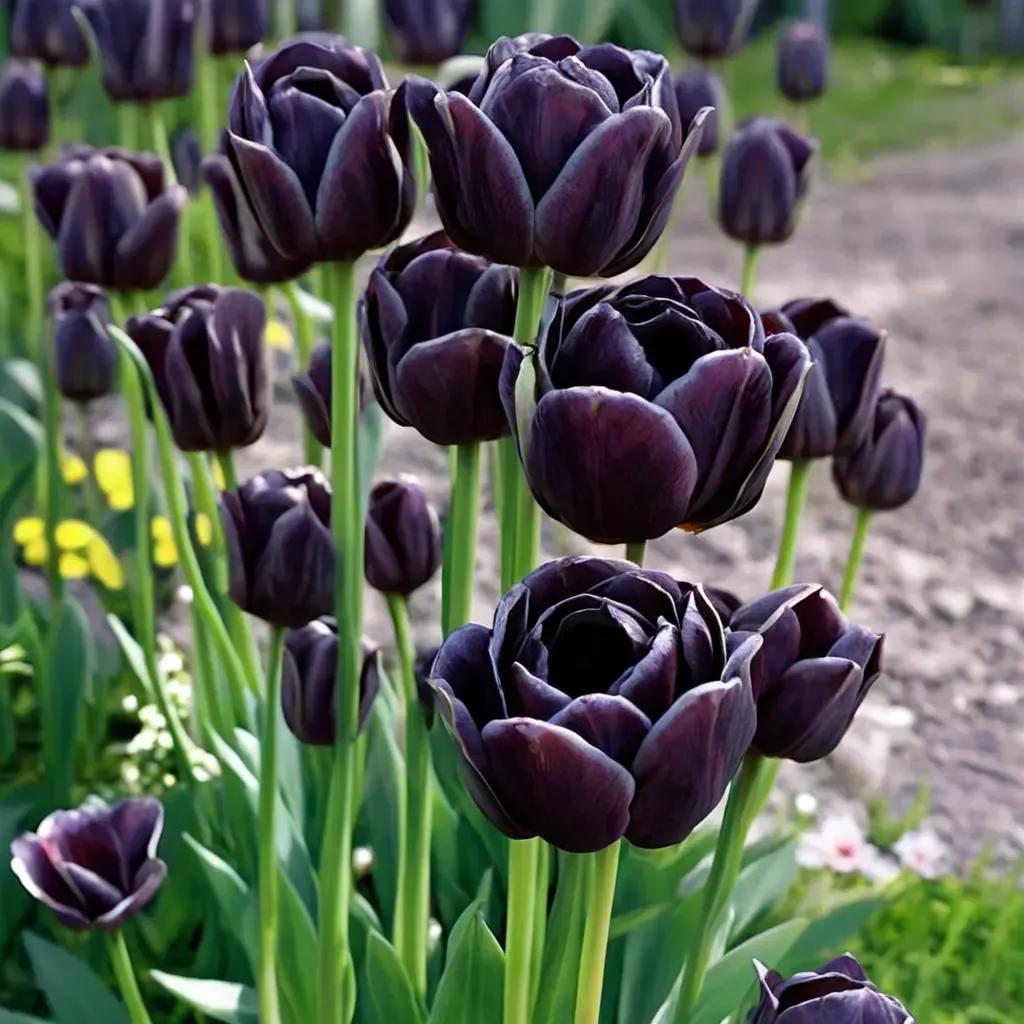 ‘Queen Of Night’Queen of Night Tulip
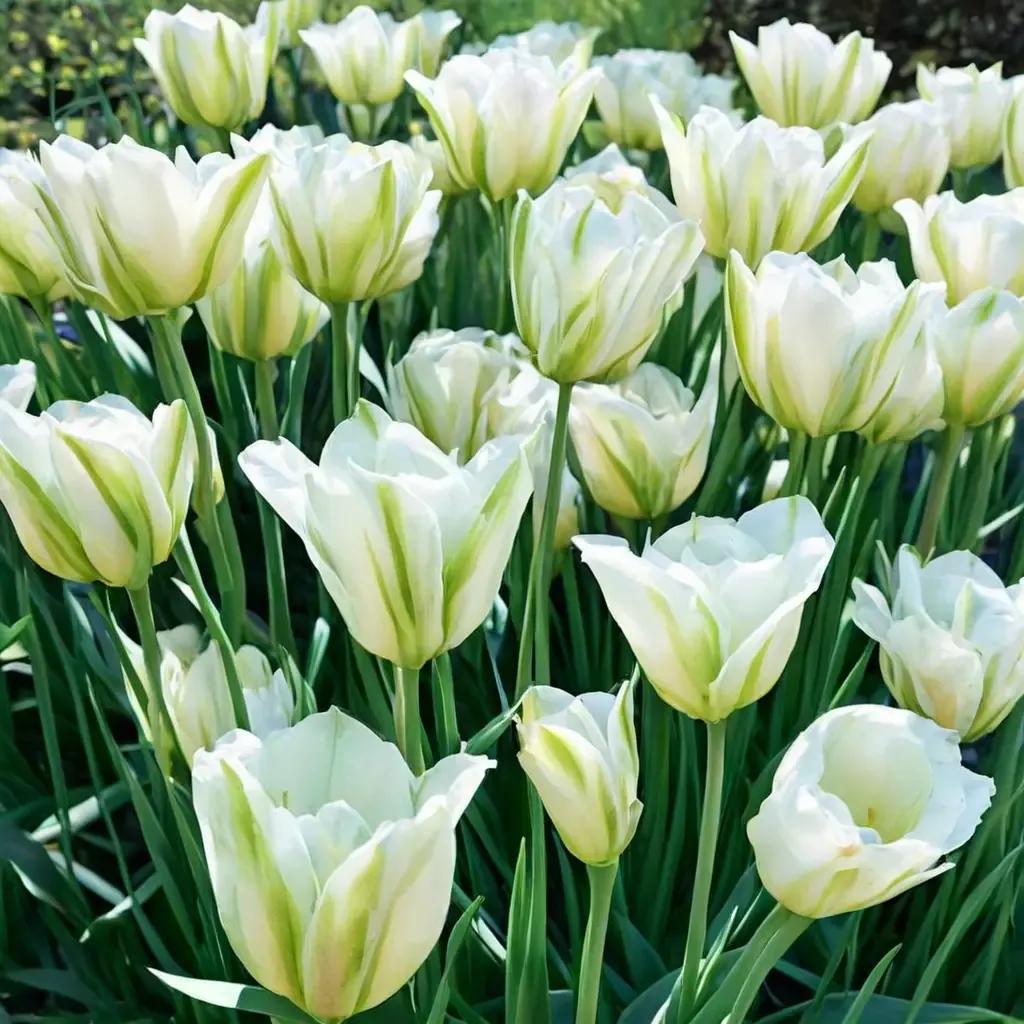 ‘Spring Green’Spring Green Tulip
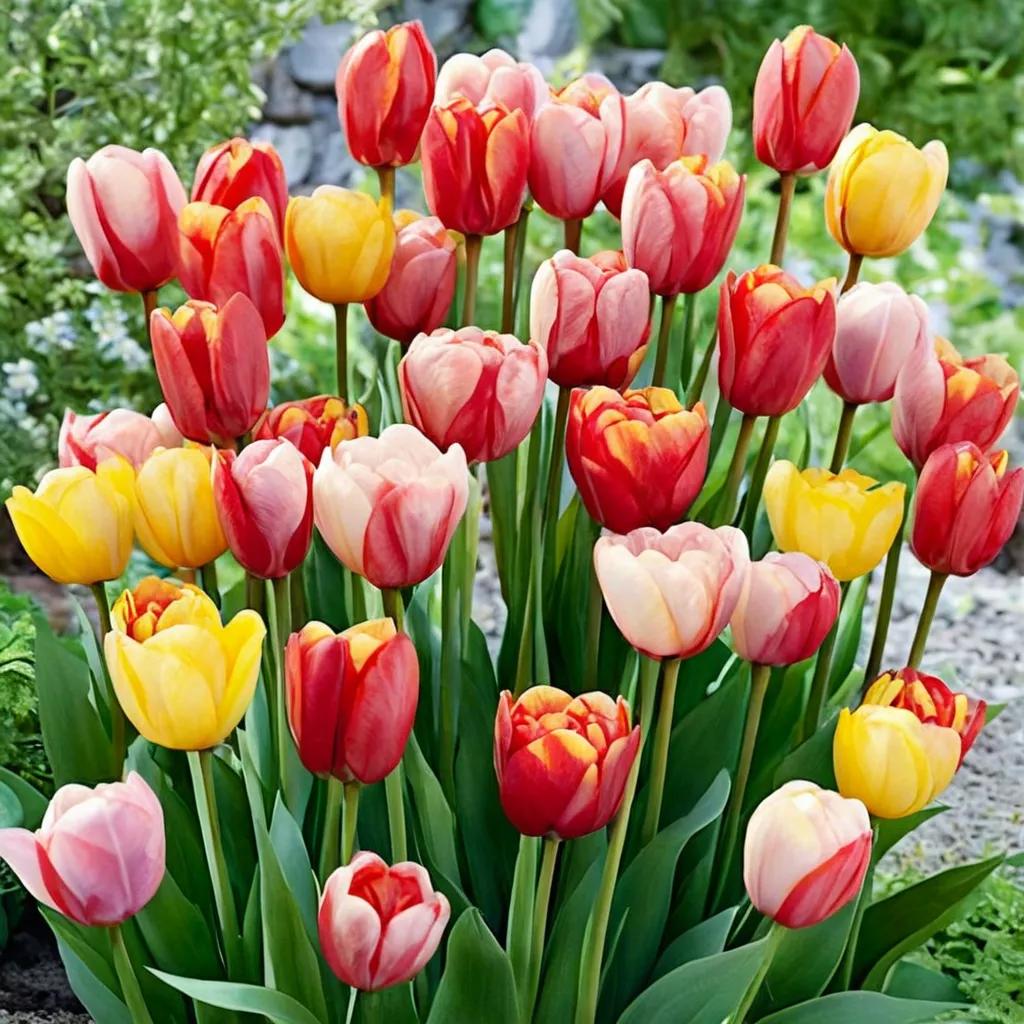 ‘Mix’Mixed Tulip Flowers
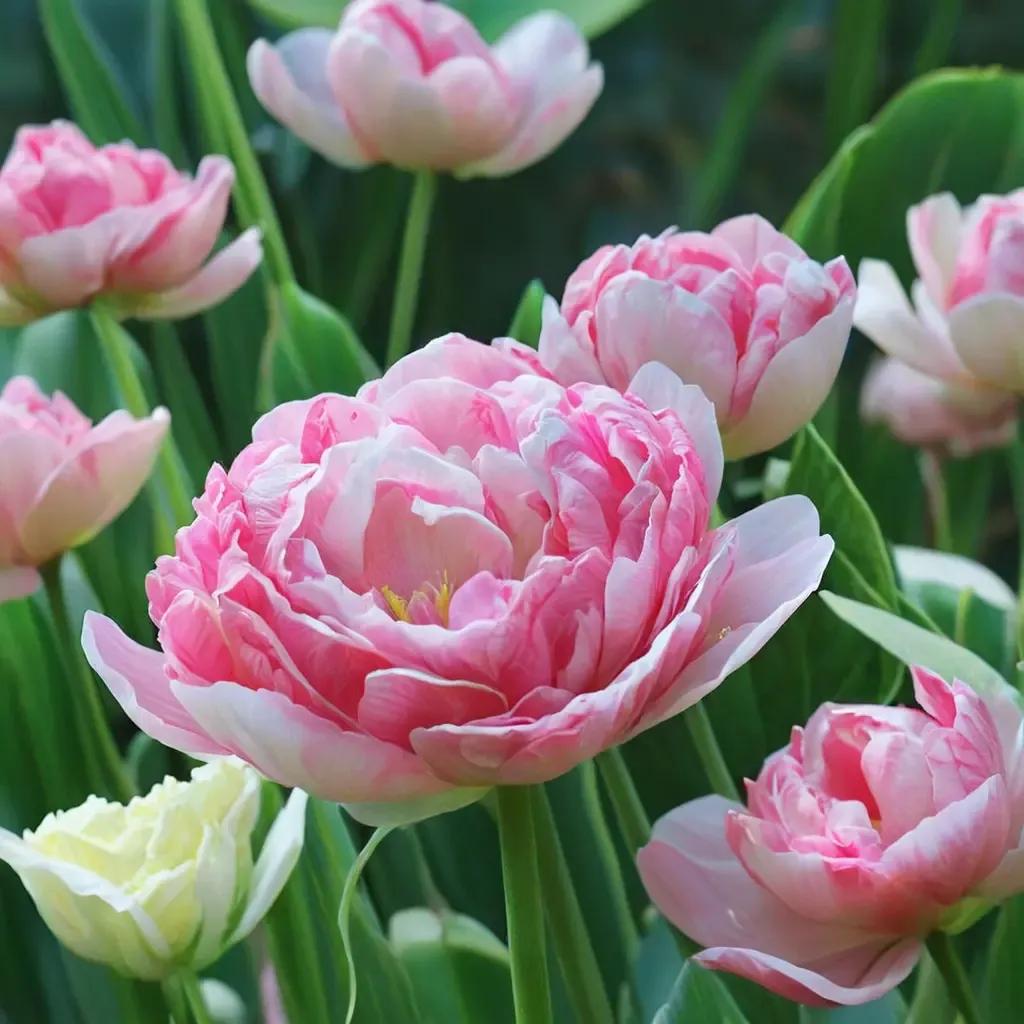 ‘Angelique’Angelique Tulip
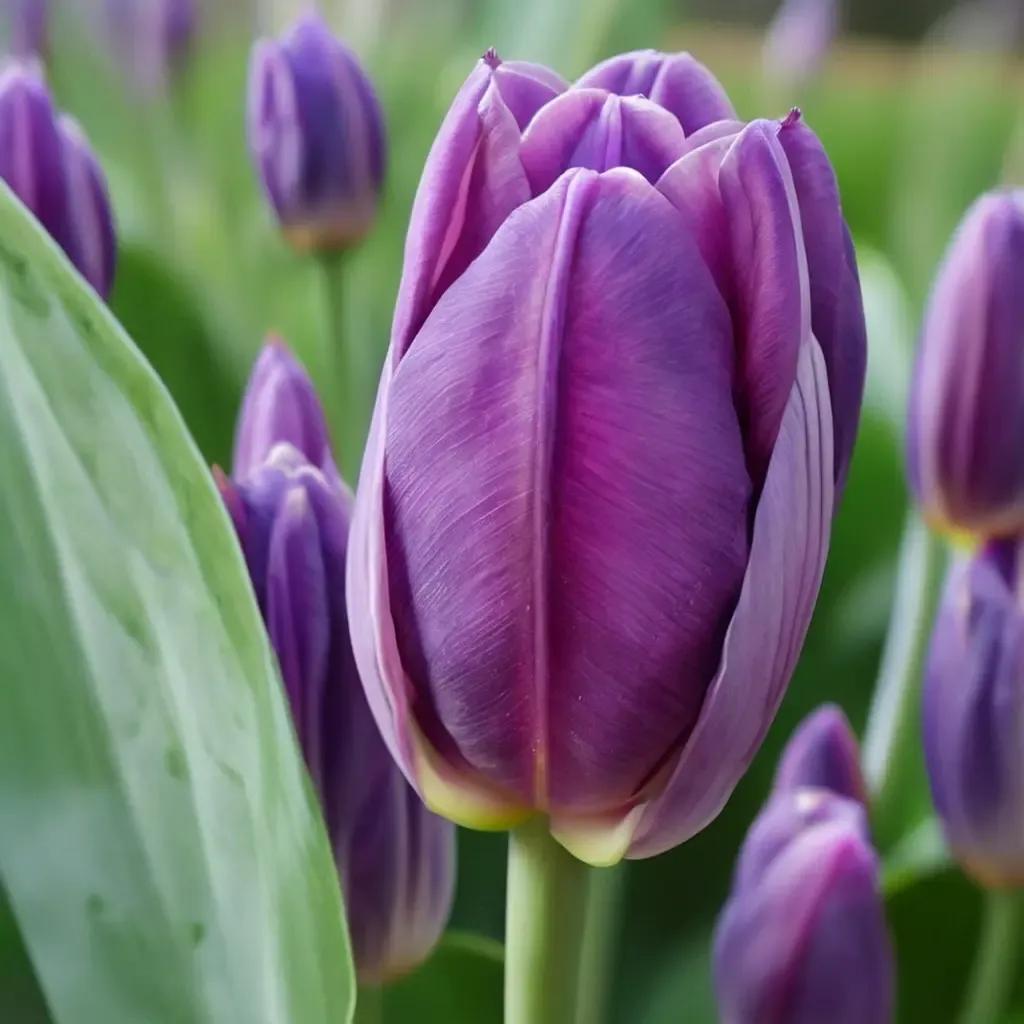 ‘Purple Flag’Purple Flag Tulip
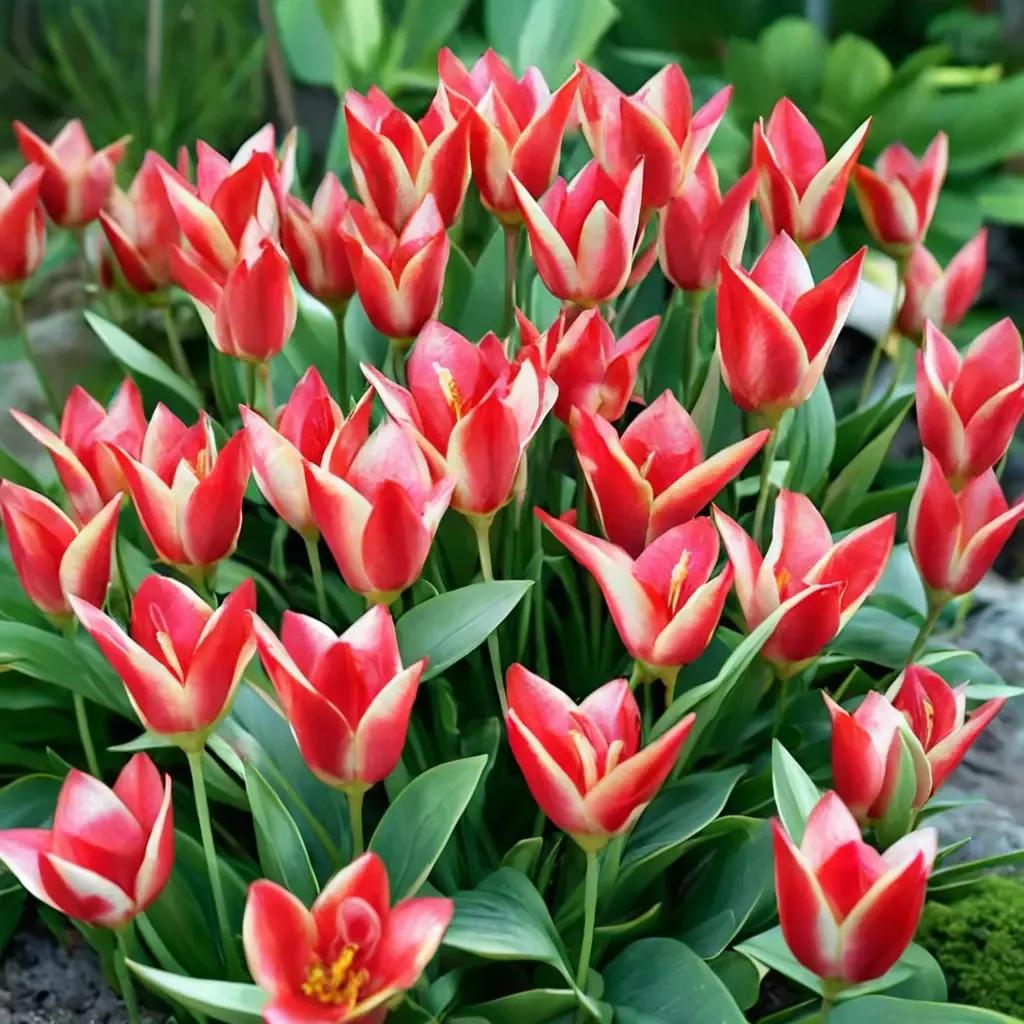 ‘Pinocchio’Pinocchio Tulip
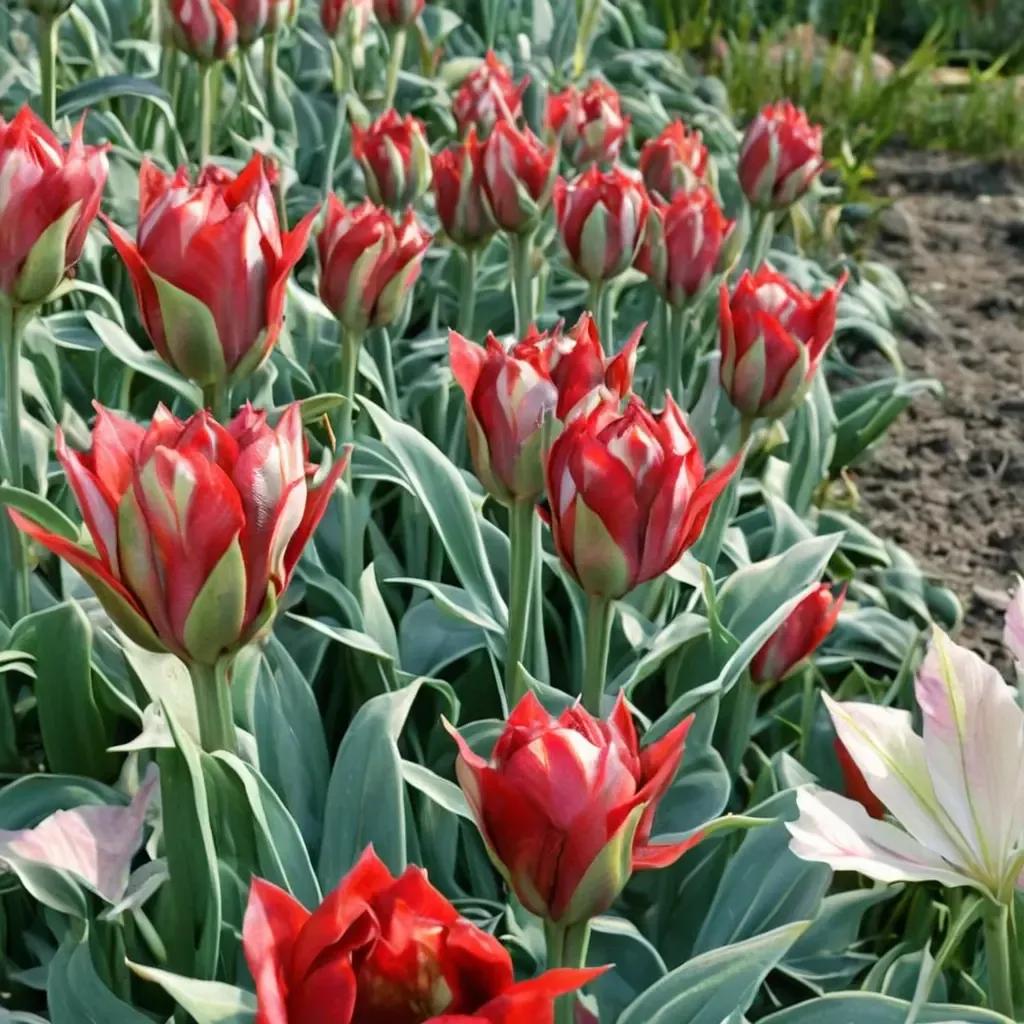 ‘Esperanto’Esperanto Tulip
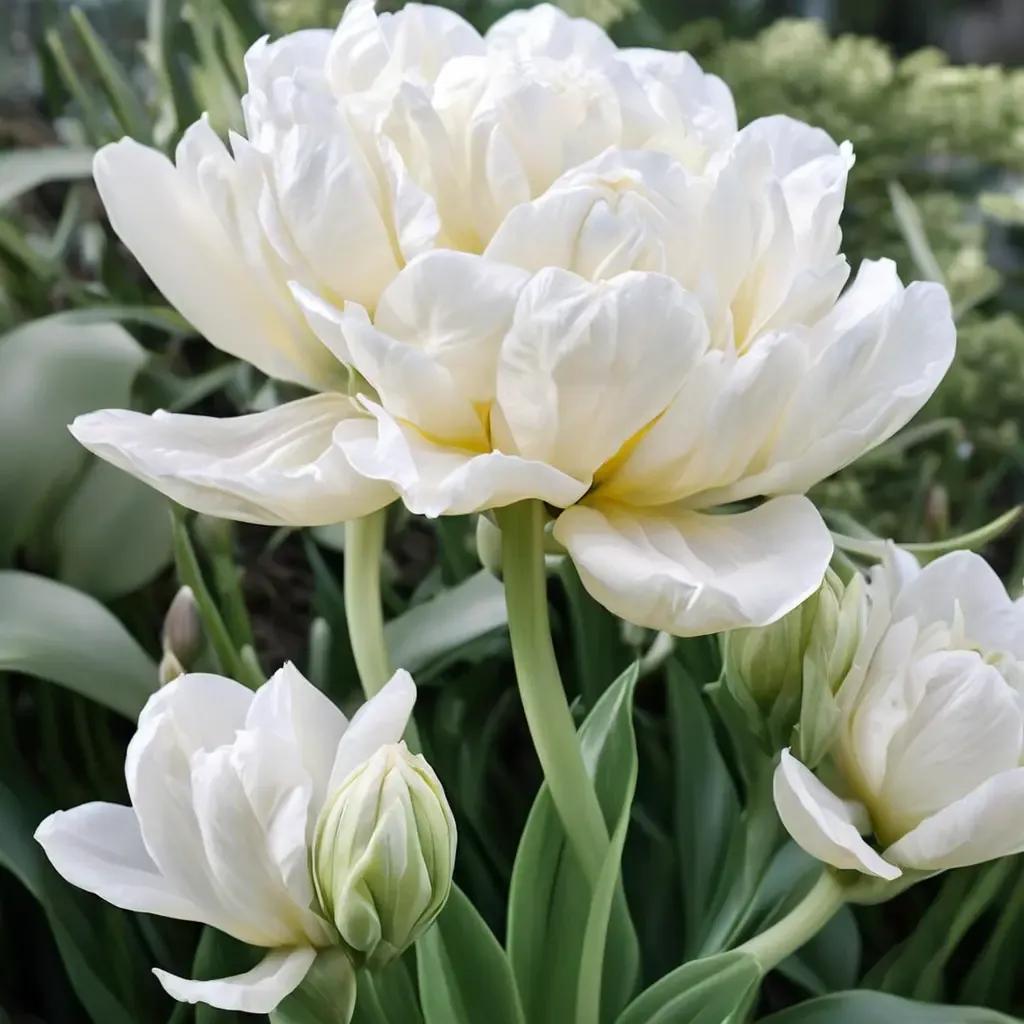 ‘Mondial’Mondial Tulip
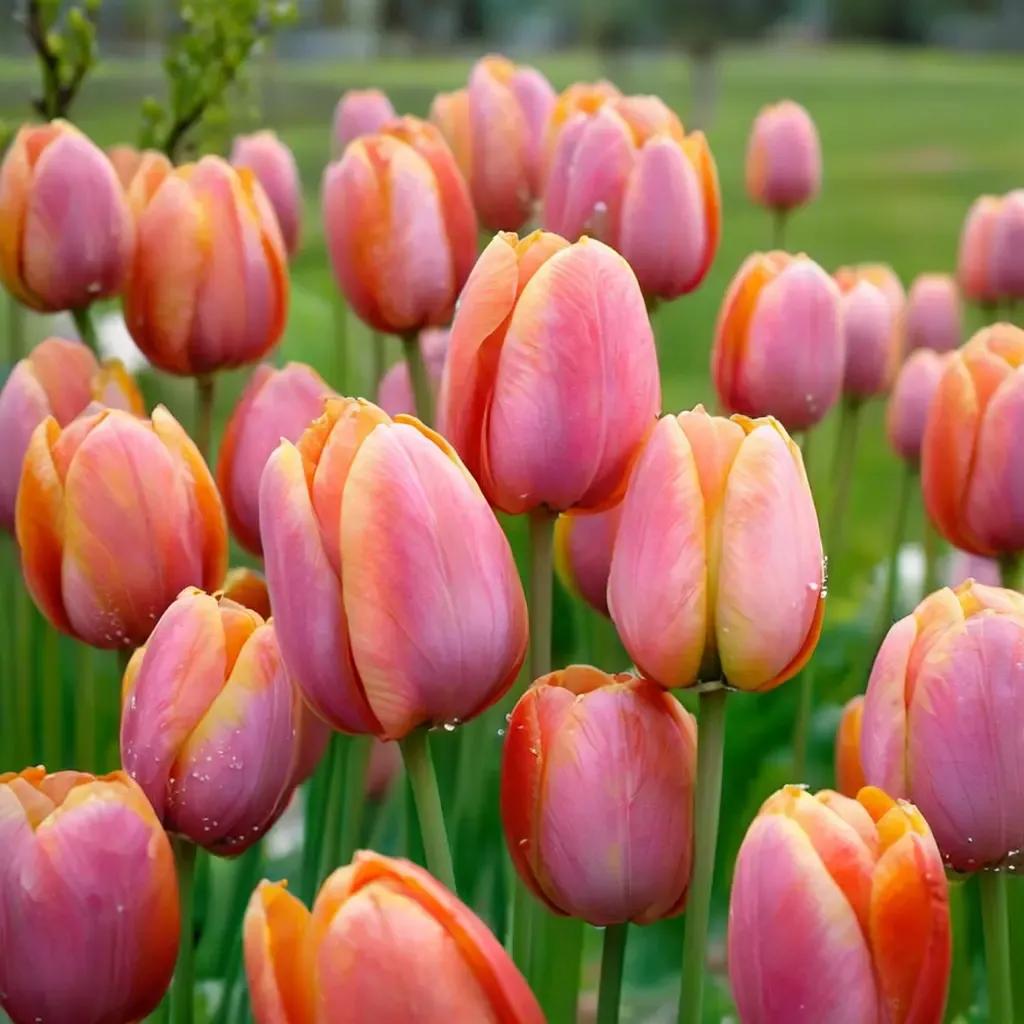 ‘Dordogne’Dordogne Tulip
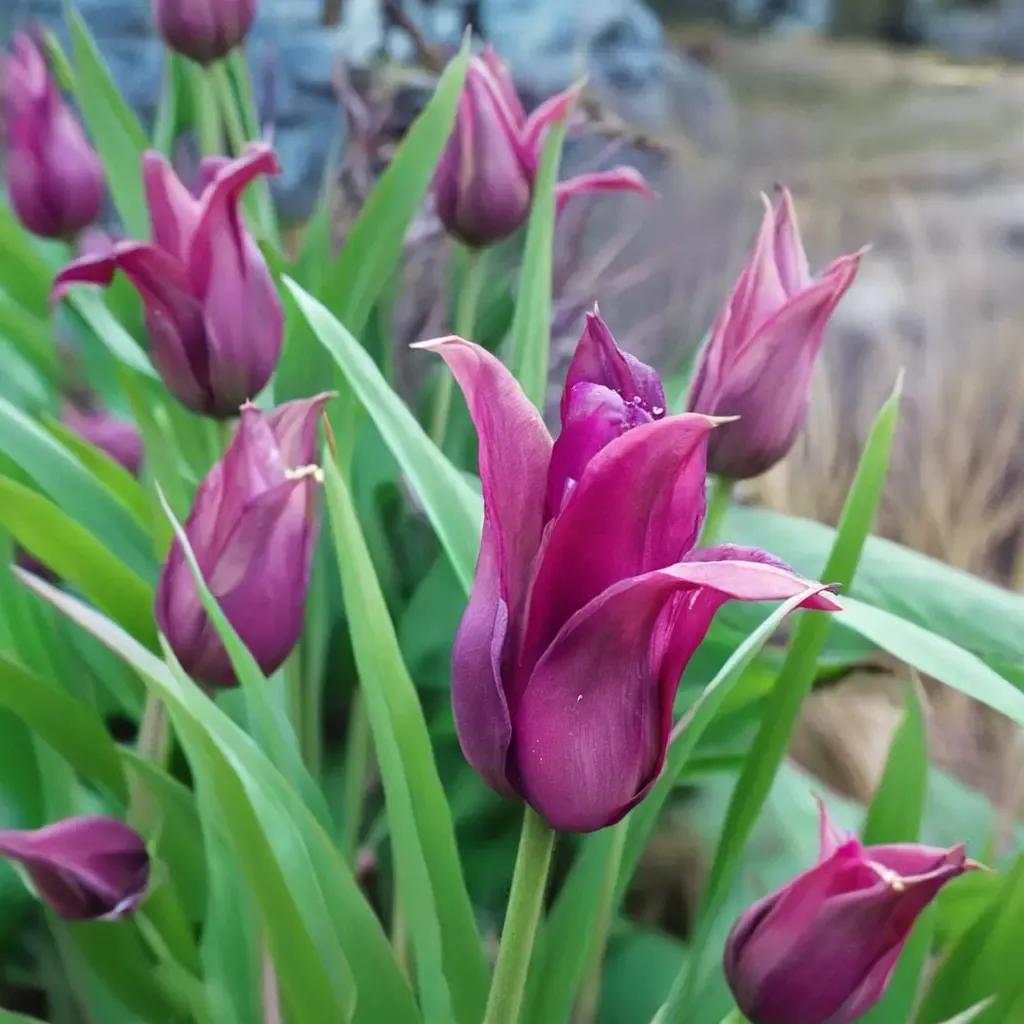 ‘Lilac Time’Lilac Time Tulip
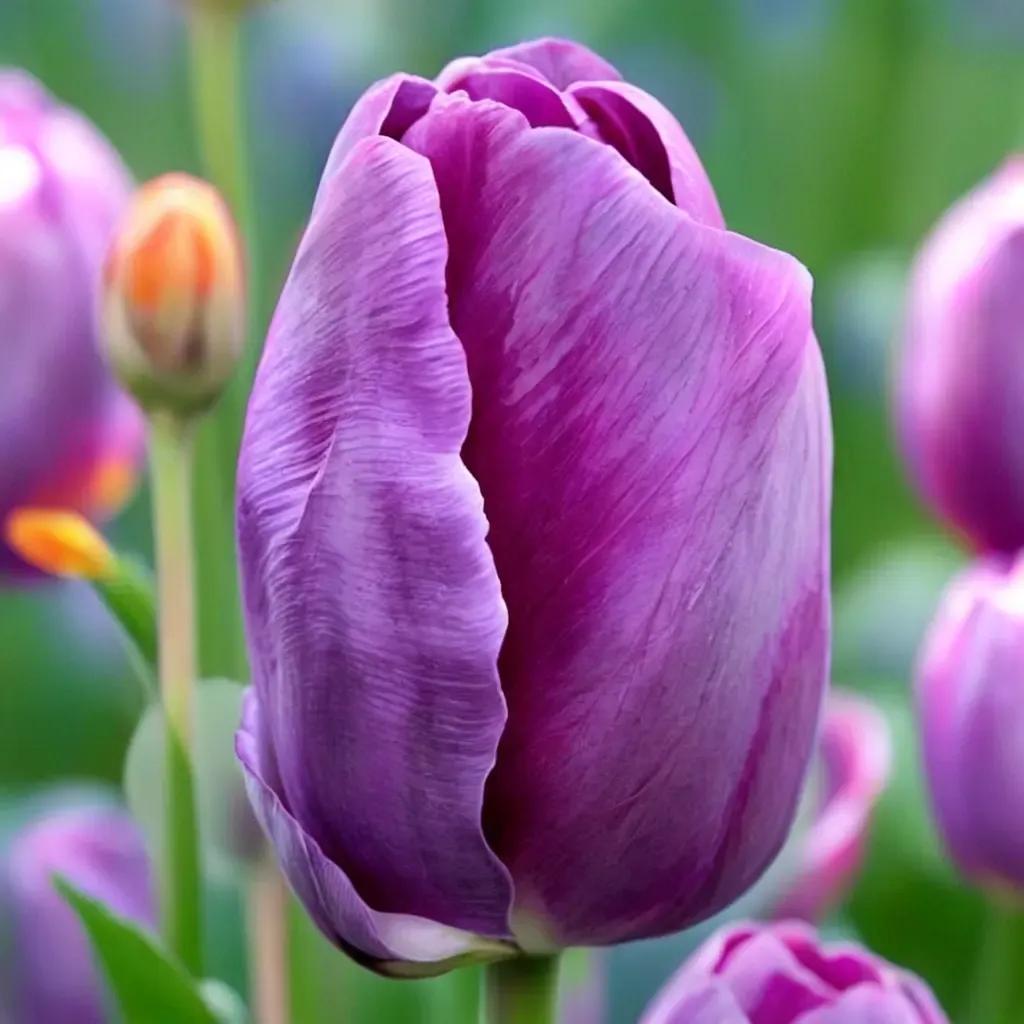 ‘Negrita’Negrita Tulip
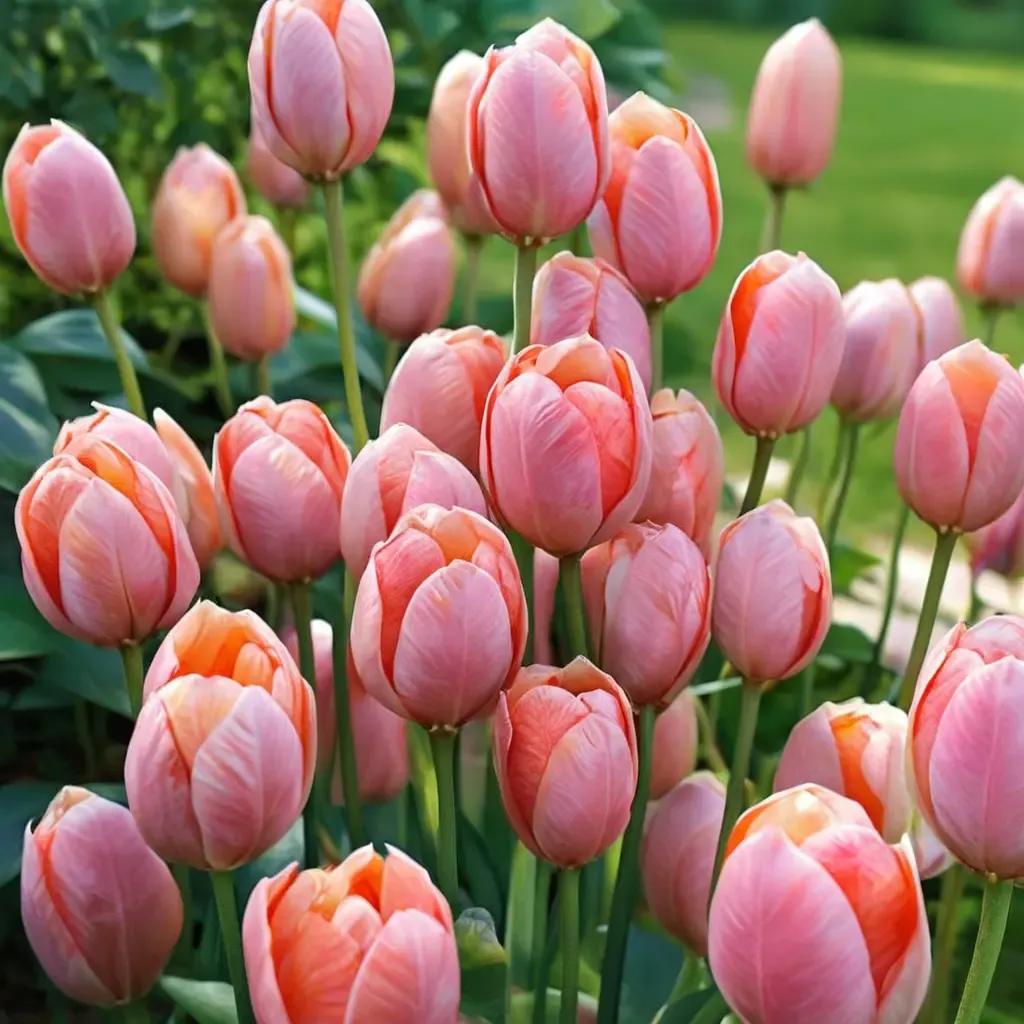 ‘Menton’Tulip 'Menton'
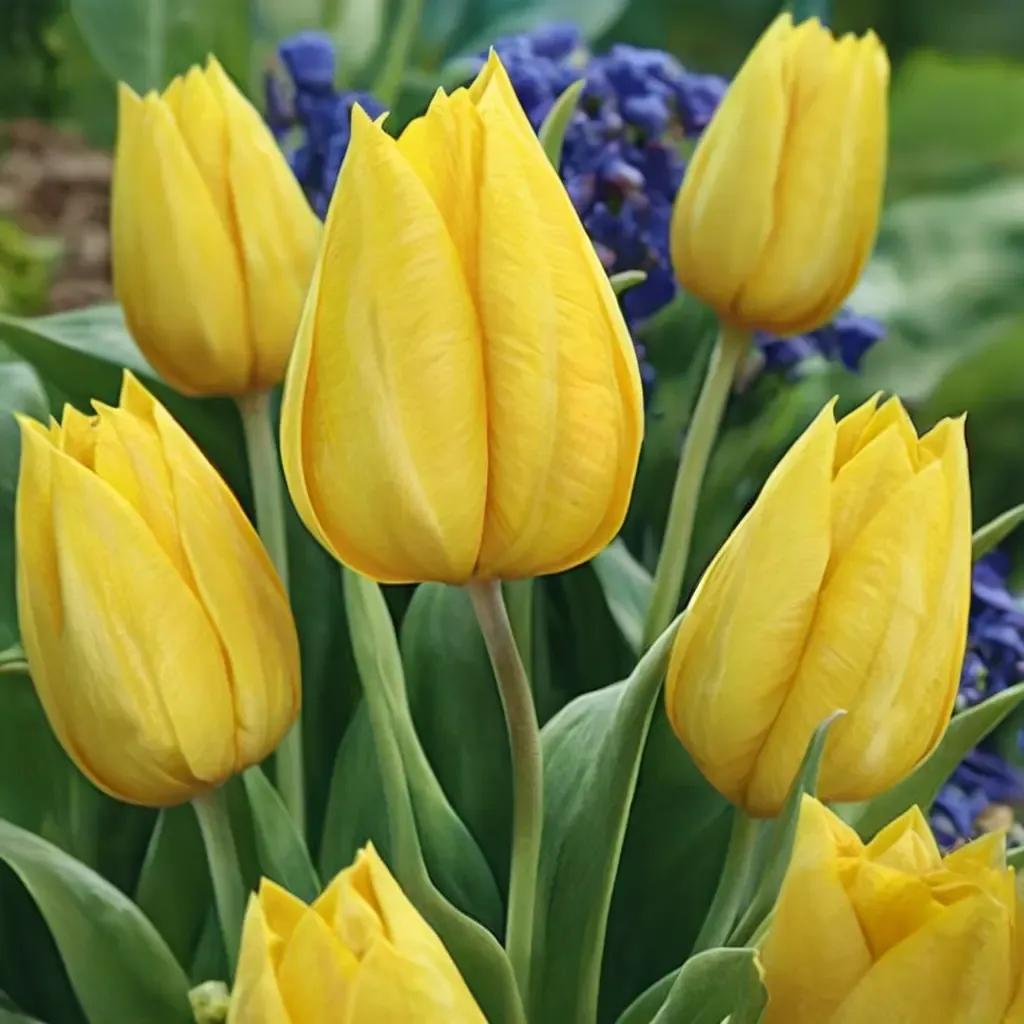 ‘Yokohama’Yokohama Tulip
 ‘Purple Prince’Purple Prince Tulip
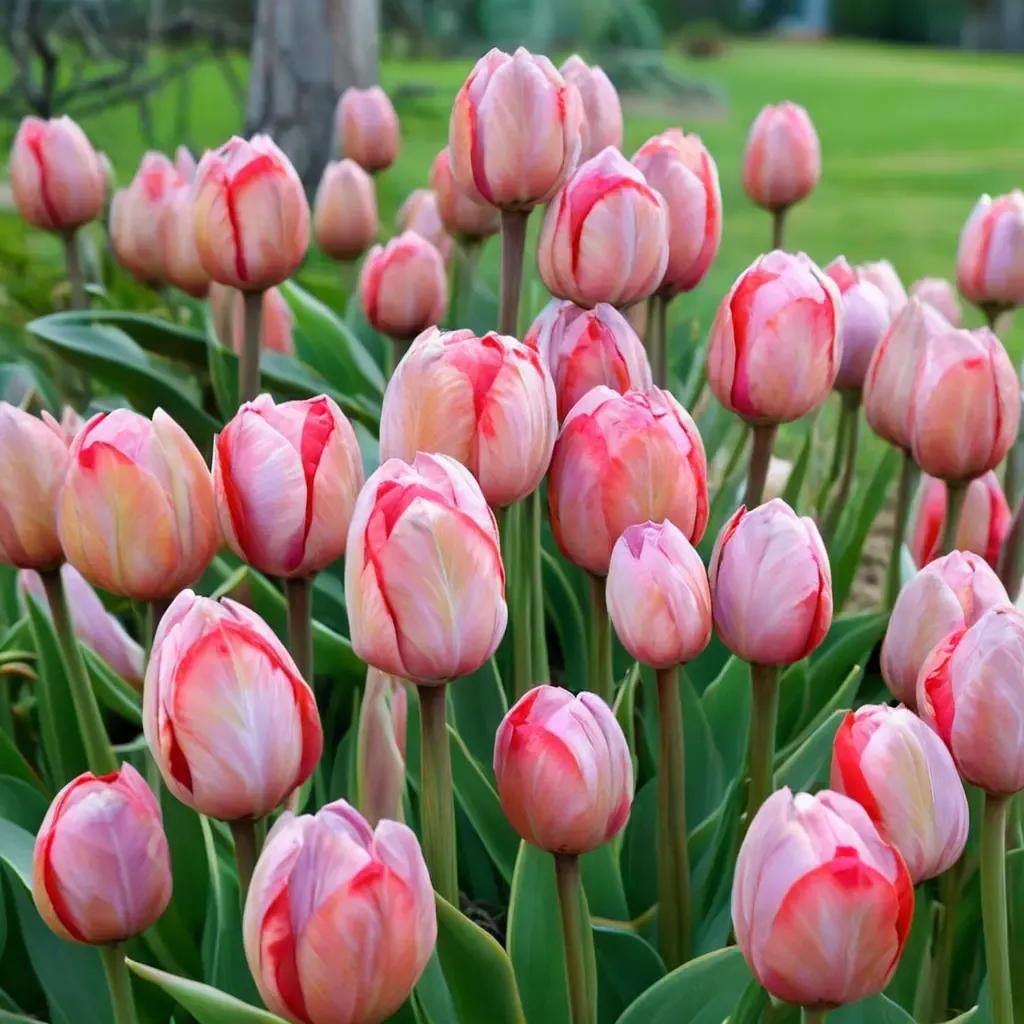 ‘Design Impression’Design Impression Tulip
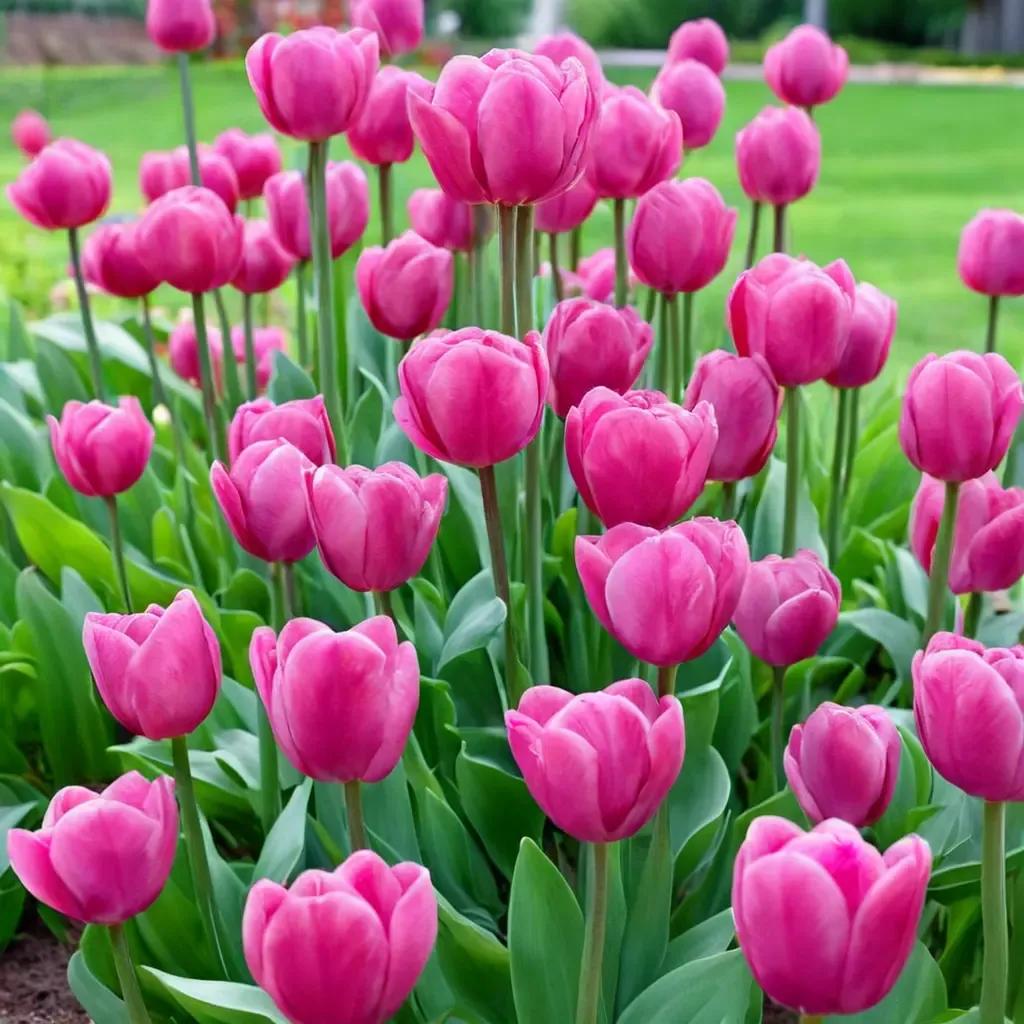 ‘Barcelona’Barcelona Tulip
 ‘Apricot Parrot’Apricot Parrot Tulip
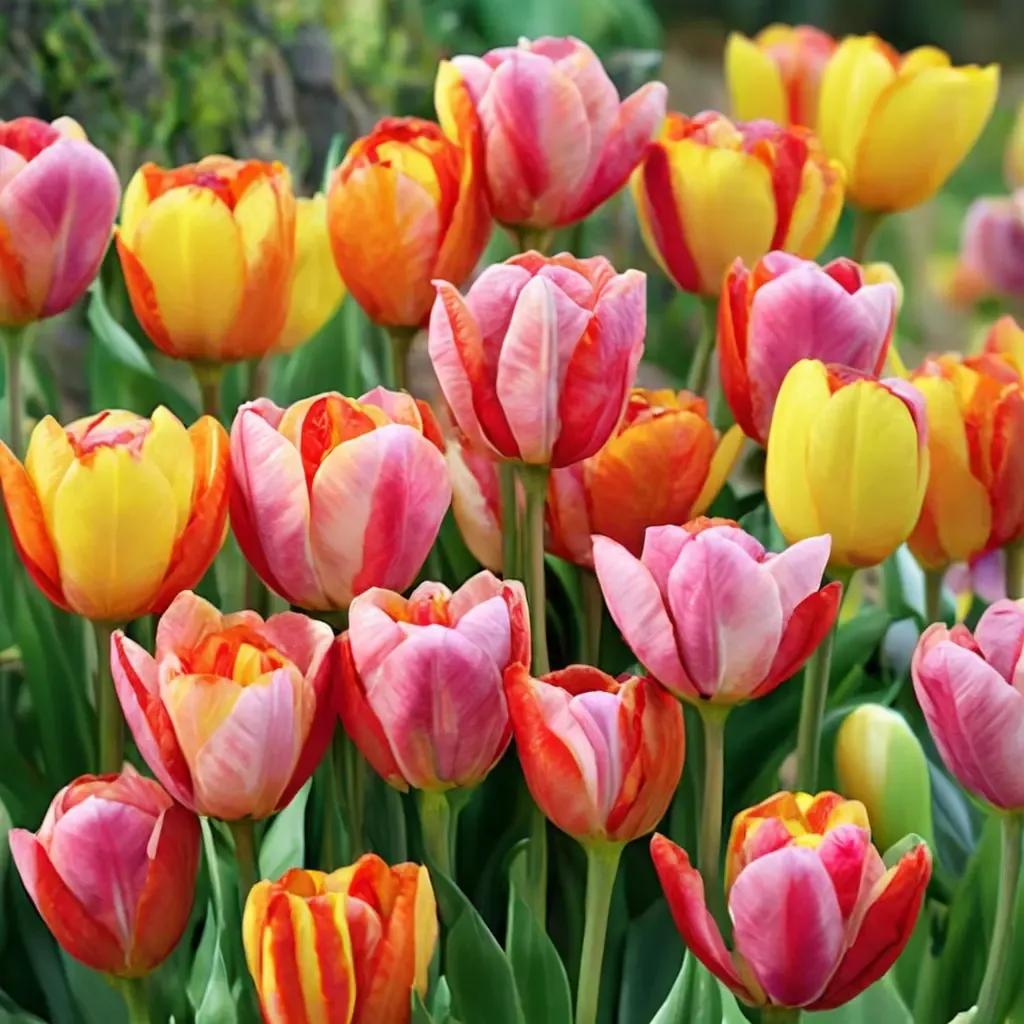 ‘Tequila Sunrise’Tequila Sunrise Tulip
 ‘Davenport’Davenport Tulip
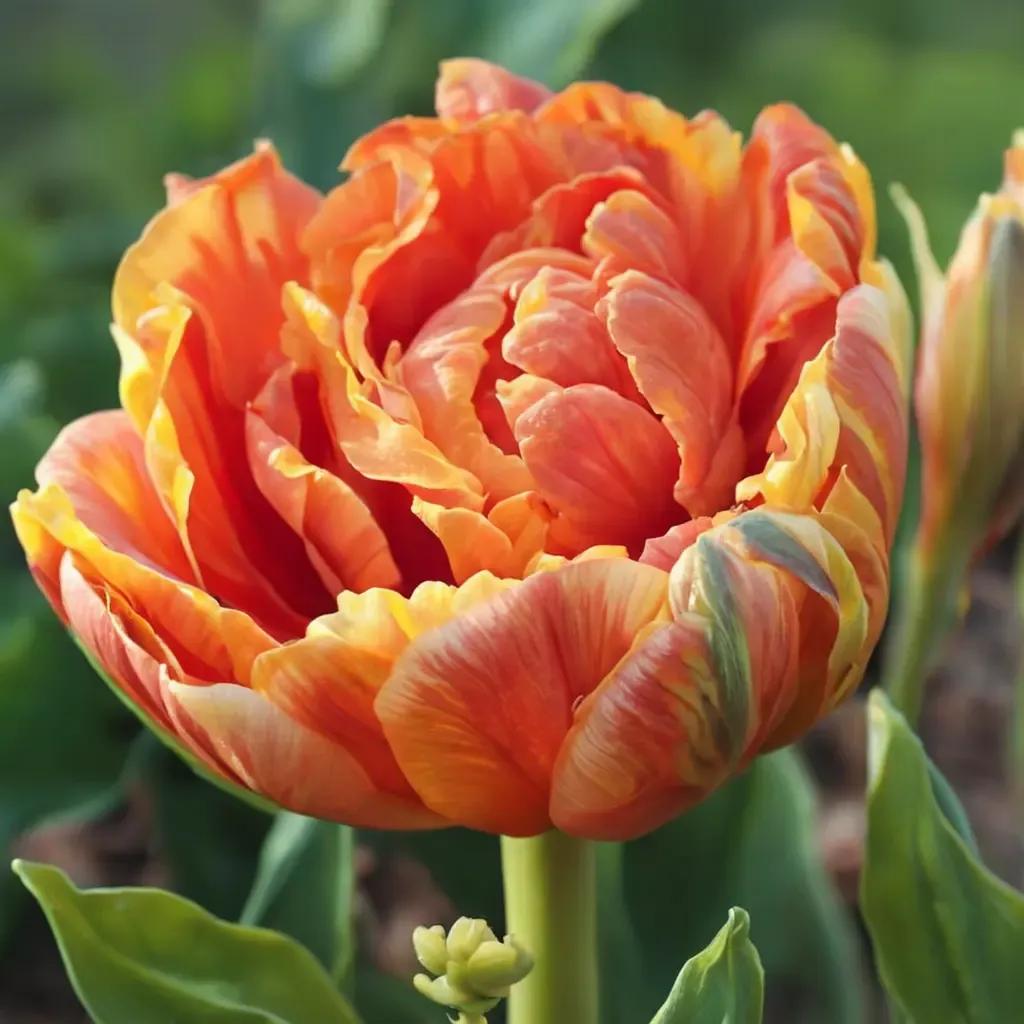 ‘Monte Orange’Monte Orange Tulip
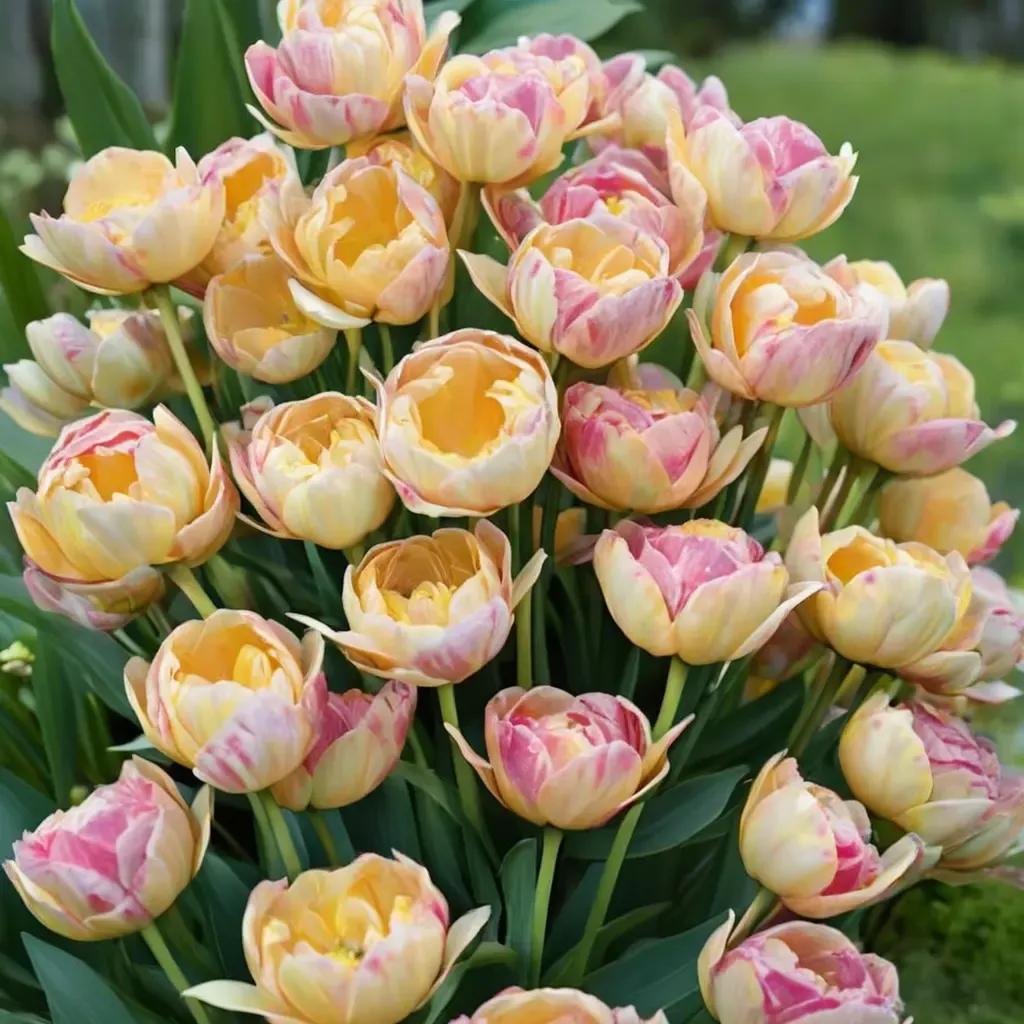 ‘Upstar’Upstar Tulip
 ‘Orca’Orca Tulip
 ‘Gander’Gander Tulip
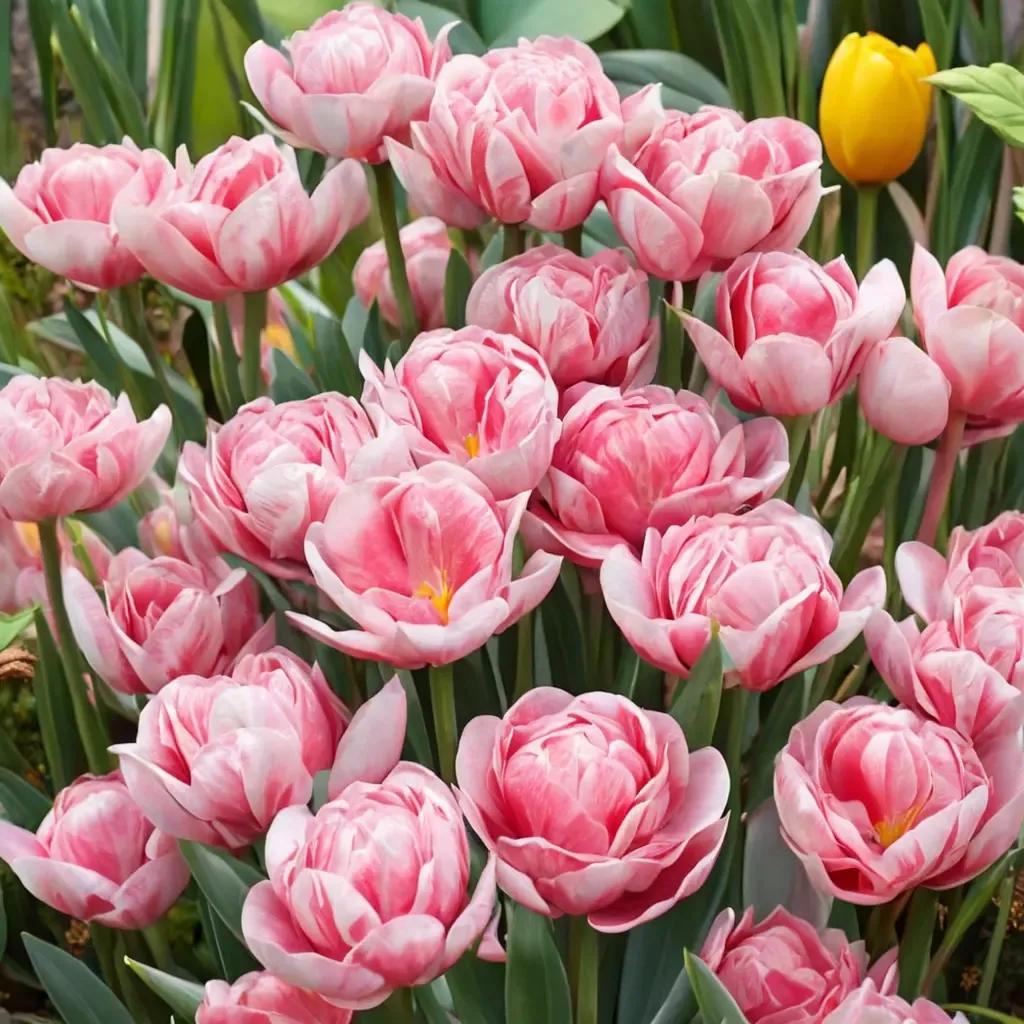 ‘Foxtrot’Foxtrot Tulip
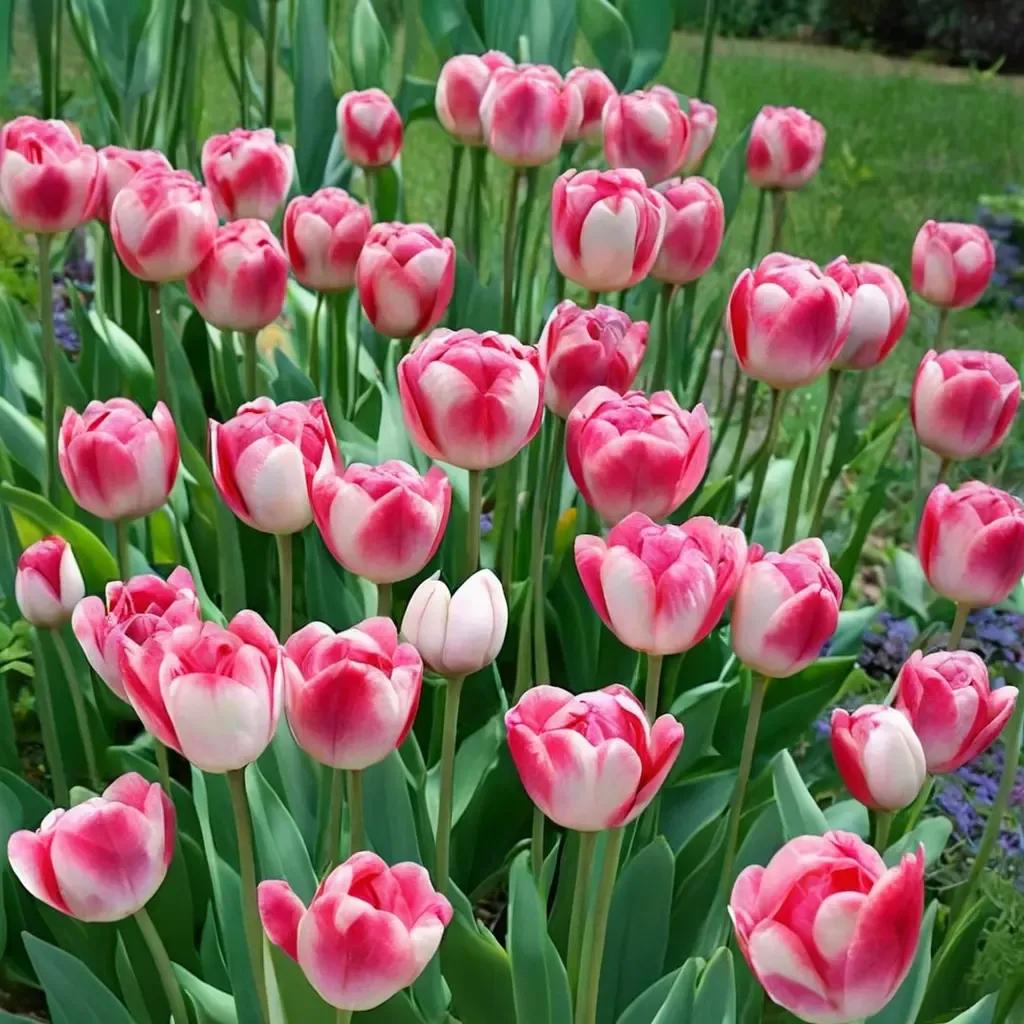 ‘Dreamland’Dreamland Tulip
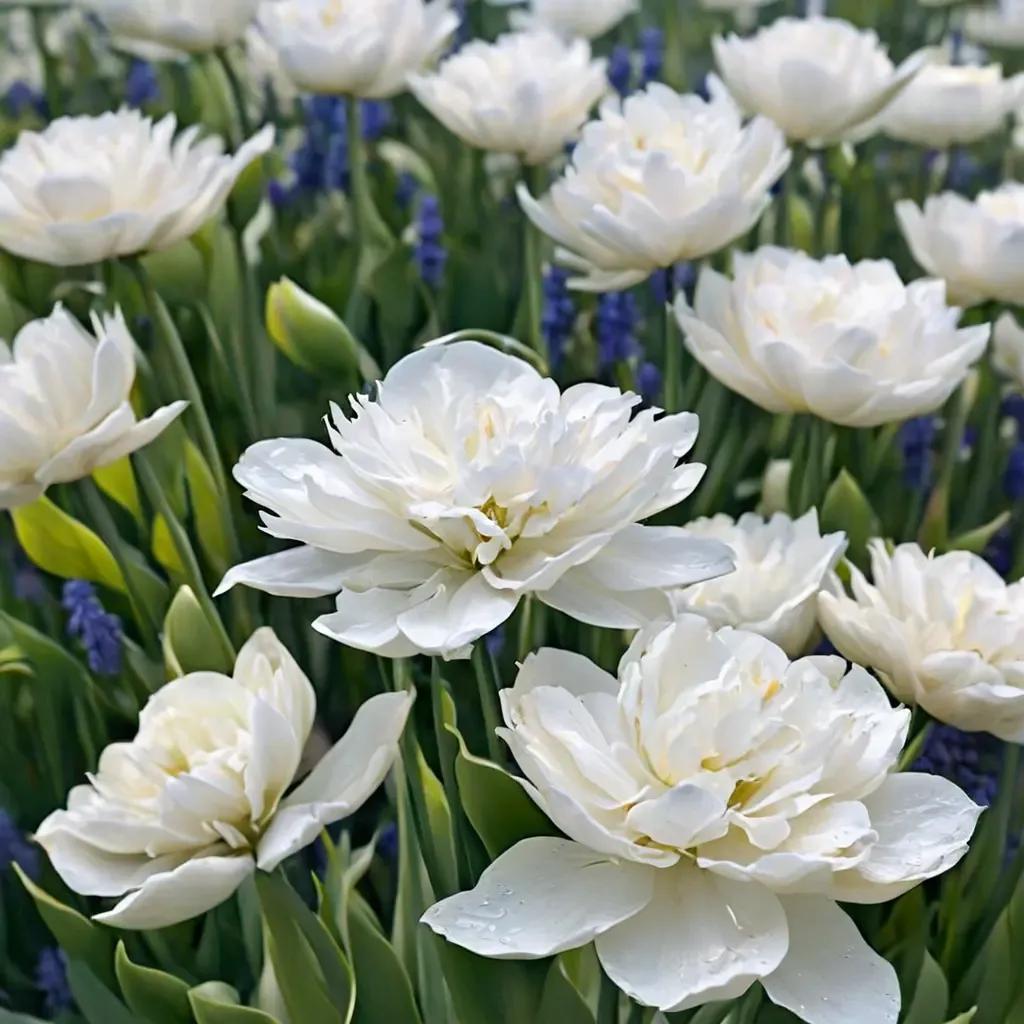 ‘Mount Tacoma’Mount Tacoma Tulip
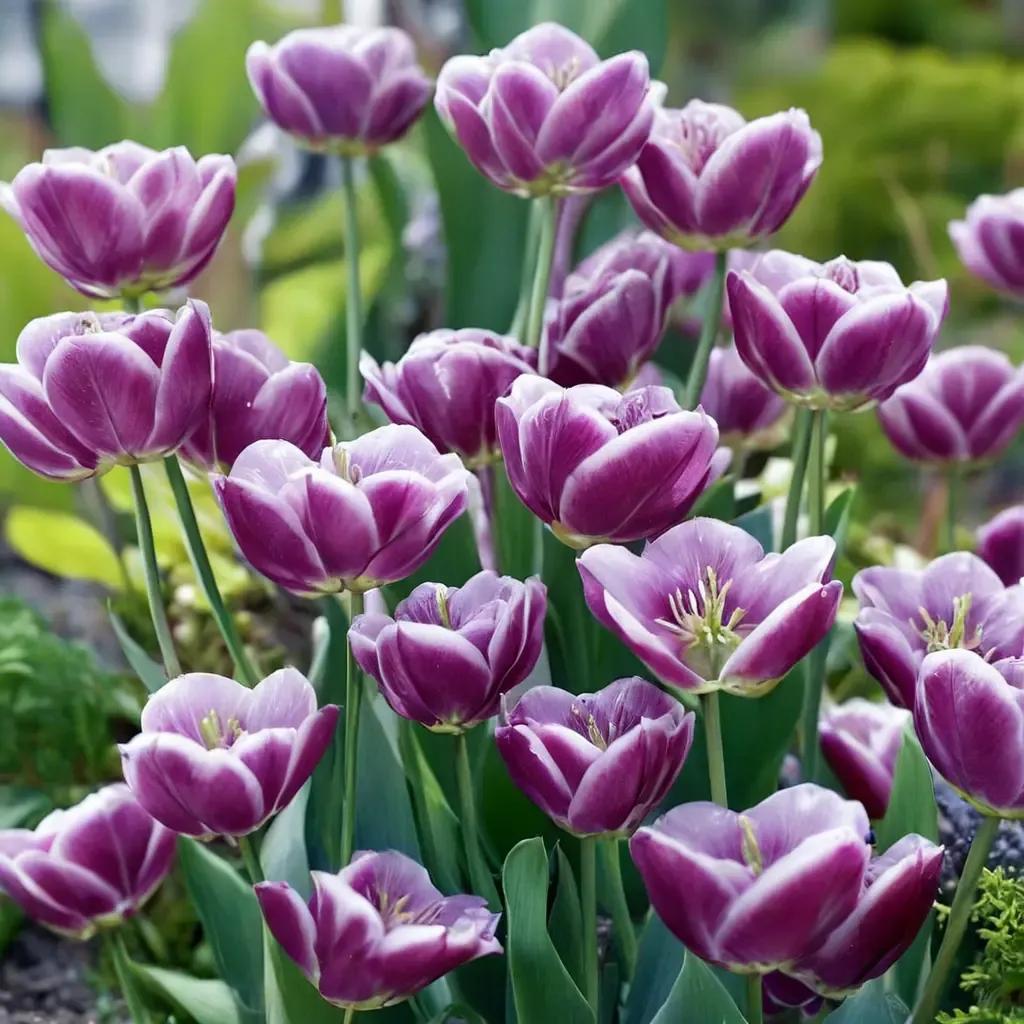 ‘Arabian Mystery’Arabian Mystery Tulip
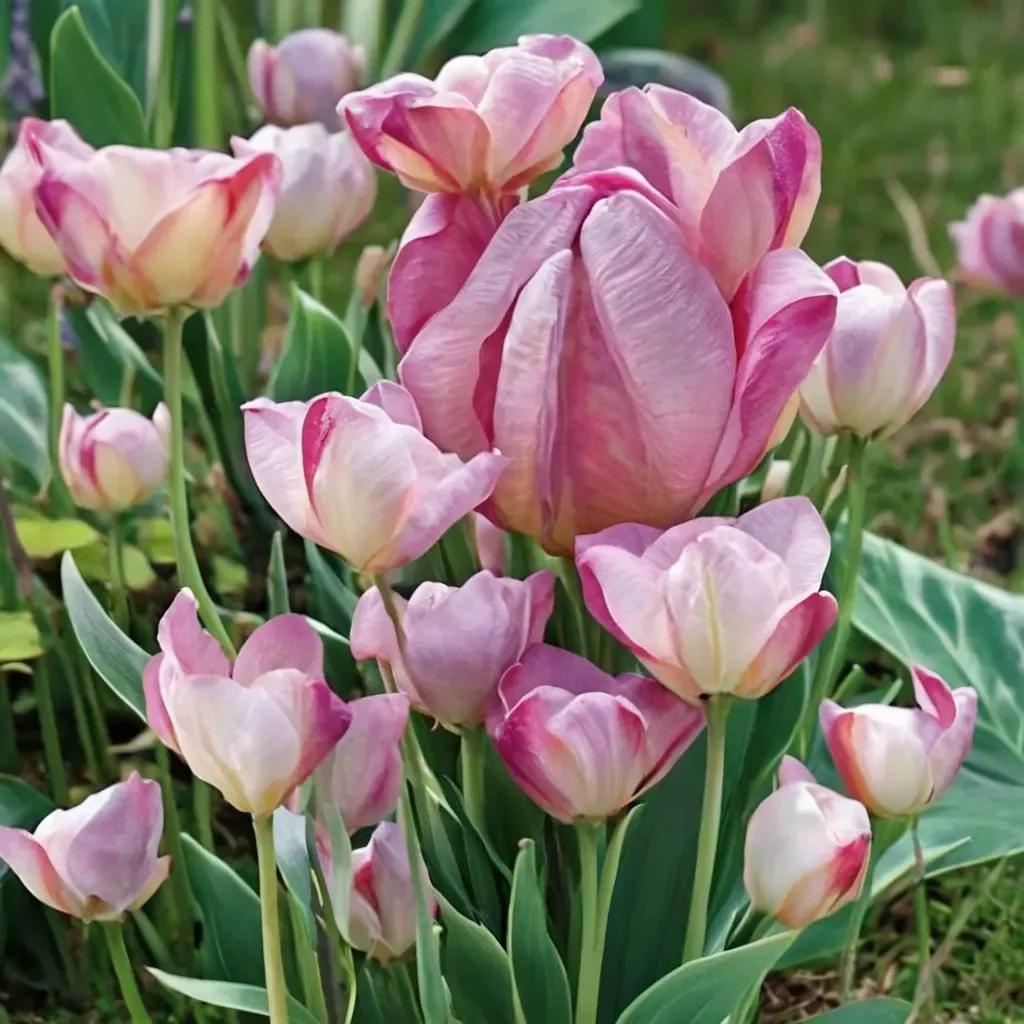 ‘New Design’New Design Tulip
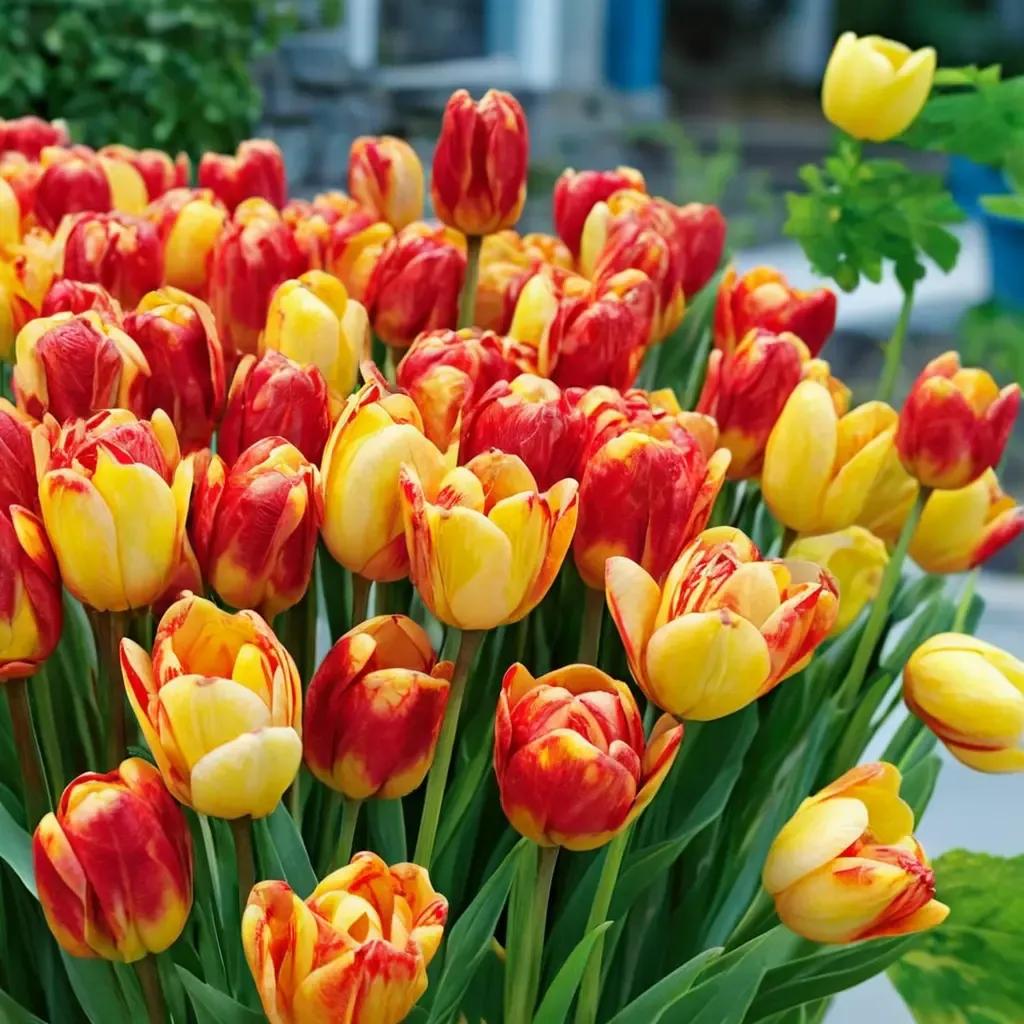 ‘Montevideo Triumph’Montevideo Triumph Tulip
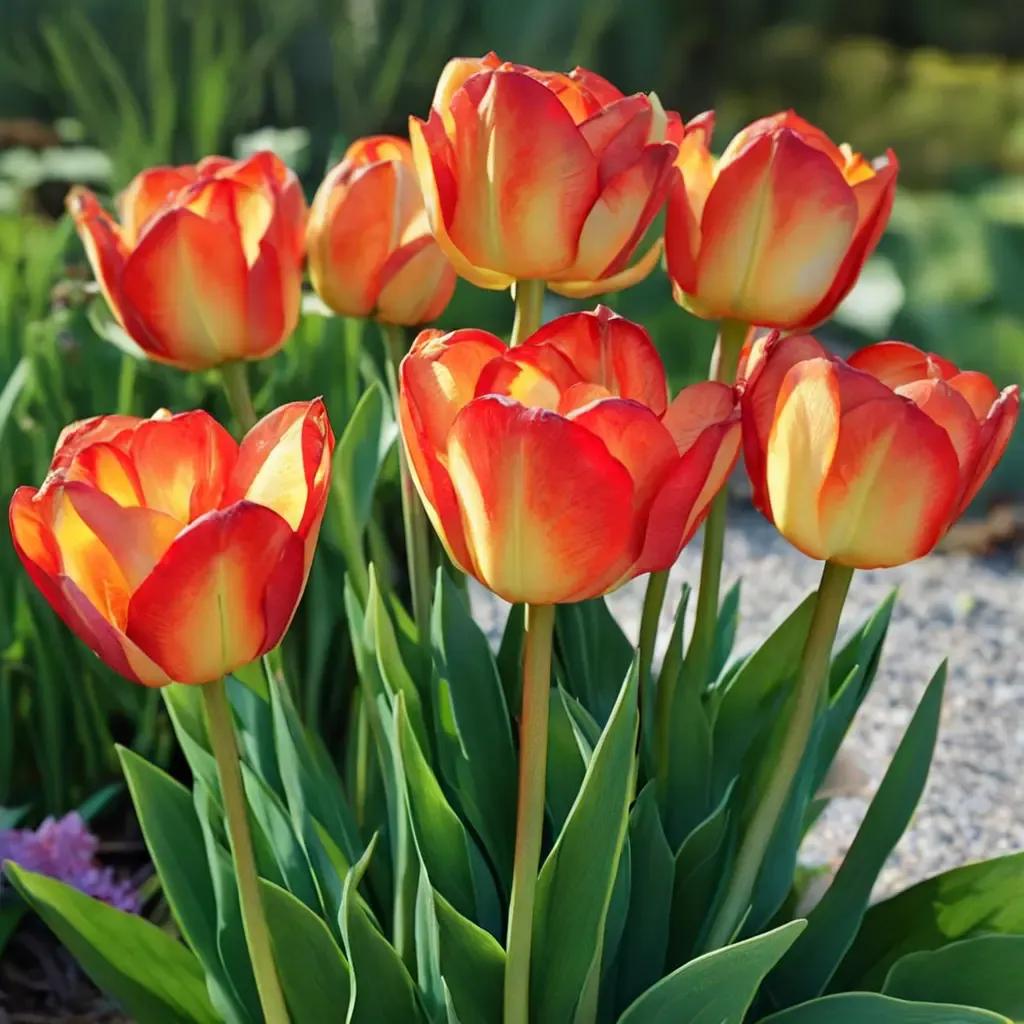 ‘American Dream’American Dream Tulip
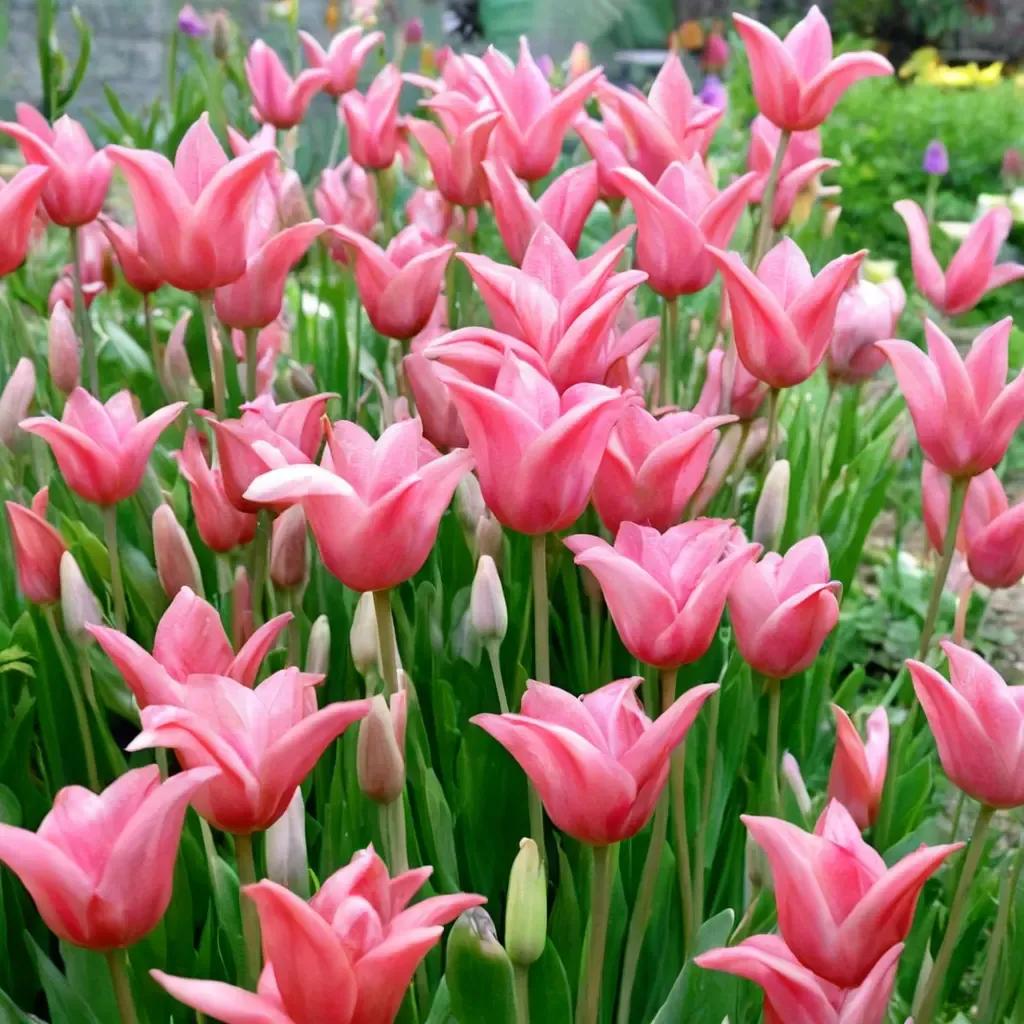 ‘Mariette’Mariette Tulip
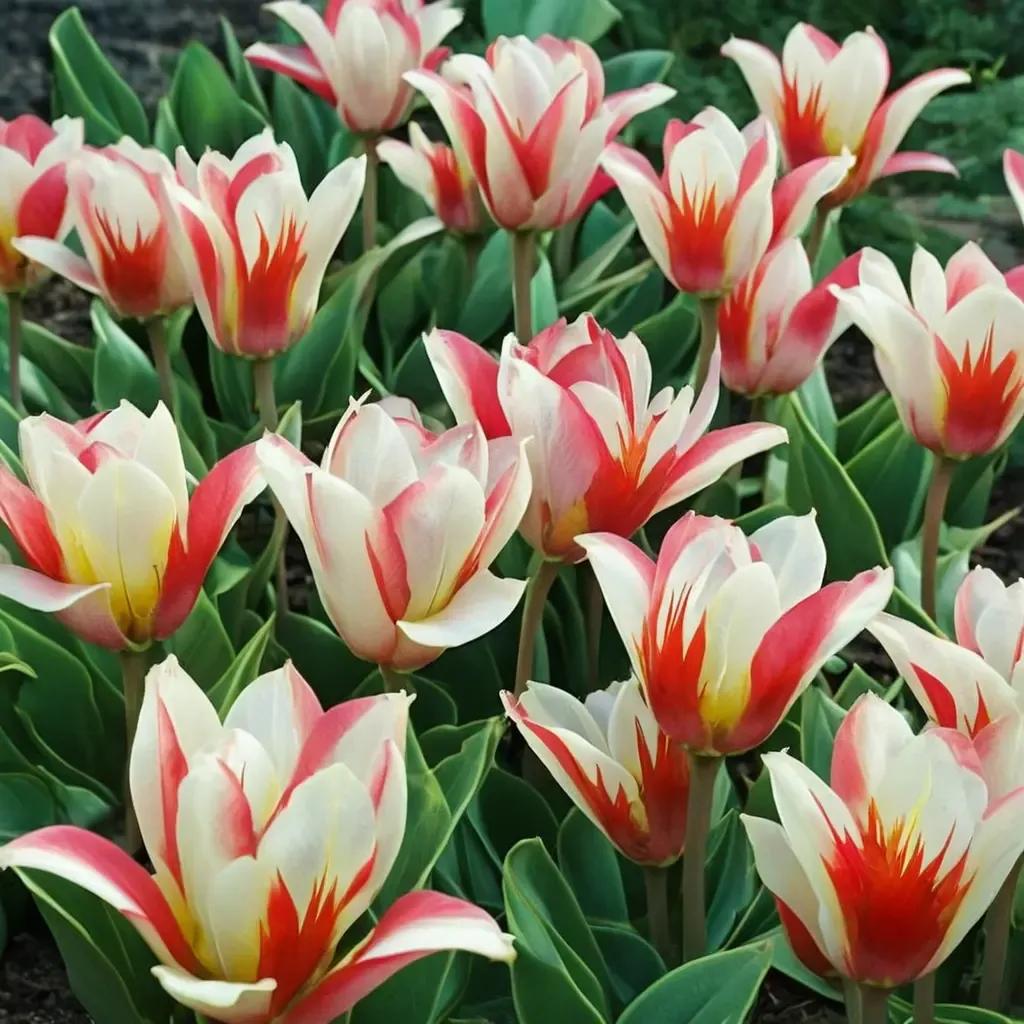 ‘Heart’Heart's Delight Tulip
 ‘Montreux’Montreux Tulip
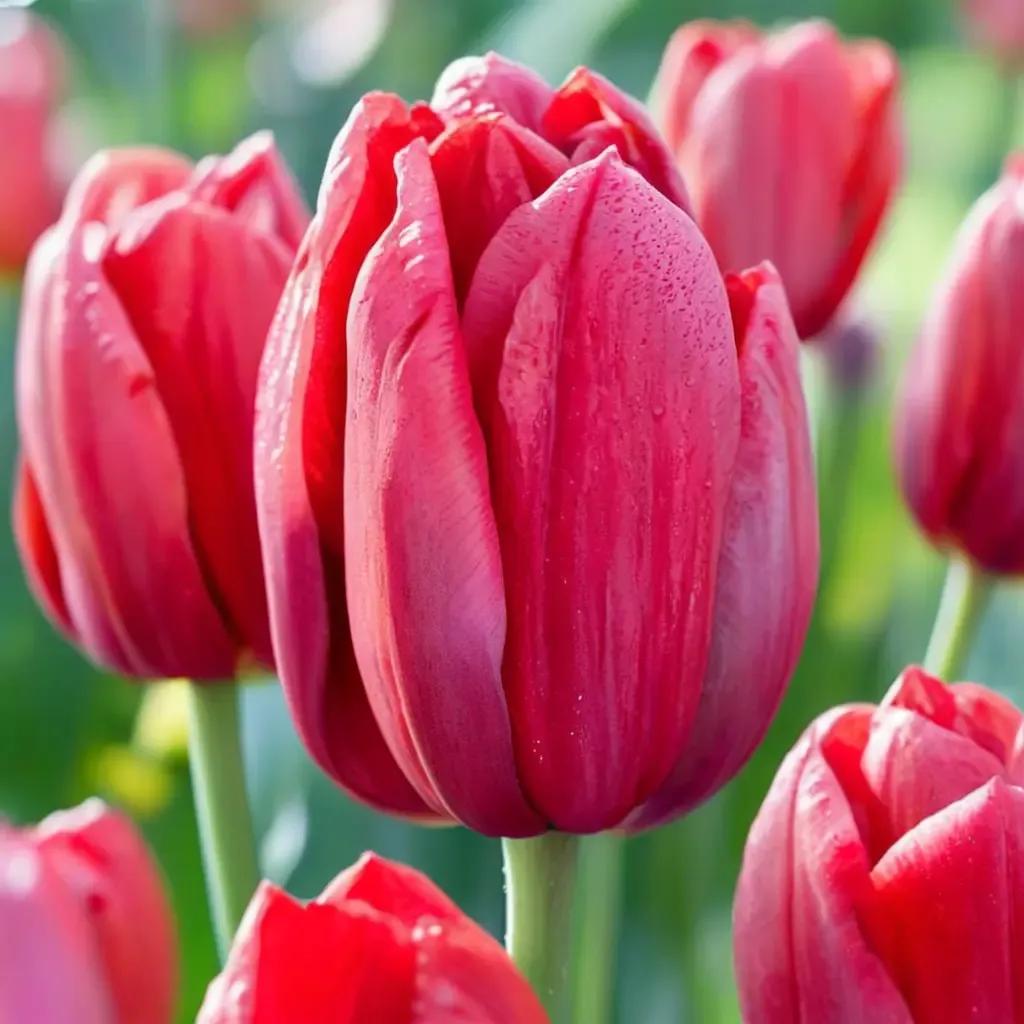 ‘Bastogne’Bastogne Tulip
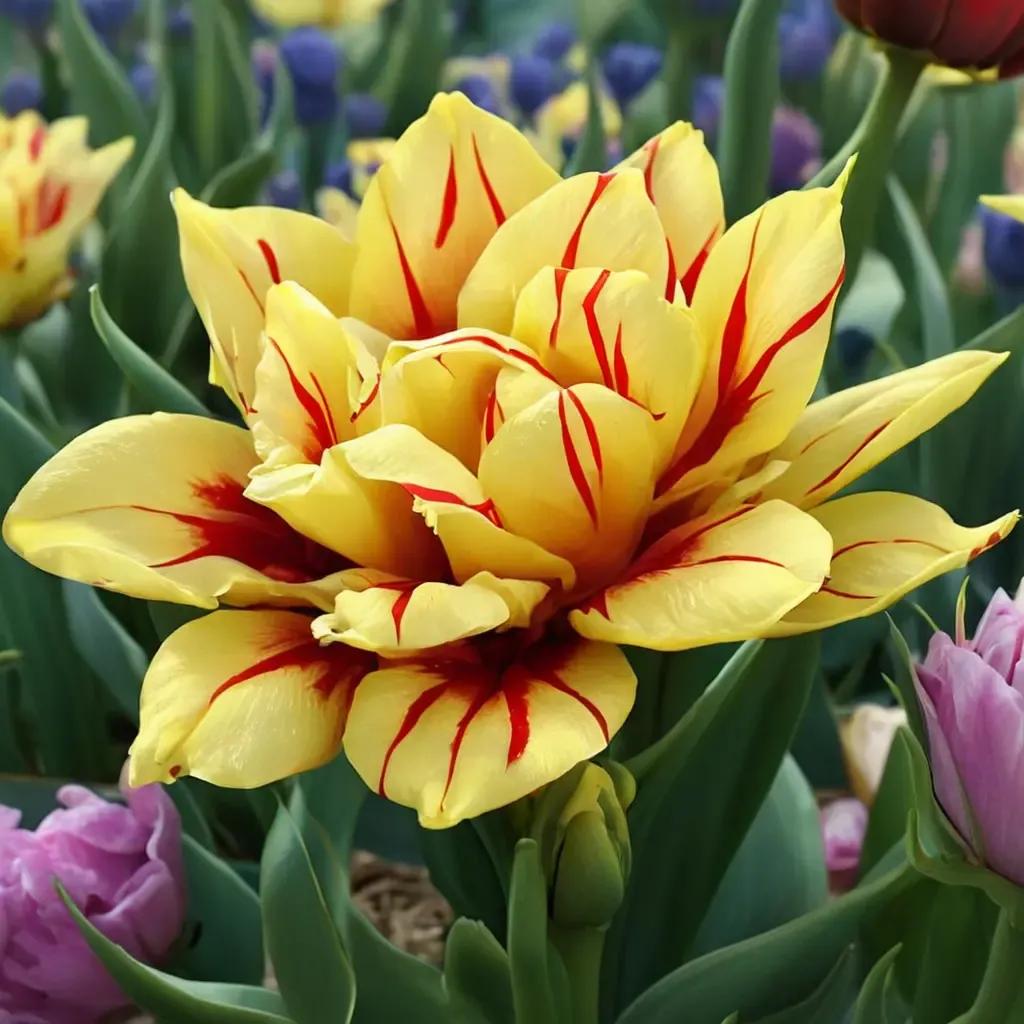 ‘Monsella’Monsella Tulip
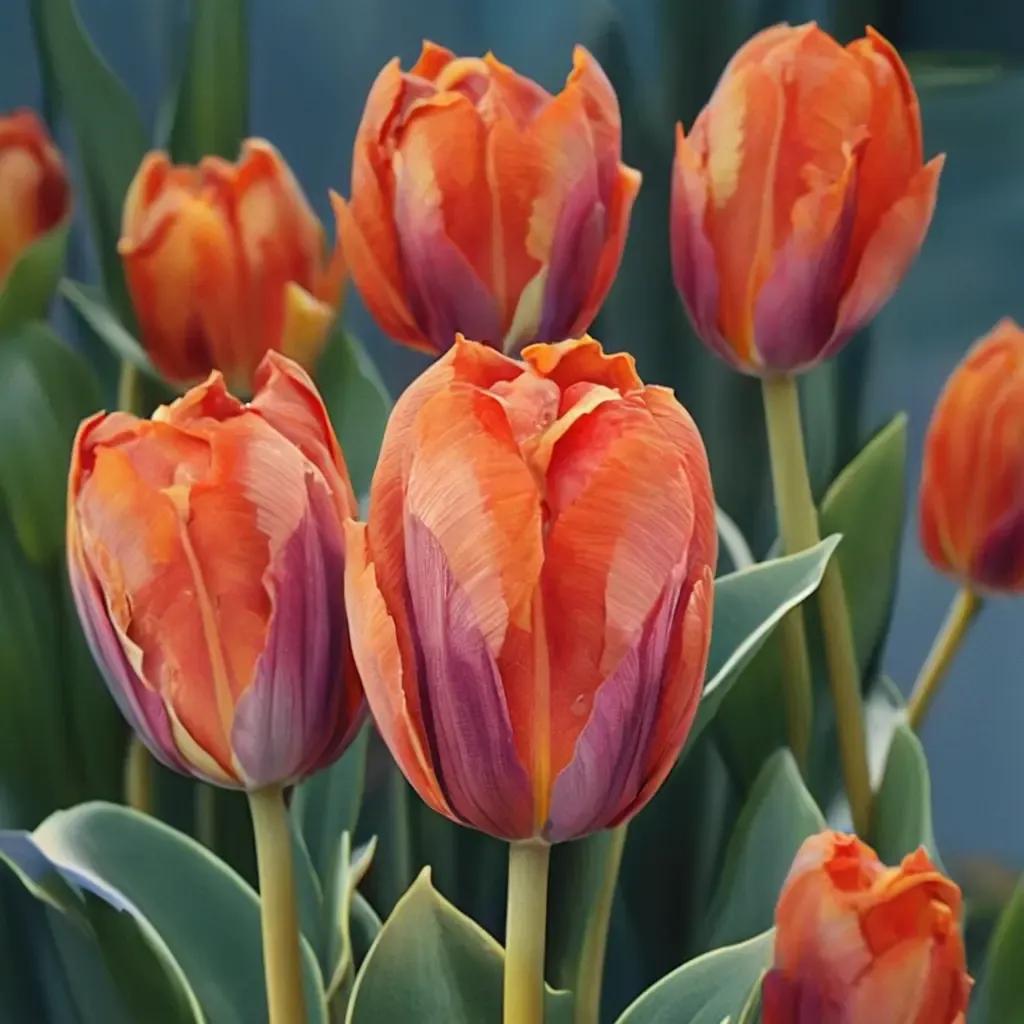 ‘Fire Queen’Fire Queen Tulip
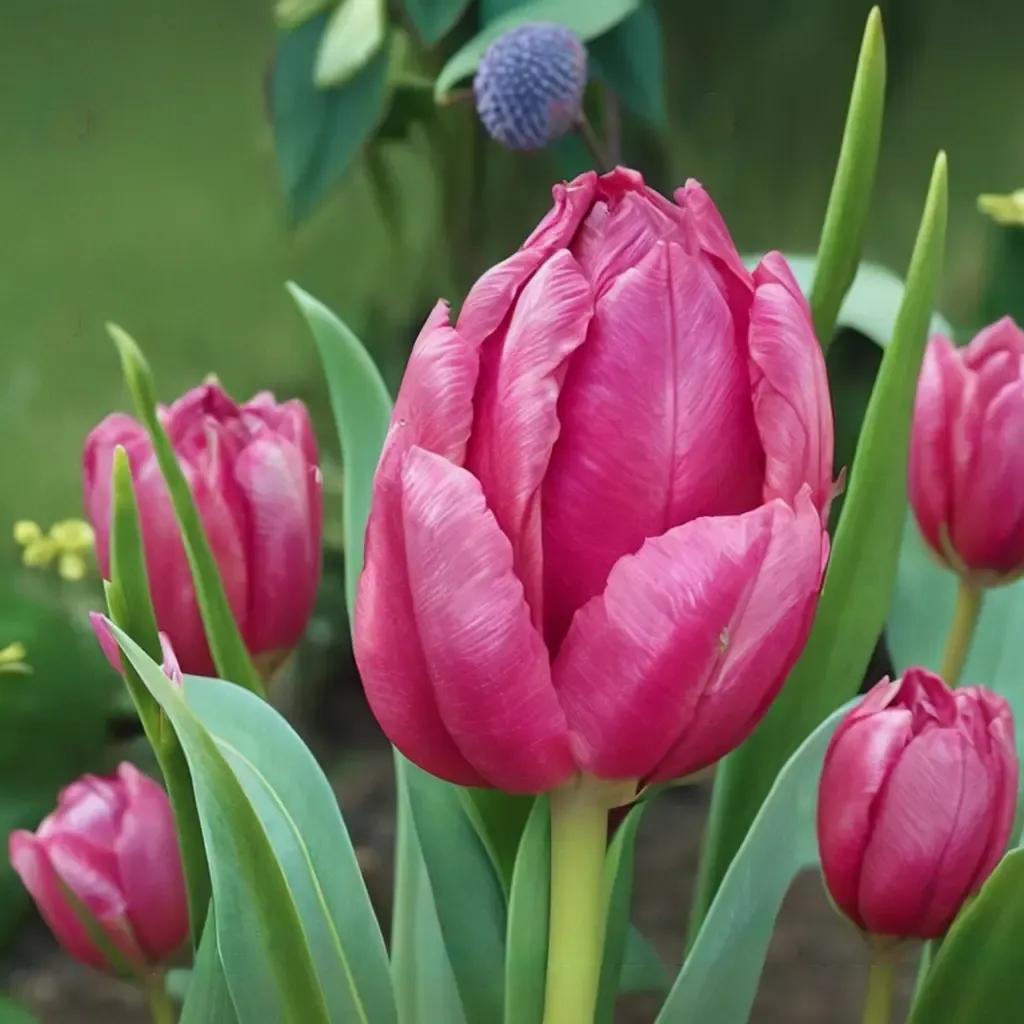 ‘Queen of Marvel’Queen of Marvel Tulip
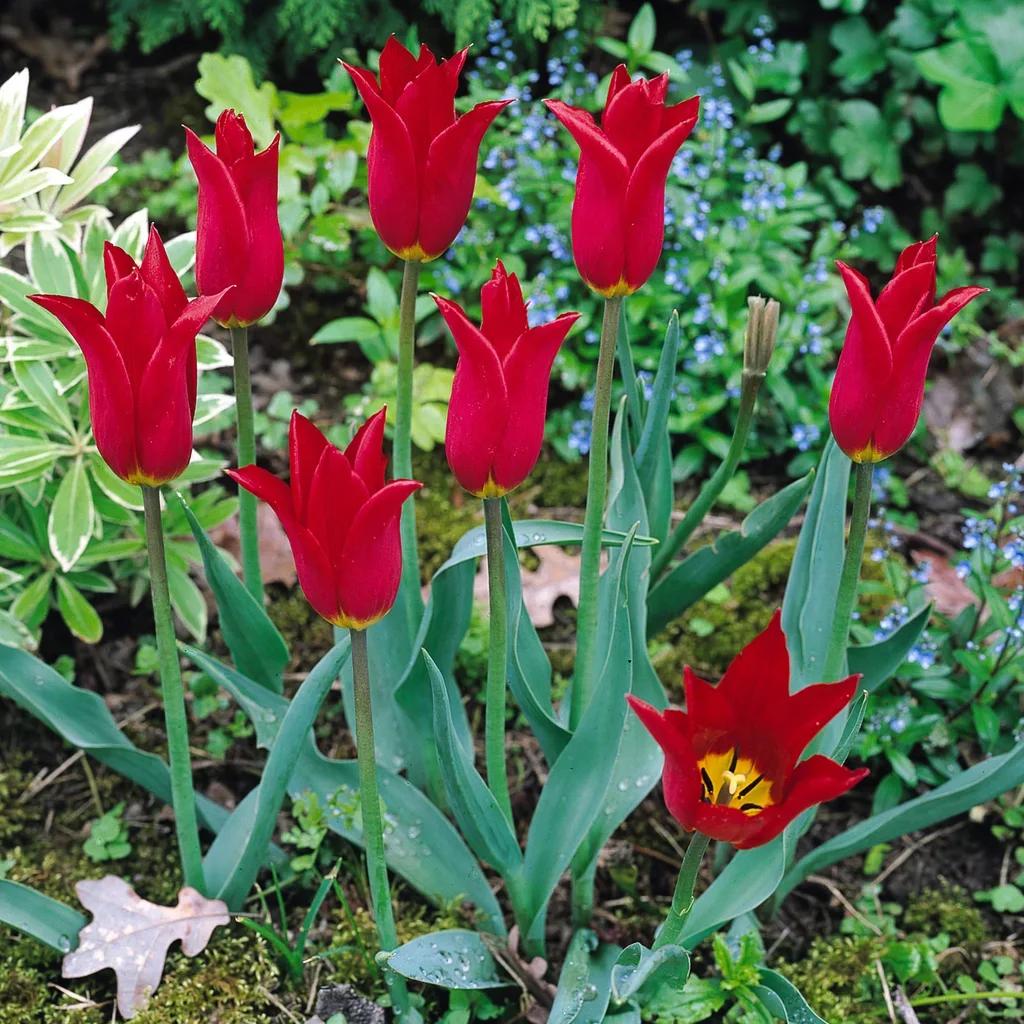 ‘Red Shine’Red Shine Tulip
 ‘Purissima’White Emperor Tulip
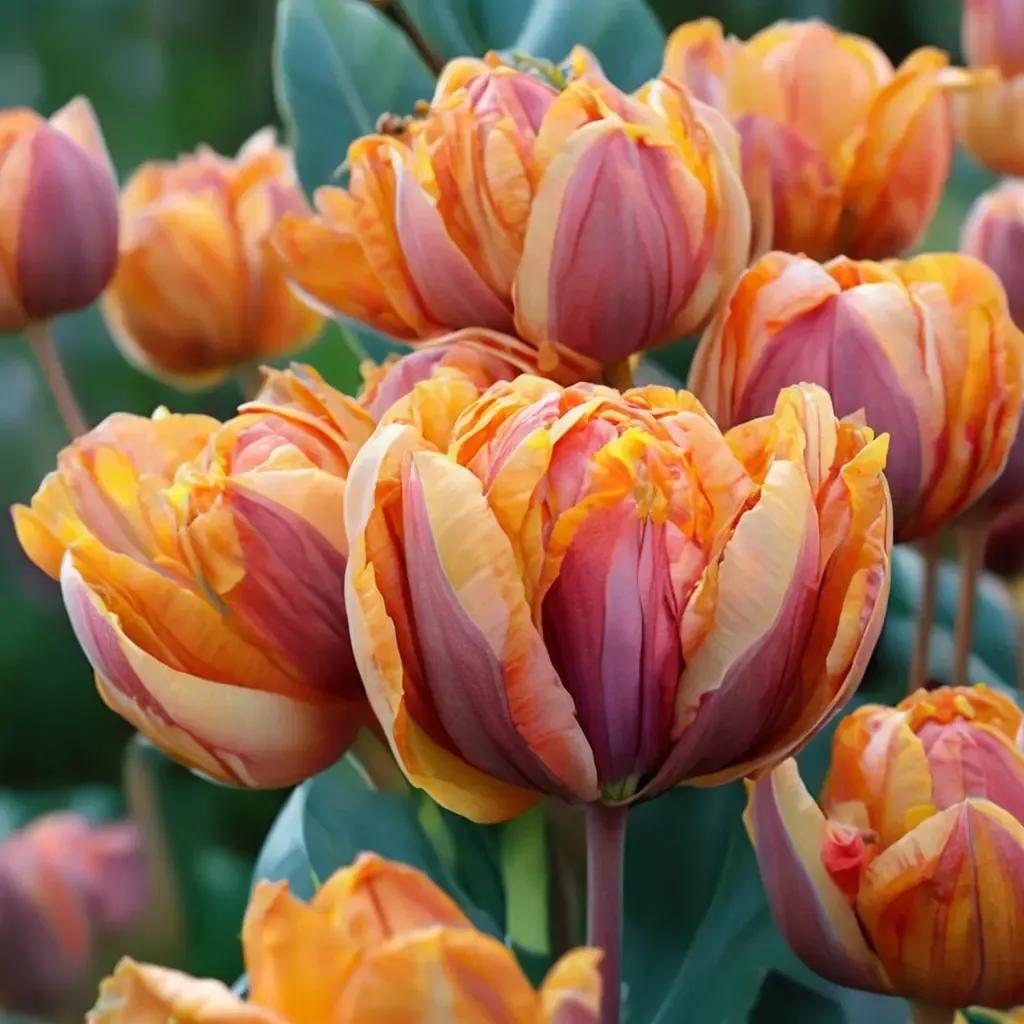 ‘Orange Princess’Orange Princess Tulip
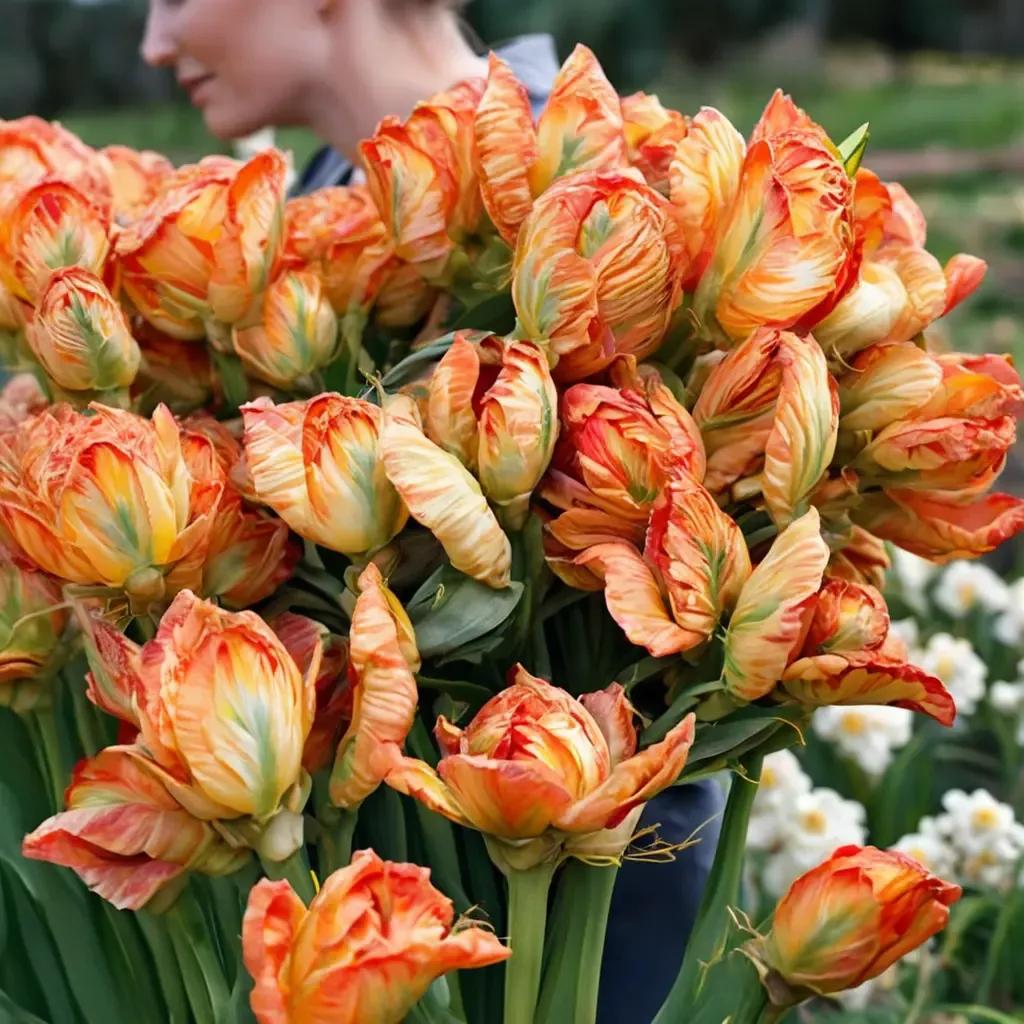 ‘Professor Rontgen’Professor Rontgen Tulip
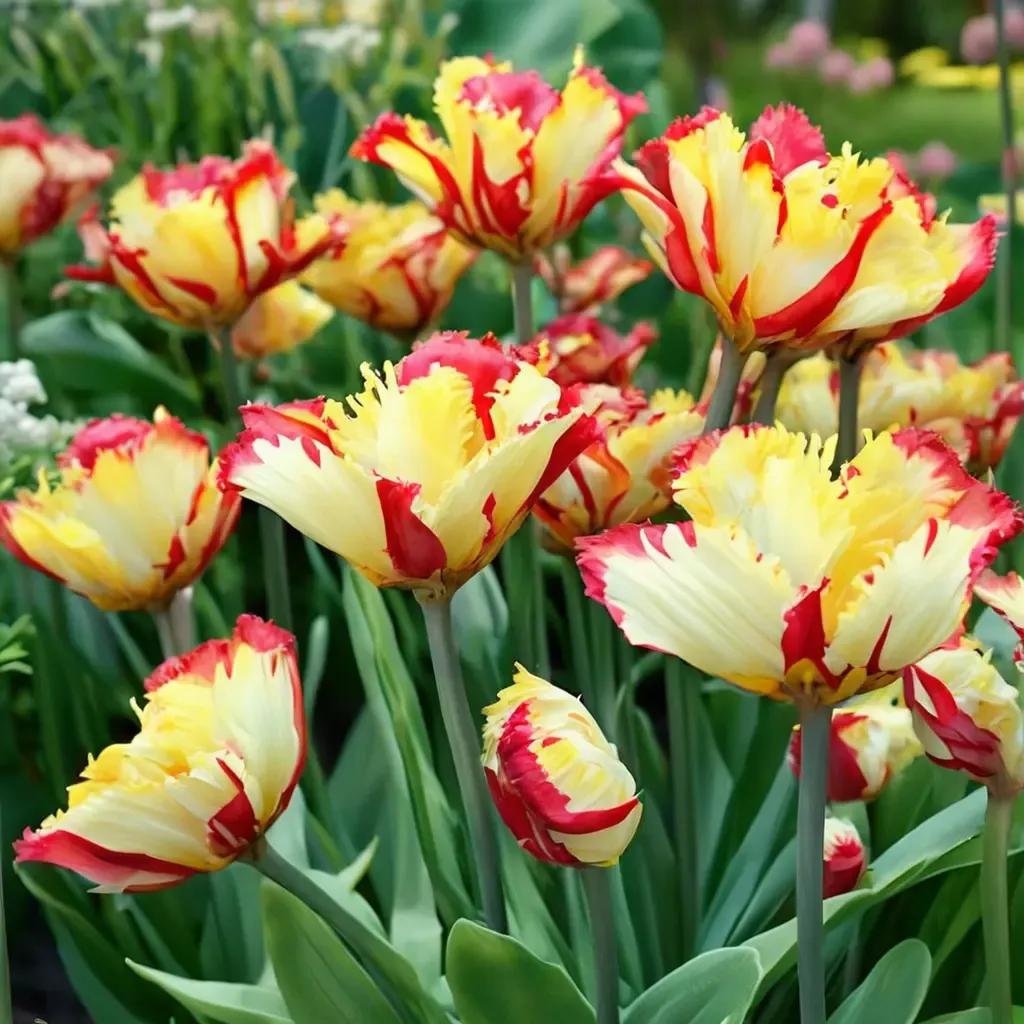 ‘Texas Flame Parrot’Texas Flame Parrot Tulip
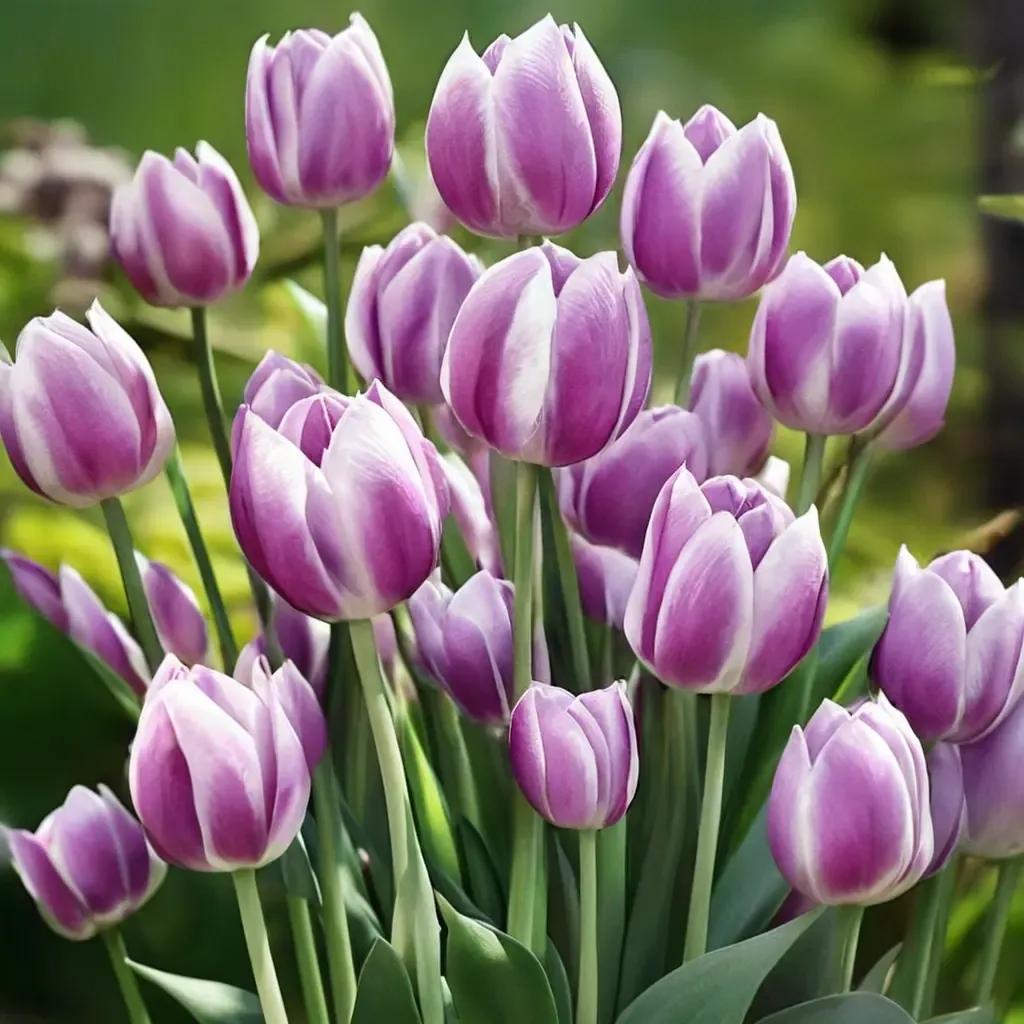 ‘Dreaming Maid’Dreaming Maid Tulip
 ‘Attila’Attila Tulip
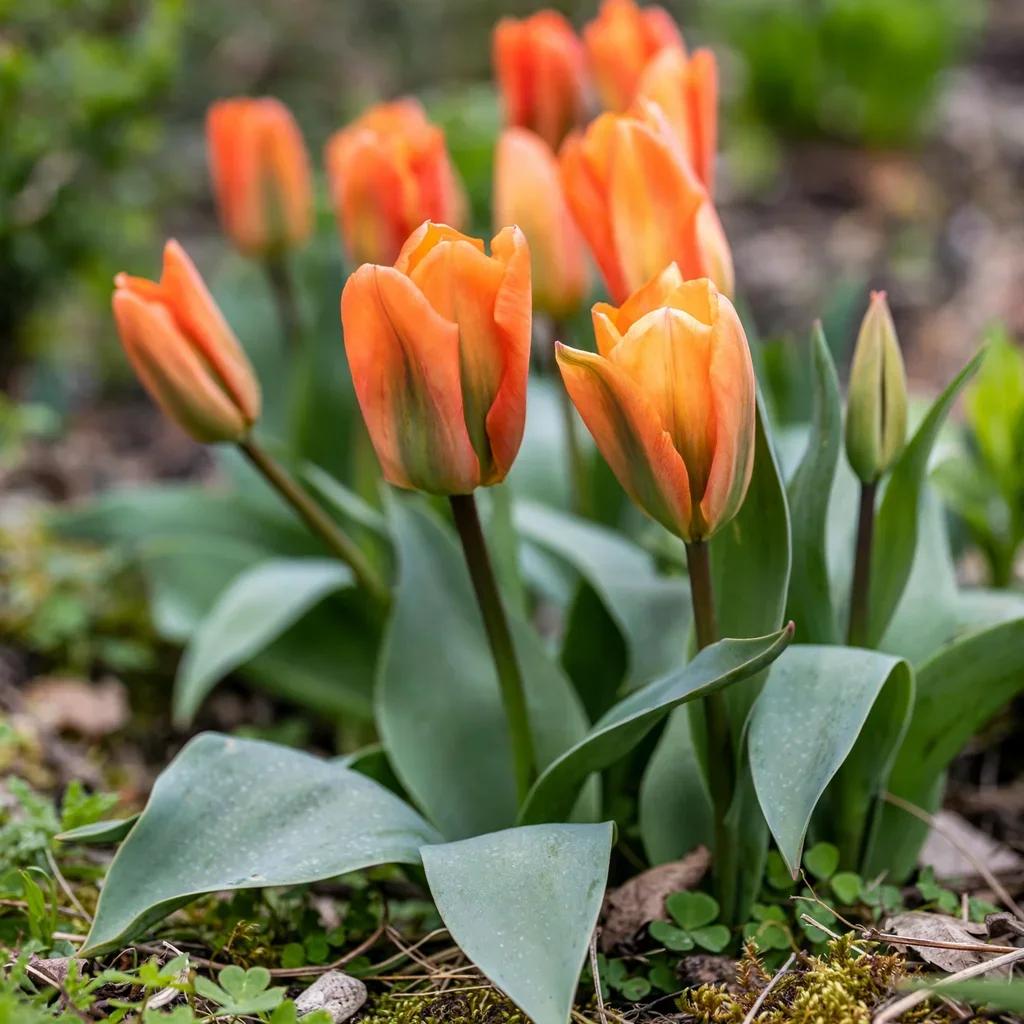 ‘Orange Emperor’Orange Emperor Tulip
 ‘Cassini’Cassini Tulip
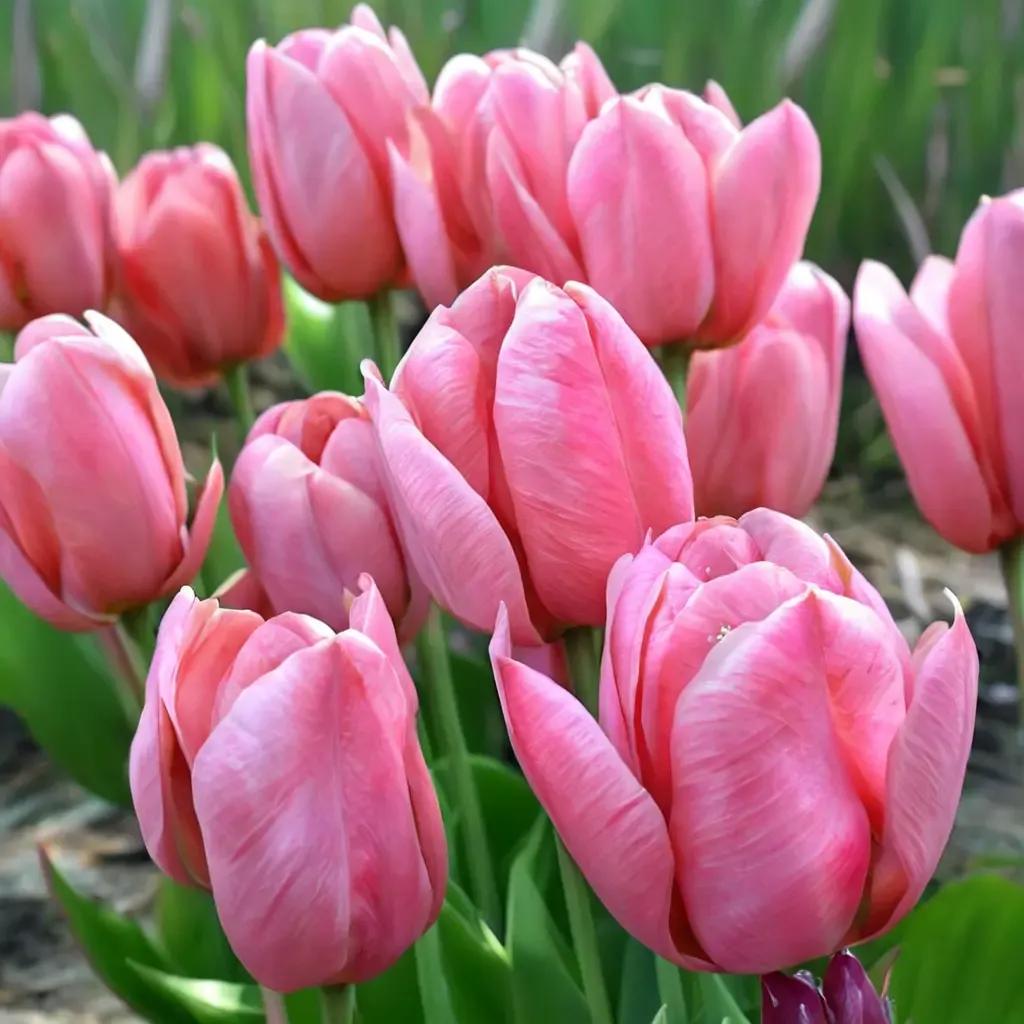 ‘Pink Impression’Pink Impression Tulip
 ‘Blushing Parrot’Blushing Parrot Tulip
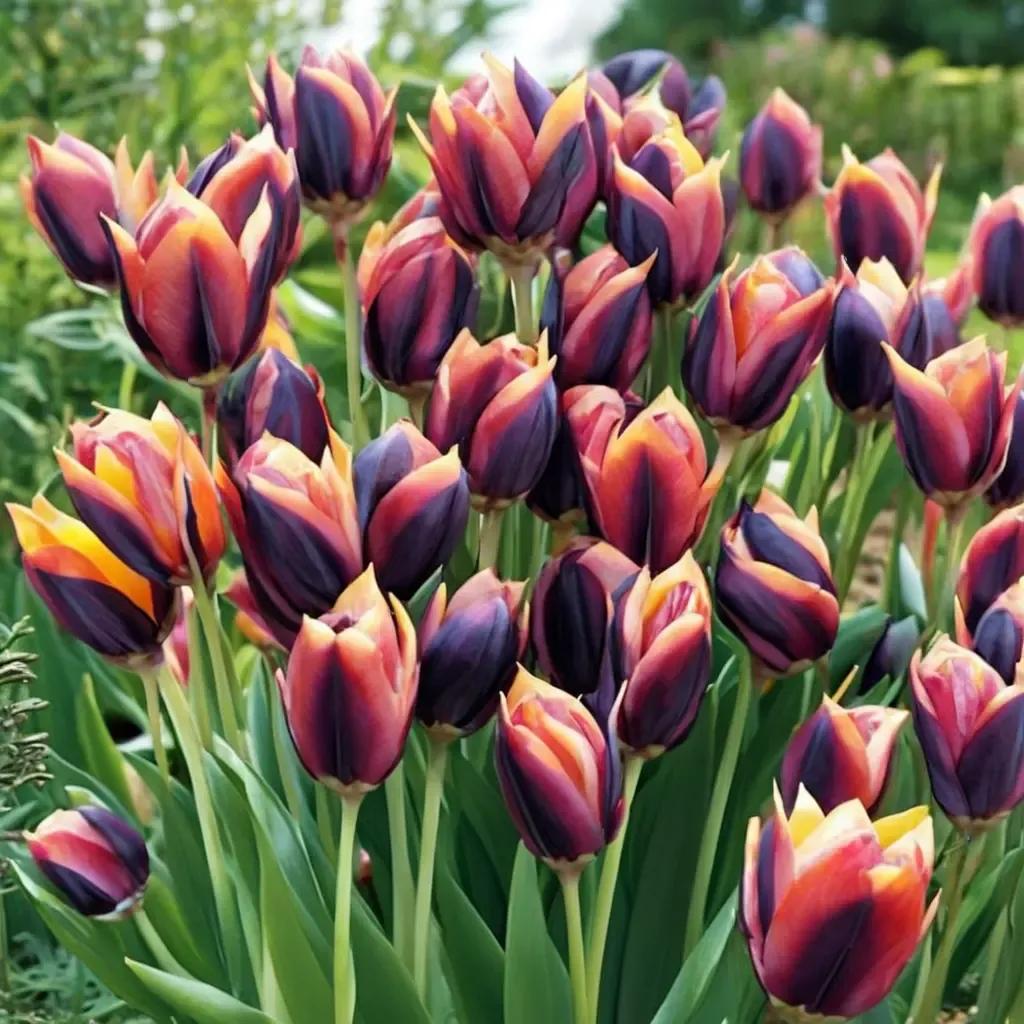 ‘Slawa’Slawa Tulip
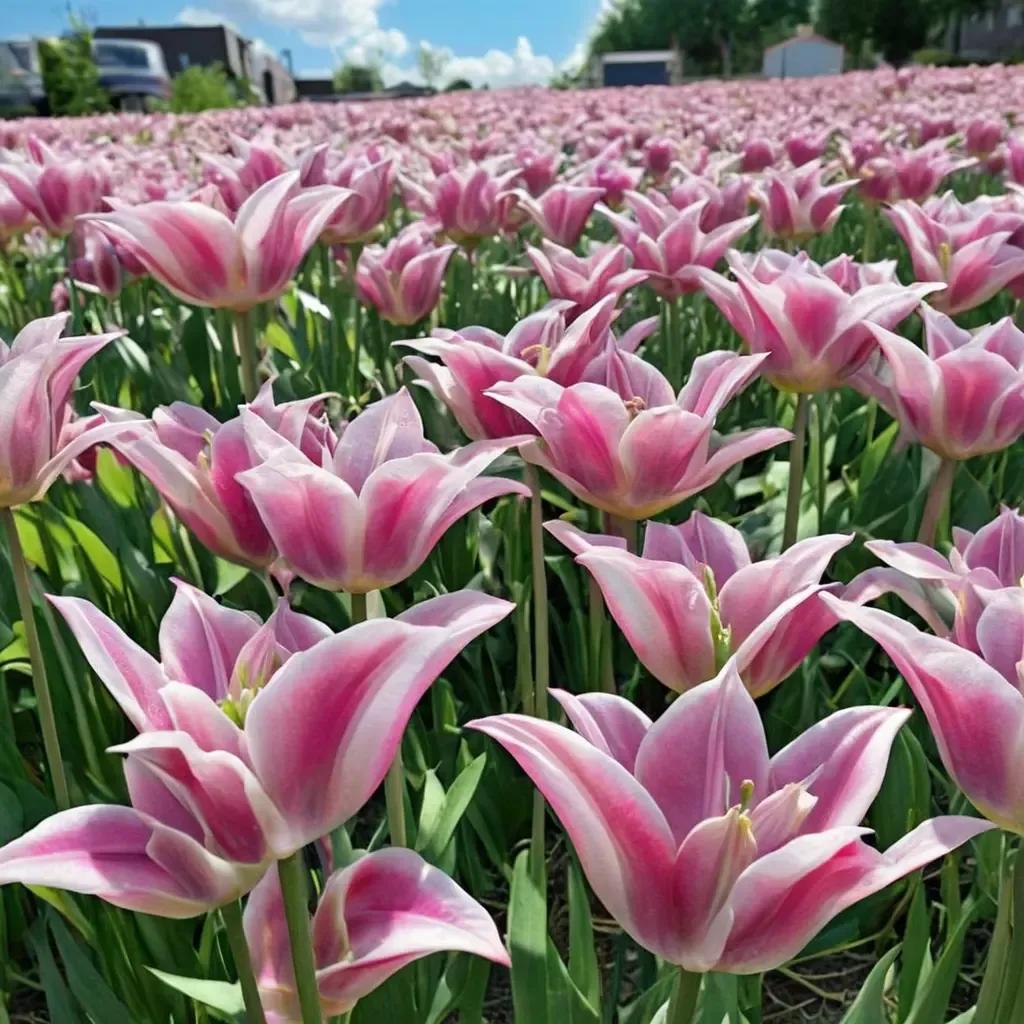 ‘Ballade’Ballade Tulip
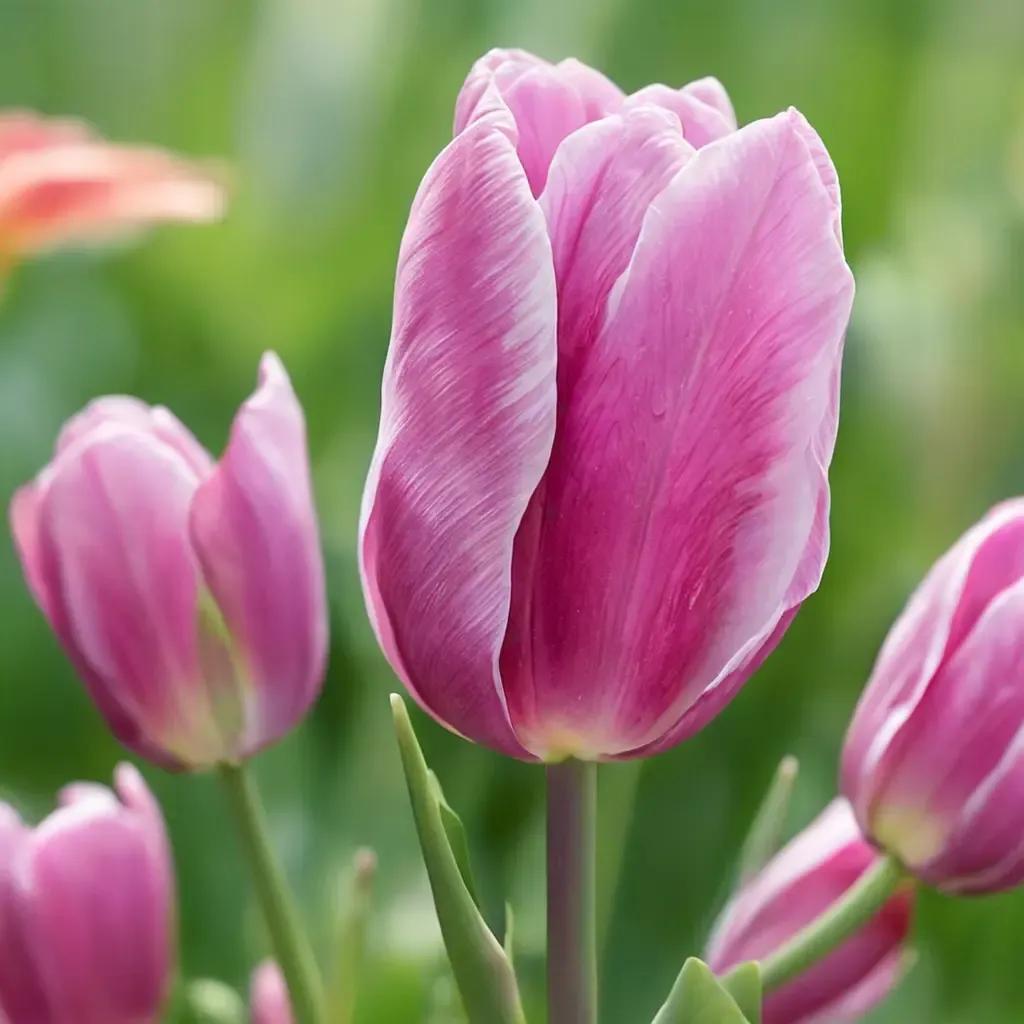 ‘Early Glory’Early Glory Tulip
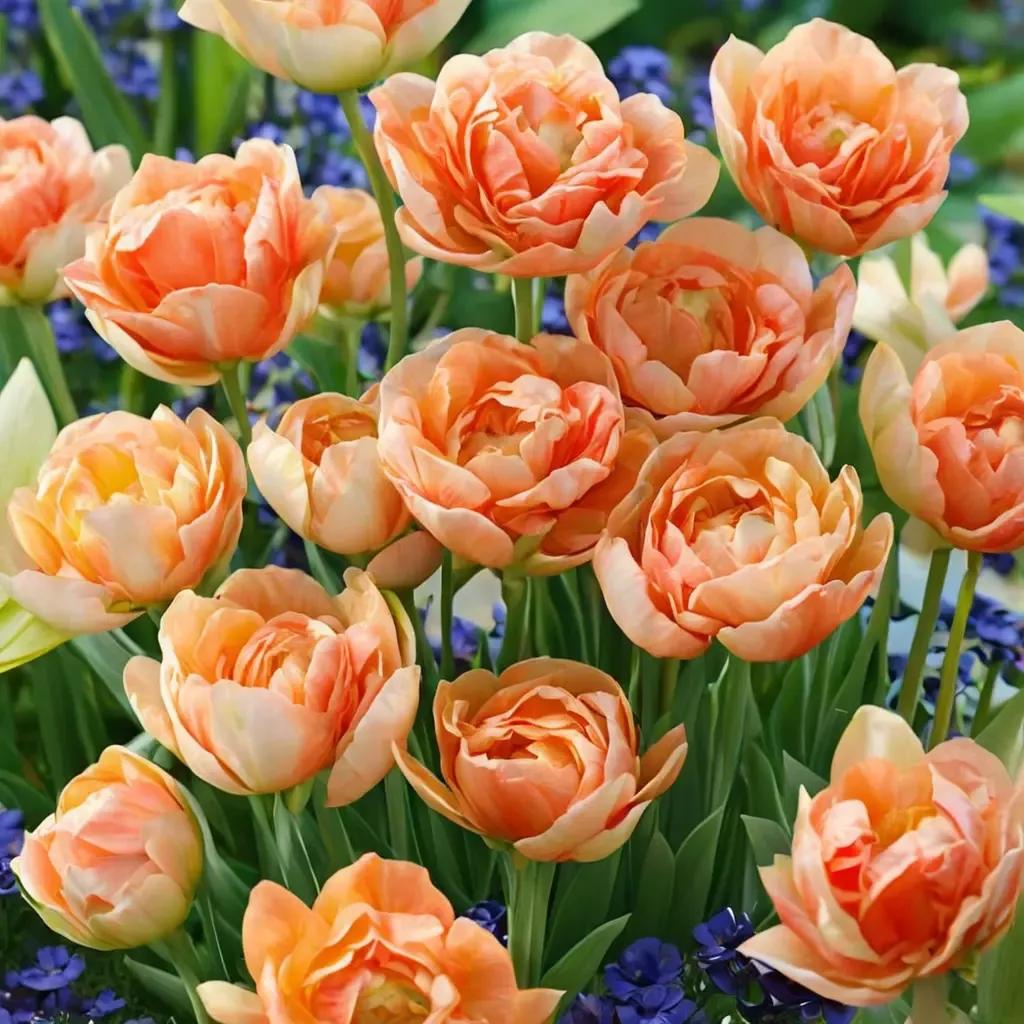 ‘Orange Angelique’Orange Angelique Tulip
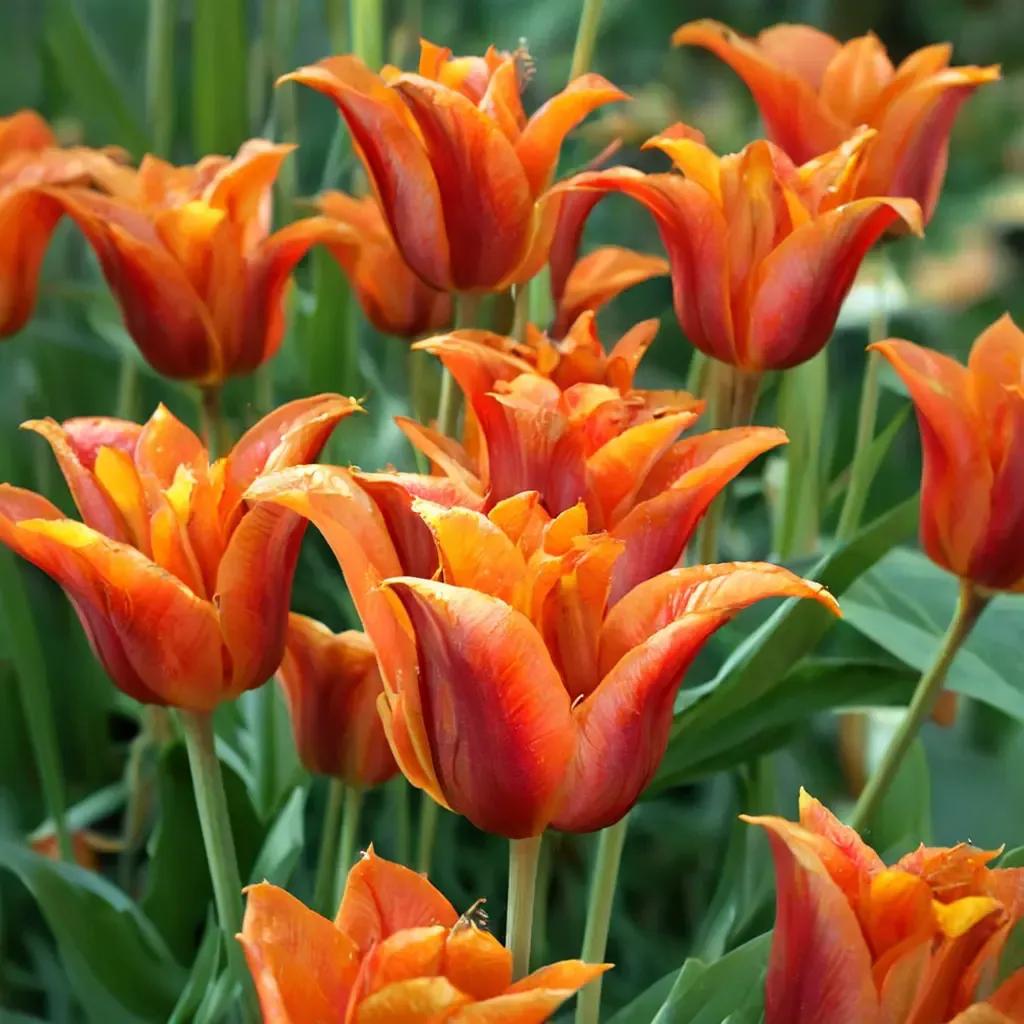 ‘Ballerina’Ballerina Tulip
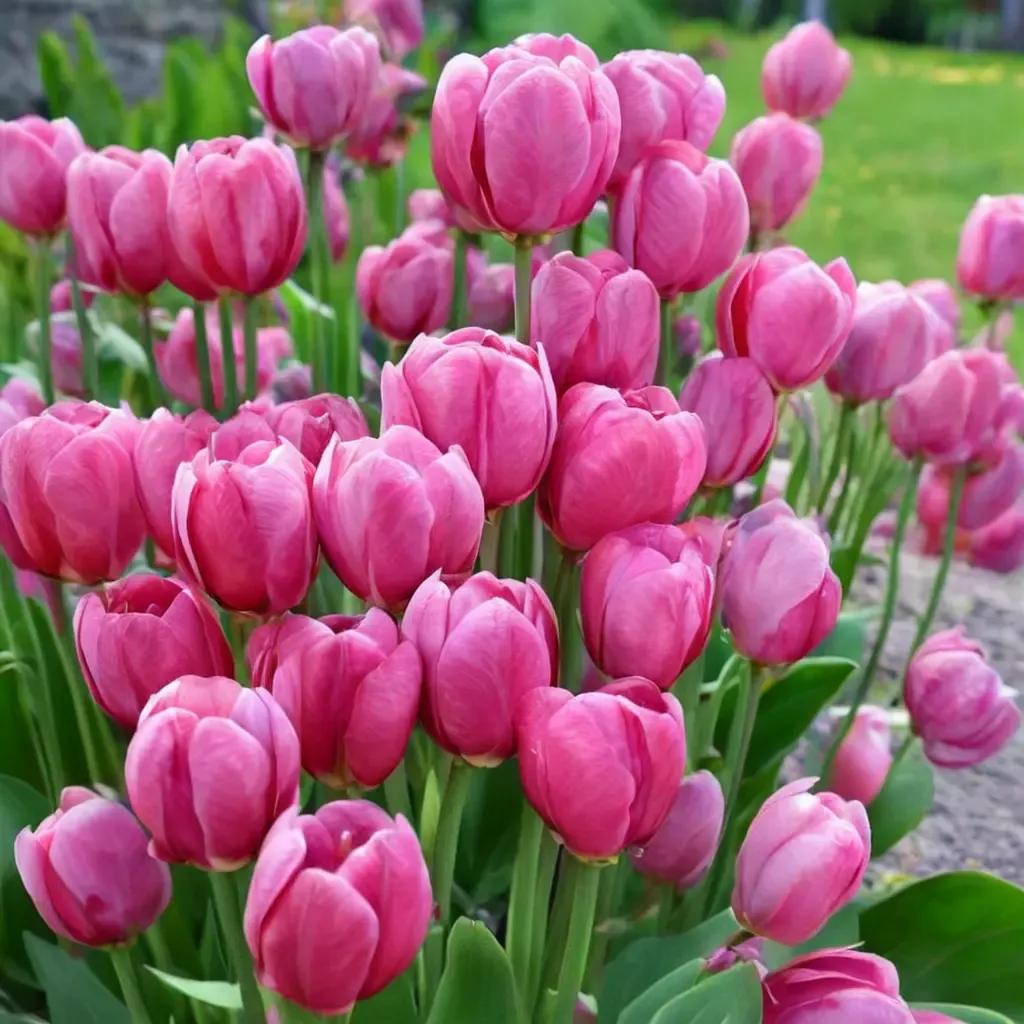 ‘Don Quichotte’Don Quichotte Tulip
 ‘Calgary’Calgary Tulip
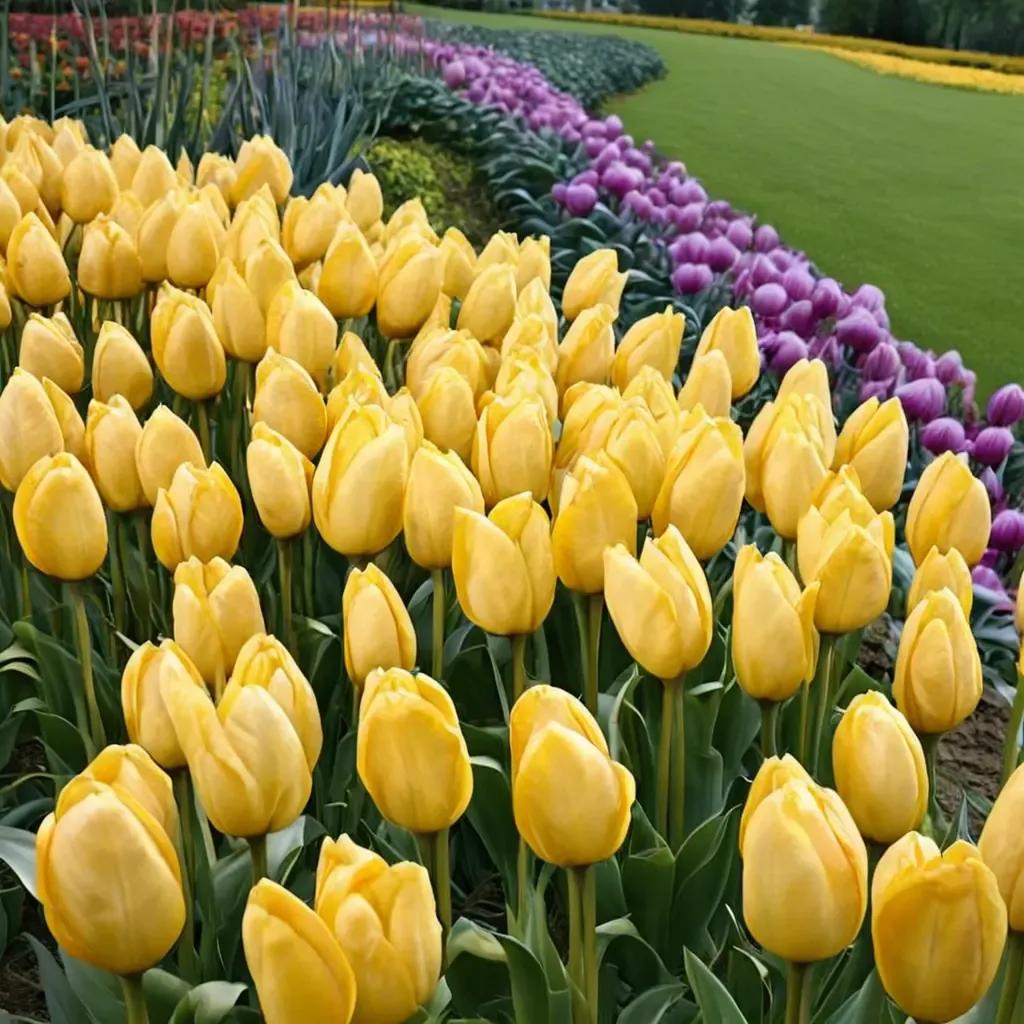 ‘Big Smile’Big Smile Tulip
 ‘Doll’Doll's Minuet Tulip
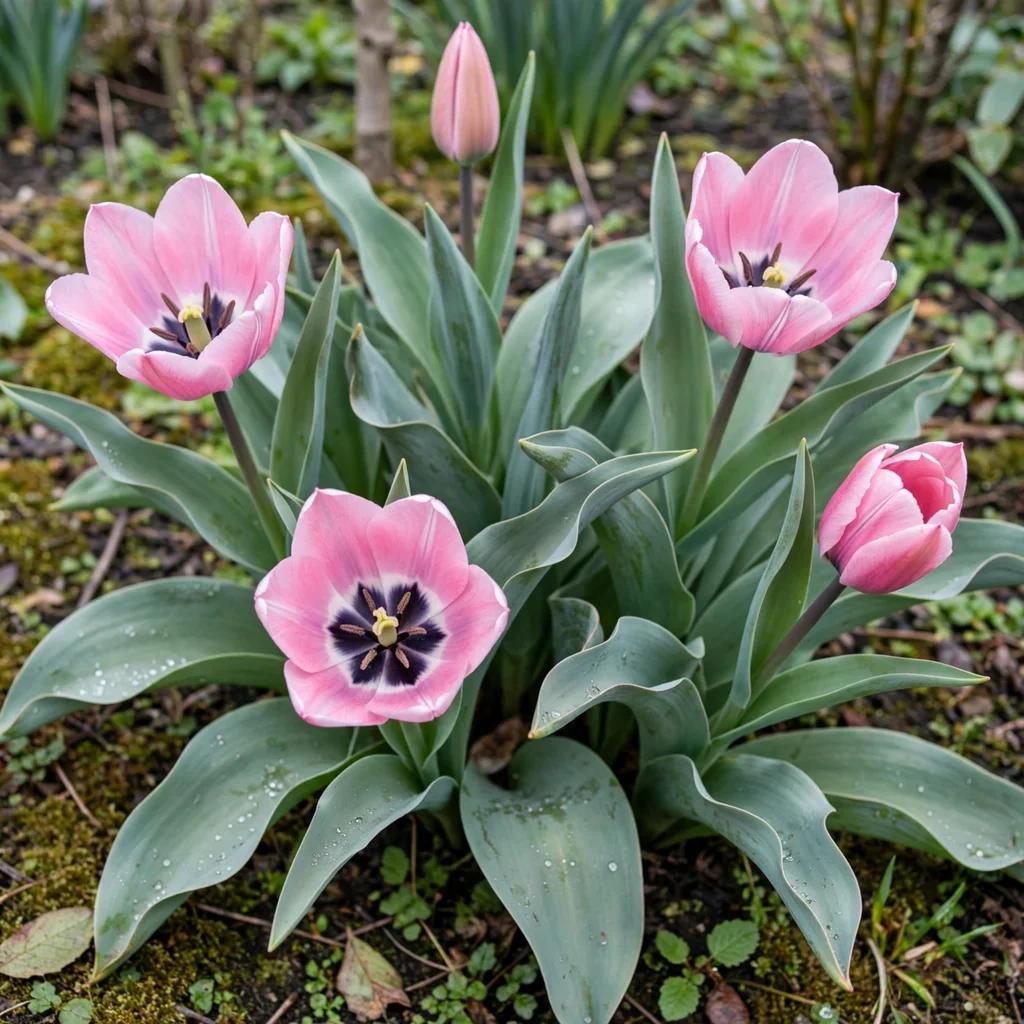 ‘Capri’Capri Tulip
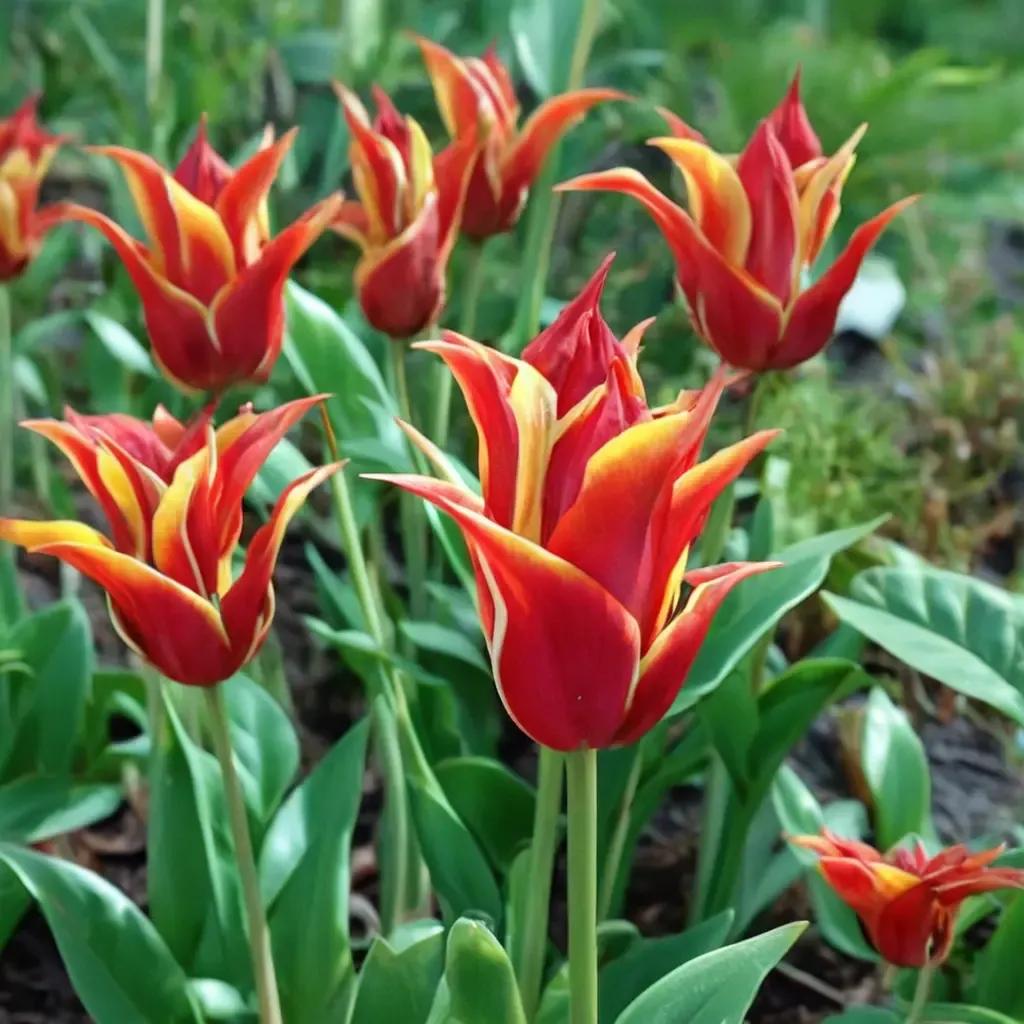 ‘Aladdin’Aladdin Tulip
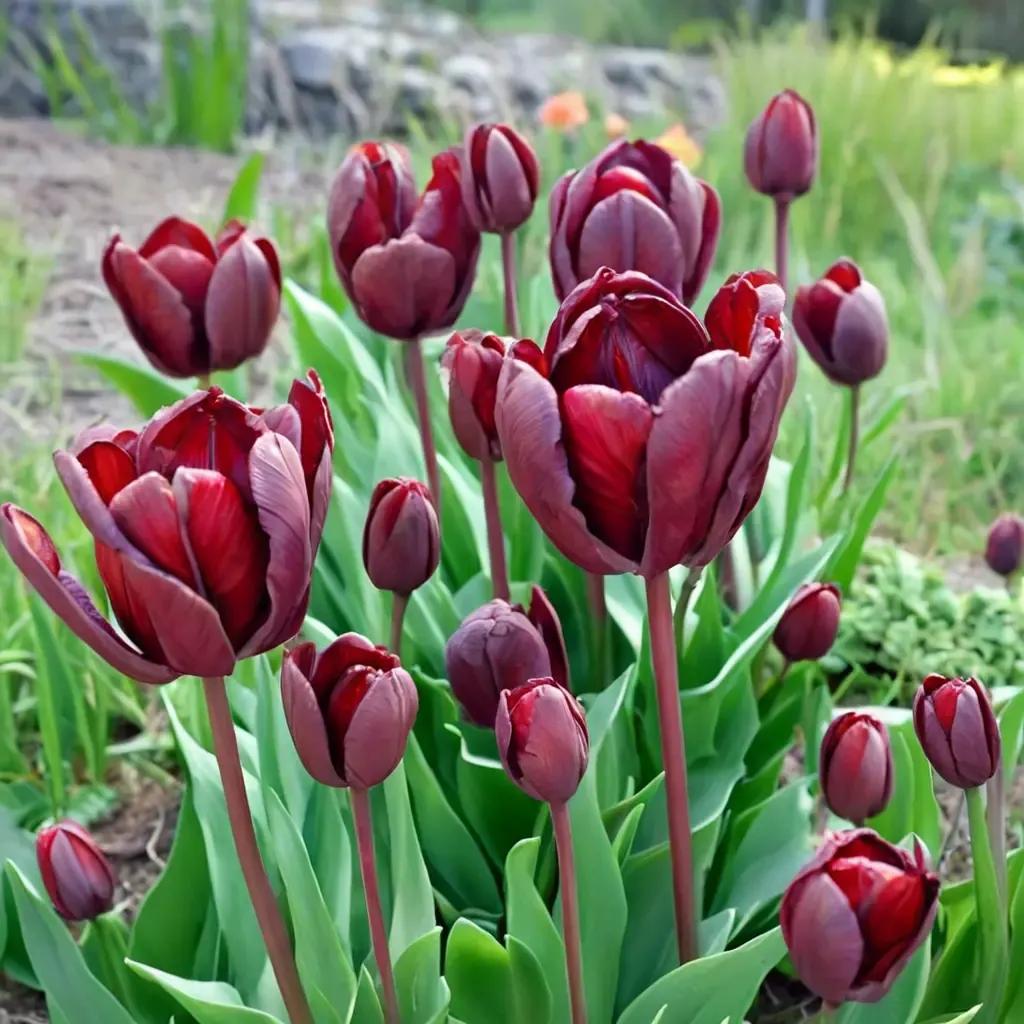 ‘Jan Reus’Jan Reus Tulip
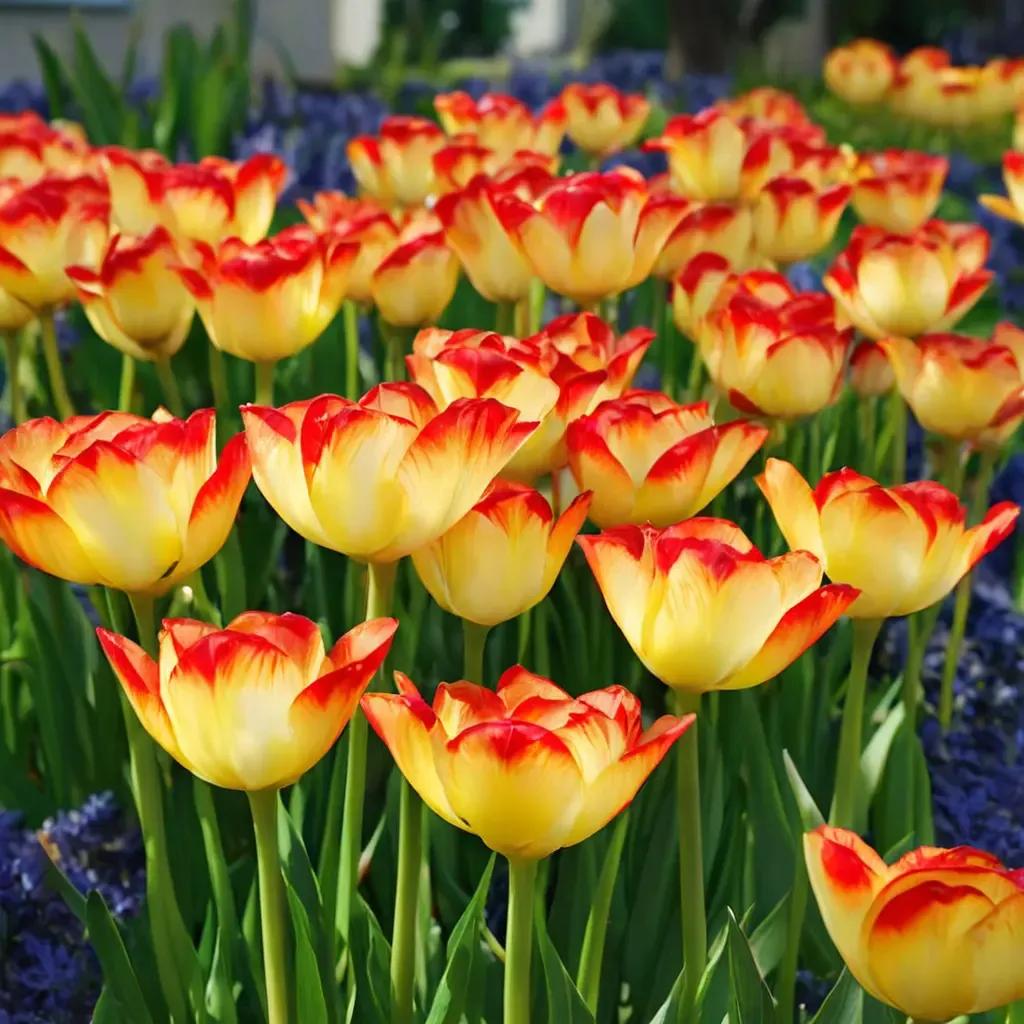 ‘Suncatcher’Suncatcher Tulip
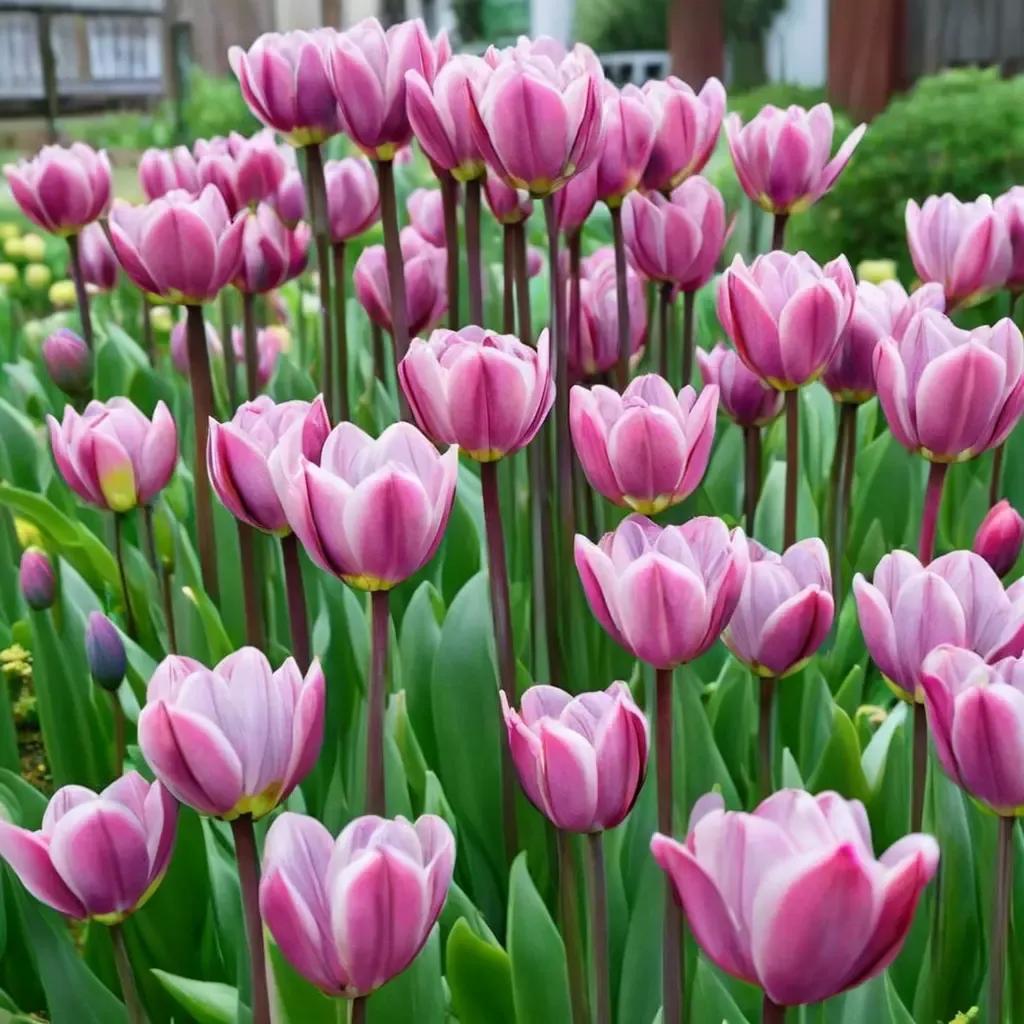 ‘Light And Dreamy’Light and Dreamy Tulip
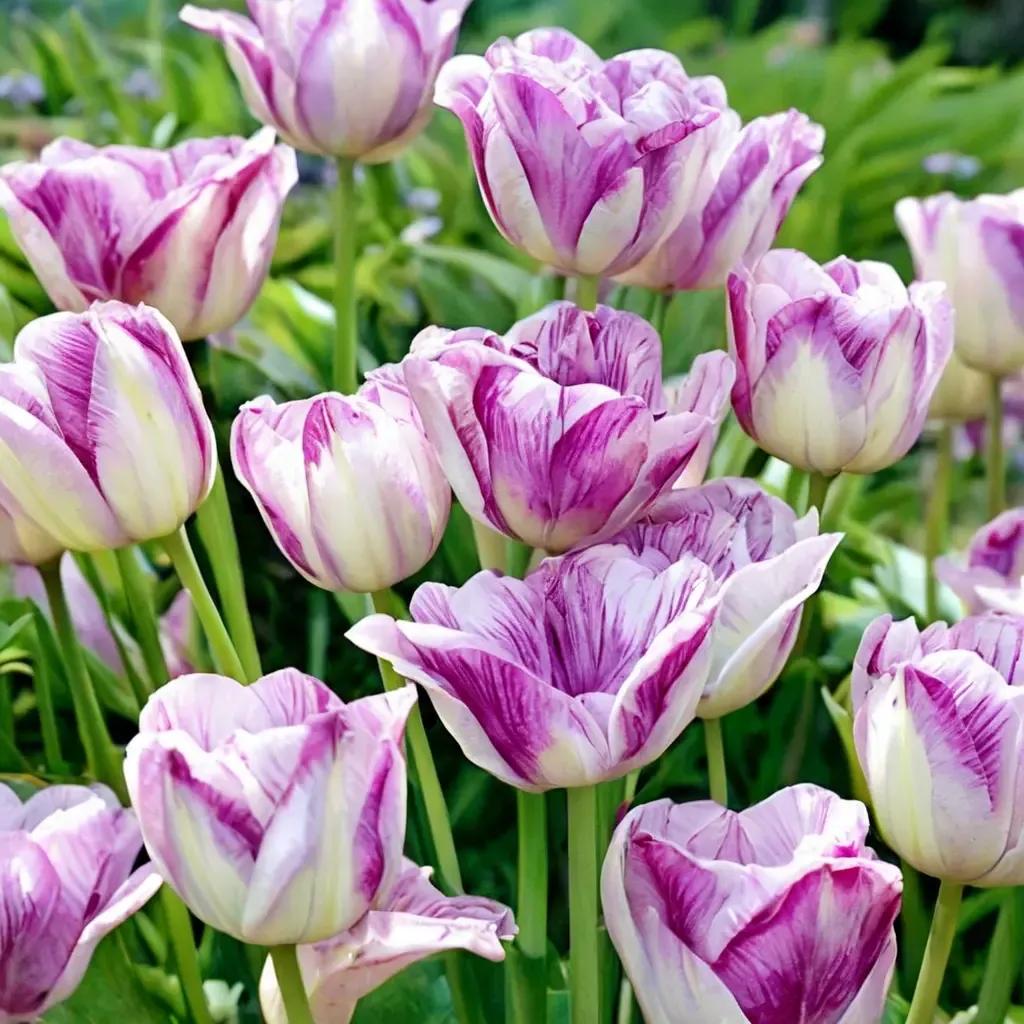 ‘Shirley’Shirley Tulip
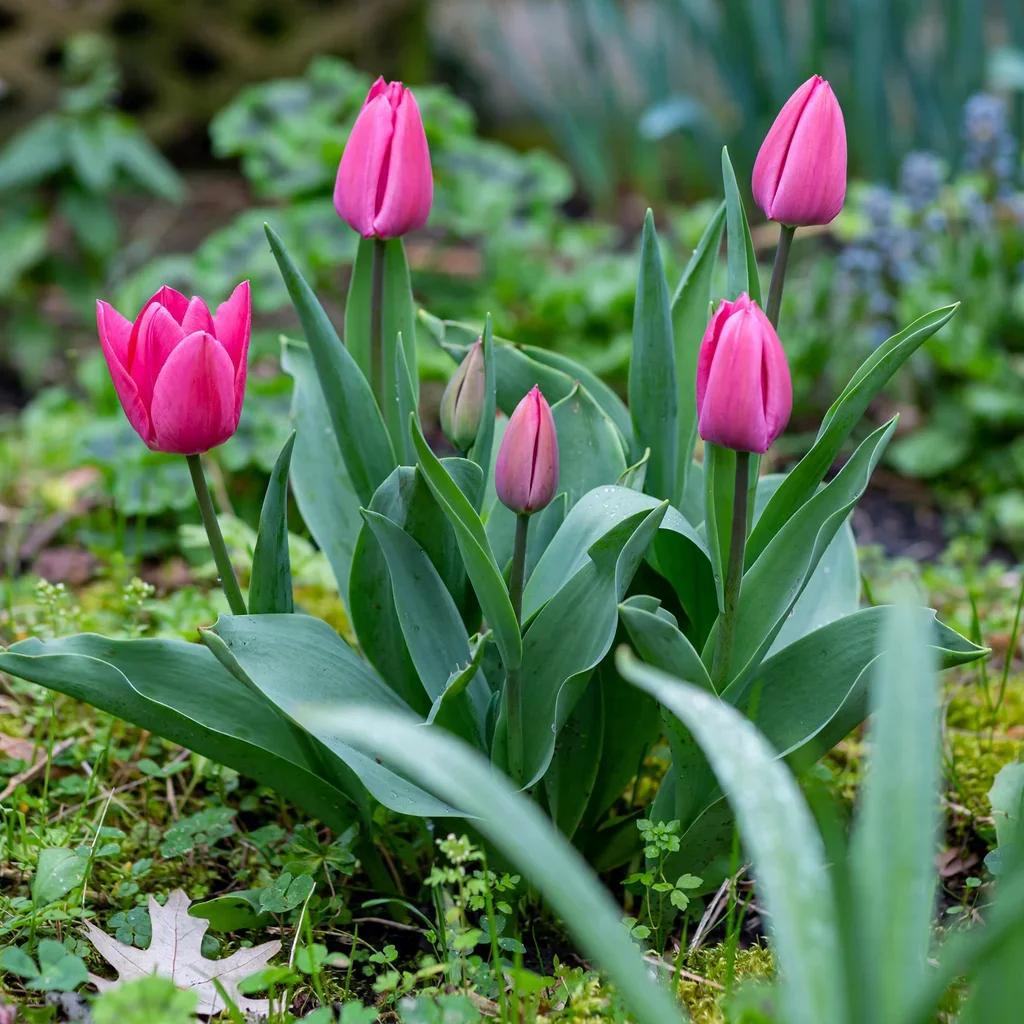 ‘Renown’Renown Tulip
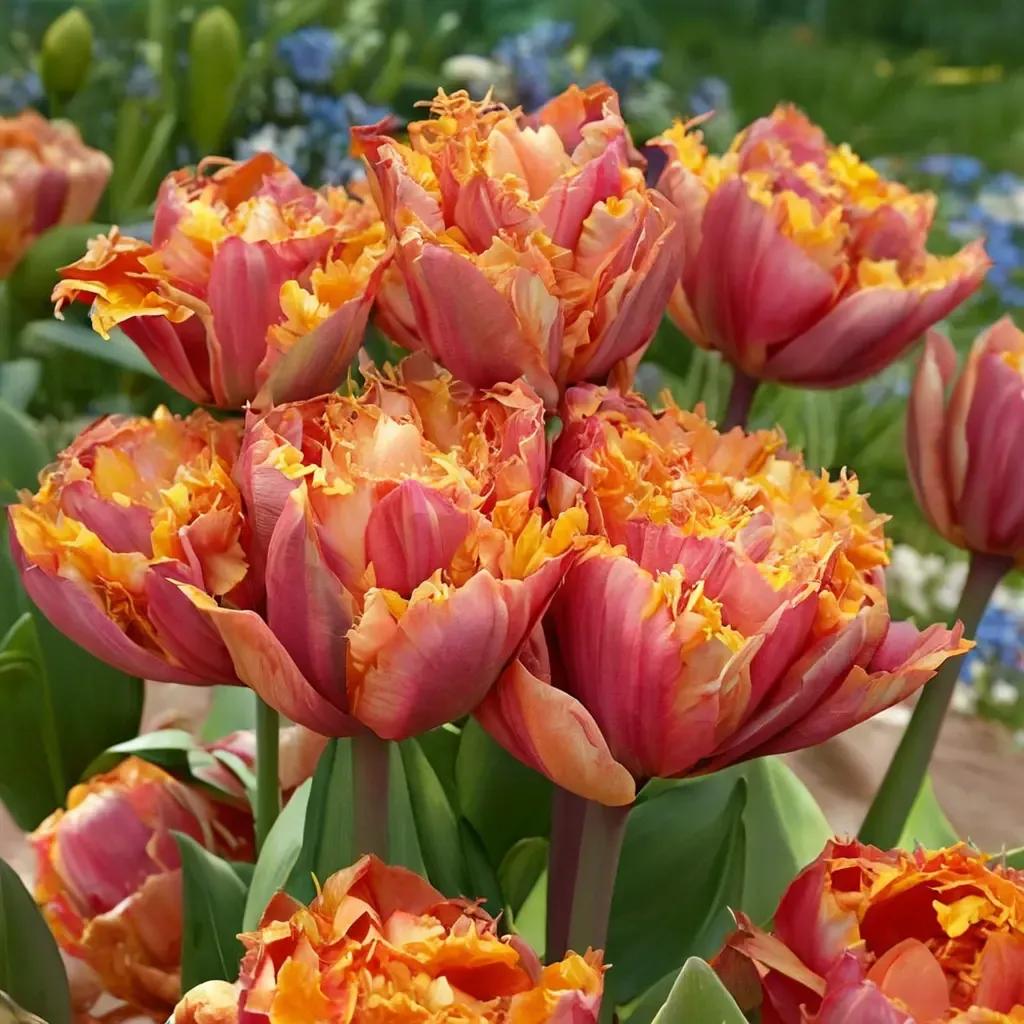 ‘Centennial’Centennial Tulip
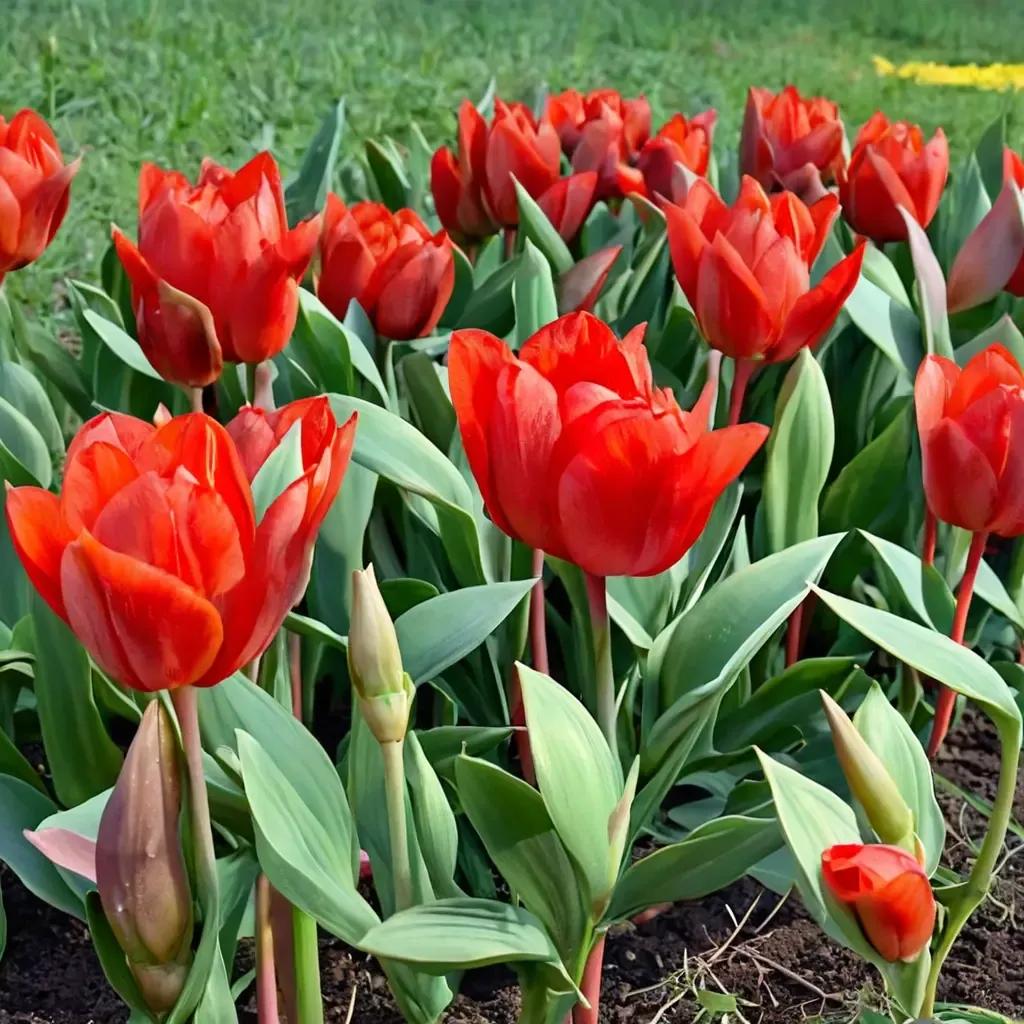 ‘Showwinner’Showwinner Tulip
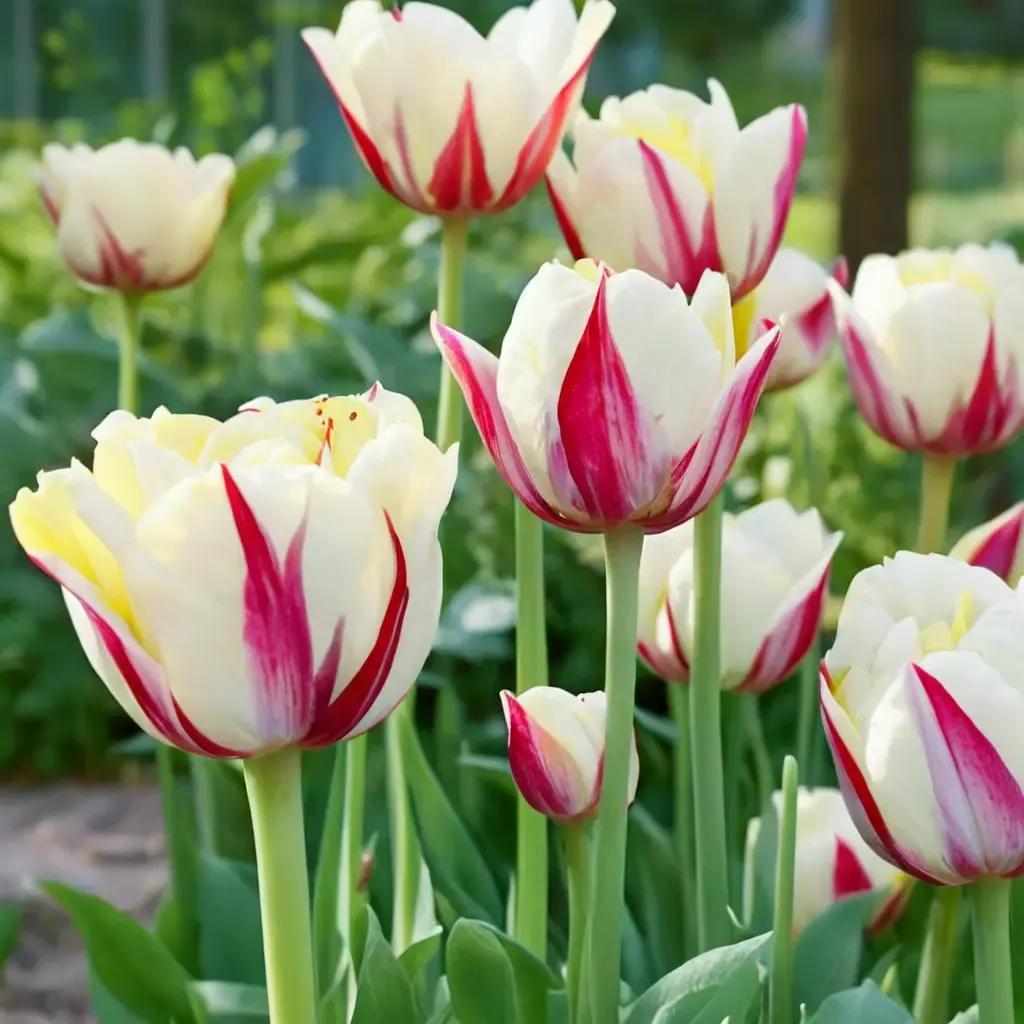 ‘World Expression’World Expression Tulip
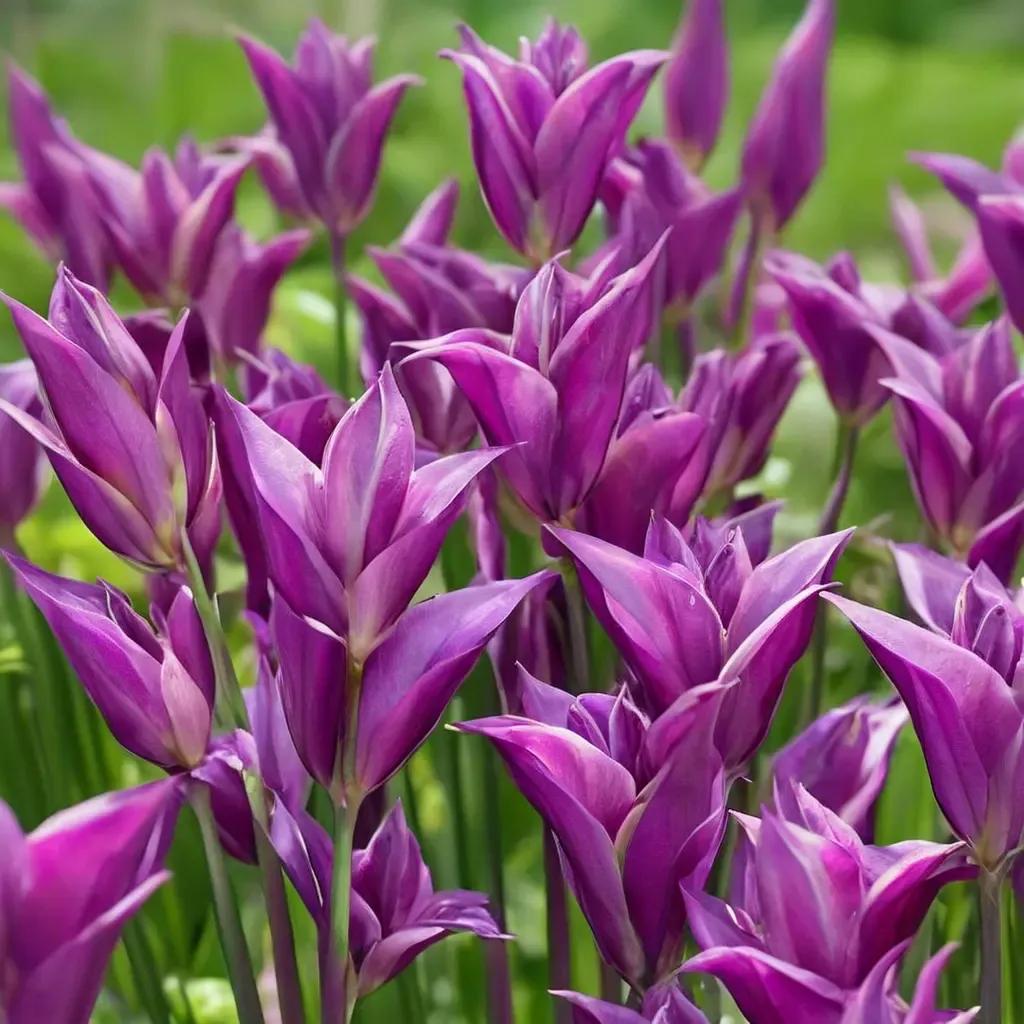 ‘Purple Dream’Purple Dream Tulip
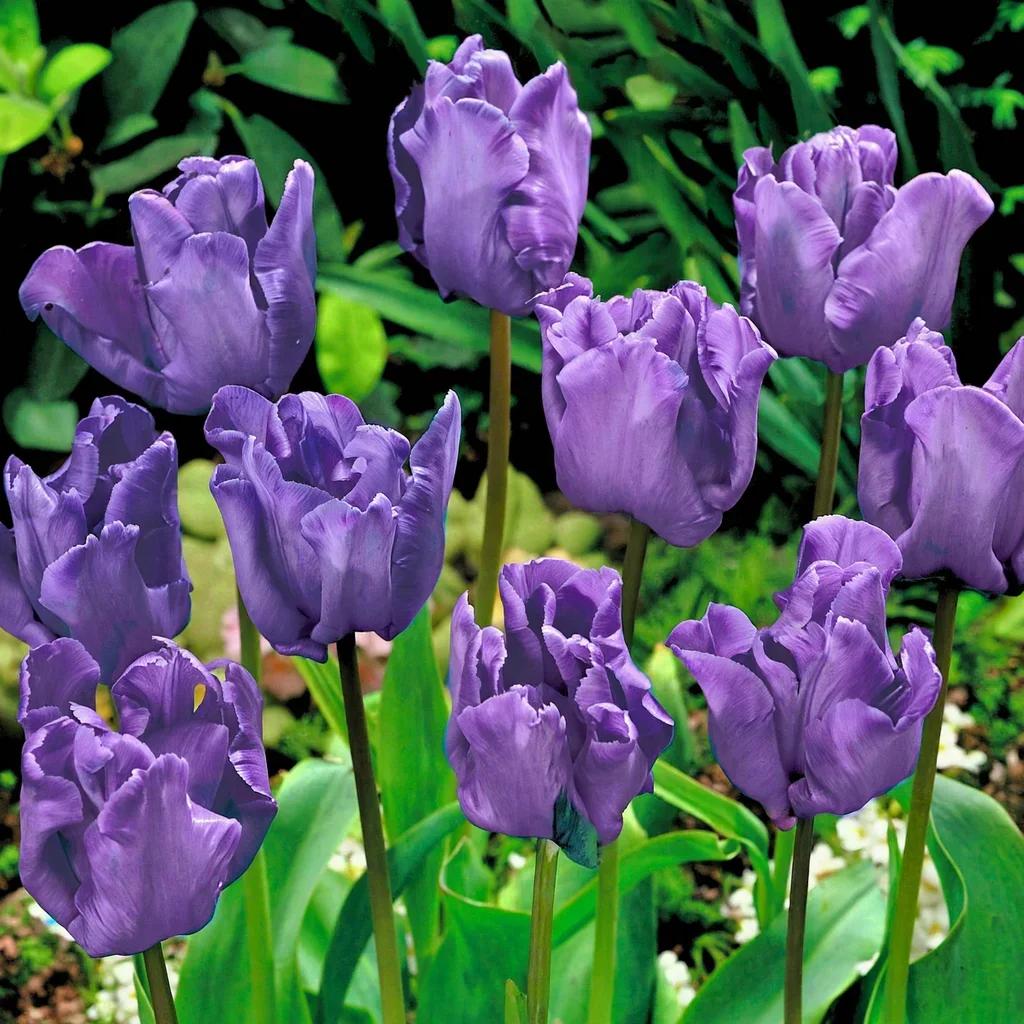 ‘Blue Parrot’Blue Parrot Tulip
 ‘Swan Wings’Swan Wings Tulip
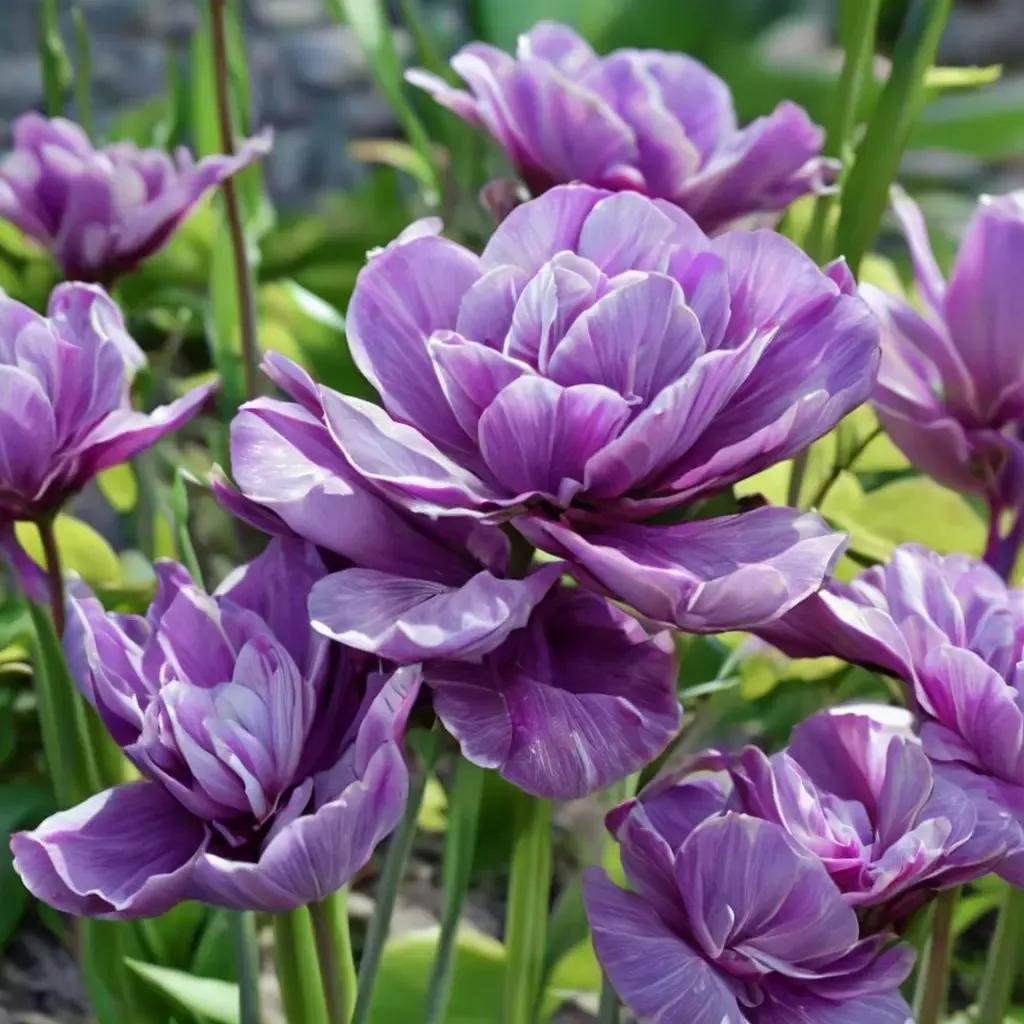 ‘Blue Spectacle’Blue Spectacle Tulip
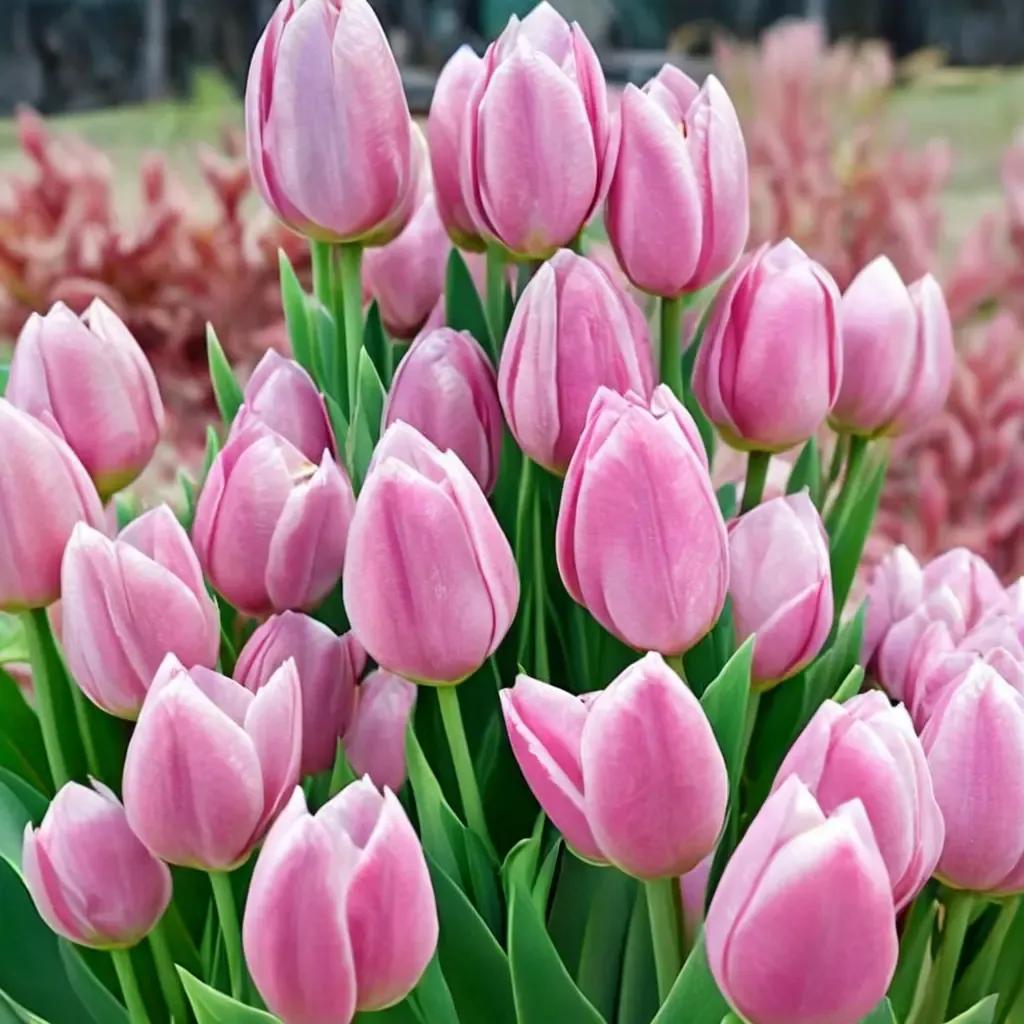 ‘Gabriella’Gabriella Tulip
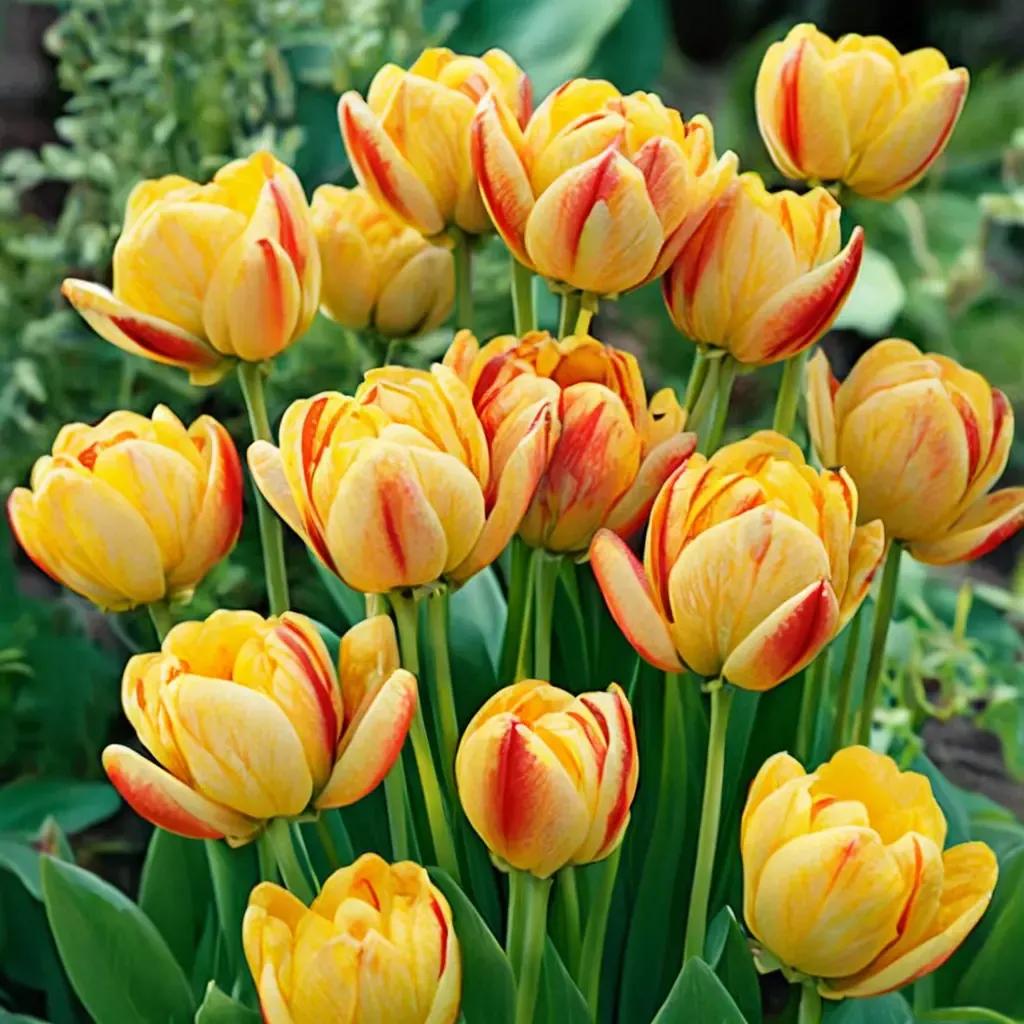 ‘Beauty of Apeldoorn’Beauty of Apeldoorn Tulip Apeldoorn Tulip
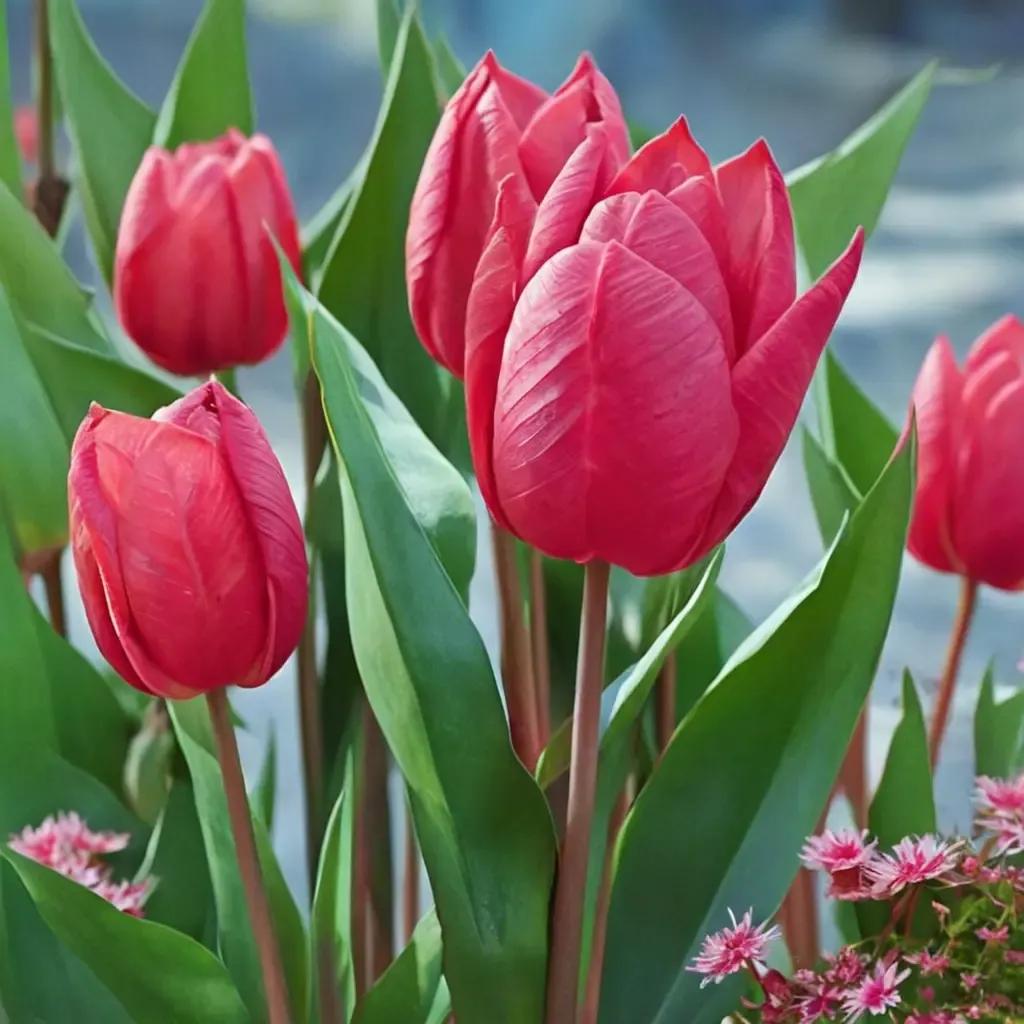 ‘Christmas Marvel’Christmas Marvel Tulip
 ‘Dynasty’Dynasty Tulip
 ‘Giuseppe Verdi’Giuseppe Verdi Tulip
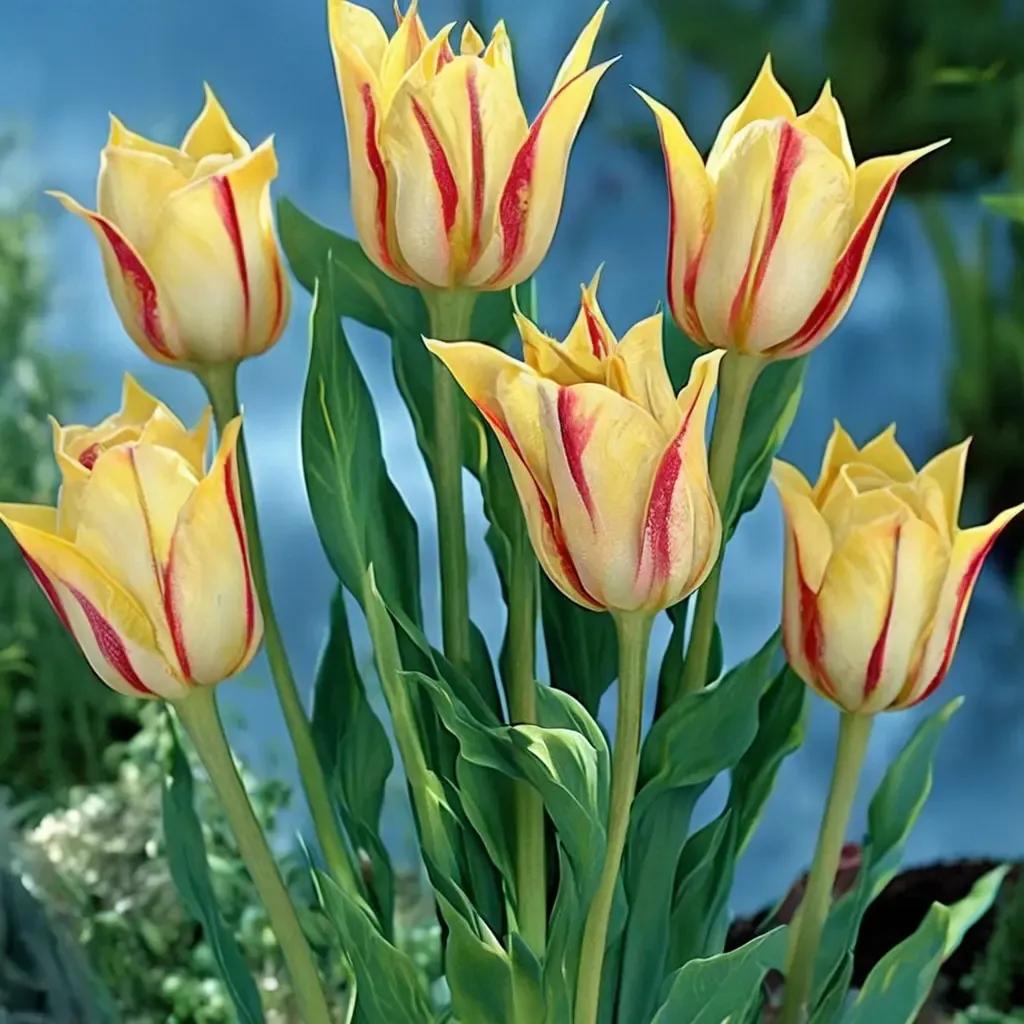 ‘Mona Lisa’Mona Lisa Tulip
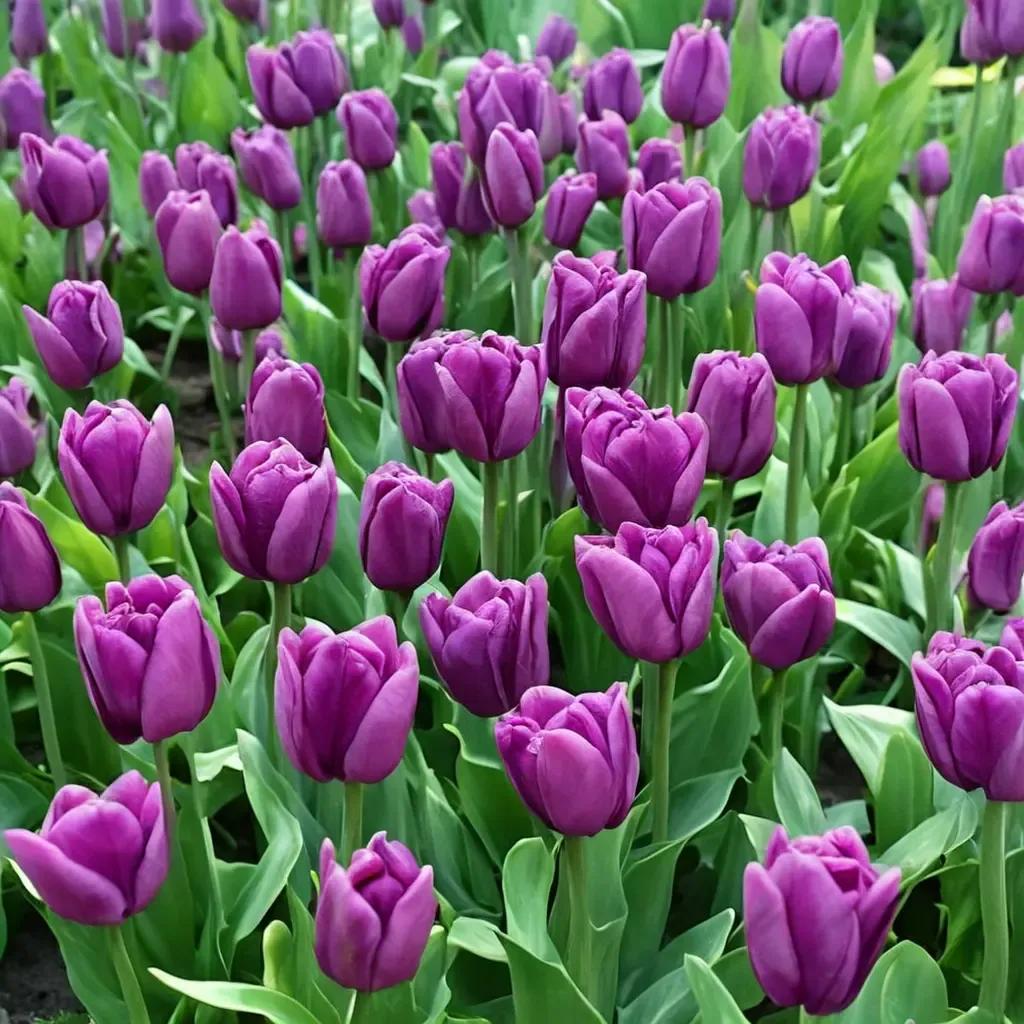 ‘Passionale’Passionale Tulip
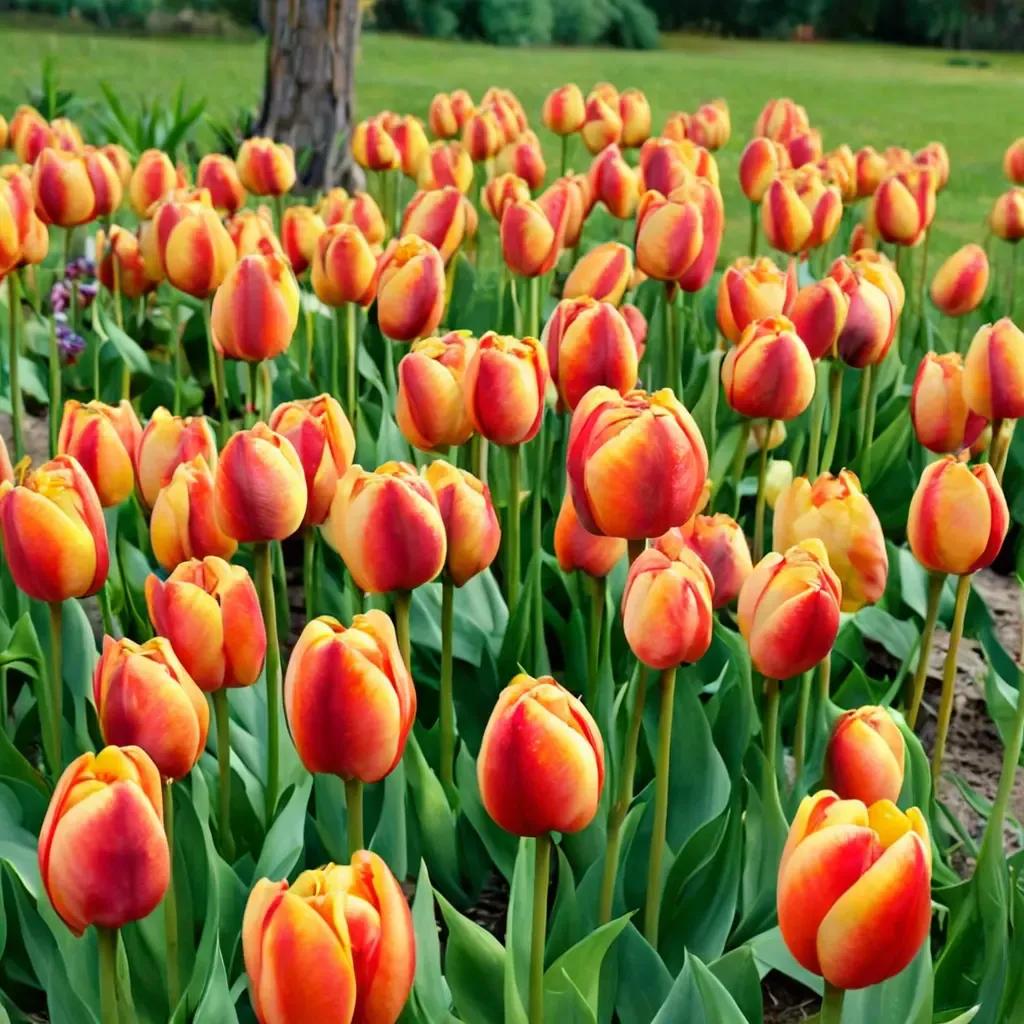 ‘Apeldoorn's Elite’Apeldoorn's Elite Tulip
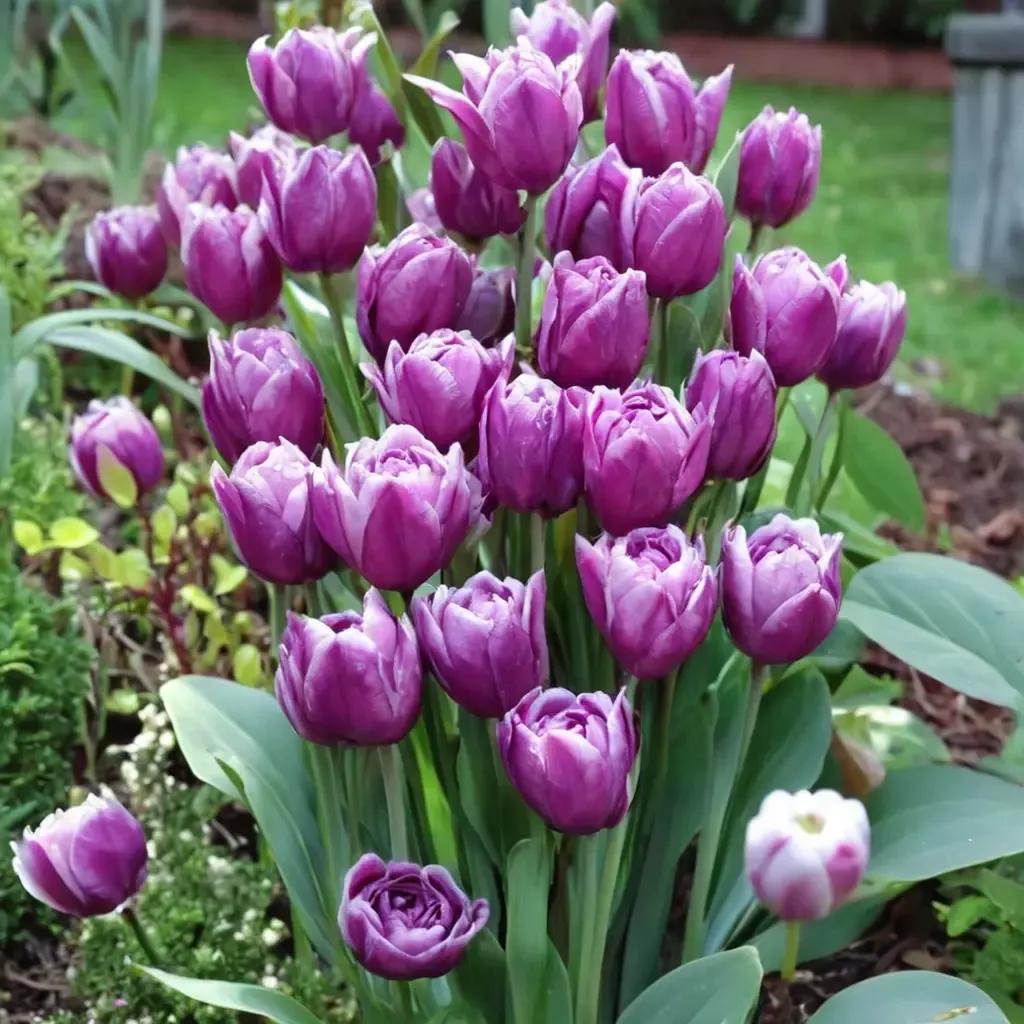 ‘Blue Ribbon’Blue Ribbon Tulip
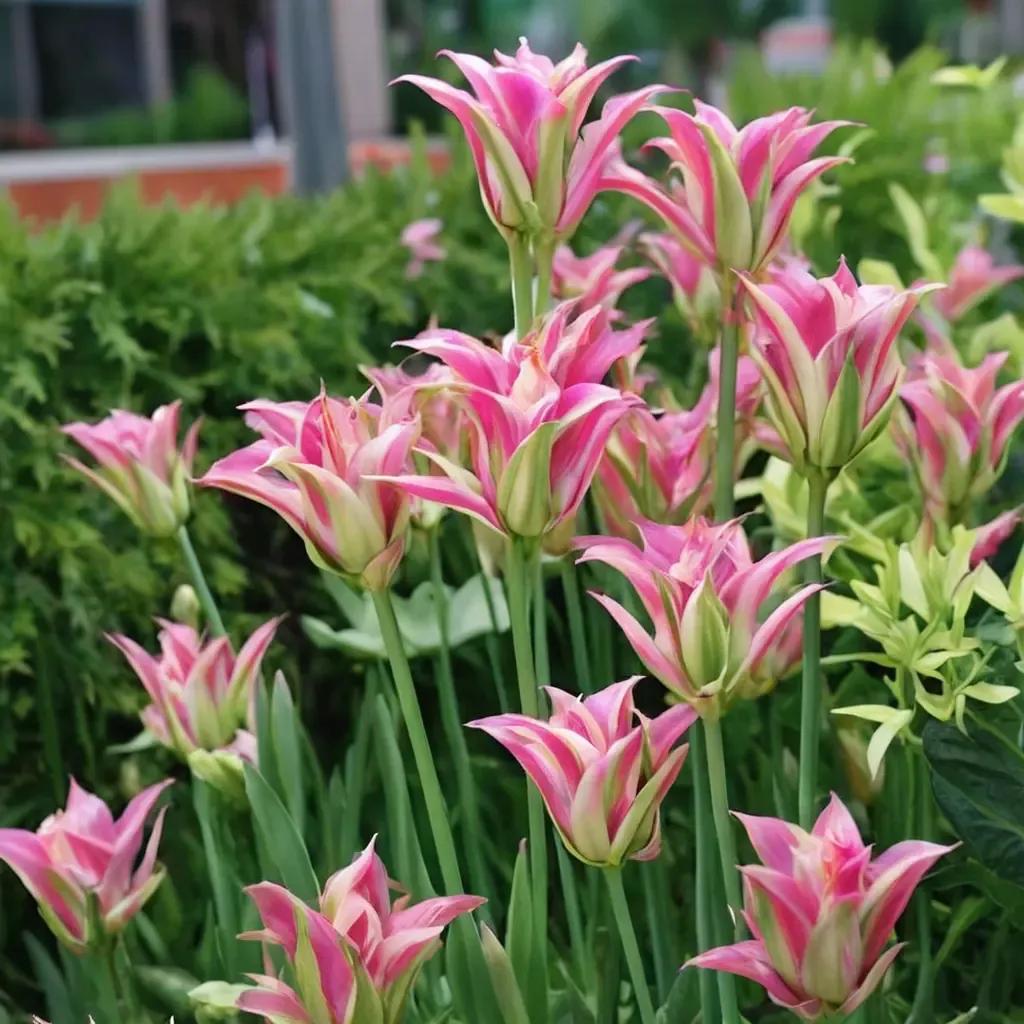 ‘Florosa’Florosa Tulip
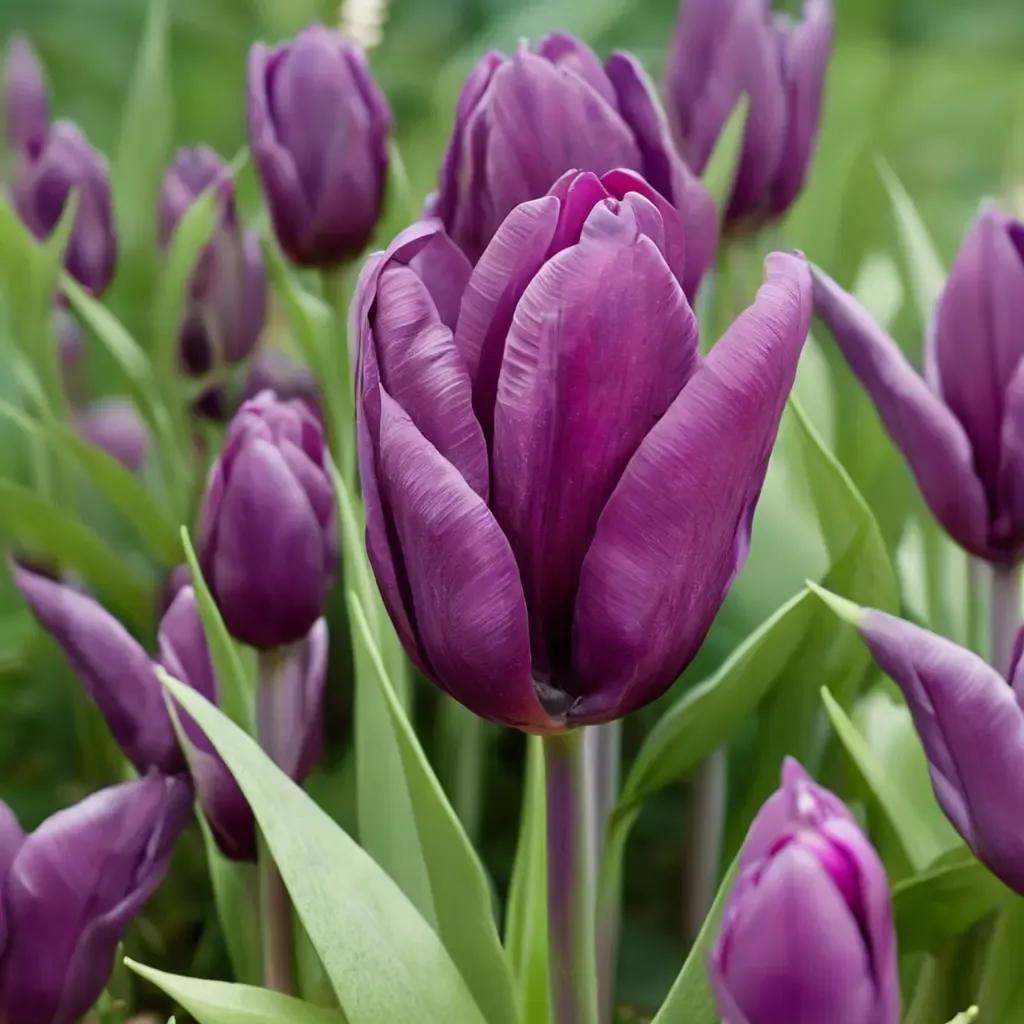 ‘Purple Rain’Purple Rain Tulip
 ‘Jacqueline’Jacqueline Tulip
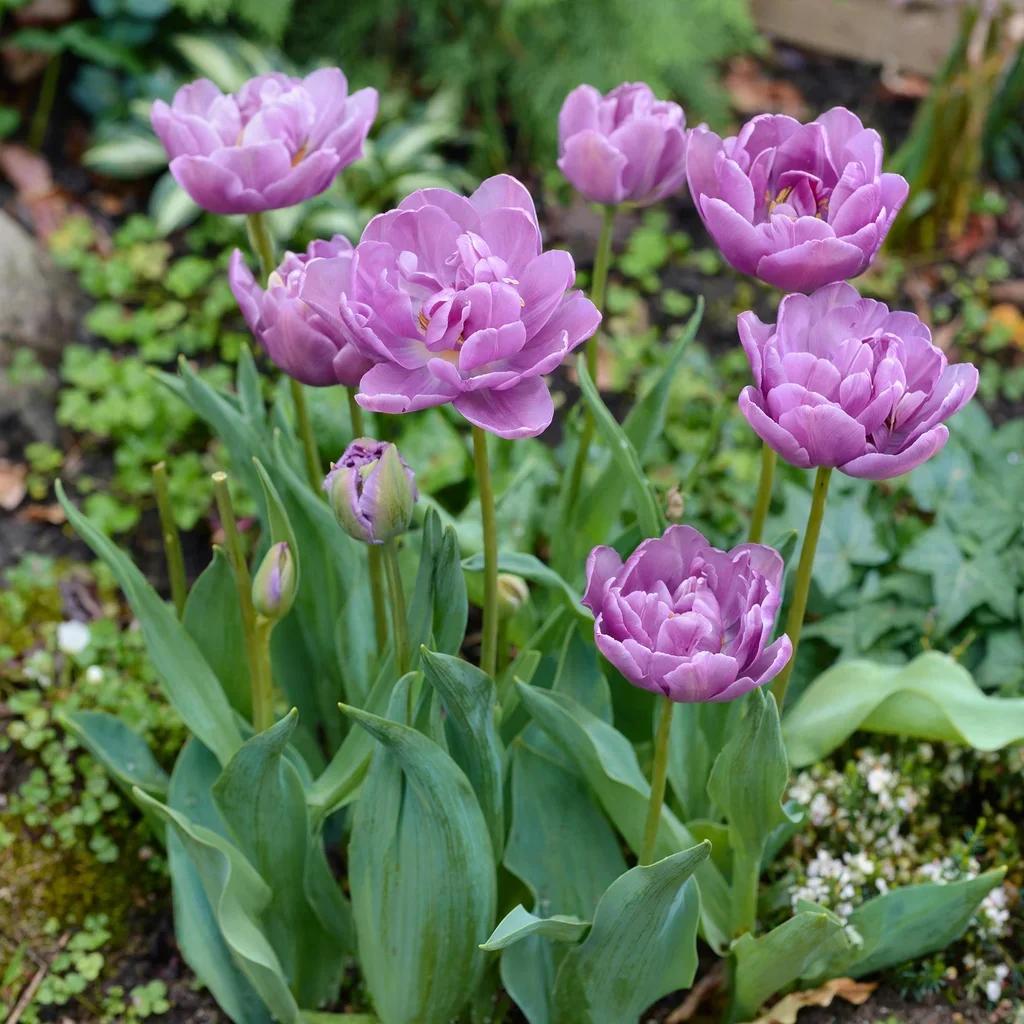 ‘Lilac Perfection’Lilac Perfection Tulip
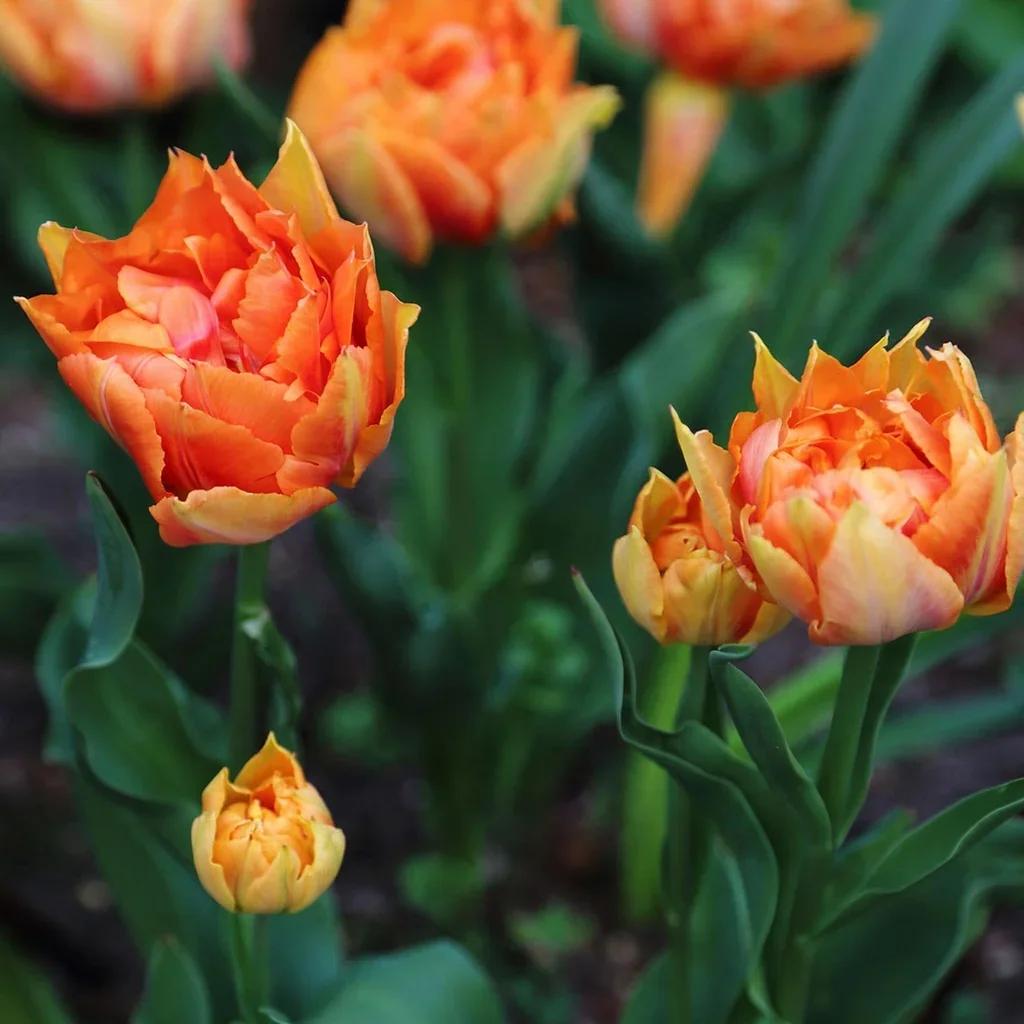 ‘Willem van Oranje’Willem van Oranje Tulip
 ‘White Dream’White Dream Tulip
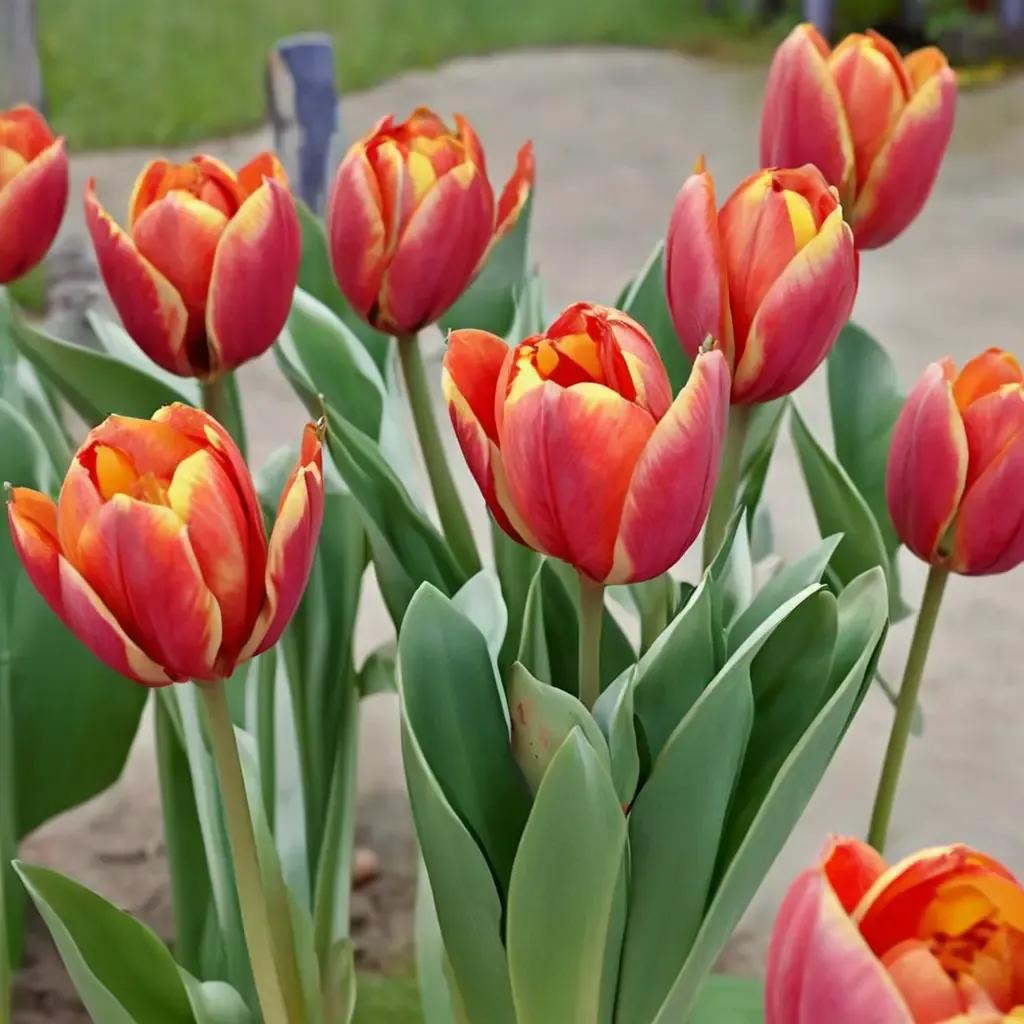 ‘Rem’Rem Tulip
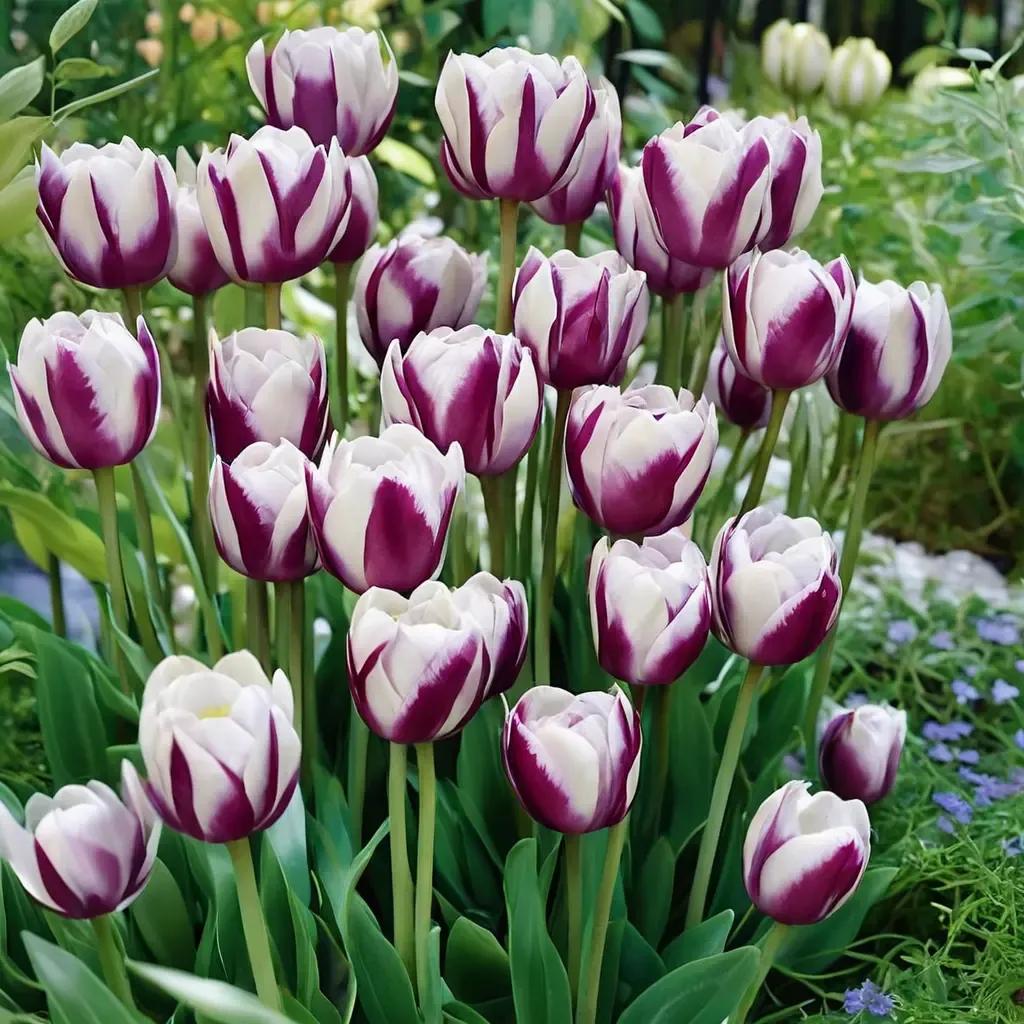 ‘Zurel’Zurel Tulip
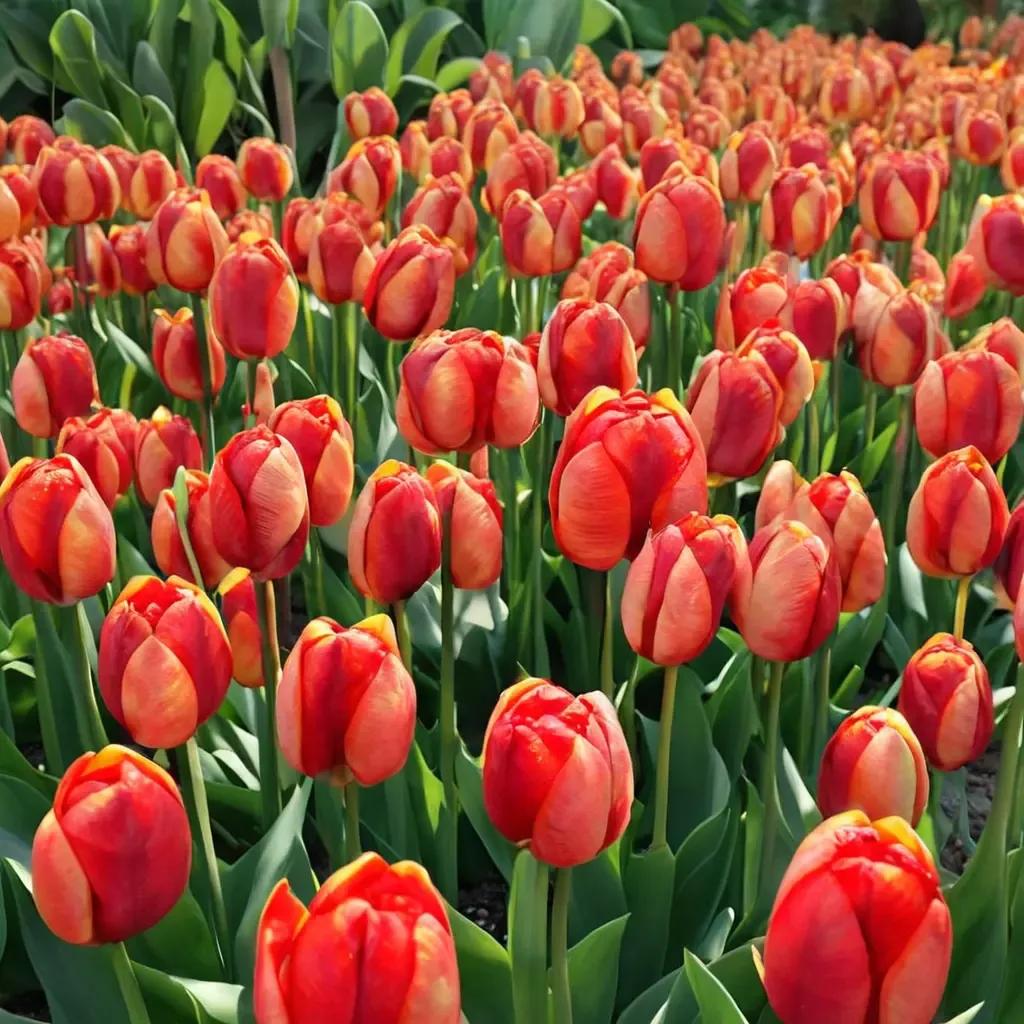 ‘Apeldoorn’Apeldoorn Tulip
 ‘Ice Crystal’Ice Crystal Tulip
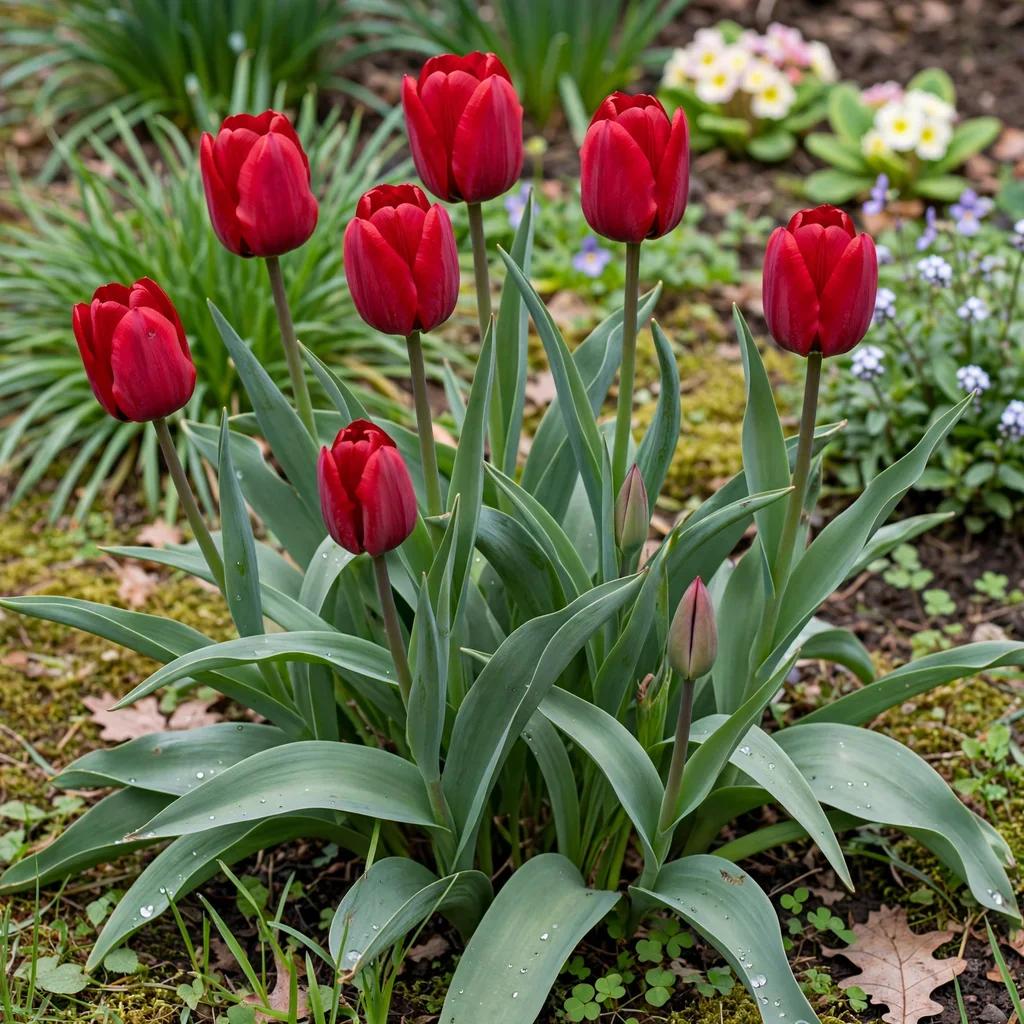 ‘Ile de France’Ile de France Tulip
 ‘China Pink’China Pink Tulip
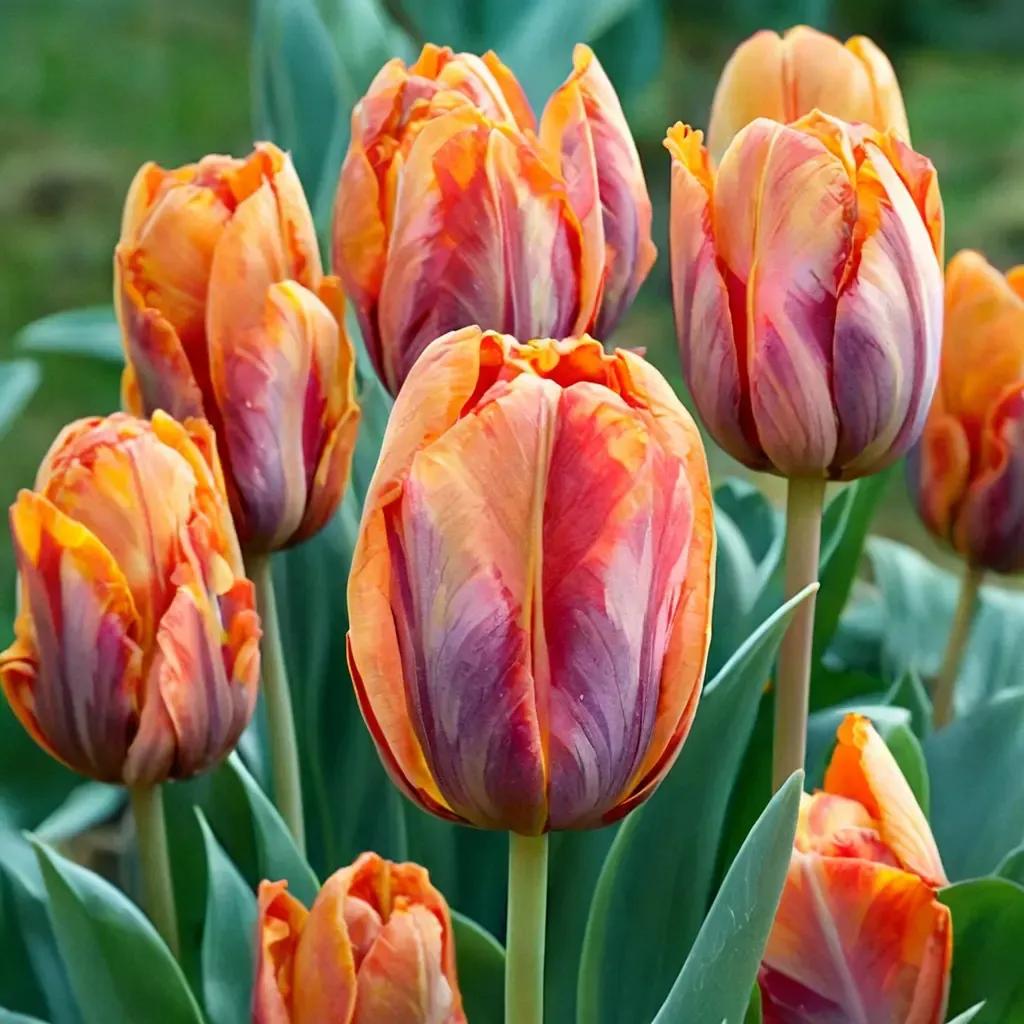 ‘Prinses Irene’Triumph Tulip 'Prinses Irene'
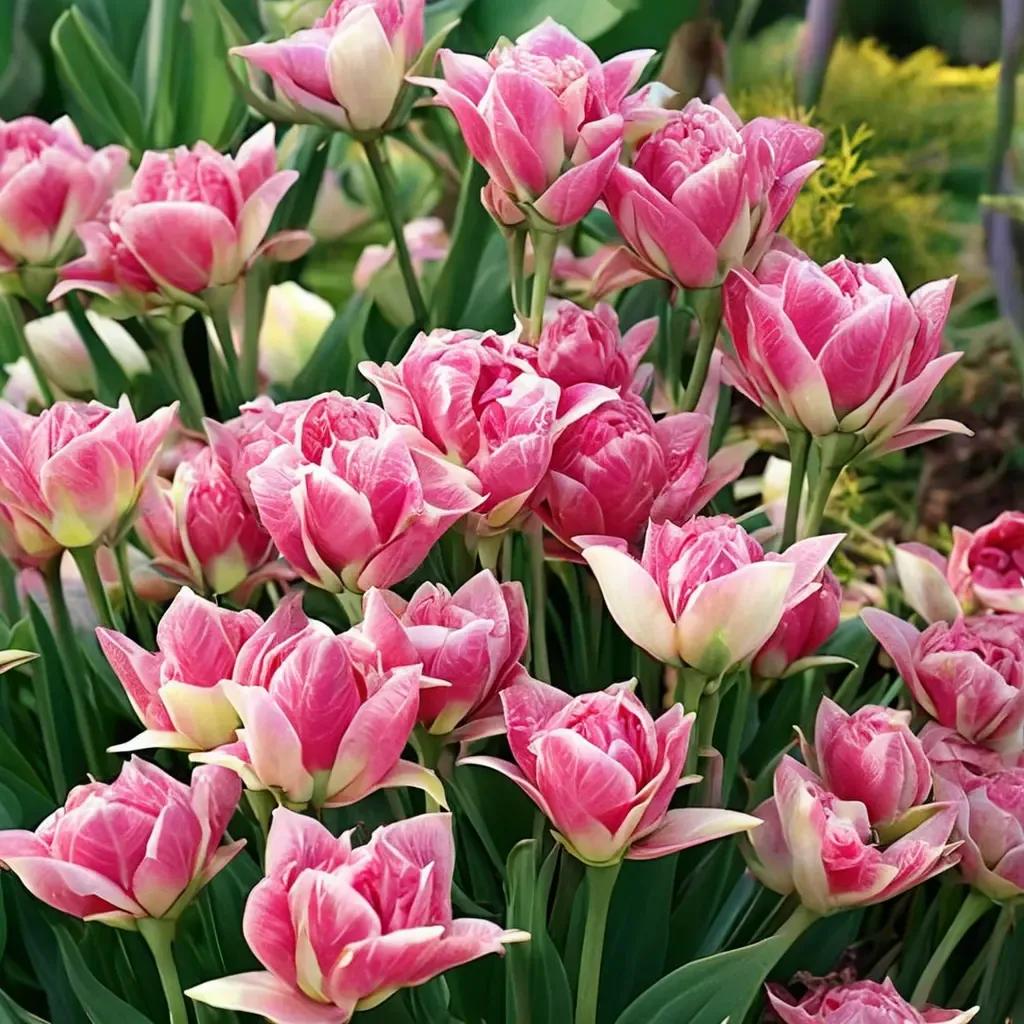 ‘Peach Blossom’Peach Blossom Tulip
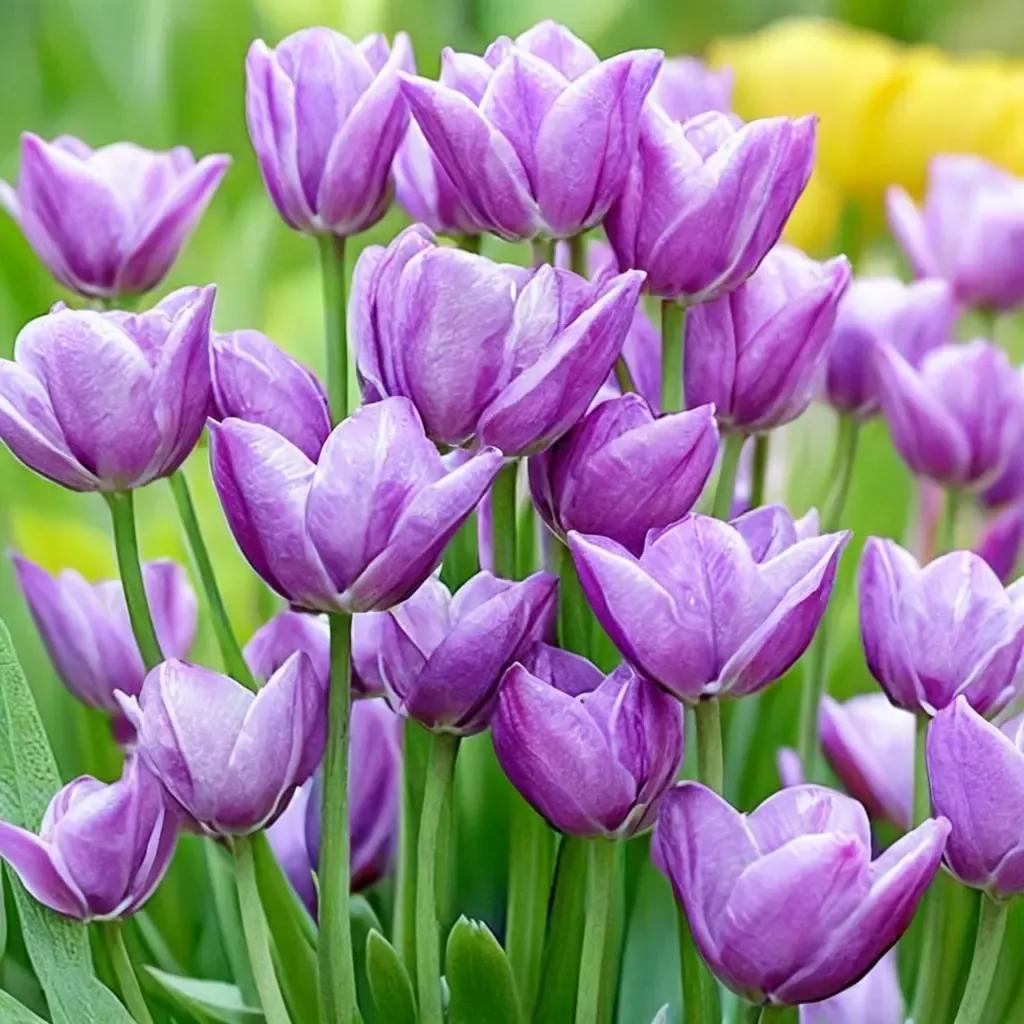 ‘Violet Beauty’Violet Beauty Tulip
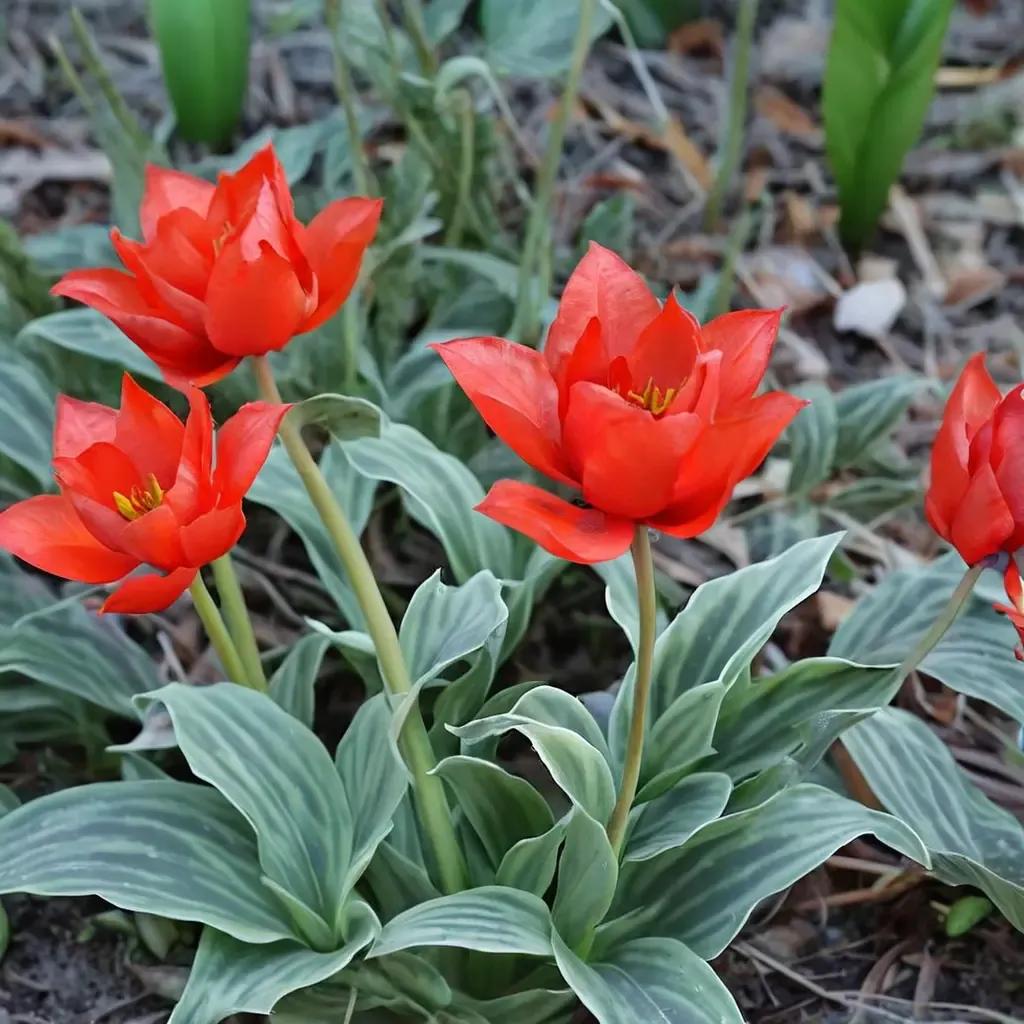 ‘Red Riding Hood’Red Riding Hood Tulip
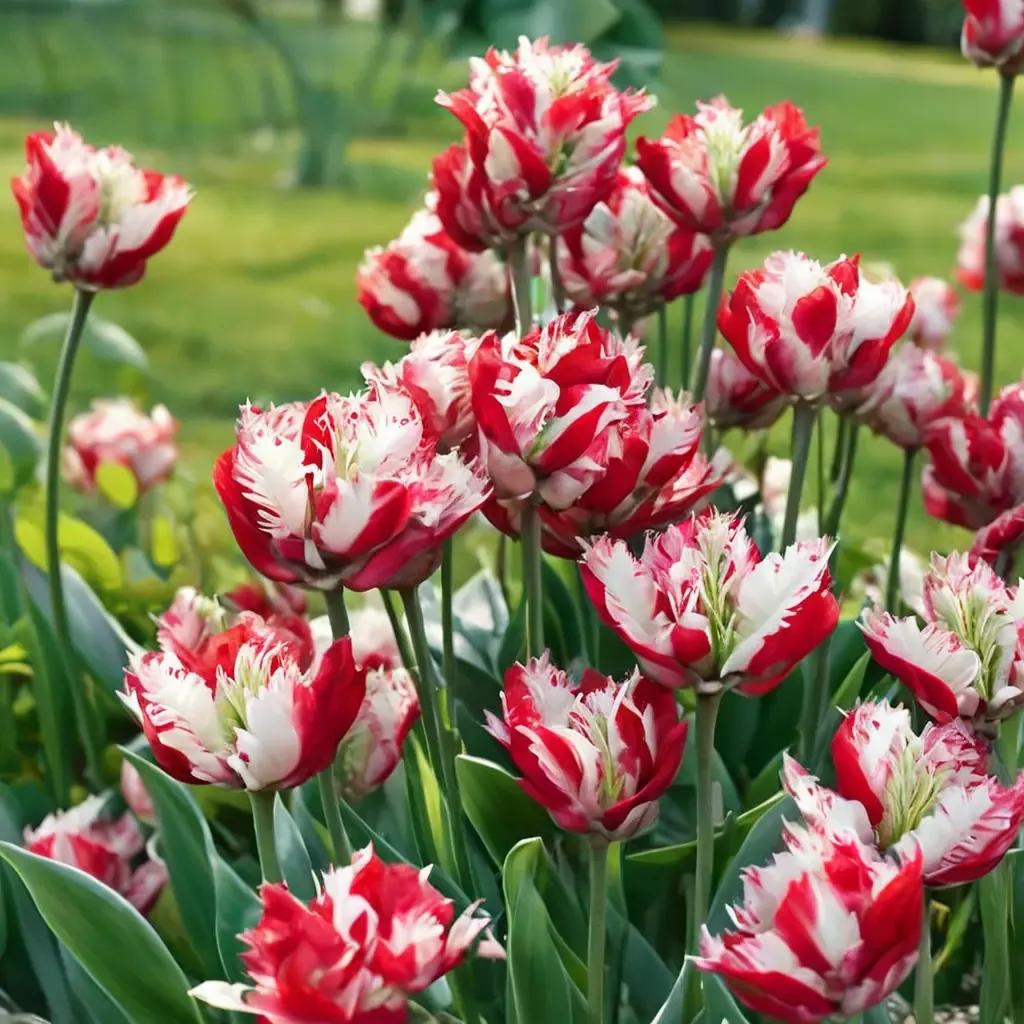 ‘Estella Rijnveld’Estella Rijnveld Tulip
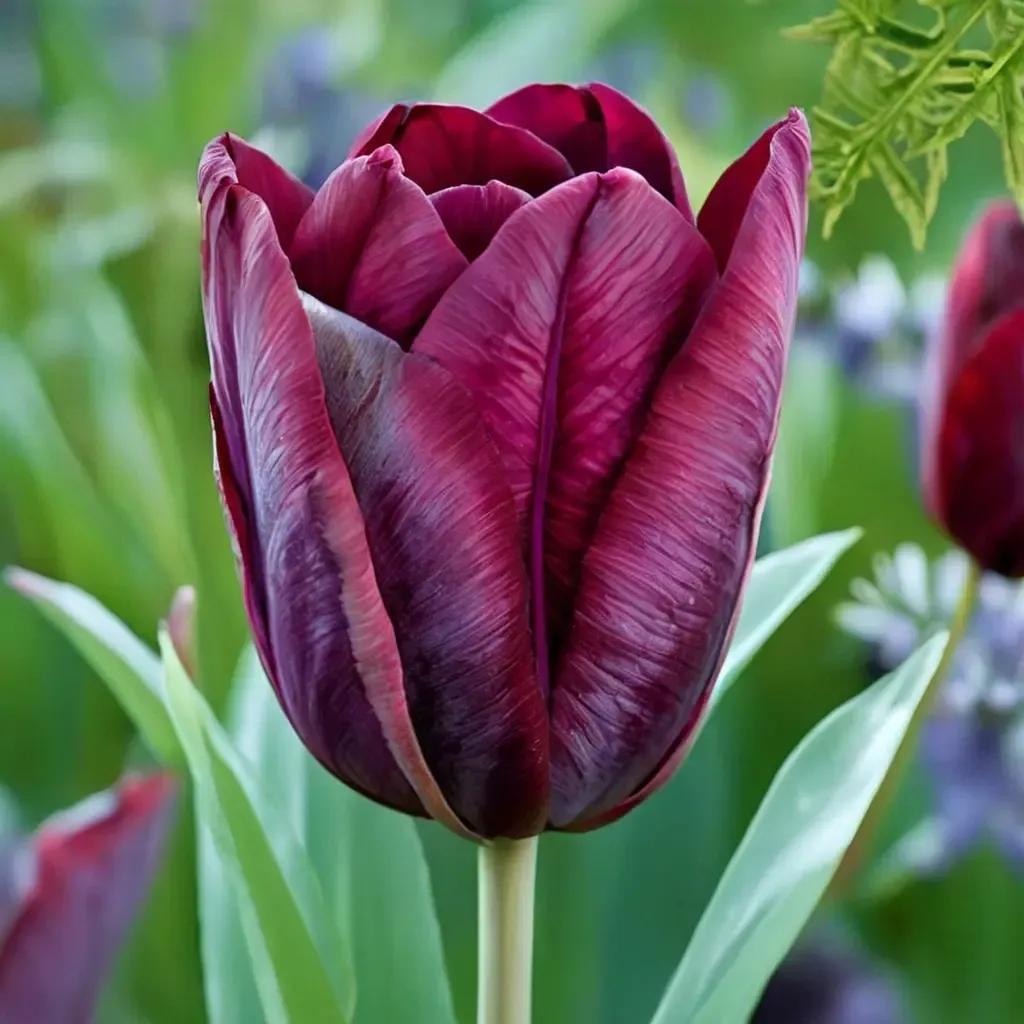 ‘Ronaldo’Ronaldo Tulip
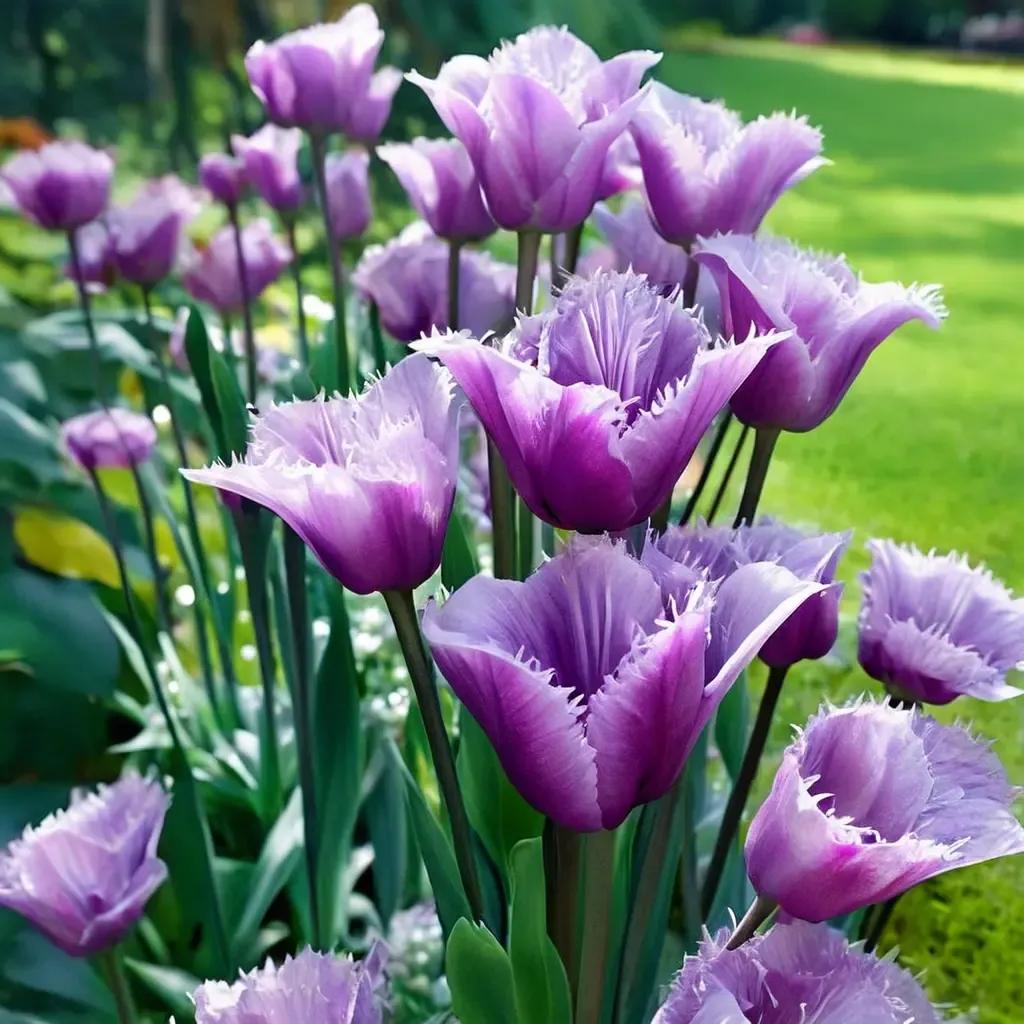 ‘Blue Heron’Blue Heron Tulip
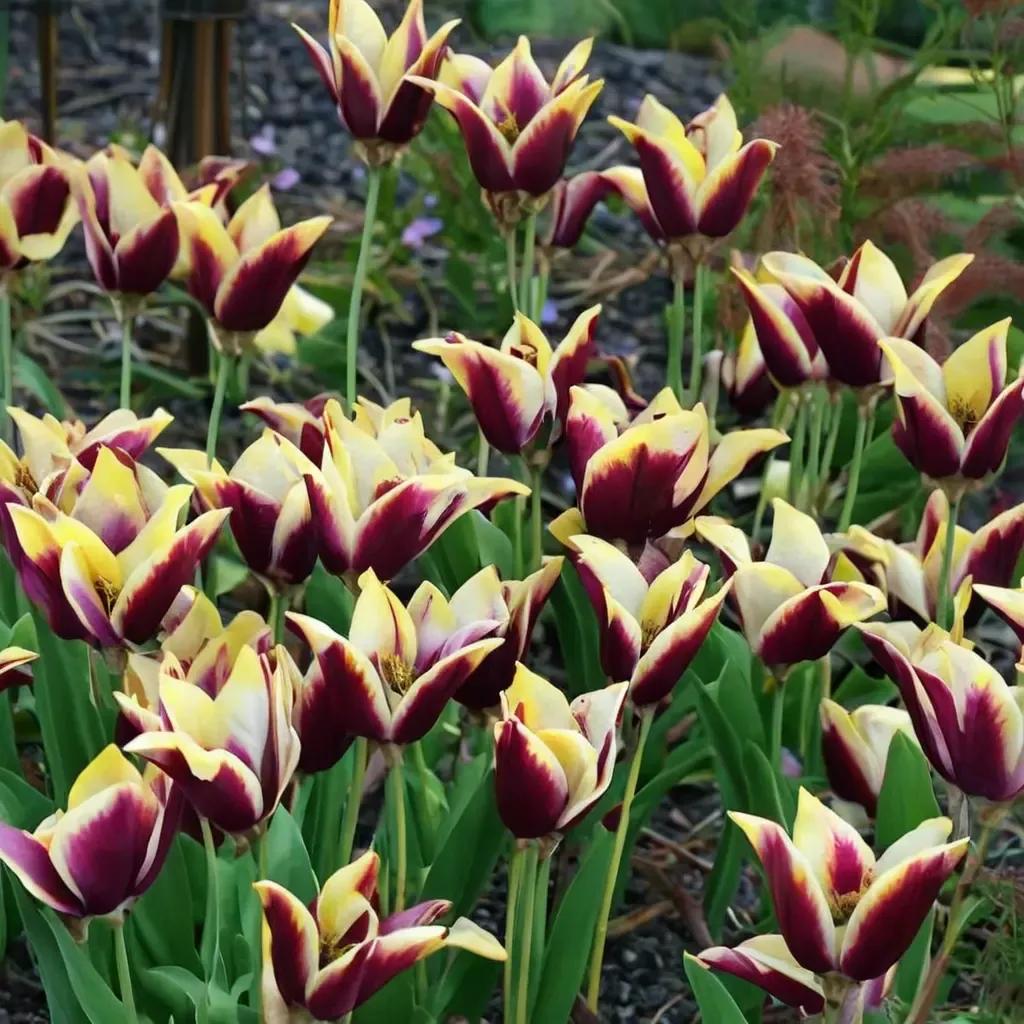 ‘Gavota’Gavota Tulip
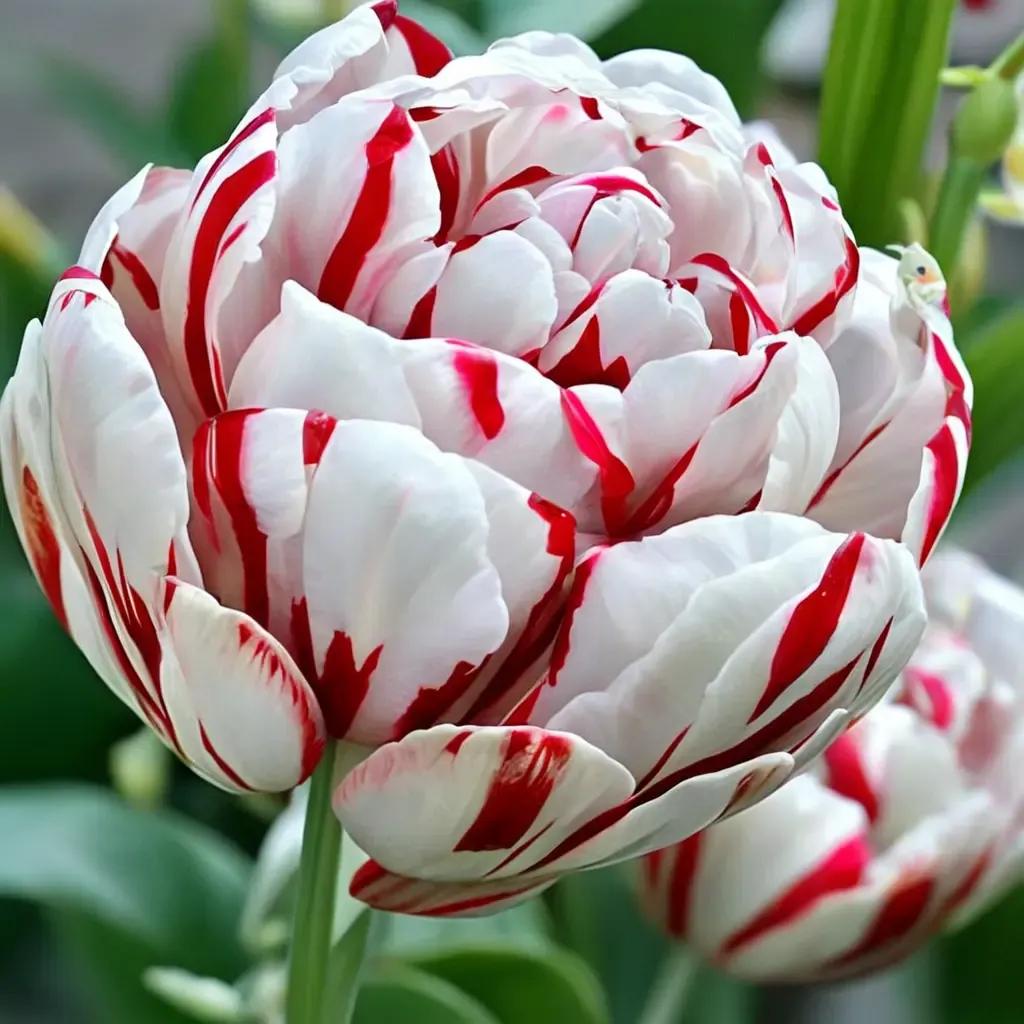 ‘Carnaval De Nice’Carnaval De Nice Tulip
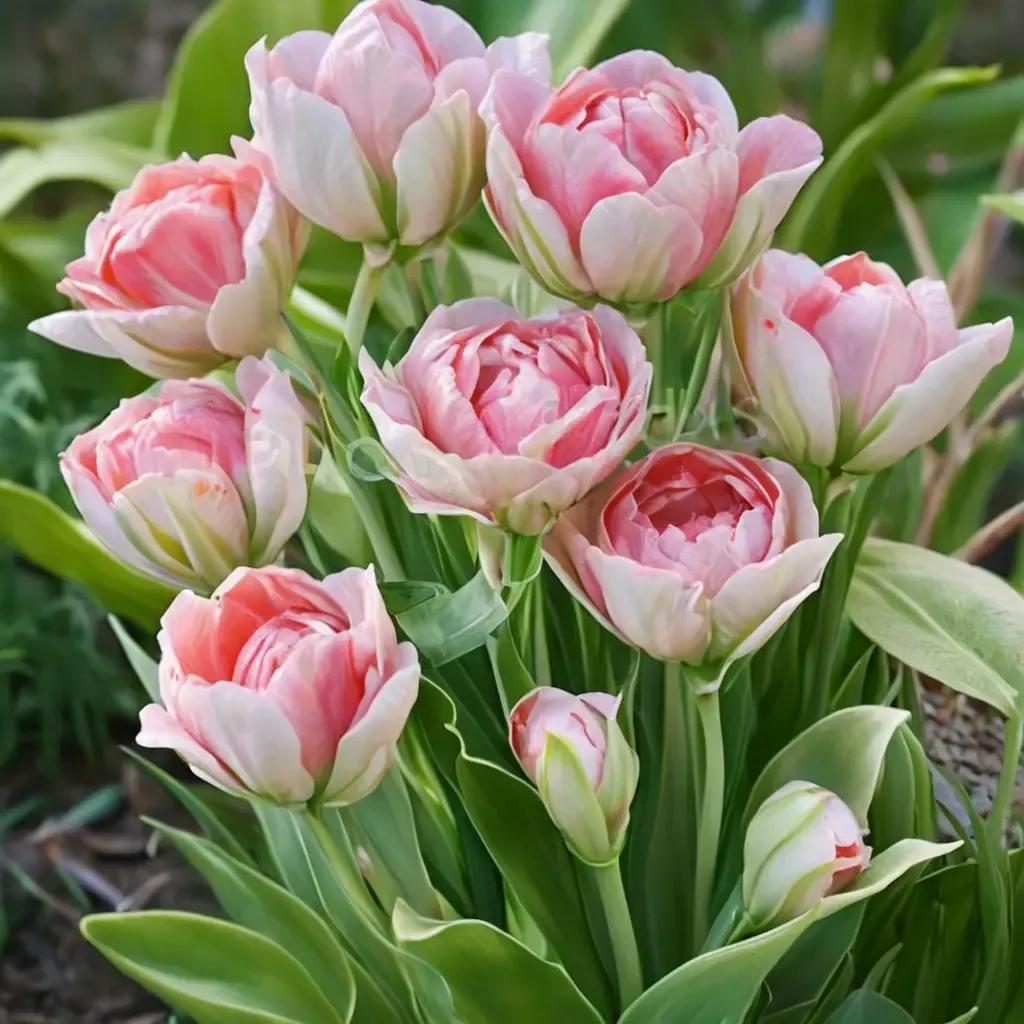 ‘Annelinde’Annelinde Tulip
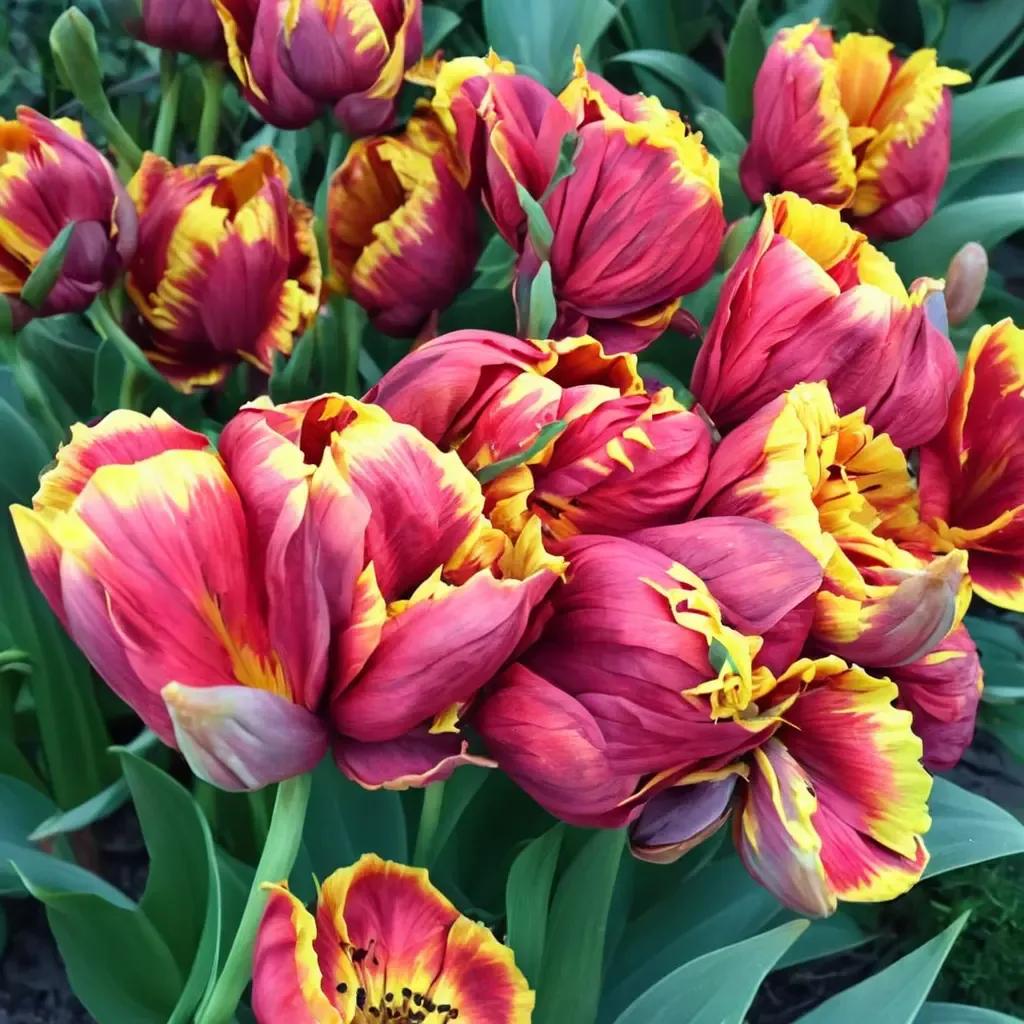 ‘Bright Parrot’Bright Parrot Tulip
 ‘Royal Acres’Royal Acres Tulip
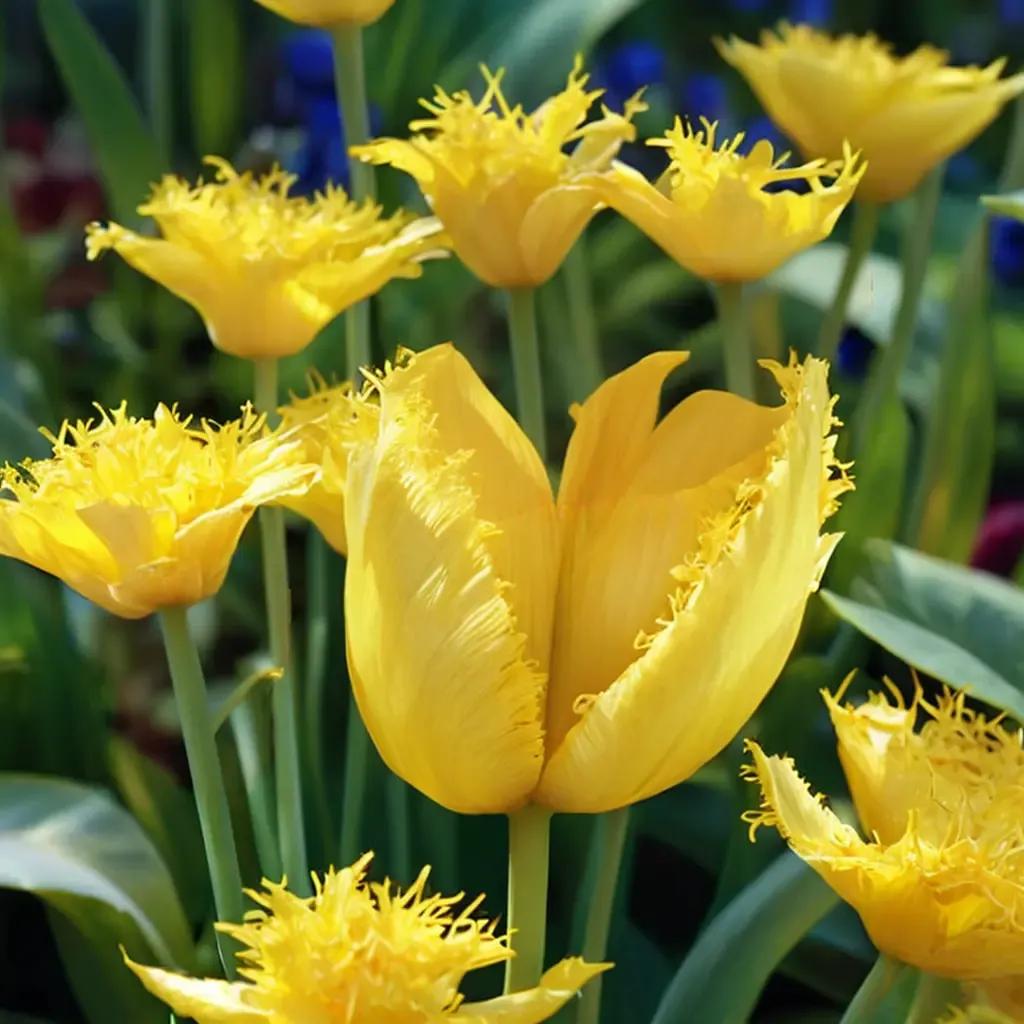 ‘Hamilton’Hamilton Tulip
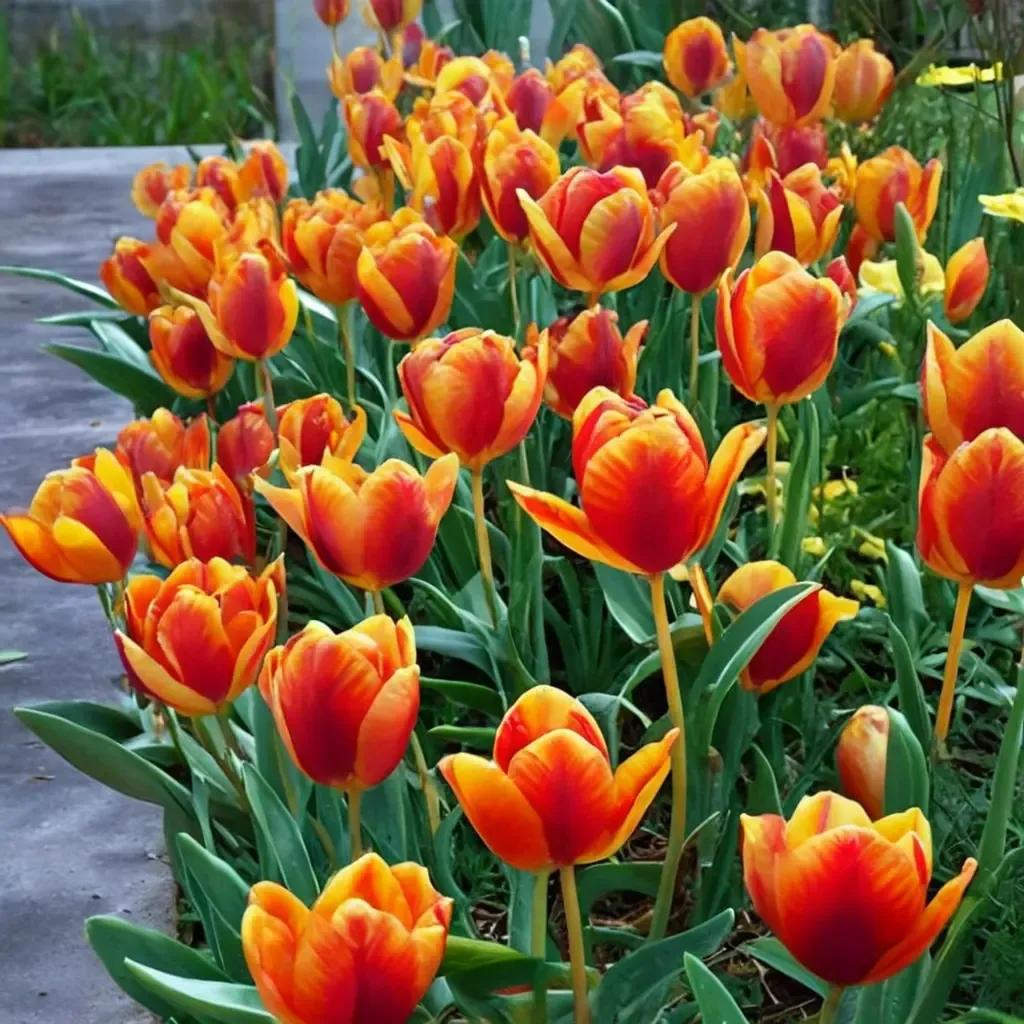 ‘Flair’Flair Tulip
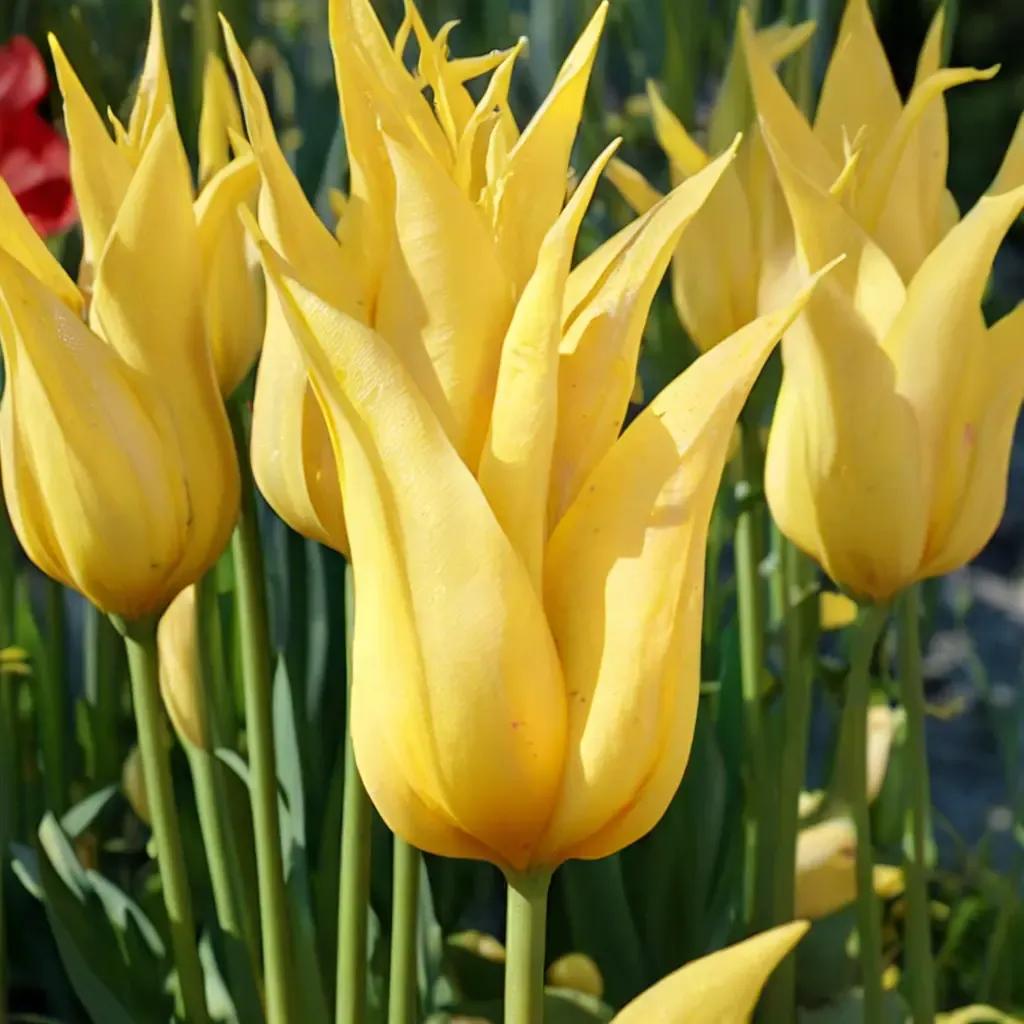 ‘West Point’West Point Tulip
 ‘Stresa’Stresa Tulip
 ‘Arma’Arma Tulip
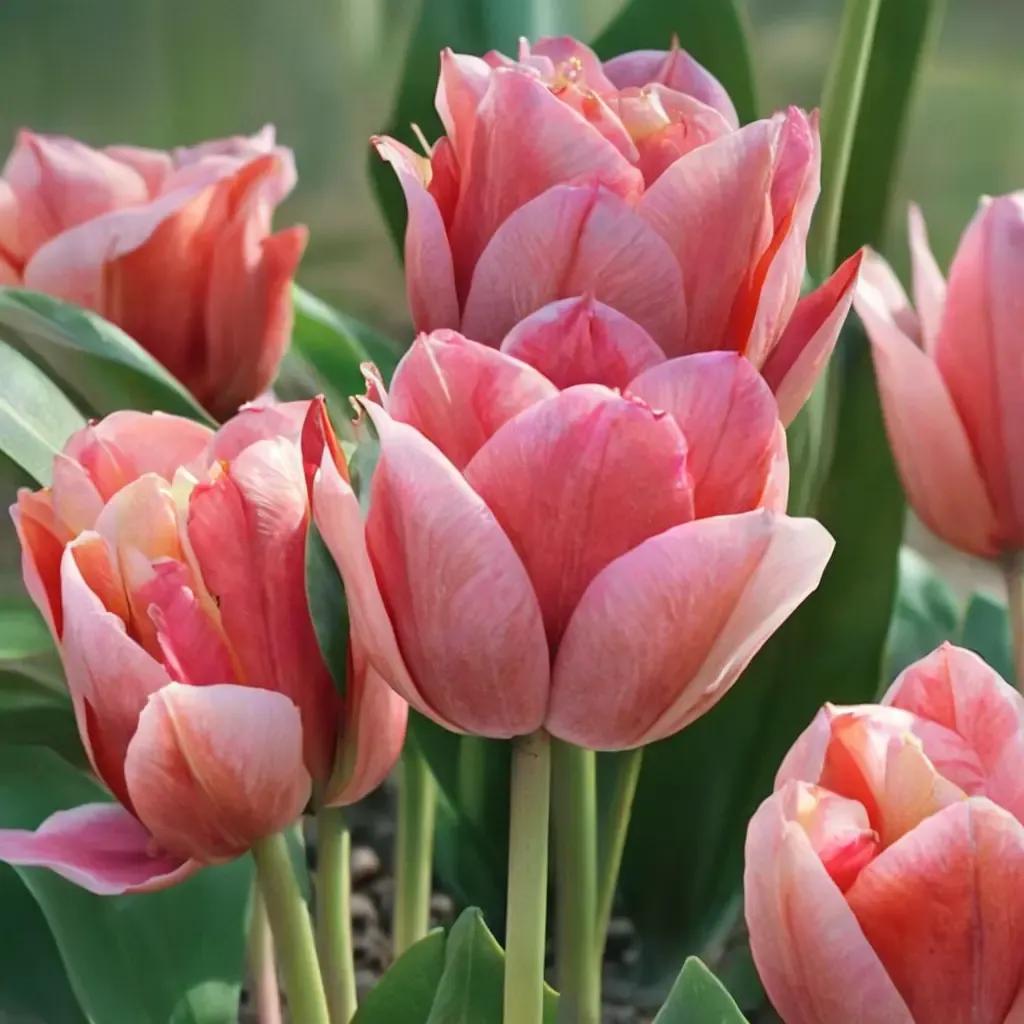 ‘Beauty Queen’Beauty Queen Tulip
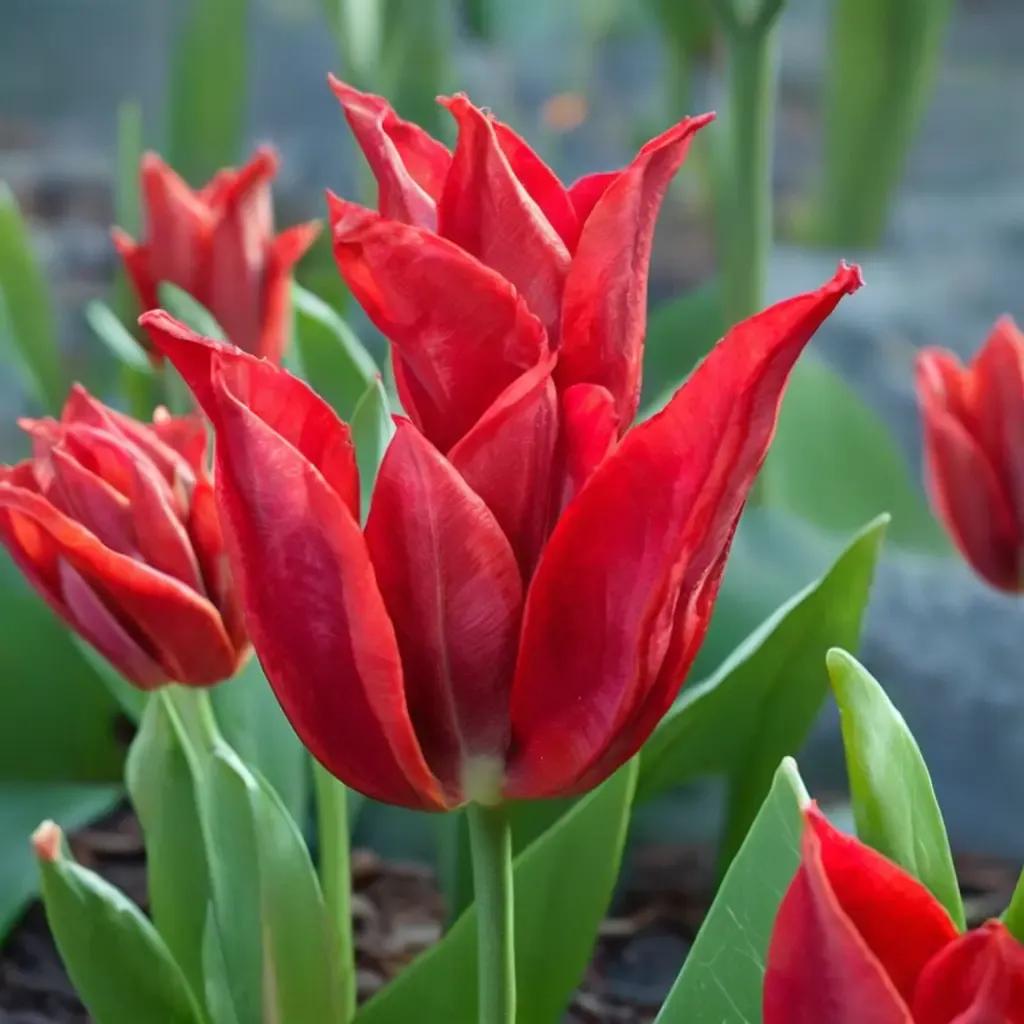 ‘Pretty Woman’Pretty Woman Tulip
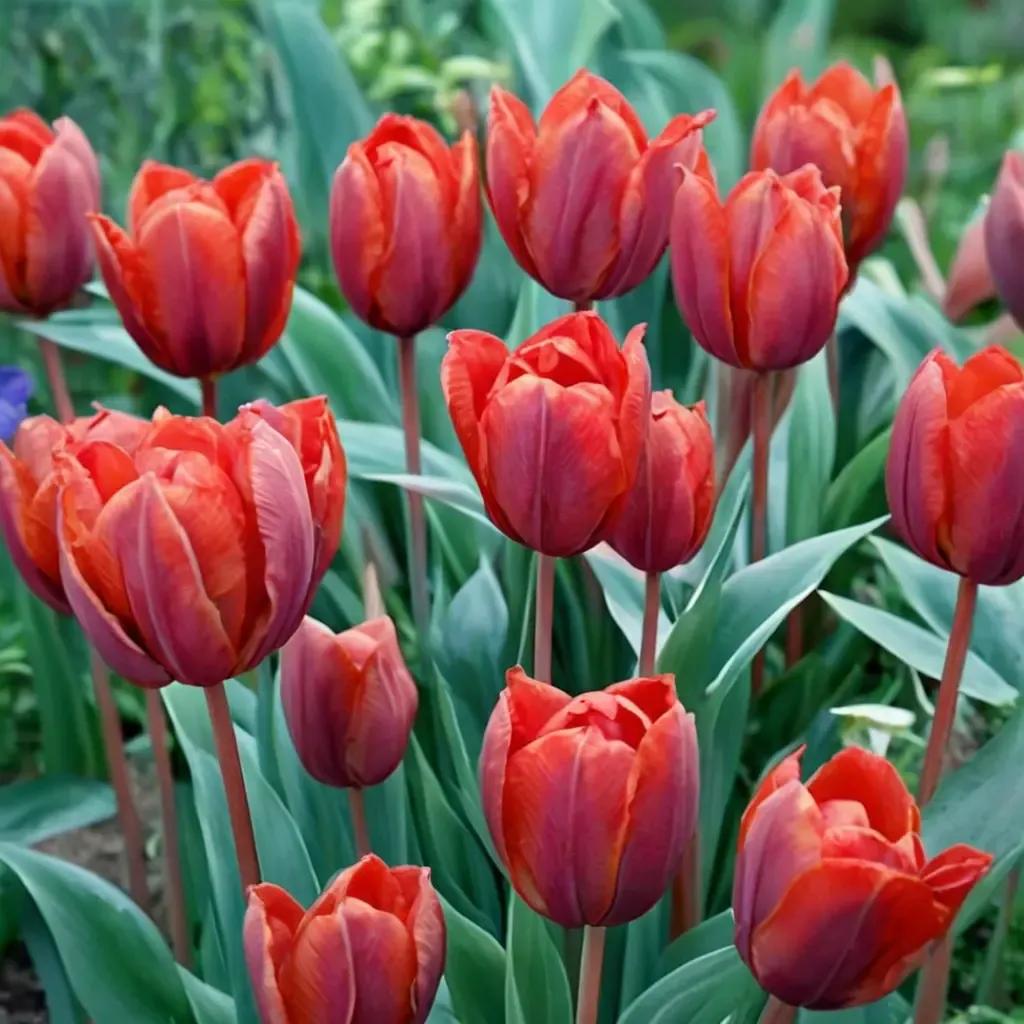 ‘Couleur Cardinal’Couleur Cardinal Tulip
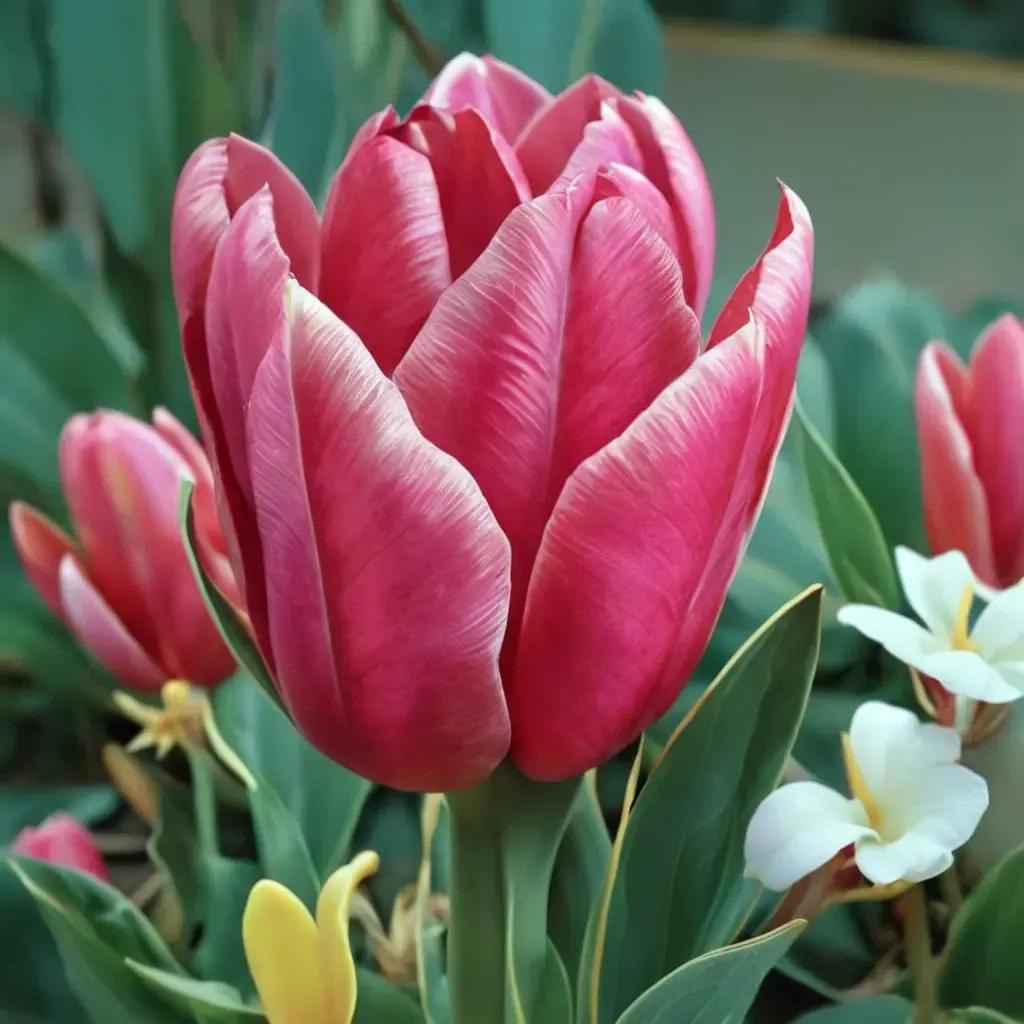 ‘Charmeur’Charmeur Tulip
 ‘Avignon’Avignon Tulip
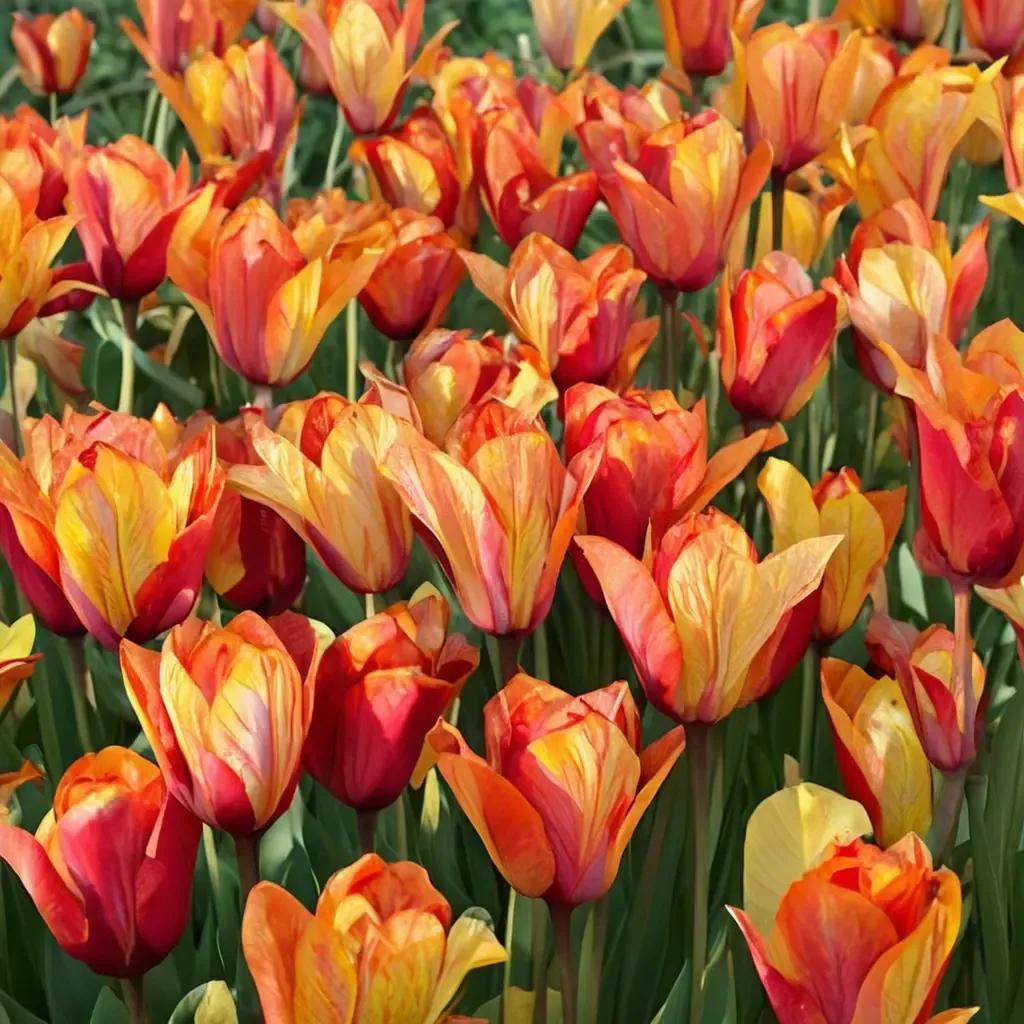 ‘El Nino’El Nino Tulip
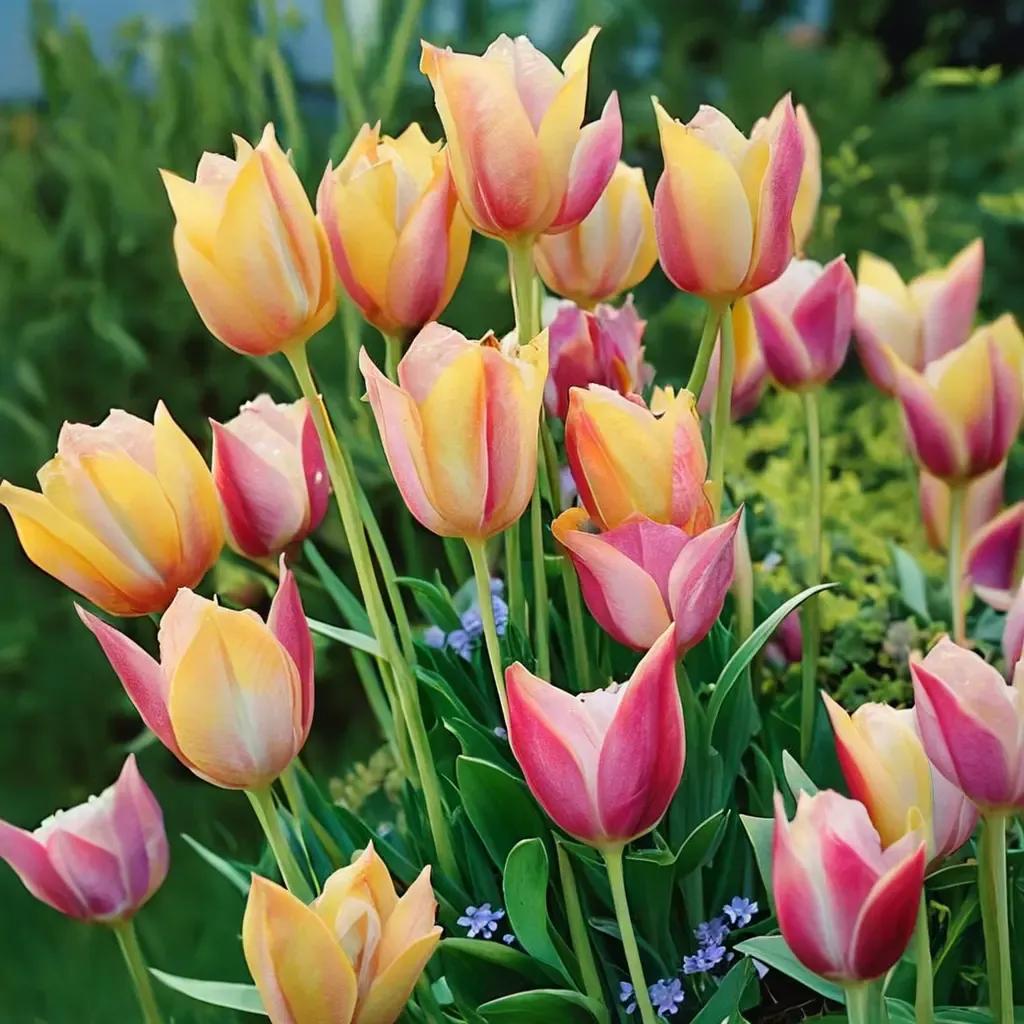 ‘Blushing Beauty’Blushing Beauty Tulip
 ‘Christmas Dream’Christmas Dream Tulip
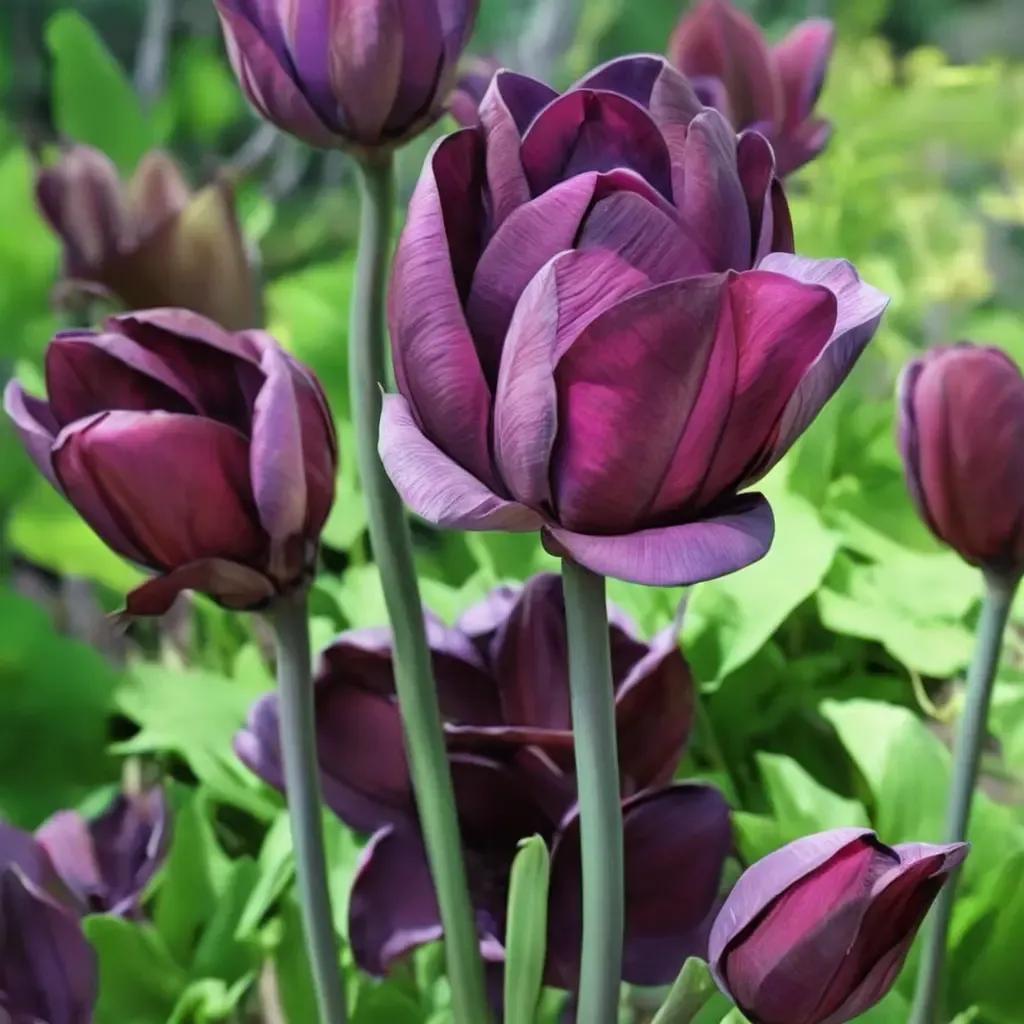 ‘Greuze’Greuze Tulip
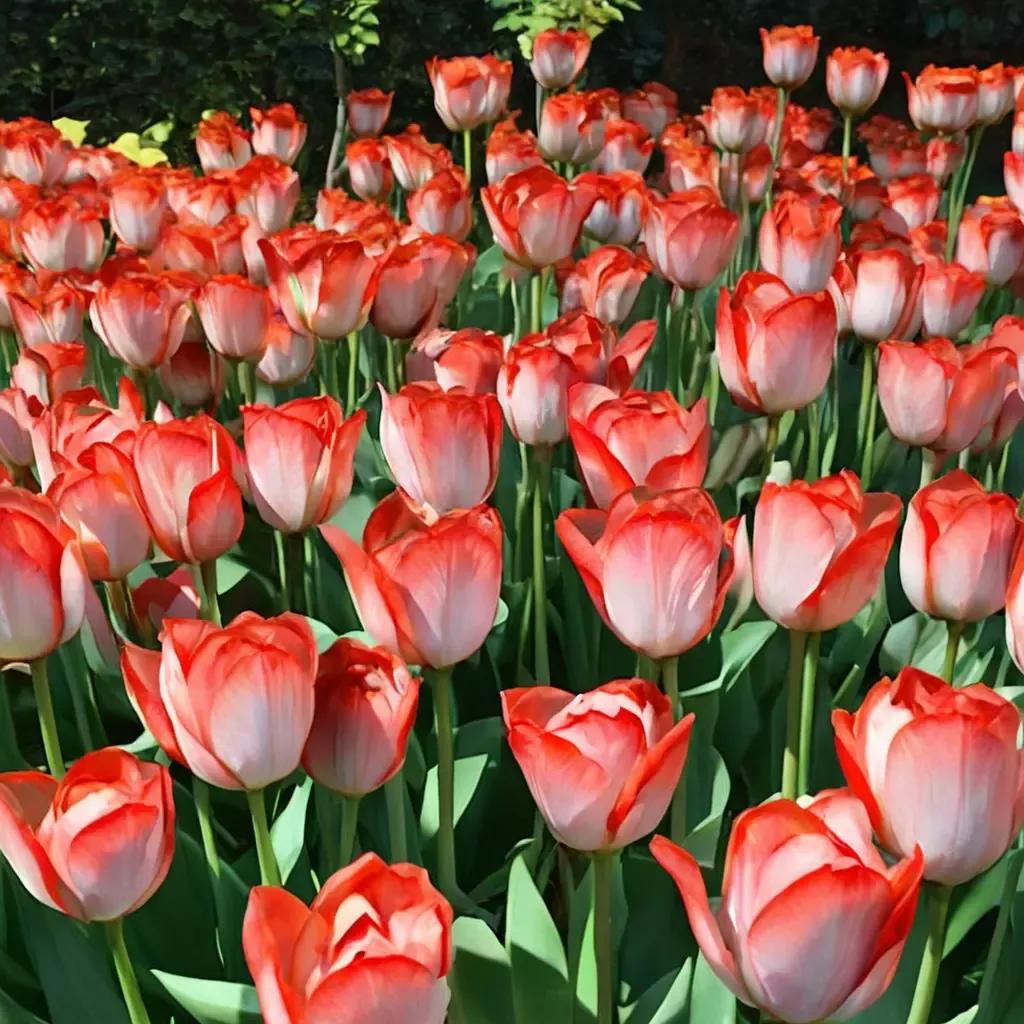 ‘Big Chief’Big Chief Tulip
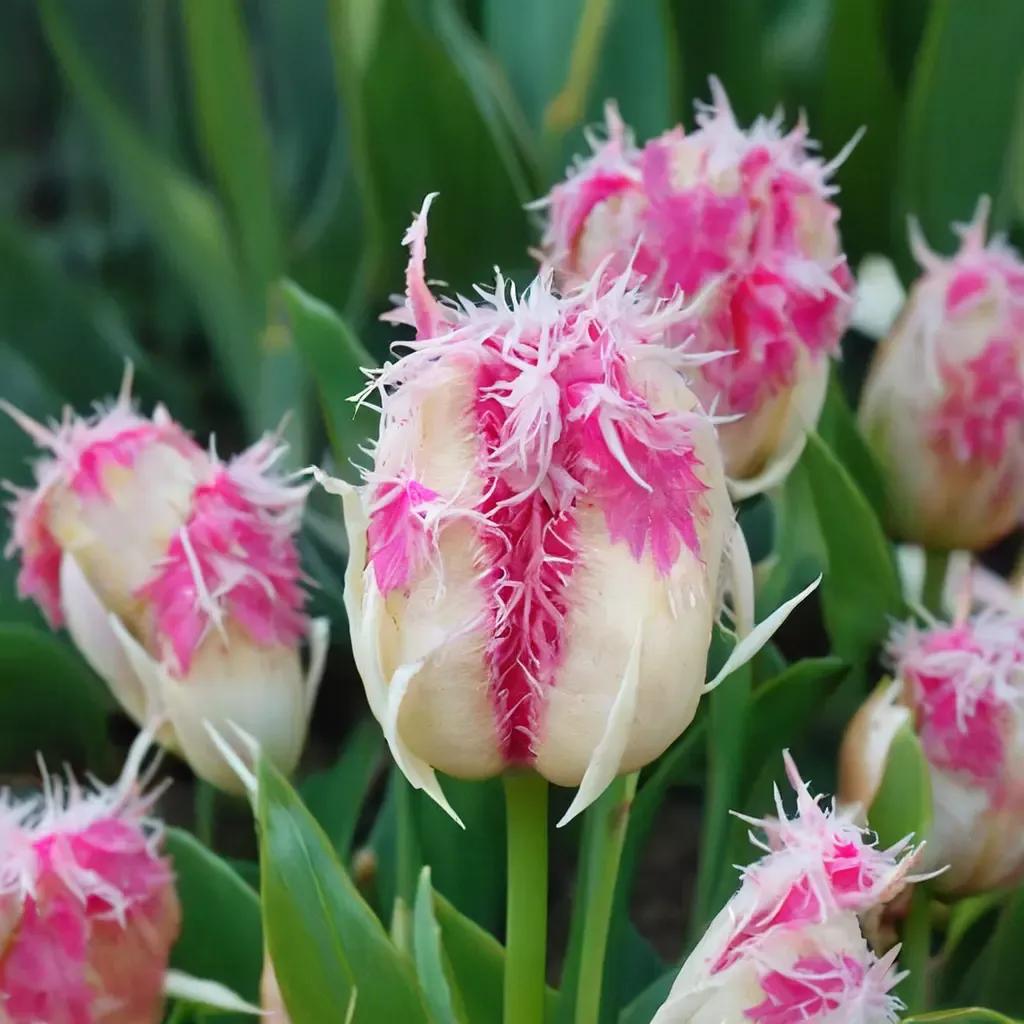 ‘Drakensteyn’Drakensteyn Tulip
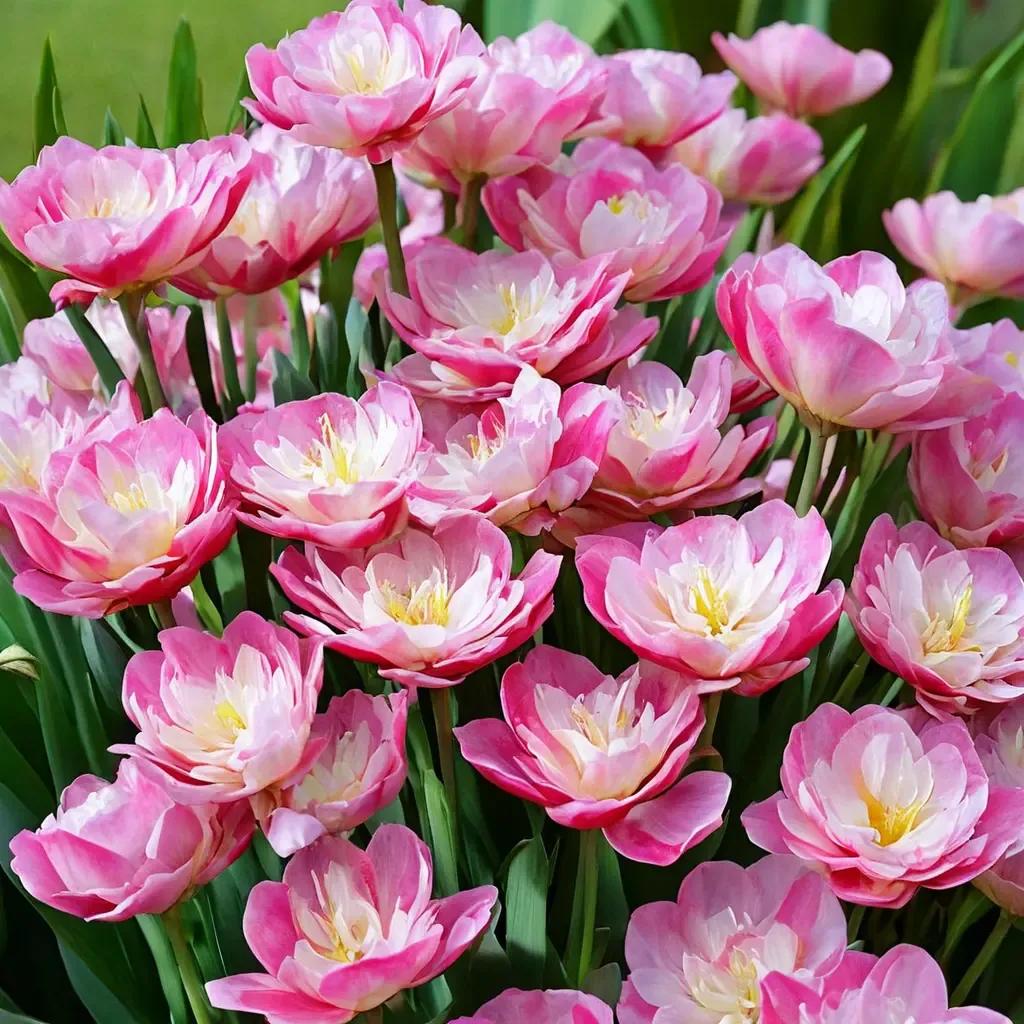 ‘Double Sugar’Double Sugar Tulip
 ‘Curiosity’Curiosity Tulip
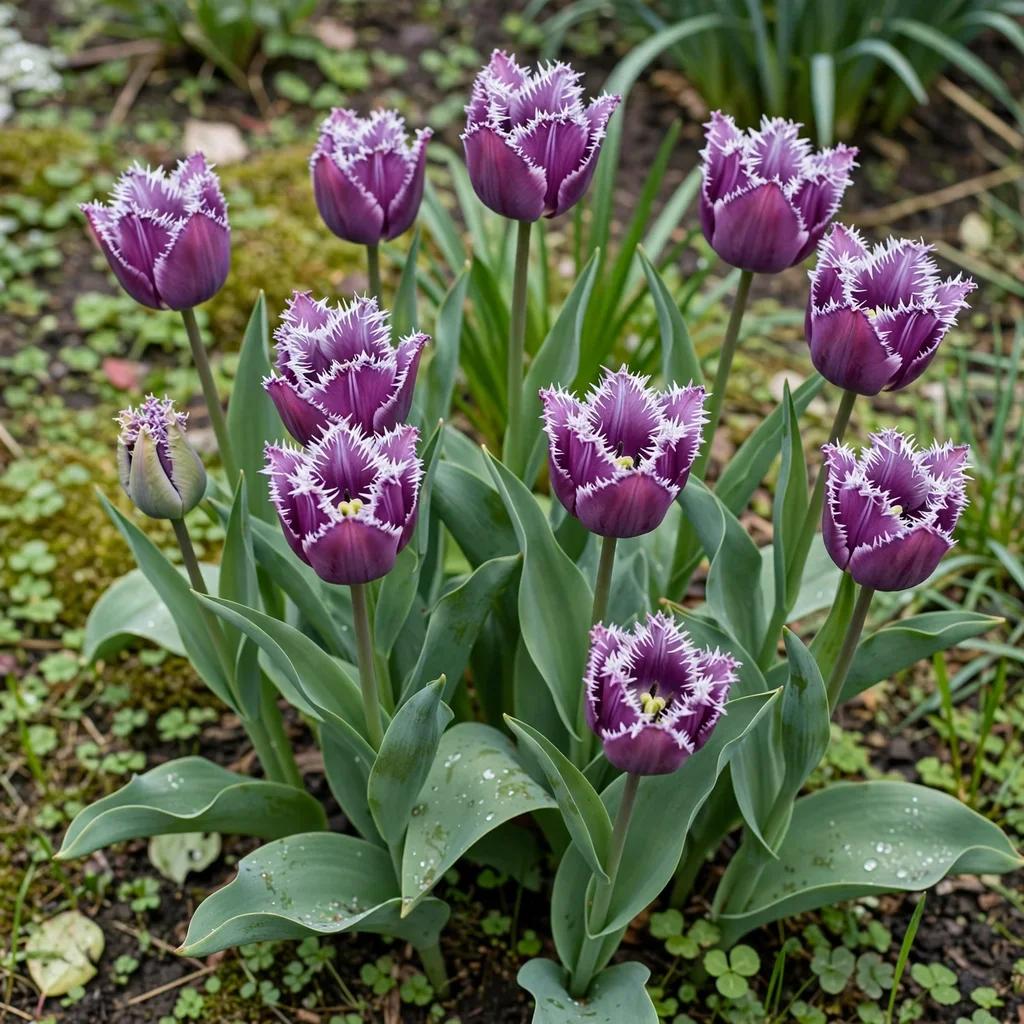 ‘Cummins’Cummins Tulip
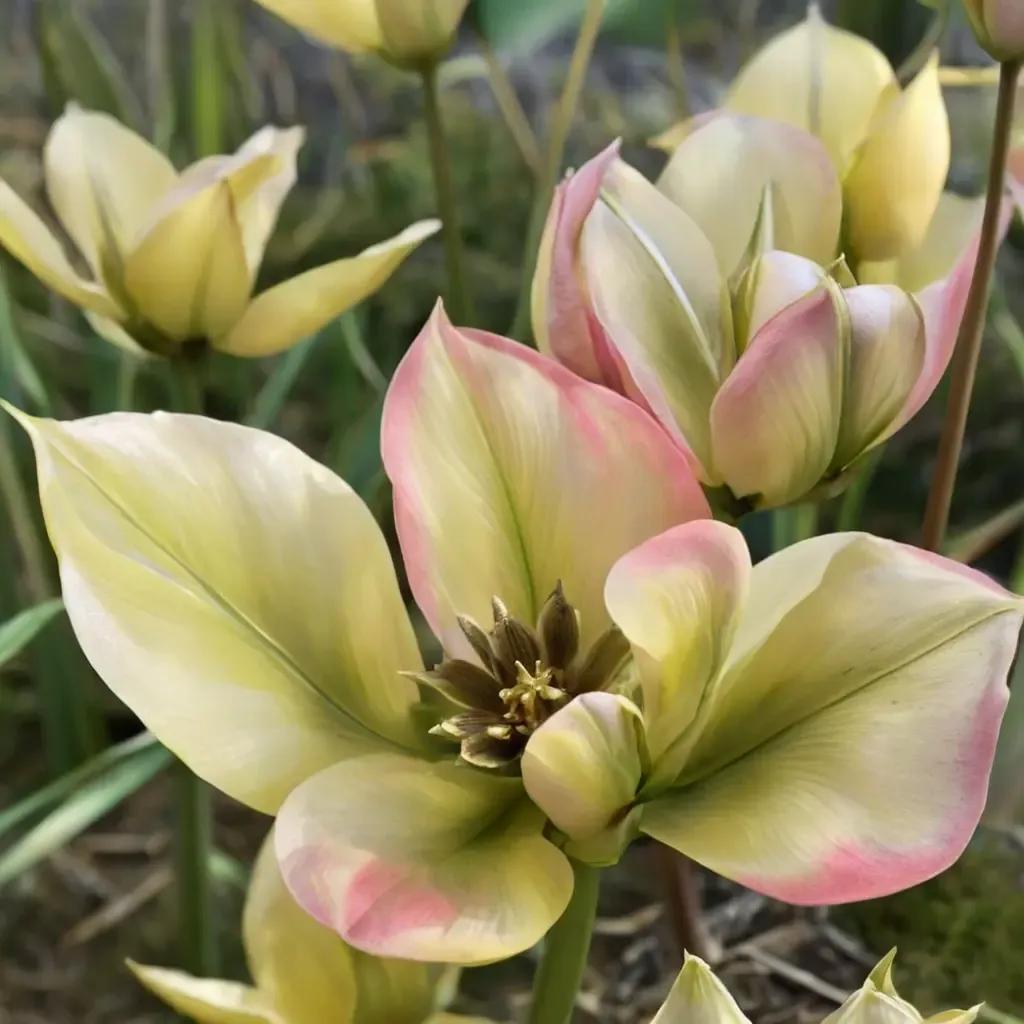 ‘Formosa’Formosa Tulip
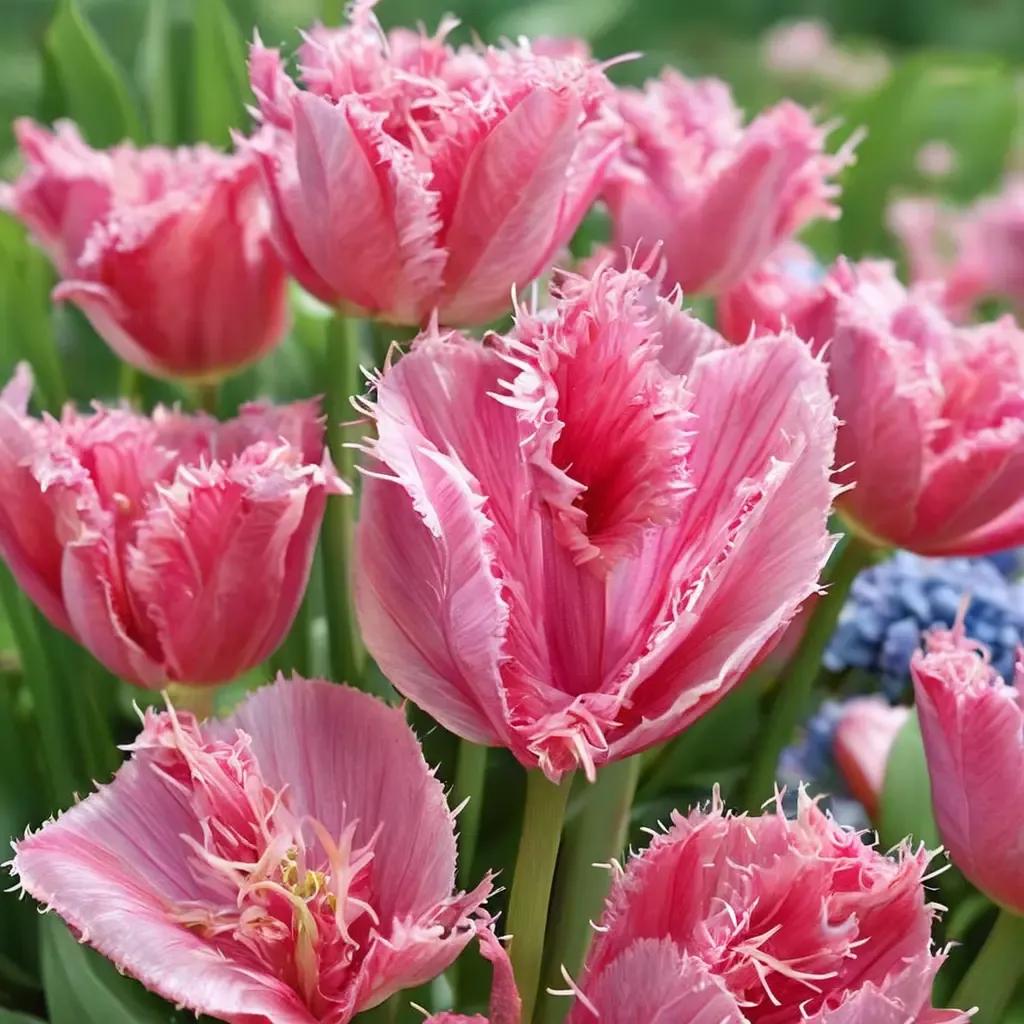 ‘Fancy Frills’Fancy Frills Tulip
The Story
Plant Bio
Mysterious Parrot features unique feathered petals, adding an exotic touch to garden displays.
This cultivar stands out for its strikingly colored petals that resemble a parrot's plumage.
Uses & Benefits:
Bred from more than one wild species, so it has no species page of its own.
Essentials
At a Glance
Plant Type
Bulb Corm Tuber
Height
12"
Width
10"
Light
Full Sun, Partial Sun
Zones
4, 5, 6, 7
Water
Moderate
Humidity
Normal
Lifespan
Perennial in suitable climates
Native To
Cultivated worldwide
Toxicity
Non-toxic to humans and pets
Bloom period
Early spring – Mid-spring
In flower about 2 months of the year
Planting
How to Grow
- Tuck bulbs 6 inches deep in well-draining soil in fall.
- Mist bulbs lightly after planting to settle soil.
- Ensure full sun exposure for vibrant blooms.
- Water sparingly during dormancy; increase during growth.
- Apply a balanced fertilizer in early spring for best results.
- Mulch around bulbs to retain moisture and regulate temperature.
Pro Tip
Plant bulbs in clusters for a more natural and striking display.
Keep It Thriving
Care Guide
Do
- Water during active growth without over-saturating the soil 🌱
- Apply a balanced fertilizer in early spring
- Provide full sun for optimal flowering
- Mulch to conserve moisture and prevent weeds
- Lift and divide bulbs every 3-4 years to prevent overcrowding
Don't
- Avoid overwatering during dormancy ❌
- Do not plant in heavy clay soil without amendment
- Avoid pruning after flowering to protect next year's buds
- Never plant bulbs too shallow or too deep
- Refrain from fertilizing in late fall to prevent bulb rot
Seasonal Care Calendar
| Task | Jan | Feb | Mar | Apr | May | Jun | Jul | Aug | Sep | Oct | Nov | Dec |
|---|---|---|---|---|---|---|---|---|---|---|---|---|
| Deadhead | ||||||||||||
| Fertilize | ||||||||||||
| Plant |
Watch Out For
Pests & Diseases
Common Pests
Common Diseases
In the Garden
Landscape Uses & Companions
Landscape Uses
Multiply
Propagation Methods
Good to Know
Common Questions
Mysterious Parrot Tulip questions
What zones can Mysterious Parrot Tulip grow in?
Mysterious Parrot Tulip is hardy in USDA Zones 4–7. Inside that range it survives winter in the ground; outside it, grow it as an annual or a container plant you protect.
Is Mysterious Parrot Tulip deer resistant?
Yes — Mysterious Parrot Tulip is rated deer-resistant. Deer typically pass it over, though extreme hunger can override any plant's defenses.
When does Mysterious Parrot Tulip bloom?
Mysterious Parrot Tulip typically blooms in early spring through mid-spring. Exact timing shifts a week or two with your zone — Sow's bloom calendar maps it to your garden.
Does Mysterious Parrot Tulip need full sun?
Mysterious Parrot Tulip does best in full sun to part shade. In hot climates, afternoon shade keeps blooms fresher longer.
More Tulipa to compare
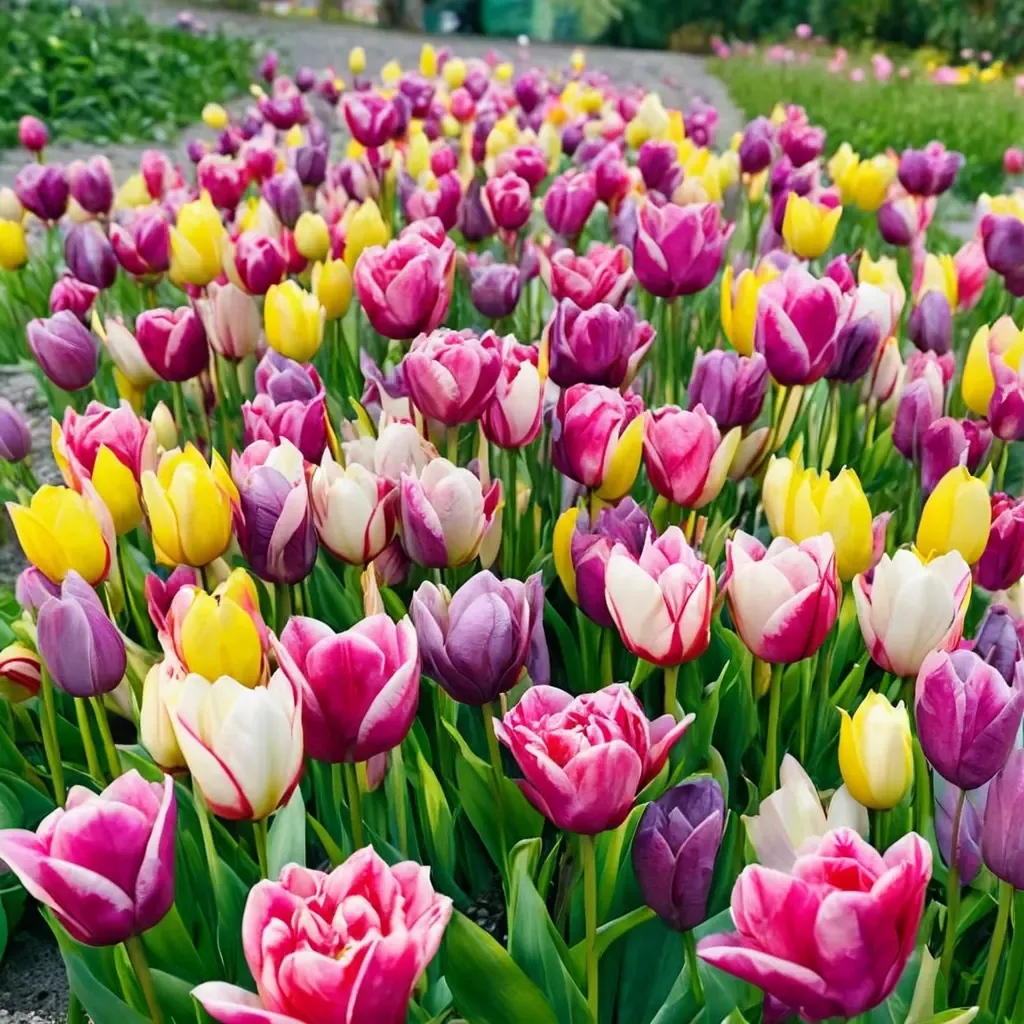
All Spring Mix Tulip
Tulipa x hybrida 'All Spring Mix'
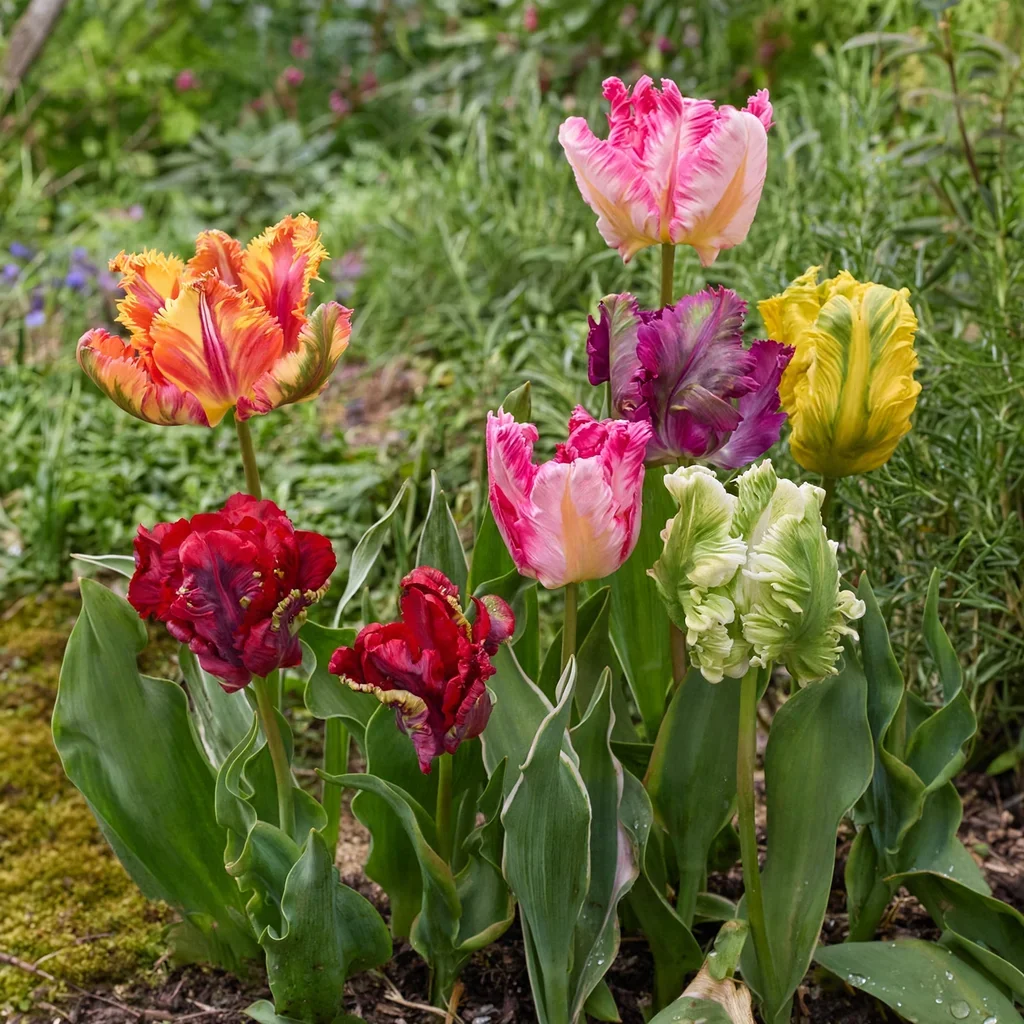
Parrot Tulip Mix
Tulipa gesneriana 'Parrot Tulip Mix'
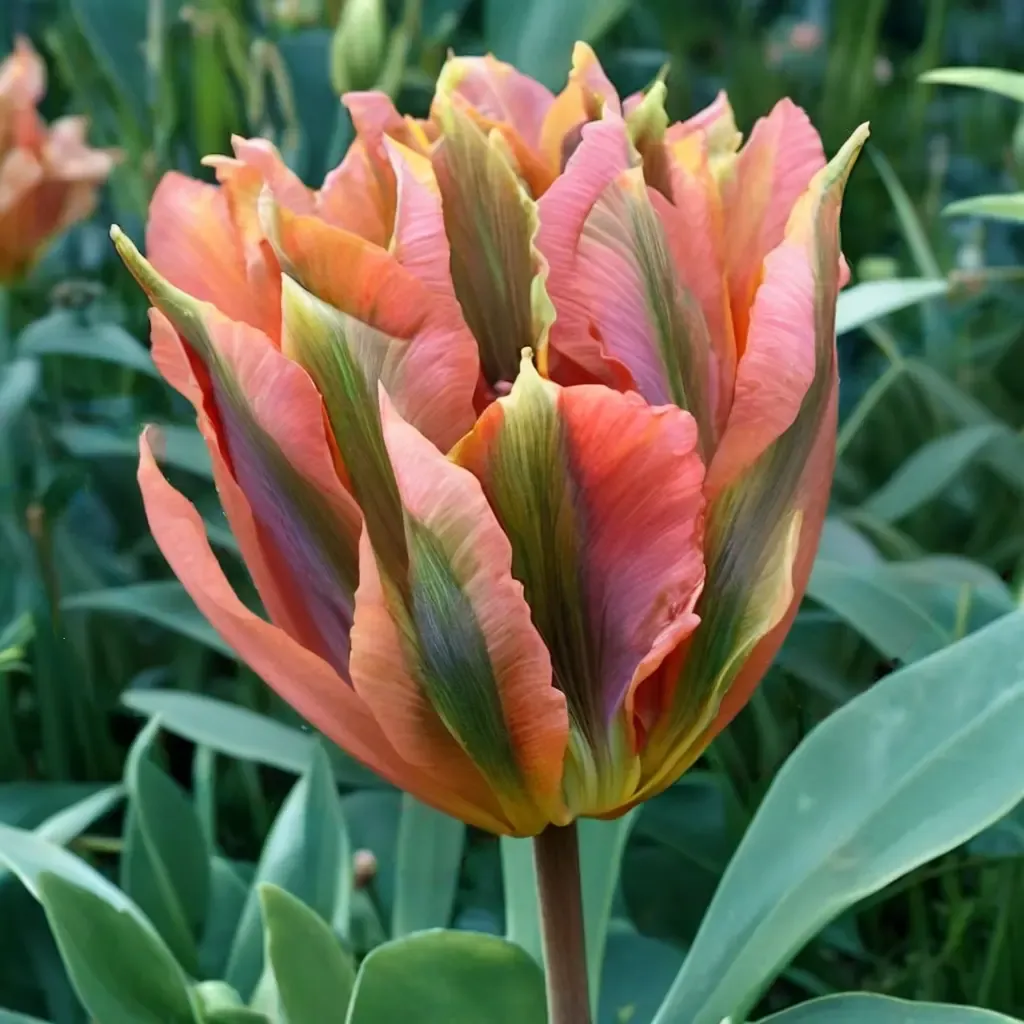
Artist Tulip
Tulipa x hybrida 'Artist'
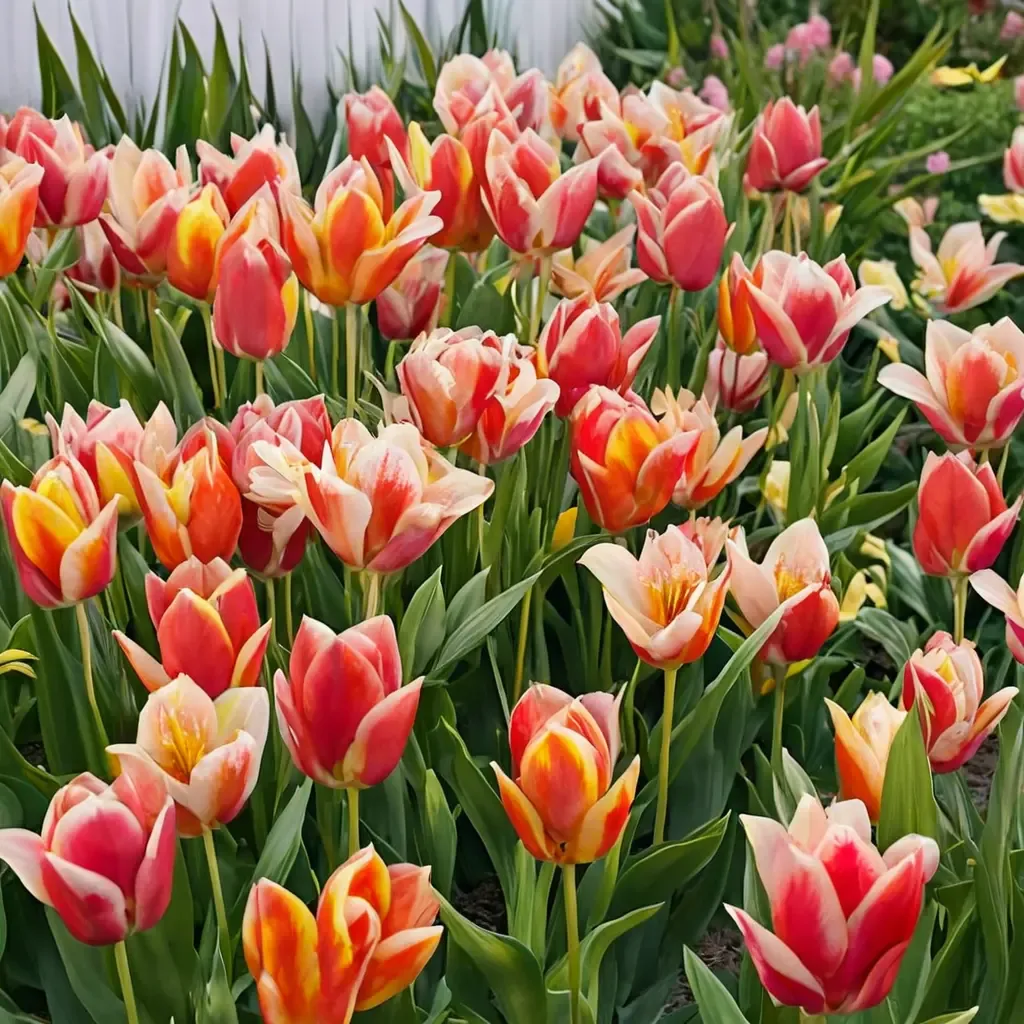
Tulip Fun Colors Mix
Tulipa gesneriana 'Fun Colors Mix'
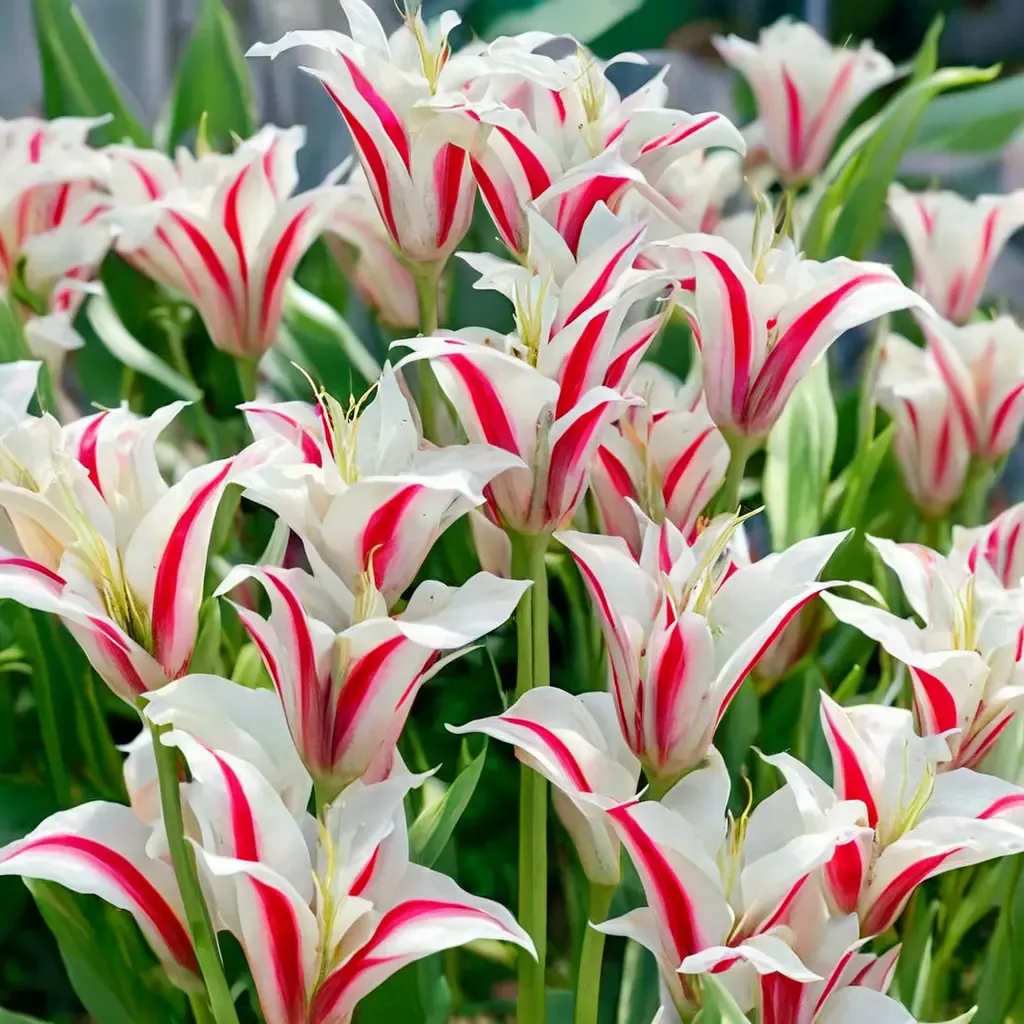
Marilyn Tulip
Tulipa x hybrida 'Marilyn'
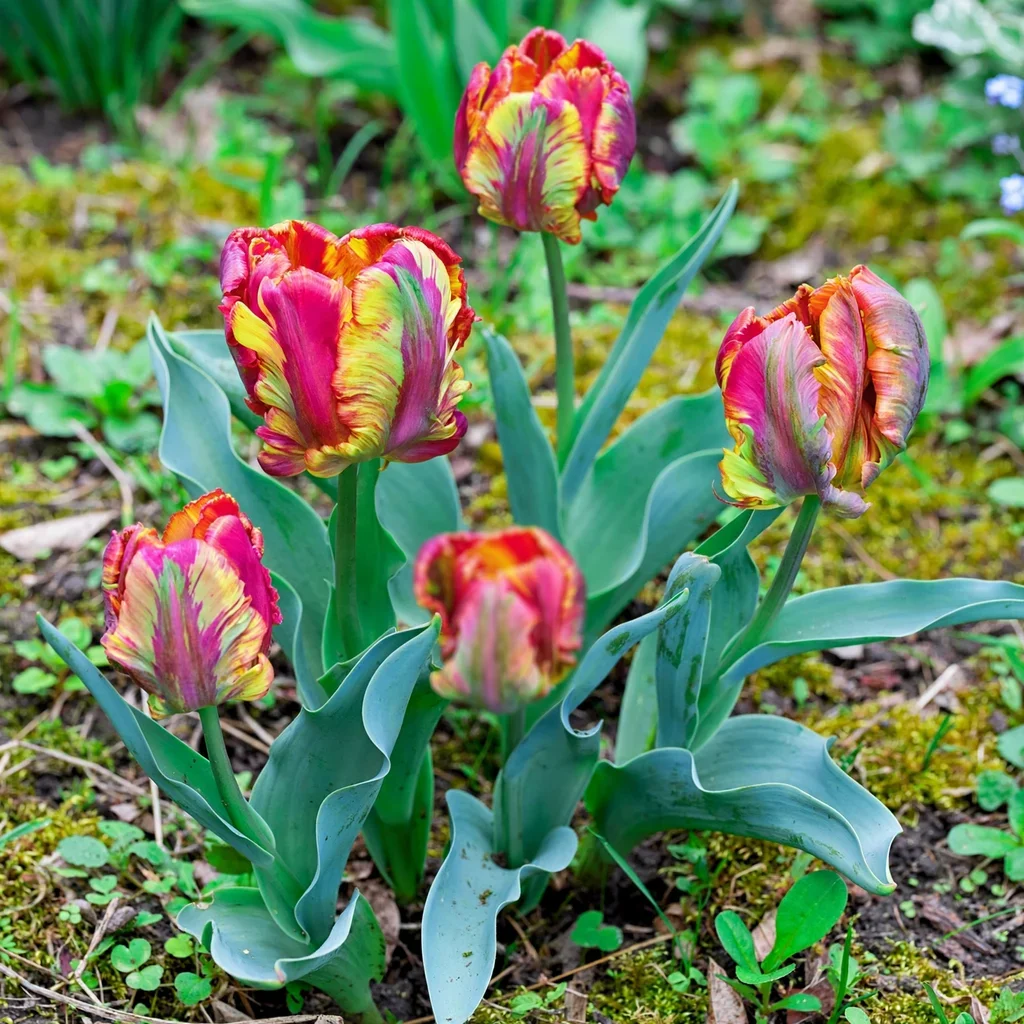
Blumex Parrot Tulip
Tulipa x hybrida 'Blumex Parrot'
Keep exploring
Explore the genus
Hardy in your zone?
Grow Mysterious Parrot Tulip with confidence
See it in a design of your actual yard, get zone-matched care reminders, and track it season by season in your garden journal.