Garden hybrid
This is a garden hybrid, bred from more than one wild species, so it has no single species page of its own.
130 other cultivars
- ‘All Spring Mix’All Spring Mix Tulip
- ‘Artist’Artist Tulip
- ‘Marilyn’Marilyn Tulip
- ‘Blumex Parrot’Blumex Parrot Tulip
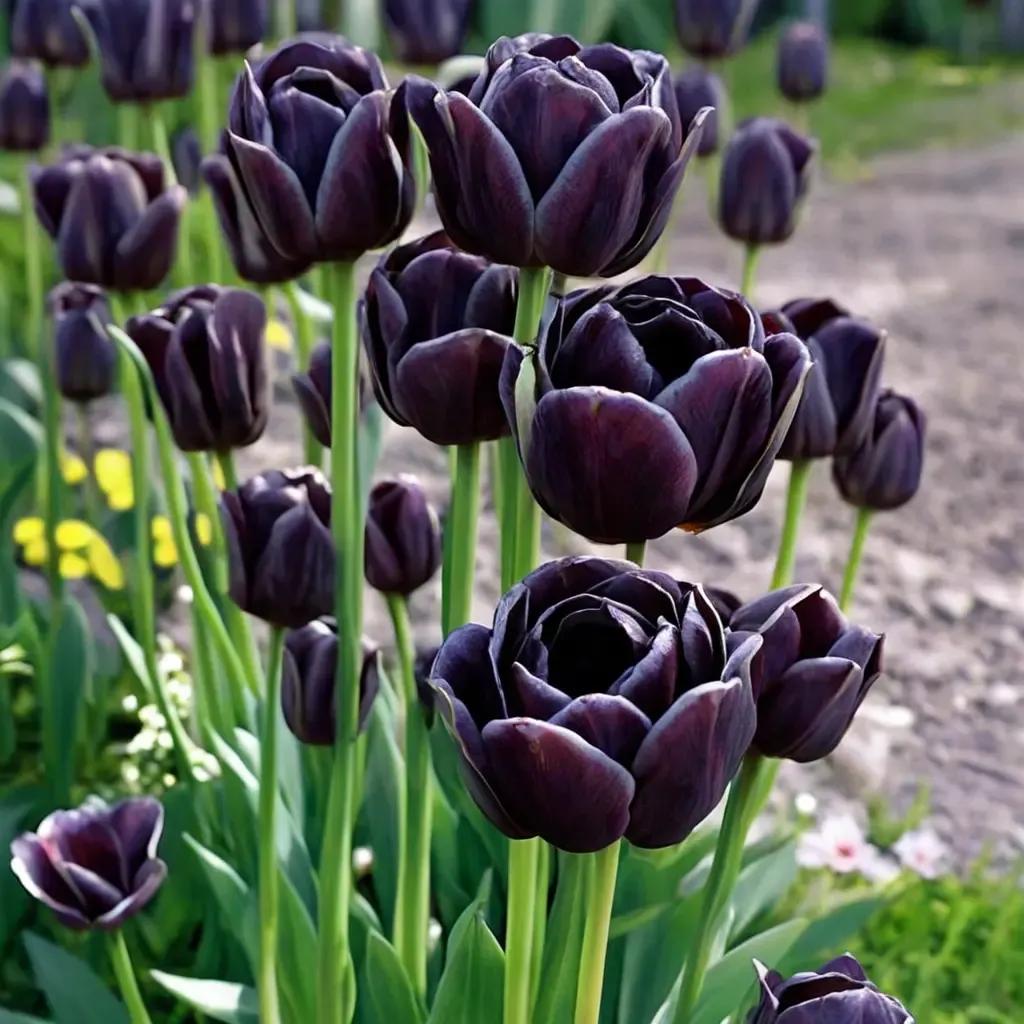
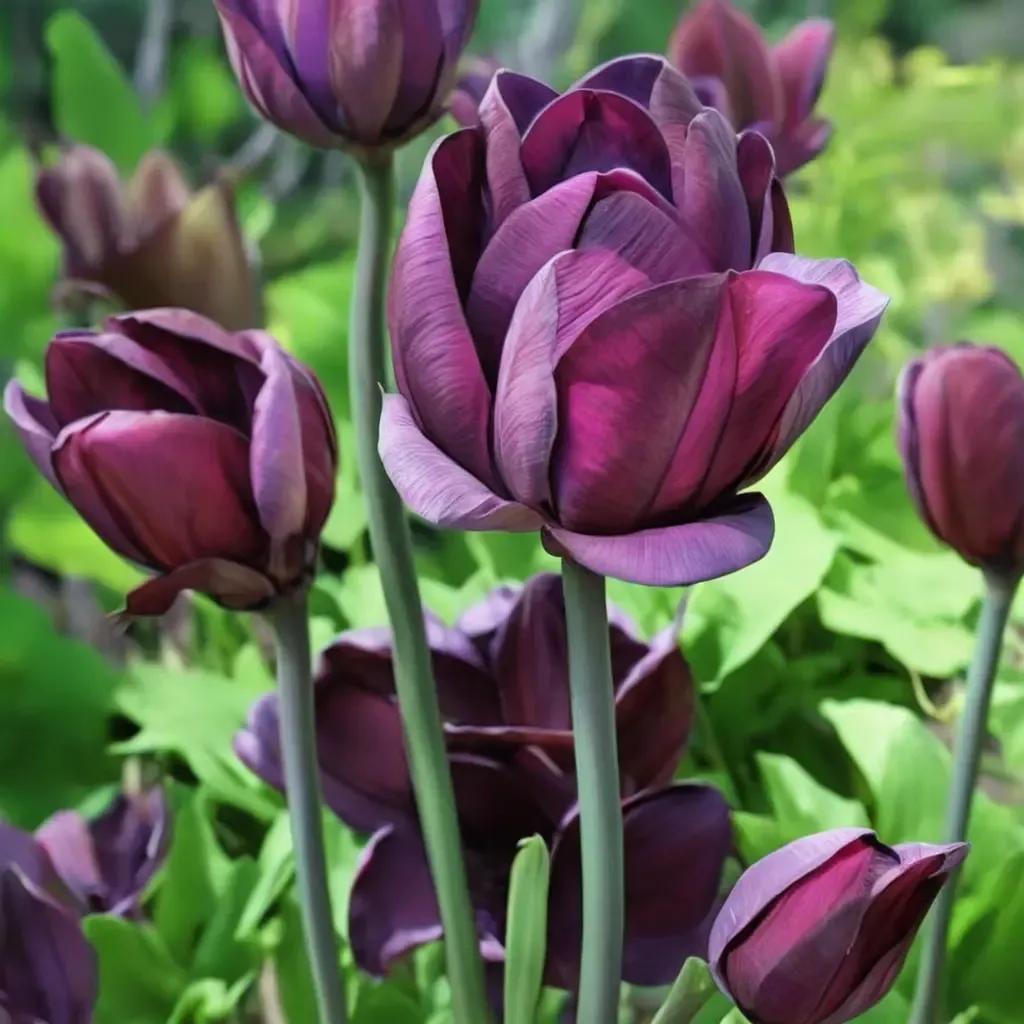
- ‘Queen Of Night’Queen of Night Tulip
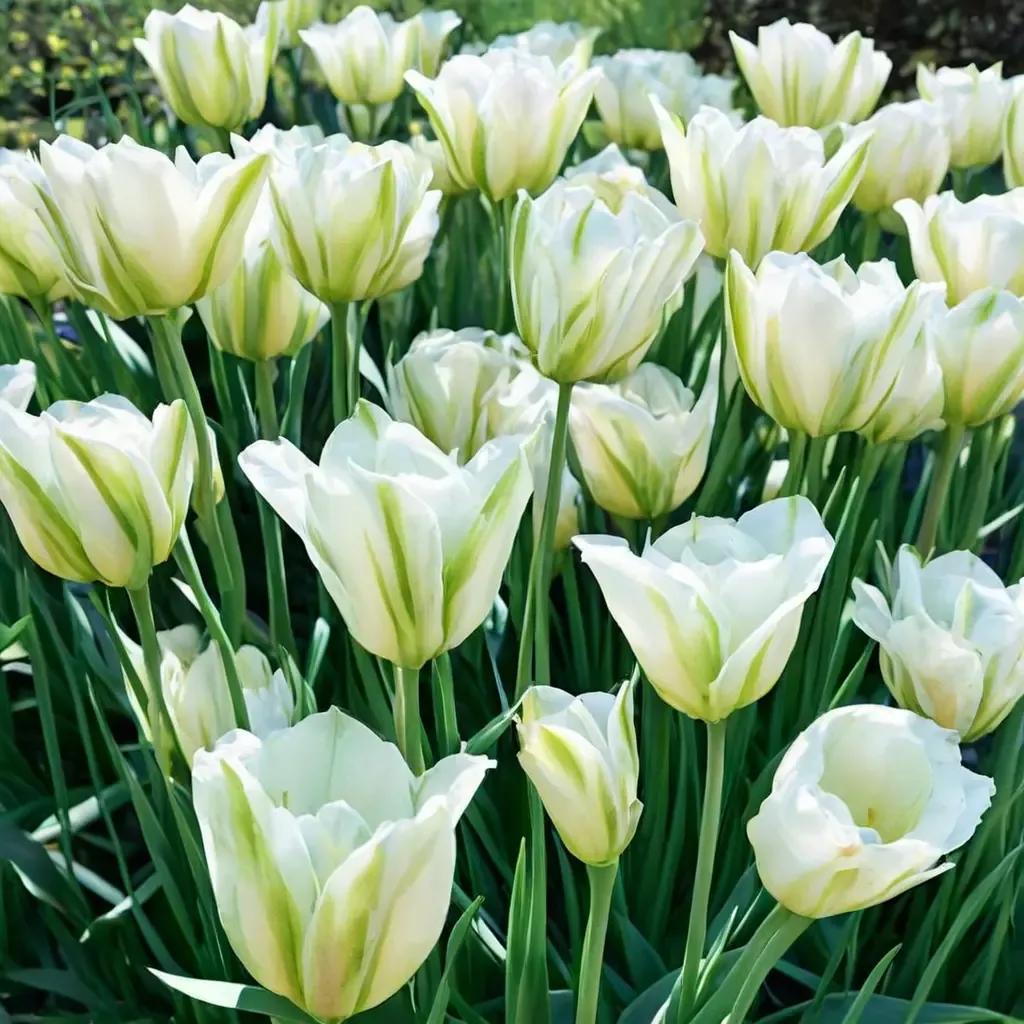
- ‘Spring Green’Spring Green Tulip
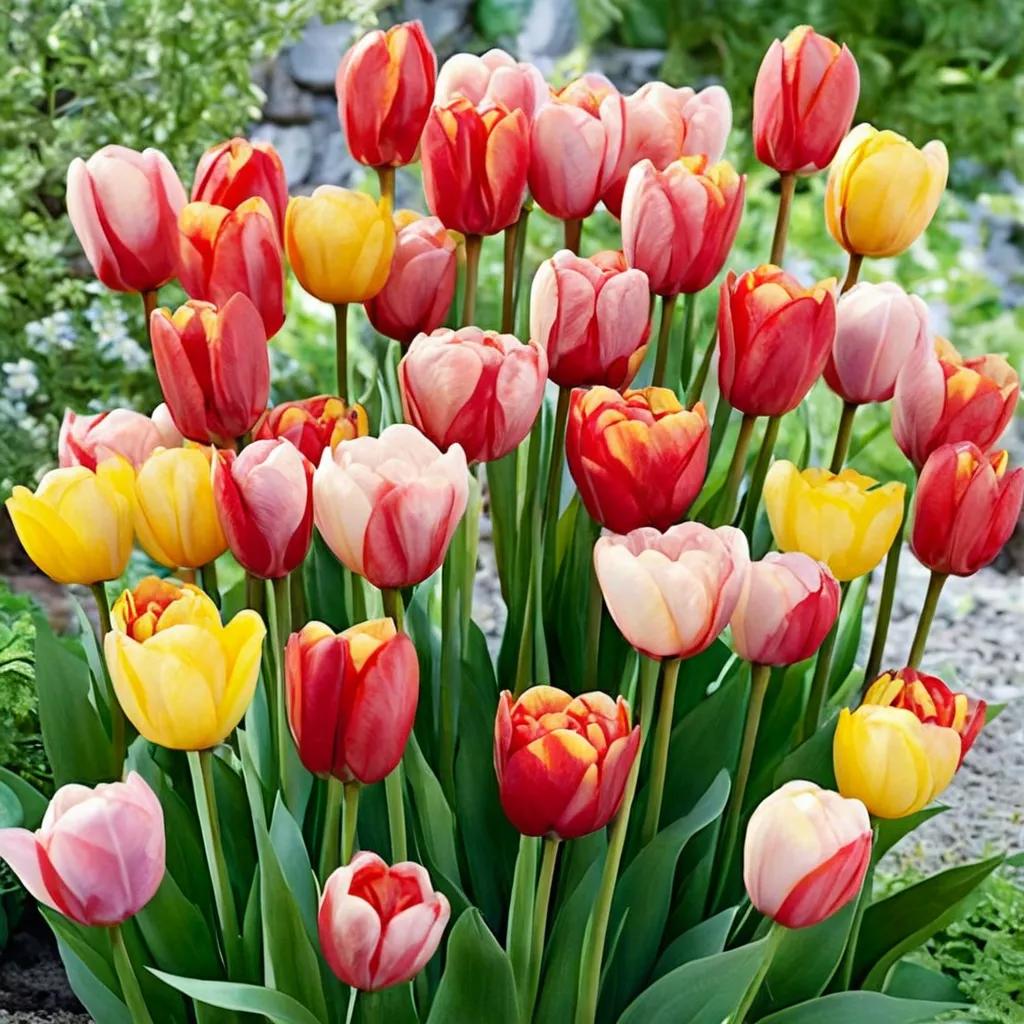
- ‘Mix’Mixed Tulip Flowers
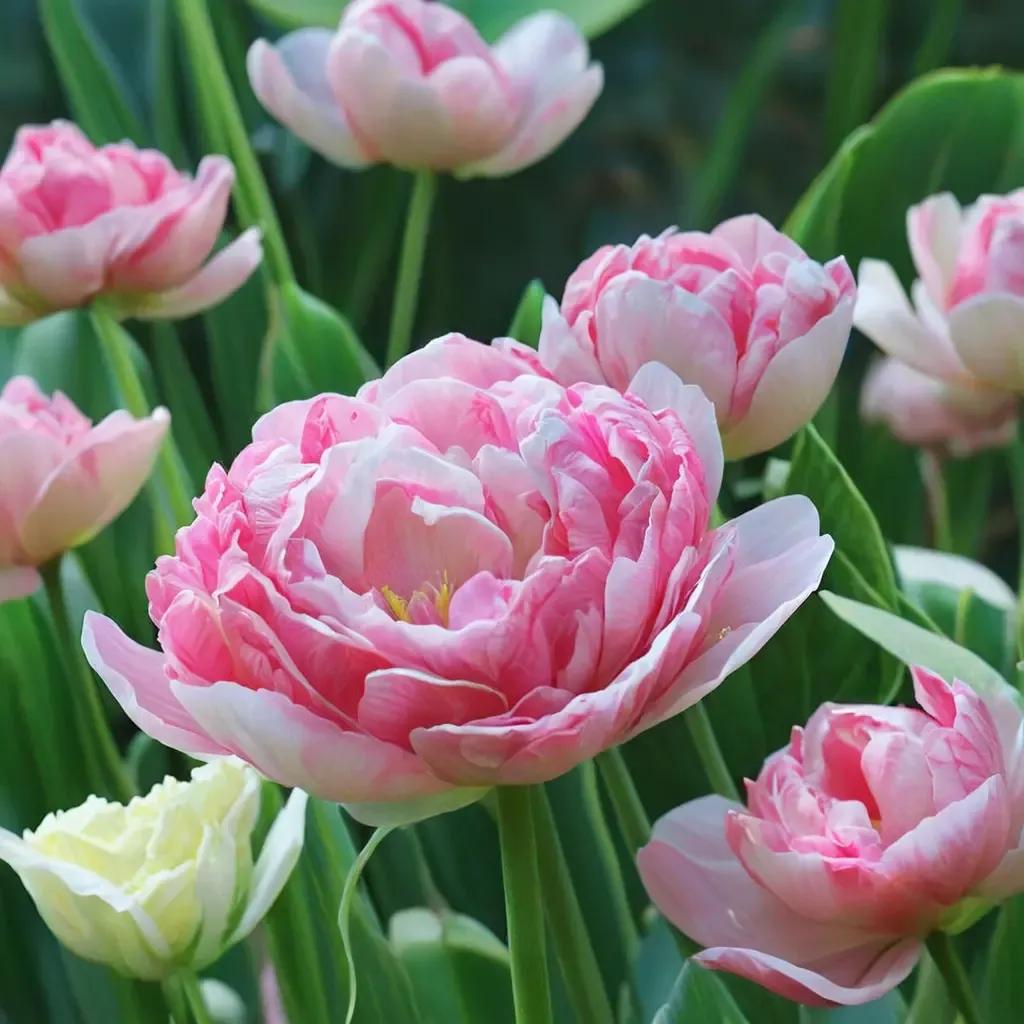
- ‘Angelique’Angelique Tulip
- ‘Purple Flag’Purple Flag Tulip
- ‘Pinocchio’Pinocchio Tulip
- ‘Esperanto’Esperanto Tulip
- ‘Mondial’Mondial Tulip
- ‘Dordogne’Dordogne Tulip
- ‘Lilac Time’Lilac Time Tulip
- ‘Negrita’Negrita Tulip
- ‘Menton’Tulip 'Menton'
- ‘Yokohama’Yokohama Tulip
- ‘Purple Prince’Purple Prince Tulip
- ‘Design Impression’Design Impression Tulip
- ‘Barcelona’Barcelona Tulip
- ‘Davenport’Davenport Tulip
- ‘Apricot Parrot’Apricot Parrot Tulip
- ‘Orca’Orca Tulip
- ‘Upstar’Upstar Tulip
- ‘Tequila Sunrise’Tequila Sunrise Tulip
- ‘Foxtrot’Foxtrot Tulip
- ‘Monte Orange’Monte Orange Tulip
- ‘Gander’Gander Tulip
- ‘Montreux’Montreux Tulip
- ‘Dreamland’Dreamland Tulip
- ‘Arabian Mystery’Arabian Mystery Tulip
- ‘New Design’New Design Tulip
- ‘Mount Tacoma’Mount Tacoma Tulip
- ‘Montevideo Triumph’Montevideo Triumph Tulip
- ‘American Dream’American Dream Tulip
- ‘Queen of Marvel’Queen of Marvel Tulip
- ‘Heart’Heart's Delight Tulip
- ‘Purissima’White Emperor Tulip
- ‘Fire Queen’Fire Queen Tulip
- ‘Mariette’Mariette Tulip
- ‘Red Shine’Red Shine Tulip
- ‘Bastogne’Bastogne Tulip
- ‘Texas Flame Parrot’Texas Flame Parrot Tulip
- ‘Monsella’Monsella Tulip
- ‘Cassini’Cassini Tulip
- ‘Attila’Attila Tulip
- ‘Orange Emperor’Orange Emperor Tulip
- ‘Professor Rontgen’Professor Rontgen Tulip
- ‘Dreaming Maid’Dreaming Maid Tulip
- ‘Orange Angelique’Orange Angelique Tulip
- ‘Orange Princess’Orange Princess Tulip
- ‘Pink Impression’Pink Impression Tulip
- ‘Ballade’Ballade Tulip
- ‘Blushing Parrot’Blushing Parrot Tulip
- ‘Ballerina’Ballerina Tulip
- ‘Shirley’Shirley Tulip
- ‘Light And Dreamy’Light and Dreamy Tulip
- ‘Big Smile’Big Smile Tulip
- ‘Slawa’Slawa Tulip
- ‘World Expression’World Expression Tulip
- ‘Don Quichotte’Don Quichotte Tulip
- ‘Calgary’Calgary Tulip
- ‘Early Glory’Early Glory Tulip
- ‘Suncatcher’Suncatcher Tulip
- ‘Renown’Renown Tulip
- ‘Showwinner’Showwinner Tulip
- ‘Centennial’Centennial Tulip
- ‘Jan Reus’Jan Reus Tulip
- ‘Aladdin’Aladdin Tulip
- ‘Capri’Capri Tulip
- ‘Doll’Doll's Minuet Tulip
- ‘Blue Parrot’Blue Parrot Tulip
- ‘Beauty of Apeldoorn’Beauty of Apeldoorn Tulip Apeldoorn Tulip
- ‘Swan Wings’Swan Wings Tulip
- ‘Purple Dream’Purple Dream Tulip
- ‘Mona Lisa’Mona Lisa Tulip
- ‘Christmas Marvel’Christmas Marvel Tulip
- ‘Blue Spectacle’Blue Spectacle Tulip
- ‘Giuseppe Verdi’Giuseppe Verdi Tulip
- ‘Gabriella’Gabriella Tulip
- ‘Blue Ribbon’Blue Ribbon Tulip
- ‘Dynasty’Dynasty Tulip
- ‘White Dream’White Dream Tulip
- ‘Rem’Rem Tulip
- ‘Willem van Oranje’Willem van Oranje Tulip
- ‘Passionale’Passionale Tulip
- ‘Purple Rain’Purple Rain Tulip
- ‘Apeldoorn's Elite’Apeldoorn's Elite Tulip
- ‘Lilac Perfection’Lilac Perfection Tulip
- ‘Jacqueline’Jacqueline Tulip
- ‘Florosa’Florosa Tulip
- ‘Red Riding Hood’Red Riding Hood Tulip
- ‘China Pink’China Pink Tulip
- ‘Violet Beauty’Violet Beauty Tulip
- ‘Ice Crystal’Ice Crystal Tulip
- ‘Zurel’Zurel Tulip
- ‘Apeldoorn’Apeldoorn Tulip
- ‘Prinses Irene’Triumph Tulip 'Prinses Irene'
- ‘Gavota’Gavota Tulip
- ‘Ile de France’Ile de France Tulip
- ‘Estella Rijnveld’Estella Rijnveld Tulip
- ‘Annelinde’Annelinde Tulip
- ‘Peach Blossom’Peach Blossom Tulip
- ‘Bright Parrot’Bright Parrot Tulip
- ‘Blue Heron’Blue Heron Tulip
- ‘Stresa’Stresa Tulip
- ‘Flair’Flair Tulip
- ‘Carnaval De Nice’Carnaval De Nice Tulip
- ‘Ronaldo’Ronaldo Tulip
- ‘Royal Acres’Royal Acres Tulip
- ‘Arma’Arma Tulip
- ‘Hamilton’Hamilton Tulip
- ‘West Point’West Point Tulip
- ‘Couleur Cardinal’Couleur Cardinal Tulip
- ‘Avignon’Avignon Tulip
- ‘Pretty Woman’Pretty Woman Tulip
- ‘Beauty Queen’Beauty Queen Tulip
- ‘Charmeur’Charmeur Tulip
- ‘El Nino’El Nino Tulip
- ‘Christmas Dream’Christmas Dream Tulip
- ‘Blushing Beauty’Blushing Beauty Tulip
- ‘Greuze’Greuze Tulip
- ‘Drakensteyn’Drakensteyn Tulip
- ‘Big Chief’Big Chief Tulip
- ‘Cummins’Cummins Tulip
- ‘Curiosity’Curiosity Tulip
- ‘Double Sugar’Double Sugar Tulip
- ‘Mysterious Parrot’Mysterious Parrot Tulip
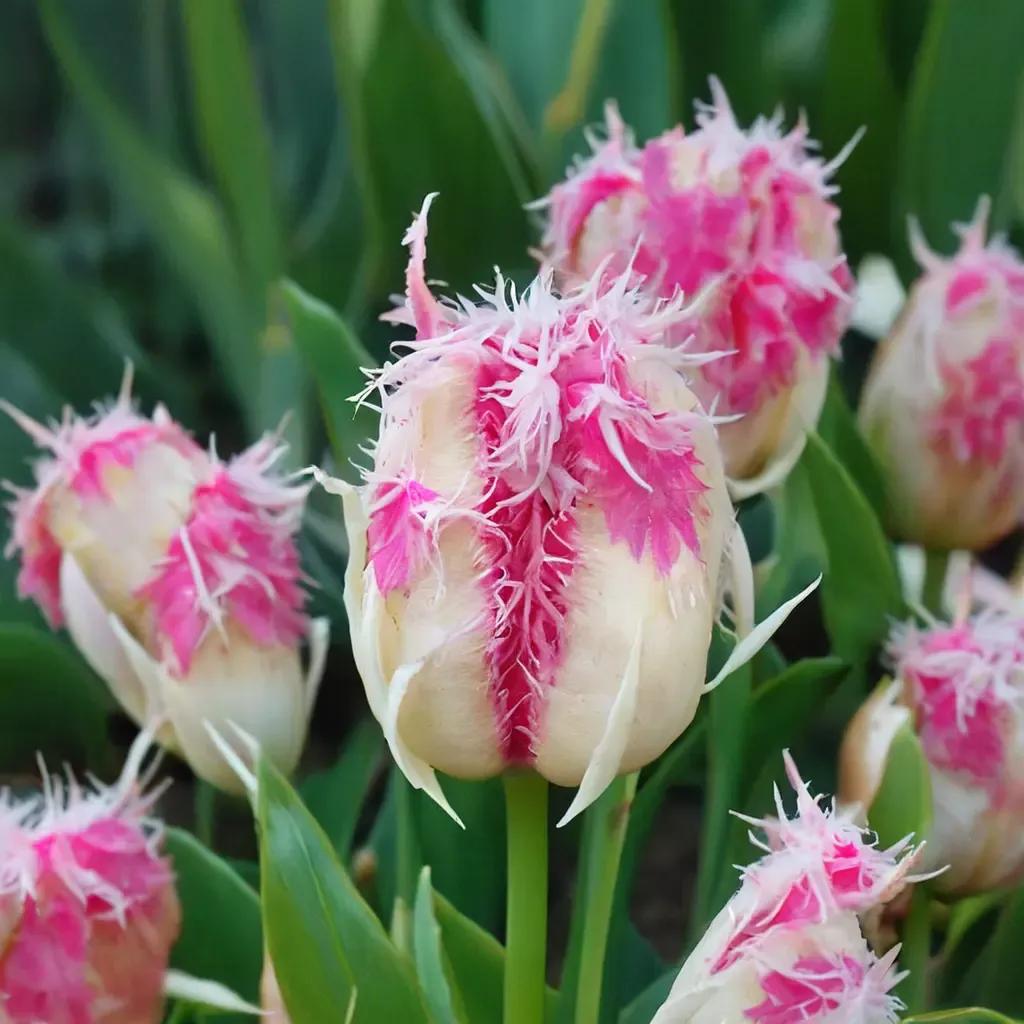
- ‘Fancy Frills’Fancy Frills Tulip
- ‘Verdigris’Hybrid Tulip Verdigris




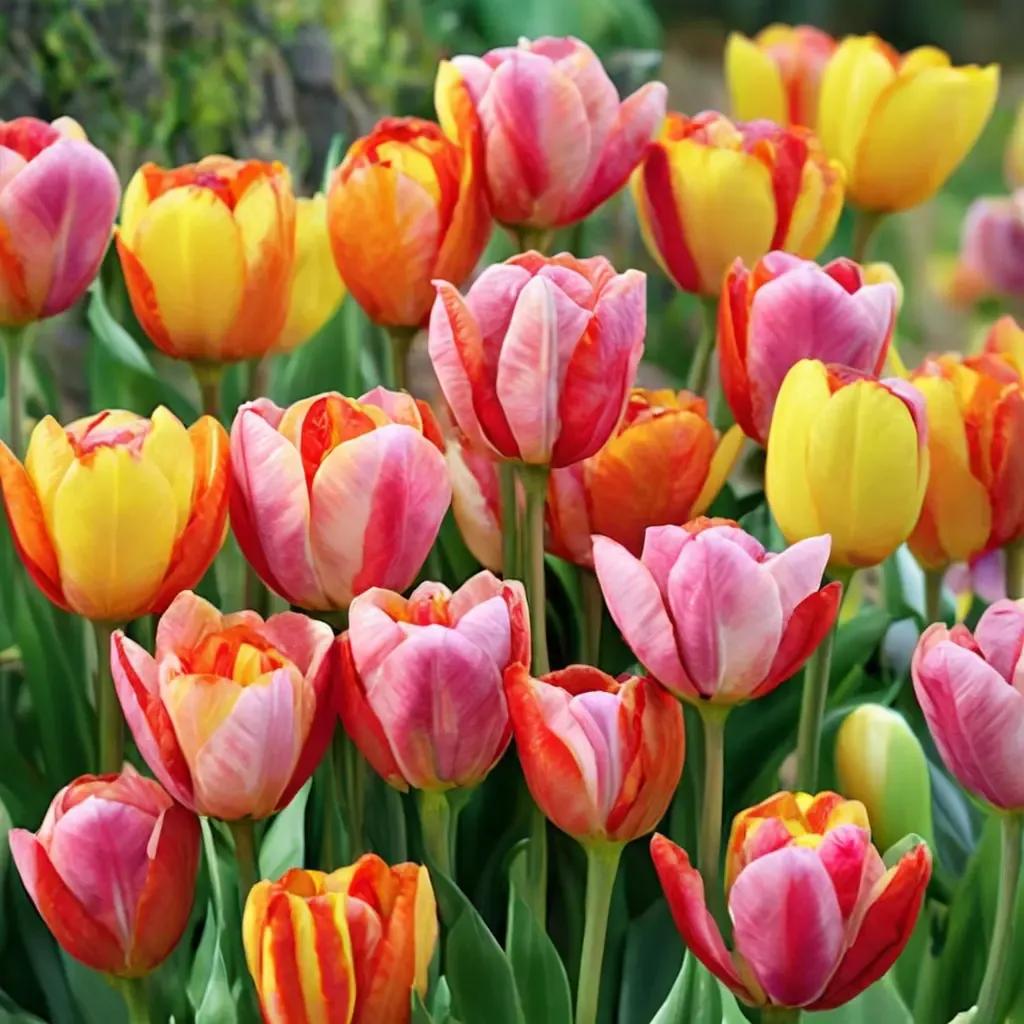
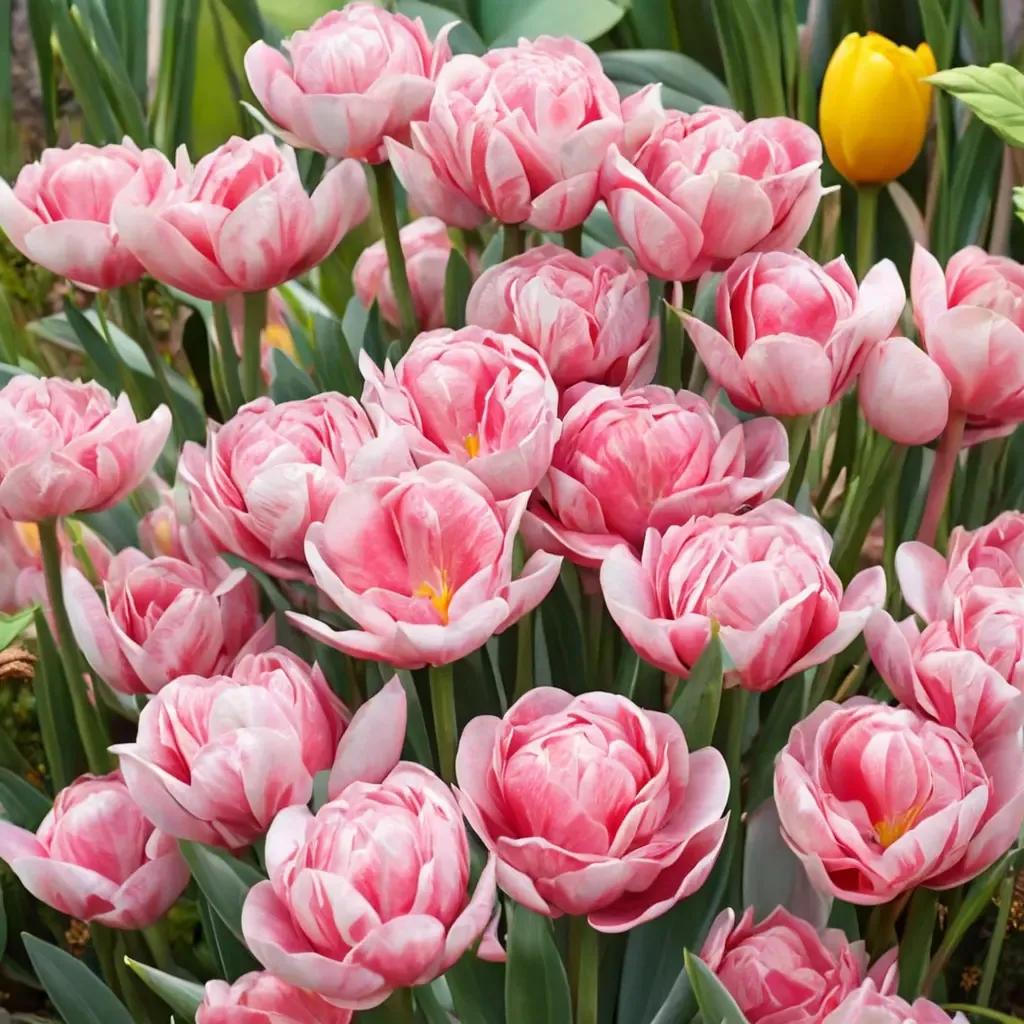
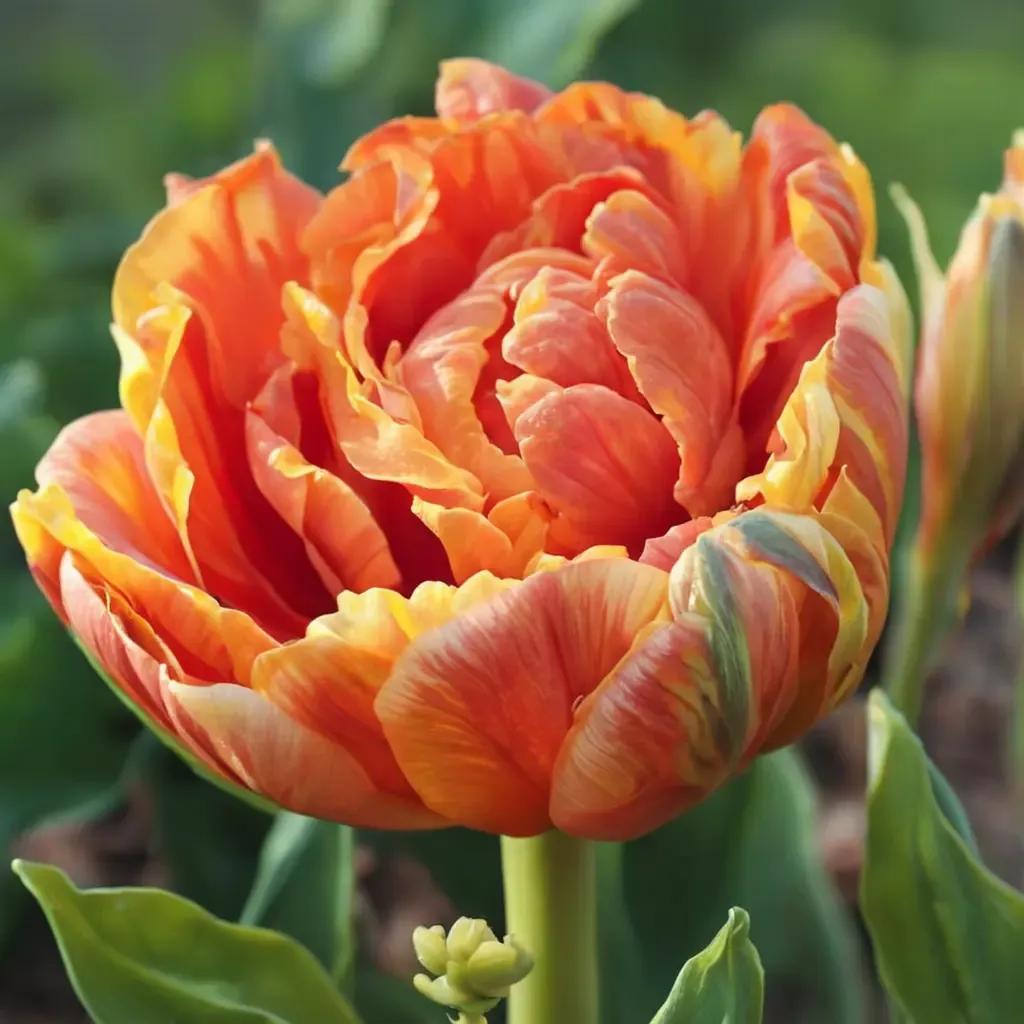


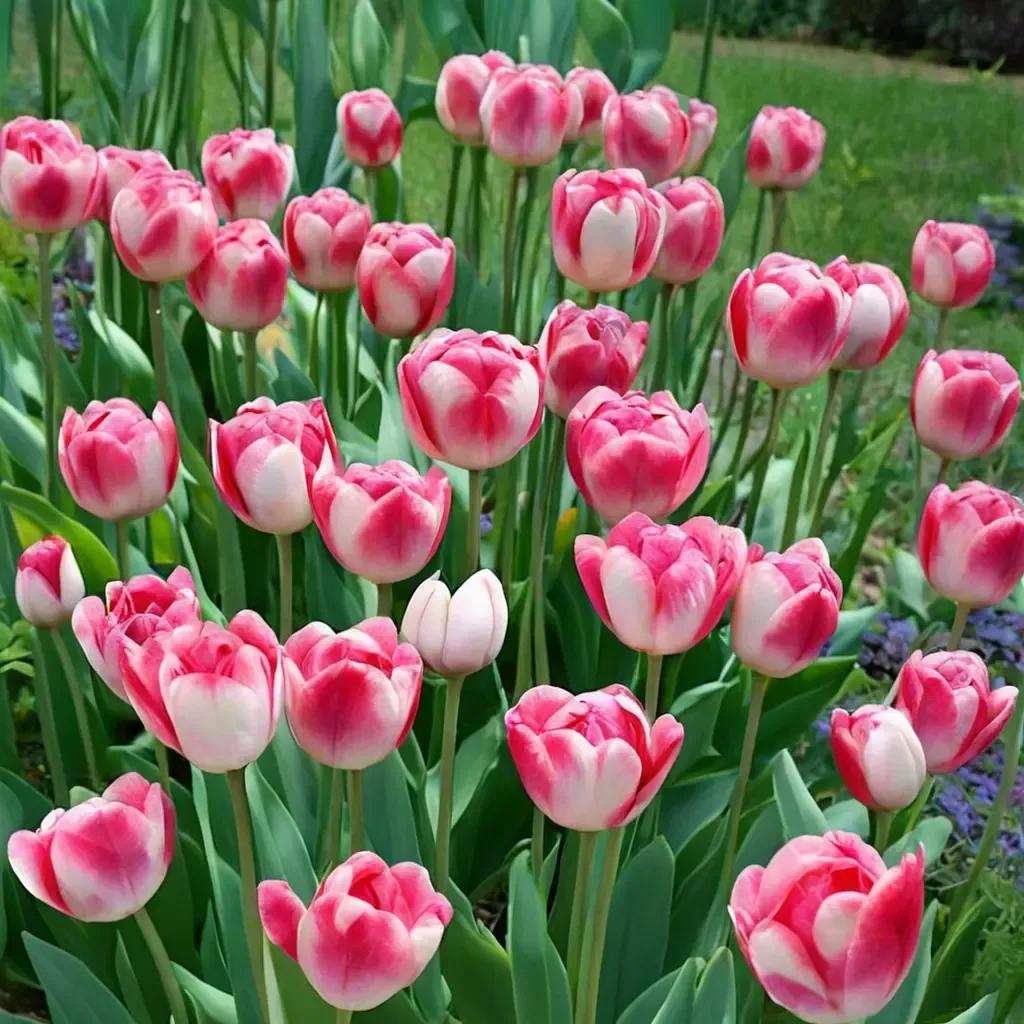





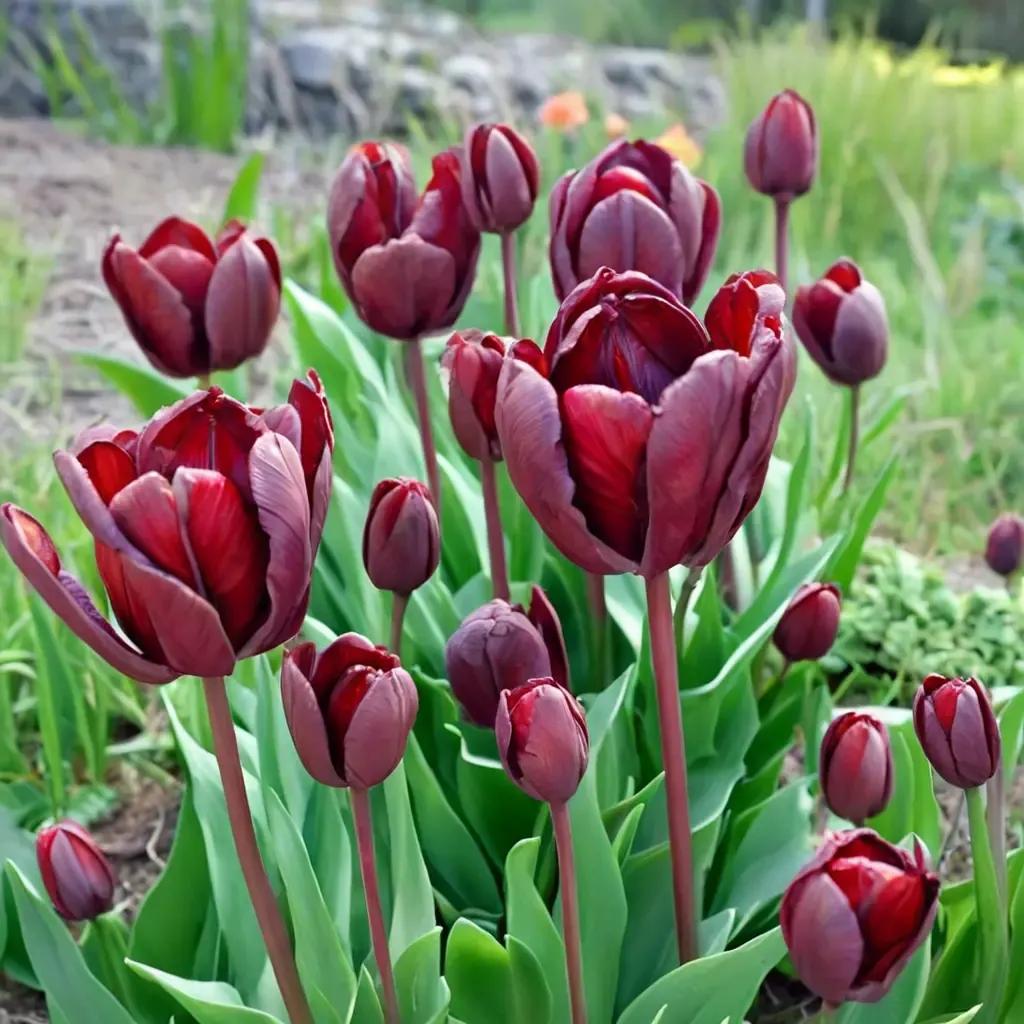
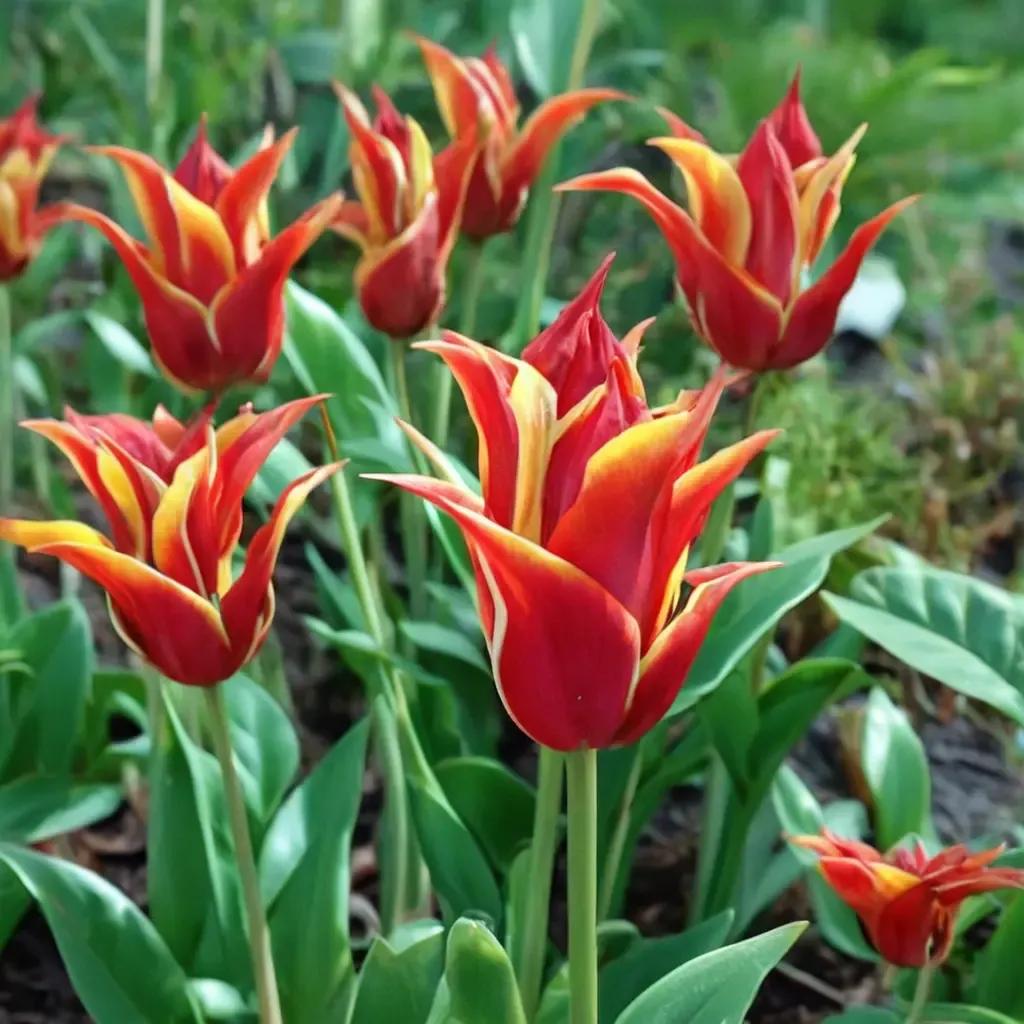
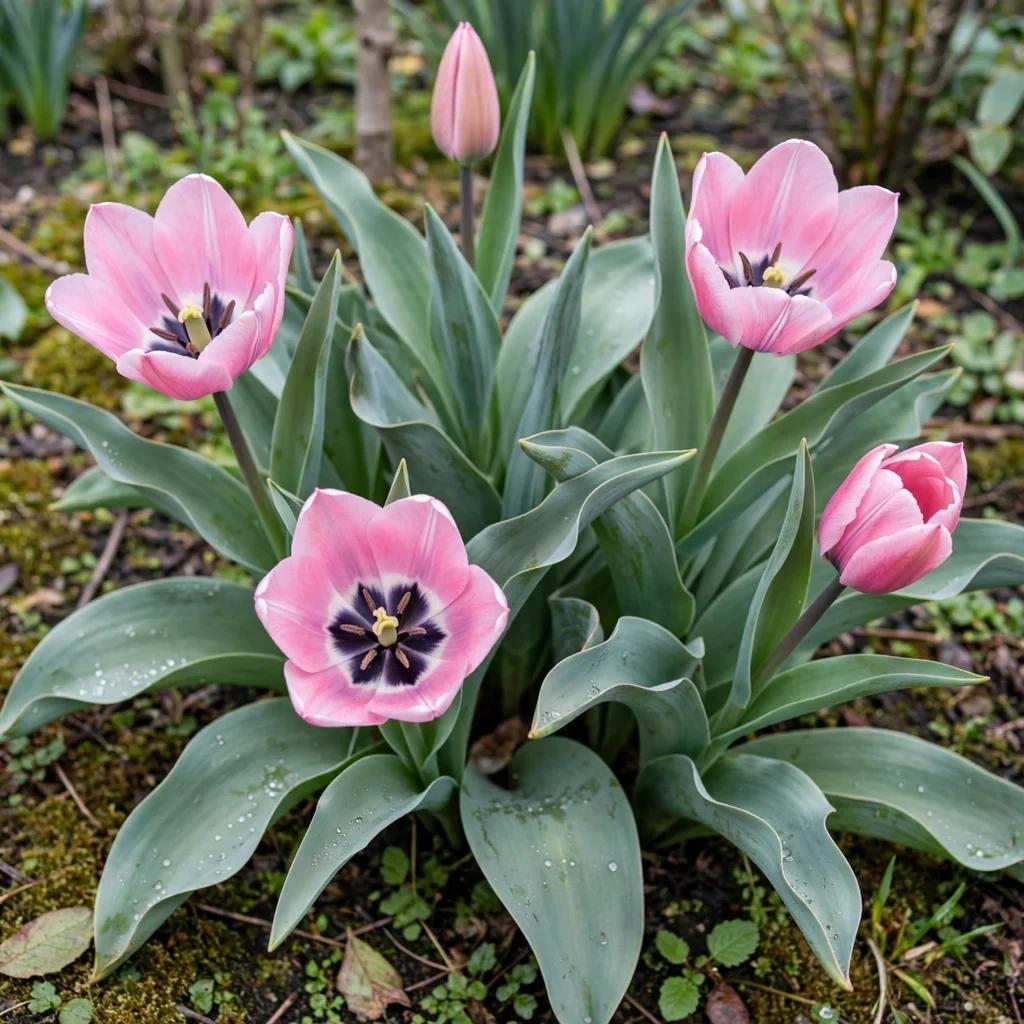

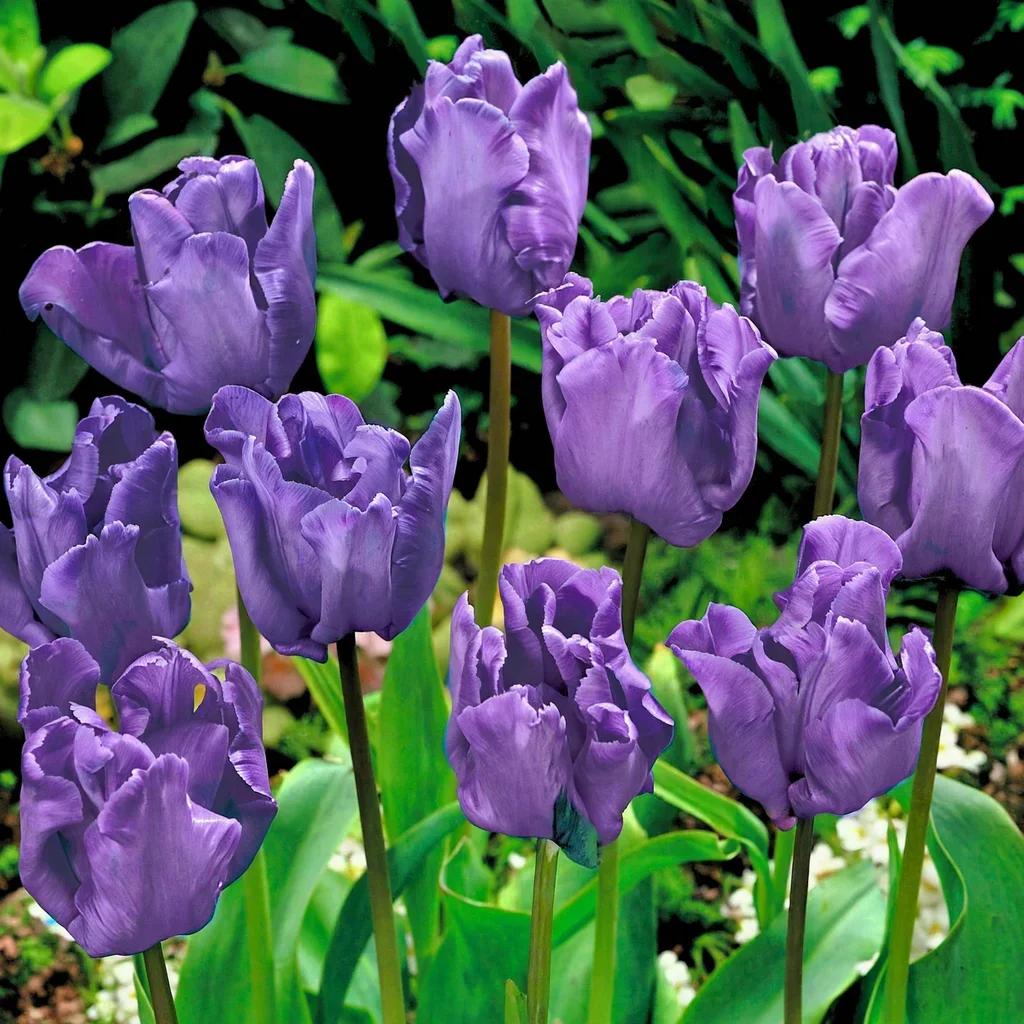
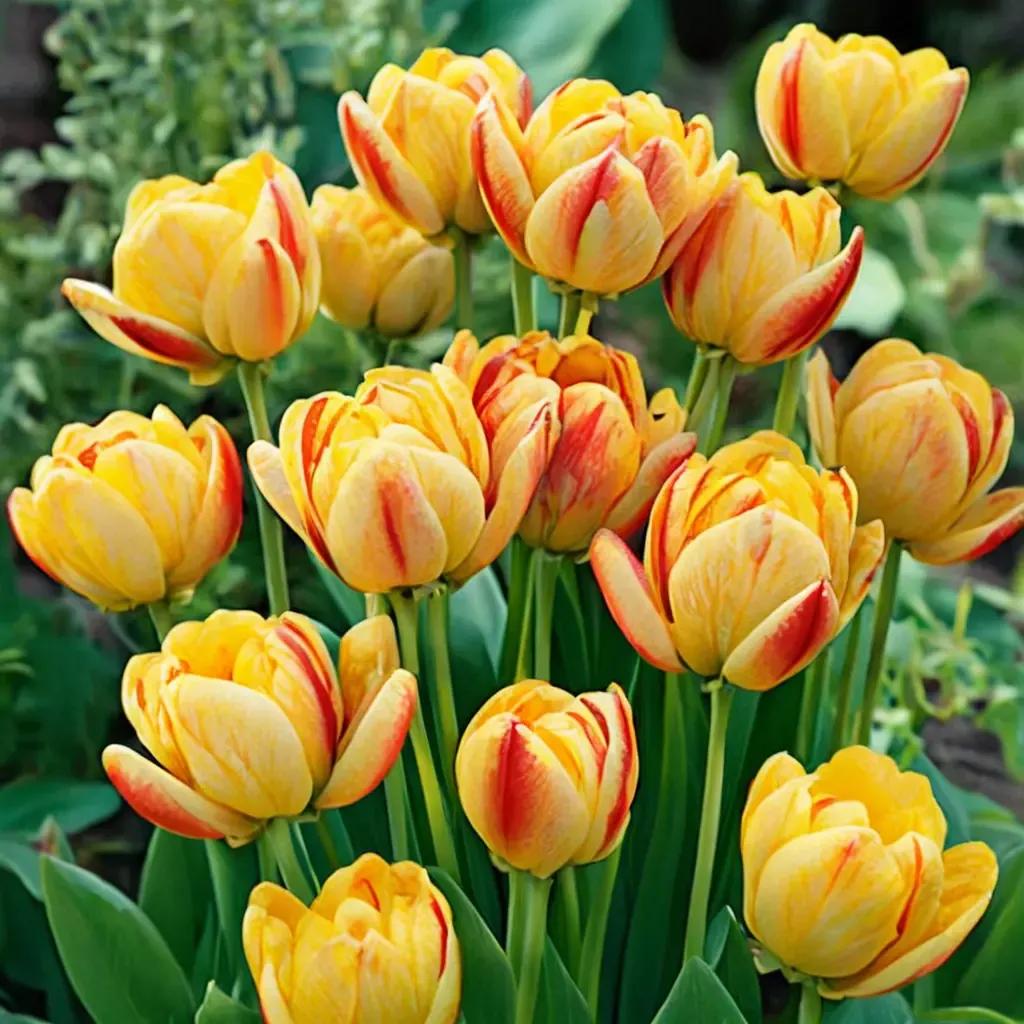

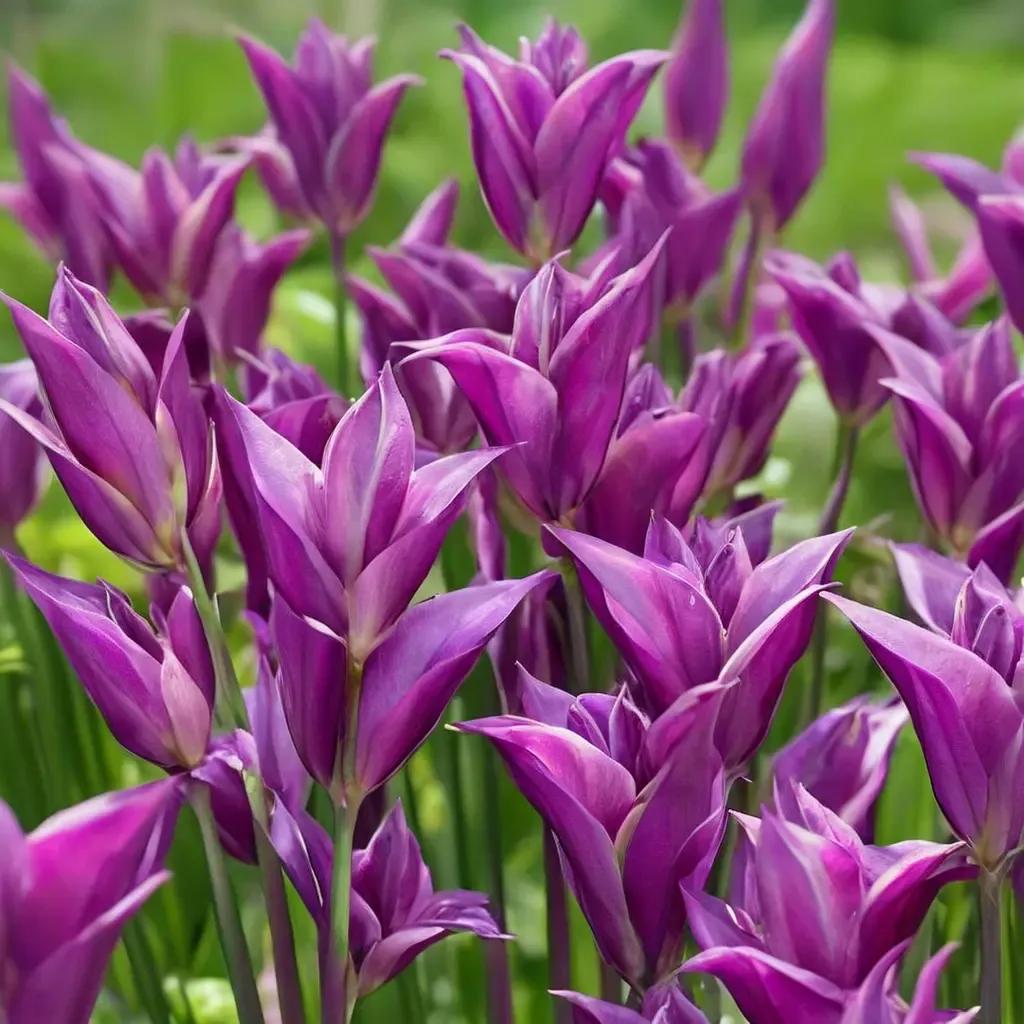
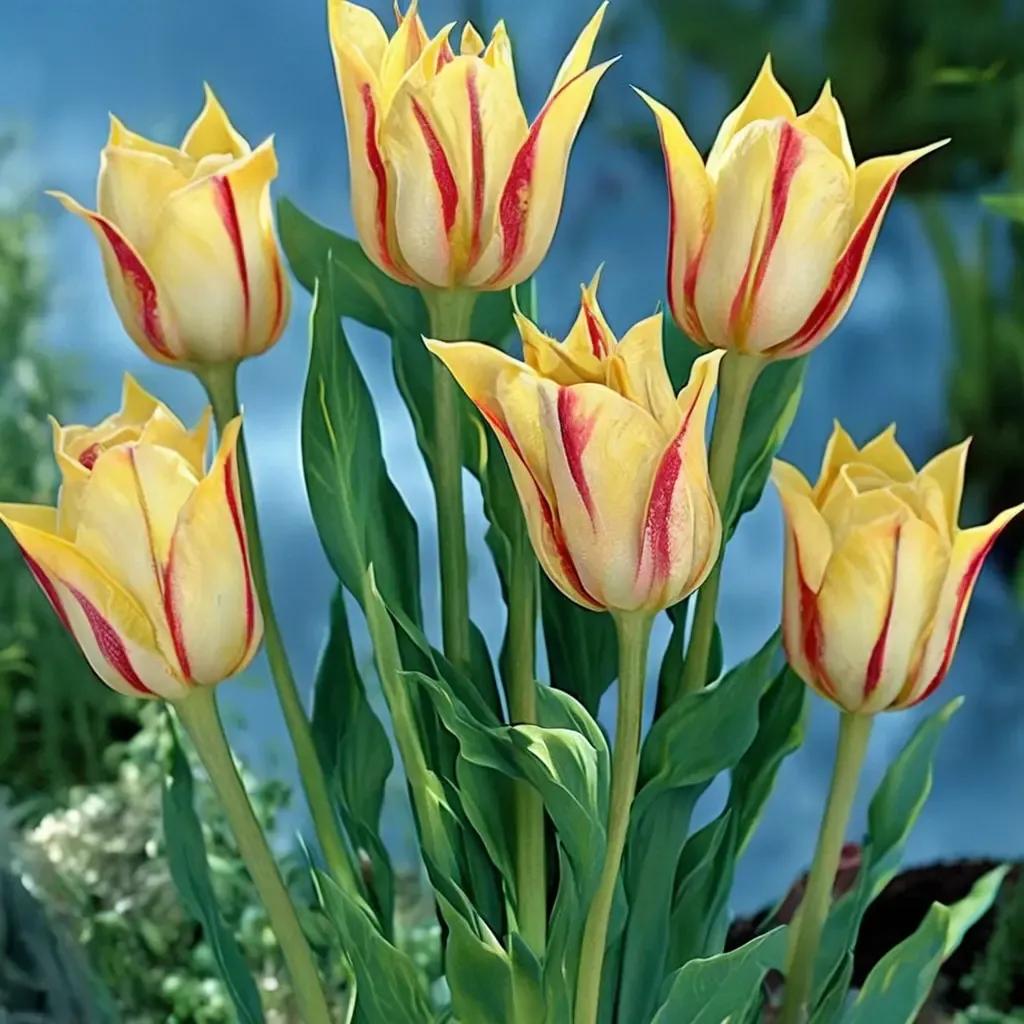
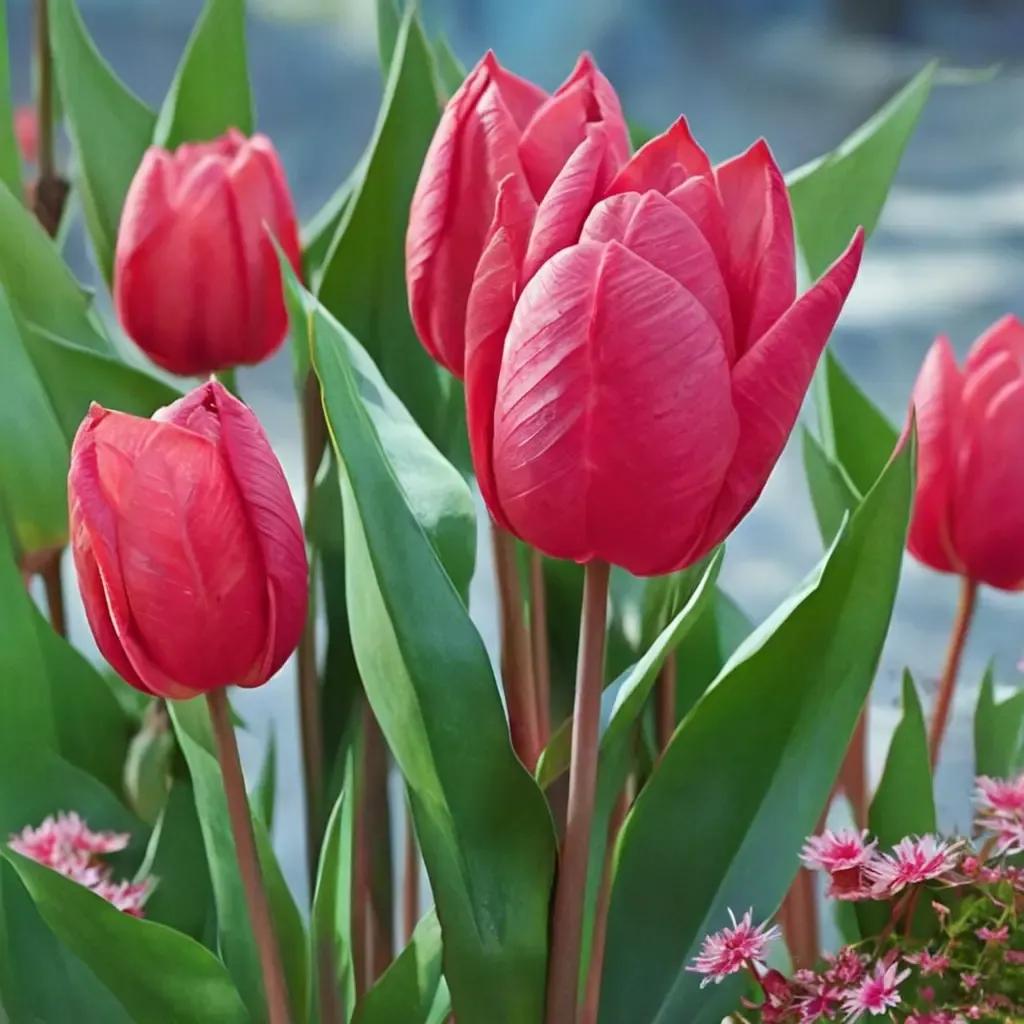










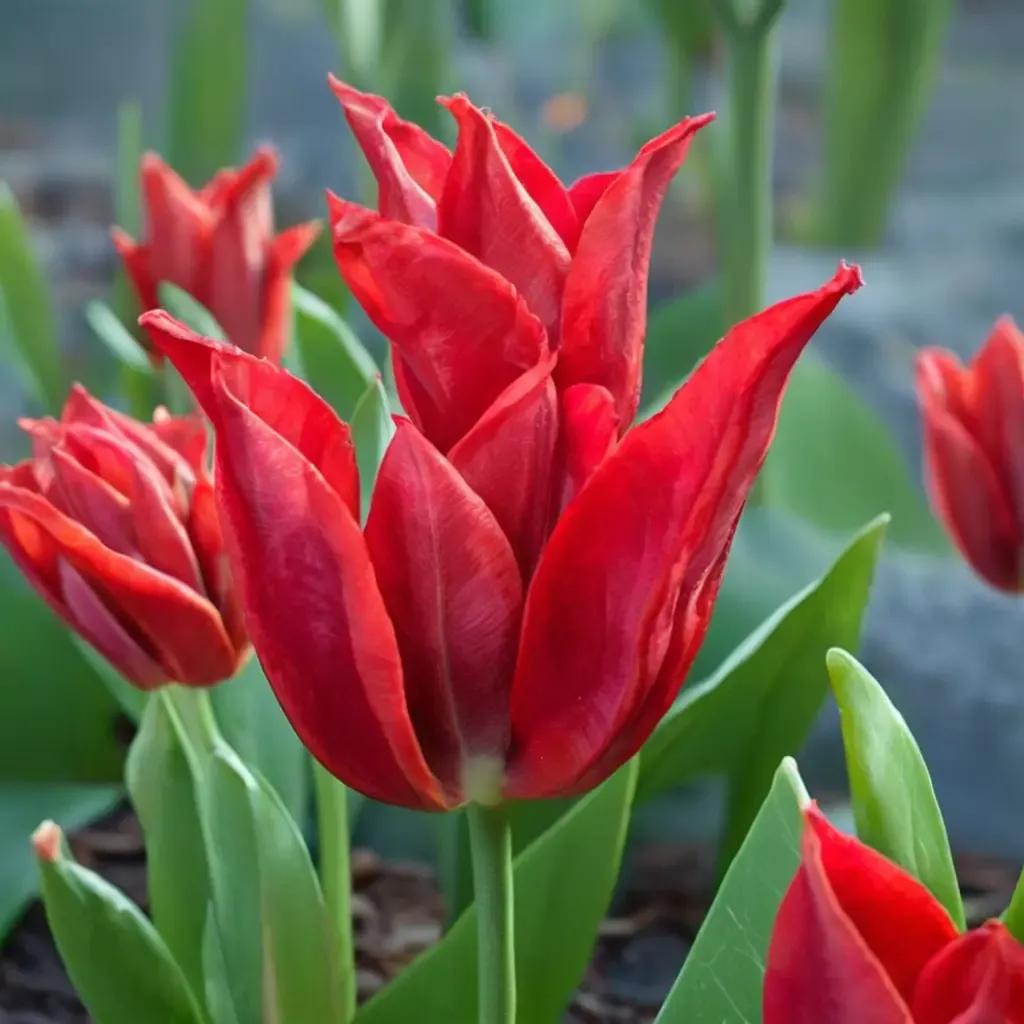
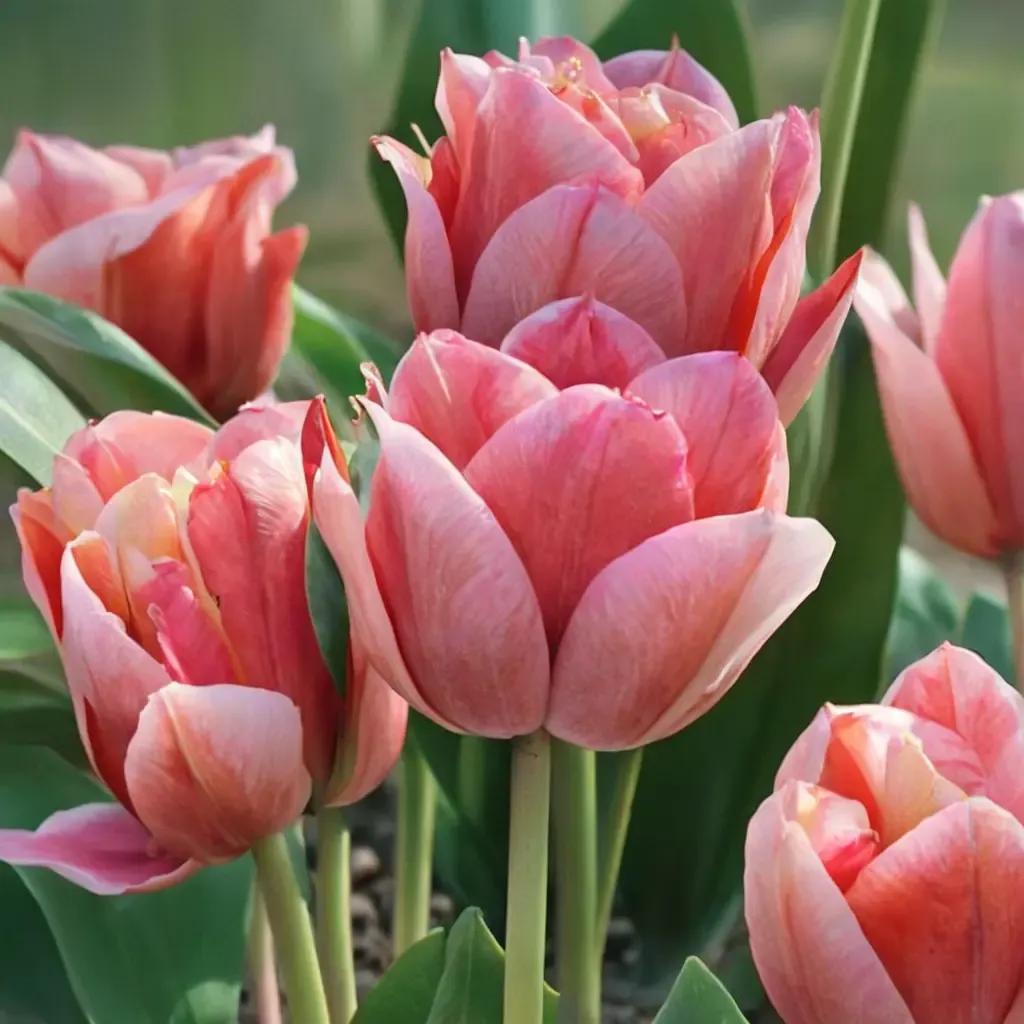
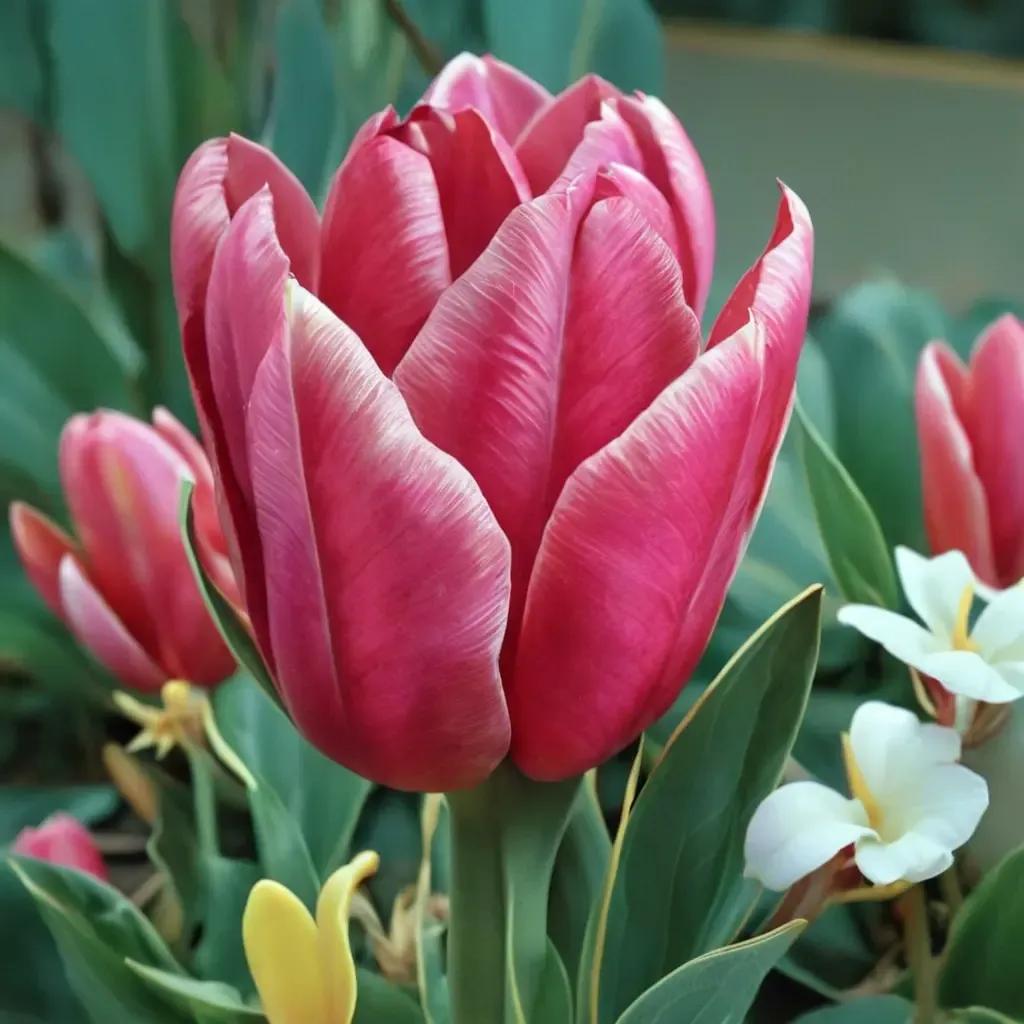
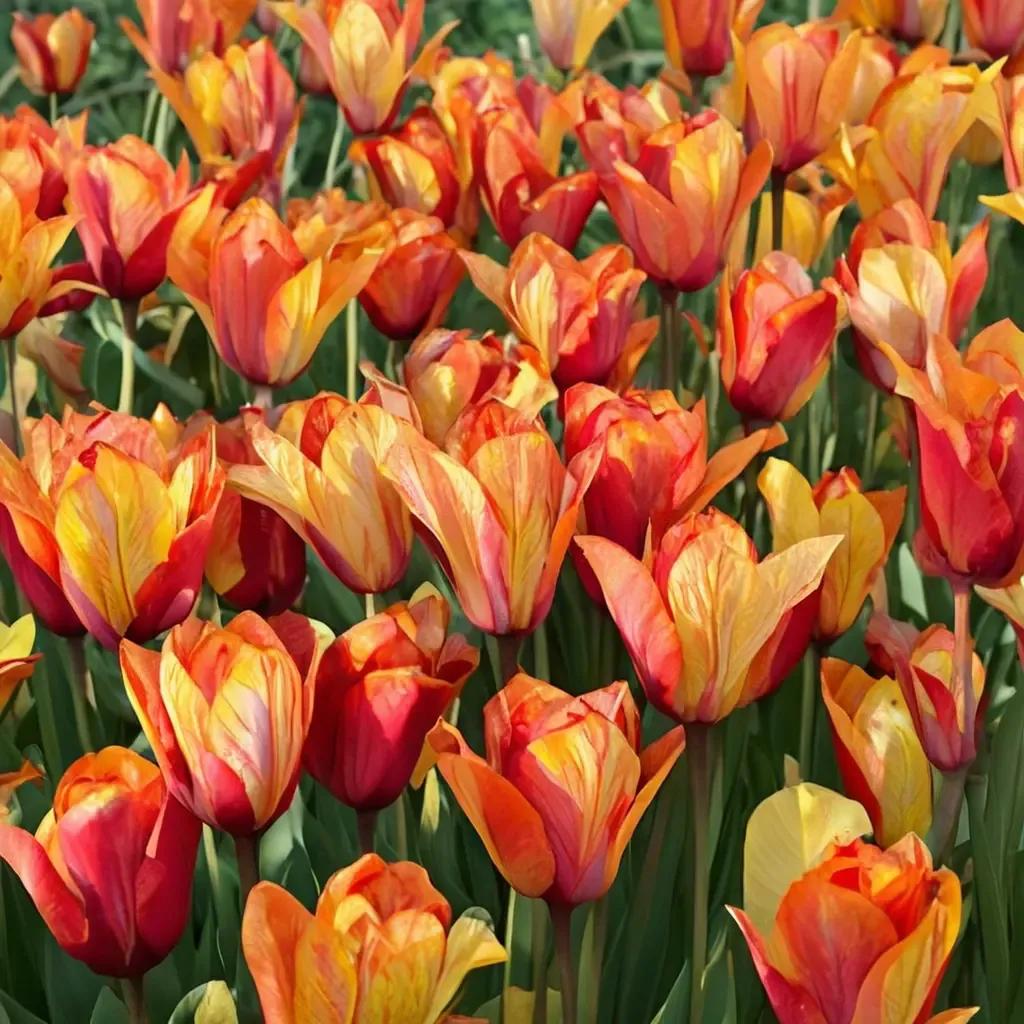

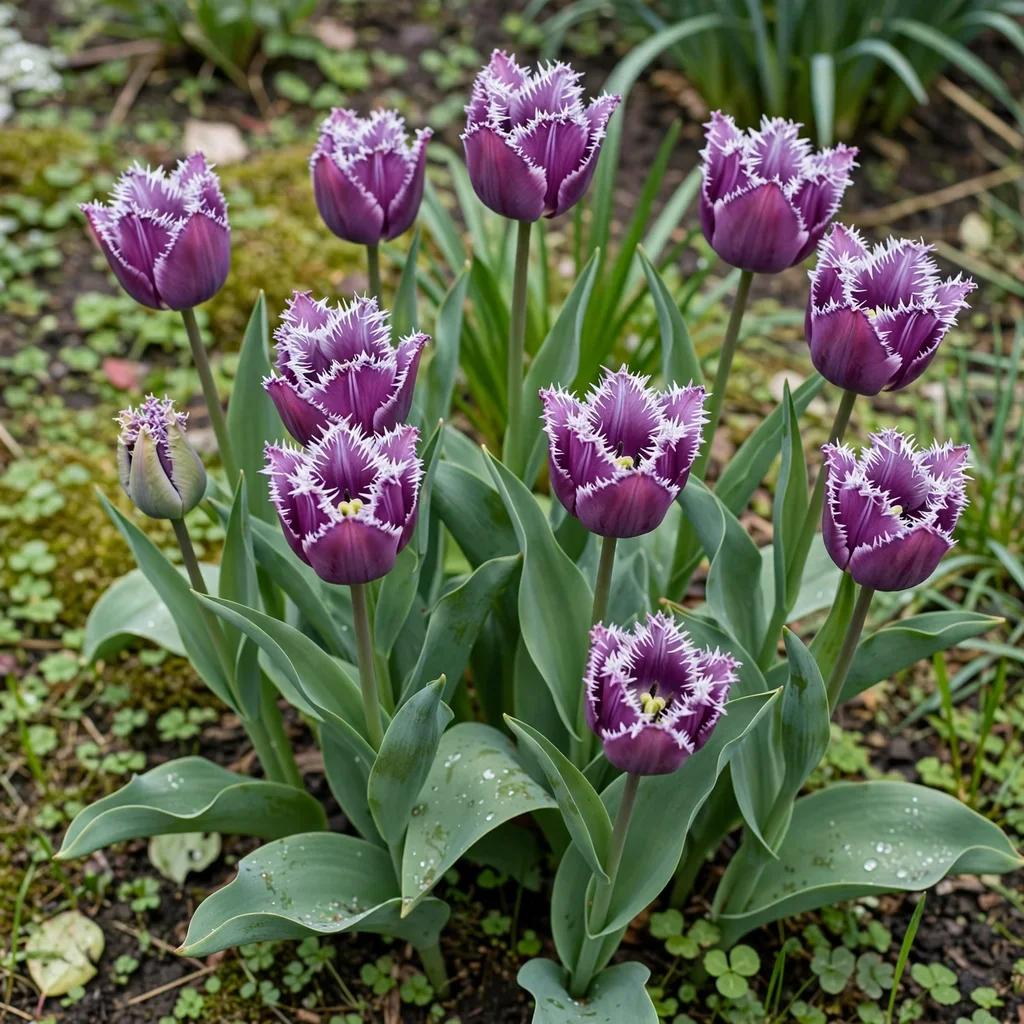

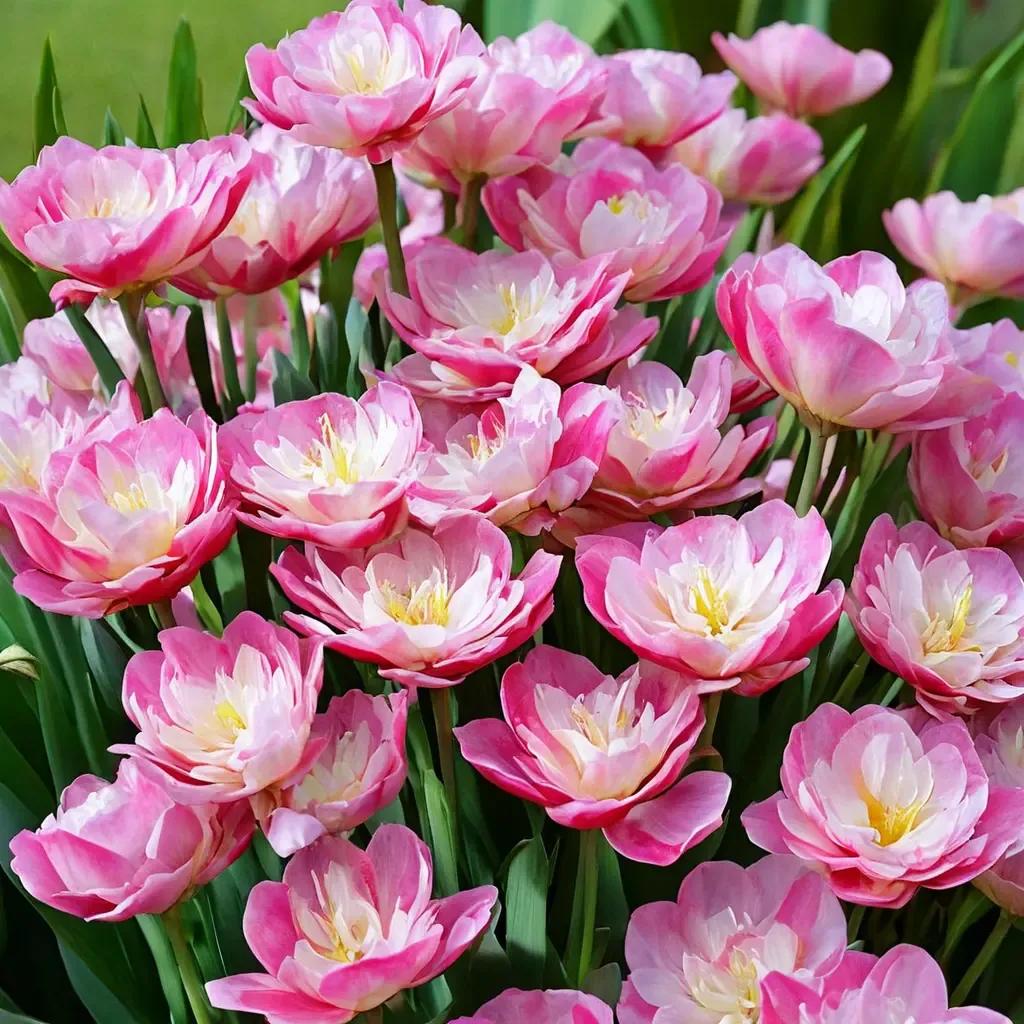

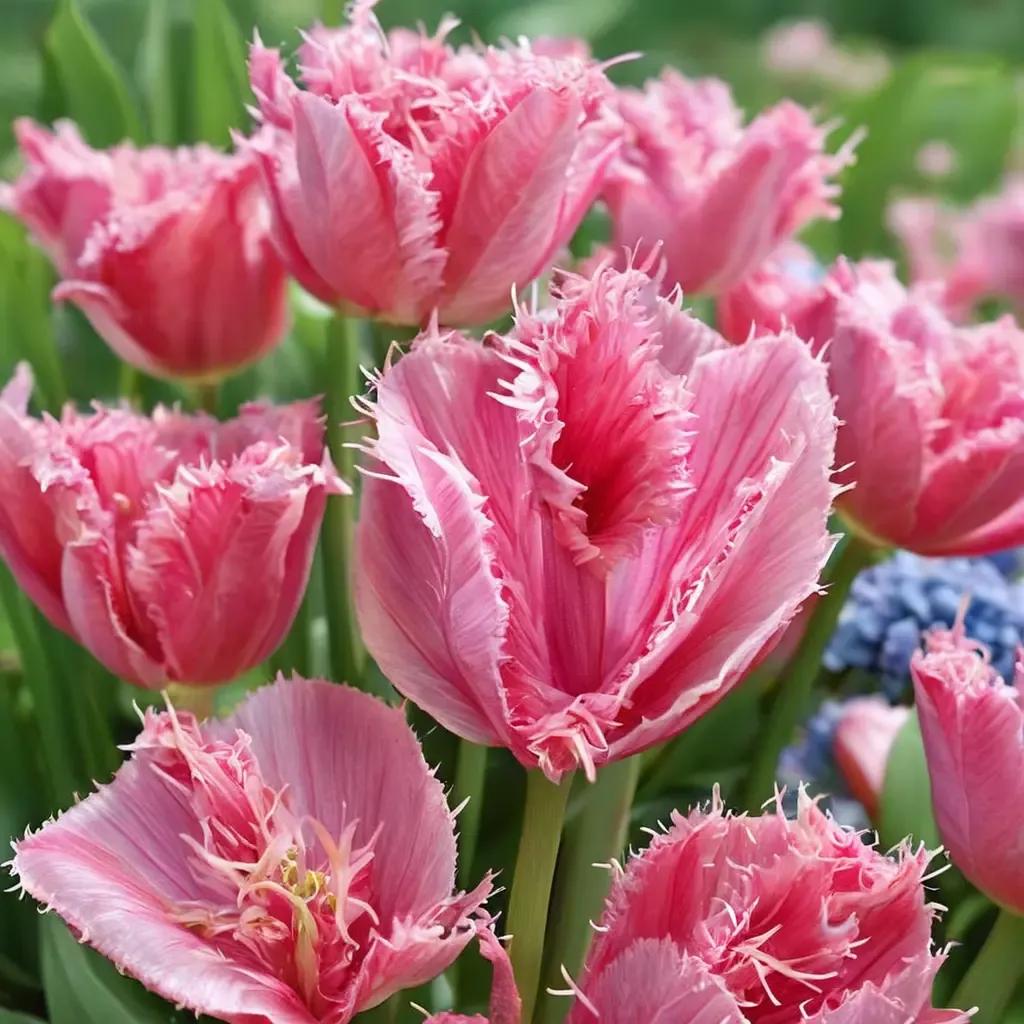
The Story
Plant Bio
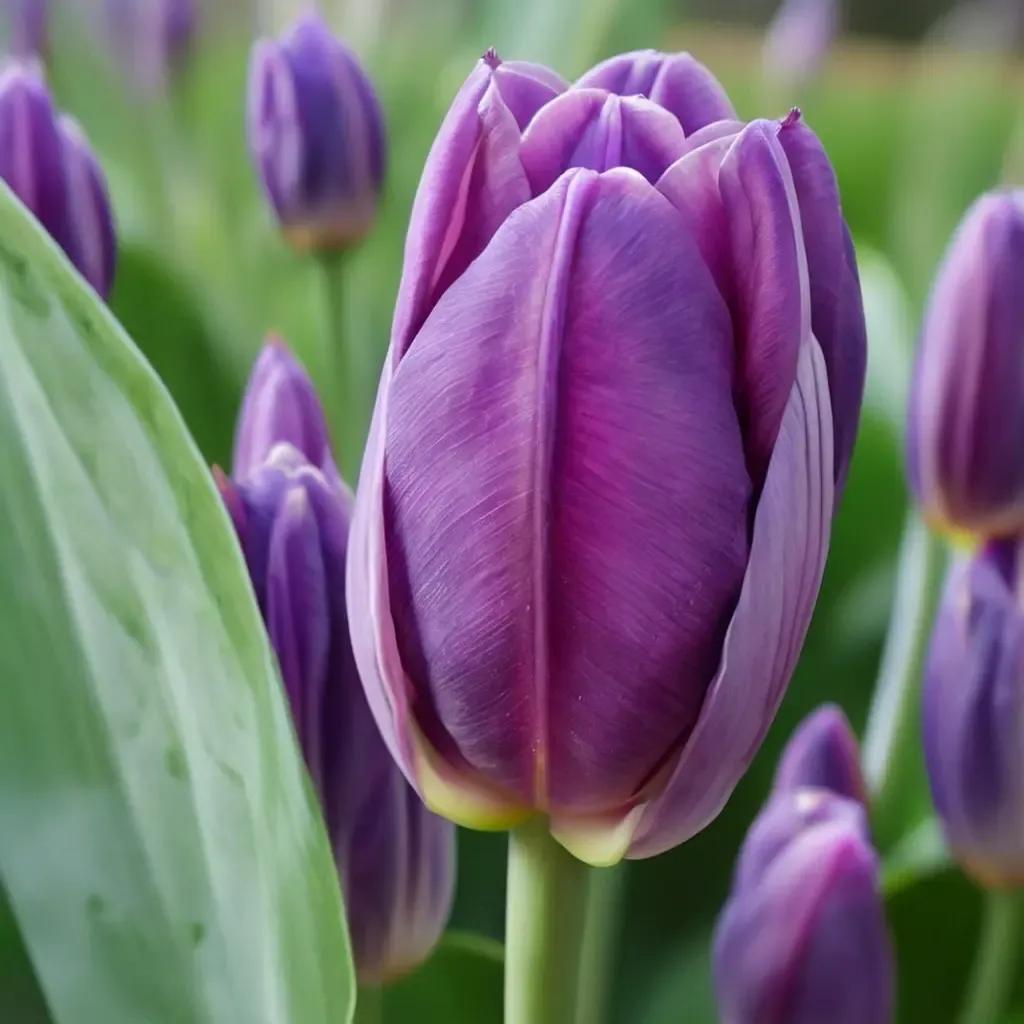
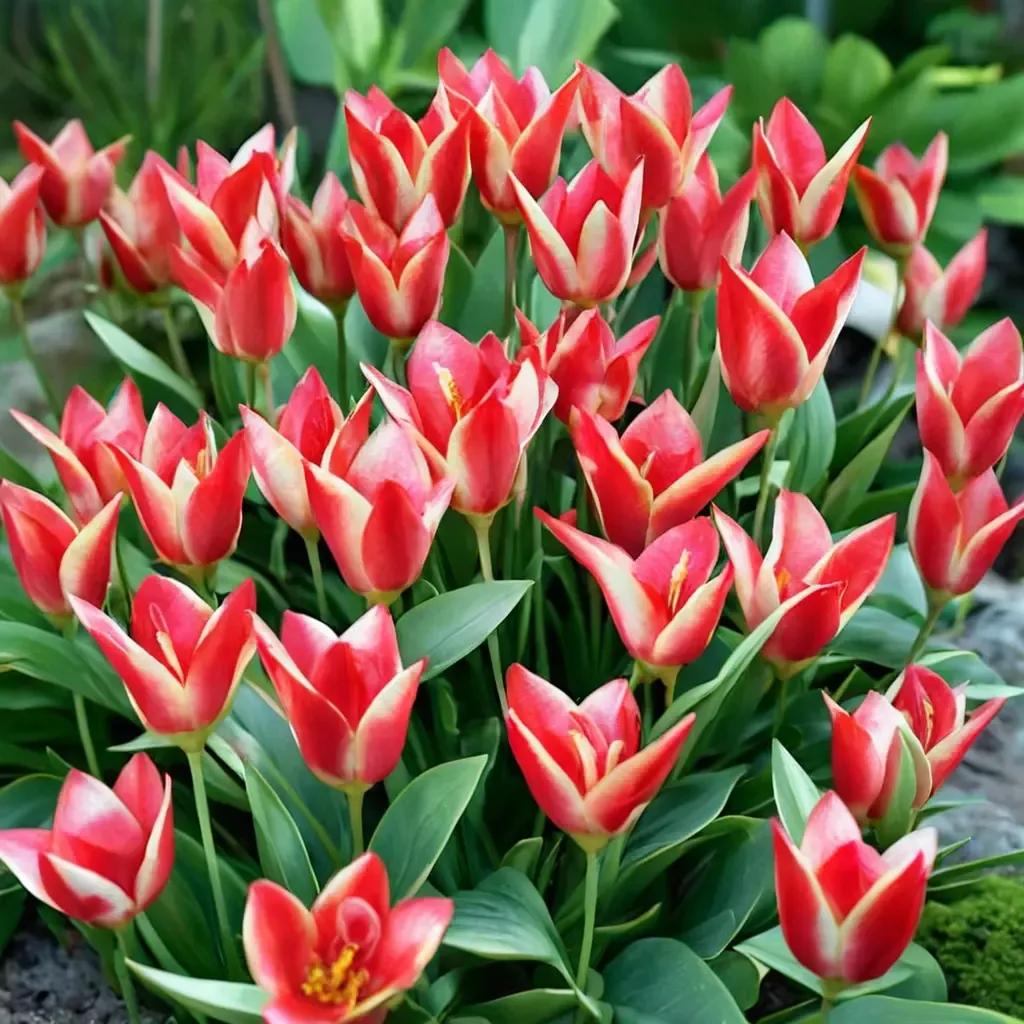
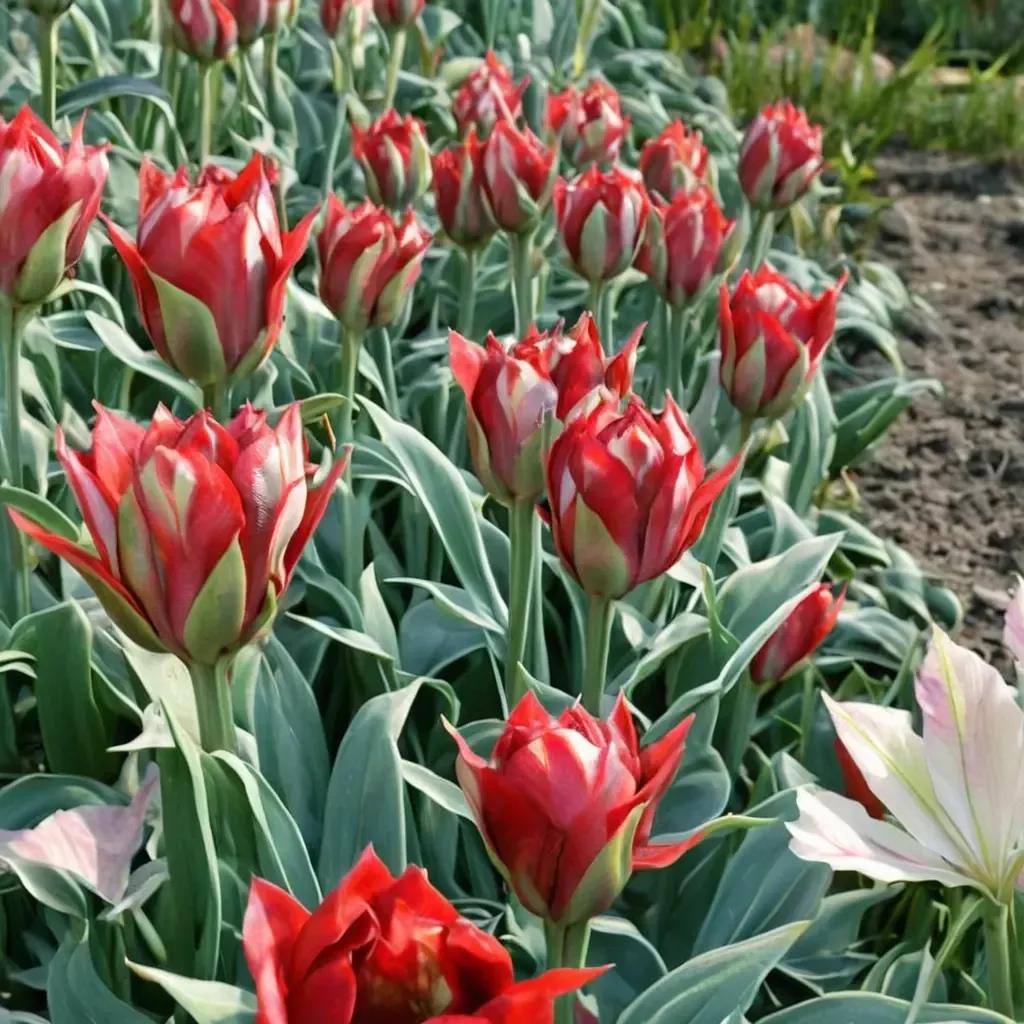
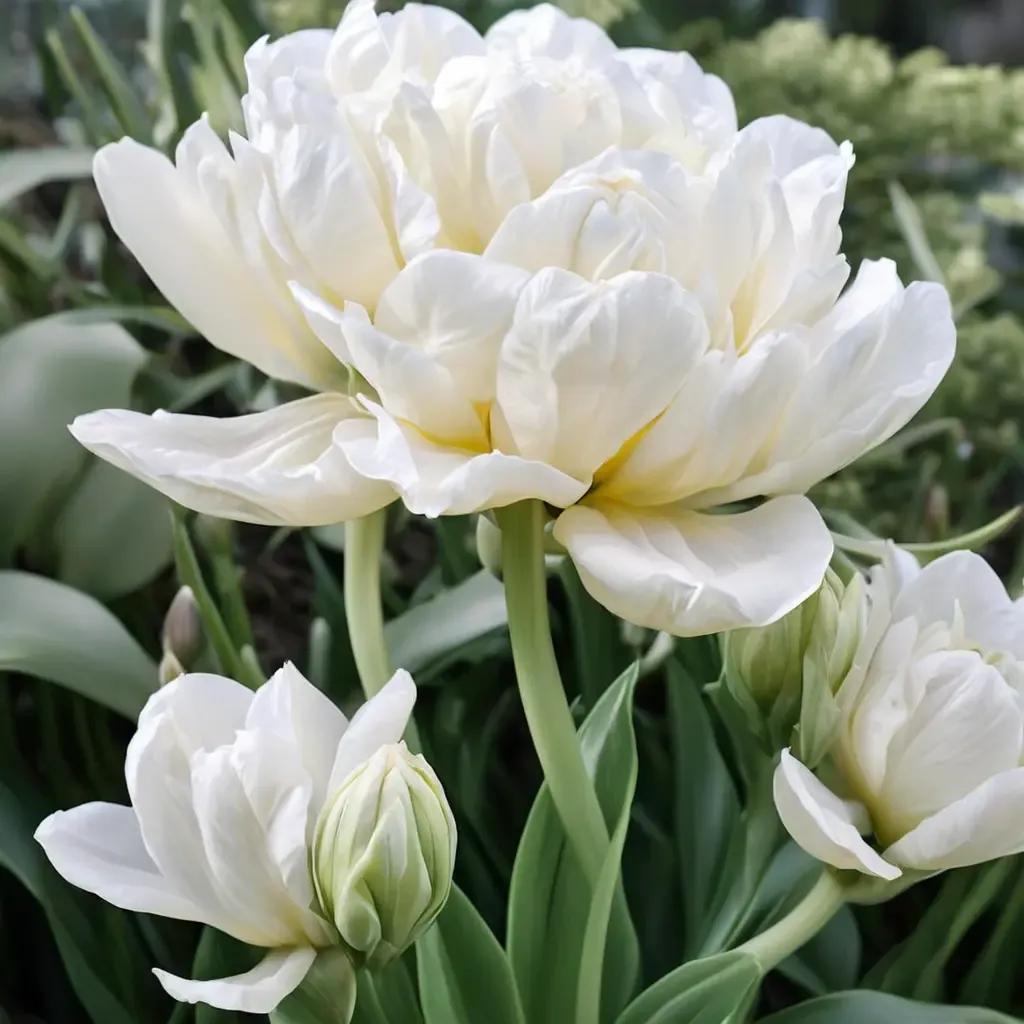
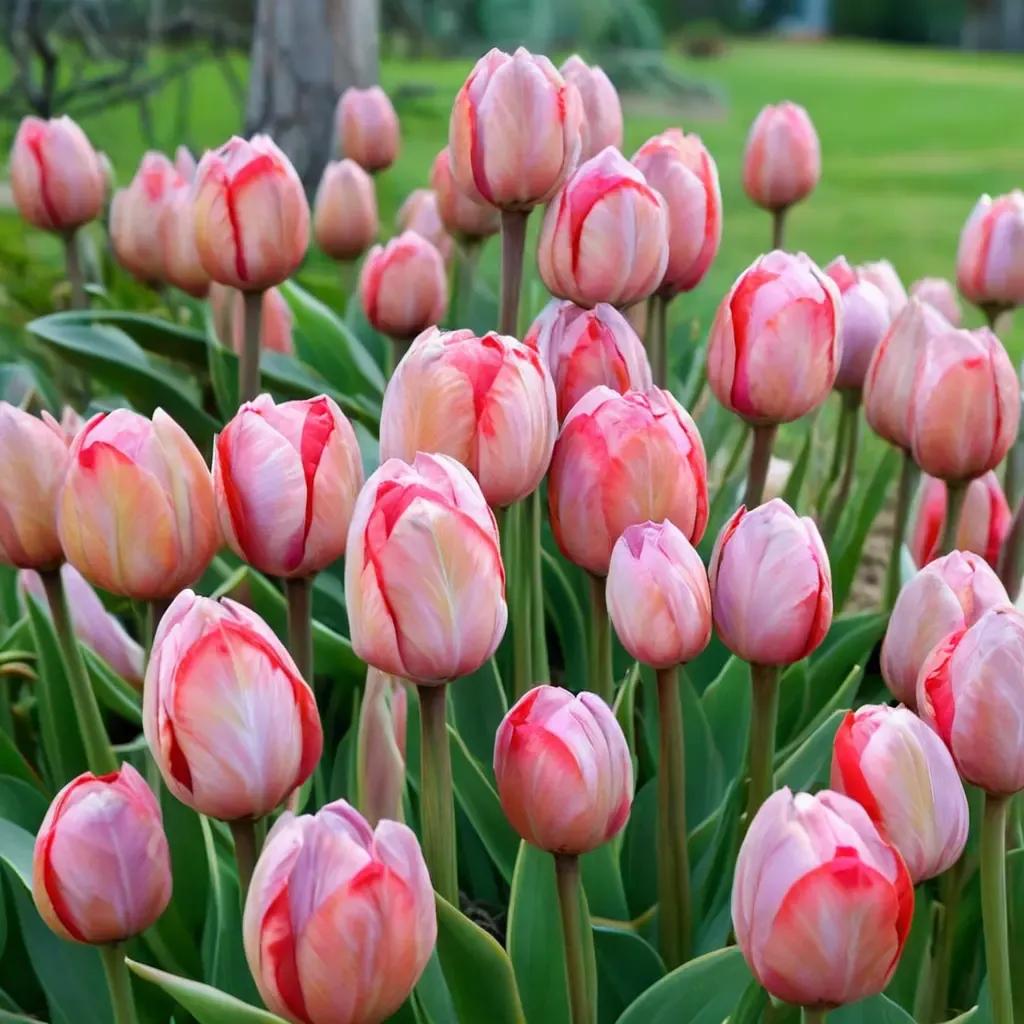
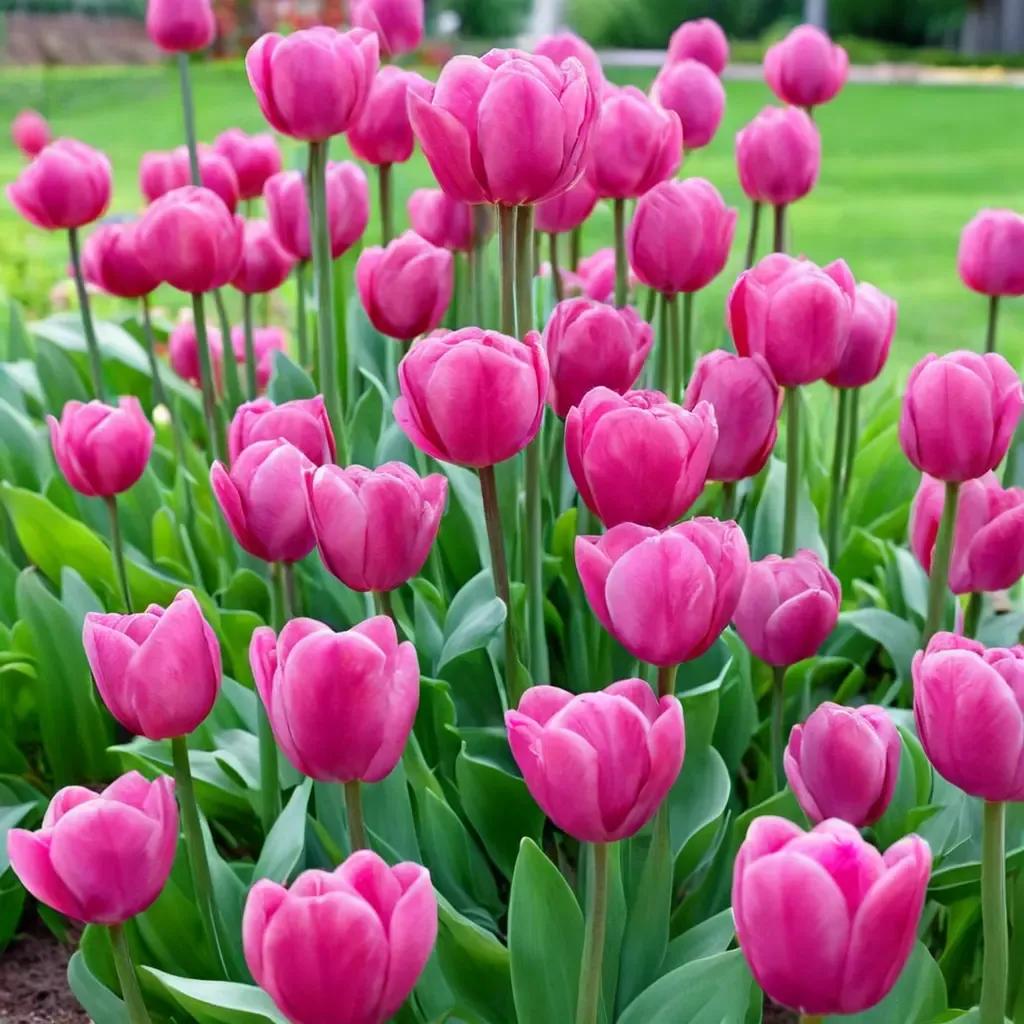
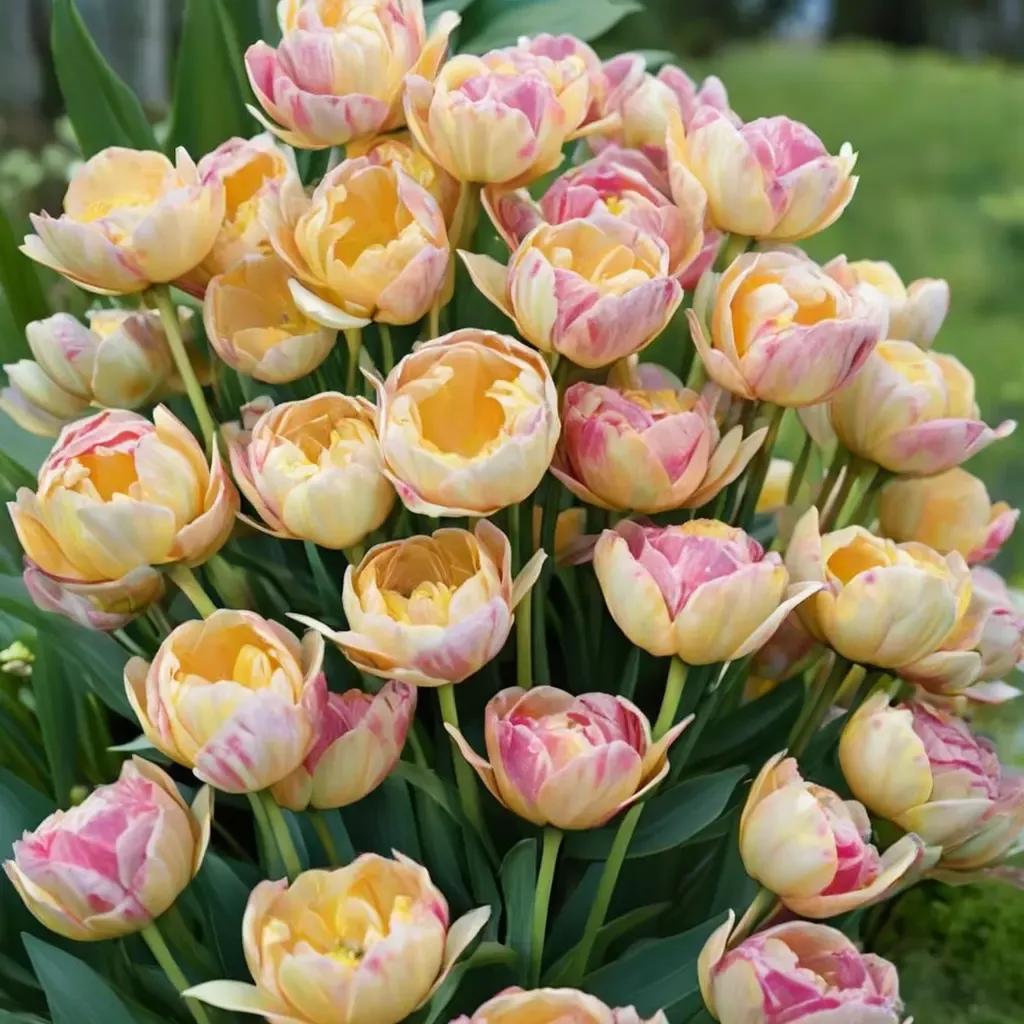
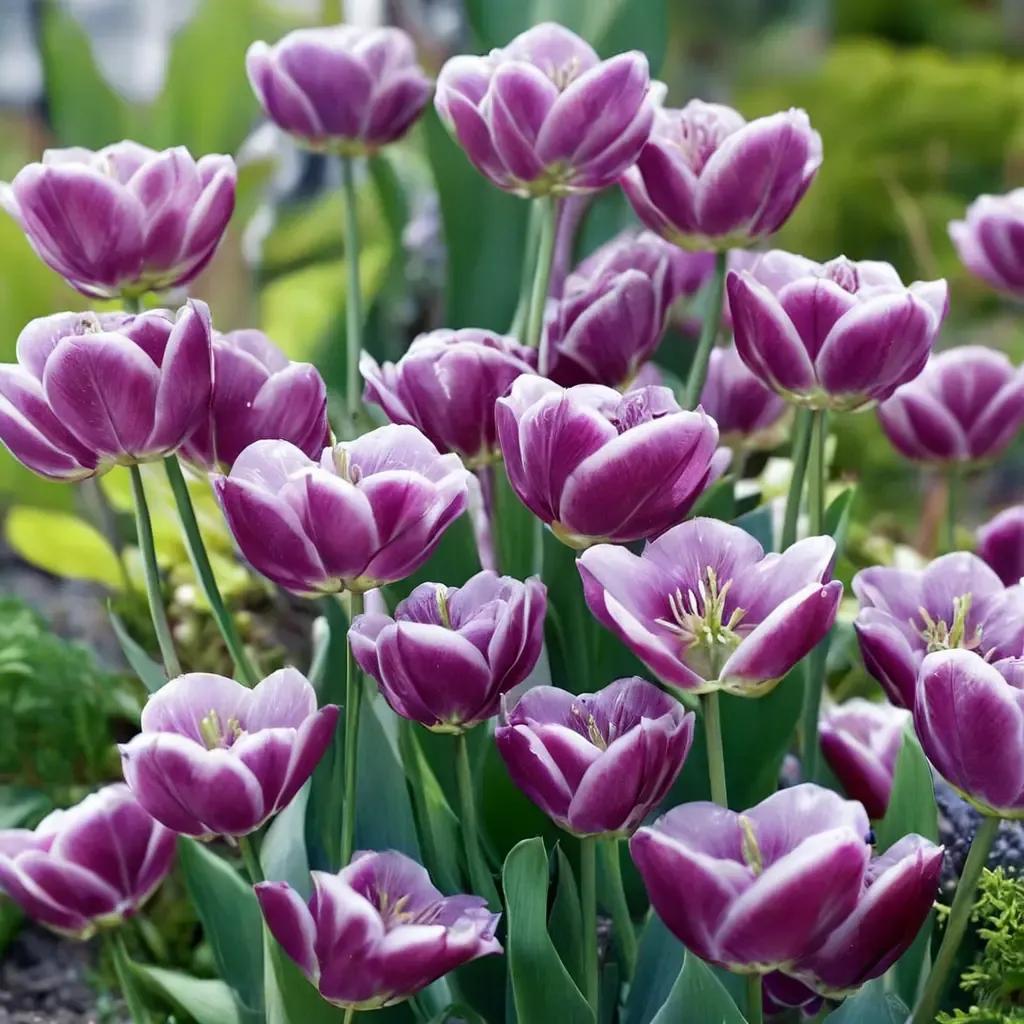
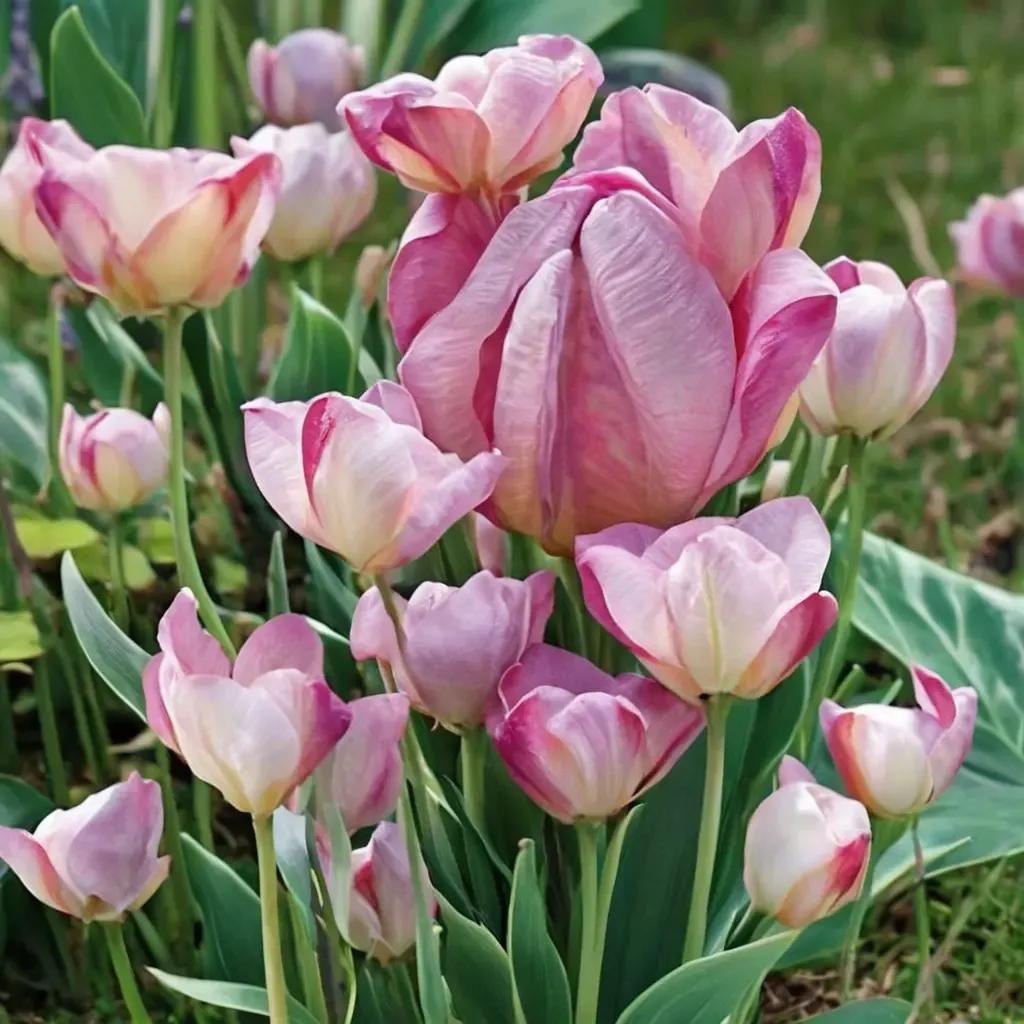
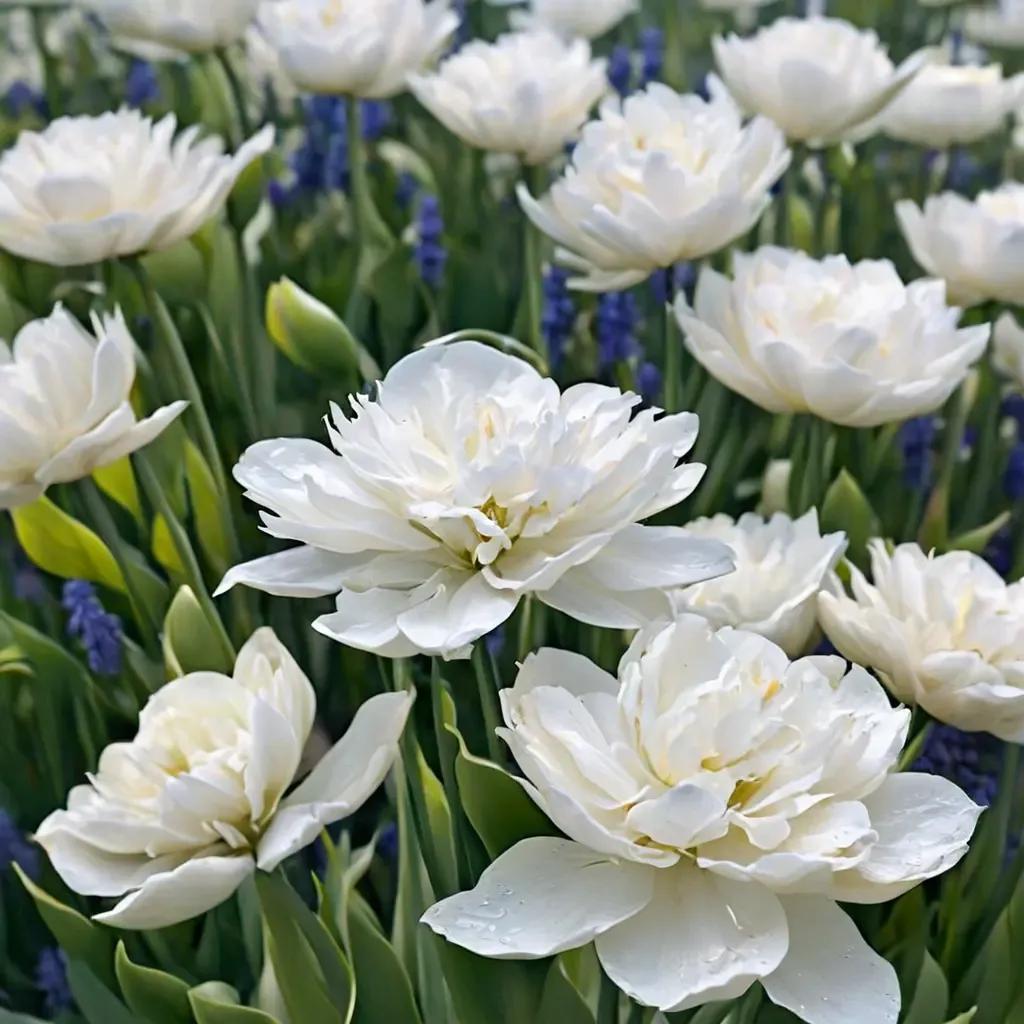
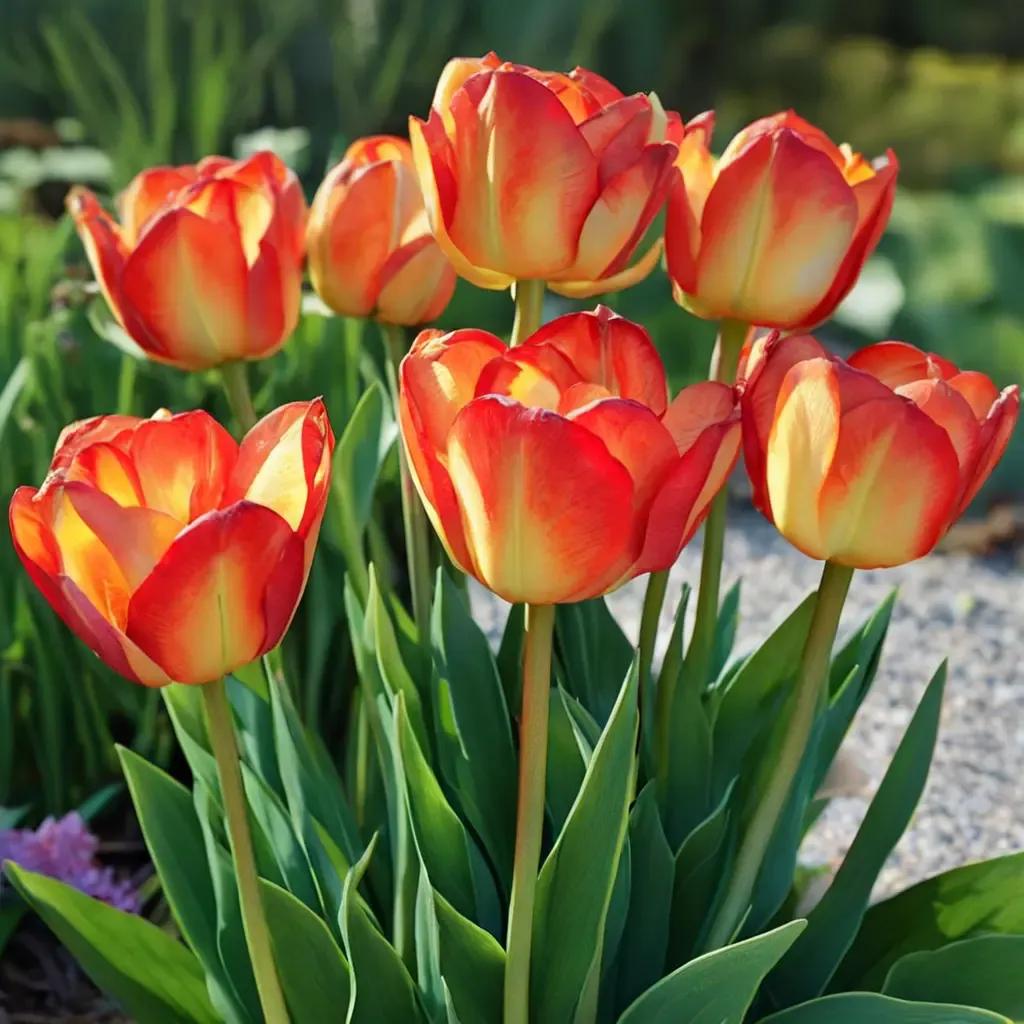
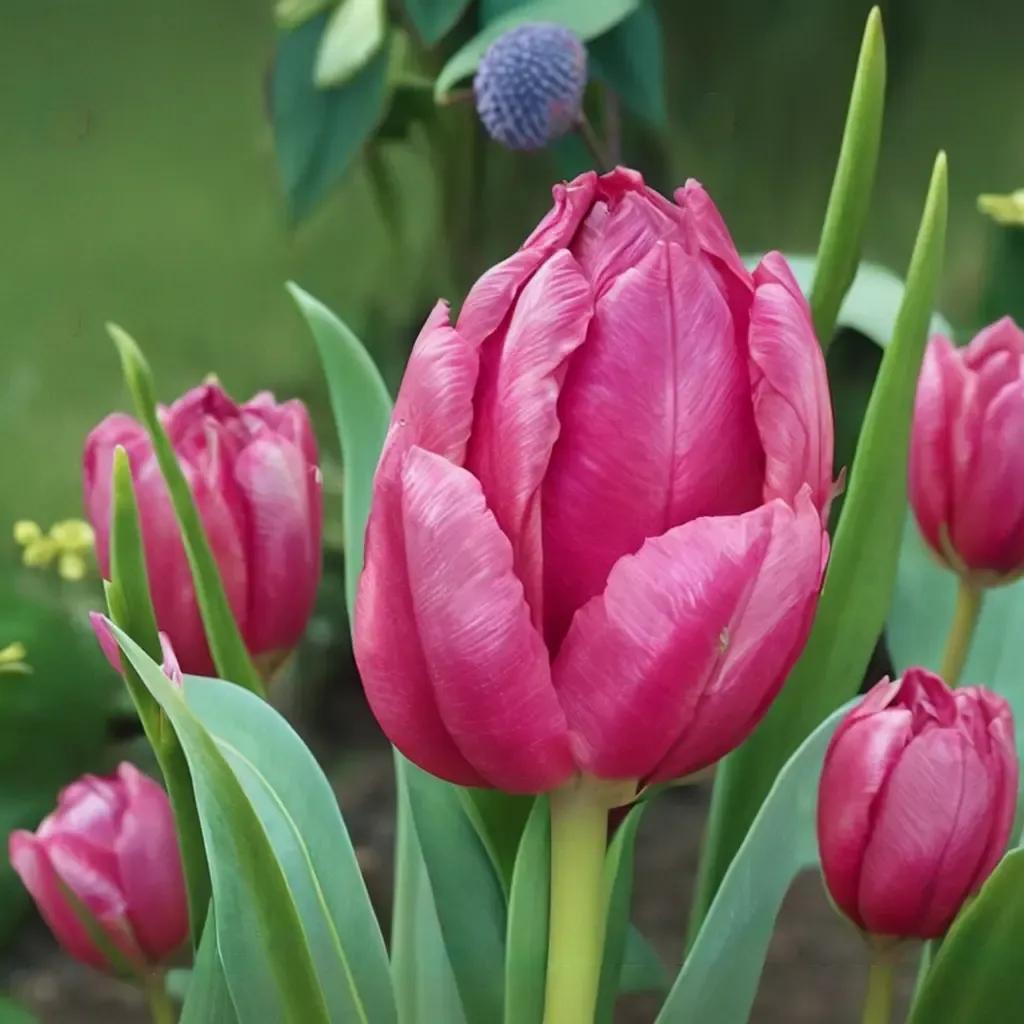
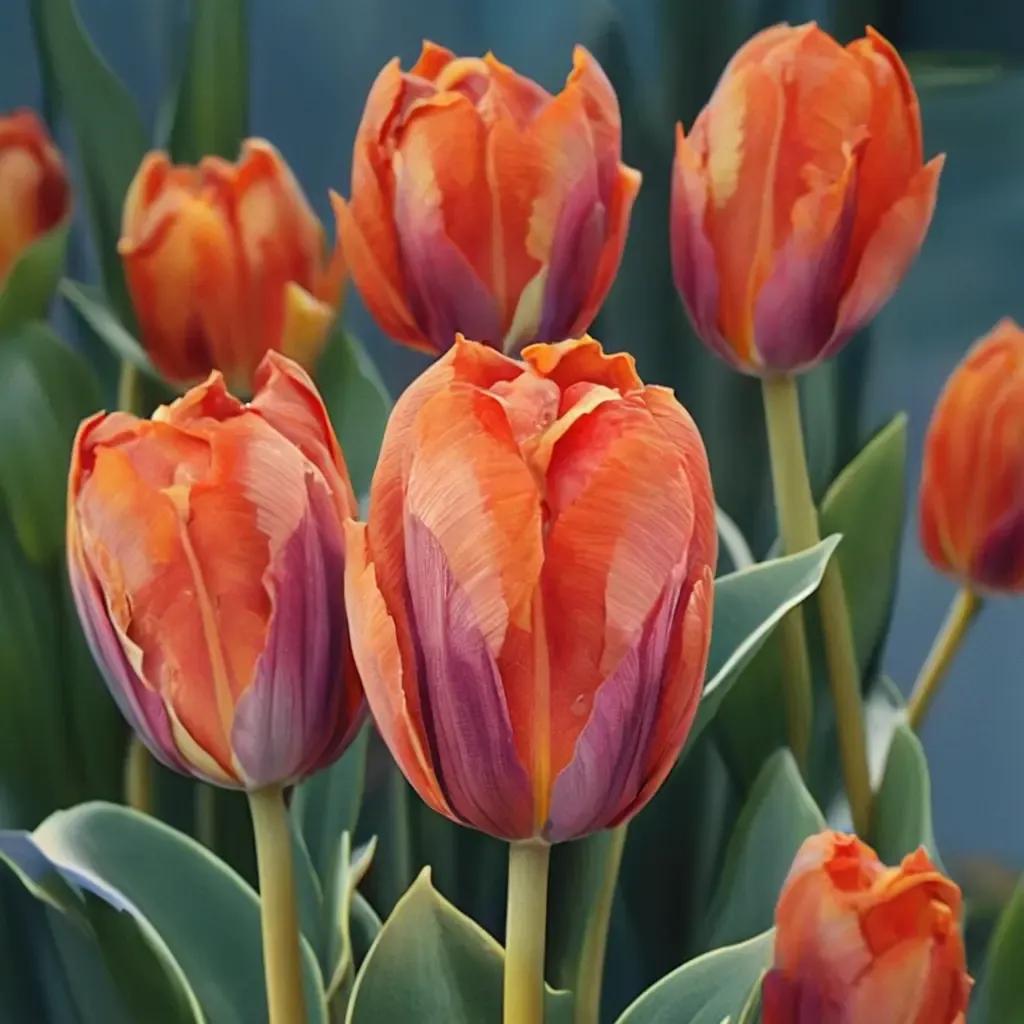
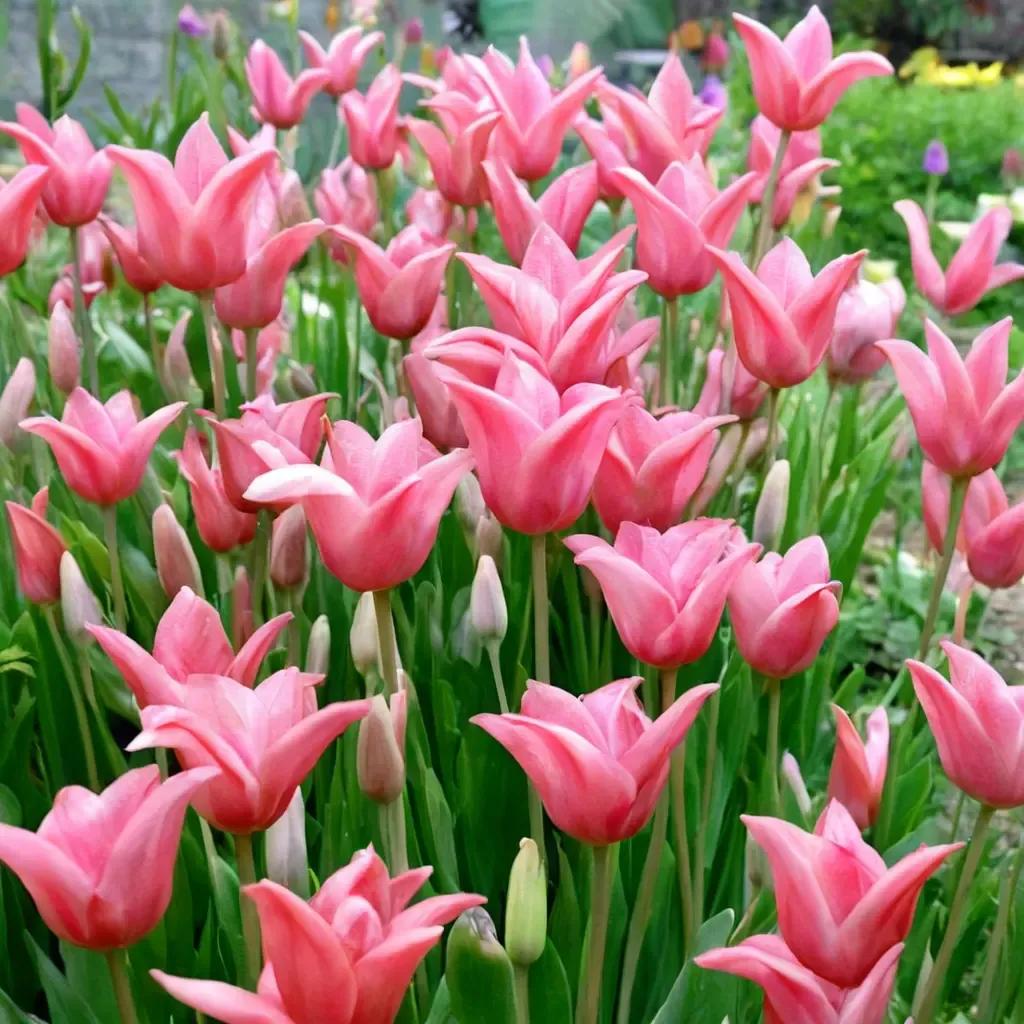
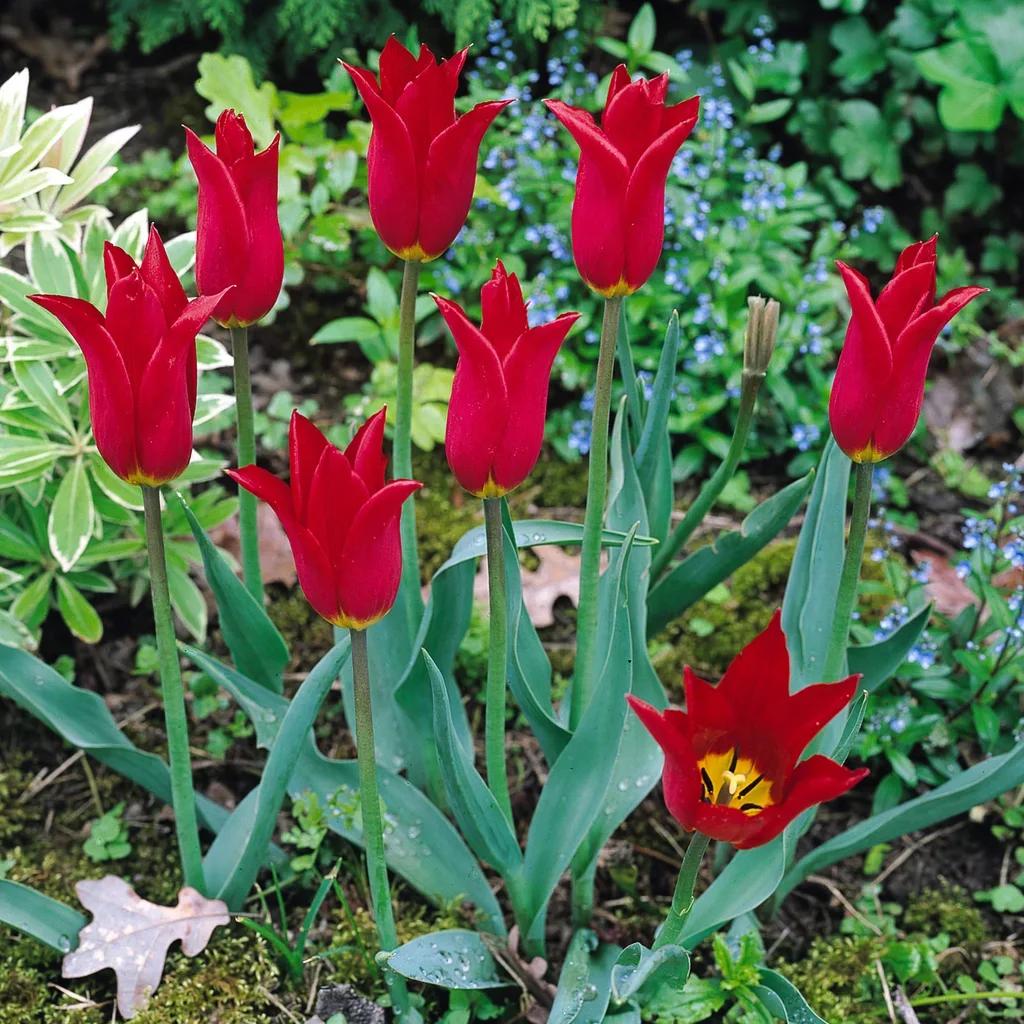
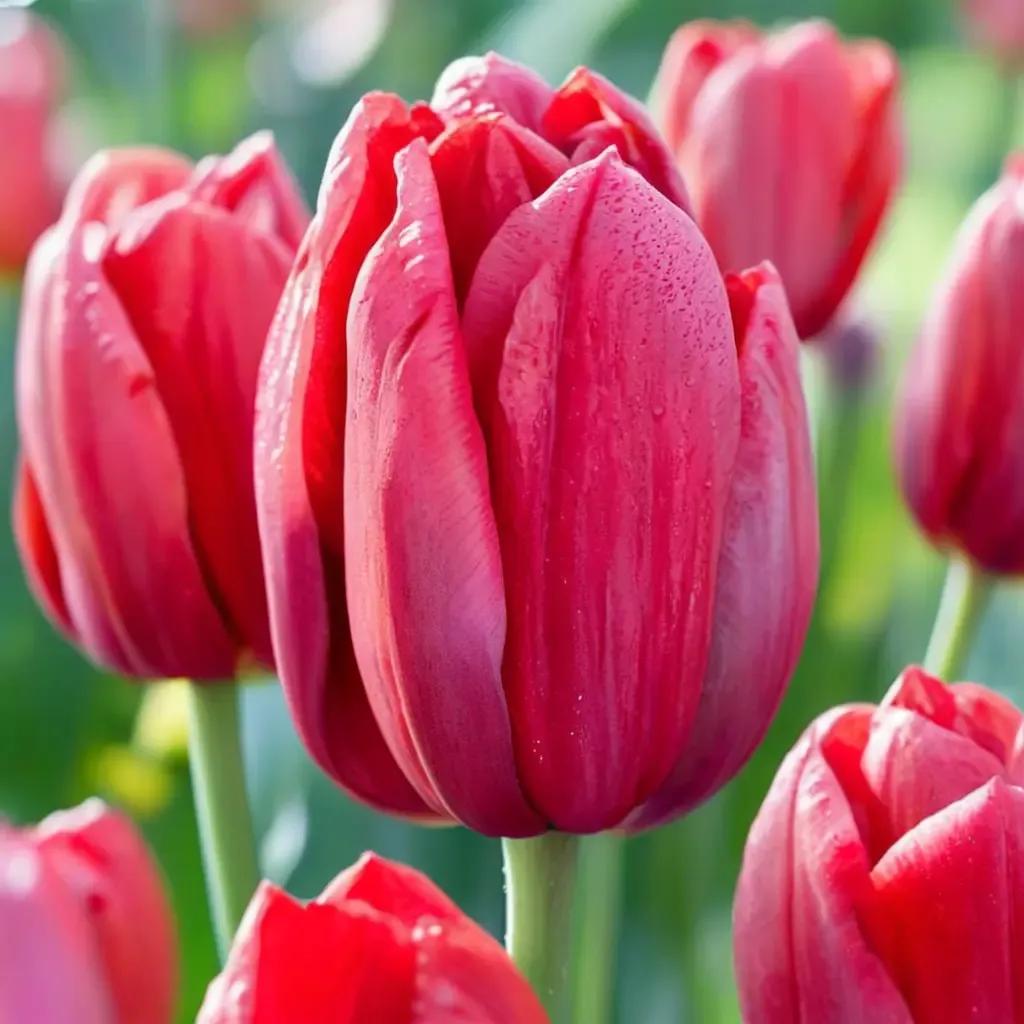
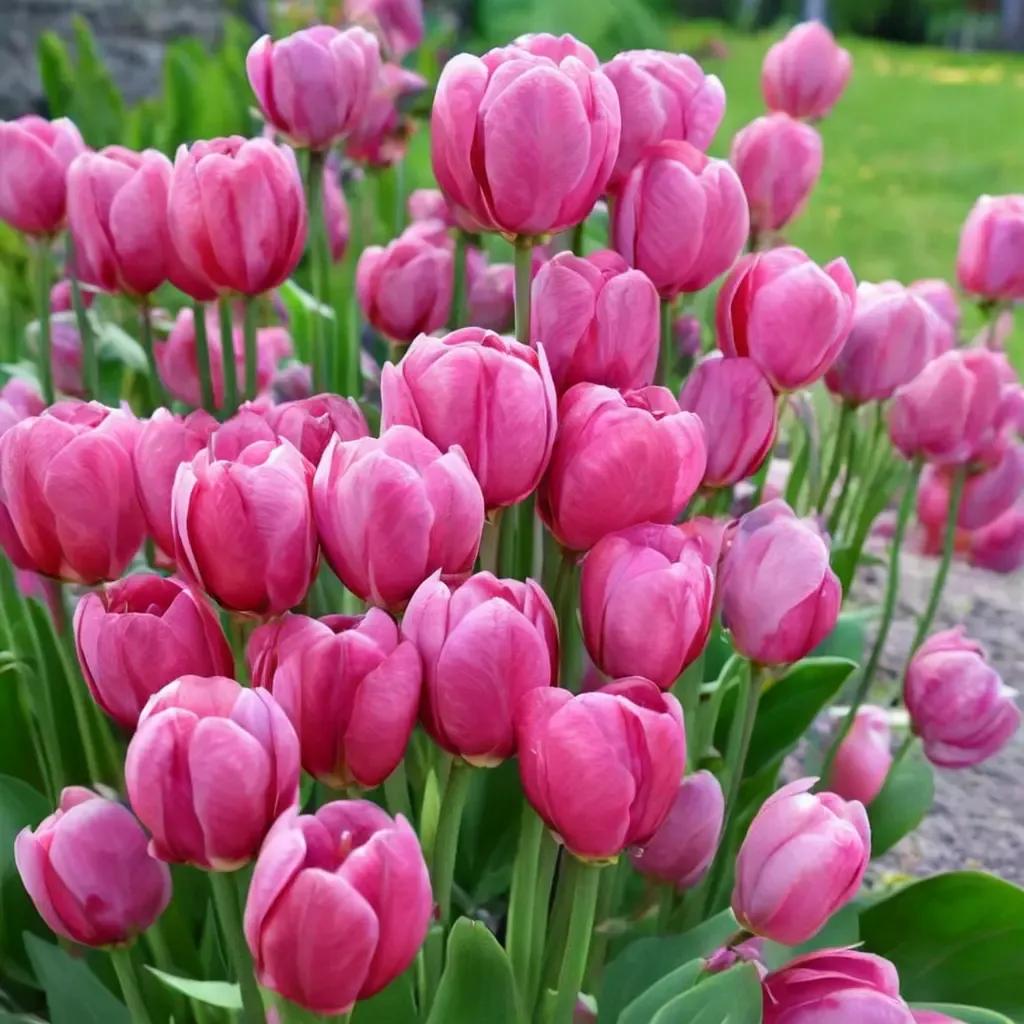
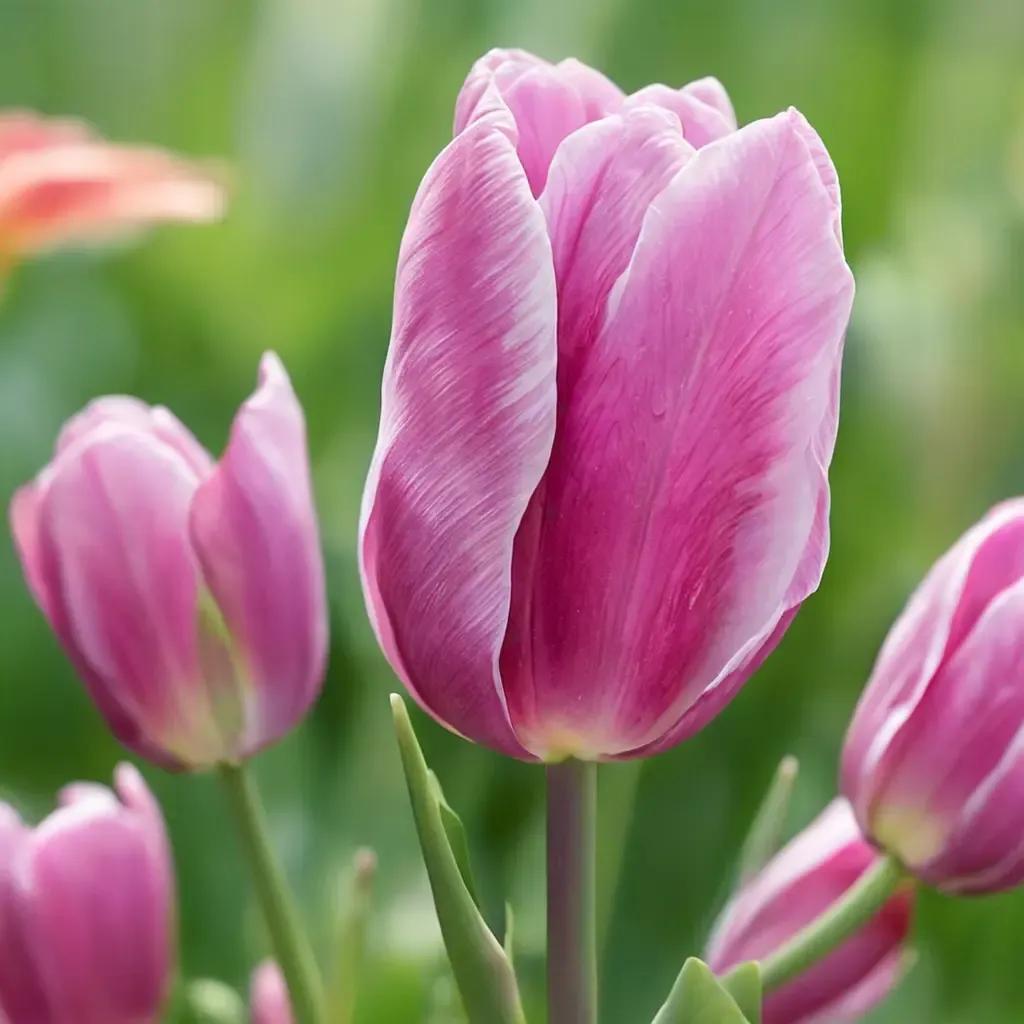
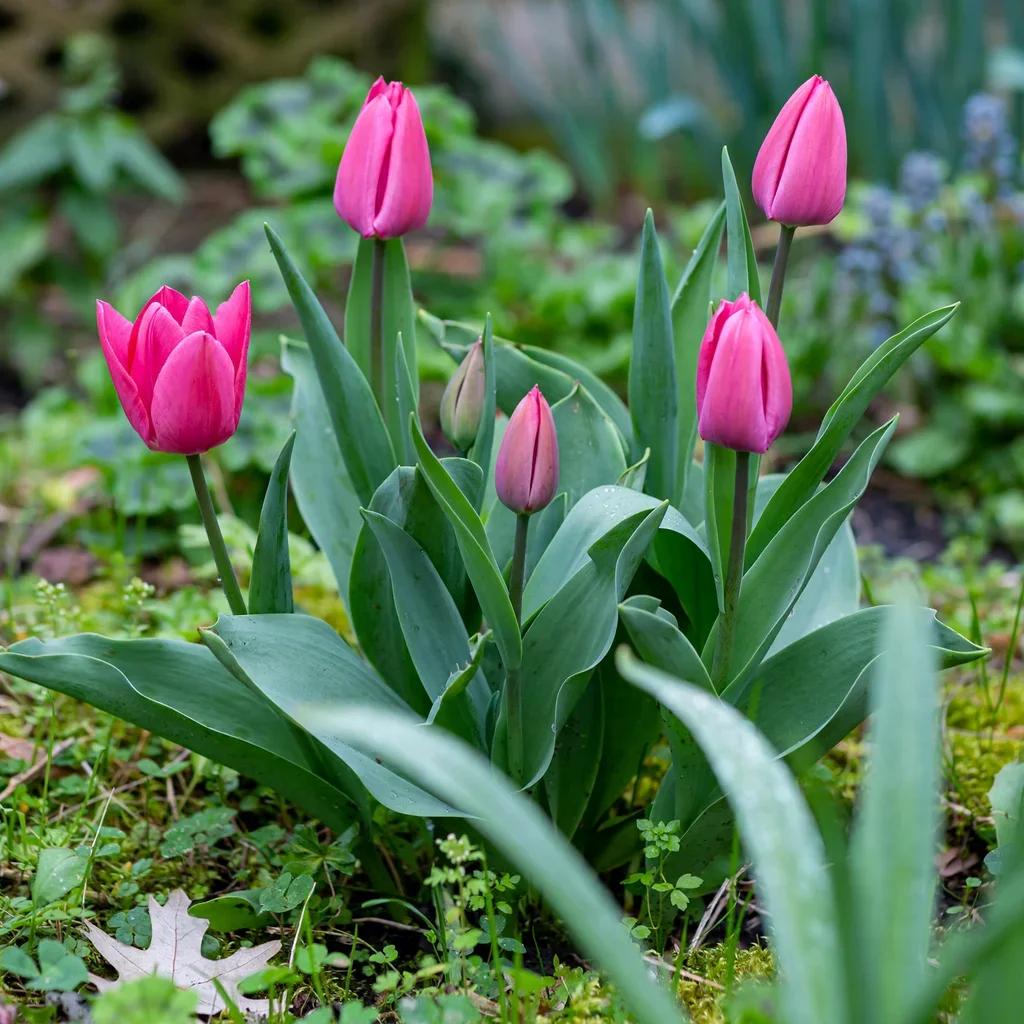
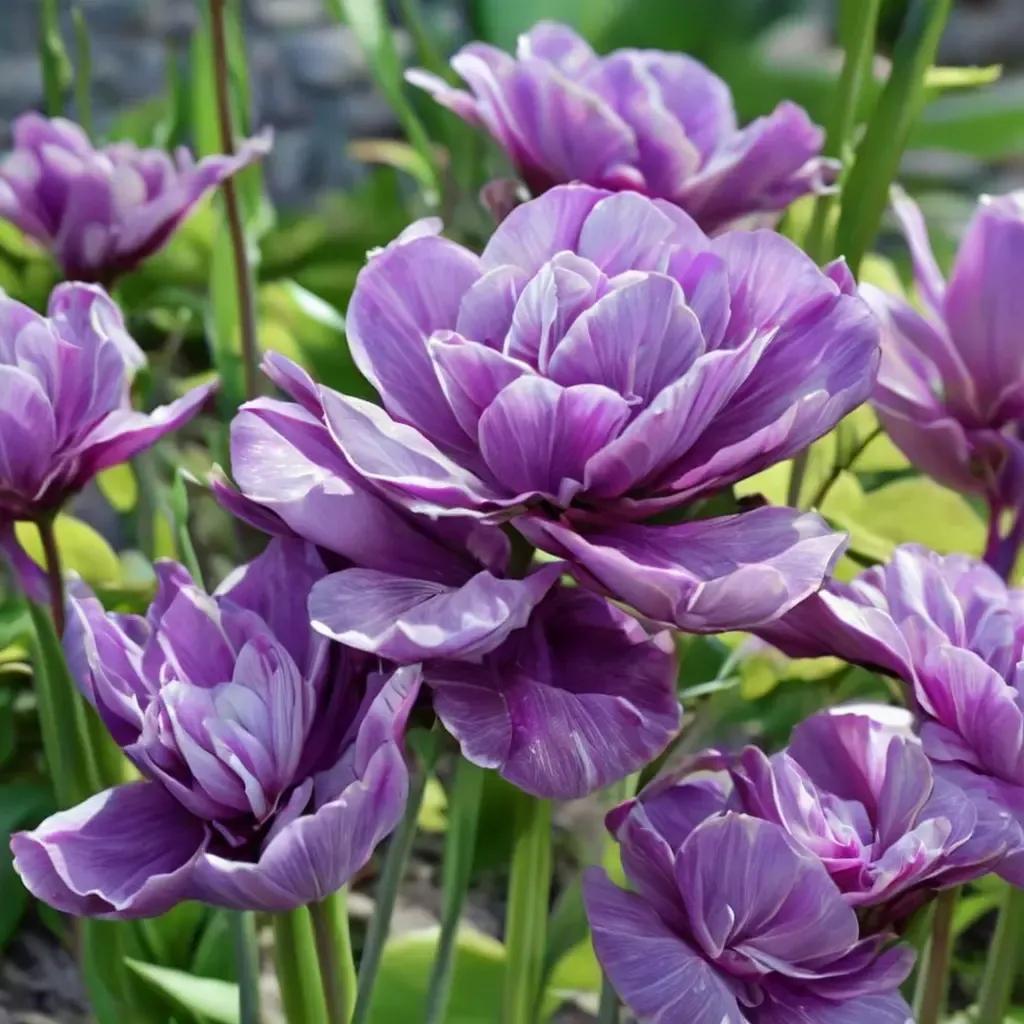
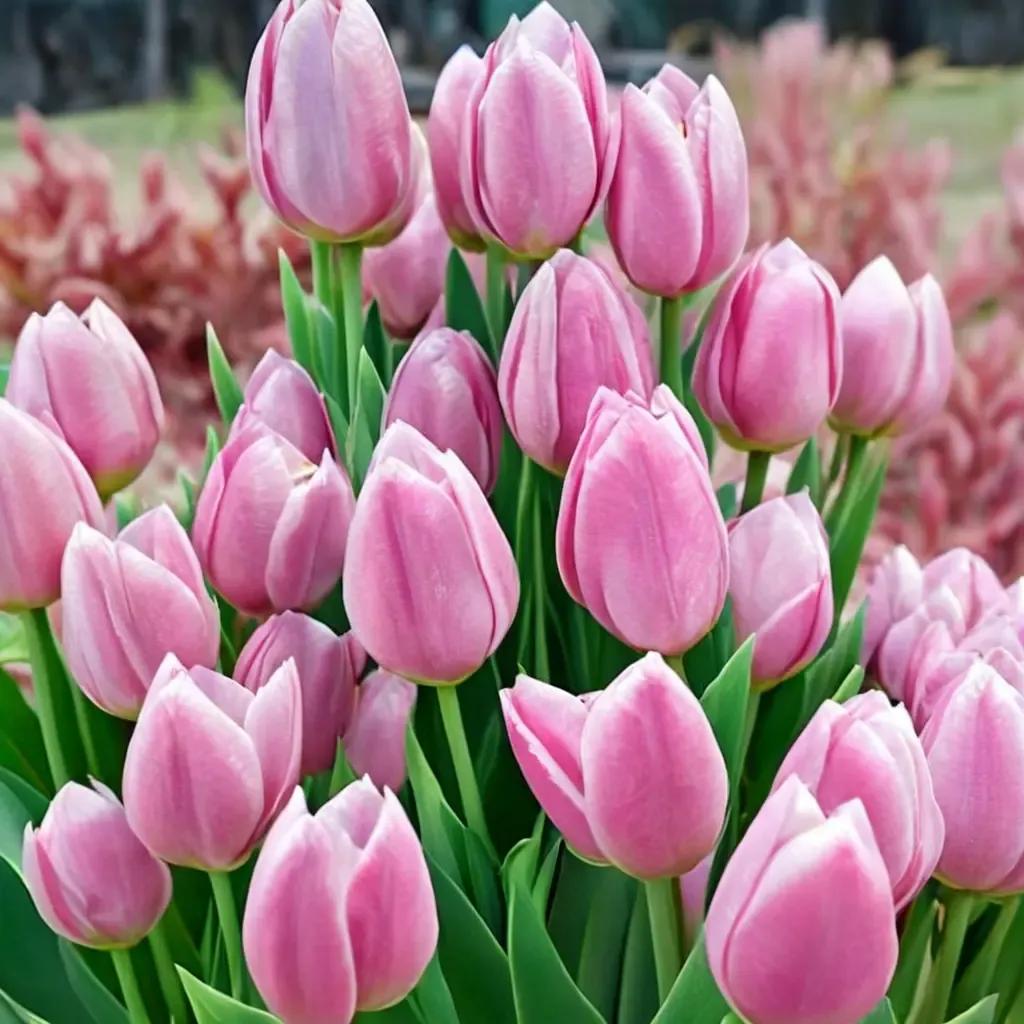
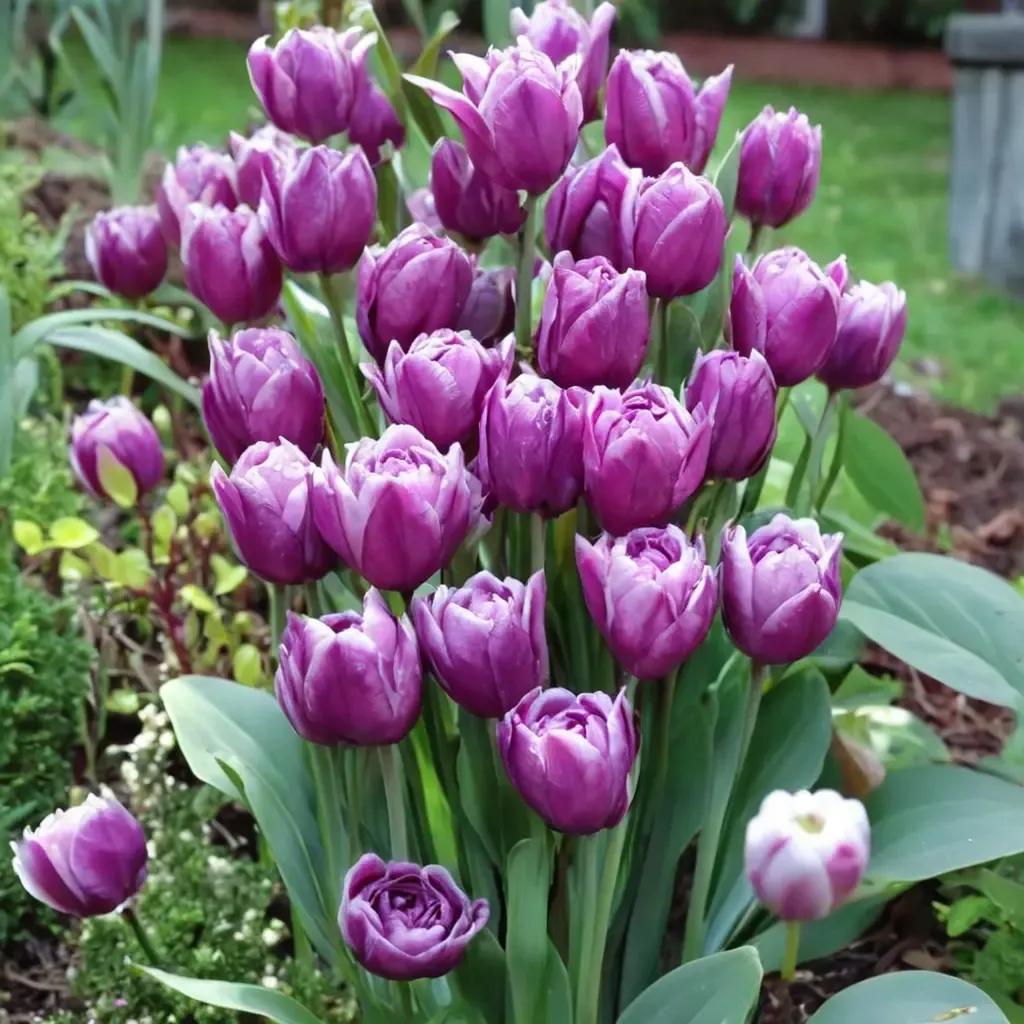
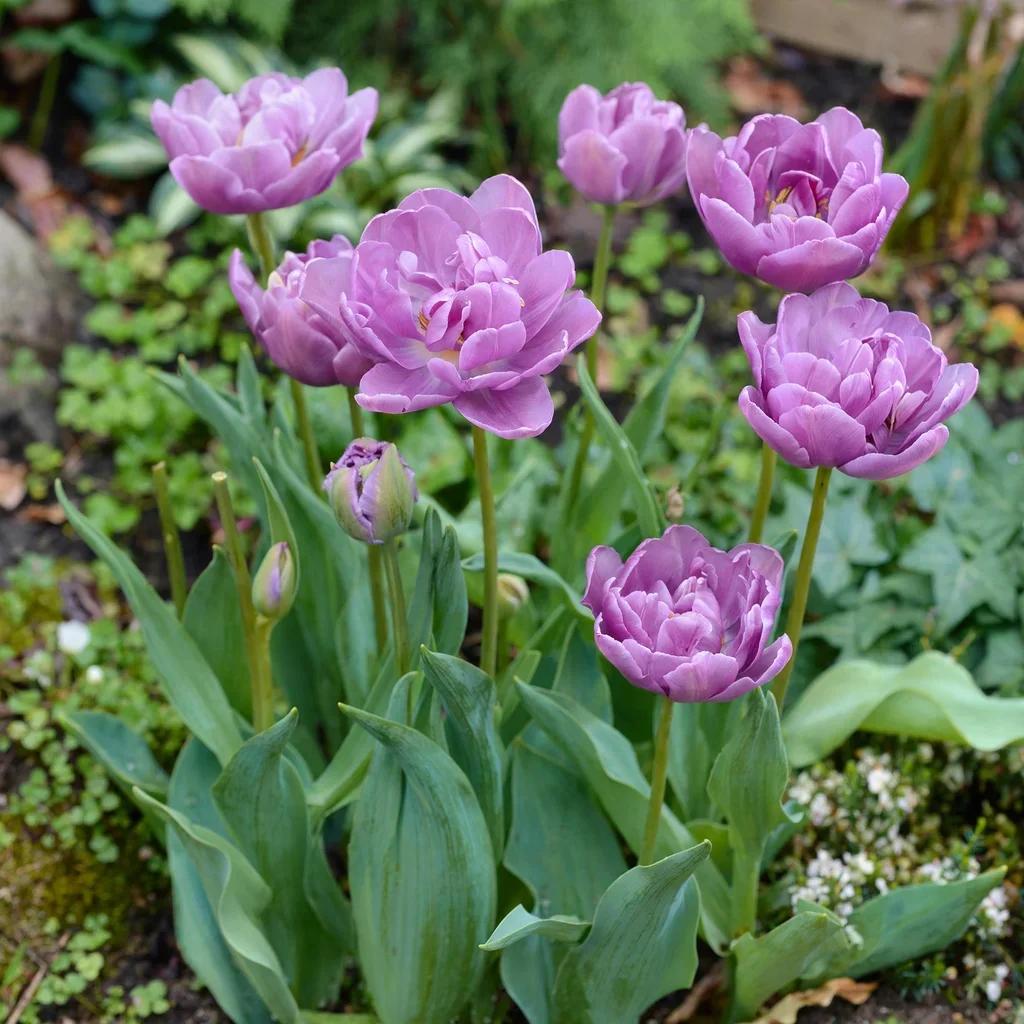
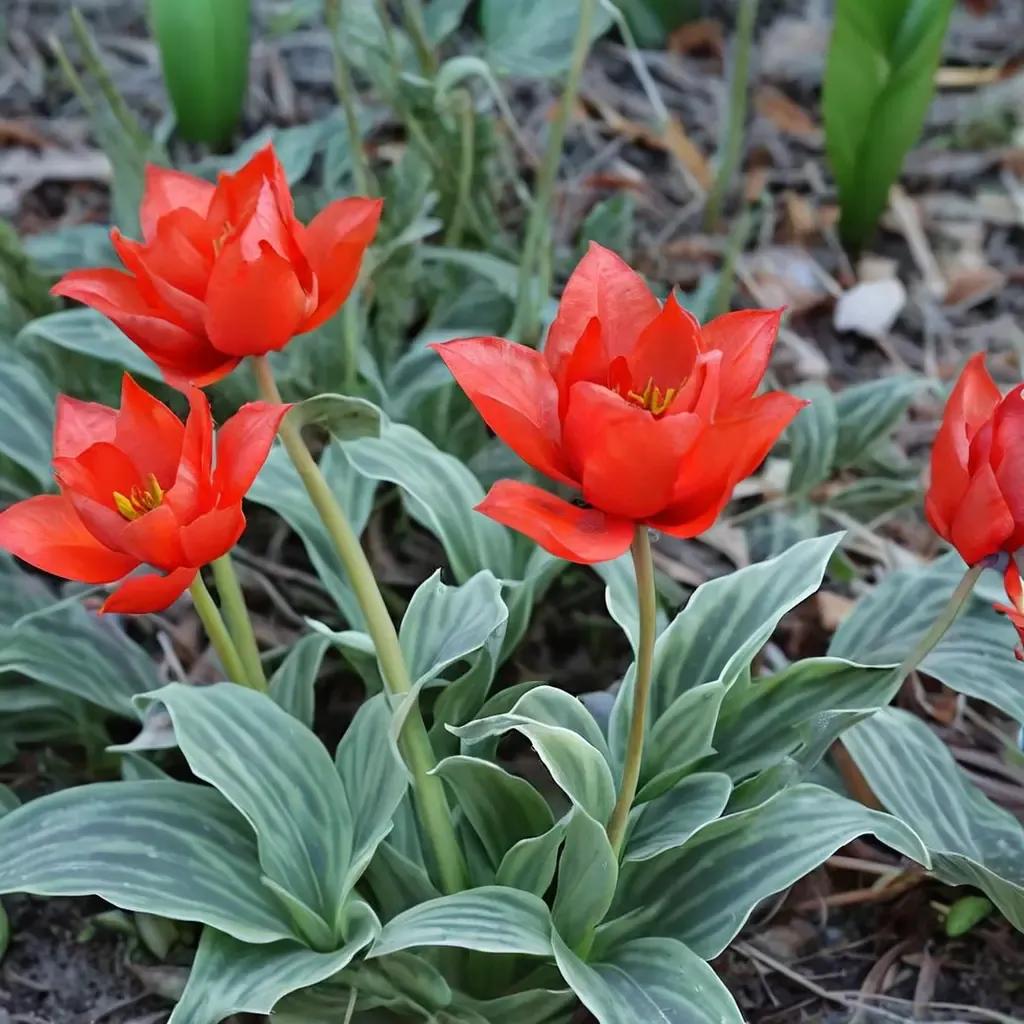
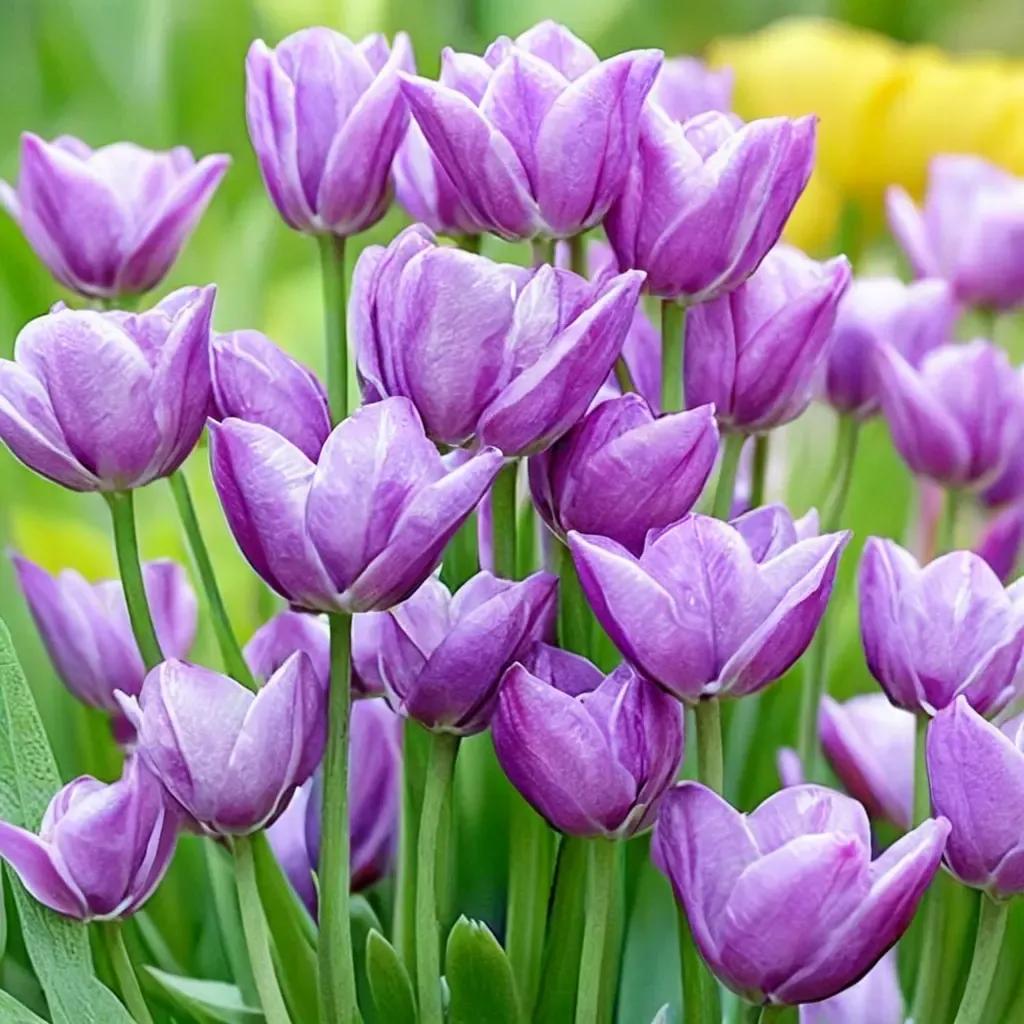
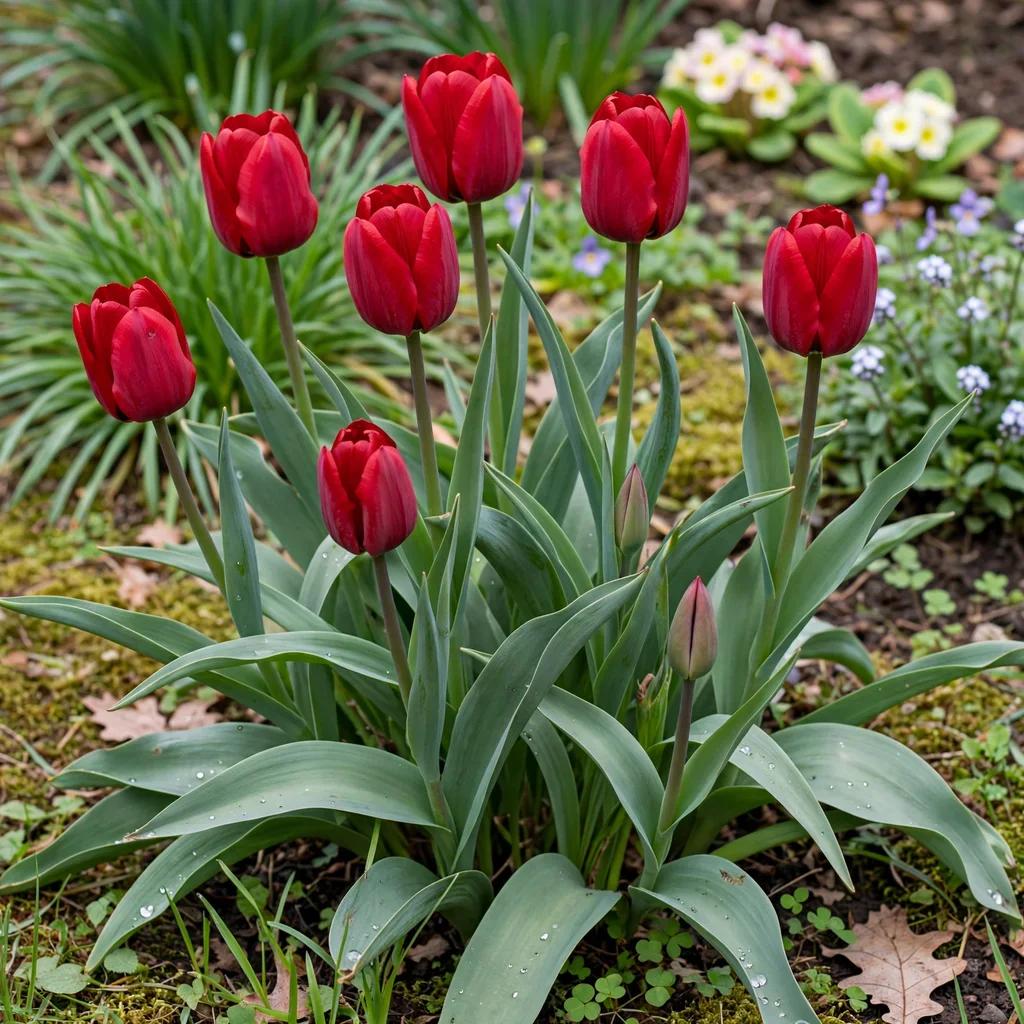
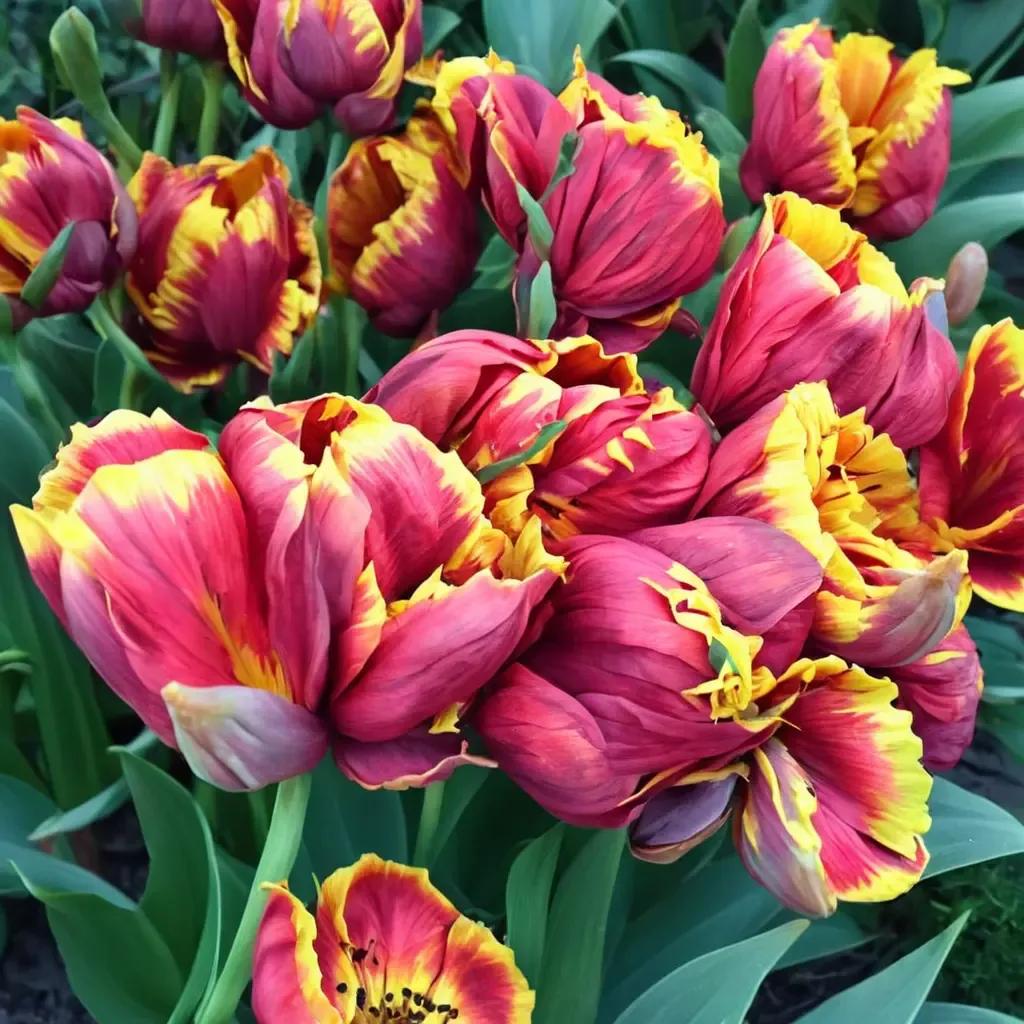
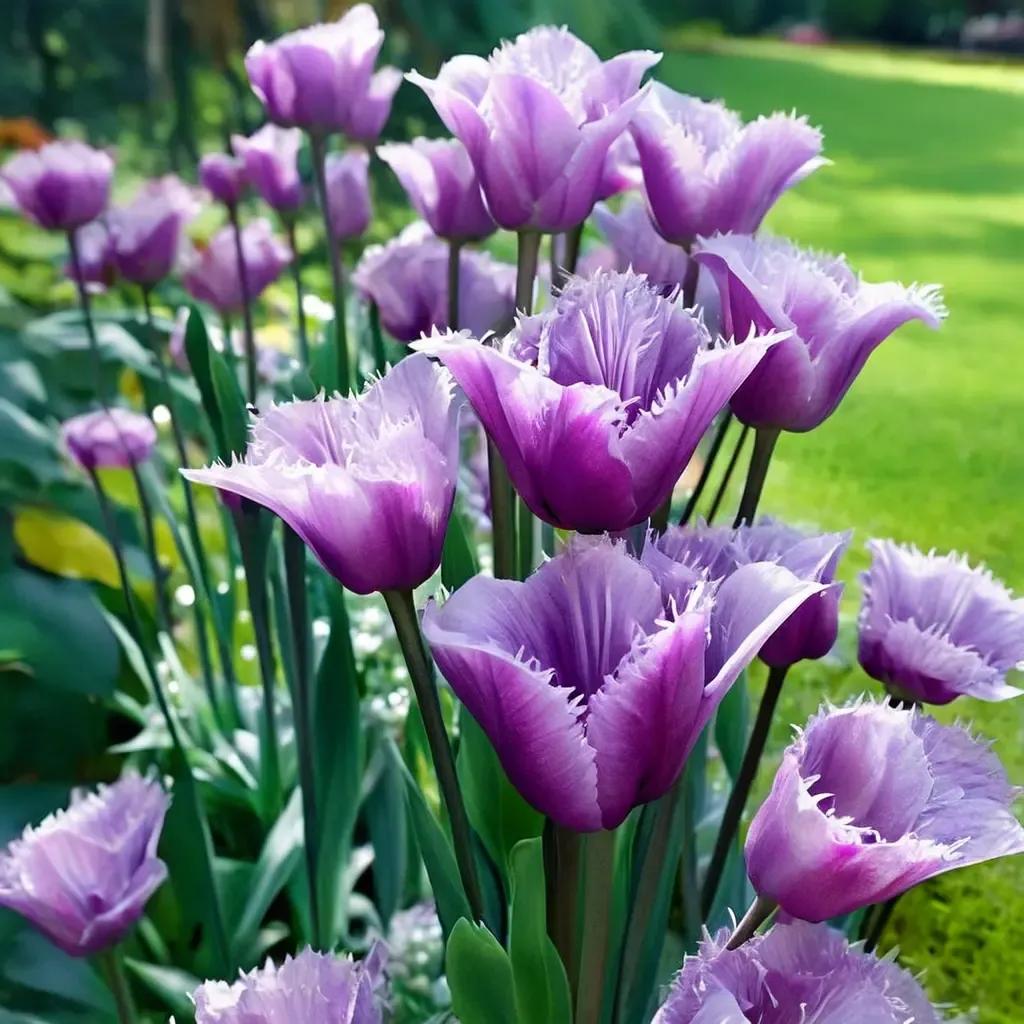
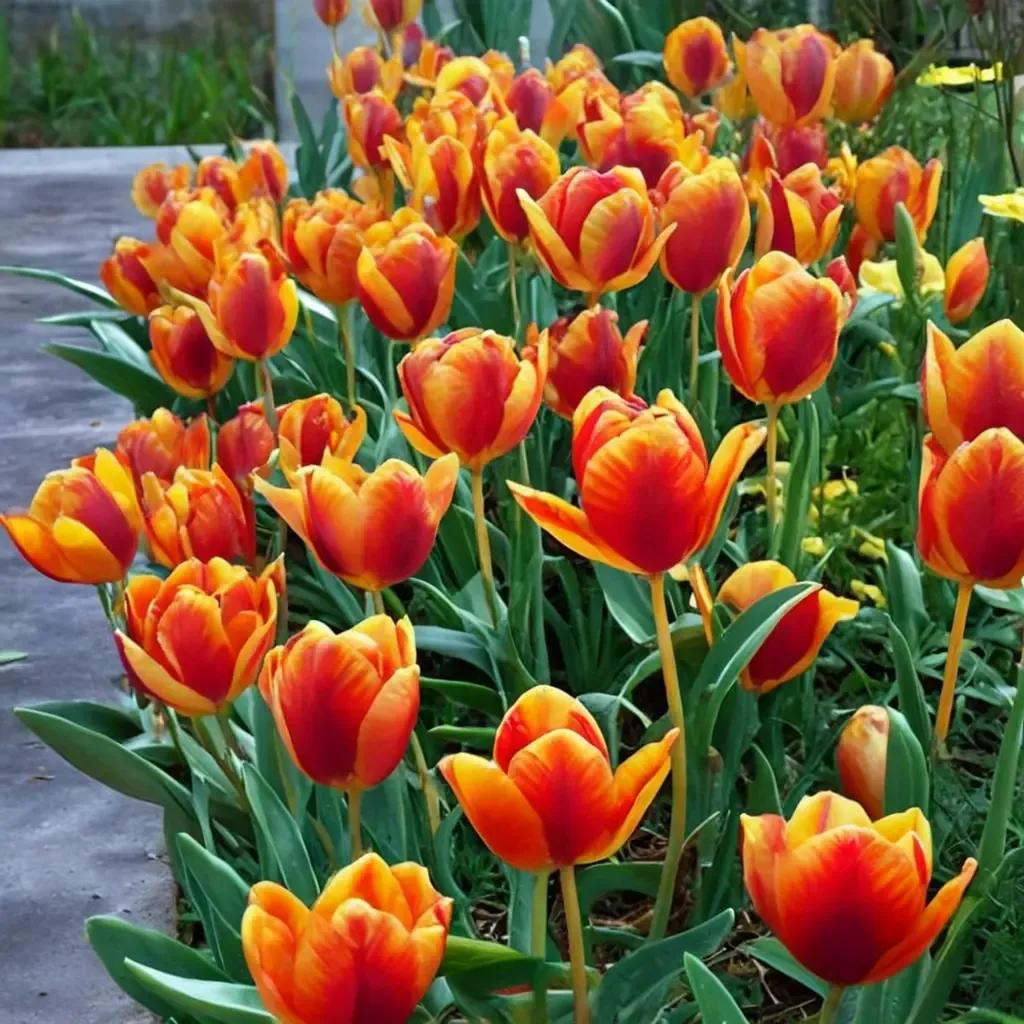
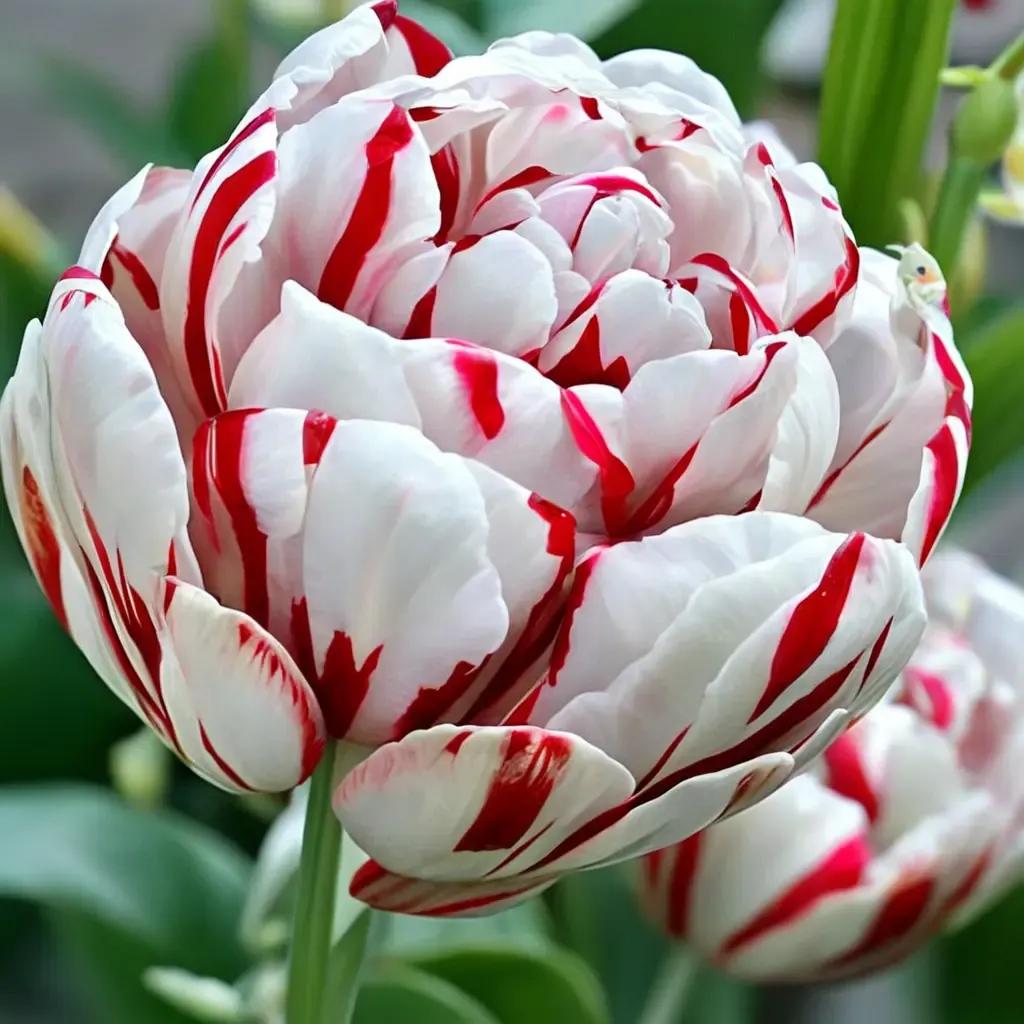
Tulipa is a genus of spring-blooming, bulbous herbaceous geophytes native to Eurasia and North Africa. These plants produce upright, unbranched stems with lanceolate, grayish-green foliage and solitary, terminal cup-shaped flowers.
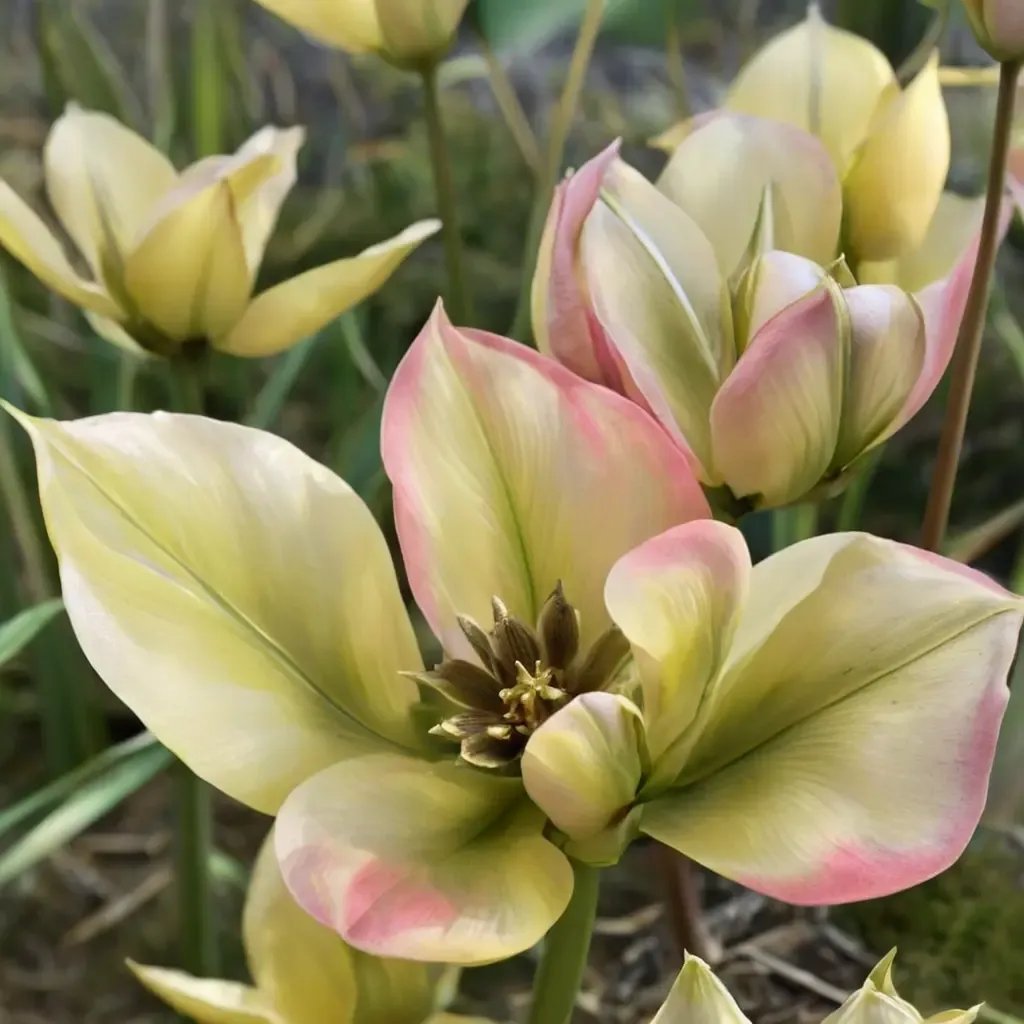
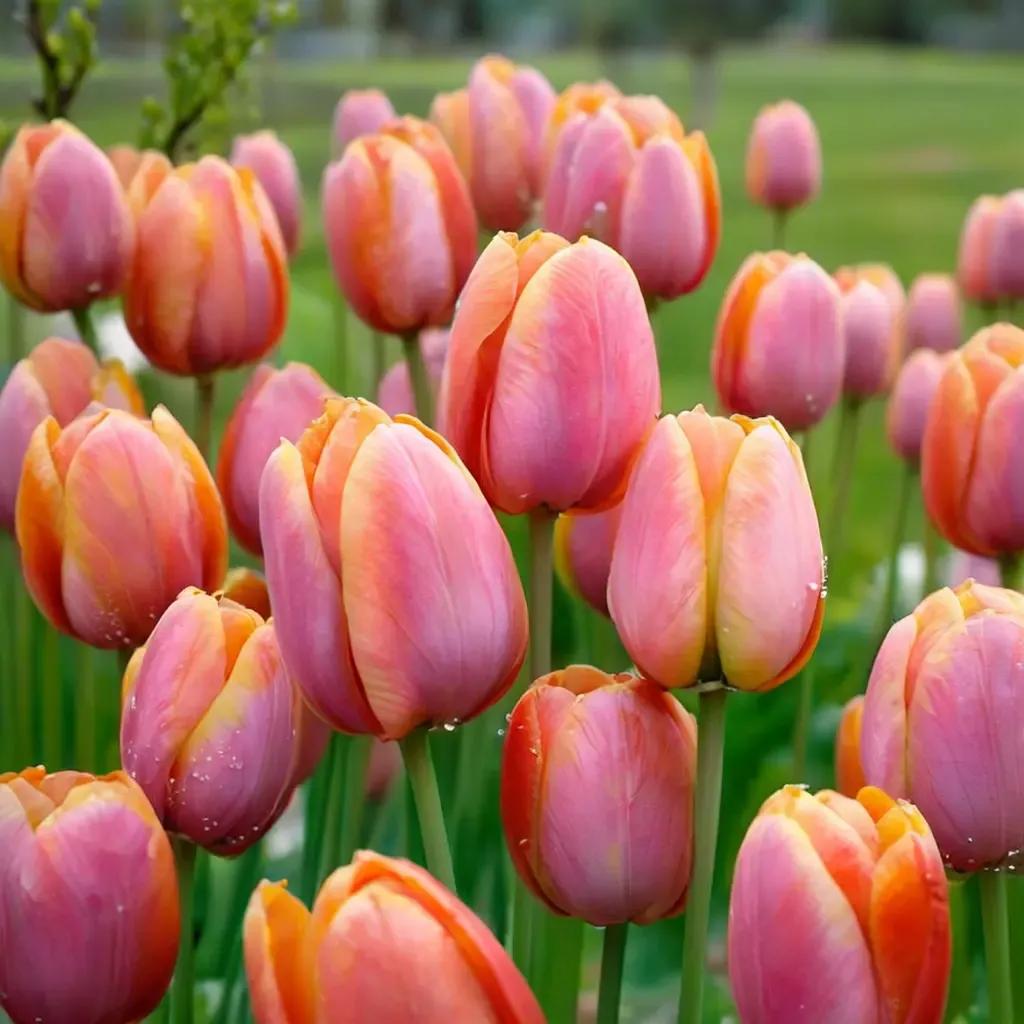
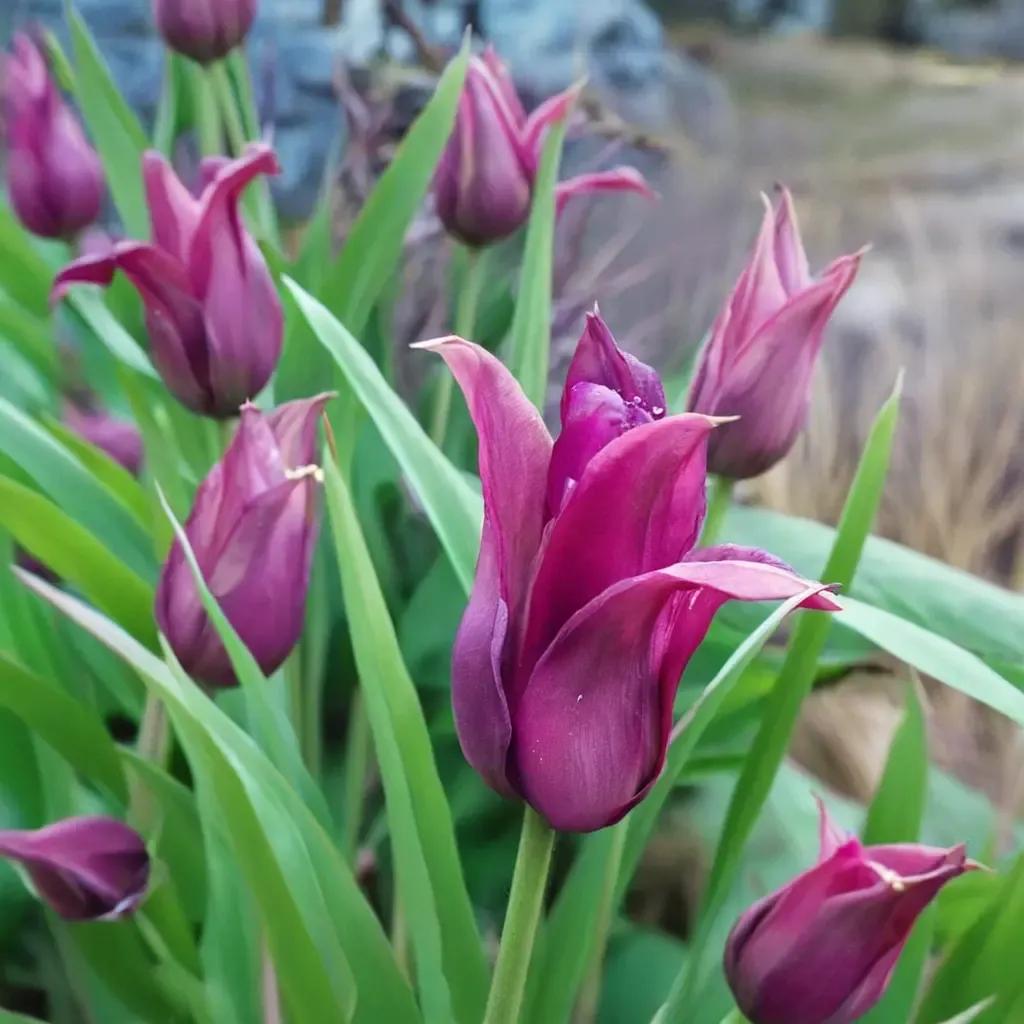
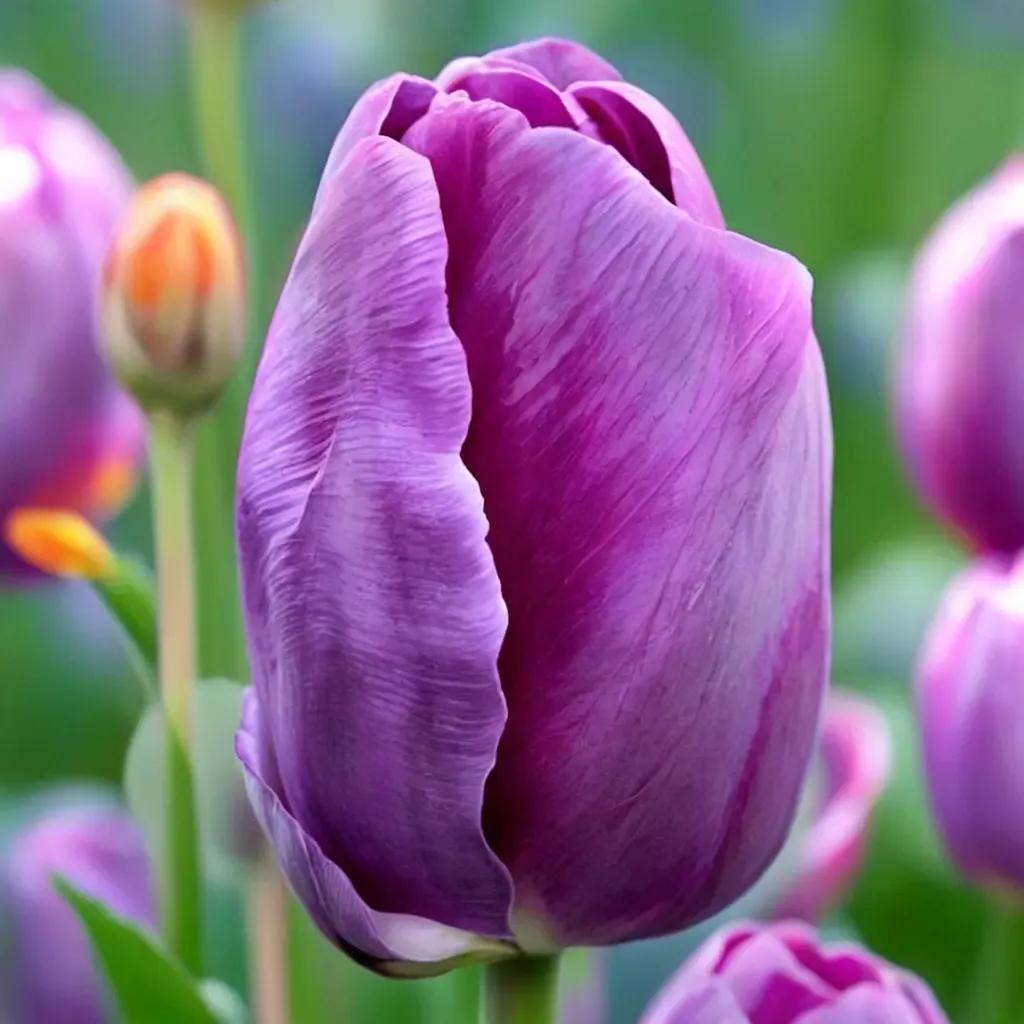
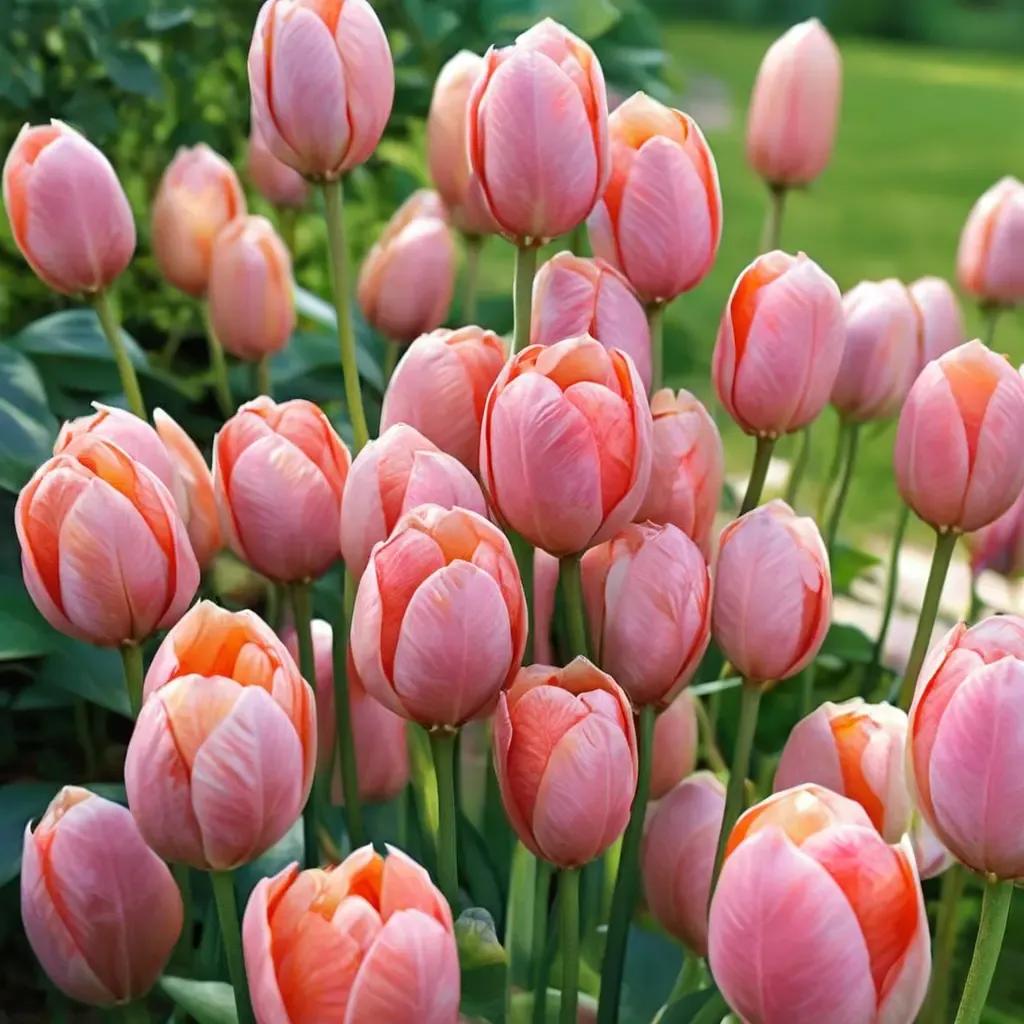
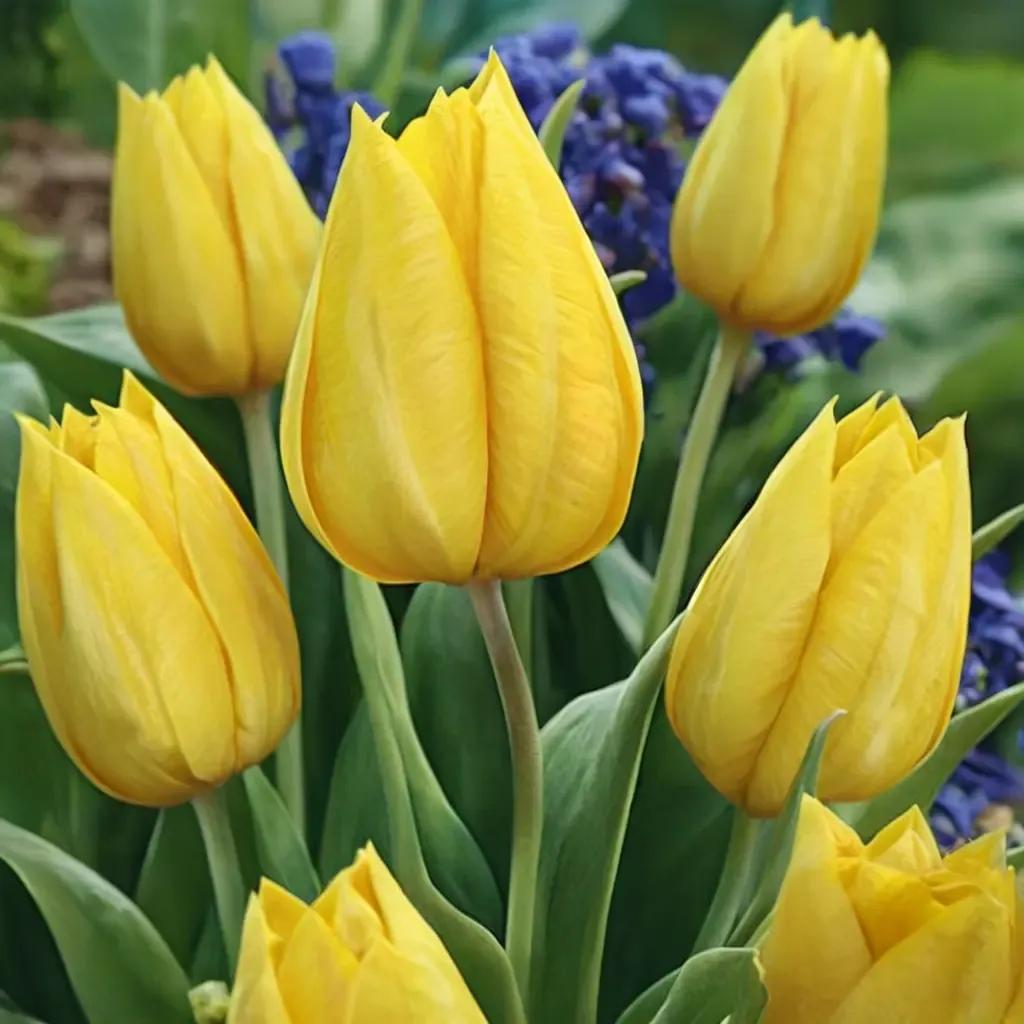
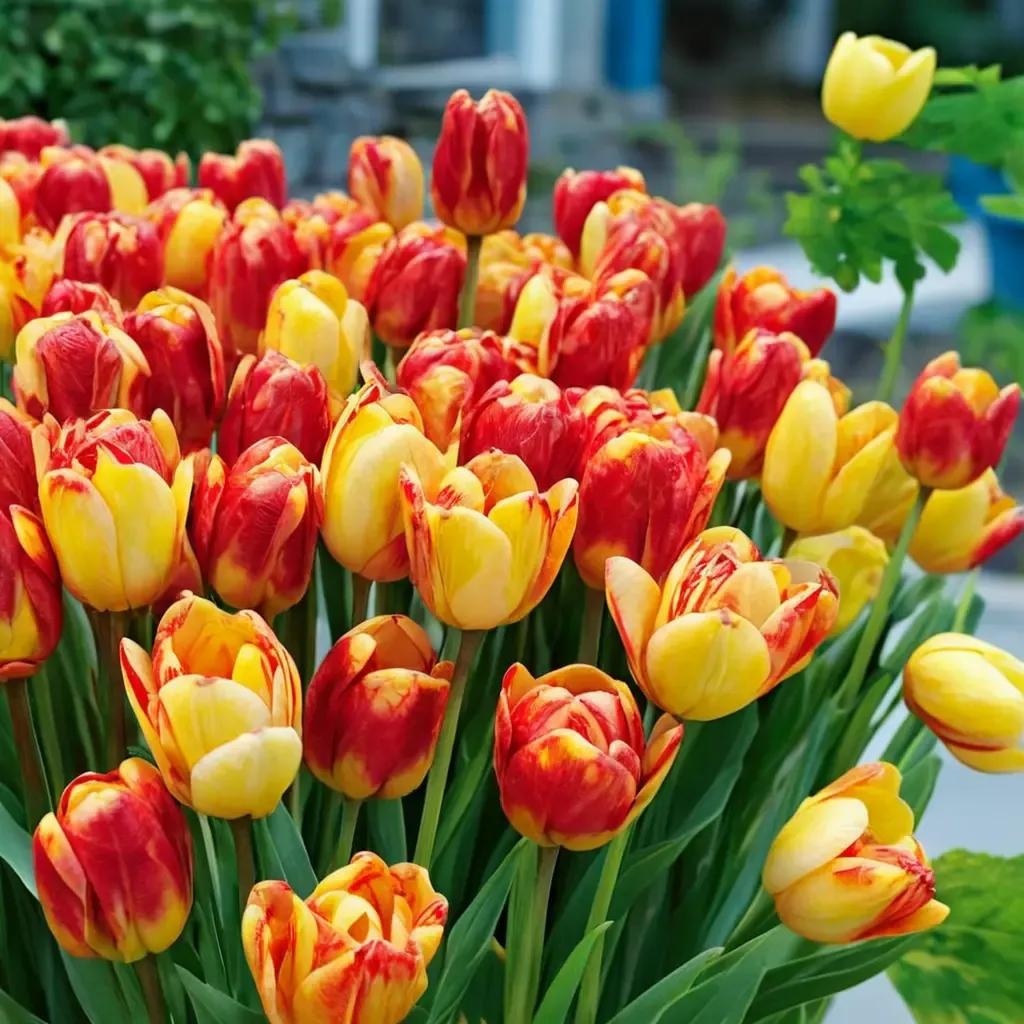
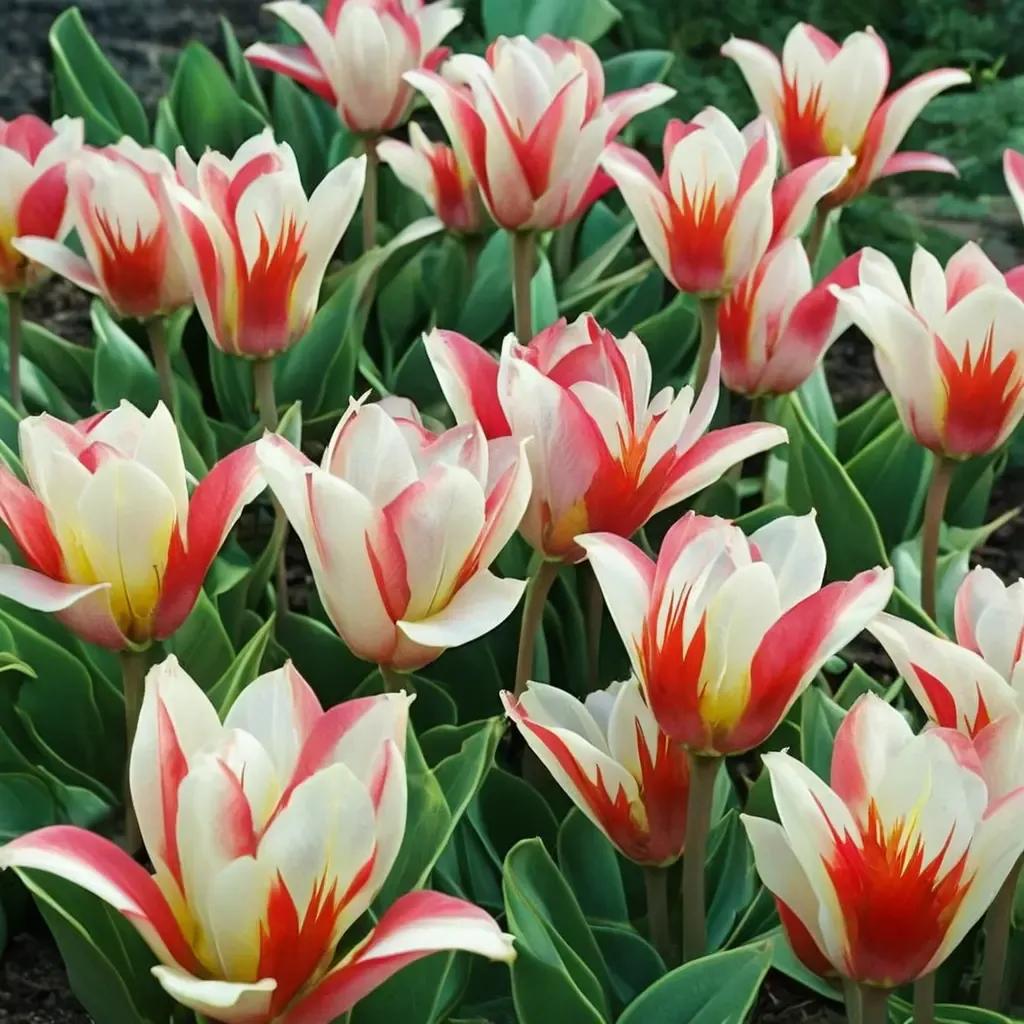
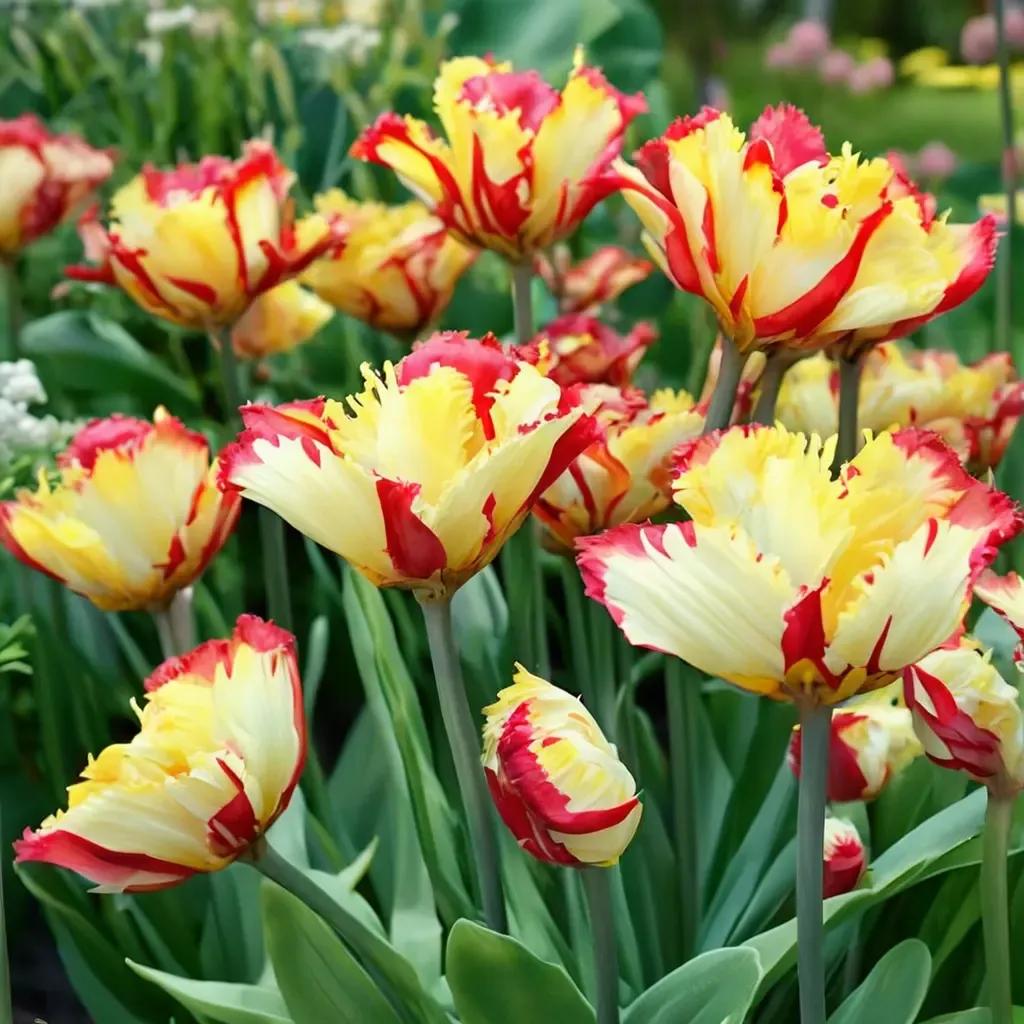
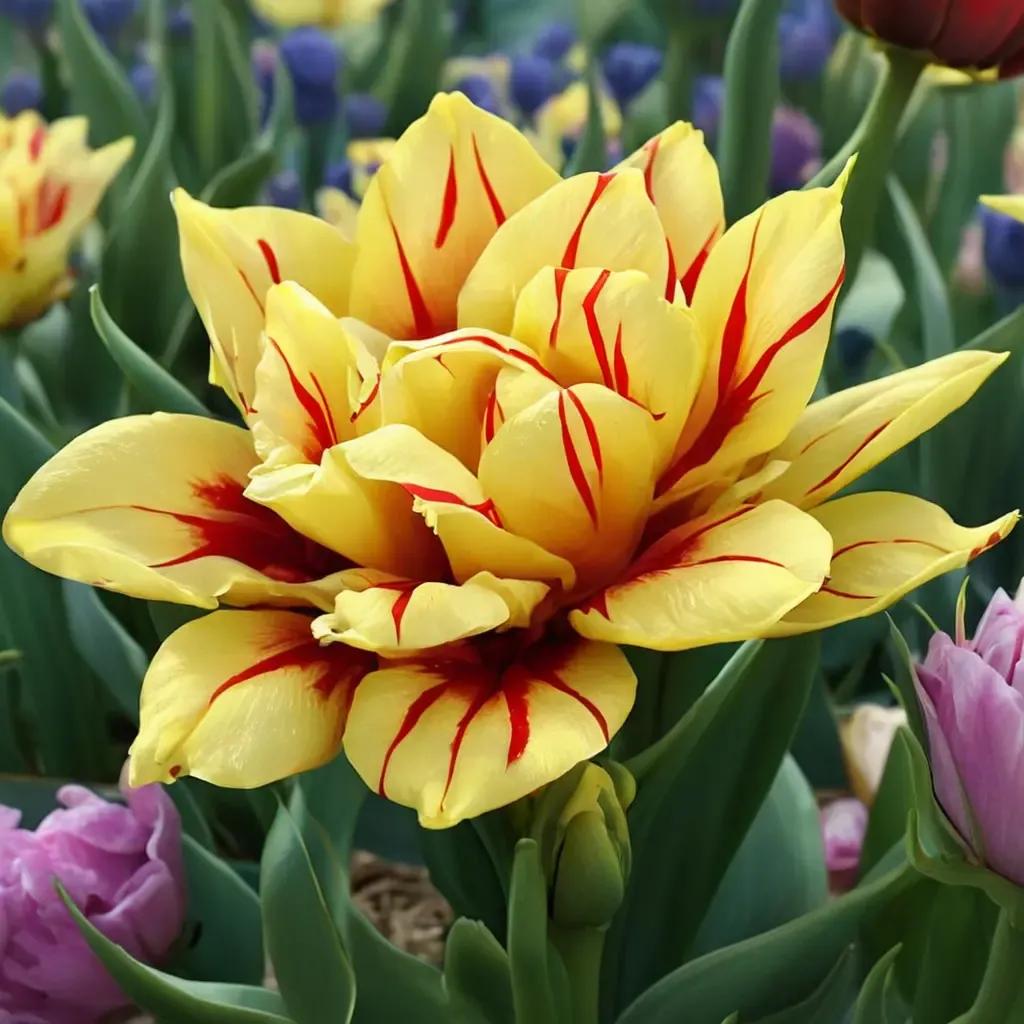
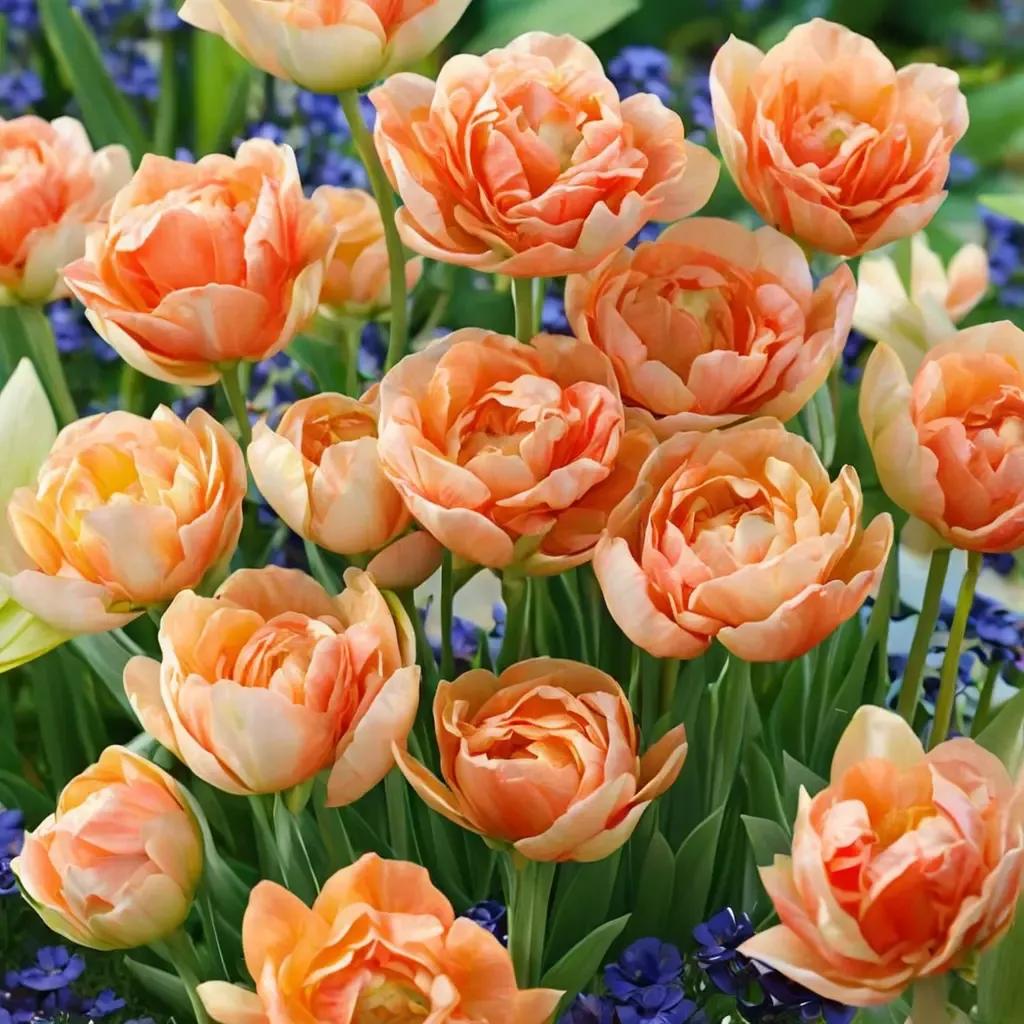
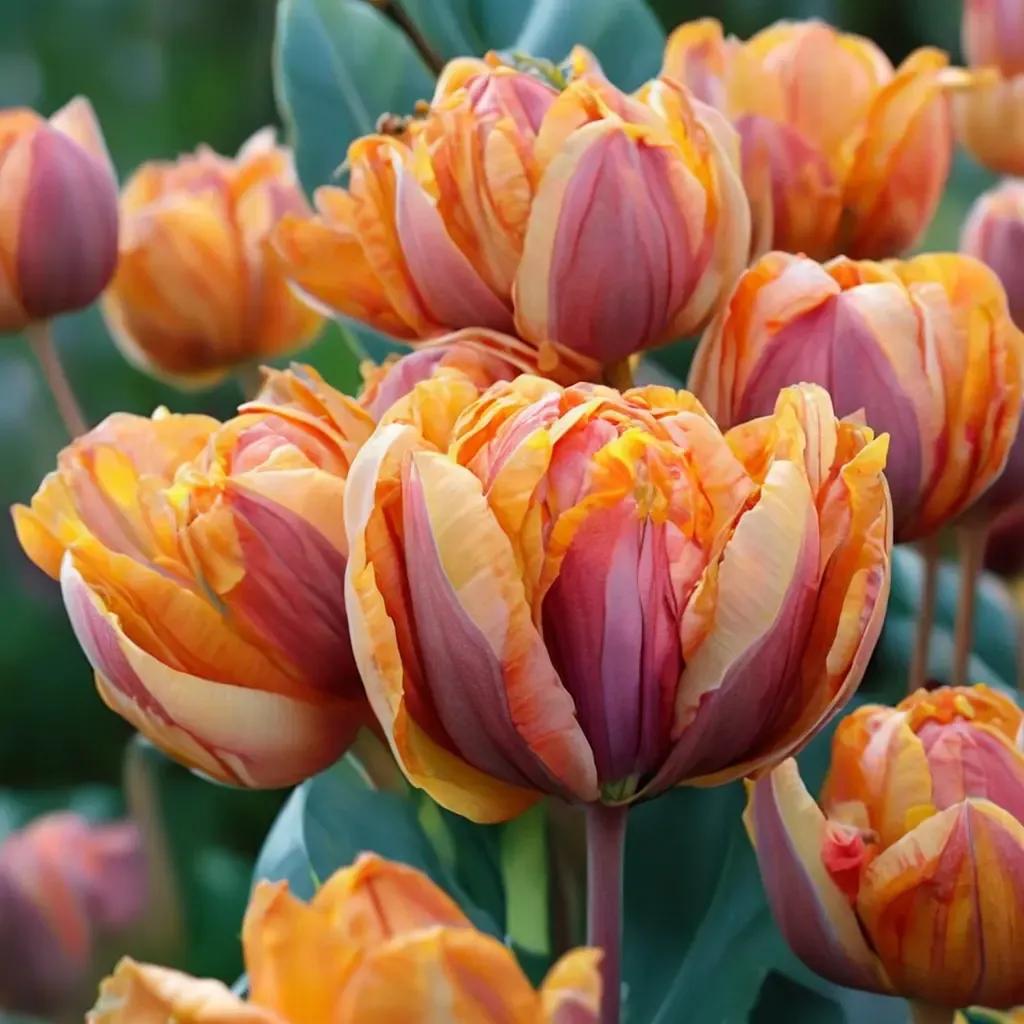
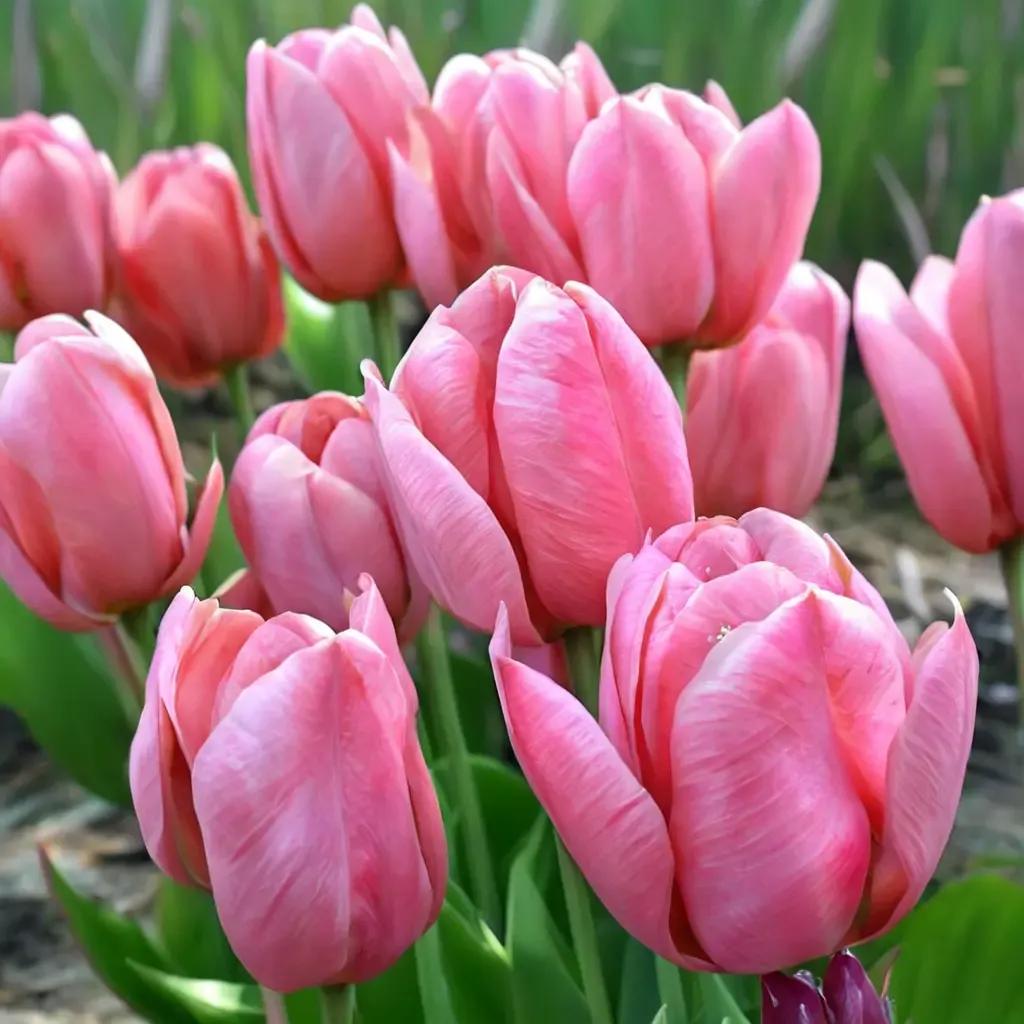
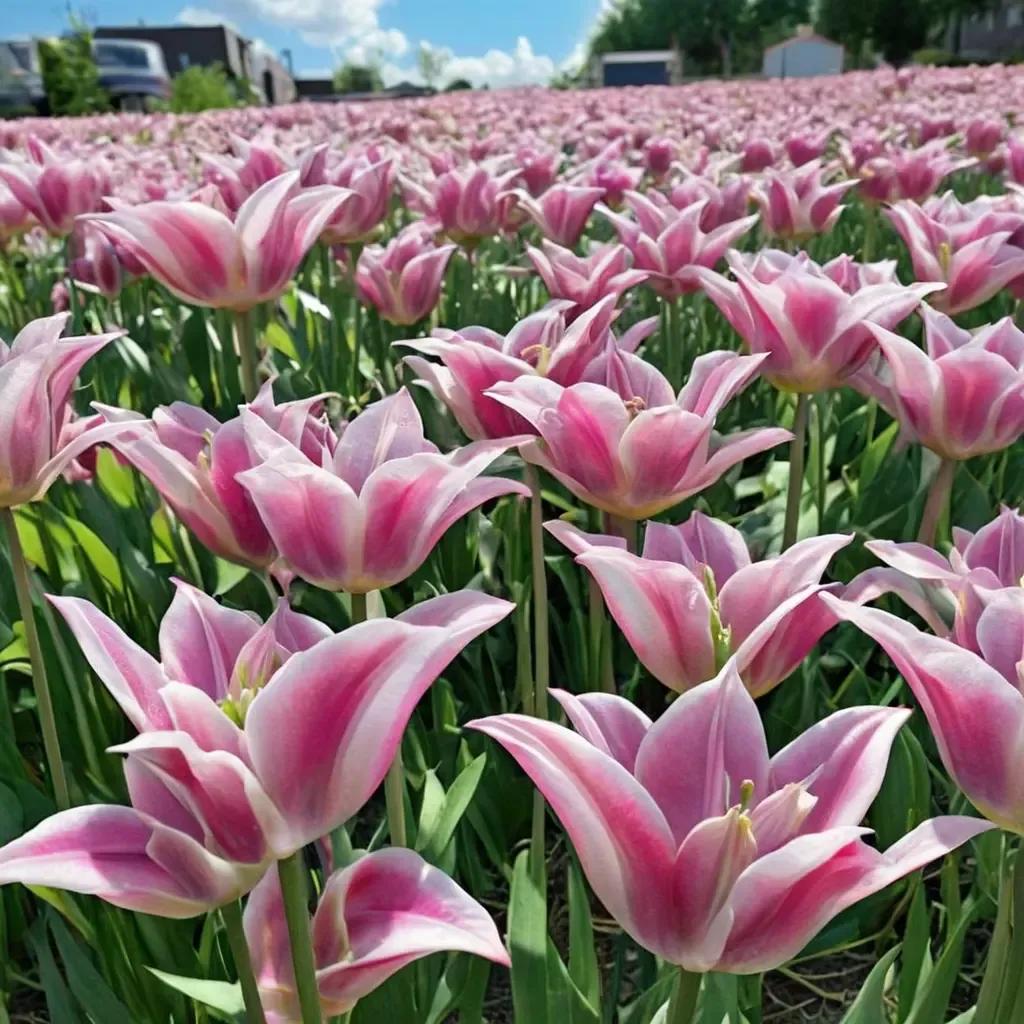
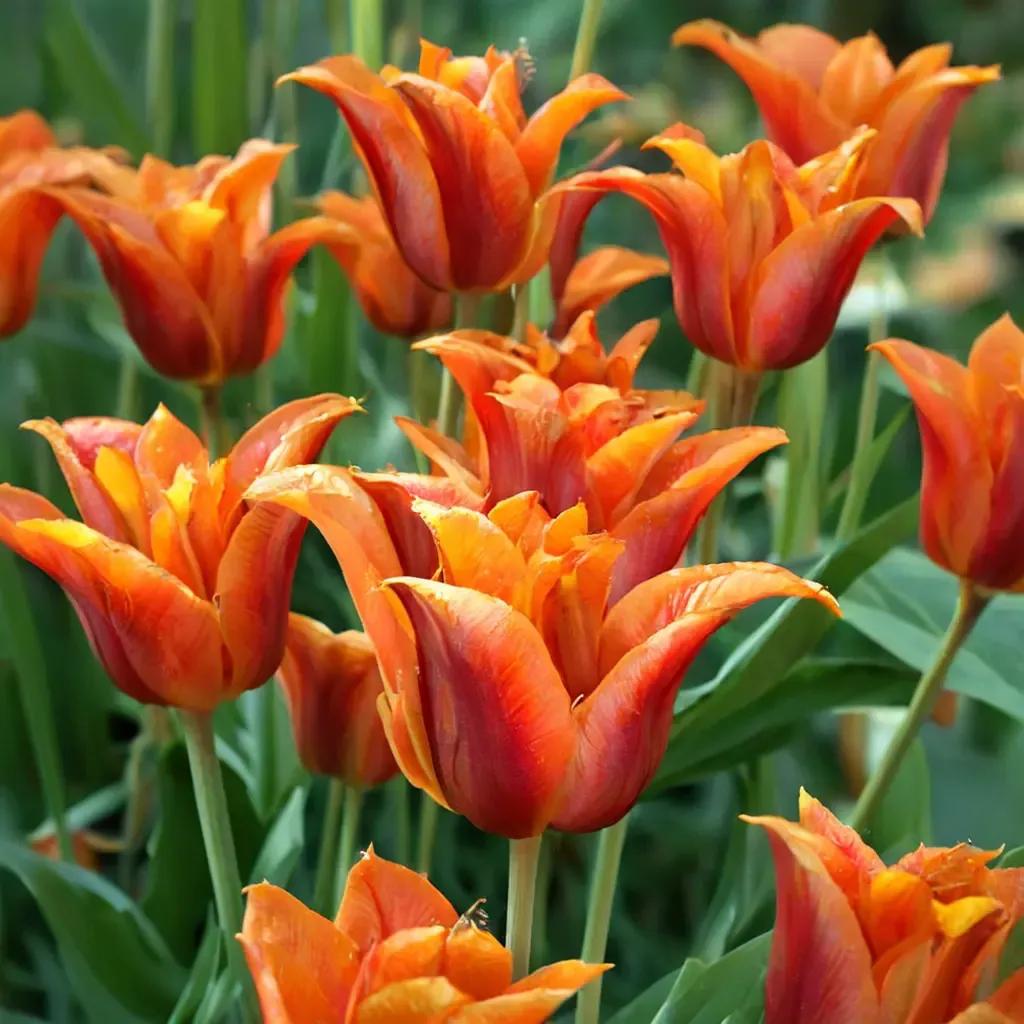
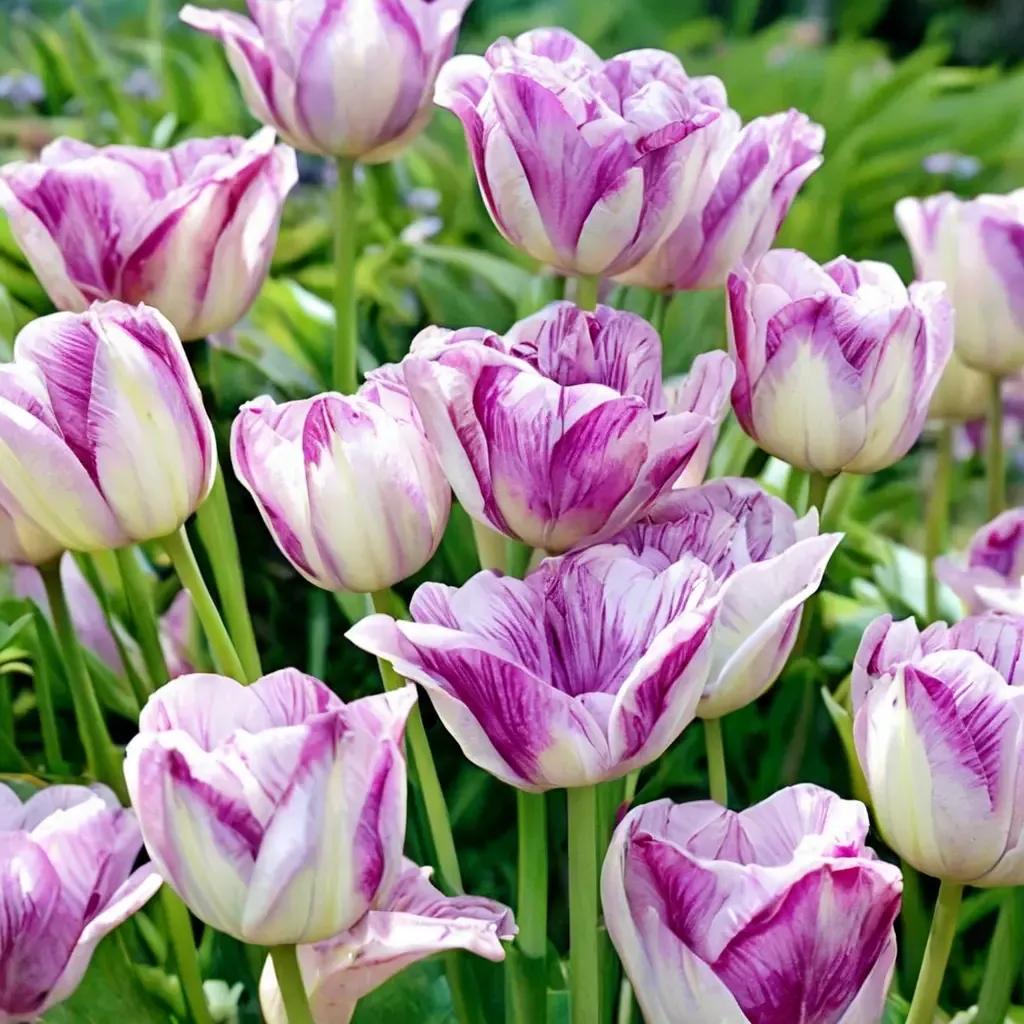
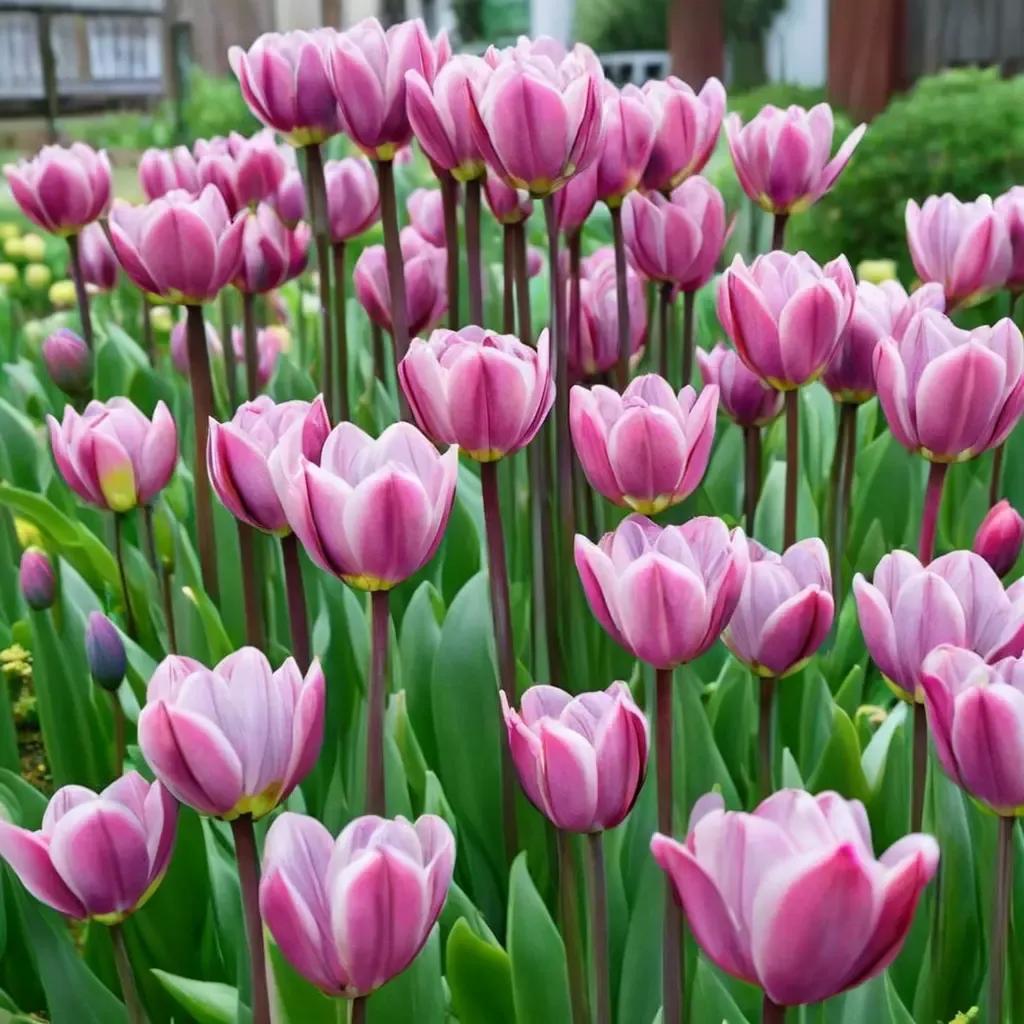
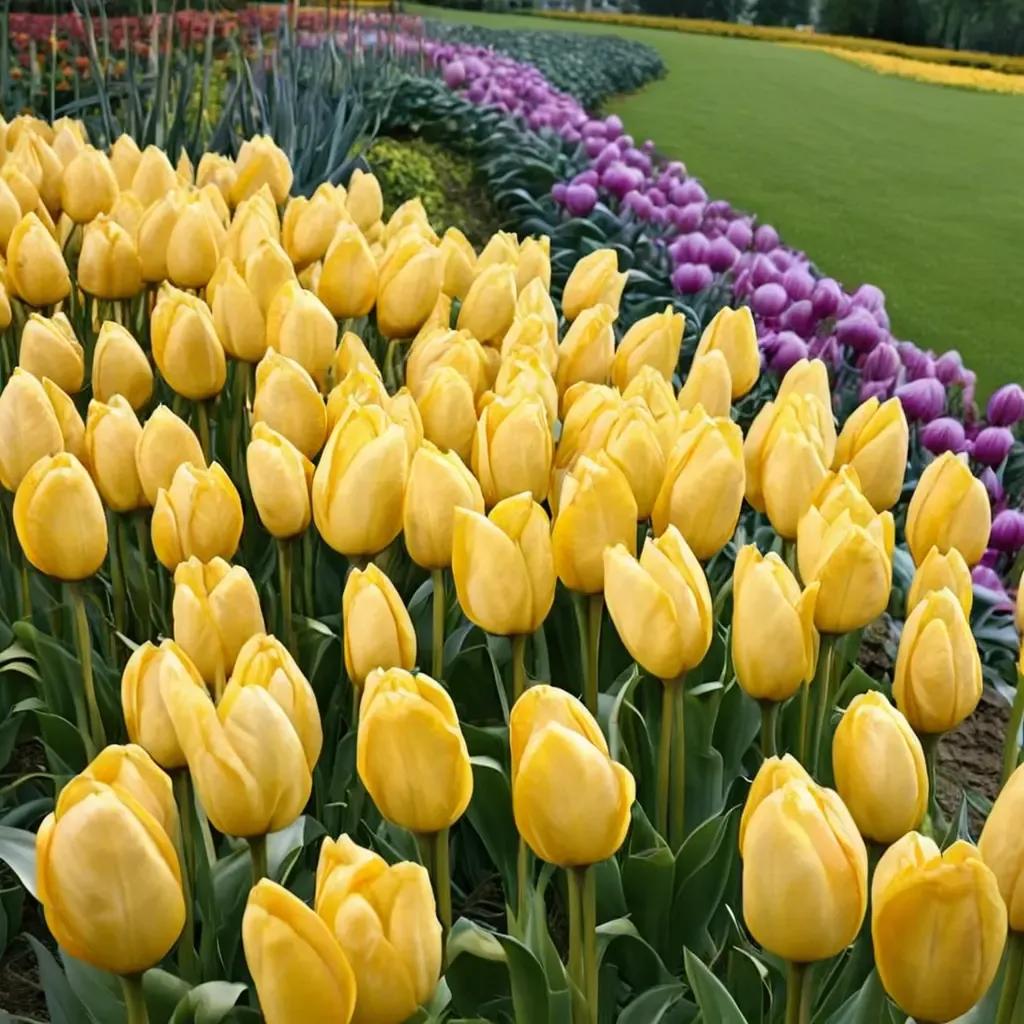
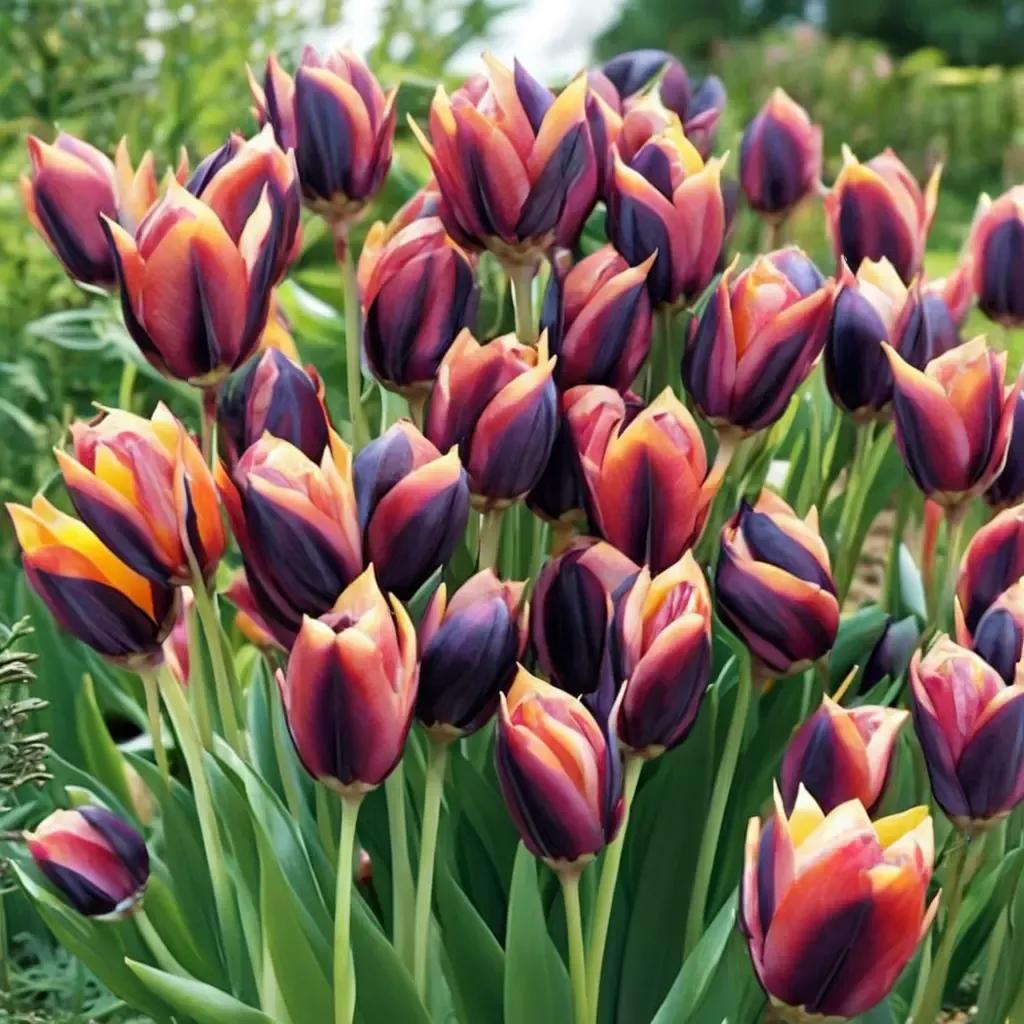
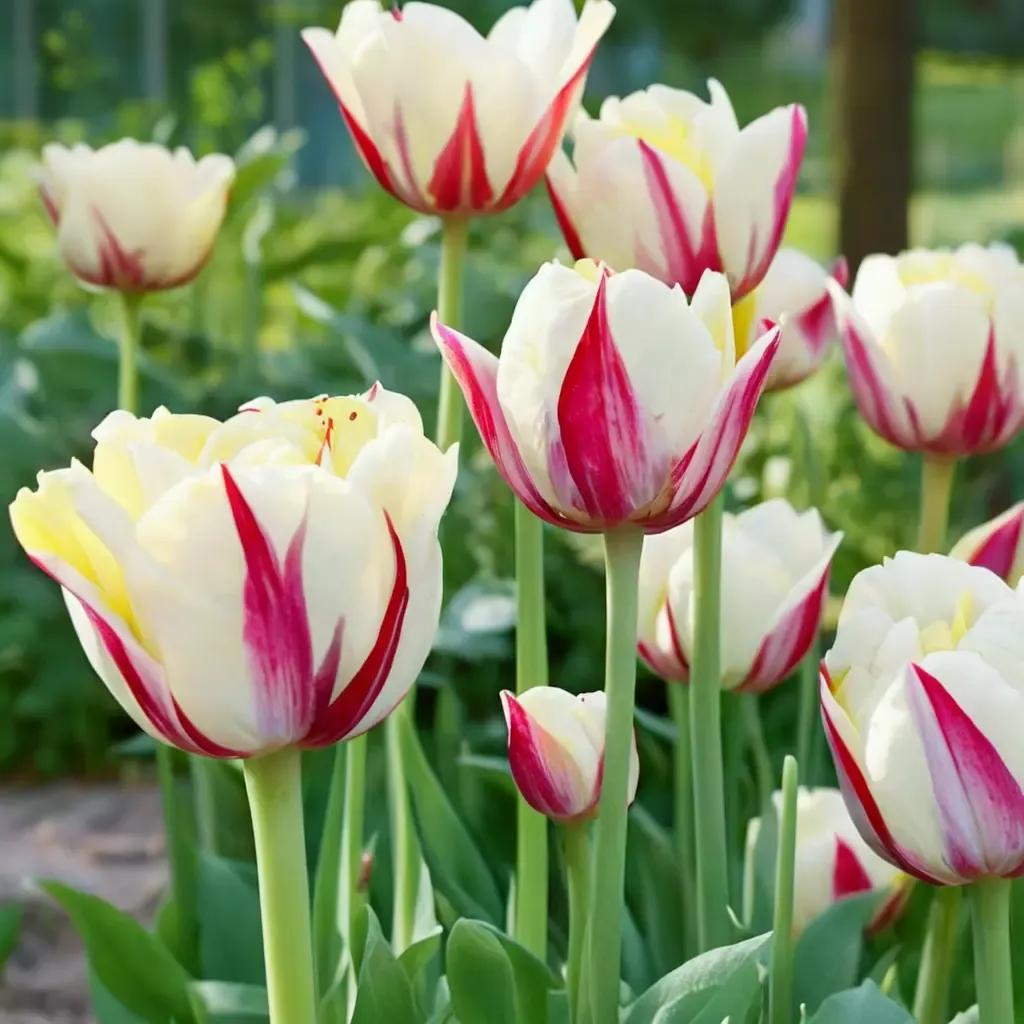
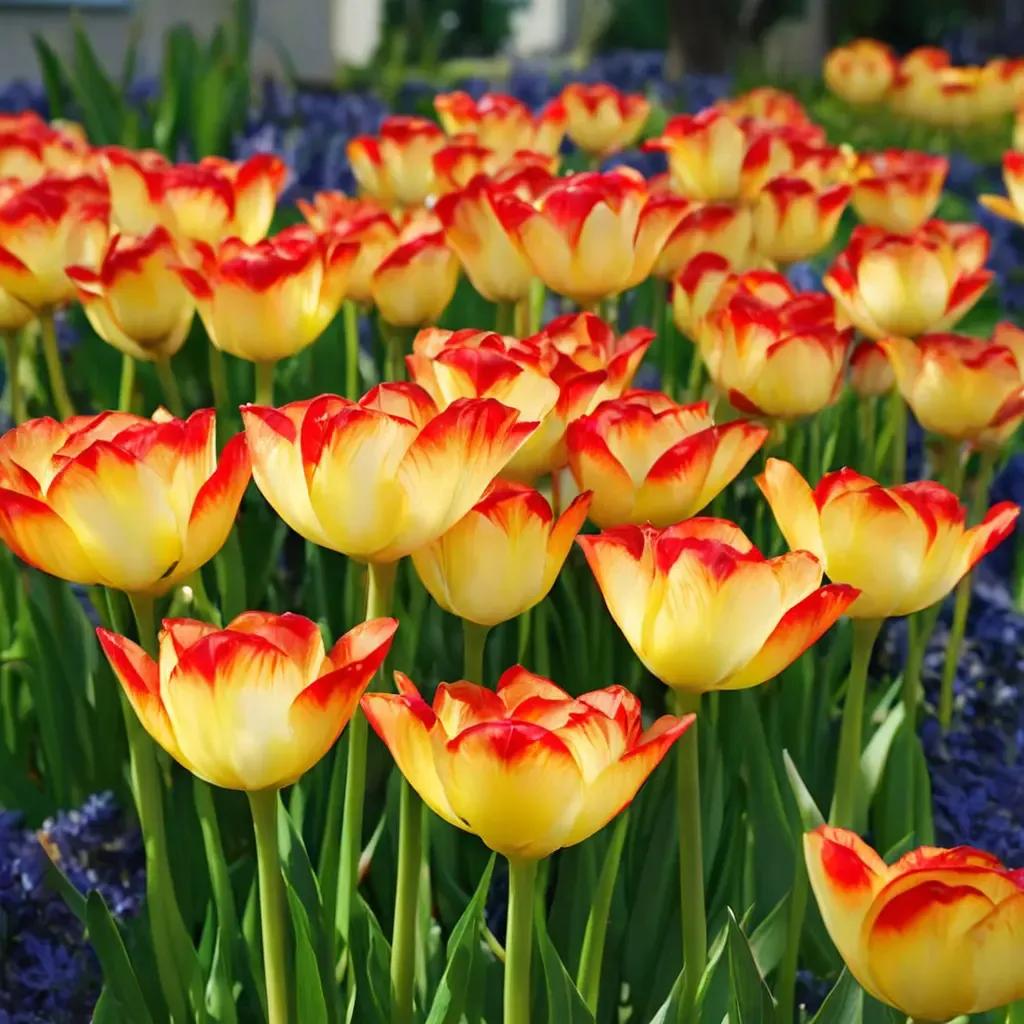
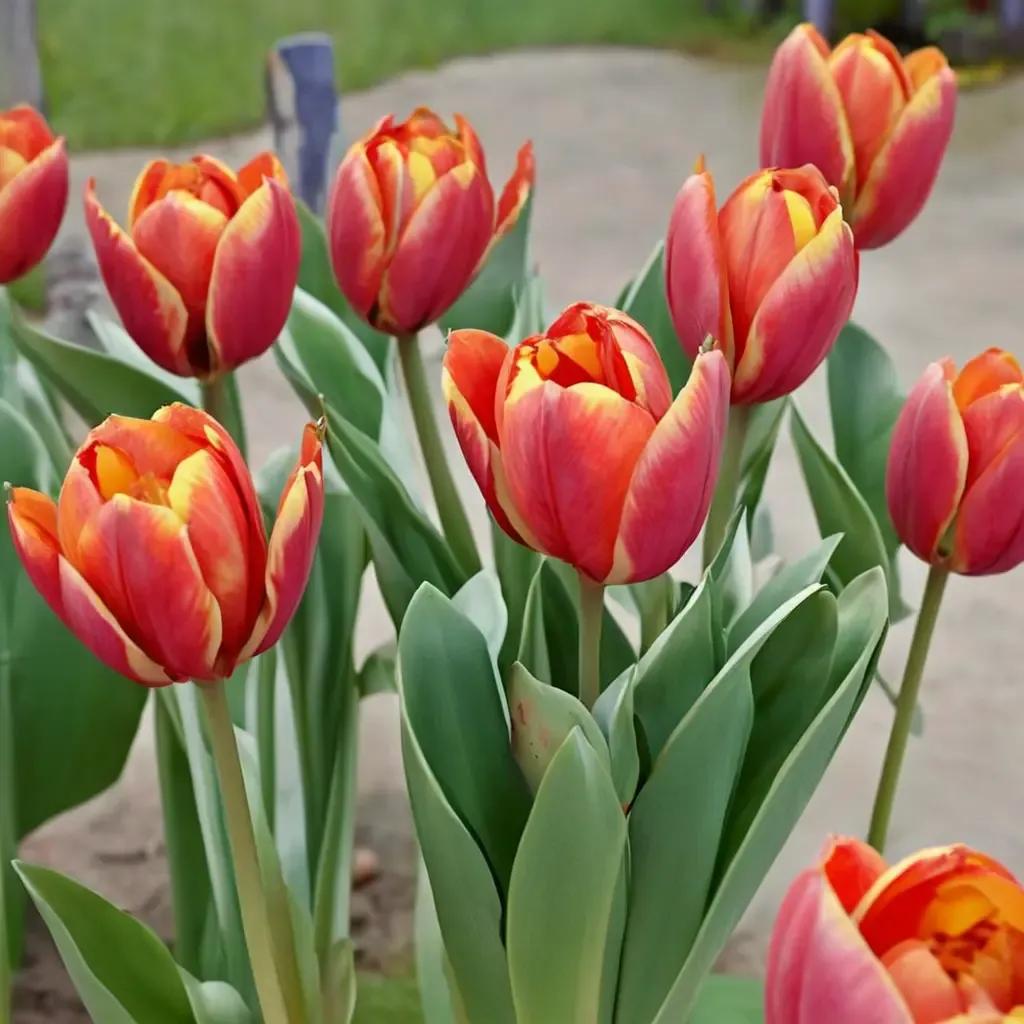
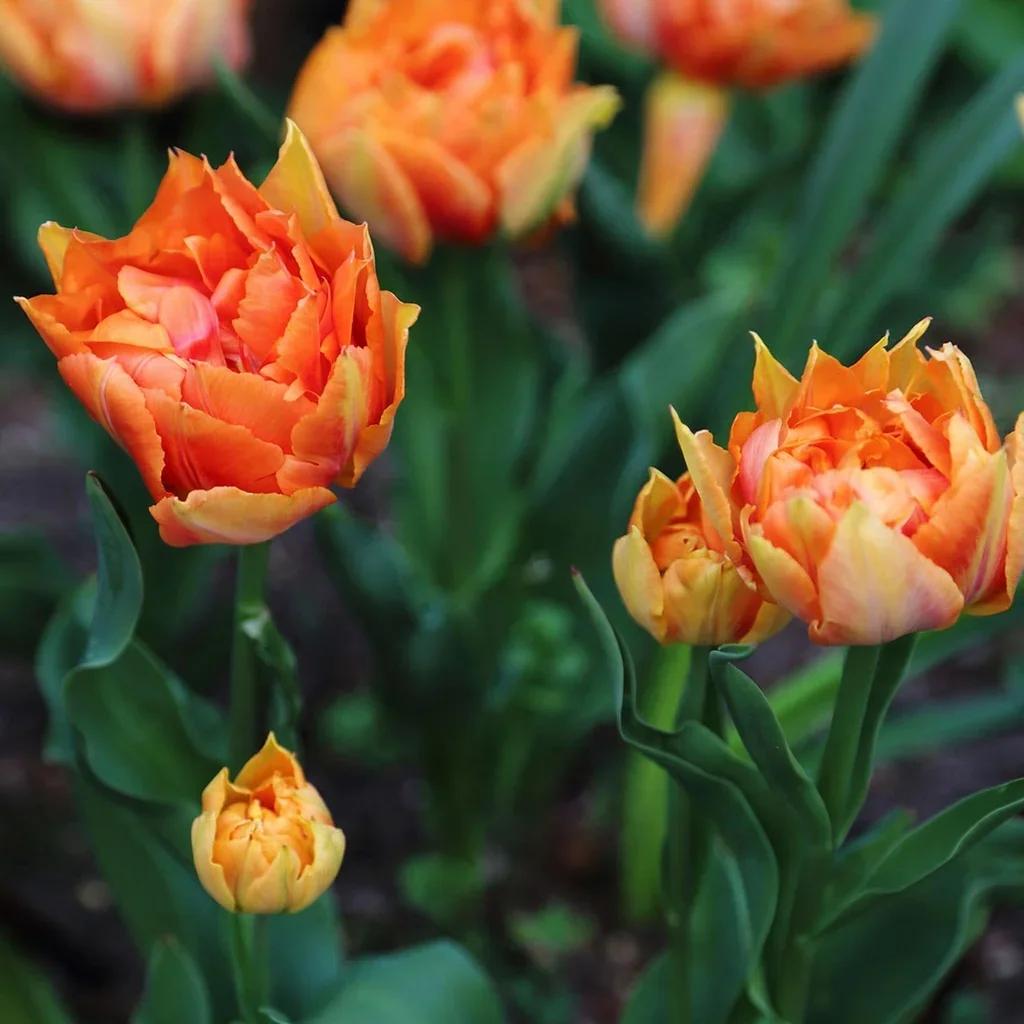
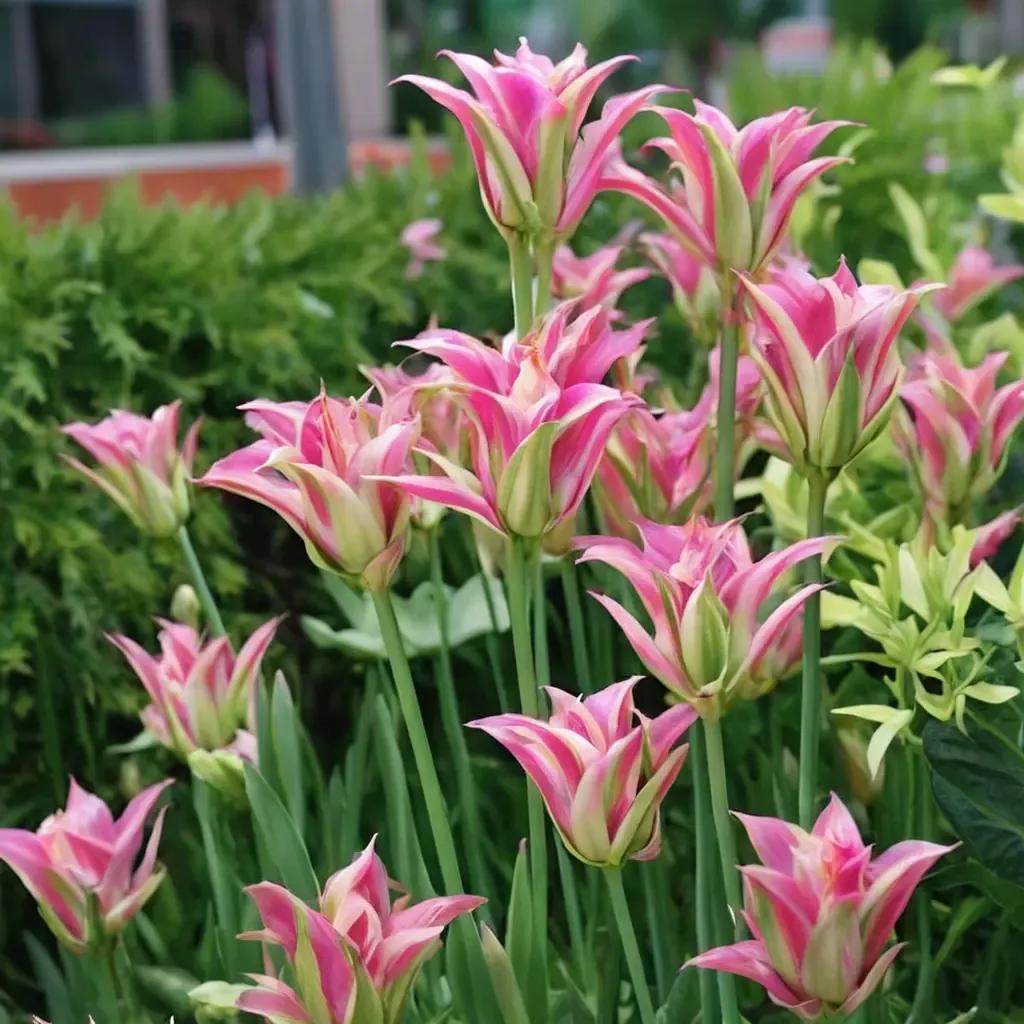
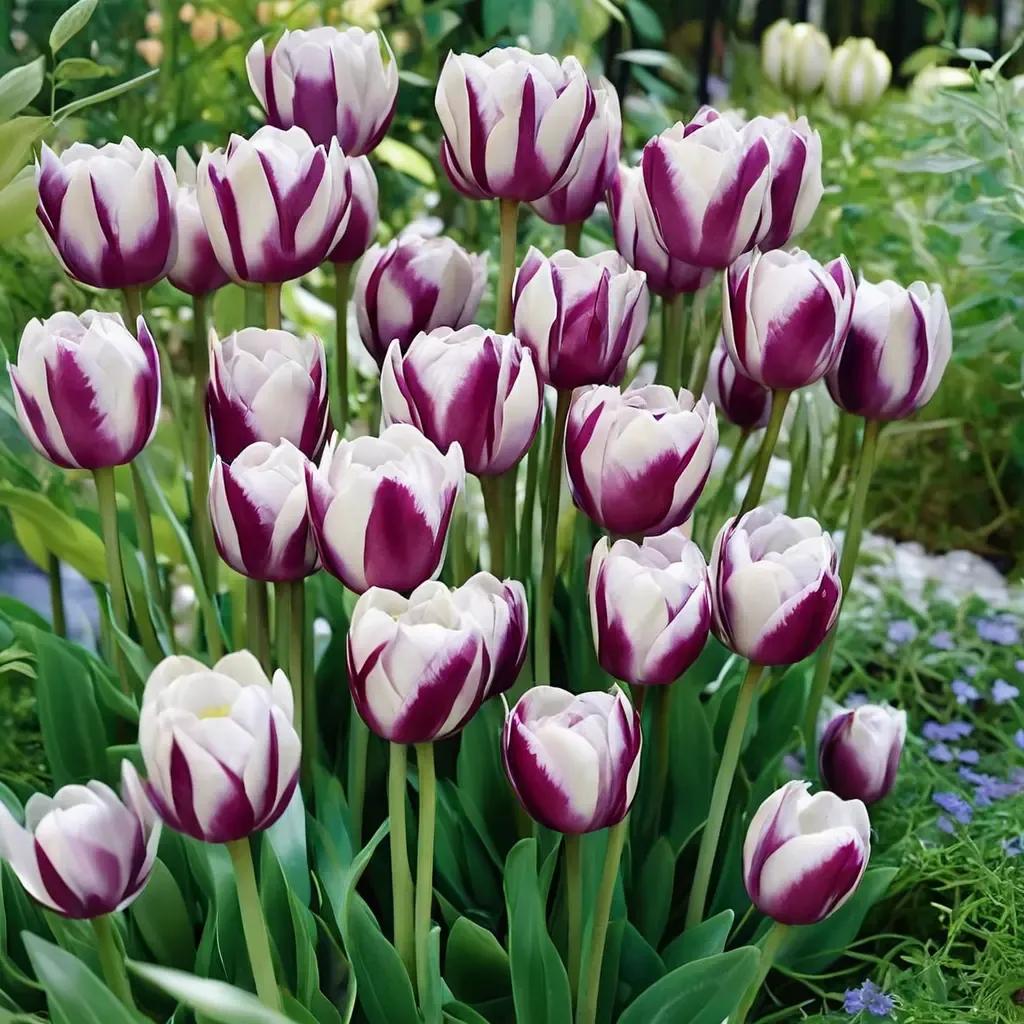
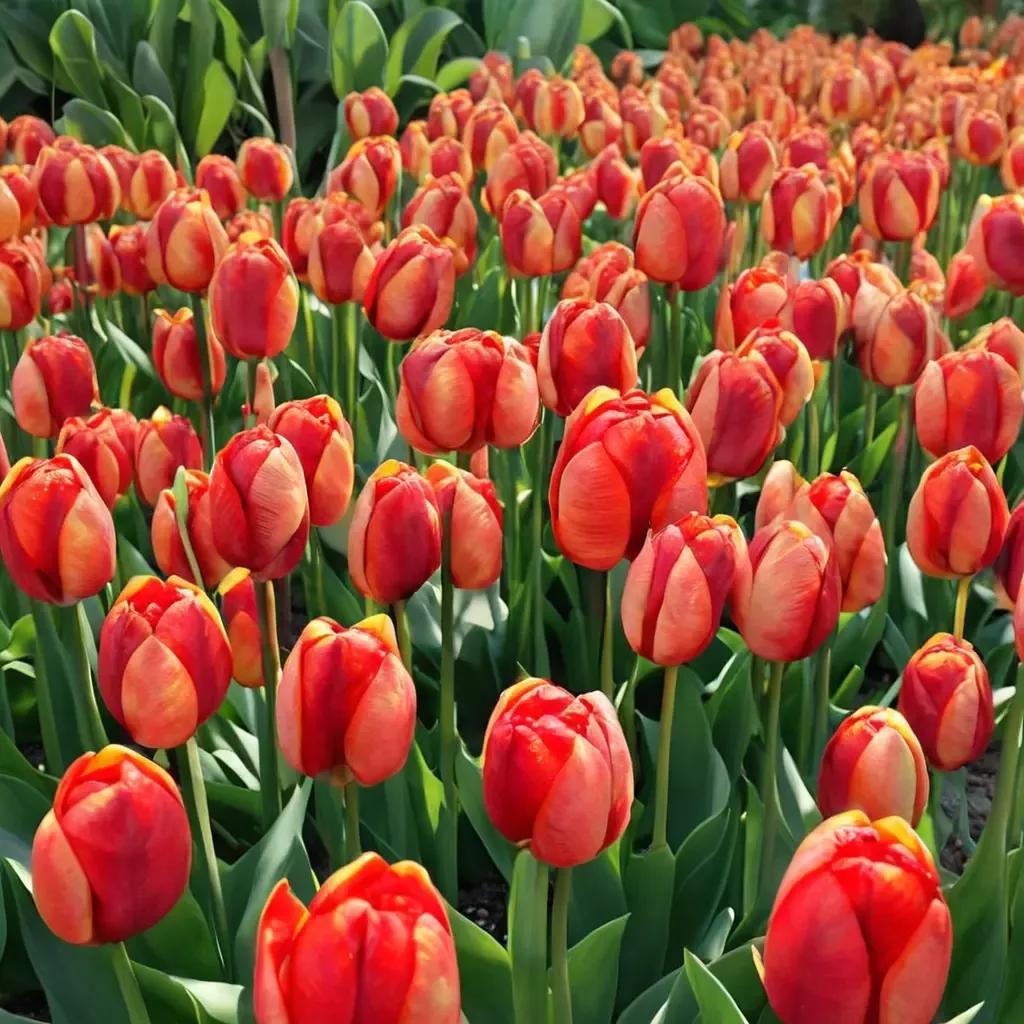
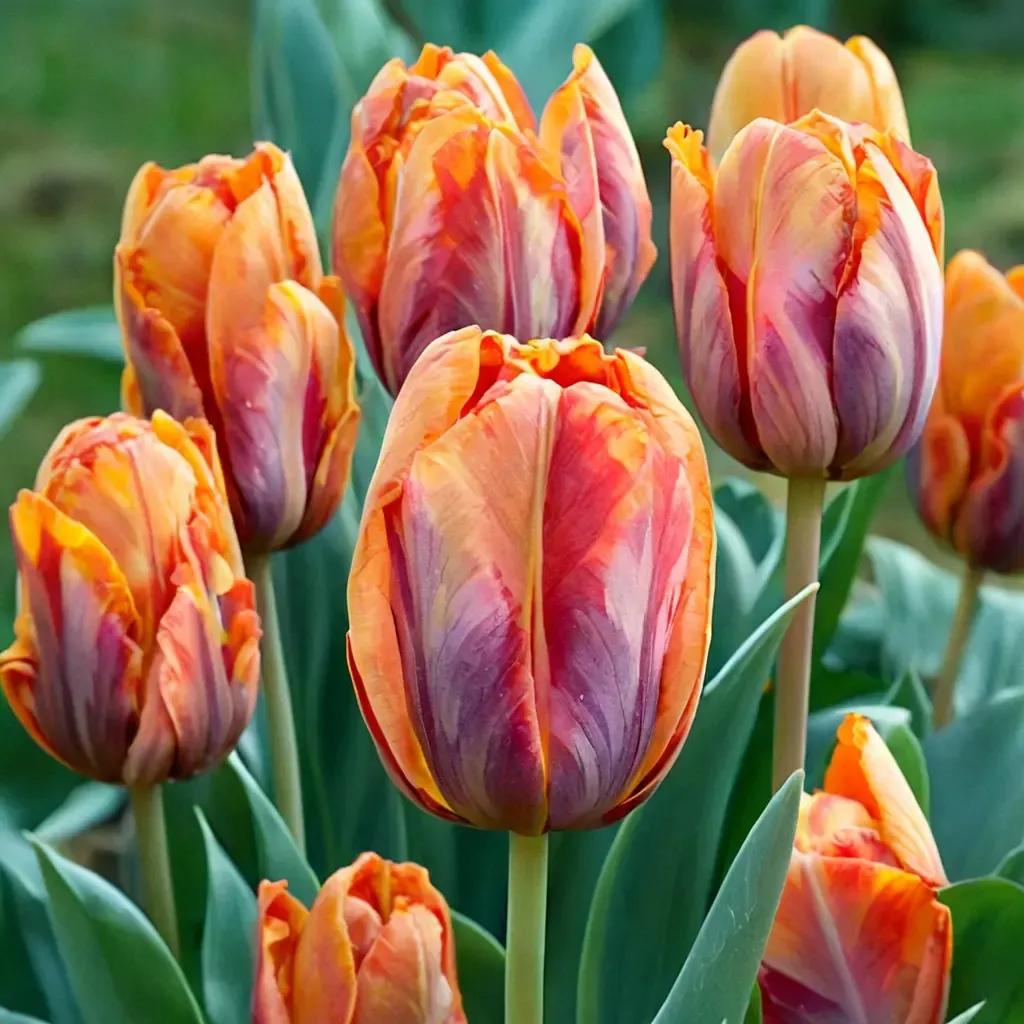
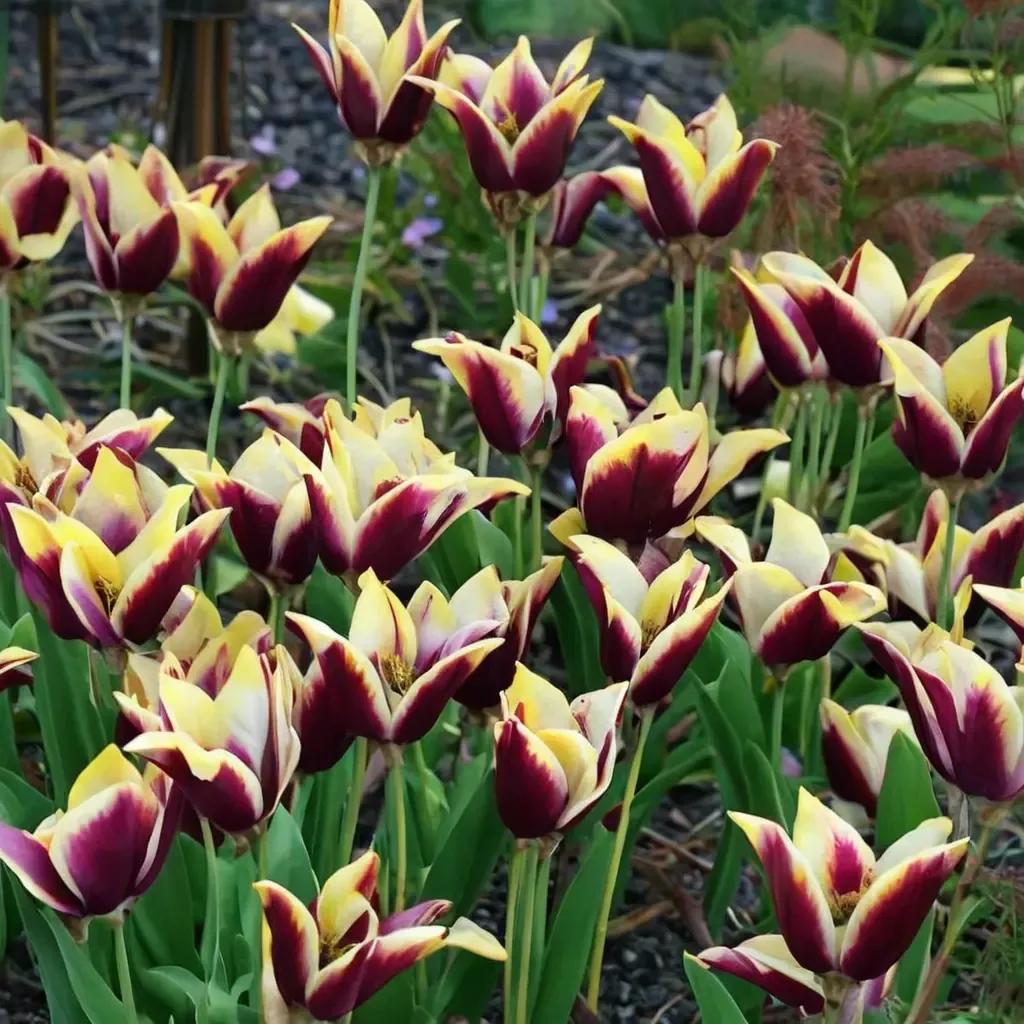
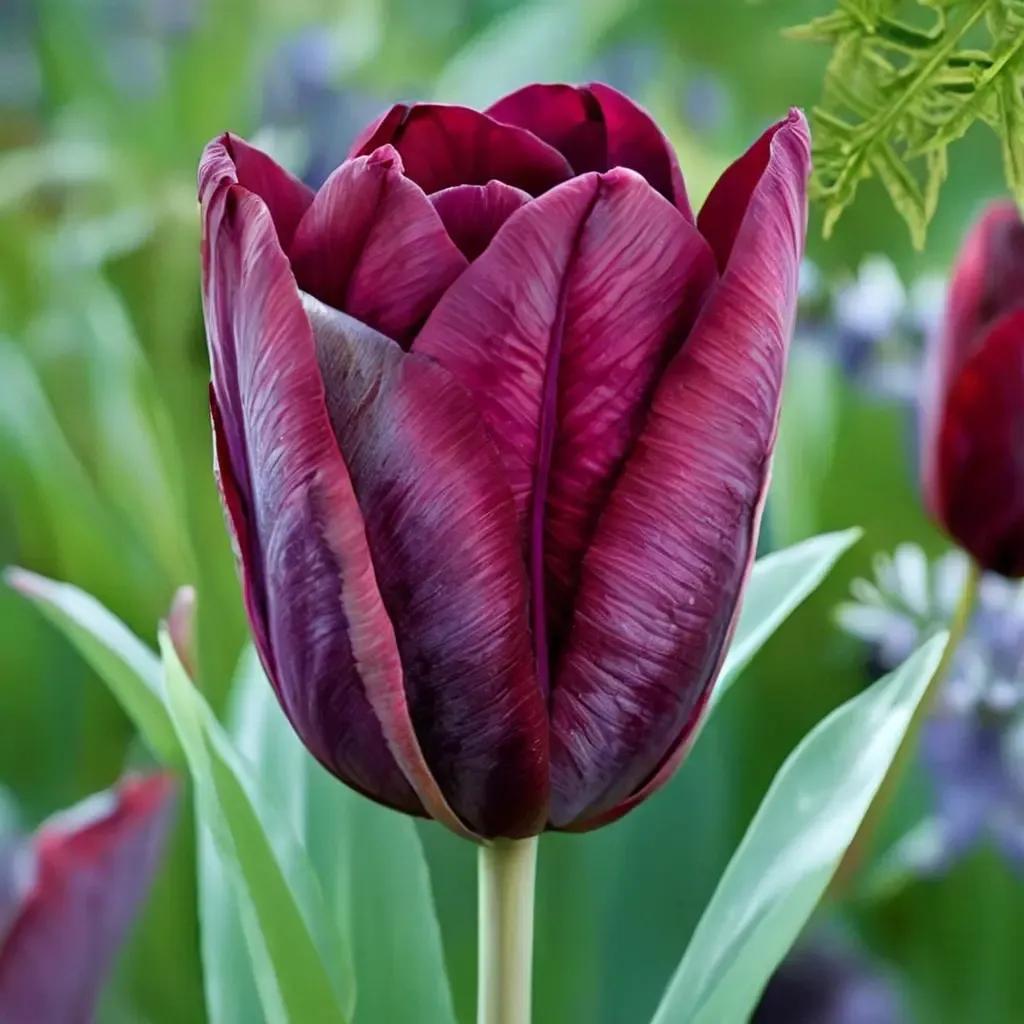
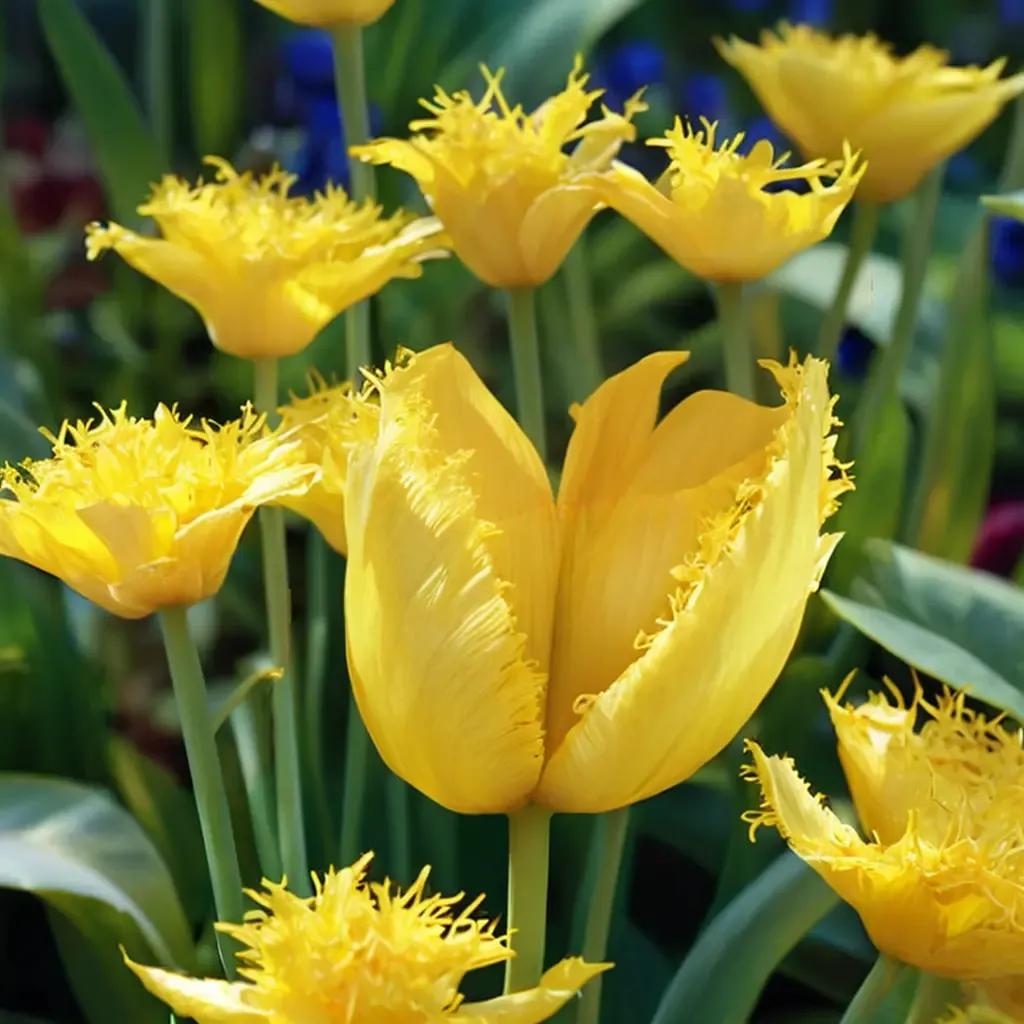
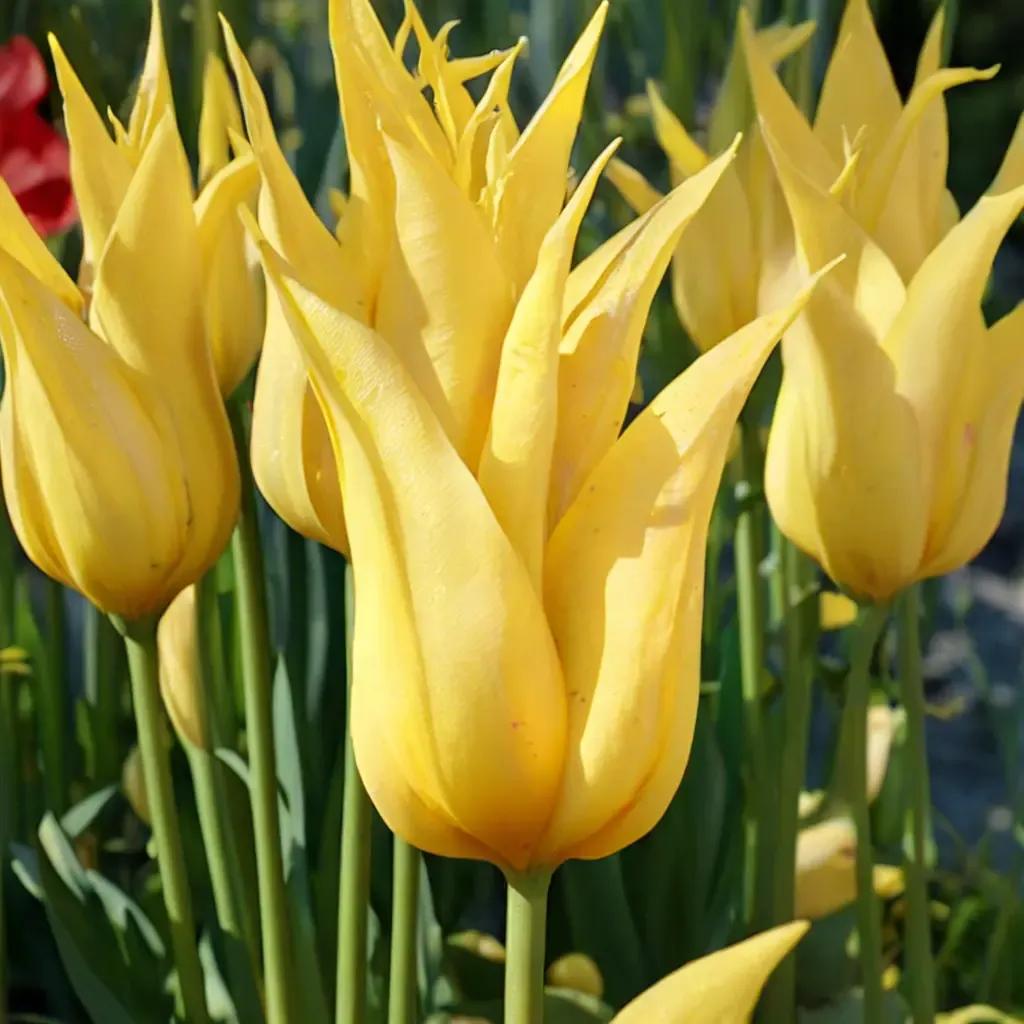
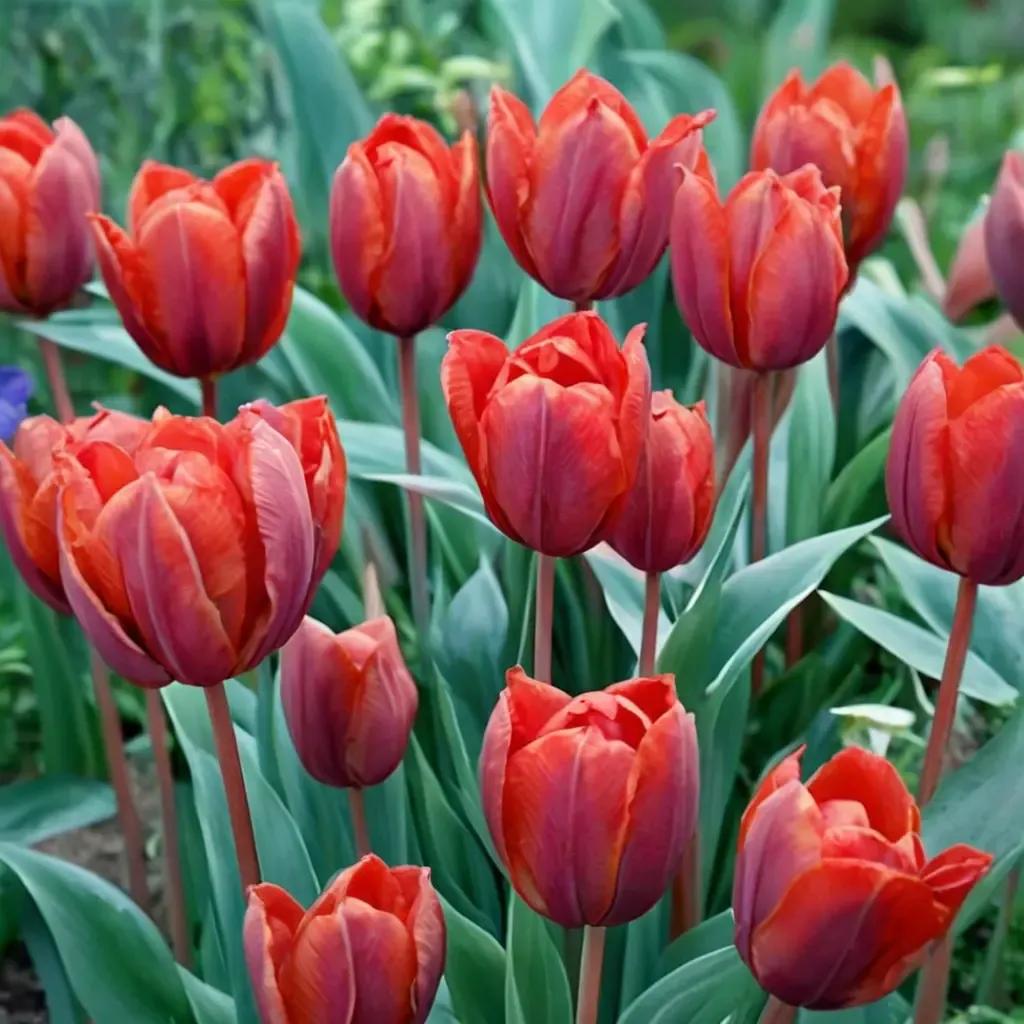
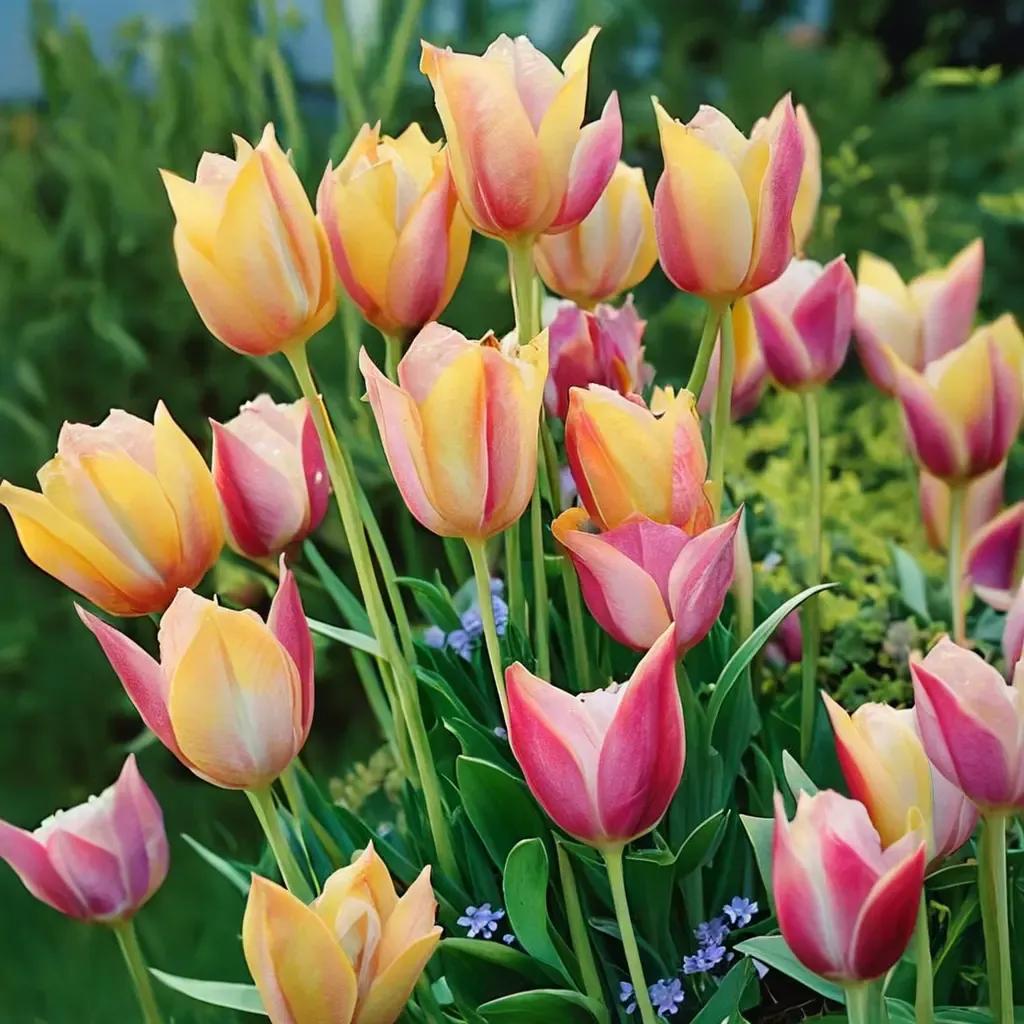
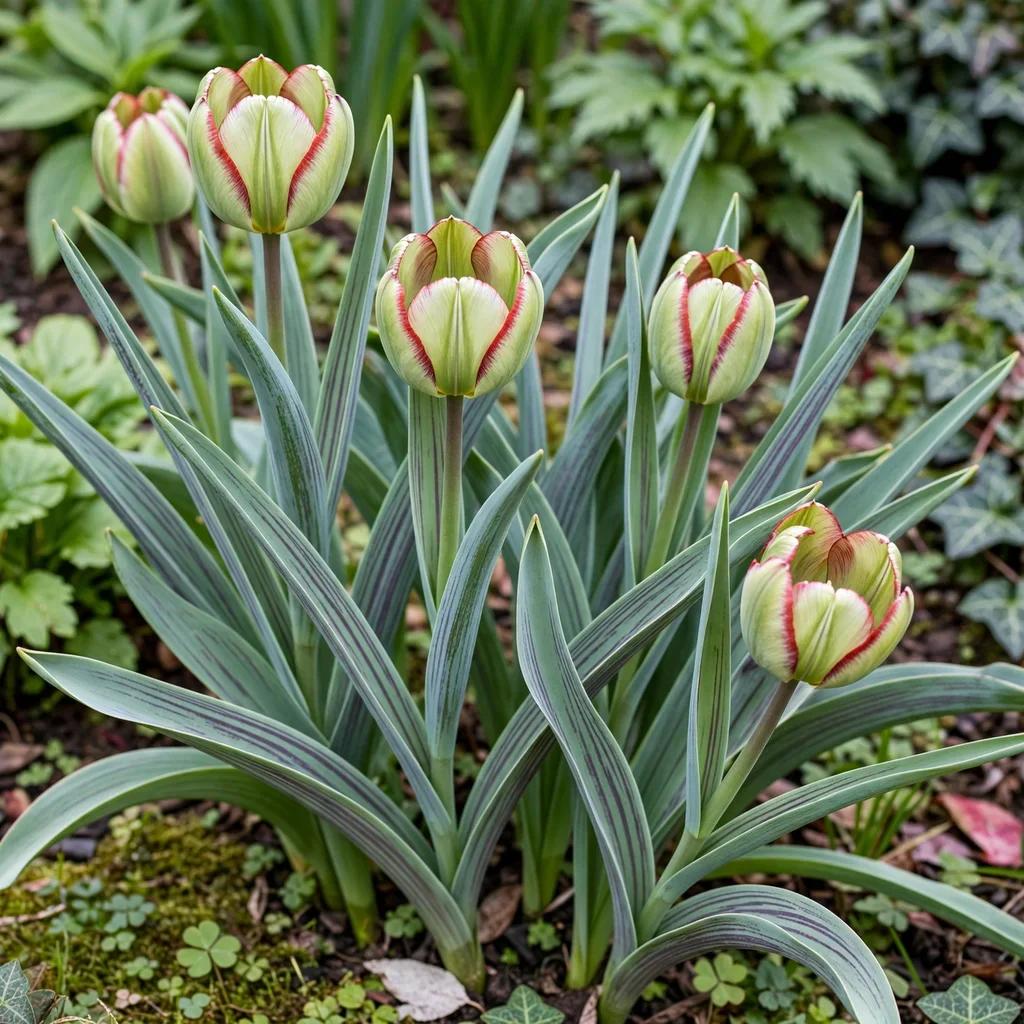
'Formosa' is a Viridiflora Group cultivar distinguished by its late-spring flowers featuring lemon-yellow margins feathered with a broad, lime-green stripe down the center of each petal. The rigid, upright stems reach up to twenty inches tall, holding the blooms aloft above the mid-green foliage.
Uses & Benefits:
Bred from more than one wild species, so it has no species page of its own.
Essentials
At a Glance
Plant Type
Bulb Corm Tuber
Height
20"
Width
8"
Light
Full Sun, Partial Sun
Zones
4, 5, 6, 7, 8
Water
Moderate during growth, dry in summer
Humidity
Low to Moderate
Lifespan
Perennial bulb
Native To
Central Asia, Southern Europe, North Africa
Toxicity
Toxic if Ingested, Skin Irritant
Bloom period
Late spring
In flower about 1 month of the year
Planting
How to Grow
- Select a planting site in full sun to partial shade with fertile, exceptionally well-drained loamy or sandy soil.
- Plant bulbs in the fall at a depth of six to eight inches, spacing them four to six inches apart with the pointed ends facing upward.
- Water thoroughly after planting to settle the soil, then withhold water during the winter dormancy period to prevent bulb rot.
- Apply a balanced, low-nitrogen slow-release fertilizer in early spring as the first green shoots emerge from the soil.
Pro Tip
Never cut back the green foliage prematurely after flowering; leaving the leaves intact for at least six weeks allows the plant to photosynthesize and recharge the bulb for the following season.
Keep It Thriving
Care Guide
Do
- Deadhead spent flowers immediately after blooming to prevent the plant from wasting energy on seed production.
- Allow the foliage to yellow and wither completely naturally before removing it.
- Ensure the soil remains dry during the summer dormancy period.
Don't
- Do not plant in heavy, poorly drained clay soils where water pools.
- Do not cut or tie the green leaves together after flowering.
- Do not apply high-nitrogen fertilizers, which promote excessive foliage at the expense of flower quality.
Seasonal Care Calendar
| Task | Jan | Feb | Mar | Apr | May | Jun | Jul | Aug | Sep | Oct | Nov | Dec |
|---|---|---|---|---|---|---|---|---|---|---|---|---|
| Deadhead | ||||||||||||
| Fertilize | ||||||||||||
| Lift Store | ||||||||||||
| Plant |
Watch Out For
Pests & Diseases
Common Pests
Common Diseases
In the Garden
Landscape Uses & Companions
Landscape Uses
Companion Plants
Multiply
Propagation Methods
Good to Know
Common Questions
Formosa Tulip questions
What zones can Formosa Tulip grow in?
Formosa Tulip is hardy in USDA Zones 4–8: in that range it survives winter in the ground. Warmer than Zone 8, winter isn't the problem: it prefers colder winters, and summer heat can shorten its life.
Is Formosa Tulip deer resistant?
Not reliably. Deer may browse Formosa Tulip, especially tender spring growth — plan on repellents or fencing where pressure is high.
When does Formosa Tulip bloom?
Formosa Tulip typically blooms in late spring. Exact timing shifts a week or two with your zone — Sow's bloom calendar maps it to your garden.
Does Formosa Tulip need full sun?
Formosa Tulip does best in full sun to part shade. In hot climates, afternoon shade keeps blooms fresher longer.
Is Formosa Tulip drought tolerant?
Yes — once established (usually after the first full season), Formosa Tulip handles dry spells with minimal watering. Water deeply its first year to build the root system that makes that possible.
More Tulipa to compare
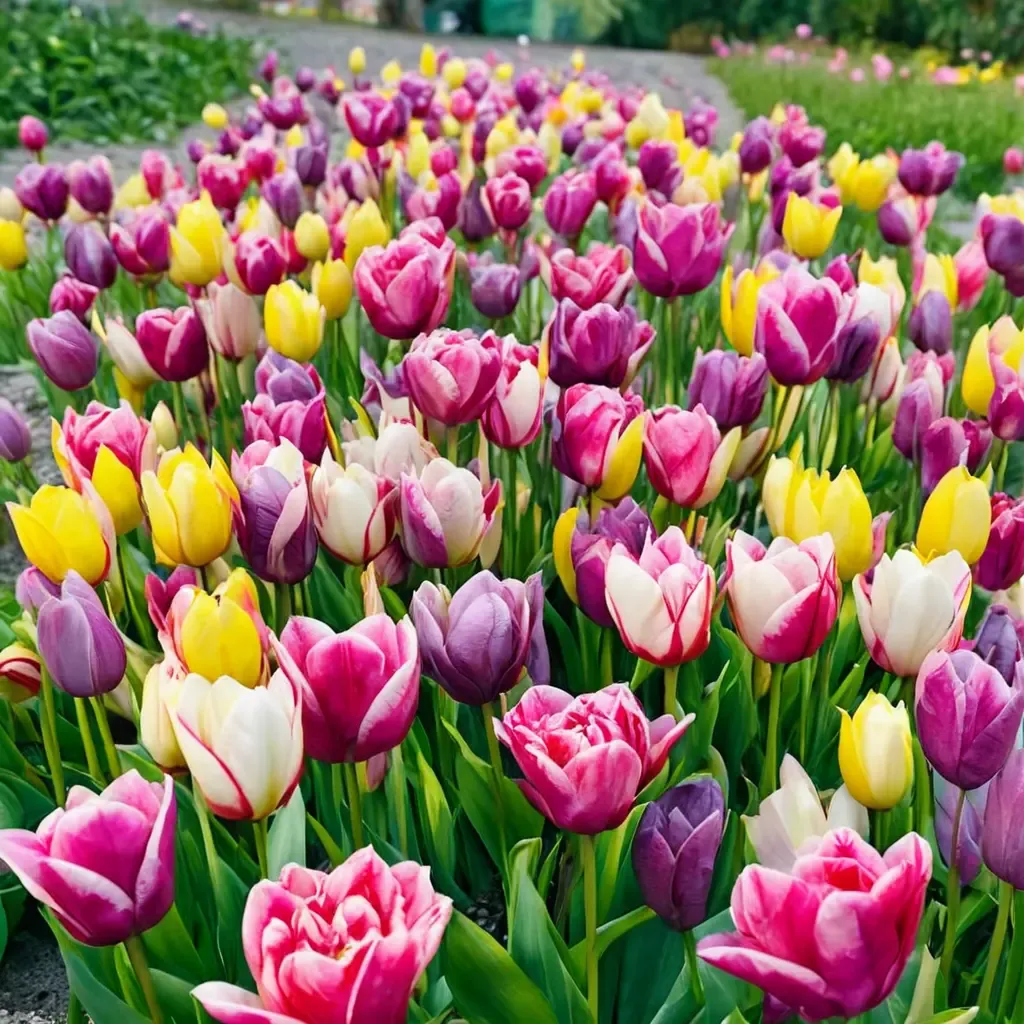
All Spring Mix Tulip
Tulipa x hybrida 'All Spring Mix'
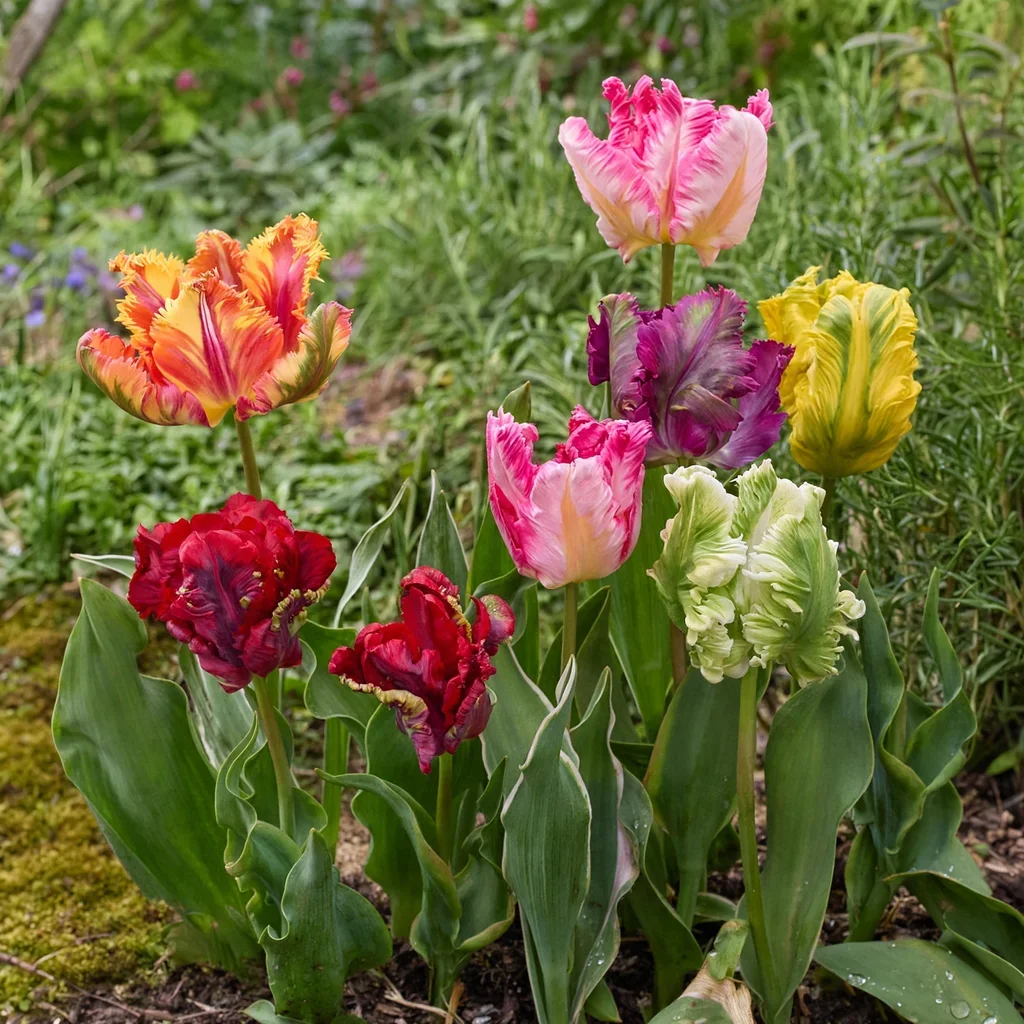
Parrot Tulip Mix
Tulipa gesneriana 'Parrot Tulip Mix'
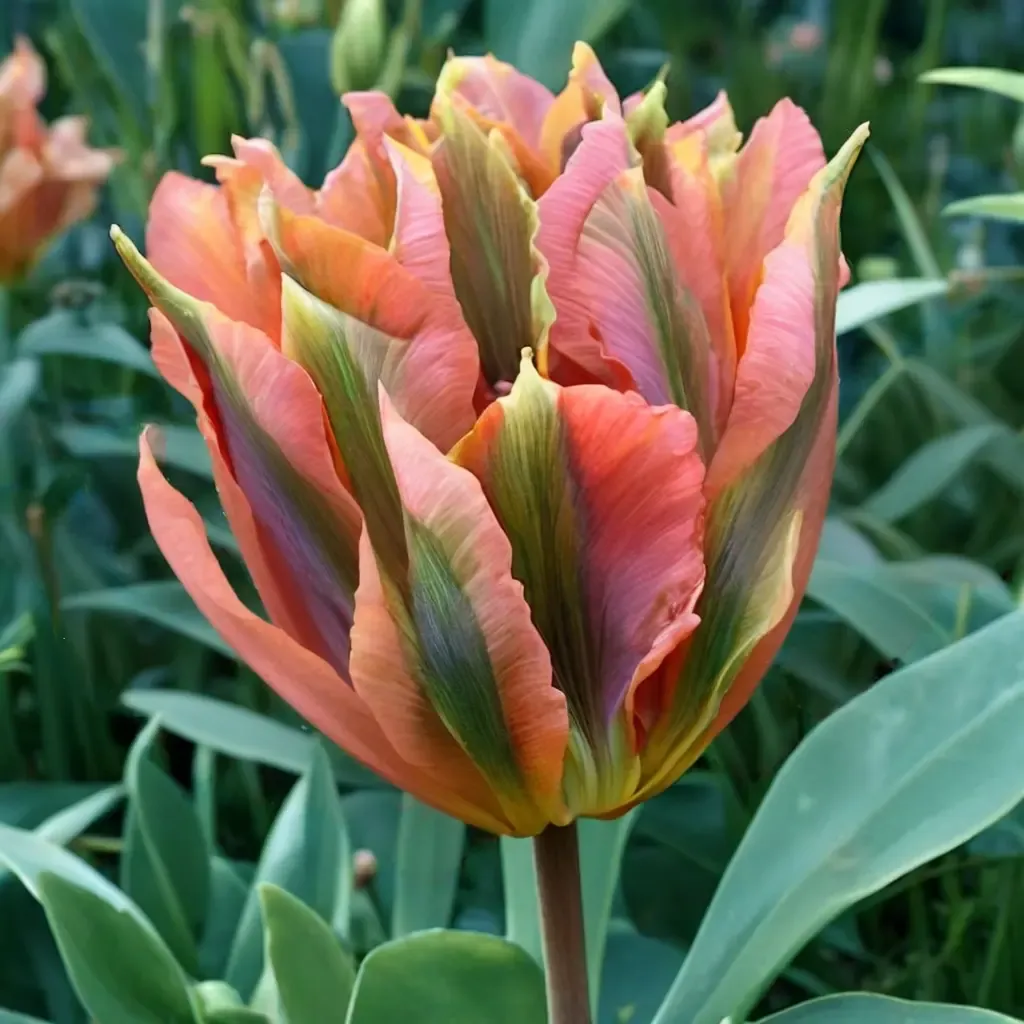
Artist Tulip
Tulipa x hybrida 'Artist'
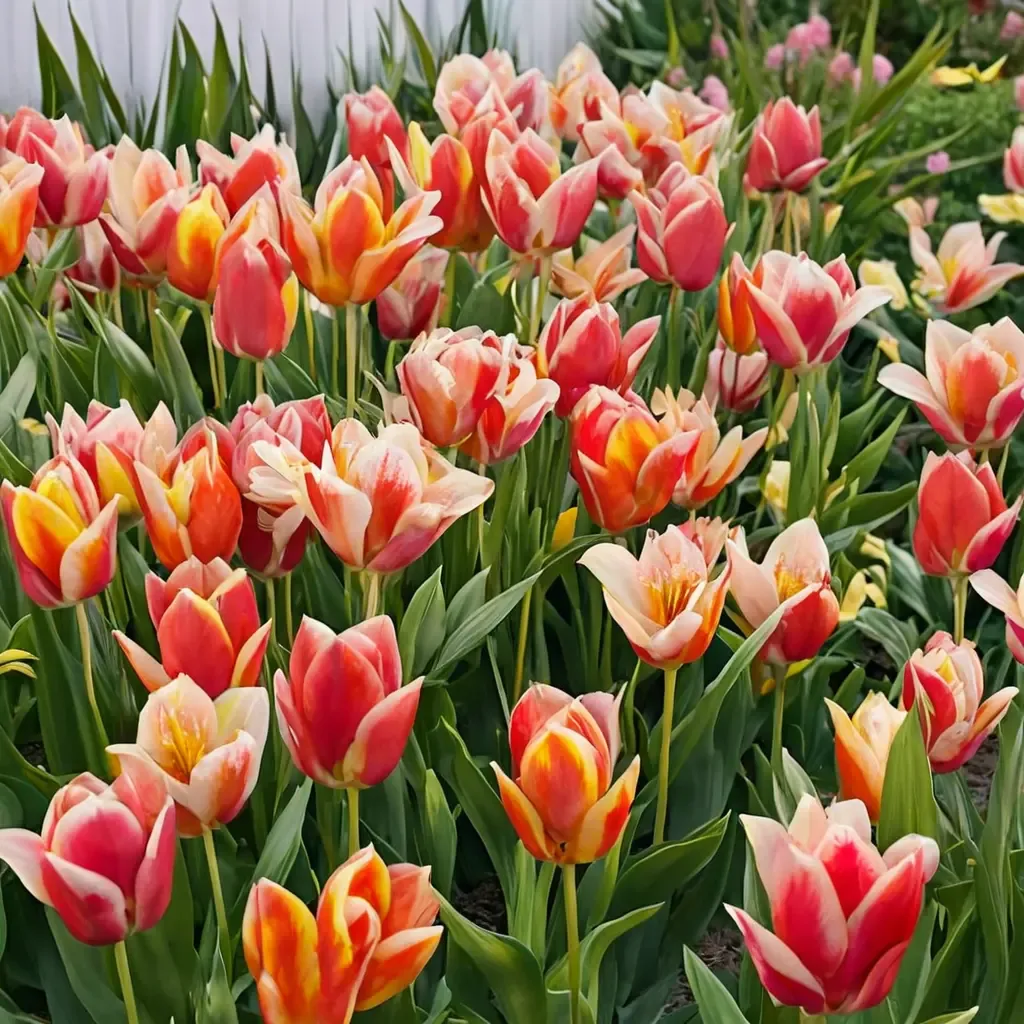
Tulip Fun Colors Mix
Tulipa gesneriana 'Fun Colors Mix'
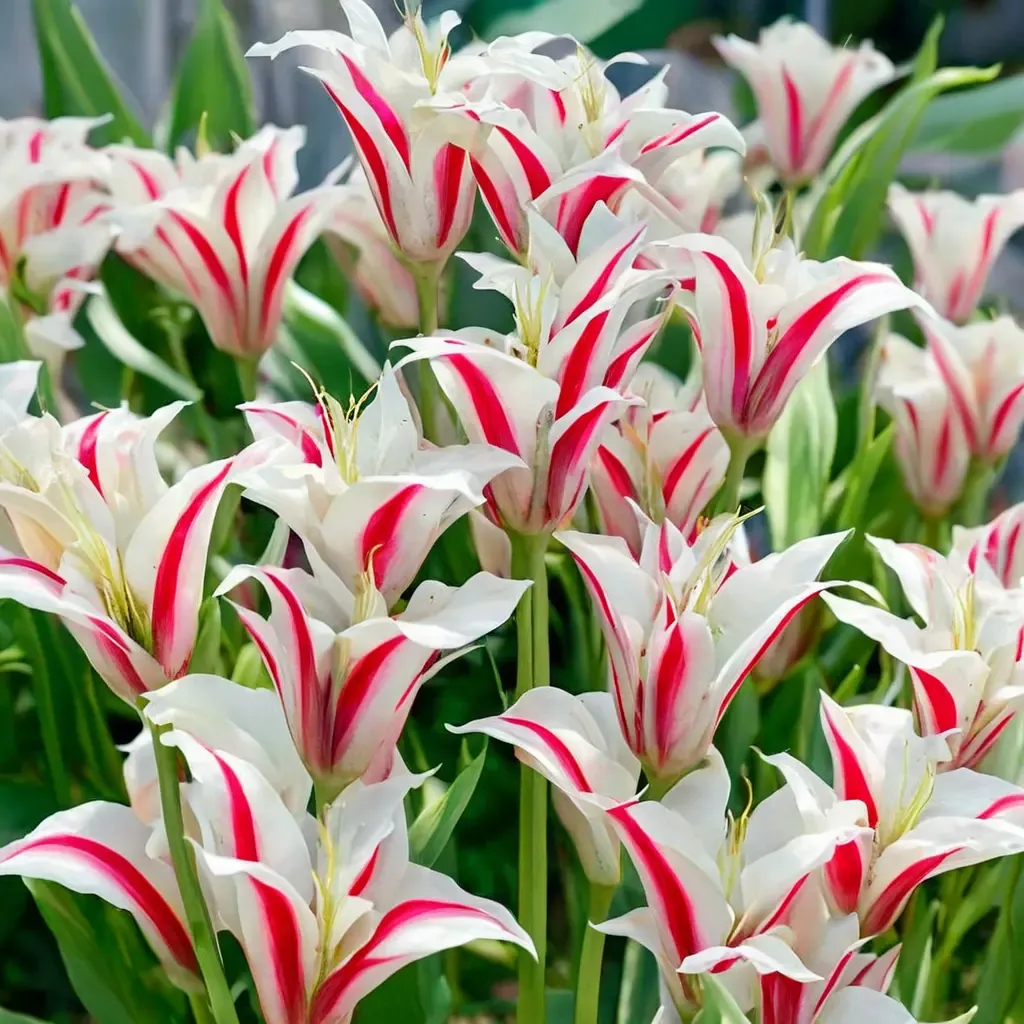
Marilyn Tulip
Tulipa x hybrida 'Marilyn'
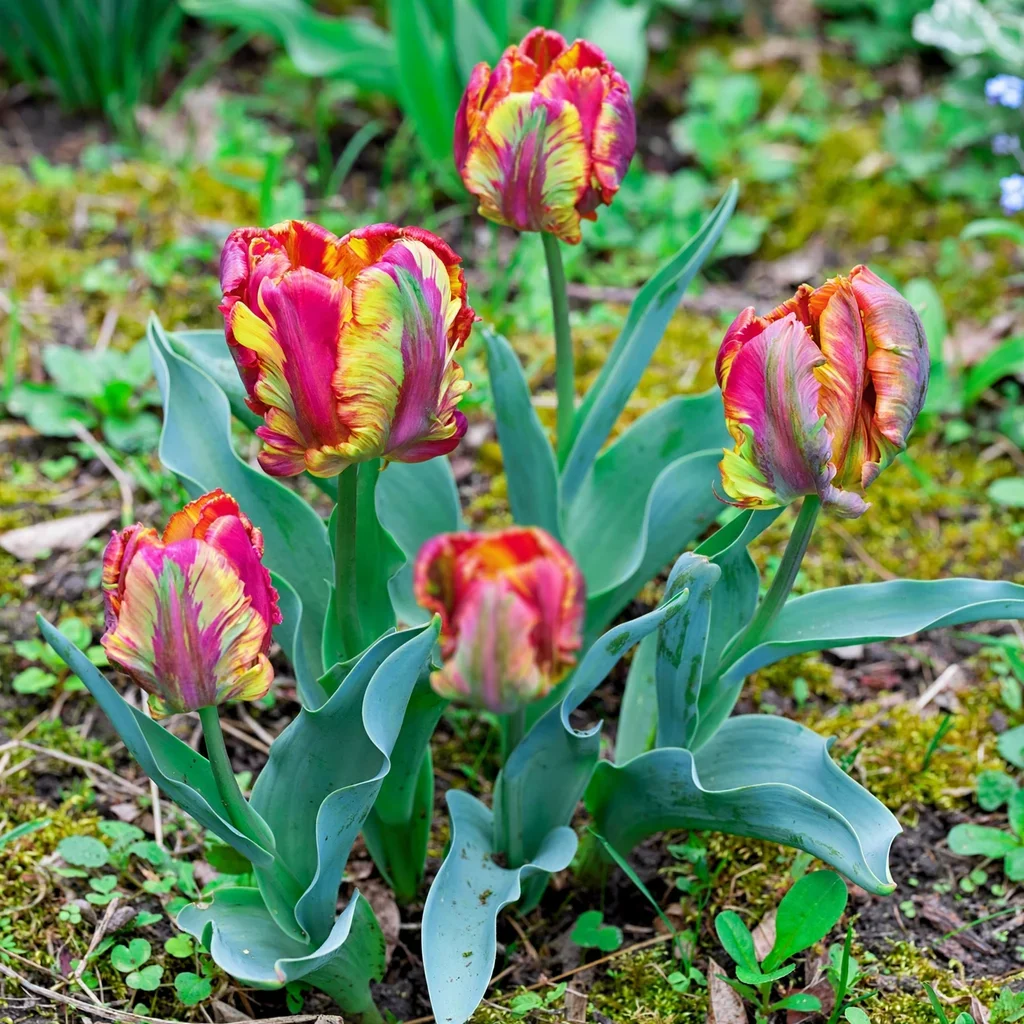
Blumex Parrot Tulip
Tulipa x hybrida 'Blumex Parrot'
Keep exploring
Explore the genus
Hardy in your zone?
Grow Formosa Tulip with confidence
See it in a design of your actual yard, get zone-matched care reminders, and track it season by season in your garden journal.