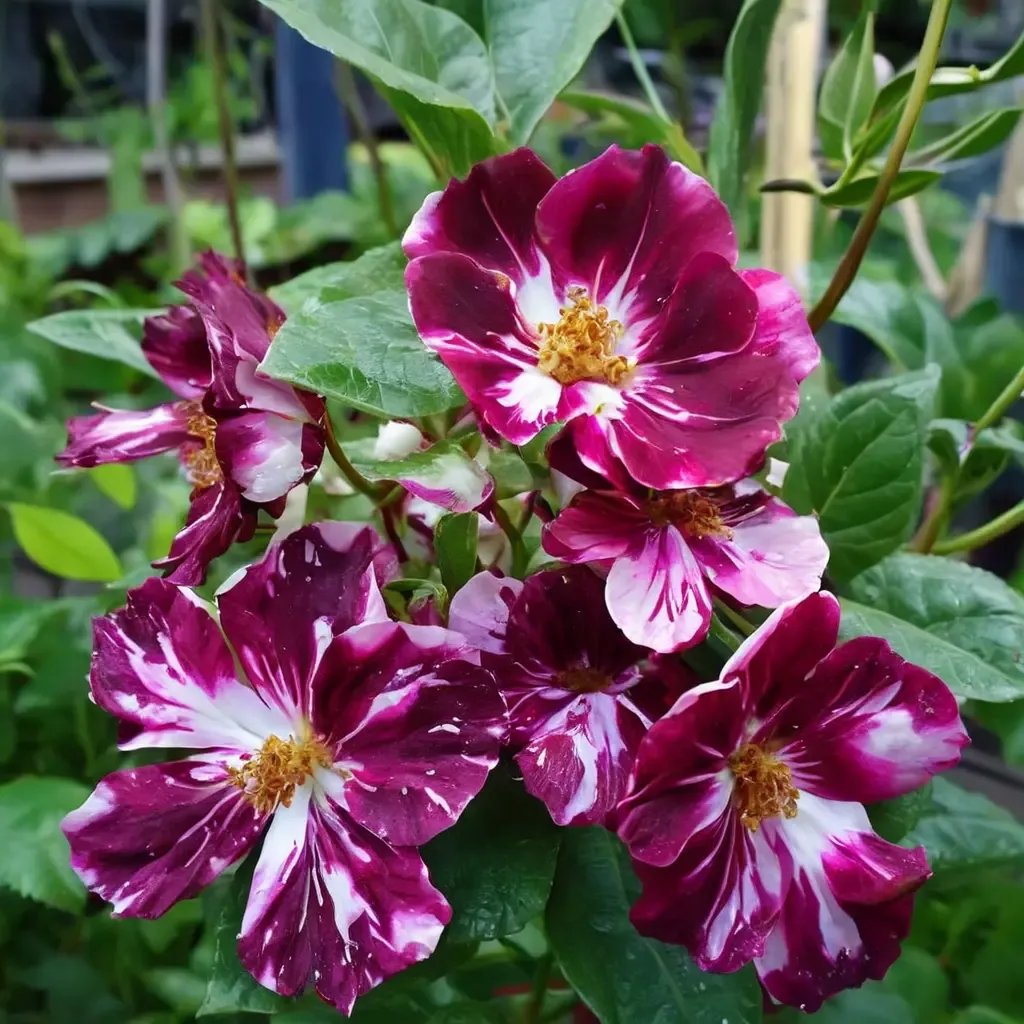
Garden hybrid
This is a garden hybrid, bred from more than one wild species, so it has no single species page of its own.
285 other cultivars
- ‘Flutterbye’Flutterbye Rose
- ‘Joseph's Coat’Joseph's Coat Rose
- ‘In Your Eyes’In Your Eyes Rose
- ‘Rainbow’Rainbow Rose
- ‘Fun in the Sun’Fun in the Sun Rose
- ‘Twilight Zone’Twilight Zone Rose
- ‘Double Knock Out’Double Knock Out Rose
- ‘New Dawn’New Dawn Rose
- ‘Knock Out’Knock Out Rose
- ‘Fly So High’Fly So High Climbing Rose
- ‘Coral Freedom’Coral Freedom Rose
- ‘Happy Go Lucky’Happy Go Lucky Rose
- ‘Popcorn Drift’Popcorn Drift Rose
- ‘Apricot Drift’Apricot Drift Rose
- ‘White Knock Out’White Knock Out Rose
- ‘Mix’Hybrid Tea Rose
- ‘Coral Knock Out’Coral Knock Out Rose
- ‘Blushing Knock Out’Blushing Knock Out Rose
- ‘Julia Child’Julia Child Rose
- ‘Alive’Alive Rose
- ‘Peachy Knock Out’Peachy Knock Out Rose
- ‘Quicksilver’Quicksilver Climbing Rose
- ‘Gourmet Popcorn’Gourmet Popcorn Rose
- ‘Jacob's Robe’'Jacob's Robe' Climbing Rose
- ‘Compassion’'Compassion' Climbing Rose
- ‘Knock Out Pink’Pink Knock Out Rose
- ‘Snow Pavement’Snow Pavement Rose
- ‘Time After Time’Time After Time Rose
- ‘Fragrant Plum’Fragrant Plum Rose
- ‘Golden Opportunity’Golden Opportunity Rose
- ‘Home Run’Home Run Rose
- ‘Cloud 10’Cloud 10 Climbing Rose
- ‘Oso Easy Ice Bay’Ice Bay Rose
- ‘Celestial Night’Celestial Night Rose
- ‘Dusky Maiden’Dusky Maiden Rose
- ‘Suñorita’Sunorita Rose
- ‘Golden Celebration’Golden Celebration Rose
- ‘Sunset Happy Trails’Sunset Happy Trails Rose
- ‘Blaze Improved’Blaze Improved Rose
- ‘Arctic Blue’Arctic Blue Rose
- ‘Candy Land’Candy Land Rose
- ‘Honey-Apricot Rose’Honey-Apricot Rose
- ‘Pearly Gates’Pearly Gates Rose
- ‘Rio Samba’Rio Samba Rose
- ‘Heavenly Scented’Heavenly Scented Rose
- ‘Cape Diamond’Cape Diamond Rose
- ‘Easy Peasy’Easy Peasy Rose
- ‘Red Drift’Red Drift Rose
- ‘Oso Easy Double Red’Oso Easy Double Red Rose
- ‘Cupid's Kisses’Cupid's Kisses Rose
- ‘White Dawn’White Dawn Rose
- ‘Iceberg’Iceberg Rose
- ‘Pink Freedom’Pink Freedom Rose
- ‘Grandiflora’Grandiflora Rose
- ‘Jumbo Strike It Rich’Jumbo Strike It Rich Rose
- ‘Rock Roll’Rock & Roll Rose
- ‘About Face’About Face Rose
- ‘Rise Up Lilac Days’Rise Up Lilac Days Rose
- ‘Barbra Streisand’Barbra Streisand Rose
- ‘White Meidiland’White Meidiland Rose
- ‘Distant Drums’Distant Drums Rose
- ‘Blushing Drift’Blushing Drift Rose
- ‘Coral Drift’Coral Drift Rose
- ‘State of Grace’State of Grace Rose
- ‘Jump For Joy’'Jump For Joy' Floribunda Rose
- ‘Lady In Red’Lady in Red Climbing Rose
- ‘Lace Cascade’Lace Cascade Rose
- ‘Champlain’Champlain Rose
- ‘Rockin Red’Rockin Red Rose
- ‘Chantilly Cream’Chantilly Cream
- ‘Brilliant Pink Iceberg’Brilliant Pink Iceberg Rose
- ‘Hot Cocoa’Hot Cocoa Rose
- ‘Zephirine Drouhin’Zephirine Drouhin Rose
- ‘Above All’Above All Rose
- ‘Pink Drift’Pink Drift Rose
- ‘Life Of The Party’Life Of The Party Rose
- ‘Pumpkin Patch’Pumpkin Patch Rose
- ‘White Drift’White Drift Rose
- ‘Oso Easy Mango Salsa’Oso Easy Mango Salsa Rose
- ‘Double Red’Double Red Rose
- ‘Peace’Peace Rose
- ‘Pretty Lady Rose’Pretty Lady Rose
- ‘Petite Knock Out’Petite Knock Out Rose
- ‘Sultry Night’Sultry Night Rose
- ‘Petit Pink’Petit Pink Rose
- ‘Dorothy Perkins’Dorothy Perkins Rose
- ‘Sally Holmes’Sally Holmes Rose
- ‘Blaze’Blaze Rose
- ‘Sweet Madame Blue’Sweet Madame Blue Rose
- ‘Queen of Elegance’Queen of Elegance Rose
- ‘Our Choice Jumbo’Our Choice Jumbo Rose
- ‘Parade Day’Parade Day Rose
- ‘Good as Gold’Good as Gold Rose
- ‘Neptune’Neptune Rose
- ‘Drop Dead Red’Drop Dead Red Rose
- ‘Easy Going Yellow’Easy Going Rose
- ‘Florentina’Florentina Rose
- ‘Burgundy Iceberg’Burgundy Iceberg Rose
- ‘Rise Up Emberays’Rise Up Emberays Rose
- ‘Don Juan’Don Juan Climbing Rose
- ‘Easy on the Eyes’Easy on the Eyes Rose
- ‘Tropical Lightning’Tropical Lightning Rose
- ‘Oso Easy Lemon Zest’Oso Easy Lemon Zest Rose
- ‘Memorial Day’Memorial Day Rose
- ‘Felicia’Felicia Rose
- ‘Eden Climber’Eden Rose
- ‘Vavoom’Vavoom Rose
- ‘Make Me Blush’Make Me Blush Rose
- ‘Deep Rose’Deep Rose Hybrid Tea Rose
- ‘Party Hardy’Party Hardy Rose
- ‘Jumbo Colorific’Jumbo Colorific Rose
- ‘Top Of The World’Top Of The World Rose
- ‘Carefree Delight’Carefree Delight Rose
- ‘All A'Twitter’All A'Twitter Rose
- ‘RISE UP AMBERNESS’Rise Up Amberness Rose
- ‘Cosmic Clouds’Cosmic Clouds Rose
- ‘Love Song’Love Song Rose
- ‘Perfume Factory’Perfume Factory Rose
- ‘Easy Does It’Easy Does It Rose
- ‘Burst of Joy’Burst of Joy Rose
- ‘Buff Beauty’Rose 'Buff Beauty'
- ‘Floribunda Rose’Floribunda Rose
- ‘Dublin Bay’Dublin Bay Rose
- ‘Take It Easy’Take It Easy Rose
- ‘Emberays’Emberays Rose
- ‘Legends’Legends Rose
- ‘Frida Kahlo’Frida Kahlo Rose
- ‘Neil Diamond’Neil Diamond Rose
- ‘Anna's Promise’Anna's Promise Rose
- ‘Mrs. F.W. Flight’Mrs. F.W. Flight Rose
- ‘Mellow Yellow’Mellow Yellow Rose
- ‘Koko Loko’Koko Loko Rose
- ‘Angelic Veil’Angel's Veil Rose
- ‘Painted Porcelain’Painted Porcelain Rose
- ‘Olympiad’Olympiad Rose
- ‘Ketchup And Mustard’Ketchup and Mustard Rose
- ‘Jumbo Blue Girl’Blue Girl Rose
- ‘Forever Ever Pink’Forever Ever Pink Rose
- ‘Sugar Moon’Sugar Moon Rose
- ‘Phyllis Bide’Phyllis Bide Rose
- ‘Just Joey’Just Joey Rose
- ‘Picture Perfect’Picture Perfect Rose
- ‘Double Delight’Double Delight Rose
- ‘Morning Glow’Morning Glow Rose
- ‘All Dressed Up’All Dressed Up Rose
- ‘Love at First Sight’Love at First Sight Rose
- ‘Freedom Rose Sampler’Freedom Rose Sampler
- ‘Mme Caroline Testout’Mme Caroline Testout Rose
- ‘Francis Meilland’Francis Meilland Rose
- ‘Aloha’Aloha Rose
- ‘Radtkopink’Radtkopink Double Knock Out Rose
- ‘Princesse Louise’Princesse Louise Rose
- ‘Midas Touch’Midas Touch Rose
- ‘Ballerina’Ballerina Rose
- ‘Mister Lincoln’Mister Lincoln Rose
- ‘All My Loving’All My Loving Rose
- ‘Pop Art Grandiflora’Pop Art Rose
- ‘Peggy Martin’Peggy Martin Rose
- ‘Red Ribbons’Red Ribbons Rose
- ‘Edith's Darling Tree Rose’Edith's Darling Rose
- ‘Pope John Paul II’Pope John Paul II rose
- ‘Miss Manners’Miss Manners Rose
- ‘Grande Dame’Grande Dame Rose
- ‘Ruby Ruby’Ruby Ruby Rose
- ‘Chicago Peace’Chicago Peace Rose
- ‘Dick Clark’Dick Clark Rose
- ‘Miss Congeniality’Miss Congeniality Rose
- ‘Ruby Ruby Miniature Rose’Miniature Rose
- ‘Orange Freedom’Orange Freedom Rose
- ‘Firefighter’Firefighter Rose
- ‘Peach Lemonade’Peach Lemonade Rose
- ‘Showbiz’Showbiz Rose
- ‘Meidriflora’Meidriflora Coral Drift Rose
- ‘Radcon’Radcon Pink Knock Out Rose
- ‘Icecap’Icecap Rose
- ‘Miss All-American Beauty’Miss All-American Beauty Rose
- ‘Angel Face’Angel Face Rose
- ‘Radyod’Radyod Rainbow Knock Out Rose
- ‘Mrs Oakley Fisher’Mrs. Oakley Fisher Rose
- ‘Forever Amber’Forever Amber Rose
- ‘Radrazz’Radrazz Knock Out Rose
- ‘Jumbo Lasting Love’Jumbo Lasting Love Rose
- ‘Reminiscent’Reminiscent Pink Rose
- ‘Su Orita Rose’Suñorita Rose
- ‘Smokin Hot’Smokin' Hot Rose
- ‘Chewbullseye’Eye of the Tiger Rose
- ‘Chrysler Imperial’Chrysler Imperial Rose
- ‘Novarospop’Novarospop Popcorn Drift Rose
- ‘Meidevi’Meidevi Pretty Polly Pink Rose
- ‘Grandmother's Hat’Grandmother's Hat Rose
- ‘Meiggili’Bonica Rose
- ‘Top Gun’Top Gun Rose
- ‘Rainbow Knock Out’Rainbow Knock Out Rose
- ‘Radwin’Winner's Circle Climbing Rose
- ‘Meiswetdom’Meiswetdom Pretty Polly Pink Rose
- ‘Radgor’Radgor Rainbow Knock Out Rose
- ‘Meimirrote’Meimirrote Red Drift Rose
- ‘Purple Prince’Brindabella Purple Prince Shrub Rose
- ‘Nearly Wild’Nearly Wild Rose
- ‘Meigalpio’Meigalpio Red Drift Rose
- ‘High Voltage’Easy Elegance High Voltage Rose
- ‘Ramblin' Red’Ramblin' Red Rose
- ‘Meidrifora’Coral Drift Rose
- ‘Meizorland’Meizorland White Meidiland Rose
- ‘Chewhocan’Chewhocan Oso Easy Lemon Zest Rose
- ‘Flower Carpet White’Flower Carpet White Rose
- ‘Radwhite’White Out Rose
- ‘Raspberry Cupcake’Raspberry Cupcake Rose
- ‘Meijocos’Meijocos Apricot Drift Rose
- ‘Meisentmil’Meisentmil Francis Meilland Rose
- ‘Flower Carpet Pink Supreme’Flower Carpet Pink Supreme Rose
- ‘Reminiscent Coral’Reminiscent Coral Rose
- ‘Livin' Easy’Livin' Easy Rose
- ‘Meizorland’White Drift Rose
- ‘Meipeporia’Oso Easy Double Red Rose
- ‘Urban Legend’Urban Legend Rose
- ‘Pink Brick House’Pink Brick House Rose
- ‘Radral’Radral Coral Knock Out Rose
- ‘Wekvossutono’Wekvossutono Julia Child Rose
- ‘Srpylwko’Gilded Sun Rose
- ‘Ebb Tide’Ebb Tide Rose
- ‘Brick House’Brick House Rose
- ‘Meifranjin’The Pink Traviata Rose
- ‘Baimir’Miracle on the Hudson Rose
- ‘Tropicana’Tropicana Rose
- ‘Flower Carpet Scarlet’Flower Carpet Scarlet Rose
- ‘Gay Princess’Gay Princess Rose
- ‘Champagne Wishes’Easy Elegance Champagne Wishes Rose
- ‘Falling In Love’Falling In Love Rose
- ‘The Fairy’The Fairy Rose
- ‘Moonstone’Moonstone Rose
- ‘Jumbo Radiant Perfume’Radiant Perfume Rose
- ‘Albertine’Albertine Rose
- ‘Rosie The Riveter’'Rosie the Riveter' Rose
- ‘Cinco de Mayo’Cinco de Mayo Rose
- ‘Jumbo First Prize’Jumbo First Prize Rose
- ‘Purple Tiger’Purple Tiger Rose
- ‘Charles Darwin’Charles Darwin Rose
- ‘Red Freedom’Red Freedom Rose
- ‘Cinnamon Hearts’Cinnamon Hearts Rose
- ‘Fortuniana’Fortuniana Rose
- ‘Fire Meidiland’Fire Meidiland Rose
- ‘Malvern Hills’Malvern Hills English Rambling Rose
- ‘Peach Drift’Peach Drift Rose
- ‘Oso Easy Italian Ice’Oso Easy Italian Ice Rose
- ‘Sweet Drift’Sweet Drift Rose
- ‘Princess Anne’Princess Anne English Rose
- ‘Sky's The Limit’Sky's The Limit Climbing Rose
- ‘The Generous Gardener’The Generous Gardener English Rose
- ‘Nostalgie’Nostalgie Rose
- ‘Desdemona’Desdemona Rose
- ‘Silas Marner’Silas Marner English Rose
- ‘Lady Capri’Lady Capri Hybrid Tea Rose
- ‘Eustacia Vye’Eustacia Vye English Shrub Rose
- ‘Claire Austin’Claire Austin English Rose
- ‘Amber Bay’Amber Bay Rose
- ‘Gertrude Jekyll’Gertrude Jekyll Rose
- ‘Sirius’Sirius Bedding Rose
- ‘Mauritia’Mauritia Shrub Rose
- ‘Martin Luther Rose’Martin Luther Rose
- ‘Perennial Domino’Perennial Domino Climbing Rose
- ‘Aspirin Rose’Aspirin Rose
- ‘Divina’Rose 'Divina'
- ‘Olivia Rose Austin’Olivia Rose Austin English Rose
- ‘Mary Delany’Mary Delany English Climbing Rose
- ‘Soul’Soul shrub rose
- ‘Crema Rose’Crema Rose
- ‘Kew Gardens’Kew Gardens Rose
- ‘The Country Parson’The Country Parson English Shrub Rose
- ‘White Eden’White Eden Rose
- ‘Chippendale’Chippendale Rose
- ‘Oso Easy Hot Paprika’Oso Easy Hot Paprika Rose
- ‘Violet's Pride’Violet's Pride Rose
- ‘Dornburger Schlossrose’Dornburger Schlossrose Hybrid Tea Rose
- ‘Oso Easy Peasy’Oso Easy Peasy Rose
- ‘Matthias Claudius Rose’Matthias Claudius Rose
- ‘Desirée’Desiree Rose
- ‘Anuschka’Anuschka Rose
- ‘At Last’At Last Rose
- ‘Mango Salsa Rose’Mango Salsa Rose
- ‘Lemon Zest’Lemon Zest Rose
- ‘Double Pink’Pink Hybrid Tea Rose
- ‘Ringo’Ringo Rose
- ‘Augusta Luise’Augusta Luise Rose
- ‘Oranges 'n' Lemons’Oranges n Lemons Rose
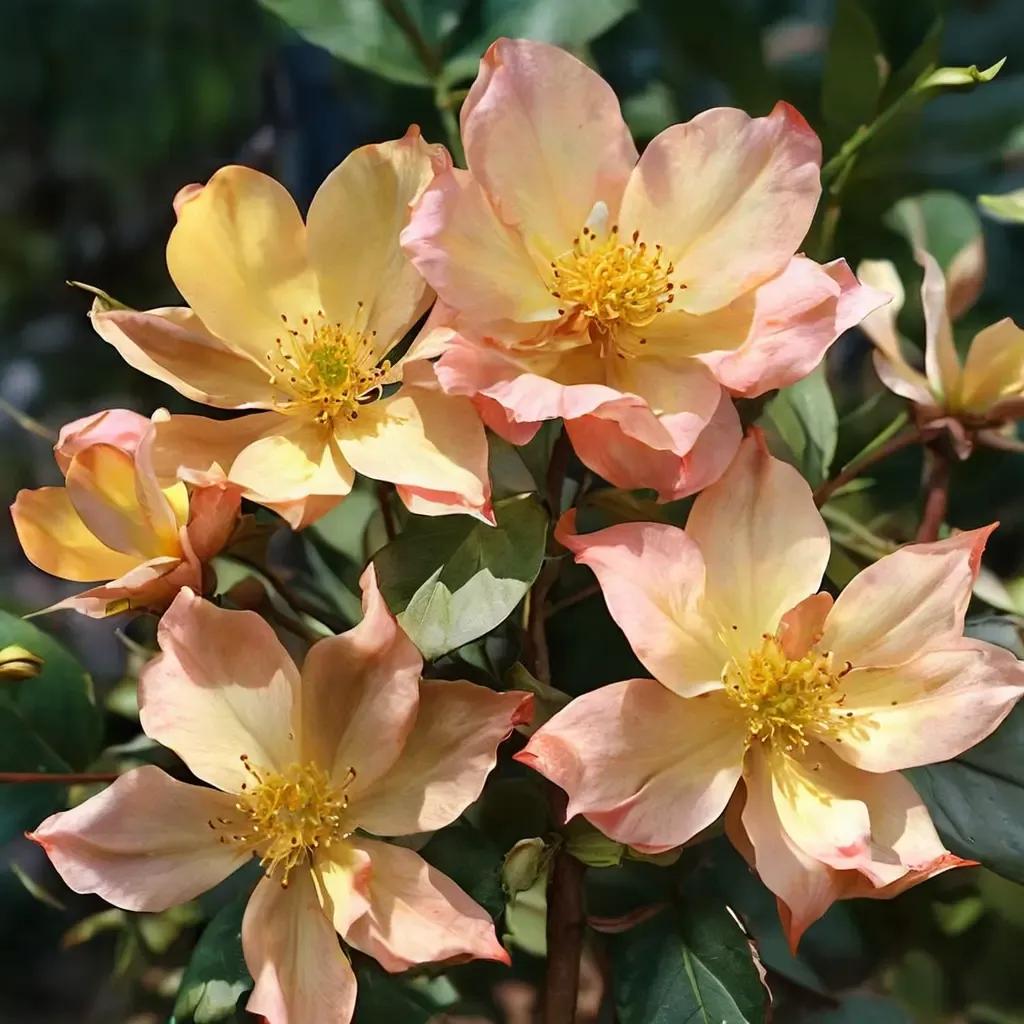
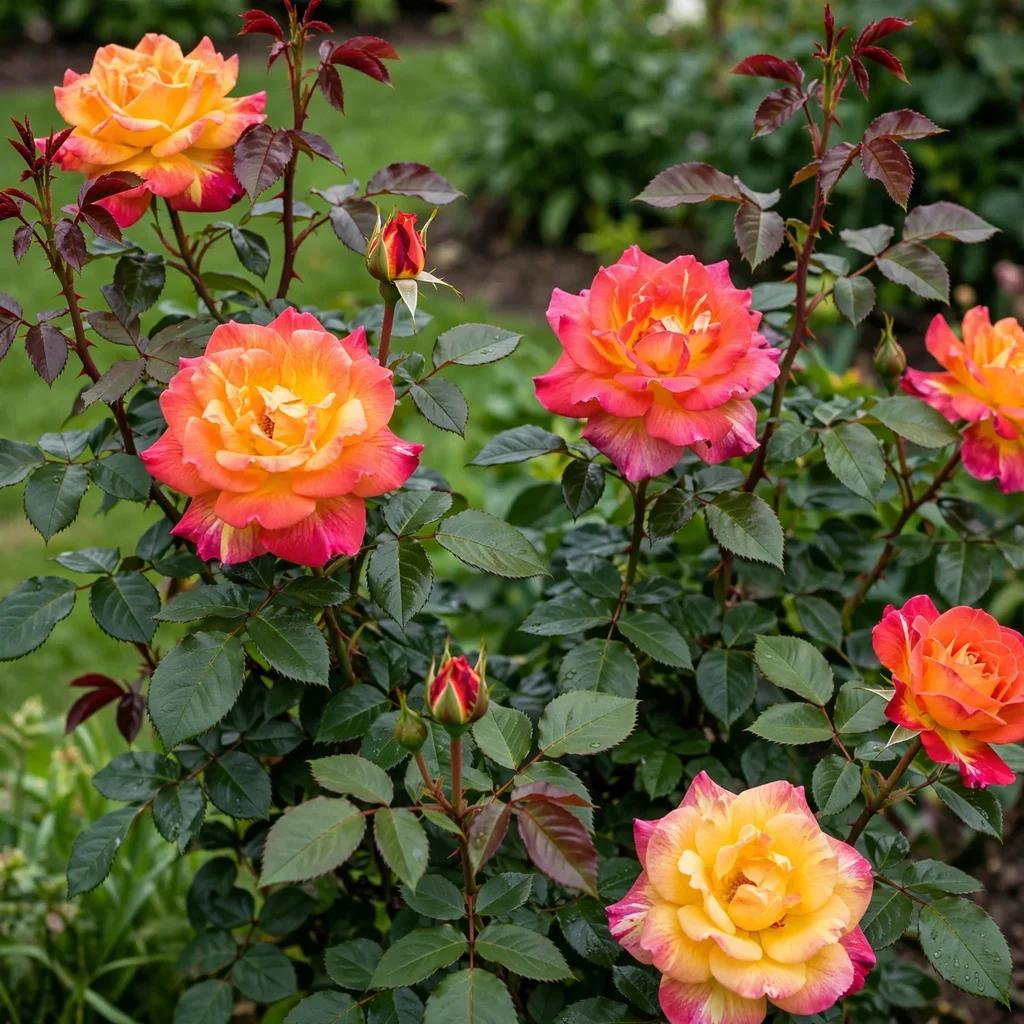
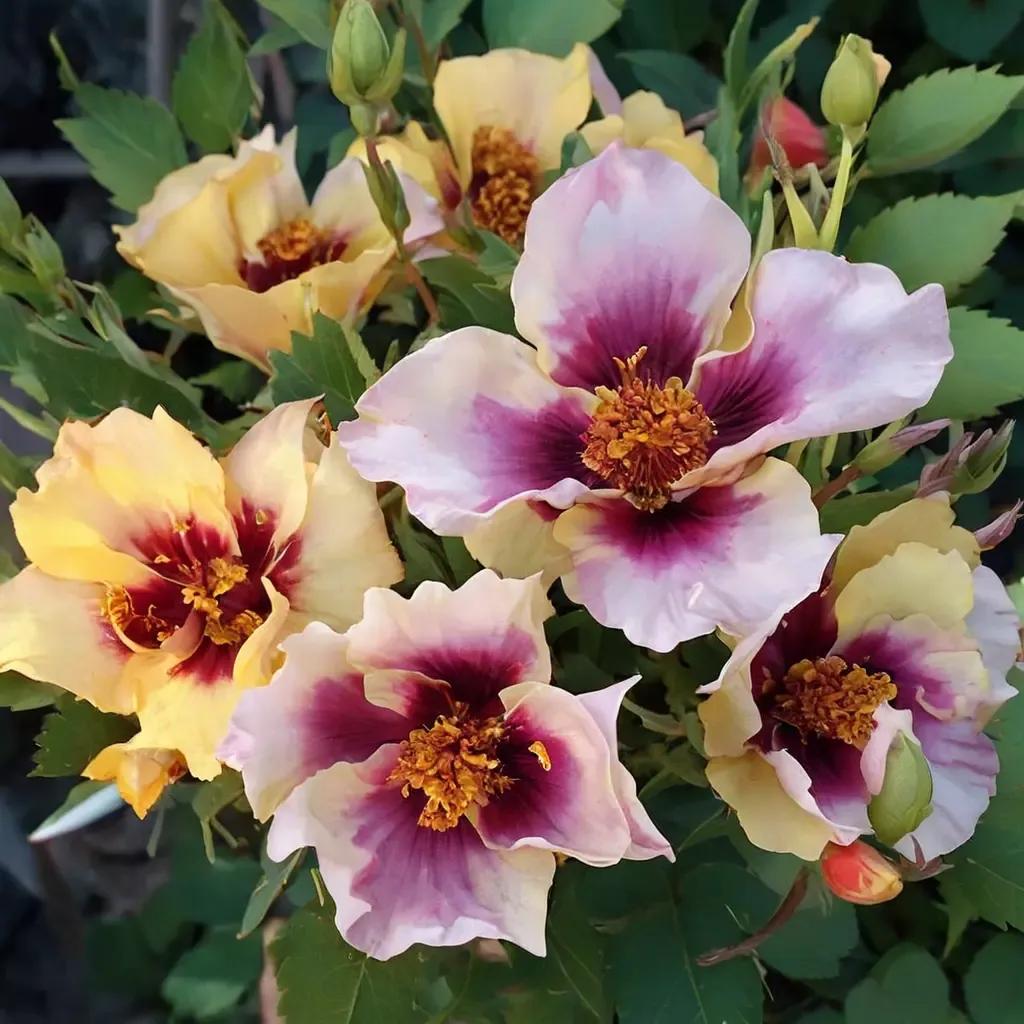




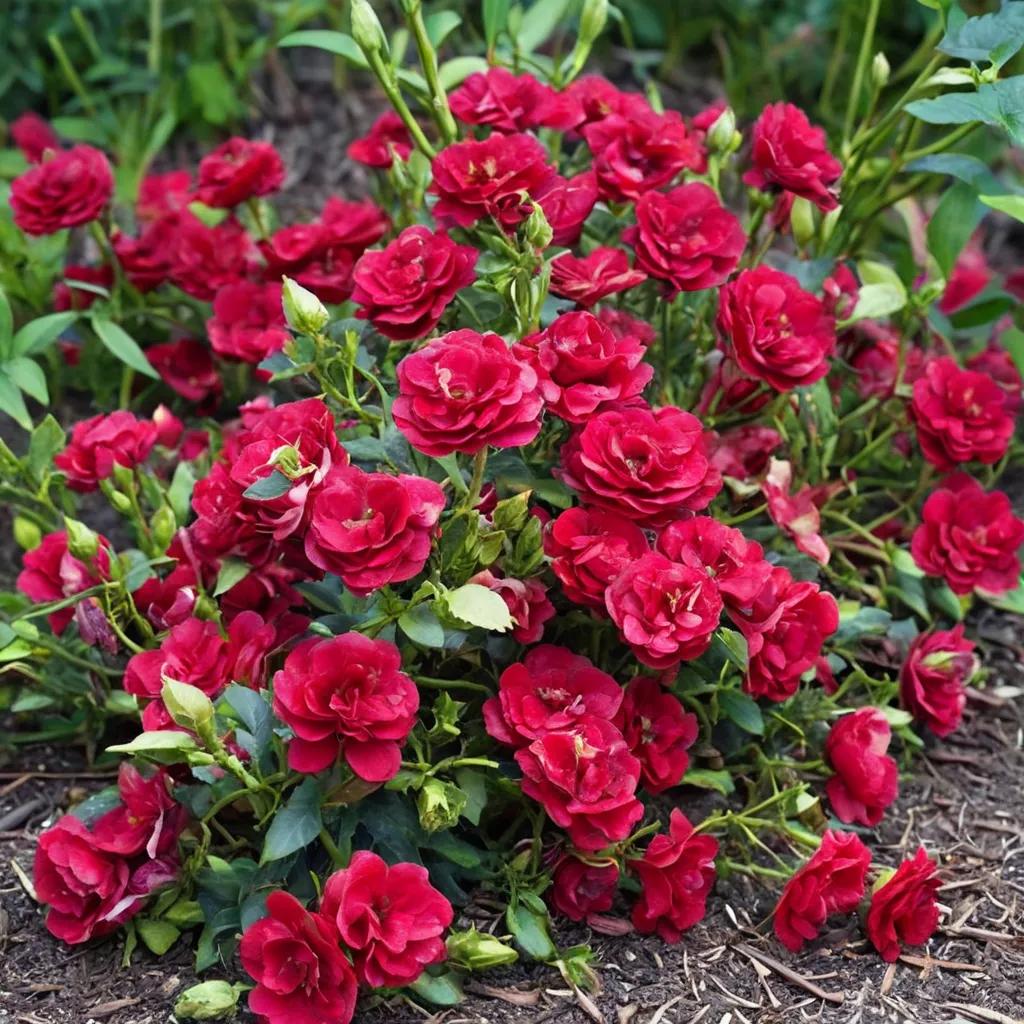
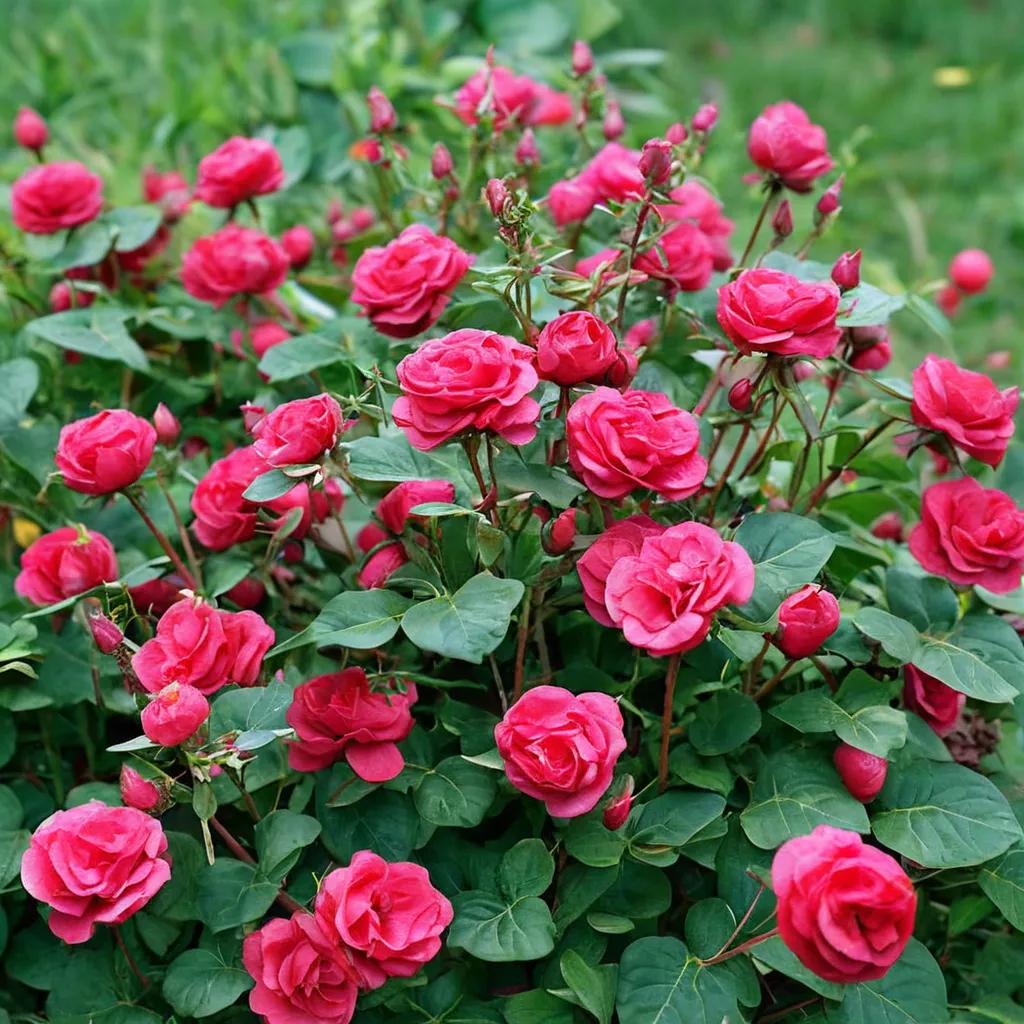
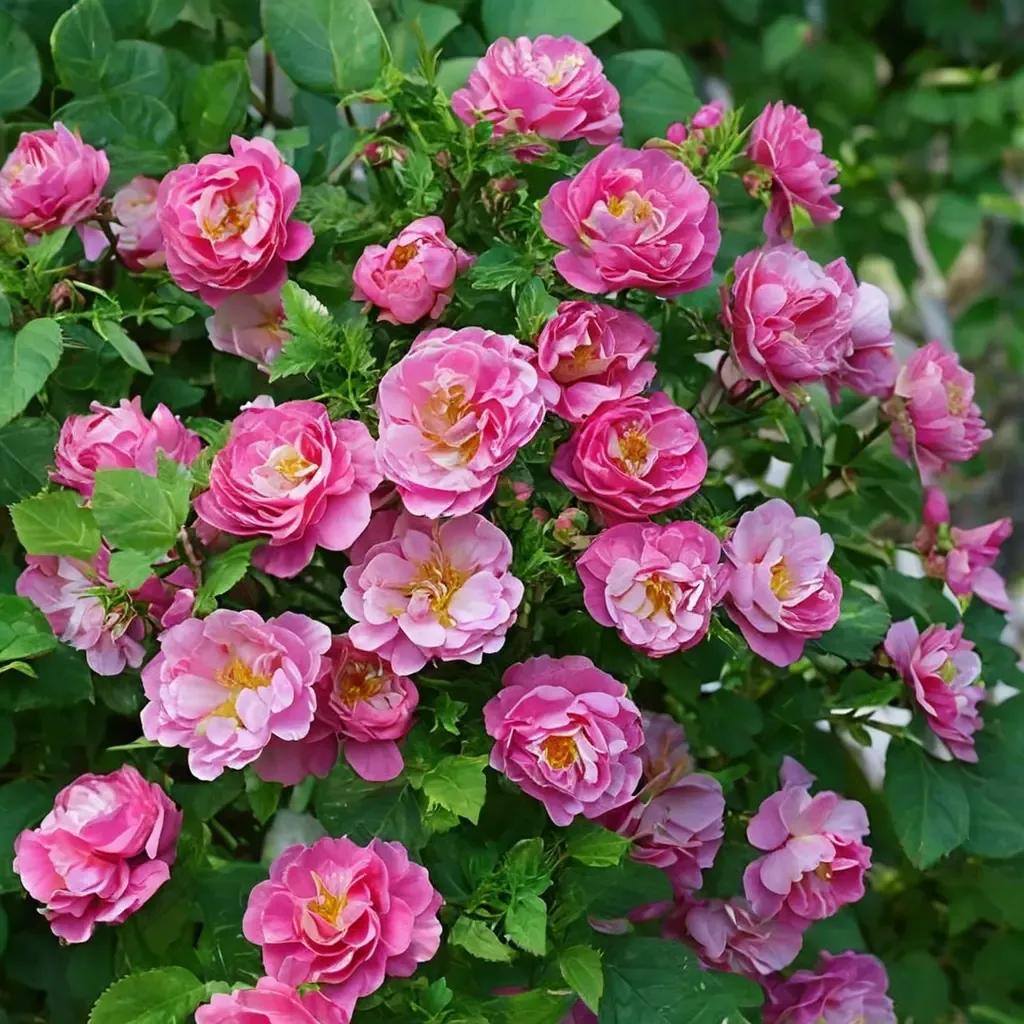
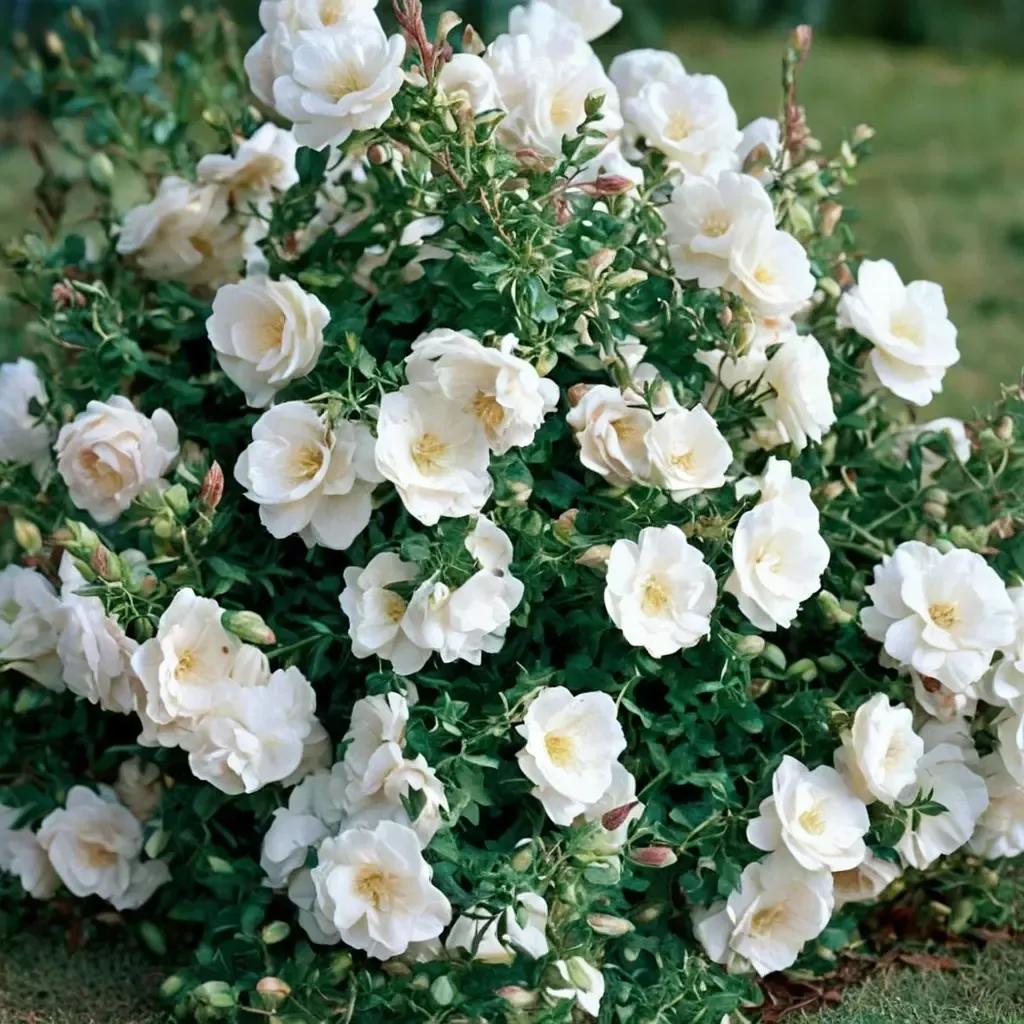

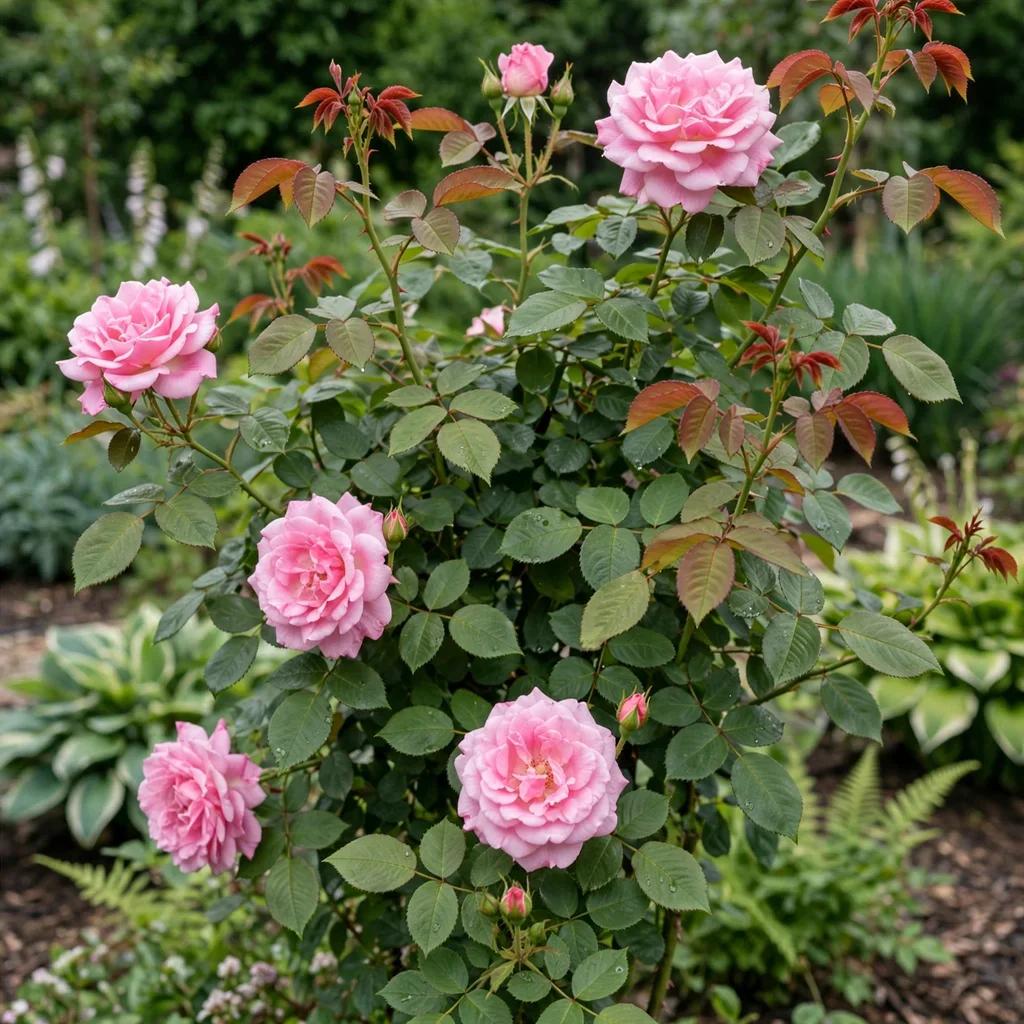
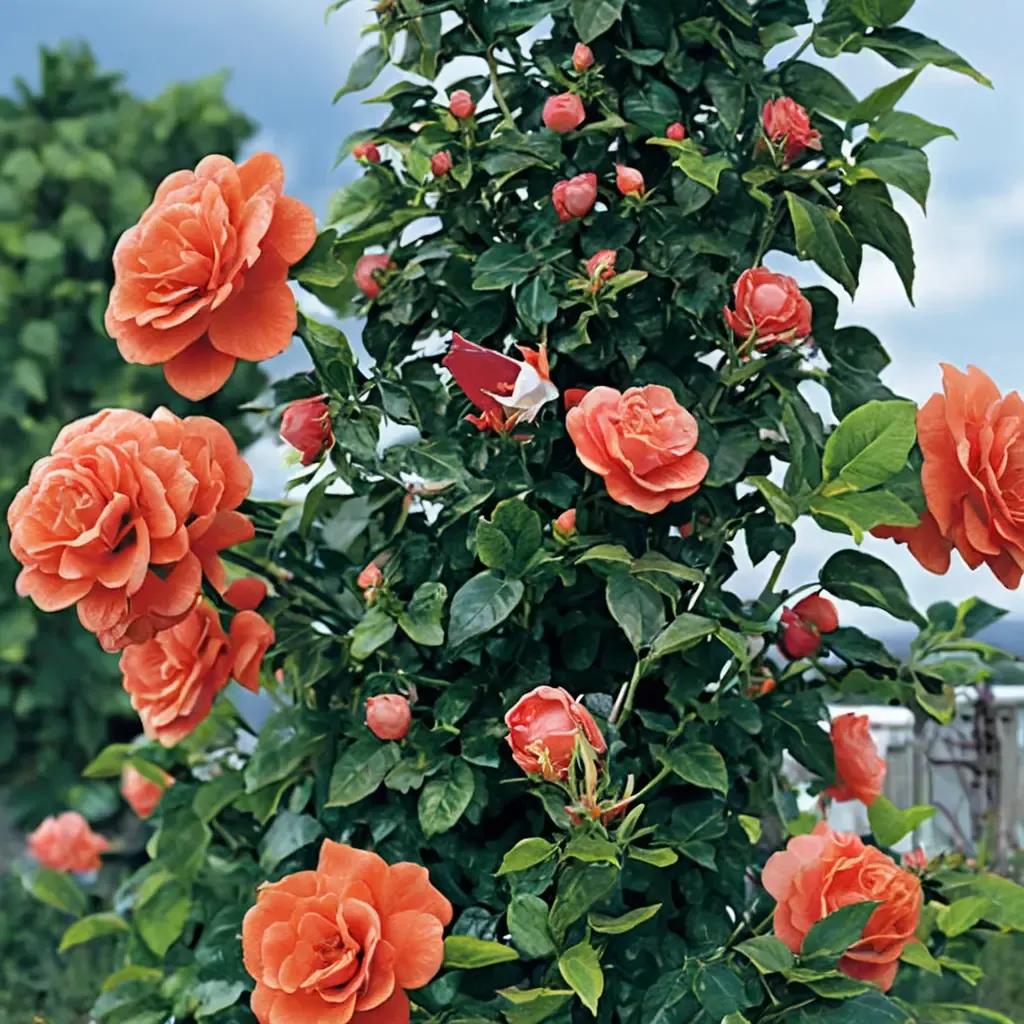
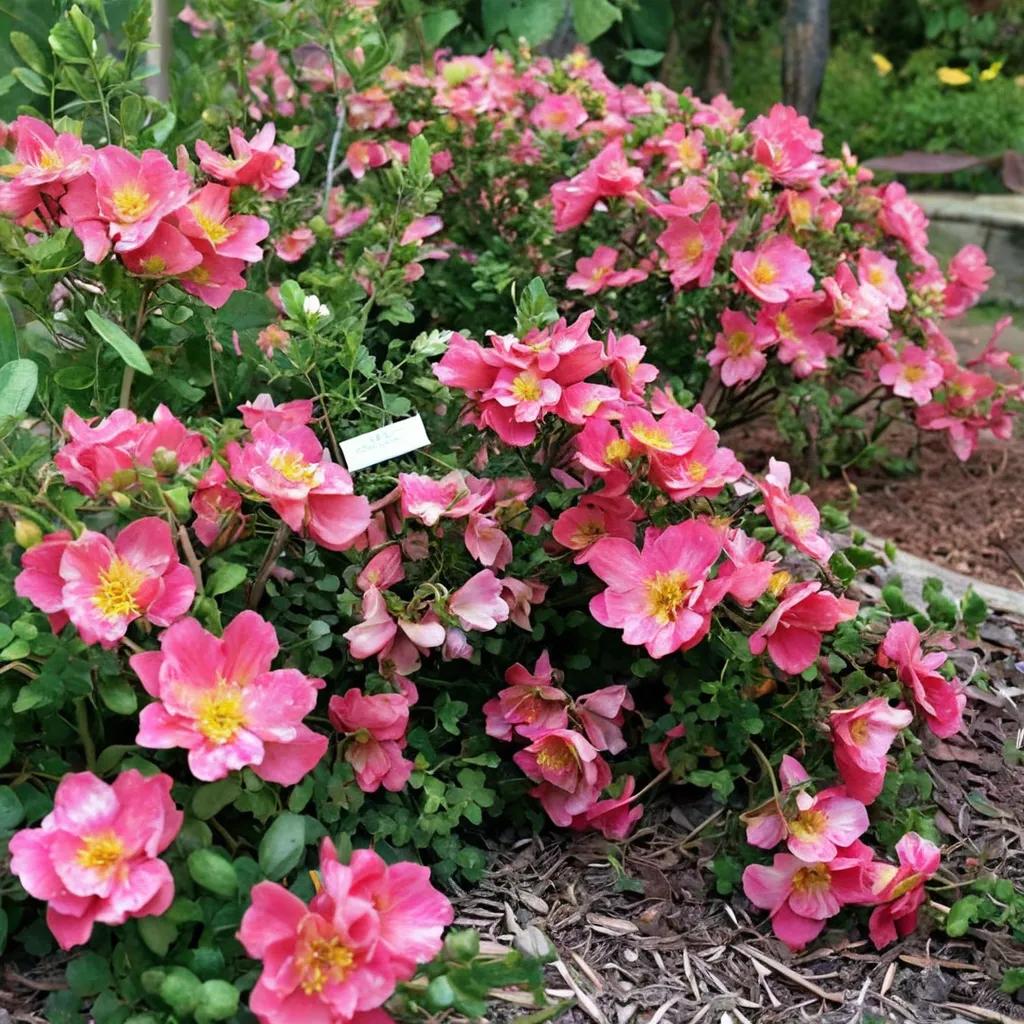
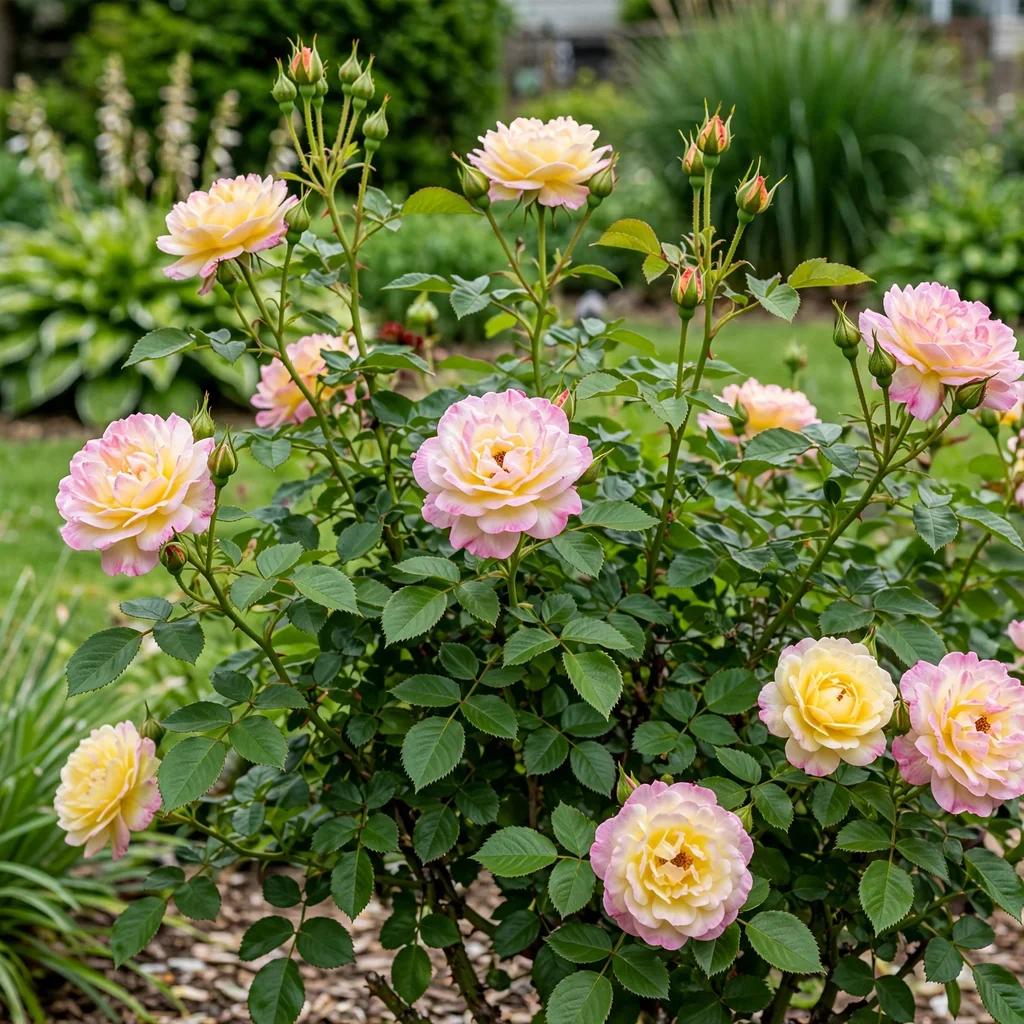

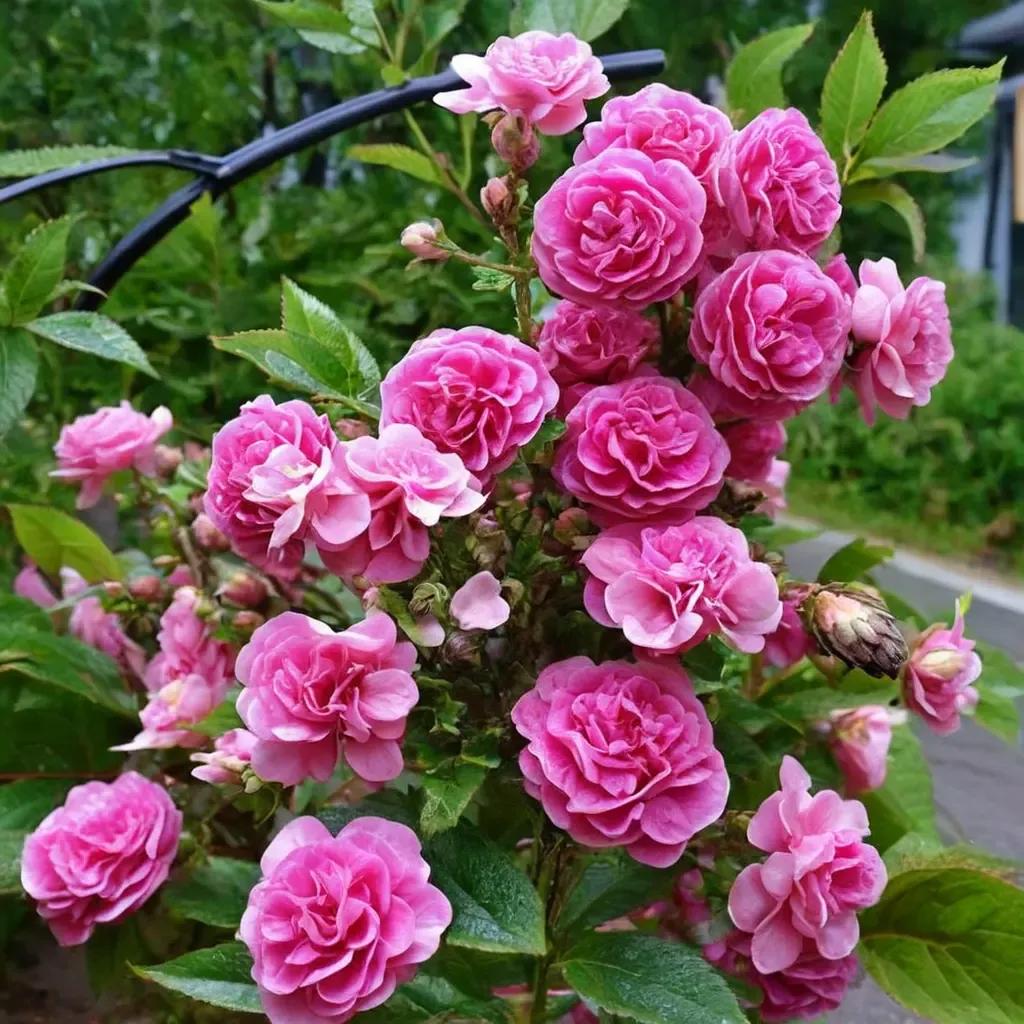
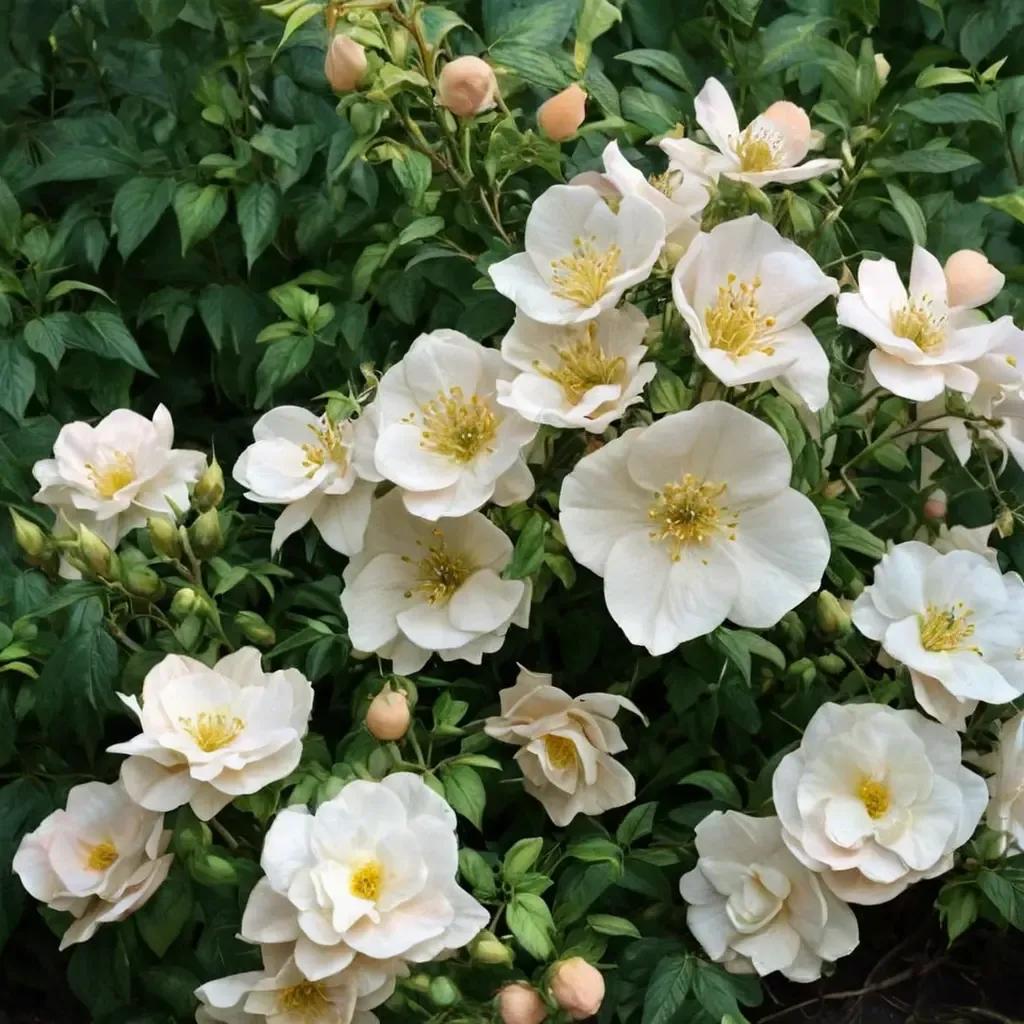
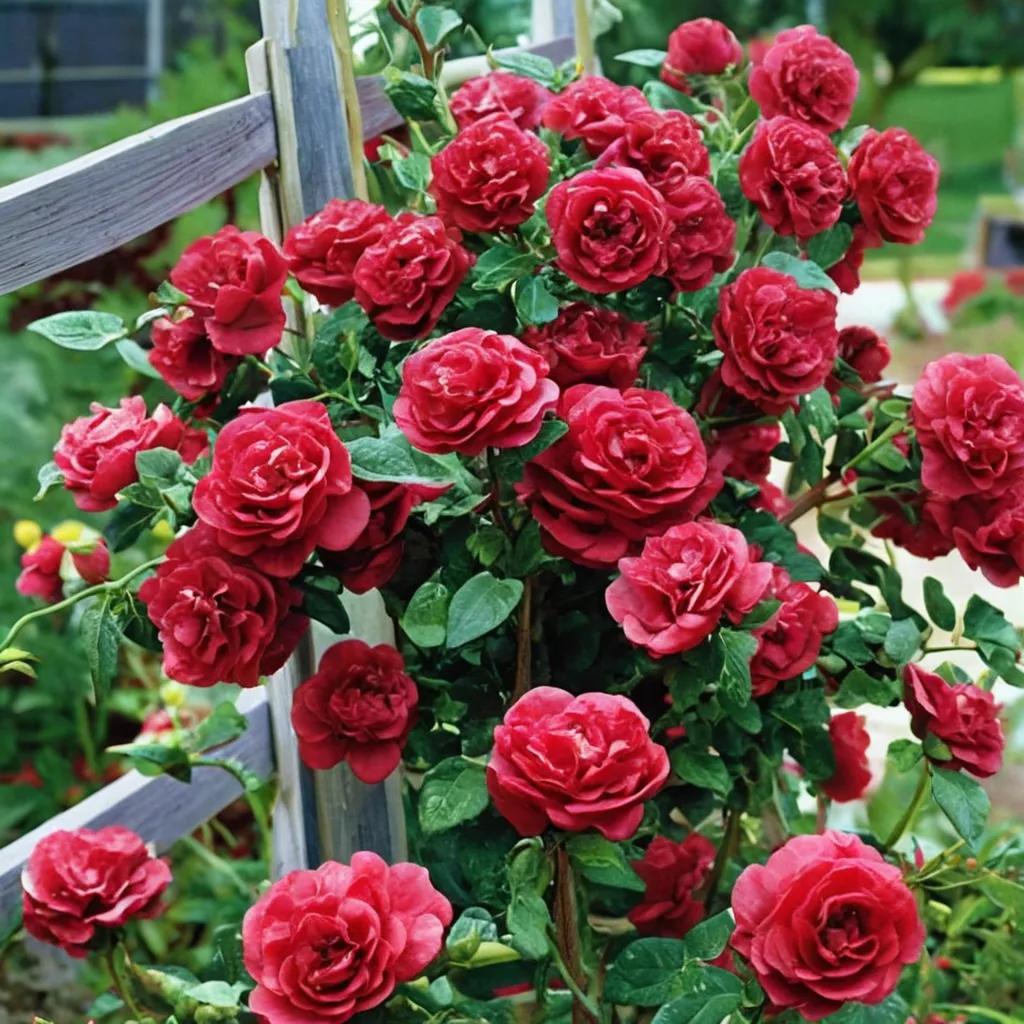
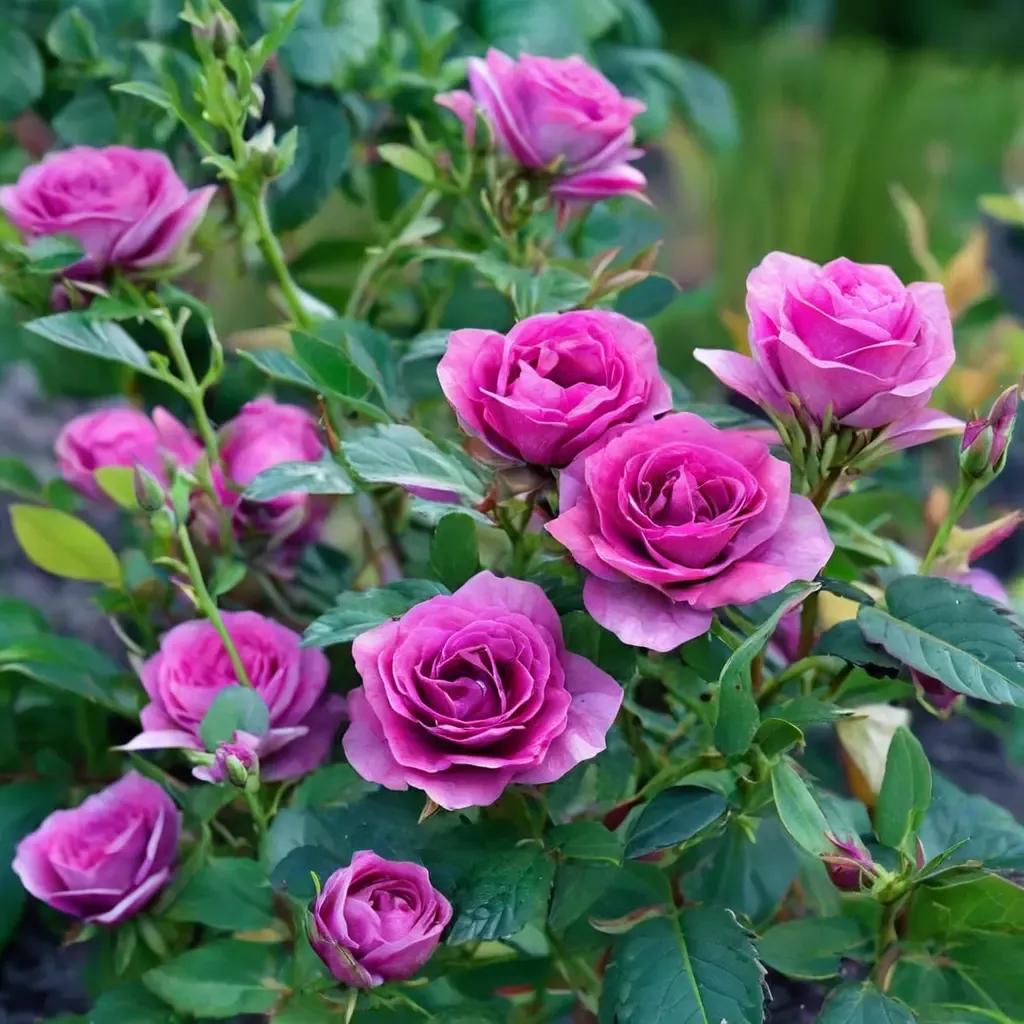



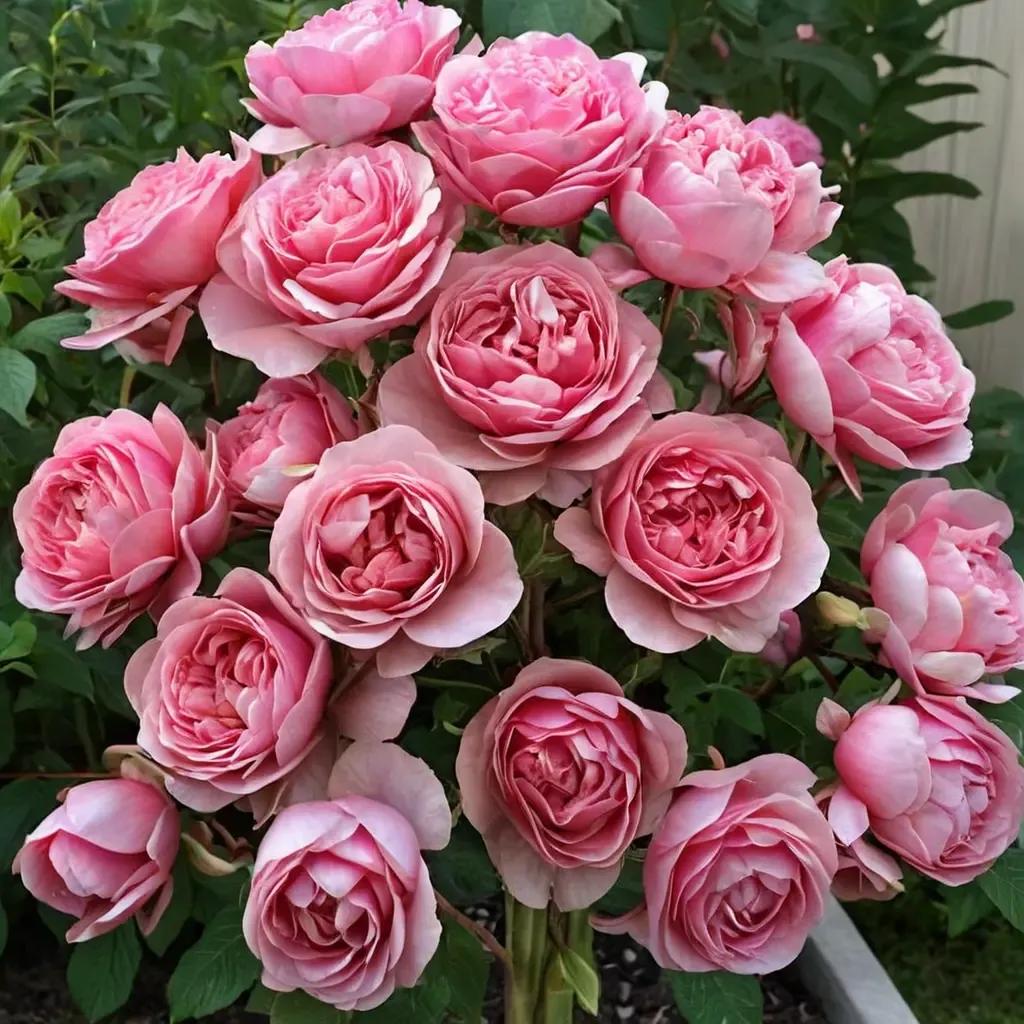
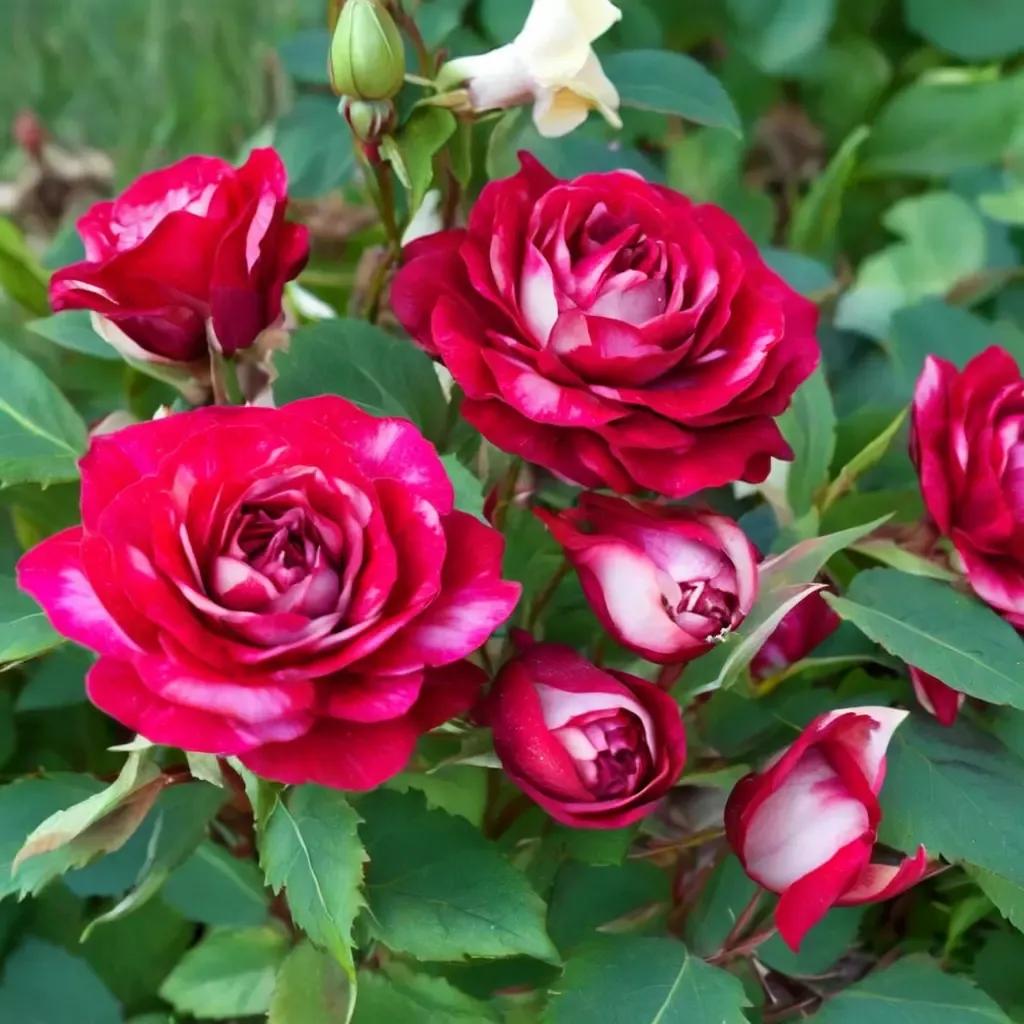
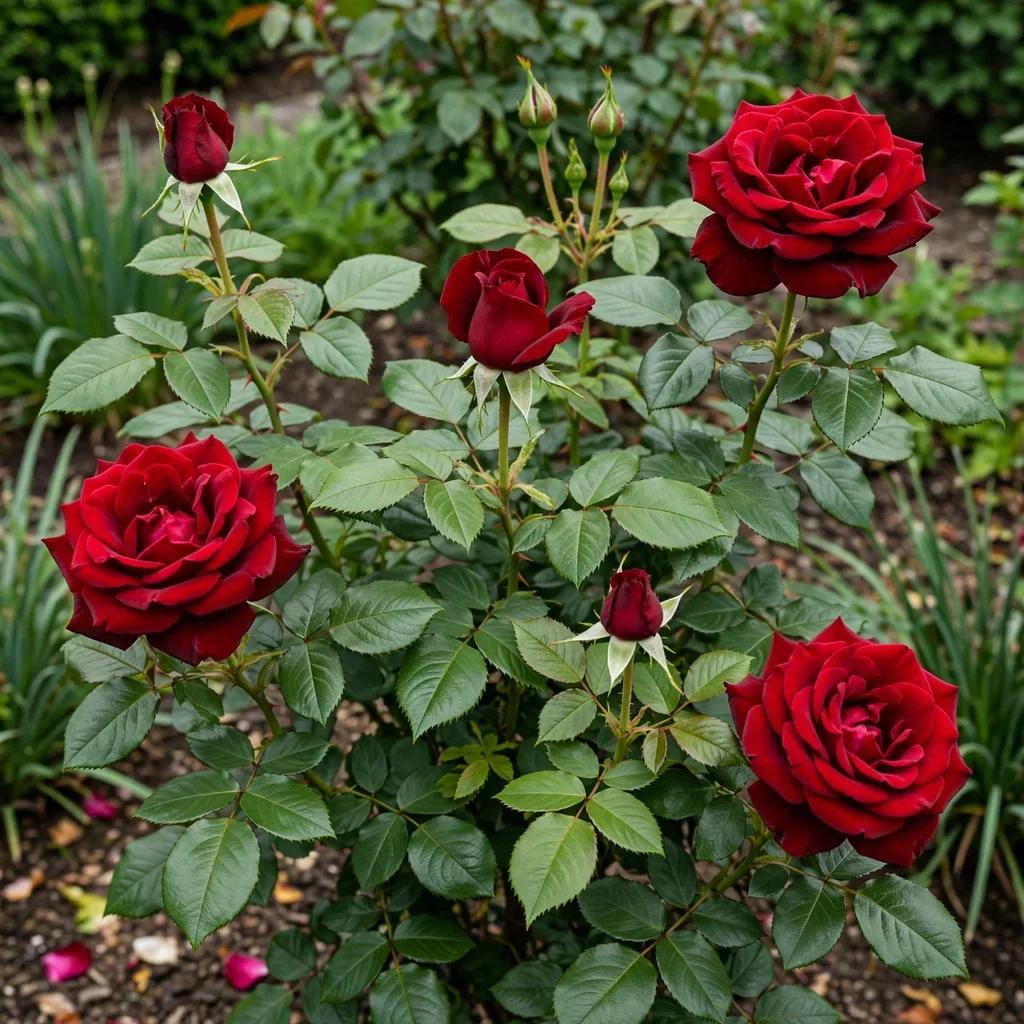

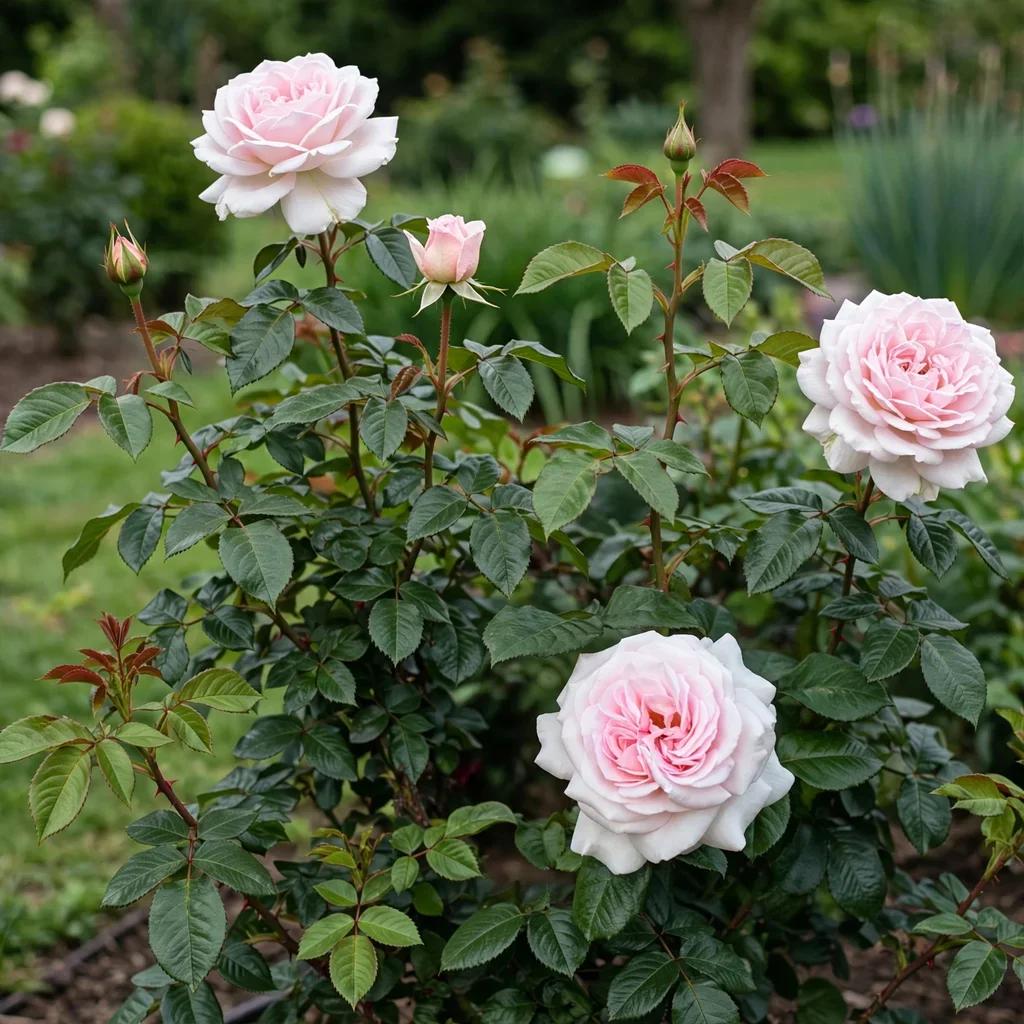





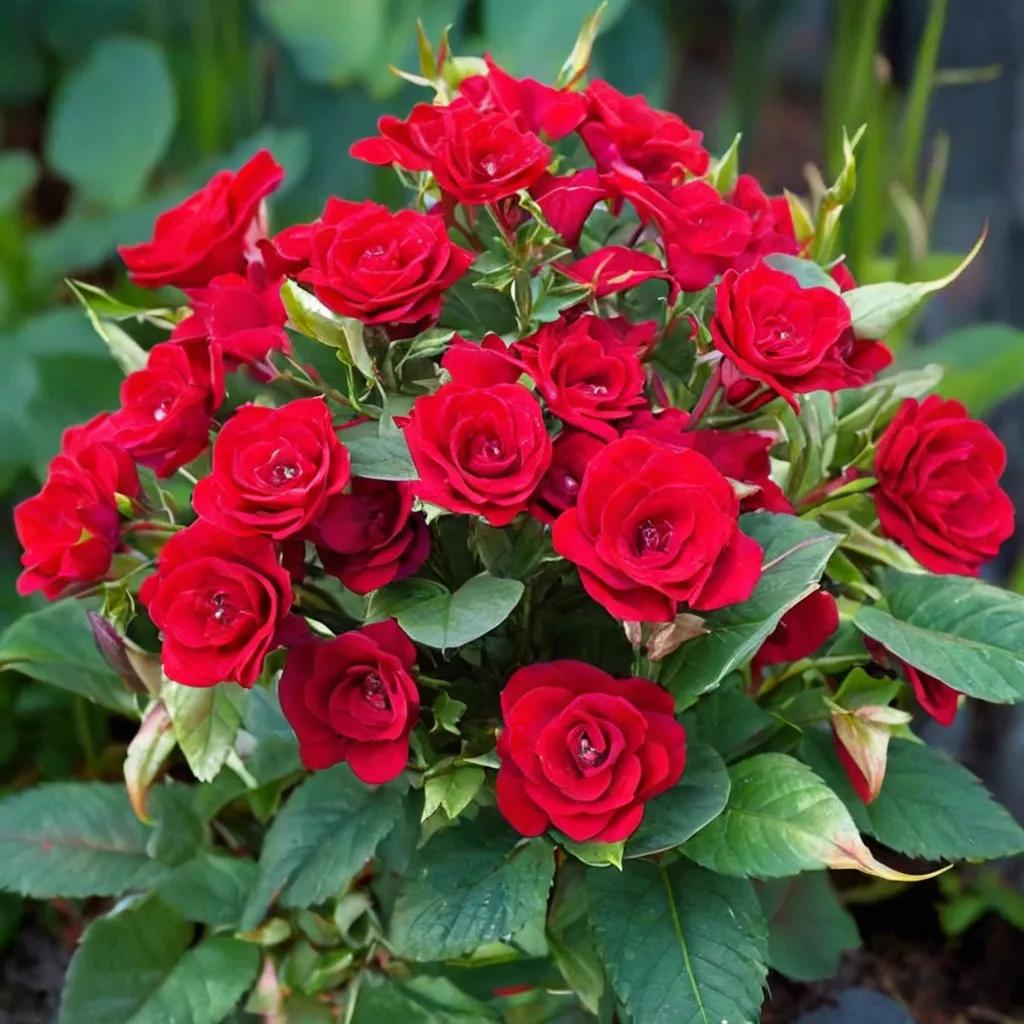
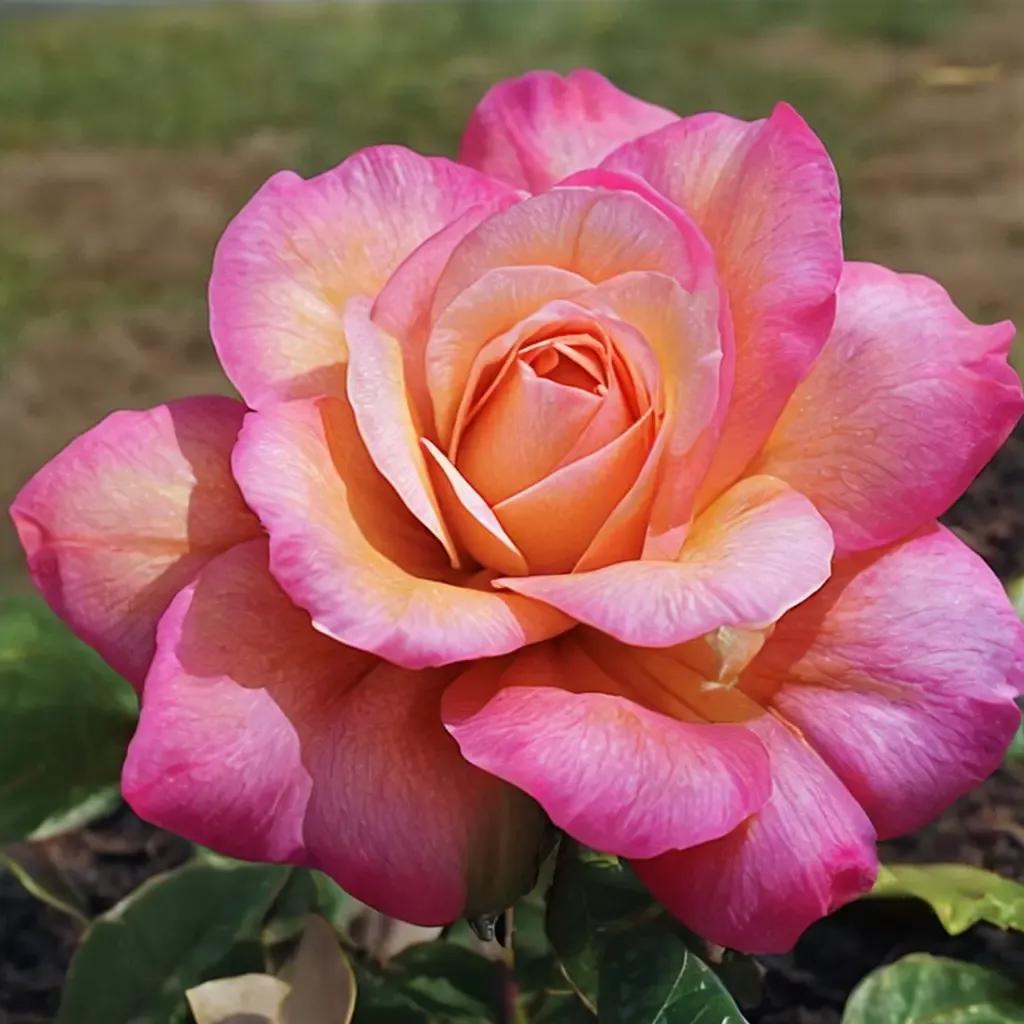
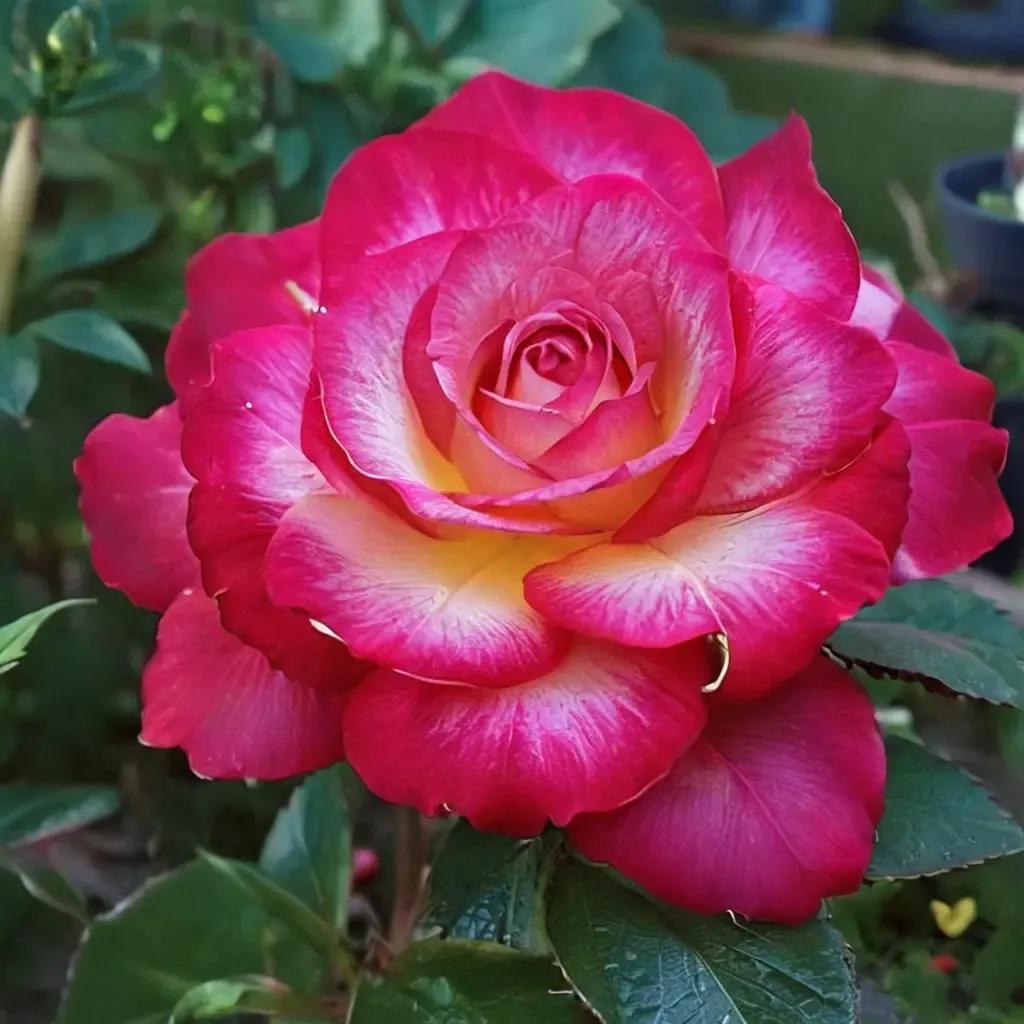
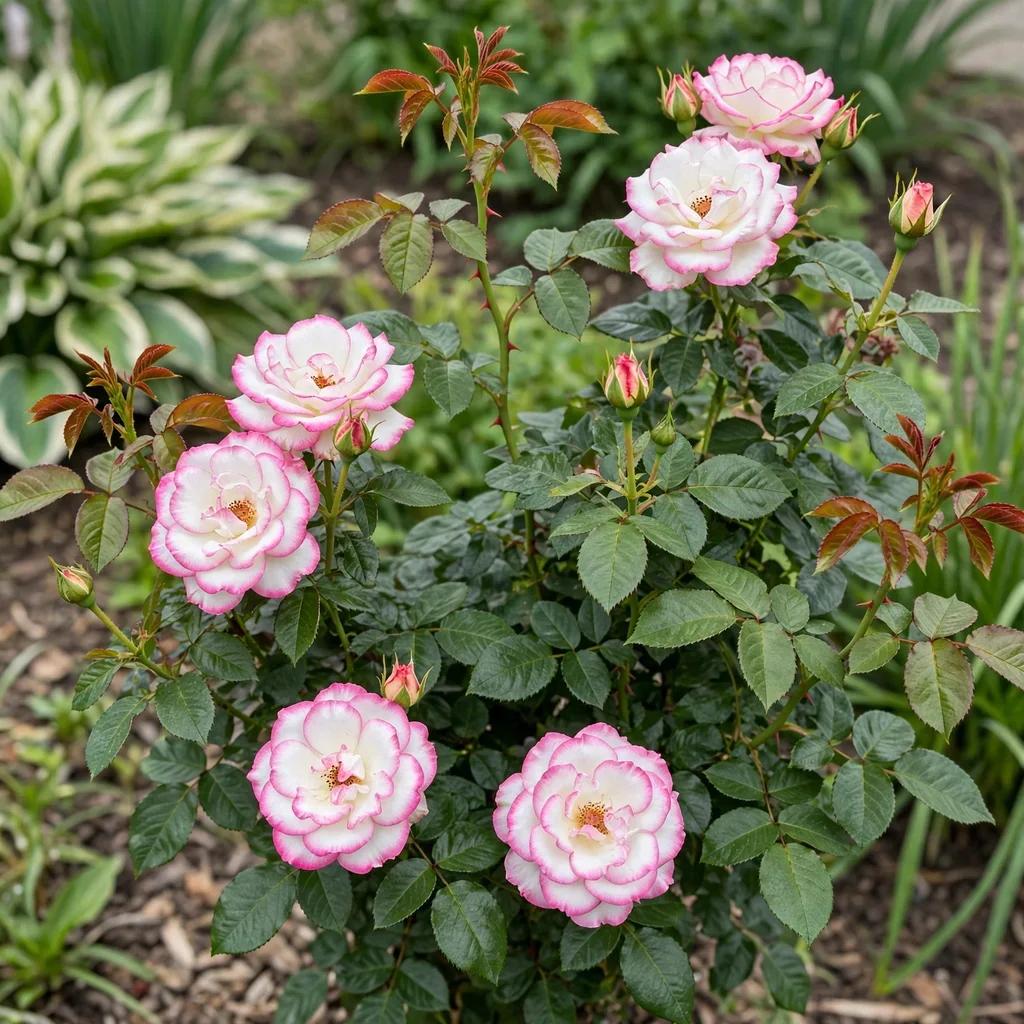






















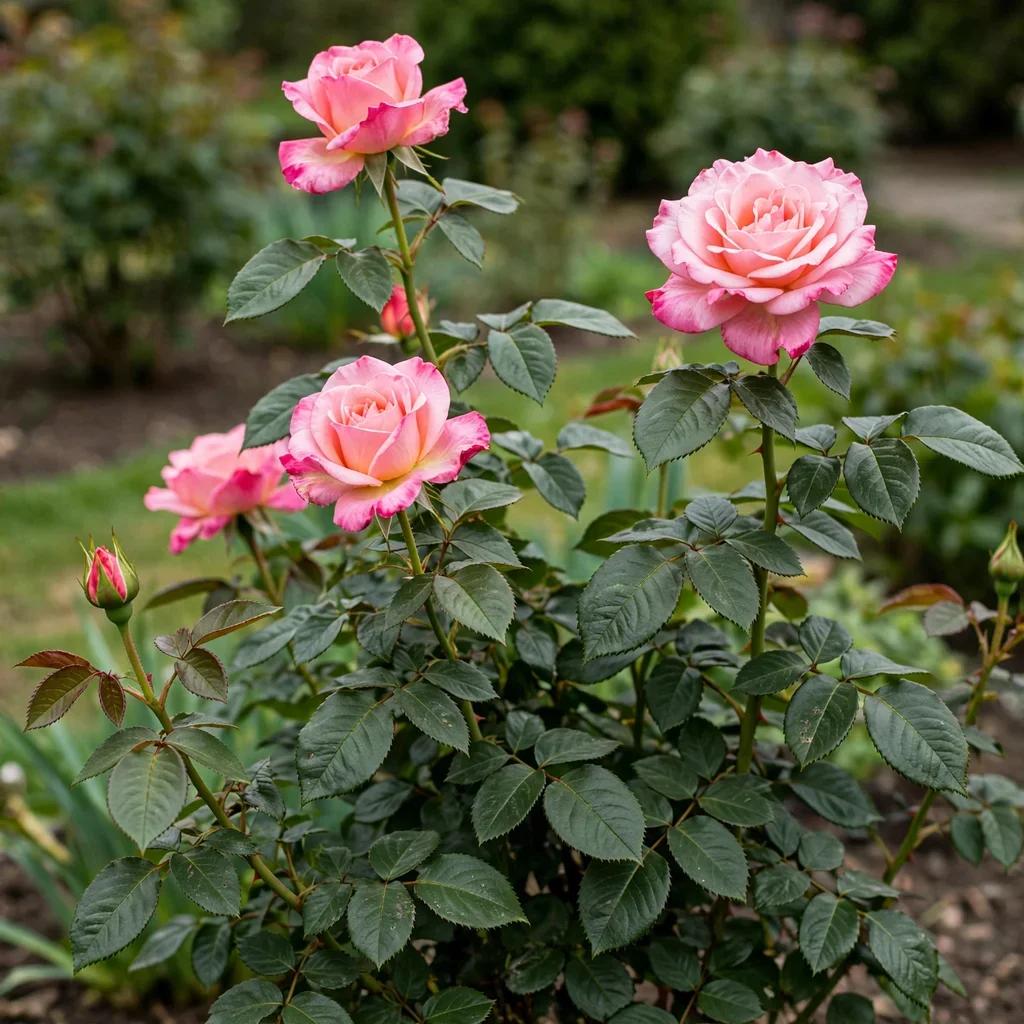
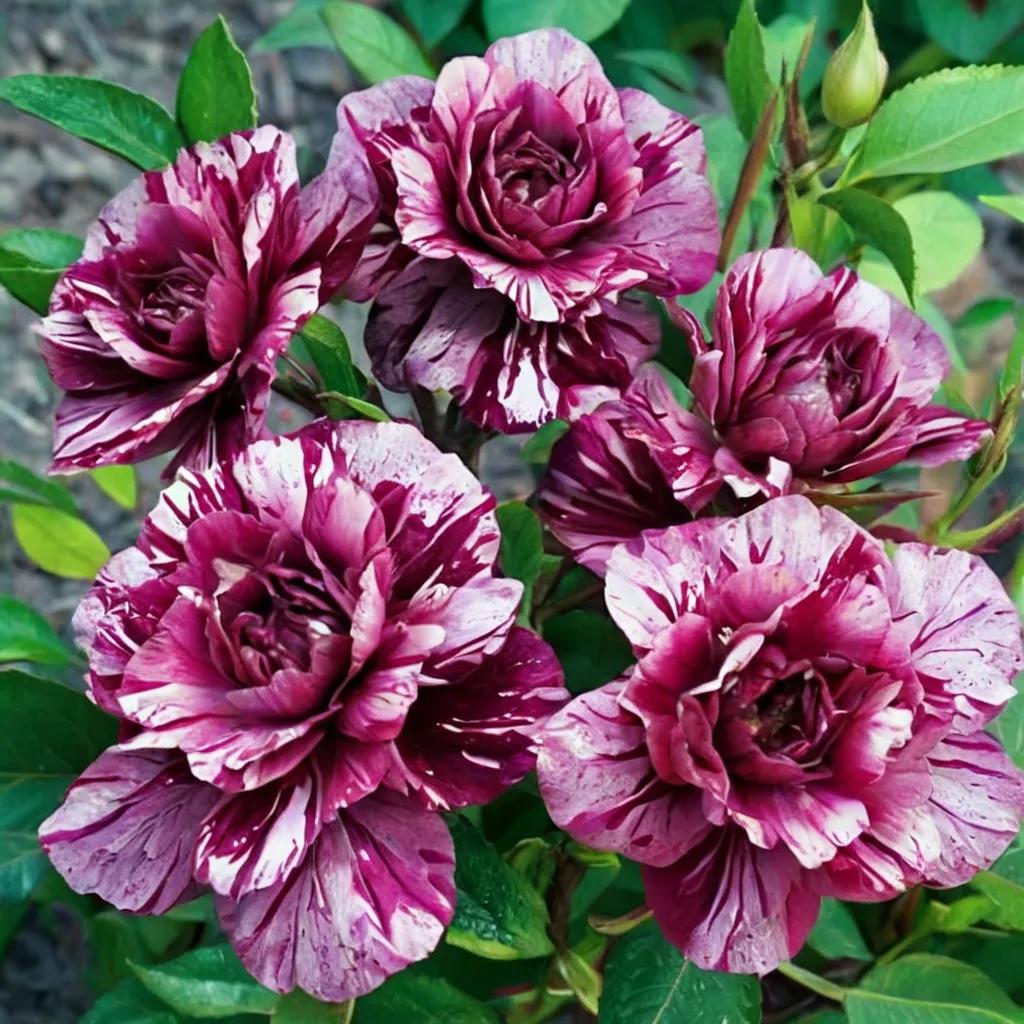
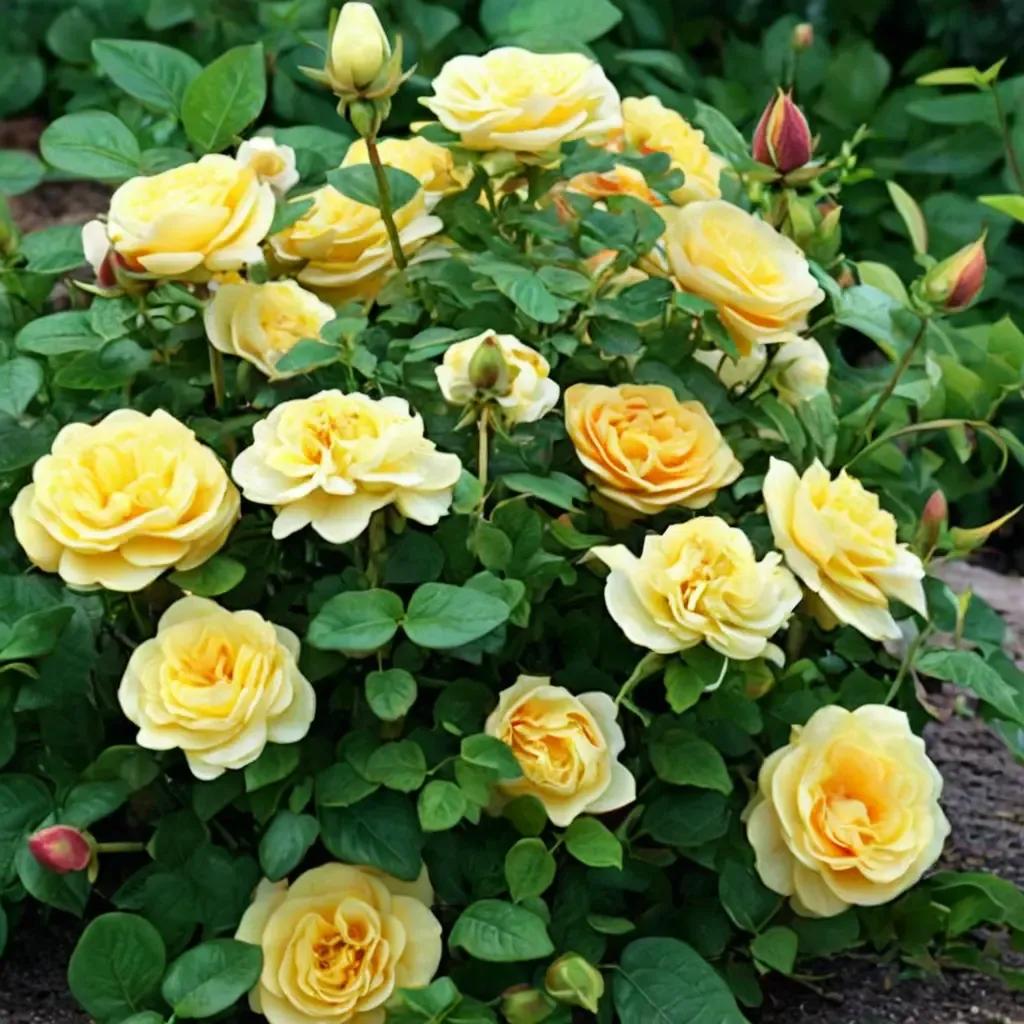
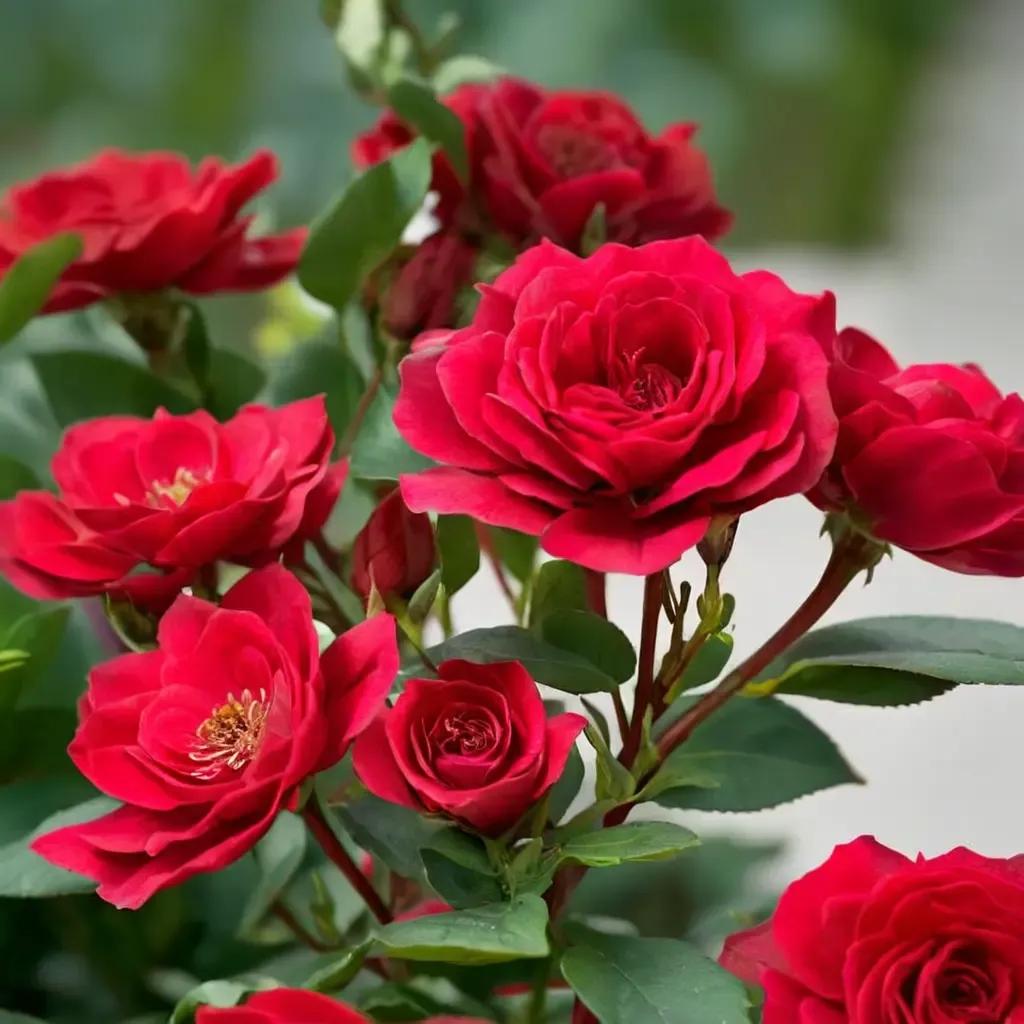
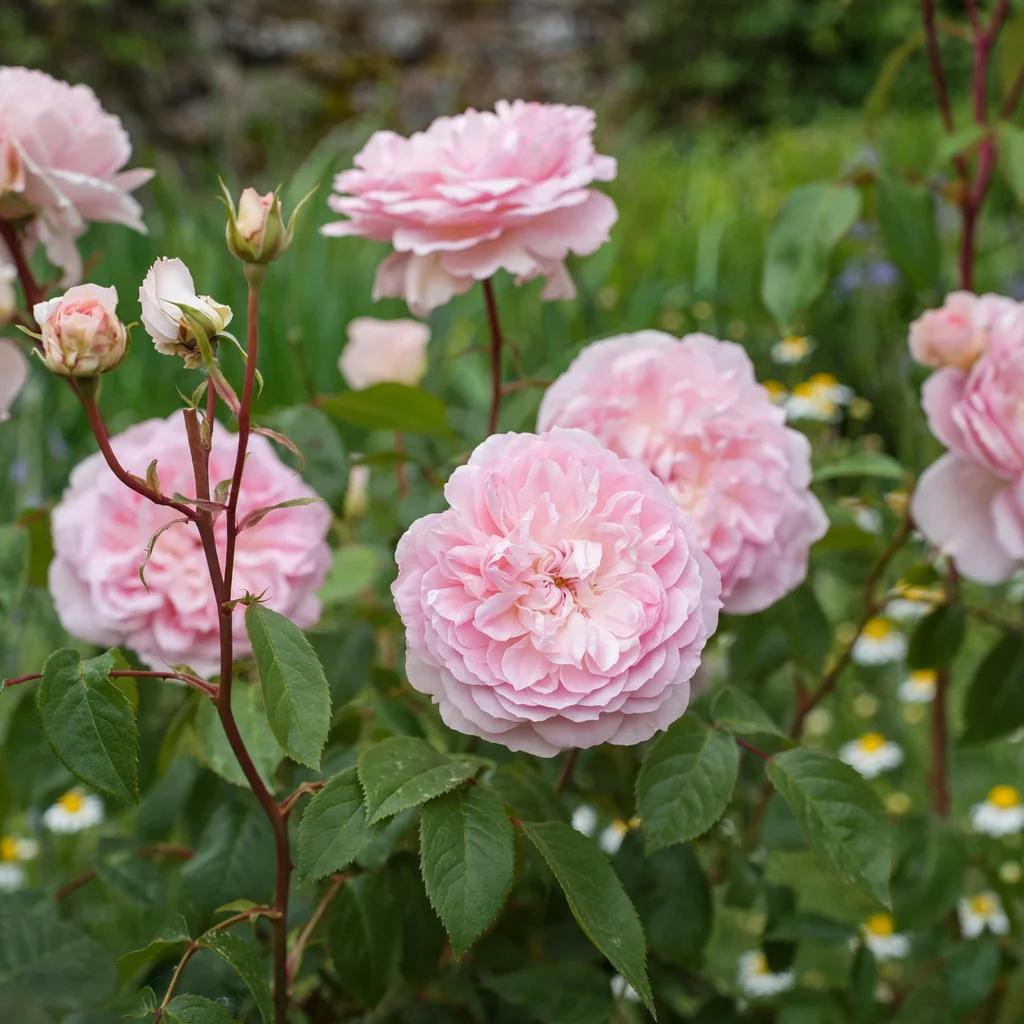
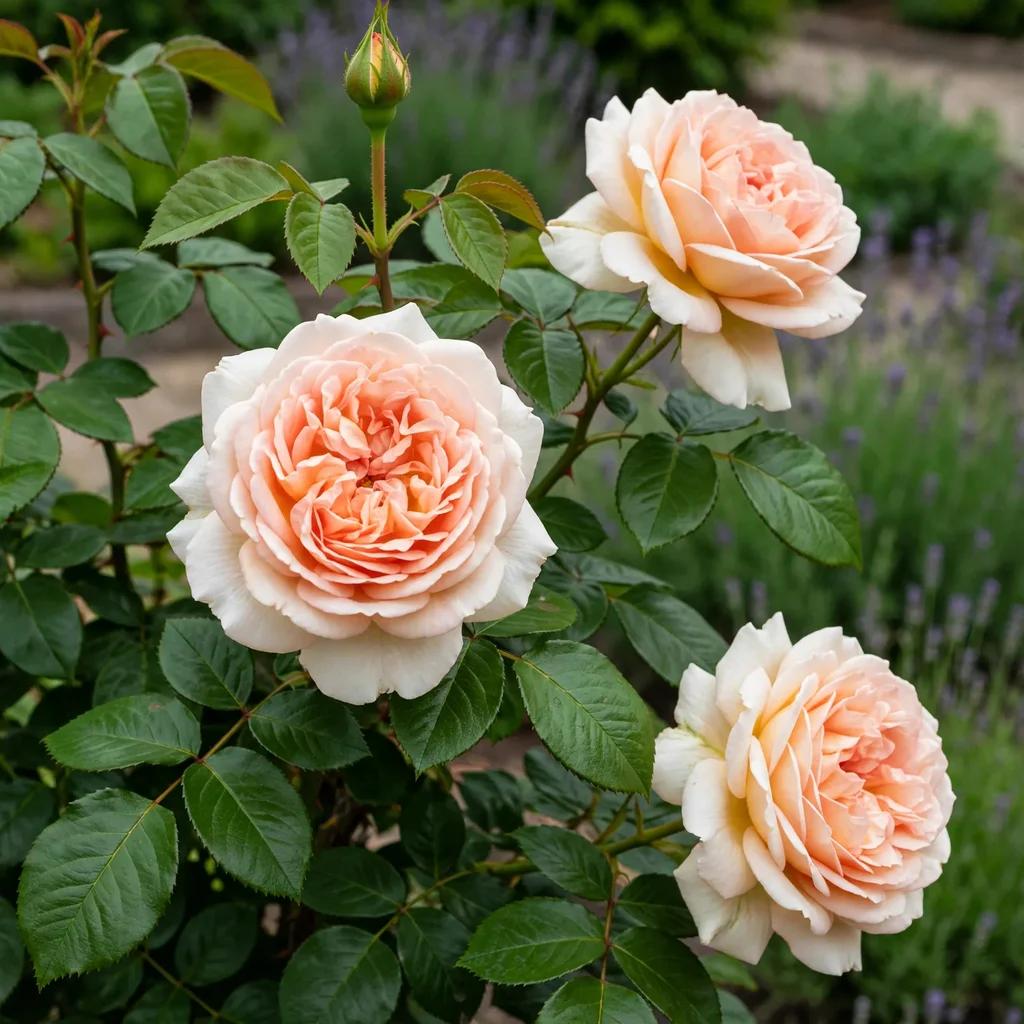
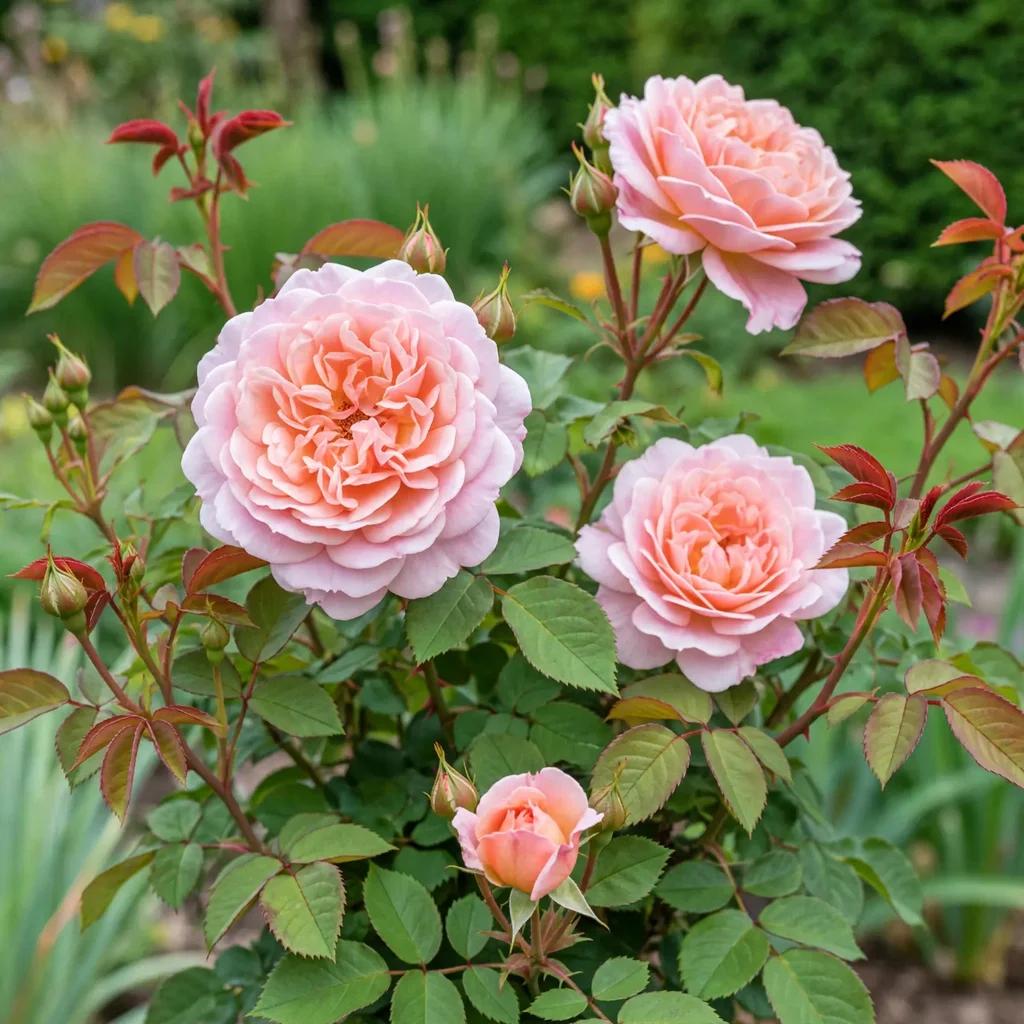
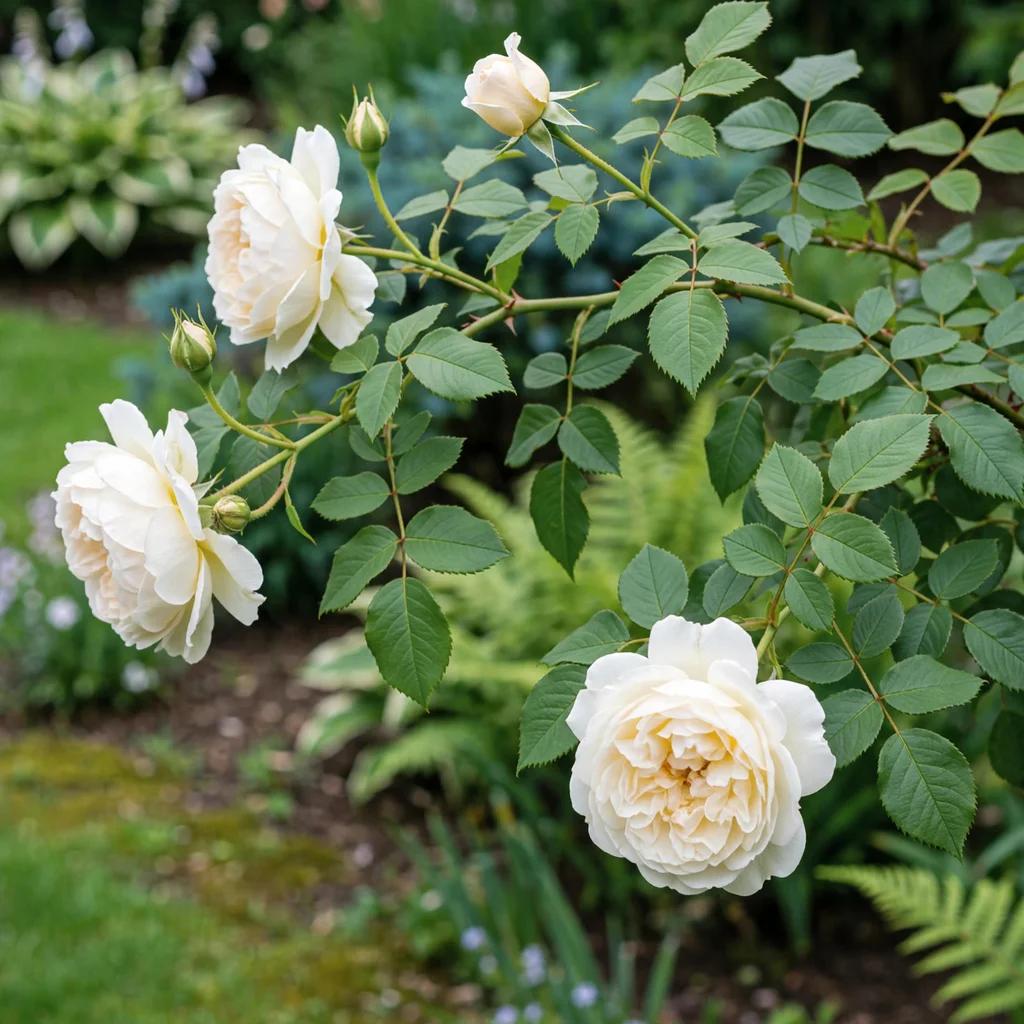
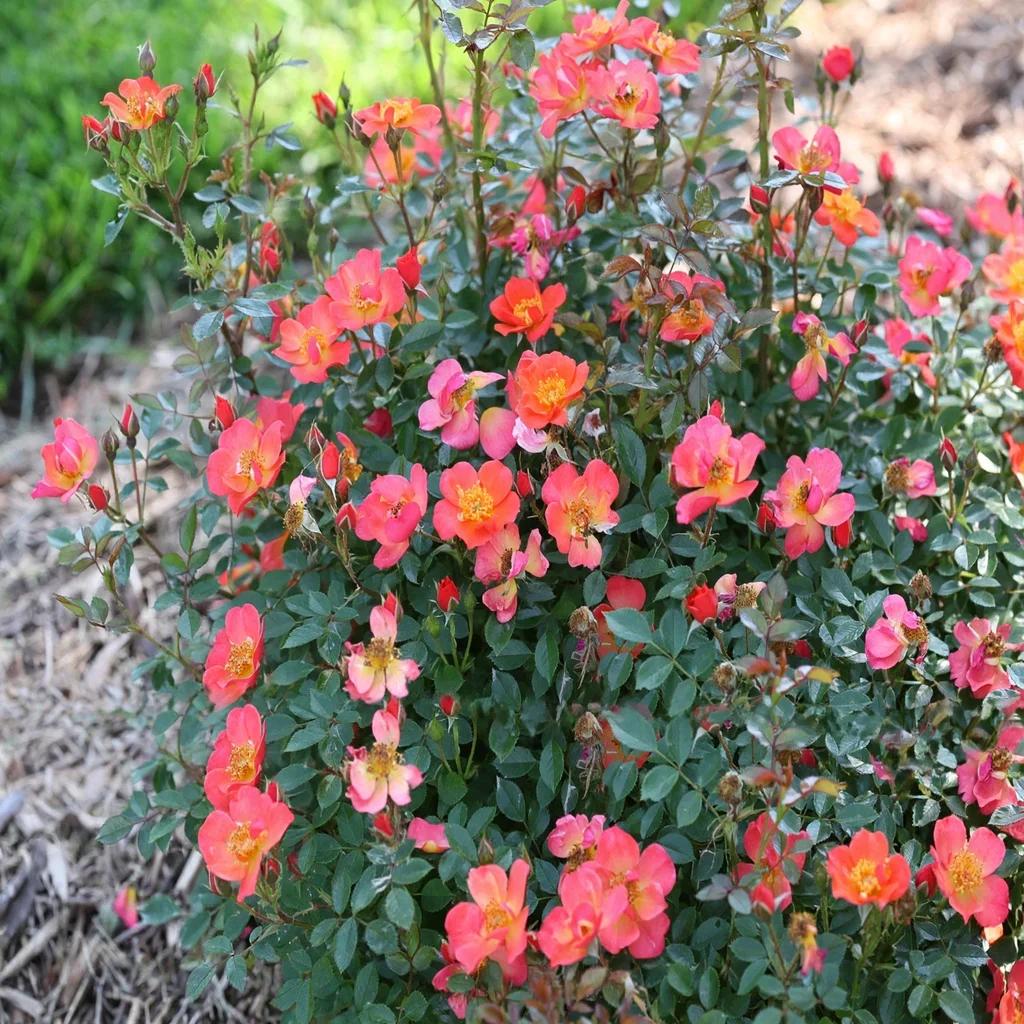
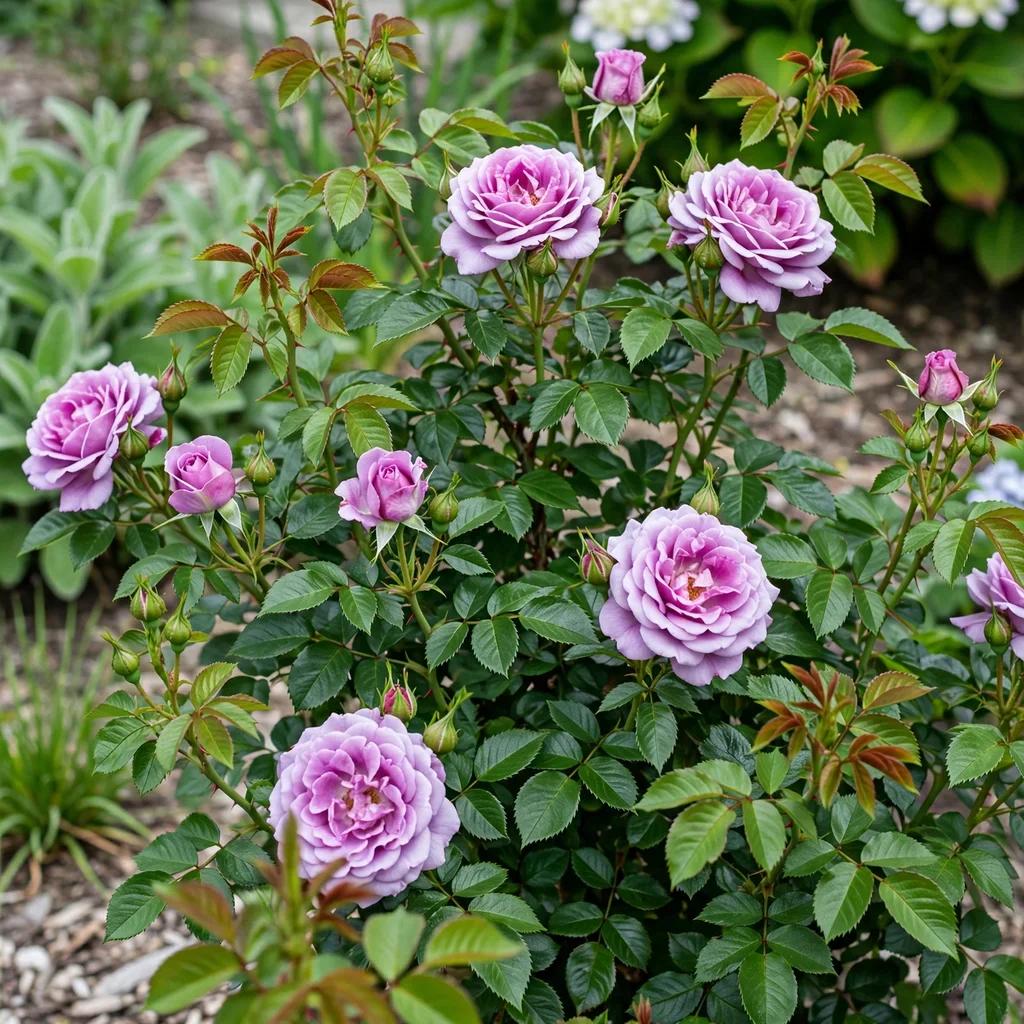
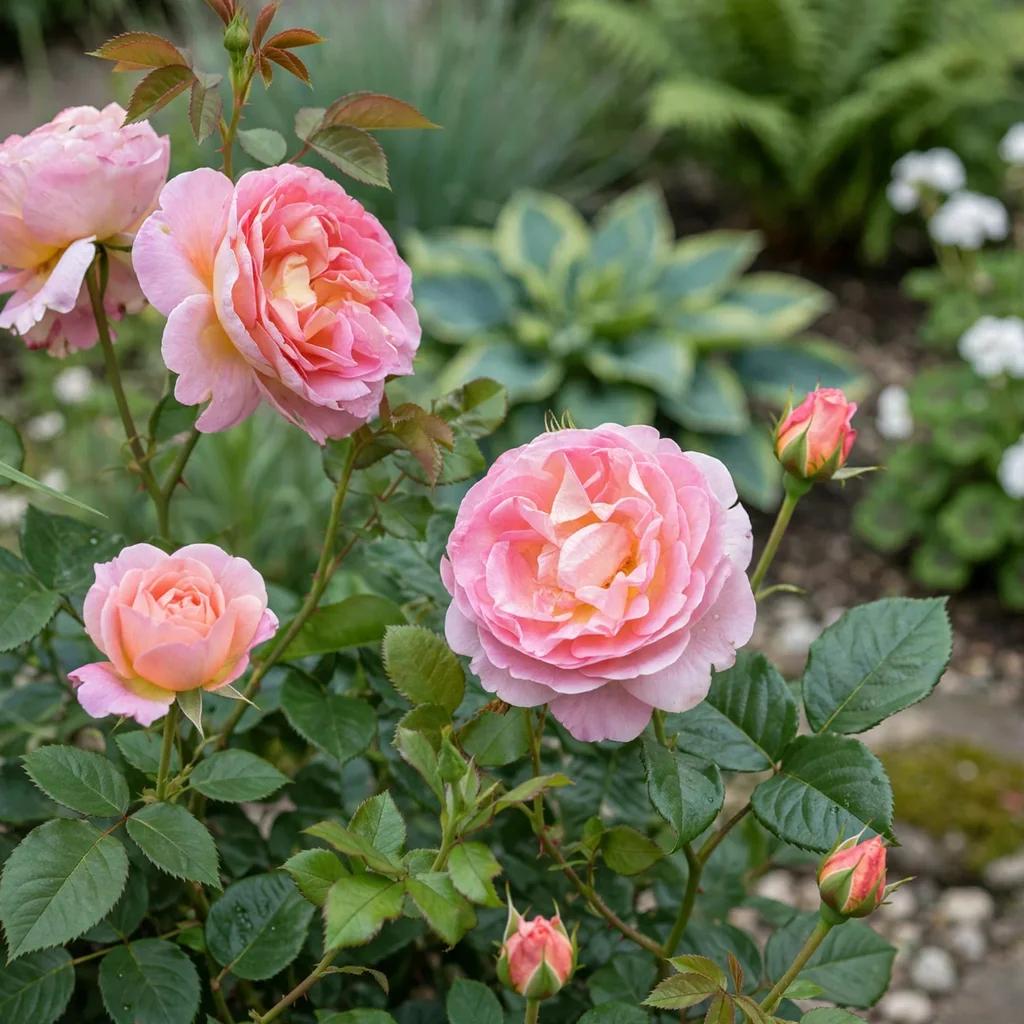
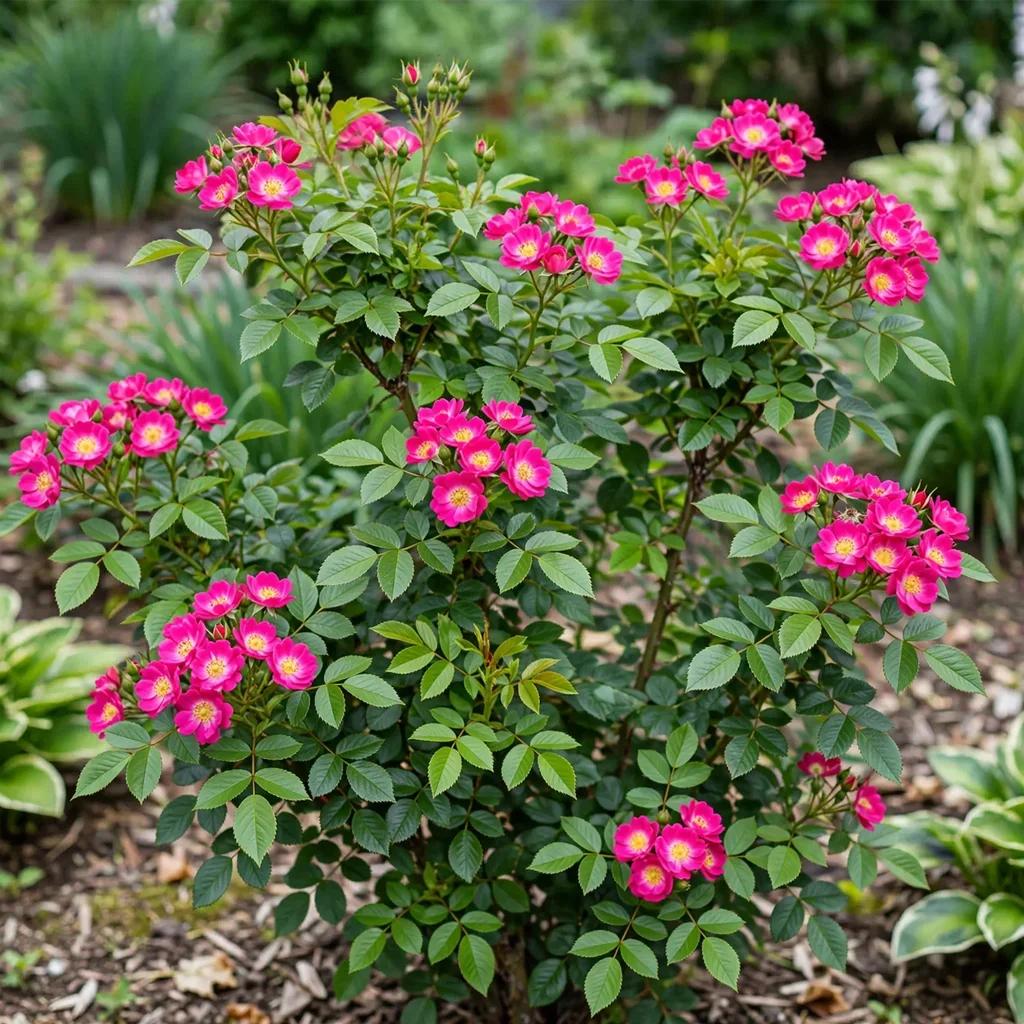
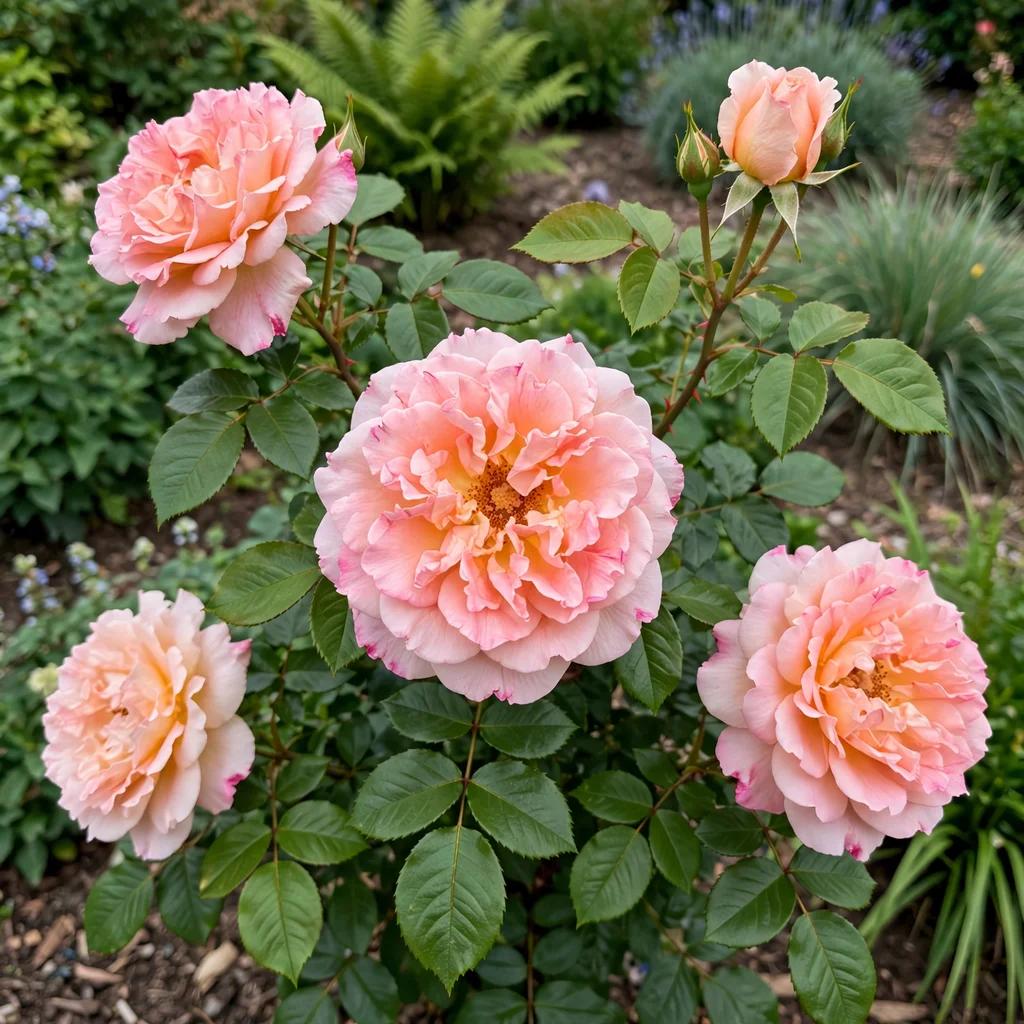
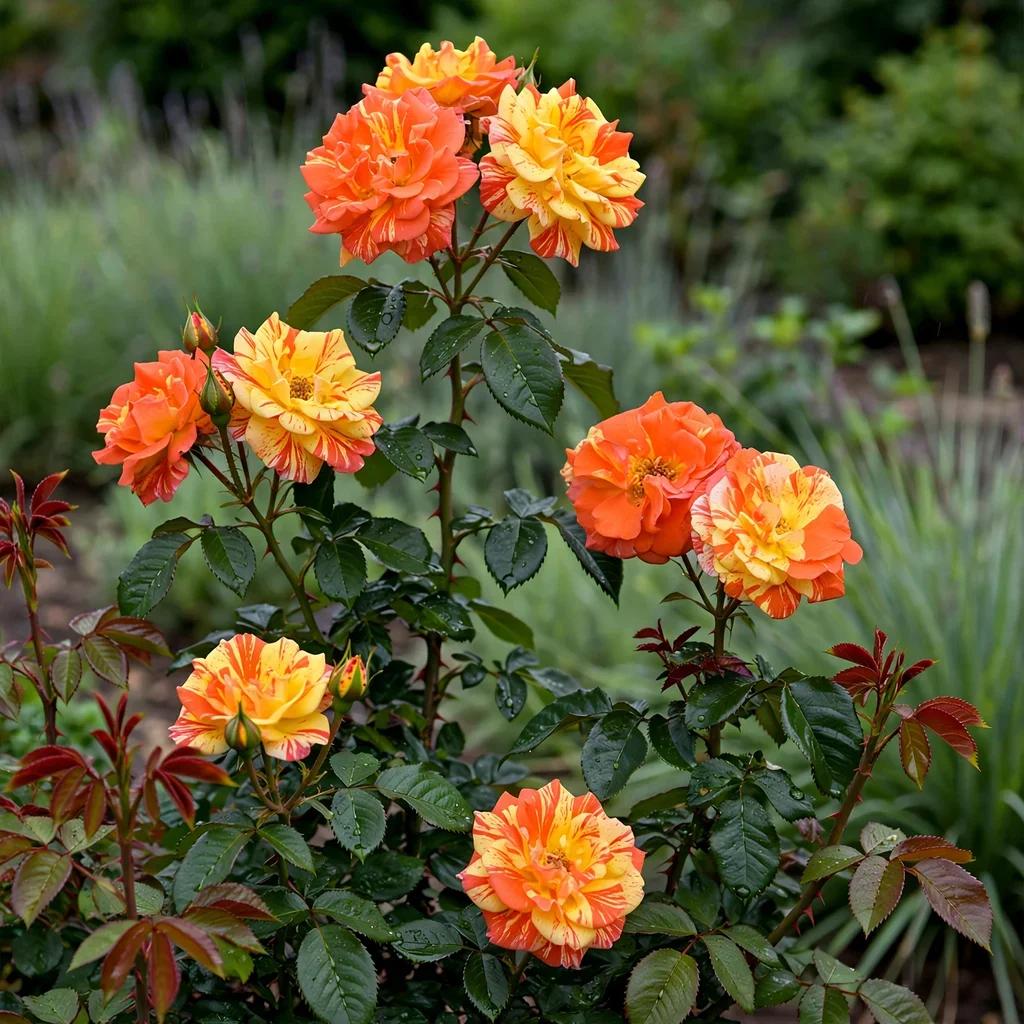
The Story
Plant Bio
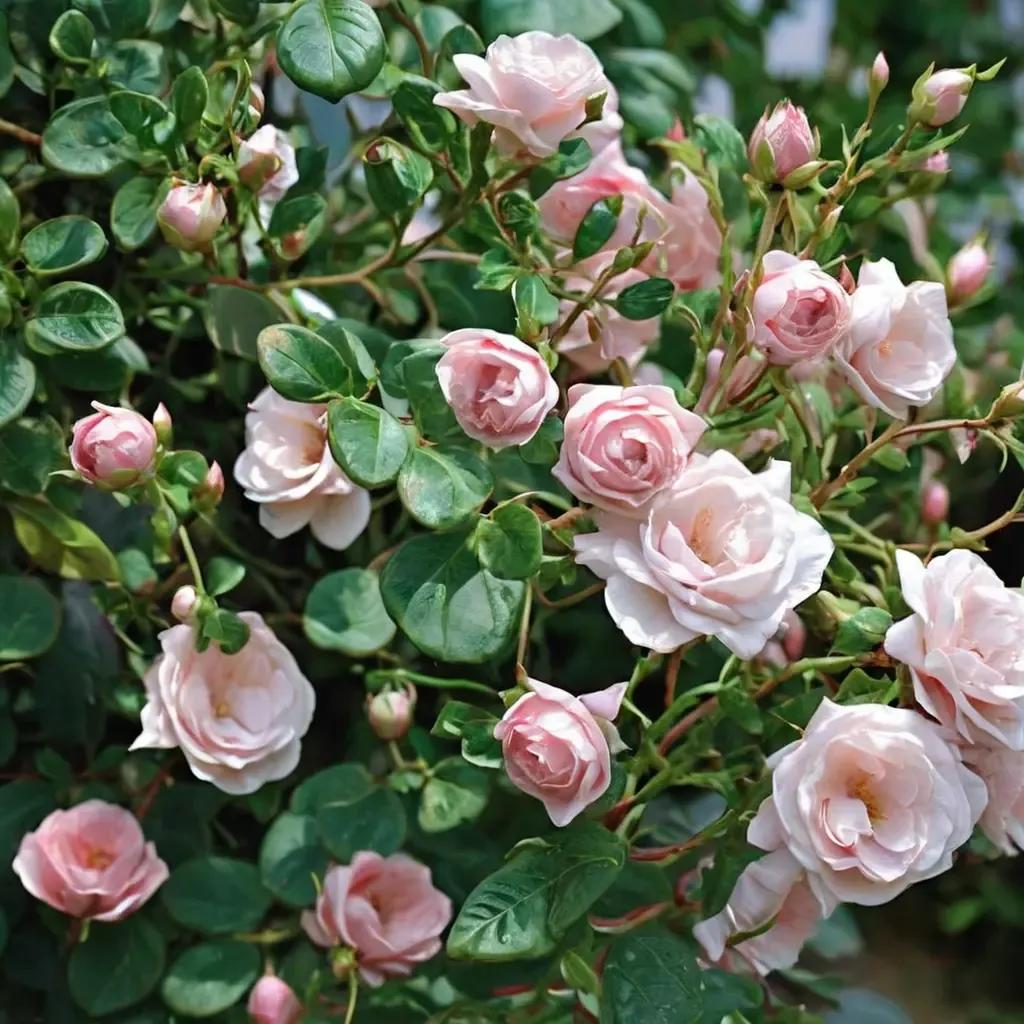
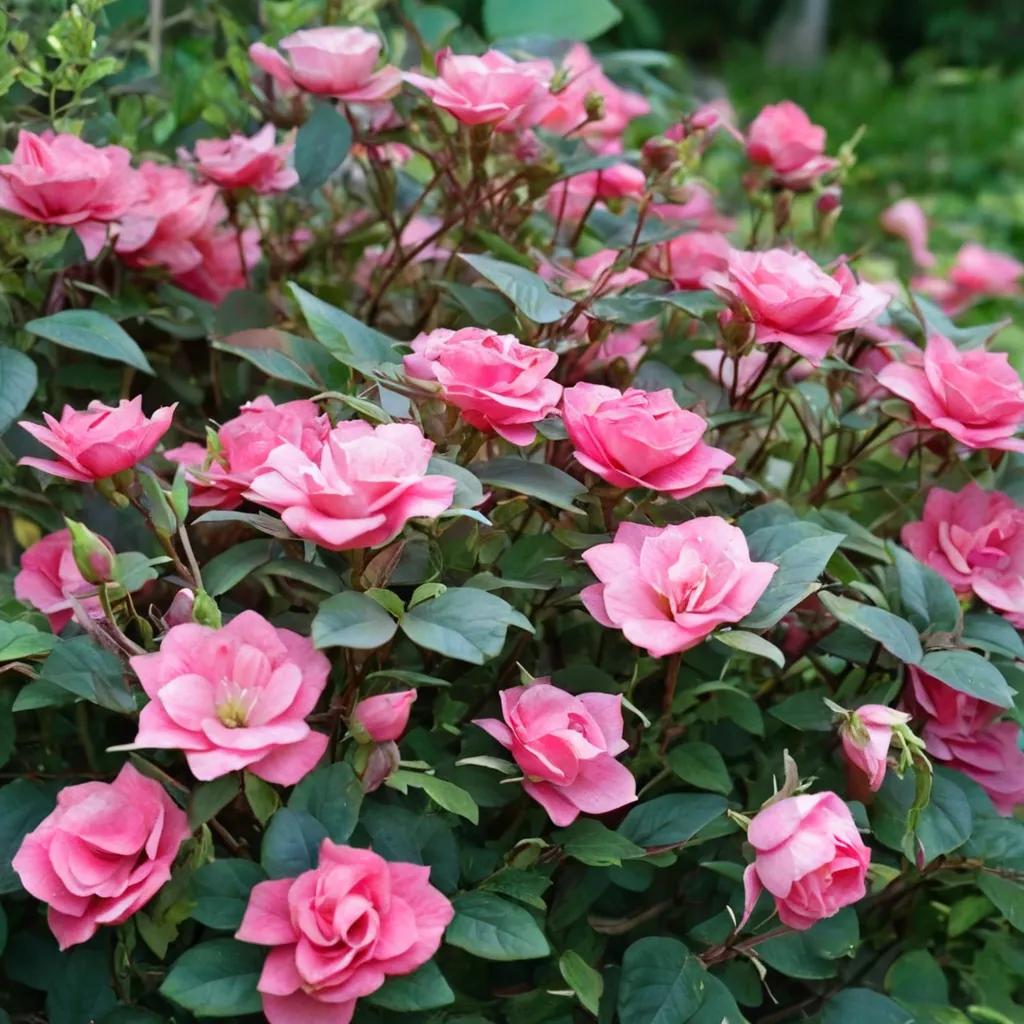
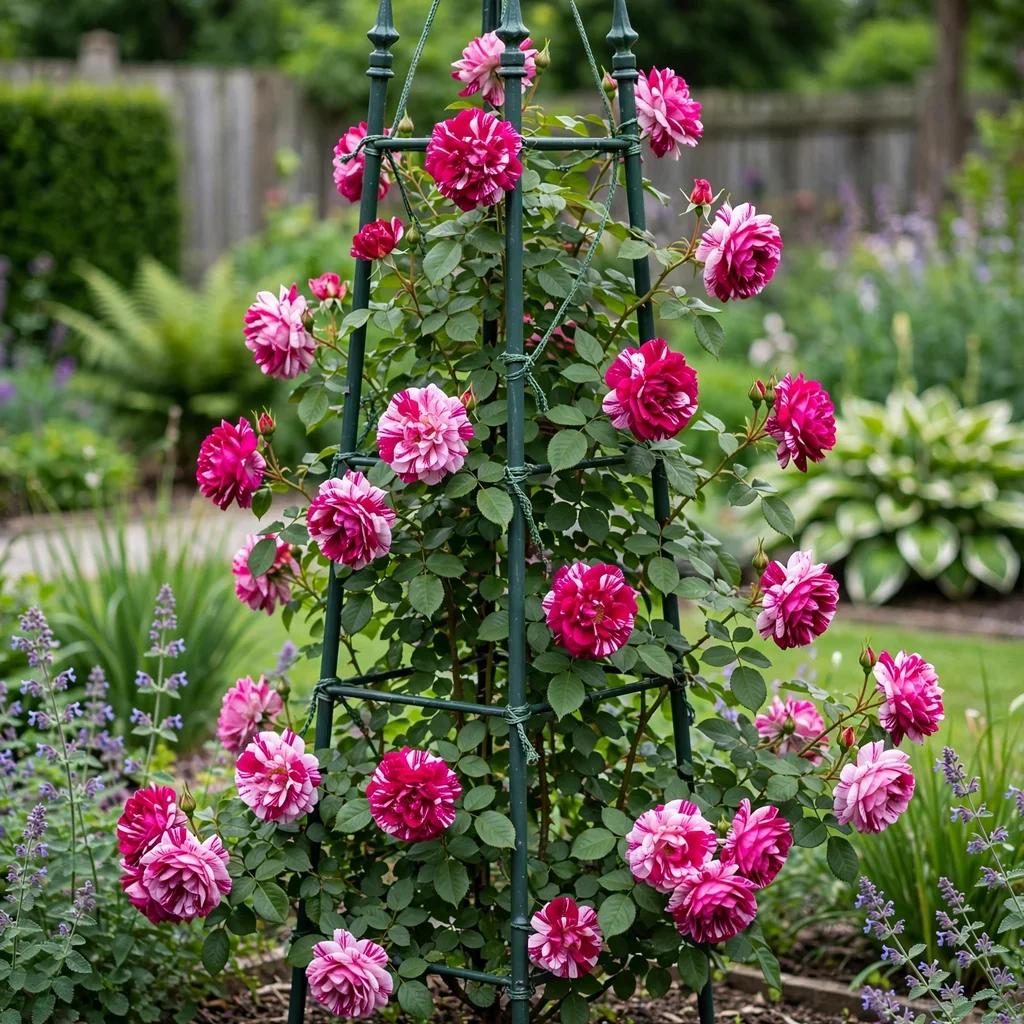
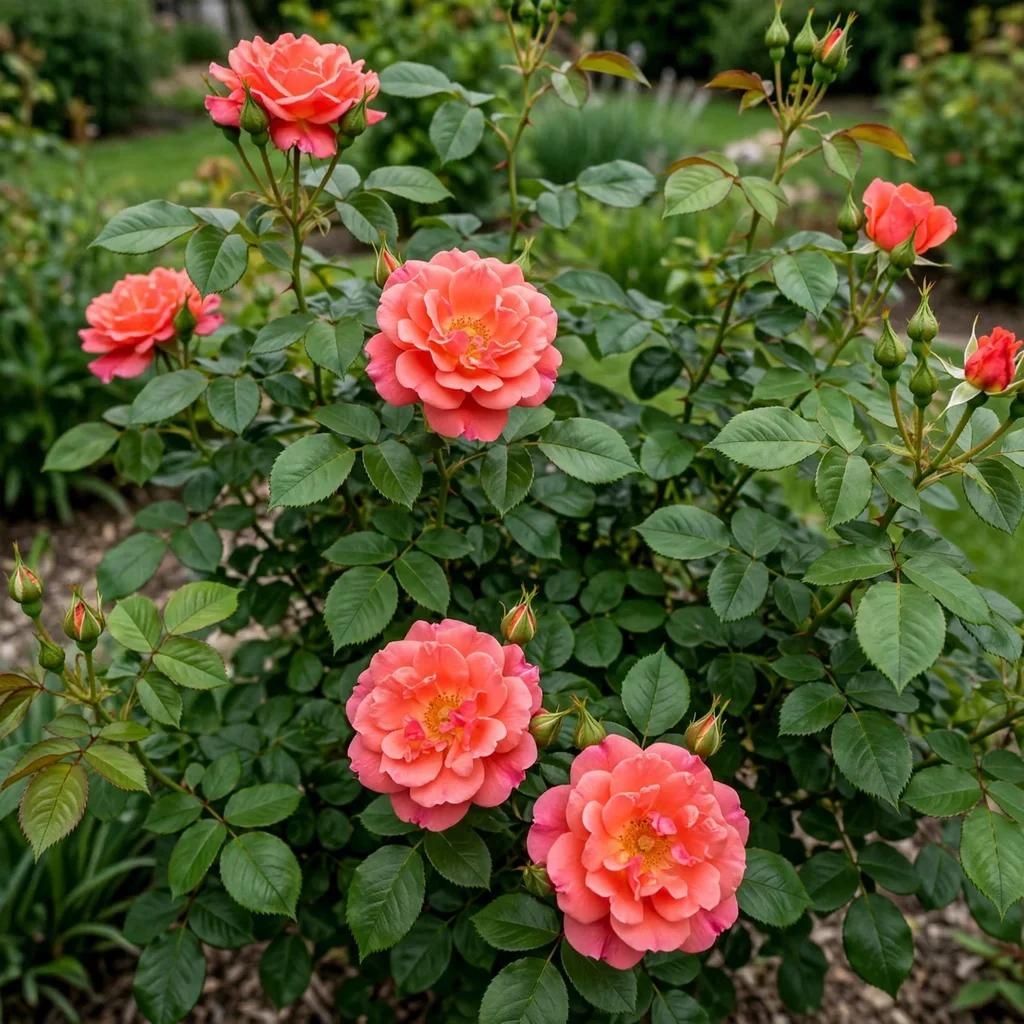
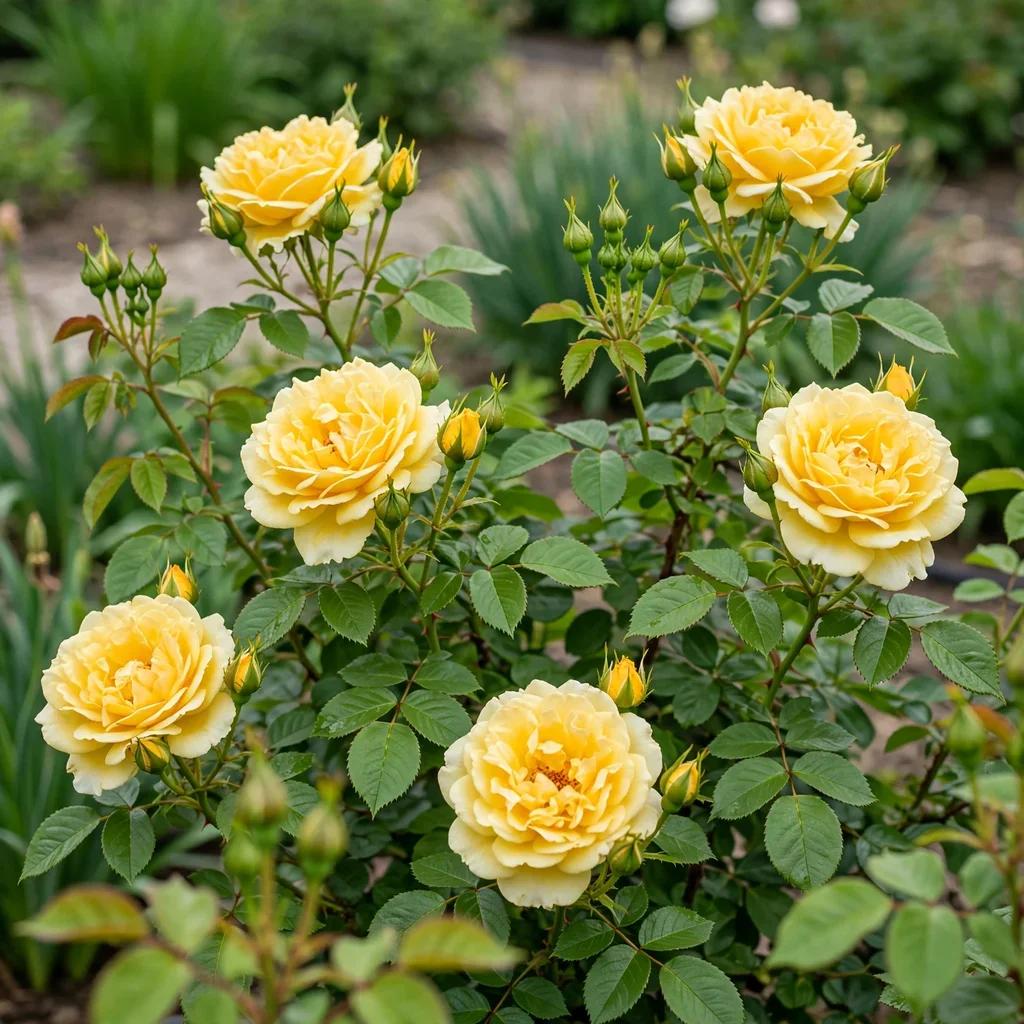
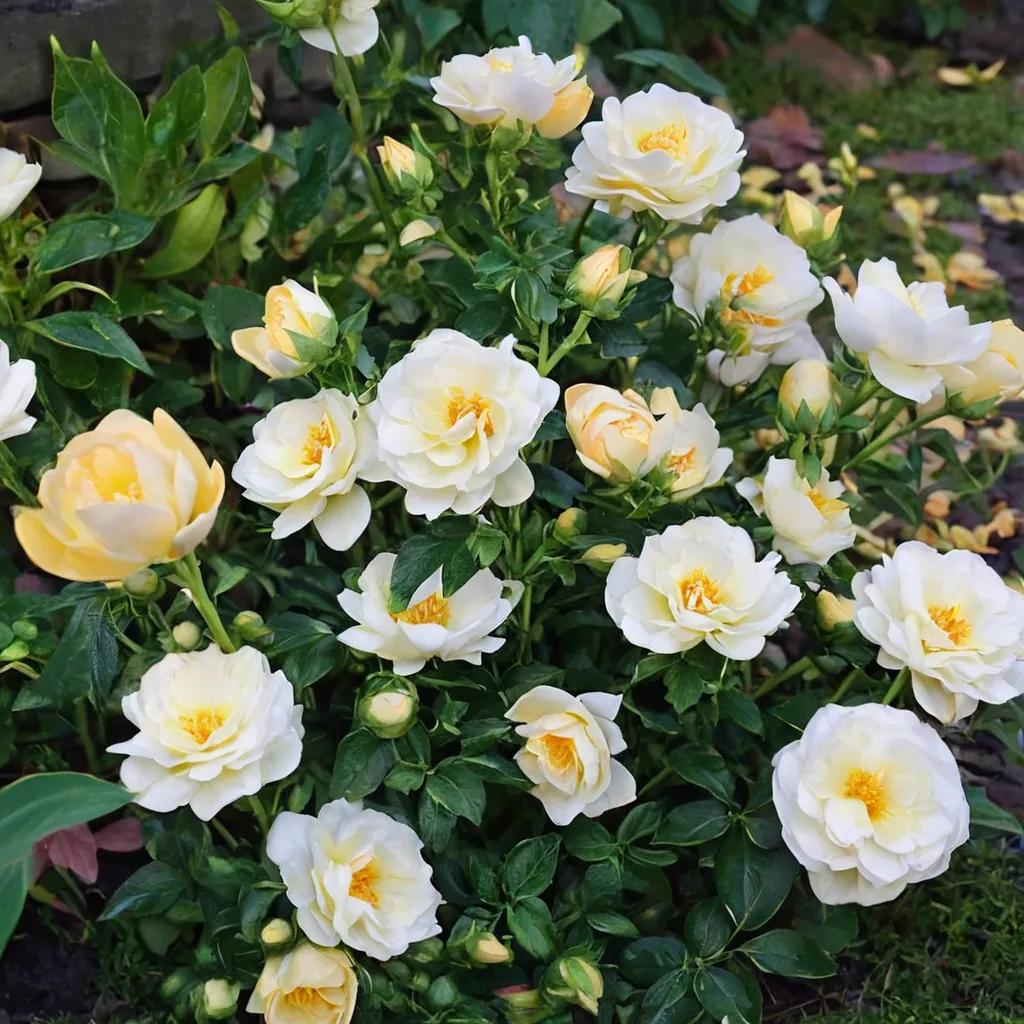
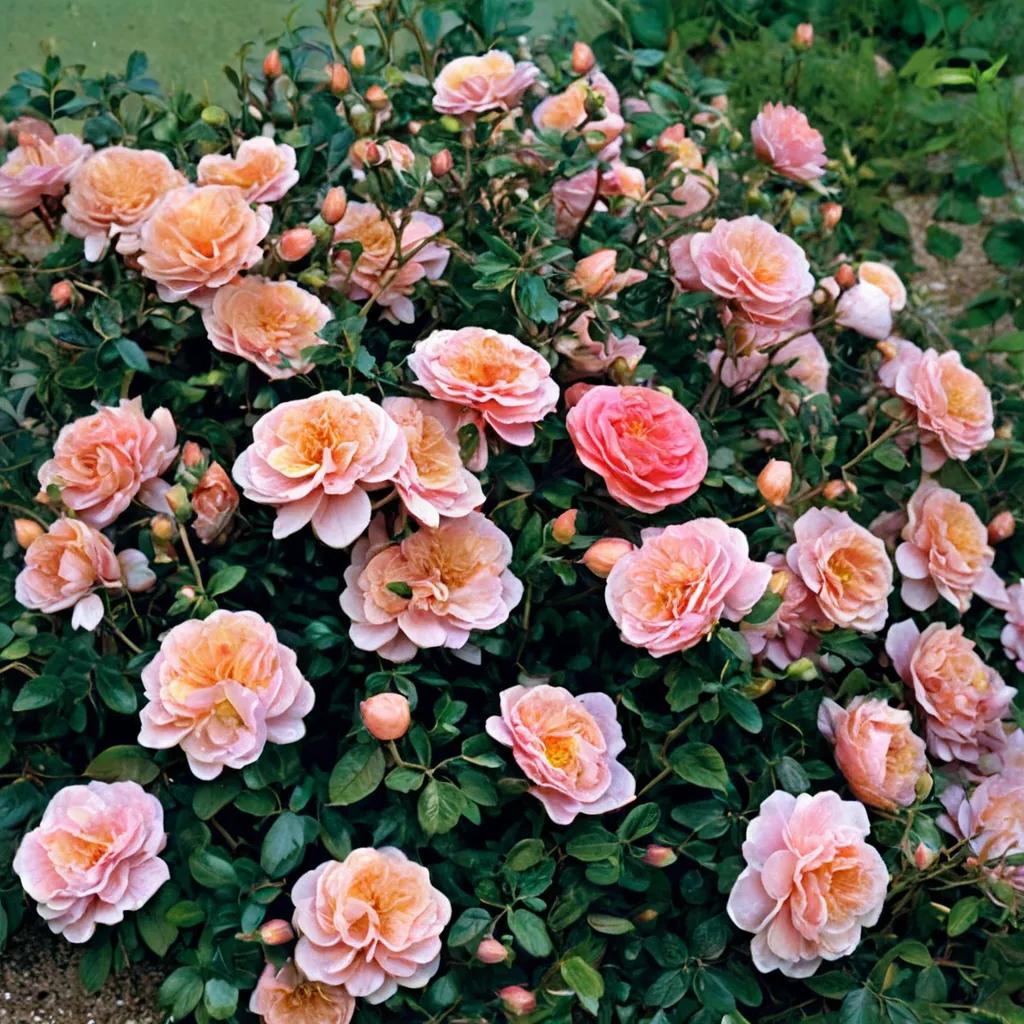
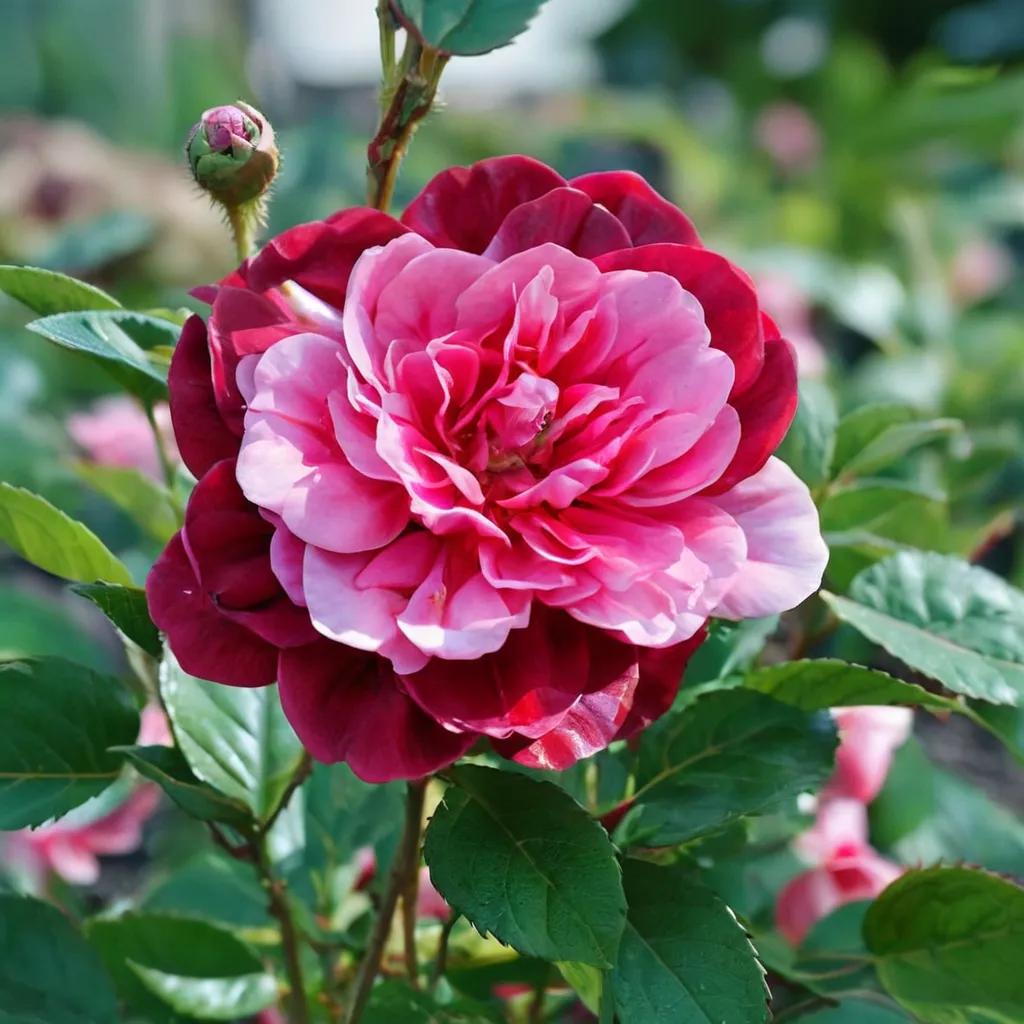
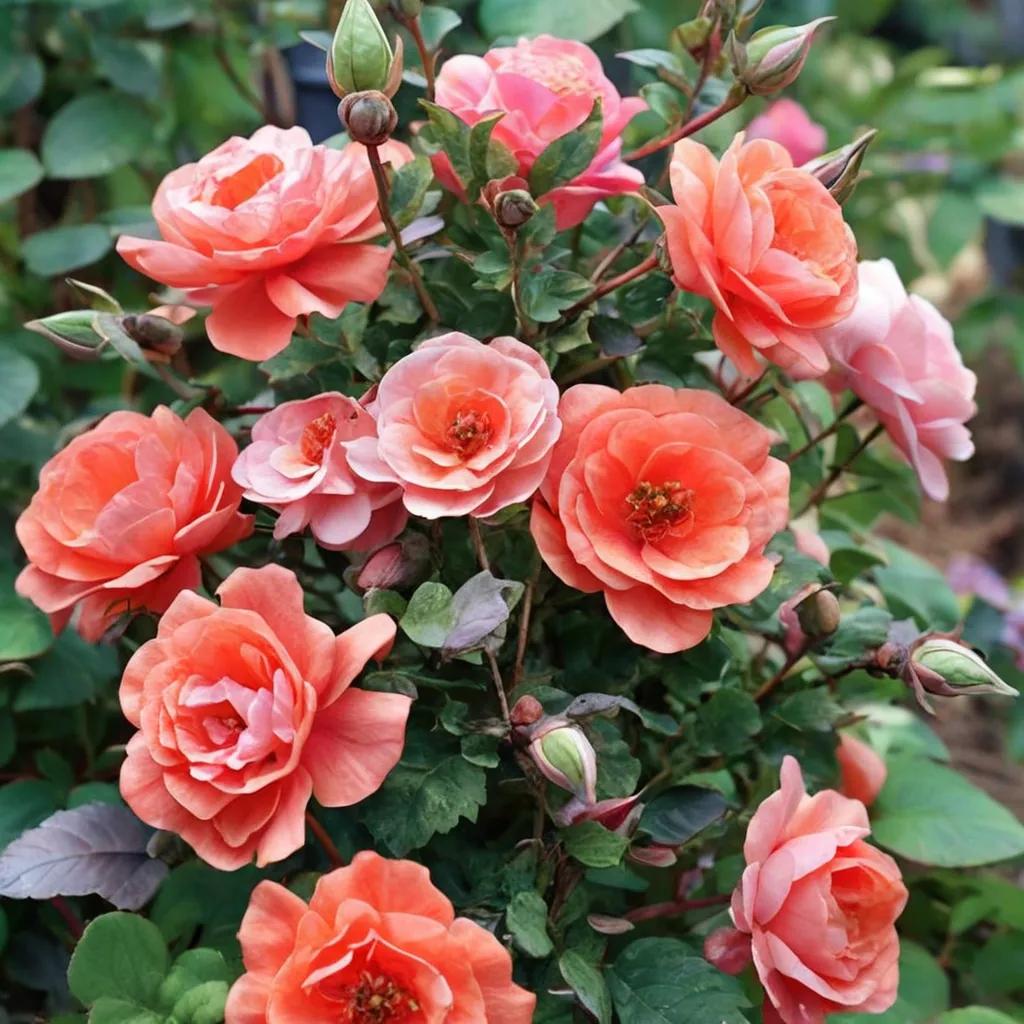
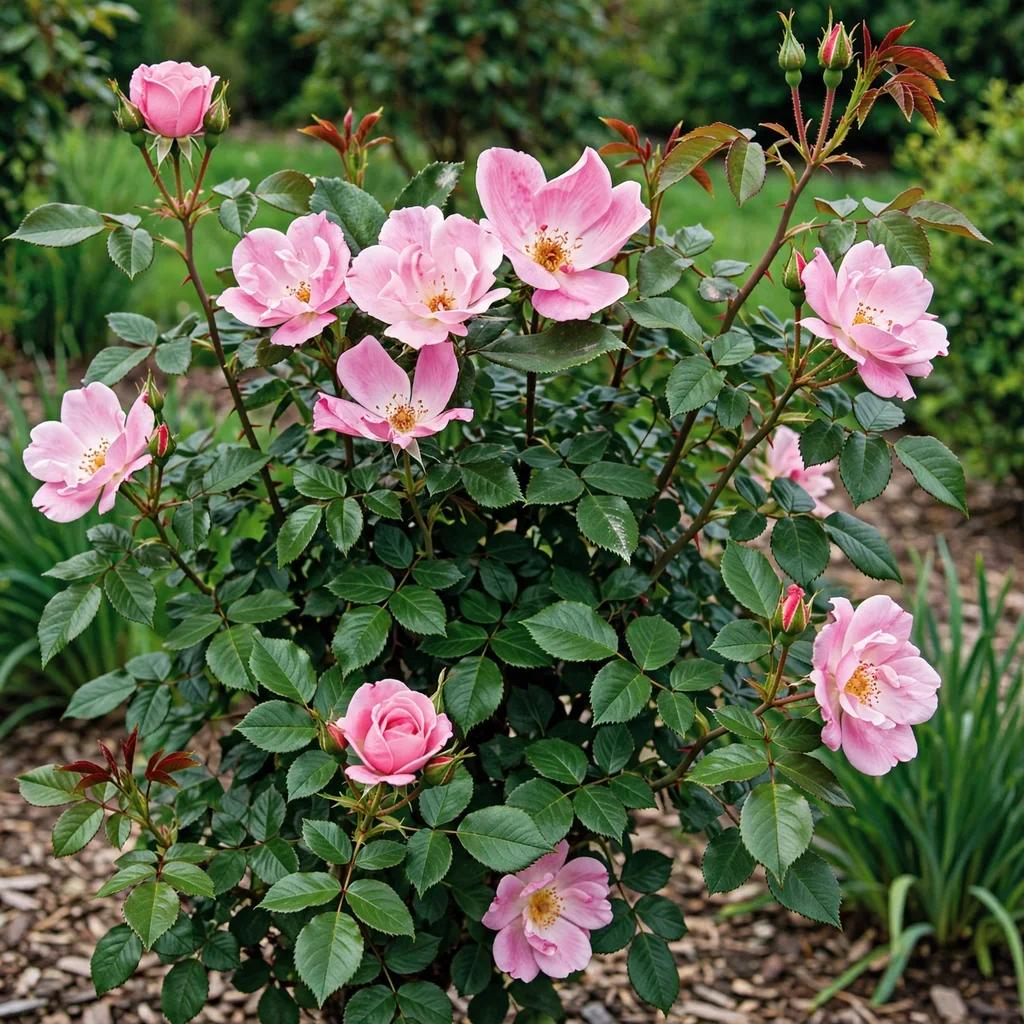
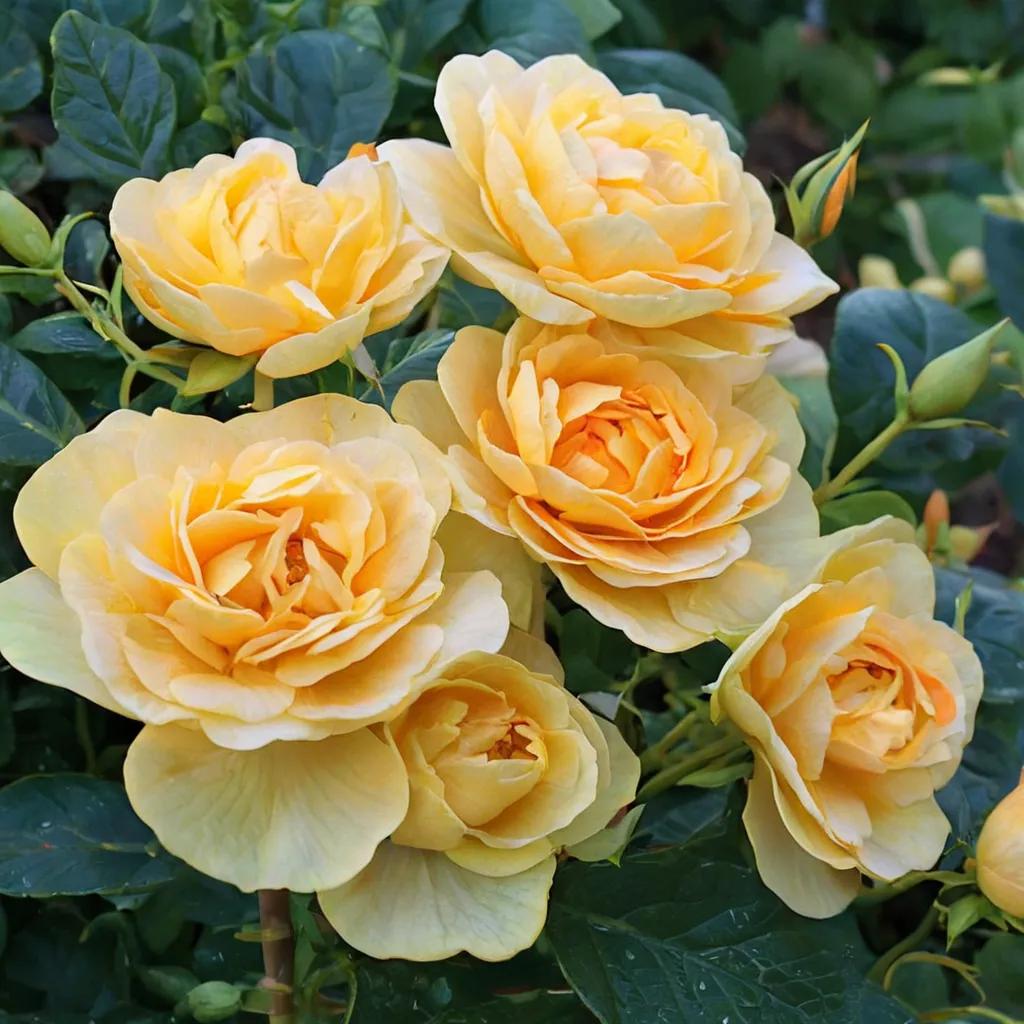
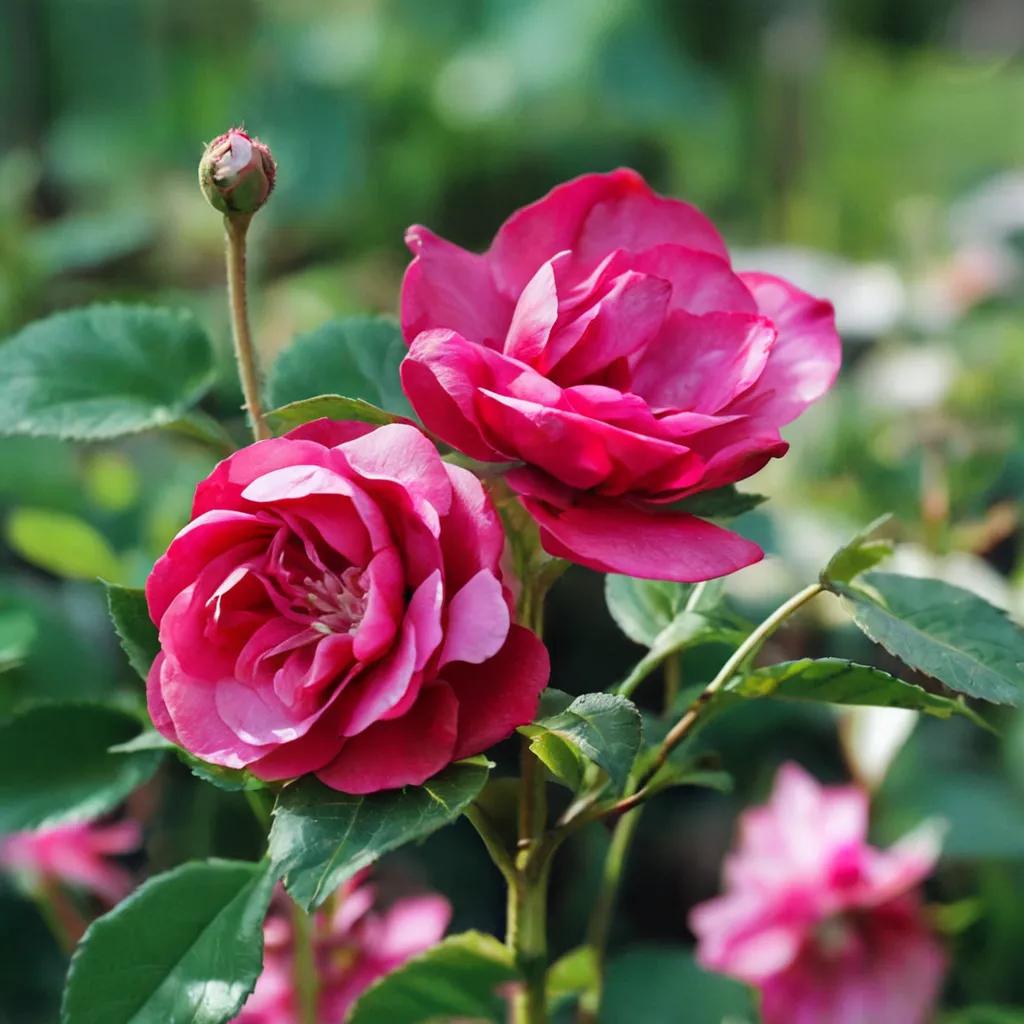
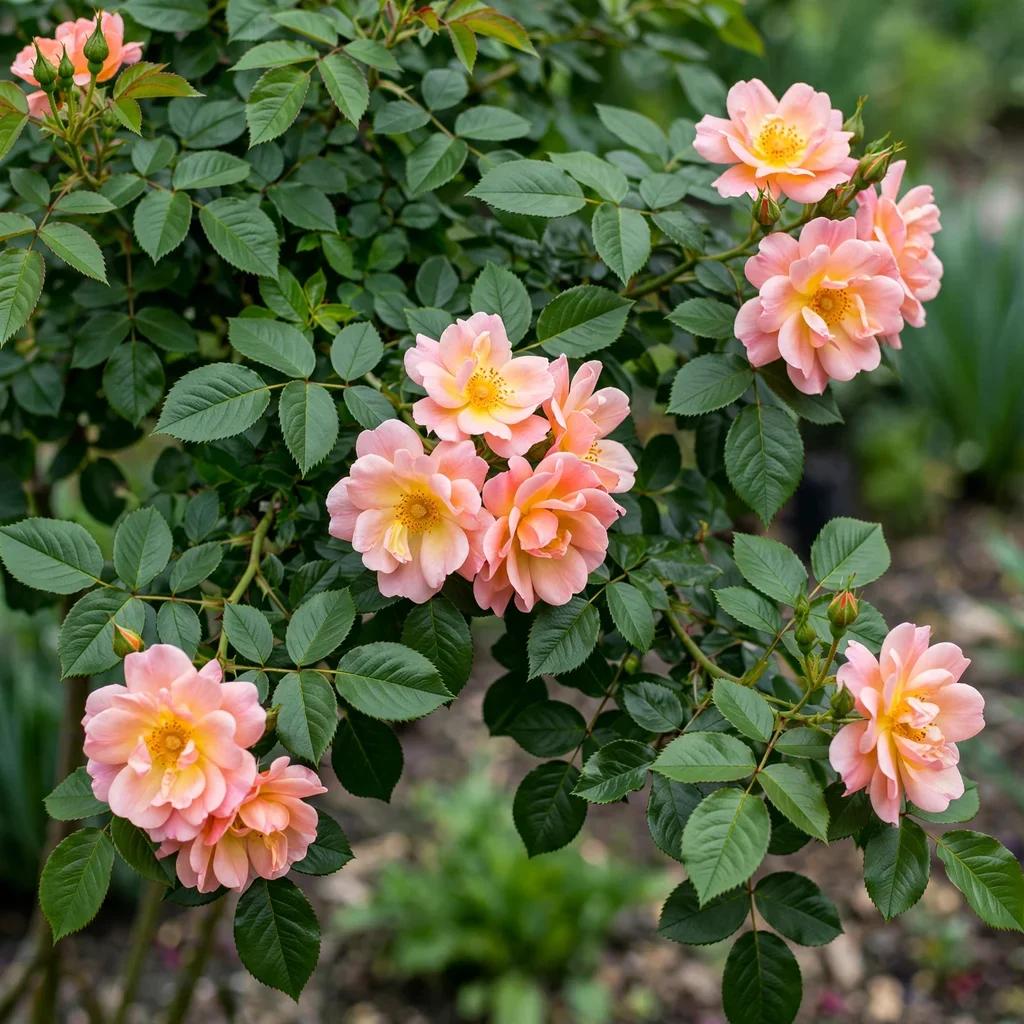
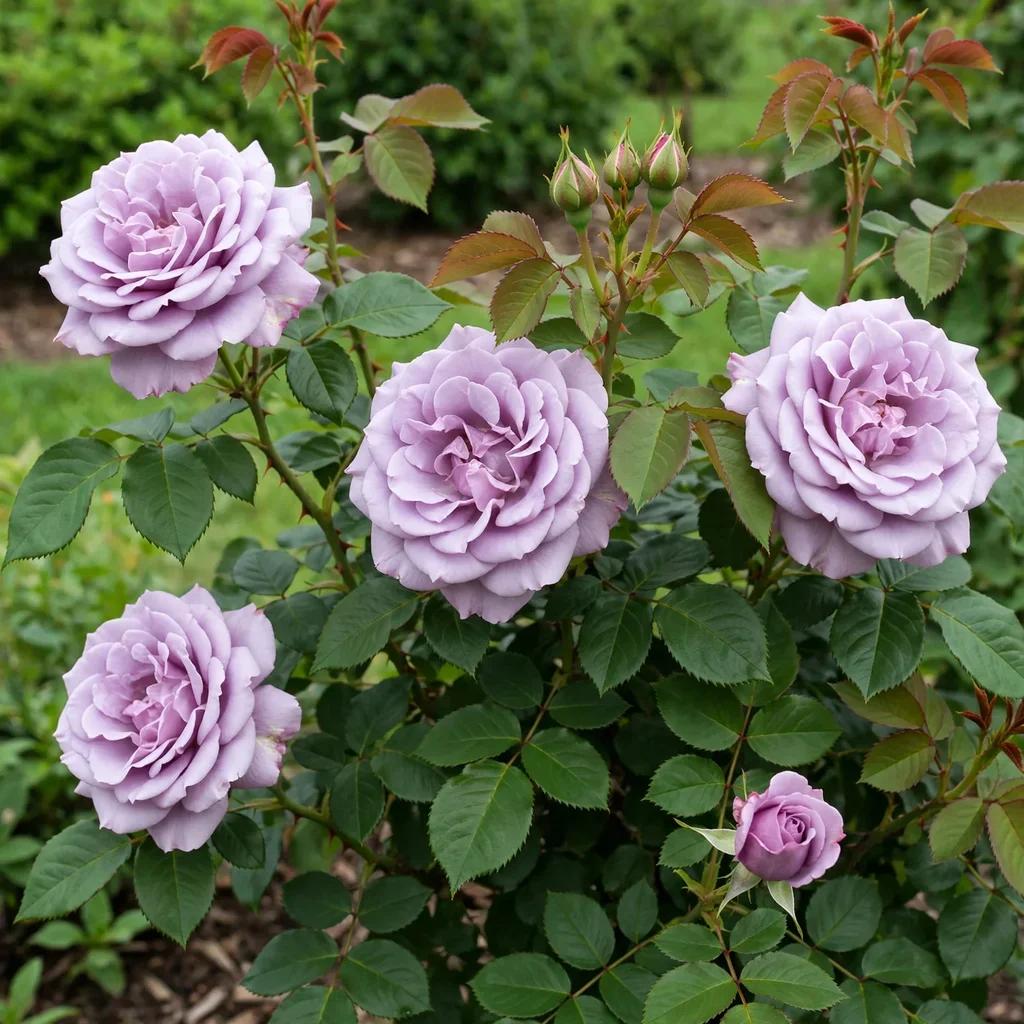
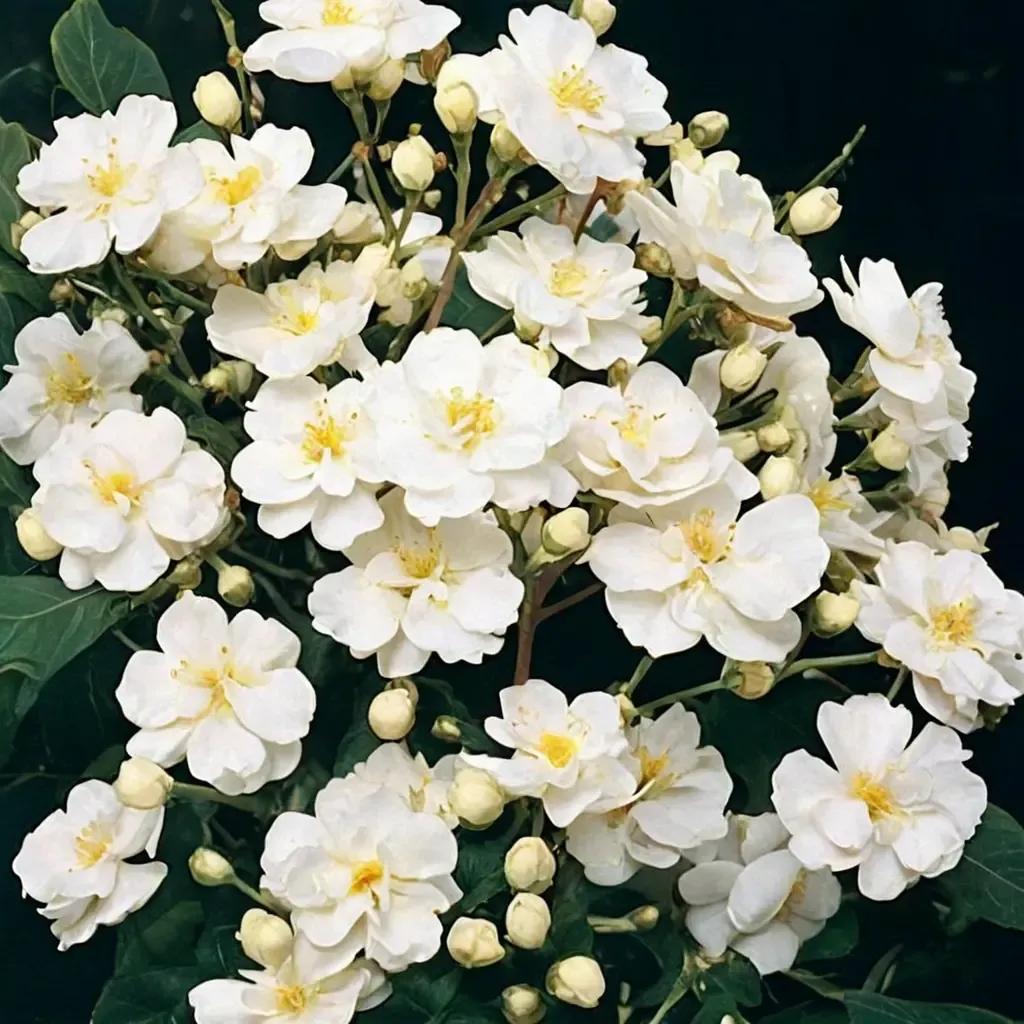
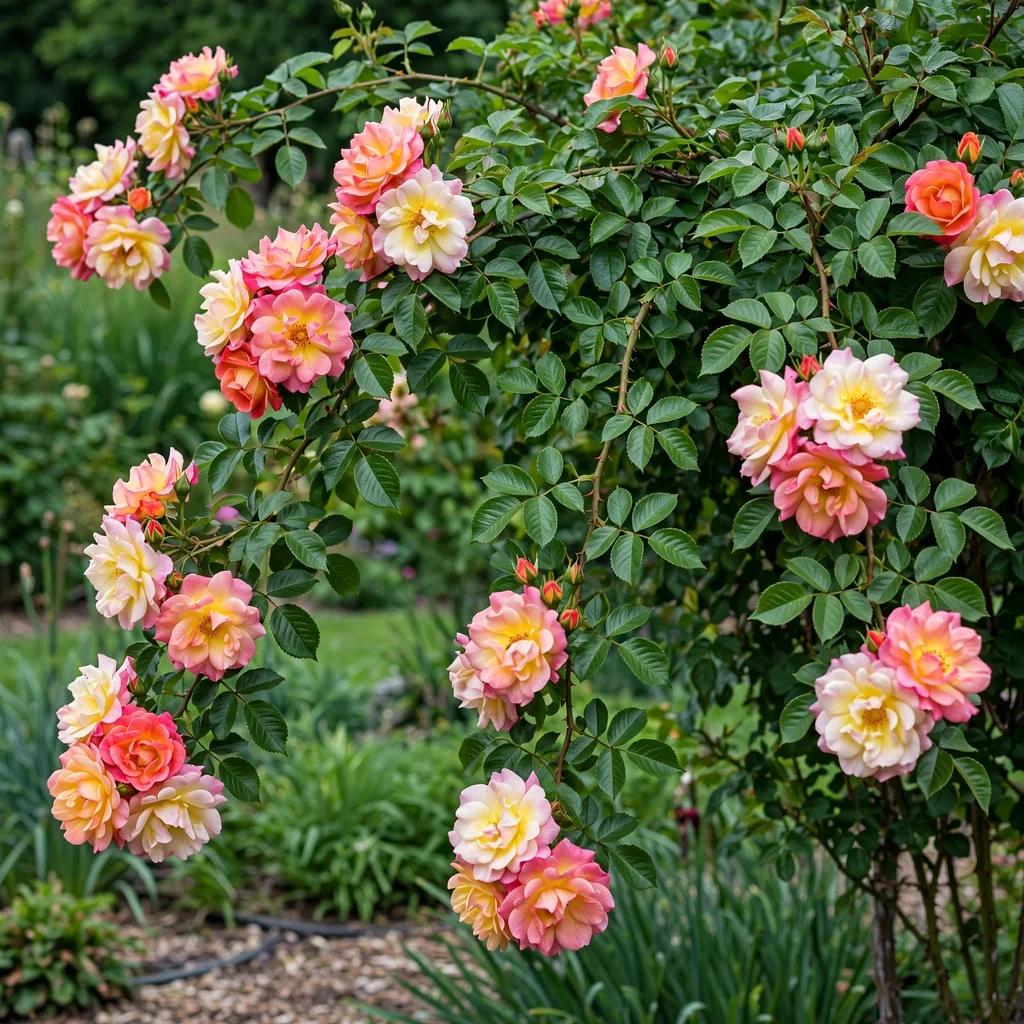
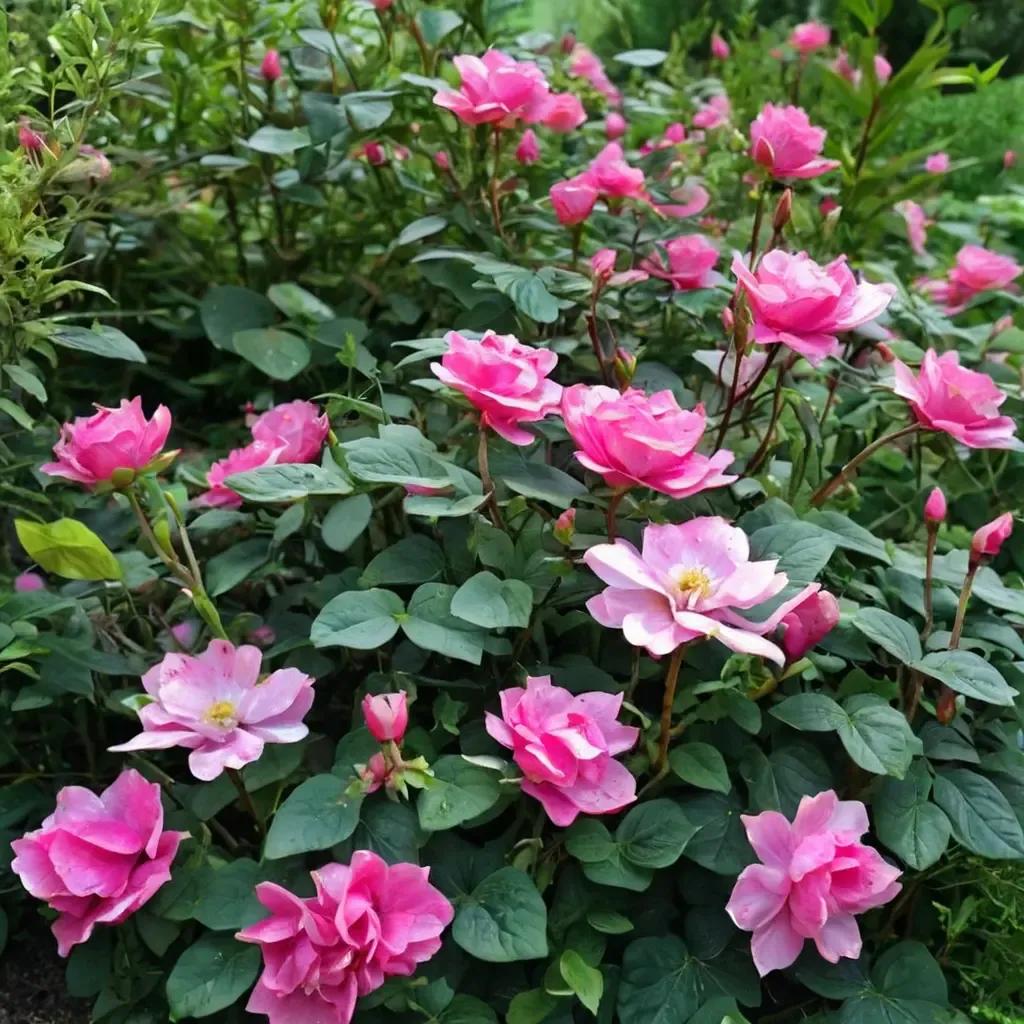
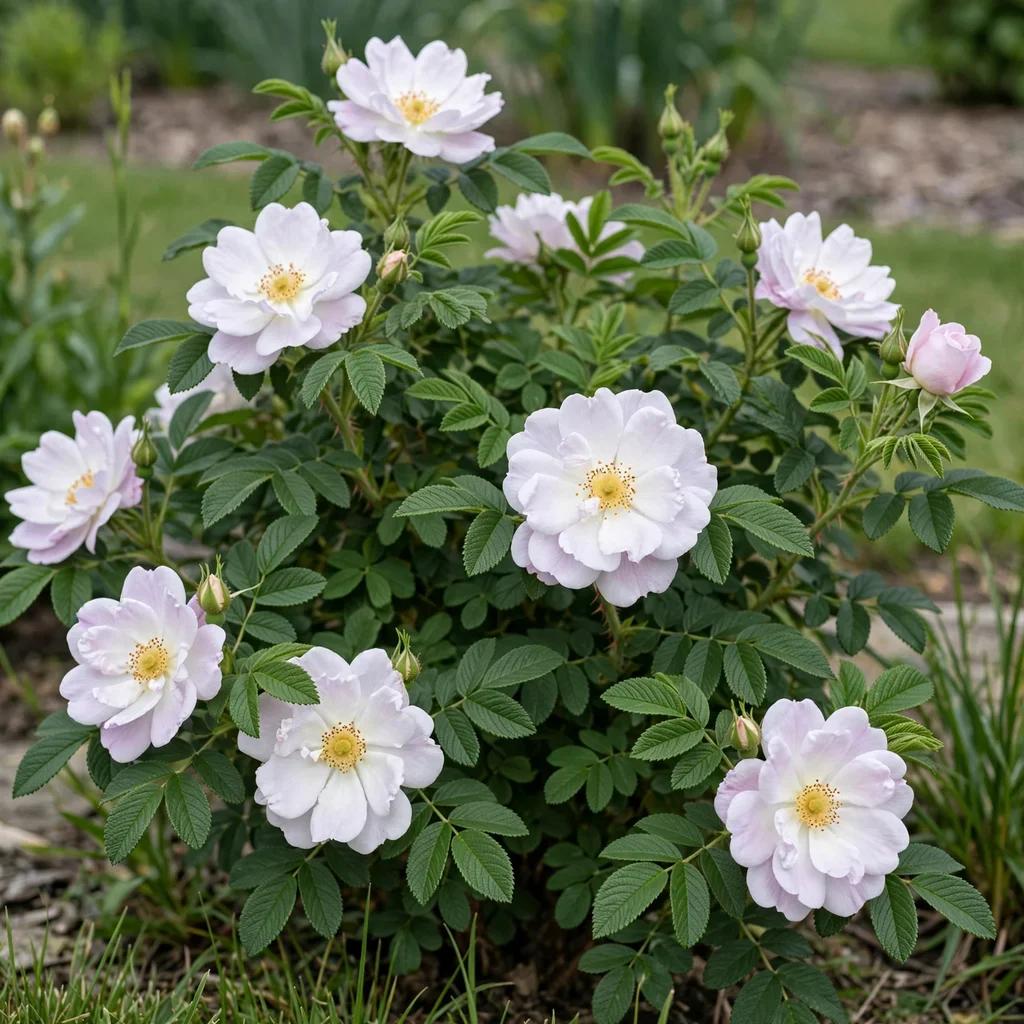
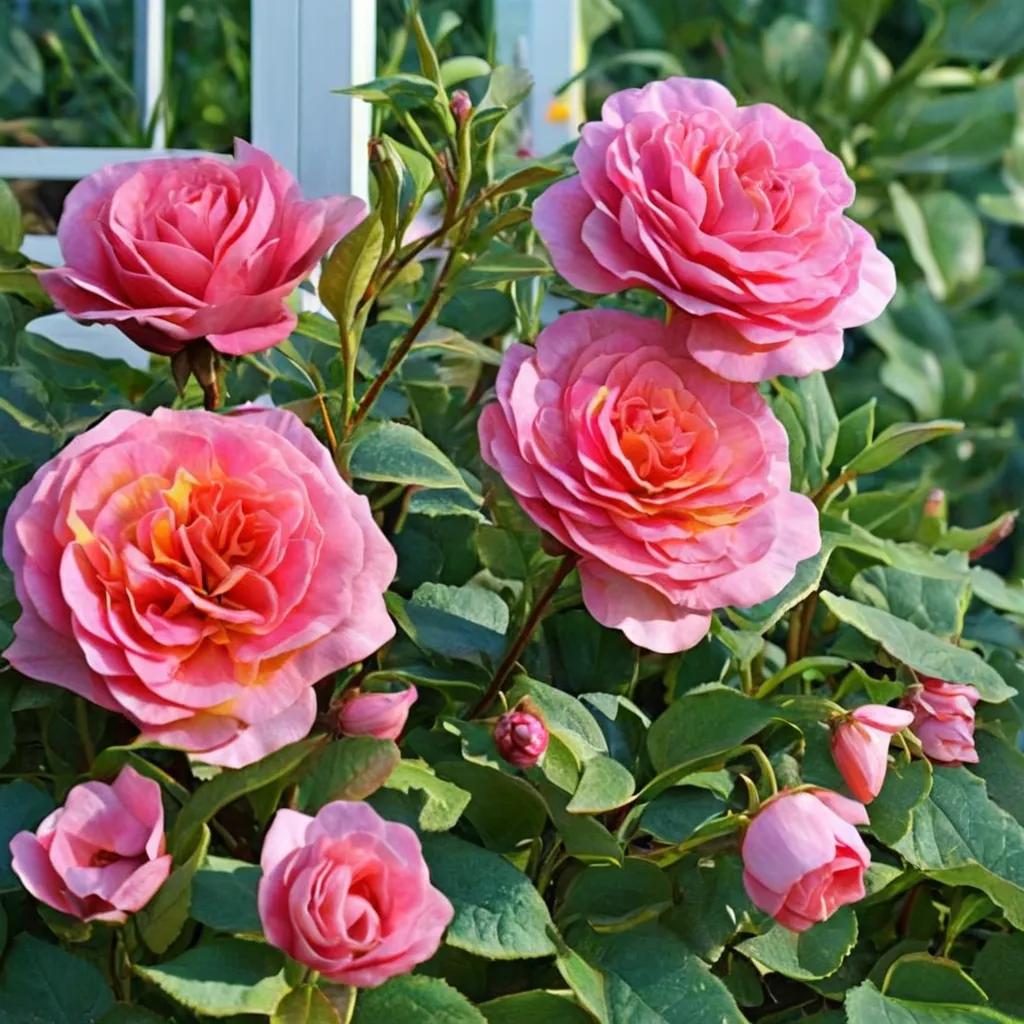
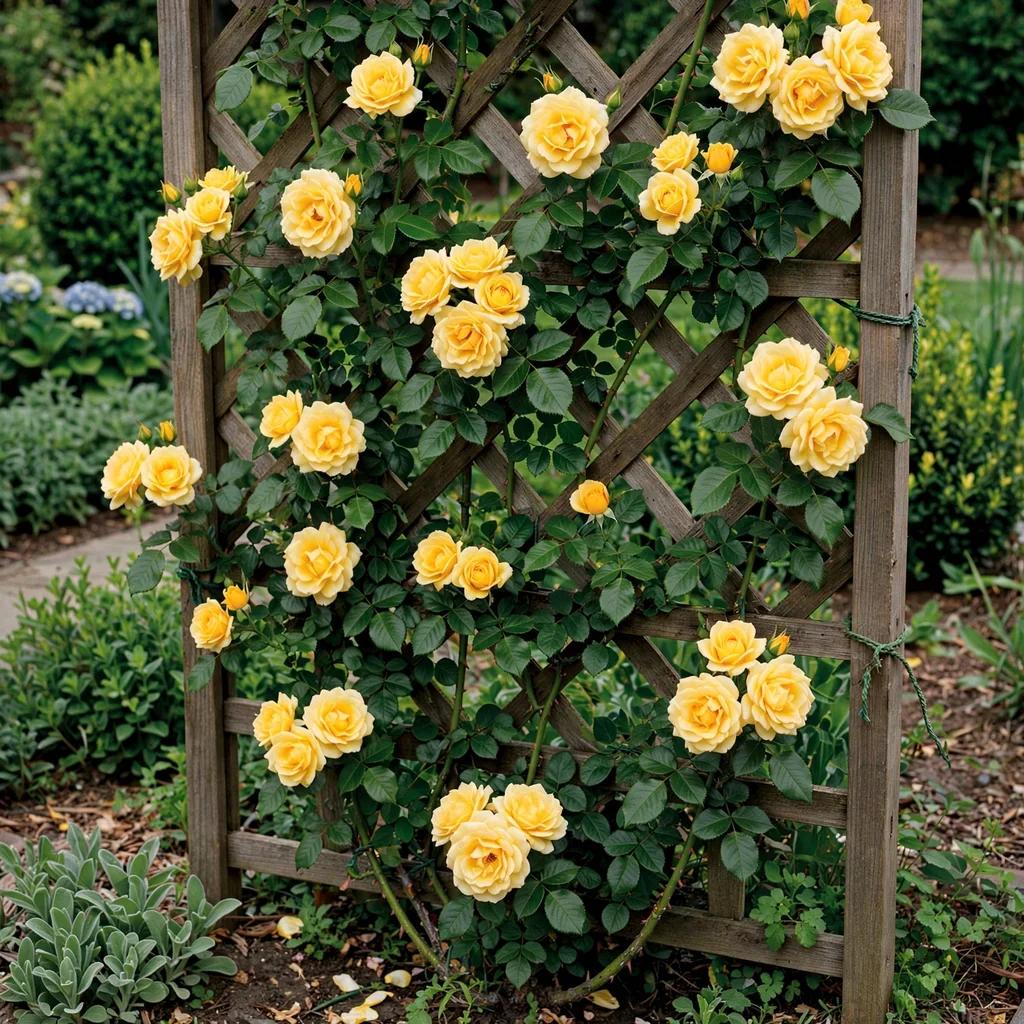
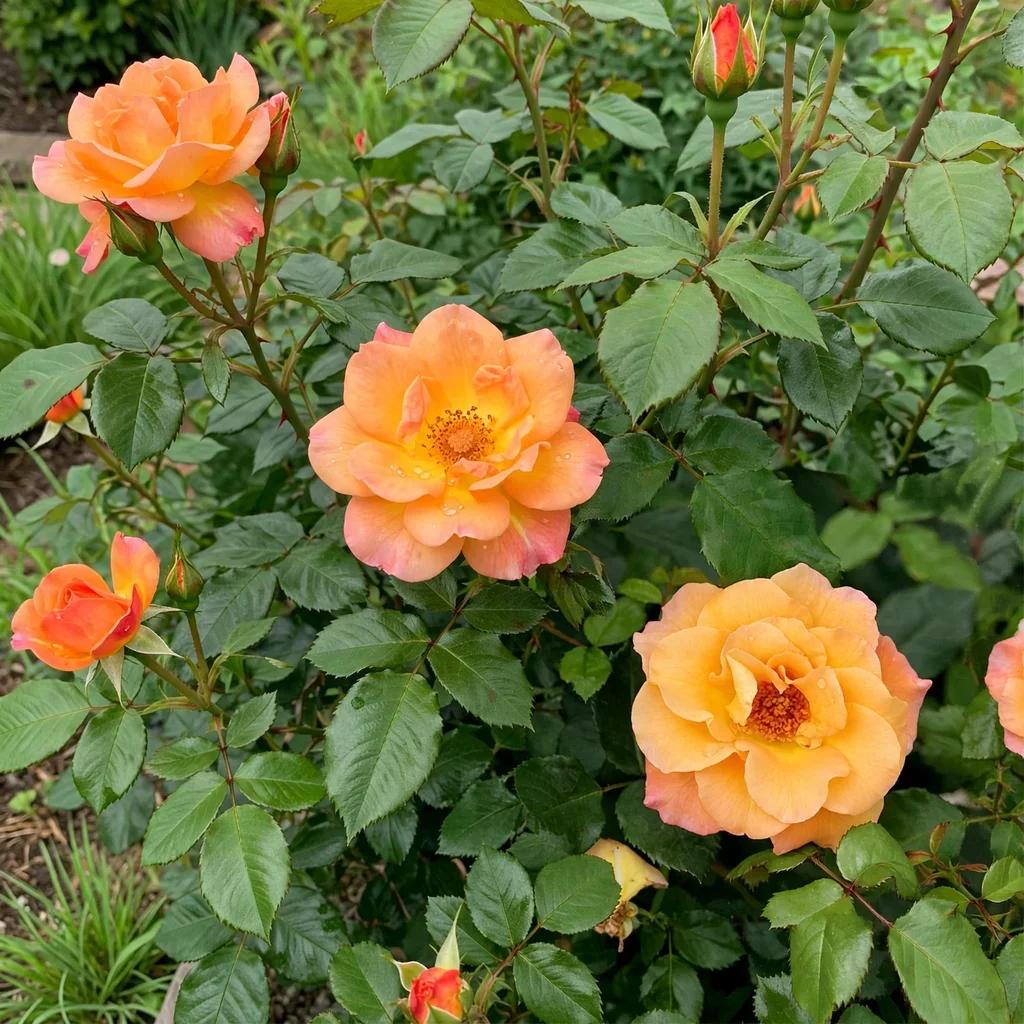
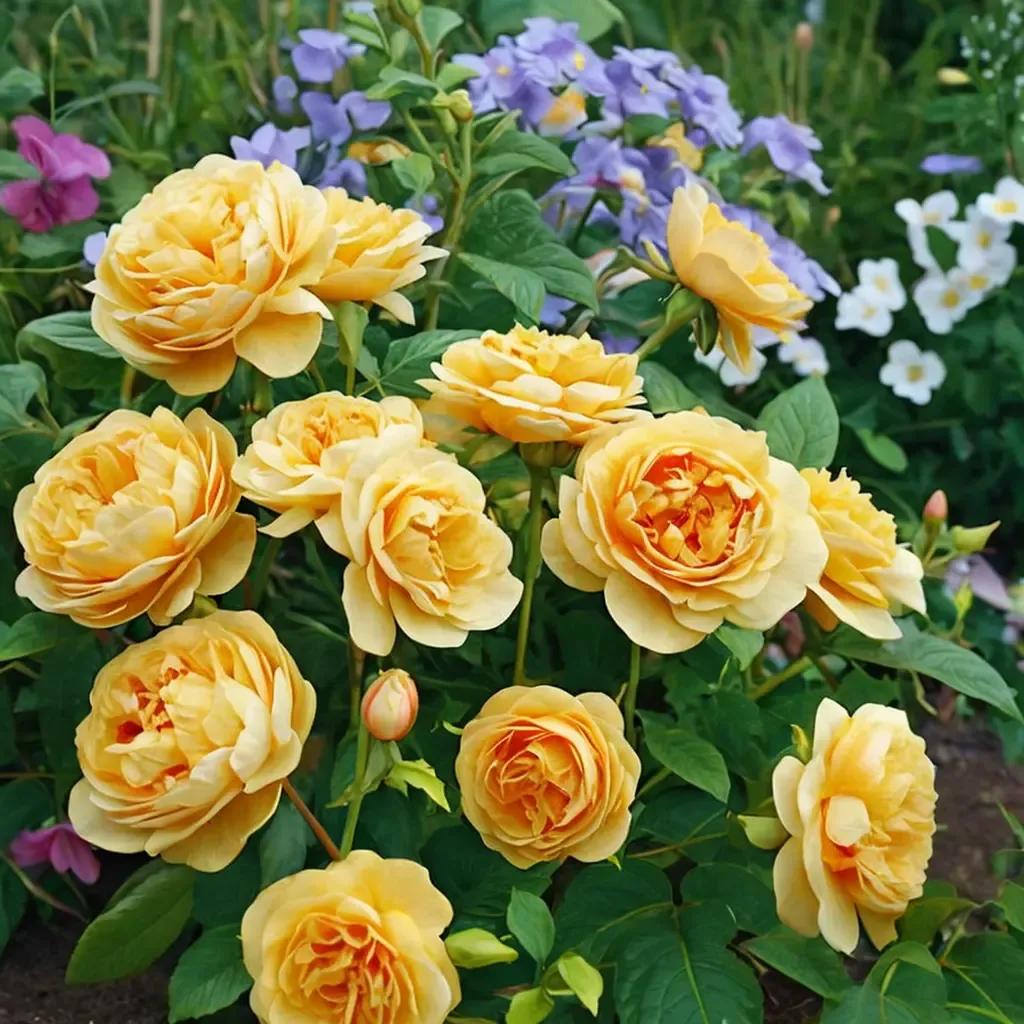
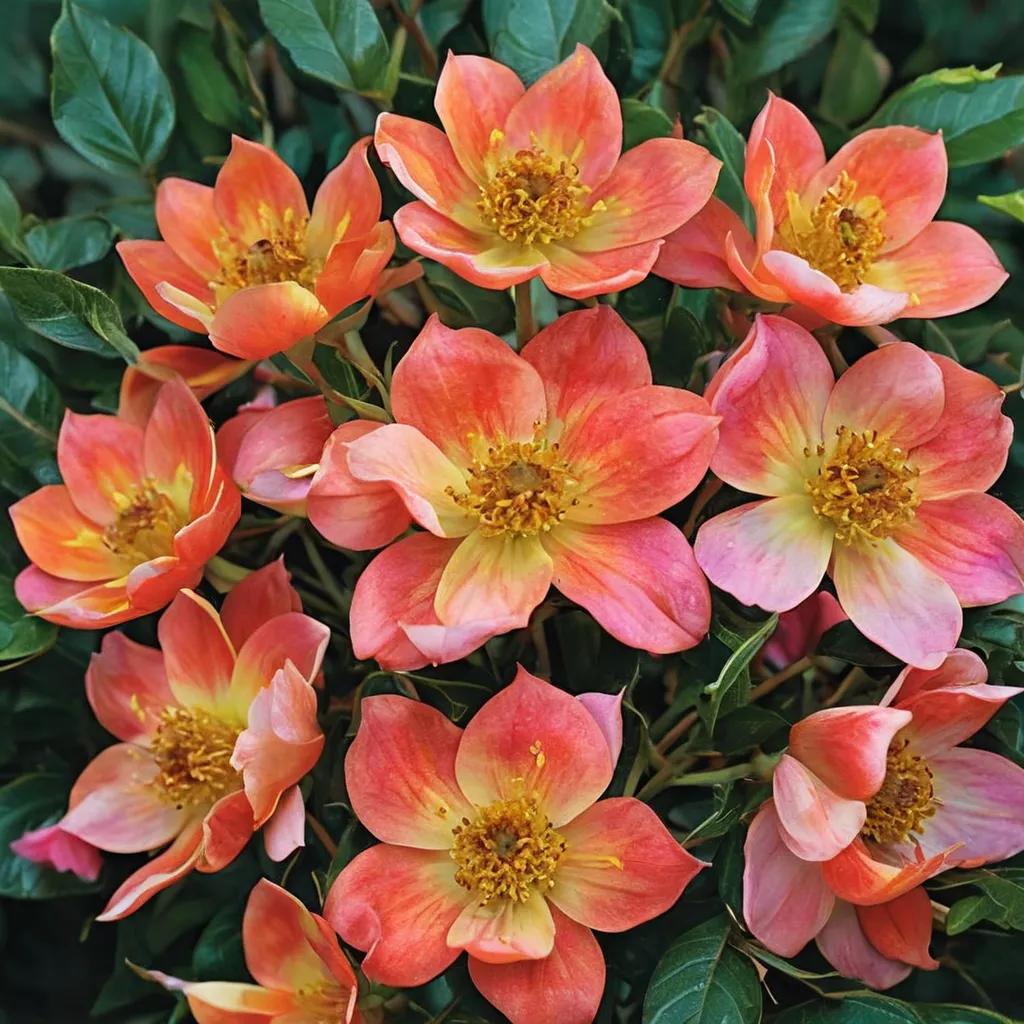
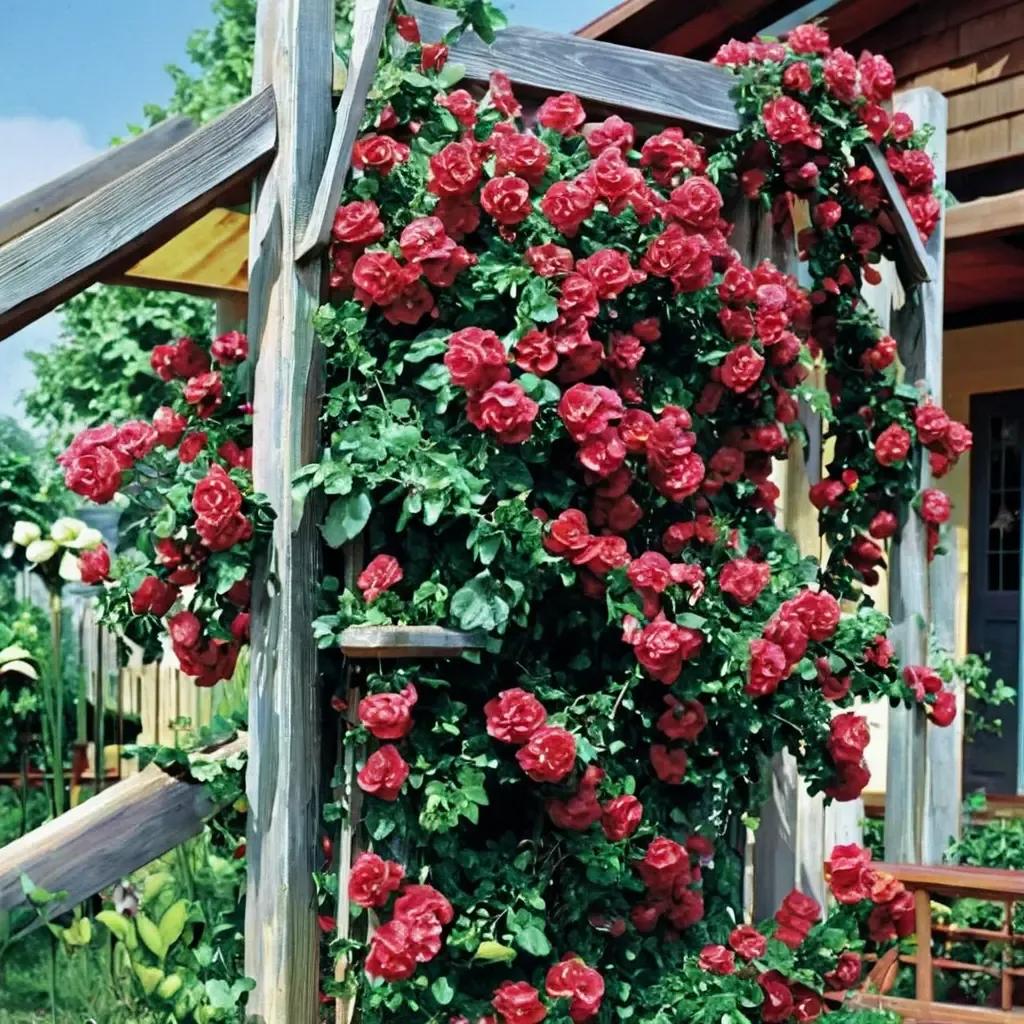
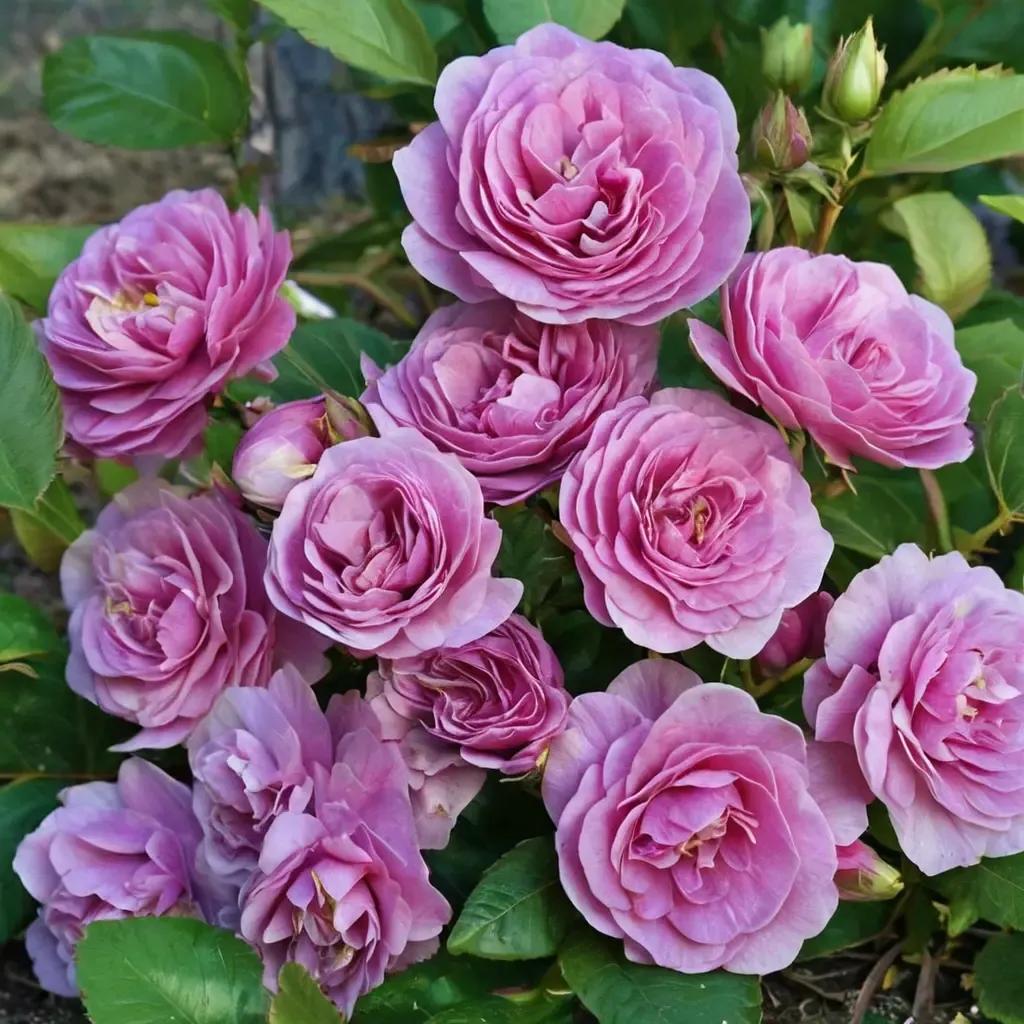
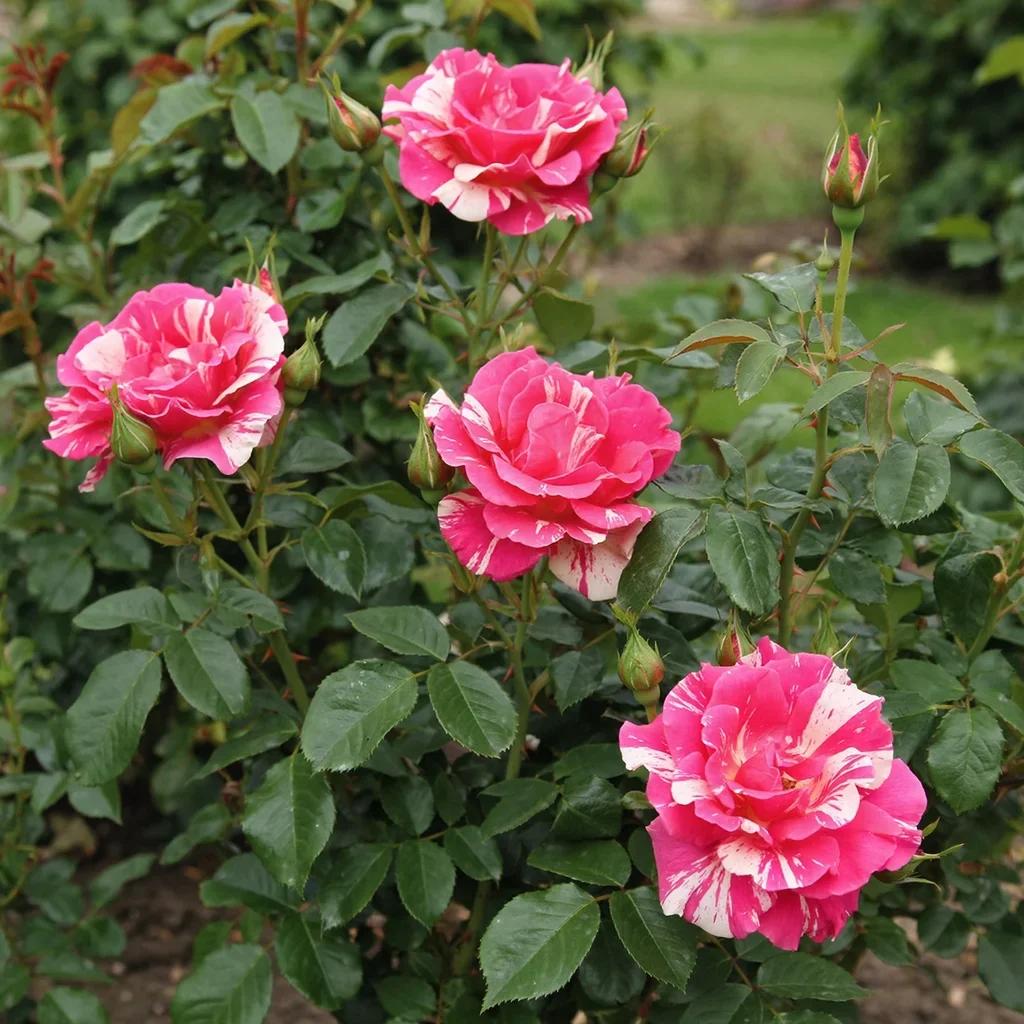
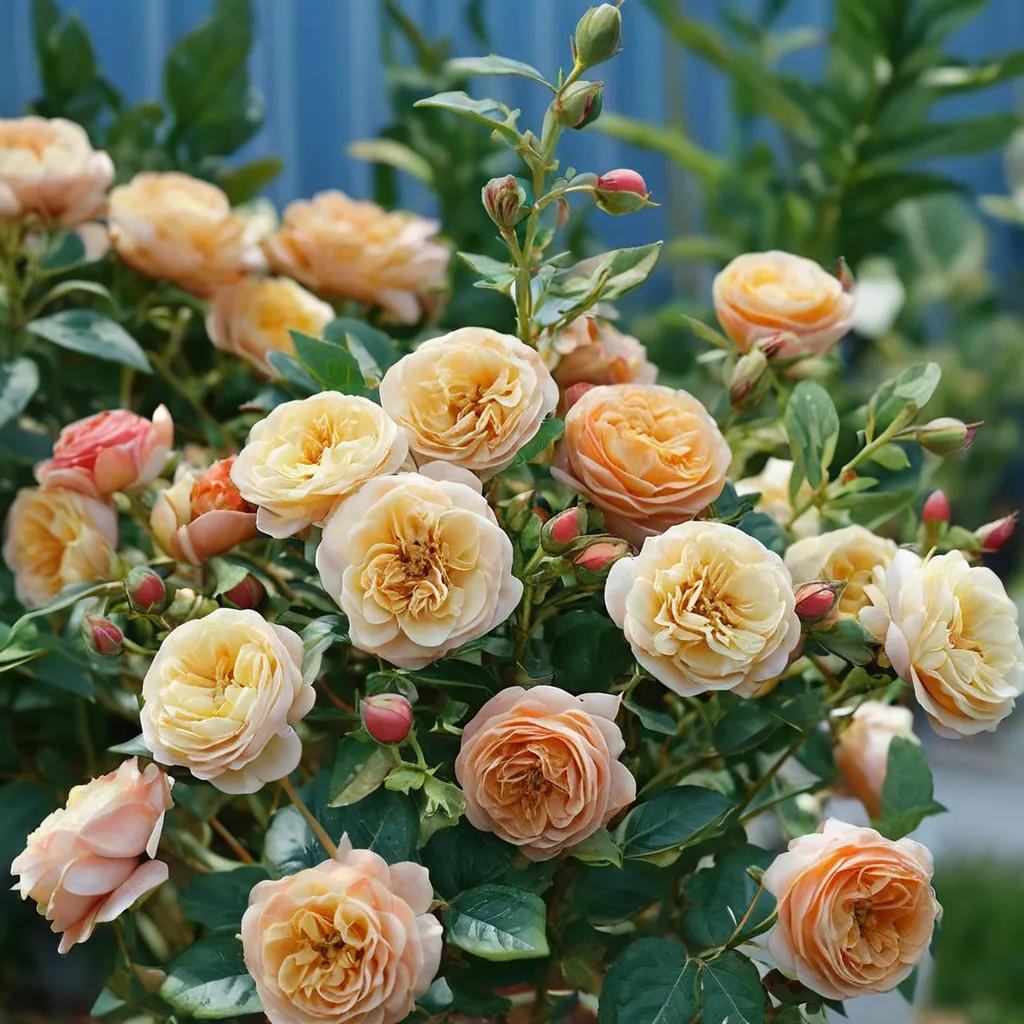
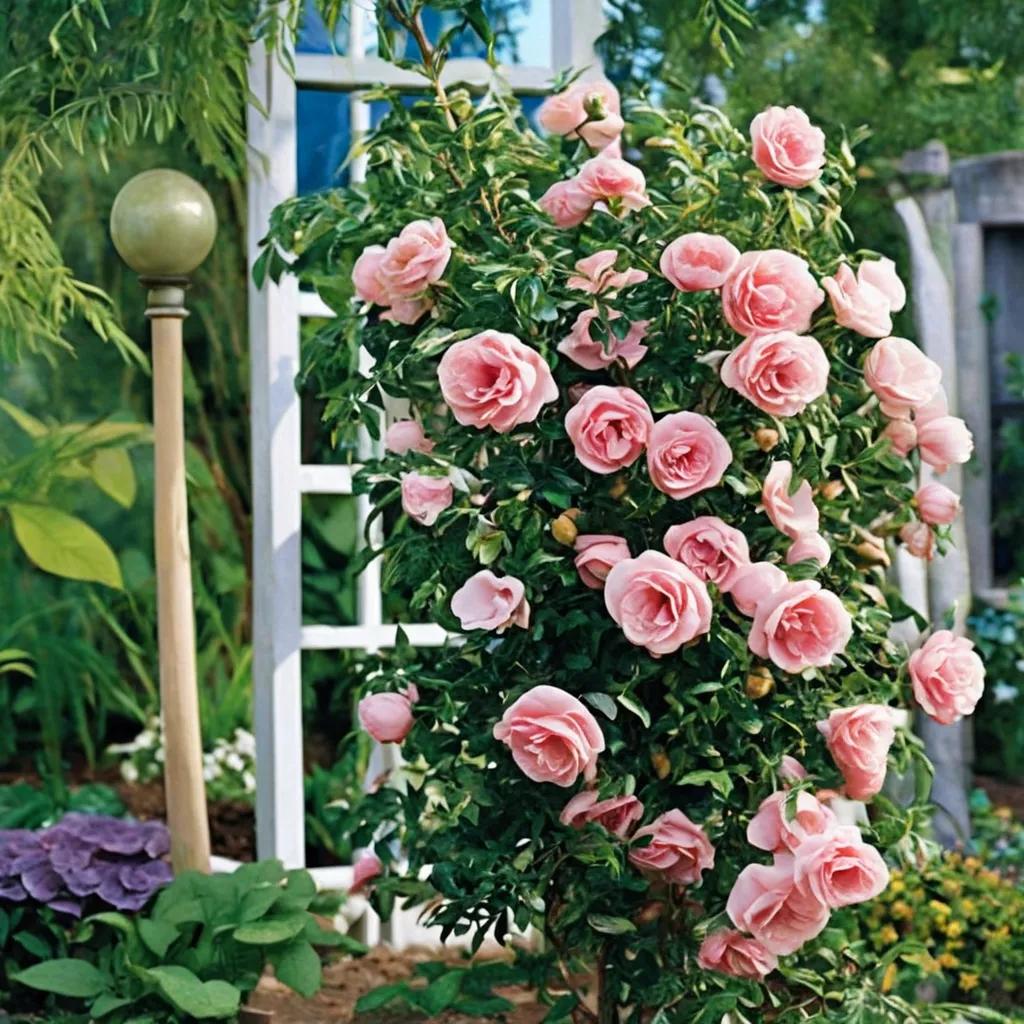
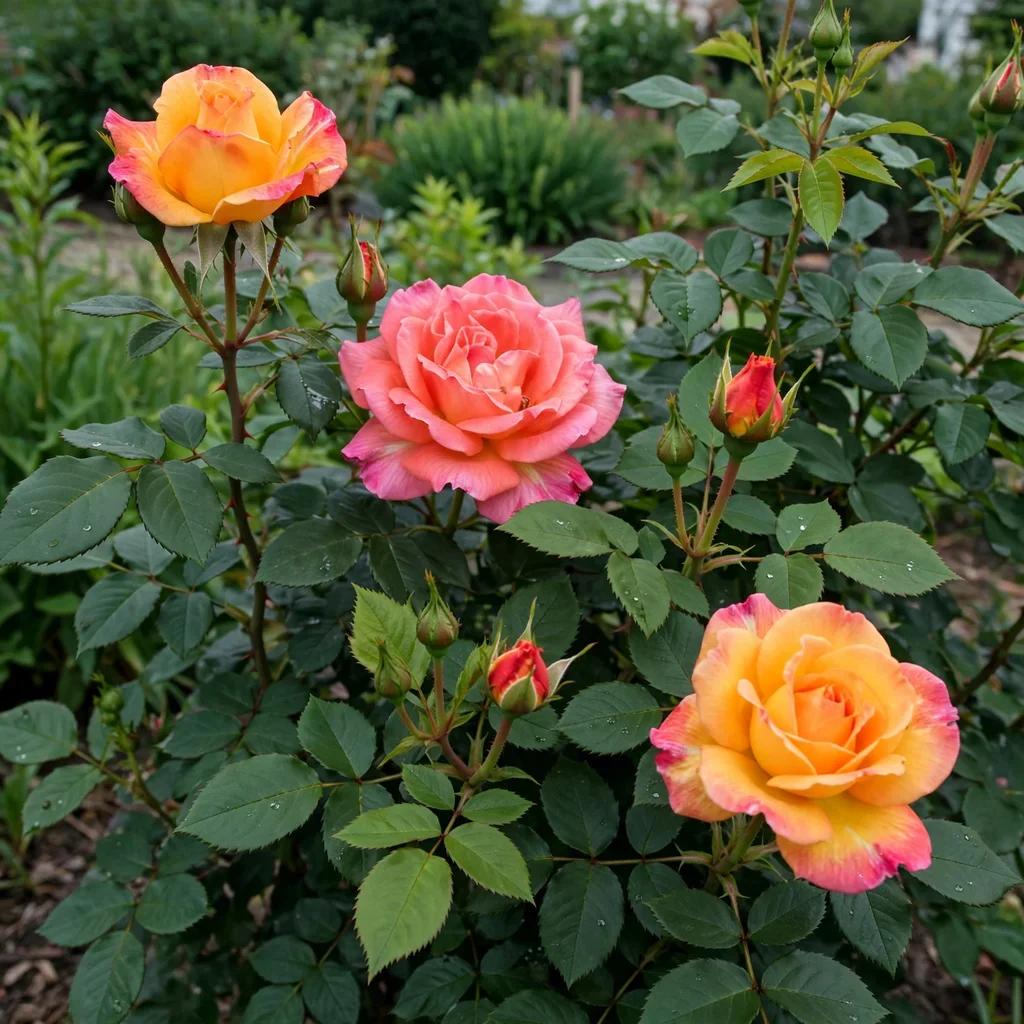
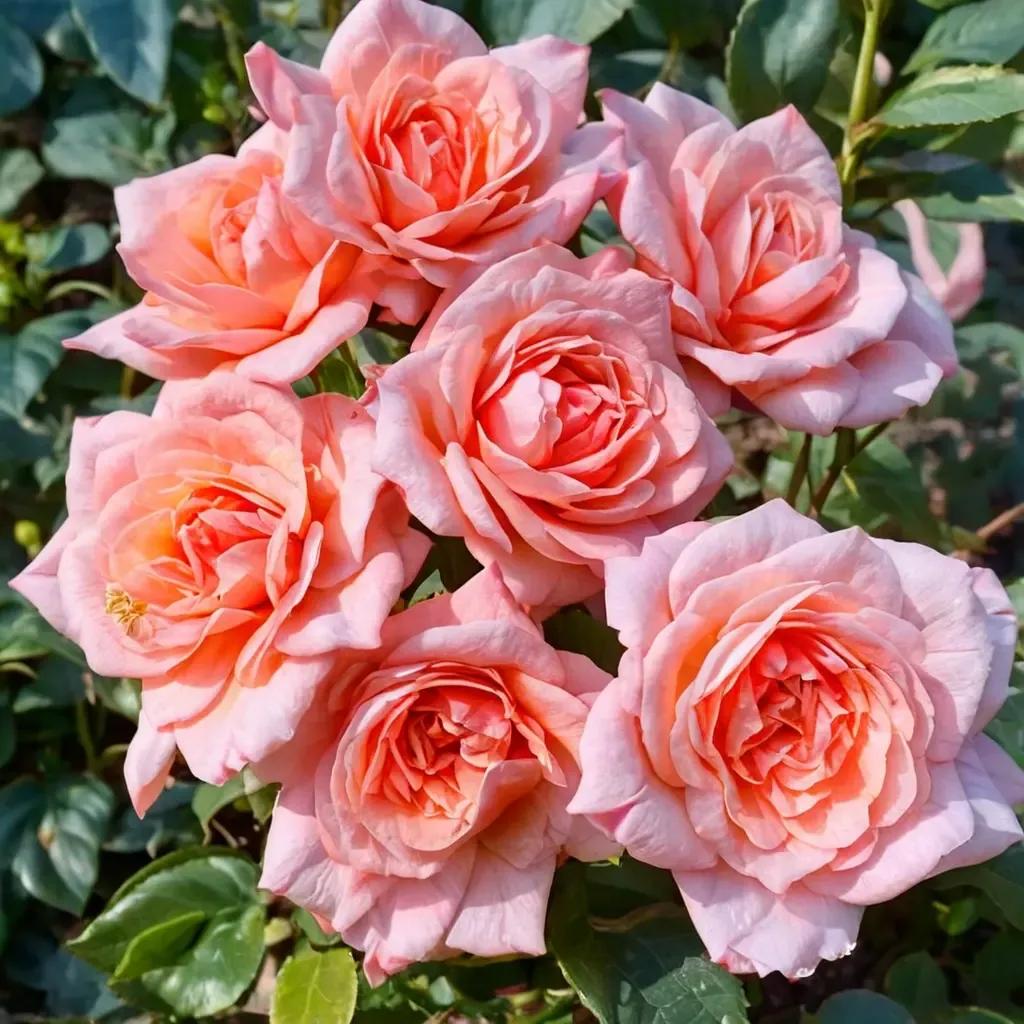
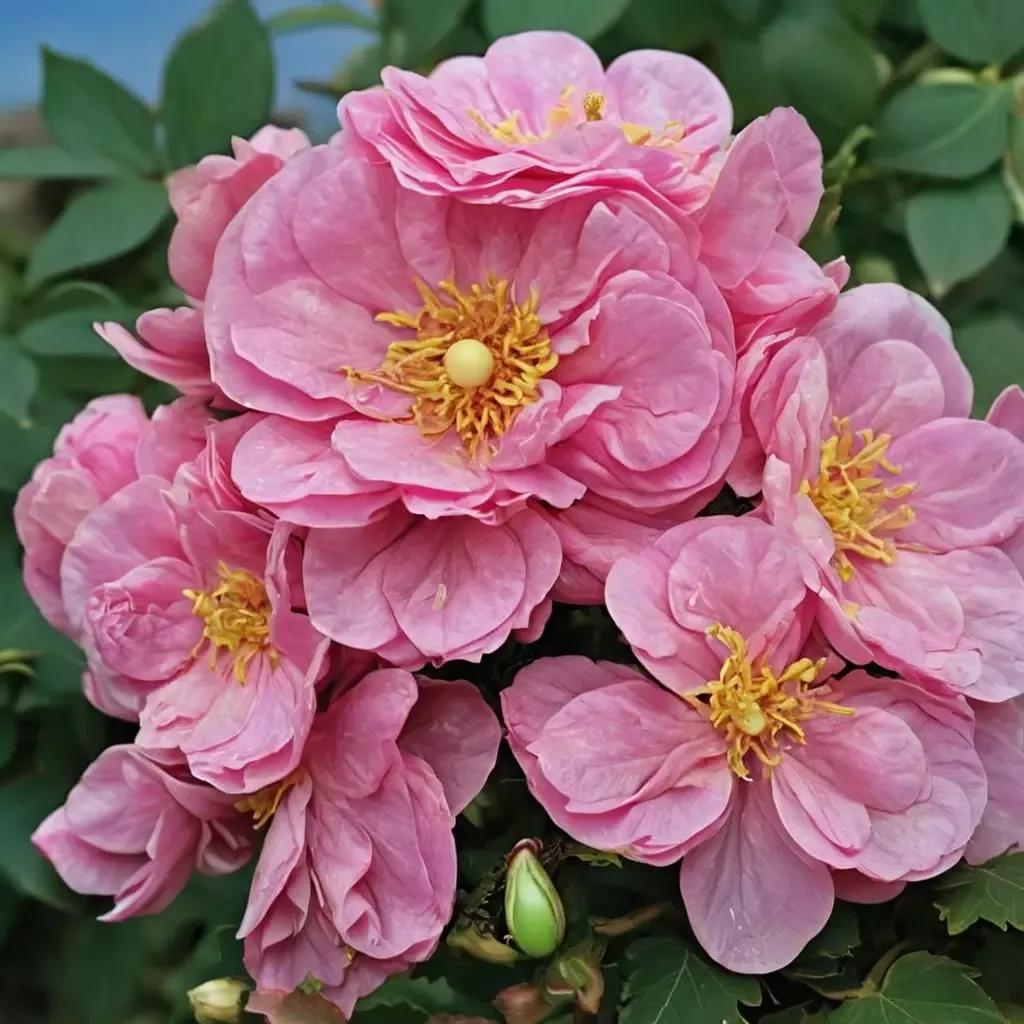
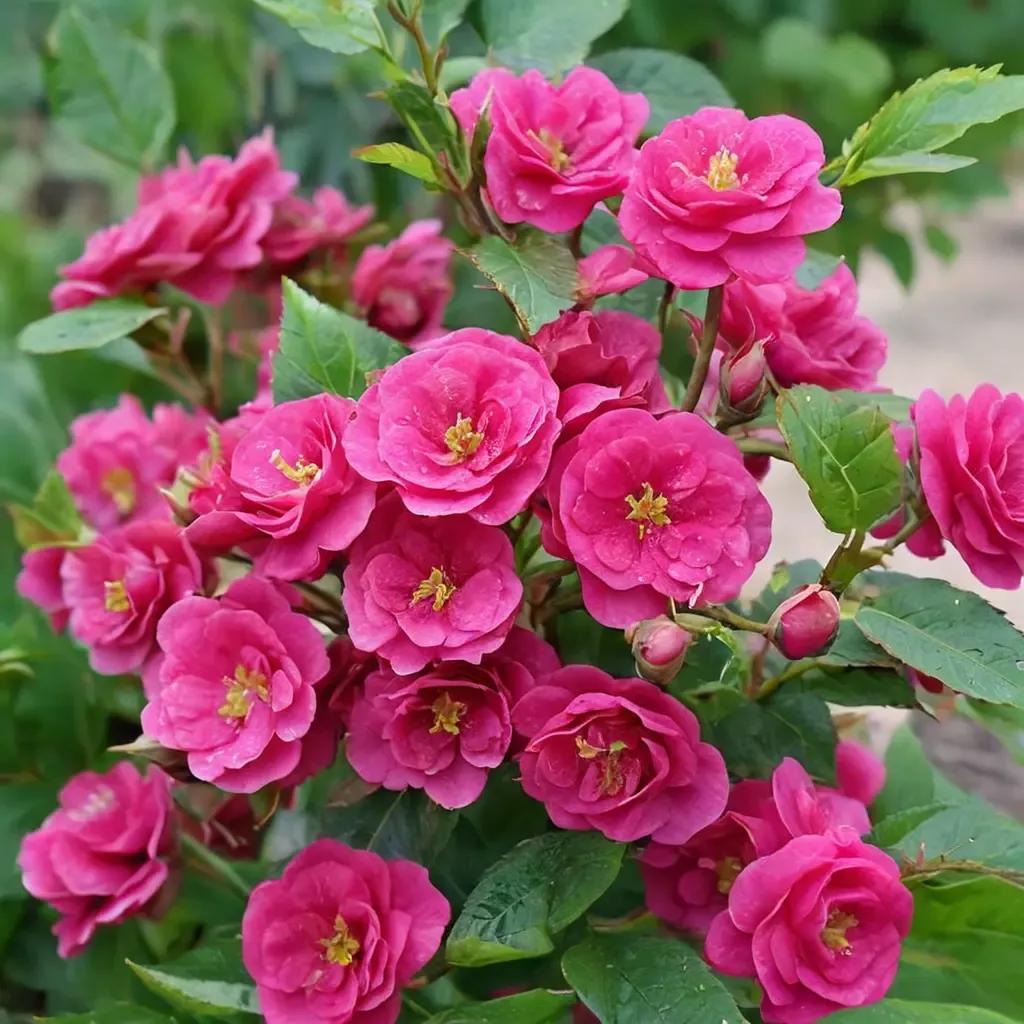
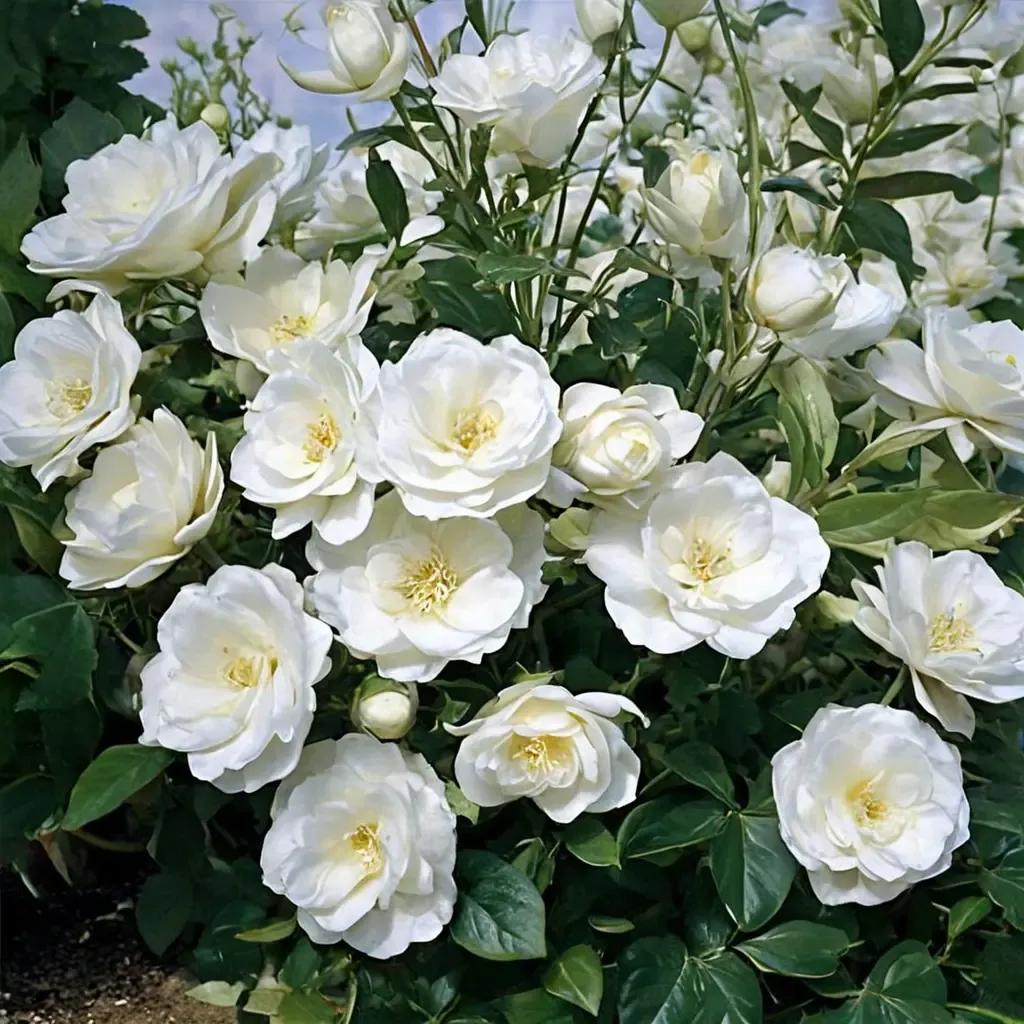
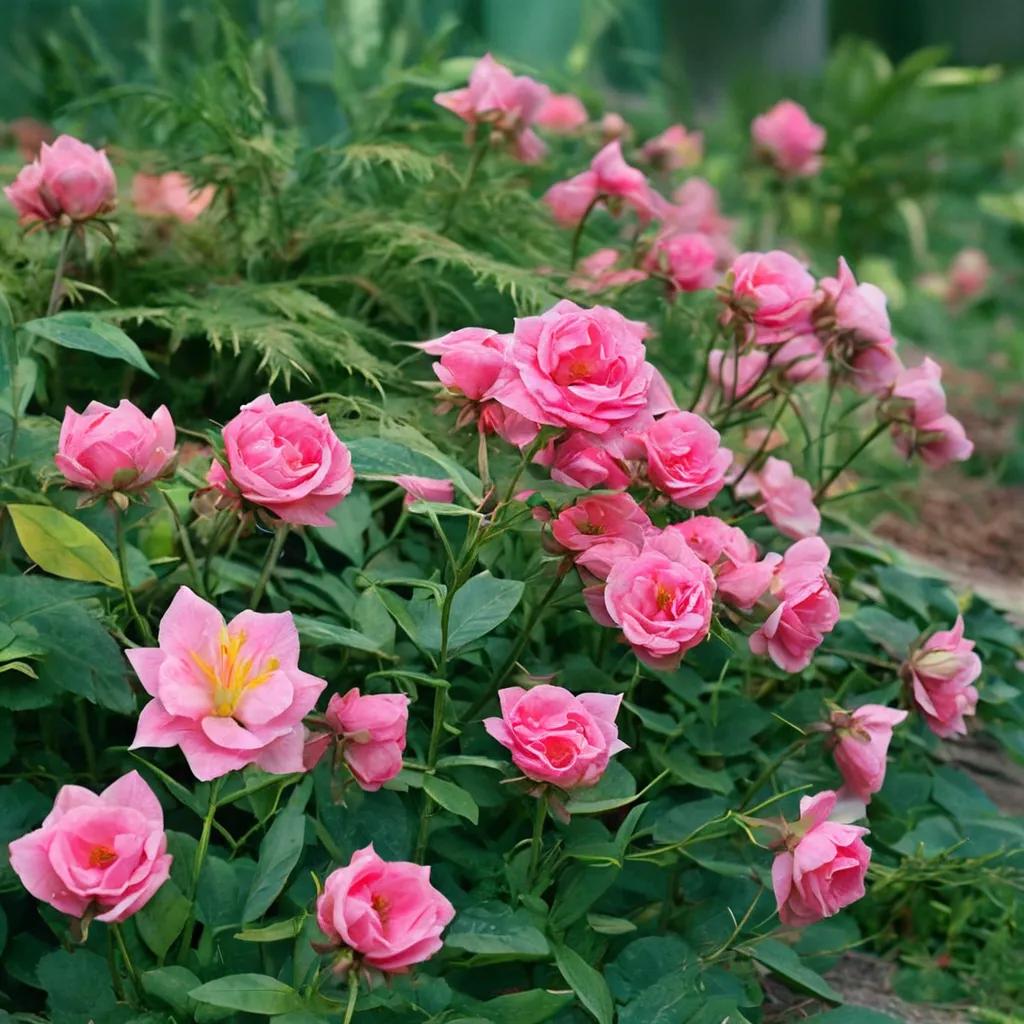
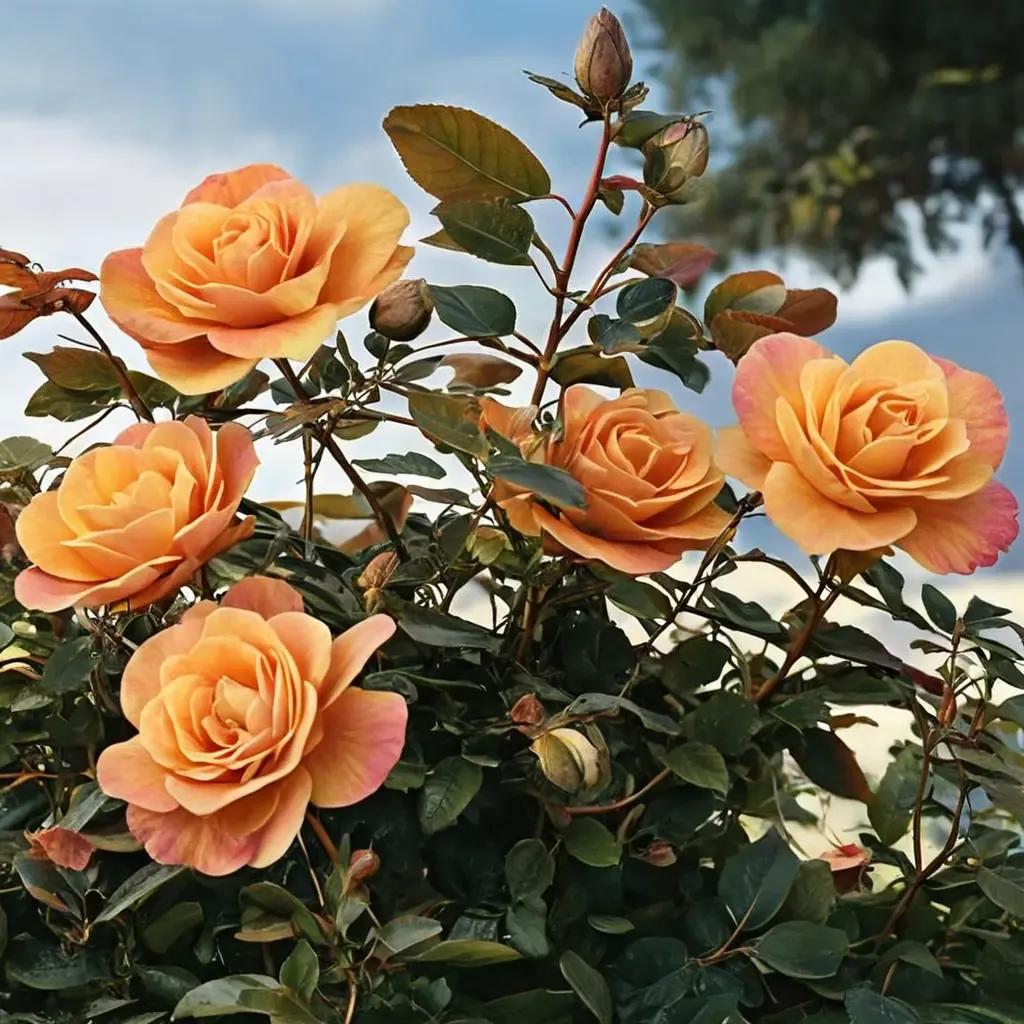
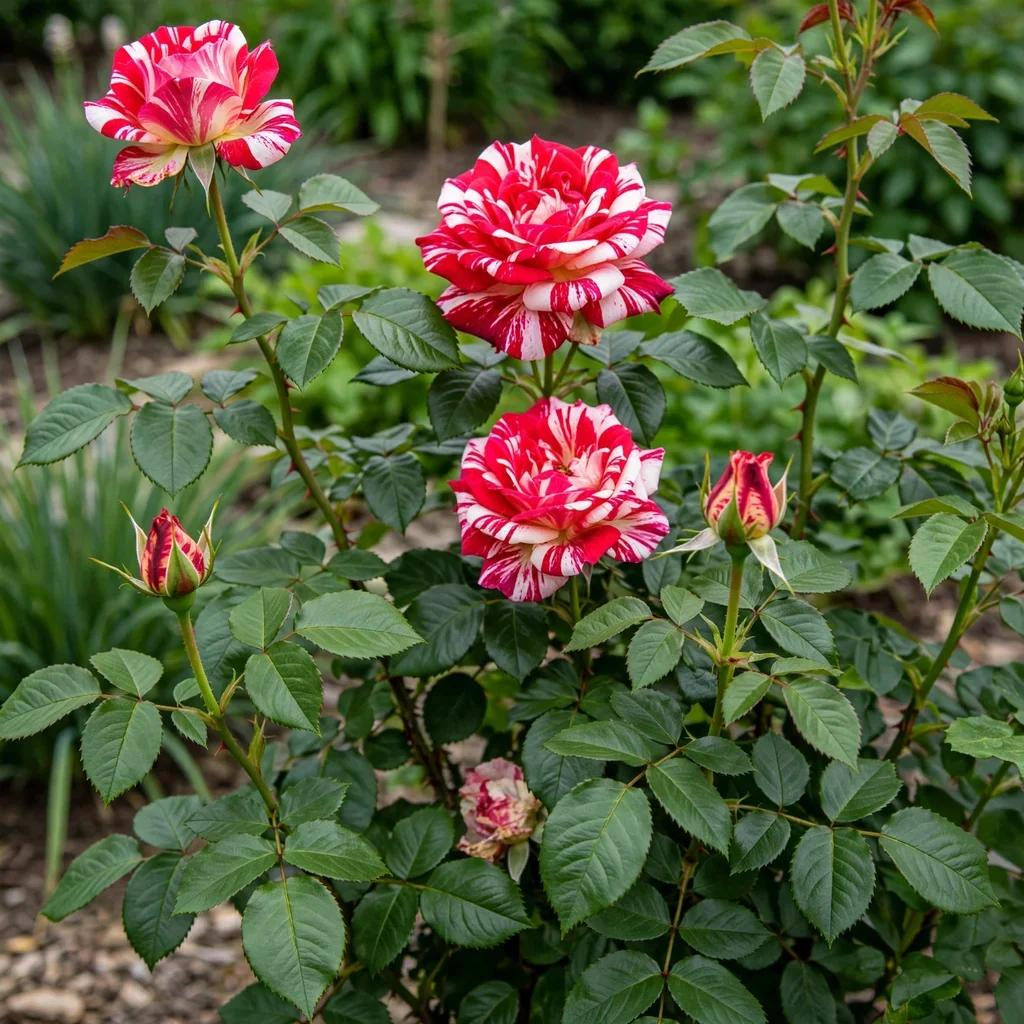
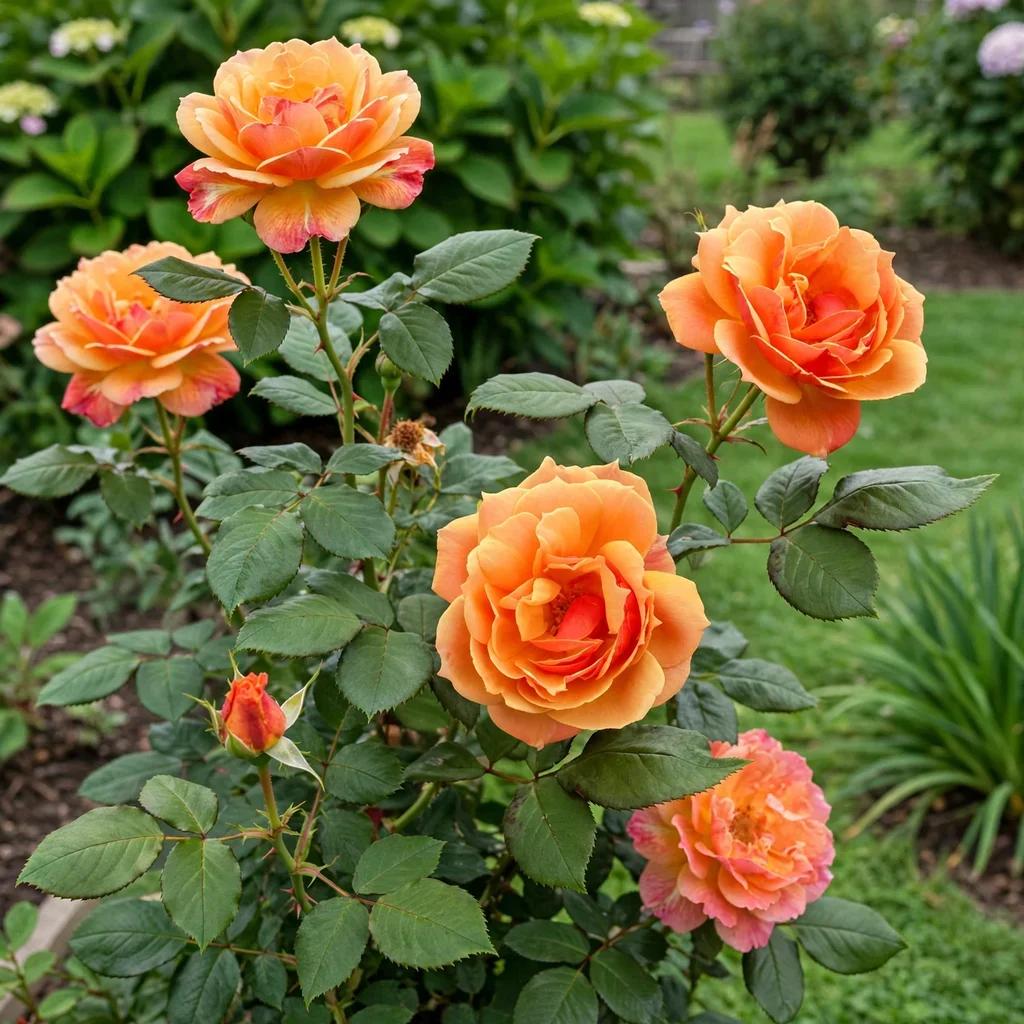
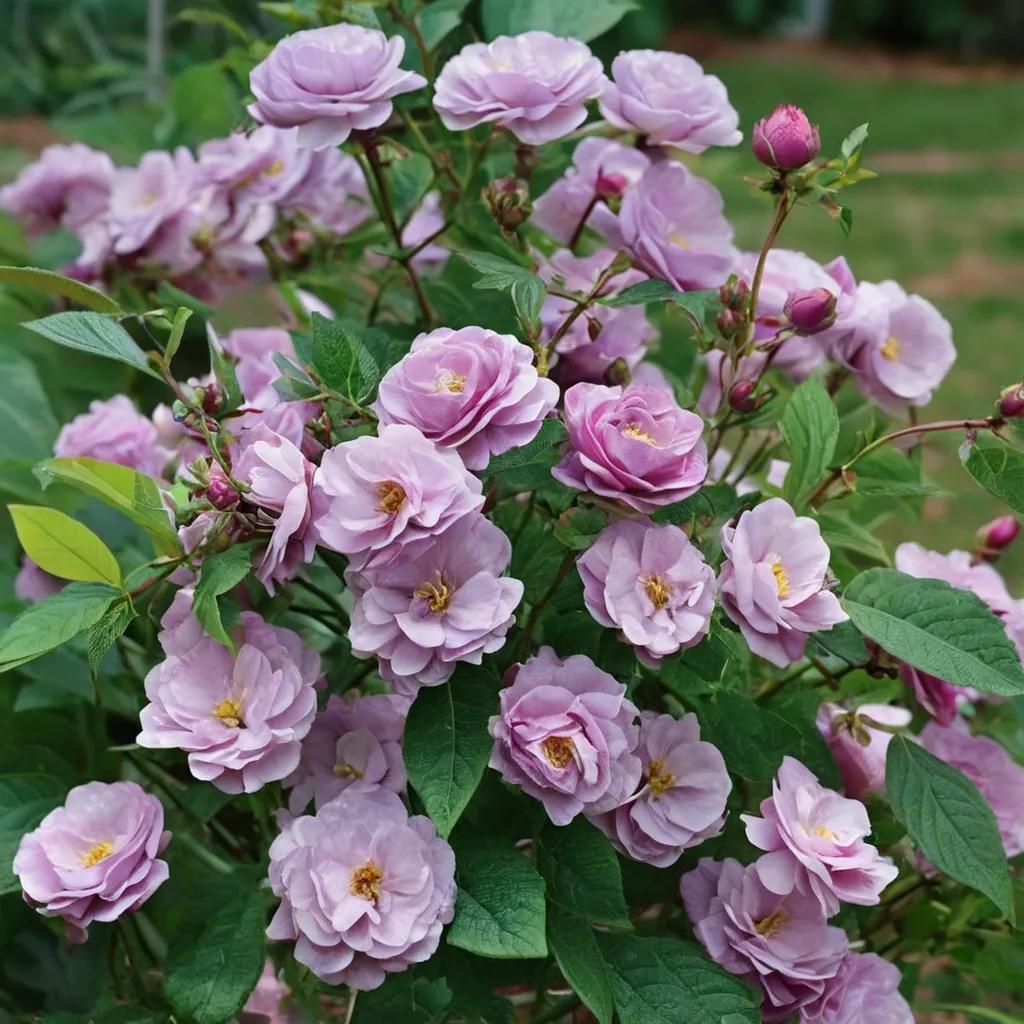
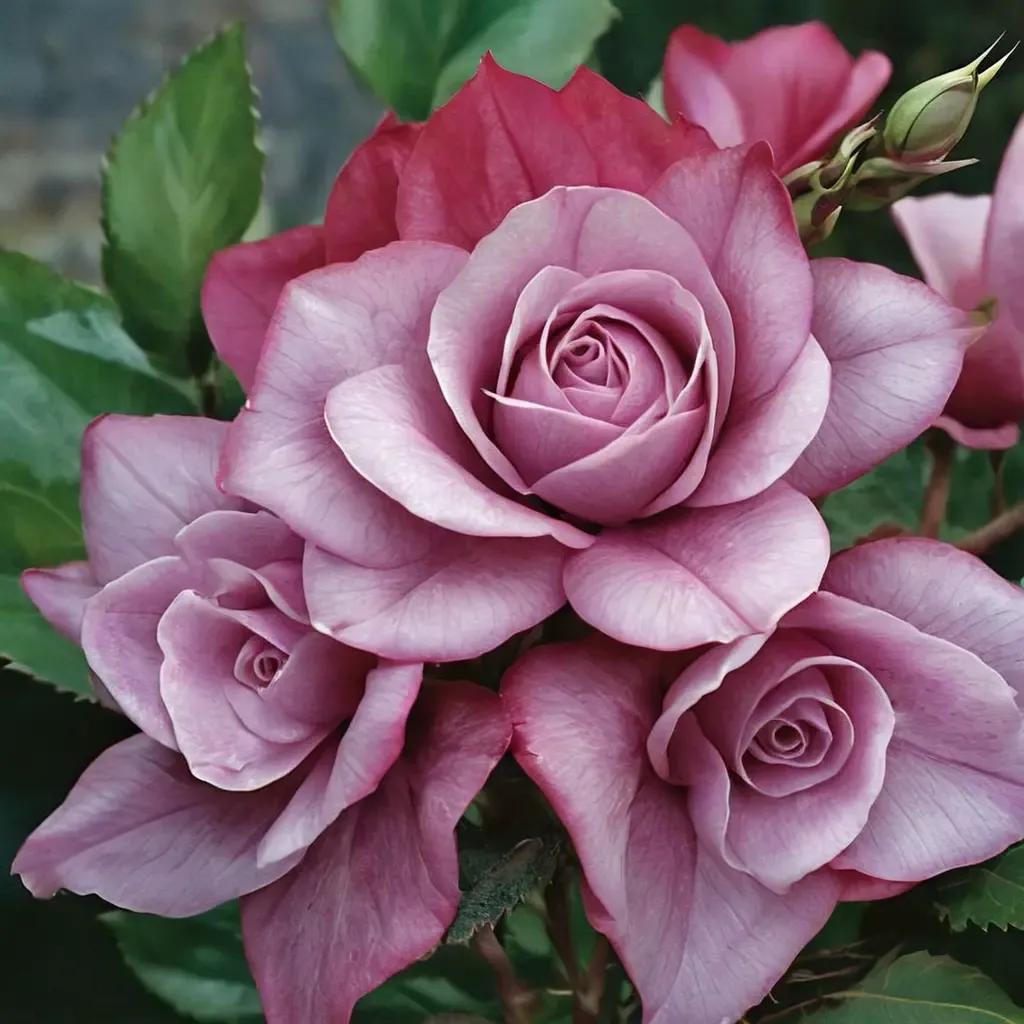
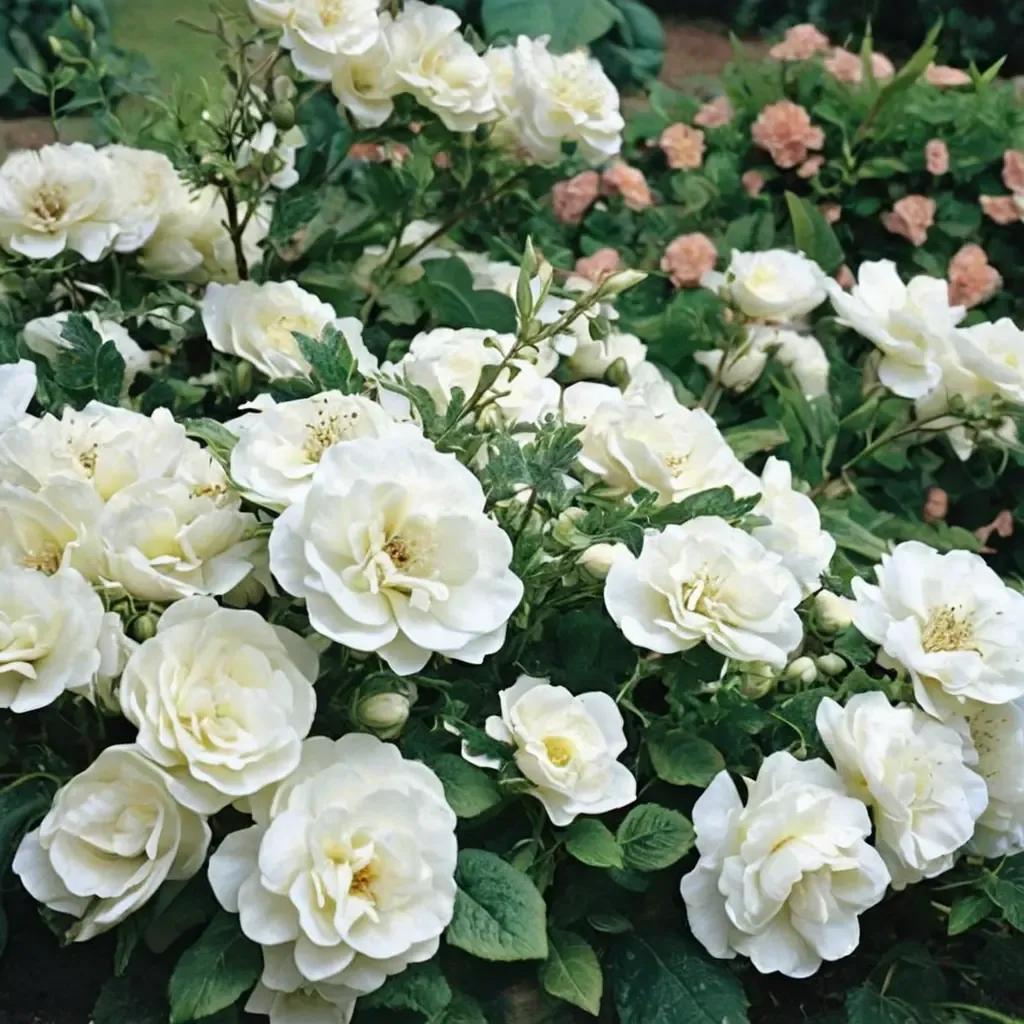
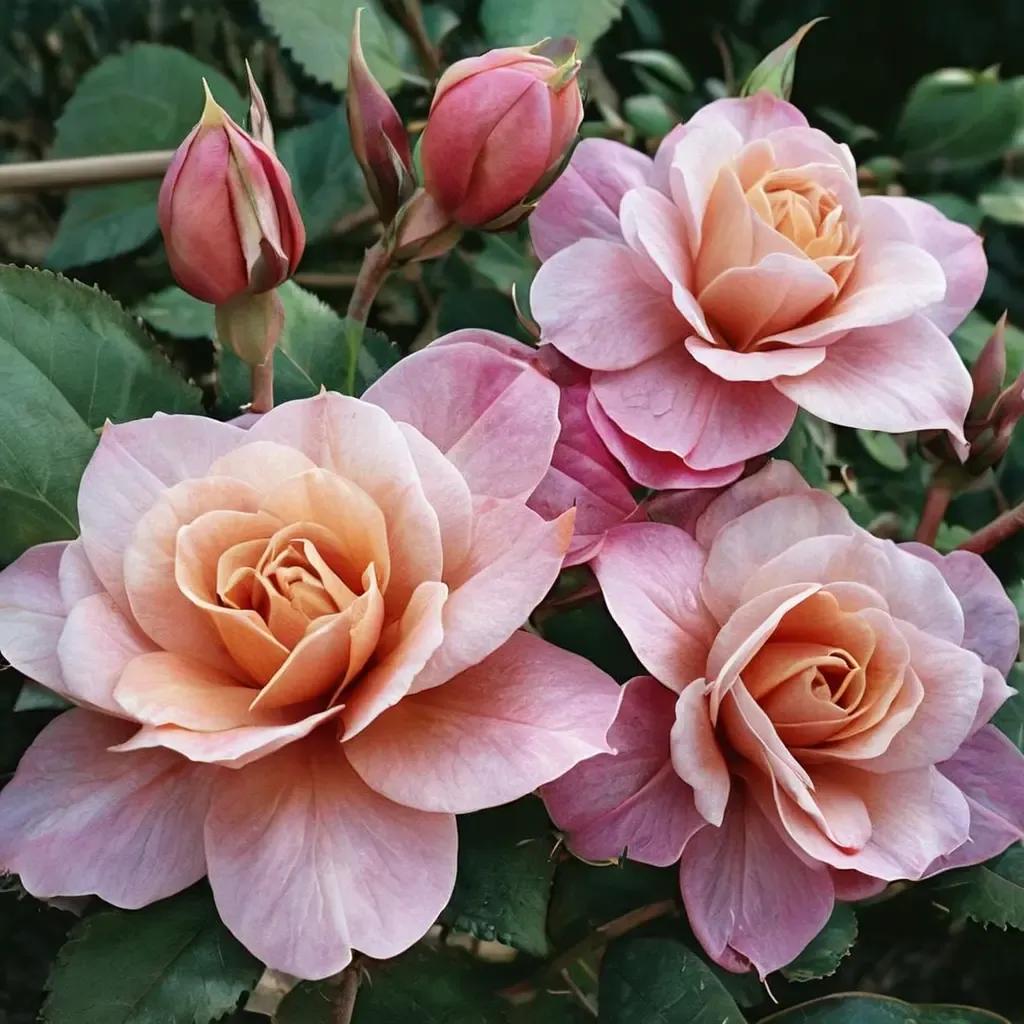
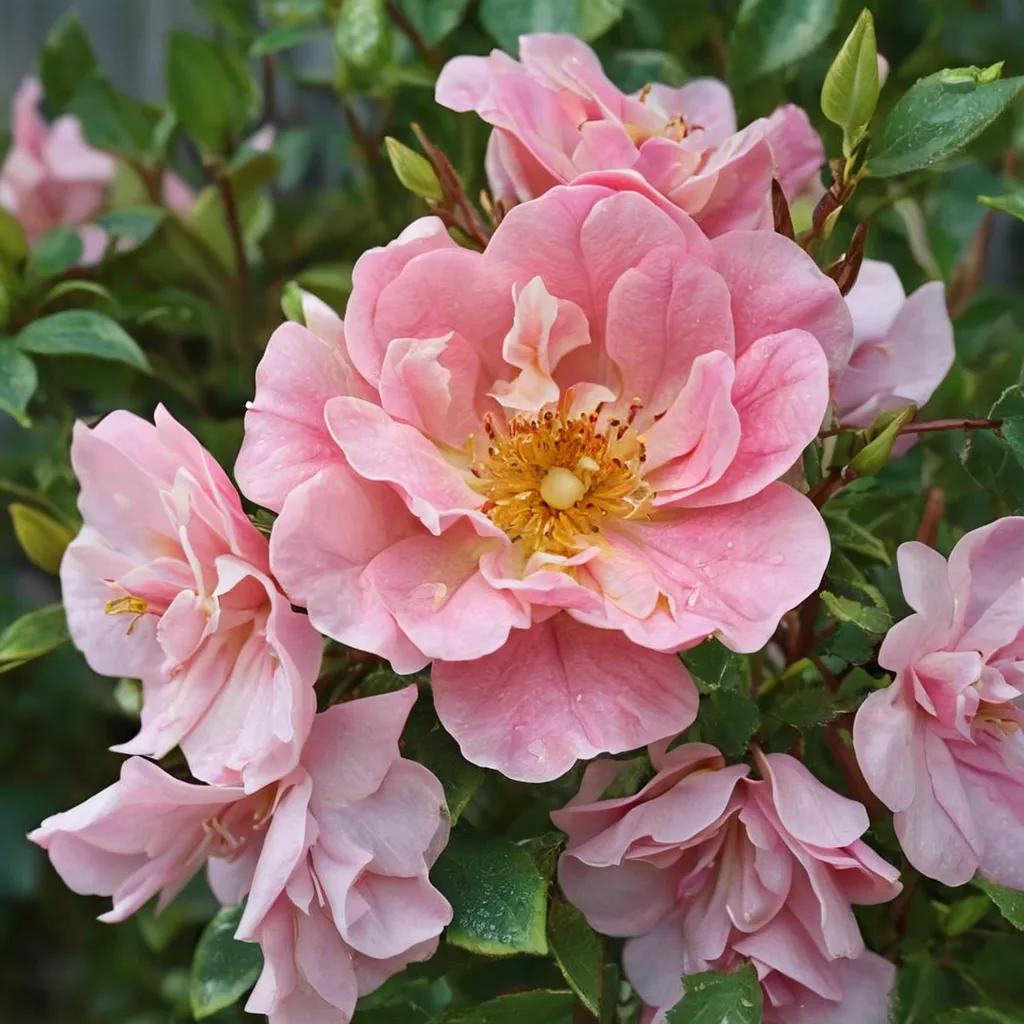
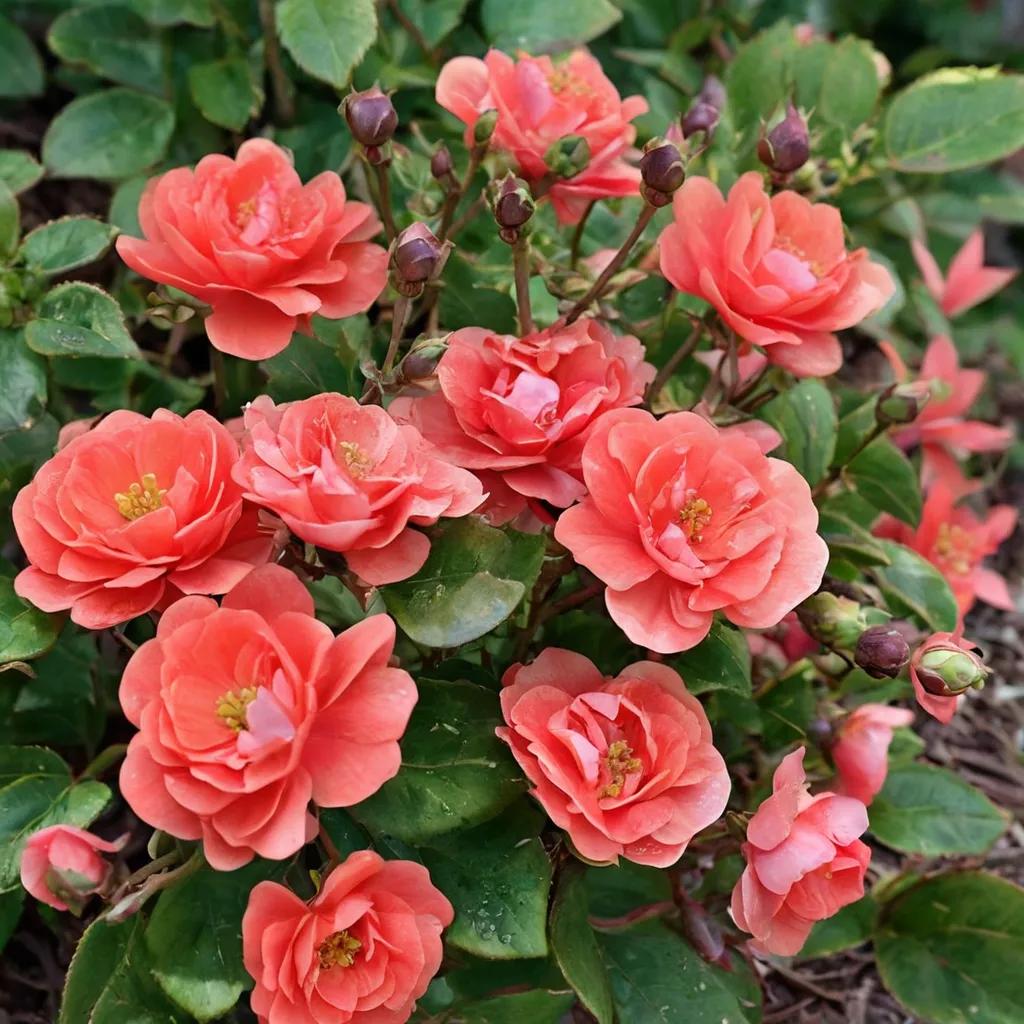
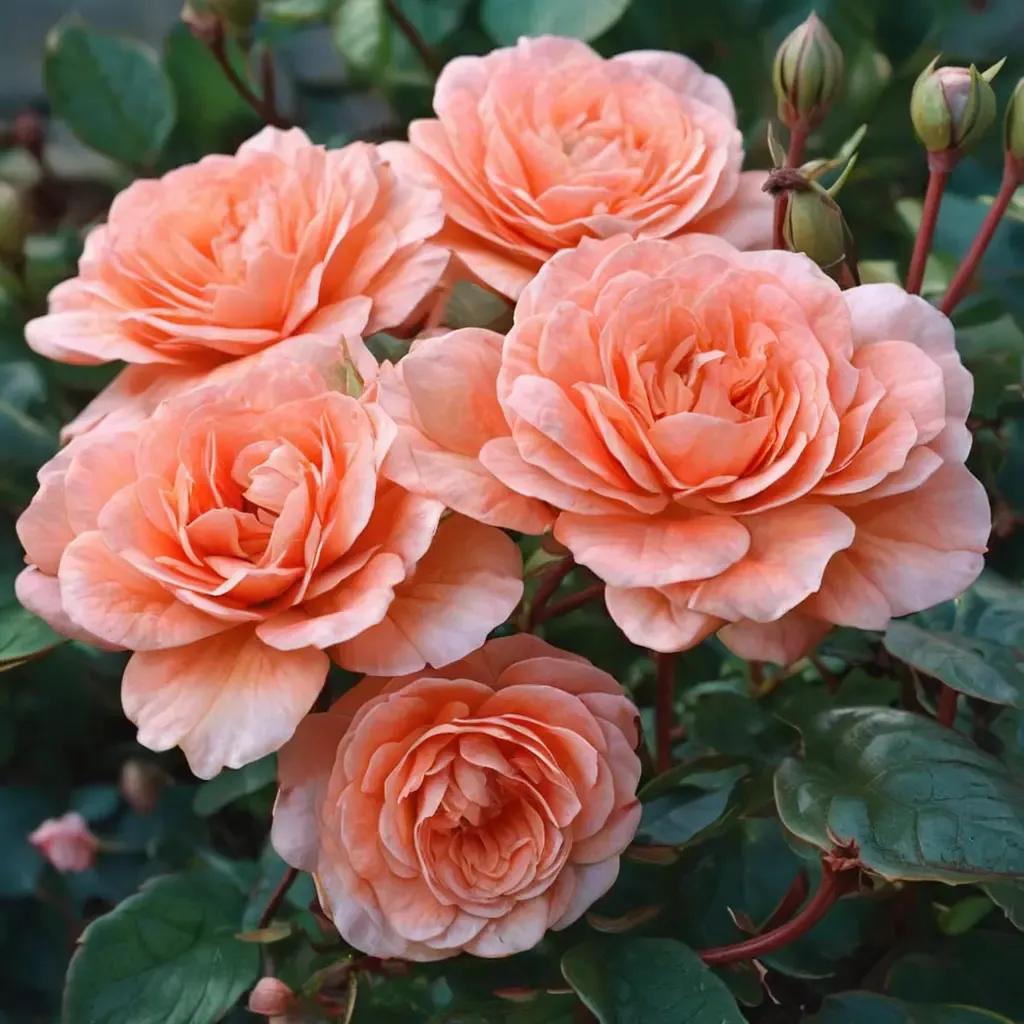
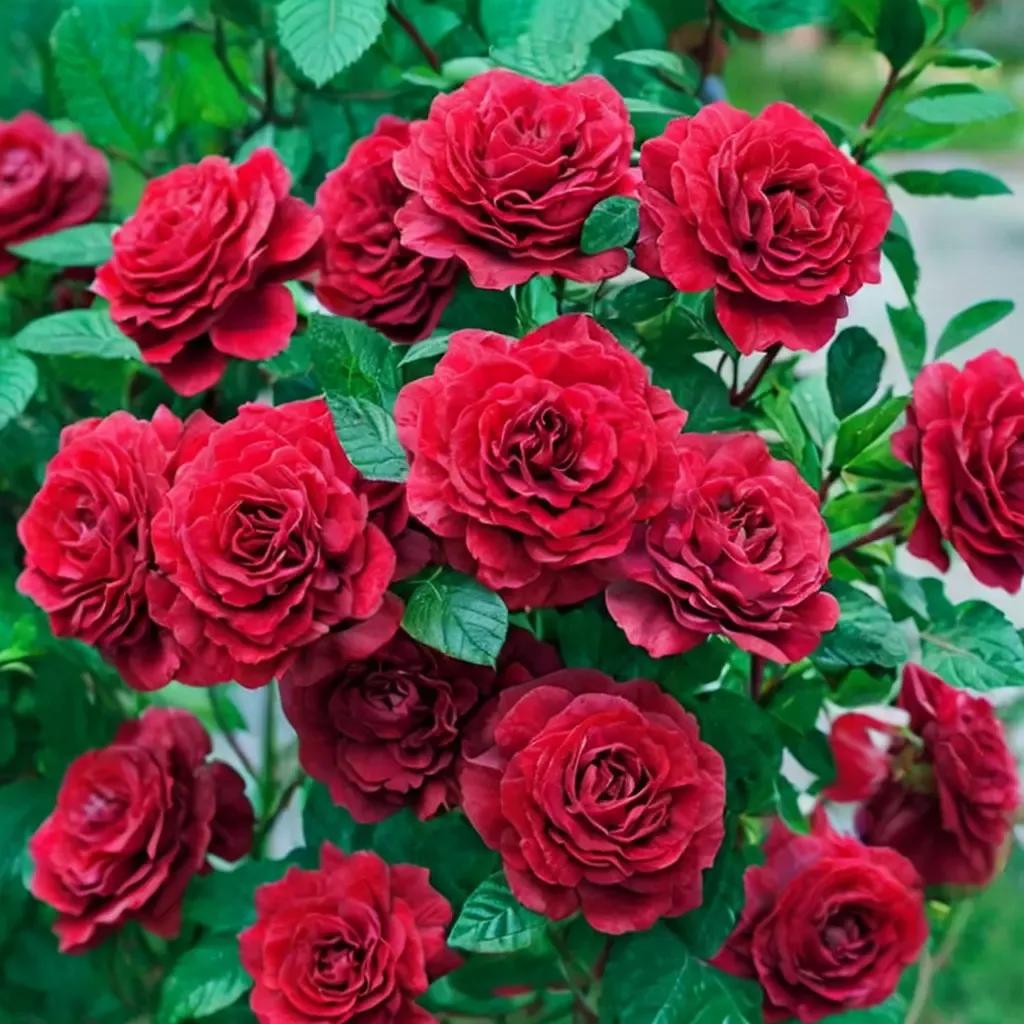
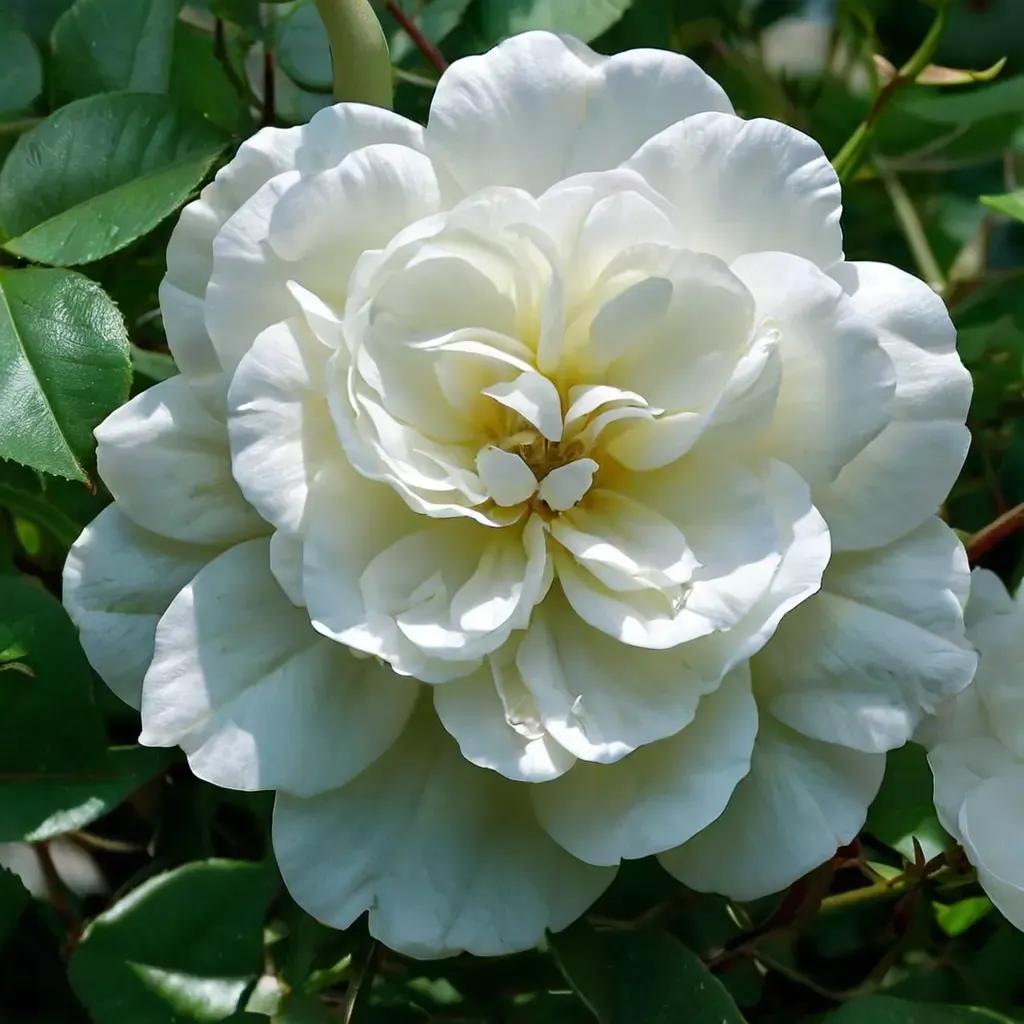
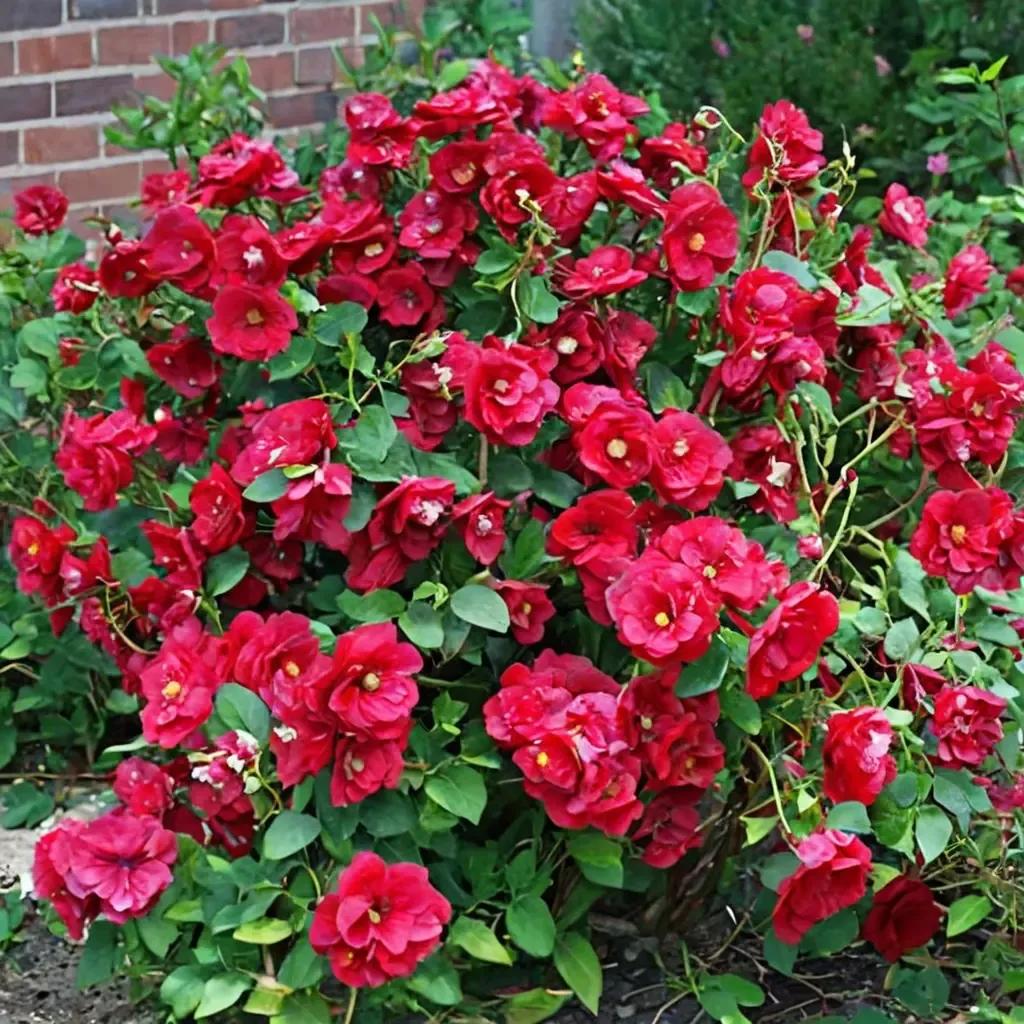
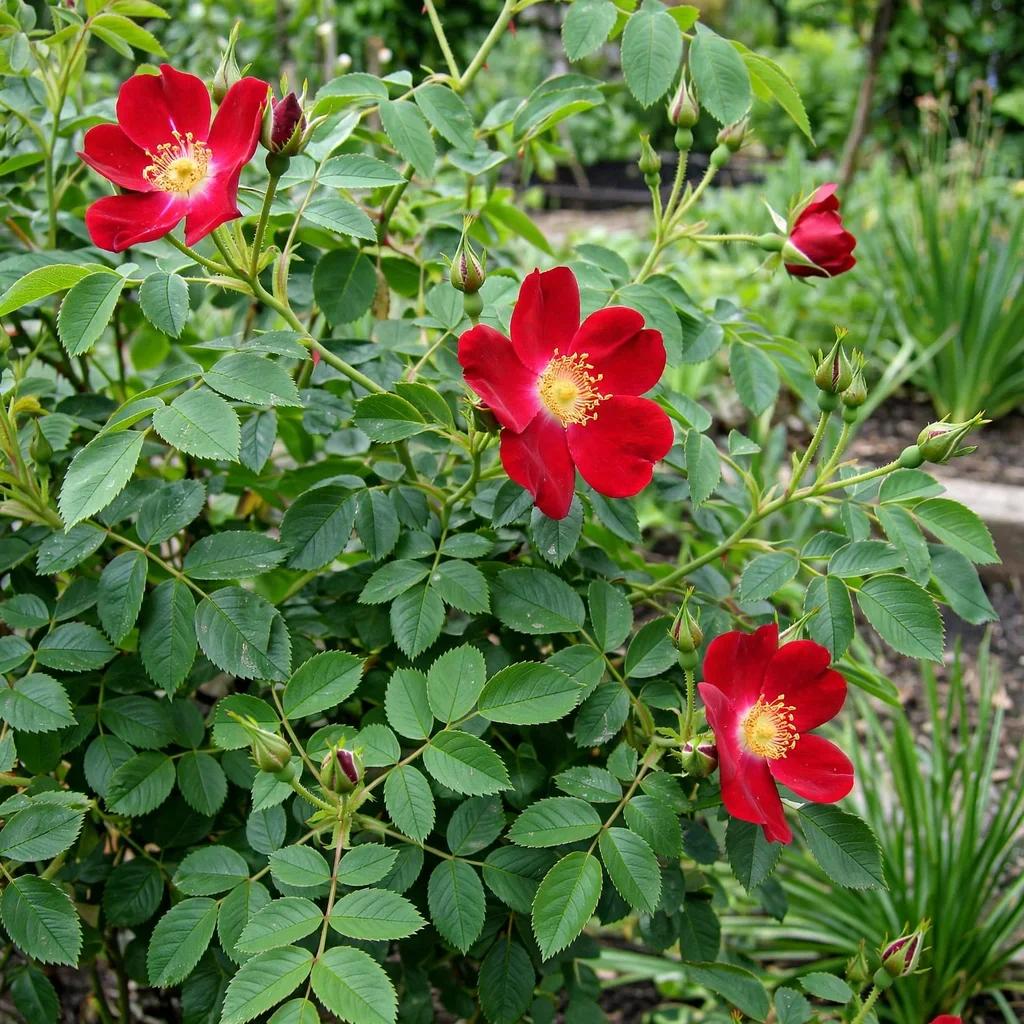
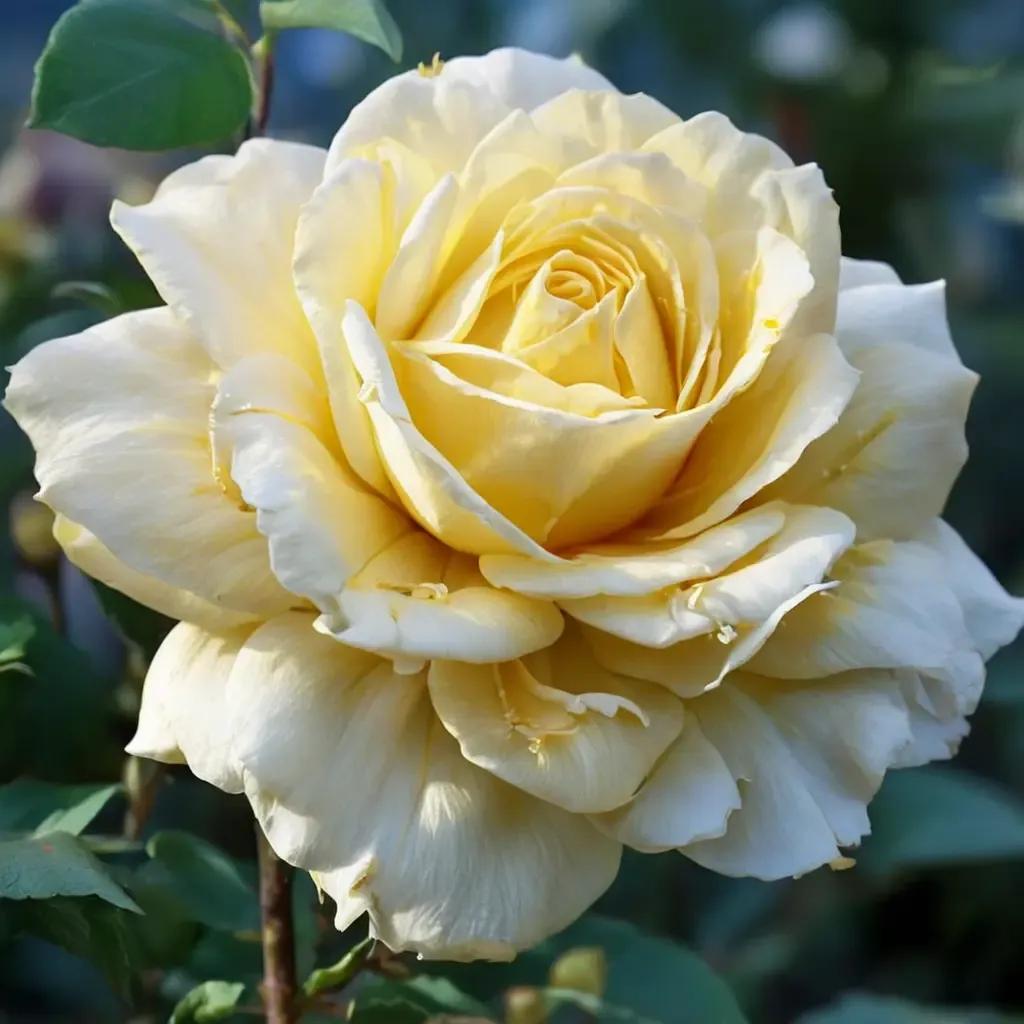
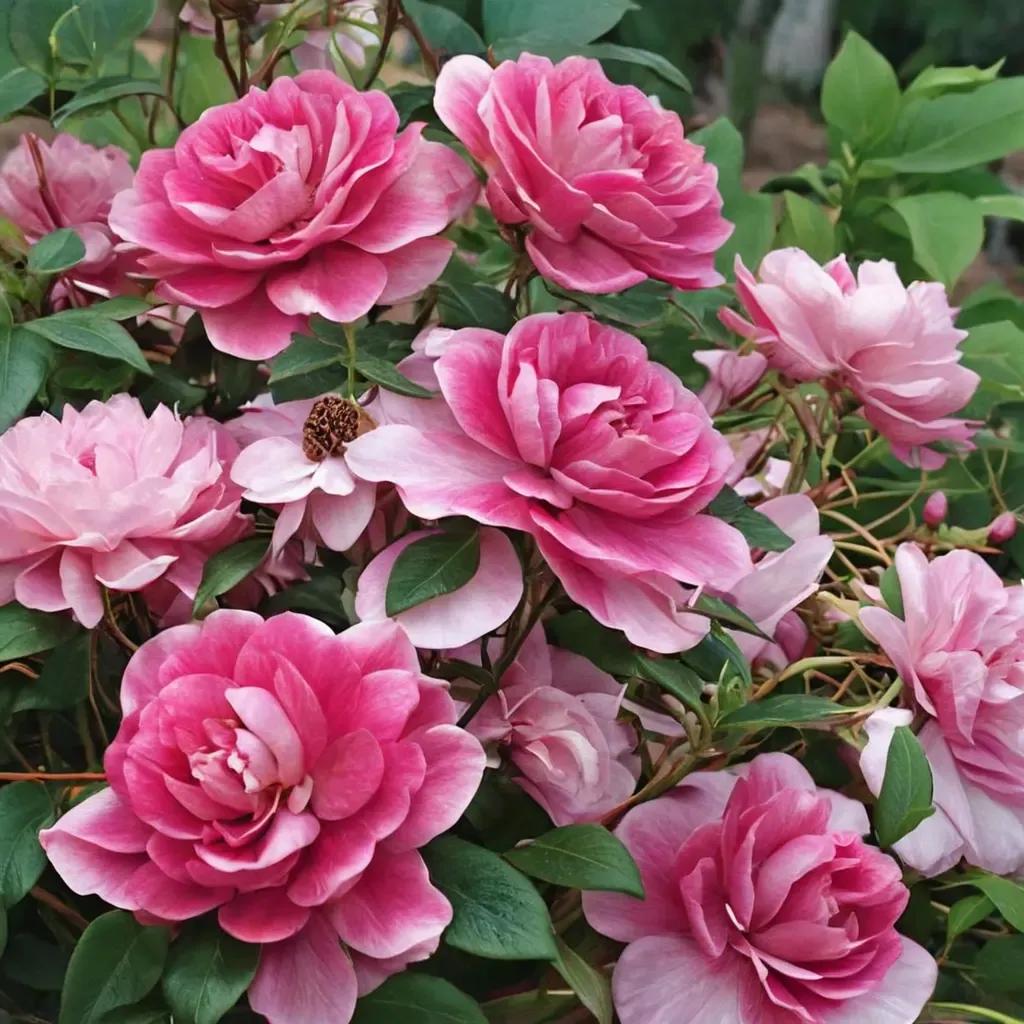
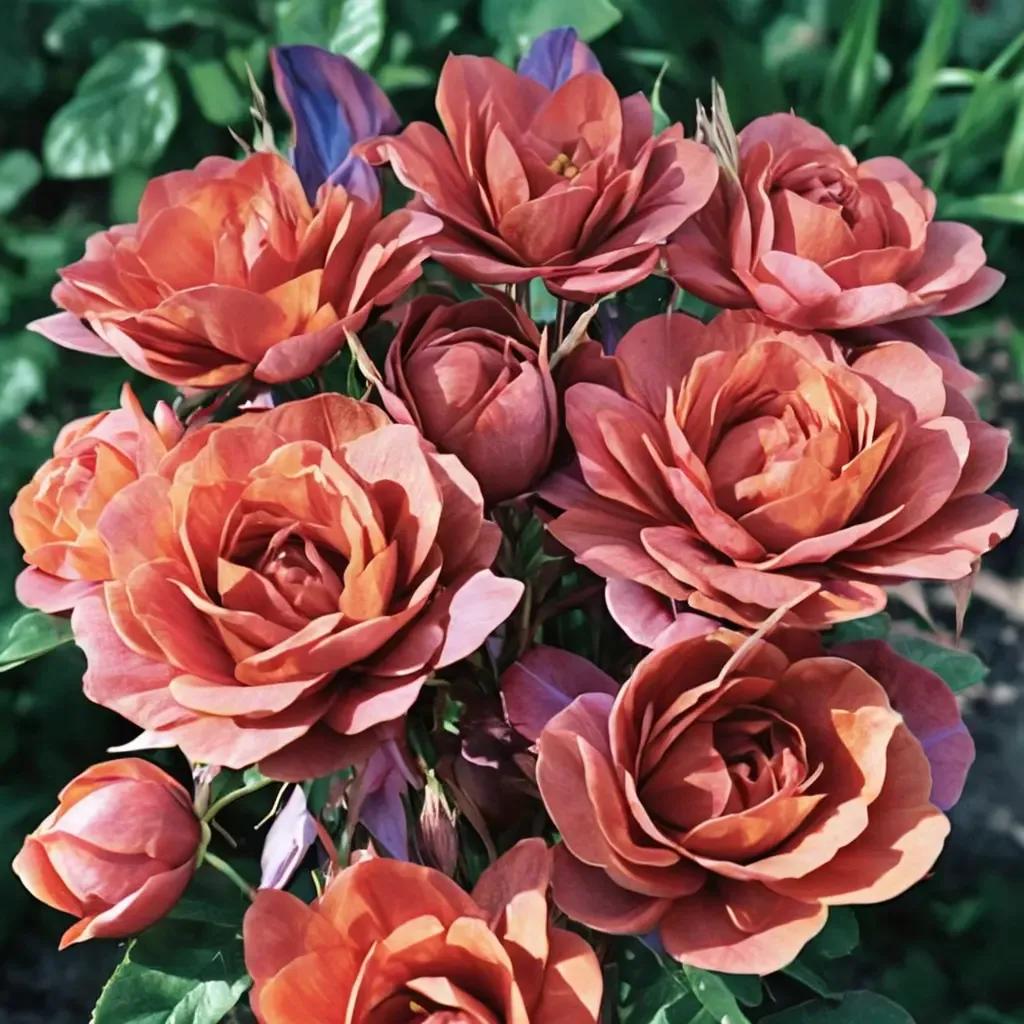
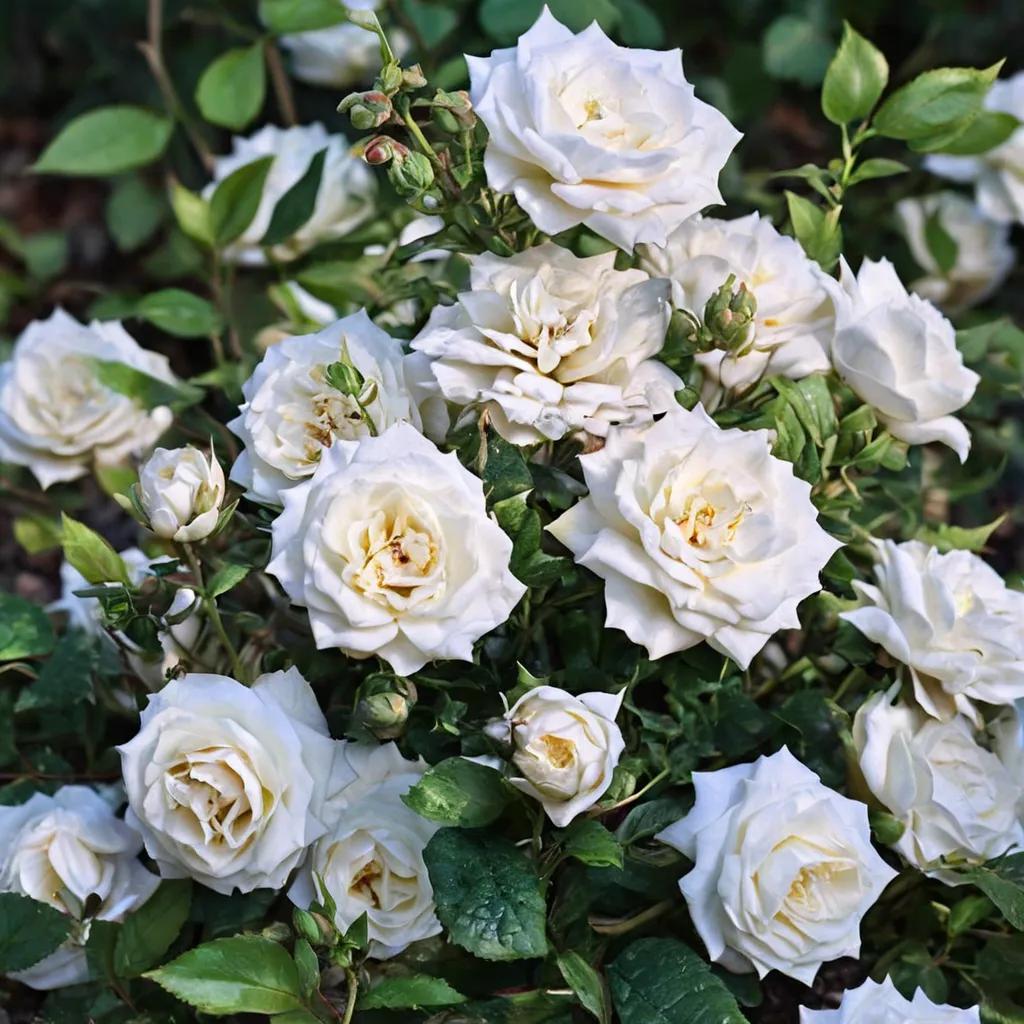
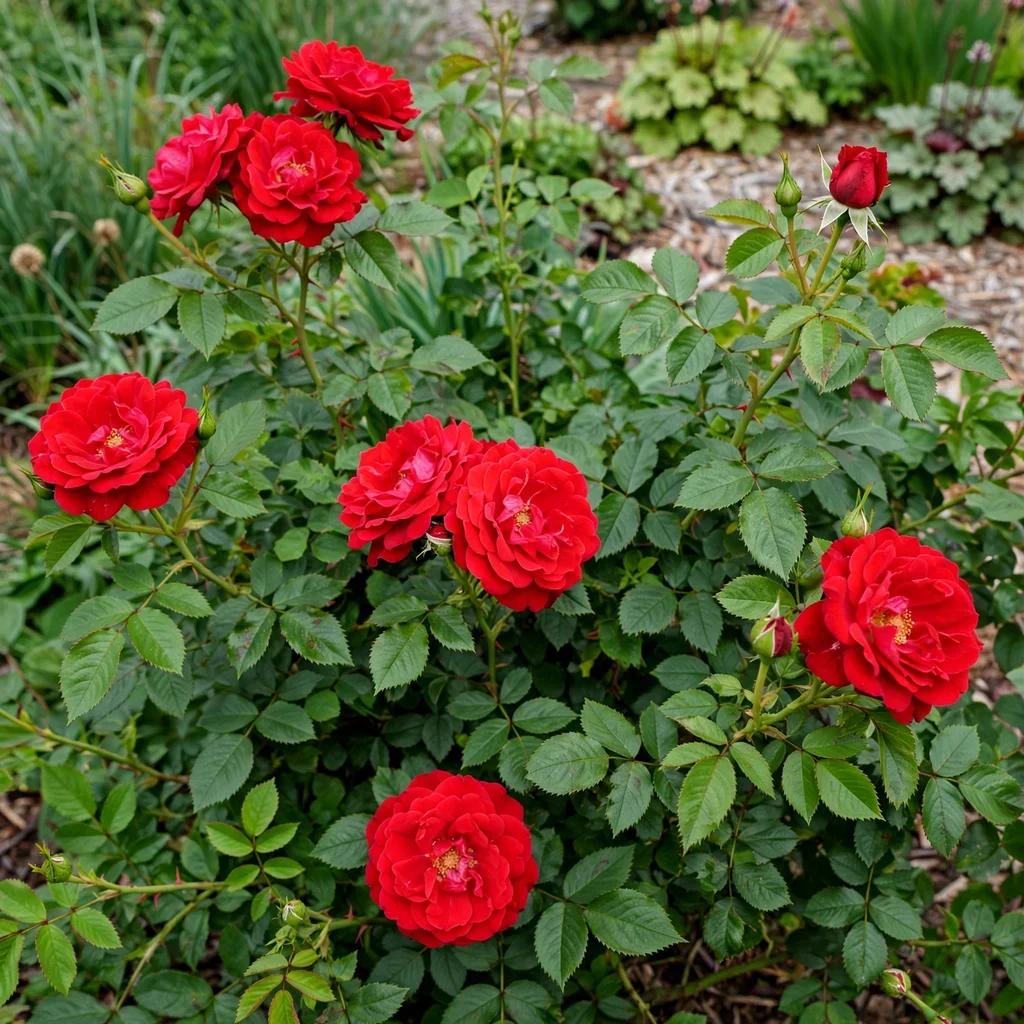
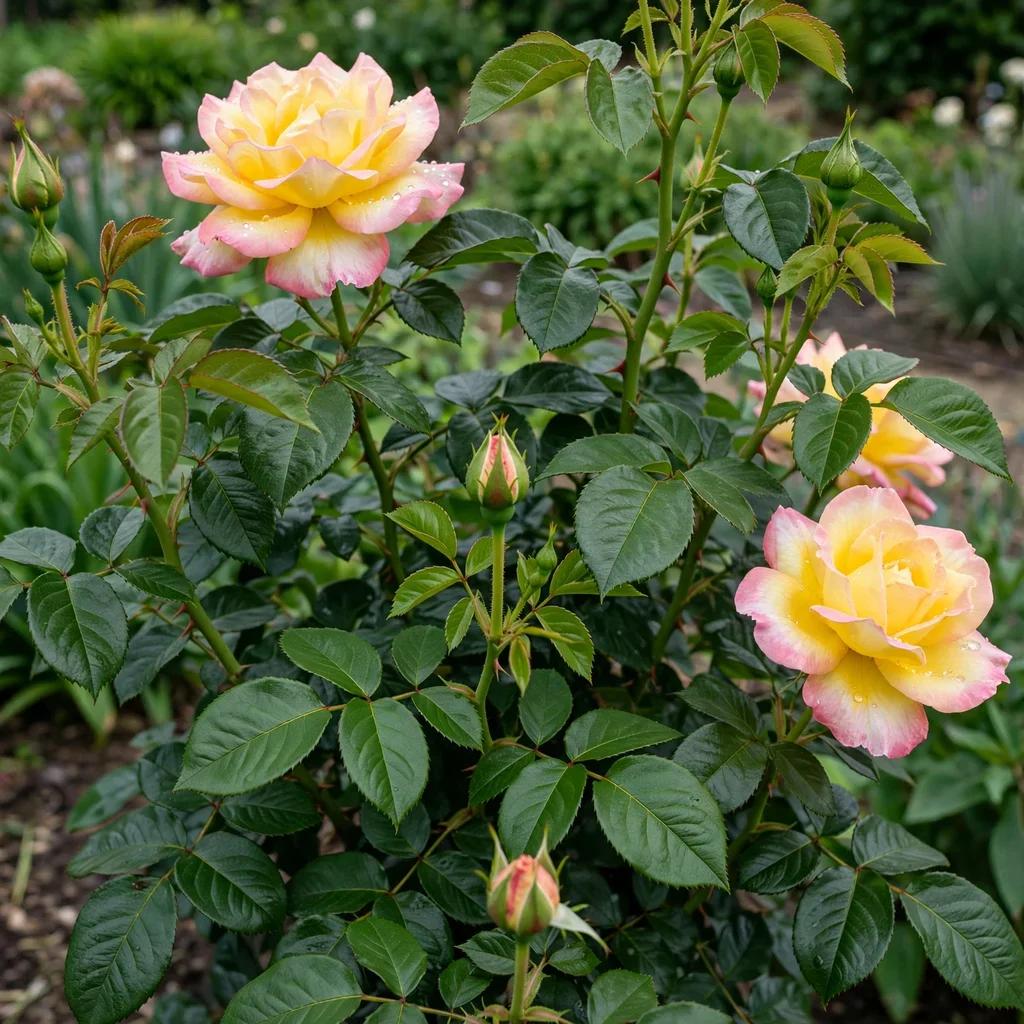
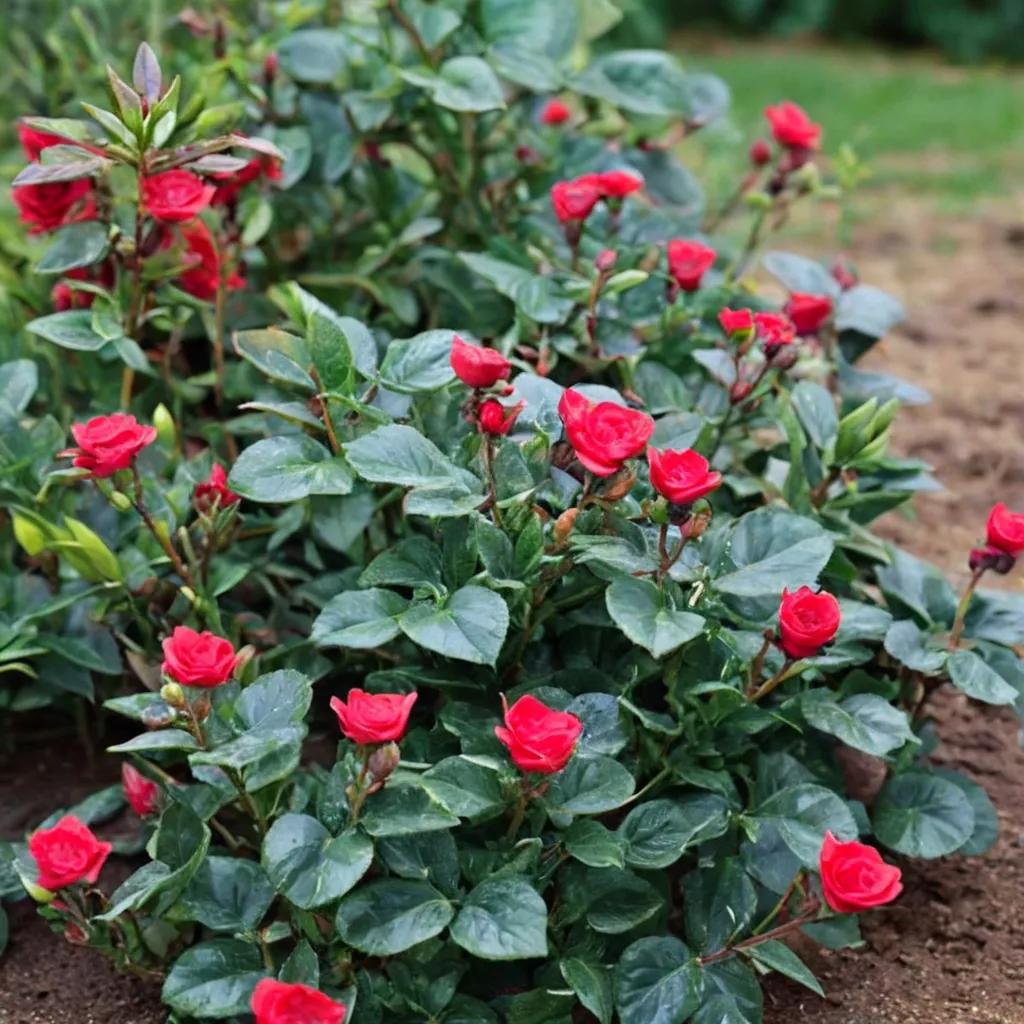
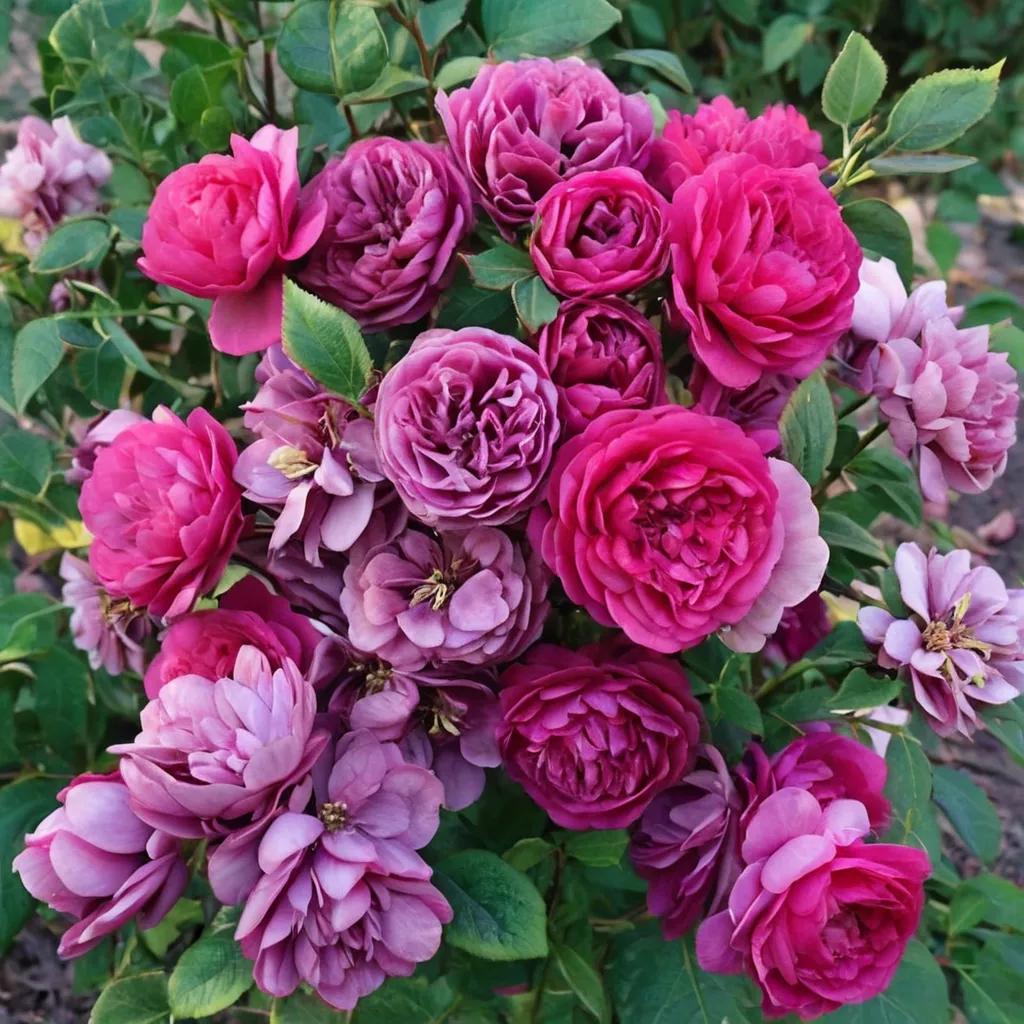
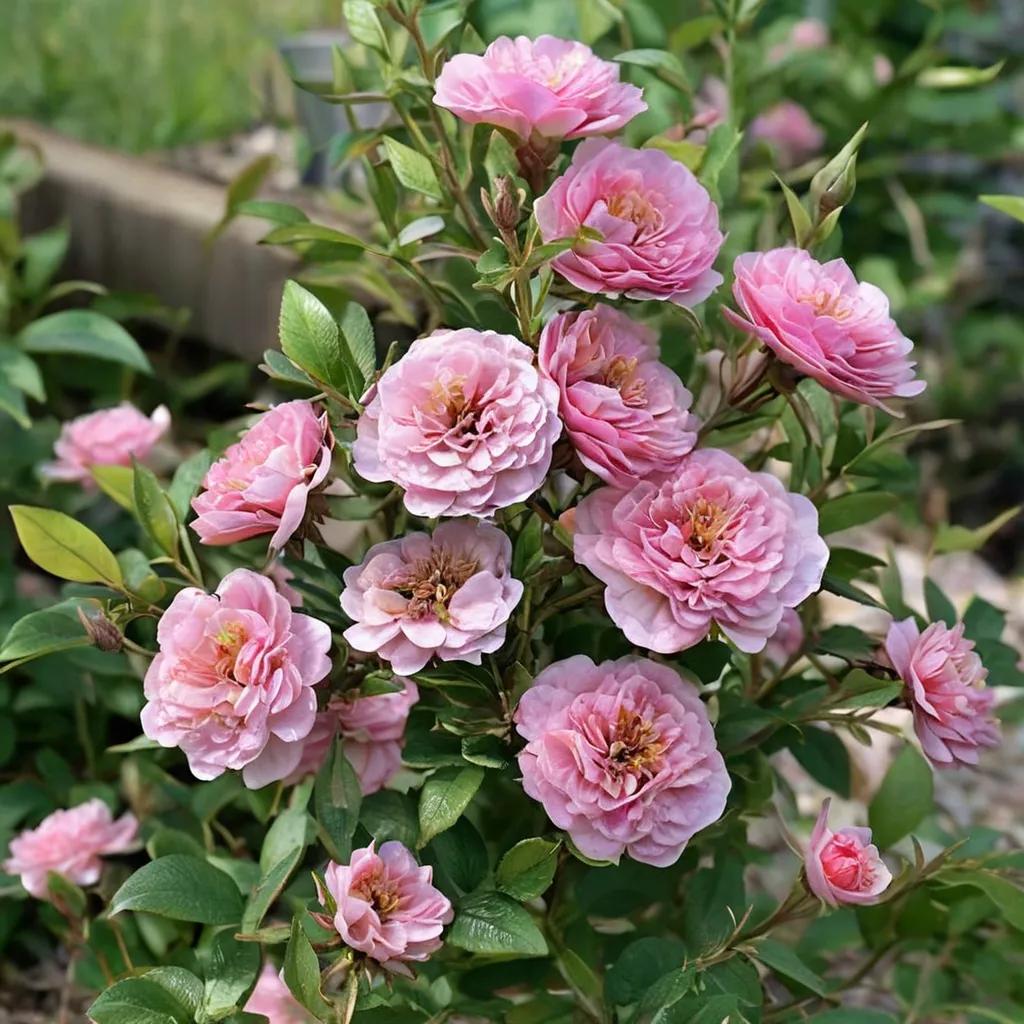
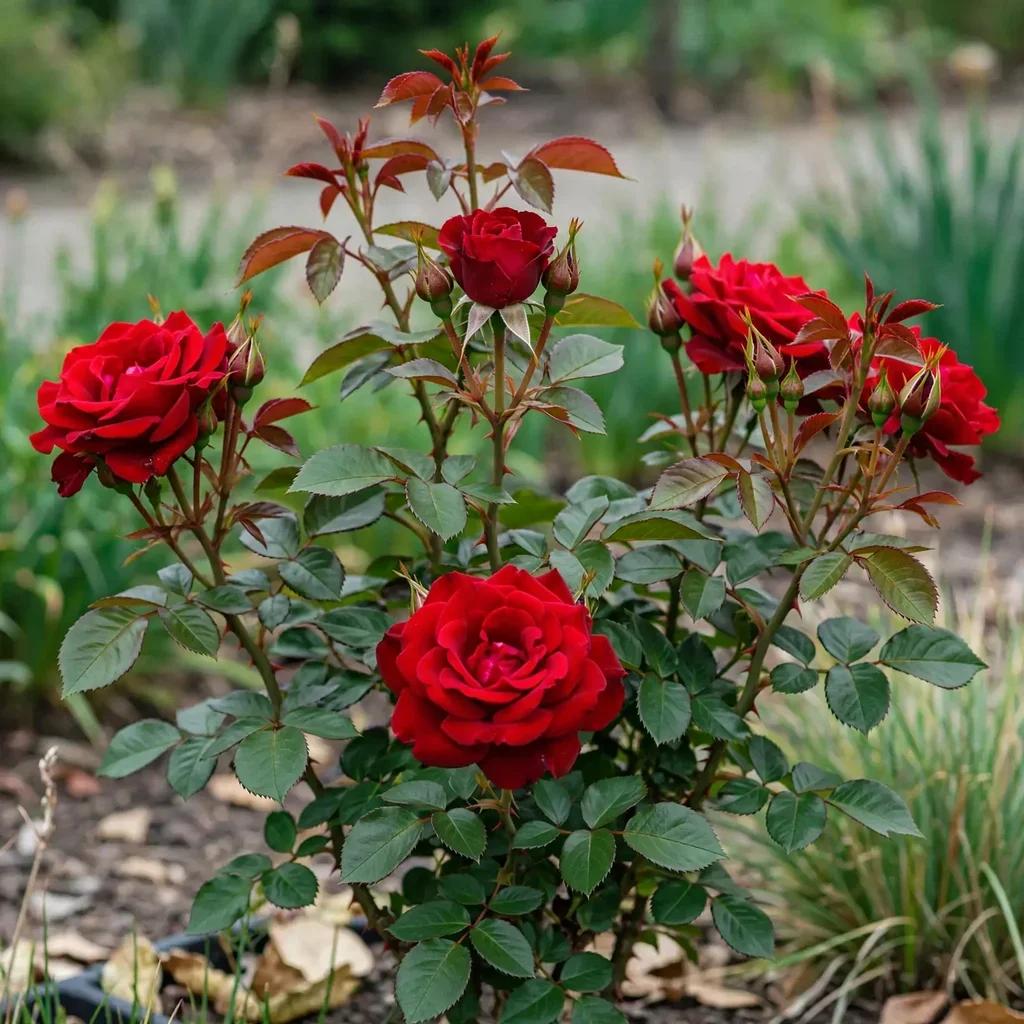
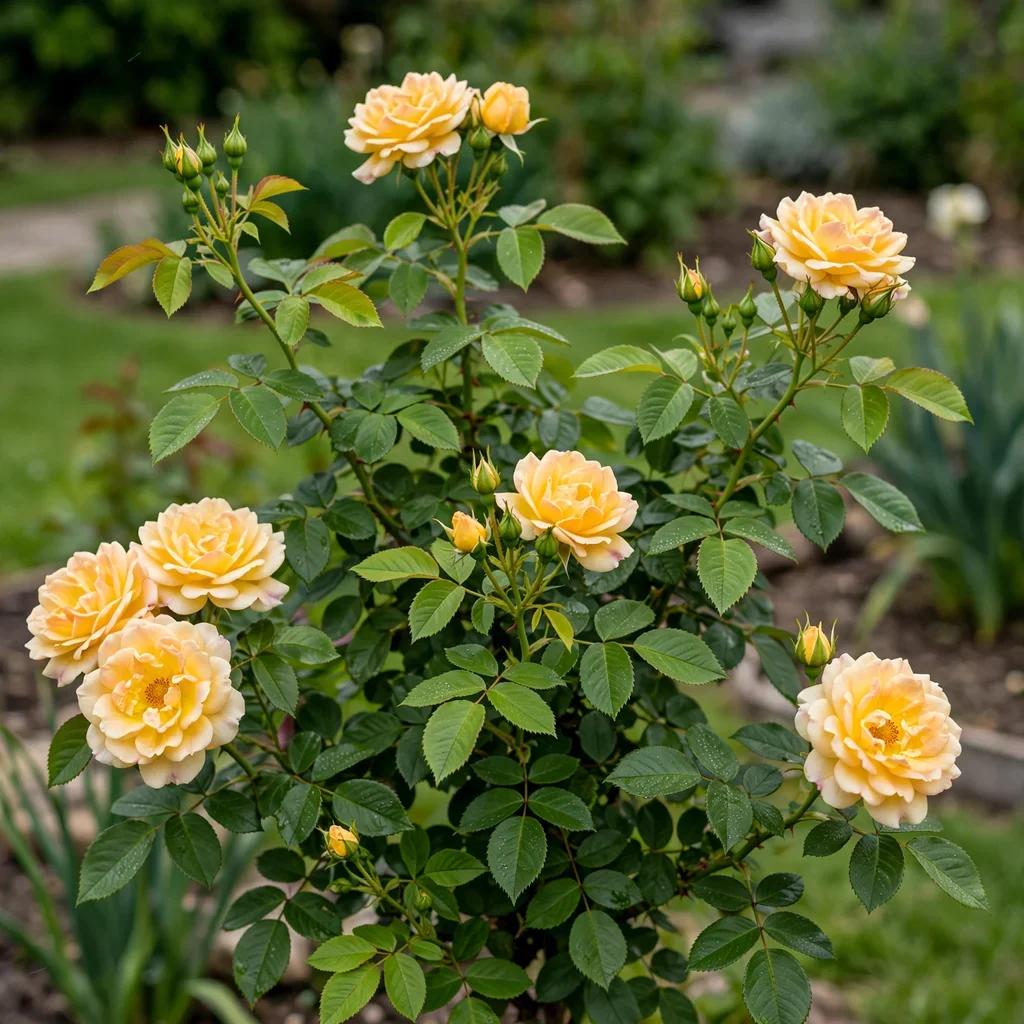
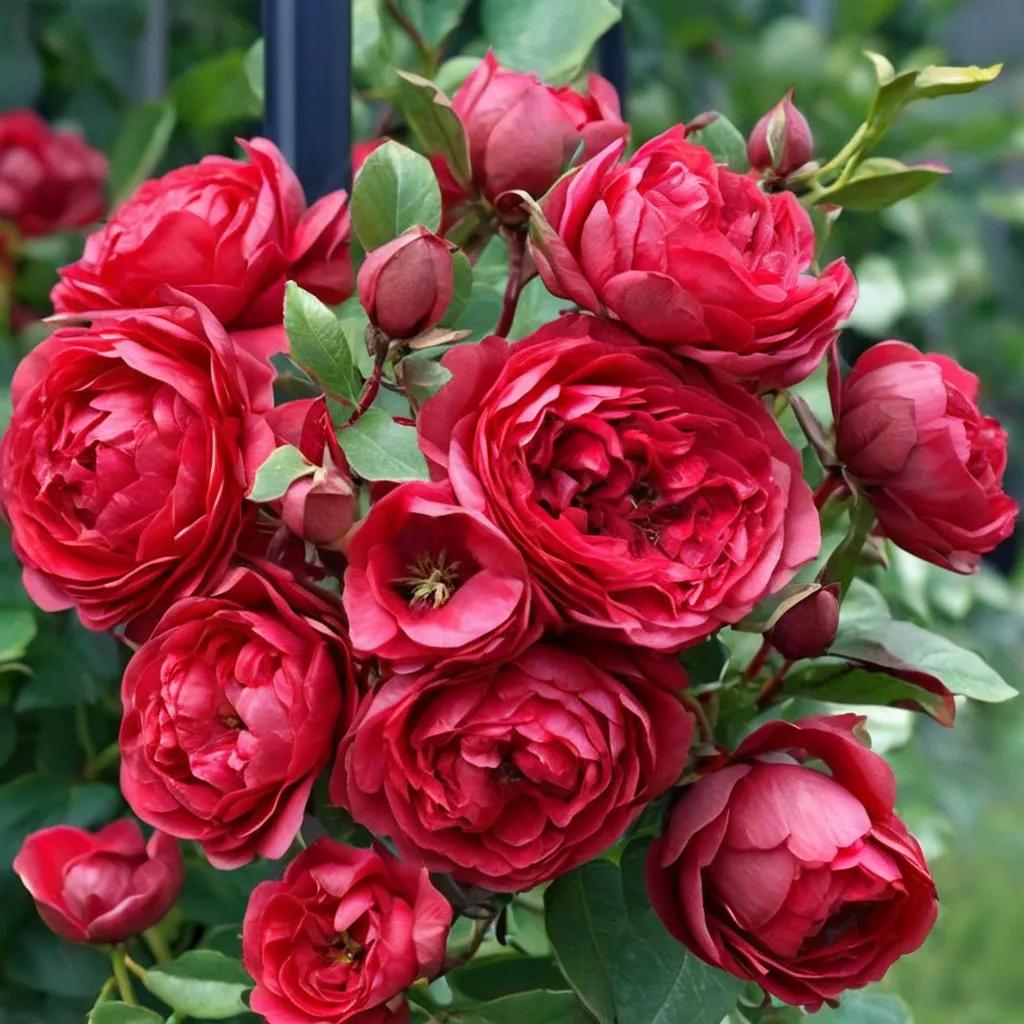
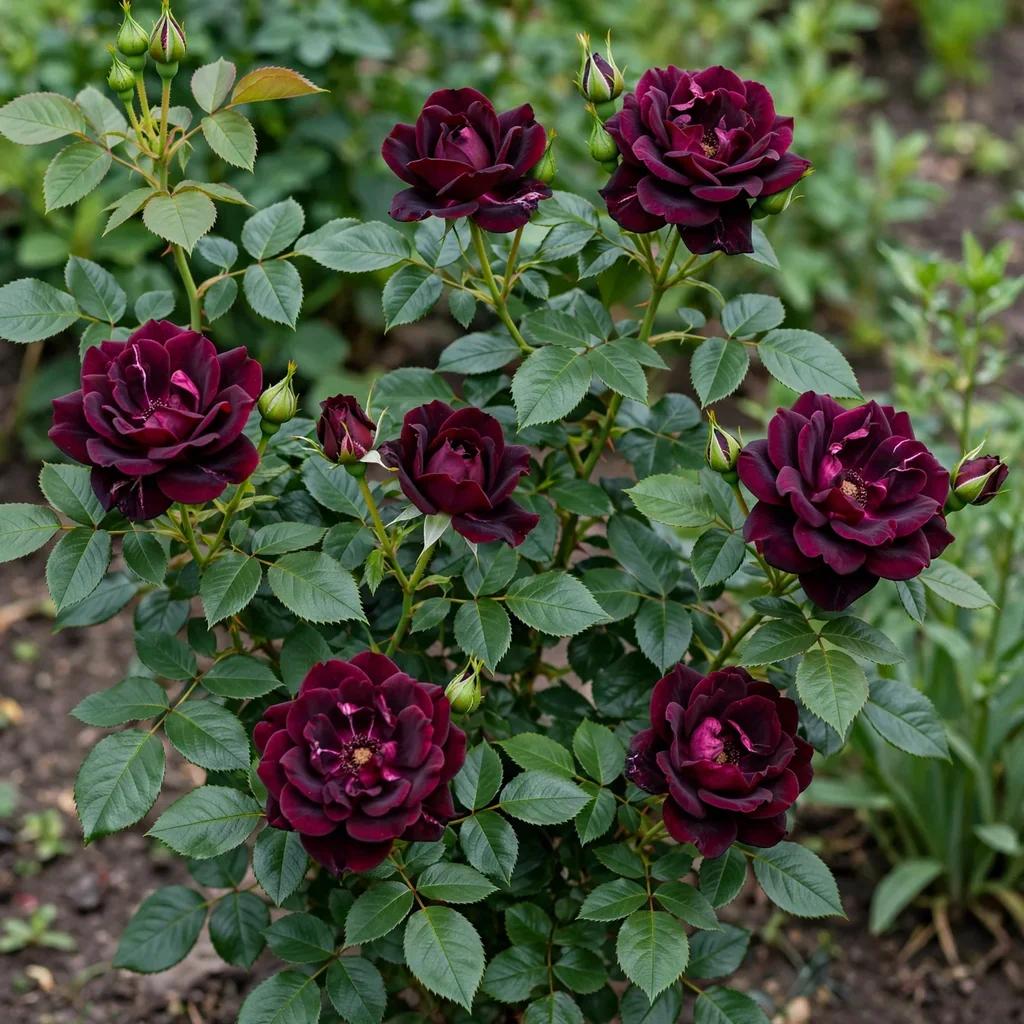
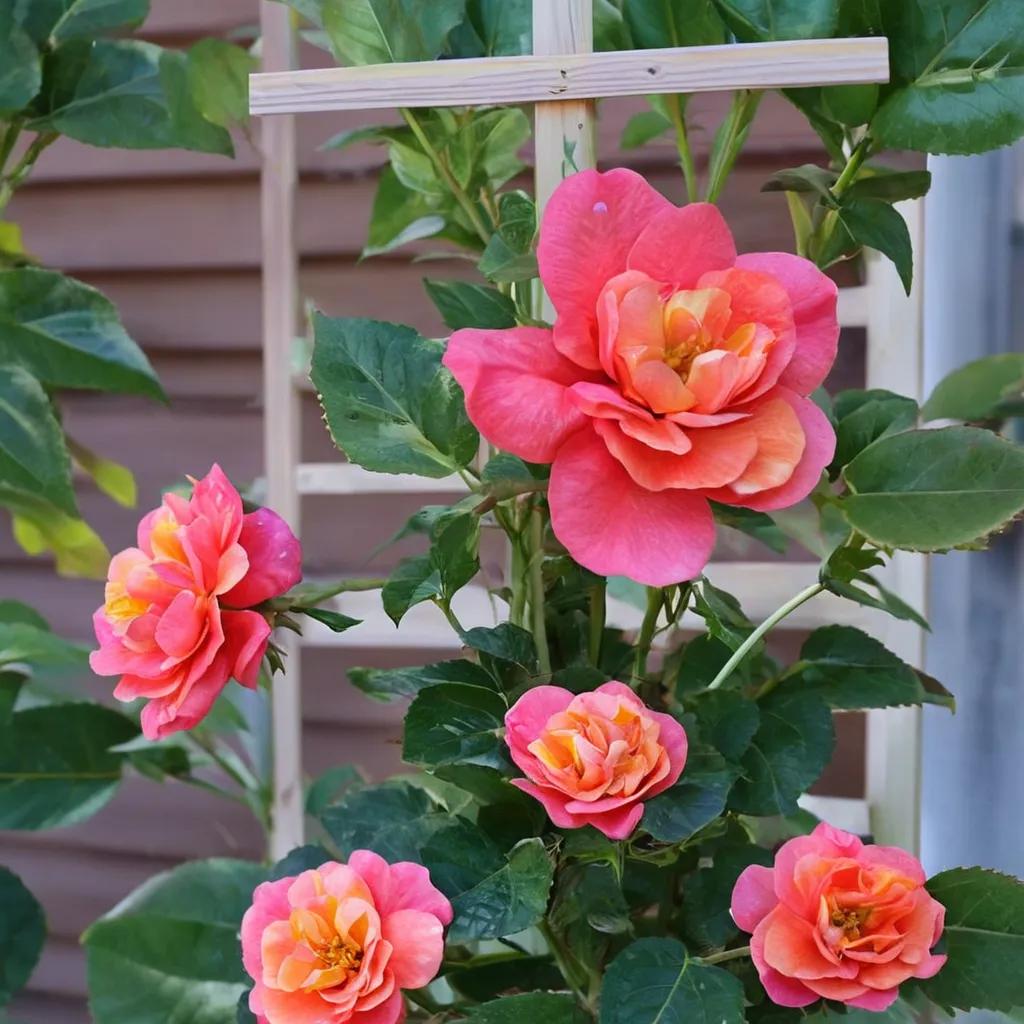
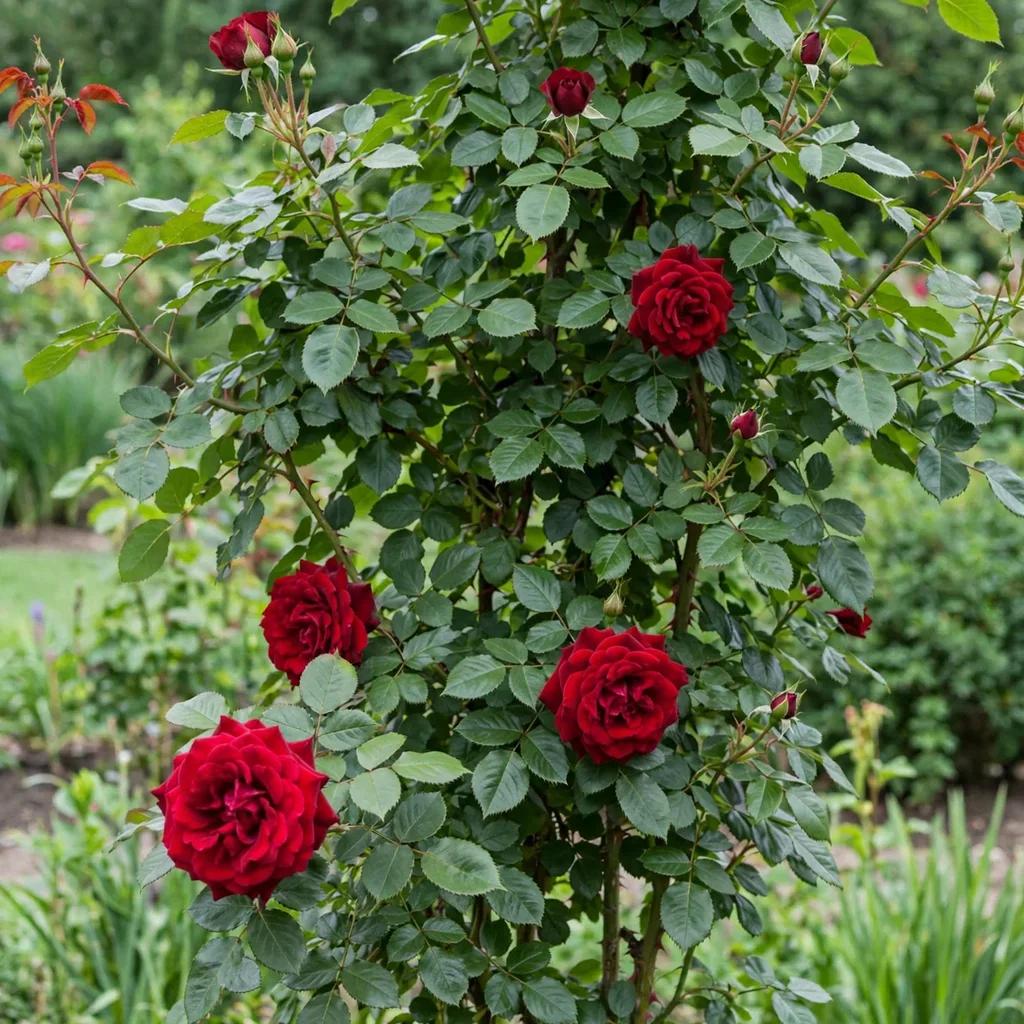
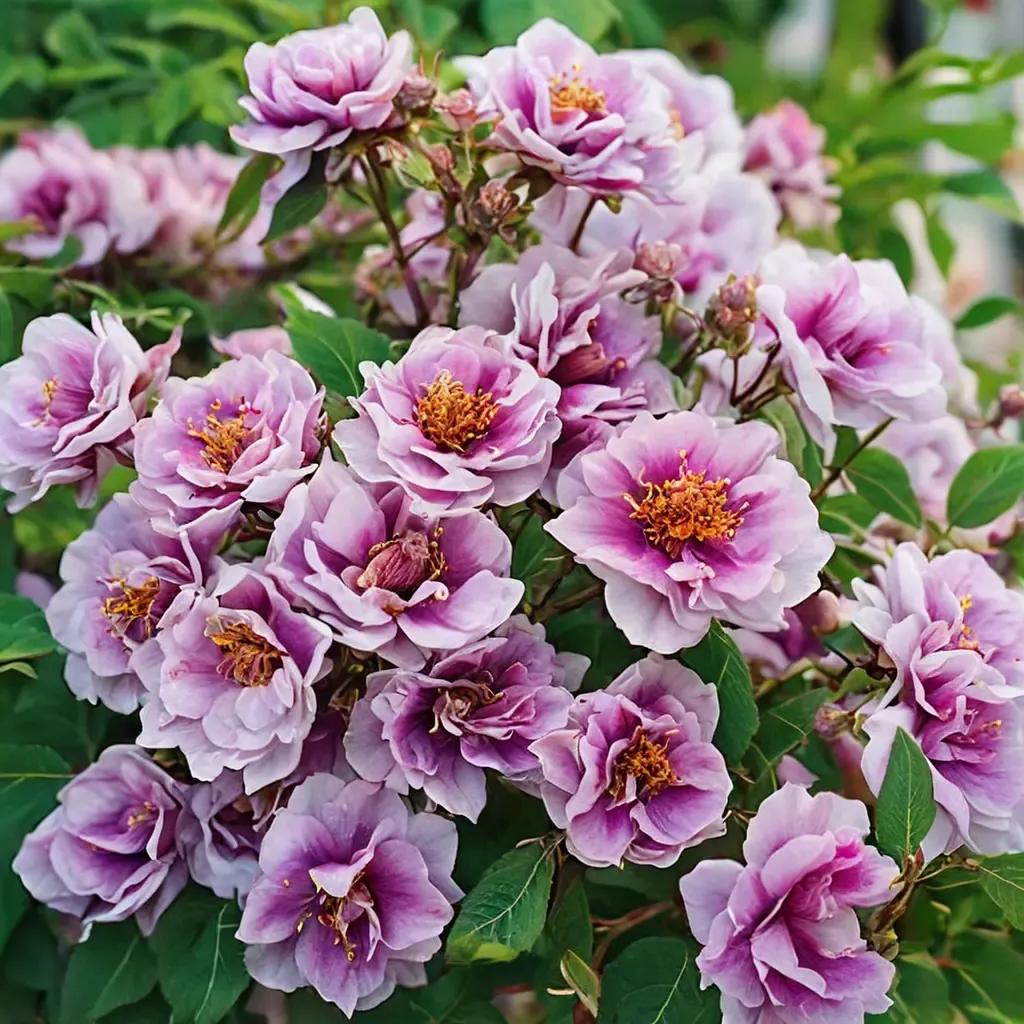
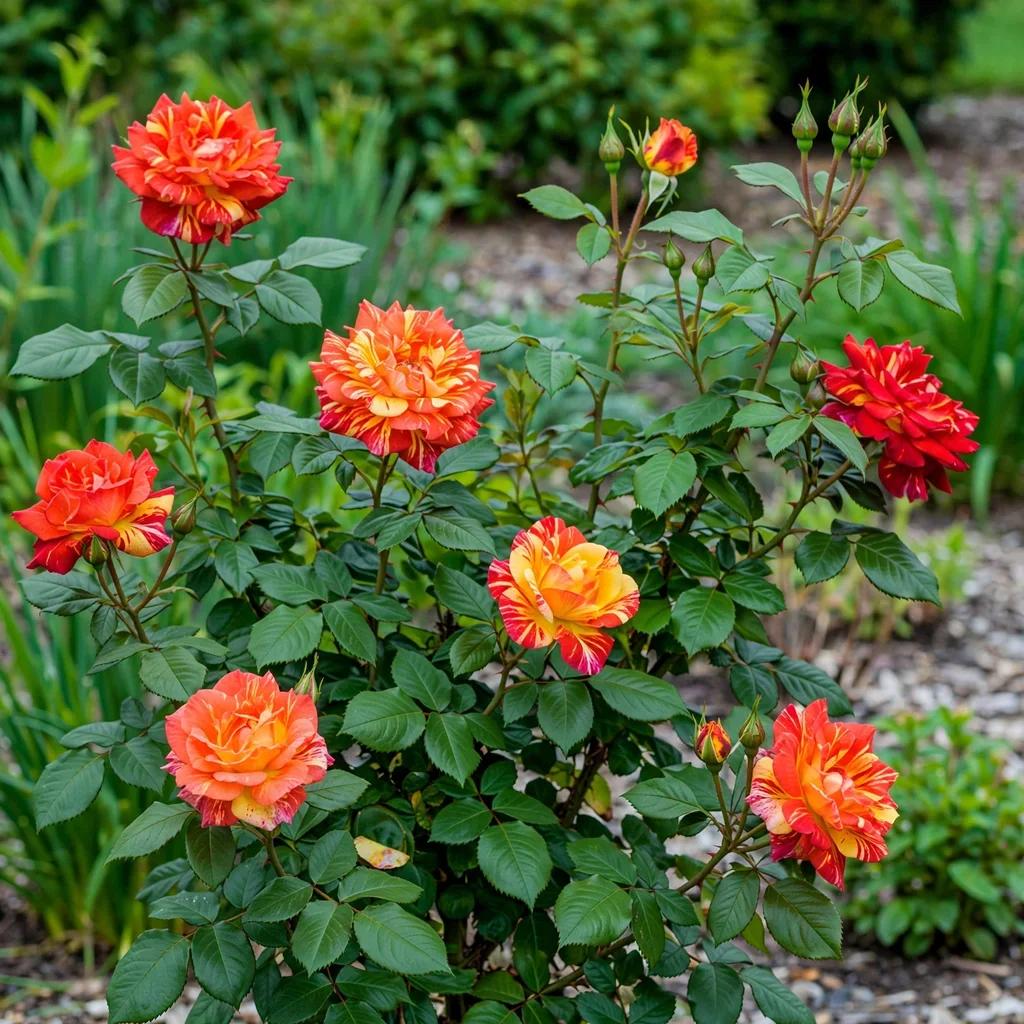
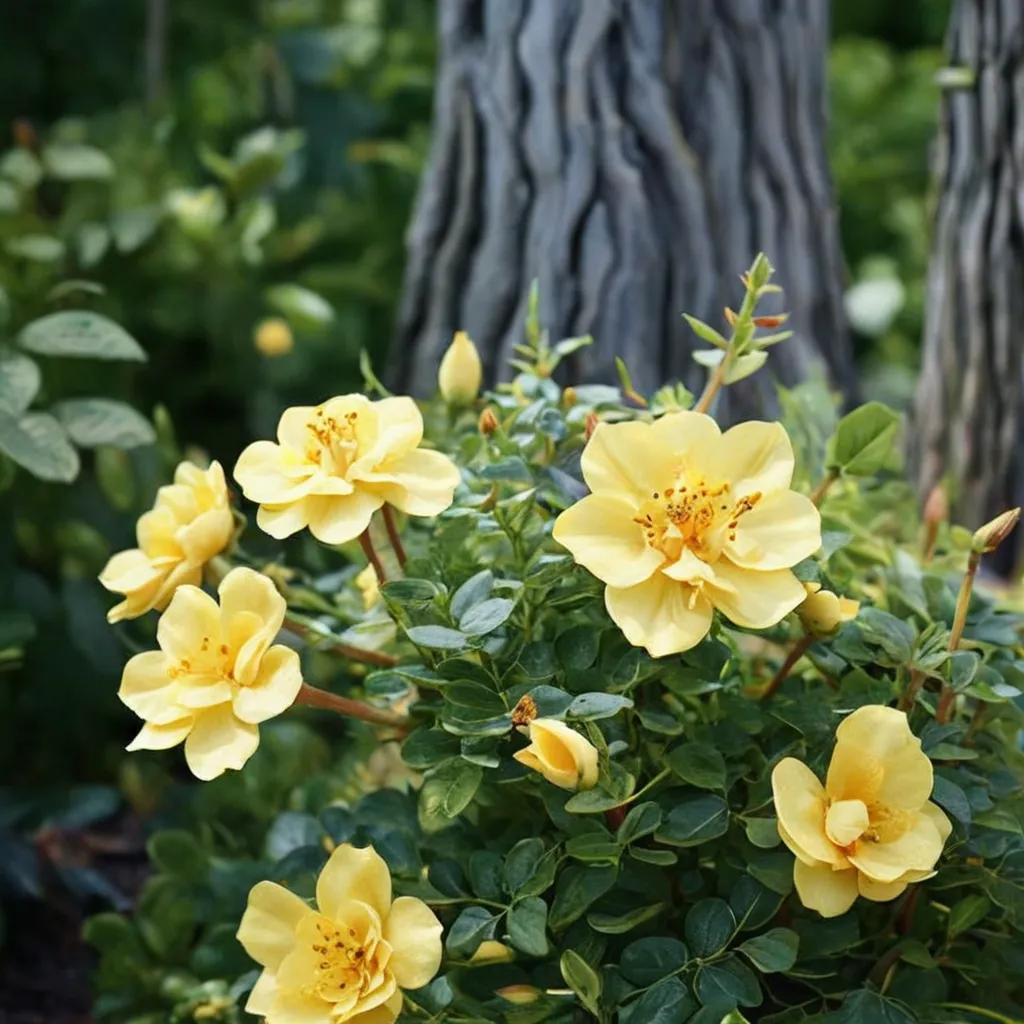
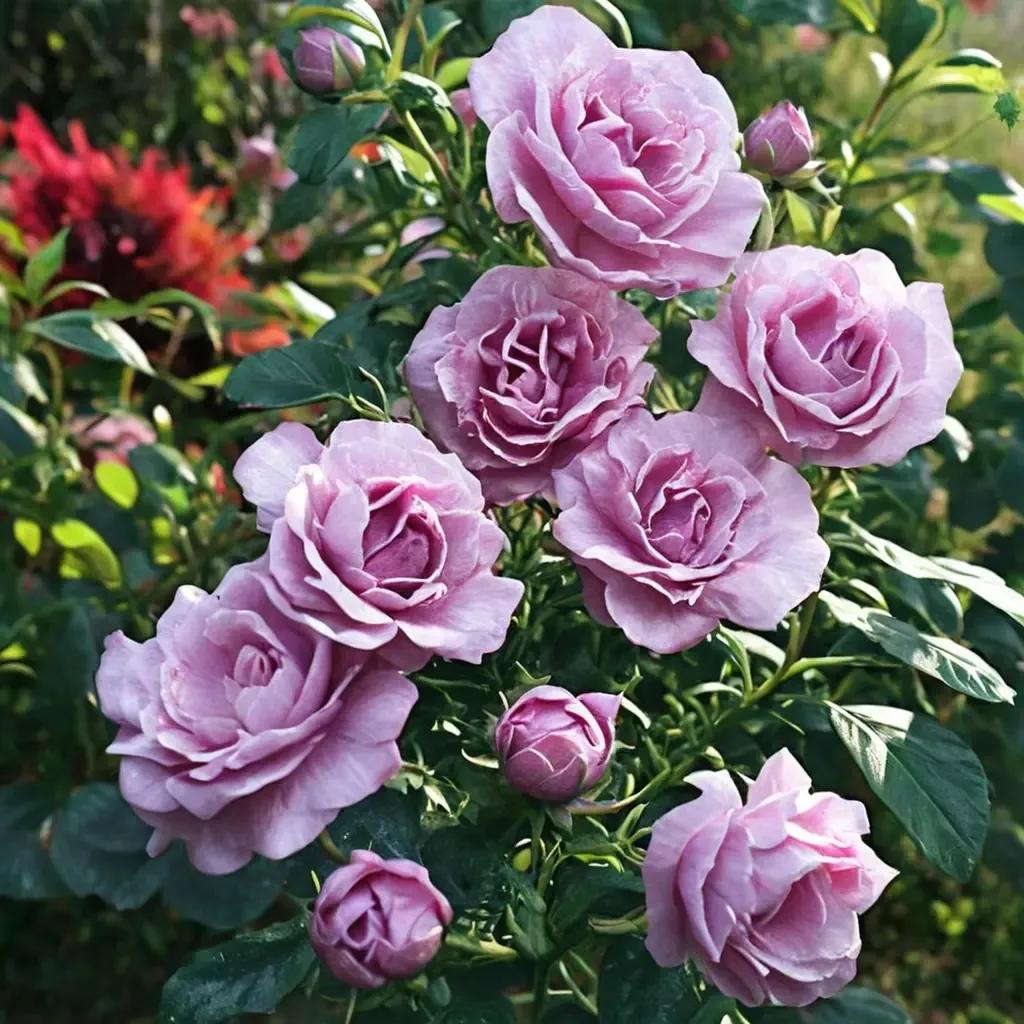
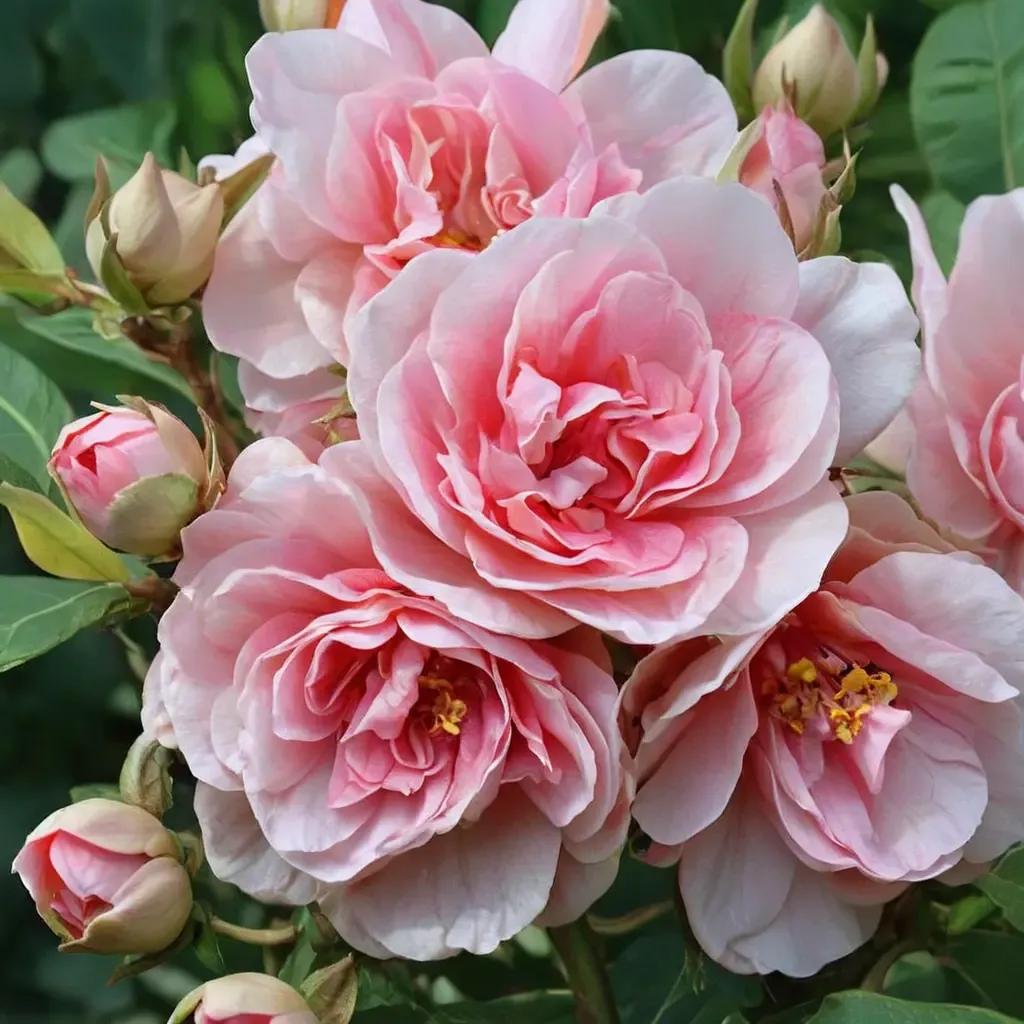
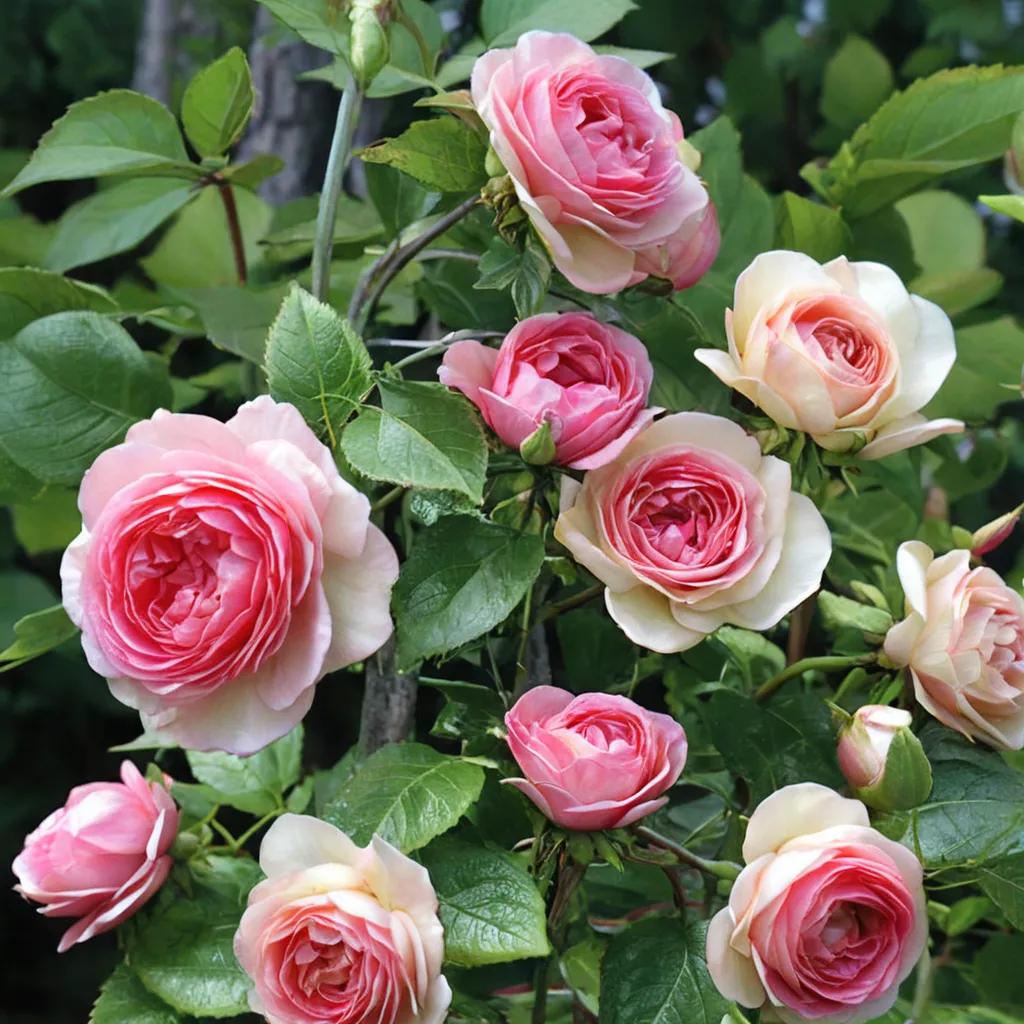
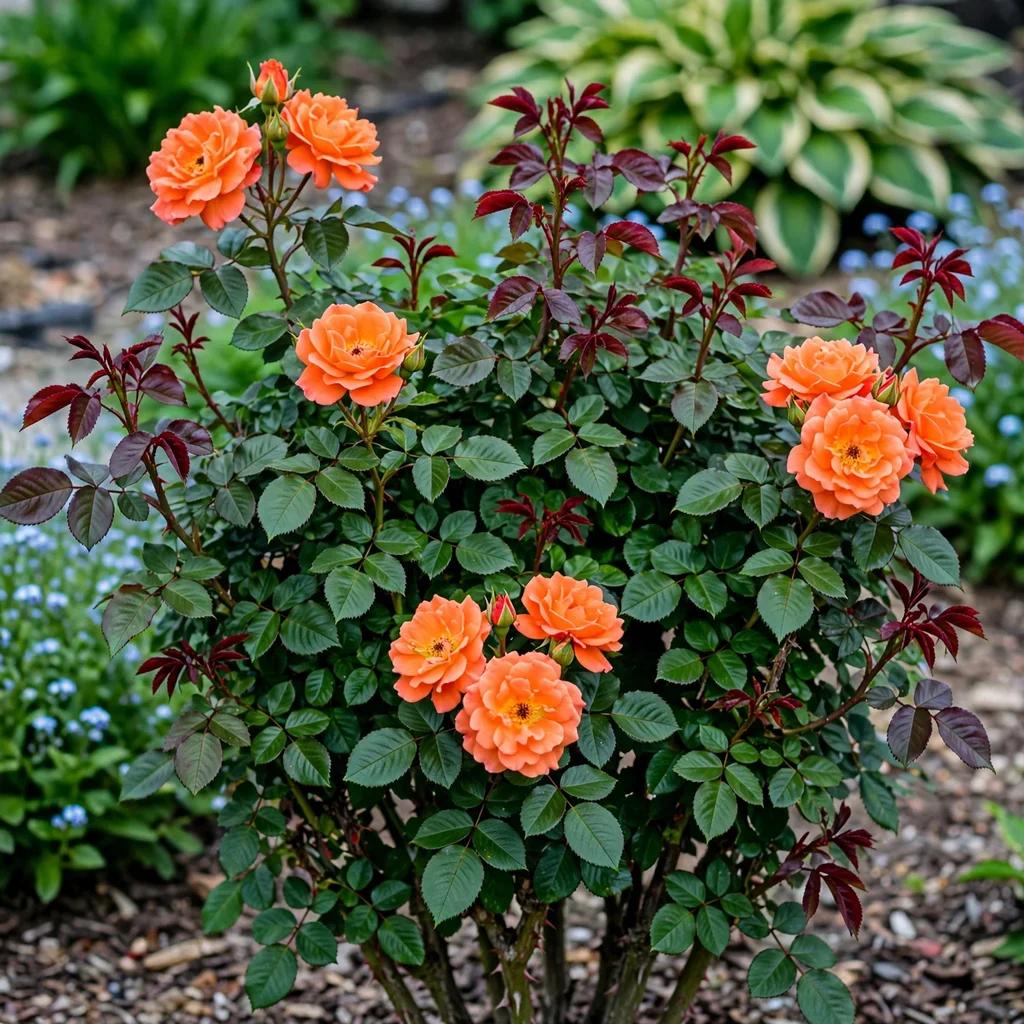
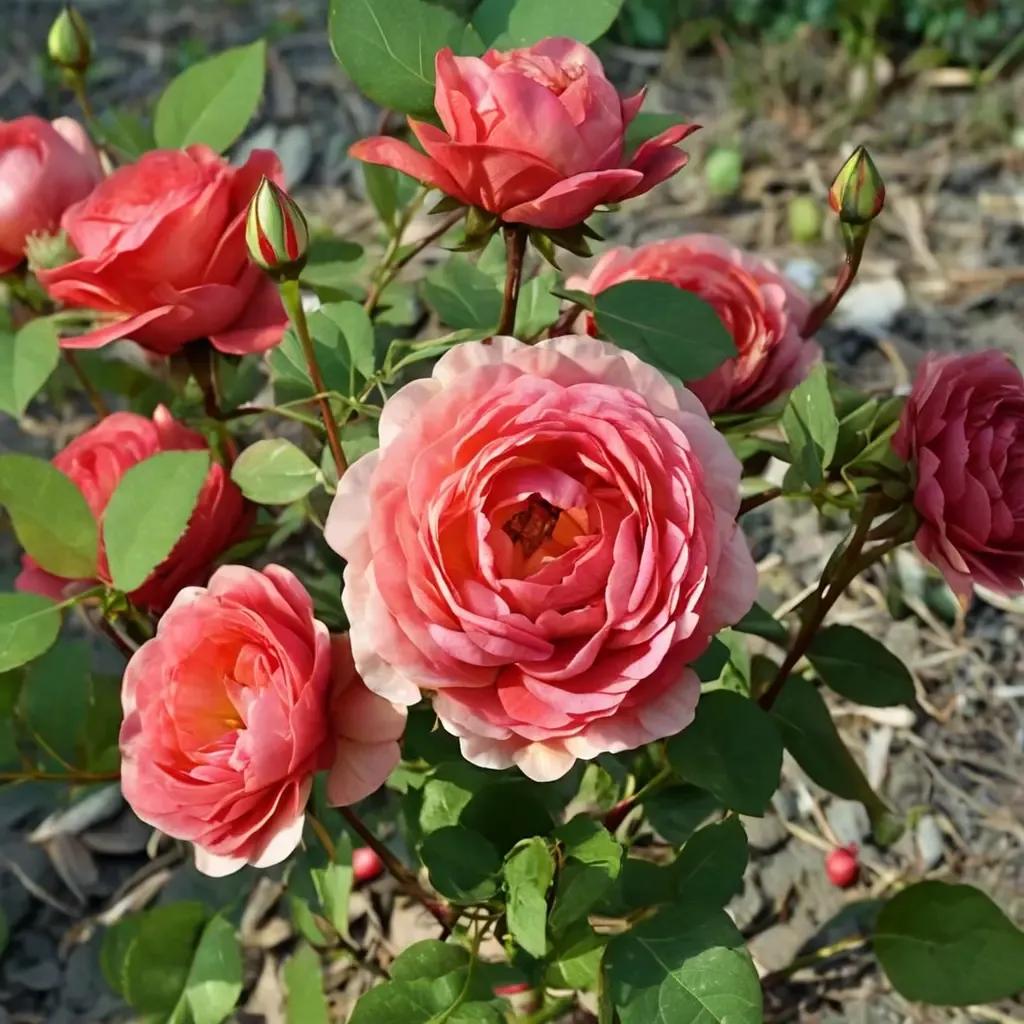
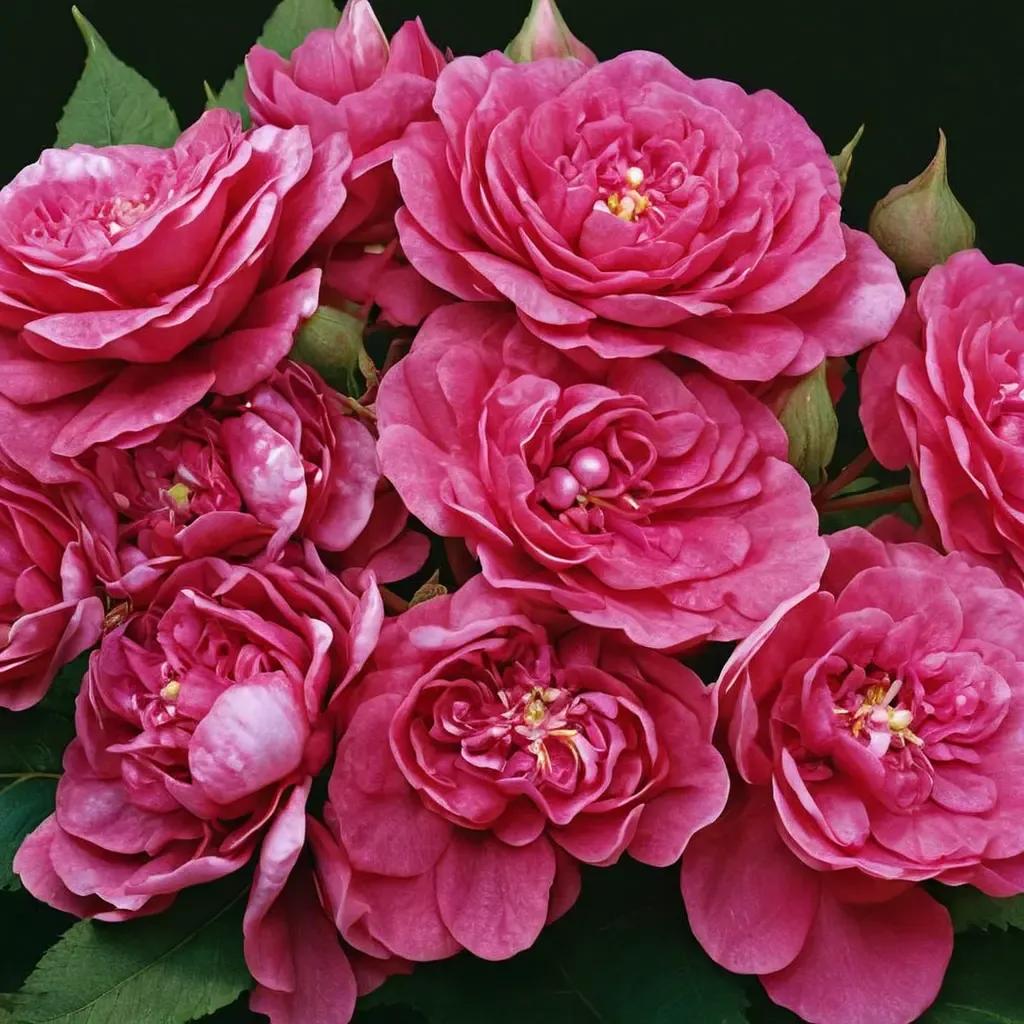
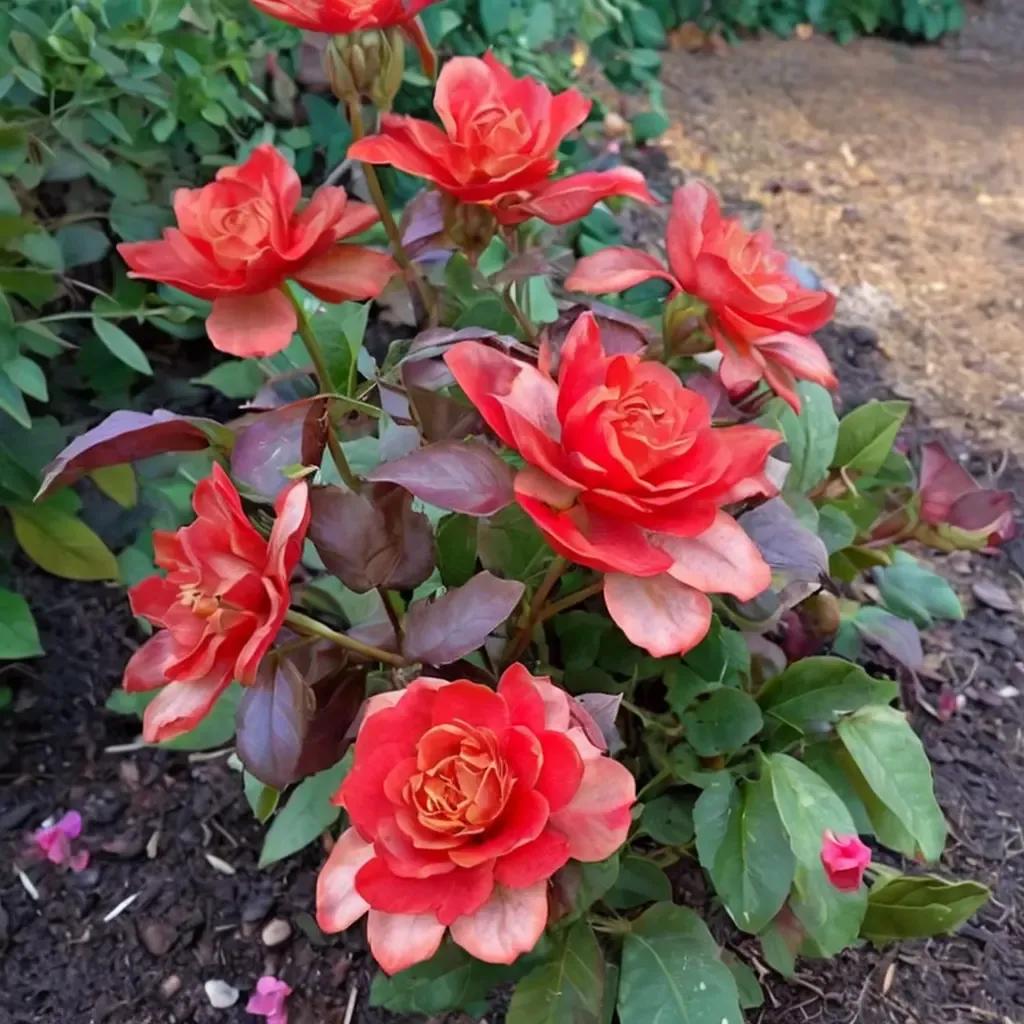
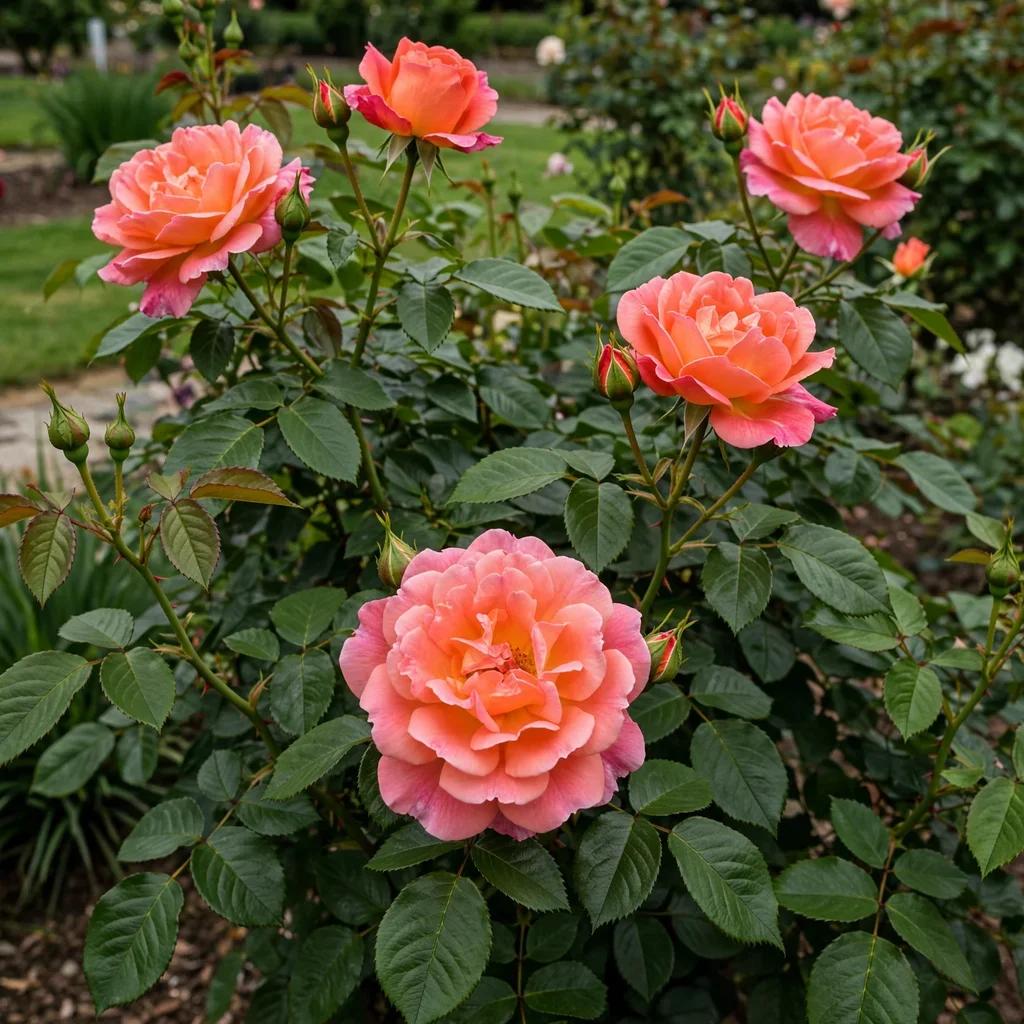
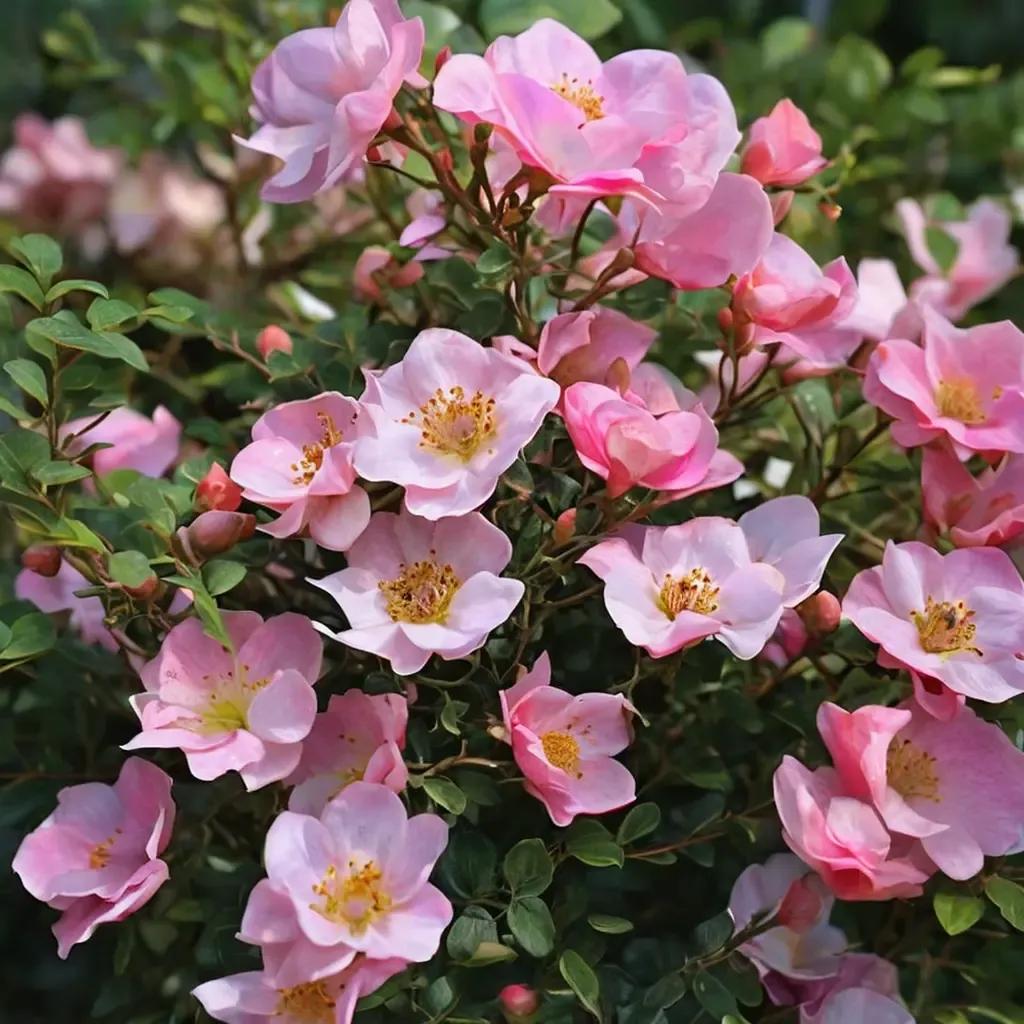
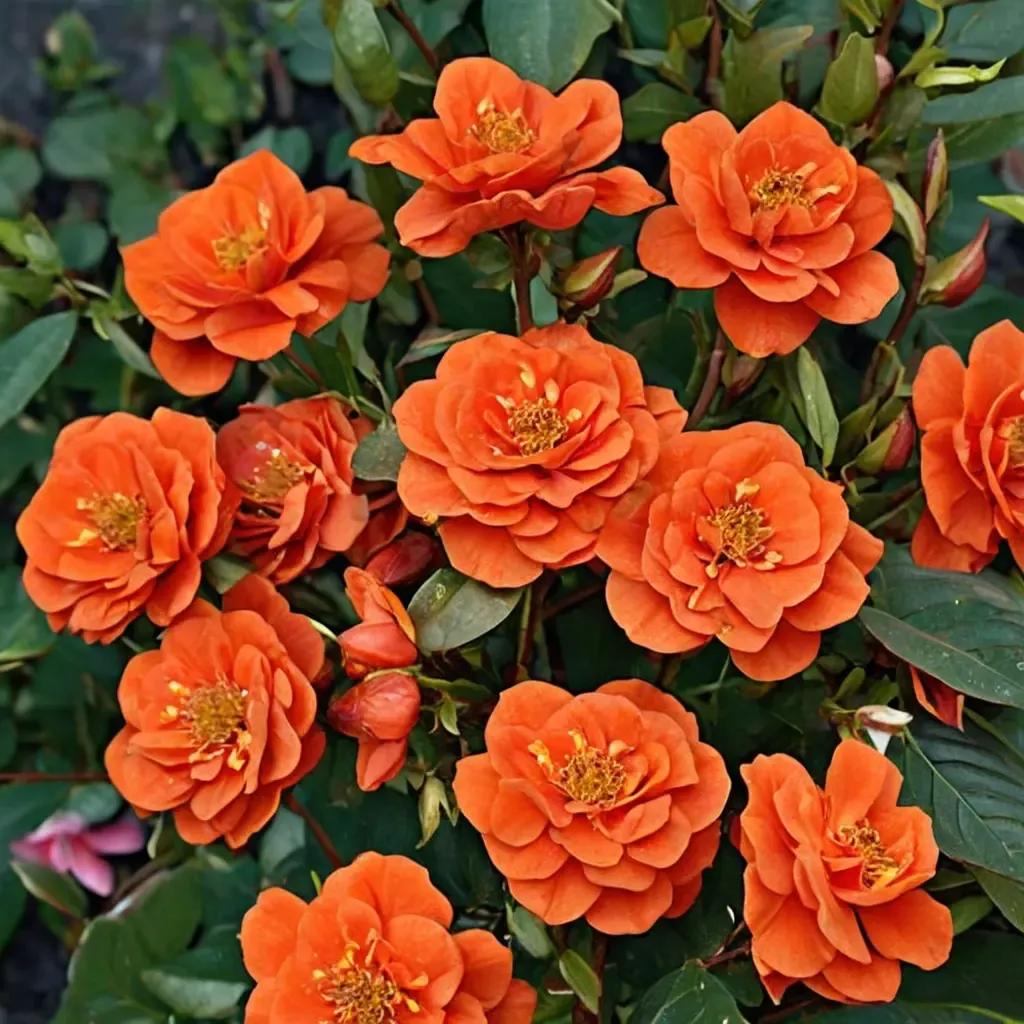
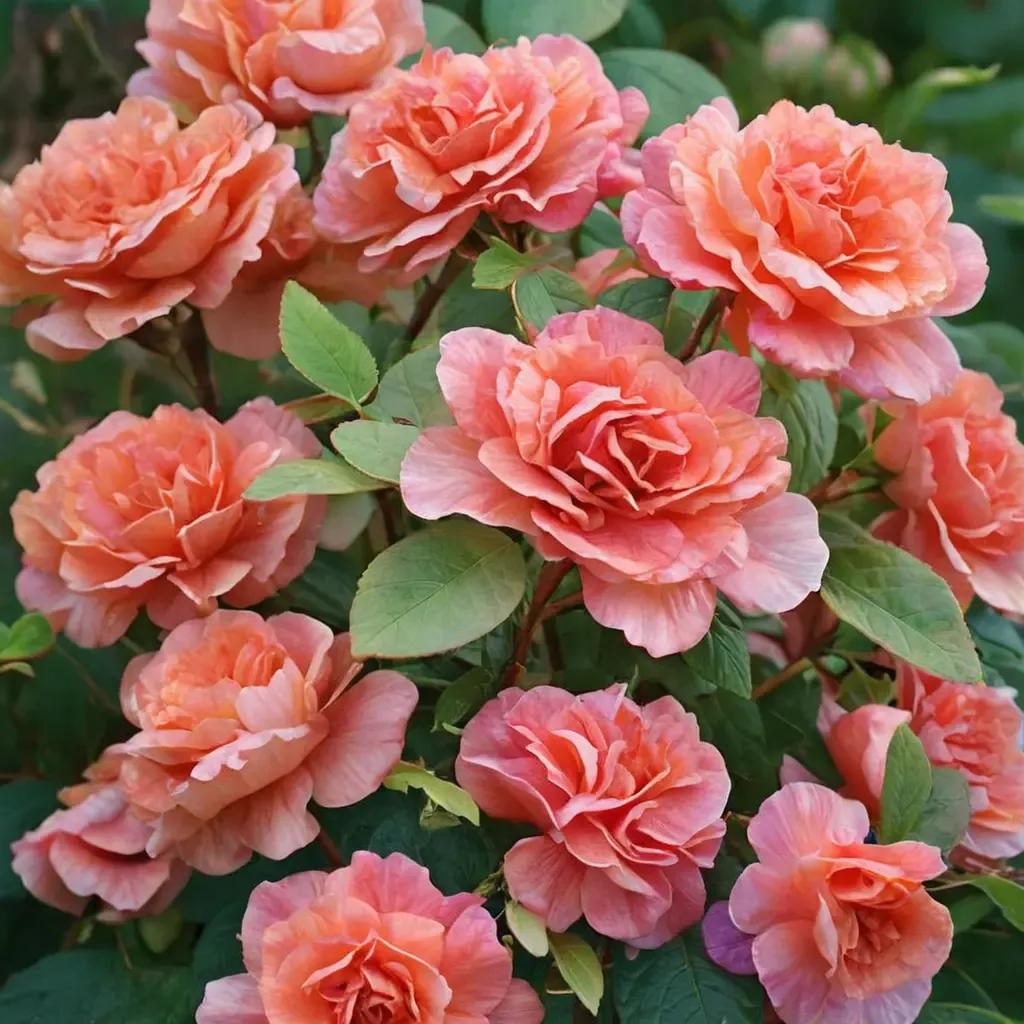
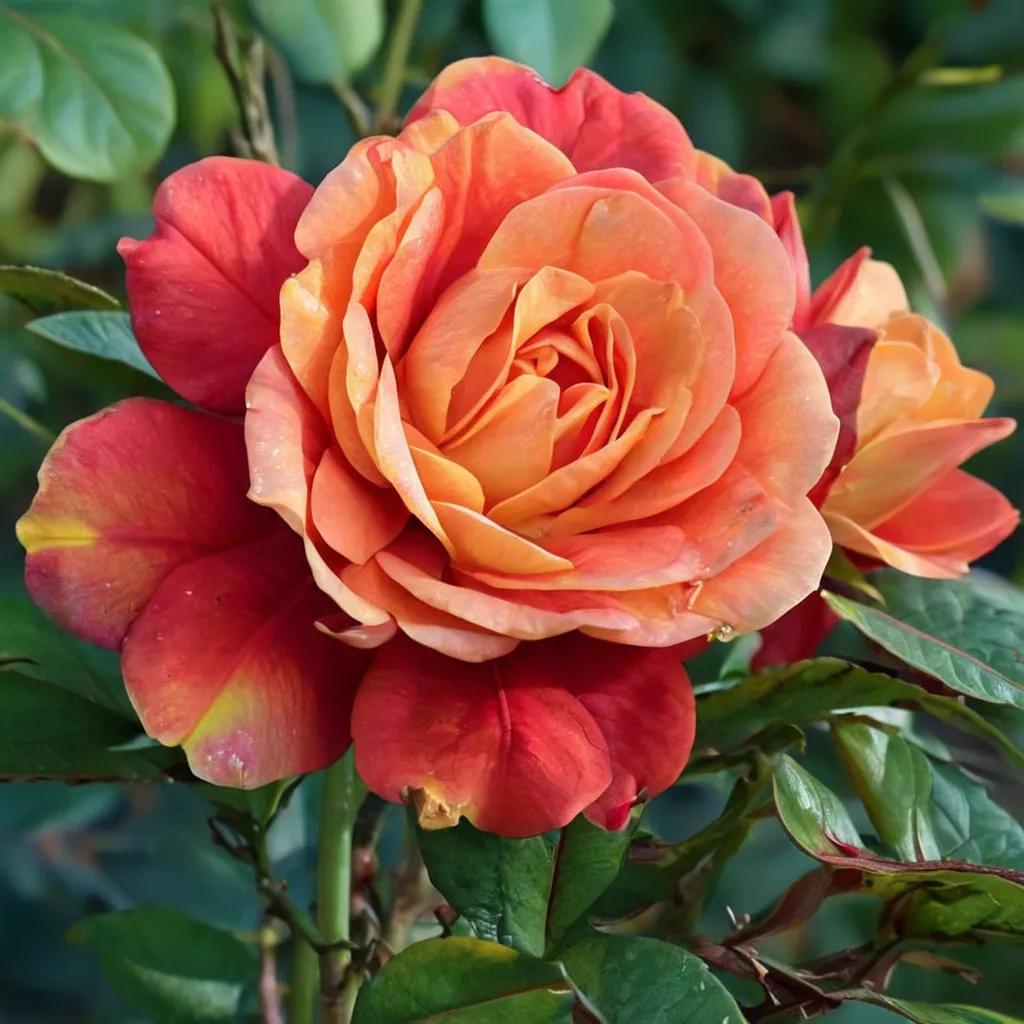
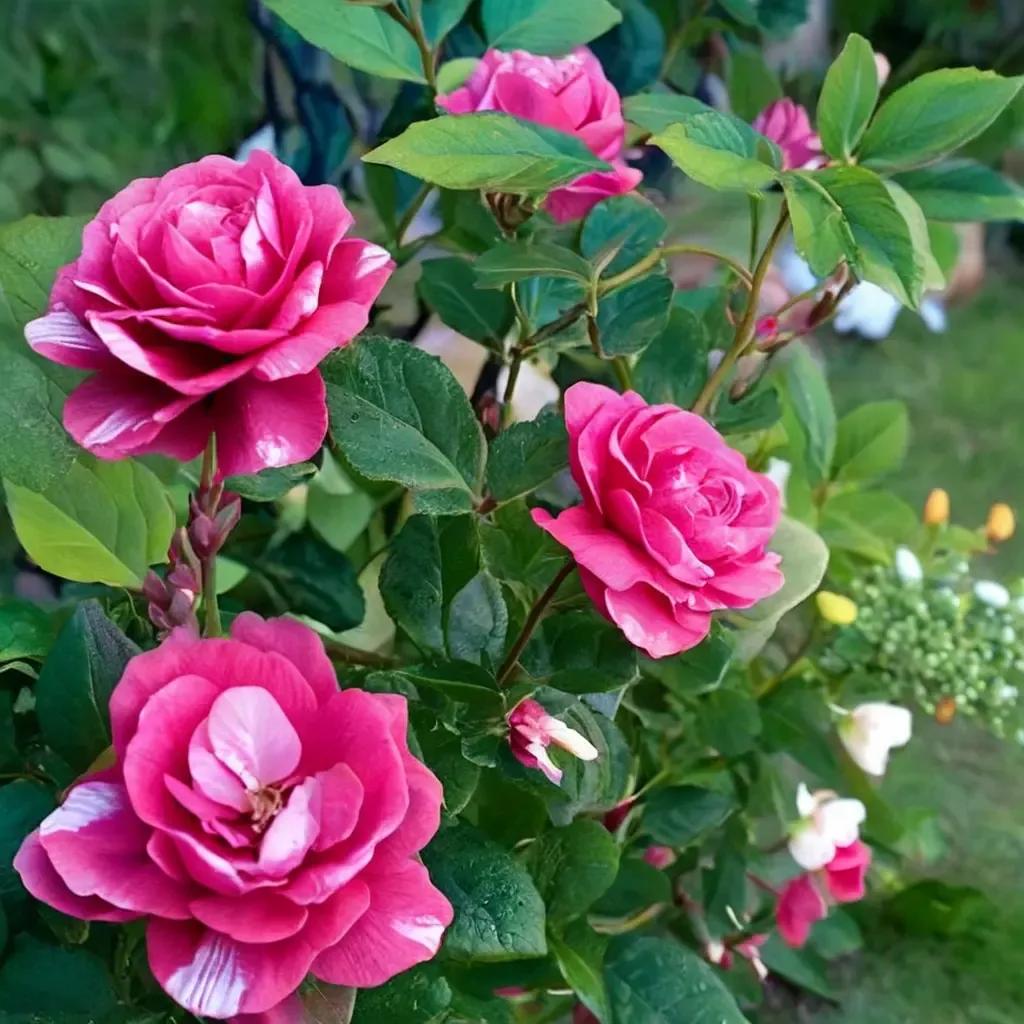
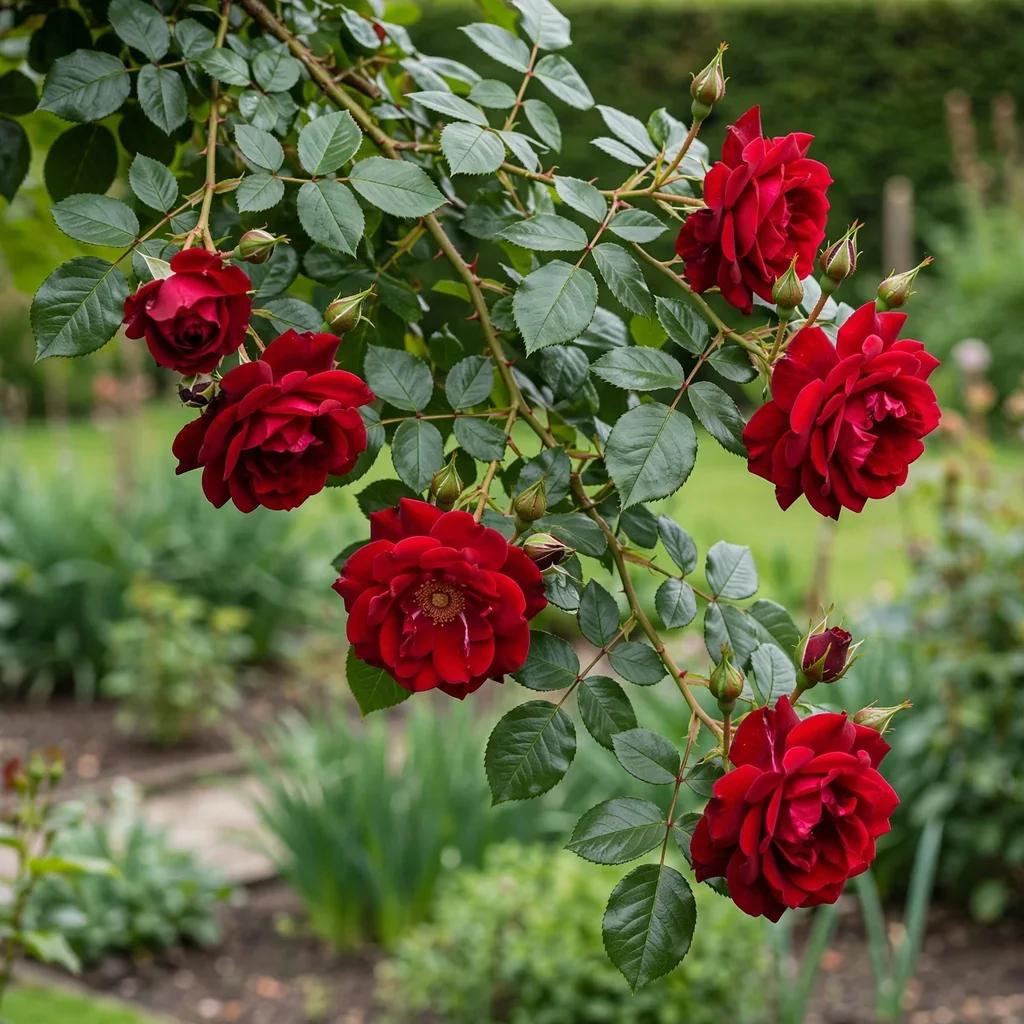
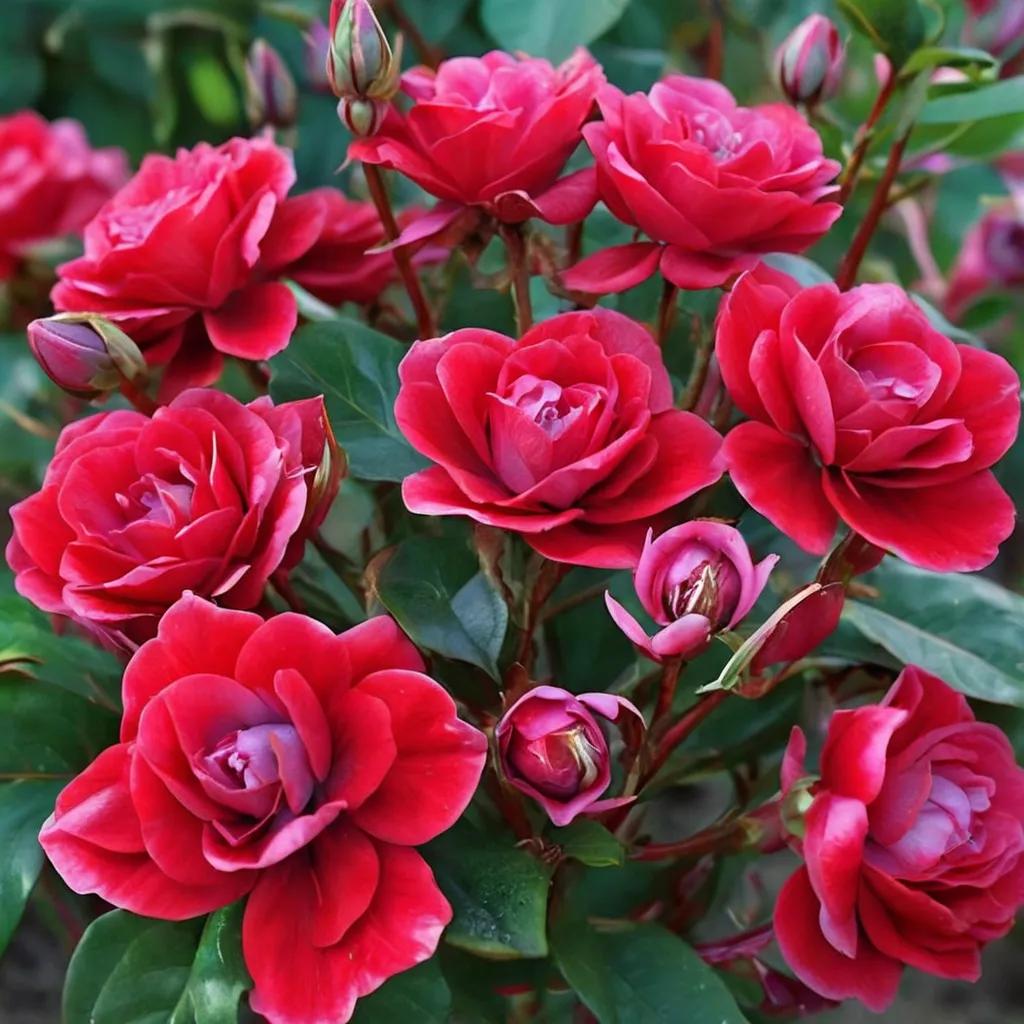
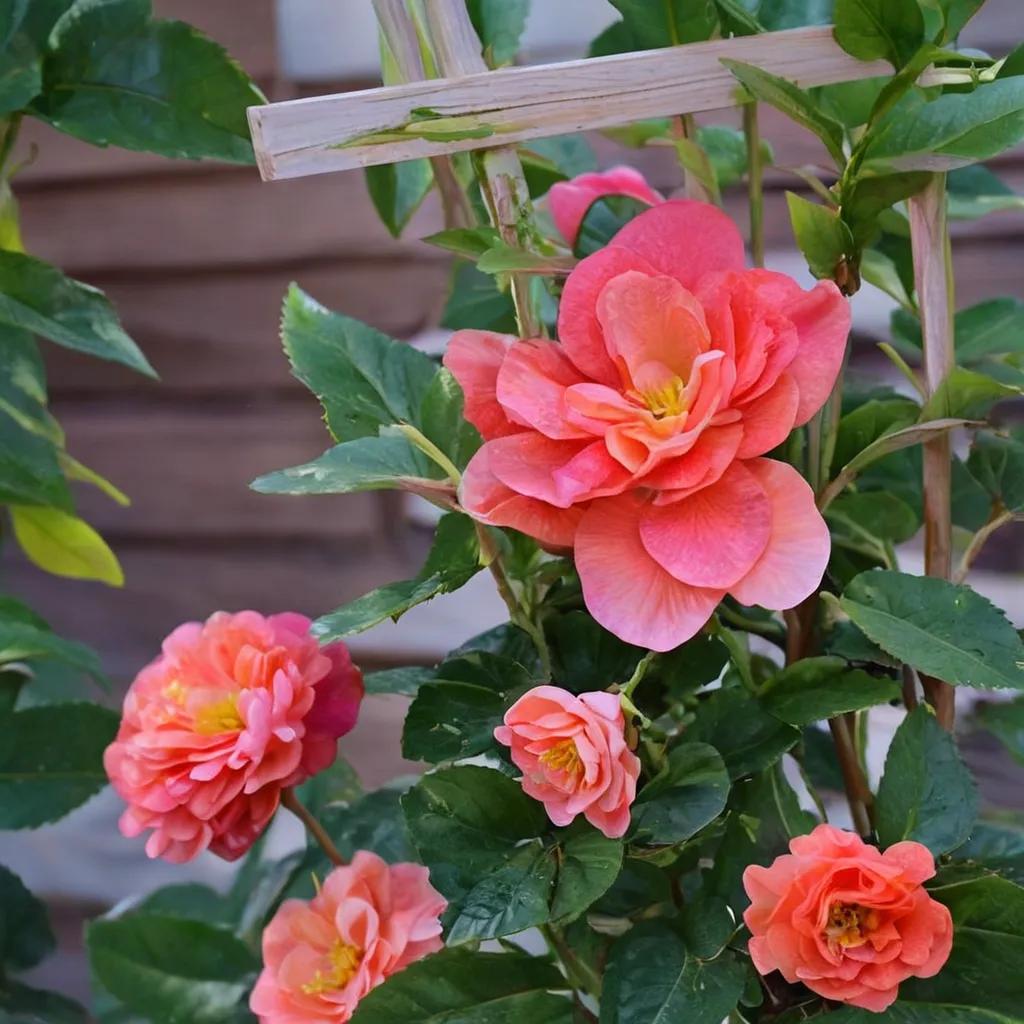
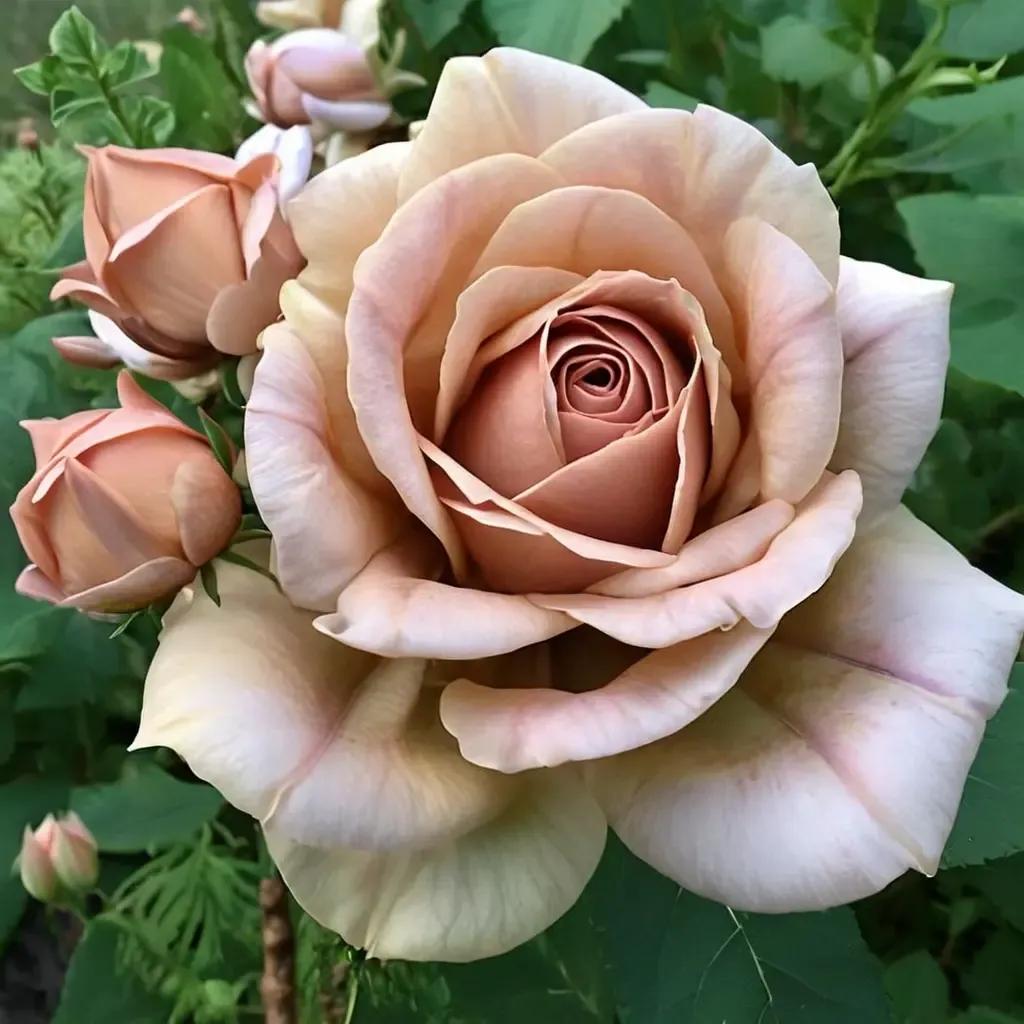
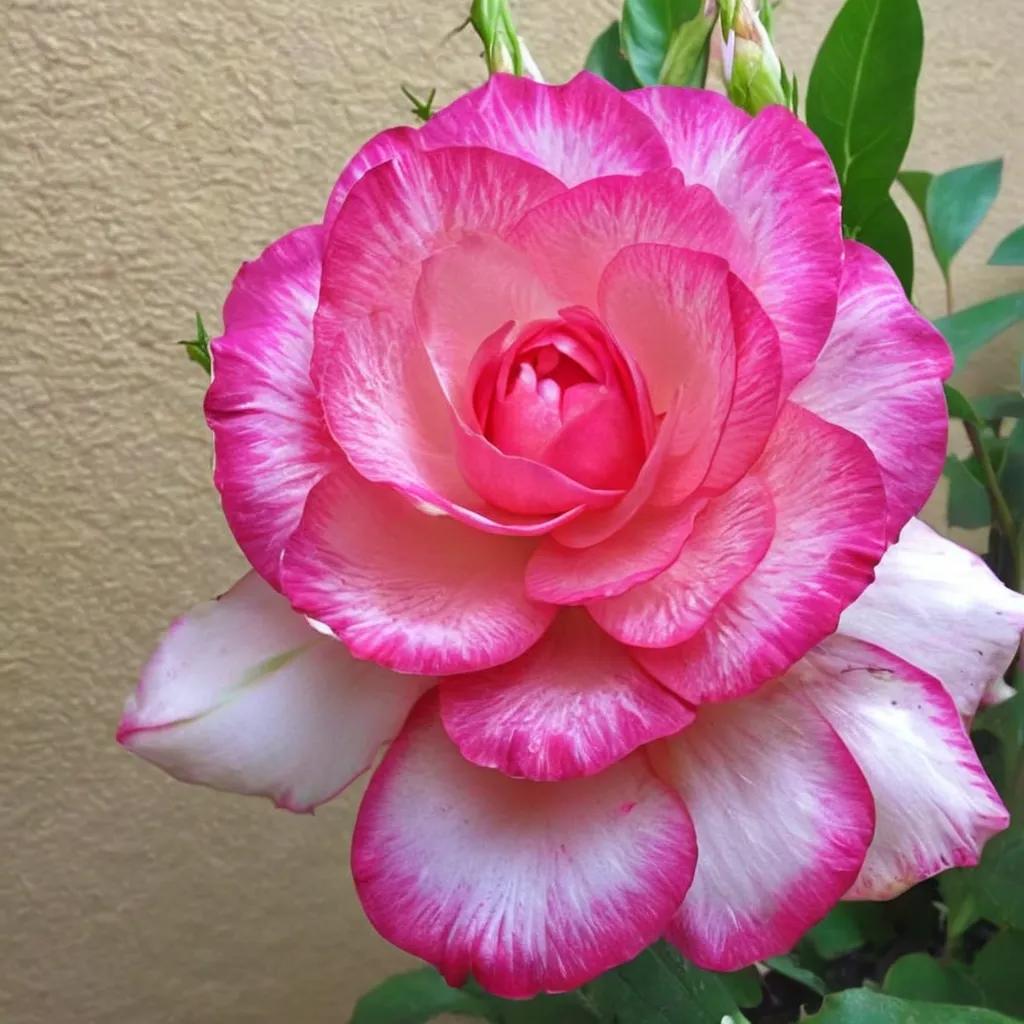
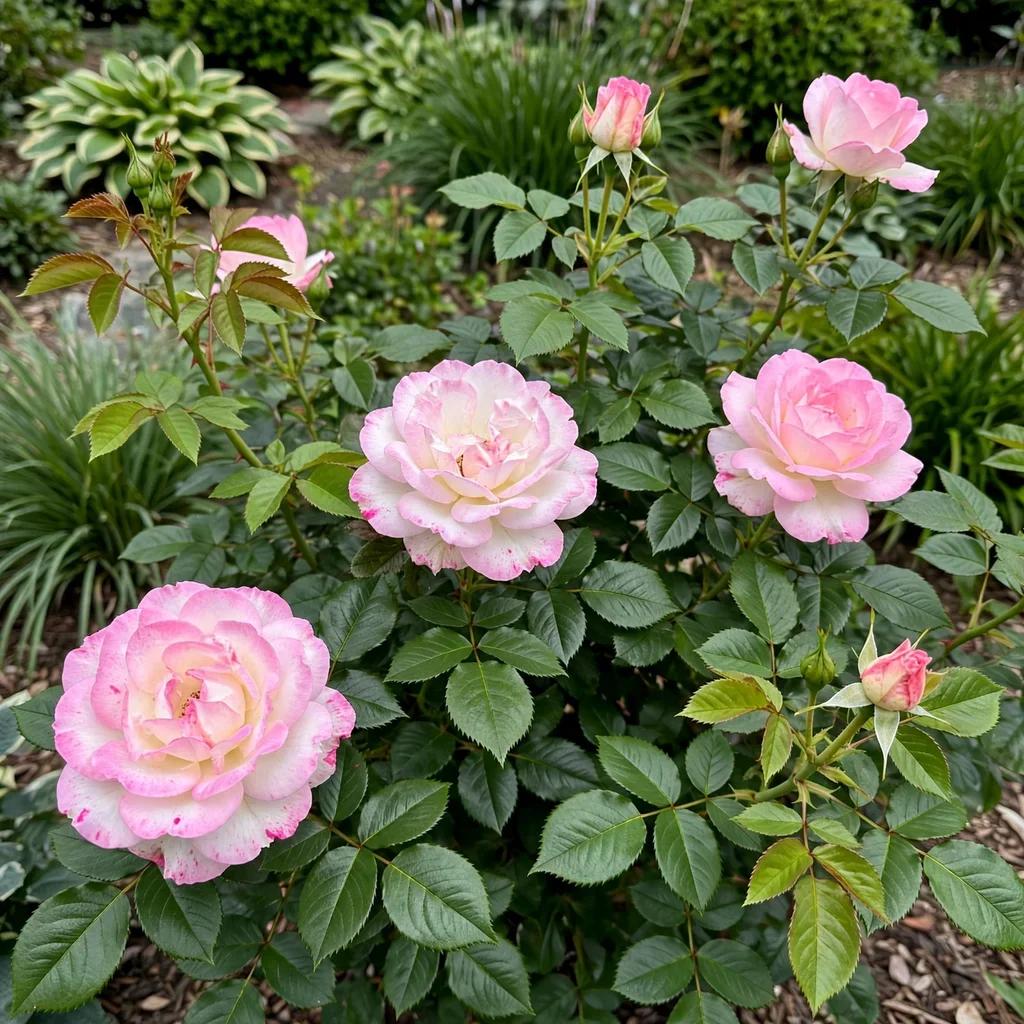
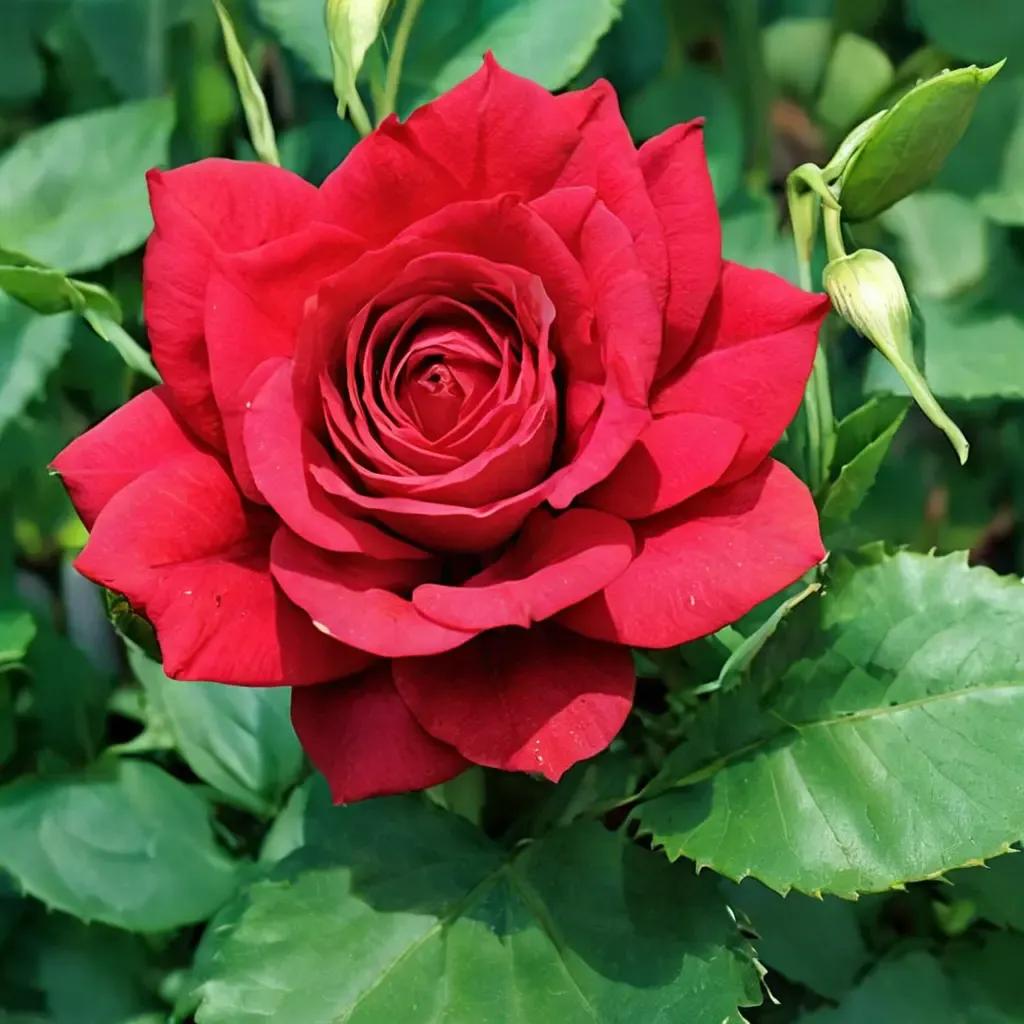
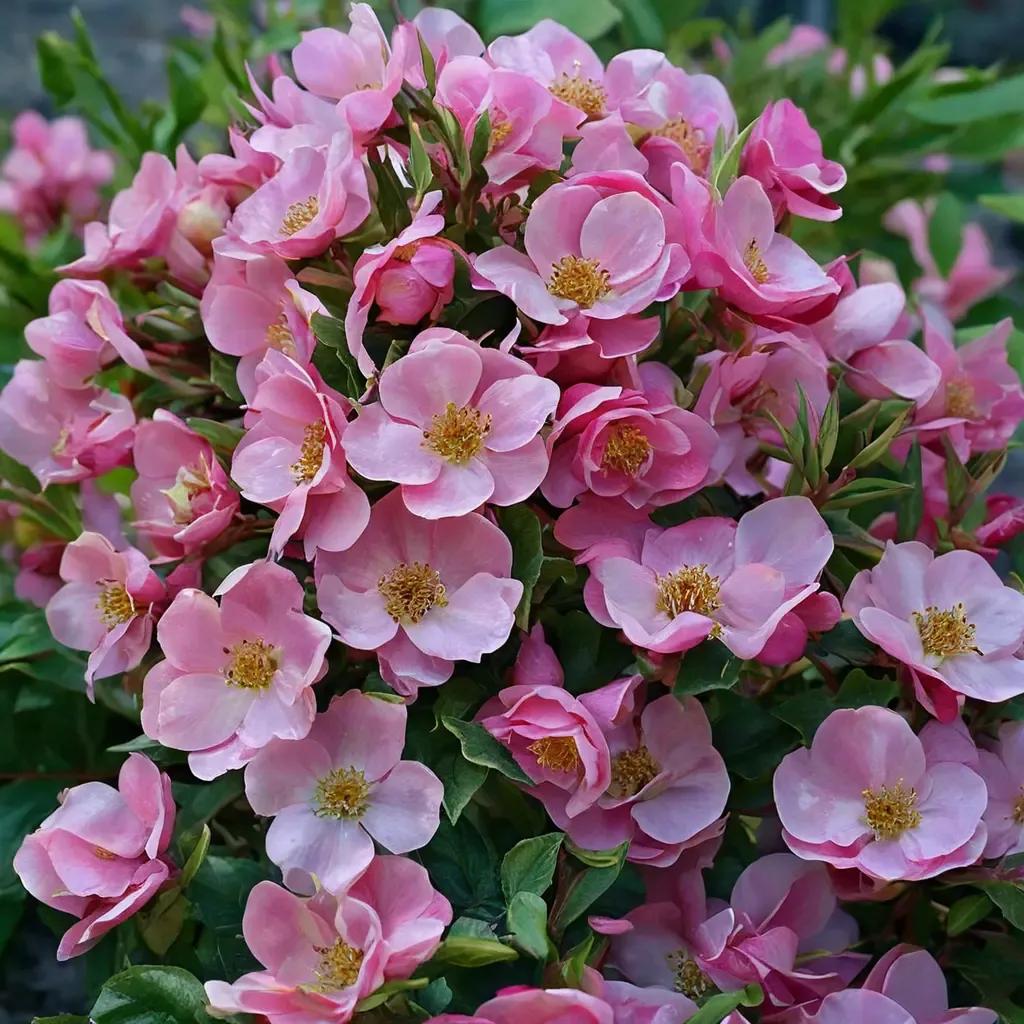
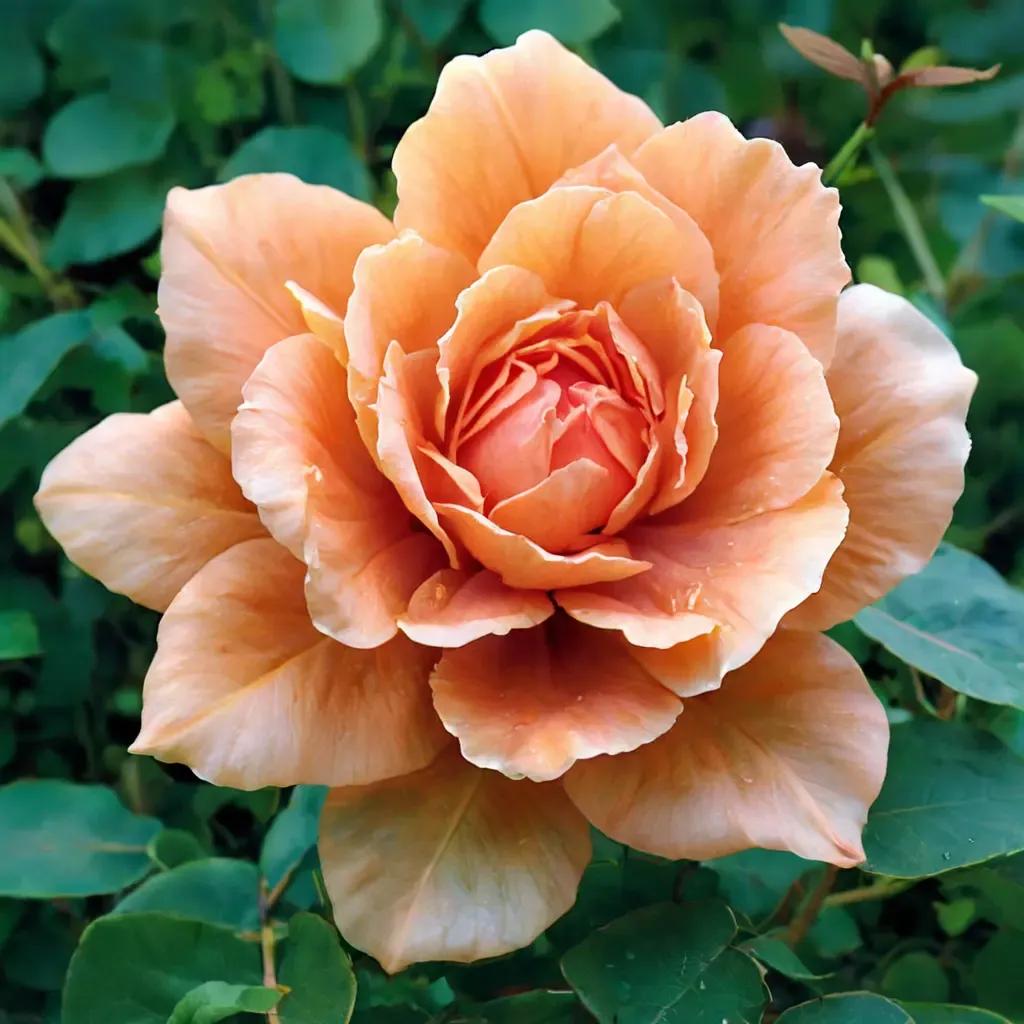
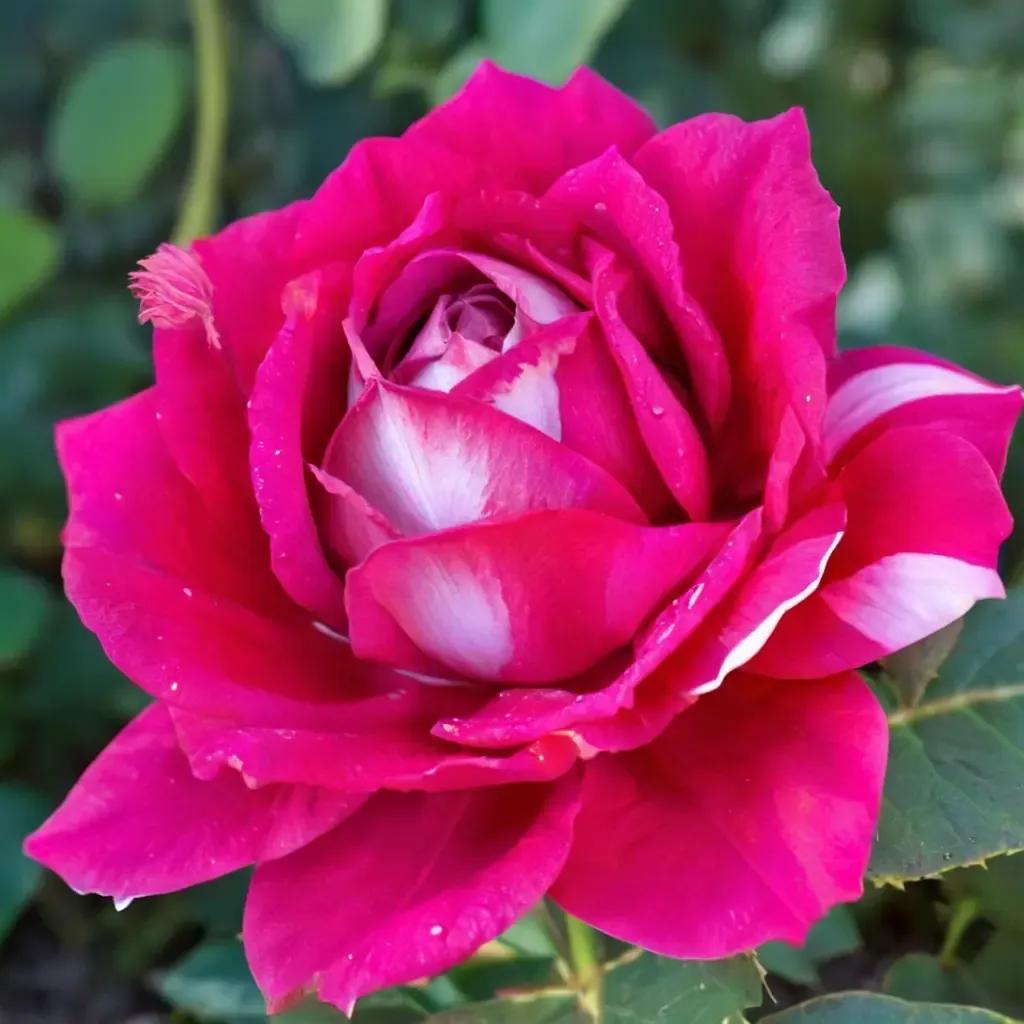
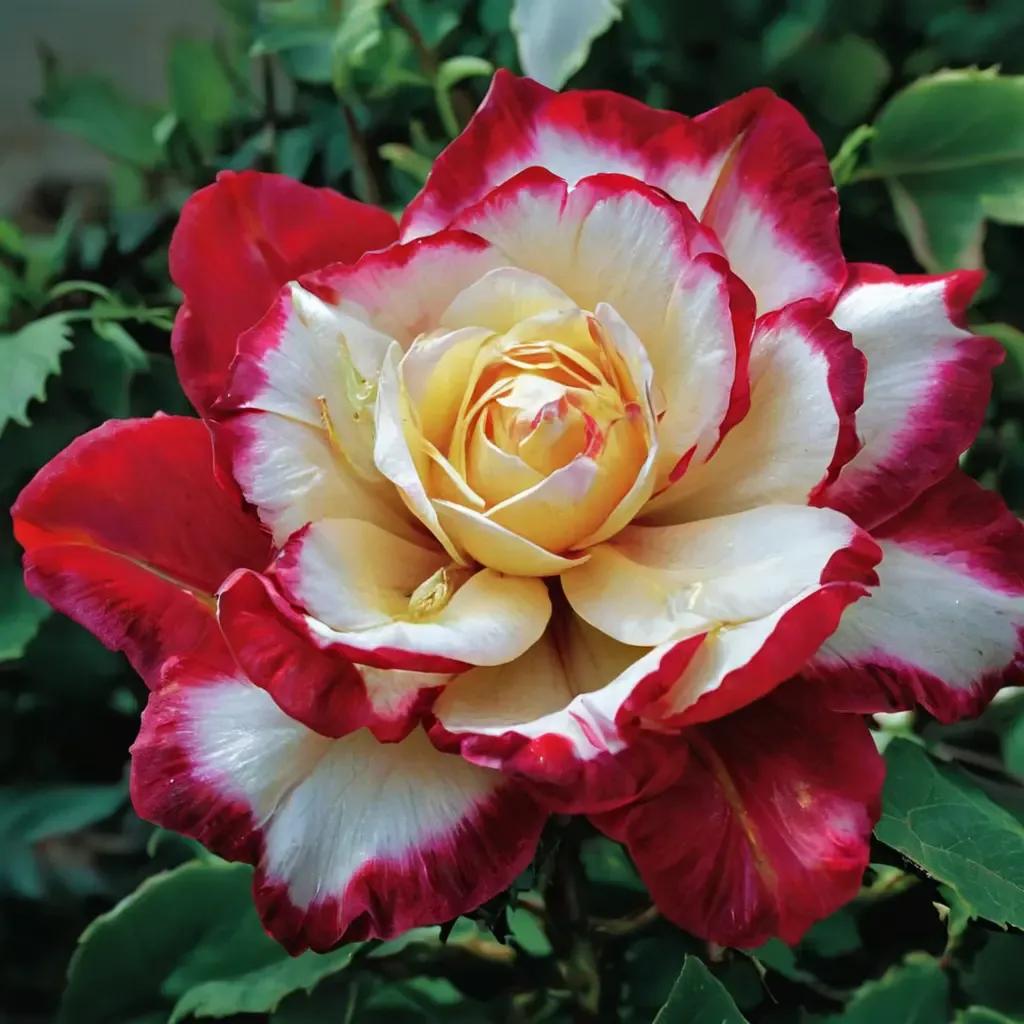
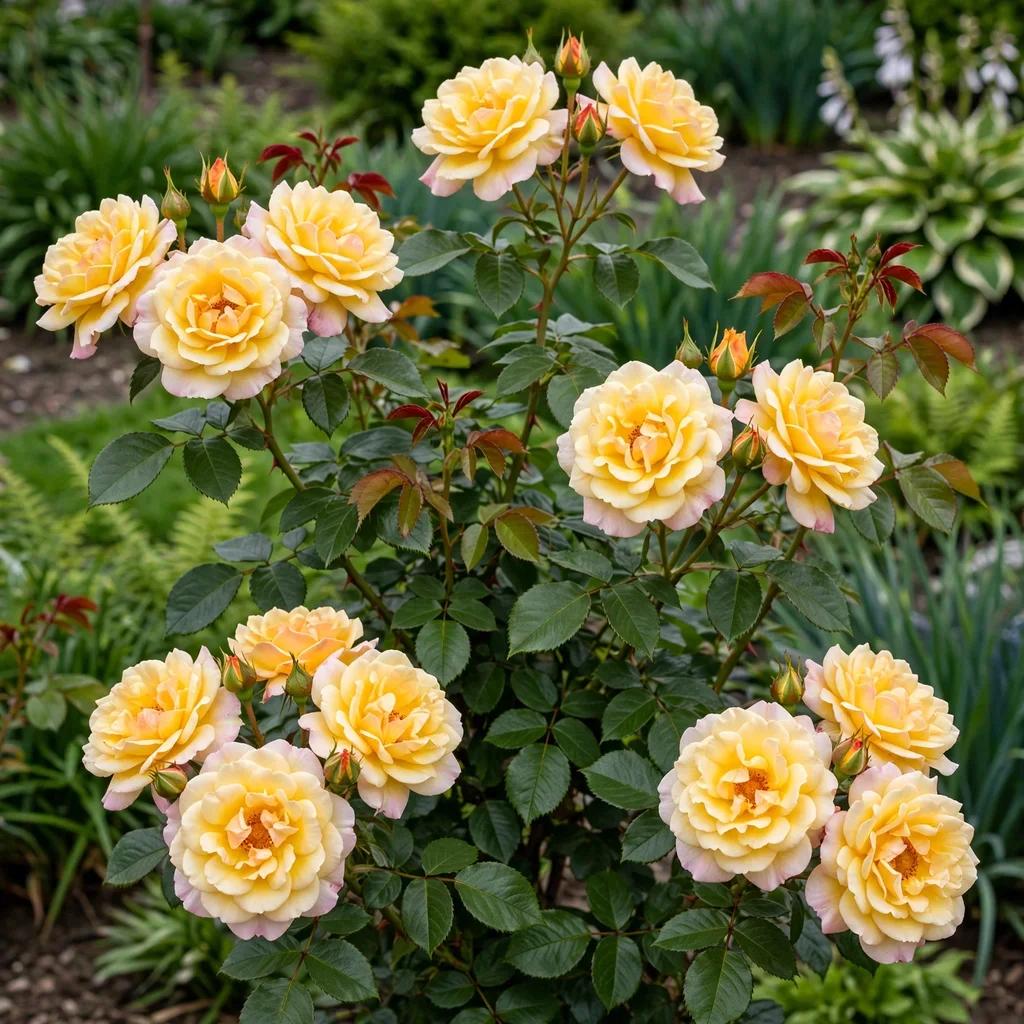
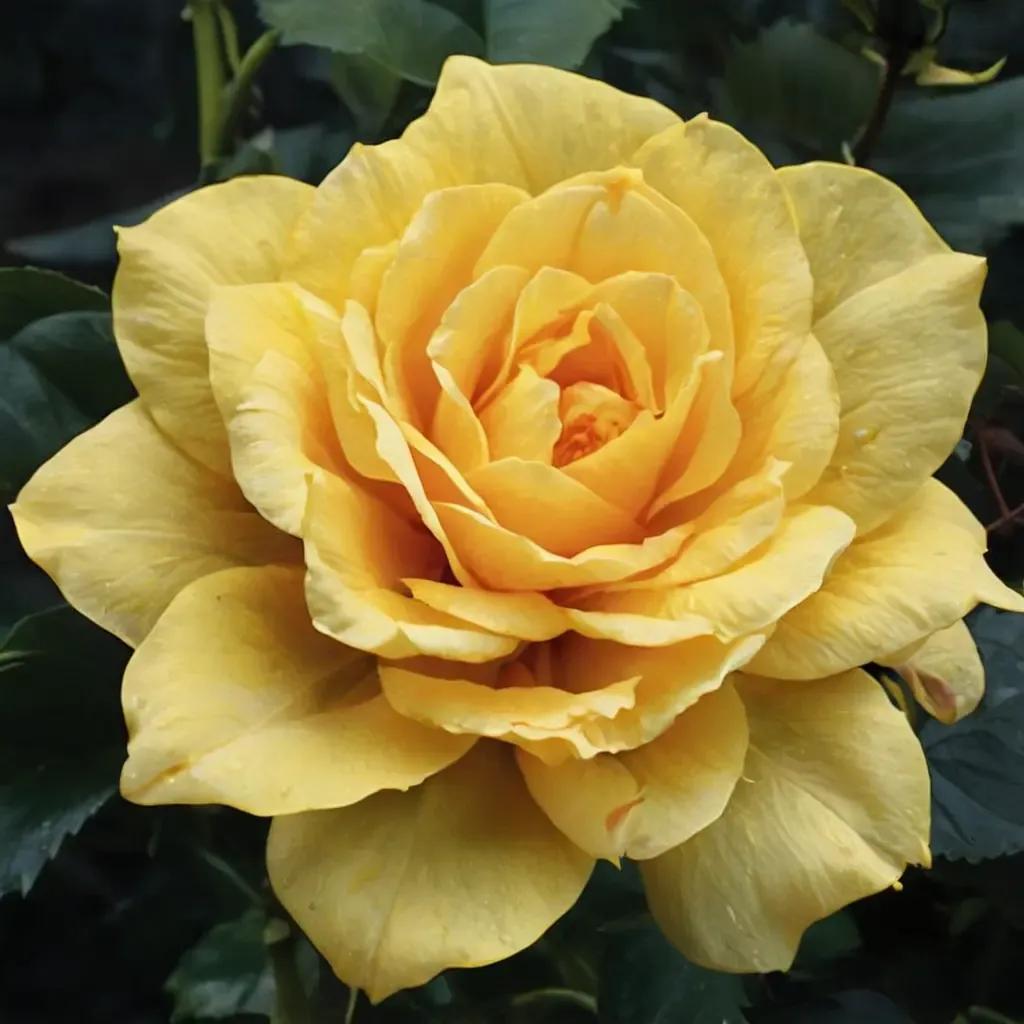
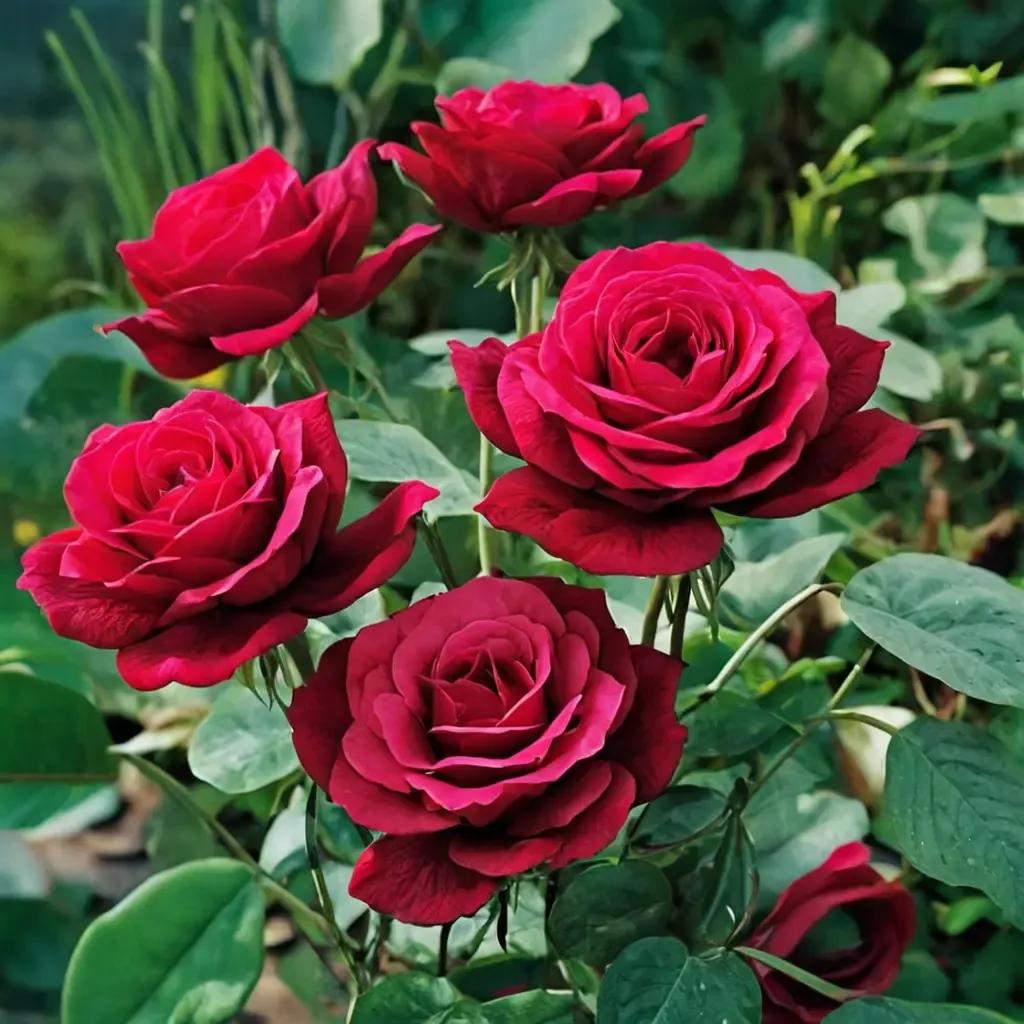
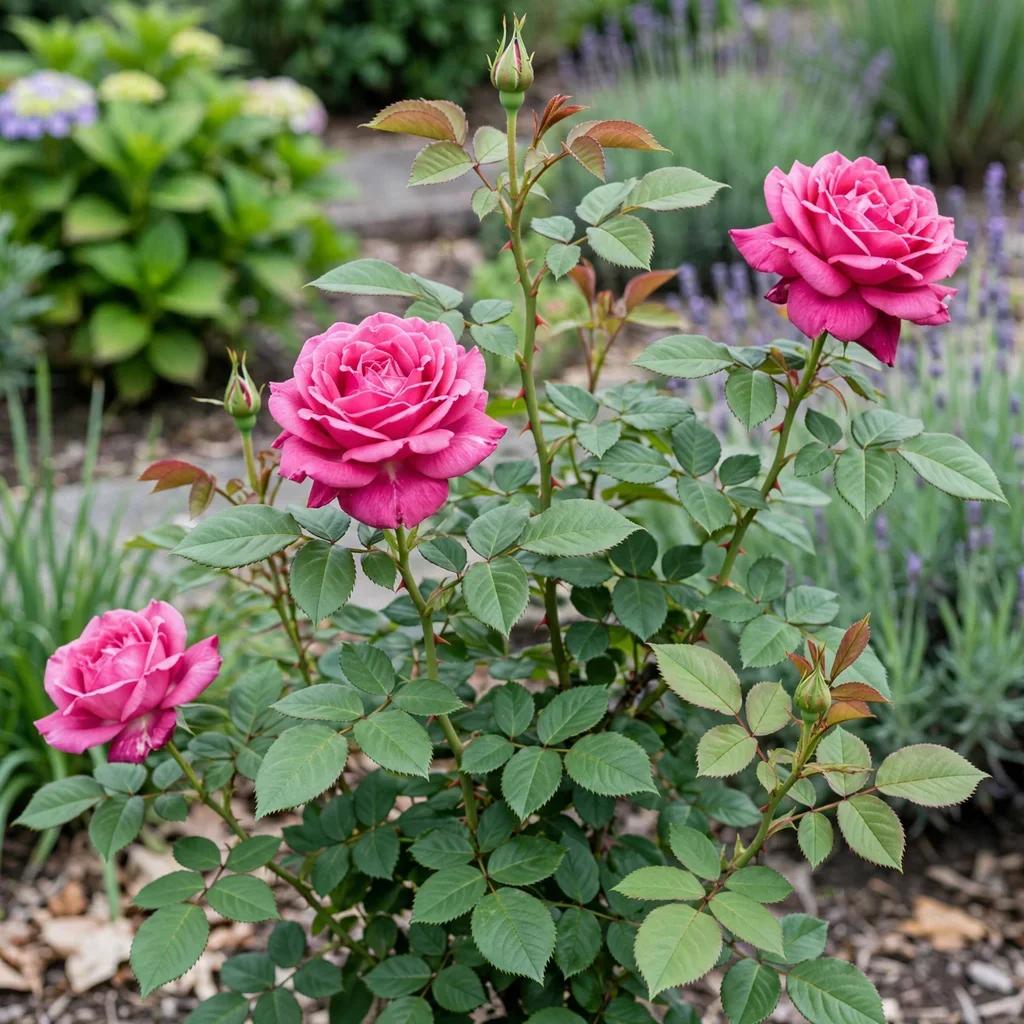
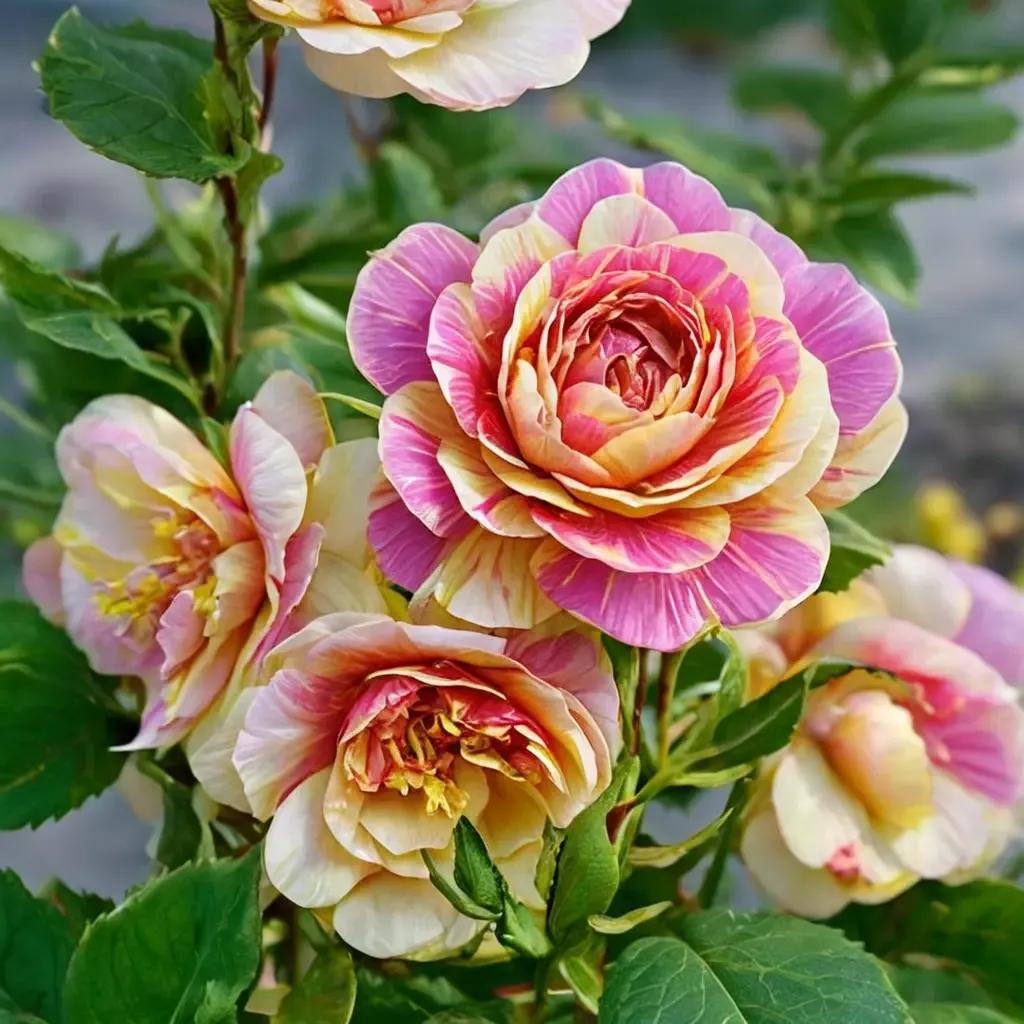
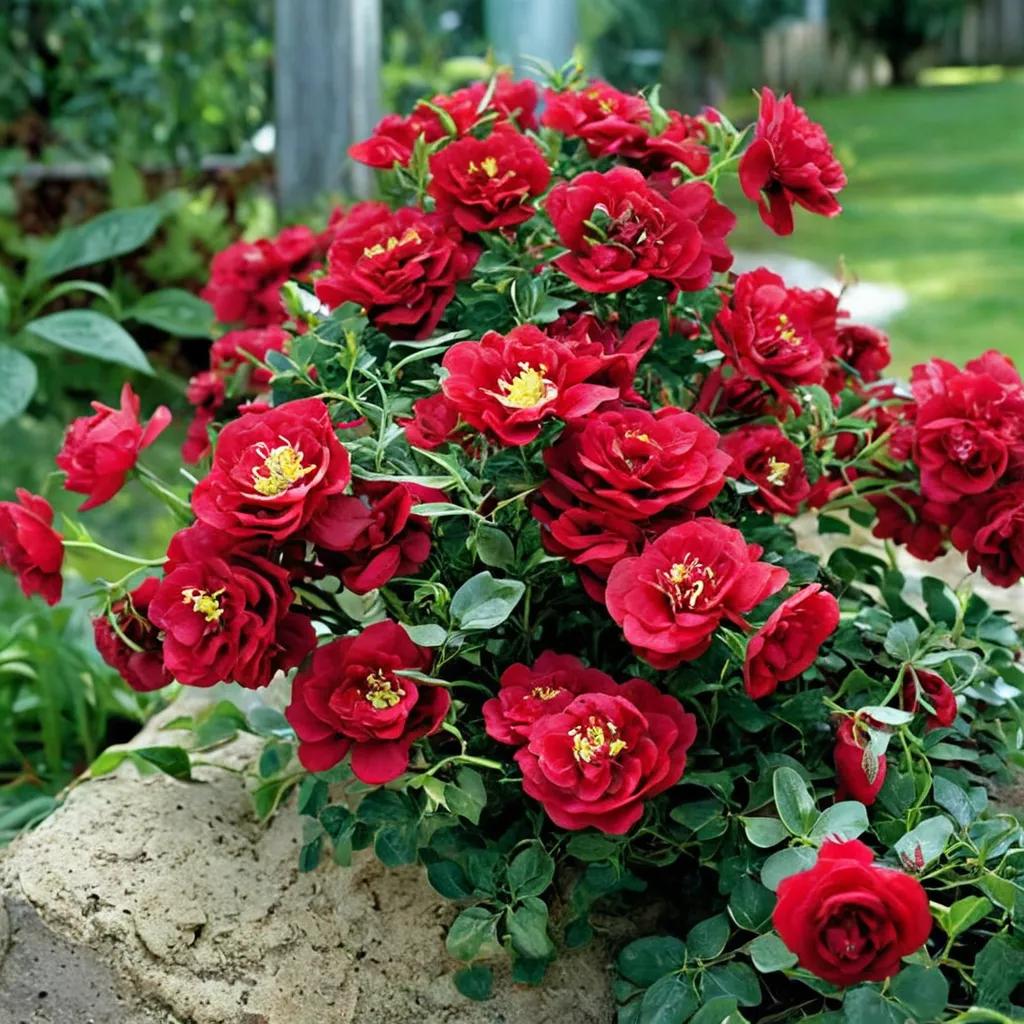
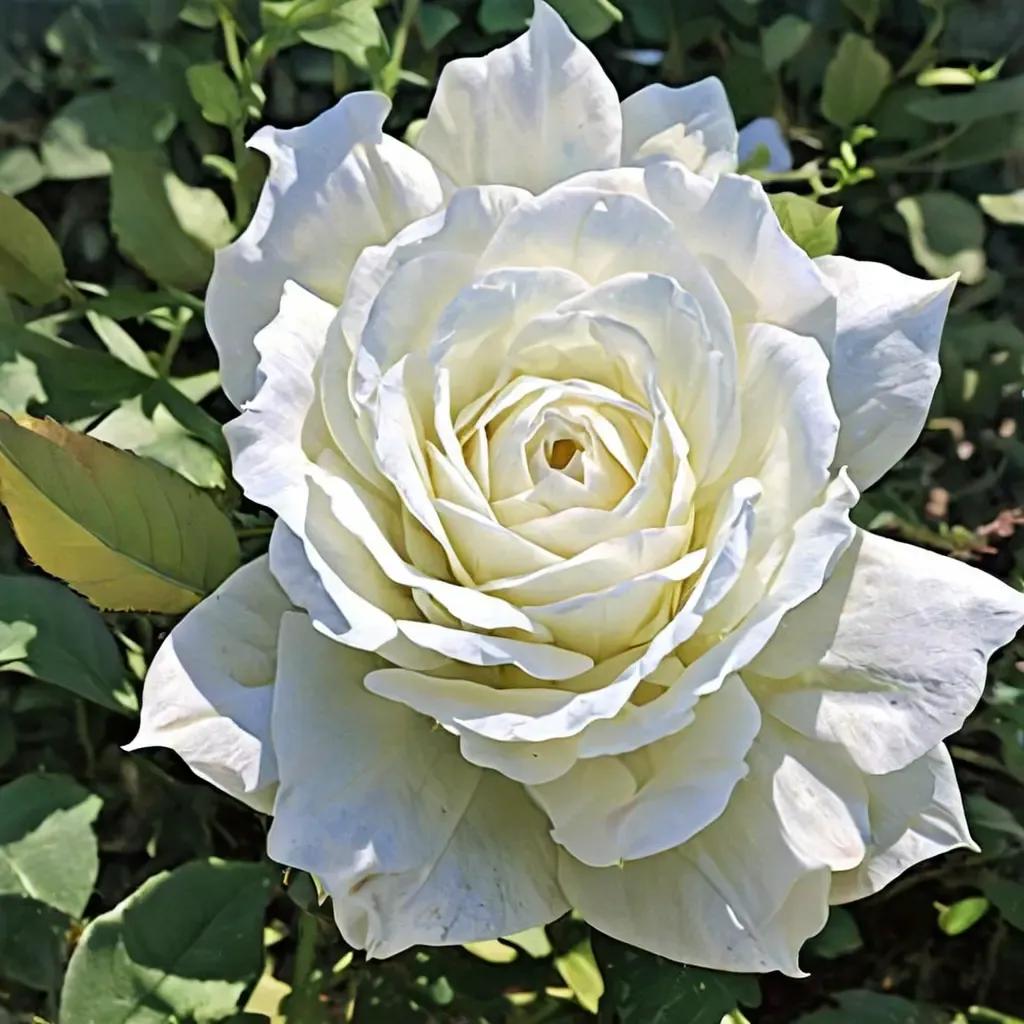
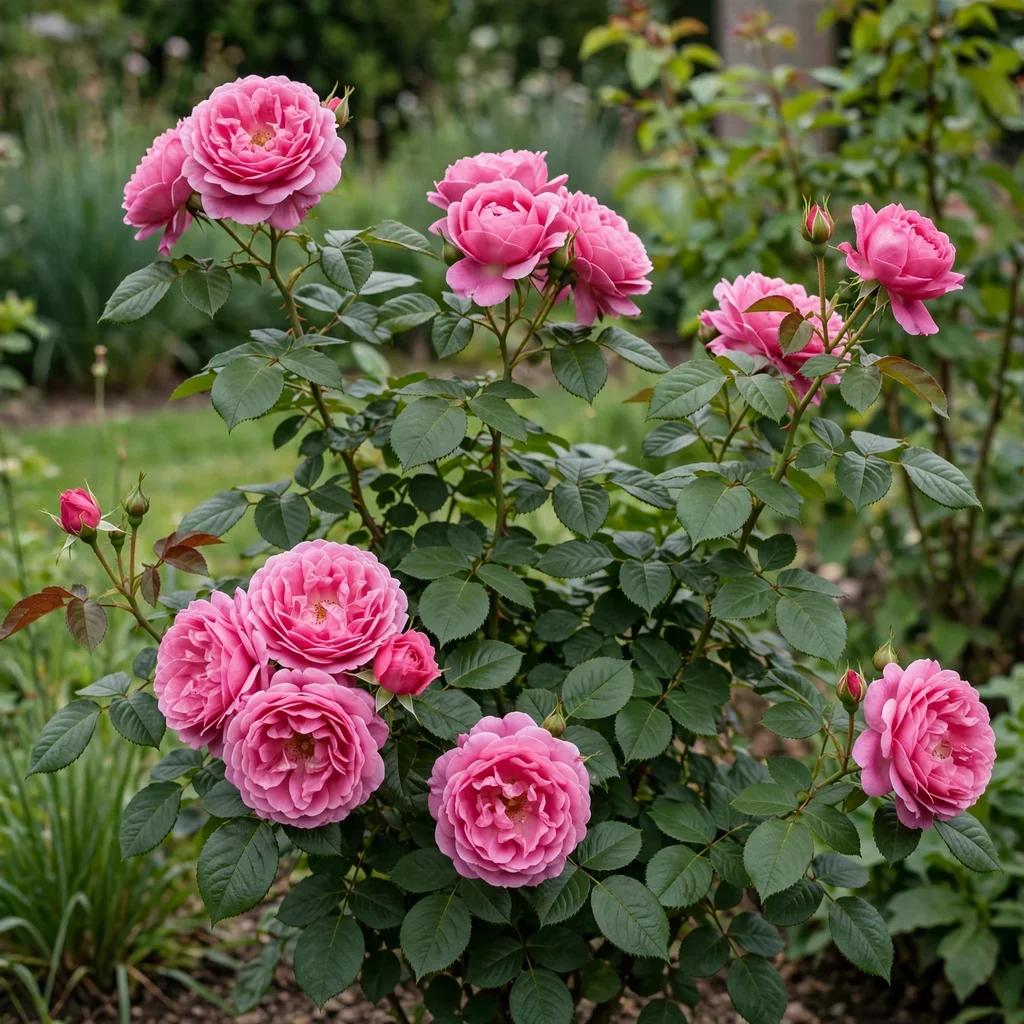
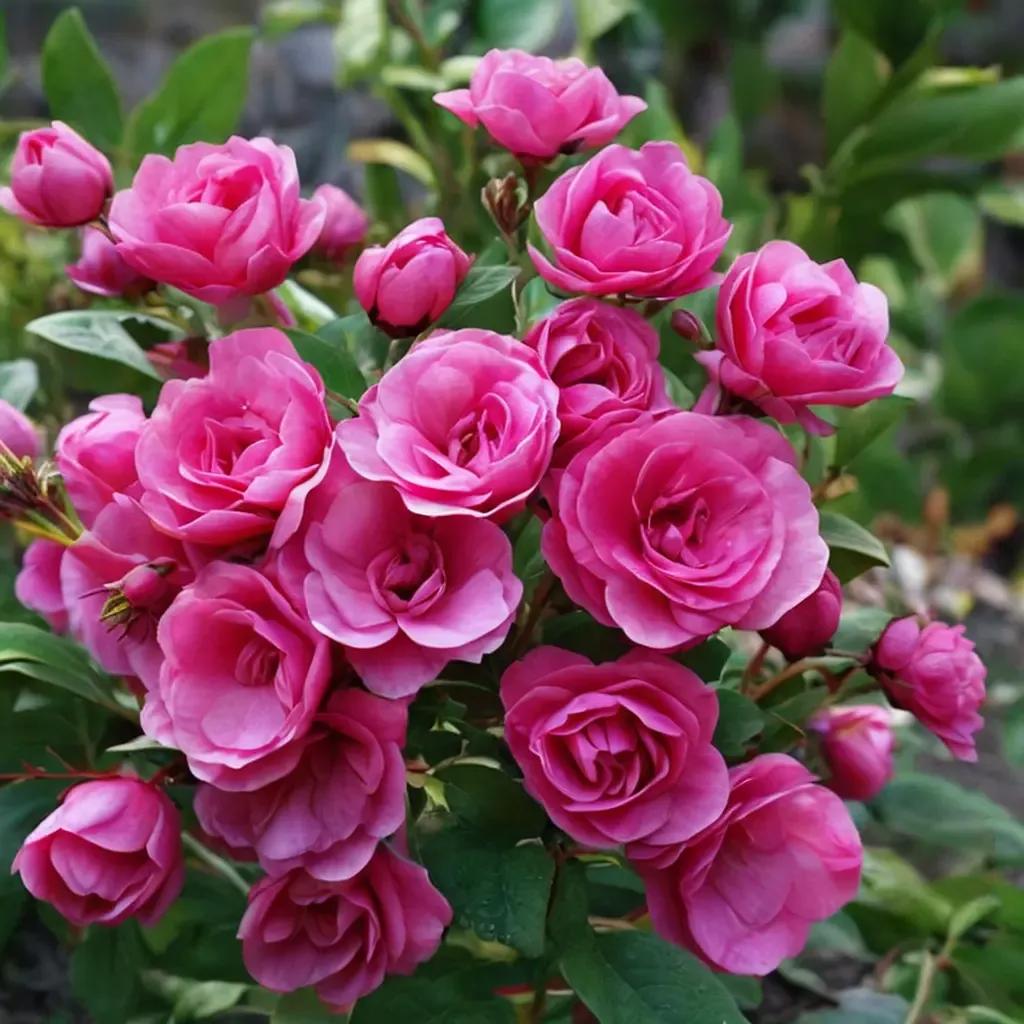
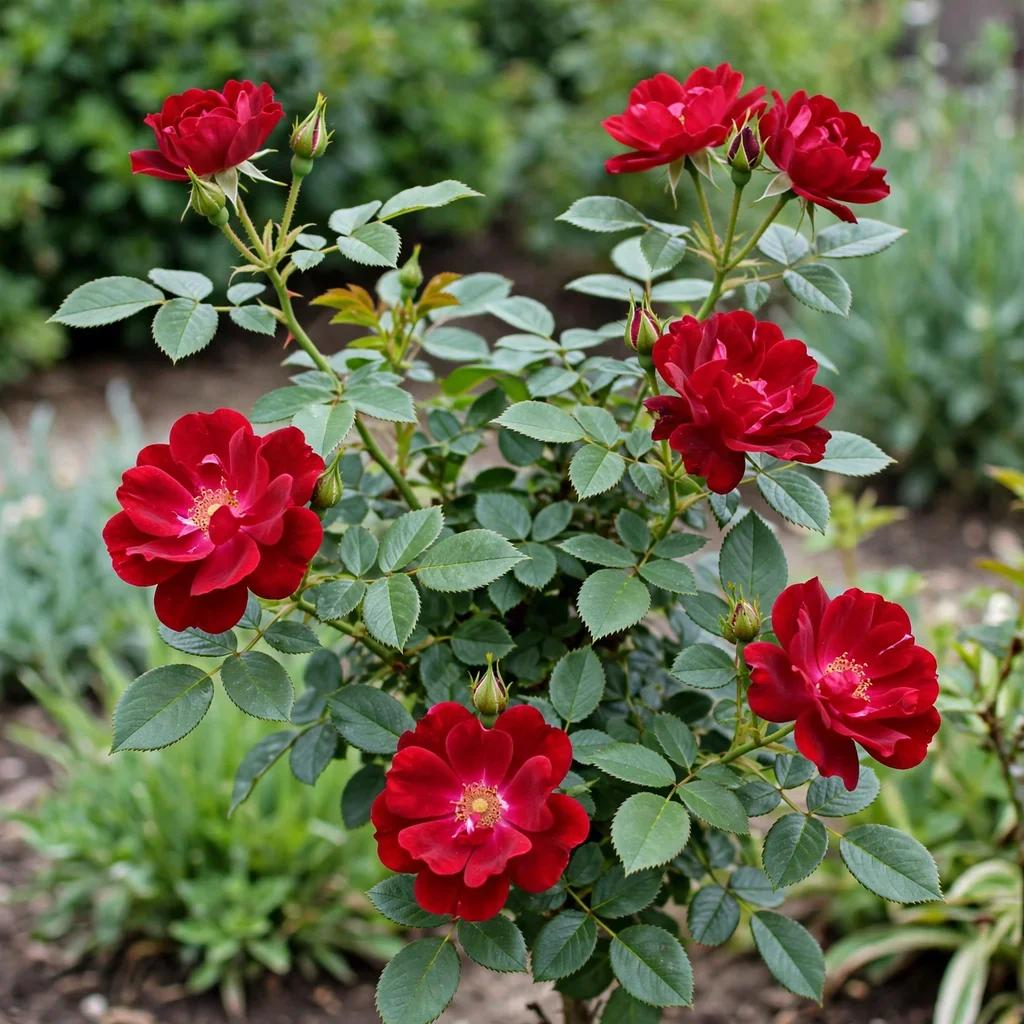
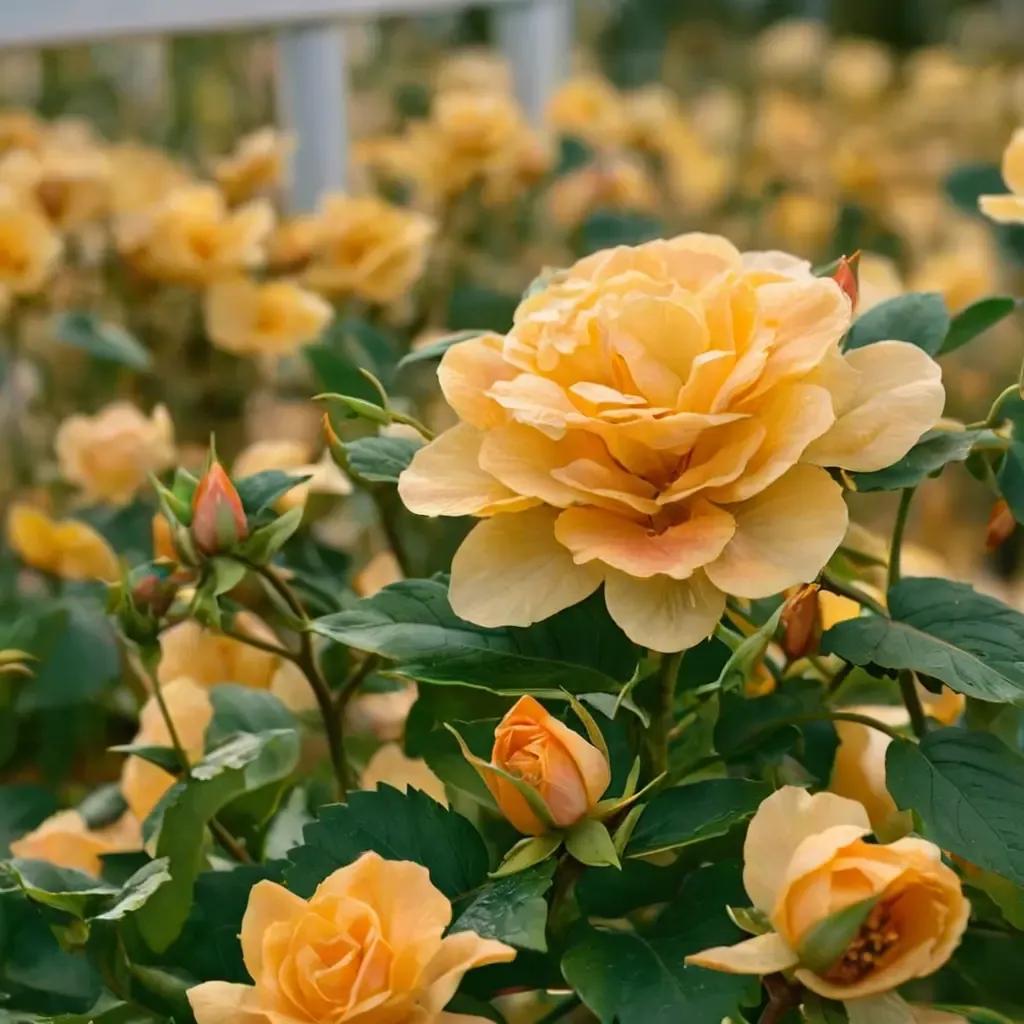
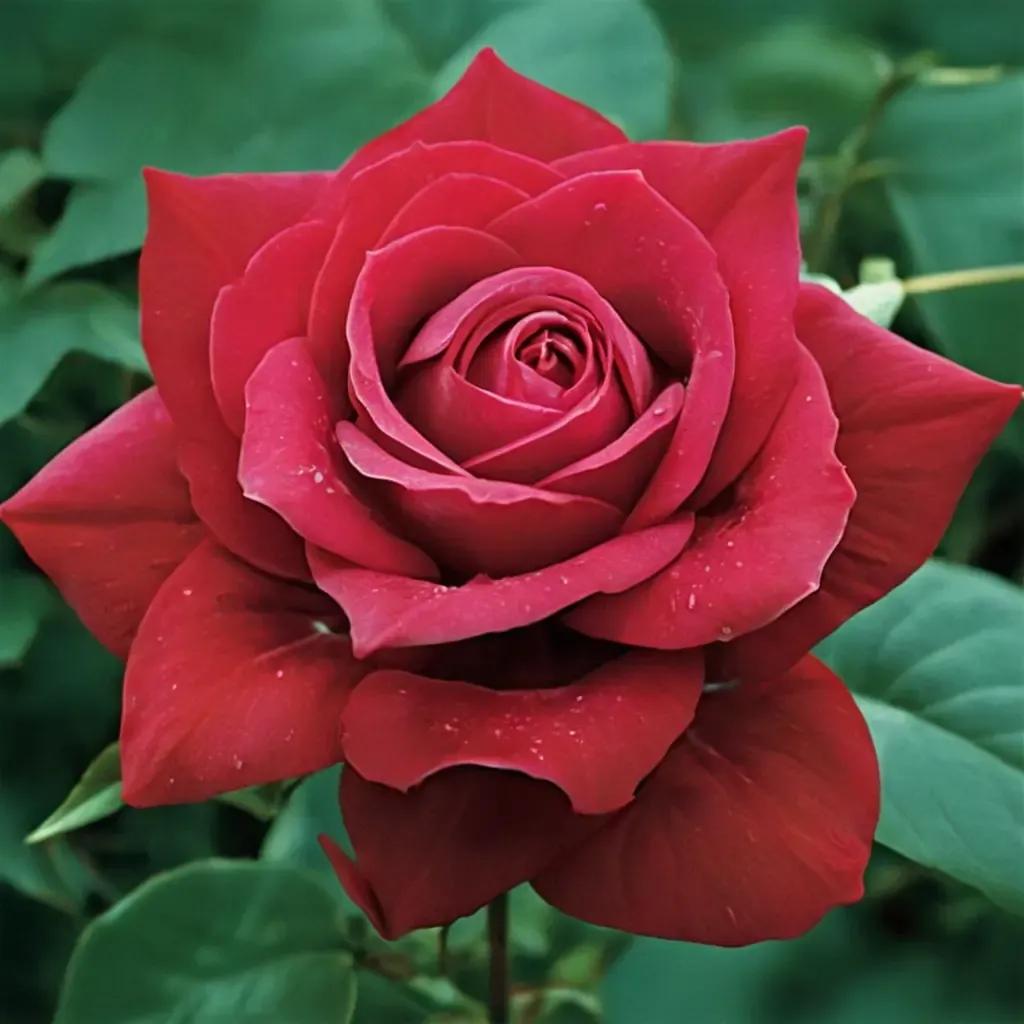
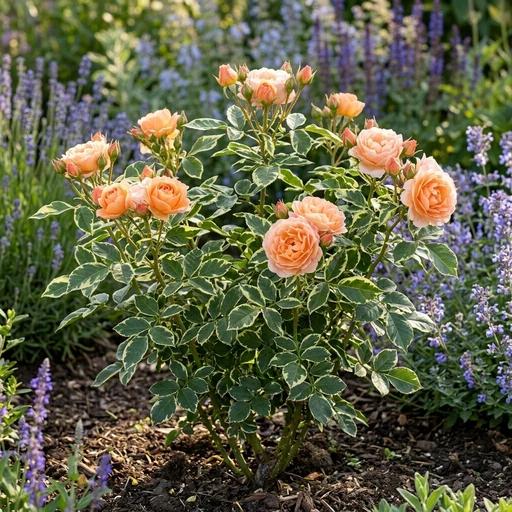
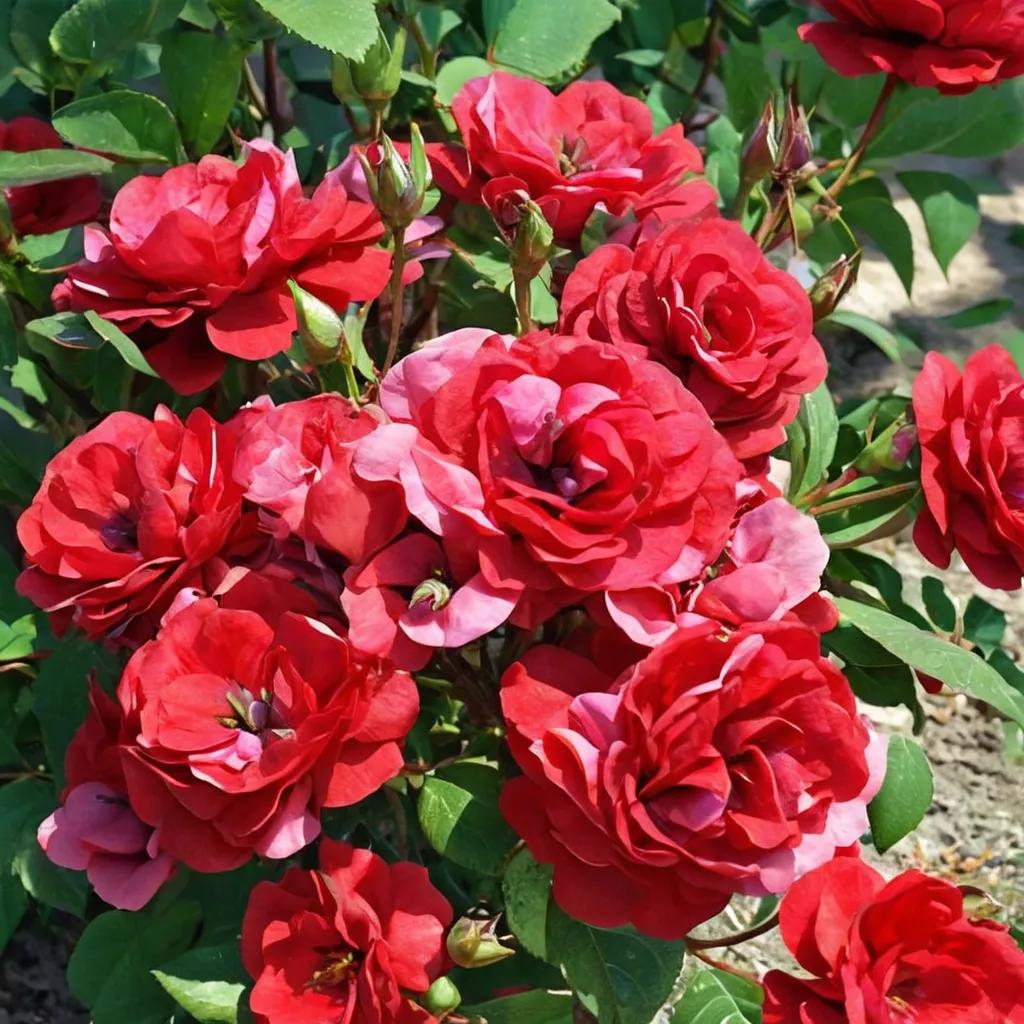
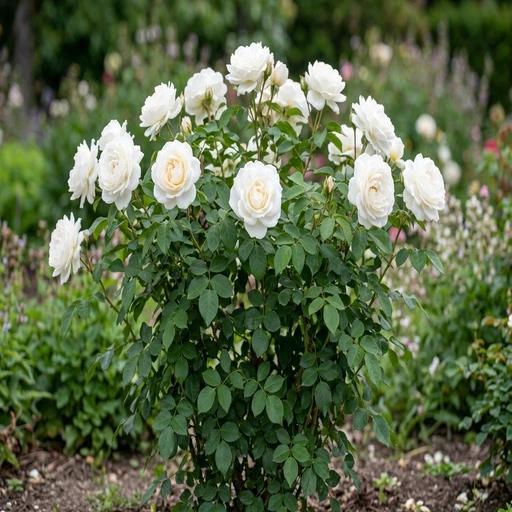
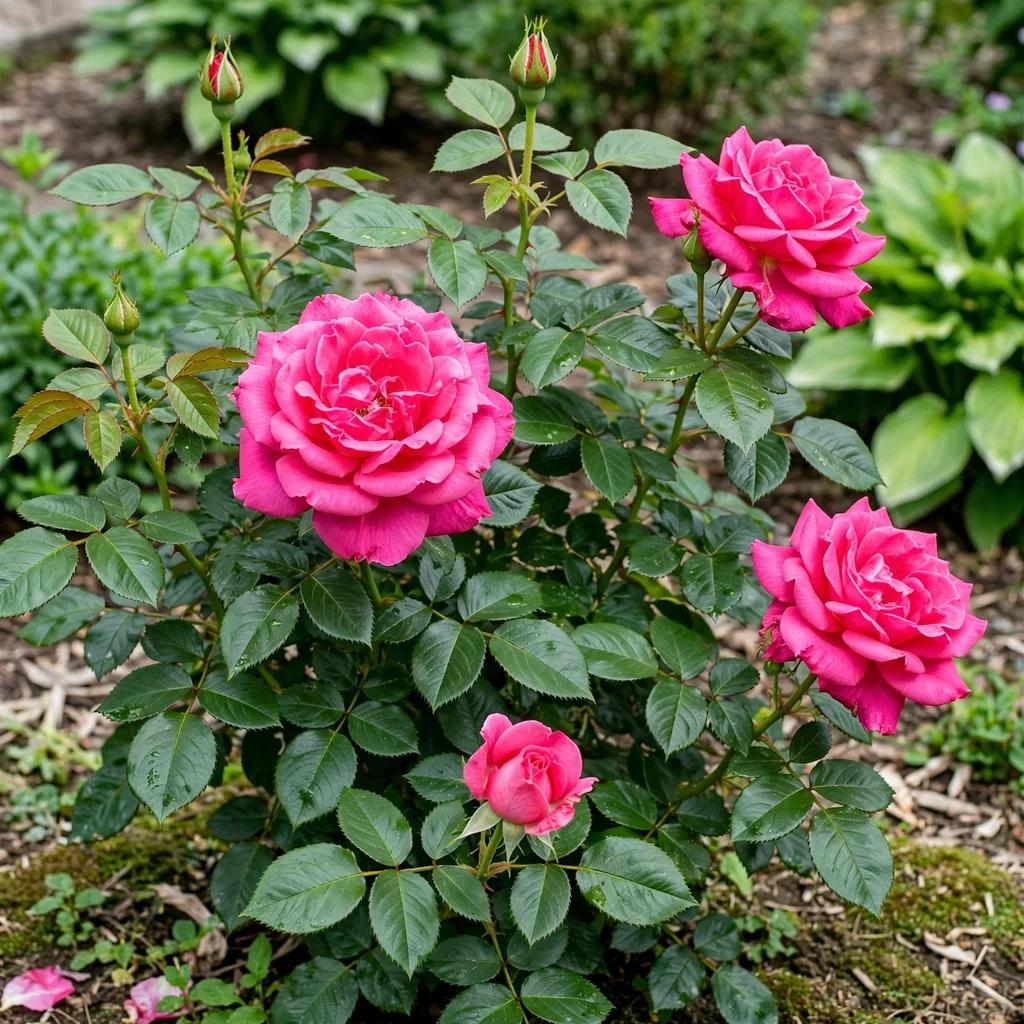
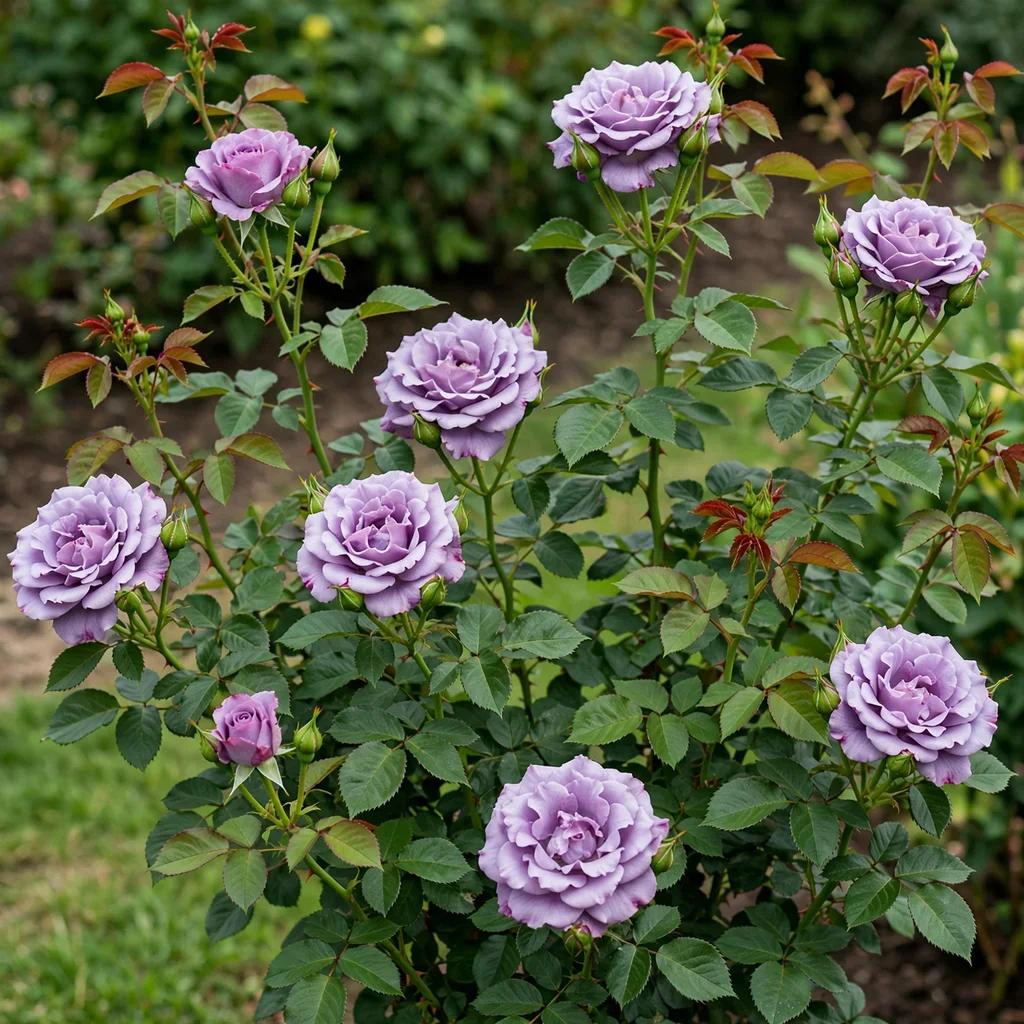
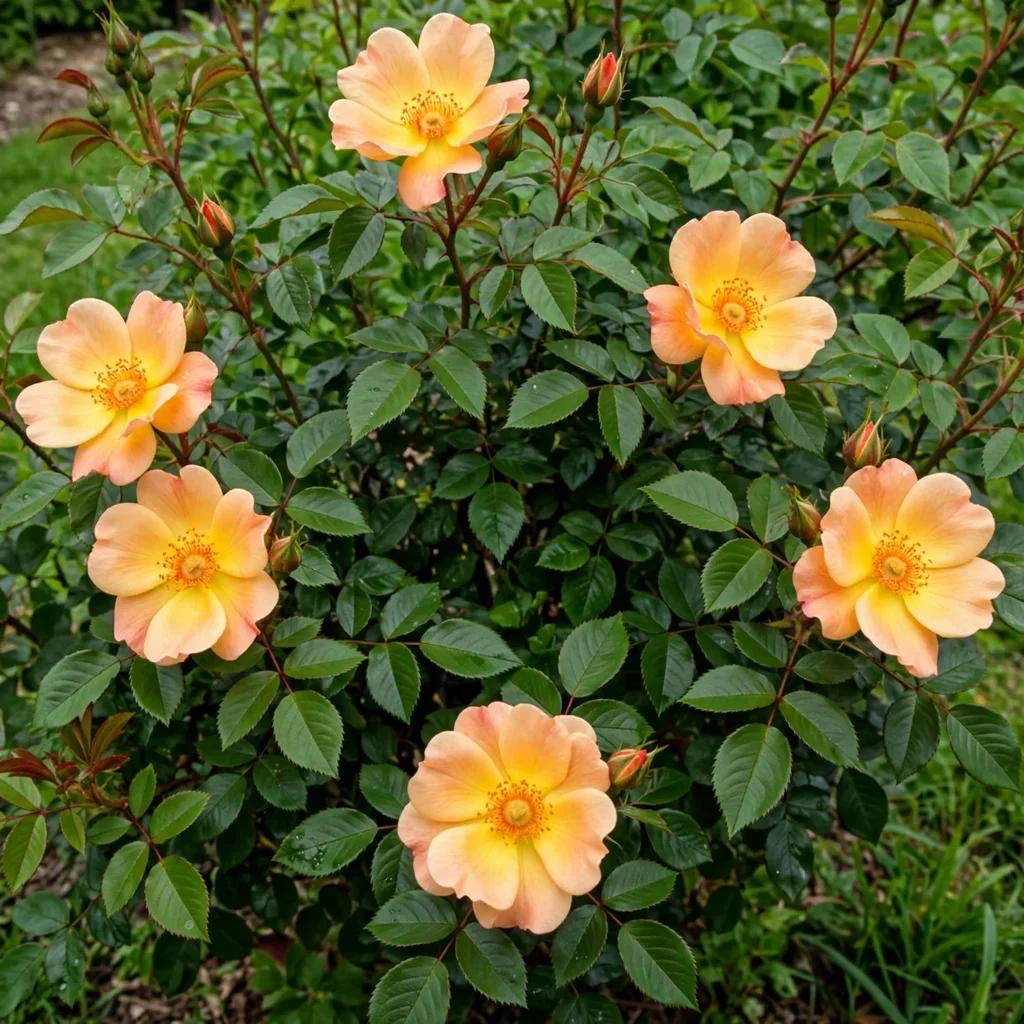
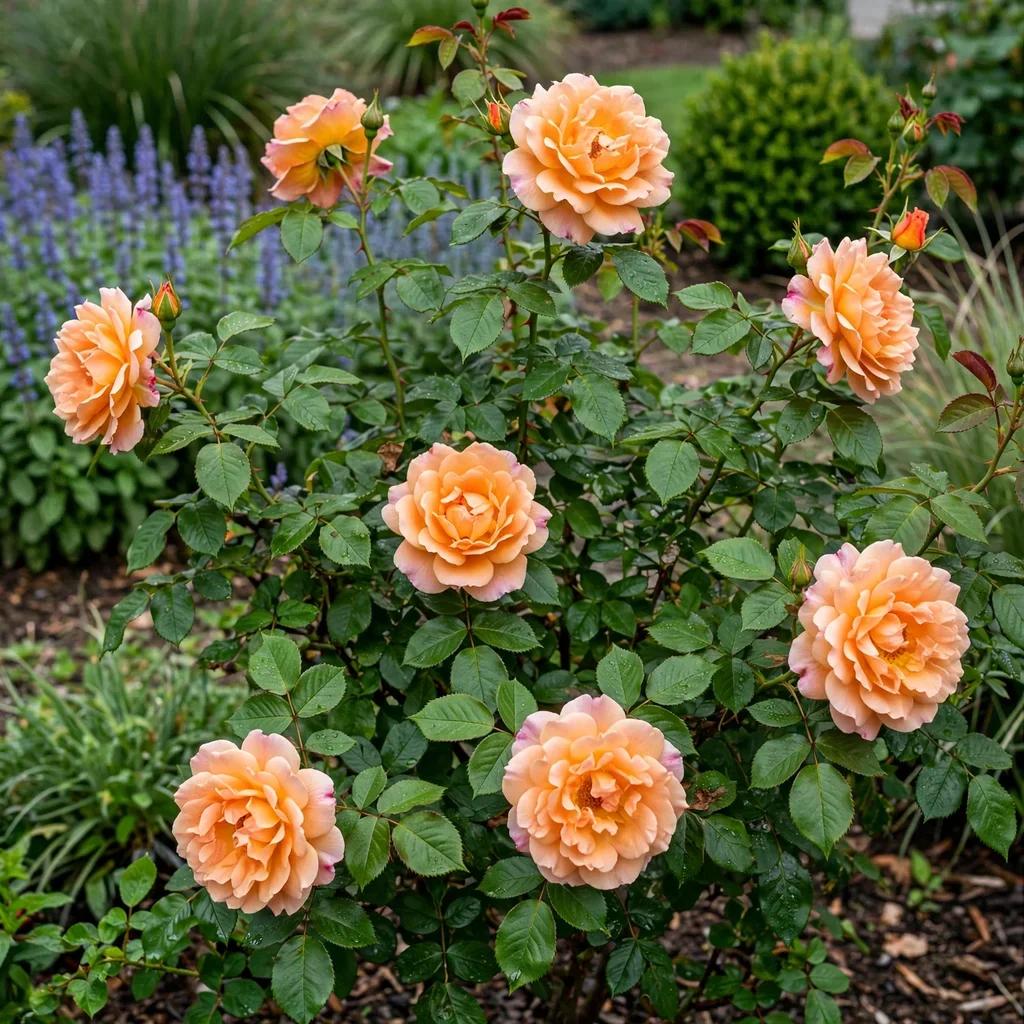
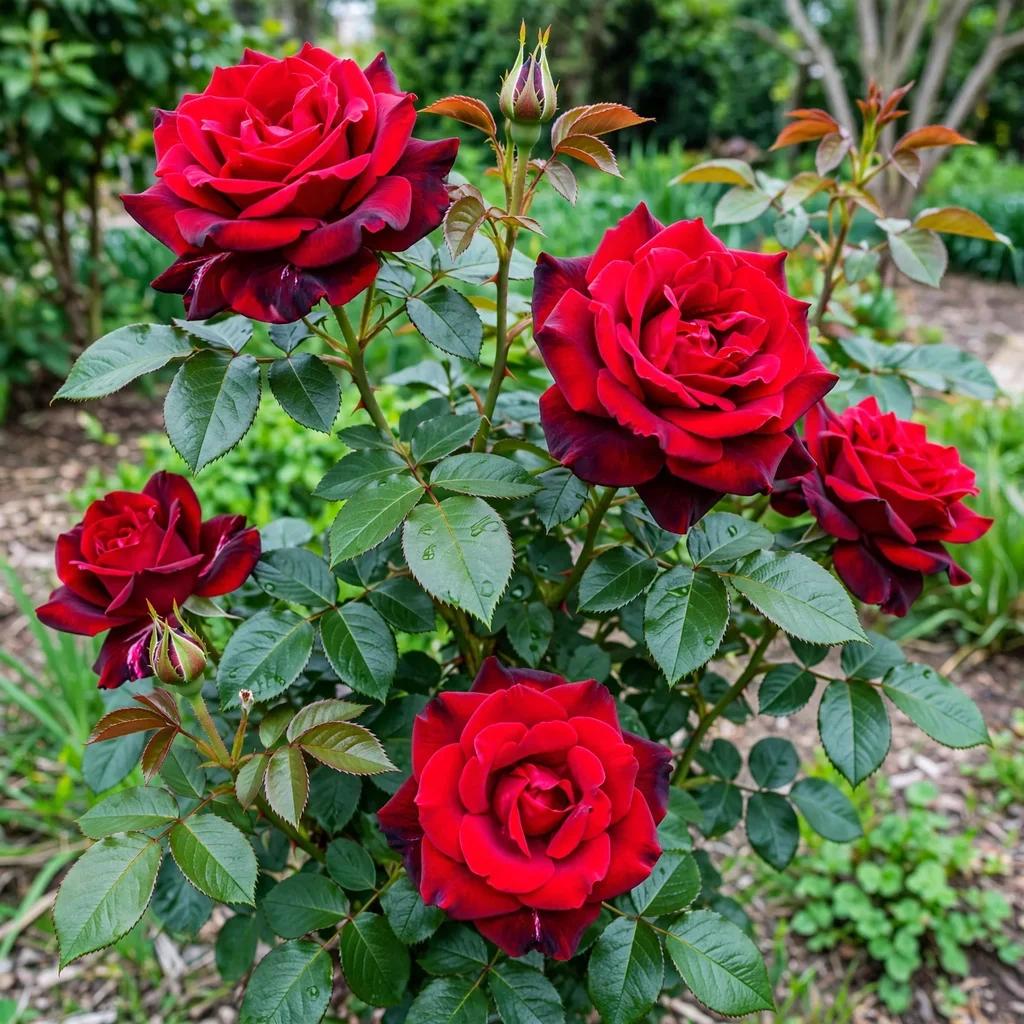
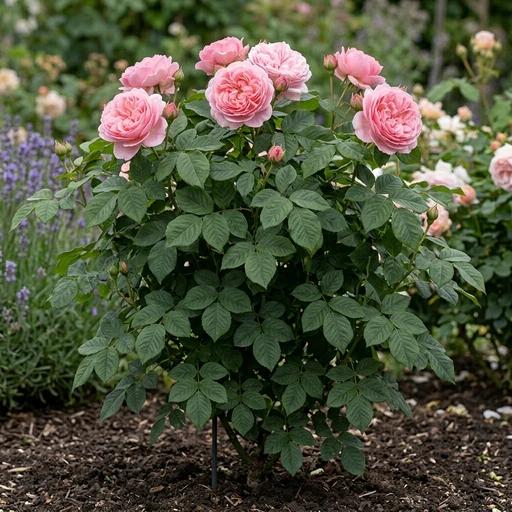
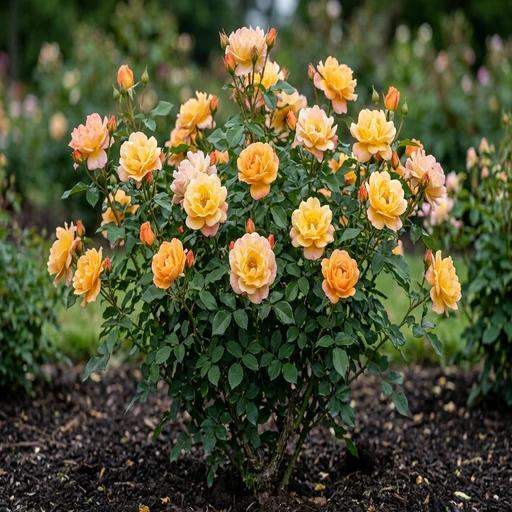
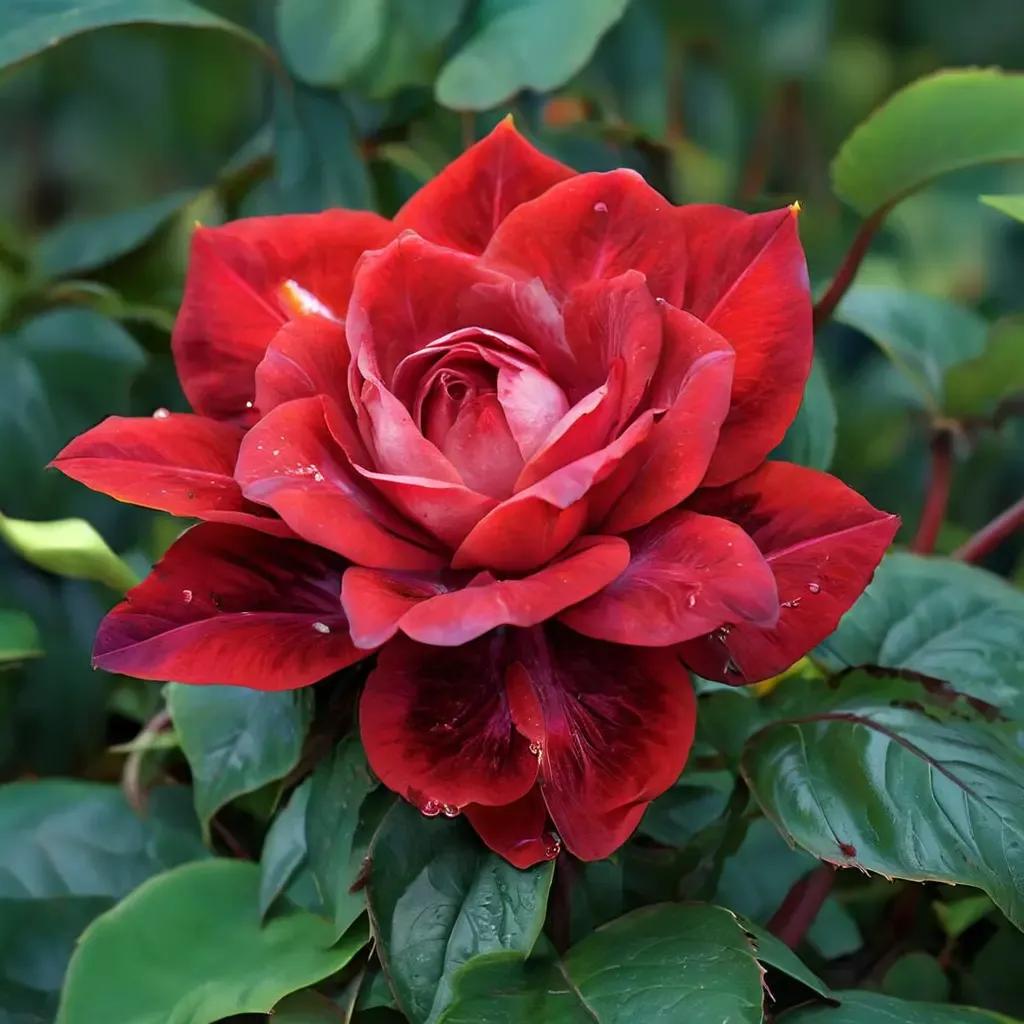
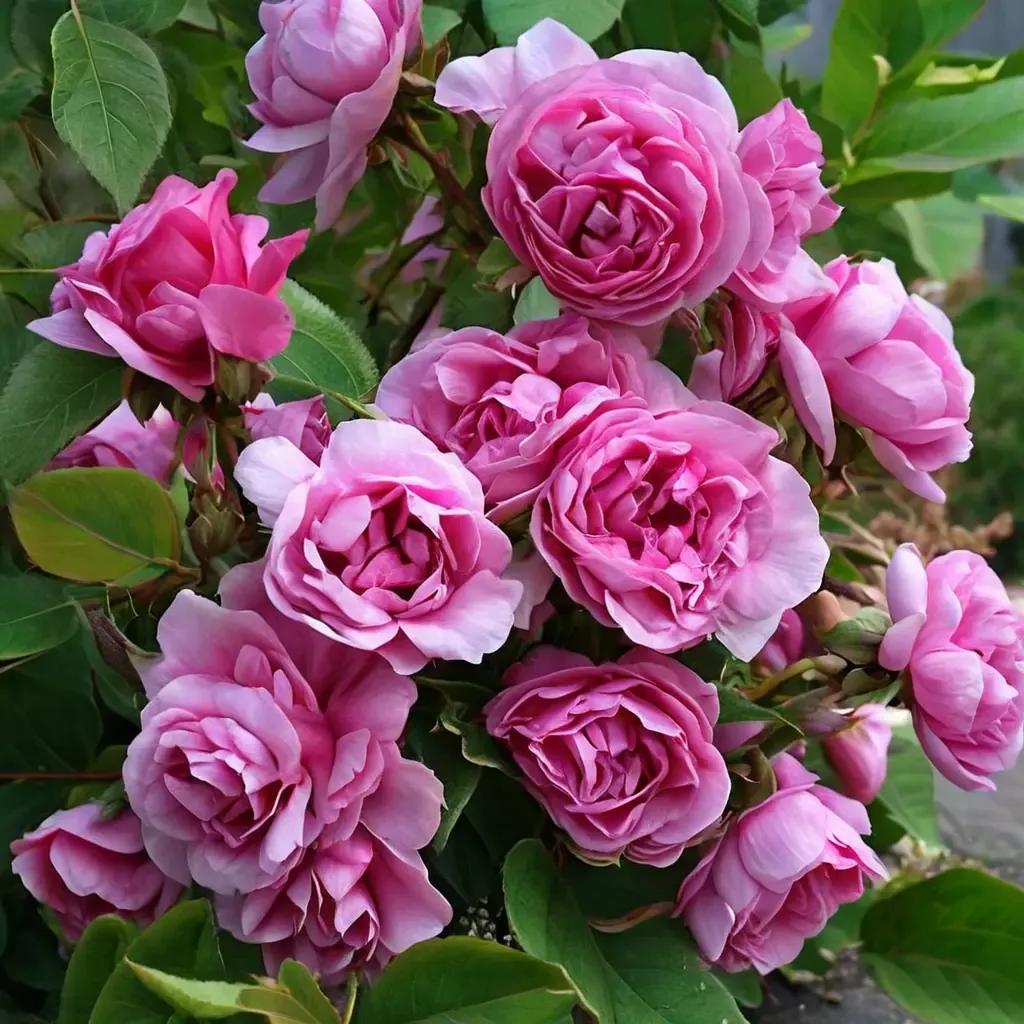
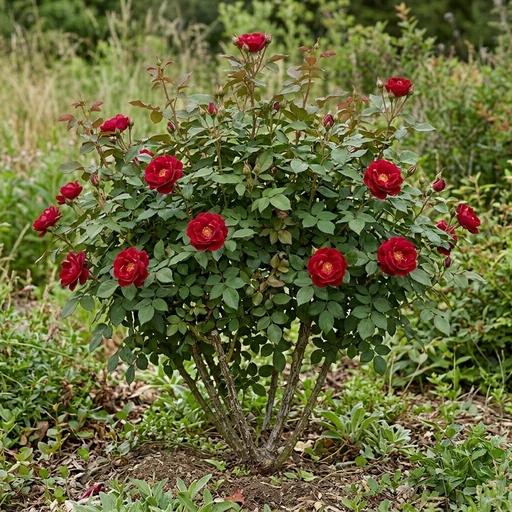
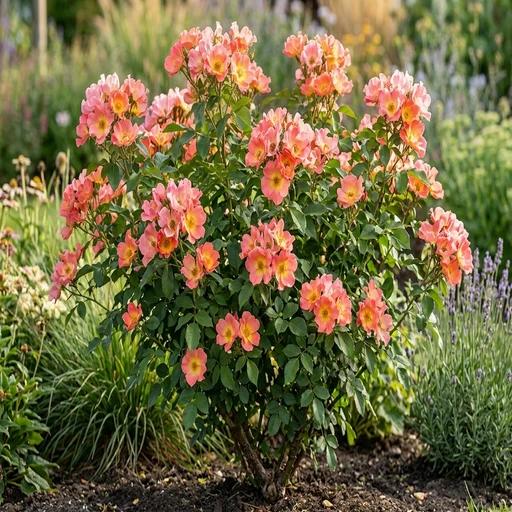
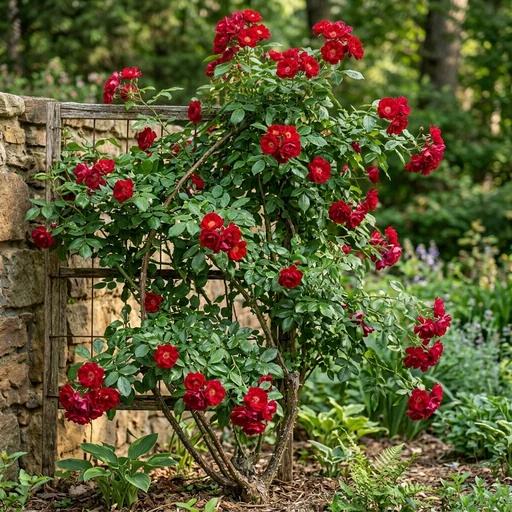
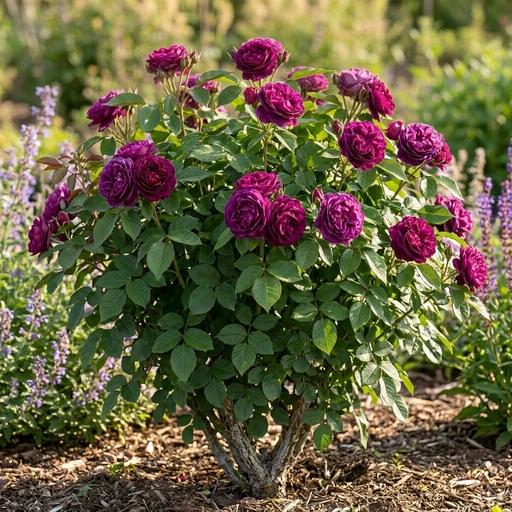
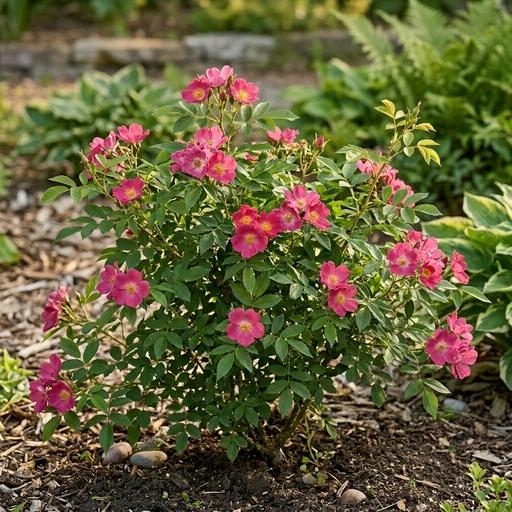
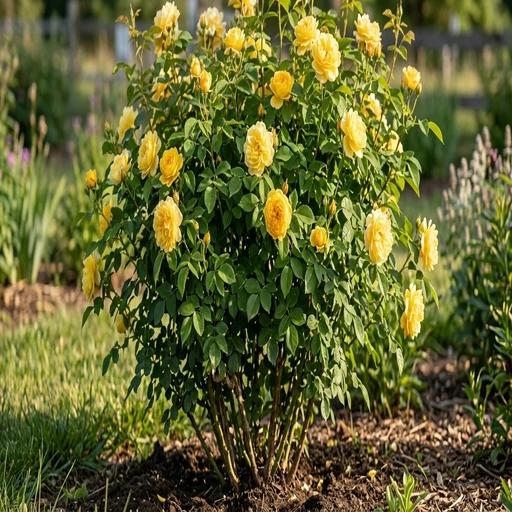
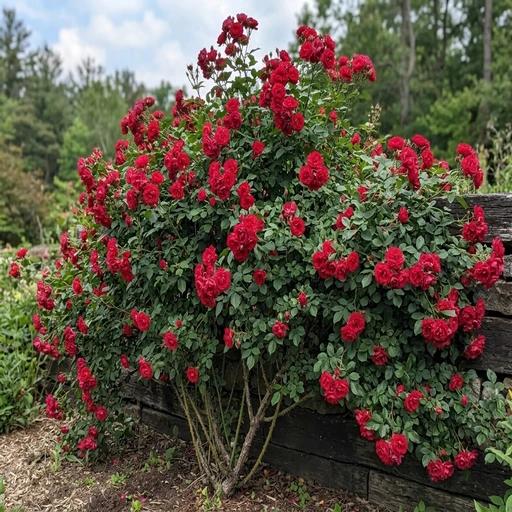
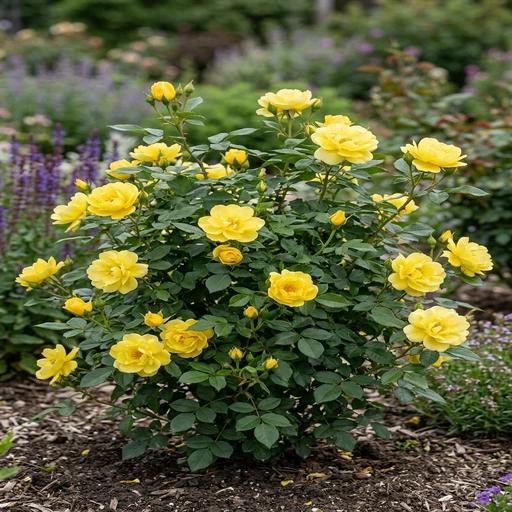
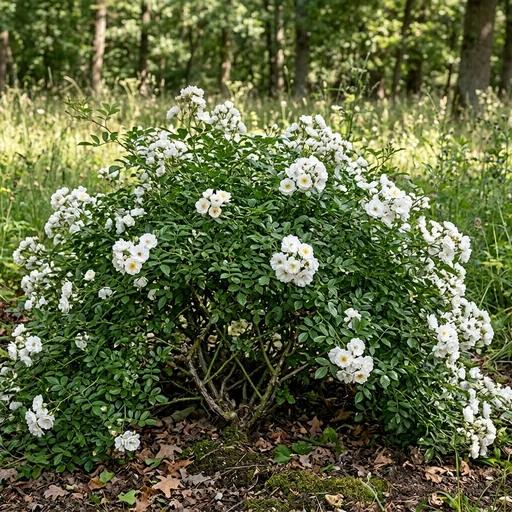
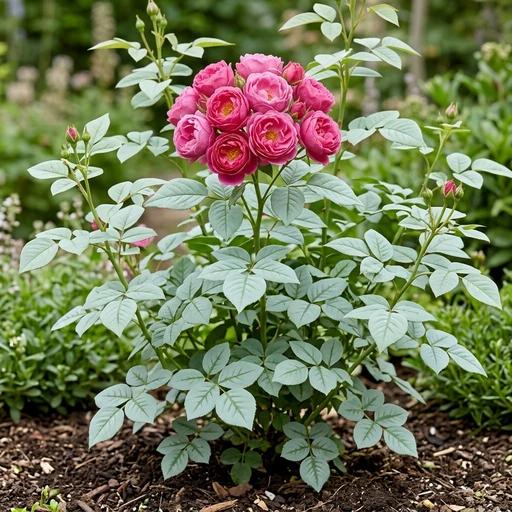
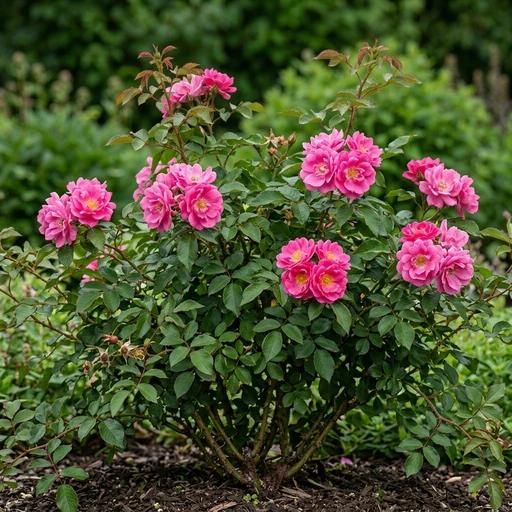
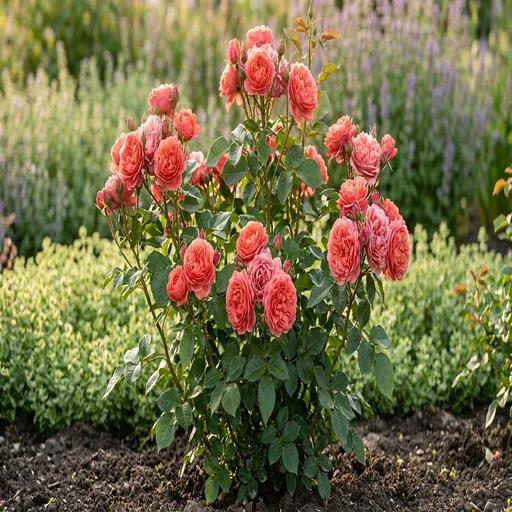
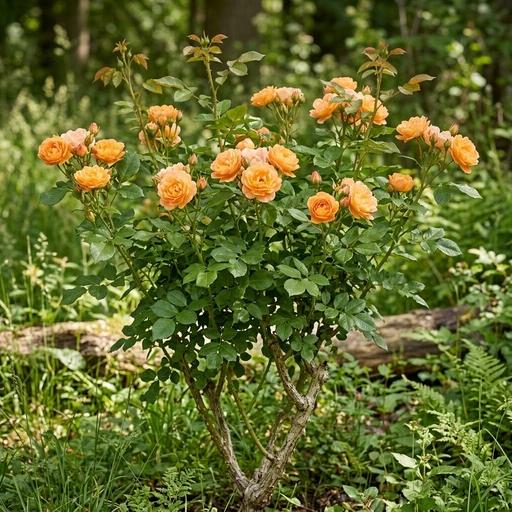
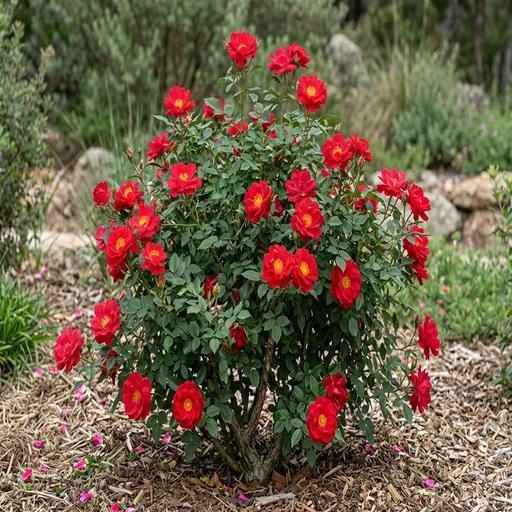
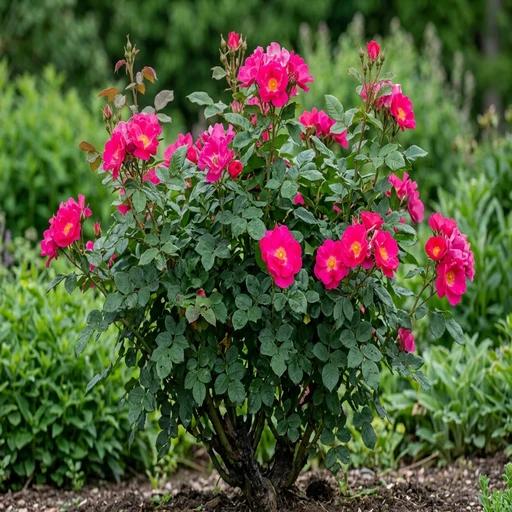
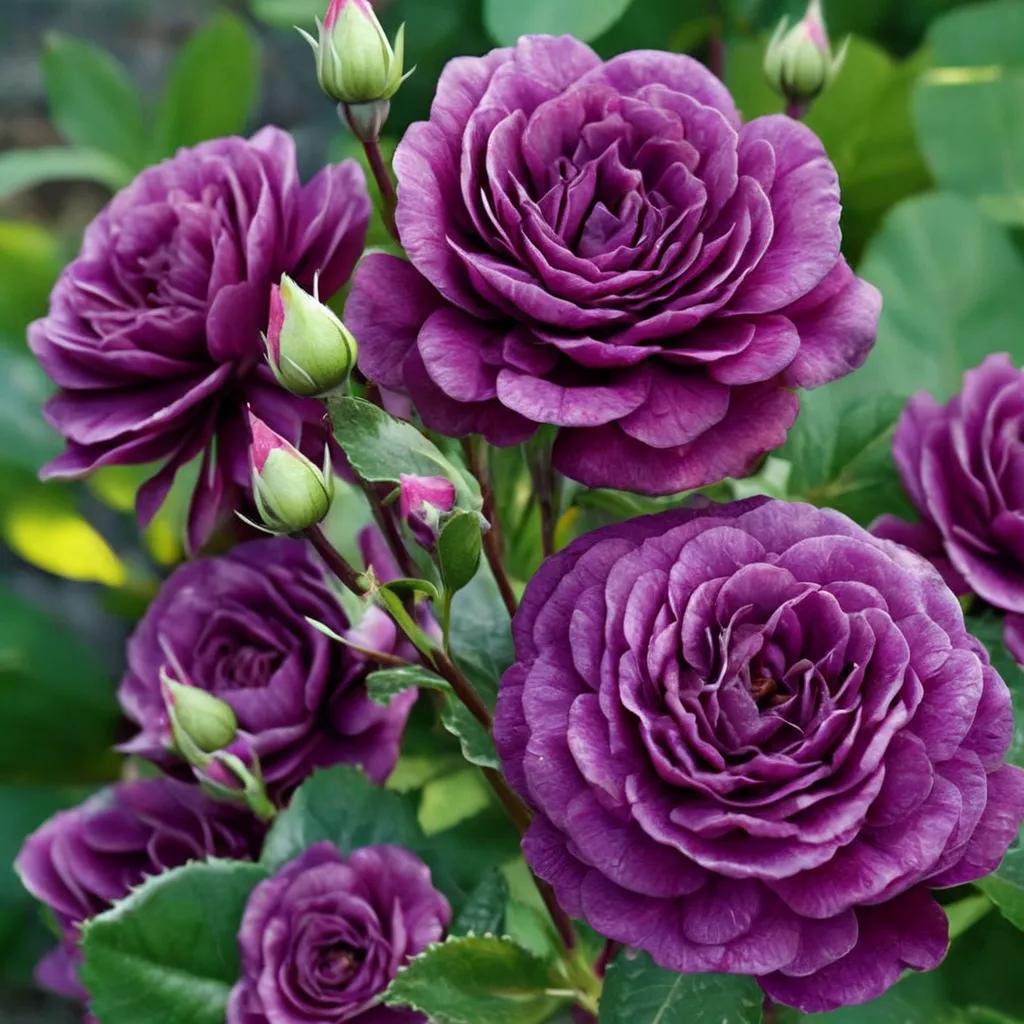
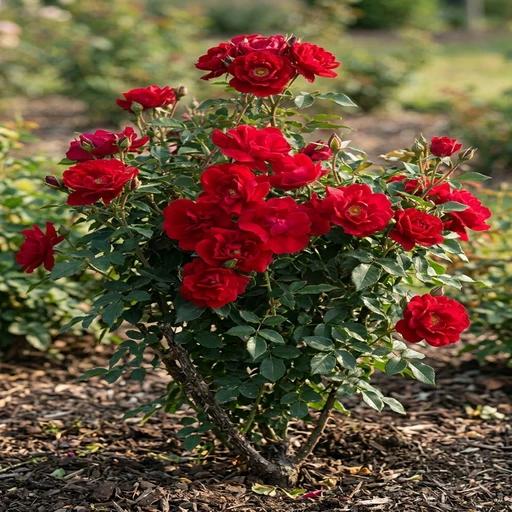
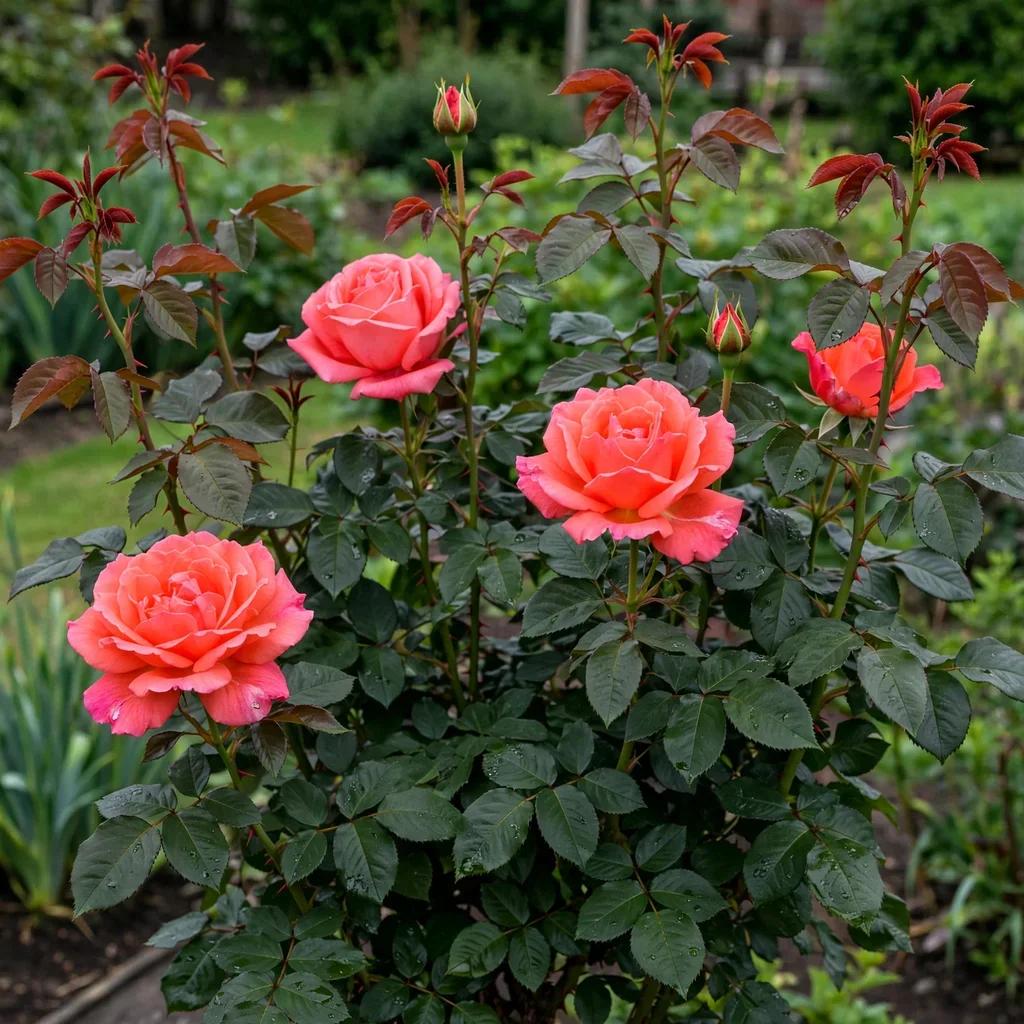
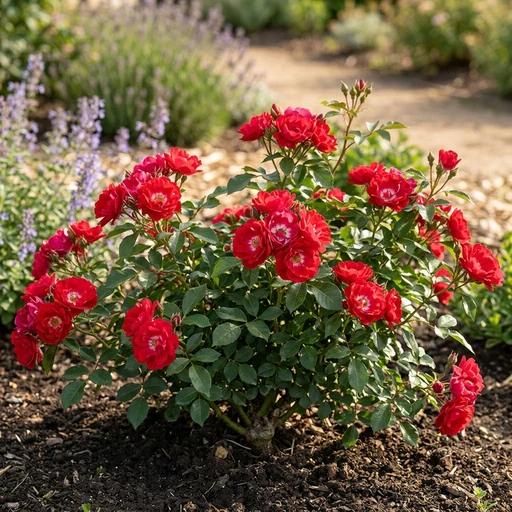
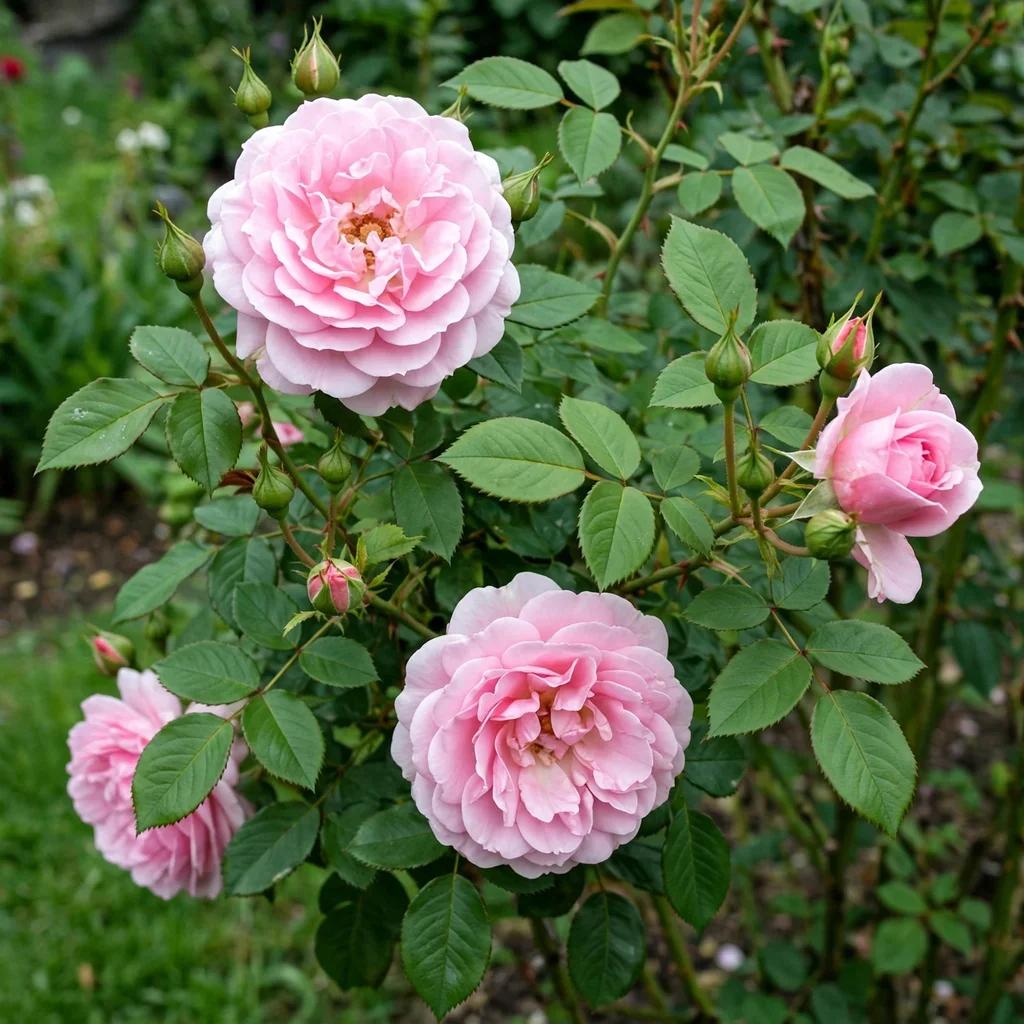
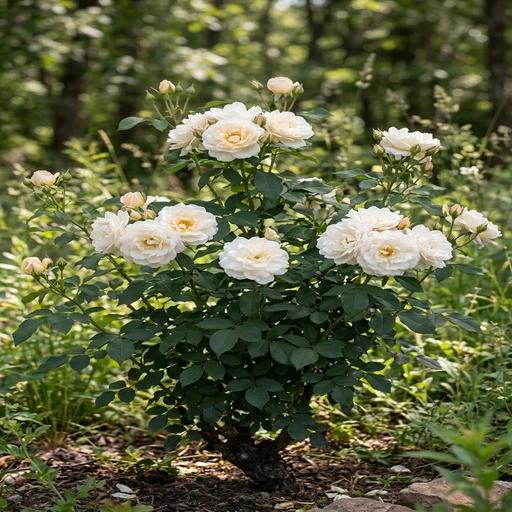
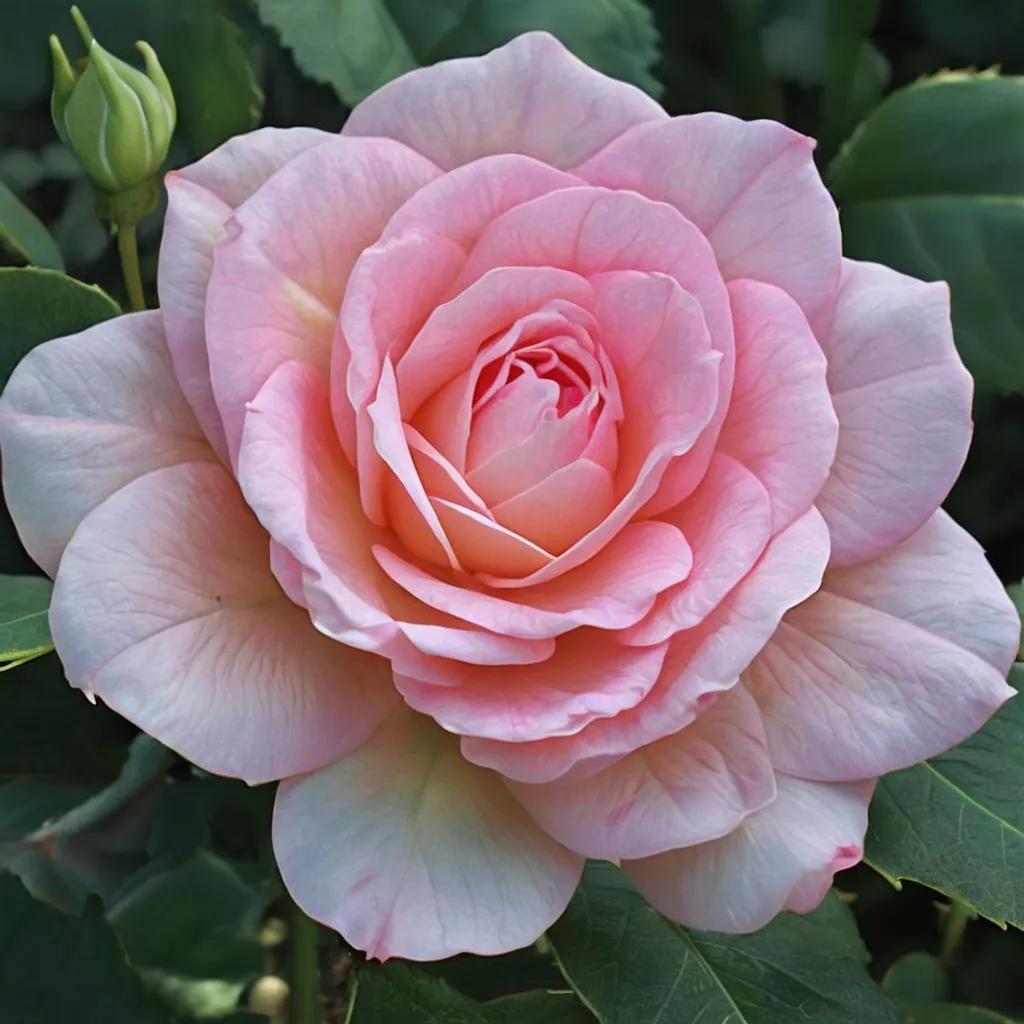
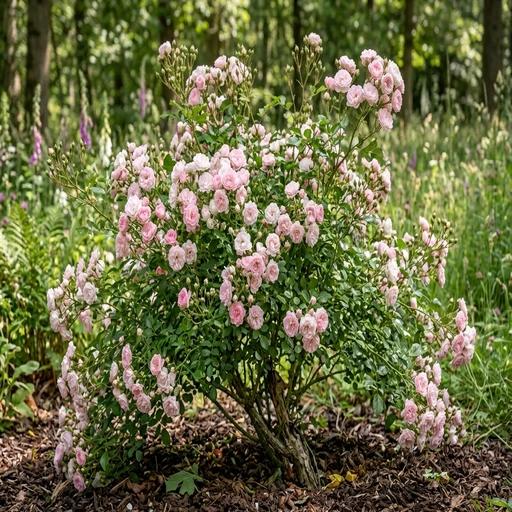
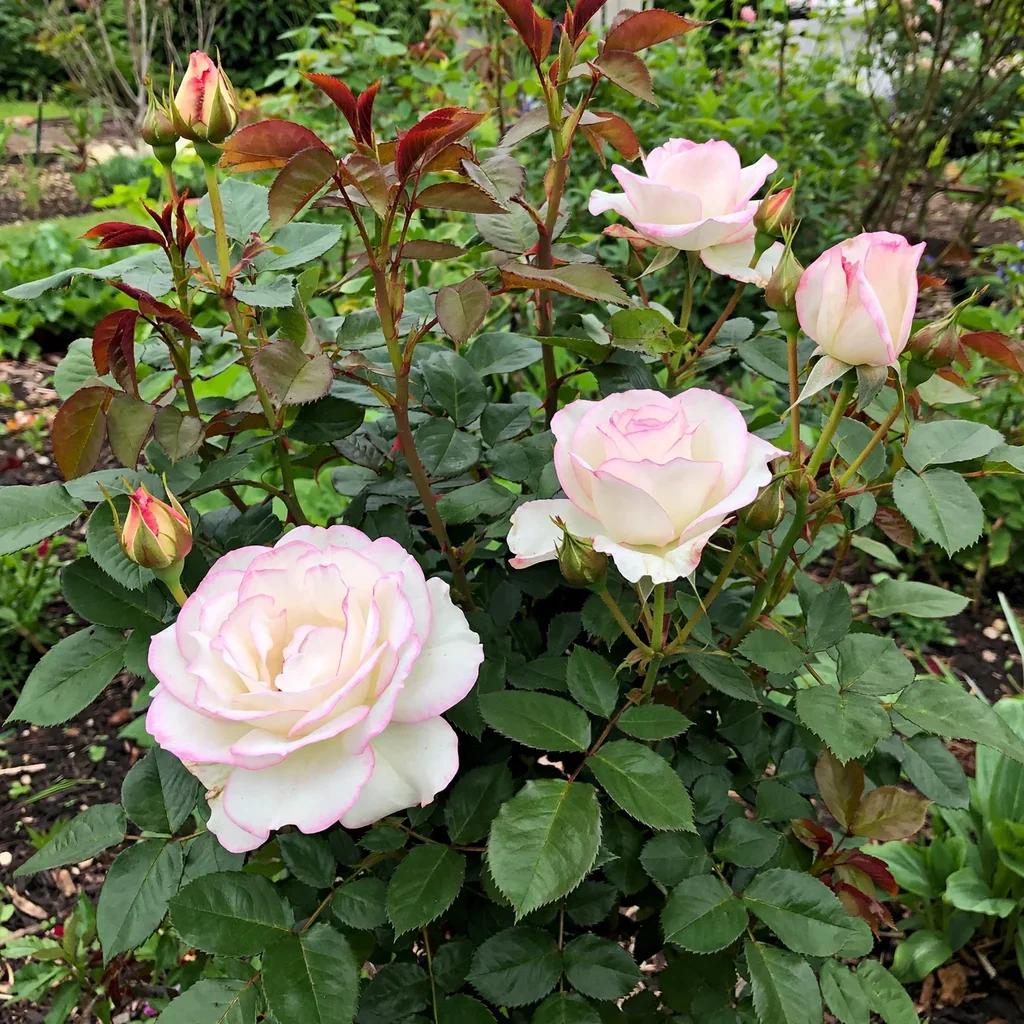
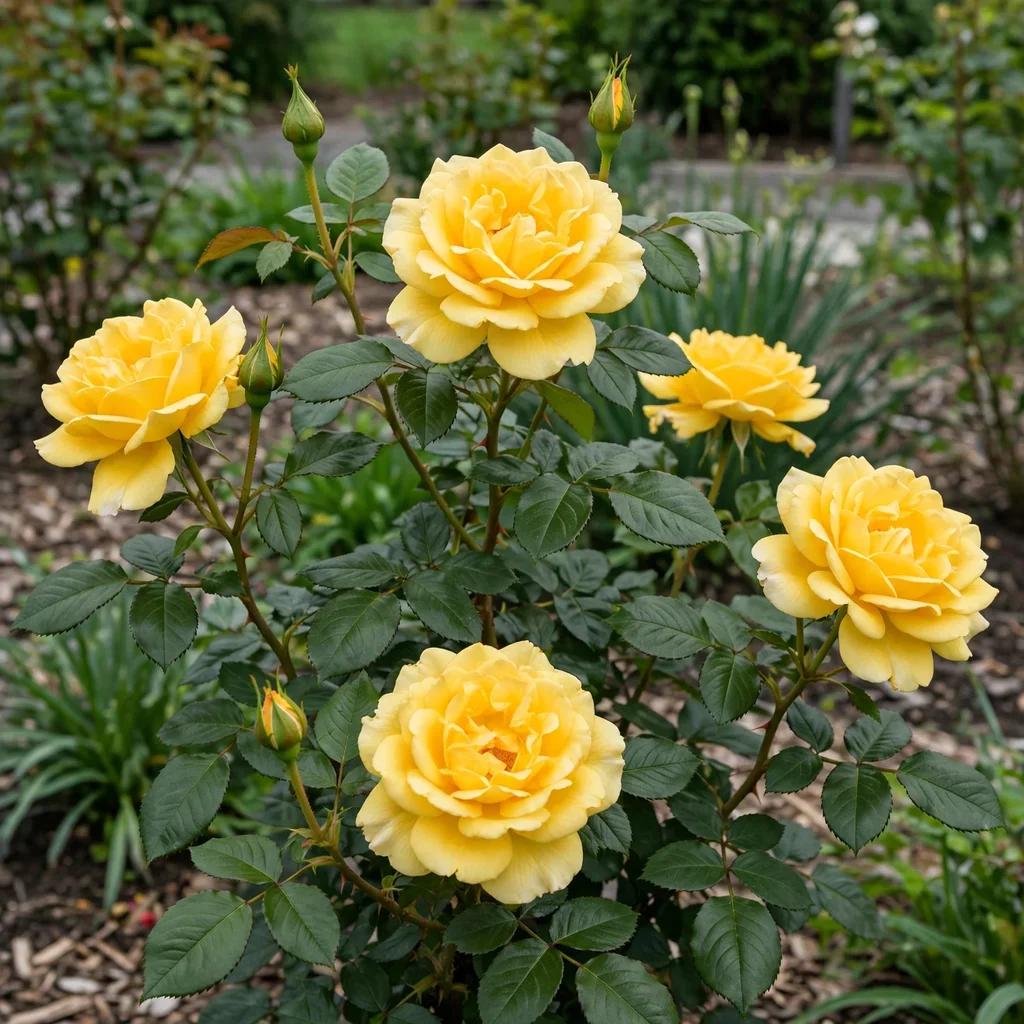
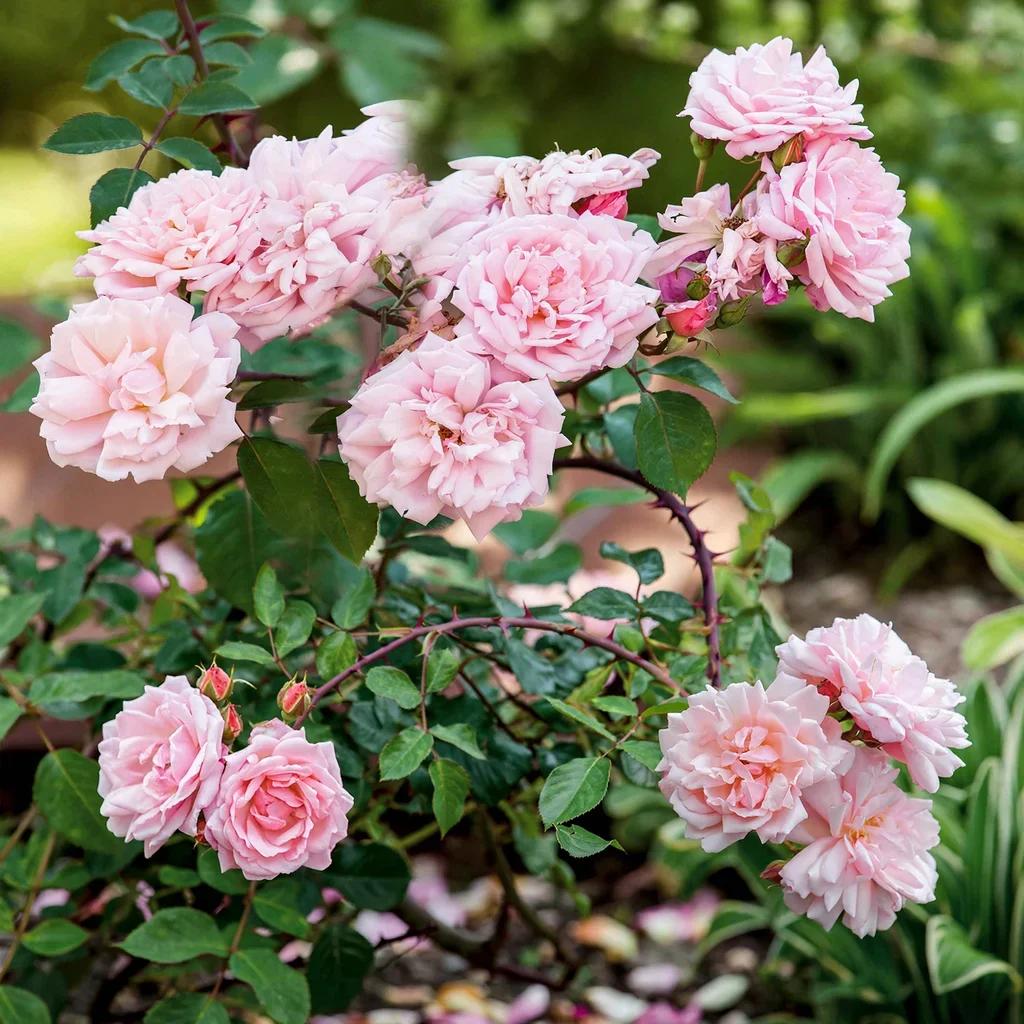
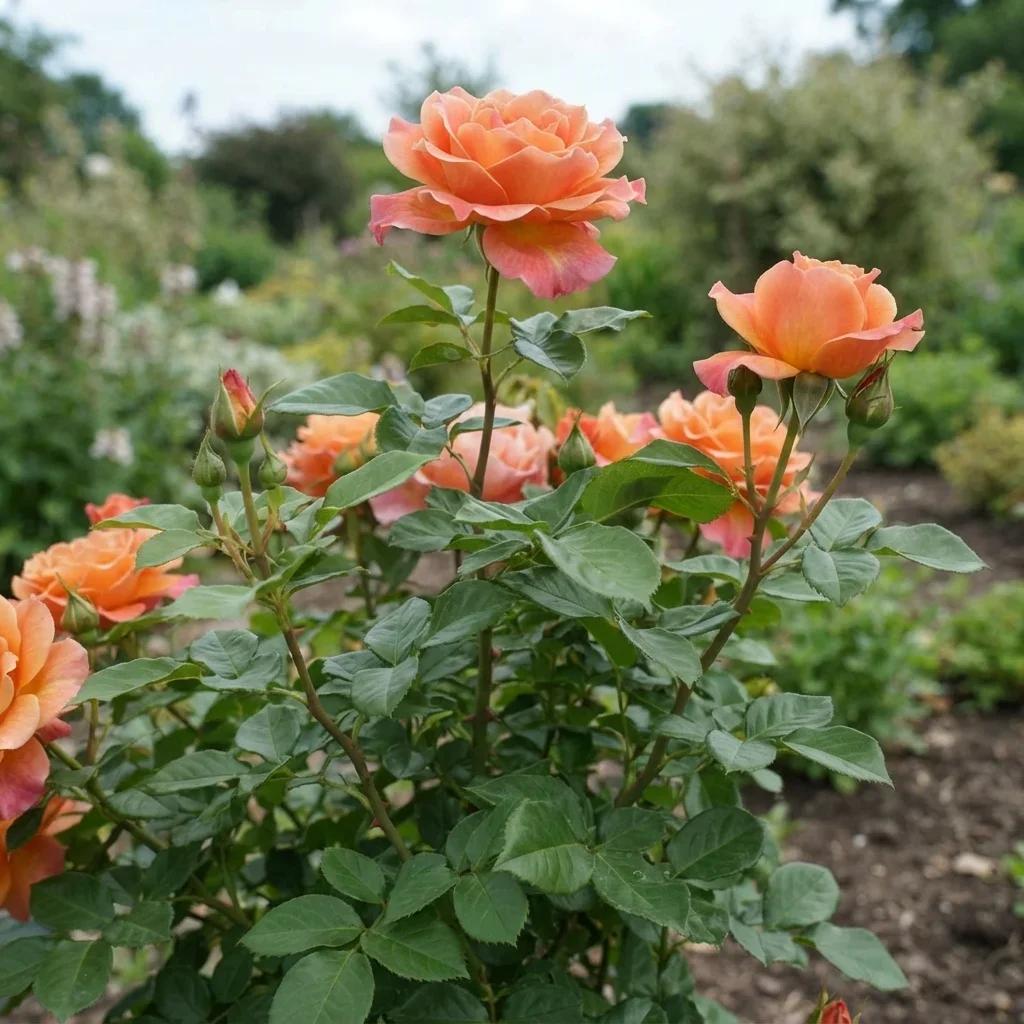
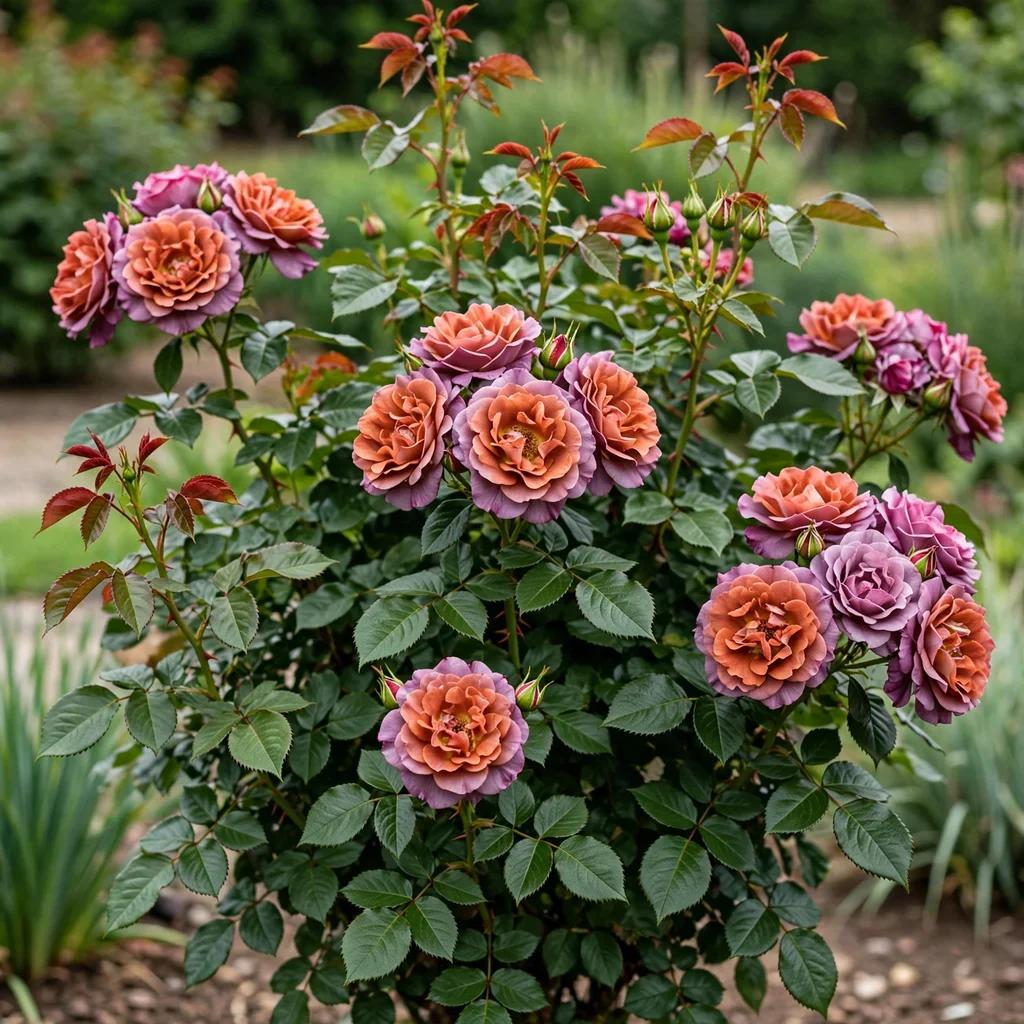
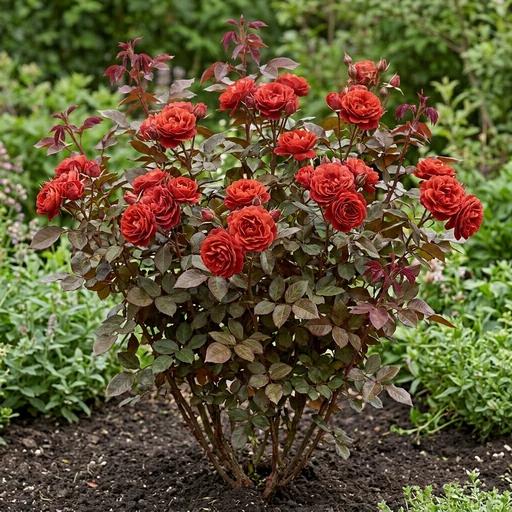
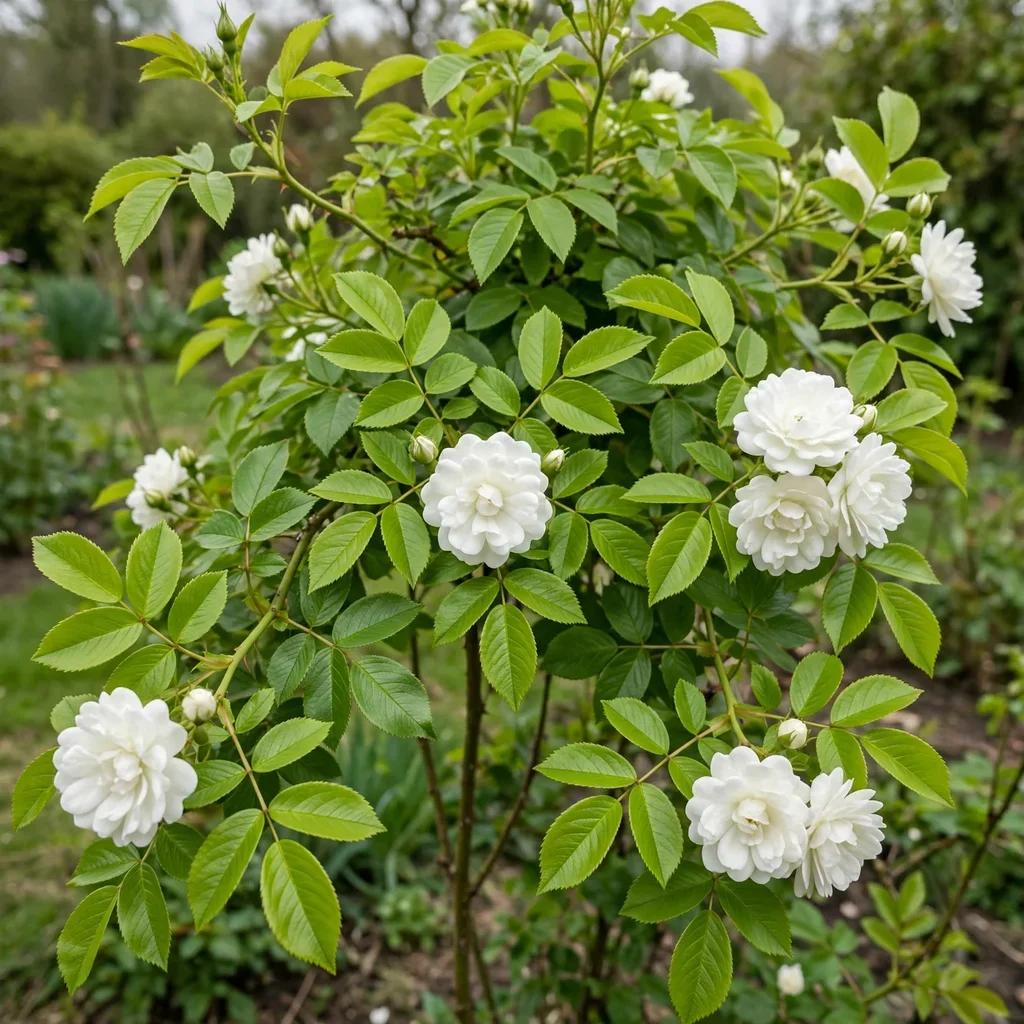
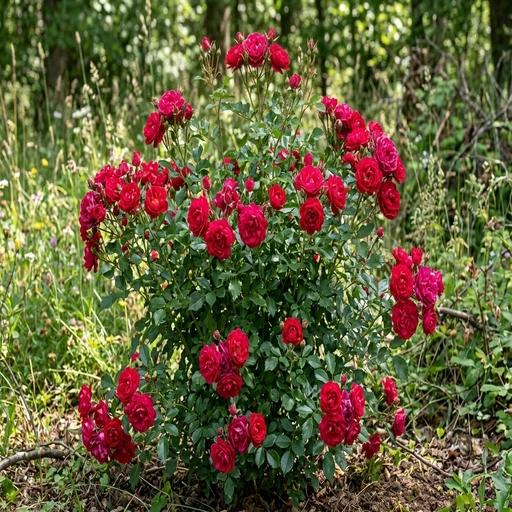
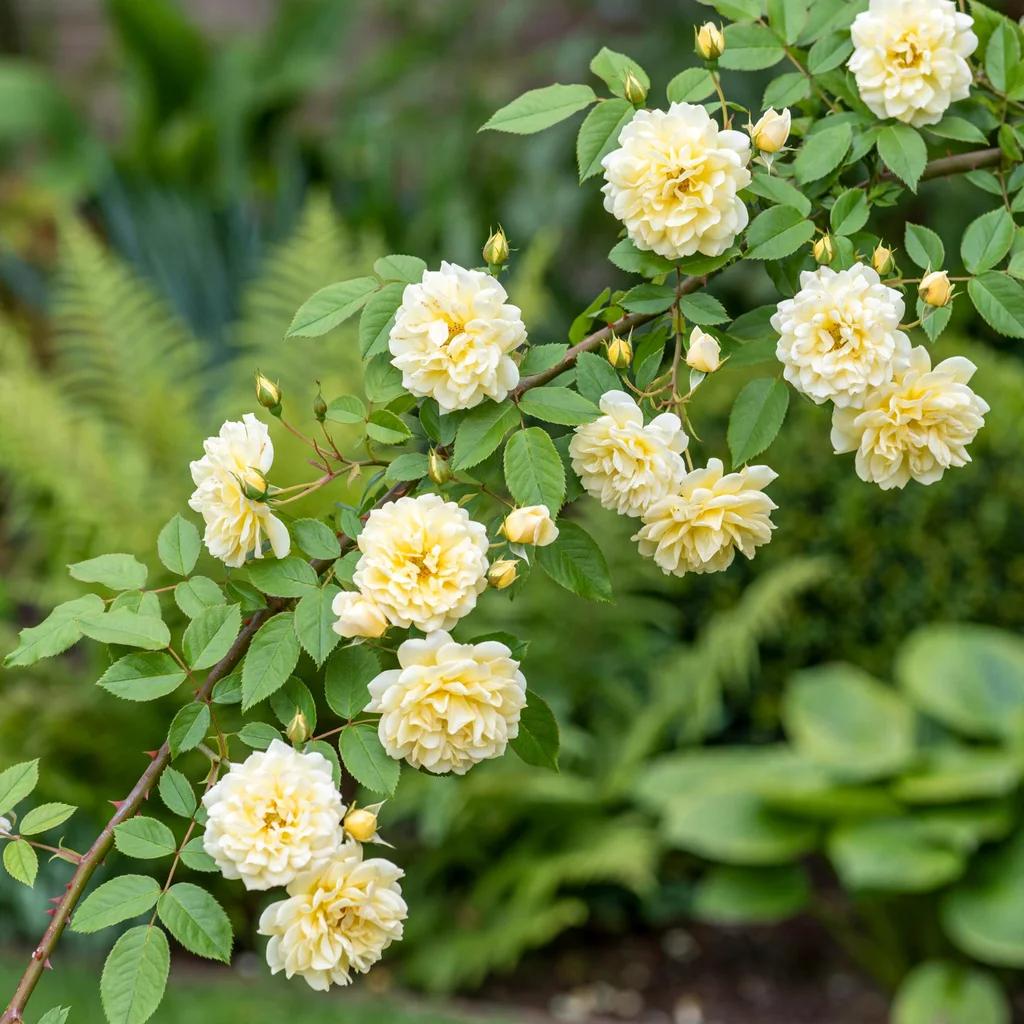
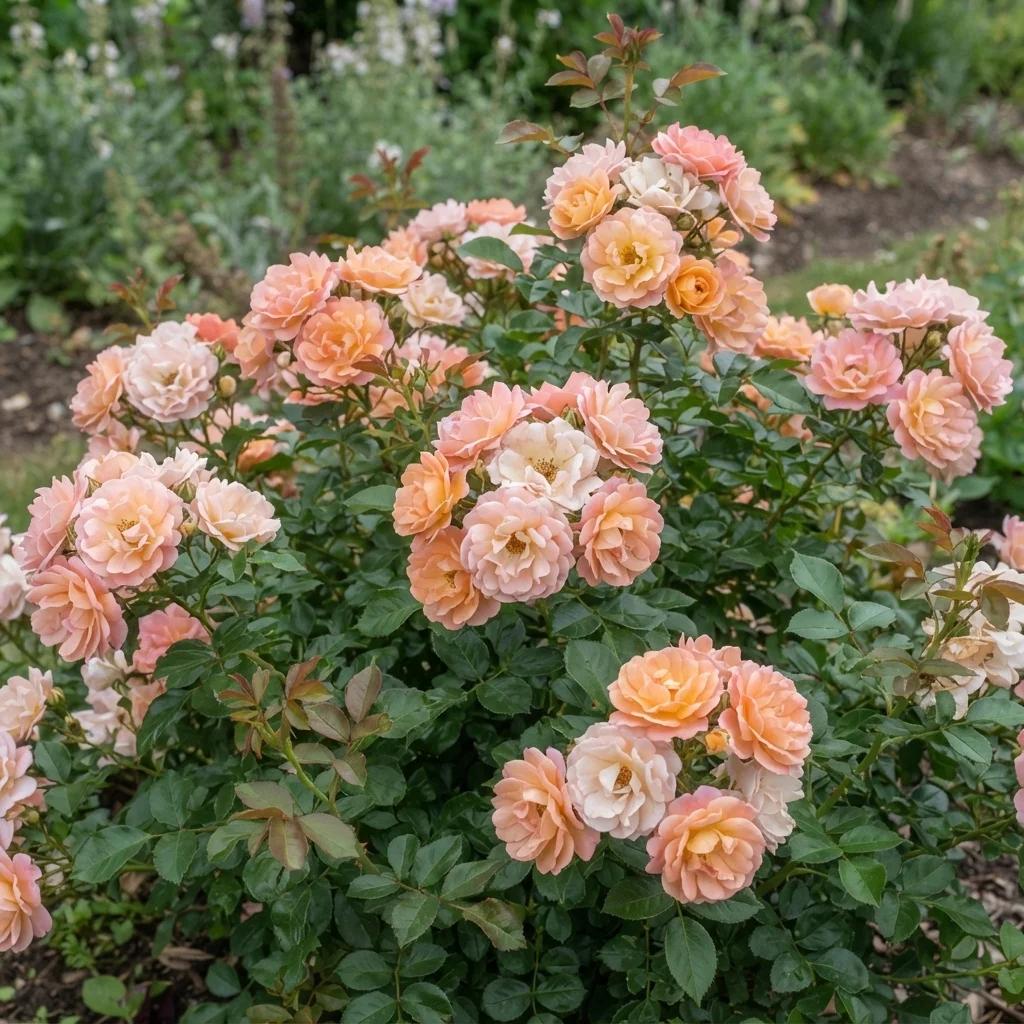
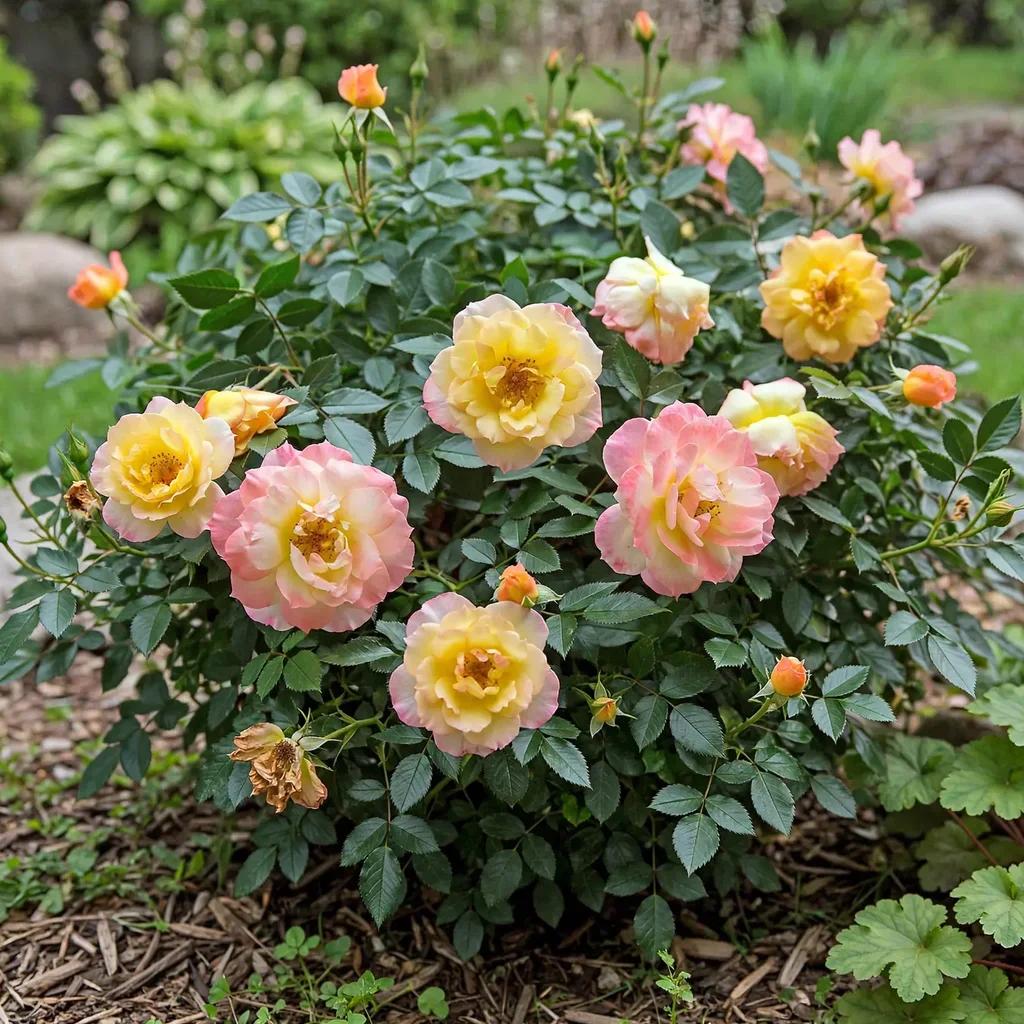
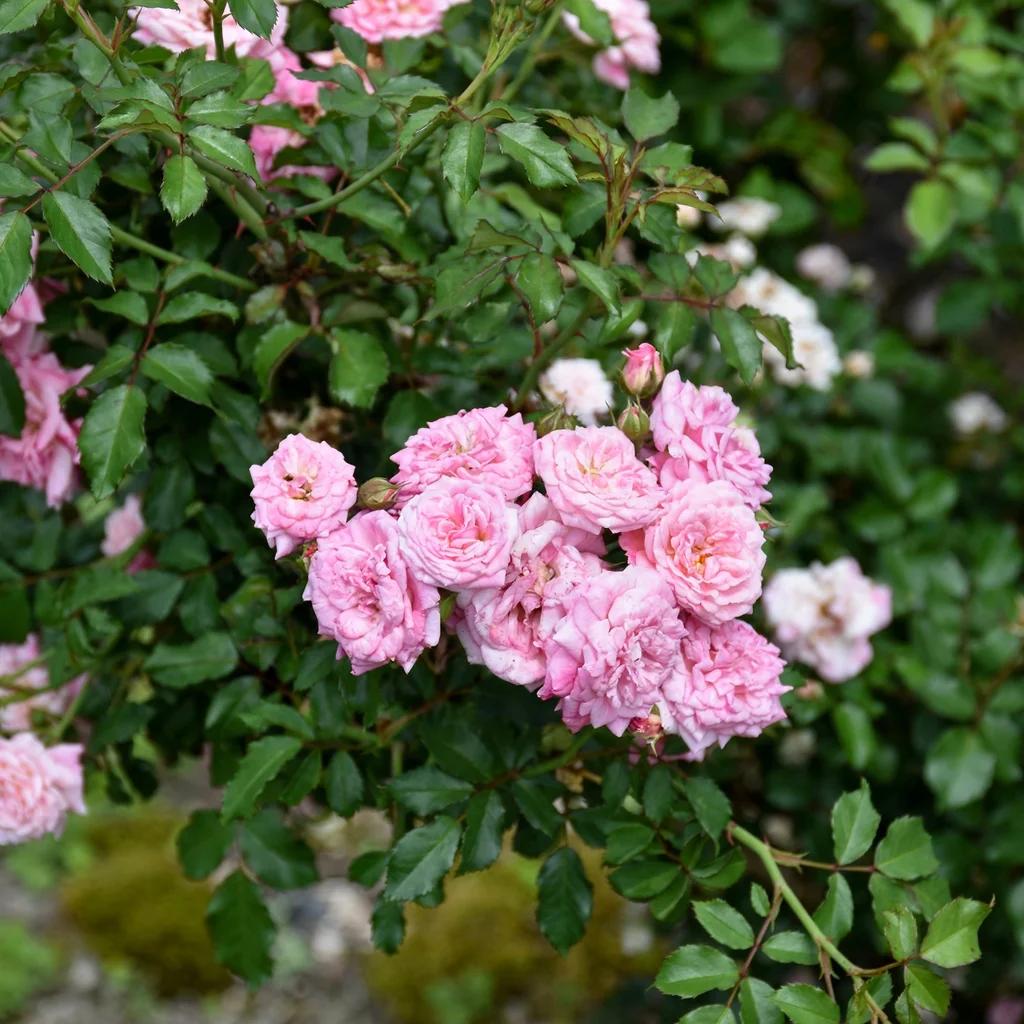
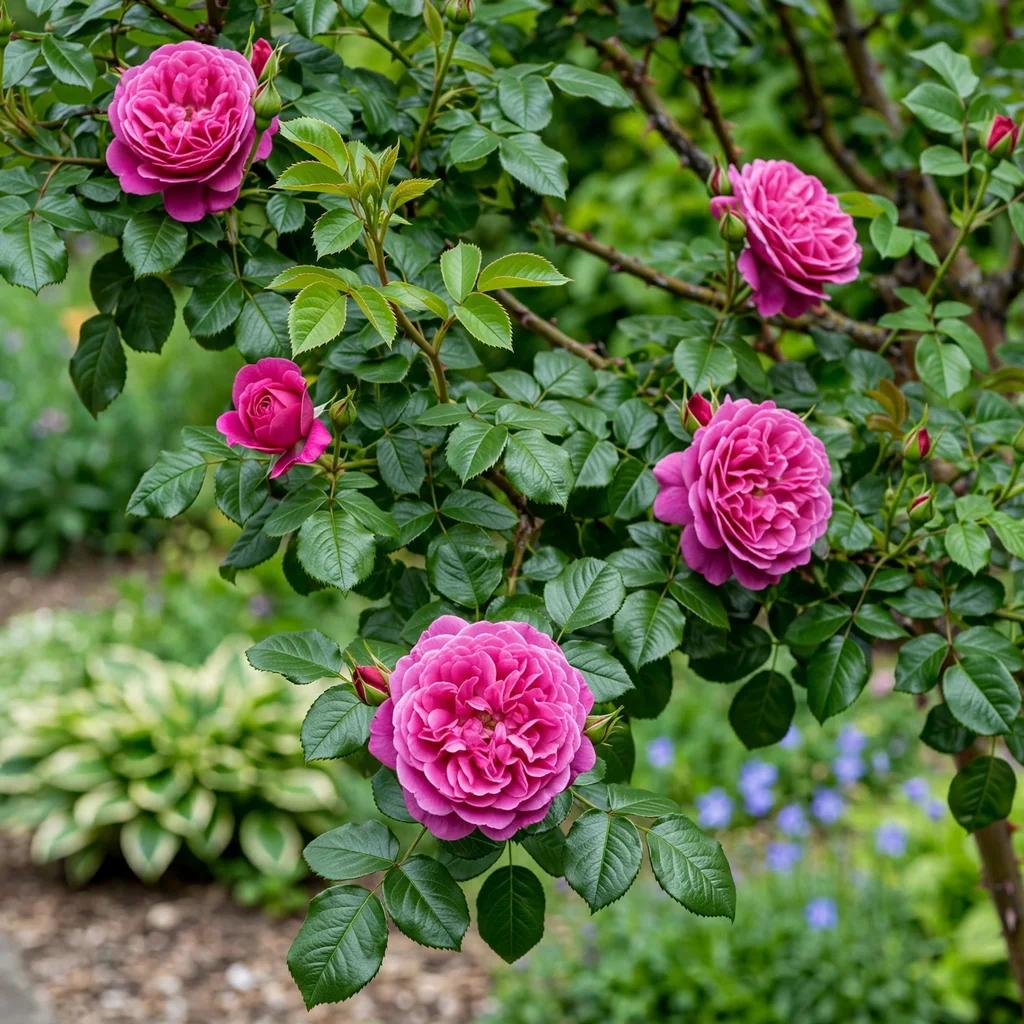
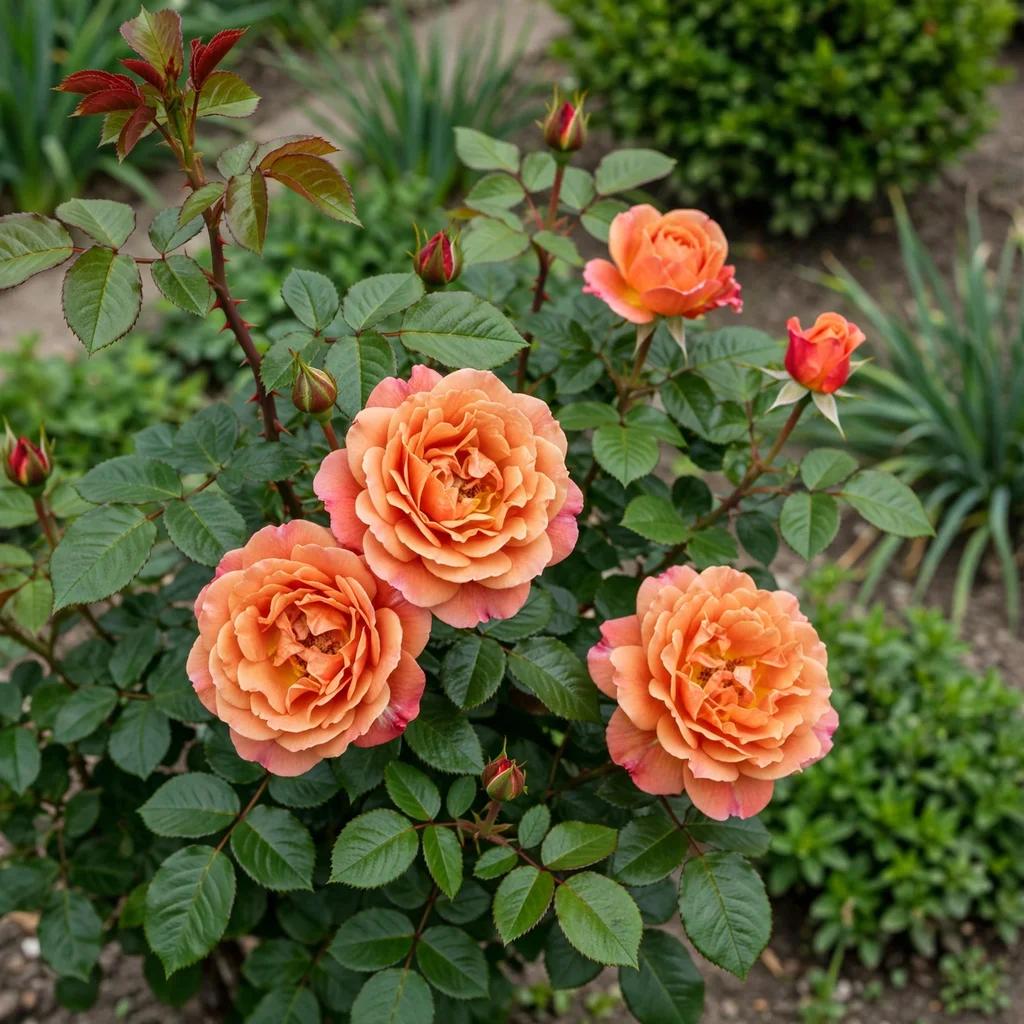
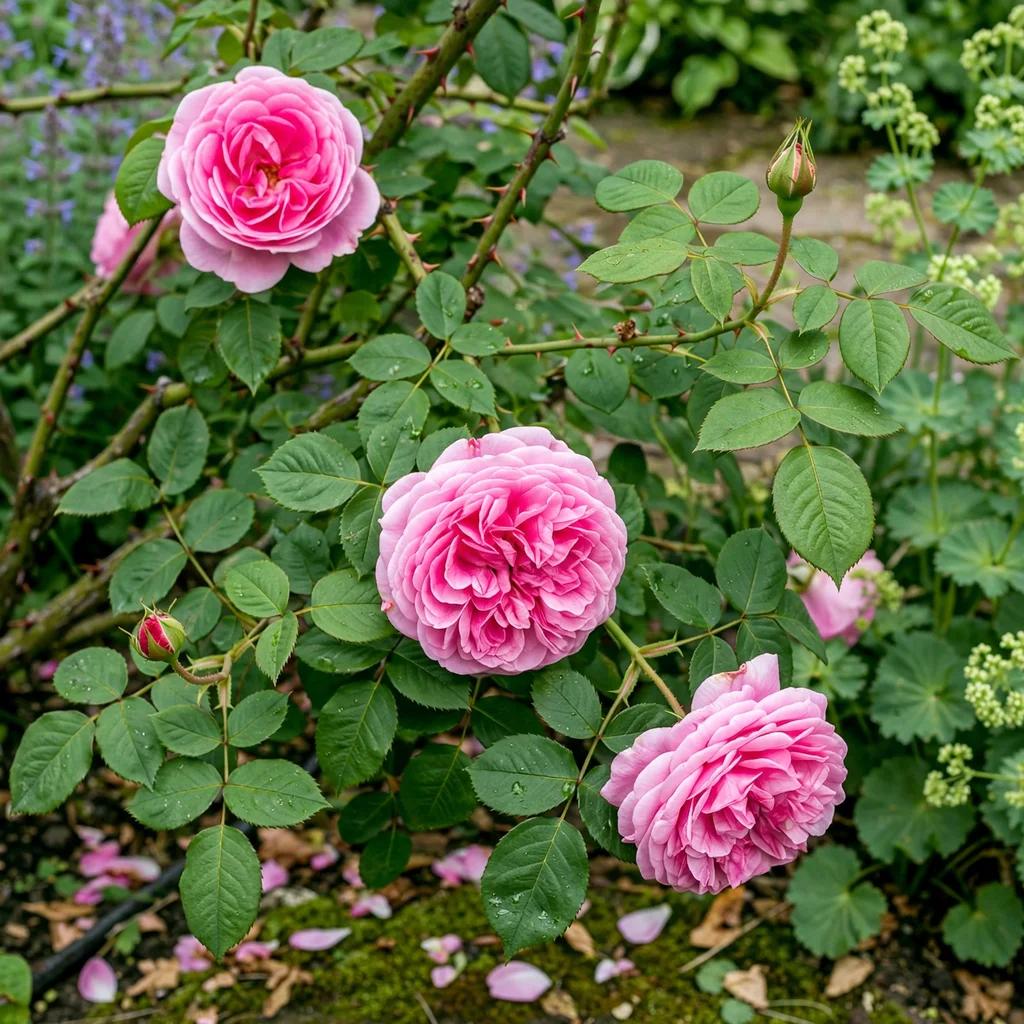
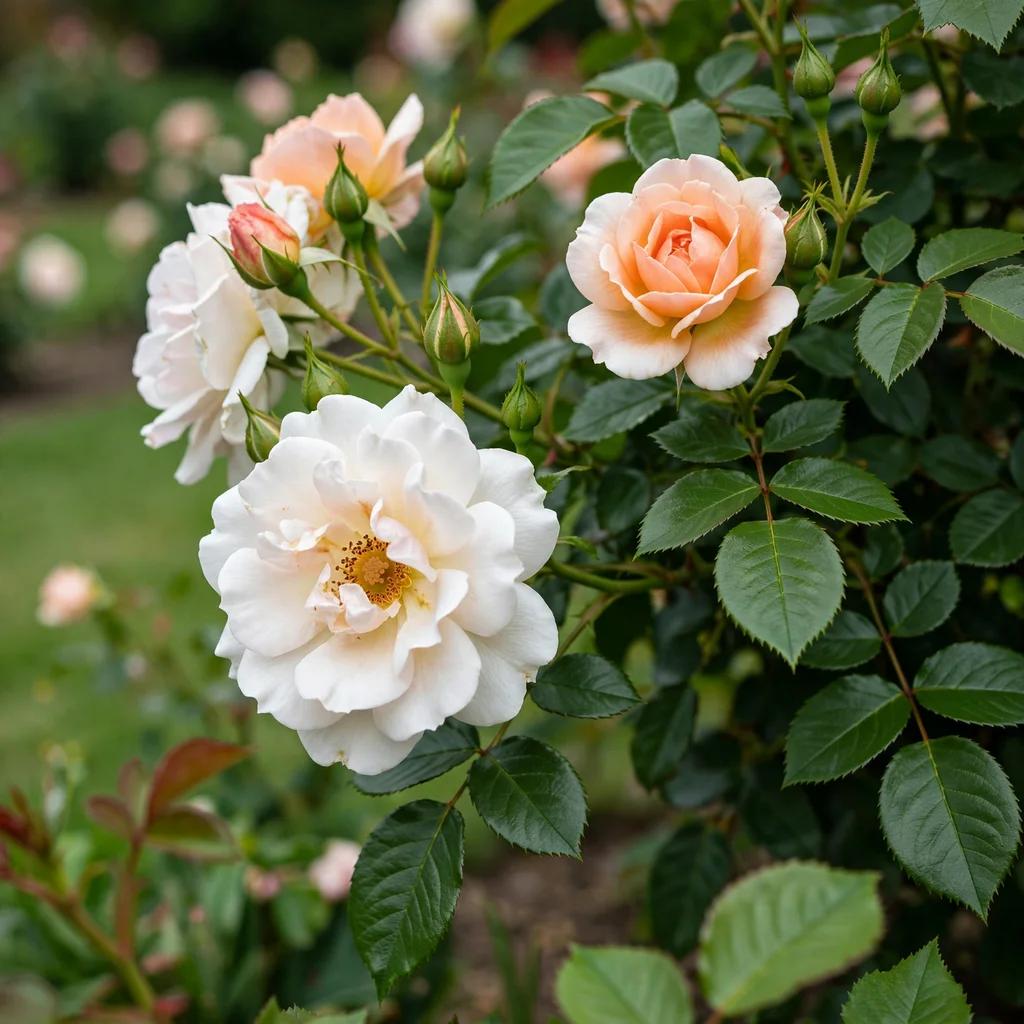
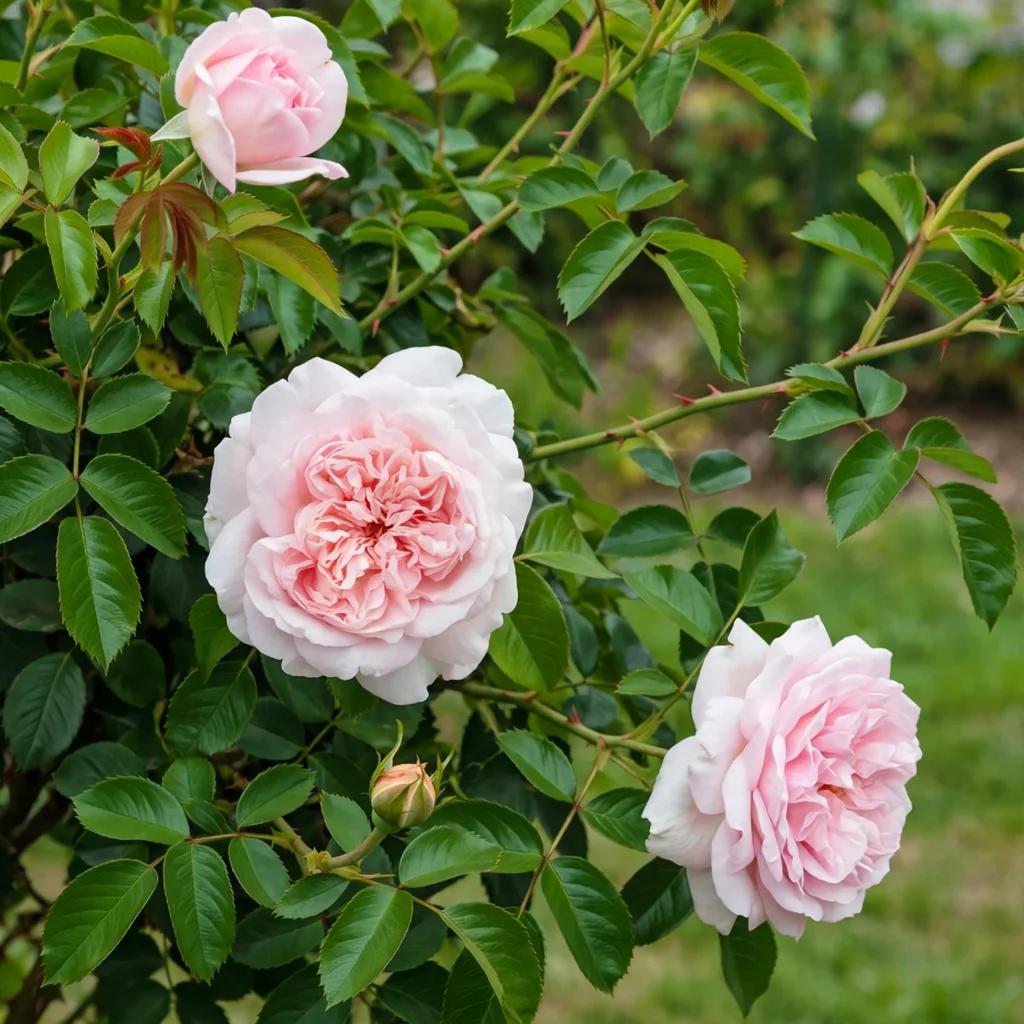
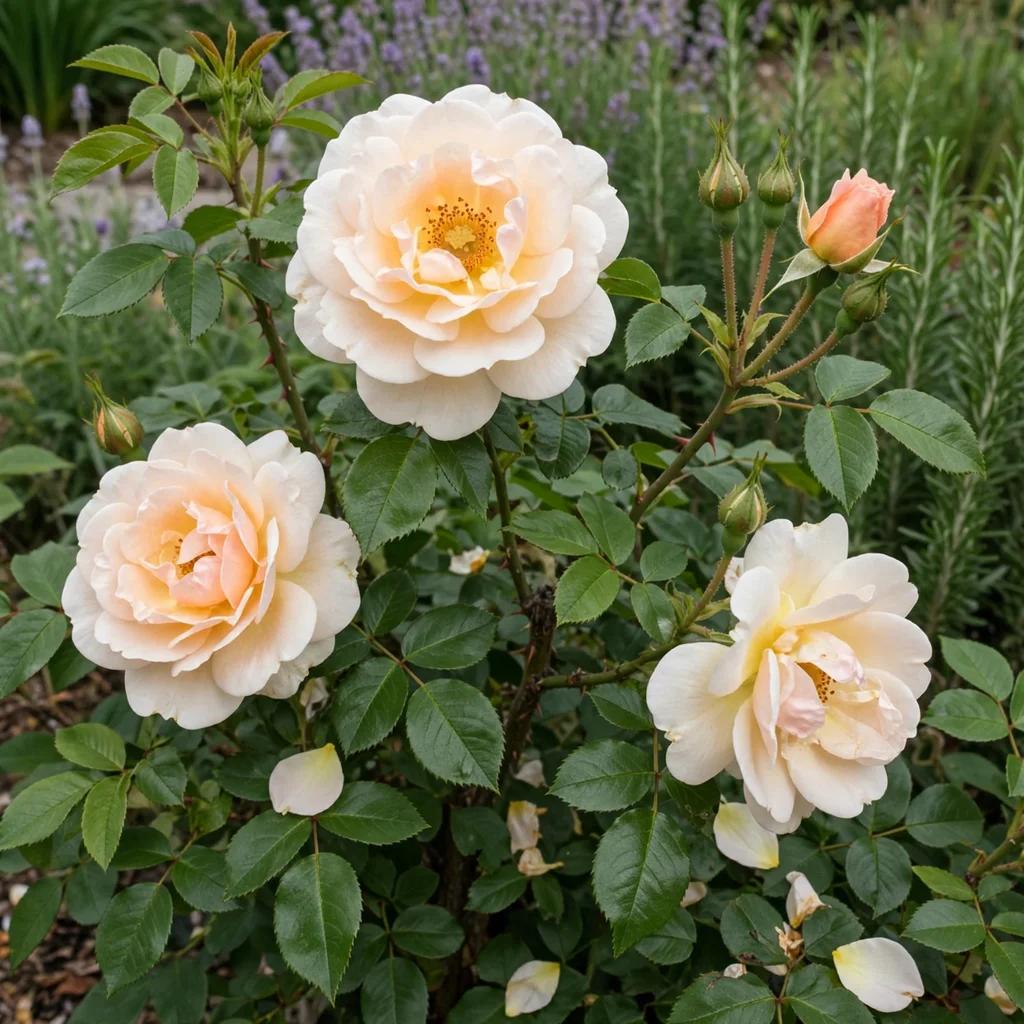
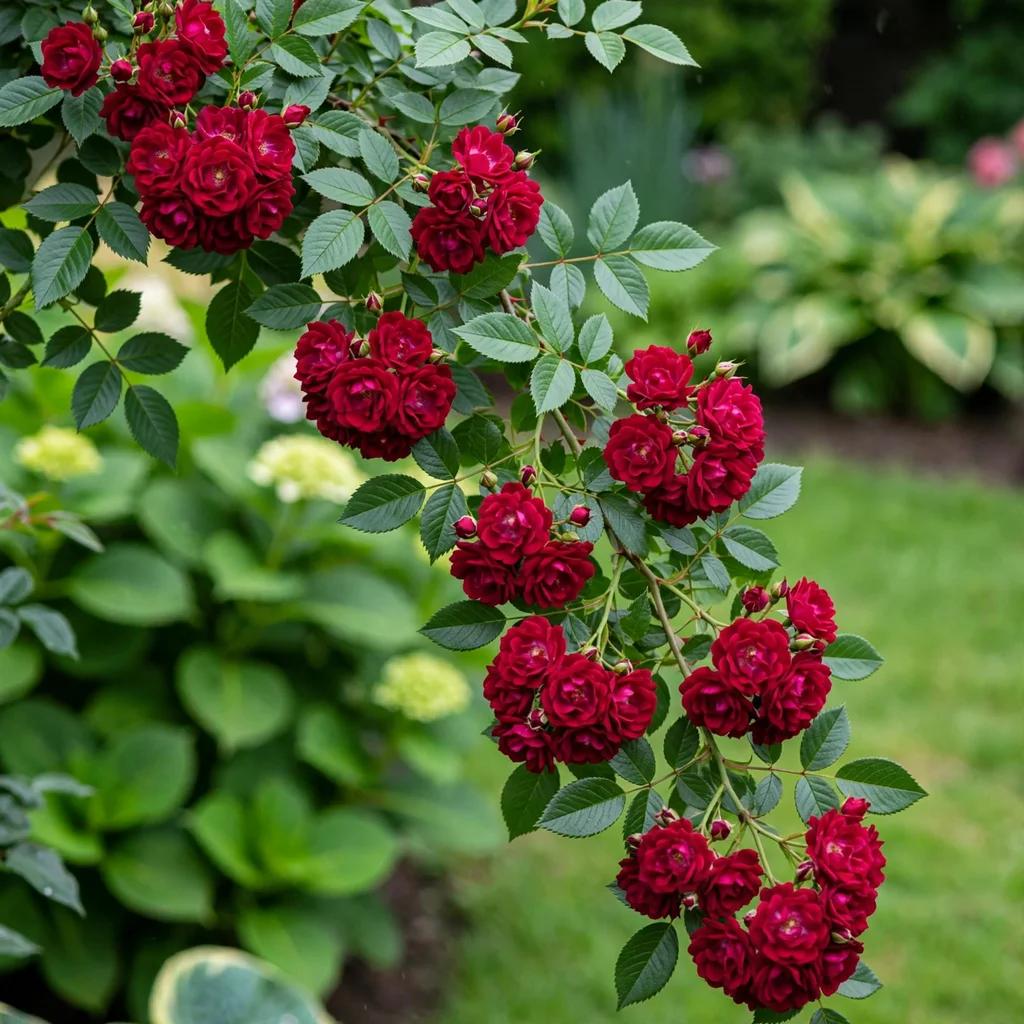
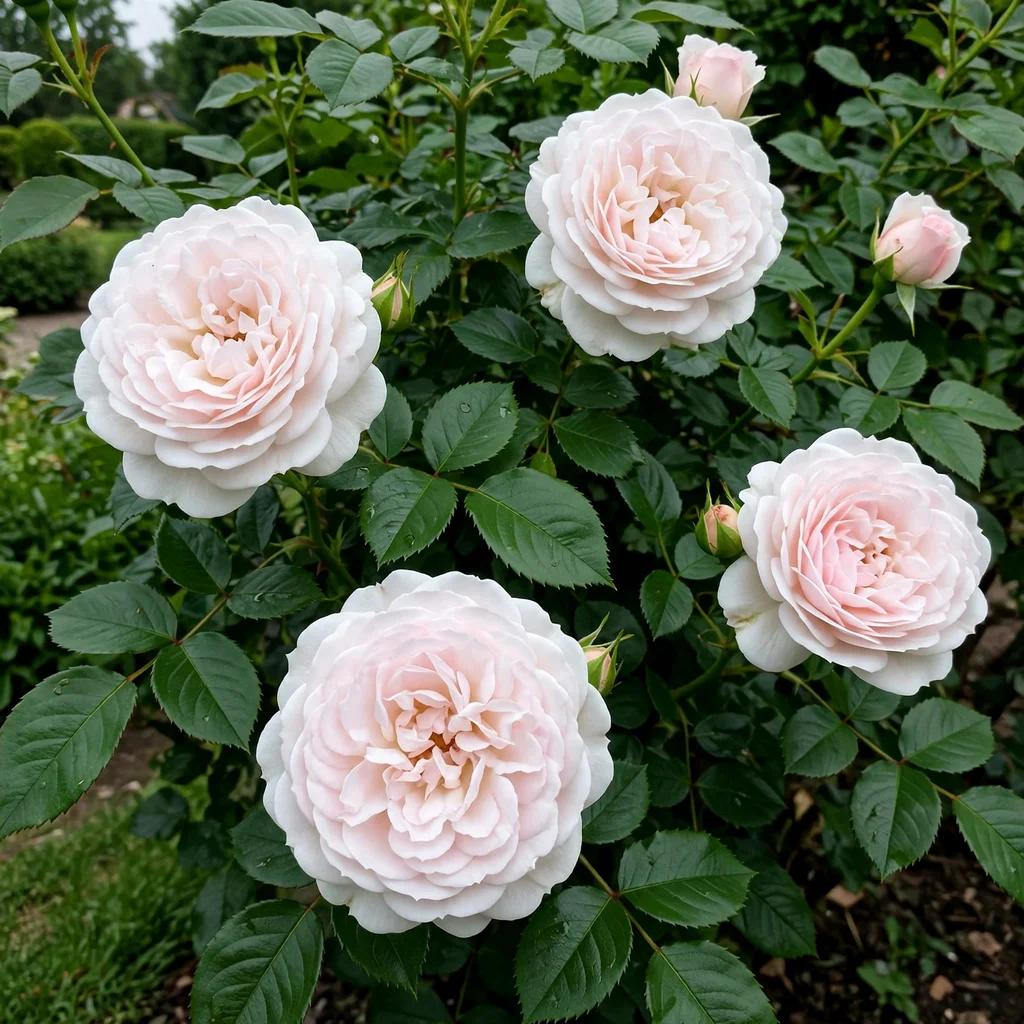
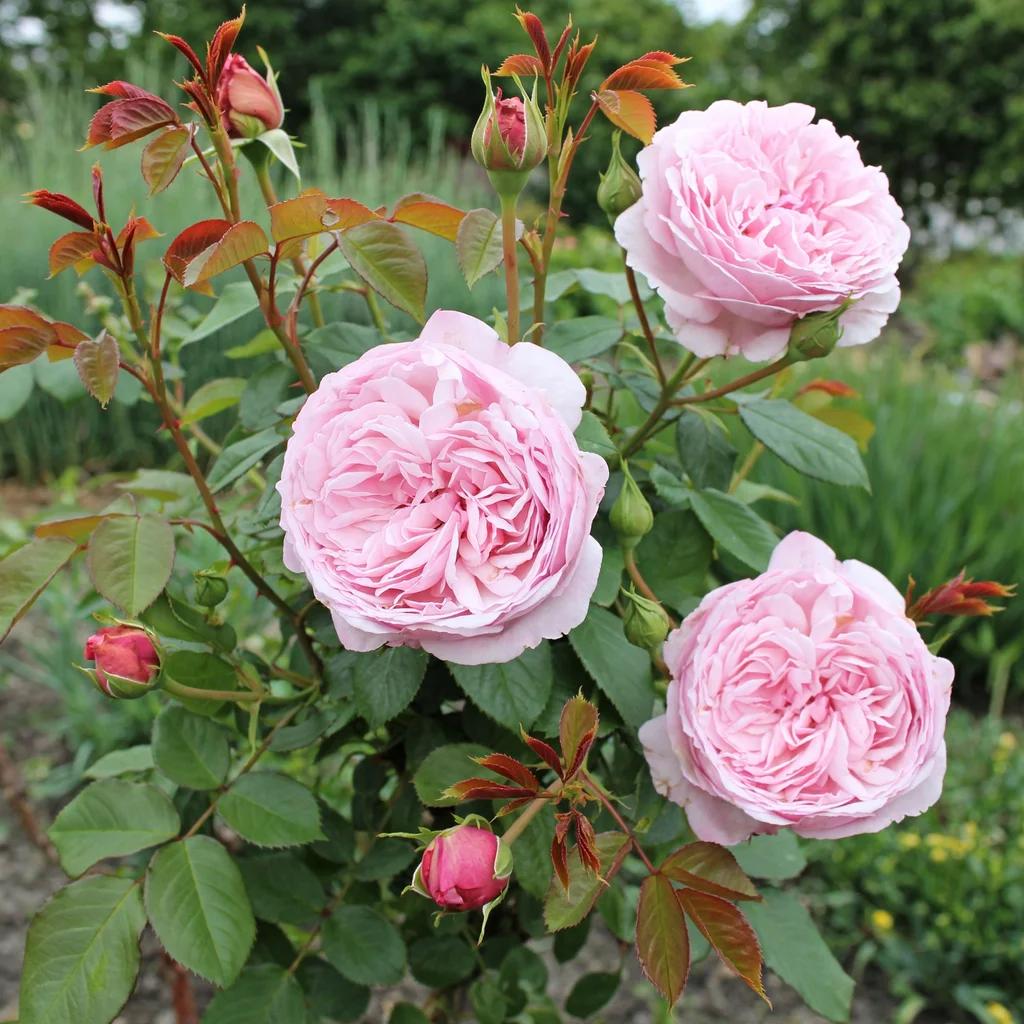
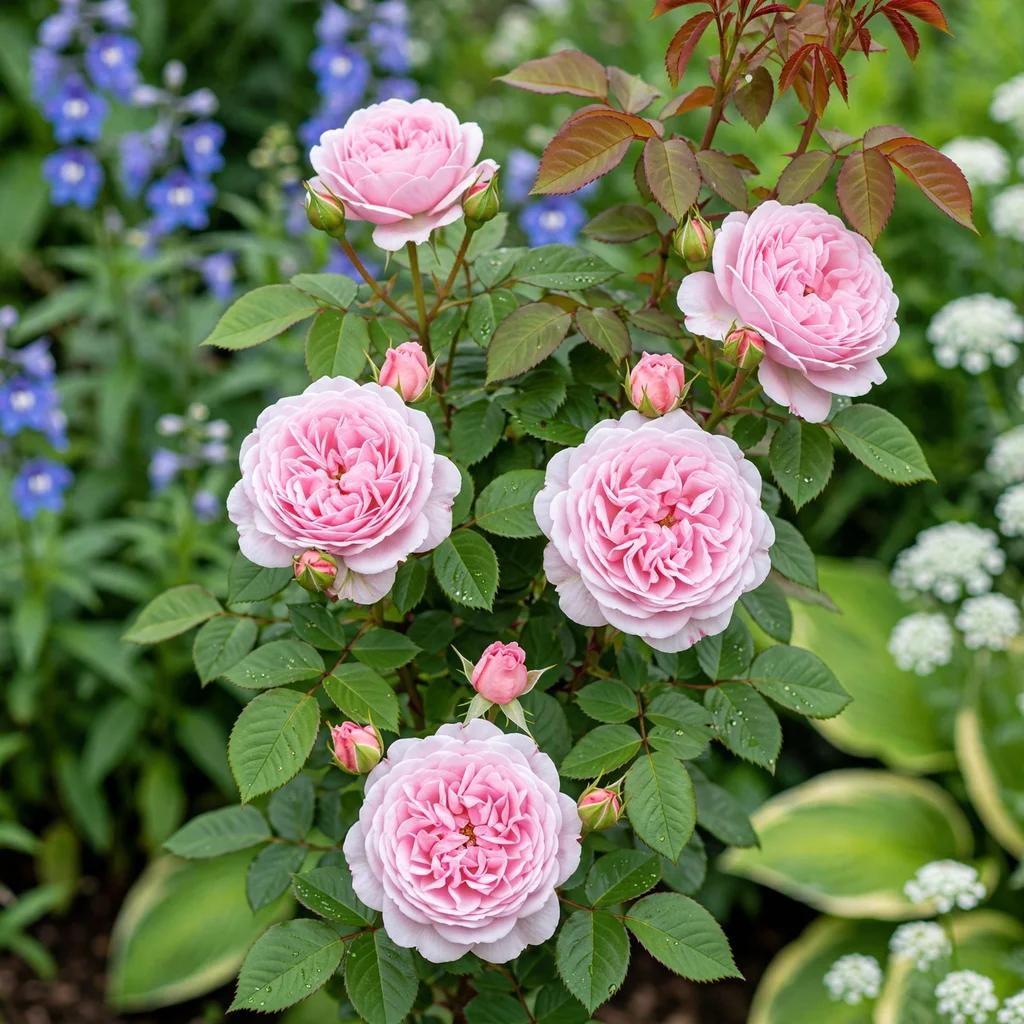
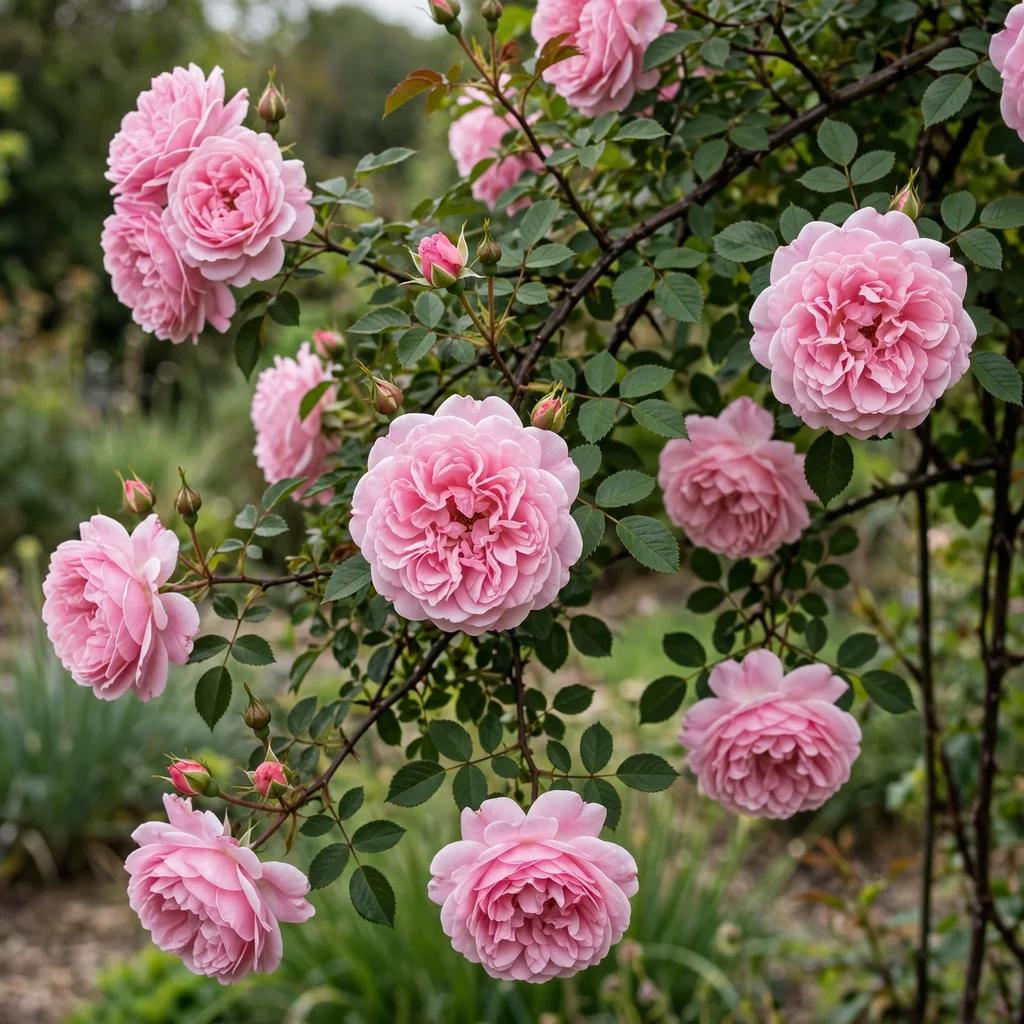
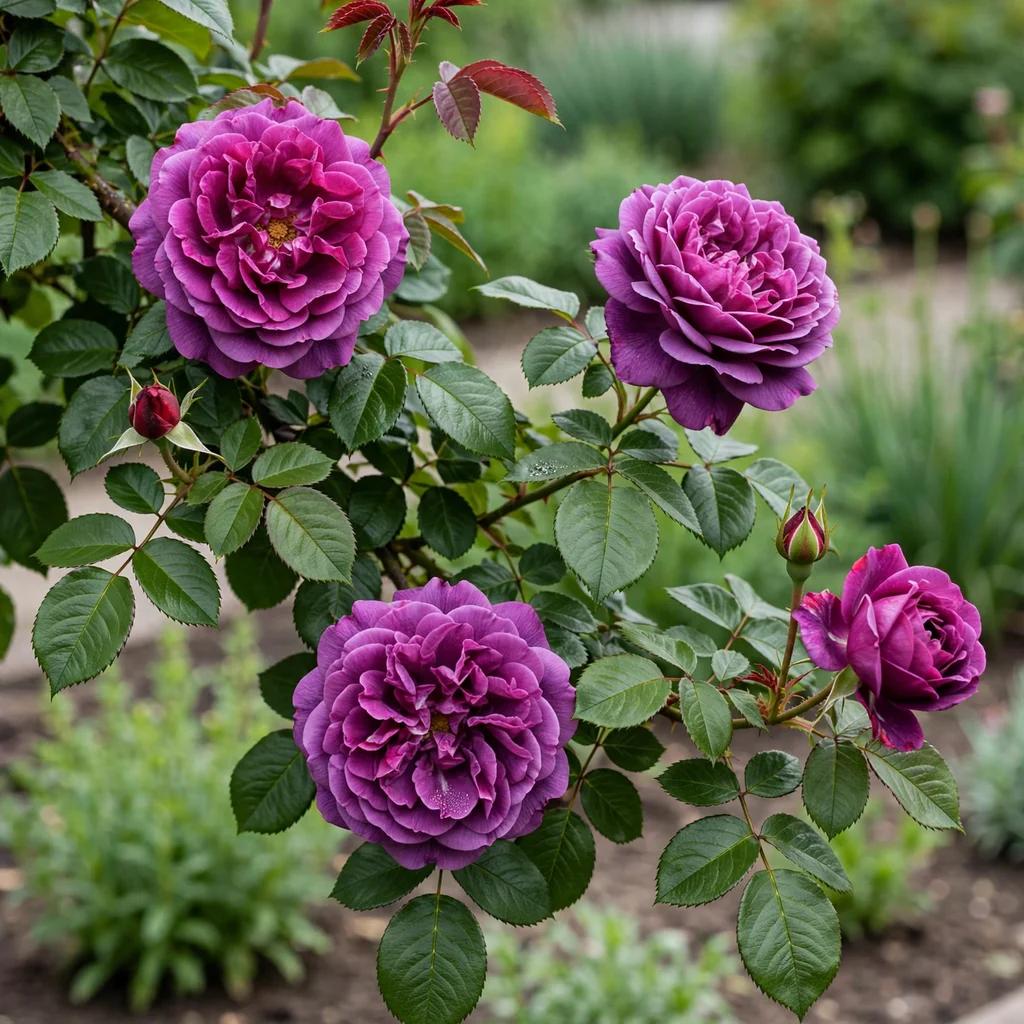
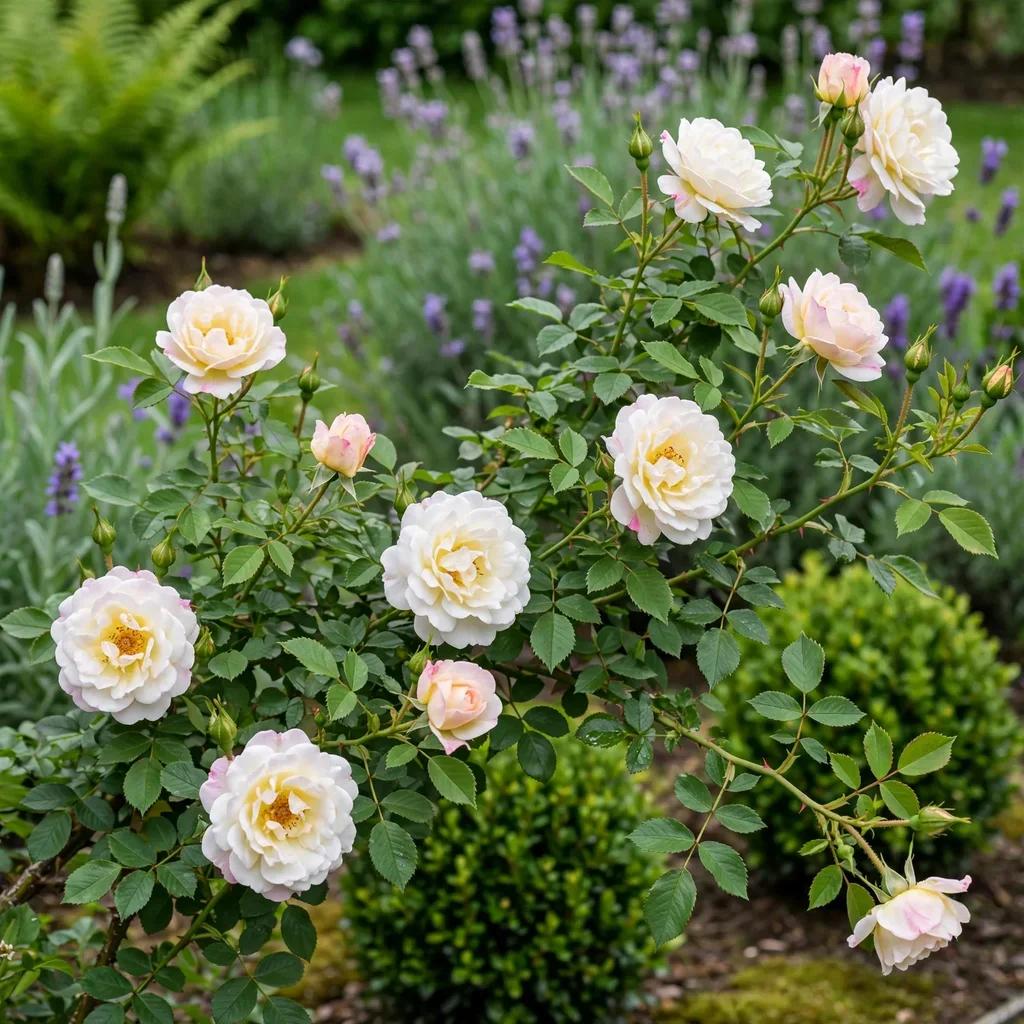
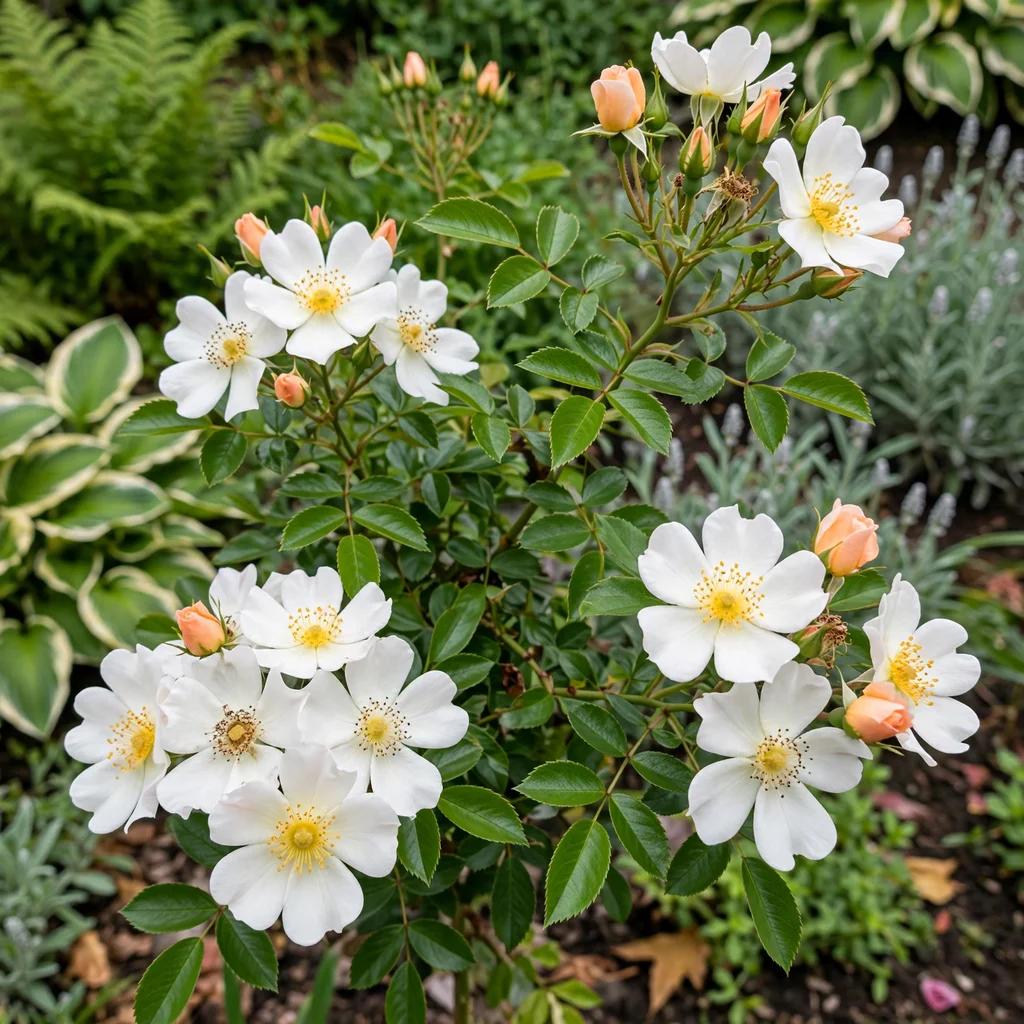
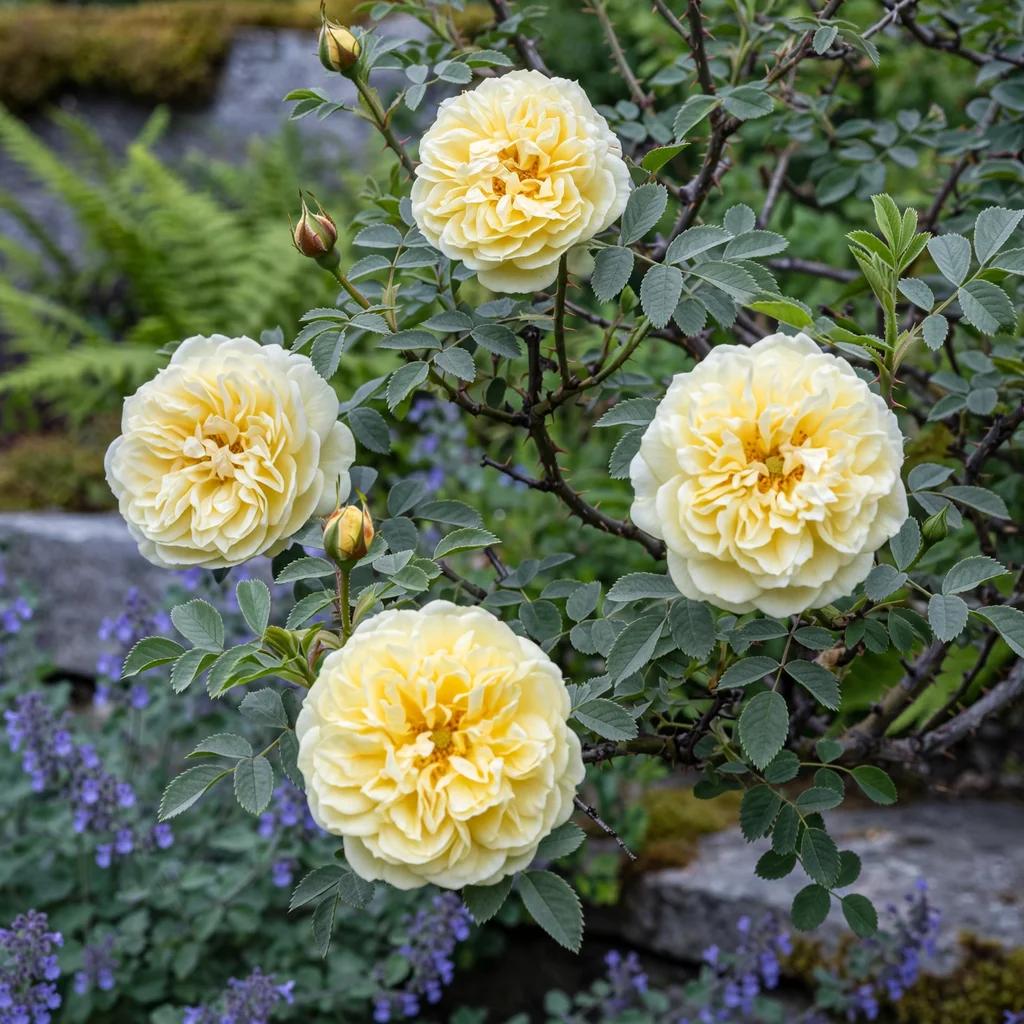
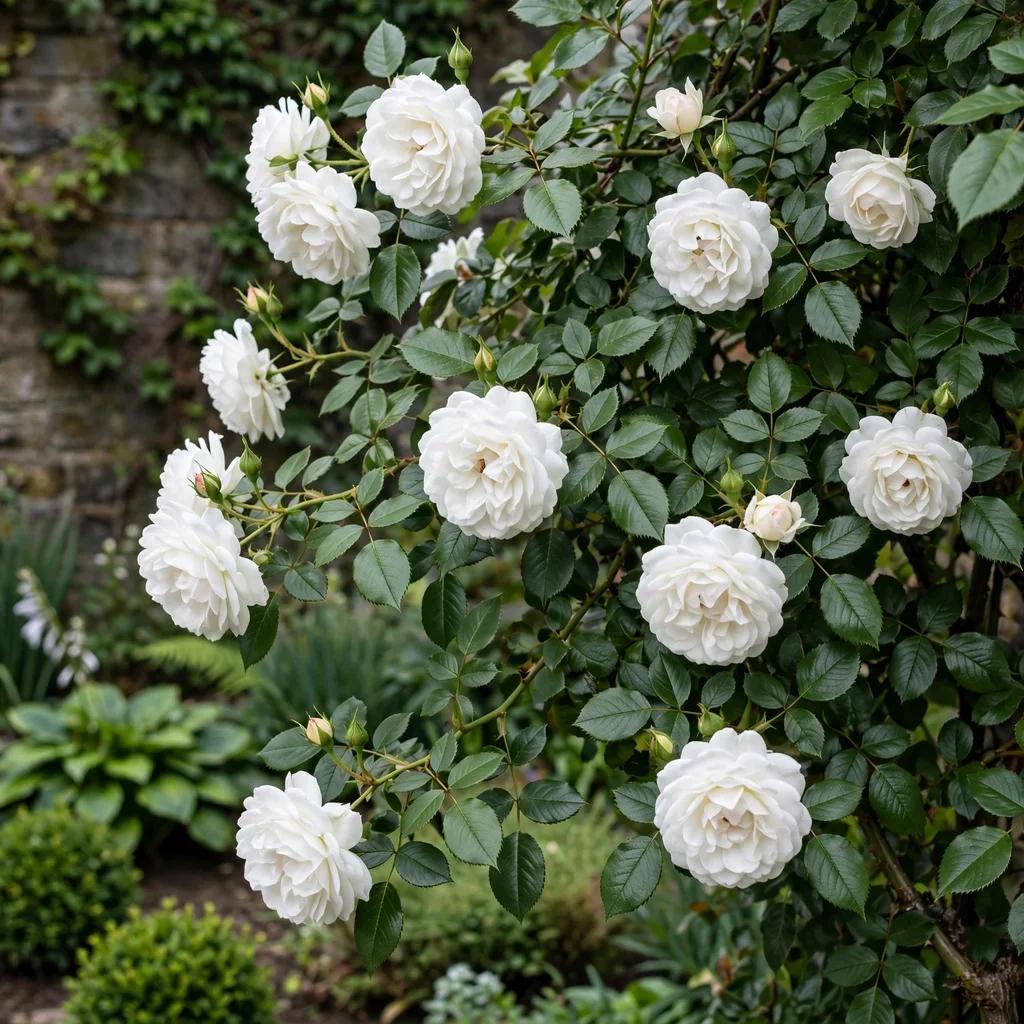
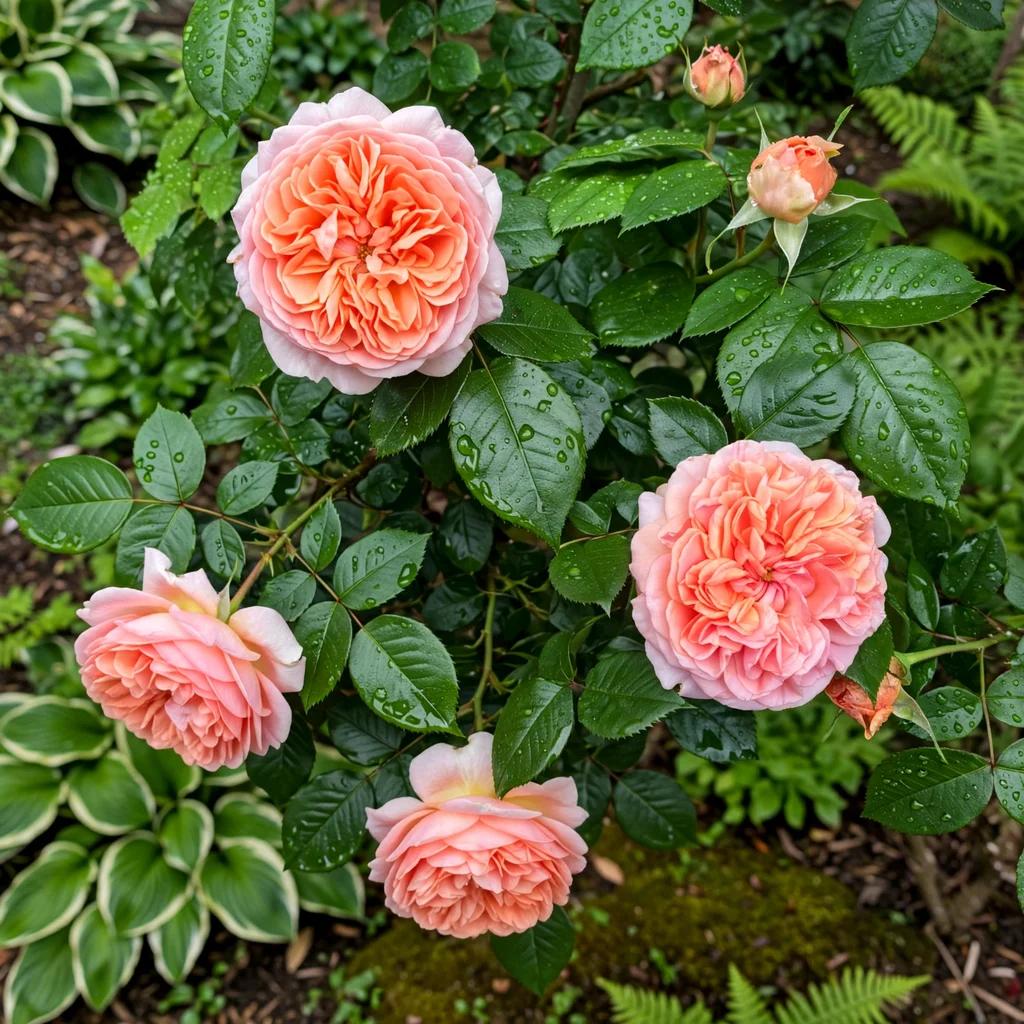
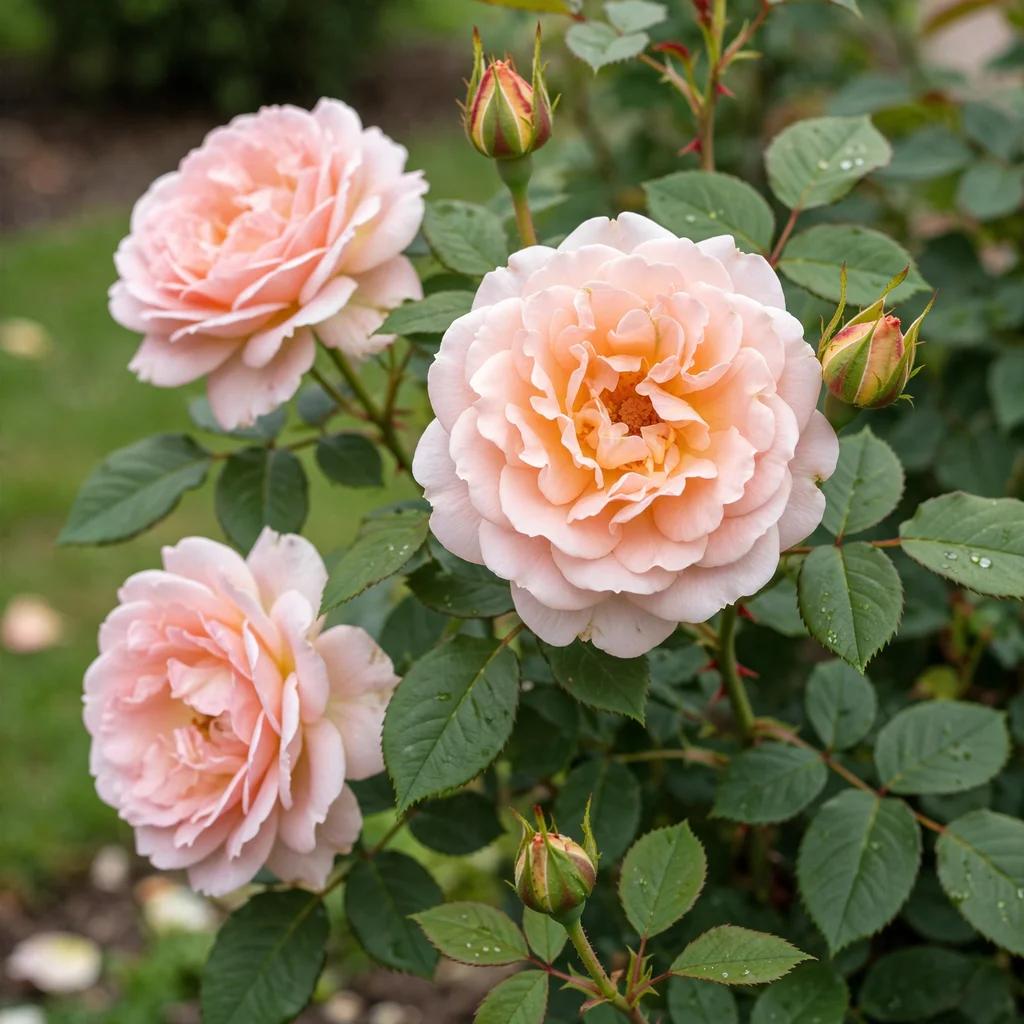
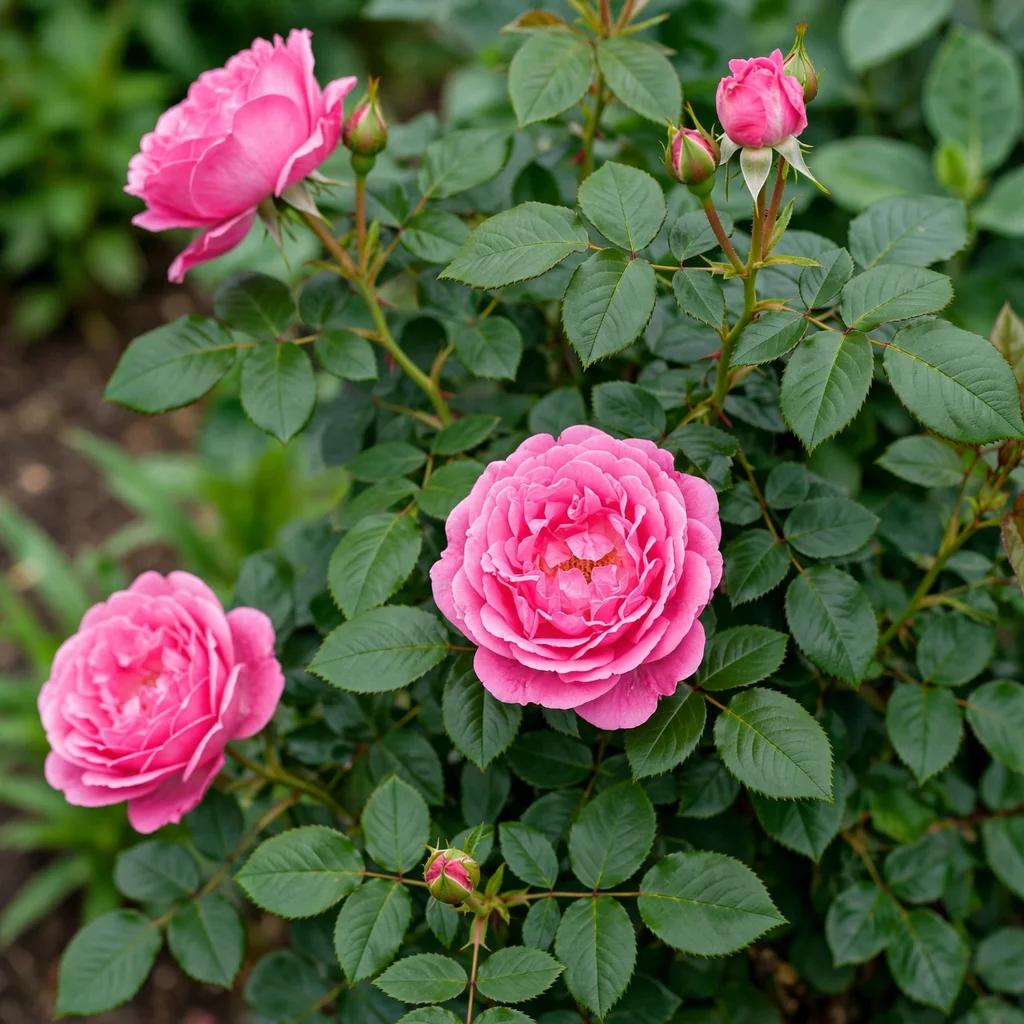
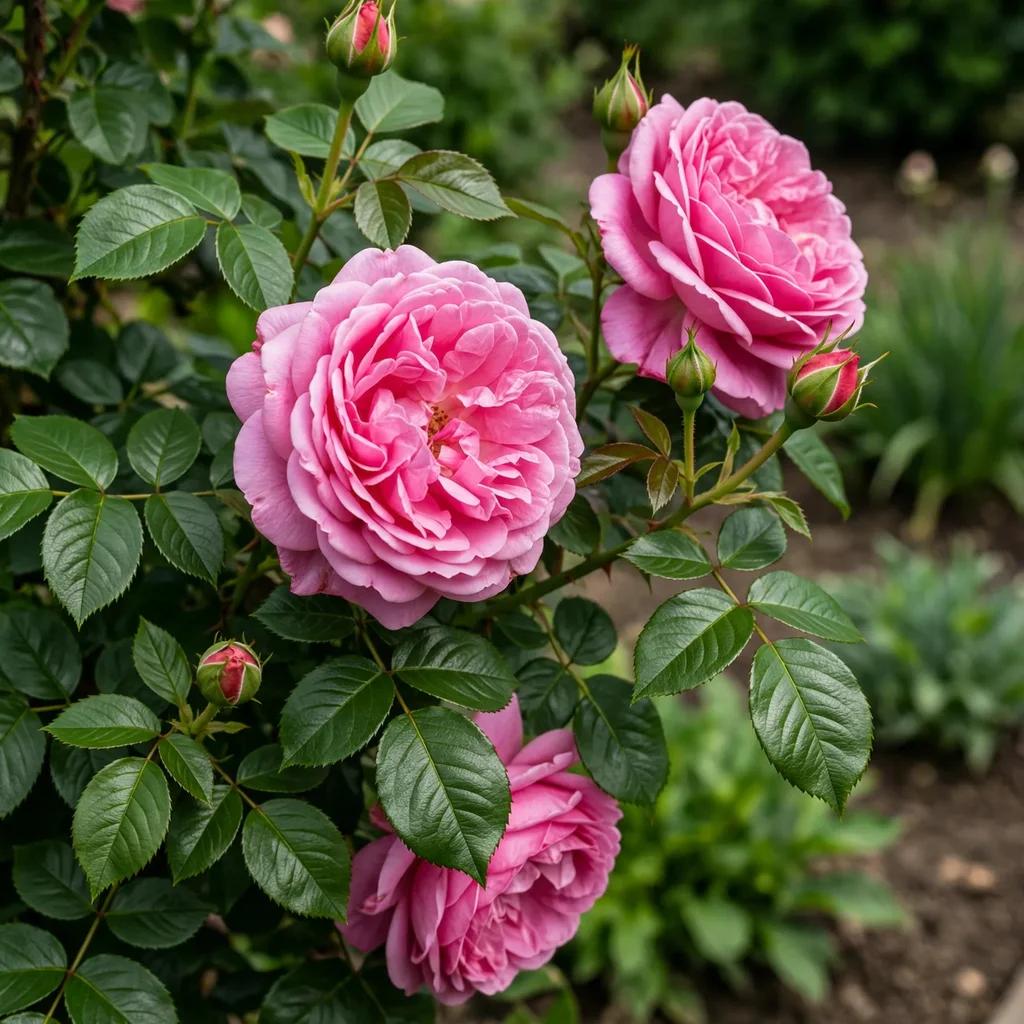
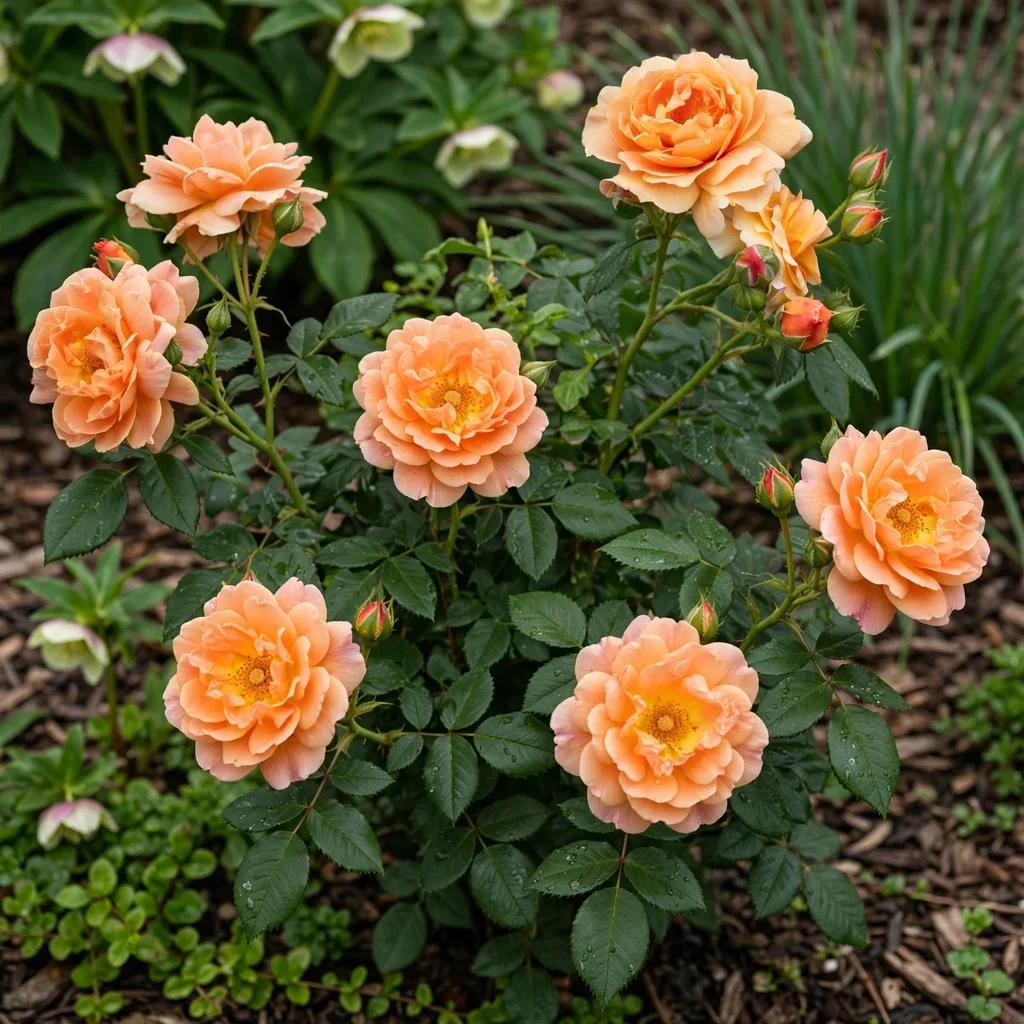
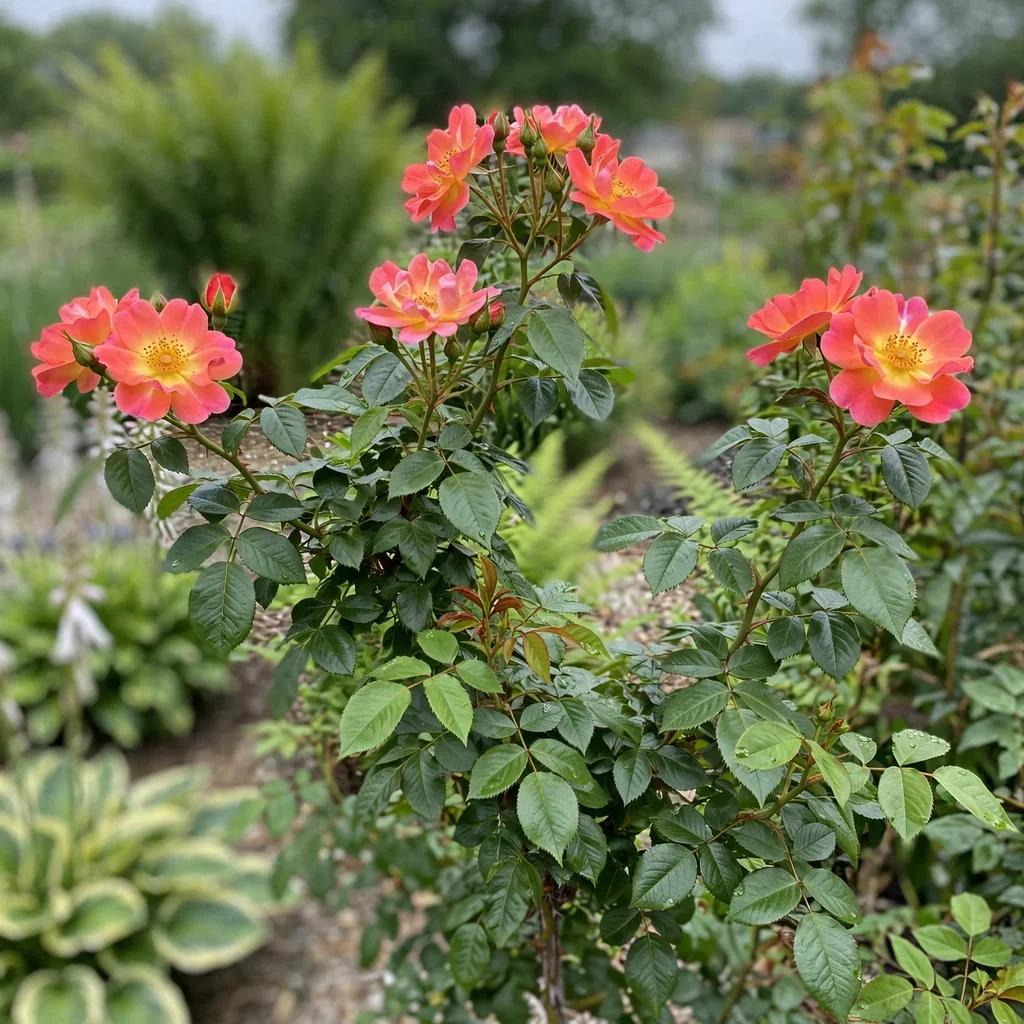
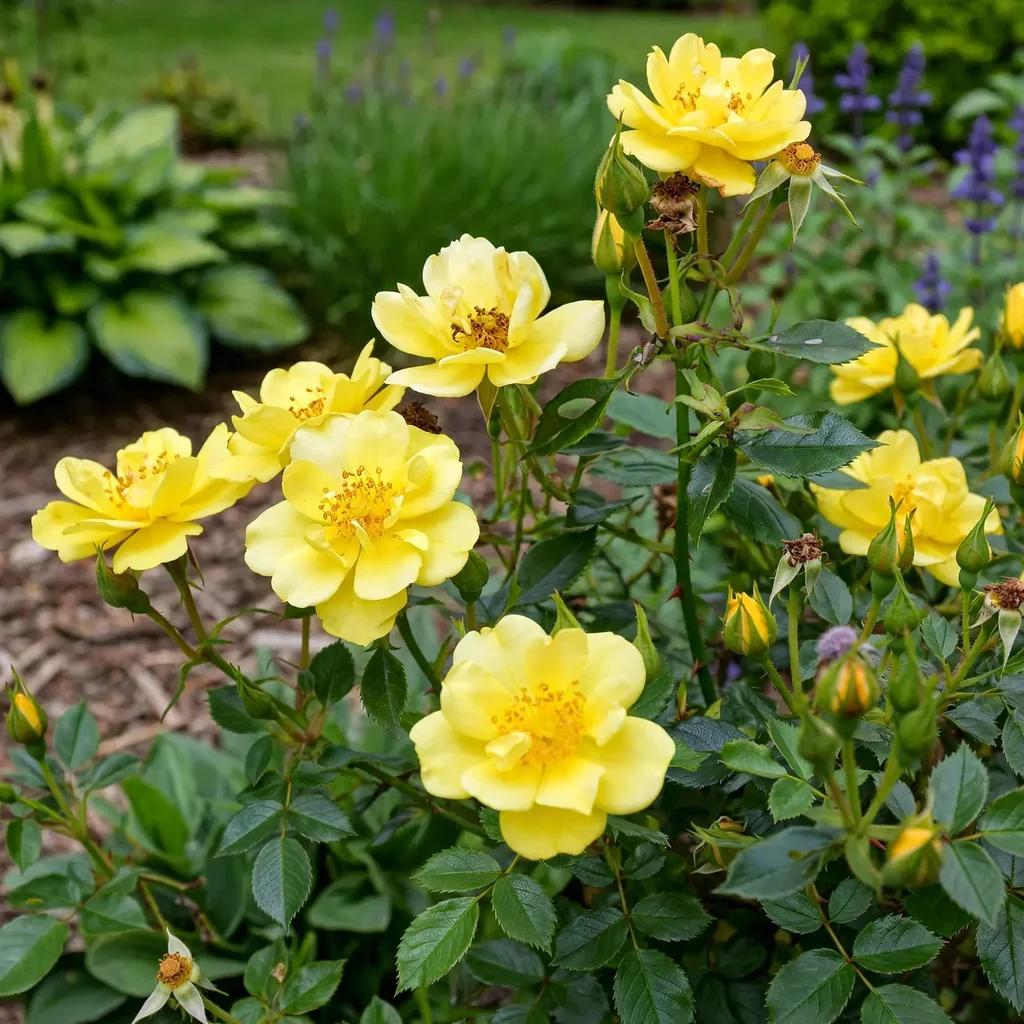
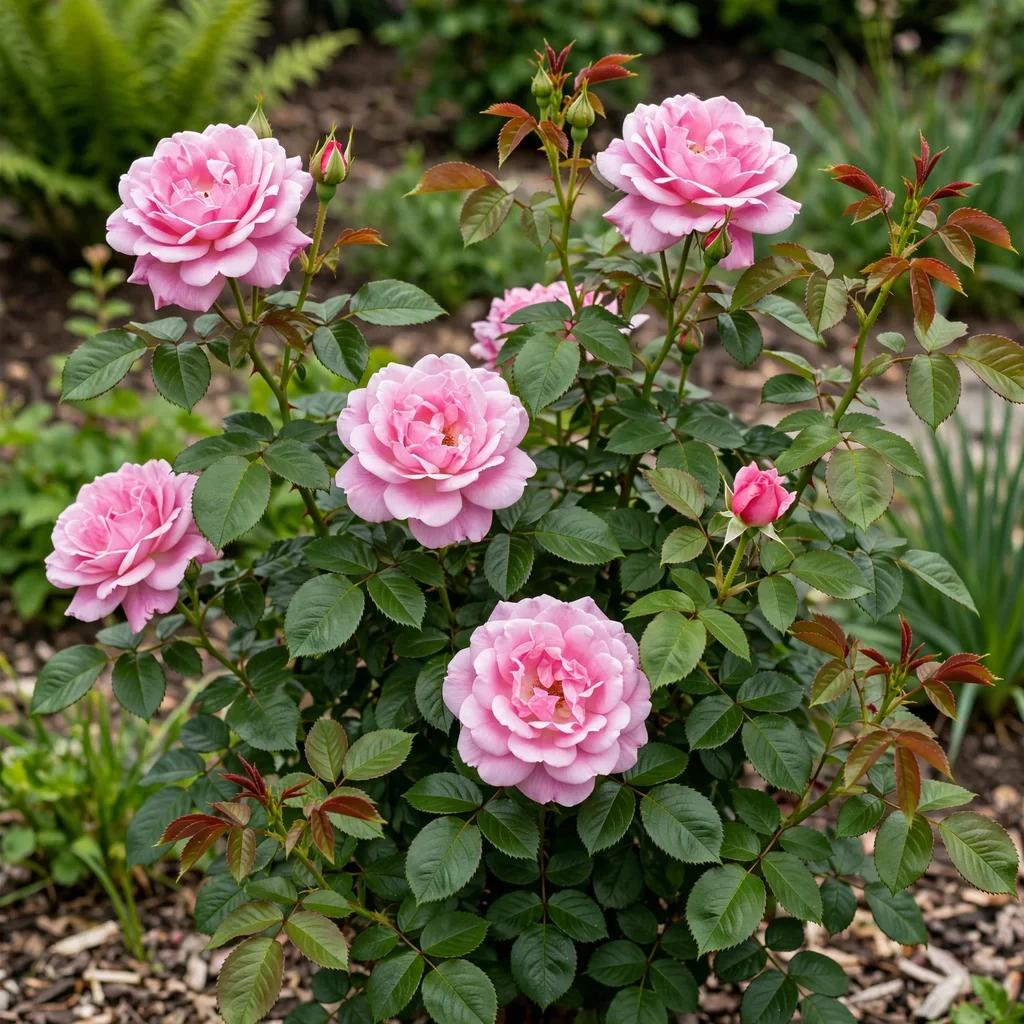
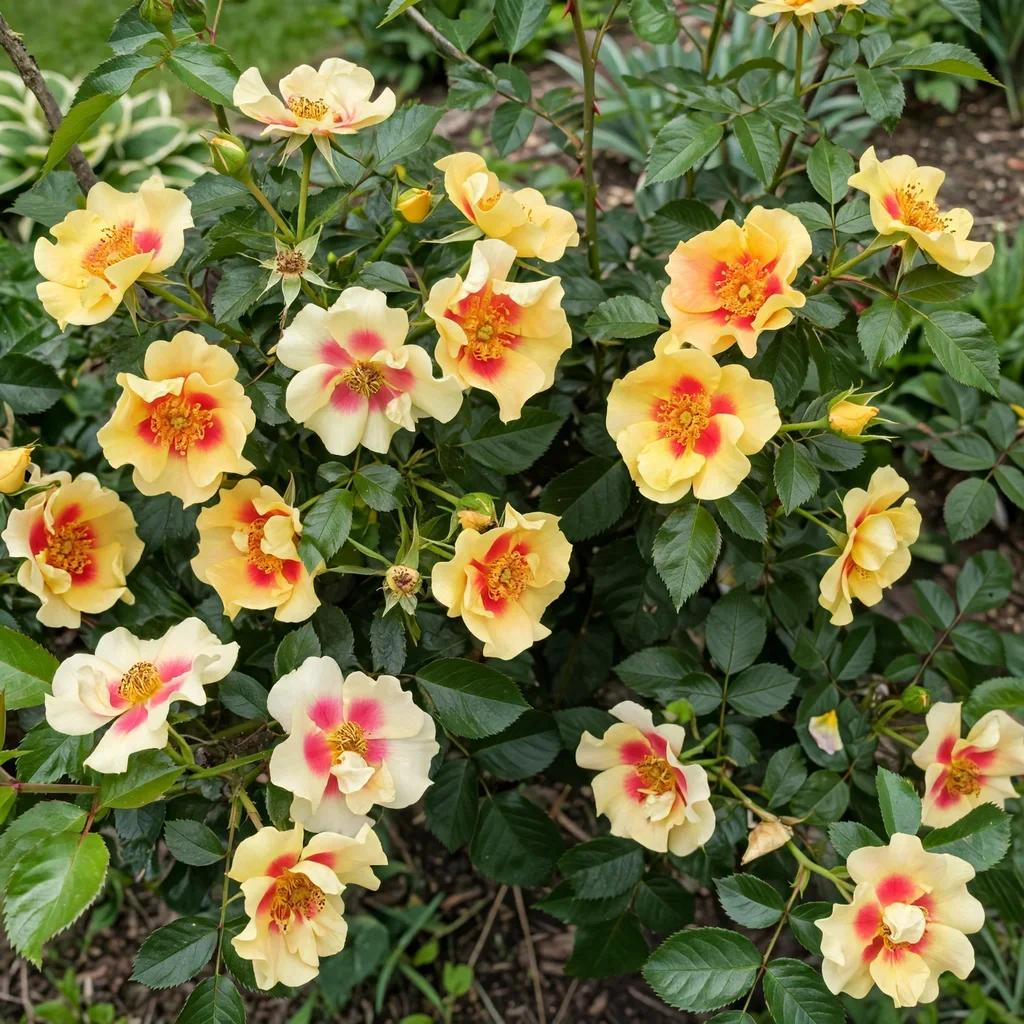
Climbing rose that produces clusters of small, fragrant flowers.
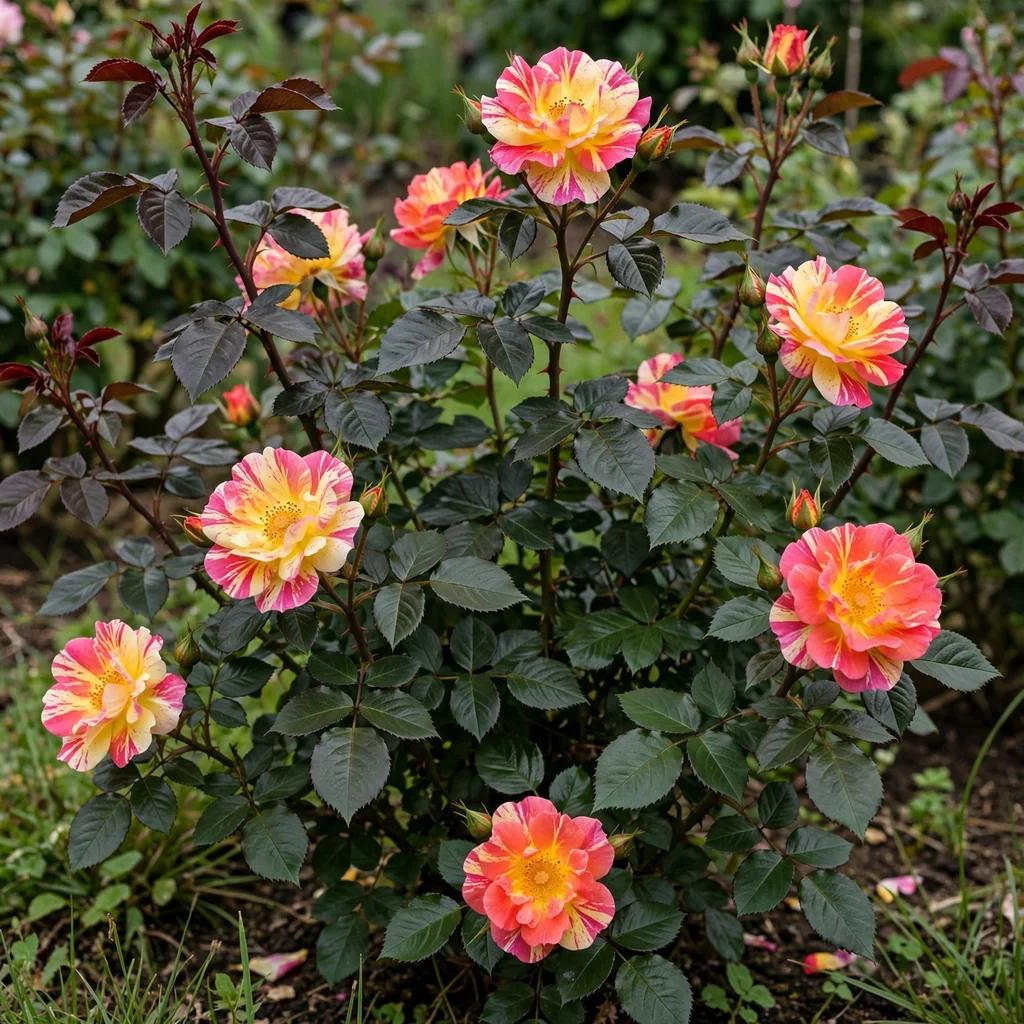
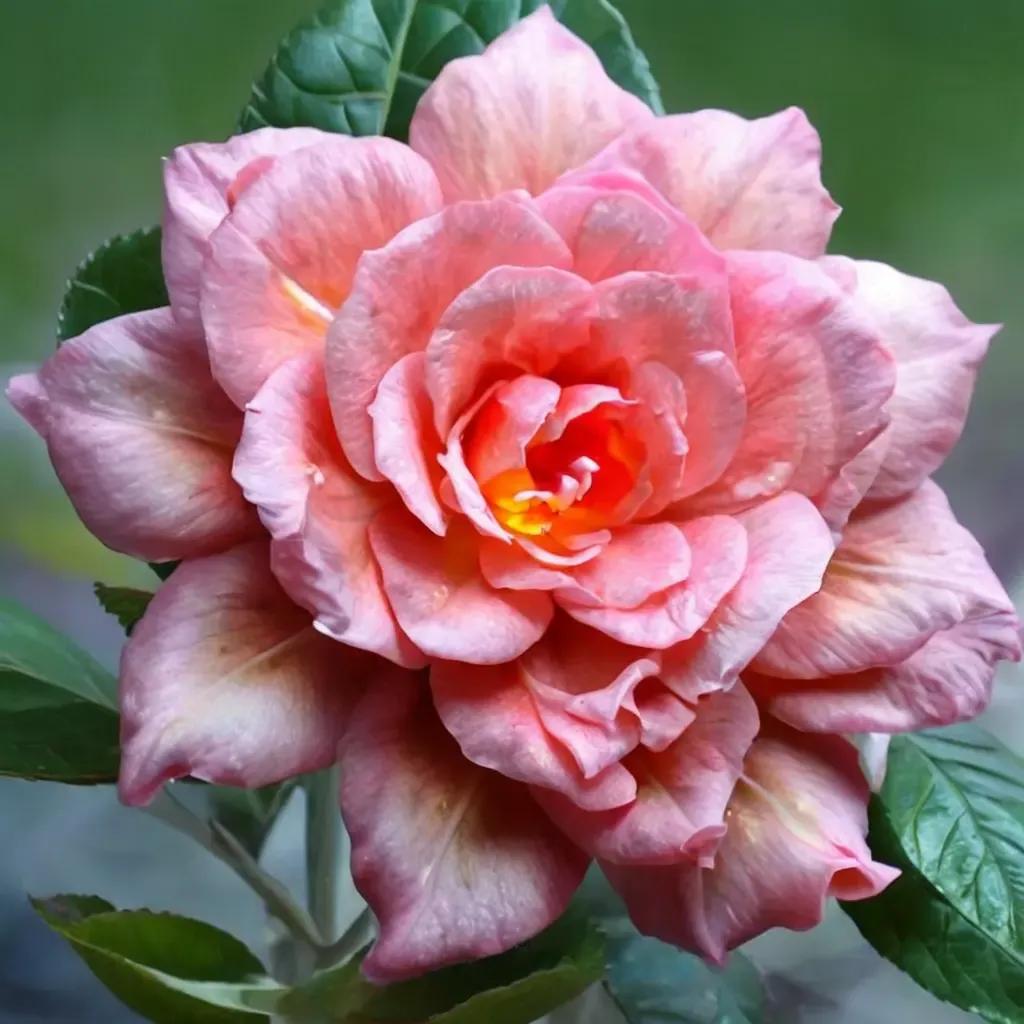
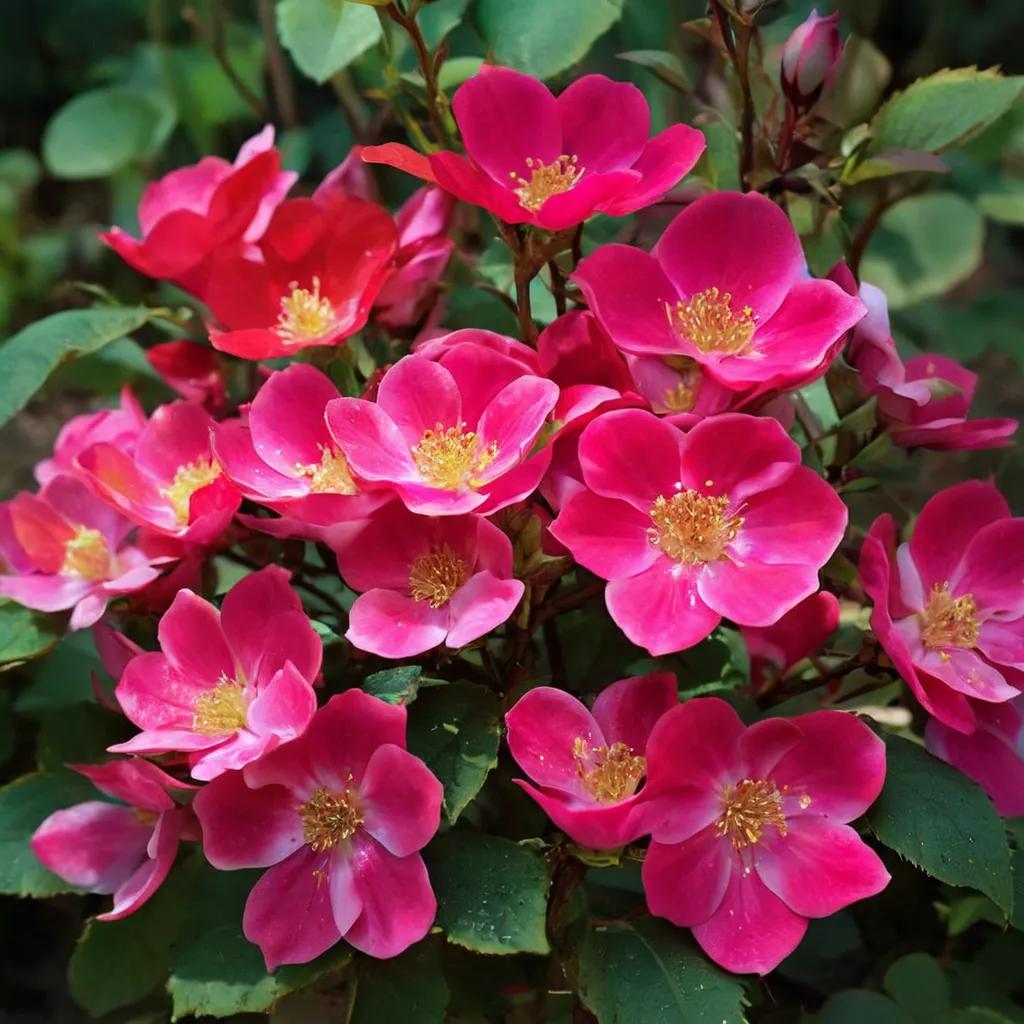
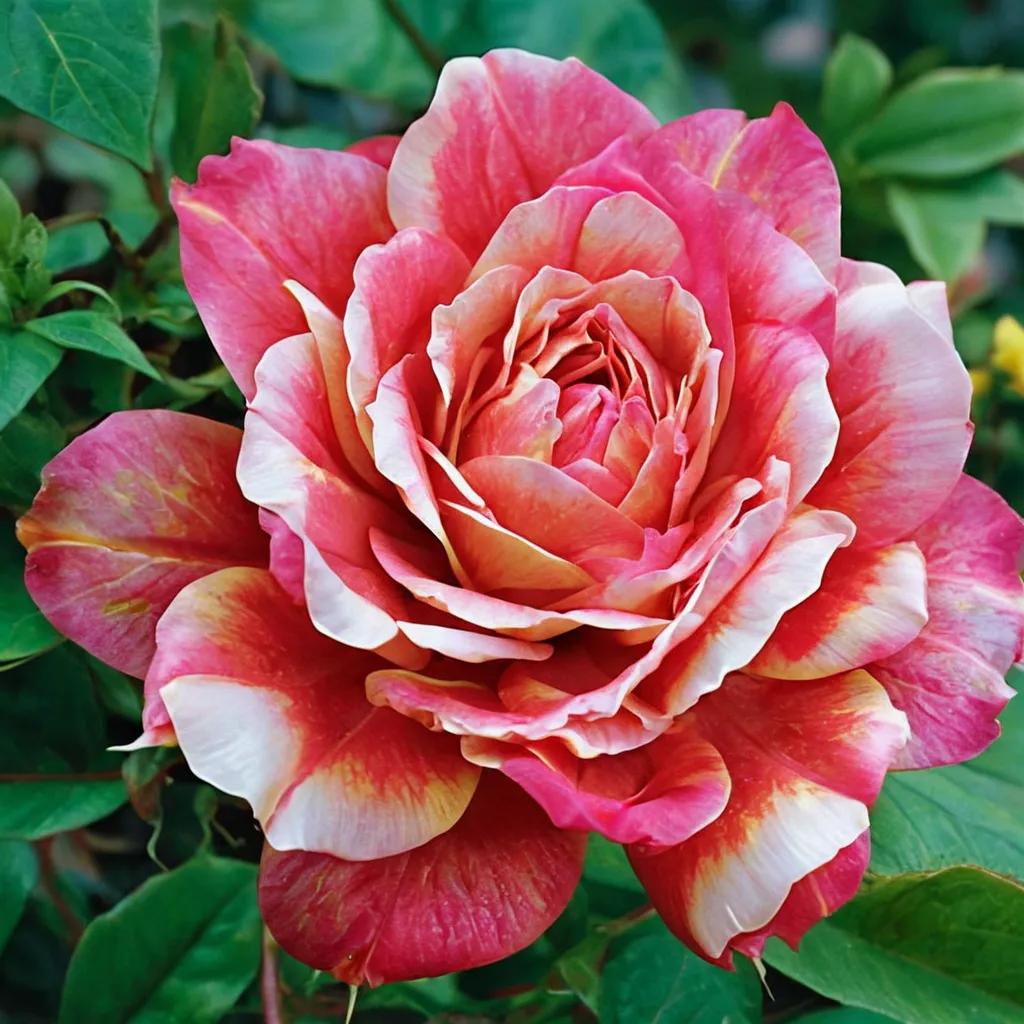
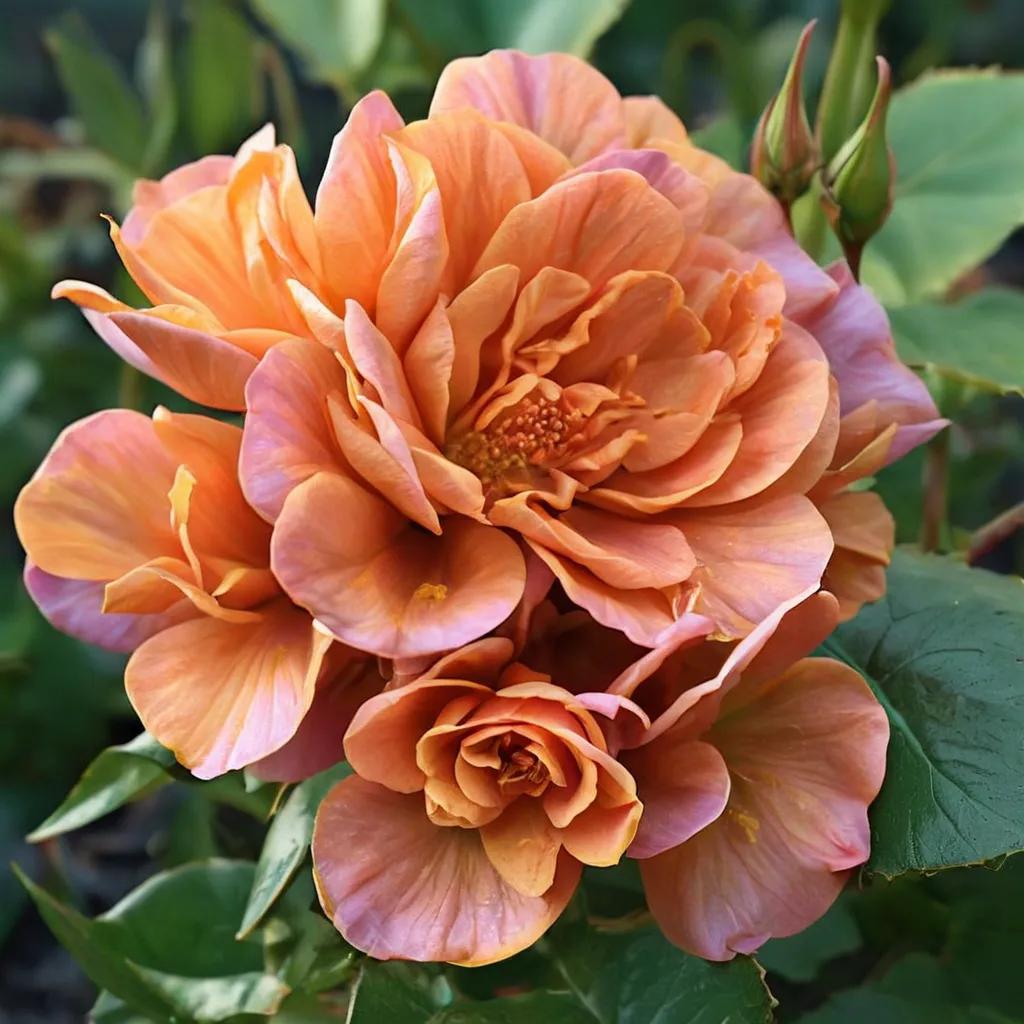
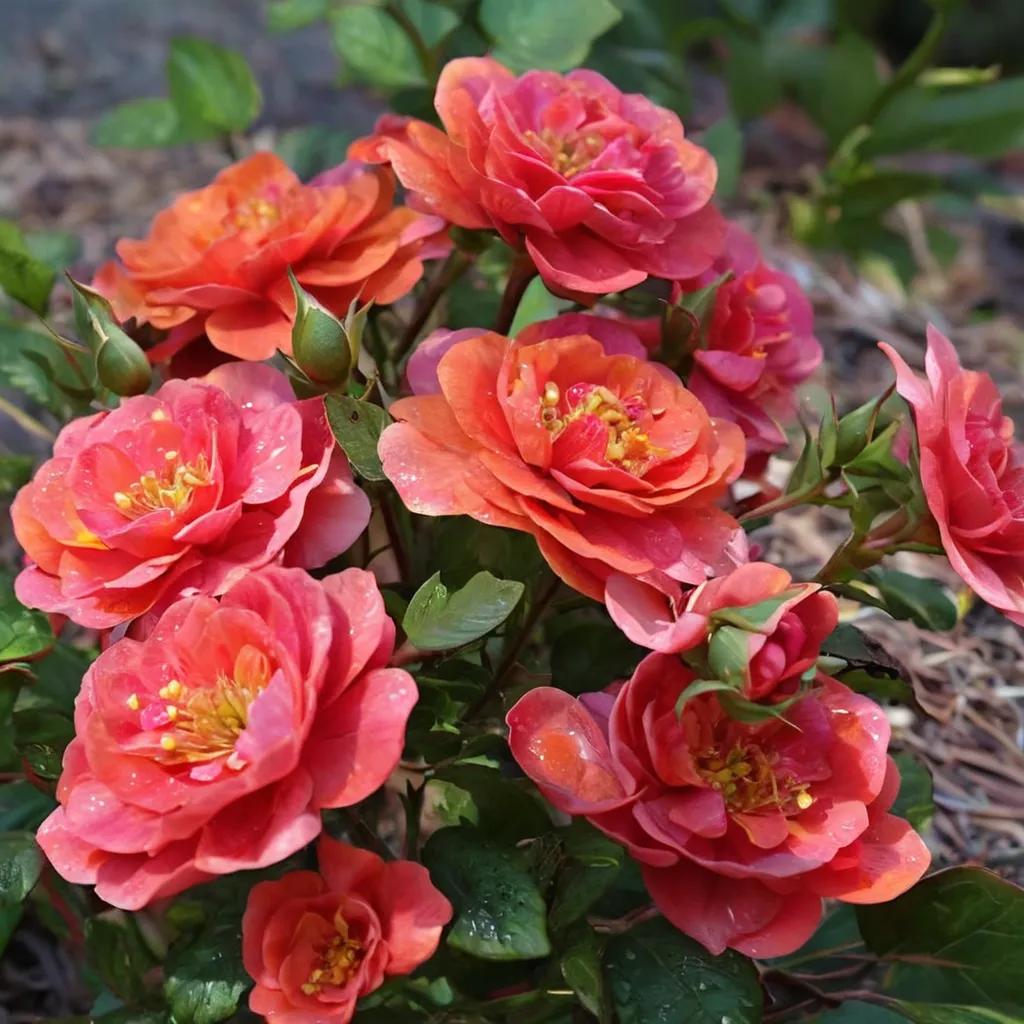
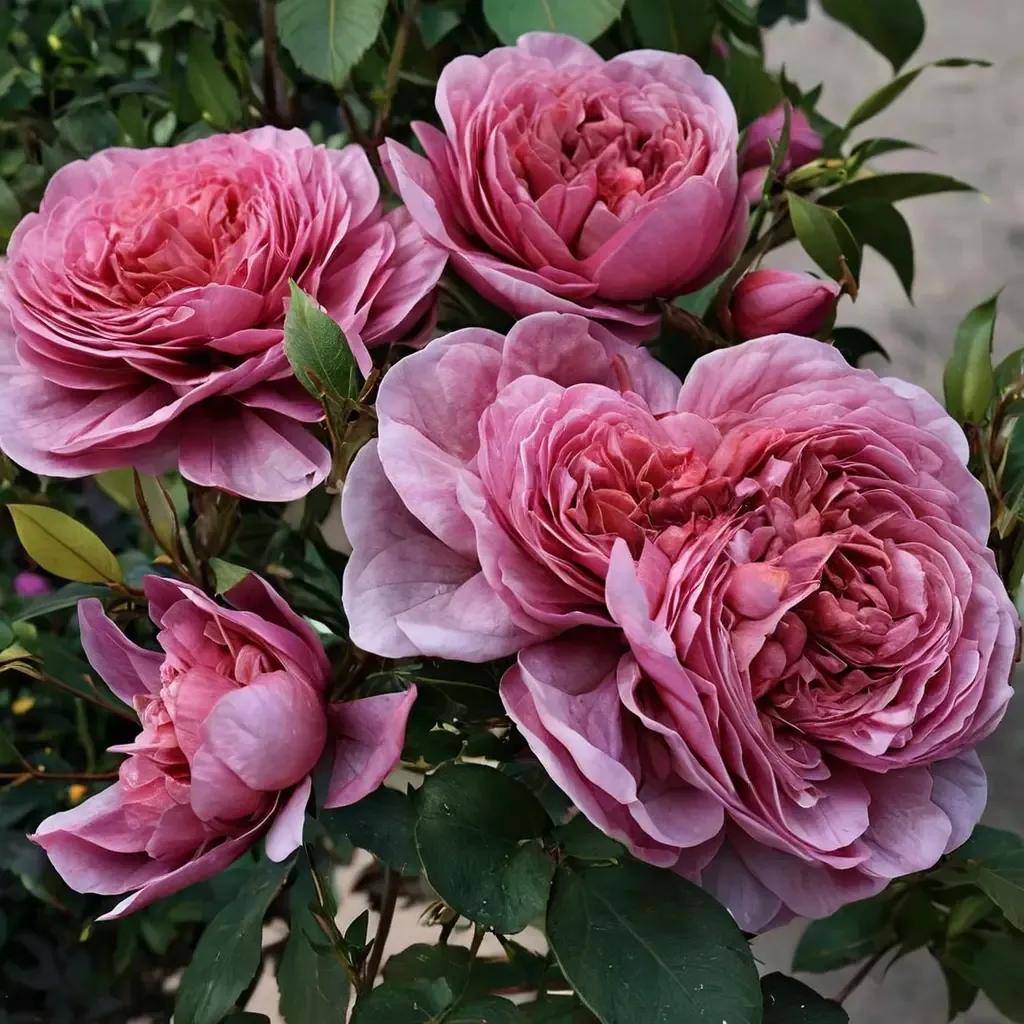
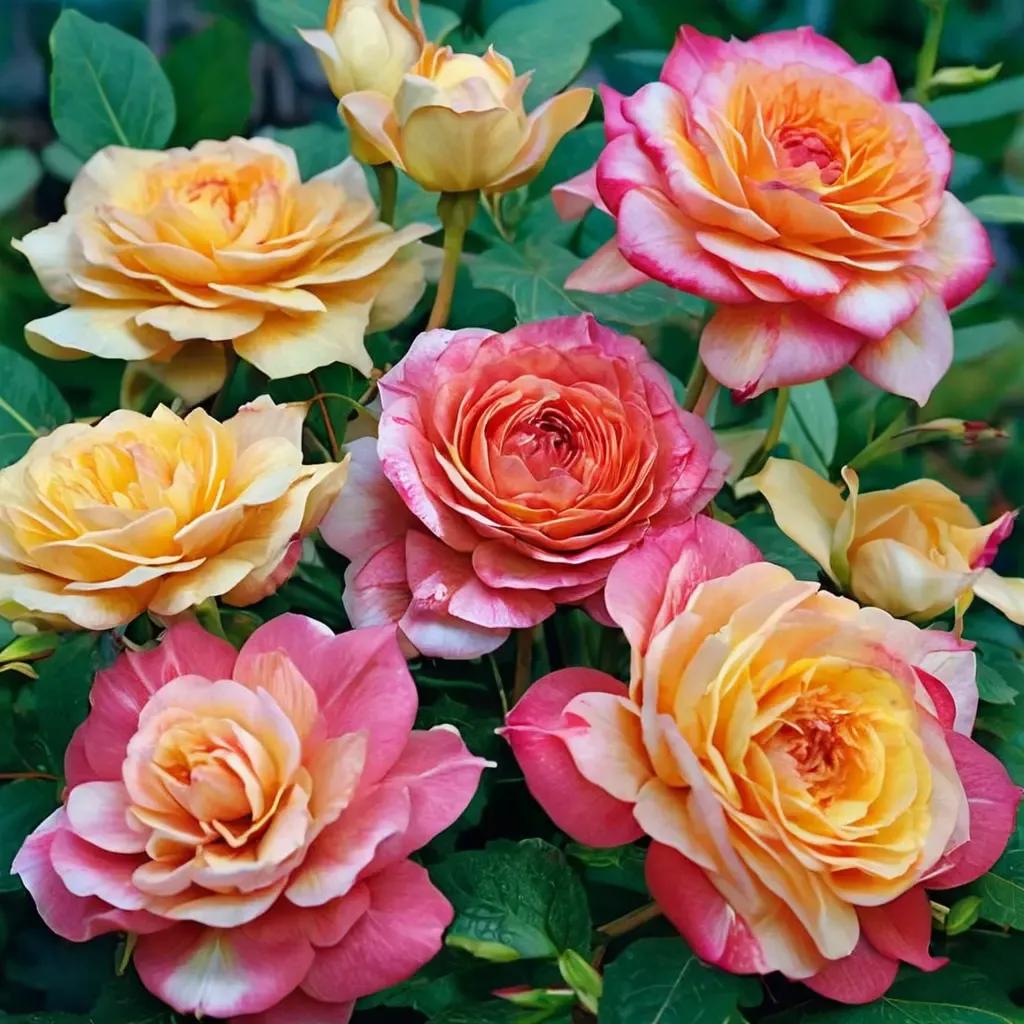
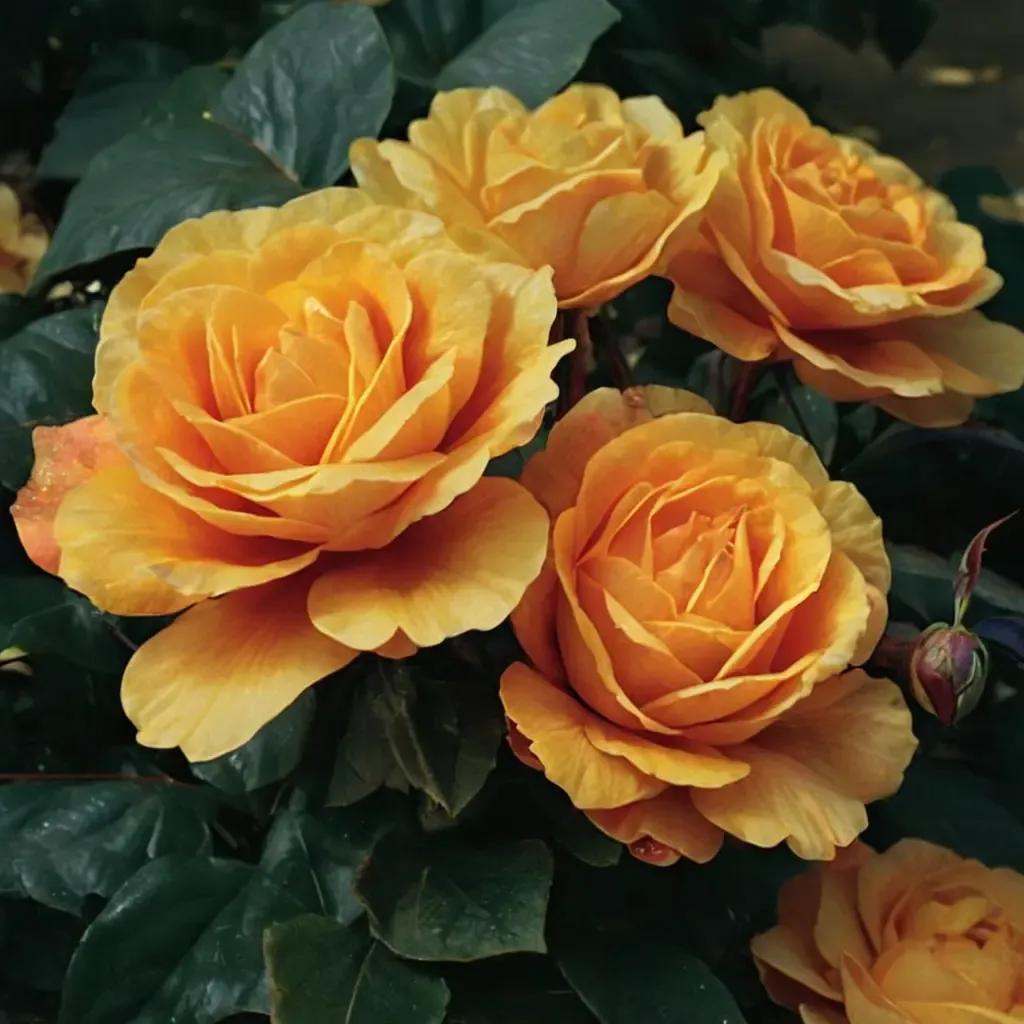
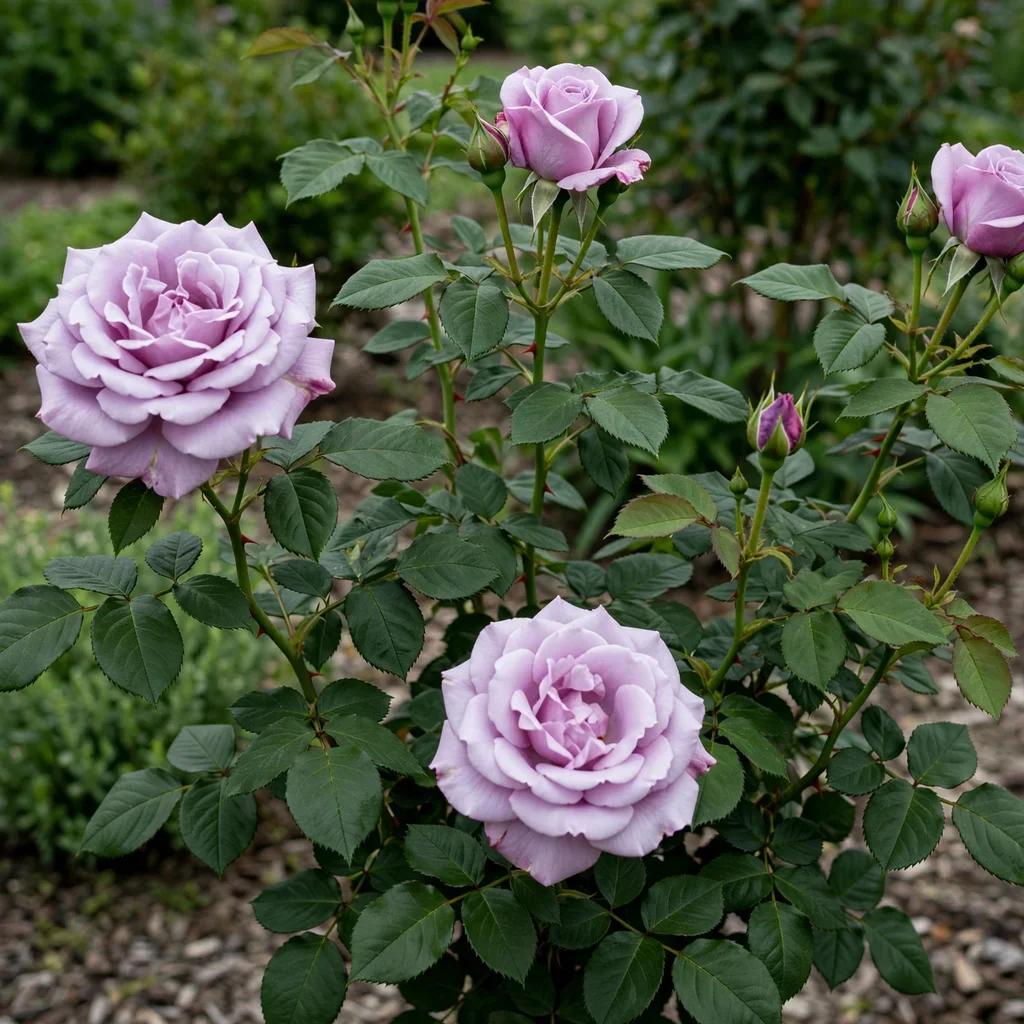
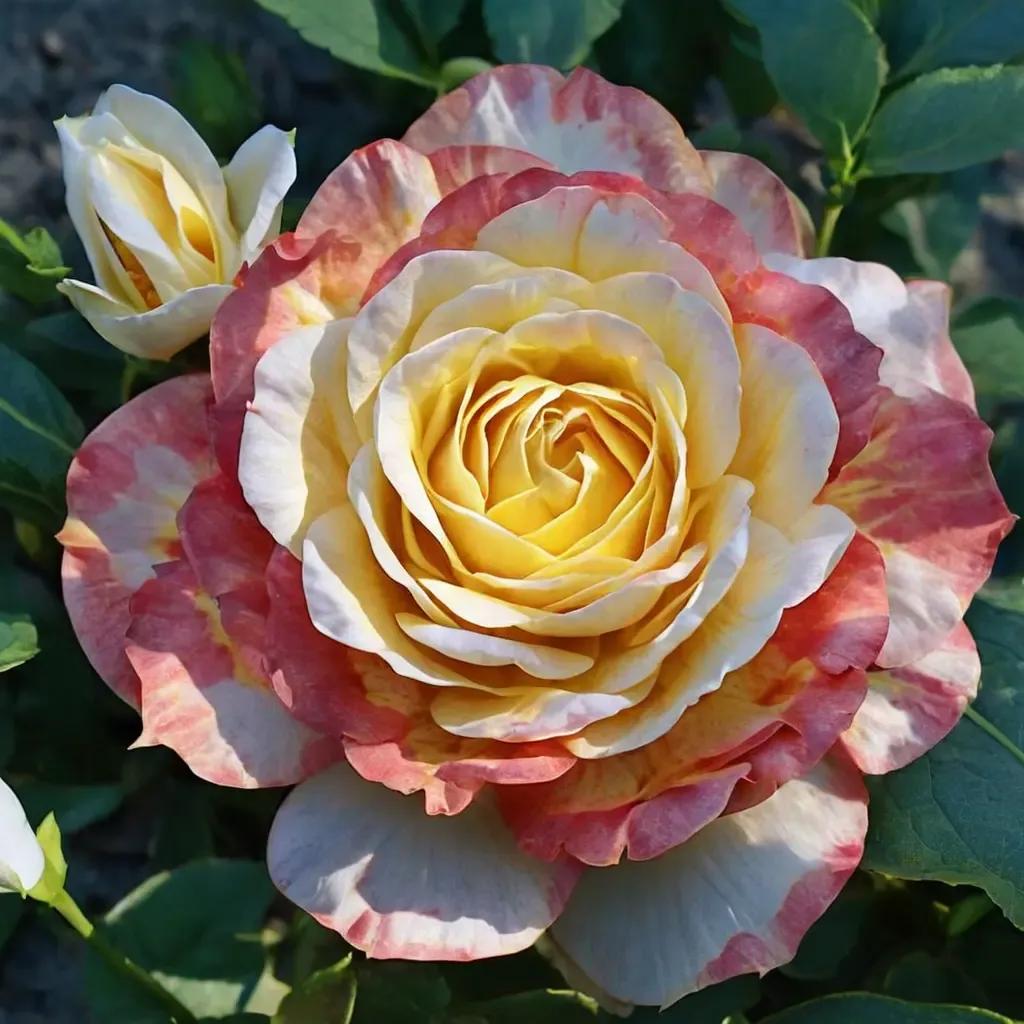
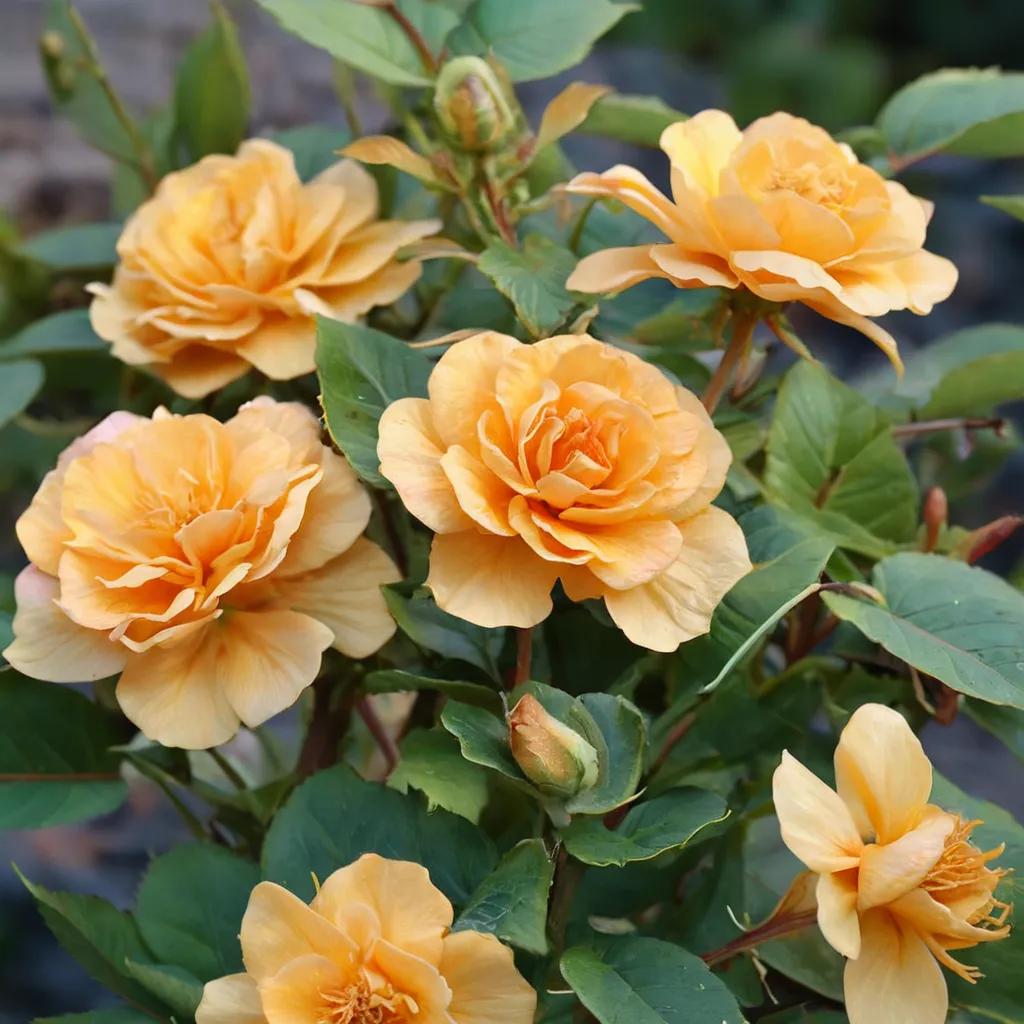
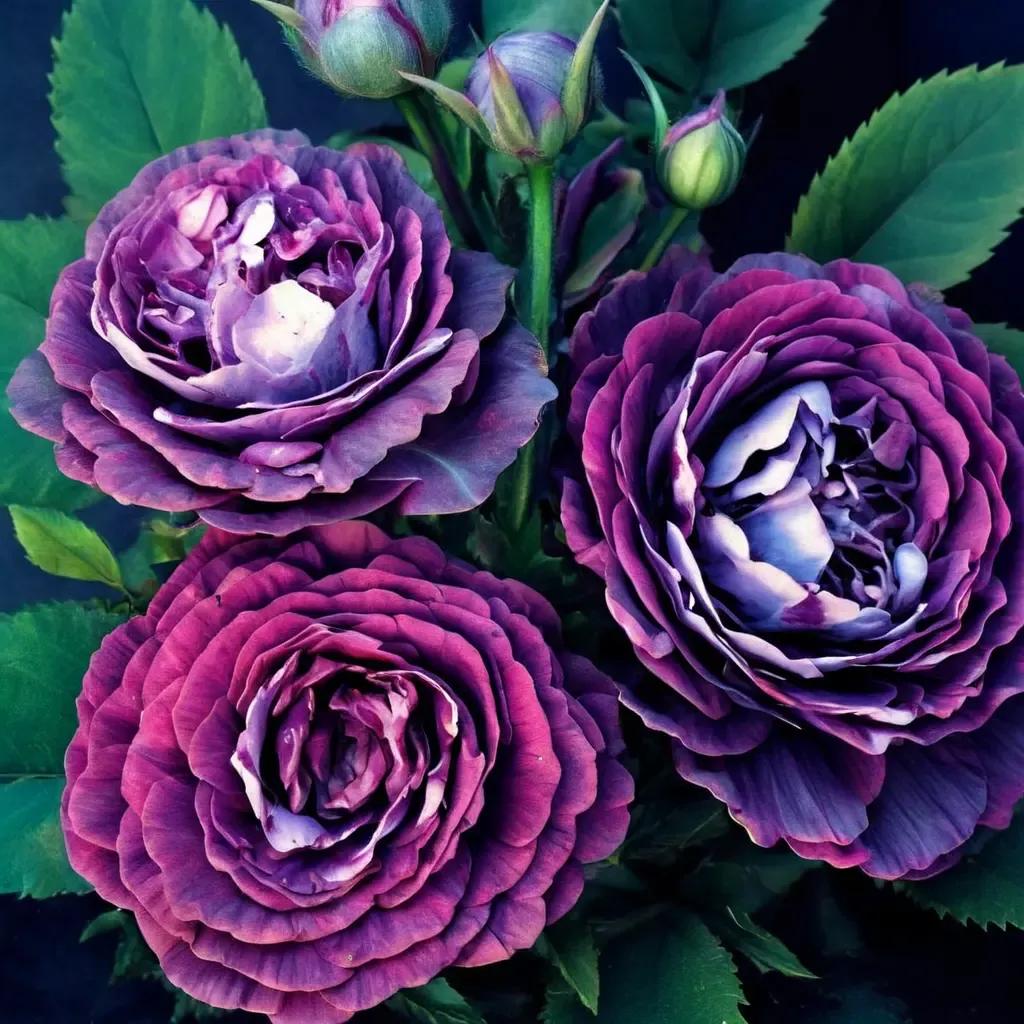
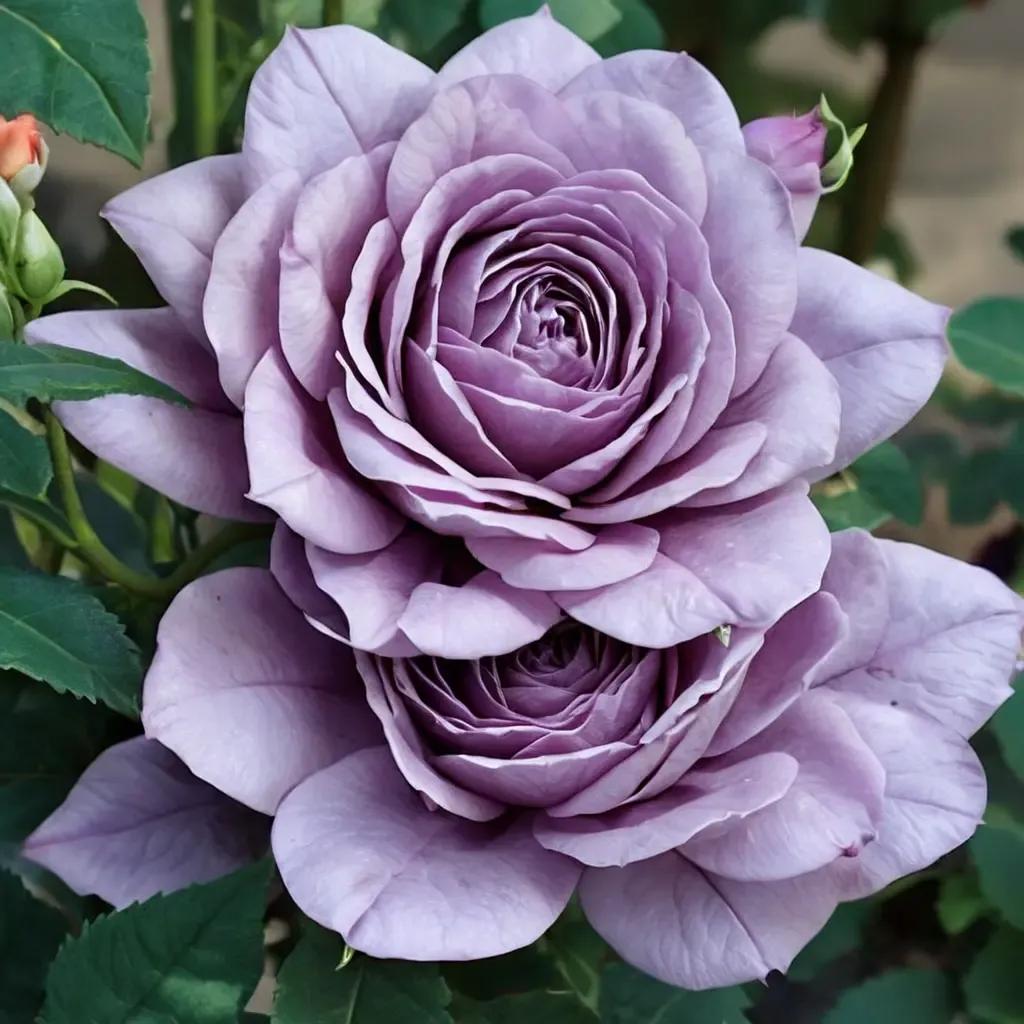
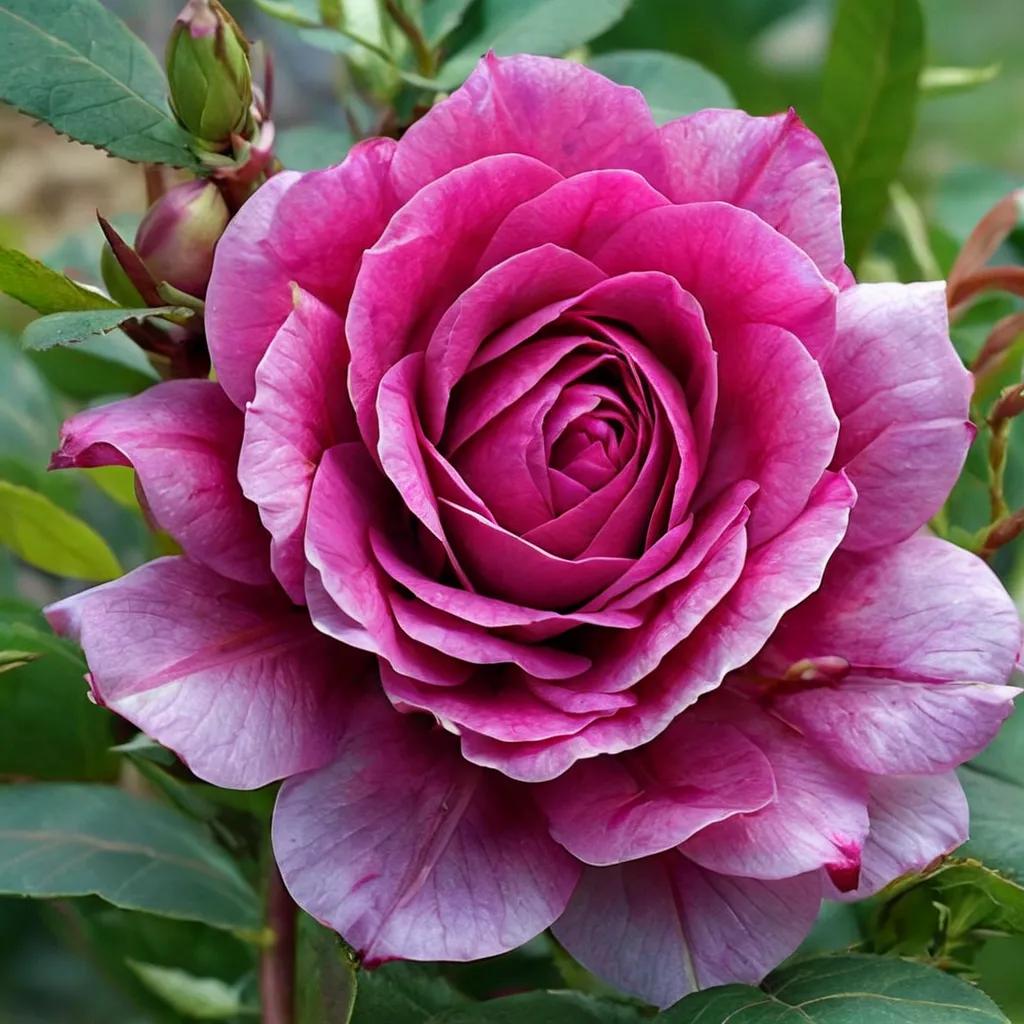
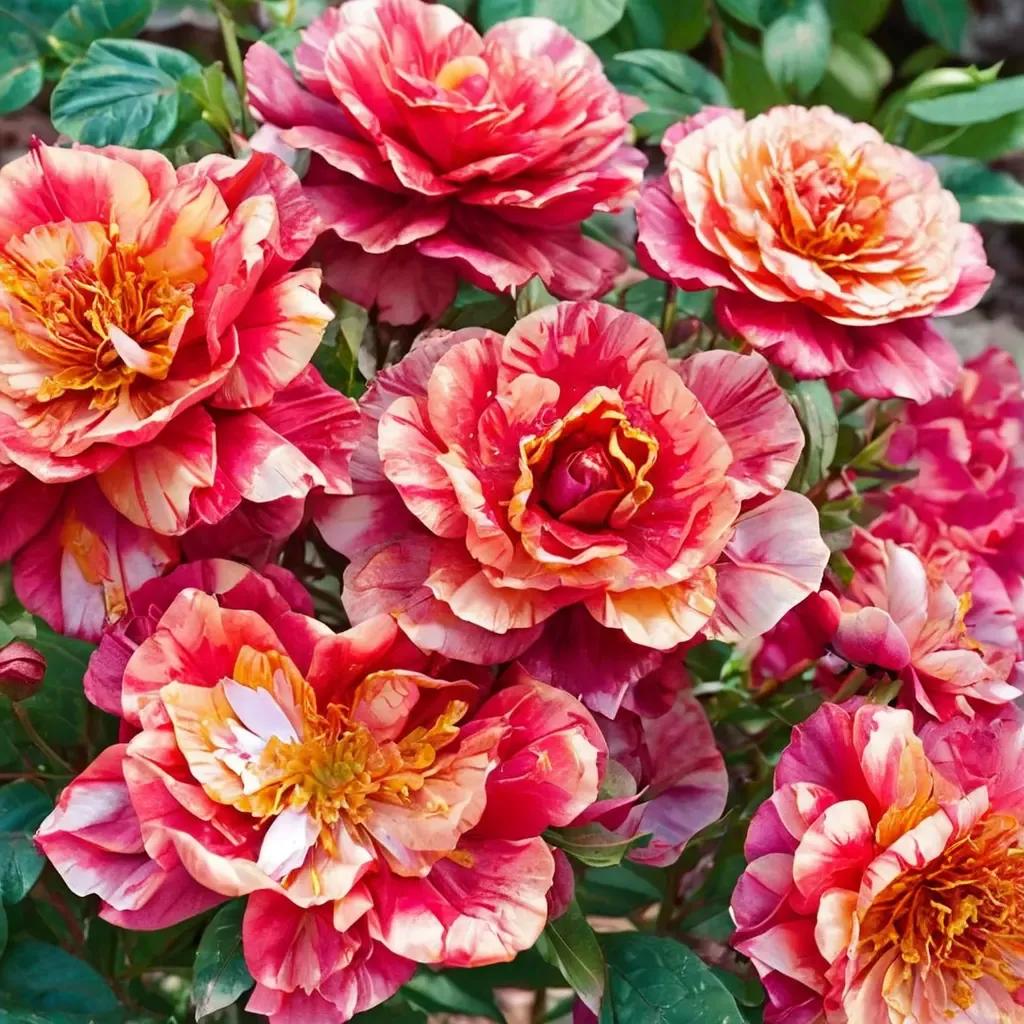
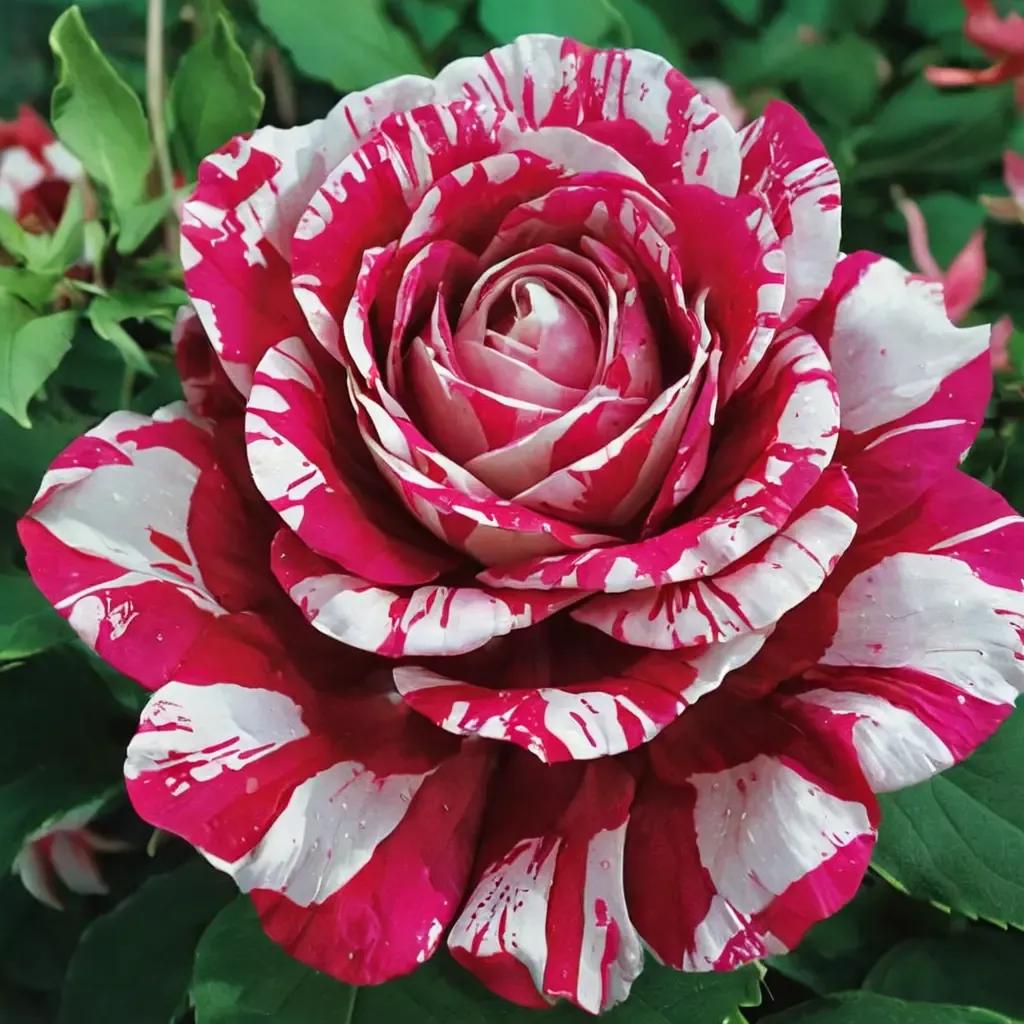
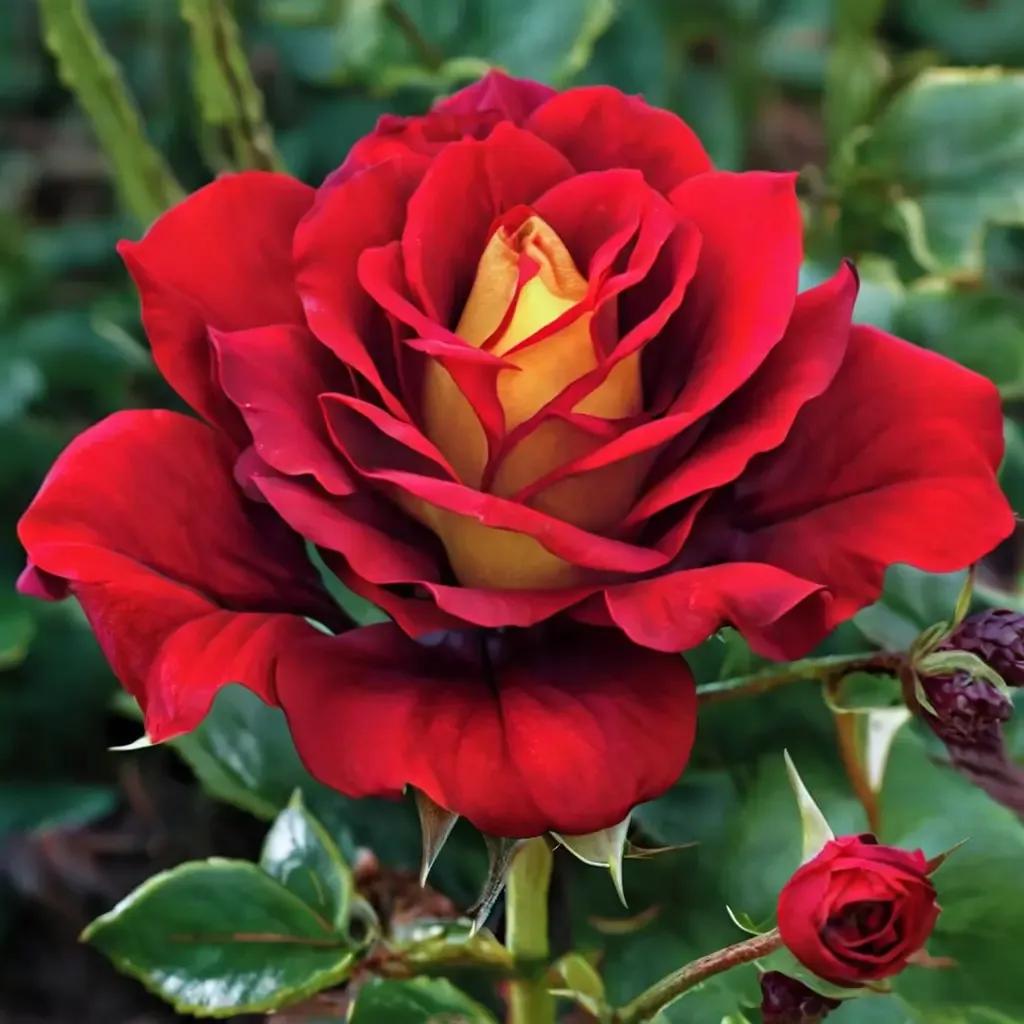
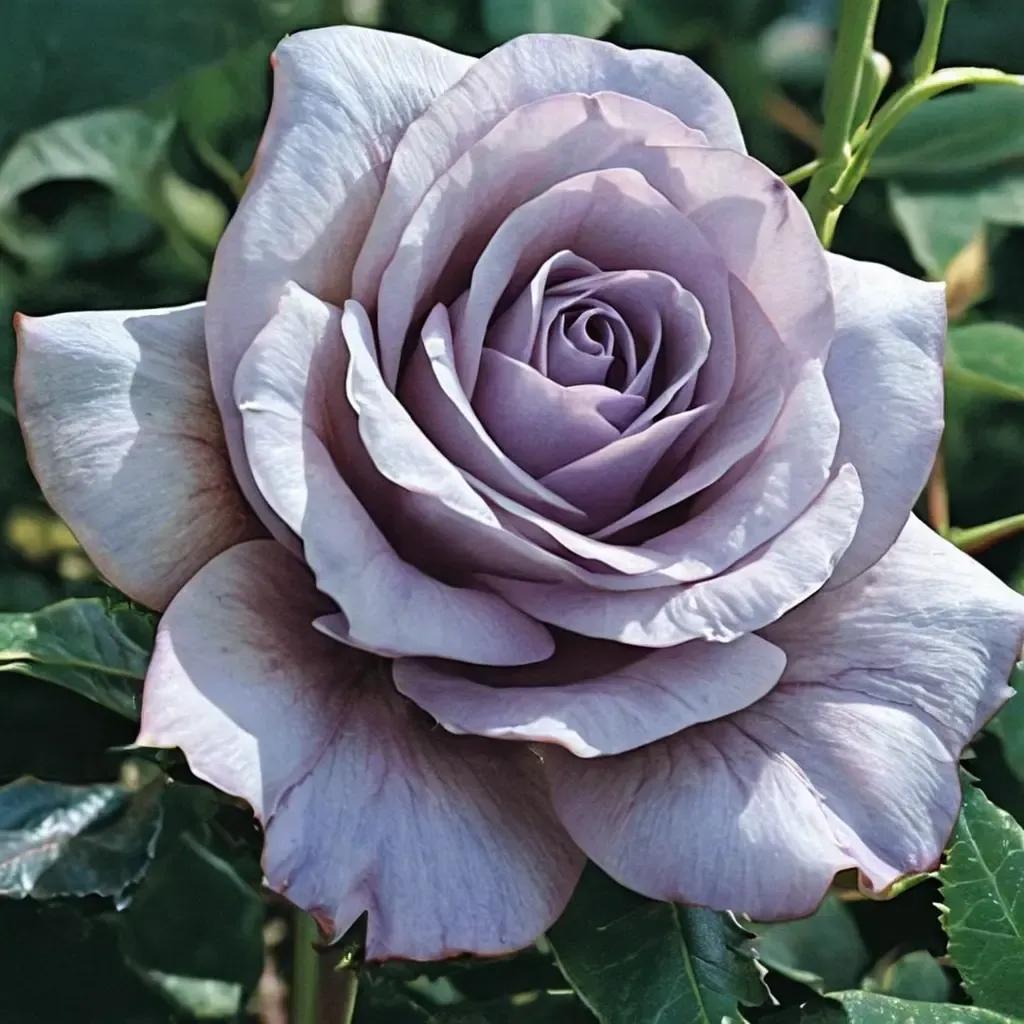
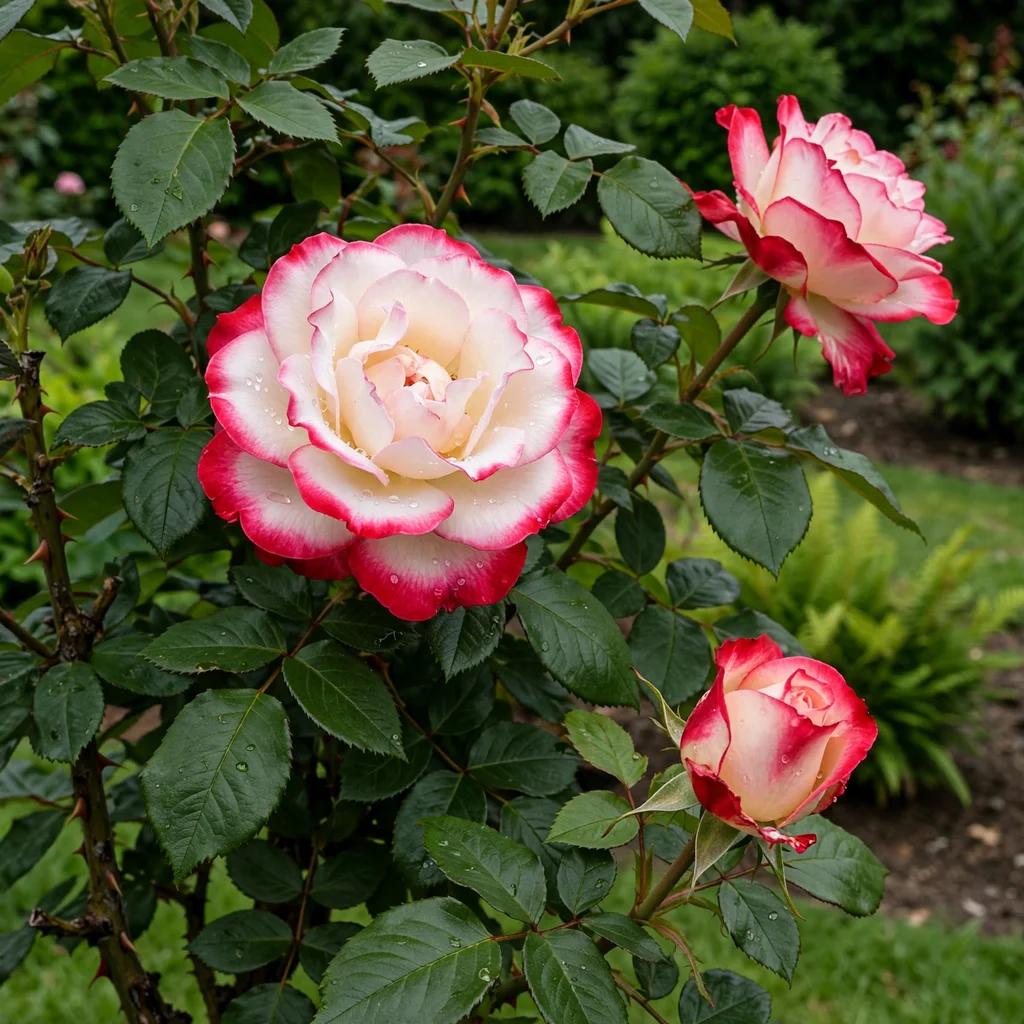
Unique purple splash coloration on petals, making it visually distinctive among multiflora roses.
Uses & Benefits:
Bred from more than one wild species, so it has no species page of its own.
Essentials
At a Glance
Plant Type
Shrub
Height
120"
Width
36"
Light
Full Sun, Partial Sun
Zones
5, 6, 7, 8, 9
Water
Moderate
Humidity
Moderate
Lifespan
Perennial
Native To
Cultivated hybrid
Toxicity
Non-toxic, but thorns can cause injury
Bloom period
Late spring to fall – Late summer
In flower about 4 months of the year
Planting
How to Grow
- Tuck well-draining soil around roots and water thoroughly after planting.
- Prune in early spring to shape and remove dead or crossing branches.
- Mist cuttings with water to encourage root development.
- Mulch around base to retain moisture and suppress weeds.
- Fertilize with a balanced rose fertilizer every 6 weeks during growing season.
- Transplant in early spring or fall for best establishment.
Pro Tip
Ensure good air circulation to prevent fungal diseases and promote healthy growth.
Keep It Thriving
Care Guide
Do
- Water deeply at the base during dry spells 🌱
- Prune annually to maintain shape and remove dead wood
- Apply balanced fertilizer during active growth
- Mulch to conserve moisture and regulate soil temperature
Don't
- Avoid overhead watering to prevent fungal issues ❌
- Don’t over-fertilize, which can cause excessive foliage at the expense of flowers
- Never prune in late fall or winter, as it can weaken the plant
- Steer clear of poor-draining soil to prevent root rot
Seasonal Care Calendar
| Task | Jan | Feb | Mar | Apr | May | Jun | Jul | Aug | Sep | Oct | Nov | Dec |
|---|---|---|---|---|---|---|---|---|---|---|---|---|
| Deadhead | ||||||||||||
| Fertilize | ||||||||||||
| Pest Check | ||||||||||||
| Prune |
Watch Out For
Pests & Diseases
Common Pests
Common Diseases
In the Garden
Landscape Uses & Companions
Landscape Uses
Companion Plants
Multiply
Propagation Methods
Good to Know
Common Questions
Purple Splash Rose questions
What zones can Purple Splash Rose grow in?
Purple Splash Rose is hardy in USDA Zones 5–9: in that range it survives winter in the ground. Colder than Zone 5, grow it in a container you can move to shelter for the winter. Warmer than Zone 9, winter isn't the problem: it prefers colder winters, and summer heat can shorten its life.
Is Purple Splash Rose deer resistant?
Not reliably. Deer may browse Purple Splash Rose, especially tender spring growth — plan on repellents or fencing where pressure is high.
When does Purple Splash Rose bloom?
Purple Splash Rose typically blooms from late spring to late summer. Exact timing shifts a week or two with your zone — Sow's bloom calendar maps it to your garden.
Does Purple Splash Rose need full sun?
Purple Splash Rose does best in full sun to part shade. In hot climates, afternoon shade keeps blooms fresher longer.
Is Purple Splash Rose drought tolerant?
Yes — once established (usually after the first full season), Purple Splash Rose handles dry spells with minimal watering. Water deeply its first year to build the root system that makes that possible.
More Rosa to compare
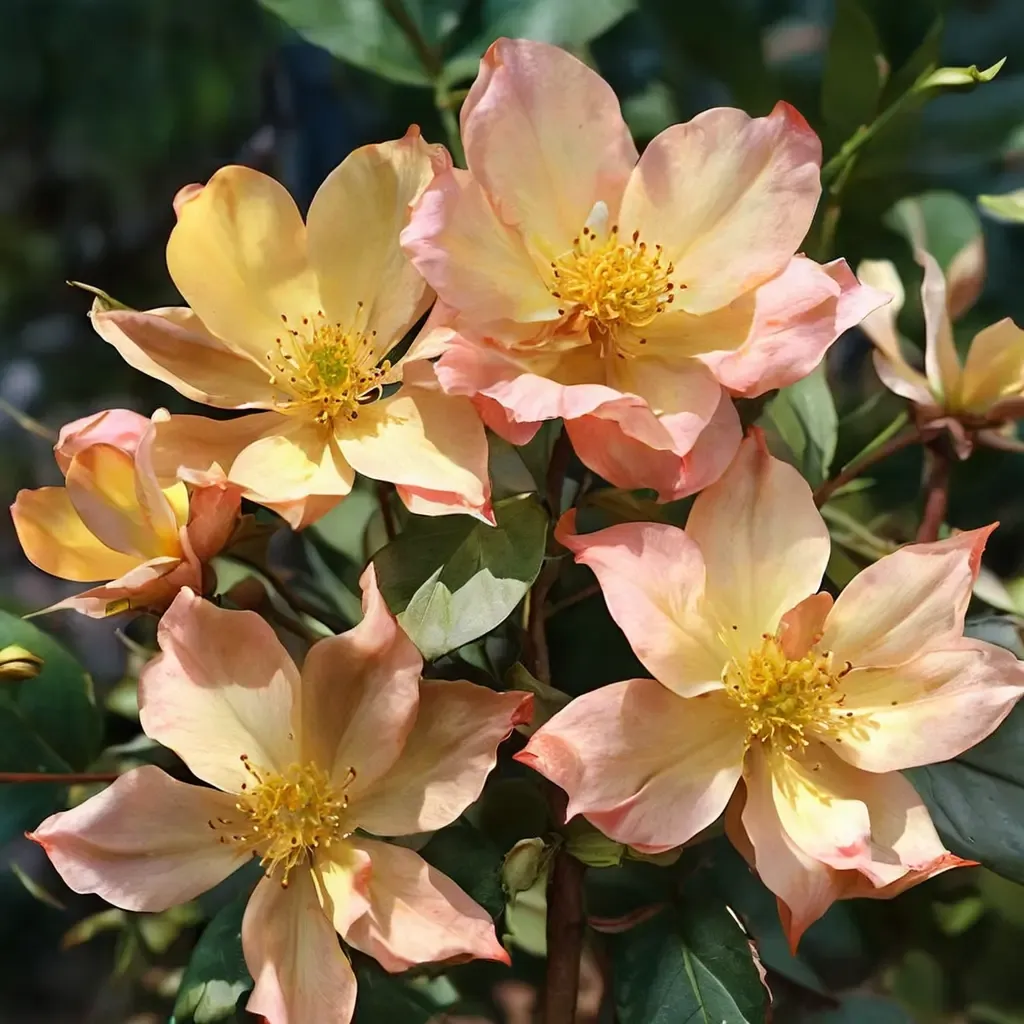
Flutterbye Rose
Rosa x hybrida 'Flutterbye'
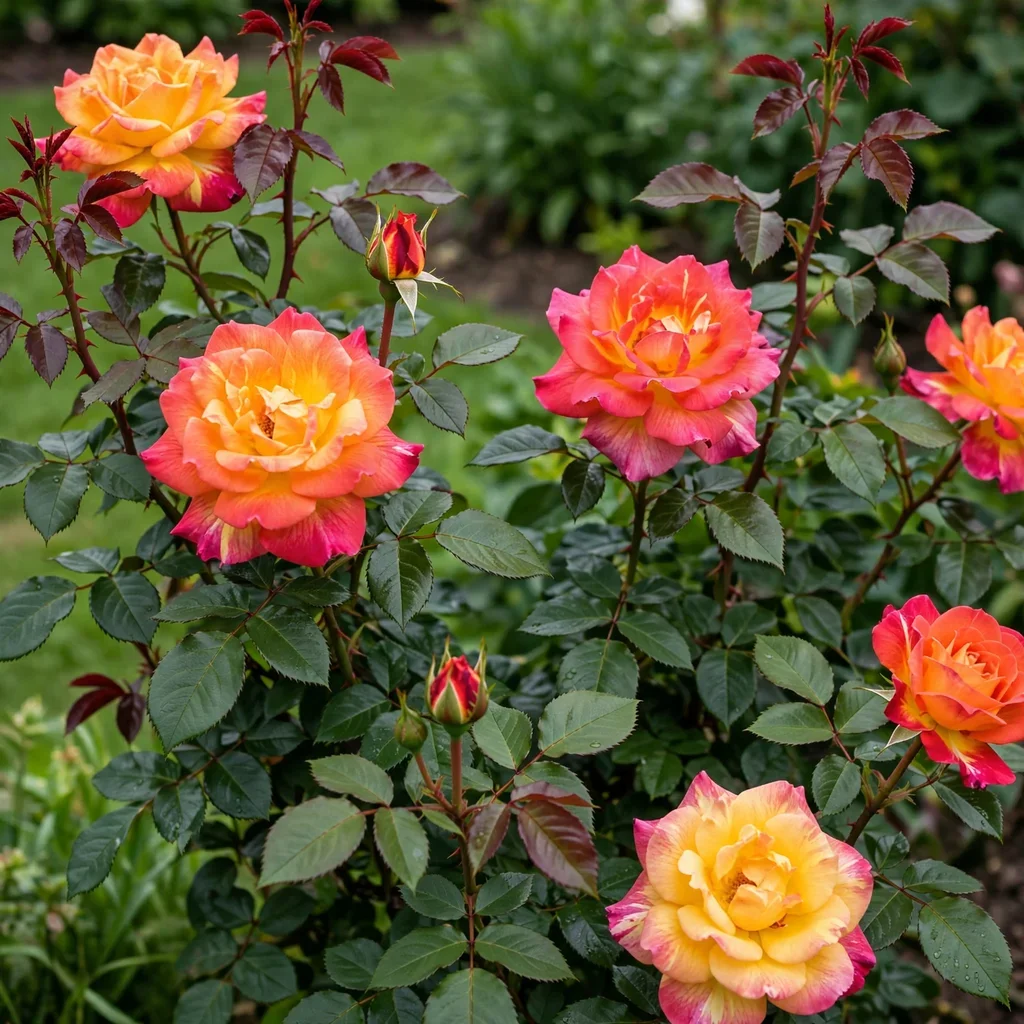
Joseph's Coat Rose
Rosa x hybrida 'Joseph's Coat'
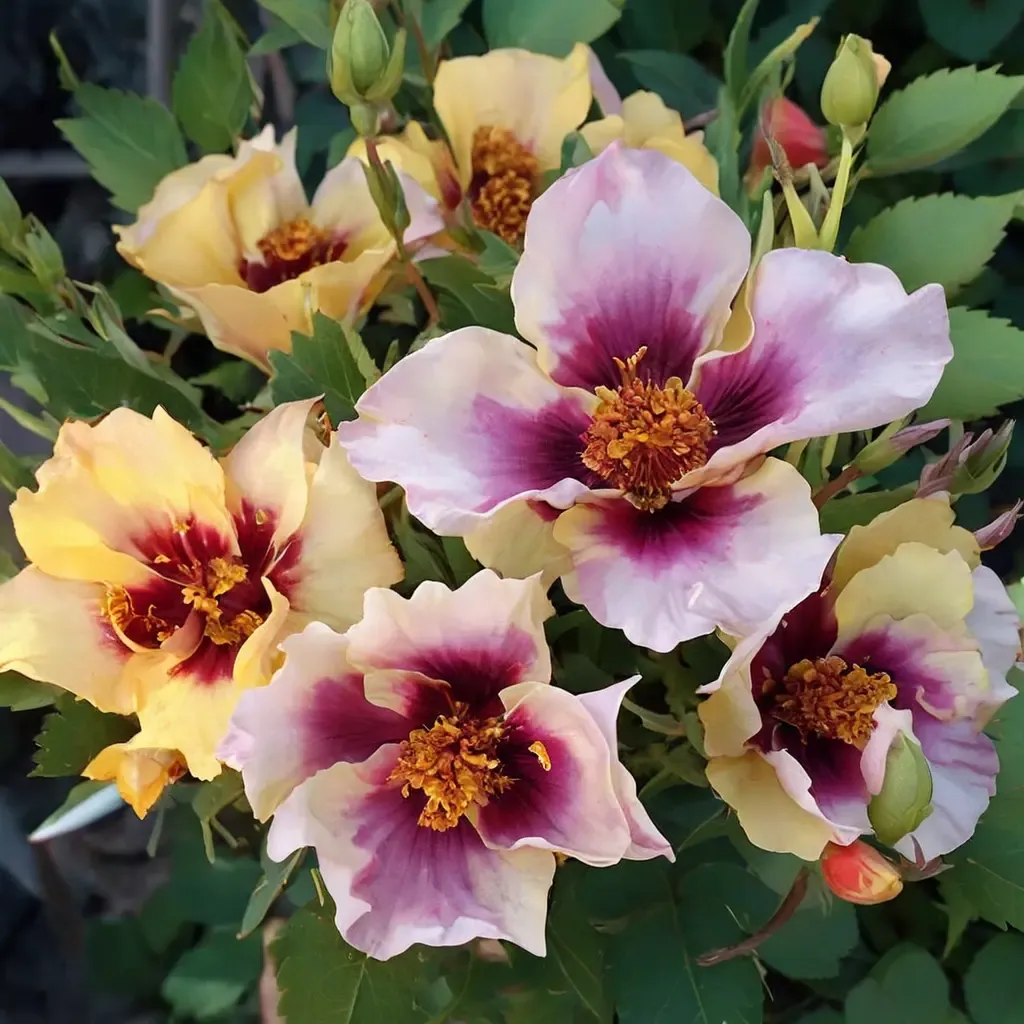
In Your Eyes Rose
Rosa x hybrida 'In Your Eyes'
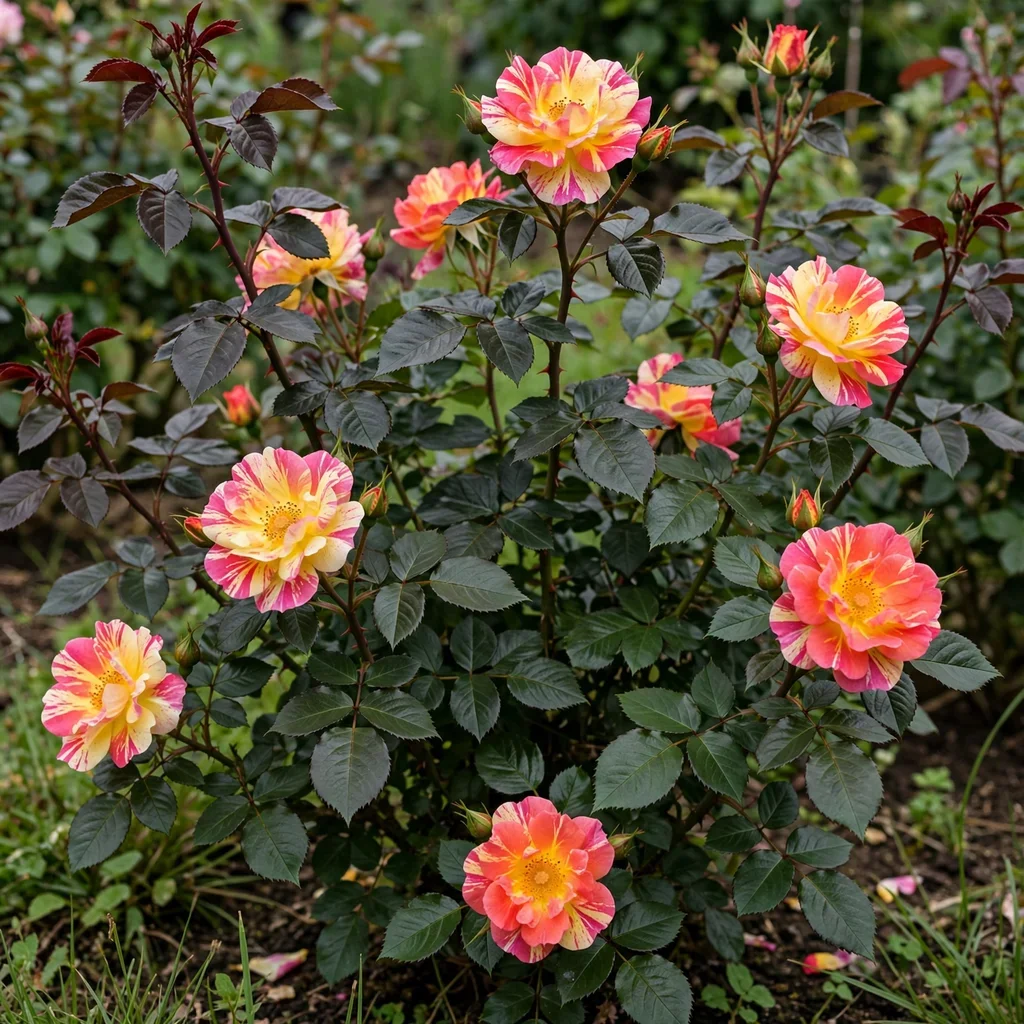
Rainbow Rose
Rosa x hybrida 'Rainbow'
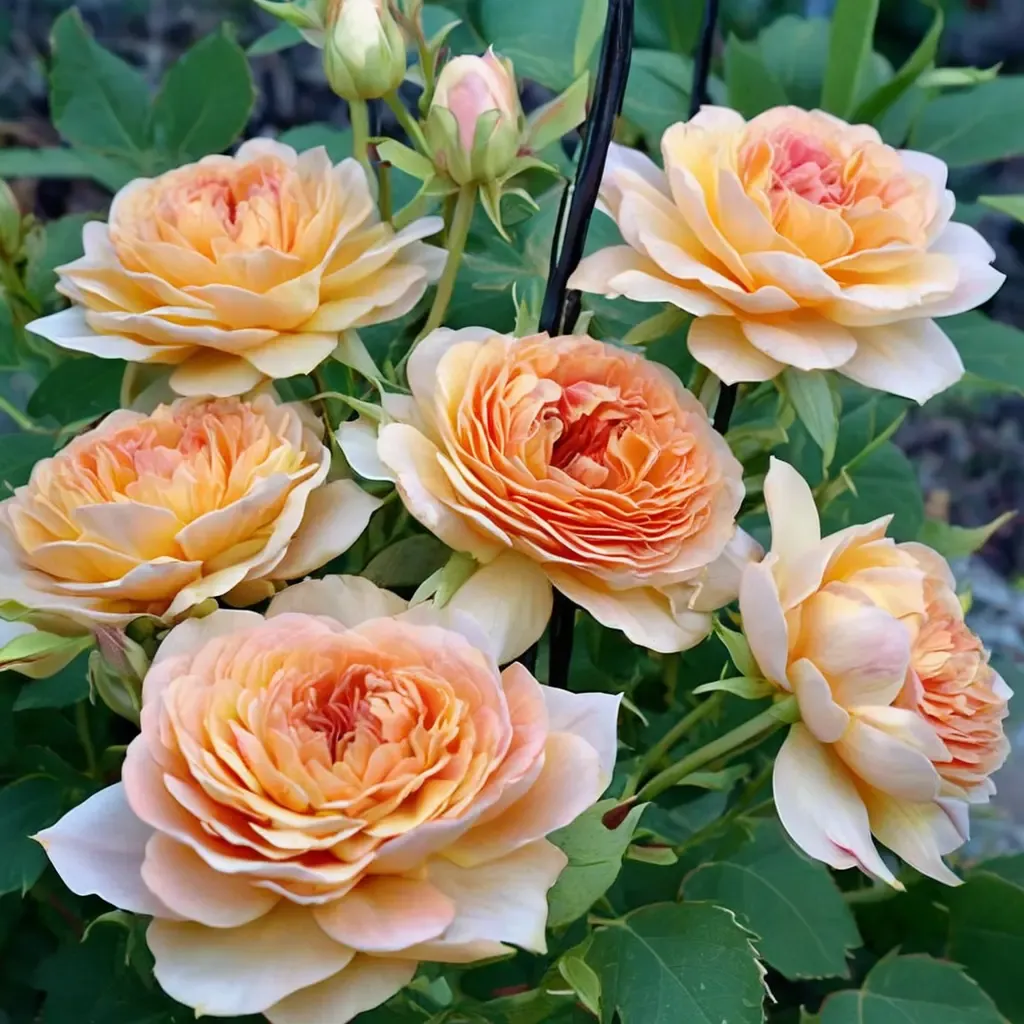
Fun in the Sun Rose
Rosa x hybrida 'Fun in the Sun'
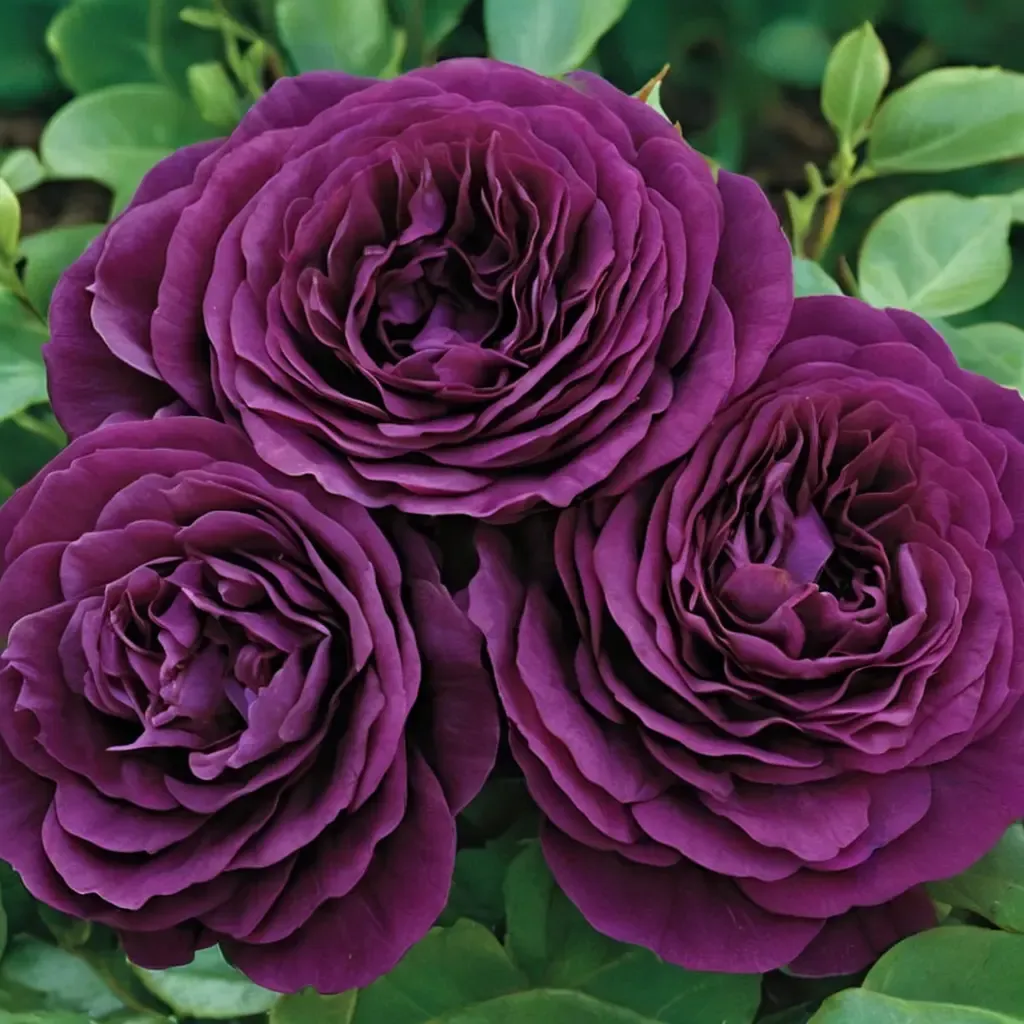
Twilight Zone Rose
Rosa x hybrida 'Twilight Zone'
Keep exploring
Explore the genus
Guides
Hardy in your zone?
Grow Purple Splash Rose with confidence
See it in a design of your actual yard, get zone-matched care reminders, and track it season by season in your garden journal.